
INGREDIENT GLOSSARY
Cardamom
Elettaria cardamomum
Fresh, spicy and camphoraceous, with a green, herbal character.
- Botanical name
- Elettaria cardamomum
- Plant family
- Ginger family (Zingiberaceae)
- Origin
- Wild in the Western Ghats, south-west India · main grower today: Guatemala
- Extraction
- Steam distillation of the seeds
- Type
- Natural
- Main molecules
- α-Terpinyl acetate (C₁₂H₂₀O₂) · 1,8-cineole (C₁₀H₁₈O)
Numbers that surprise
over 50 quintillion
molecules of its main scent compound, α‑terpinyl acetate, are packed into a single drop of cardamom oil – more than 100 million times the number of stars in the Milky Way.
up to 4.6 kg
of seed go into a single 100 ml bottle of pure cardamom oil, because the seeds hold only 2 to 10 % oil.
Rounded values; calculation based on published data.
Myth or truth?
Myth
Black cardamom is simply dried green cardamom.
Truth
Black cardamom comes from a different plant: Amomum subulatum. Both belong to the ginger family, but to different genera. Its smoky note comes from drying the pods over an open fire.
What does it smell like?
Fresh, spicy and camphoraceous, with a green, herbal character.
Where does it come from?
Cardamom grows wild in the mountain forests of the Western Ghats in south-west India. Today the world's largest producer and exporter is Guatemala.
How is it obtained?
The dried pods are opened, the seeds ground and steam-distilled. Depending on the variety, the seeds contain 2 to 10 % essential oil – so 1 kg of oil takes roughly 10 to 50 kg of seed.
What does it do in a fragrance?
Cardamom brings a fresh, spicy clarity to a fragrance – carried by α-terpinyl acetate and 1,8-cineole, the two main components of the oil.
Which fragrance family?
Spicy, with a fresh, camphoraceous side.
History
Cardamom reached Guatemala in the early 20th century, when the German coffee planter Oscar Majus Kloeffer brought the seeds to Cobán in Alta Verapaz. That planting grew into today's largest producing country in the world.
Curious facts
- By weight, cardamom is among the world's most expensive spices, after saffron and vanilla.
- On the Arabian Peninsula, cardamom goes into the coffee – a sign of hospitality.
- In Scandinavia, cardamom is still a classic baking spice.
Science
The oil's main molecule is α-terpinyl acetate (C₁₂H₂₀O₂), 36 to 62 % of the oil in studies; alongside it is 1,8-cineole (C₁₀H₁₈O, also called eucalyptol), at up to about 31 %. Boiling points for comparison: 1,8-cineole boils at 176 to 177 °C, α-terpinyl acetate at about 220 °C – the more volatile cineole tends to come through first in a fragrance, while the terpinyl acetate lasts longer.
Fragrances with Cardamom
-
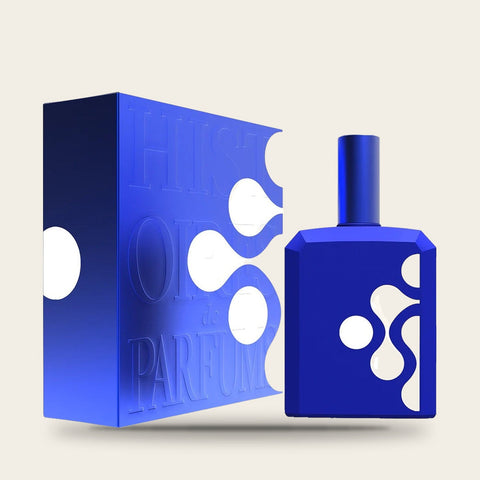 Histoires de Parfums
This is not a blue bottle 1.4
from €52,00
-
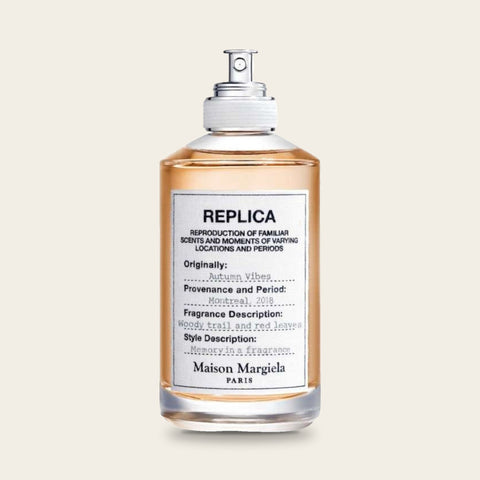 Maison Margiela
Replica Autumn Vibes
from €78,00
-
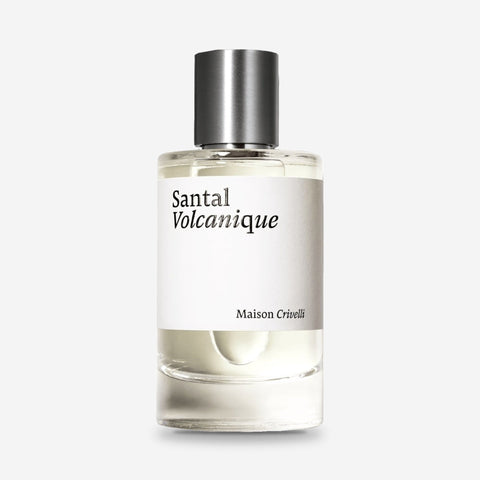 Maison Crivelli
Santal Volcanique
from €90,00
-
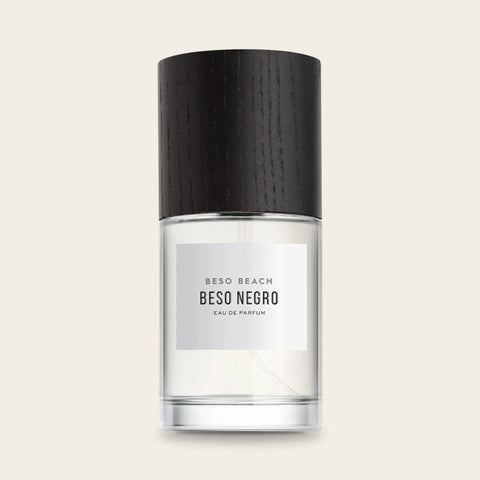 Beso Beach Collection
Beso Negro Eau de Parfum
from €95,00
-
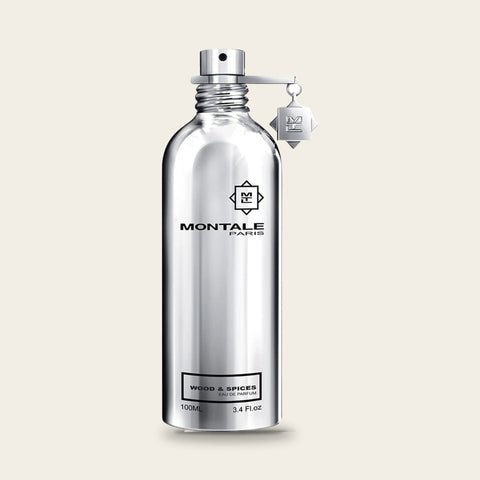 Montale
Wood & Spices
€110,00
-
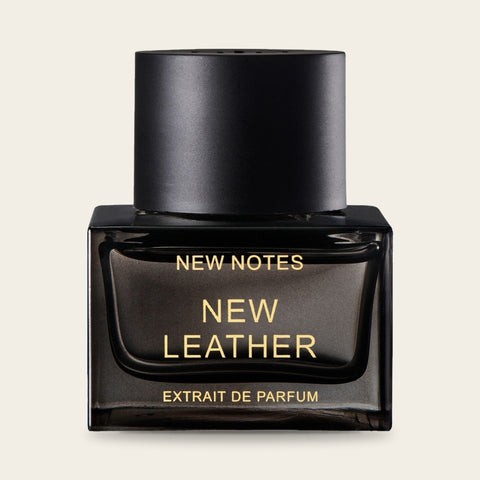 New Notes
New Leather
€160,00
-
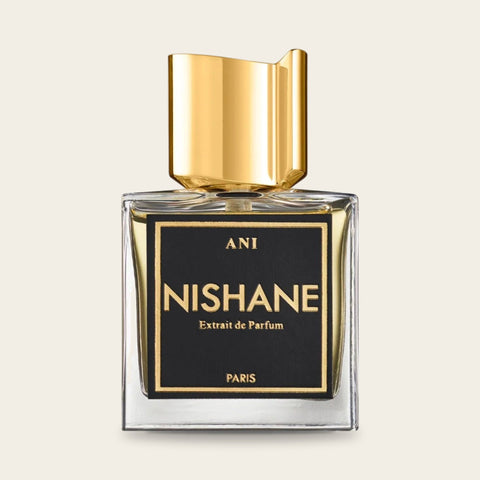 Nishane
Ani
from €225,00
-
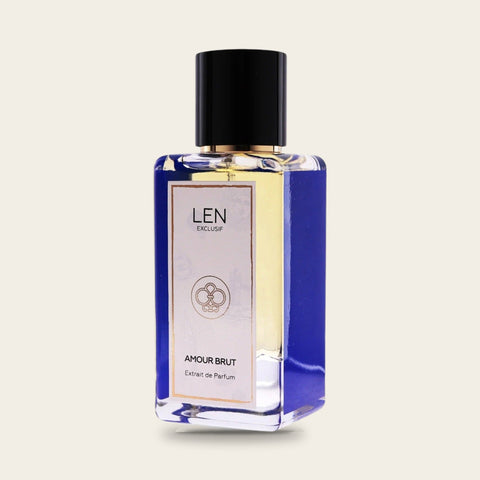 Len Histoire Privée
Amour Brut
€240,00
-
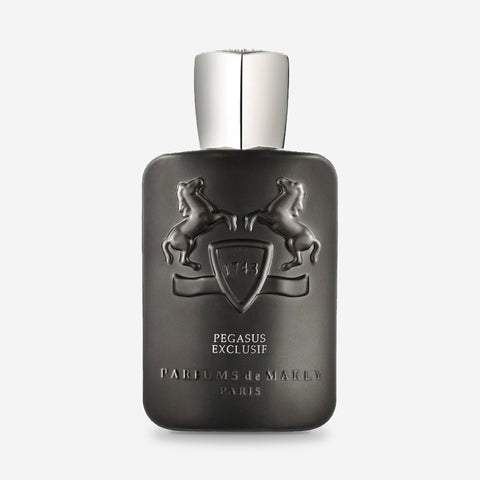 Parfums de Marly
Pegasus Exclusif
from €275,00
-
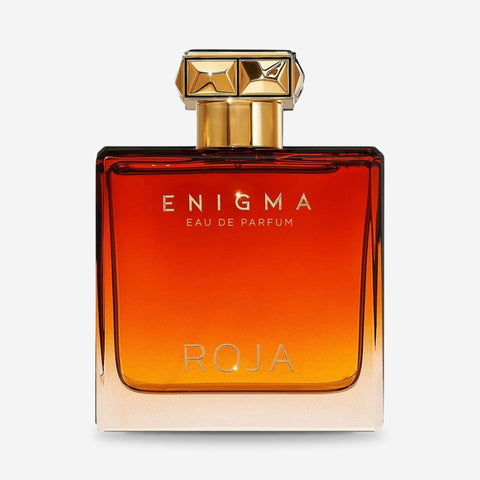 Roja Parfums
Enigma Pour Homme EdP
€350,00
-
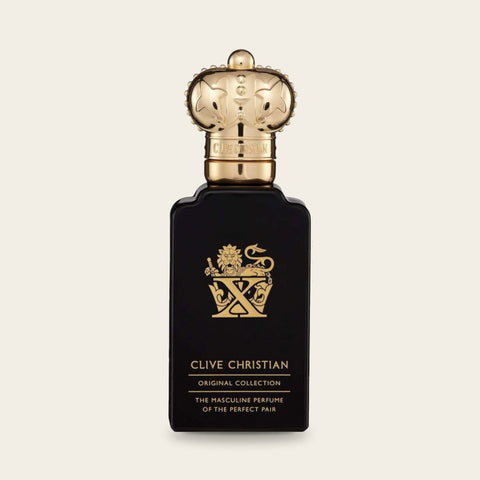 Clive Christian
X Masculine
€360,00
-
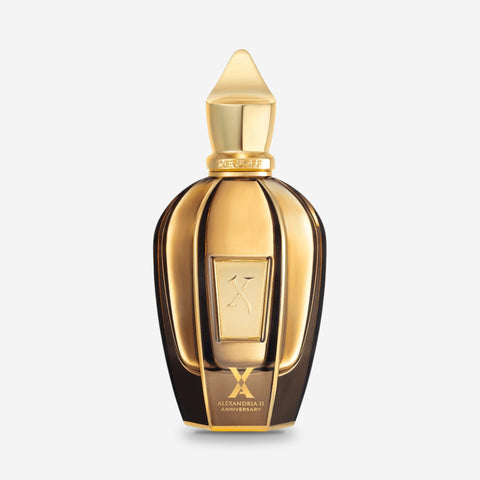 Xerjoff
Alexandria II Anniversary
€560,00
Sources: Croatica Chemica Acta 98(3):185–193 (2025) · J. Appl. Biol. Sci. 7(3) (2013) · Givaudan, Cardamom Oil · PROSEA, Elettaria cardamomum · Kew POWO · Britannica, Cardamom · PubChem CID 2758, 111037 · Agexport Guatemala · Aramco World 03/1997 · NASA, Milky Way · Kew POWO, Amomum subulatum · IFEAT, Cardamom Socio-Economic Report (2023) · TNAU Agritech Portal, Cardamom · Kerala Agricultural University, Cardamom Harvesting