
Fragrance note
Incense Perfumes
An incense perfume is a fragrance in which frankincense sets the tone – resinous, citrus-fresh, peppery and with the cool, mystical air of old churches. It is gathered as resin from the scored bark of Boswellia trees, mainly on the Arabian Peninsula and in the Horn of Africa.
More about Incense Perfumes

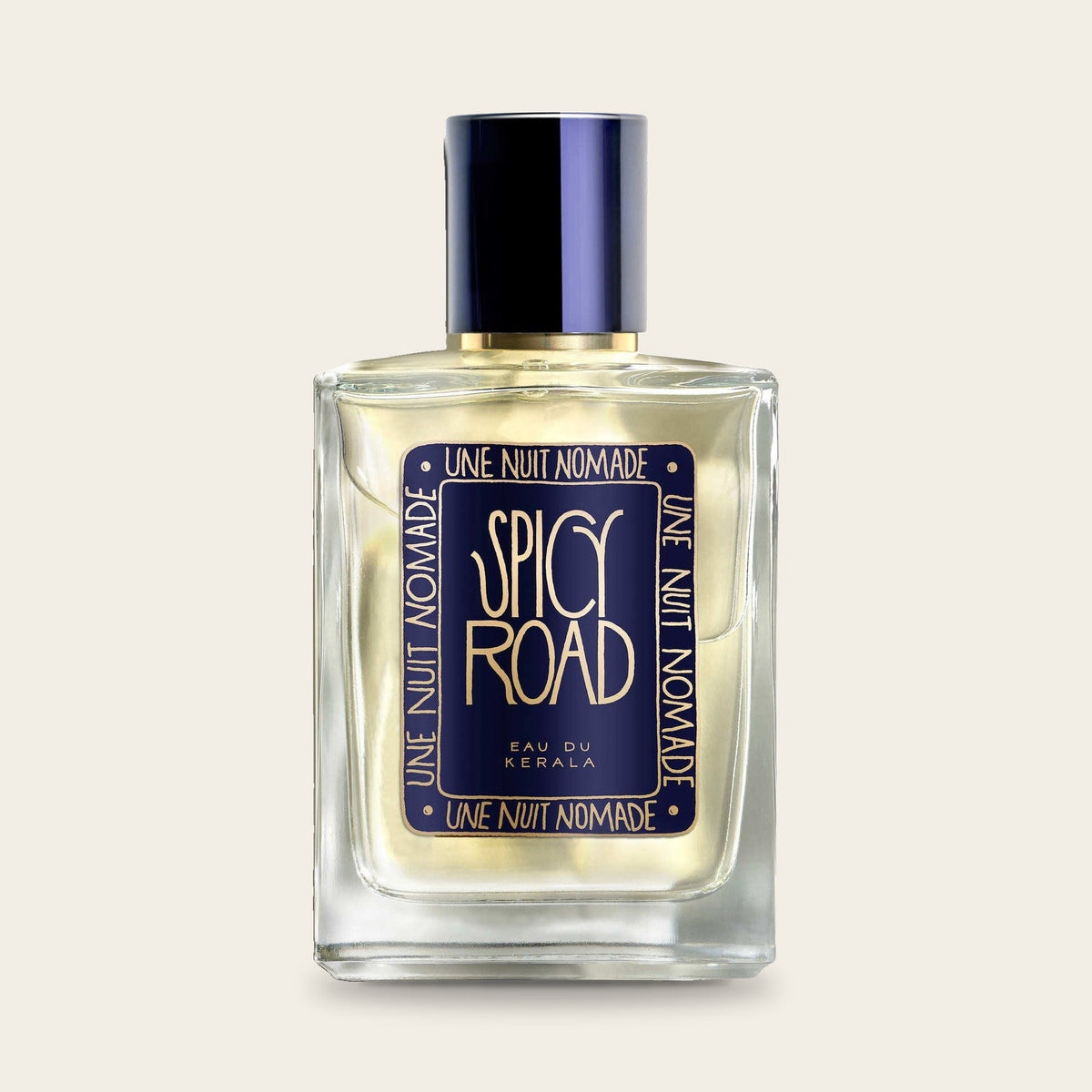

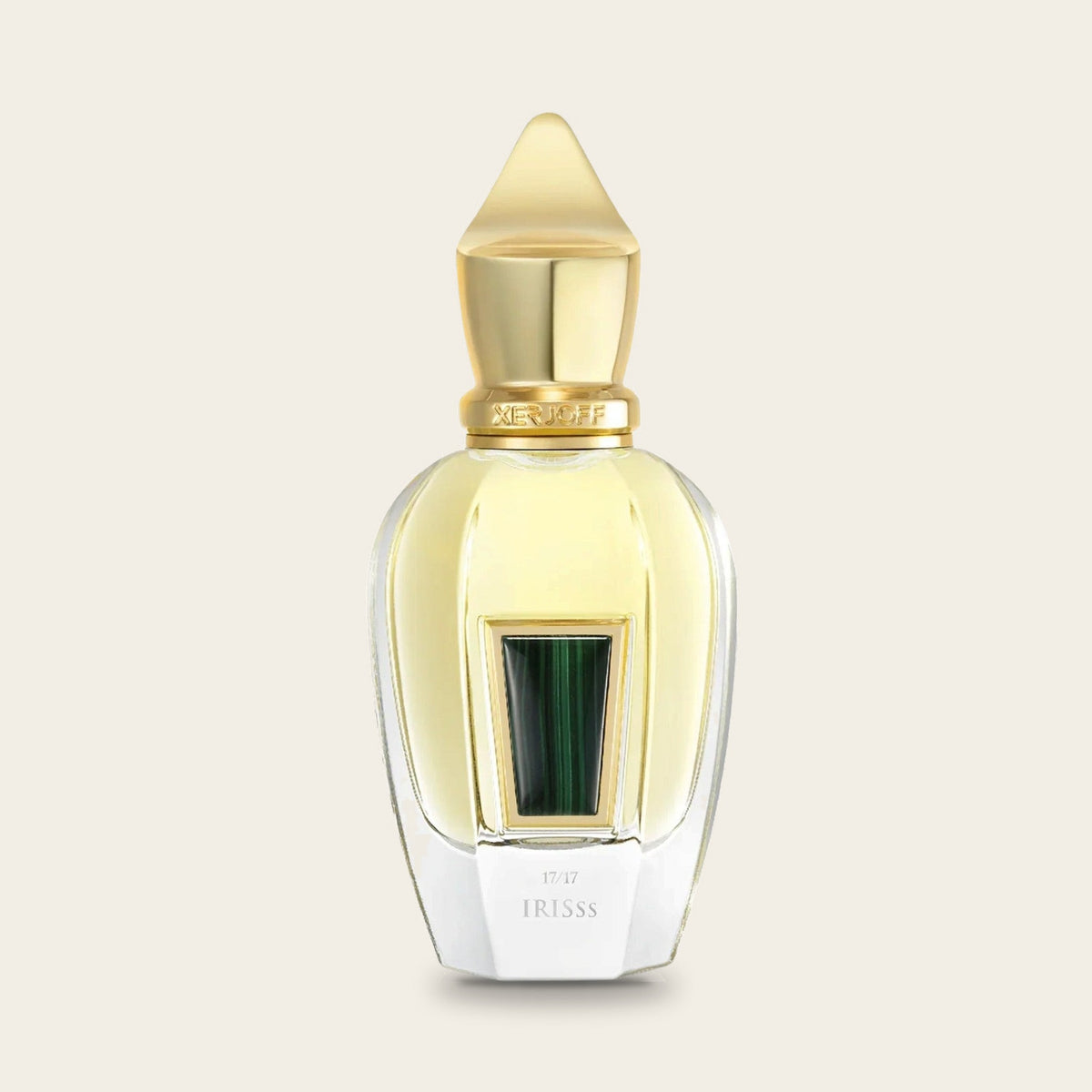

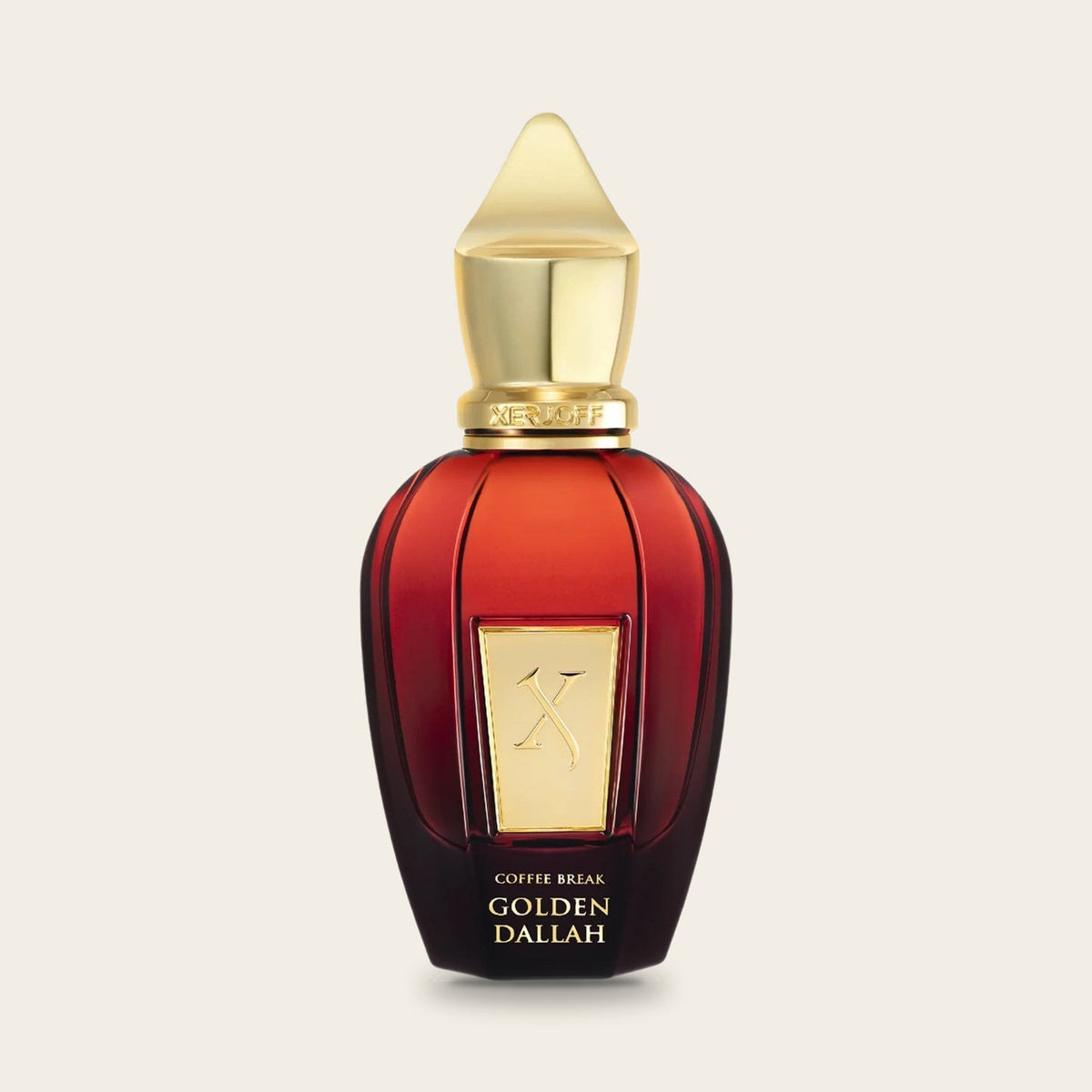

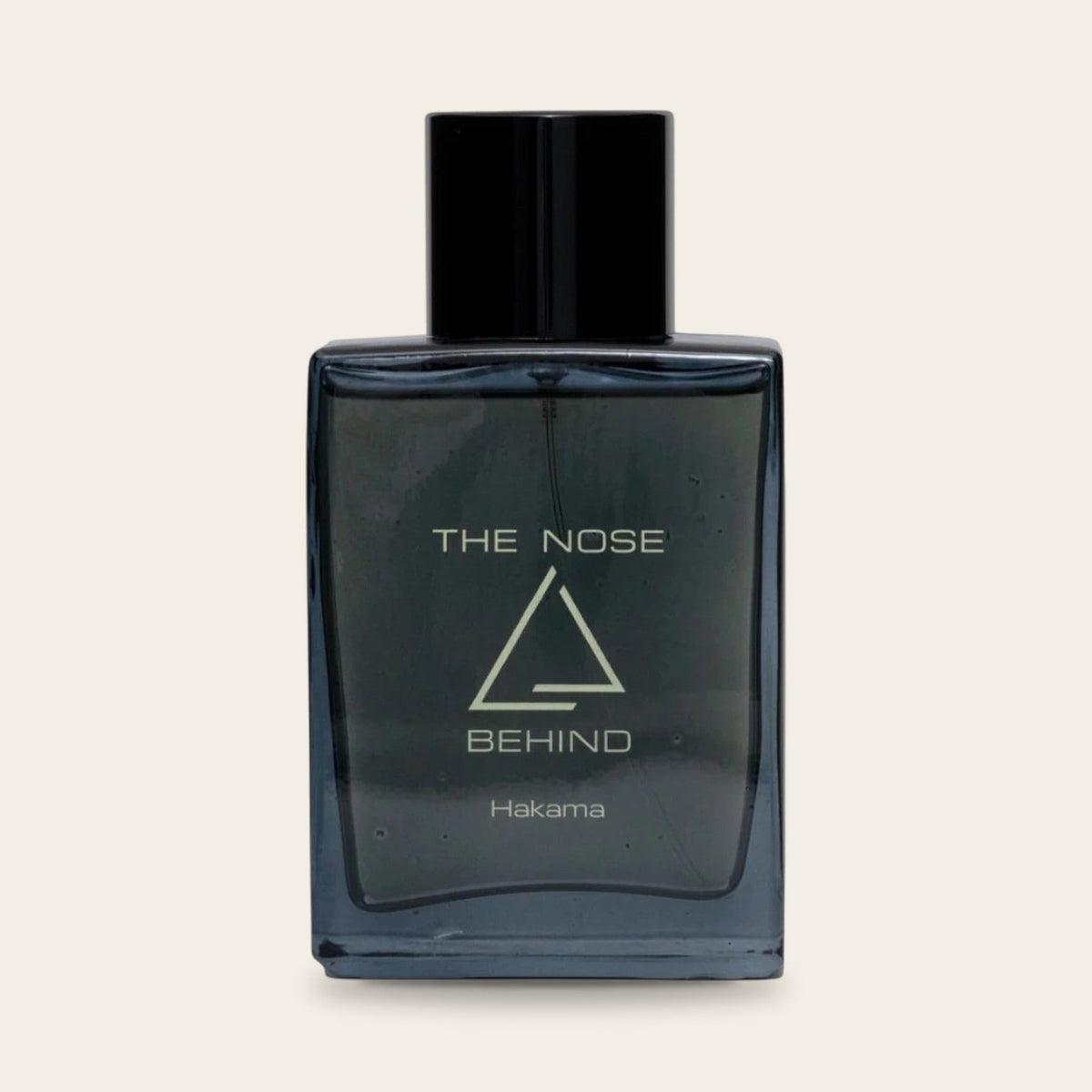



Knowledge
How the note behaves
Fresh & airy
Incense with citrus, pepper or elemi. Cool, clear and surprisingly modern.
Sacred & resinous
With myrrh, labdanum or benzoin. Calm and meditative, with the scent of old churches.
Smoky & dark
With oud, leather, tobacco or woods. Intense and mysterious, for long evenings.
Curious factHow precious frankincense once was is shown by the ‘Land of Frankincense’ in Oman: the ancient trading sites in the Dhofar region have been a UNESCO World Heritage Site since 2000.
Knowledge to share
Myth or truth?
Statement 1
Frankincense is a wood.
Myth. Frankincense is a resin that seeps from the scored bark of Boswellia trees and dries into so-called tears.
Statement 2
The typical church scent was only tracked down chemically in 2016.
True. Researchers in Nice identified the olibanic acids at that time – two molecules that contribute to the ‘old church’ scent.
Statement 3
A component of frankincense had an anti-anxiety effect in animal tests.
True. A 2008 study showed this effect of incensole acetate in mice – via the TRPV3 ion channel. It cannot be transferred directly to humans.
Your result
DISCOVER INCENSE PERFUMESFrequently asked questions
Does an incense perfume smell like a church?
Not necessarily. The essential oil smells fresh, citrusy and peppery. Perfumers heighten the sacred impression with resins such as myrrh or labdanum – or deliberately focus on the airy, modern side.
Where does frankincense come from?
From the resin of Boswellia trees, which grow mainly in Oman, Somalia, Ethiopia, Eritrea, Sudan and India. The bark is scored, and the resin that seeps out dries into so-called tears.
When should I wear an incense fragrance?
At its finest in autumn and winter and on quiet evenings. Fresh, citrusy incense fragrances also work by day. It is best to test it on your own skin: with every bottle from 30 ml, we include a 2 ml sample of the same fragrance.
2 ml samplewith every bottle from 30 ml
Free shippingto Austria and Germany from €200
Boutique Bregenzevery fragrance to try