



INGREDIENT GLOSSARY
Atlas cedar
Cedrus atlantica · Pine family (Pinaceae)
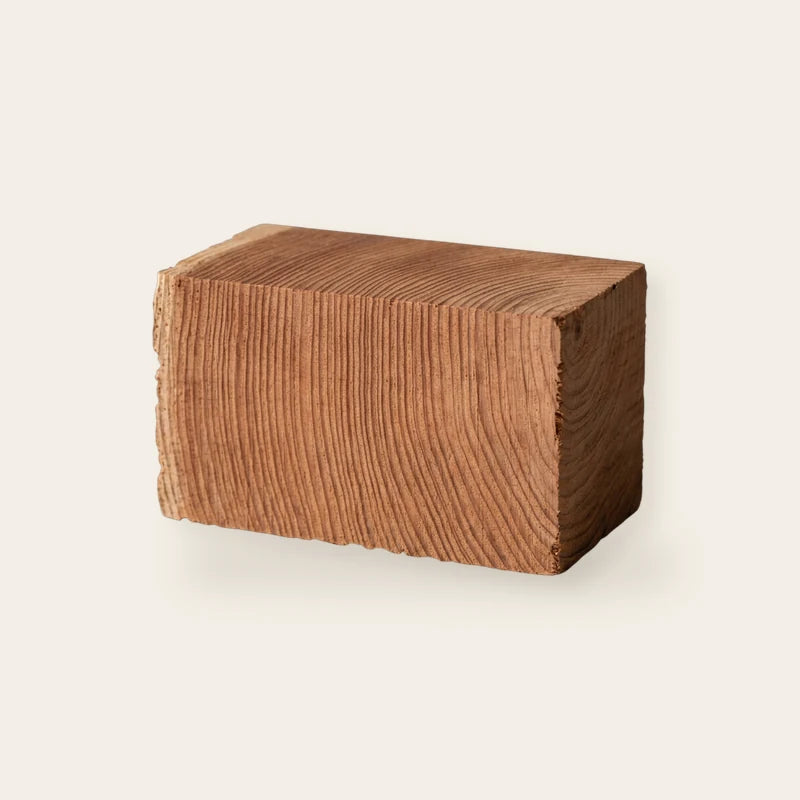
Atlas cedarwood smells dry, woody and warm, with a fresh, slightly camphorous opening and a resinous, balsamic base.
NATURALWOODY · RESINOUS-DRY · HEART NOTE
AT A GLANCE
- Plant: Atlas cedar (Cedrus atlantica), a true cedar of the pine family
- Origin: mountains of Morocco and Algeria, heartland the Middle Atlas; Endangered according to the IUCN
- Extraction: steam distillation of sawdust and wood residues
- Scent: warm, dry-woody, resinous, slightly camphorous – heart note
PROFILE
- Origin
- Endemic to the Rif and the Middle and High Atlas of Morocco and to the Tell Atlas and Aurès of Algeria · Its heartland is the Middle Atlas · The oil comes mainly from Morocco
- Extraction
- Steam distillation of sawdust and woodworking residues
- Main molecules
- β-Himachalene (C₁₅H₂₄) · α-Himachalene (C₁₅H₂₄) · Atlantones (C₁₅H₂₂O)
- Harvest
- The Atlas cedar grows in mountain sites with cold winters, where the evergreen trees keep their needles all year.
- Often paired with
- Patchouli, oud, cinnamon, rose, musk, vanilla, leather
Numbers that surprise
around 80 %
of Morocco's Atlas cedar forests grow in a single mountain range: the Middle Atlas.
around 950 years
of Morocco's climate history have been reconstructed from Atlas cedar tree rings – and the drought since the 1980s stands out.
up to around half
of an Atlas cedar oil can consist of β-himachalene alone.
Rounded values; calculation based on published data.
Harvest and season
The Atlas cedar grows in mountain sites with cold winters, where the evergreen trees keep their needles all year. The oil is distilled from sawdust left over from woodworking, so Atlas cedar oil is available all year round.
Atlas cedar oil is obtained by steam distillation of the wood. The raw material is mainly sawdust from sawmills and joineries – a by-product of woodworking. Most studied oils come from forests of the Middle Atlas. Their composition varies markedly from sample to sample: usually the himachalenes dominate, while some oils are rich in atlantones.
Knowledge to share
Myth or truth?
Statement 1
Cedar trees are felled specifically to make Atlas cedar oil.
Myth. The oil is distilled mainly from sawdust that accumulates as a by-product in sawmills and joineries. The Atlas cedar is threatened above all by logging, overgrazing, fire and drought.
Statement 2
Atlas cedar and Lebanon cedar are hard to tell apart.
True. Outwardly almost nothing separates them, which is why some botanists treat the Atlas cedar merely as a subspecies of the Lebanon cedar. Only molecular data show consistent differences, and their widely separated ranges also argue for two species.
Statement 3
Barbary macaques are to blame for the decline of the cedar forests.
Myth. The monkeys do strip cedar bark, probably mainly in search of water and nutrients during dry spells. But the main causes of the decline are logging, overgrazing, fire and drought – and the Barbary macaques are themselves endangered.
Your result
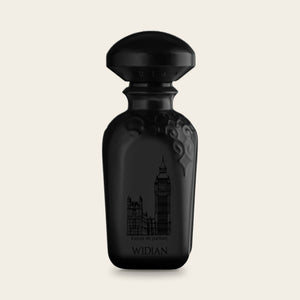
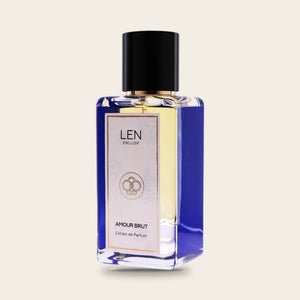
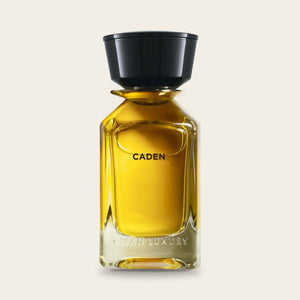
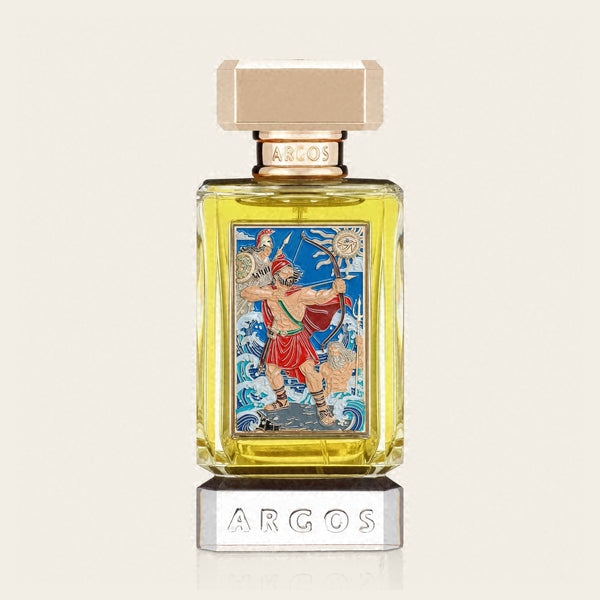
FRAGRANCES WITH ATLAS CEDARINGREDIENT GLOSSARY
Fragrances with Atlas cedar





Questions and answers
Atlas cedarwood smells dry, woody and warm, with a fresh, slightly camphorous opening and a resinous, balsamic base.
The Atlas cedar is a true cedar of the genus Cedrus and belongs to the pine family. In the wild it grows only in North Africa: in the Rif, the Middle and High Atlas of Morocco and the Tell Atlas and Aurès mountains of Algeria. Its heartland is the Middle Atlas, where it forms extensive mountain forests. Genetically the stands fall into two groups – one in the Rif and Middle Atlas, one in Algeria. The cedar forests are also home to the Barbary macaque, itself endangered. The IUCN Red List classifies the Atlas cedar as Endangered: centuries of logging, overgrazing by goats, fires and pests have thinned the forests, and since the 1980s droughts have added to the pressure.
Atlas cedar oil is obtained by steam distillation of the wood. The raw material is mainly sawdust from sawmills and joineries – a by-product of woodworking. Most studied oils come from forests of the Middle Atlas. Their composition varies markedly from sample to sample: usually the himachalenes dominate, while some oils are rich in atlantones.
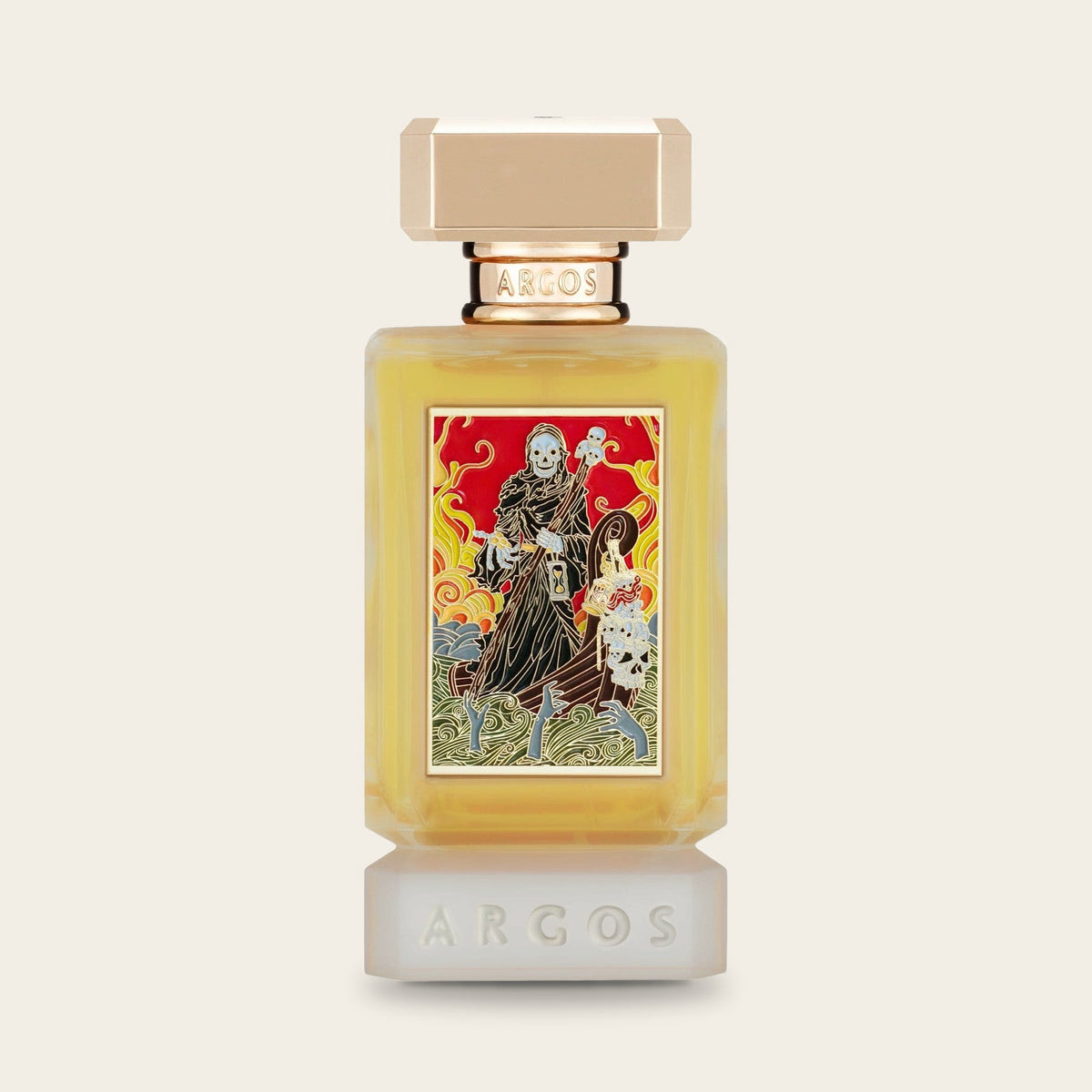
Atlas cedar brings a warm, dry woodiness to a composition, more resinous and rounded than the slender, pencil-like note of Virginia 'cedar'. Its slightly camphorous facet lends the wood freshness, its balsamic base depth. It pairs well with other woods and with aromatic, citrus and floral notes. Because the oil's composition varies from sample to sample, it can come across as drier or more resinous. In our range, Atlas cedar appears in 6 fragrances, each time in the heart.
Woody · Resinous-dry · Heart note
The Atlas cedar grows in mountain sites with cold winters, where the evergreen trees keep their needles all year. The oil is distilled from sawdust left over from woodworking, so Atlas cedar oil is available all year round.
In our fragrances, it often appears alongside Patchouli, oud, cinnamon, rose, musk, vanilla, leather.
The firm, fragrant and durable wood of the Atlas cedar has been used for centuries – for construction timber, joinery and furniture. The tree reached Europe in the mid-19th century. In France, foresters sowed Atlas cedars on Mont Ventoux and in the Luberon in the 1860s, using seed from the Algerian Atlas. This grew into an entire cedar forest in the Petit Luberon, and the Atlas cedar became a widely planted tree of French Mediterranean forestry. Today it is considered there as a possible species for a drier future.
- The blue cedar of many parks and gardens is usually an Atlas cedar: blue-grey forms also occur in the wild and are planted as the Glauca Group.
- In the Attarine Madrasa in Fez, built in 1323–1325, the upper wall zones are clad in carved cedar wood, and the entrance doors are made of cedar too.
- Even the tar produced by strongly heating Atlas cedarwood can still be distilled to yield an essential oil.
Atlas cedar oil is shaped by the himachalenes, sesquiterpenes with 15 carbon atoms: above all β-himachalene (C₁₅H₂₄, PubChem CID 15095), alongside α-himachalene (C₁₅H₂₄, CID 520909) and γ-himachalene. Added to these are the atlantones (C₁₅H₂₂O), sesquiterpene ketones that make up most of the ketone fraction of cedar oil; in some samples they are main constituents. This sets the oil fundamentally apart from the oil of Virginia 'cedar', botanically a juniper of the cypress family, whose oil is dominated by α-cedrene, thujopsene and cedrol. Chemists also use the himachalenes as starting materials for further syntheses.
FRAGRANCE KNOWLEDGE
In the 4D Journal
-
 FRAGRANCE KNOWLEDGE
Rose in perfume: The queen of fragrance materials
READ ARTICLE
-
 FRAGRANCE KNOWLEDGE
Vanilla in perfume: From orchid to favourite scent
READ ARTICLE
-
 FRAGRANCE KNOWLEDGE
Leather in perfume: How does something smell that was never in the bottle?
READ ARTICLE
-
 FRAGRANCE KNOWLEDGE
Scented candles & home fragrance: How to use them right
READ ARTICLE