
Article: Vanilla in perfume: from orchid to favourite scent
Vanilla in perfume: from orchid to favourite scent
Vanilla is the fruit of an orchid, and every single pod you have ever smelled was very probably pollinated by hand. That makes vanilla in perfume a small miracle of patience. We explain where vanilla comes from, why fresh pods hardly smell of vanilla at all, what vanillin has to do with it and how the vanilla fragrances in our shop smell.
- Origin: vanilla is the cured pod of an orchid, mostly Vanilla planifolia. It is native to Mexico and Central America; today most of it comes from Madagascar.
- Handwork: the flower is open for only about a day. The hand-pollination method was invented in 1841 by a twelve-year-old enslaved boy on Réunion, Edmond Albius.
- The scent only appears during curing: green pods barely smell. Vanillin is released during months of curing and drying.
- Vanillin is not everything: it makes up about 2 percent of a cured pod. Well over 170 other aroma compounds come with it, which is why real vanilla smells rounder.
- In perfume vanilla is the heart of amber and gourmand fragrances. It usually sits in the base note and lasts a long time.
What exactly is vanilla?
Vanilla is the dried, cured seed pod of a climbing orchid. Of the well over one hundred vanilla species, only three are grown in any quantity: Vanilla planifolia, the classic “Bourbon vanilla” from the Indian Ocean, Vanilla × tahitensis from the South Pacific and Vanilla pompona, which contains much less vanillin. Tahitian vanilla, a hybrid, accounts for less than one percent of the world harvest.
The Aztecs called the plant tlilxochitl, often translated as “black flower” but probably meaning “black pod”. After all, the only black part of the plant is the finished fruit.
Where does vanilla originally come from?
From the forests around the Gulf of Mexico. The Totonac people on Mexico’s east coast were among the first to cultivate vanilla. When the Aztecs conquered the Totonac in 1427, the pod found its way into their cocoa drink xocolatl. Hernán Cortés is credited with bringing vanilla to Europe in the 1520s.
In Europe it soon flowered in greenhouses but bore no fruit, because the right pollinator was missing. The often-told story that stingless Melipona bees did the job in Mexico, by the way, has never been proven.
Who invented hand pollination?
A child. In 1841 Edmond Albius, then about twelve years old and enslaved on the island of Réunion, developed a fast method: with a thin stick you lift the little flap that separates pollen and stigma inside the flower and press the two together with your thumb. Vanilla is still pollinated this way today, flower by flower.
Albius was freed in 1848 when slavery was abolished and died in poverty in 1880, while his method turned vanilla into a global commodity.
A vanilla flower is open for about one day, often less. It has to be pollinated within roughly twelve hours. Left alone, only about one flower in a hundred of Vanilla planifolia sets fruit. Harvest then follows eight to nine months later.
Why doesn’t a fresh vanilla pod smell of vanilla?
Because the vanillin in the green pod is still bound to sugar, as so-called glucovanillin. Only during curing do the plant’s own enzymes release the fragrant vanillin. The process has four steps:
Killing and sweating
A short hot-water bath stops the pod from growing. Then it “sweats” for days in cloths and boxes in humid warmth, turning brown and starting to smell.
Slow drying
For weeks the pods dry in sun and shade until their water content has dropped from around 85 to 25 to 30 percent.
Conditioning
Finally the pods rest for months in closed boxes. This is where the aroma rounds off.
Four to six kilos of green pods make one kilo of finished vanilla. Very good pods sometimes grow a fine white frost on the surface, which connoisseurs call “givre”. It is not mould but crystallised, almost pure vanillin.
Why is real vanilla so expensive?
Hand pollination, months of curing and a harvest that depends heavily on a single country. Madagascar is by far the largest producer: according to FAO statistics, around 3,100 of the world’s roughly 7,400 tonnes came from there in 2023, followed by Indonesia.
One cyclone is enough to make the price explode. After Cyclone Enawo in 2017 the price of vanilla pods rose to around 500 US dollars per kilo, and in June 2018 to about 600 dollars. For a while vanilla was more expensive than silver, which cost around 538 dollars per kilo at the time.
What is the difference between vanilla and vanillin?
Vanillin is the most important aroma compound in vanilla, but only one of many. It makes up about 2 to 2.5 percent of a cured pod. More than 170 other aroma compounds have been identified in real vanilla extract. These companions bring the smoky, woody, rum-like and slightly leathery facets that make real vanilla so deep.
In 1874 the chemists Ferdinand Tiemann and Wilhelm Haarmann achieved the first synthesis of vanillin, at the time from coniferin, a substance found in the sap of conifers. In 1875 Haarmann founded a vanillin factory in Holzminden; a year later he was joined by Karl Reimer, who made vanillin from guaiacol. After many mergers, Haarmann & Reimer became part of the fragrance and flavour company Symrise in 2003. Read more about lab-made fragrance molecules in our article Iso E Super, Ambroxan, Hedione.
Today less than one percent of the vanillin used worldwide comes from pods. Most of it is made from guaiacol, a smaller share from lignin, in other words from wood. The reason is simple: as early as 2010 world demand exceeded 15,000 tonnes of vanillin. Covering it with pods containing 2 percent vanillin would take around 750,000 tonnes of cured vanilla, roughly a hundred times more than the entire world harvested in 2023.
How is vanilla obtained for perfume?
Perfumers work with several vanilla qualities:
| Material | How it is made | How it smells |
|---|---|---|
| Vanilla absolute | solvent extraction of the cured pods, then purification with alcohol | dark brown, viscous, balsamic, caramel-like, slightly powdery |
| CO2 extract | extraction with carbon dioxide under high pressure, without classic solvents | very close to the pod, fresh and round |
| Vanillin | synthetic, mostly from guaiacol or lignin | sweet, creamy, powdery, very long-lasting |
| Ethyl vanillin | a synthetic relative of vanillin | about three times as strong, sweeter and softer |
Most fragrances combine several of them: vanillin for radiance and longevity, absolute for dark, natural depth. Where vanilla sits in the fragrance pyramid and why it only really arrives after a while is explained in our article Fragrance pyramid: top, heart and base notes.
Since when has vanilla been used in perfume?
The breakthrough came with synthetic vanillin. Guerlain’s Jicky from 1889 is considered one of the first fragrances with synthetic materials, built on lavender and vanilla, with vanillin and coumarin. A famous legend surrounds the classic Shalimar, presented in Paris in 1925: Jacques Guerlain is said to have poured a bottle of ethyl vanillin into Jicky, and that is how the idea was born. It has never been proven, but it is told with pleasure all the same.
In 1992 Thierry Mugler launched Angel, with praline, red berries, patchouli and vanilla. It is regarded as the first modern gourmand, a fragrance that smells of something edible. In the “amber” family, formerly called “oriental”, vanilla is the main pillar. We present seven gourmands good enough to eat in our article Gourmand perfume for autumn and winter.
Why do so many people love vanilla?
It apparently has little to do with upbringing. A study by the Karolinska Institutet, published in 2022 in the journal Current Biology, asked 235 people from nine very different communities to rate ten odours. Vanillin came first everywhere. Molecular structure and personal preference explained the ratings far better than culture.
Useful to know: since EU Regulation 2023/1545, vanillin is one of the fragrance substances that must be listed individually on cosmetics above a certain amount. This has applied to new products since the end of July 2026 and will apply to all others by the end of July 2028 at the latest. If you are sensitive, you will find it in the ingredient list.
Which vanilla fragrances do we carry?
Sometimes resinous and woody, sometimes creamy like pudding, sometimes fruity like a dessert. A selection from our boutique, all with vanilla as the star or the supporting base:
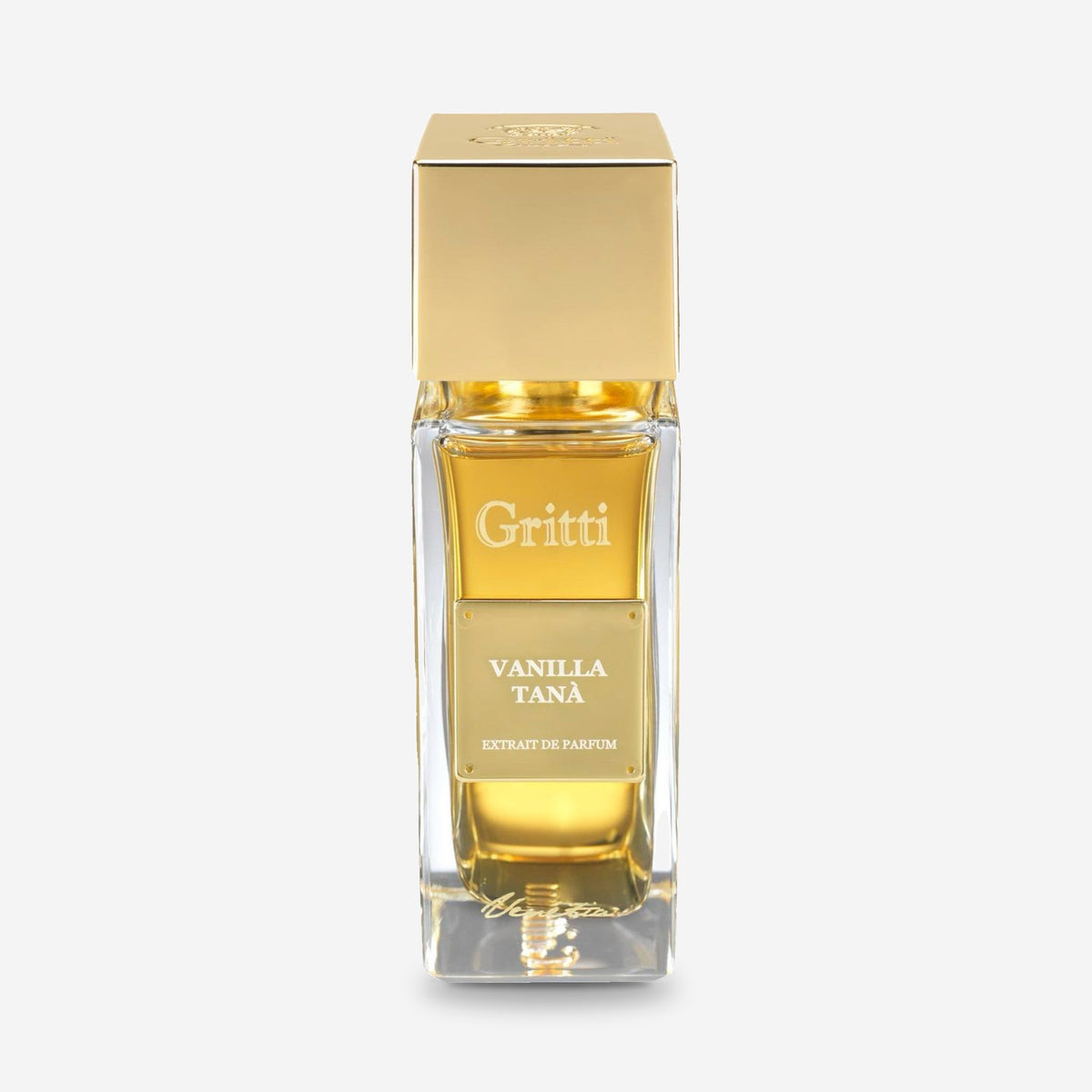
 Vanilla TanaResinous vanilla, woods, spices€260
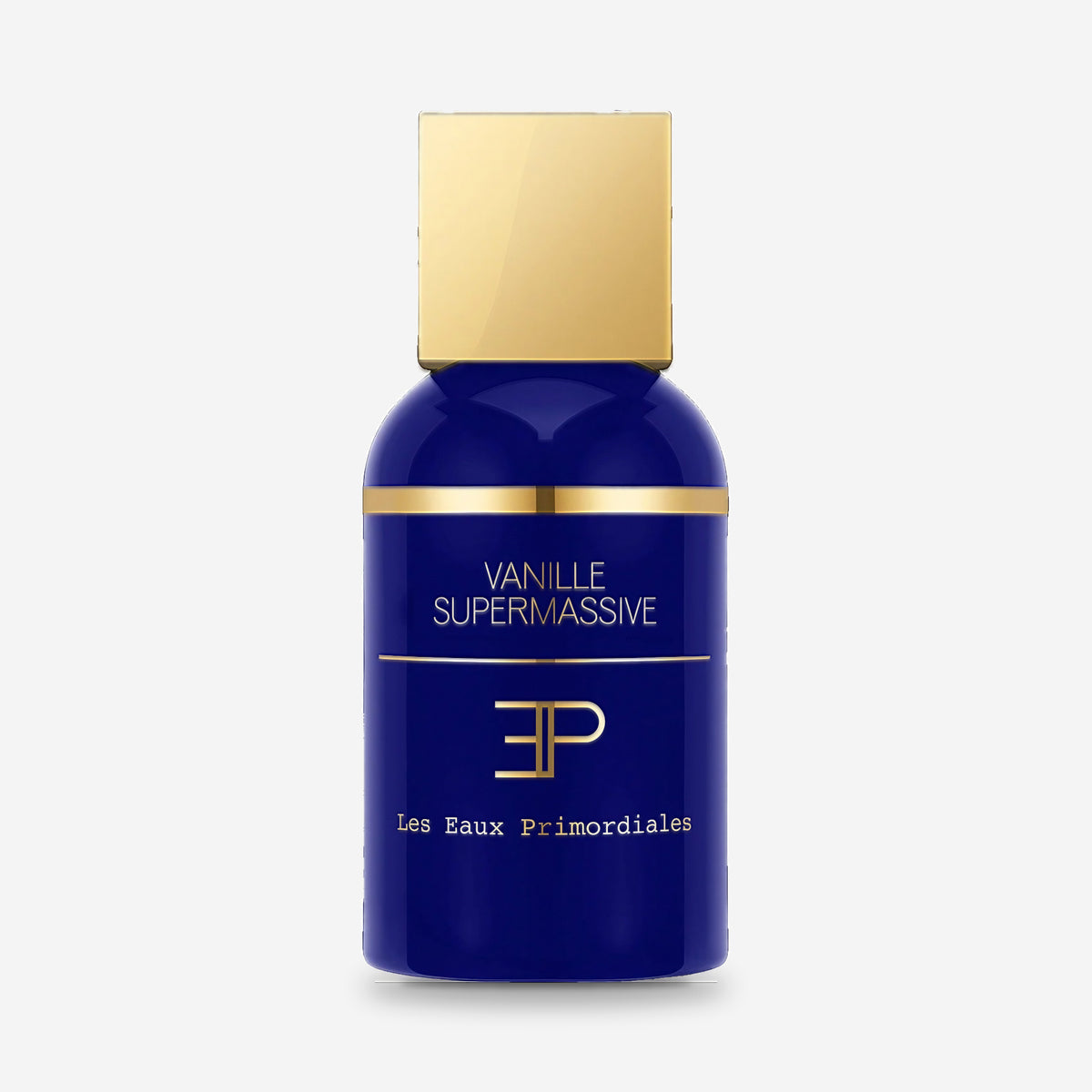
 Vanille SupermassiveVanilla, labdanum, patchouli€220
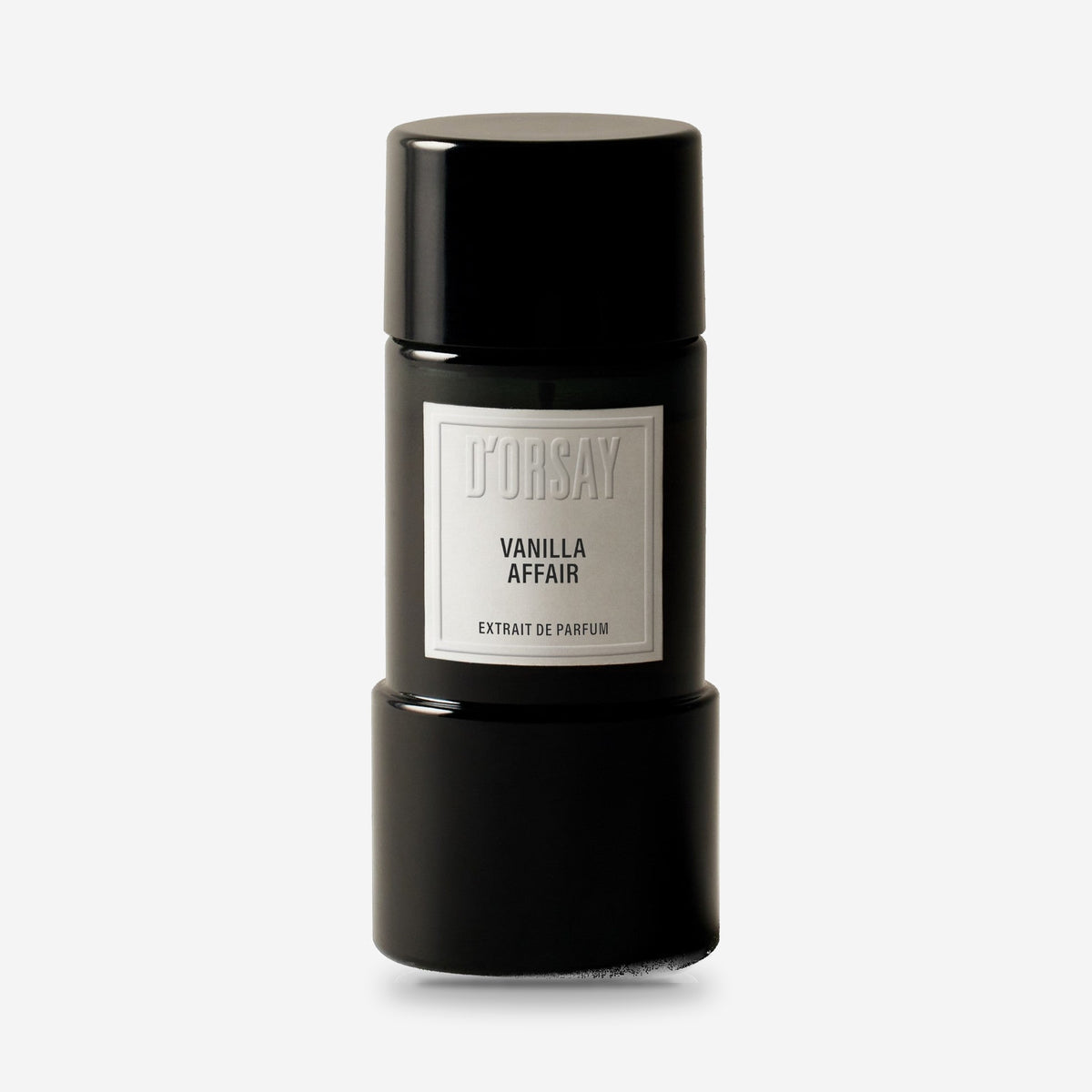
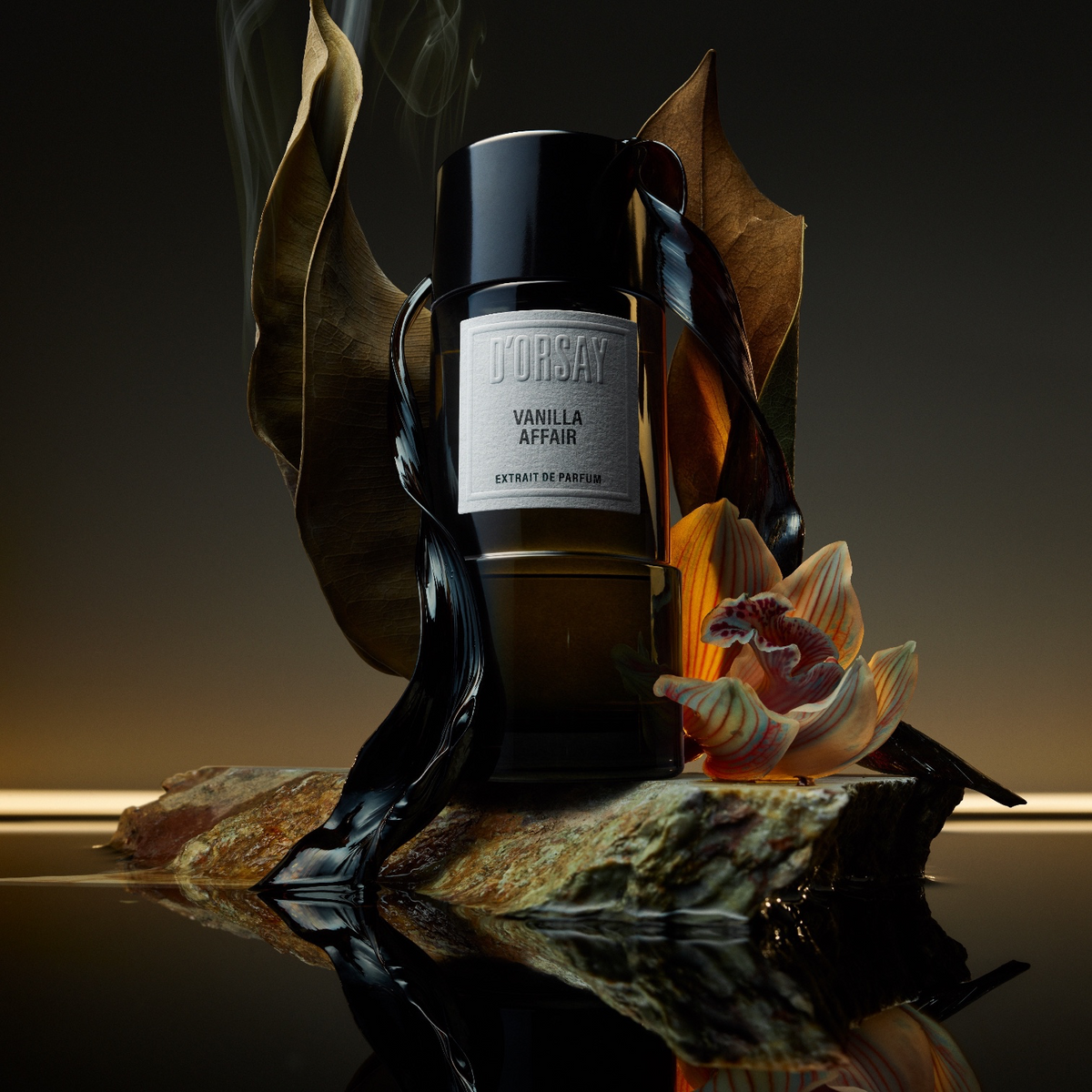
 Vanilla AffairTwo vanillas, tobacco, patchoulifrom €12
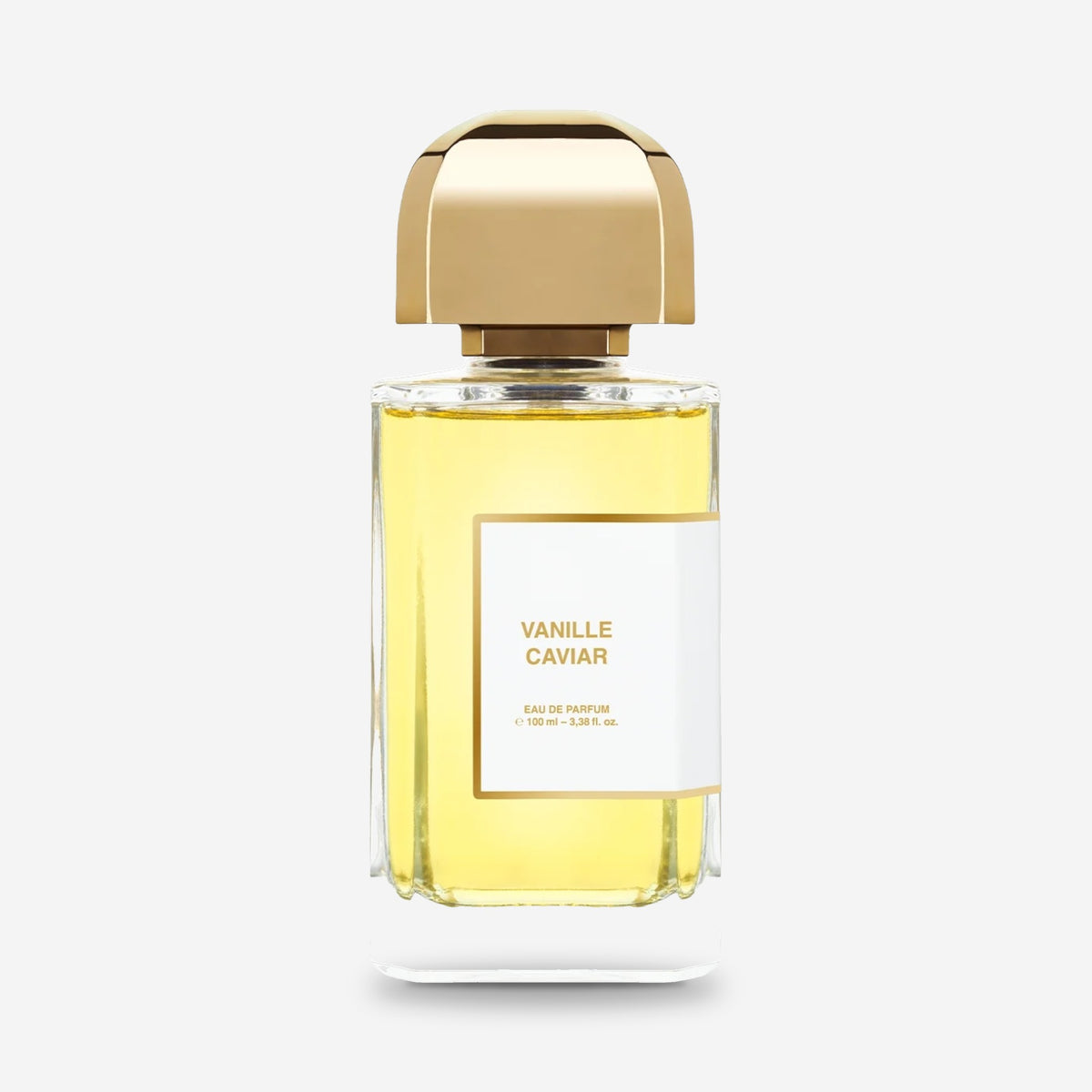
 Vanille CaviarVanilla, cocoa, Peru balsamfrom €48
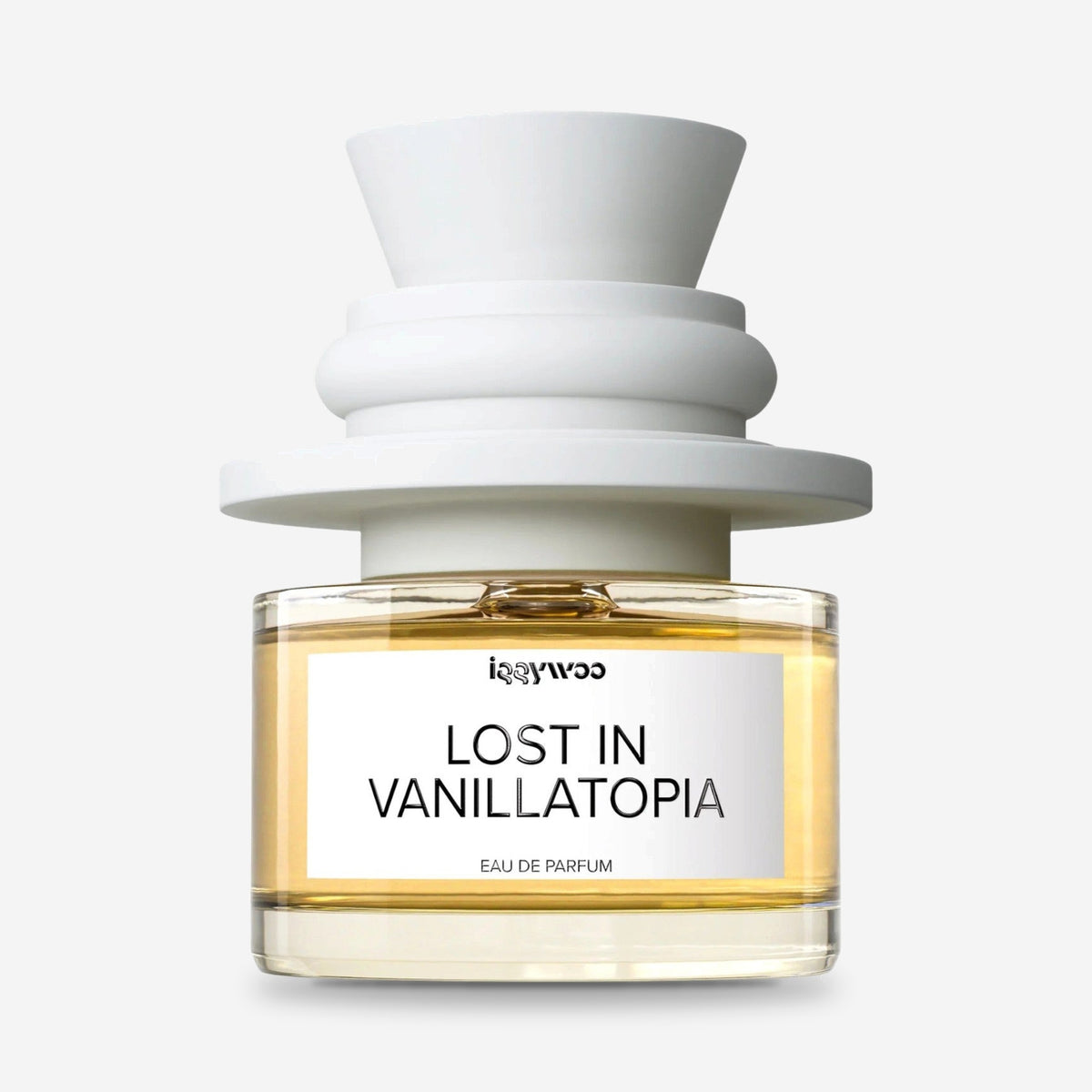
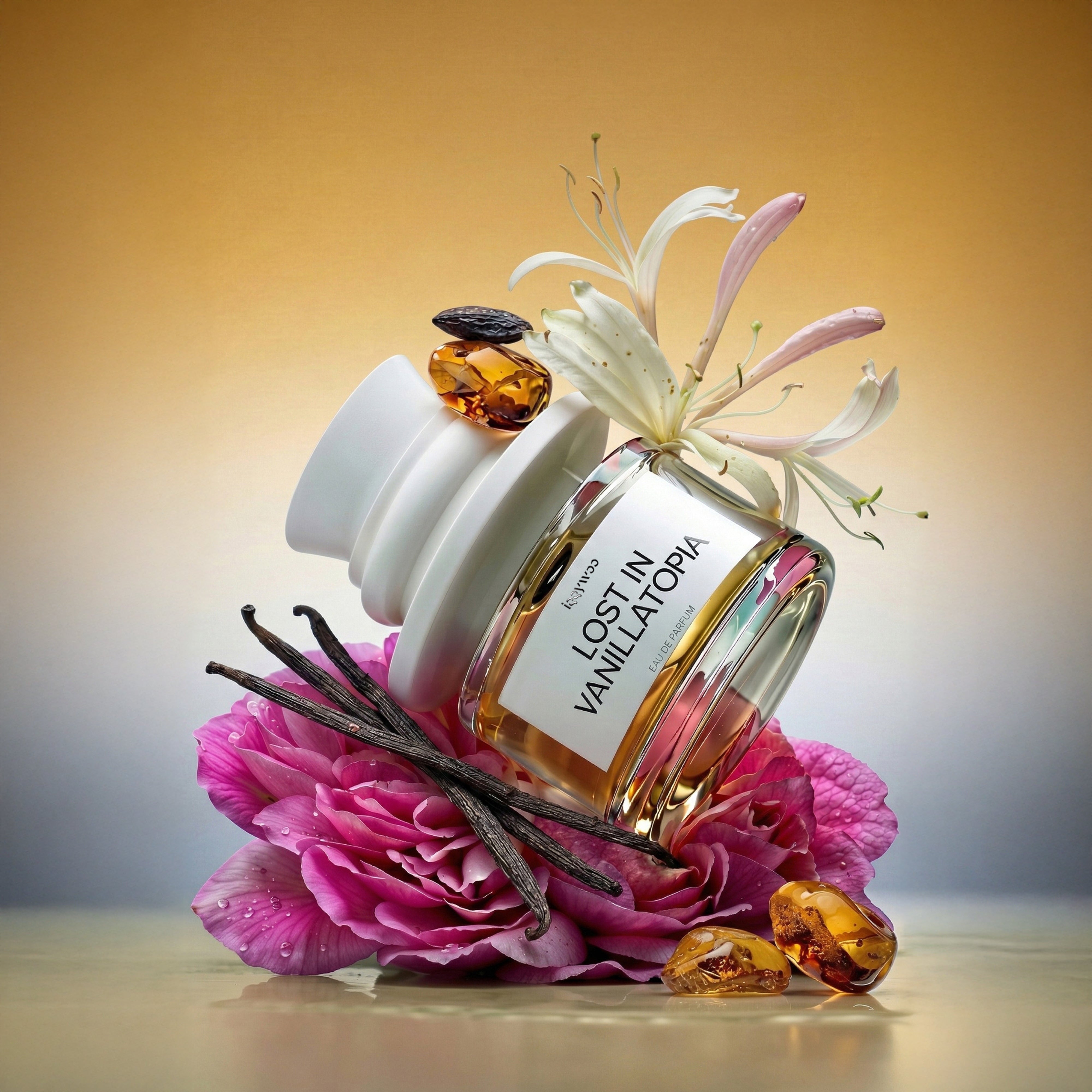
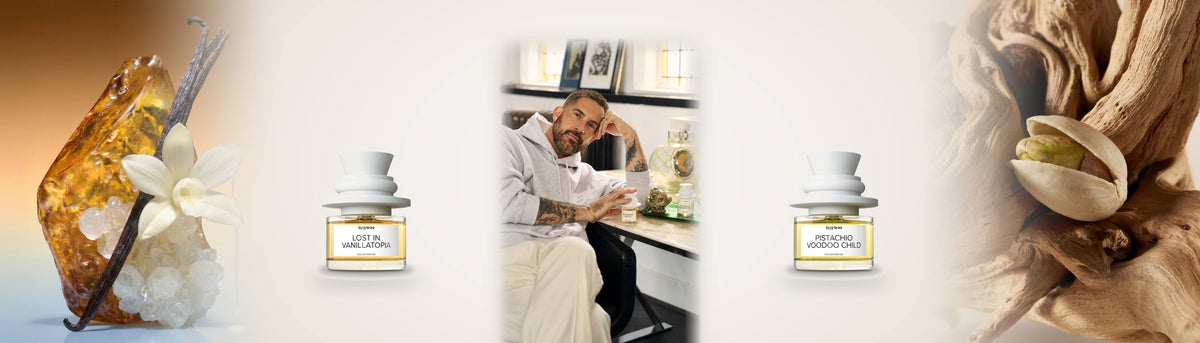
 Lost in VanillatopiaVanilla, amber, tonka, rose€140
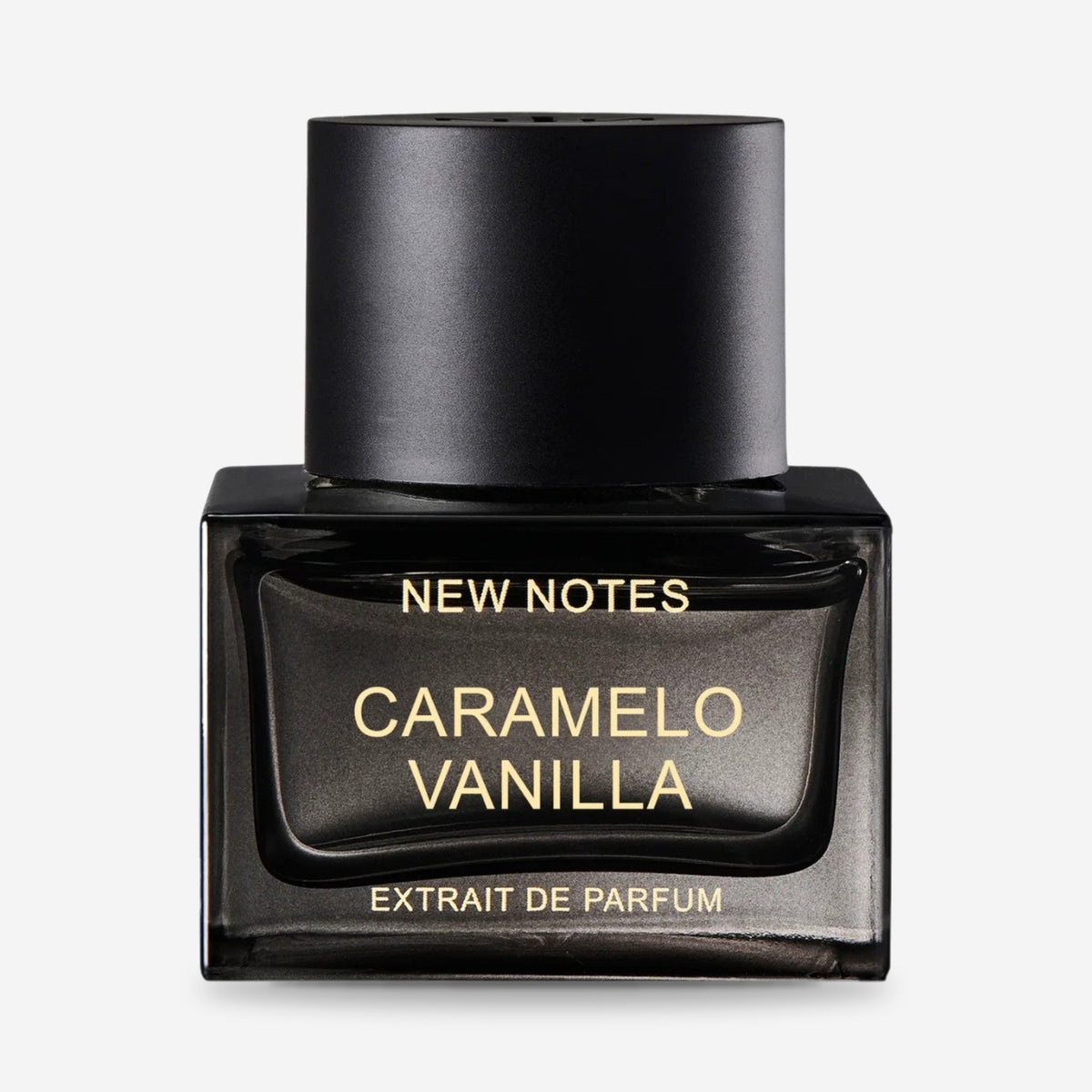
 Caramelo VanillaVanilla, caramel, tonka€160
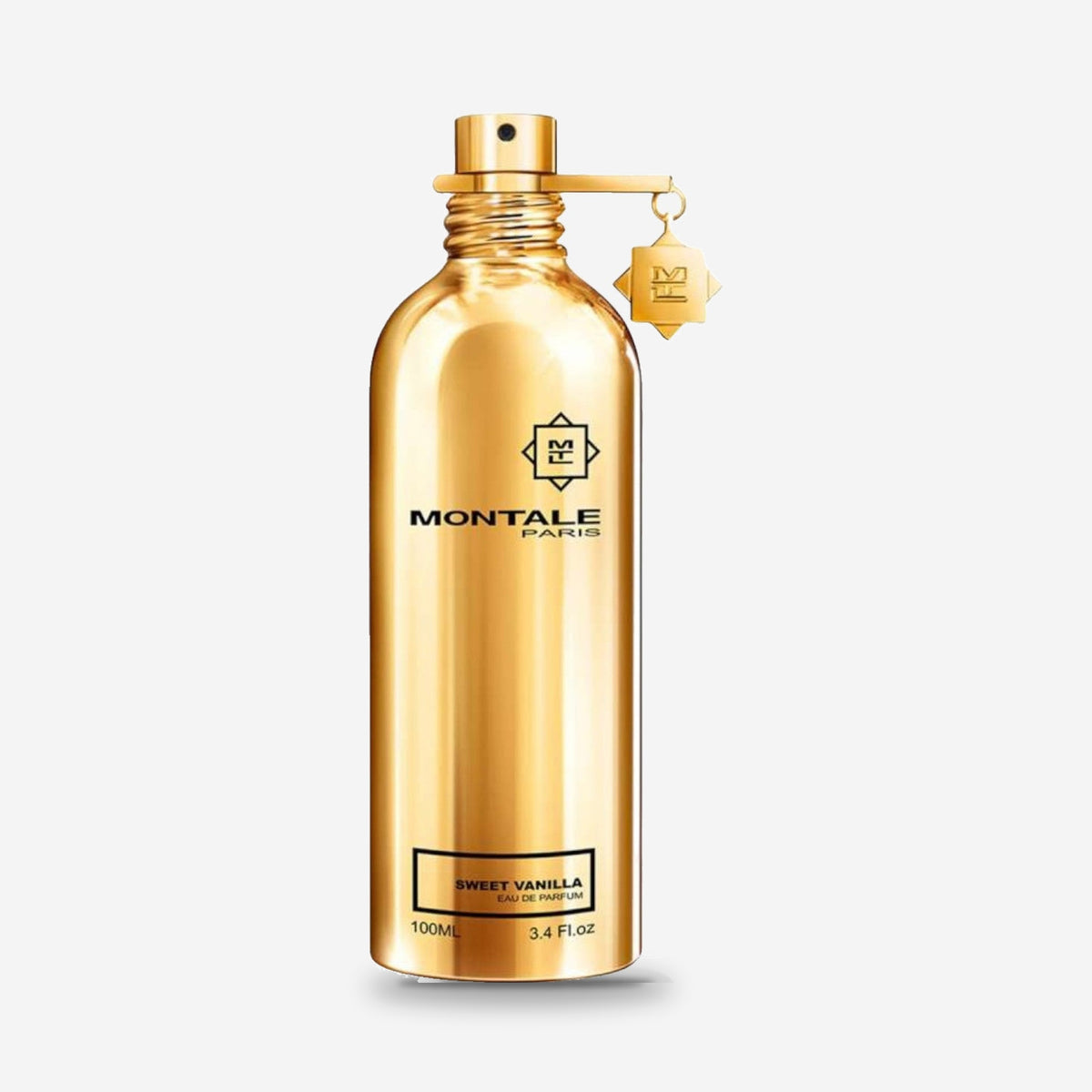
 Sweet VanillaVanilla, apricot, musk€145
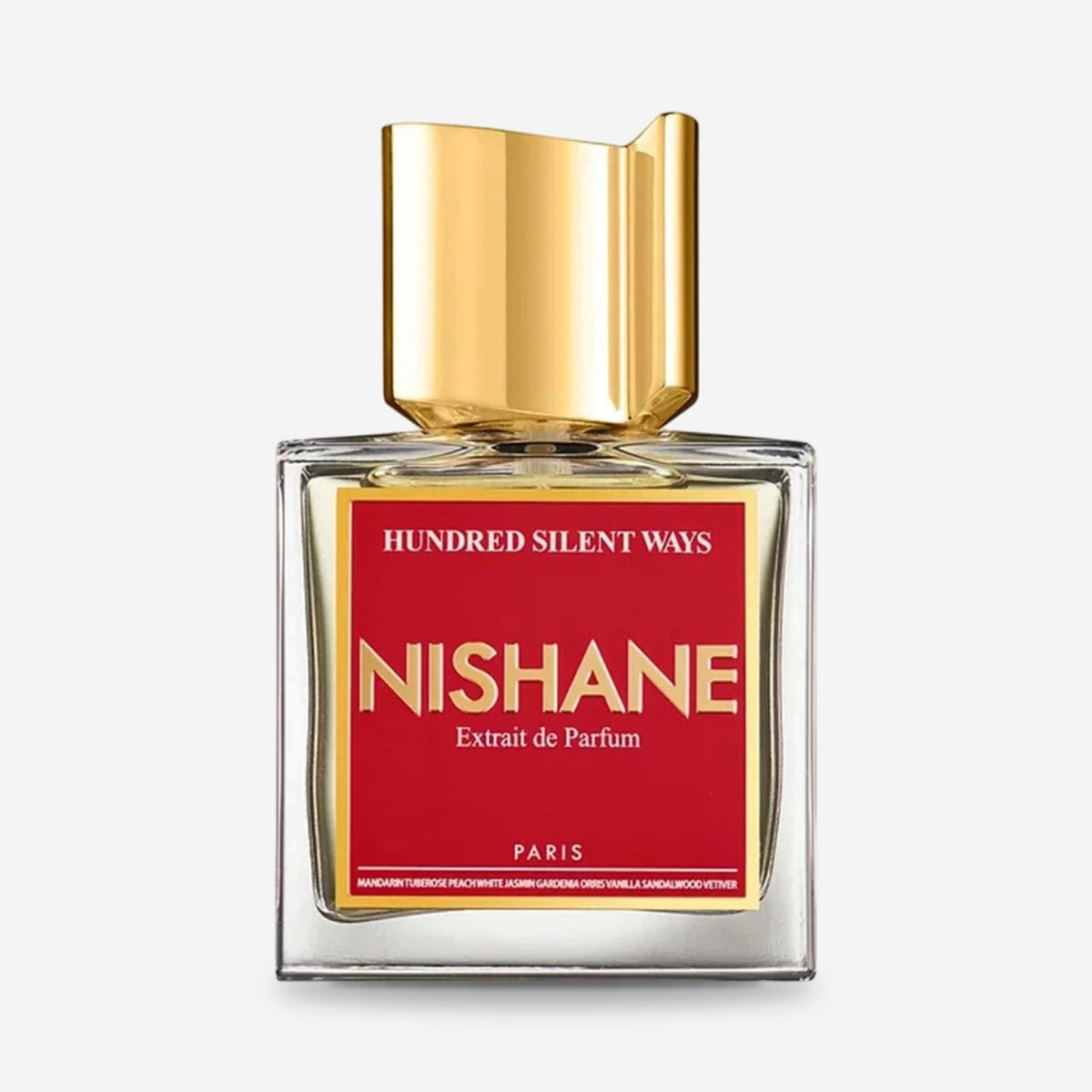
 Hundred Silent WaysTuberose, iris, vanilla, vetiverfrom €225
Live prices from our shop, as of 24 Oct 2026. You will find more sweet fragrances in the collection Gourmand fragrances.
Resinous and dark: Vanilla Tana, Vanille Supermassive, Vanilla Affair
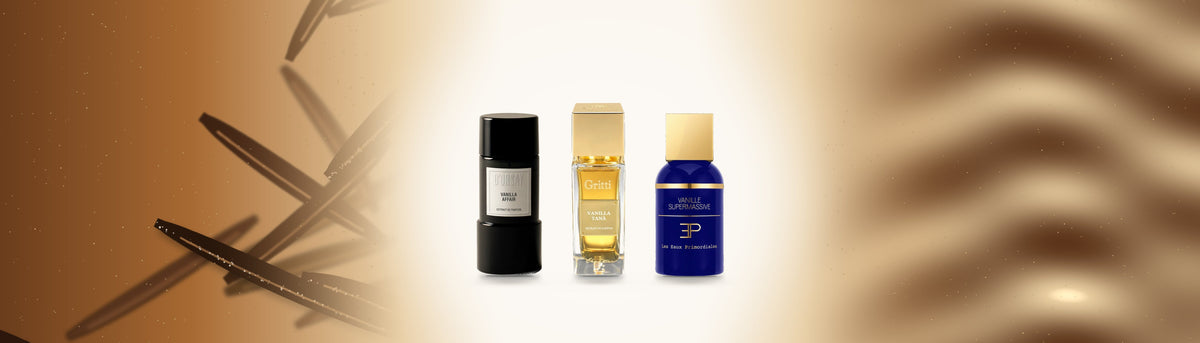
If you want vanilla without the icing, start here. Vanilla Tana by Gritti carries Madagascar in its name: Antananarivo is known there simply as “Tana”. According to the brand, Luca Gritti found pods for it that had matured in the trunks of baobab trees. Vanille Supermassive by Les Eaux Primordiales pairs vanilla with labdanum, fir balsam and patchouli. Vanilla Affair by D'Orsay sets two vanilla facets, one soft and one raw, next to Balkan tobacco. Read more about the house in our portrait D'Orsay Paris.
Creamy and gourmand: Vanille Caviar, Caramelo Vanilla, Lost in Vanillatopia
Vanille Caviar by BDK gives vanilla a salty, mineral facet, cocoa and Peru balsam, and becomes surprisingly elegant as a result. Caramelo Vanilla by New Notes is the dessert menu among the vanillas: caramel, dulce de leche, tonka. Lost in Vanillatopia by Iggywoo brightens its vanilla with Damask rose and grapefruit so that it never turns sticky. We introduce the man behind Iggywoo in Iggywoo: pistachios, ponies and a perfumer with imagination.
Fruity and floral: Sweet Vanilla, Hundred Silent Ways
Sweet Vanilla by Montale combines vanilla with apricot and white musk. Hundred Silent Ways by Nishane is really a floral fragrance with tuberose and iris, carried by a base of vanilla and vetiver.
Vanilla curiosities
Of orchids, cyclones and cow dung
-
Vanilla from the cowshed
In 2007 the Japanese researcher Mayu Yamamoto received the satirical Ig Nobel Prize in Chemistry for extracting vanillin from cow dung. The trick: cow dung contains a lot of lignin from grass. The process never reached the market.
-
More expensive than silver
In June 2018 a kilo of vanilla pods cost around 600 US dollars, a kilo of silver about 538 dollars.
-
The frost that isn’t mould
White crystals on a pod are usually pure vanillin and a sign of quality. Connoisseurs call them “givre”, French for hoarfrost.
-
A sword in the name
“Vanilla” goes back via the Spanish vaina to the Latin vagina, the sheath of a sword. The slim pod reminded people of such a scabbard.
-
Humanity’s favourite note
In a study across nine cultures, from rainforest to city, vanillin was rated the most pleasant of all ten odours tested.
- Vanillin: C8H8O3, chemically 4-hydroxy-3-methoxybenzaldehyde, CAS 121-33-5, melting point 81 °C.
- In the green pod it is present as glucovanillin and is only released during curing.
- Content: about 2 to 2.5 percent of the cured pod.
- Ethyl vanillin: C9H10O3, about three times as strong as vanillin as a flavour.
- Vanilla absolute: CAS 8024-06-4, naturally also contains anisyl alcohol and anisaldehyde.
Frequently asked questions about vanilla in perfume
Is vanilla in perfume natural or synthetic?
Usually both. Many fragrances use vanillin for radiance and longevity and add vanilla absolute or CO2 extract for natural depth.
Is synthetic vanillin worse than real vanilla?
Not worse, just different. The molecule is identical to the one from the pod, but real vanilla brings more than 170 other aroma compounds with it. That is why it smells rounder, smokier and less sweet.
What does Bourbon vanilla smell like?
Bourbon vanilla is Vanilla planifolia from the islands of the Indian Ocean, named after Réunion’s old name, Île Bourbon. It smells sweet, creamy and slightly woody-smoky.
When is the best time to wear a vanilla fragrance?
Most vanilla fragrances come into their own in autumn and winter, because warmth and sweetness feel pleasant in cool air. Fresh versions with citrus or flowers also work in spring.
Does vanilla last long on the skin?
Usually very long. Vanillin evaporates slowly and sits in the base note; you can still smell many vanilla fragrances on your scarf the next morning.
Smell first, then fall in love
Vanilla is the friendliest scent in the world, and yet everyone has their own. That is why it pays to test several side by side on your skin. With every bottle of 30 ml or more we include a 2 ml sample of the same fragrance; from an order value of € 90, four more 2 ml samples of your choice, subject to availability (note your wishes in the order comment). From an order value of € 200, standard shipping to Austria and Germany is free.
Or visit us in our boutique in Bregenz and smell your way through all our vanillas, from resinous to creamy. We will have the blotters ready.
Your 4D Outfitters team, Bregenz
Sources: Wikipedia: Vanilla · Wikipedia: Vanillin · Wikipedia: Edmond Albius · University of Florida IFAS: Vanilla · Kerala Agricultural University: Vanilla processing · ChemistryViews: Haarmann & Reimer · Symrise: company history · ScienceDaily: Arshamian et al. 2022 · Improbable Research: Ig Nobel 2007 · Marginal Revolution: vanilla and silver 2018 · EUR-Lex: Regulation (EU) 2023/1545 · Smithsonian: Jicky · Wikipedia: Angel








Leave a comment
This site is protected by hCaptcha and the hCaptcha Privacy Policy and Terms of Service apply.