
INGREDIENT GLOSSARY
Cashmeran
Soft, musky and woody, with spicy warmth, a resinous, conifer-like undertone, a hint of fruit and a velvety, clean radiance.
SYNTHETICWOODY · MUSK · SPICY · BASE NOTE
AT A GLANCE
- Molecule: synthetic aroma chemical DPMI (C₁₄H₂₂O), no natural model
- Origin: developed in the USA in the late 1960s, today made in laboratories worldwide
- Production: oxidation of a partially hydrogenated pentamethylindane to a ketone
- Scent: soft, musky, woody, spicy – base note
PROFILE
- Origin
- Does not occur in nature · developed in a US laboratory in the late 1960s, today made synthetically worldwide
- Extraction
- A partially hydrogenated pentamethylindane is selectively oxidised to a ketone on one of its rings
- Main molecules
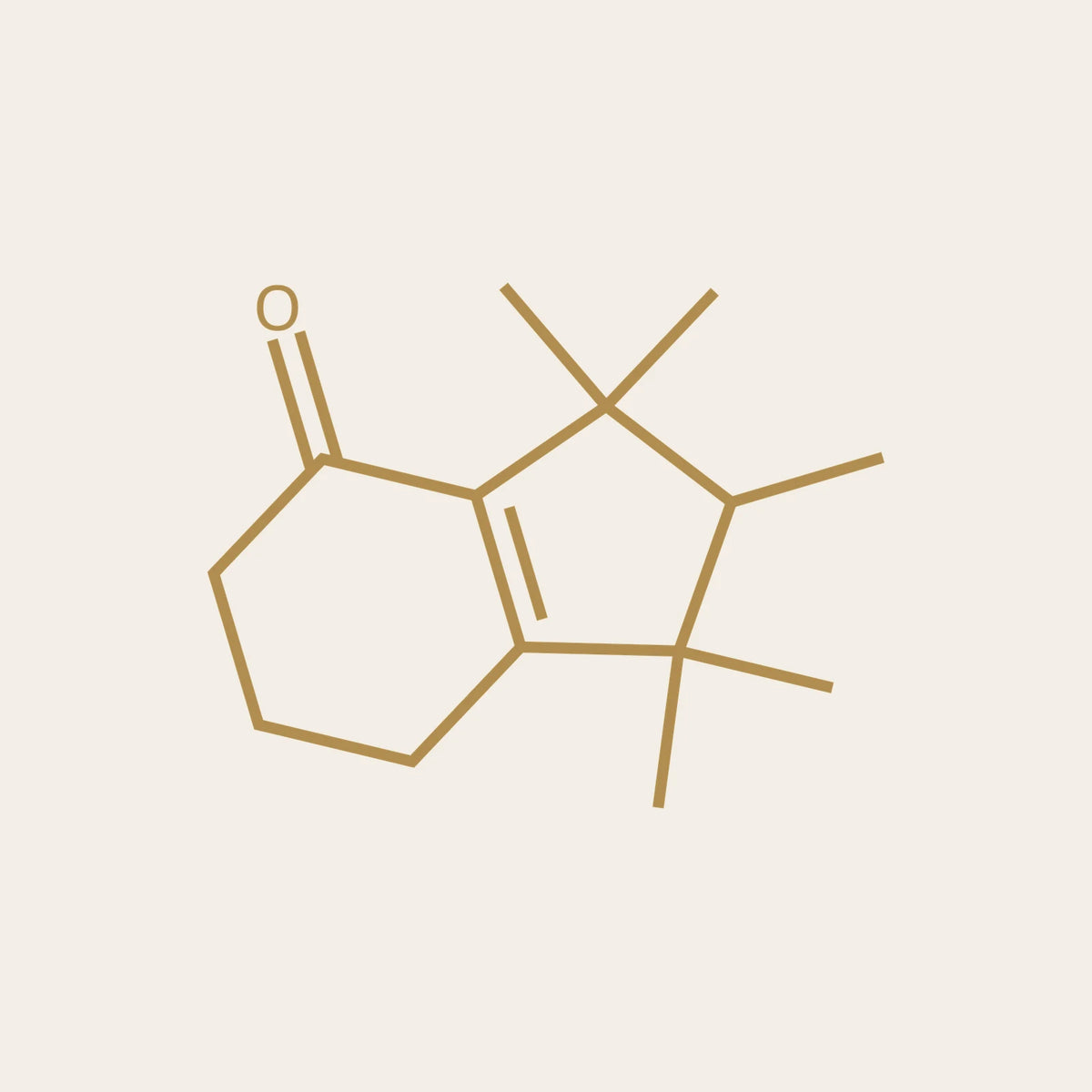
- 1,1,2,3,3-Pentamethyl-1,2,3,5,6,7-hexahydro-4H-inden-4-one, DPMI for short (C₁₄H₂₂O)
- Harvest
- As a synthetic aroma chemical, Cashmeran is independent of harvests, climate and season and is produced all year round in consistent quality.
- Often paired with
- Vanilla, bergamot, patchouli, musk, sandalwood, amber, orange blossom
Numbers that surprise
around 2.9 quadrillion
Cashmeran molecules are packed into a single microgram – a thousandth of a milligram.
more than 55 years
have passed since Cashmeran was filed for patent in 1969 – and still no natural material smells quite like it.
more than 30,000 times
more readily does Cashmeran dissolve in fat than in water – which is why it clings so well and accumulates in fatty tissue.
Rounded values; calculation based on published data.
Harvest and season
As a synthetic aroma chemical, Cashmeran is independent of harvests, climate and season and is produced all year round in consistent quality. In a fragrance, its velvety, warm wood-musk note comes into its own especially in autumn and winter, yet its clean radiance makes it wearable all year.
Cashmeran is built entirely in the laboratory. The starting material is a tetrahydro-pentamethylindane, i.e. a pentamethylindane whose aromatic six-membered ring has been partly saturated with hydrogen. On this ring, a CH₂ group is then selectively oxidised to a keto group – industrially, for example, with atmospheric oxygen and a cobalt catalyst, while the original patent also used other oxidising agents. The result is a bicyclic, unsaturated ketone made of a five- and a six-membered ring carrying five methyl groups. At room temperature the substance is a white solid that melts at around 27 °C.
Knowledge to share
Myth or truth?
Statement 1
Cashmeran is obtained from cashmere wood or cashmere wool.
Myth. Cashmeran is a purely synthetic aroma chemical that does not occur in nature. Its name merely alludes to the soft feel of cashmere wool – there is no cashmere wood tree.
Statement 2
Cashmeran smells of wood and musk at the same time.
True. The molecule combines a conifer-like woody character with a soft musk note and is therefore regarded as a bridge between woody and musky accords.
Statement 3
Perfume contains only a single form of the Cashmeran molecule.
Myth. Cashmeran has a stereocentre and therefore exists in two mirror-image forms. Commercially it is used as a racemate, a 1:1 mixture of both forms.
Your result
FRAGRANCES WITH CASHMERANINGREDIENT GLOSSARY
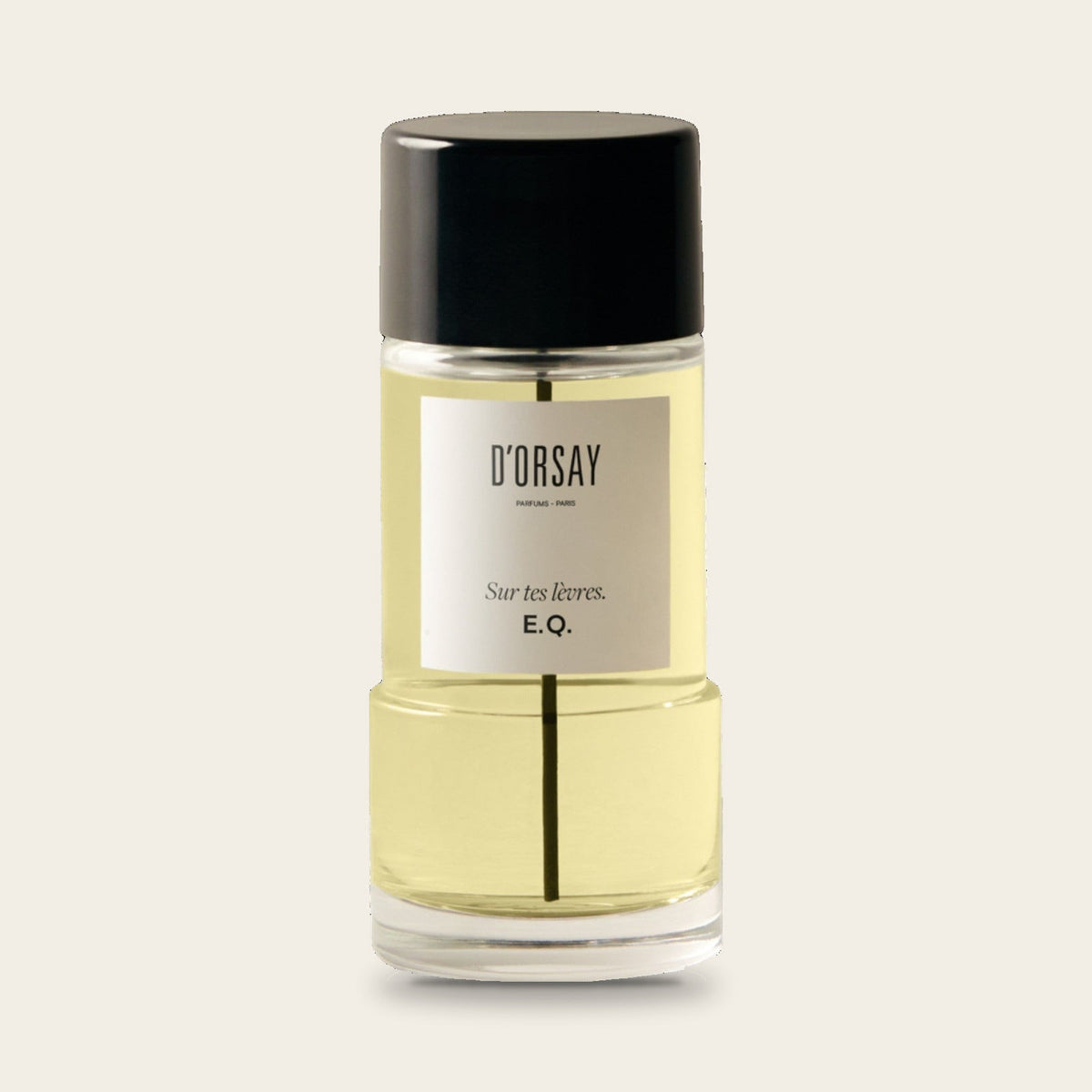
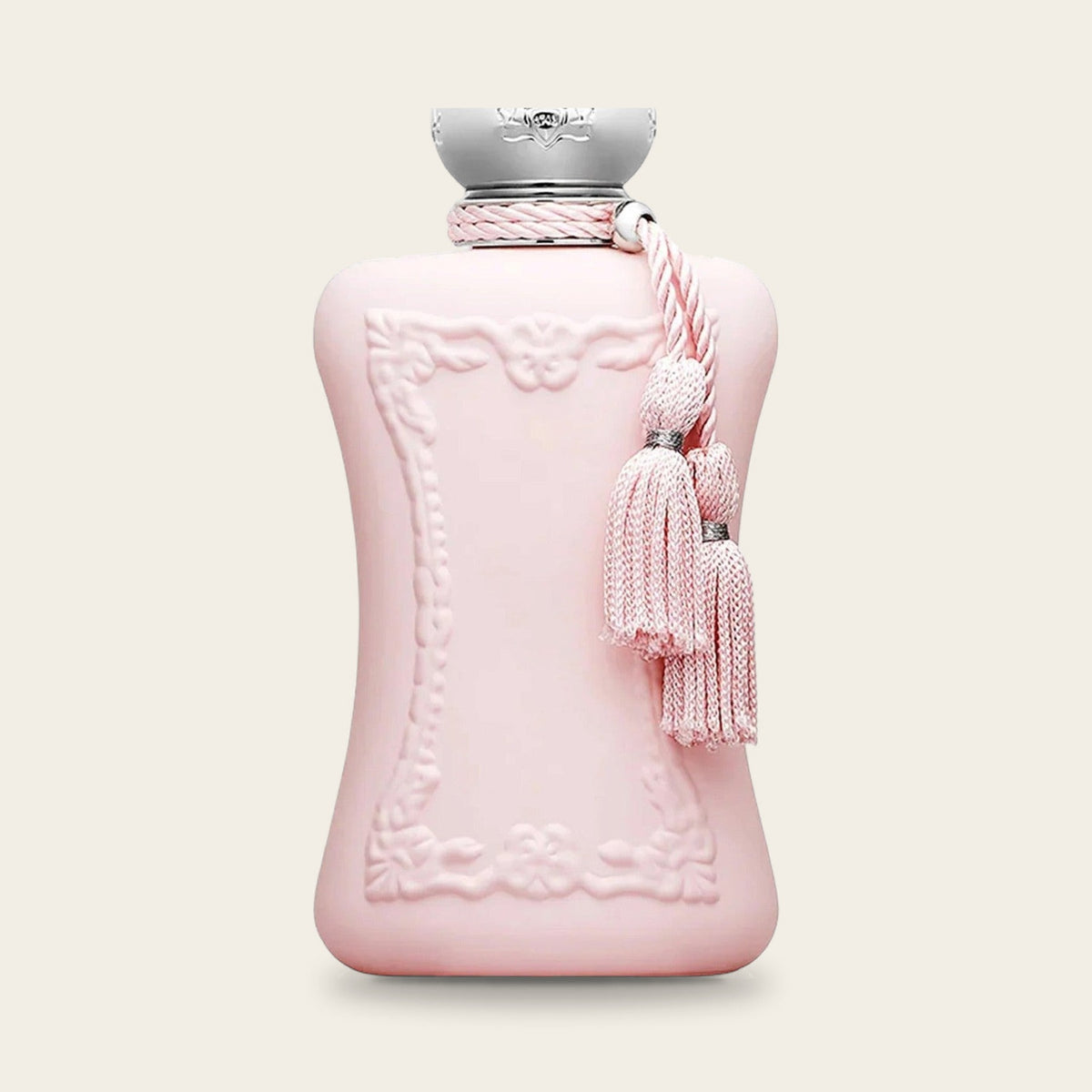
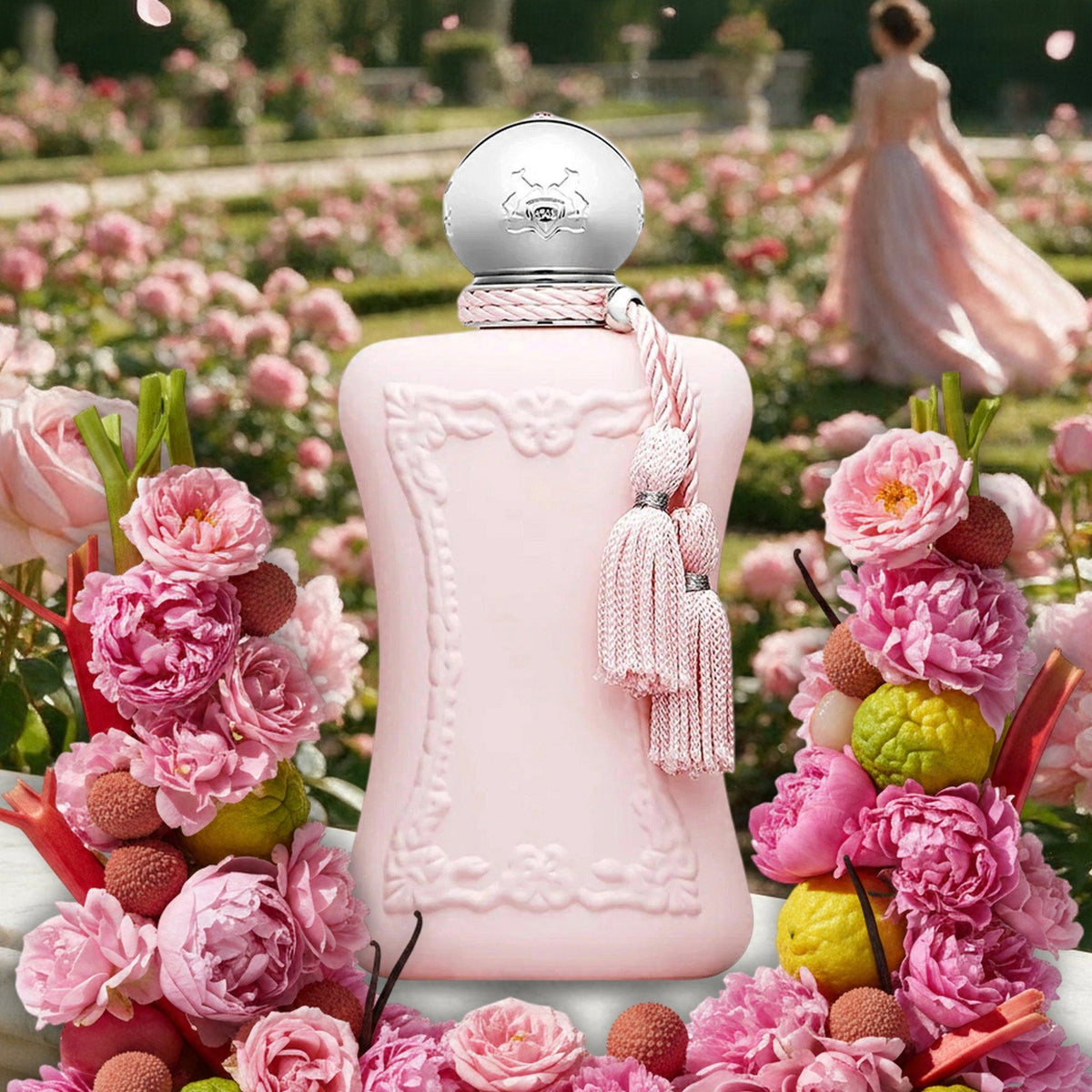
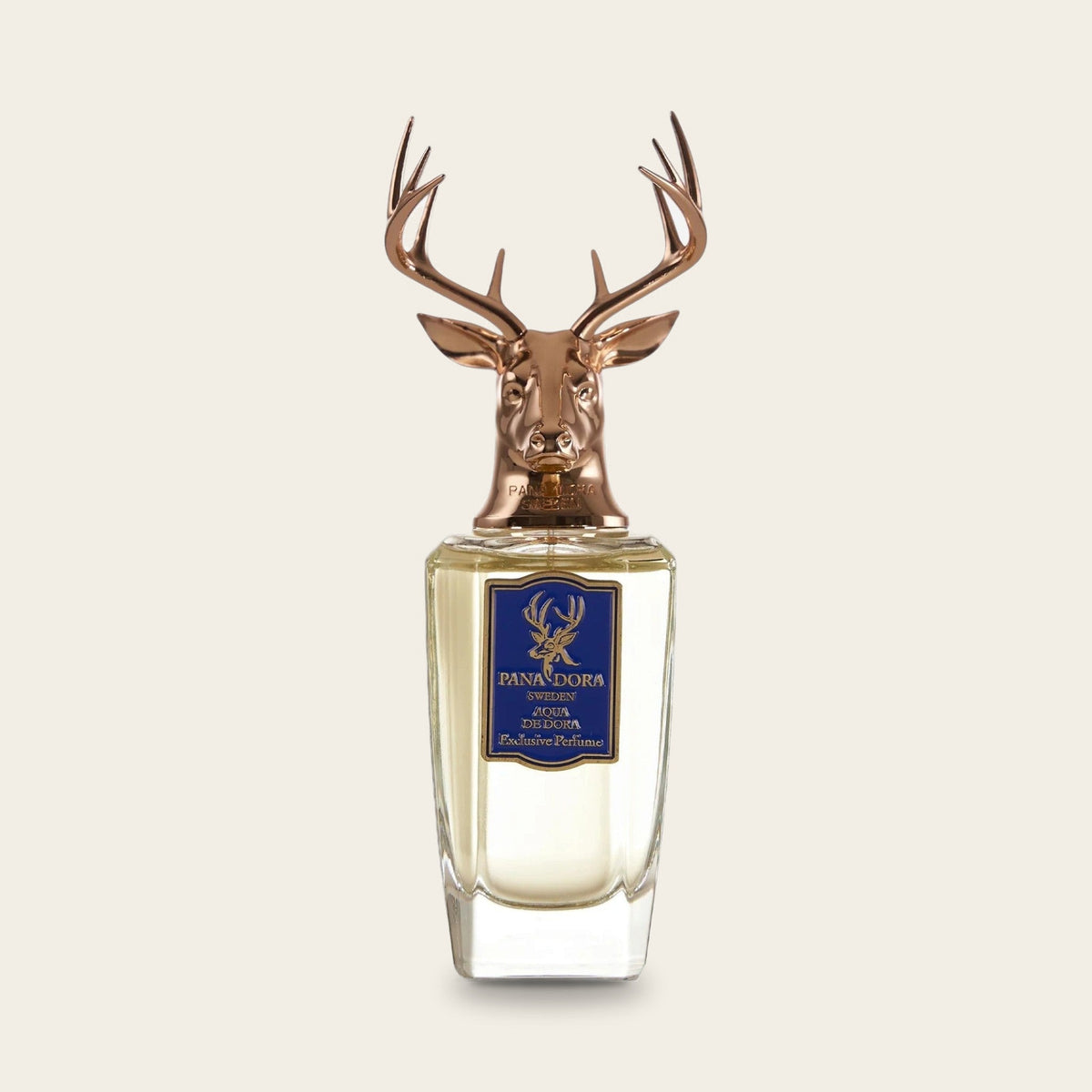
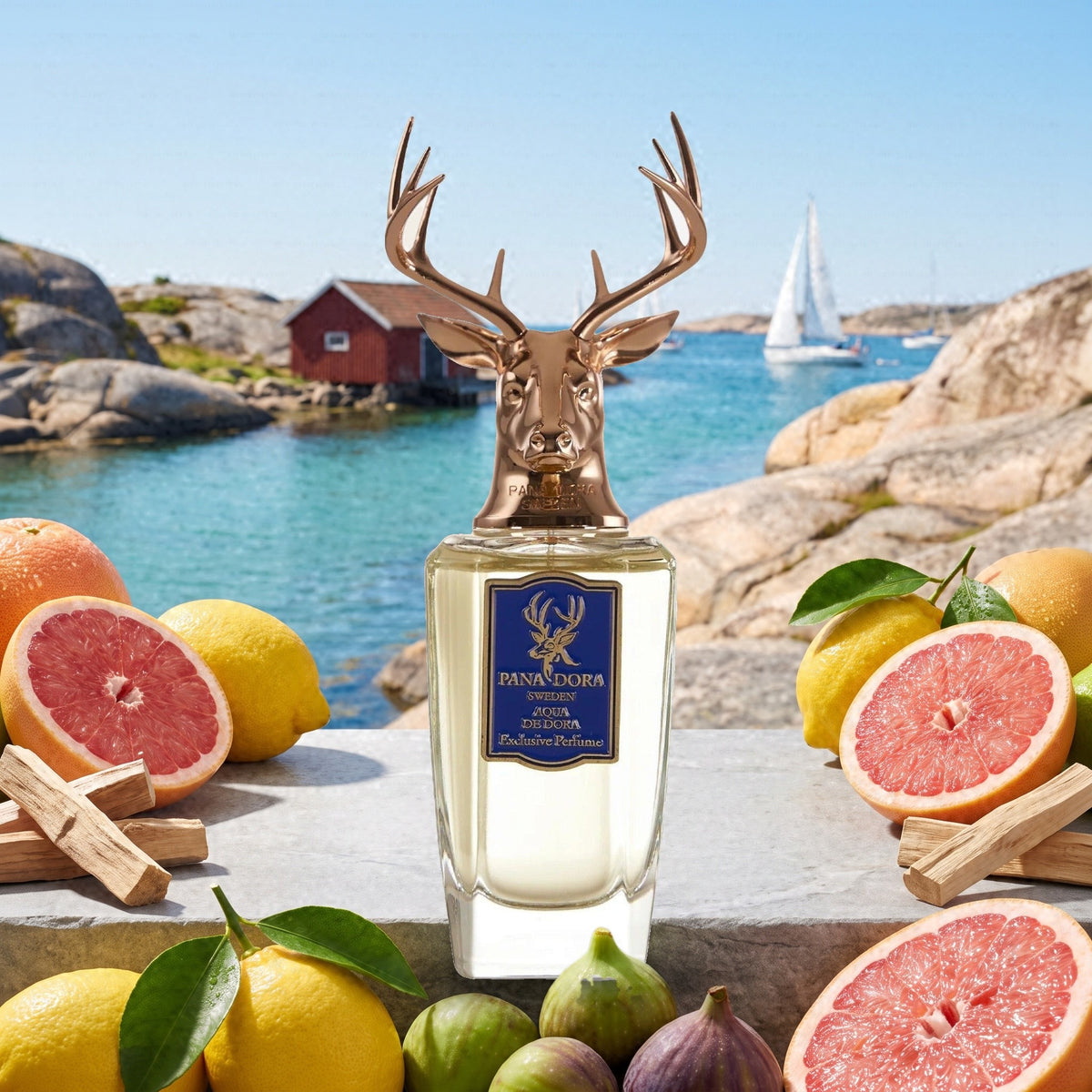
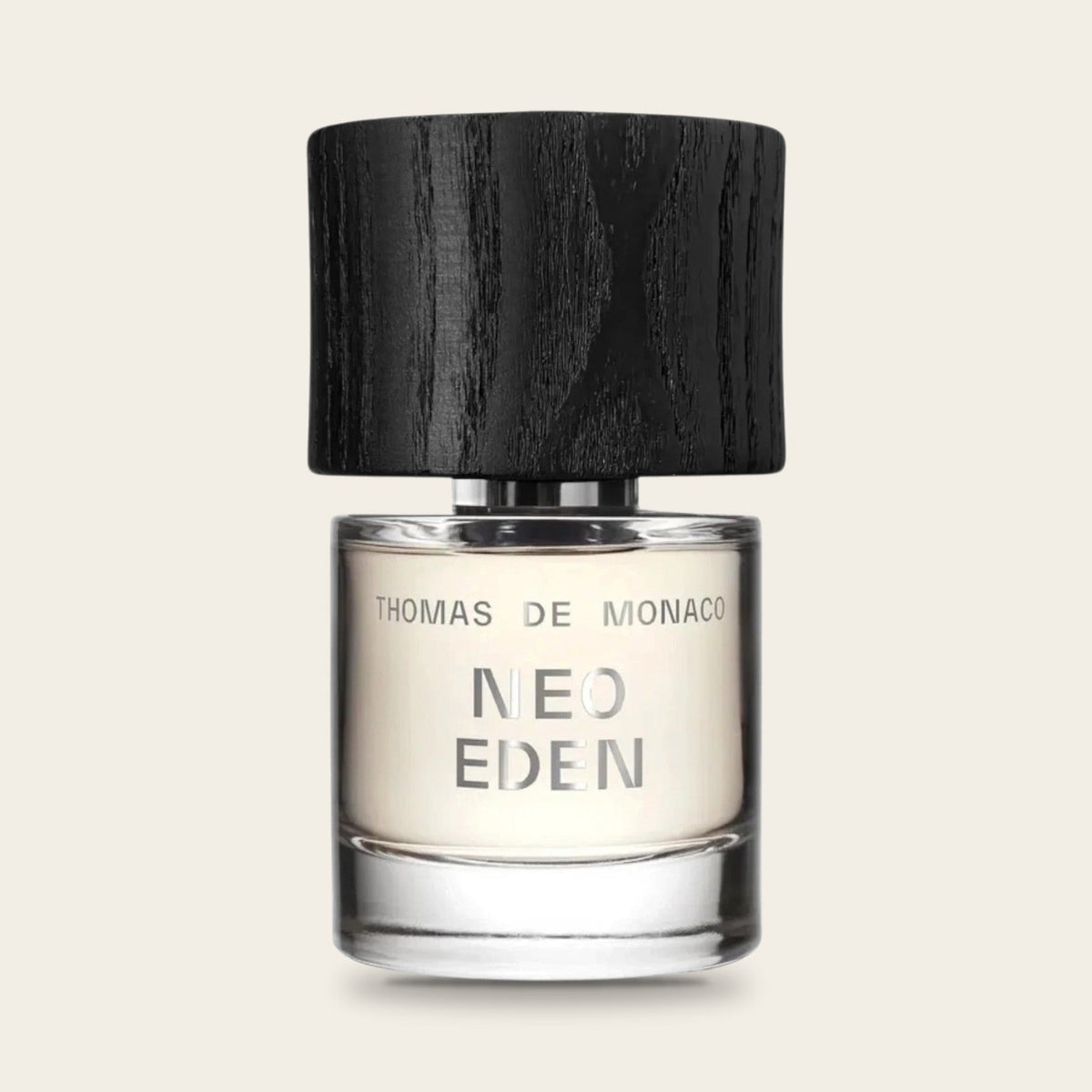
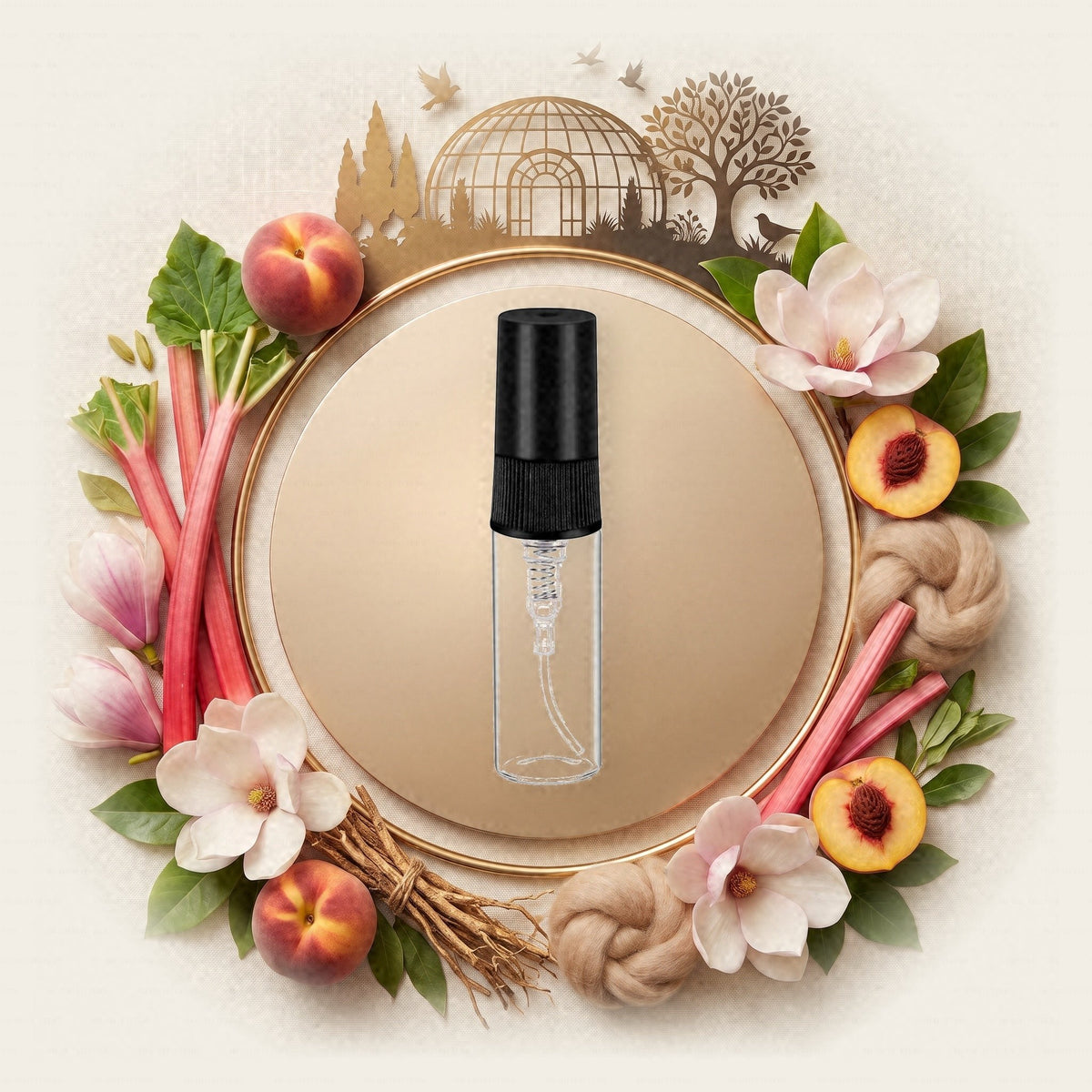
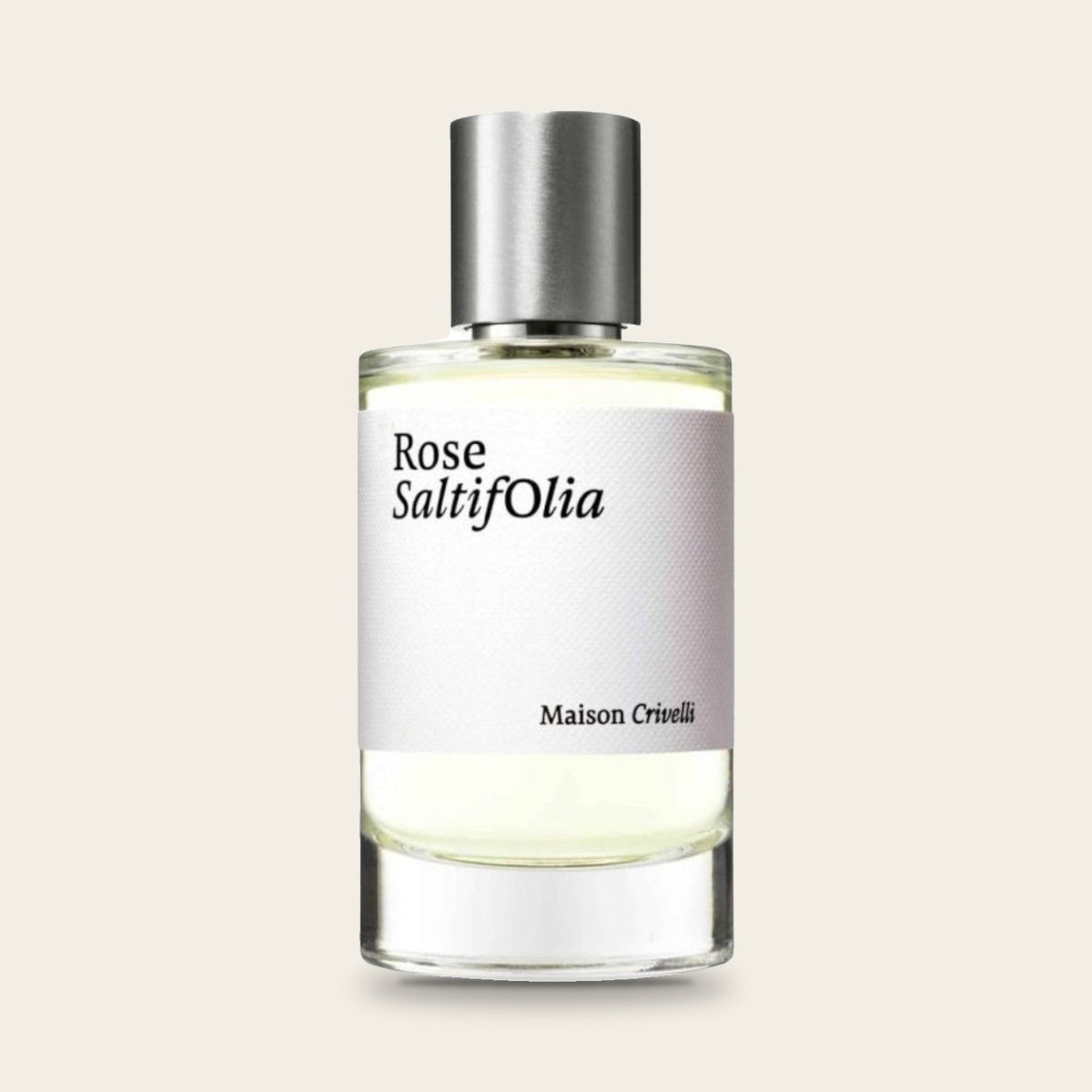
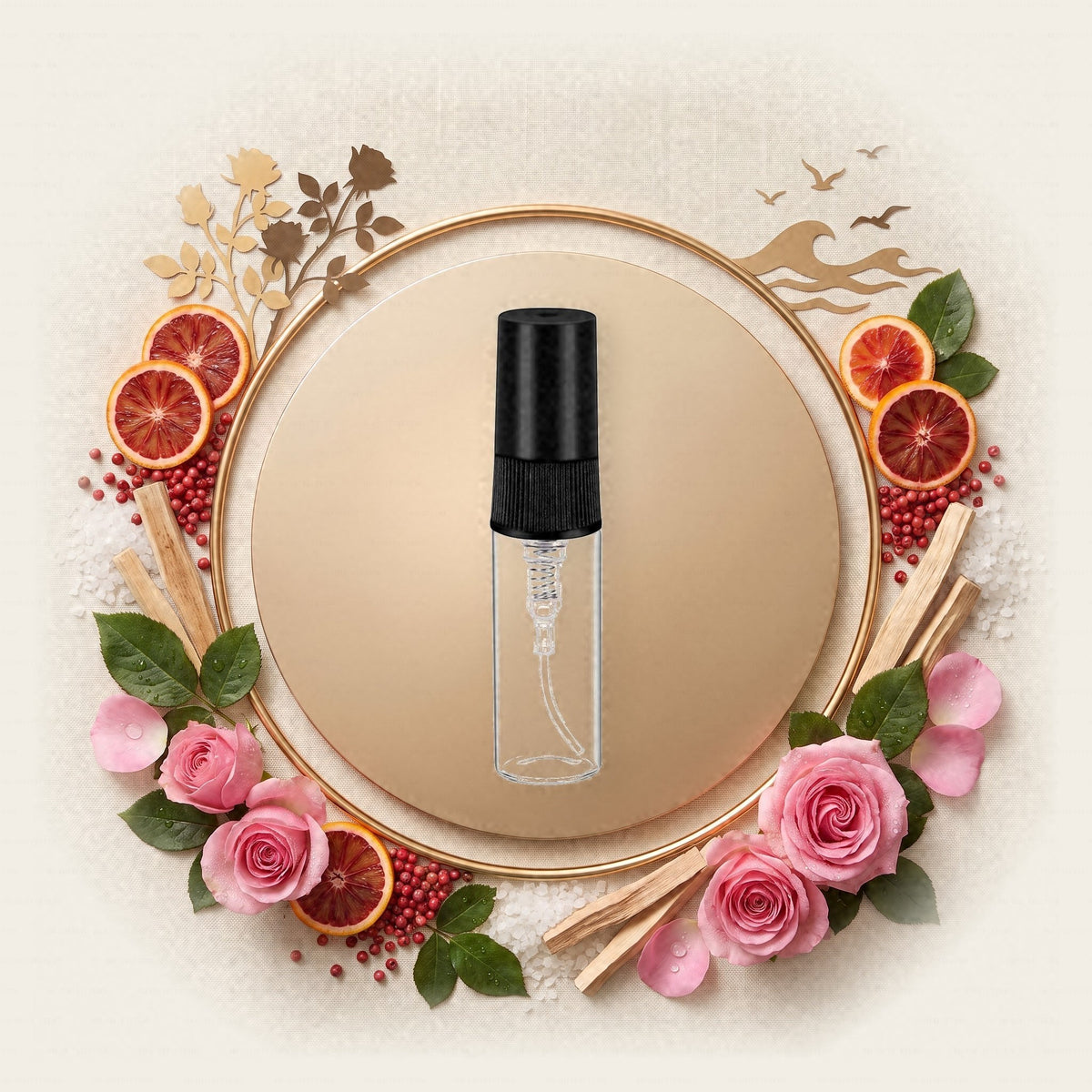
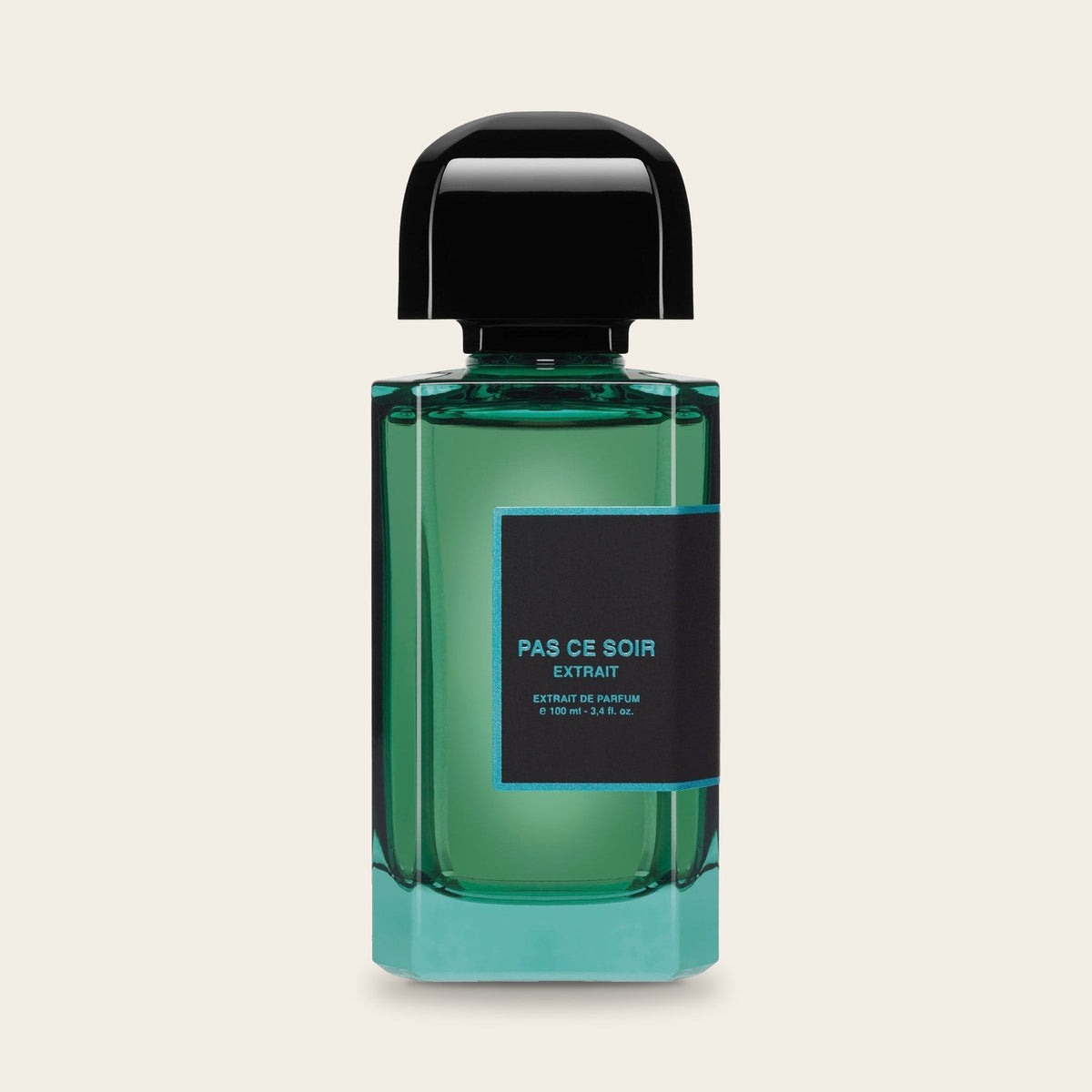
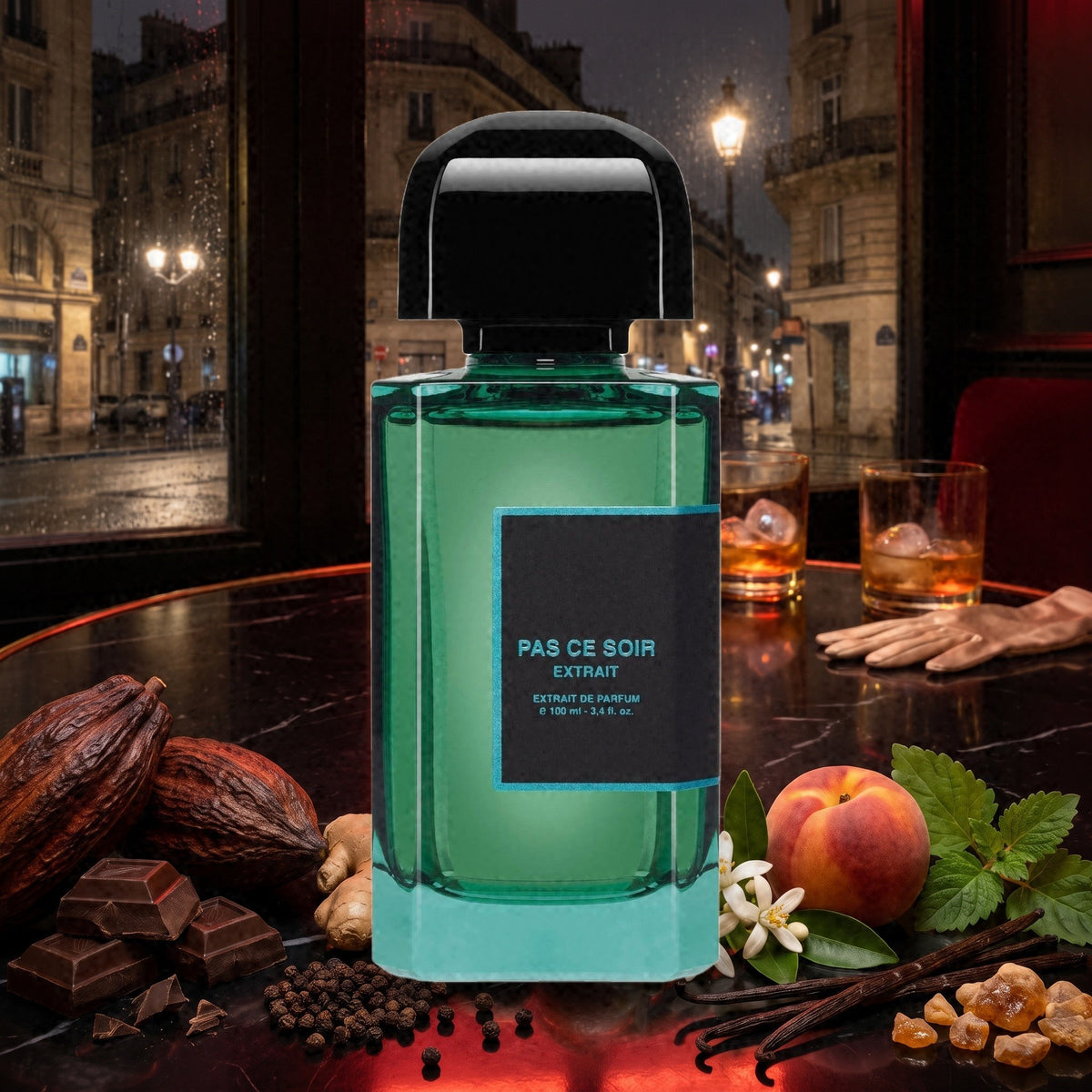
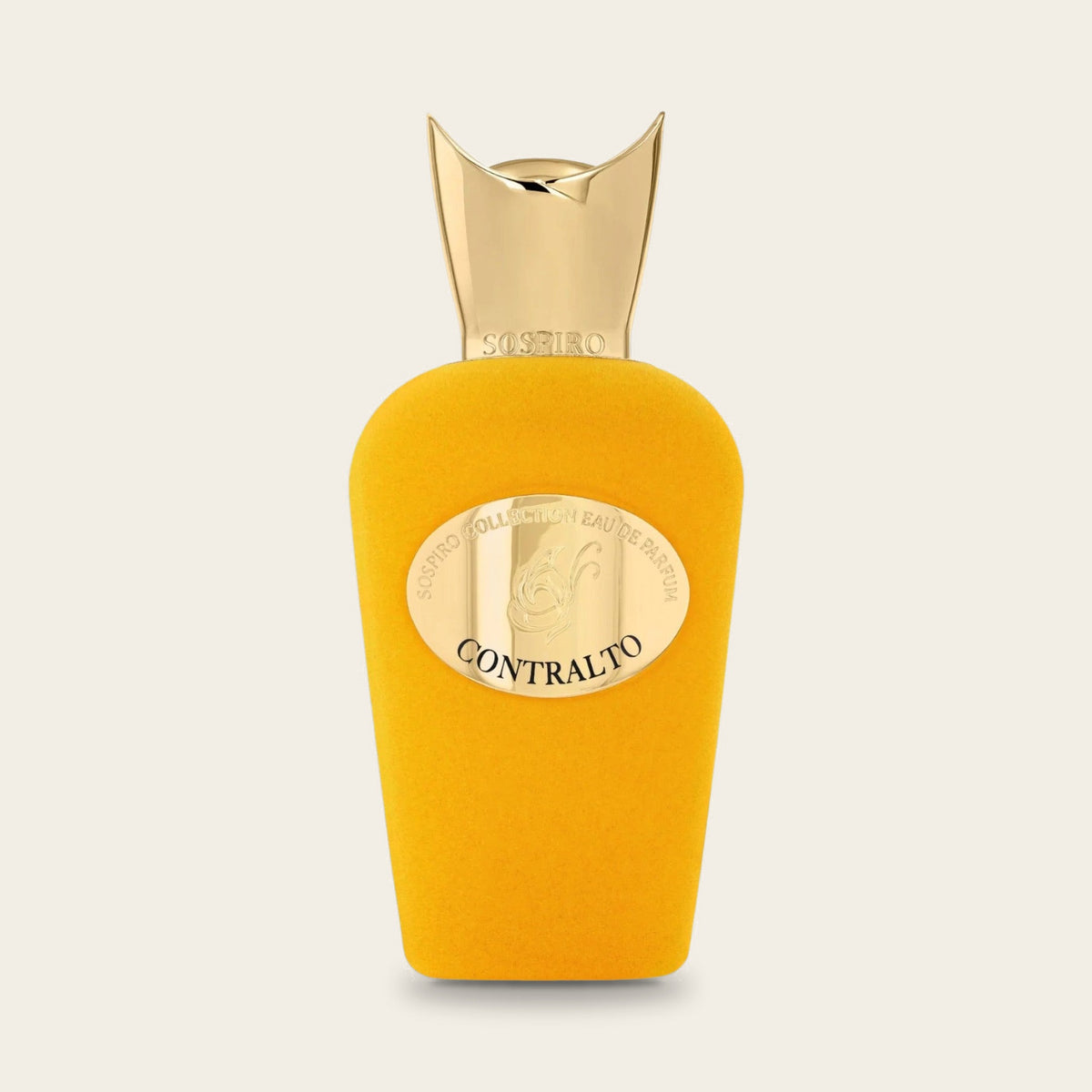
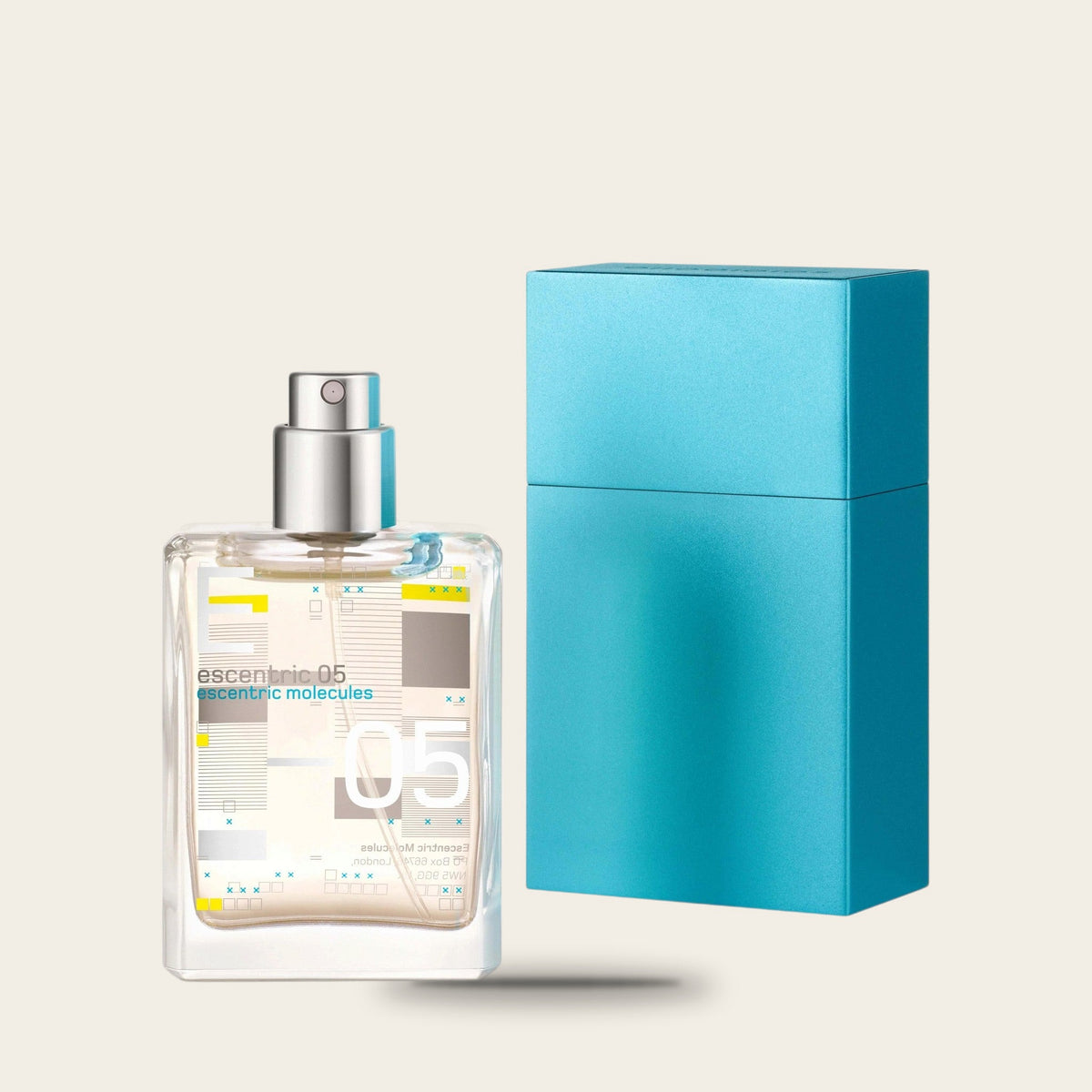
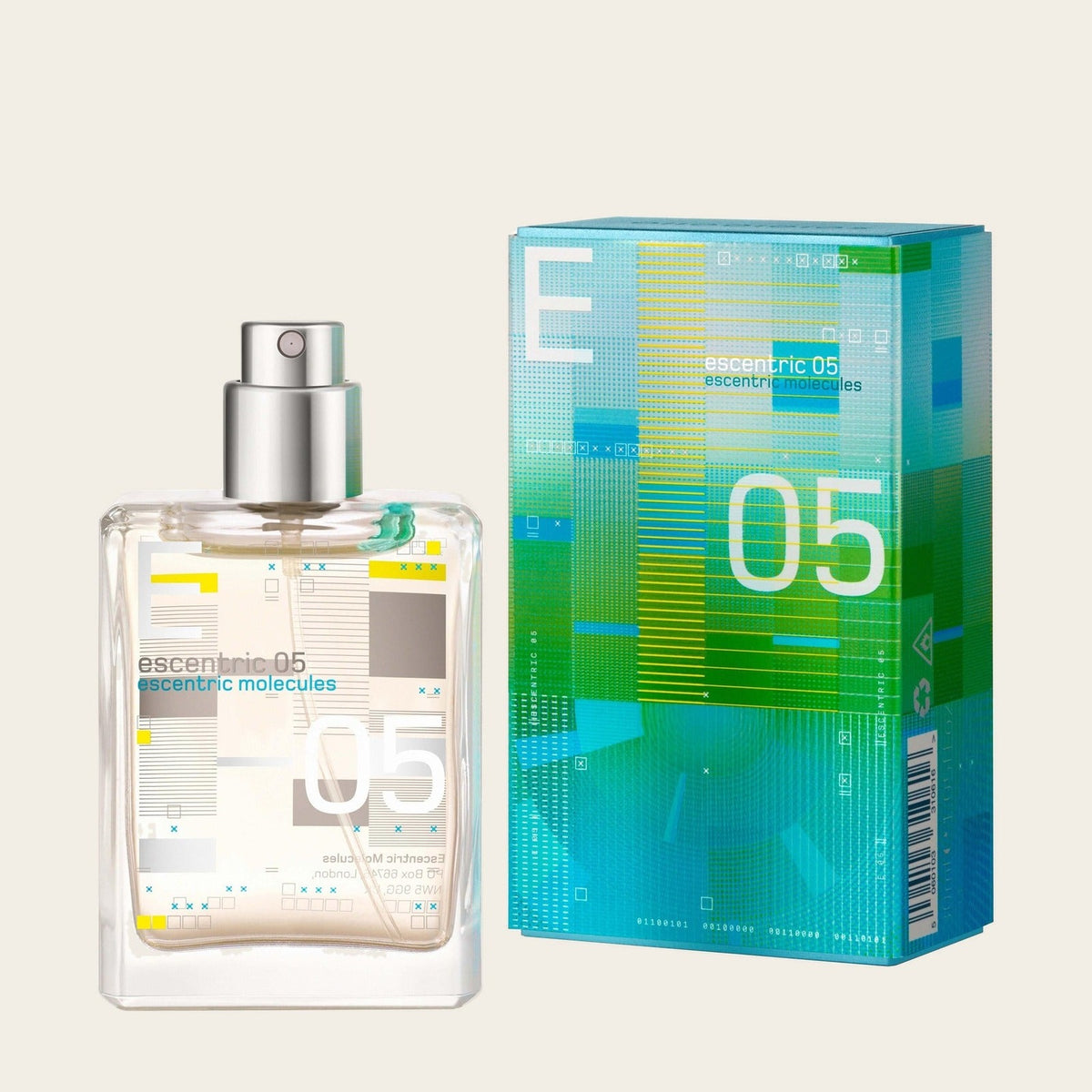
Fragrances with Cashmeran



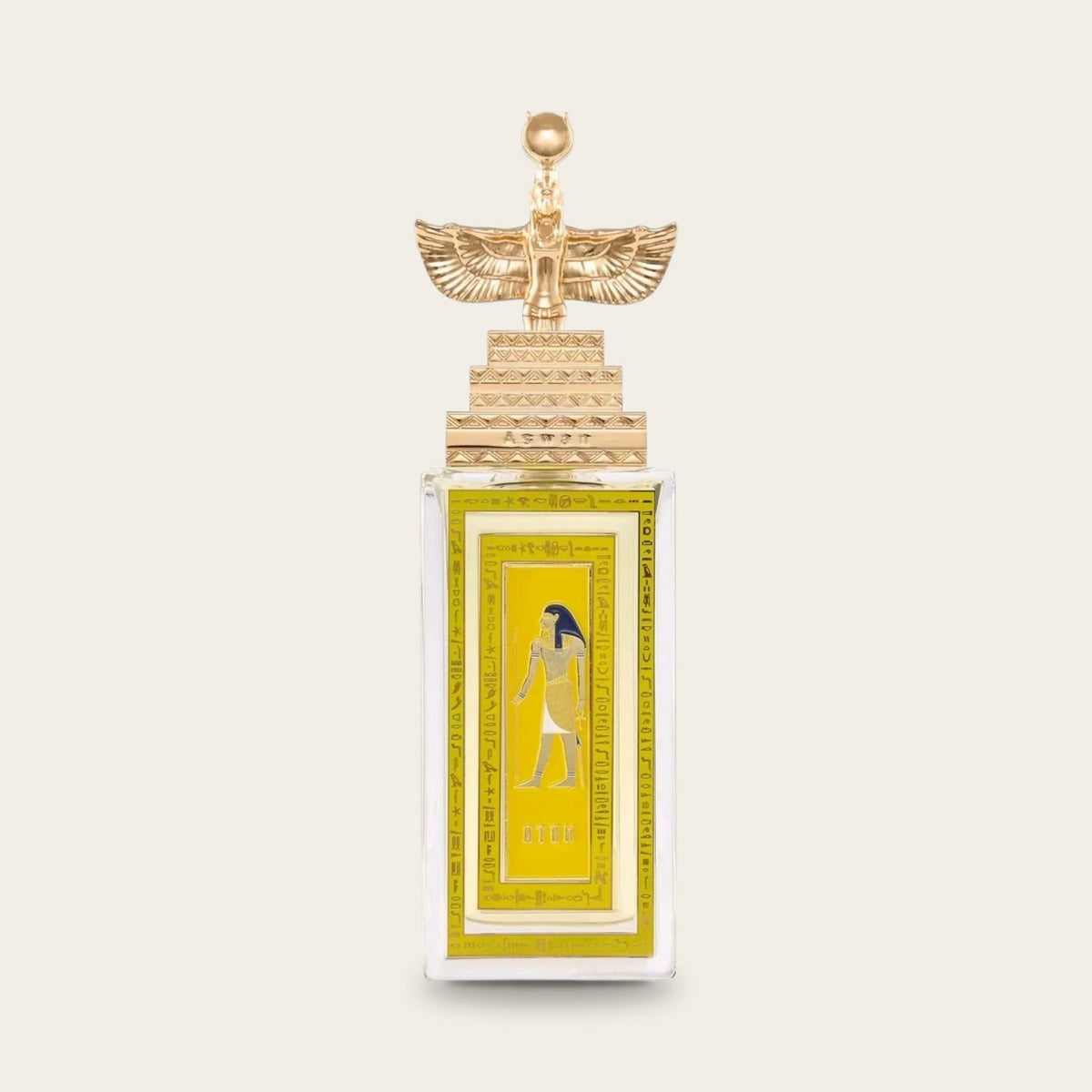

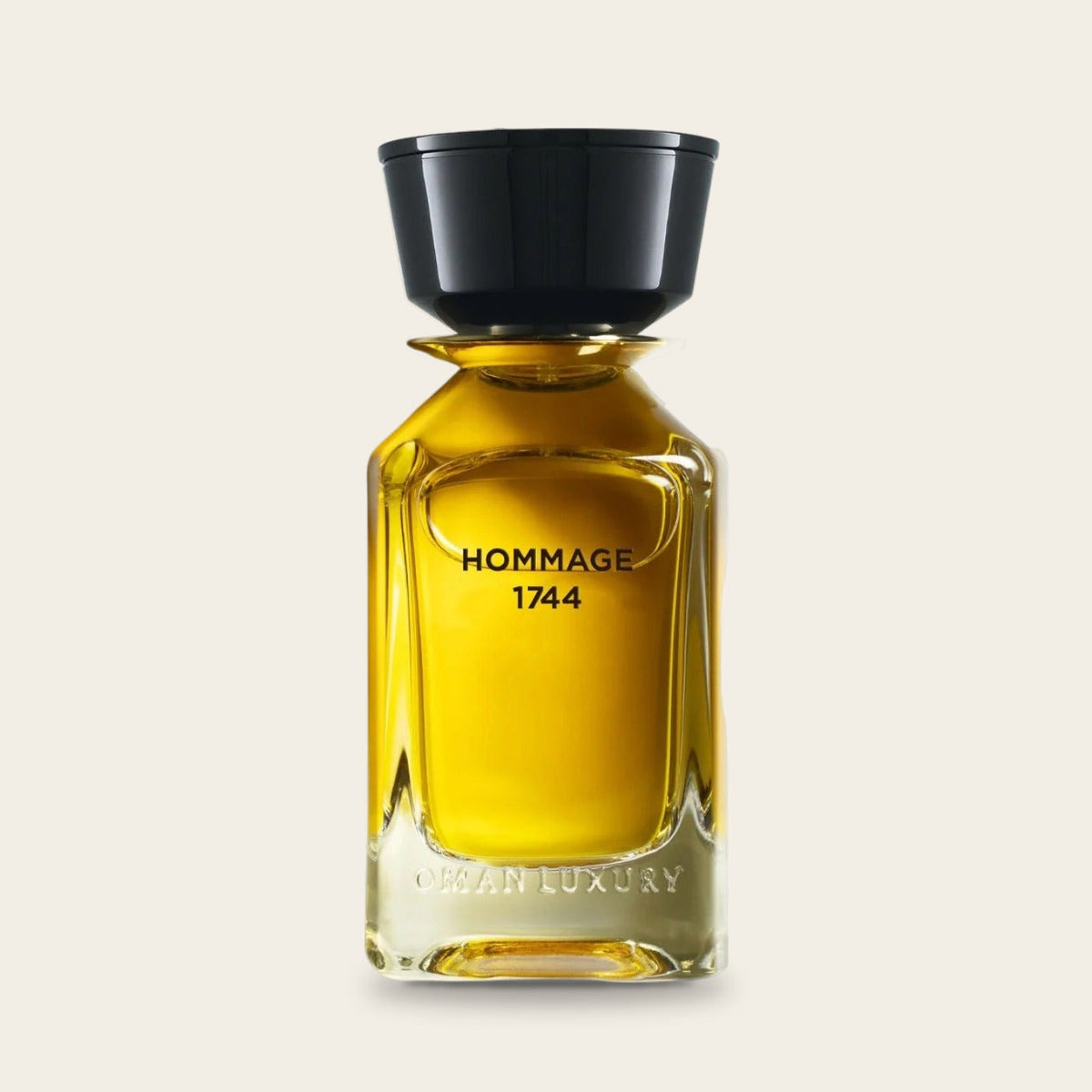
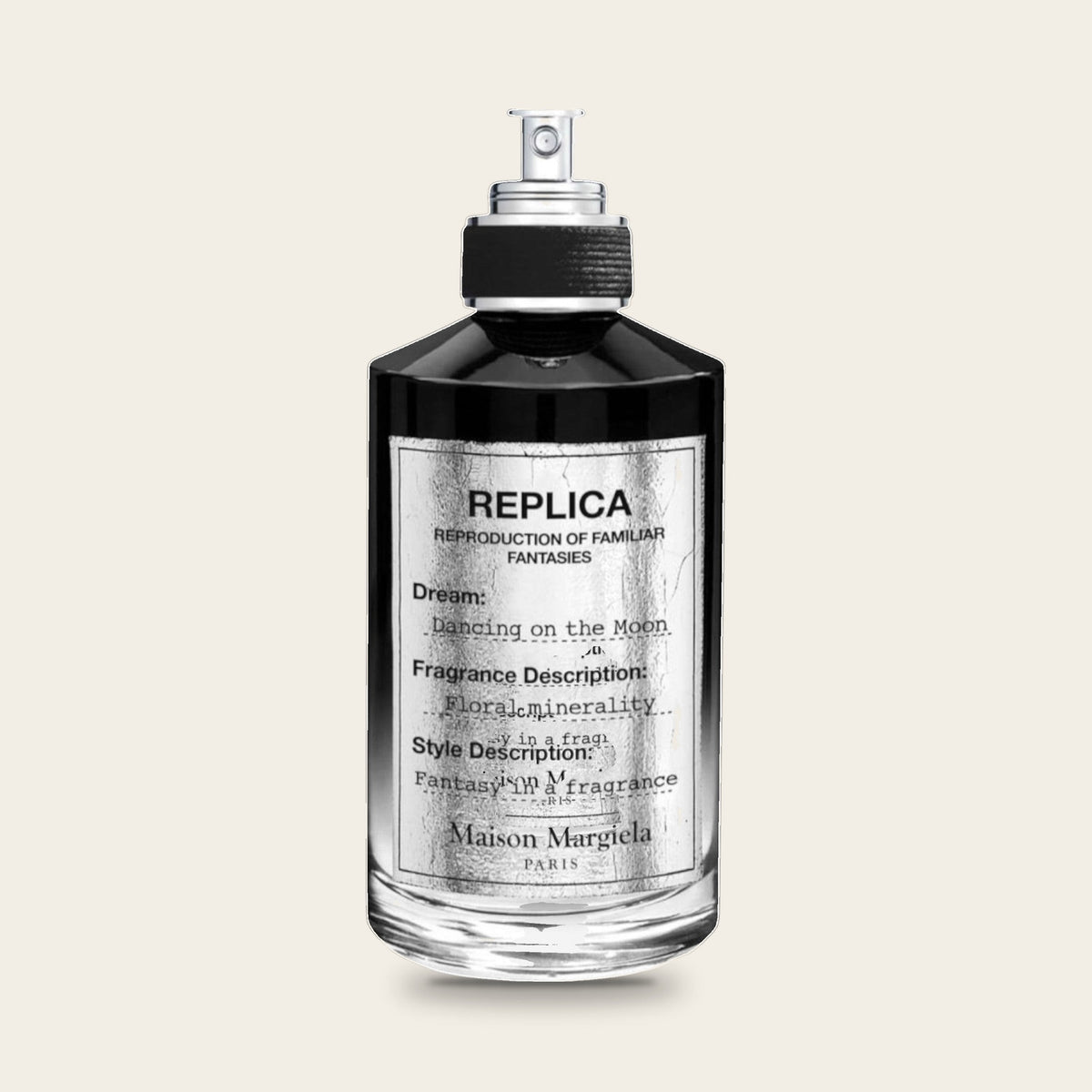

Questions and answers
Soft, musky and woody, with spicy warmth, a resinous, conifer-like undertone, a hint of fruit and a velvety, clean radiance.
Cashmeran is the note name for DPMI, a molecule that does not exist in nature. It was created in the late 1960s at a US fragrance manufacturer, when a chemist was looking for inexpensive modifications of known indane building blocks already used to make musk odorants. The name alludes to the soft, enveloping feel of cashmere wool – the substance has nothing to do with wool or any plant. Likewise, the 'cashmere wood' named in fragrance descriptions is not a type of wood but a fantasy note often associated with Cashmeran.
Cashmeran is built entirely in the laboratory. The starting material is a tetrahydro-pentamethylindane, i.e. a pentamethylindane whose aromatic six-membered ring has been partly saturated with hydrogen. On this ring, a CH₂ group is then selectively oxidised to a keto group – industrially, for example, with atmospheric oxygen and a cobalt catalyst, while the original patent also used other oxidising agents. The result is a bicyclic, unsaturated ketone made of a five- and a six-membered ring carrying five methyl groups. At room temperature the substance is a white solid that melts at around 27 °C.
Cashmeran sits between families: it combines a dry, conifer-like woody character with a soft musk note and is therefore regarded as a bridge between woody and musky accords. In compositions it lends woody notes volume, diffusion and a velvety, powdery texture. Because it is extremely long-lasting, it works mainly in the base. Typical levels range from traces to about 2 % of the perfume concentrate. In our range it appears in 55 fragrances, in 38 of them in the base.
Woody · Musk · Spicy · base note
As a synthetic aroma chemical, Cashmeran is independent of harvests, climate and season and is produced all year round in consistent quality. In a fragrance, its velvety, warm wood-musk note comes into its own especially in autumn and winter, yet its clean radiance makes it wearable all year.
In our fragrances, it often appears alongside Vanilla, bergamot, patchouli, musk, sandalwood, amber, orange blossom.
On 18 August 1969, a chemist at a US fragrance manufacturer filed a patent for a group of new indanone compounds; it was granted on 20 November 1973. One of them was launched in the 1970s as Cashmeran. Since the patent expired, several manufacturers have produced the molecule.
- Cashmeran owes its name to the feel of cashmere wool – the 'cashmere wood' in fragrance pyramids is not a real type of wood but a fantasy note.
- Cashmeran melts at only around 27 °C – below skin temperature; in a warm room it is half solid, half liquid.
- Although Cashmeran is often counted among the polycyclic musks, it lacks their typical aromatic benzene ring.
Cashmeran is 1,1,2,3,3-pentamethyl-1,2,3,5,6,7-hexahydro-4H-inden-4-one (DPMI, C₁₄H₂₂O, PubChem CID 92292, CAS 33704-61-9, molar mass about 206.3 g/mol). Its skeleton consists of a five- and a six-membered ring; a double bond between the rings is conjugated with the keto group. The carbon atom bearing the middle methyl group is a stereocentre, so two mirror-image forms exist – commercially, Cashmeran is a racemate, a 1:1 mixture of both. The substance is highly fat-soluble (log Kow about 4.5 to 4.9). Under EU classification (CLP) it is toxic to aquatic life with long-lasting effects (H411), is a weak skin sensitiser (H317) and is restricted in quantity by IFRA depending on the product category.
FRAGRANCE KNOWLEDGE
In the 4D Journal
-
 FRAGRANCE KNOWLEDGE
Rose in perfume: The queen of fragrance materials
READ ARTICLE
-
 FRAGRANCE KNOWLEDGE
Vanilla in perfume: From orchid to favourite scent
READ ARTICLE
-
 FRAGRANCE KNOWLEDGE
Leather in perfume: How does something smell that was never in the bottle?
READ ARTICLE
-
 FRAGRANCE KNOWLEDGE
Scented candles & home fragrance: How to use them right
READ ARTICLE