

INGREDIENT GLOSSARY
Oakmoss
Evernia prunastri · Parmeliaceae – a lichen, not a moss
Earthy, damp and woody, with a bitter-green, faintly sweet, almost leathery depth.
NATURALCHYPRE · FOUGÈRE · BASE NOTE
AT A GLANCE
- Lichen: Evernia prunastri, growing mainly on oaks – not a moss
- Origin: south-eastern Europe (especially Macedonia) and Morocco, processed in France
- Production: hand-gathered, dried, extracted as a resinoid and absolute
- Scent: earthy, woody, bitter-green – a base note in chypre and fougère
PROFILE
- Origin
- Lichen growing mainly on oaks · gathered for perfumery in south-eastern Europe (especially Macedonia) and Morocco, processed in France
- Extraction
- Hand-gathered, dried and pressed, then solvent-extracted into a resinoid and purified with alcohol into an absolute
- Main molecules
- Methyl β-orcinolcarboxylate (C₁₀H₁₂O₄) · Atranol (C₈H₈O₃) and chloroatranol (C₈H₇ClO₃) as regulated allergens
- Harvest
- Oakmoss is gathered by hand from the trees – depending on the region, all year round or mainly in spring and autumn.
- Often paired with
- Bergamot, patchouli, jasmine, cedarwood, musk, sandalwood, rose
Numbers that surprise
at least around 20 kg
of dried lichen are needed for a single kilogram of oakmoss extract – even at a comparatively high yield of about 5%.
0.01%
is the most atranol – and the same again of chloroatranol – that an oakmoss extract may contain under the IFRA standard: 100 ppm, or 0.1 g per kilogram.
Rounded values; calculation based on published data.
Harvest and season
Oakmoss is gathered by hand from the trees – depending on the region, all year round or mainly in spring and autumn. The lichen is then dried and pressed, so it can be stored and extracted throughout the year.
Gatherers pick the lichen by hand from trunks, branches and fallen twigs. It is then dried, cleared of bark and wood fragments, pressed into bales and shipped for extraction. There the dry lichen is extracted with a solvent, today usually hexane – depending on the method, the yield is only a few per cent. Treating this resinoid with alcohol, filtering it and distilling the alcohol off gives oakmoss absolute.
Knowledge to share
Myth or truth?
Statement 1
Oakmoss is a moss that grows on oak trees.
Myth. Oakmoss is a lichen – Evernia prunastri, a partnership between a fungus and an alga. It is not related to true mosses.
Statement 2
Oakmoss is banned in perfumes in the EU.
Myth. Only the two allergens atranol and chloroatranol are banned. Oakmoss extracts from which they have largely been removed may still be used.
Statement 3
The typical mossy smell comes mainly from a single molecule.
True. The key odorant is considered to be methyl β-orcinolcarboxylate, an aromatic with a mossy, woody smell. The full absolute is nevertheless far more complex.
Your result
FRAGRANCES WITH OAKMOSSINGREDIENT GLOSSARY
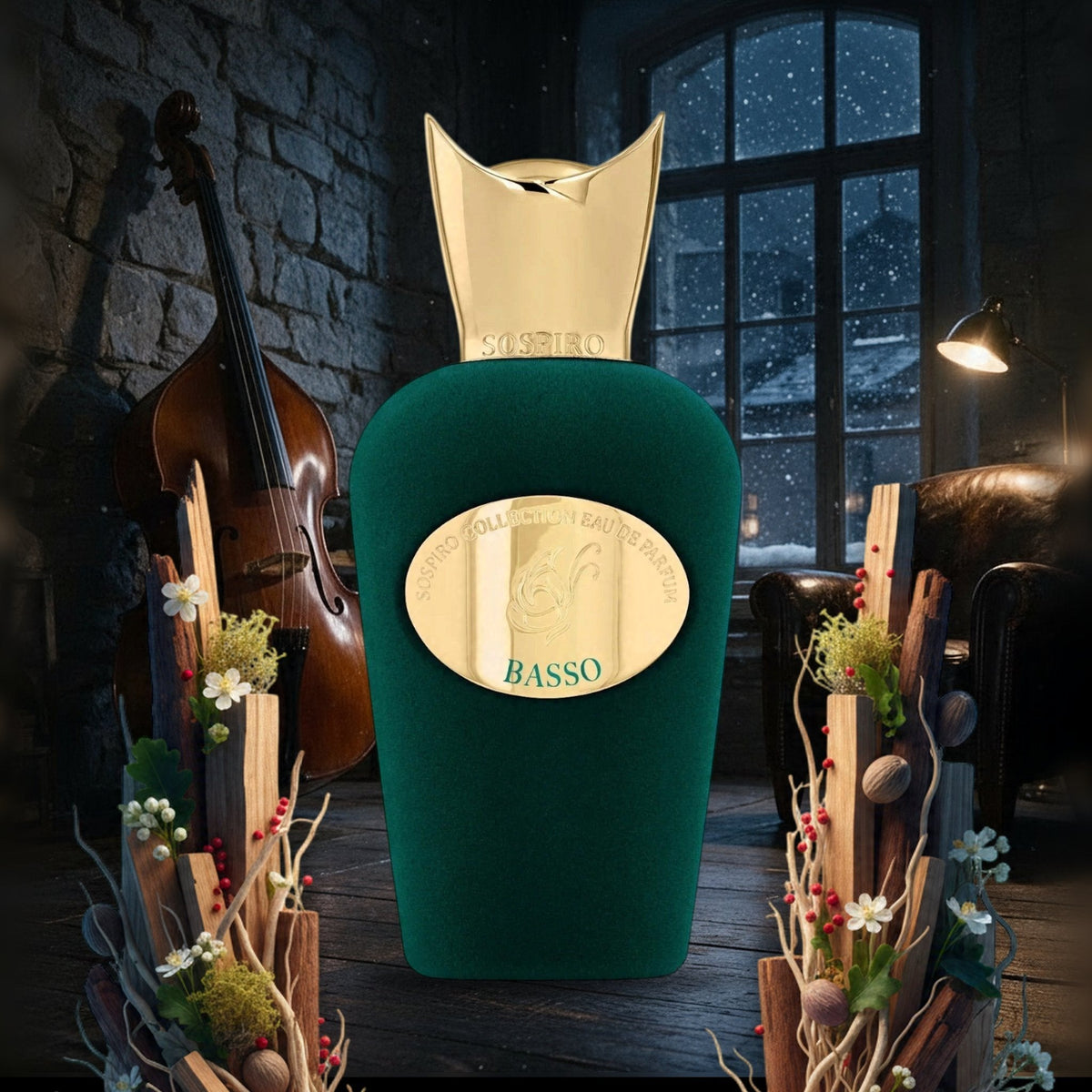
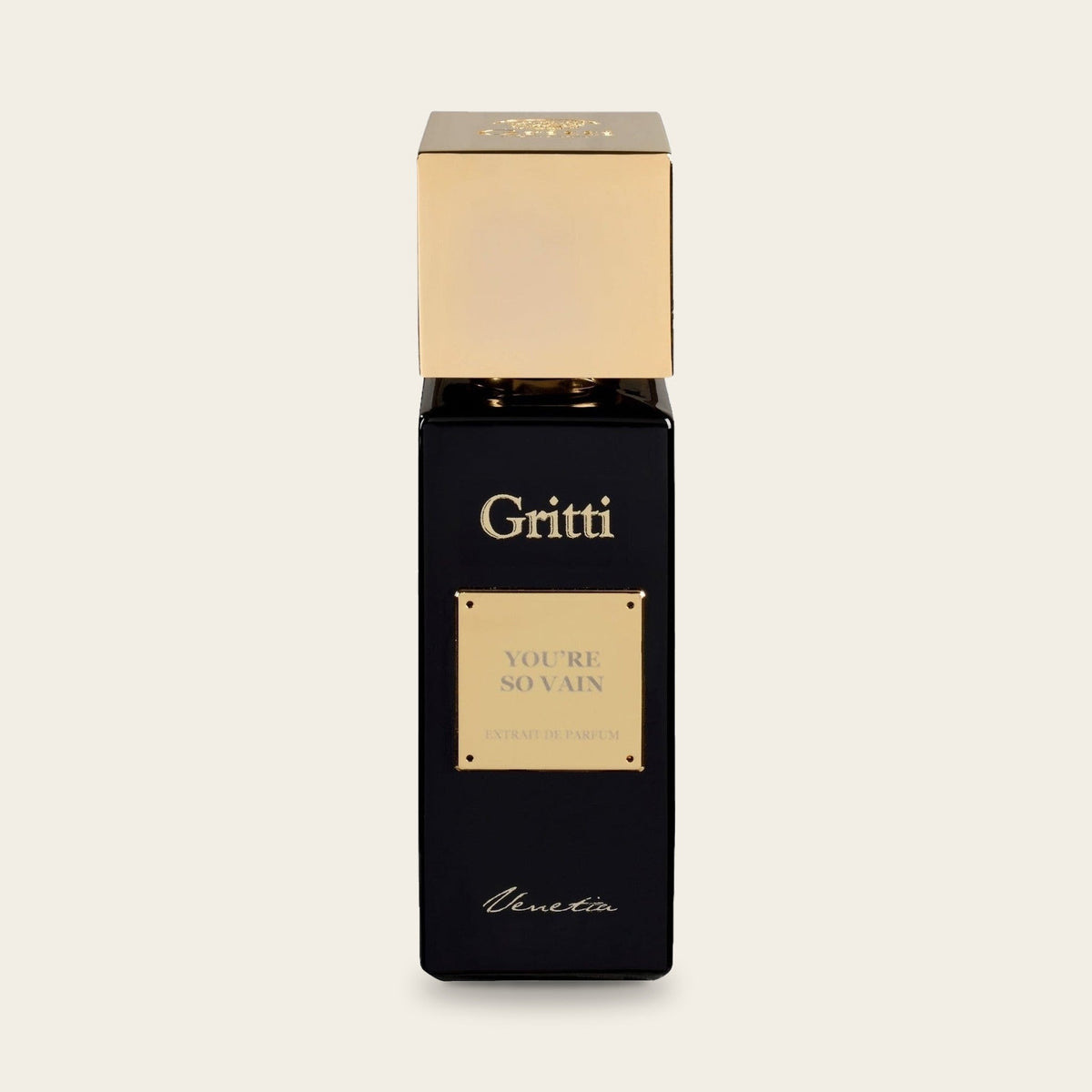
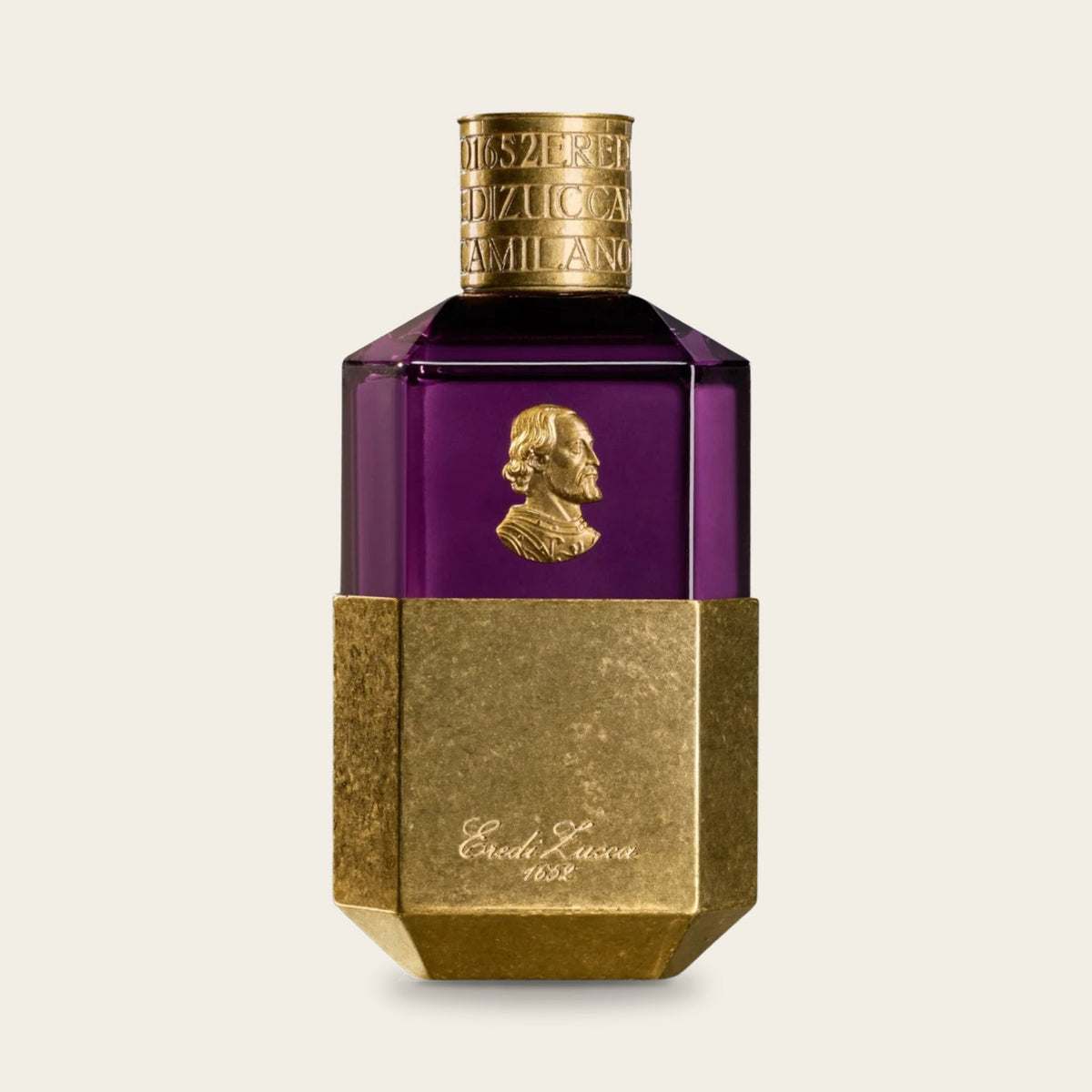
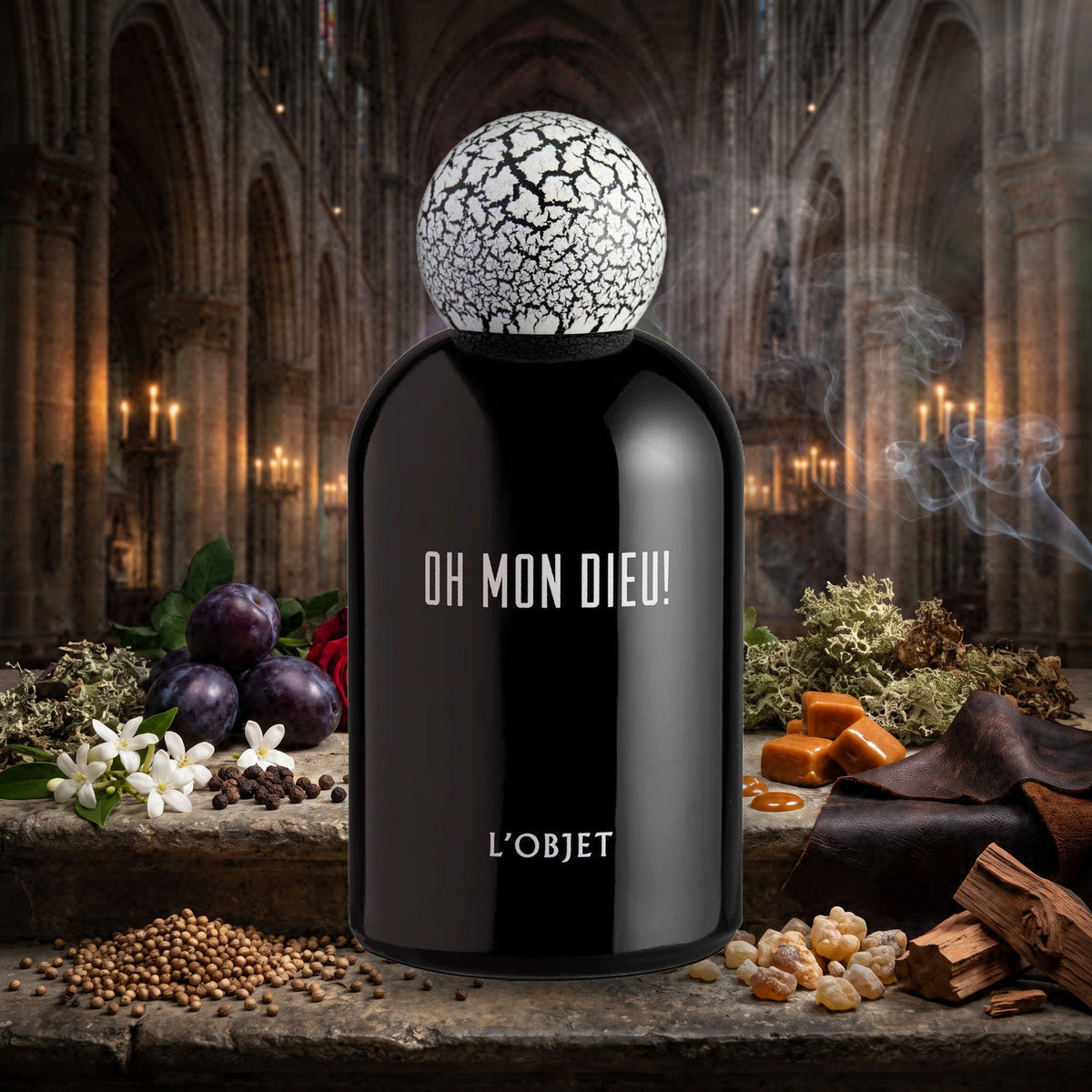
Fragrances with Oakmoss







Questions and answers
Earthy, damp and woody, with a bitter-green, faintly sweet, almost leathery depth.
Despite its name, oakmoss is not a moss but the lichen Evernia prunastri, from the family Parmeliaceae – a partnership between a fungus and an alga. It grows as a grey-green, branching tuft, mainly on the bark of oak trees. For perfumery it has been gathered for decades chiefly in south-eastern Europe – traditionally in Macedonia, southern Serbia and Bosnia – and in Morocco's Rif and Atlas mountains. The raw material is processed mostly in France, around Grasse.
Gatherers pick the lichen by hand from trunks, branches and fallen twigs. It is then dried, cleared of bark and wood fragments, pressed into bales and shipped for extraction. There the dry lichen is extracted with a solvent, today usually hexane – depending on the method, the yield is only a few per cent. Treating this resinoid with alcohol, filtering it and distilling the alcohol off gives oakmoss absolute.
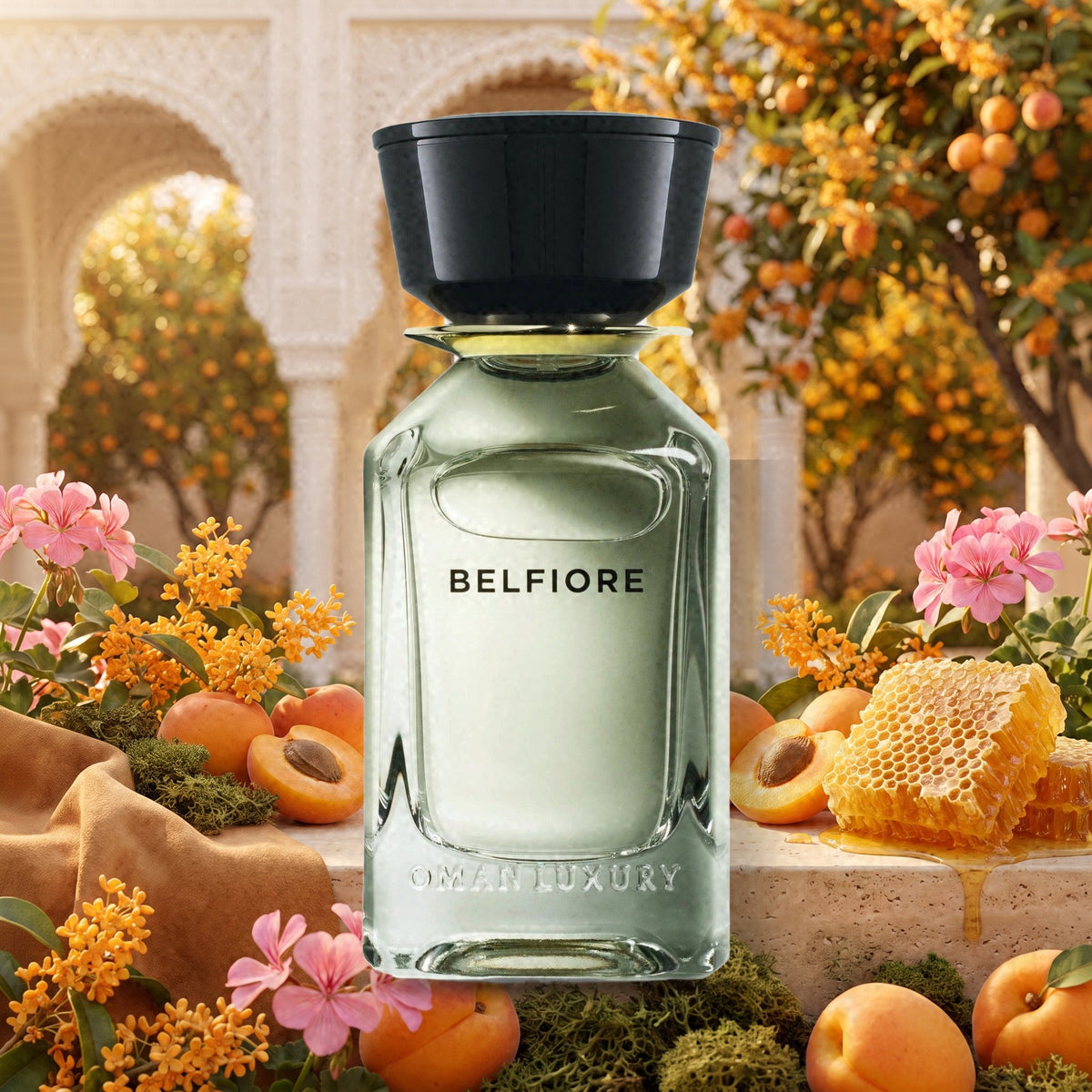
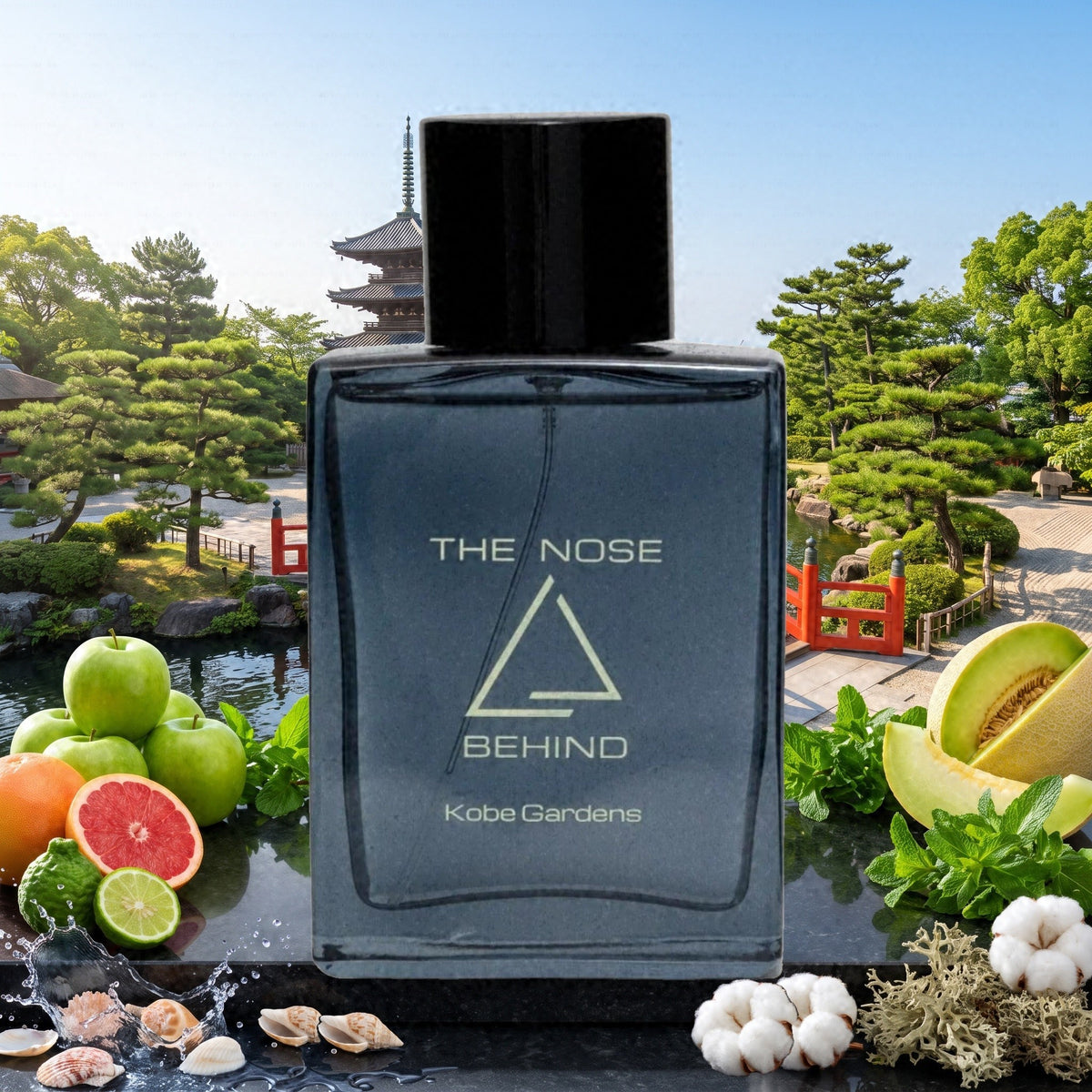
Oakmoss sits in the base of a fragrance, where it acts as a fixative that helps more volatile notes last longer. With its earthy, woody, slightly phenolic depth, it is a cornerstone of the chypre and fougère accords. In our range it sits in the base of all 70 fragrances that feature it.
Chypre · Fougère · base note
Oakmoss is gathered by hand from the trees – depending on the region, all year round or mainly in spring and autumn. The lichen is then dried and pressed, so it can be stored and extracted throughout the year.
In our fragrances, it often appears alongside Bergamot, patchouli, jasmine, cedarwood, musk, sandalwood, rose.
In the early 20th century, oakmoss extracts shaped the chypre family, whose classic accord combines bergamot, labdanum and oakmoss; the name is the French word for Cyprus. The fougère family also builds on this mossy base. Because oakmoss can trigger contact allergies, the industry body IFRA has limited the allergens atranol and chloroatranol in its extracts to below 100 ppm each since 2008. Since 23 August 2019, no new cosmetic products containing these two substances may be placed on the EU market, and since August 2021 none may be sold at all – perfumery has since relied on low-atranol oakmoss extracts.
- Oakmoss is not a moss at all but a lichen – a partnership between a fungus and an alga that grows on oak bark.
- Since 2008, the industry body IFRA has limited the allergens atranol and chloroatranol in oakmoss extracts to below 100 ppm each – since 2019 they have been banned in new cosmetics in the EU.
- The scent of oakmoss is so defining that it underpins two classic fragrance families: chypre and fougère.
The key odorant is considered to be methyl β-orcinolcarboxylate (methyl atrarate, C₁₀H₁₂O₄, PubChem CID 78435, molar mass about 196 g/mol), a single-ring aromatic with a mossy, woody, earthy and phenolic smell. In the lichen, the odorants are first locked up in larger lichen substances known as depsides, such as evernic acid, atranorin and chloroatranorin. Processing breaks these down, releasing not only the odorants but also atranol (C₈H₈O₃) and chloroatranol (C₈H₇ClO₃), which are regarded as potent contact allergens. Modern processes remove these two substances selectively without changing the scent of the absolute.
FRAGRANCE KNOWLEDGE
In the 4D Journal
-
 FRAGRANCE KNOWLEDGE
Rose in perfume: The queen of fragrance materials
READ ARTICLE
-
 FRAGRANCE KNOWLEDGE
Vanilla in perfume: From orchid to favourite scent
READ ARTICLE
-
 FRAGRANCE KNOWLEDGE
Leather in perfume: How does something smell that was never in the bottle?
READ ARTICLE
-
 FRAGRANCE KNOWLEDGE
Scented candles & home fragrance: How to use them right
READ ARTICLE