
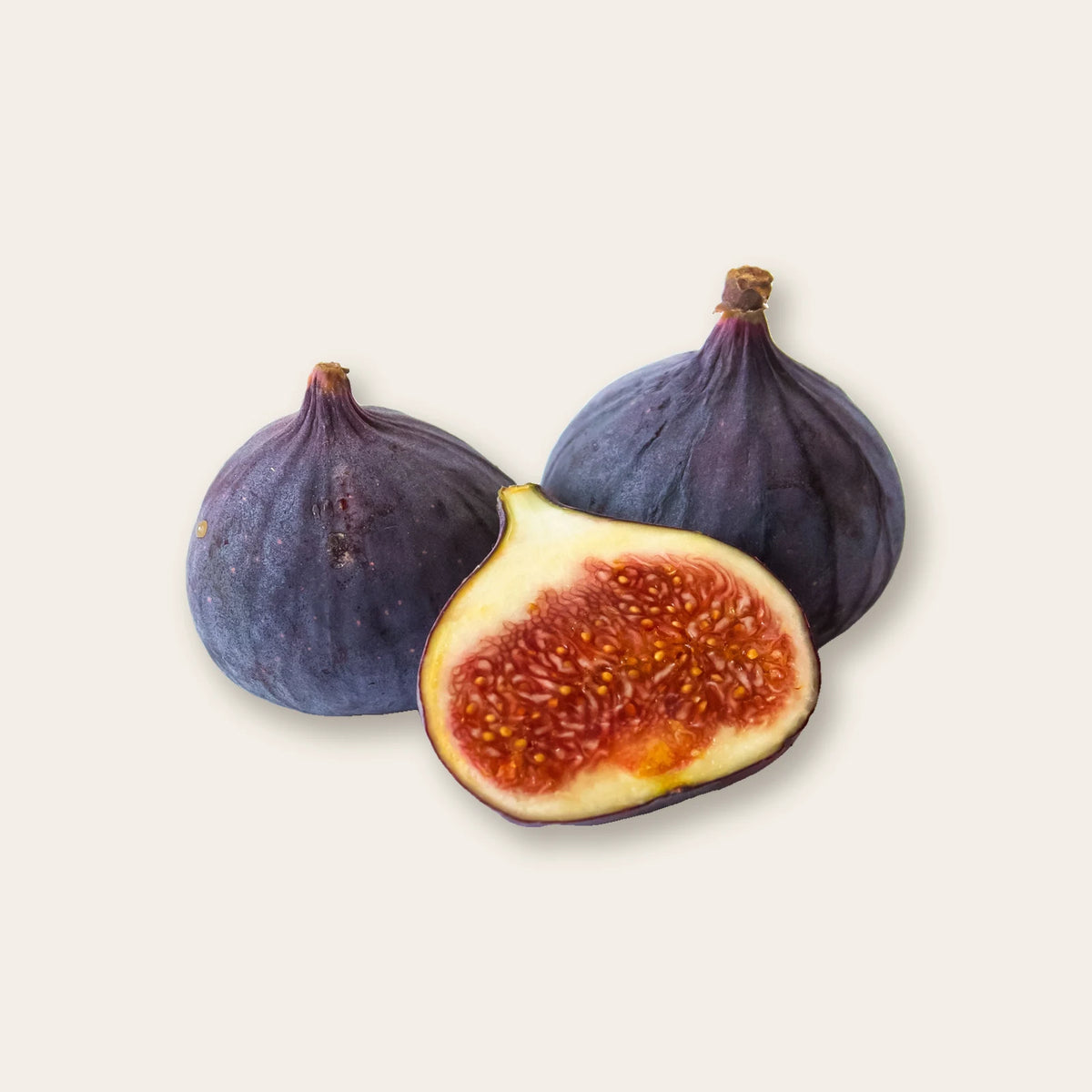
INGREDIENT GLOSSARY
Fig
Ficus carica · Mulberry family (Moraceae)
Green and milky-creamy, like crushed fig leaves and the sap of freshly snapped twigs.
ACCORDGREEN · FRUITY-MILKY · TOP AND HEART NOTE
AT A GLANCE
- Accord: fig, modelled on the leaf, milky sap and fruit of the fig tree Ficus carica (mulberry family)
- Origin: fig tree native to the Mediterranean and to western and southern Asia
- Extraction: accord of individual molecules – fig leaf absolute has been prohibited as a fragrance ingredient since 2006
- Scent: green, leafy and milky-creamy with woody depth – top and heart note
PROFILE
- Origin
- The fig tree is native to the Mediterranean and to western and southern Asia, from Anatolia to northern India · As a fragrance note an accord: fig leaf absolute has been prohibited as a fragrance ingredient since 2006
- Extraction
- No natural extract: the green, milky fig scent is rebuilt as an accord from individual molecules, because fig leaf absolute is prohibited on account of phototoxic furocoumarins
- Main molecules
- (Z)-3-Hexenol (C₆H₁₂O, green and leafy, “leaf alcohol”) · γ-octalactone (C₈H₁₄O₂, sweet, coconut-like, creamy and milky) · 5-methylheptan-3-one oxime (C₈H₁₇NO, green, reminiscent of fig leaves) · β-caryophyllene (C₁₅H₂₄, woody and spicy) · in the real leaves: psoralen (C₁₁H₆O₃) and bergapten (C₁₂H₈O₄), the reason for the ban
- Harvest
- As an accord it is not tied to any harvest and is available all year round in consistent quality.
- Often paired with
- Sandelholz, Bergamotte, Moschus, Iris, Jasmin, Kardamom, Vetiver
Numbers that surprise
around 11,400 years
old are charred figs from the Jordan Valley – they are considered possible evidence that people planted fig trees around 1,000 years before wheat and barley.
at least 60 million years
is how long the partnership between fig trees and their pollinating wasps has existed – its roots reach back into the Cretaceous.
750 to 900
fig species exist worldwide – and almost every one is pollinated by its own specialised wasp species.
Rounded values; calculation based on published data.
Harvest and season
As an accord it is not tied to any harvest and is available all year round in consistent quality.
In southern France, an absolute used to be obtained from fig leaves on a small scale: a dark green to brownish-green, semi-solid mass with a delicately sweet-green, herbaceous and woody odour and a mossy undertone. This fig leaf absolute has been listed as a prohibition in the IFRA Standards since 2006; the EU Cosmetics Regulation lists it in Annex II among the prohibited substances when it is used as a fragrance ingredient. The reason is the phototoxic effect of the furocoumarins. Perfumers therefore rebuild the fig scent: green leaf notes such as (Z)-3-hexenol and its esters supply the juicy freshness, lactones such as γ-octalactone and γ-decalactone the creamy, milky side, an oxime (5-methylheptan-3-one oxime) the typical fig-leaf greenness and woody sesquiterpenes such as caryophyllene the depth.
Knowledge to share
Myth or truth?
Statement 1
The fig scent in perfume comes from real fig leaves.
Myth. Fig leaf absolute has been prohibited by the IFRA Standards since 2006 and is banned as a fragrance ingredient in the EU, because leaves and sap contain phototoxic furocoumarins such as psoralen and bergapten. The fig scent is an accord of green leaf notes, creamy lactones and a green oxime.
Statement 2
Every fig contains a dead wasp.
Myth. Many cultivated figs such as ‘Brown Turkey’ or ‘Black Mission’ are parthenocarpic: they ripen without any pollination, so no wasp ever has to enter. Only Smyrna figs need the fig wasp, which carries in pollen from wild caprifigs.
Statement 3
The fig may have been cultivated even before wheat and barley.
True. Seedless figs around 11,400 years old from Gilgal I in the Jordan Valley point to planted fig trees about a thousand years before cereal farming. The interpretation is disputed, however: some experts consider the fruits to be gathered wild figs from trees that reproduce on their own.
Your result
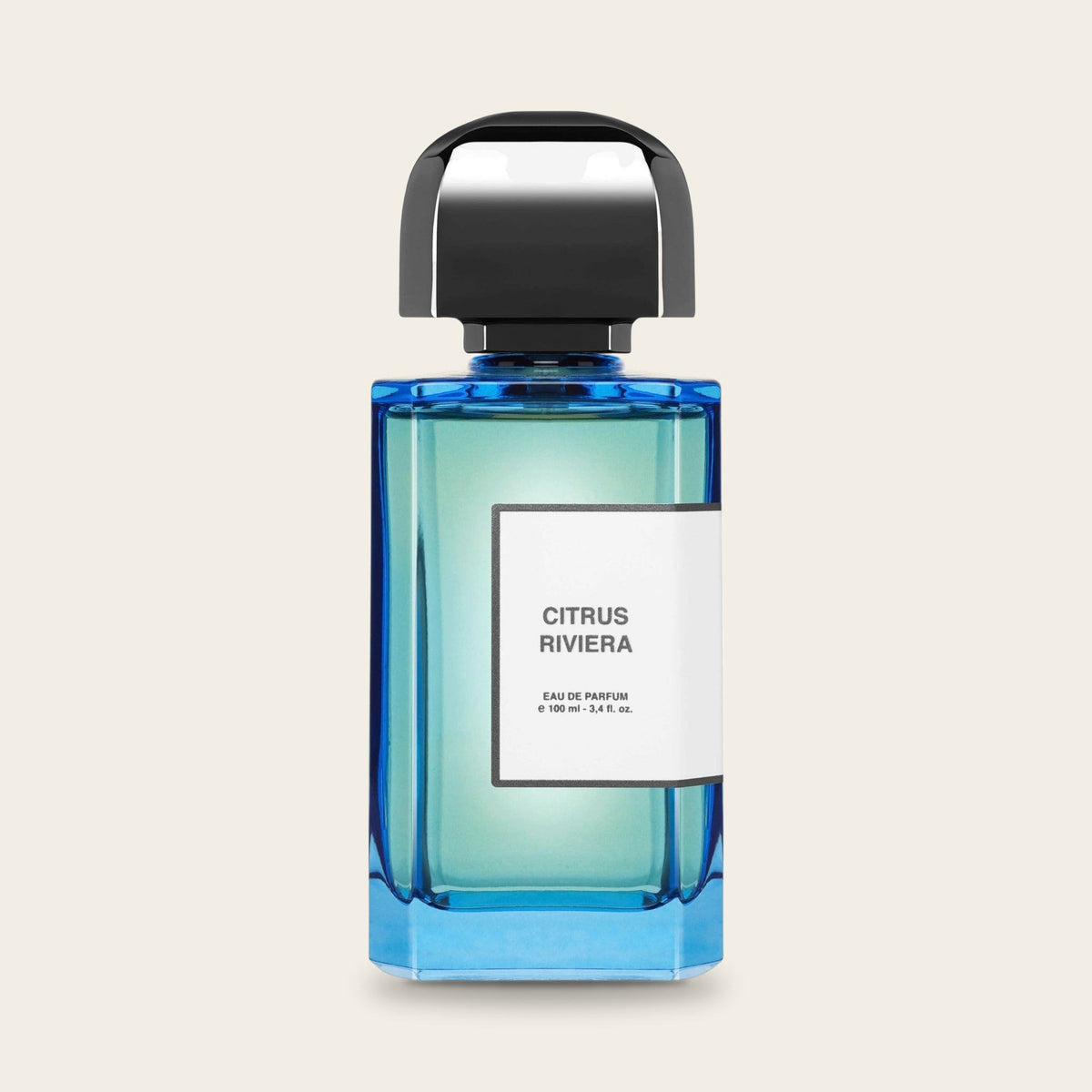
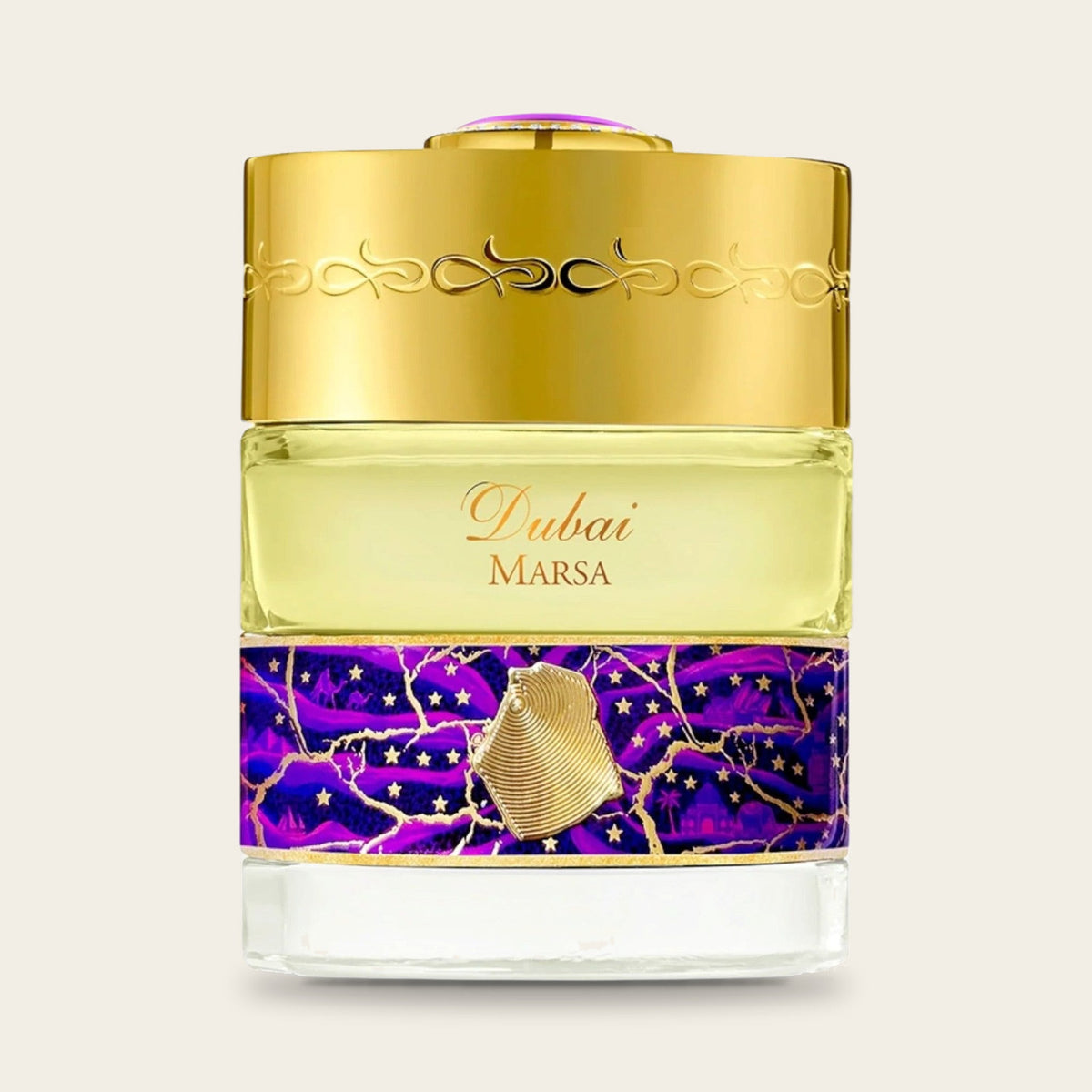
FRAGRANCES WITH FIGINGREDIENT GLOSSARY
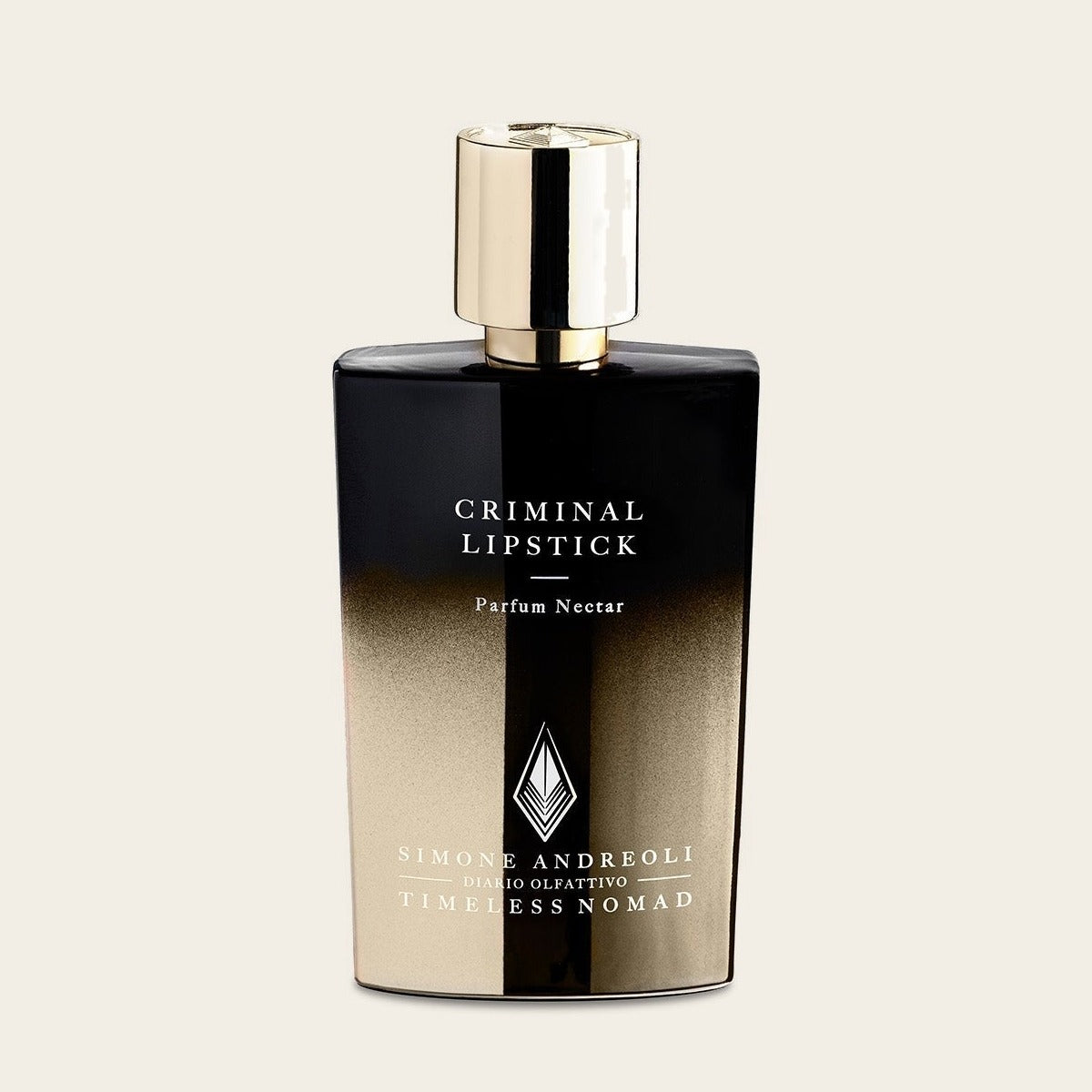
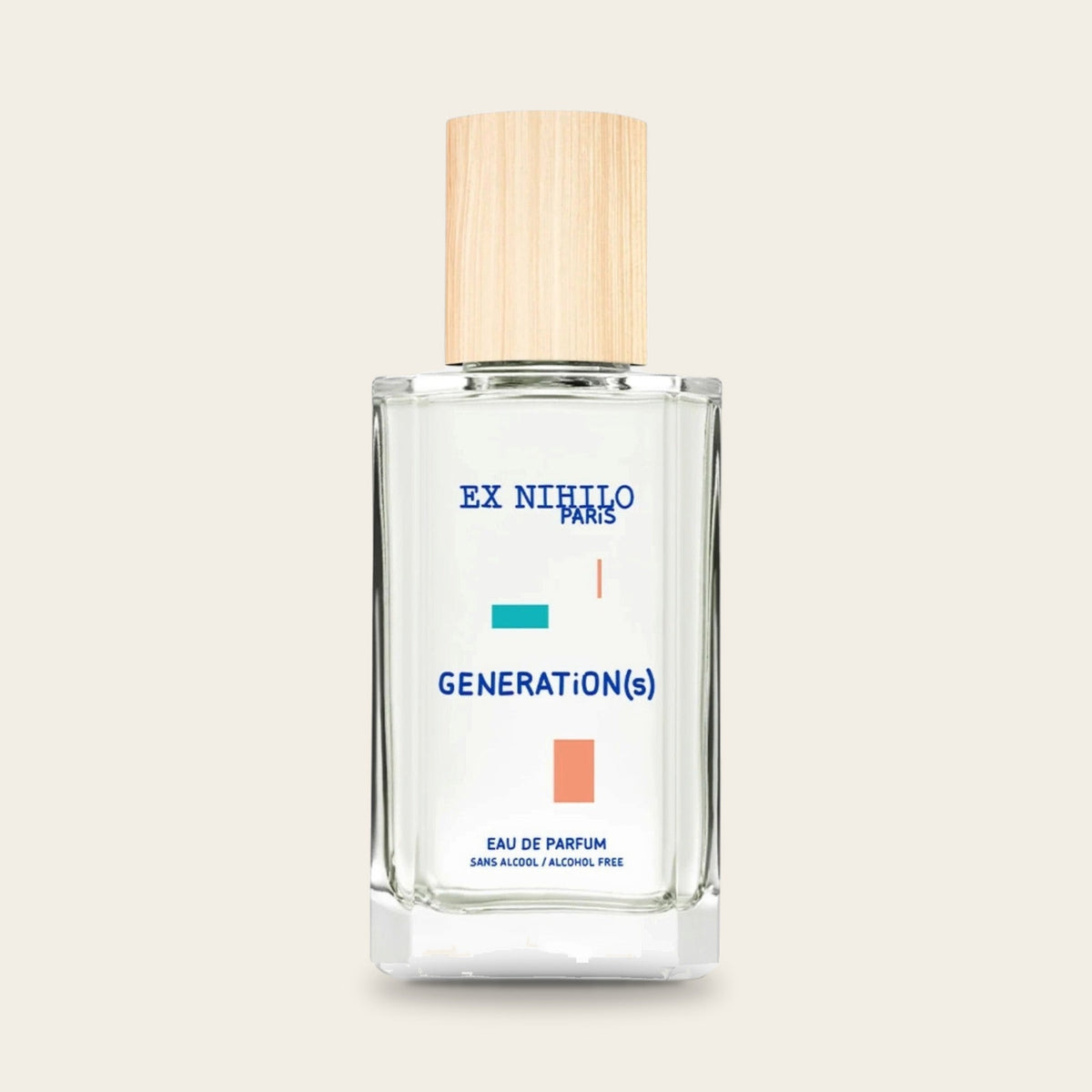
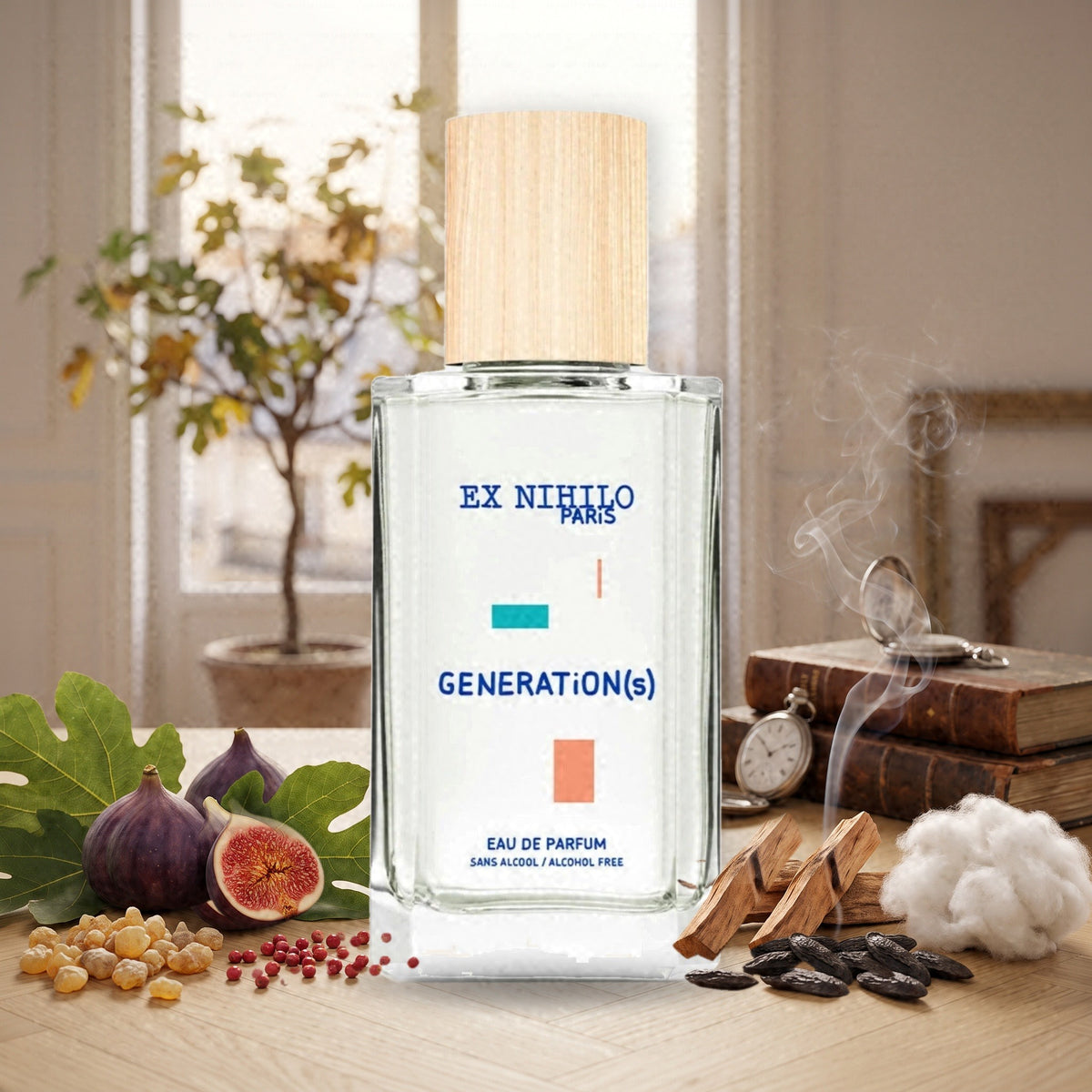
Fragrances with Fig
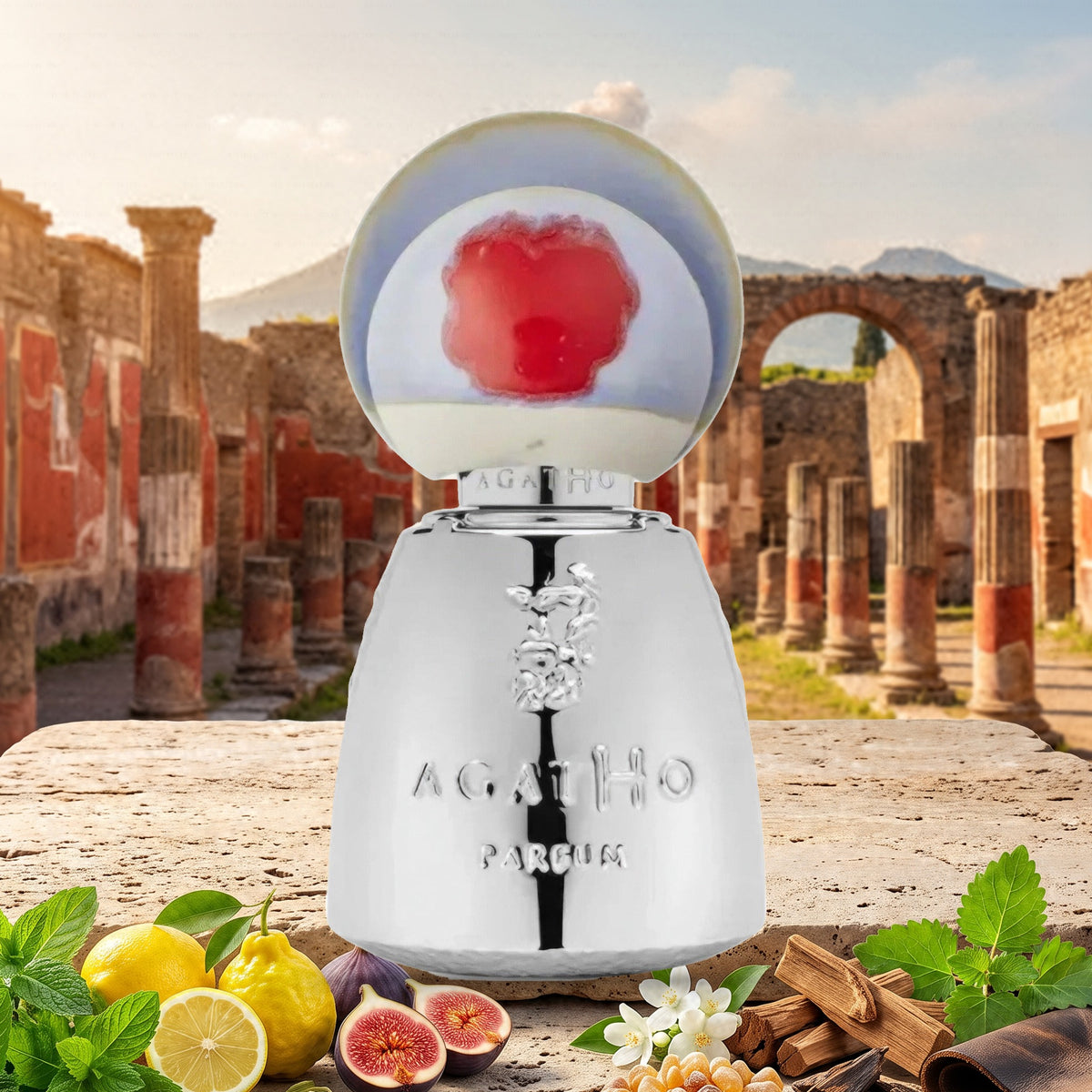
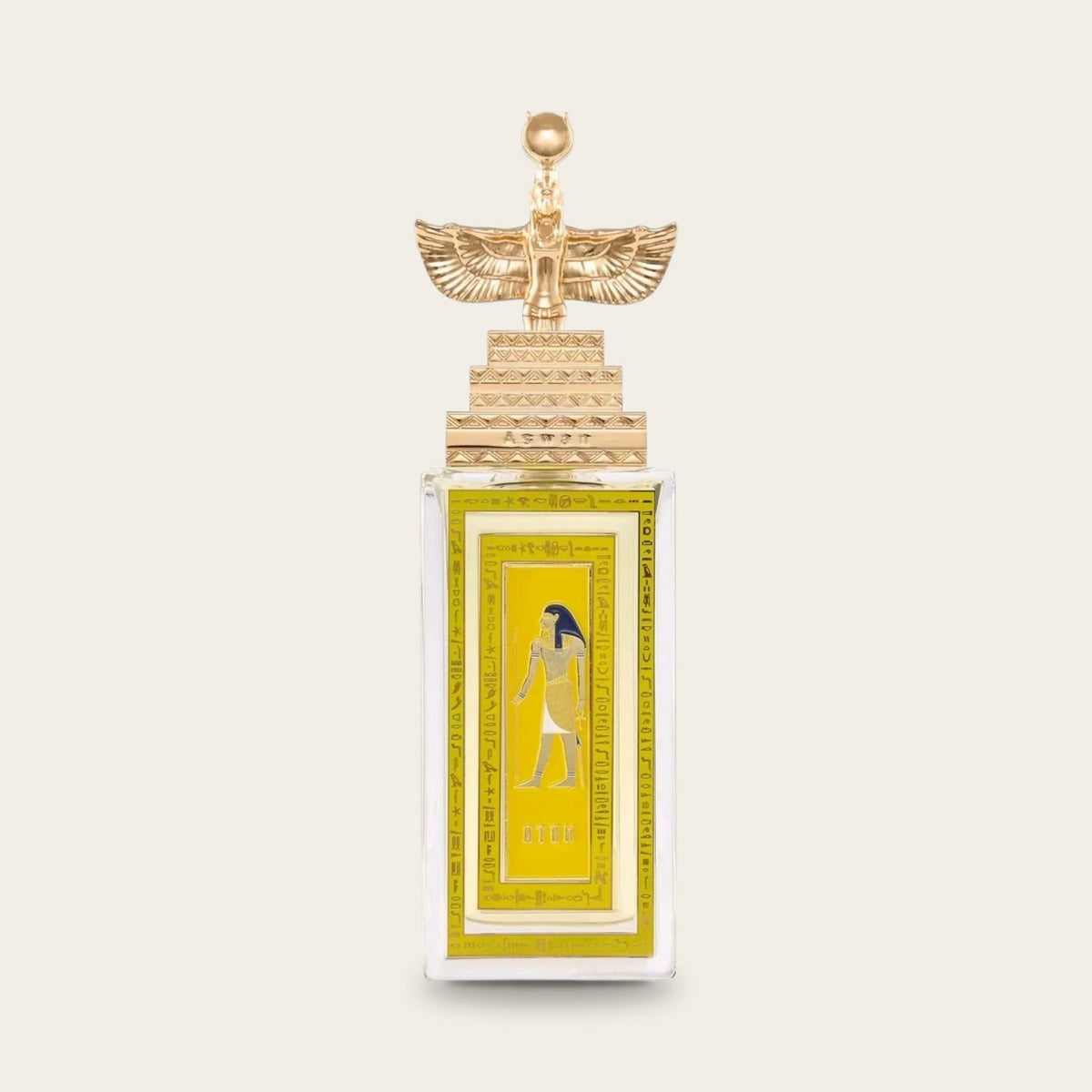

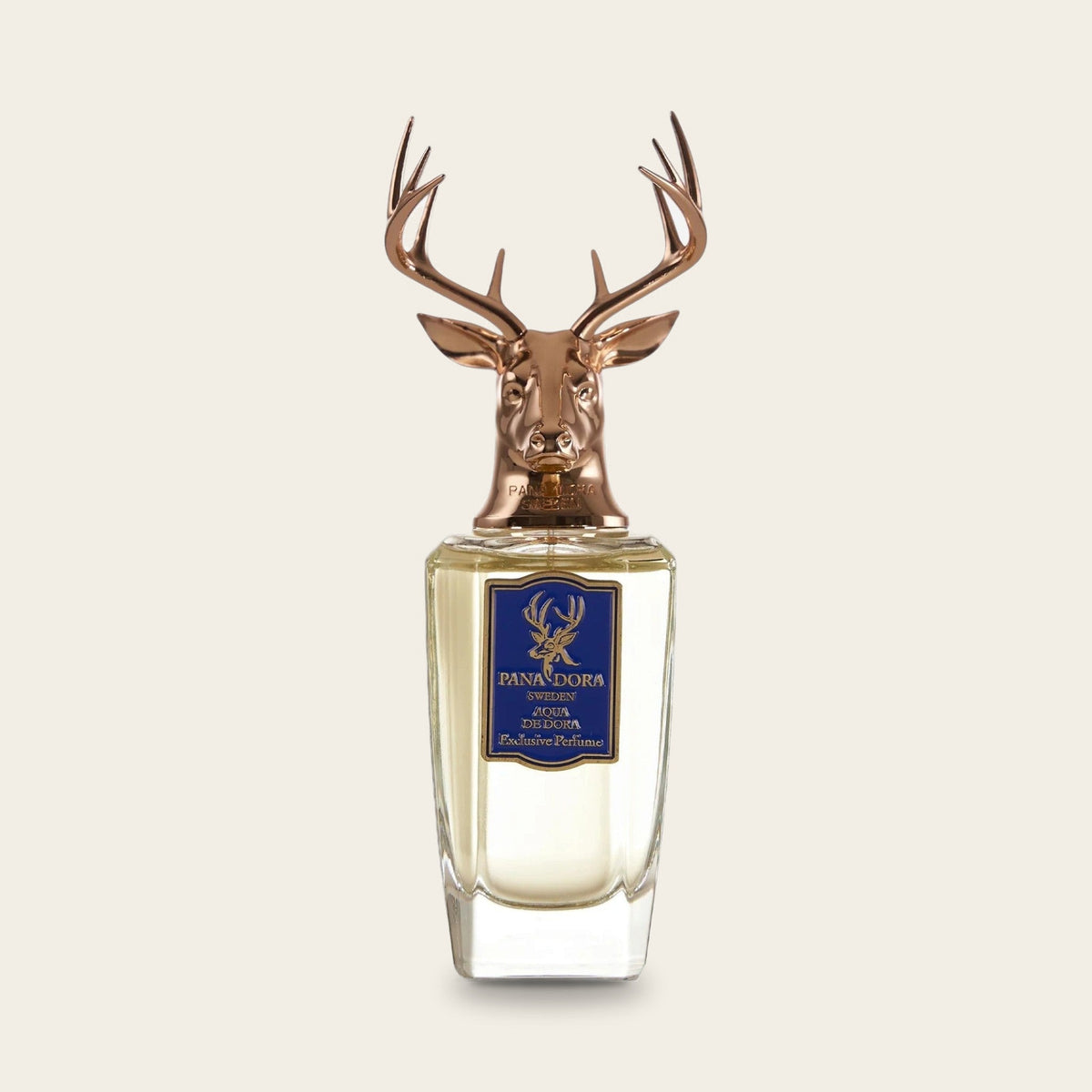
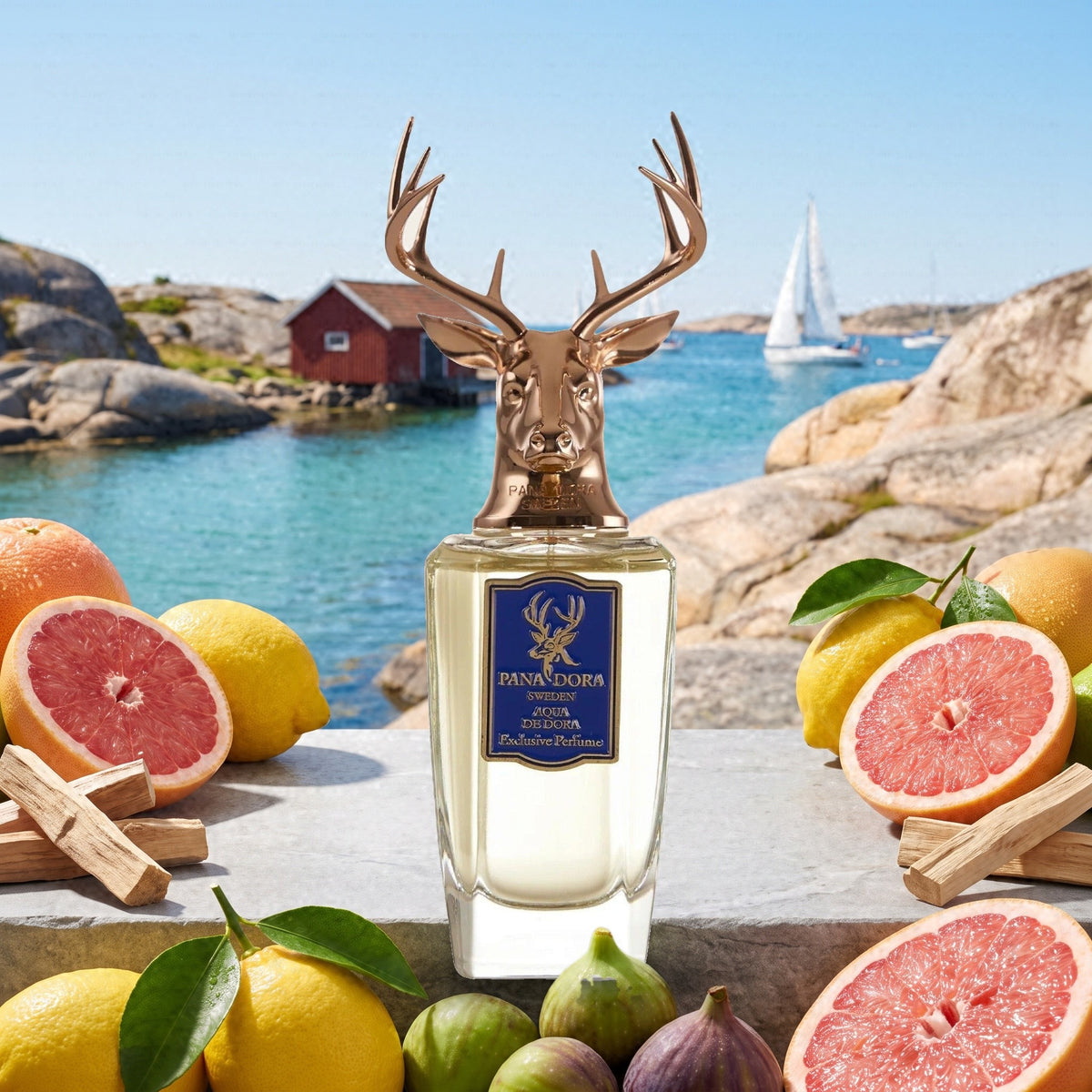





Questions and answers
Green and milky-creamy, like crushed fig leaves and the sap of freshly snapped twigs.
The common fig is a tree or shrub of the mulberry family. Its home stretches from the Mediterranean through western to southern Asia; the core area is considered to run from Anatolia to northern India. All green parts carry a white, milky sap in special latex vessels – the smell of crushed leaves and freshly snapped twigs is the model for the perfume accord. There is no usable natural oil for it: leaves and sap contain furocoumarins such as psoralen and bergapten, which can severely irritate the skin in sunlight. The ripe fruit, by contrast, contains hardly any. In perfumery, fig is therefore a composition rather than an extract.
In southern France, an absolute used to be obtained from fig leaves on a small scale: a dark green to brownish-green, semi-solid mass with a delicately sweet-green, herbaceous and woody odour and a mossy undertone. This fig leaf absolute has been listed as a prohibition in the IFRA Standards since 2006; the EU Cosmetics Regulation lists it in Annex II among the prohibited substances when it is used as a fragrance ingredient. The reason is the phototoxic effect of the furocoumarins. Perfumers therefore rebuild the fig scent: green leaf notes such as (Z)-3-hexenol and its esters supply the juicy freshness, lactones such as γ-octalactone and γ-decalactone the creamy, milky side, an oxime (5-methylheptan-3-one oxime) the typical fig-leaf greenness and woody sesquiterpenes such as caryophyllene the depth.
The fig accord unites two opposites: a juicy, slightly bitter leaf greenness and a soft, milky-creamy fullness reminiscent of coconut and ripe fruit. The green leaf notes shape the opening, while the lactonic milkiness and the woody building blocks last longer, so fig sits in the opening as well as in the heart of a composition. Typical companions are other green notes, cedarwood and other woods, coconut-like and milky notes, and citrus notes for a brighter opening. In our range, fig appears in 30 fragrances, 15 in the top, 13 in the heart and 2 in the base note; further fragrances list fig leaves or fig milk.
Green · Fruity-milky · Top and heart note
As an accord it is not tied to any harvest and is available all year round in consistent quality.
In our fragrances, it often appears alongside Sandelholz, Bergamotte, Moschus, Iris, Jasmin, Kardamom, Vetiver.
The fig is one of the oldest cultivated plants. At Gilgal I, an early Neolithic village in the Lower Jordan Valley, archaeobotanists found nine charred figs and hundreds of drupelets, around 11,400 to 11,200 years old. They come from parthenocarpic trees, which bear fruit without pollination. In 2006 the researchers interpreted this in the journal “Science” as evidence of deliberately planted branches – about a thousand years before wheat and barley; until then the fig was thought to have been domesticated only around 6,500 years ago. Other experts object that such trees also occur in the wild and can reproduce on their own. Fig leaves became interesting for perfumery much later: in southern France an absolute was made from them until it was prohibited in 2006.
- Smyrna figs only ripen when the fig wasp Blastophaga psenes carries in pollen from wild caprifigs – its blind, wingless males spend practically their whole lives inside the fig.
- The female wasp, only around 1.5 to 2 millimetres long, loses her wings and antennae as she squeezes through the tiny opening of the fig.
- For Smyrna figs, growers still hang bags or strings of wasp-laden caprifigs in the trees so that the wasps pollinate the flowers – a practice known as caprification.
Botanically, the fig is not a single fruit but a hollow, inward-turned inflorescence (syconium) whose inner wall is lined with numerous tiny flowers; the pollinating wasp can only enter through a small opening at the tip. What matters for perfumery are the furocoumarins in leaves and milky sap: psoralen (C₁₁H₆O₃, PubChem CID 6199) and bergapten (C₁₂H₈O₄, CID 2355). The leaf scent itself is dominated, depending on the variety, by sesquiterpenes such as germacrene D and β-caryophyllene (C₁₅H₂₄, CID 5281515). The accord replaces the natural material with individual molecules free of furocoumarins: (Z)-3-hexenol (C₆H₁₂O, CID 5281167) smells of freshly cut grass and leaves, γ-octalactone (C₈H₁₄O₂, CID 7704) sweet, coconut-like and creamy. The oxime 5-methylheptan-3-one oxime (C₈H₁₇NO) is described in the literature as green and reminiscent of fig leaves.
FRAGRANCE KNOWLEDGE
In the 4D Journal
-
 FRAGRANCE KNOWLEDGE
Rose in perfume: The queen of fragrance materials
READ ARTICLE
-
 FRAGRANCE KNOWLEDGE
Vanilla in perfume: From orchid to favourite scent
READ ARTICLE
-
 FRAGRANCE KNOWLEDGE
Leather in perfume: How does something smell that was never in the bottle?
READ ARTICLE
-
 FRAGRANCE KNOWLEDGE
Scented candles & home fragrance: How to use them right
READ ARTICLE