


INGREDIENT GLOSSARY
Grapefruit
Citrus × paradisi · Rue family (Rutaceae)
Zesty, tart and slightly bitter, with a juicy, rosy freshness.
NATURALCITRUS
AT A GLANCE
- A young citrus fruit, born on Barbados
- Scent: zesty, tart, slightly bitter
- Character molecules: nootkatone and grapefruit mercaptan
- In the top notes of 113 of our 114 grapefruit fragrances
PROFILE
- Origin
- Originated on Barbados · grown today in the USA (Florida), Israel and South Africa, among others
- Extraction
- Cold pressing of the peel
- Main molecules
- Limonene (C₁₀H₁₆) · Nootkatone (C₁₅H₂₂O) · Grapefruit mercaptan (C₁₀H₁₈S)
- Harvest
- Grapefruits ripen slowly on the tree; in the northern hemisphere they are harvested mainly from autumn to spring.
- Often paired with
- Bergamot, cedarwood, vanilla, sandalwood, lavender, lime, apple
Numbers that surprise
113 of 114
of our grapefruit fragrances feature it in the top notes.
around 300 years
is all the grapefruit's age – a teenager among citrus fruits.
Rounded values; calculation based on published data.
Harvest and season
Grapefruits ripen slowly on the tree; in the northern hemisphere they are harvested mainly from autumn to spring.
The oil is cold-pressed from the peel. By volume it consists mainly of limonene – but the typical tart, bitter grapefruit character comes from tiny amounts of nootkatone and the sulphurous grapefruit mercaptan.
Knowledge to share
Myth or truth?
Statement 1
The grapefruit is an ancient wild fruit.
Myth. It only appeared in the 18th century on Barbados – as a chance cross between pomelo and orange.
Statement 2
Grapefruits grow in clusters.
True. The fruits hang in bunches on the tree – hence the name grape-fruit.
Statement 3
The typical grapefruit scent comes from limonene.
Myth. Limonene is just the bulk – the character comes from tiny traces of nootkatone and grapefruit mercaptan.
Your result
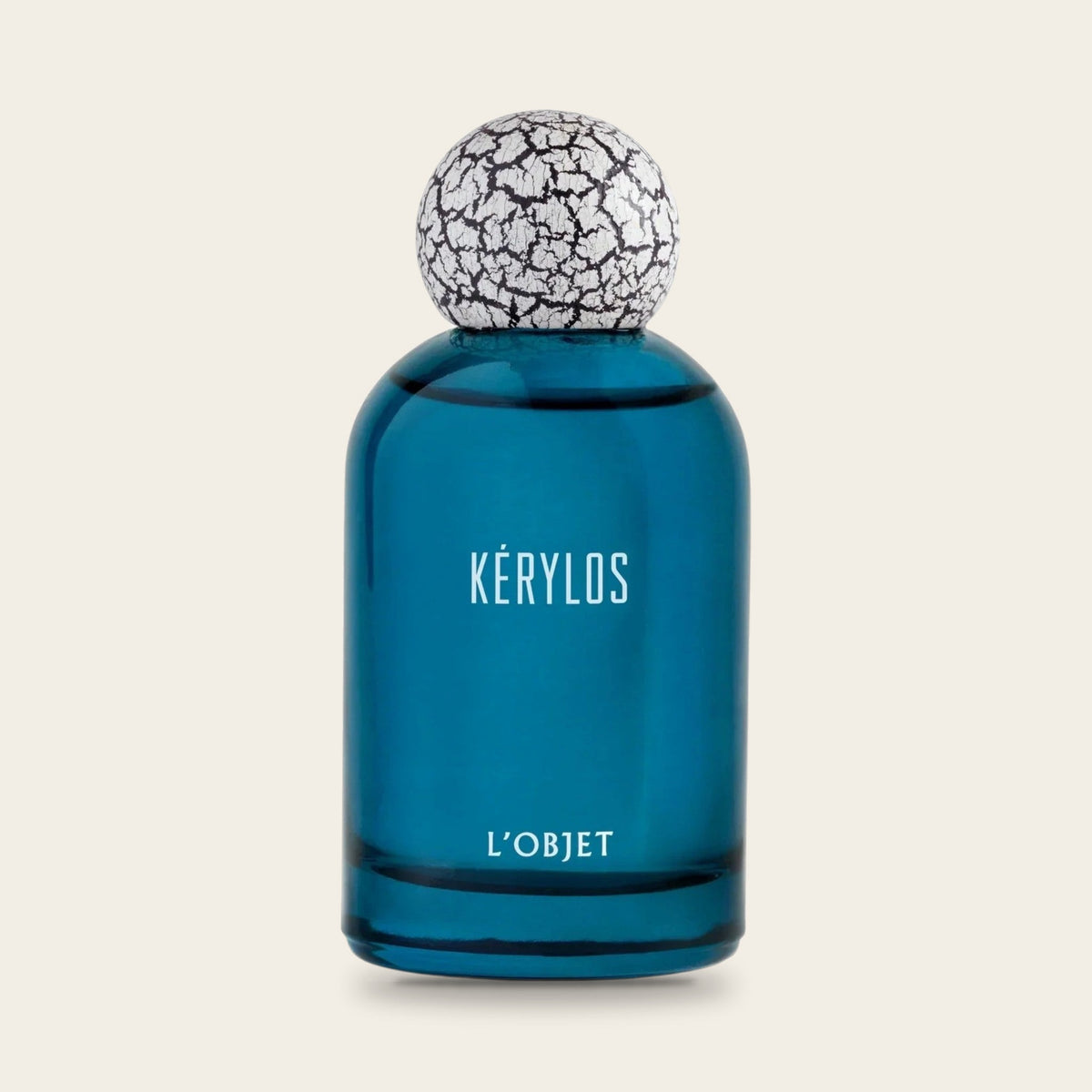
FRAGRANCES WITH GRAPEFRUITINGREDIENT GLOSSARY
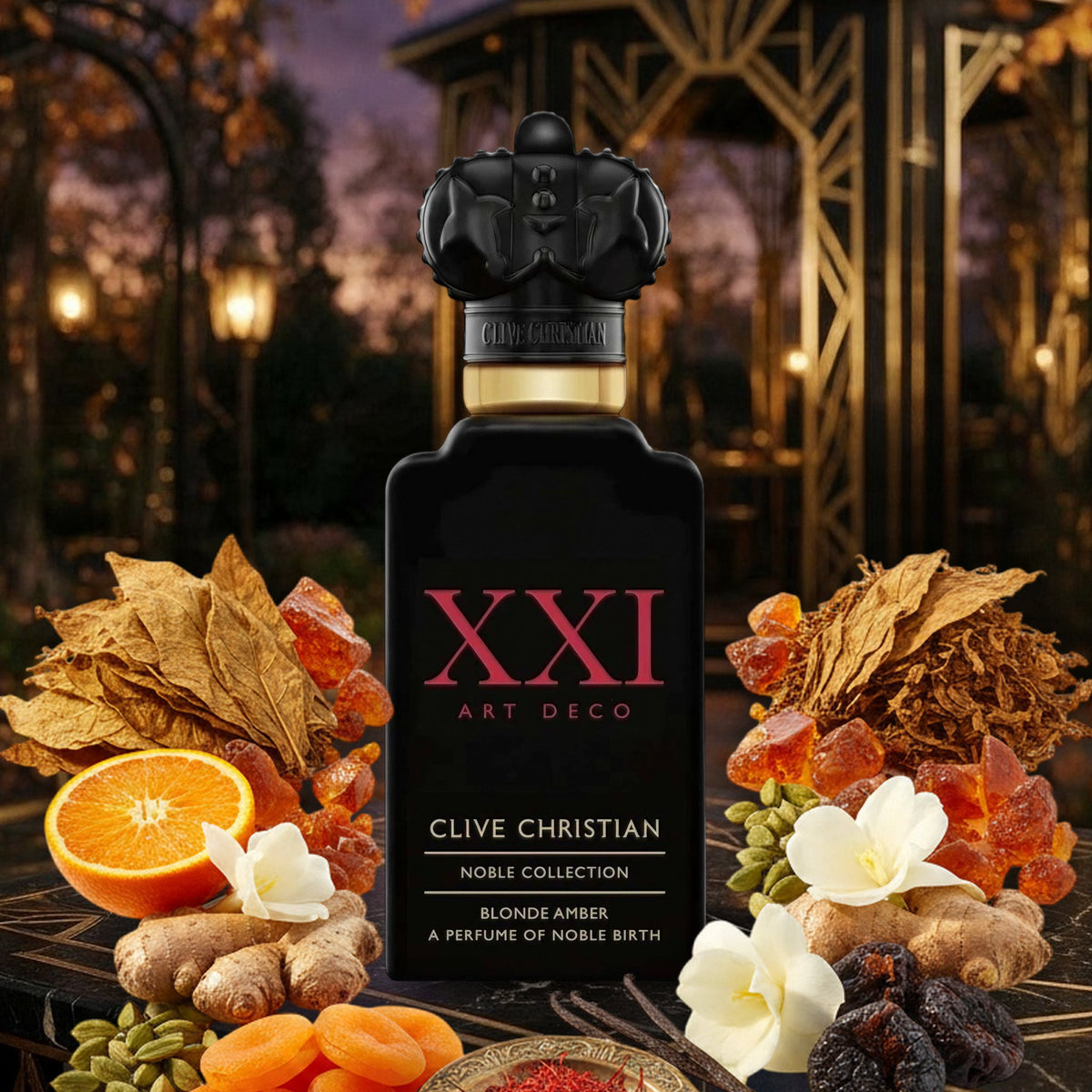
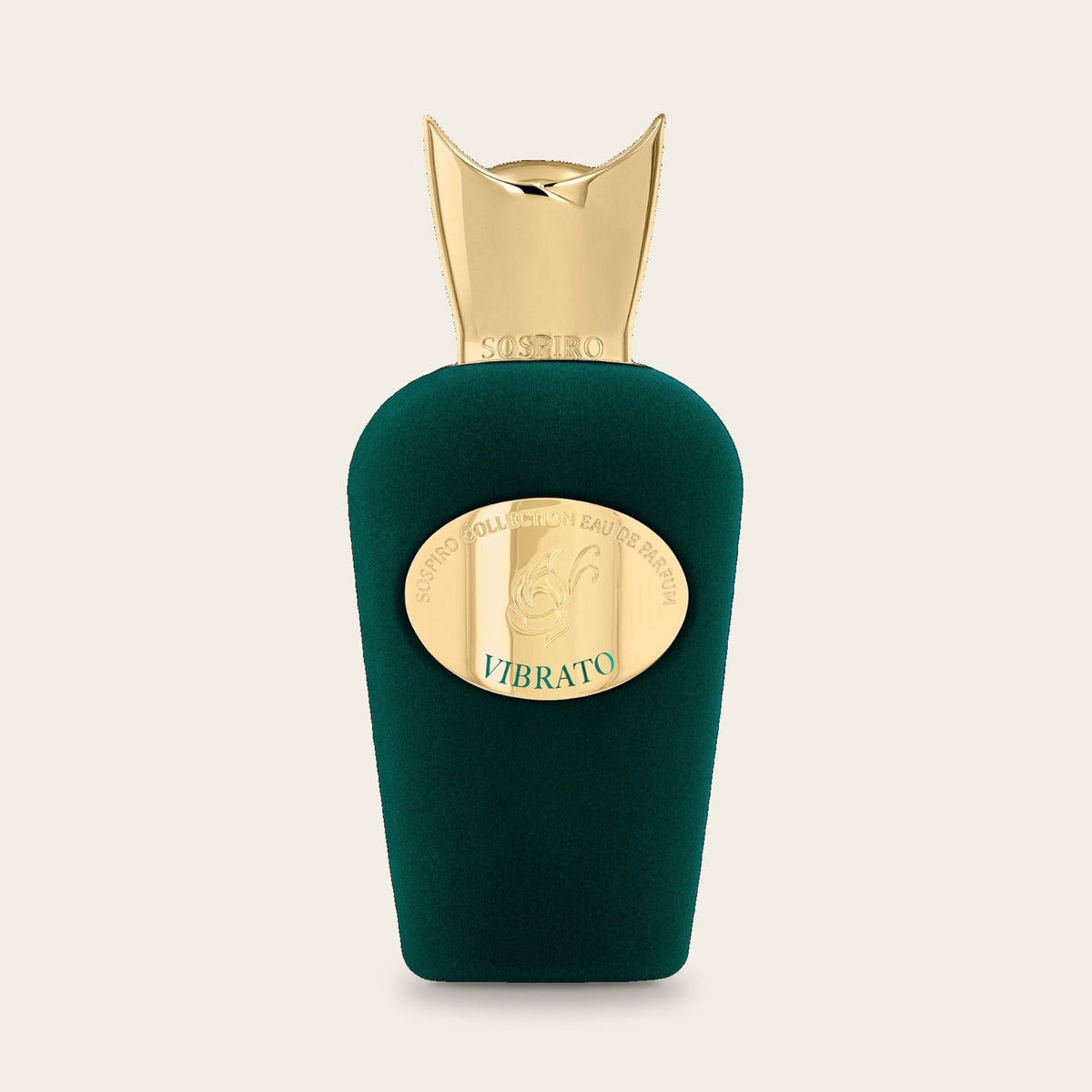
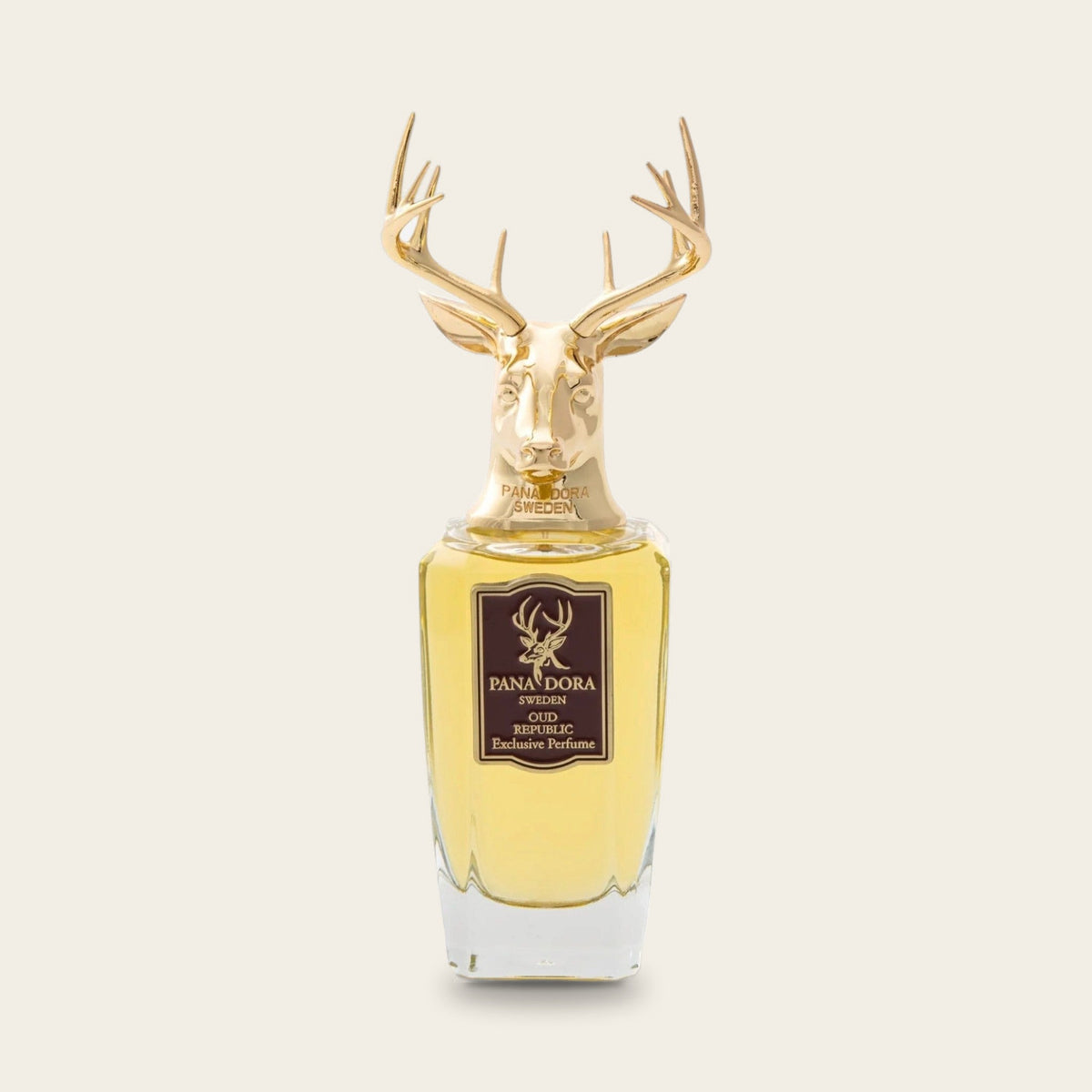
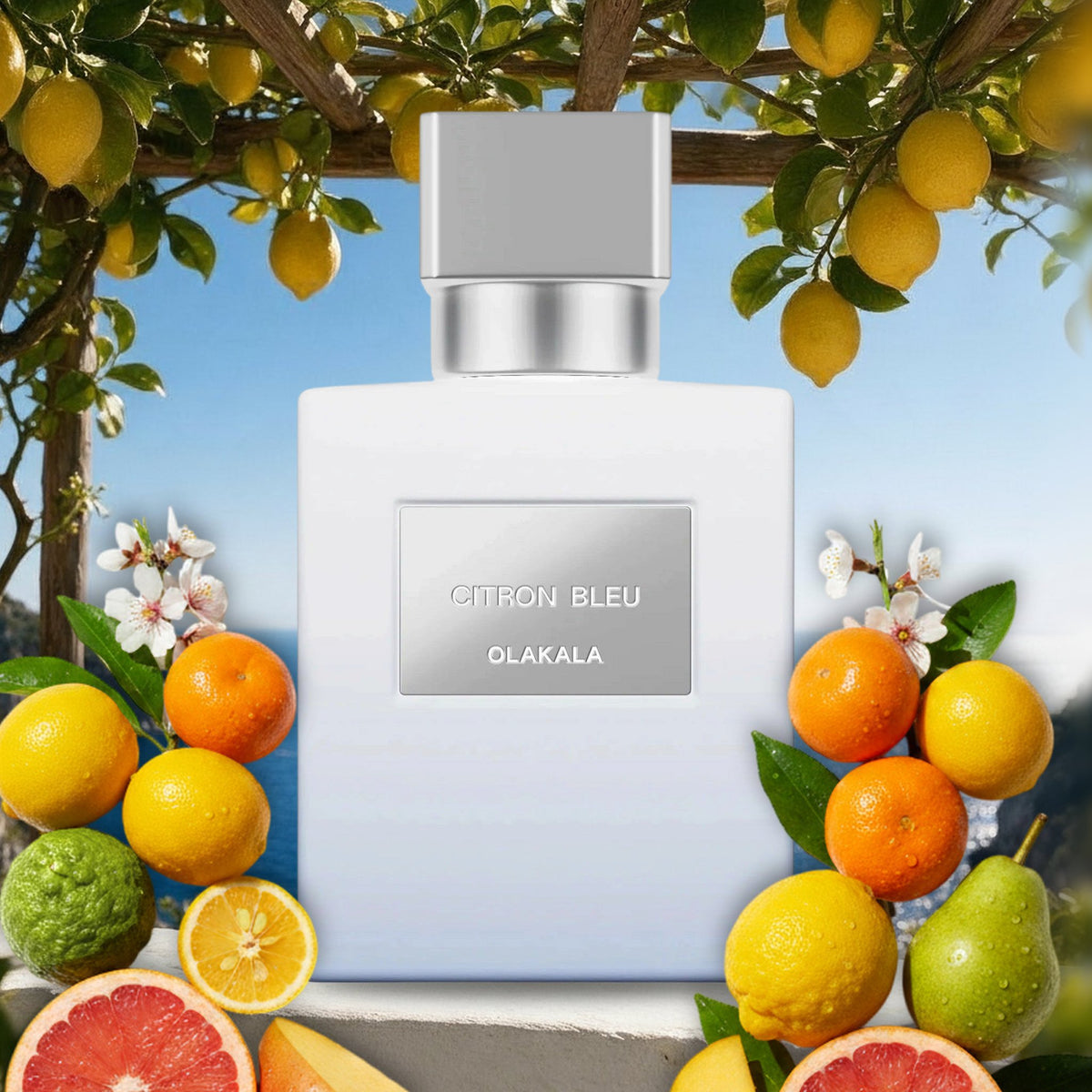
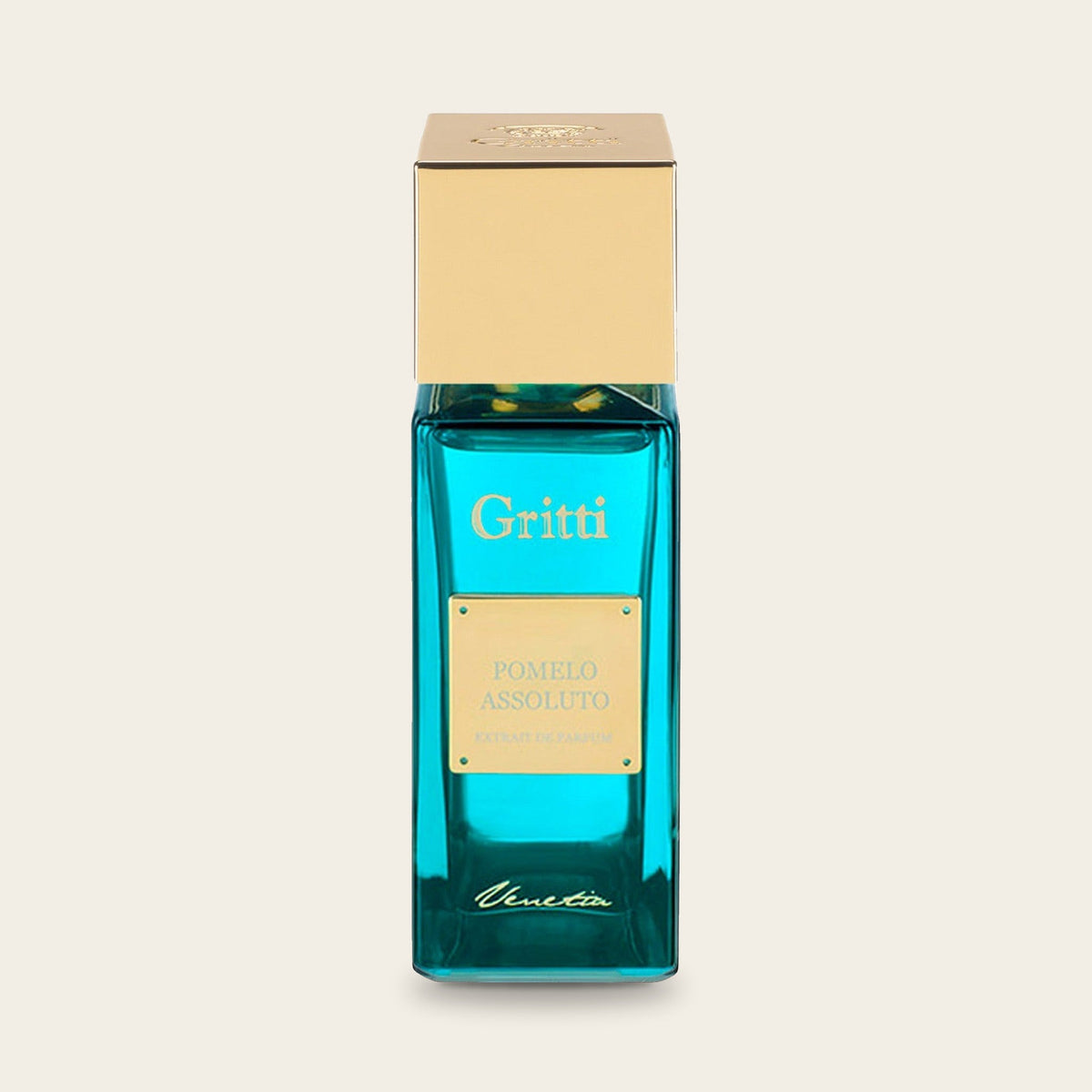
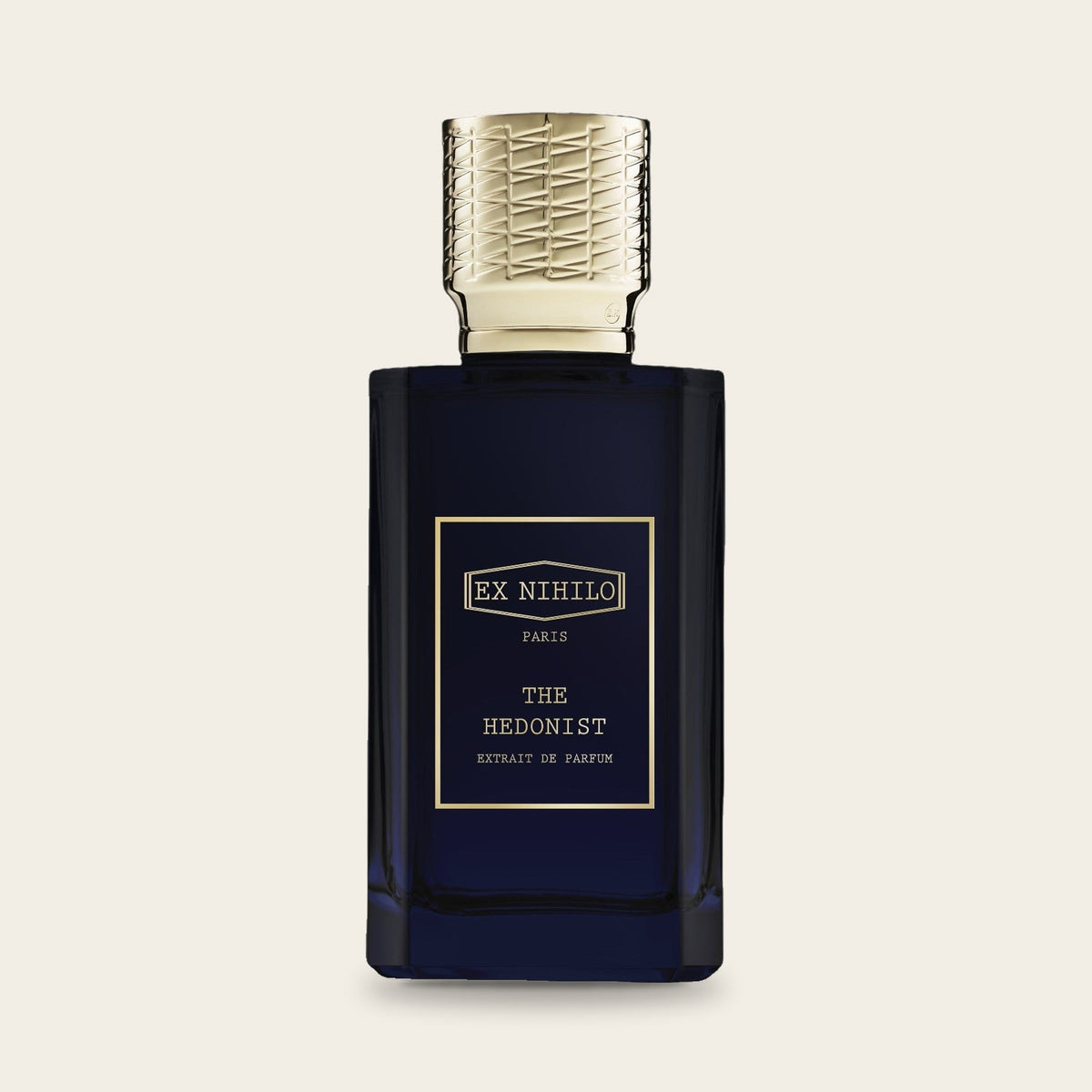
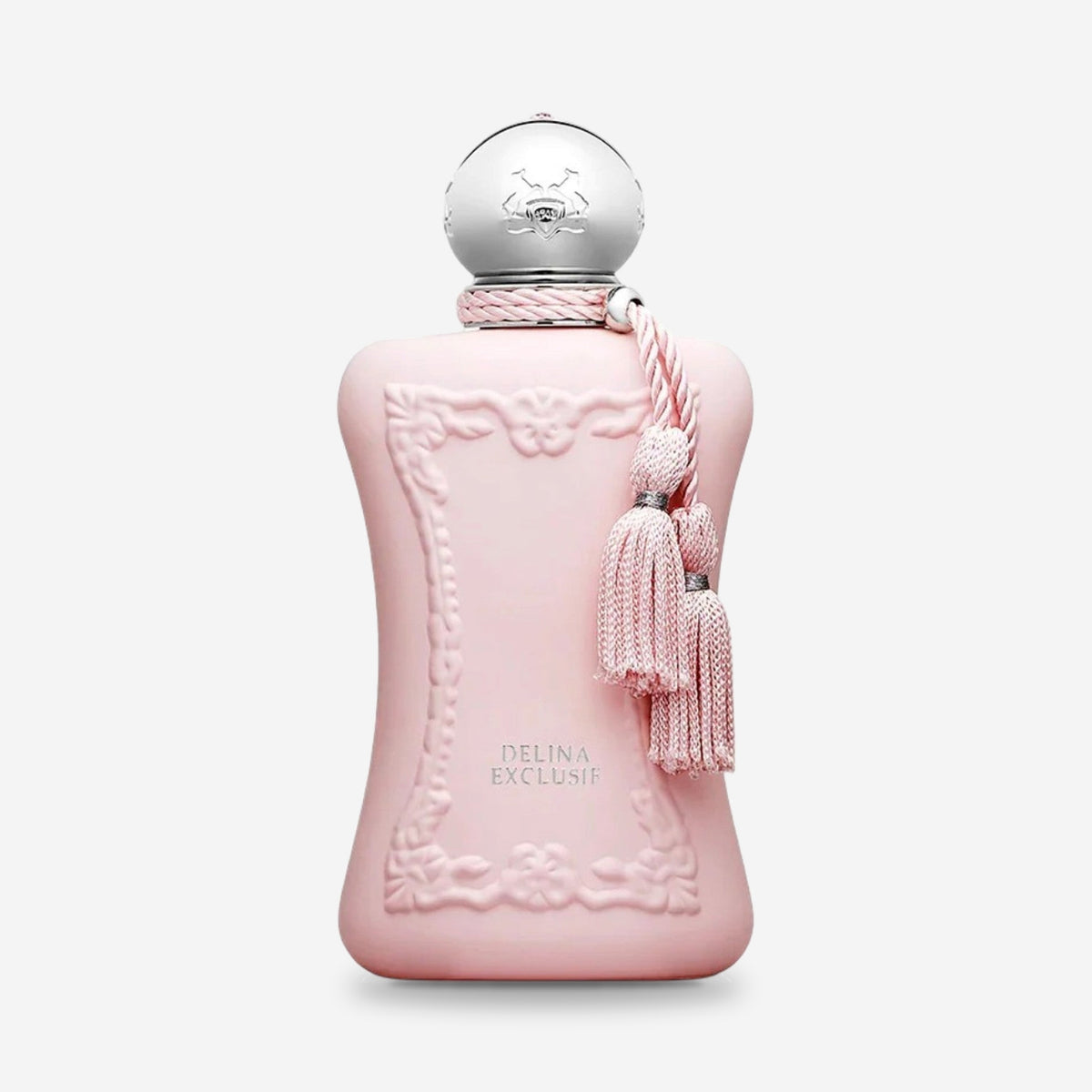
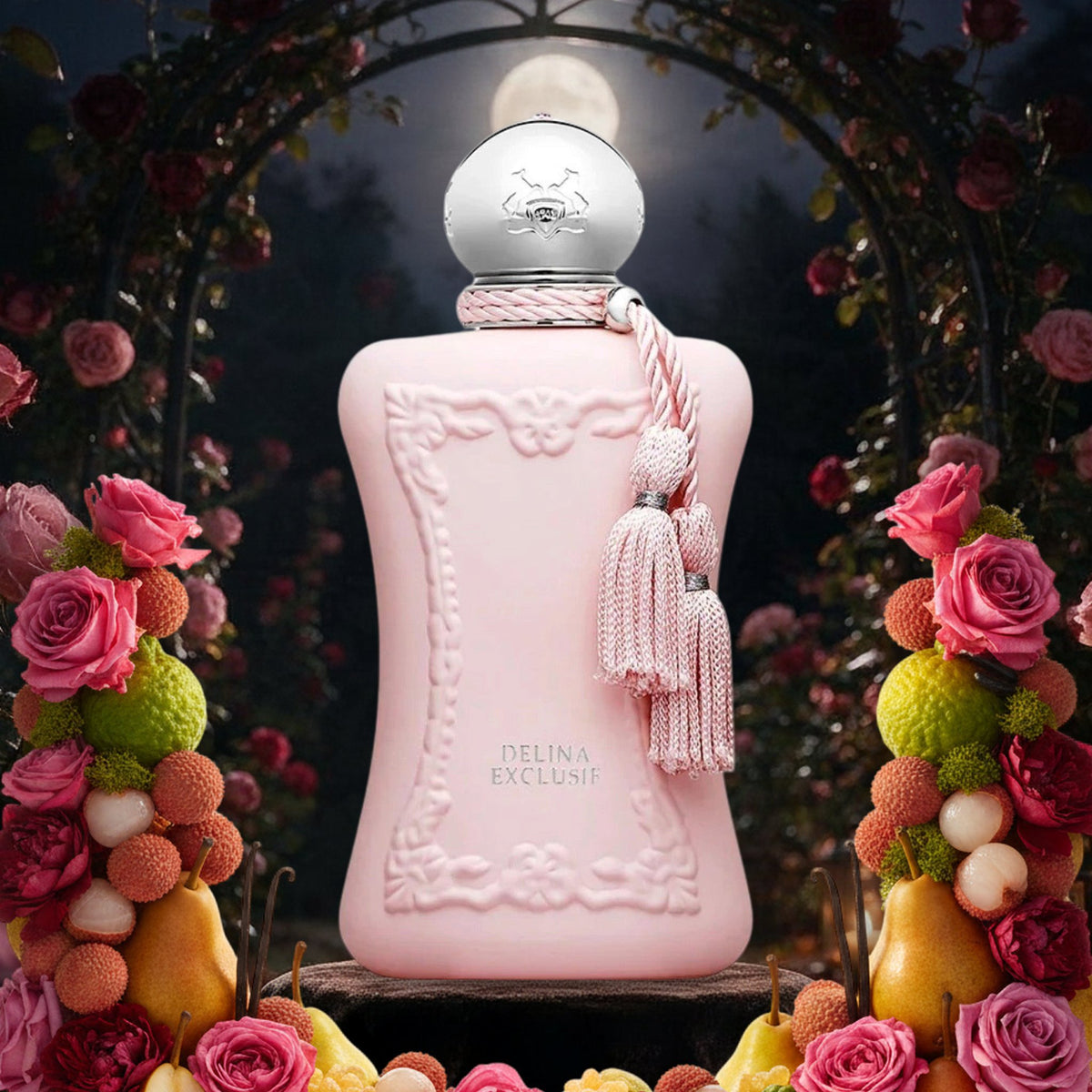
Fragrances with Grapefruit






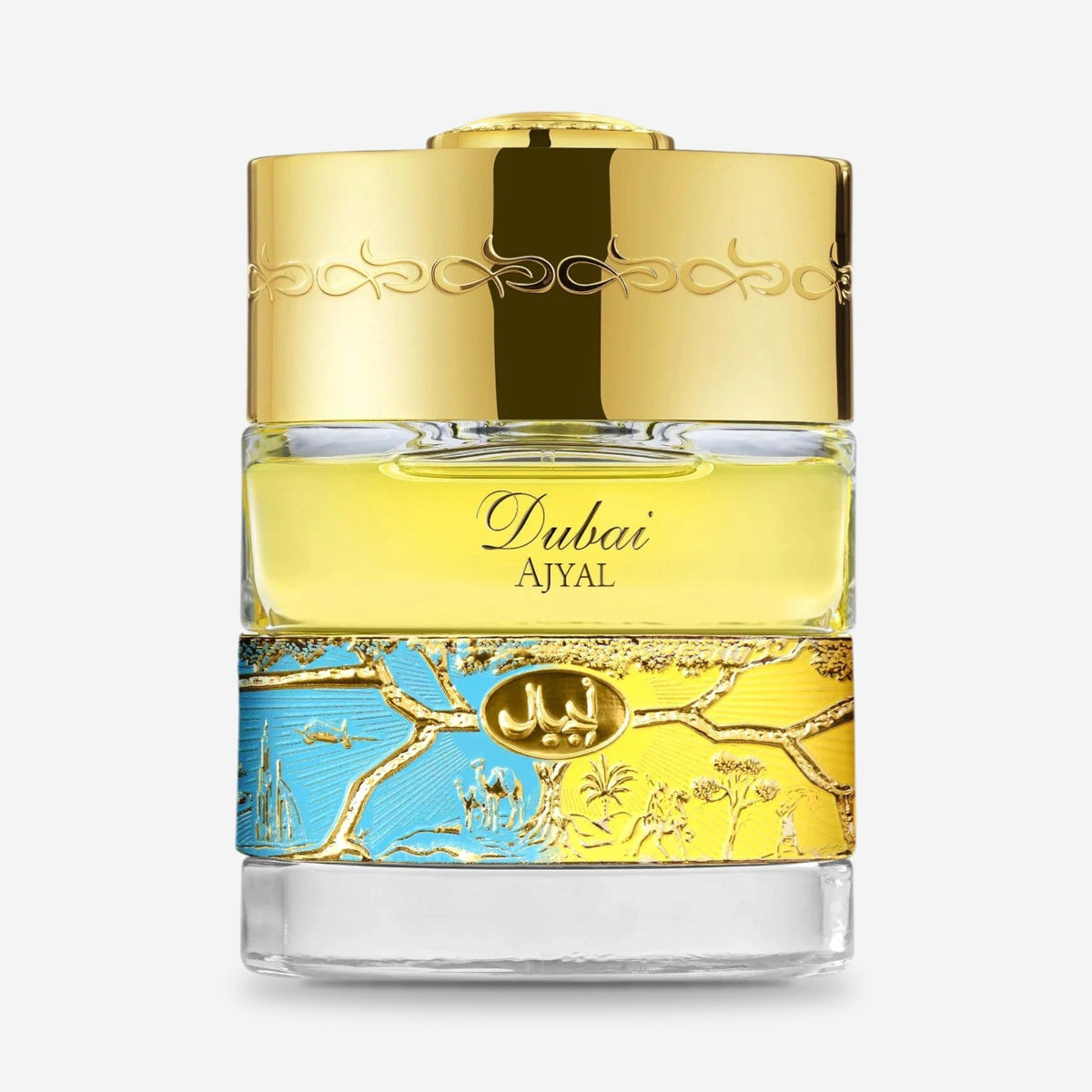
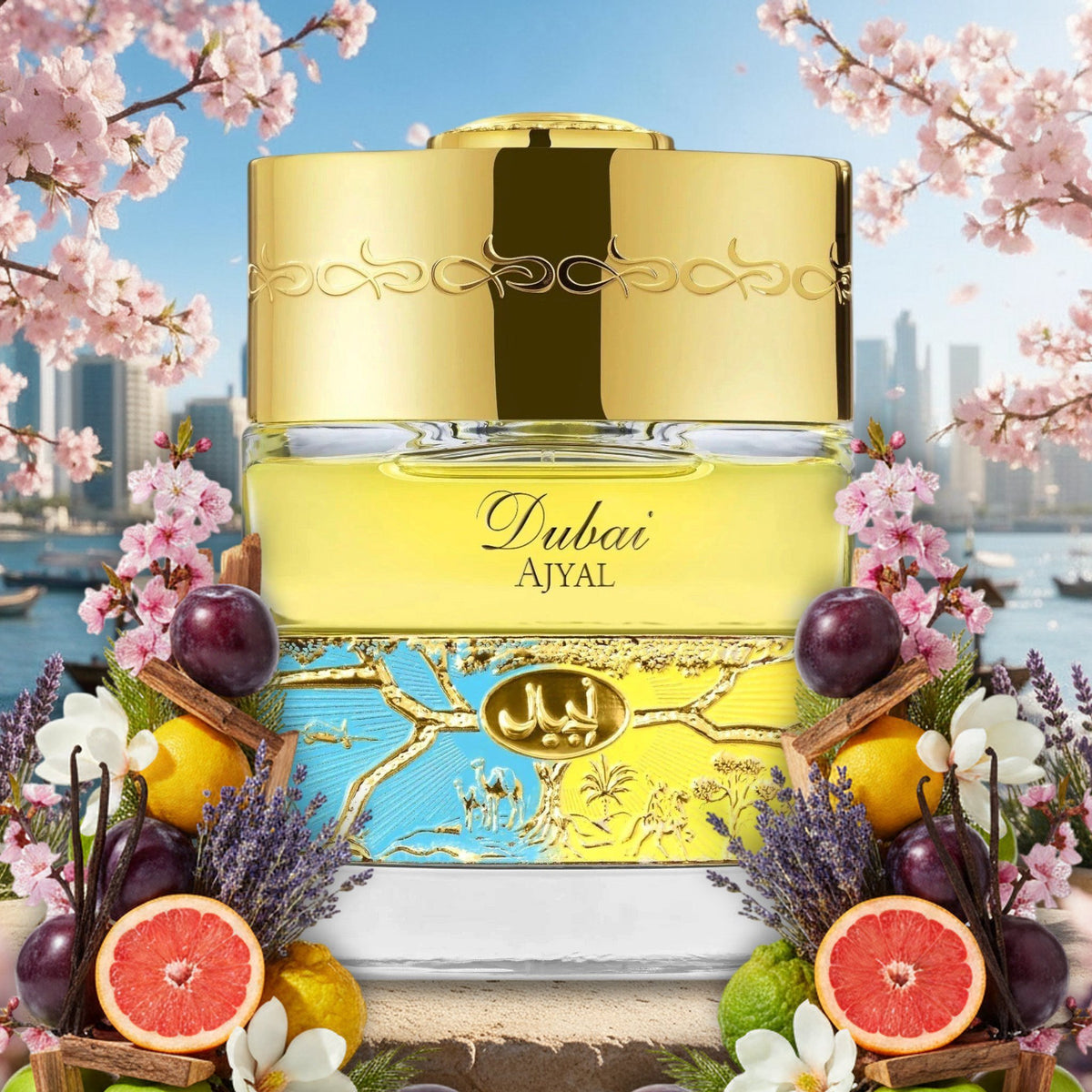
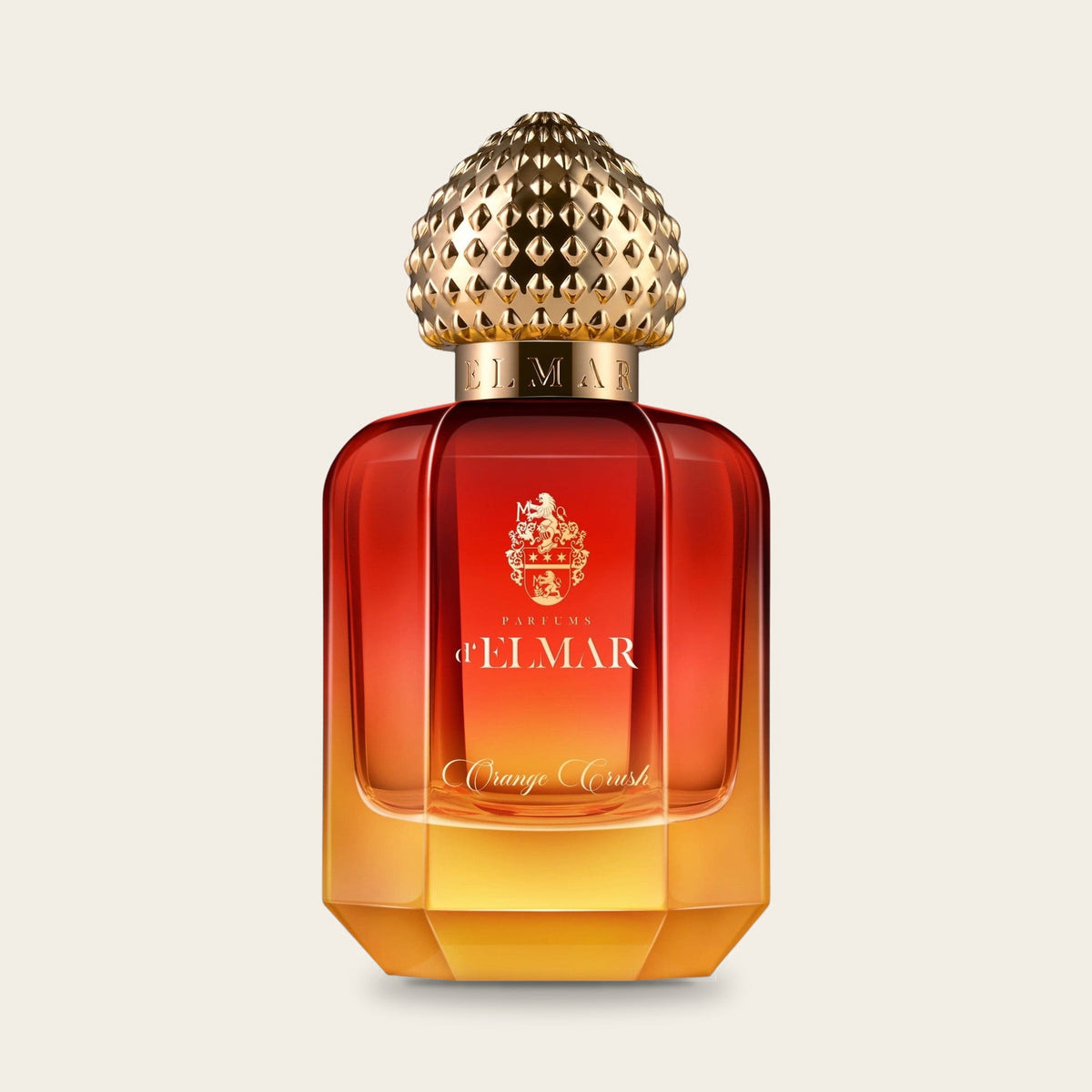

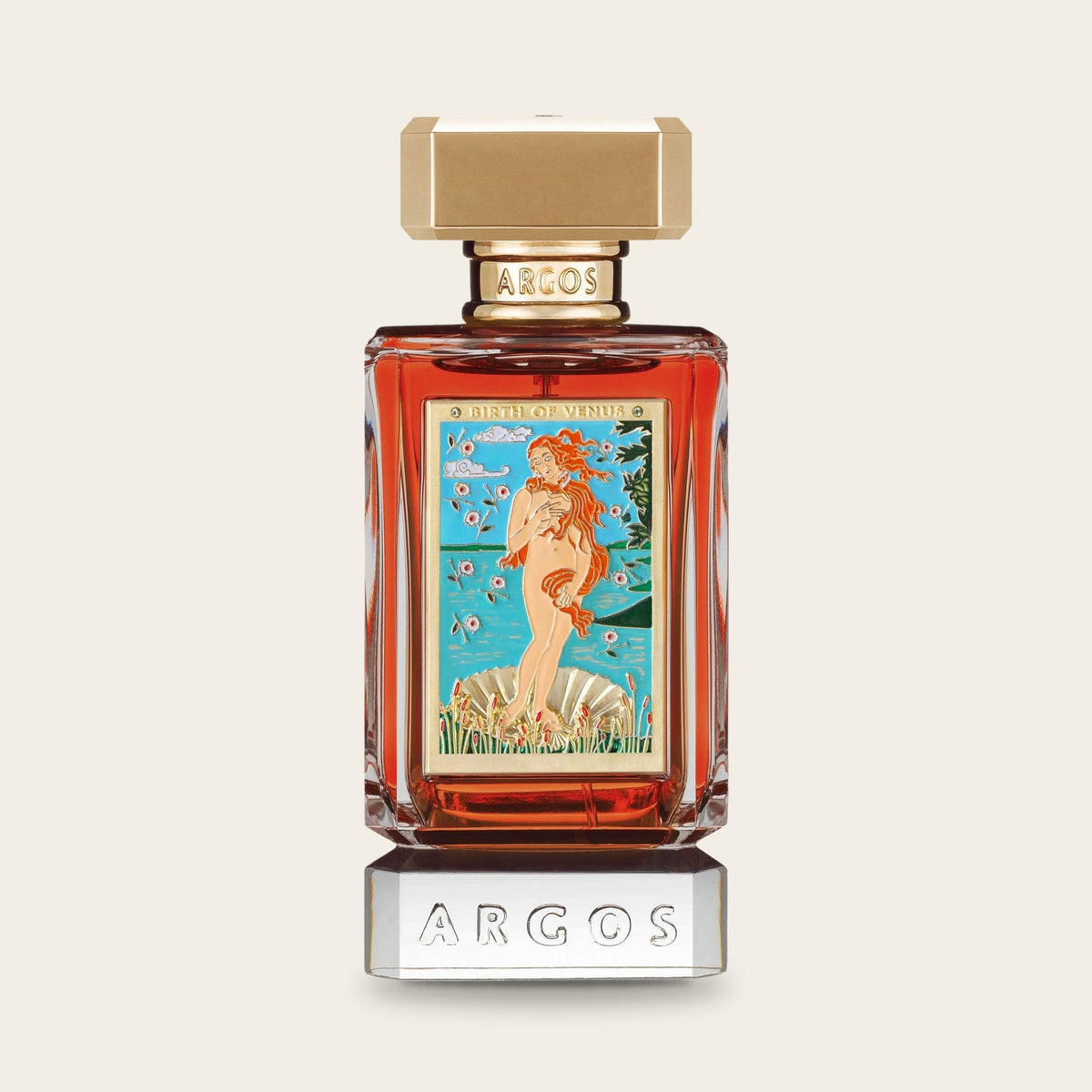


Questions and answers
Zesty, tart and slightly bitter, with a juicy, rosy freshness.
The grapefruit is a young fruit: it arose in the 18th century on Barbados as a chance cross between pomelo and orange. Today it is grown in Florida, Israel and South Africa, among other places.
The oil is cold-pressed from the peel. By volume it consists mainly of limonene – but the typical tart, bitter grapefruit character comes from tiny amounts of nootkatone and the sulphurous grapefruit mercaptan.
Grapefruit is the espresso among citrus notes: zesty, tart, with a slightly bitter, rosy freshness. In our range it sits in the top notes of 113 out of 114 fragrances – it wakes you up instantly and gives woody scents a modern sheen.
Citrus, tart and fresh with a bitter side.
Grapefruits ripen slowly on the tree; in the northern hemisphere they are harvested mainly from autumn to spring.
In our fragrances, it often appears alongside Bergamot, cedarwood, vanilla, sandalwood, lavender, lime, apple.
On Barbados in the 18th century, the new fruit was called the “forbidden fruit”. It got its English name because the fruits hang in clusters on the tree – like grapes.
- The grapefruit arose in the 18th century on Barbados as a chance cross between orange and pomelo – it was called the “forbidden fruit”.
- It owes its name to the way its fruits hang in clusters on the tree, like grapes.
- Grapefruit mercaptan is one of the most powerful odorants of all – the nose detects it in the tiniest traces.
Its key aroma compounds include nootkatone and the sulphurous “grapefruit mercaptan”.
FRAGRANCE KNOWLEDGE
In the 4D Journal
-
 FRAGRANCE KNOWLEDGE
Rose in perfume: The queen of fragrance materials
READ ARTICLE
-
 FRAGRANCE KNOWLEDGE
Vanilla in perfume: From orchid to favourite scent
READ ARTICLE
-
 FRAGRANCE KNOWLEDGE
Leather in perfume: How does something smell that was never in the bottle?
READ ARTICLE
-
 FRAGRANCE KNOWLEDGE
Scented candles & home fragrance: How to use them right
READ ARTICLE