

INGREDIENT GLOSSARY
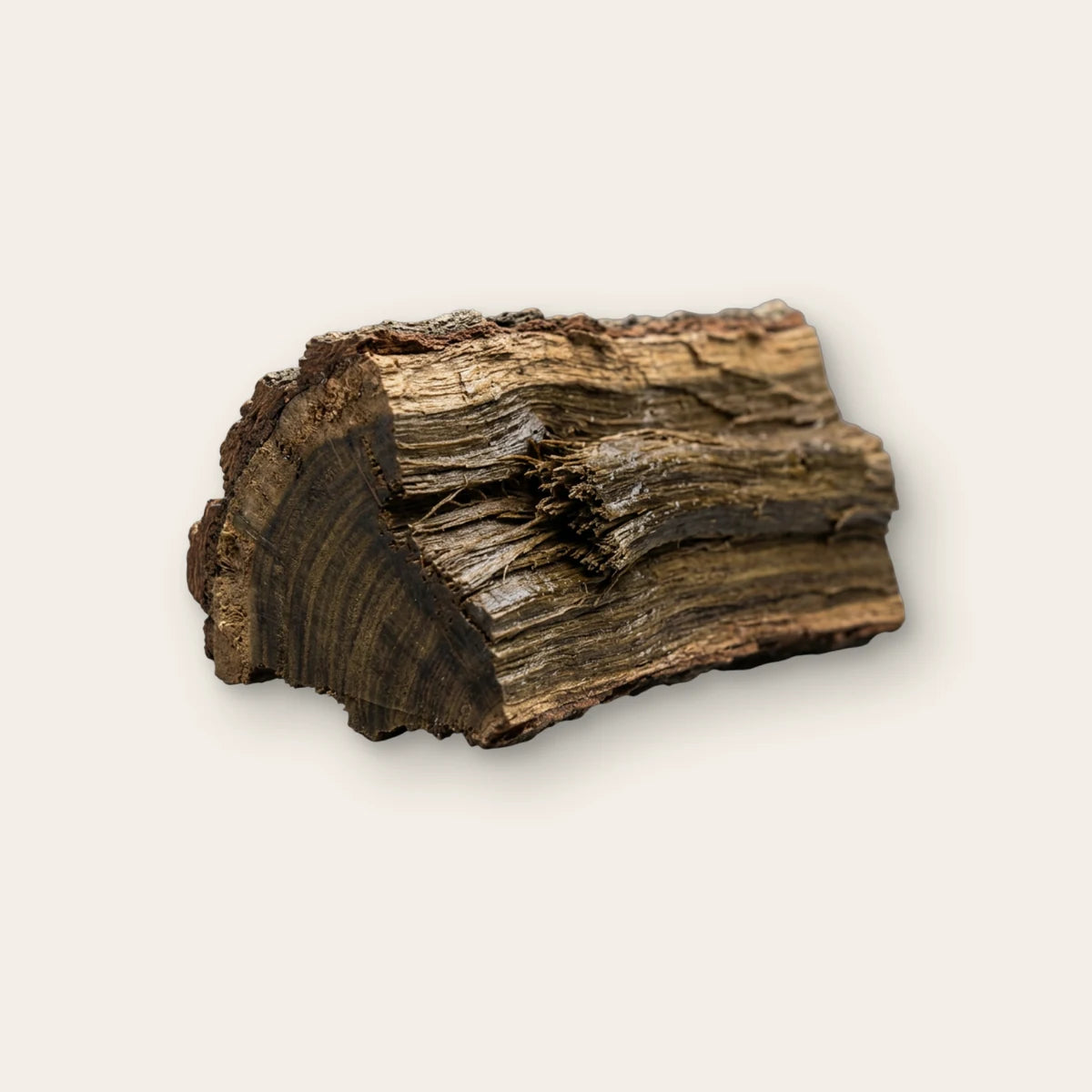
Guaiac Wood
Bulnesia sarmientoi (now sometimes listed as Gonopterodendron sarmientoi) · Caltrop family (Zygophyllaceae)
Soft, smoky and woody, with a balsamic-sweet warmth reminiscent of tea rose.
NATURALWOODY · AMBER (ORIENTAL) · BASE NOTE
AT A GLANCE
- Plant: the tree Bulnesia sarmientoi (caltrop family)
- Origin: Gran Chaco – Argentina, Paraguay, Bolivia
- Production: wood chips and sawdust, steam-distilled
- Scent: smoky, woody, balsamic, softly rosy – a base note
PROFILE
- Origin
- Gran Chaco in Argentina, Paraguay and Bolivia, occasionally Brazil · oil often from Paraguay
- Extraction
- Wood chips and sawdust are steam-distilled; the oil is then separated from the water
- Main molecules
- Bulnesol (C₁₅H₂₆O) · Guaiol (C₁₅H₂₆O, isomer of bulnesol)
- Harvest
- Guaiac wood oil is not tied to any flowering or harvest season, because it is distilled from wood.
- Often paired with
- Vanilla, sandalwood, cedarwood, bergamot, patchouli, musk, saffron
Numbers that surprise
at least around 900 kg
is the weight of a single cubic metre of guaiac wood – almost as much as a cubic metre of water.
at least 16 kg
of wood chips and sawdust are needed for a single kilogram of guaiac wood oil.
40–50 °C
is what guaiac wood oil needs before it melts – at room temperature it is semi-solid, and not even body temperature is enough.
Rounded values; calculation based on published data.
Harvest and season
Guaiac wood oil is not tied to any flowering or harvest season, because it is distilled from wood. Since 2010, international trade in the wood and the oil has required a permit under the CITES species-protection convention.
To obtain the oil, the wood is chipped; chips and sawdust are steam-distilled, after which the oil separates from the water. The yield amounts to a few per cent of the wood used. The result is a yellow to greenish-yellow oil that is semi-solid at room temperature and only melts at 40–50 °C. It is therefore warmed or diluted before use.
Knowledge to share
Myth or truth?
Statement 1
Guaiac wood and the incense wood palo santo are the same thing.
Myth. Two different trees are called 'palo santo': Bulnesia sarmientoi from the Gran Chaco yields guaiac wood oil, while Bursera graveolens, from a different plant family, supplies most of the incense wood sold. Its oil is rich in limonene and smells quite different.
Statement 2
Guaiac wood oil is obtained from the guaiacum tree (Guaiacum).
Myth. The oil comes from Bulnesia sarmientoi. The guaiacum tree, the historical lignum vitae, is merely a relative from the same plant family that lent the material its name.
Statement 3
International species-protection rules also apply to guaiac wood oil.
True. Since 2010 Bulnesia sarmientoi has been listed in Appendix II of CITES, and besides wood the listing explicitly covers extracts – international trade in the oil requires permits.
Your result
FRAGRANCES WITH GUAIAC WOODINGREDIENT GLOSSARY
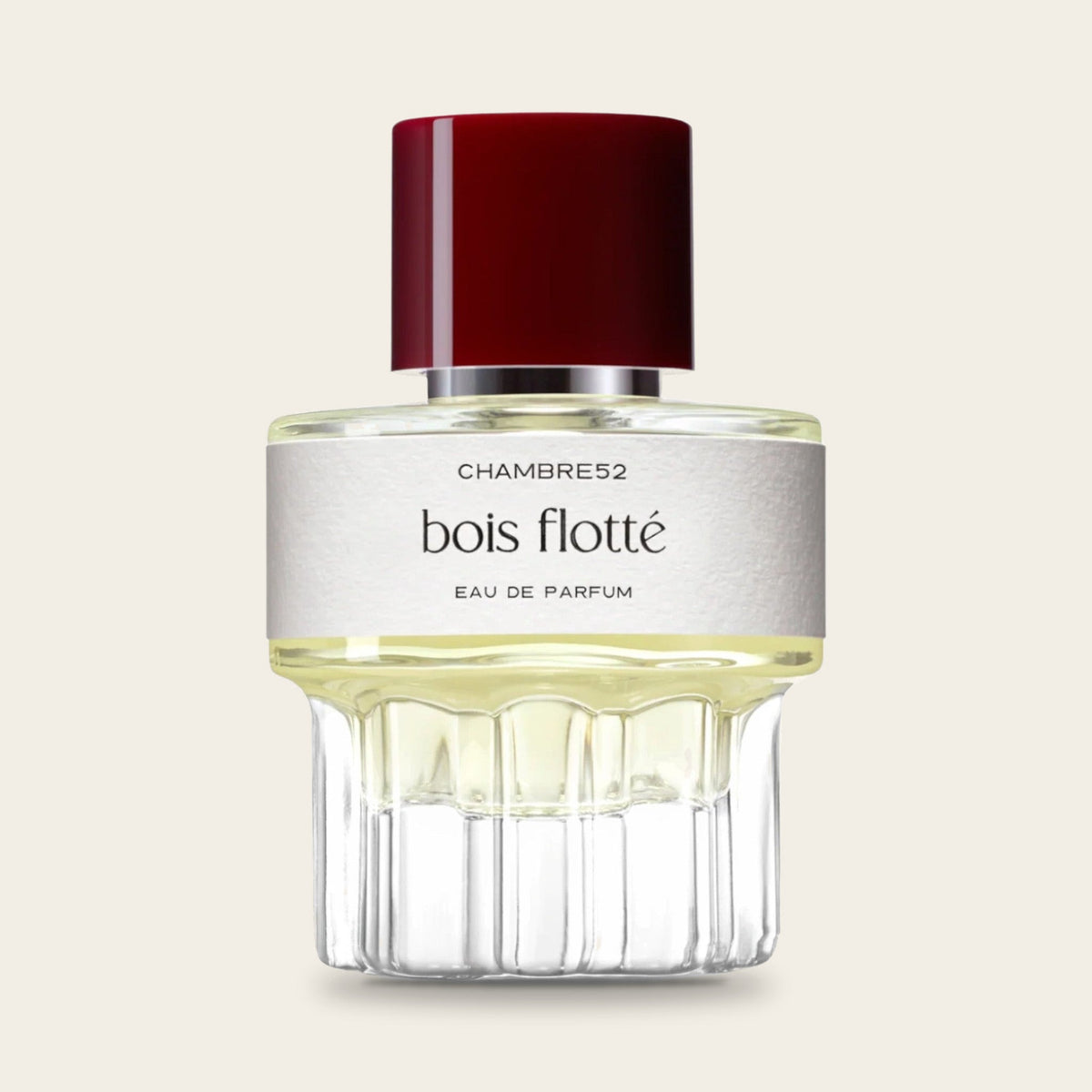
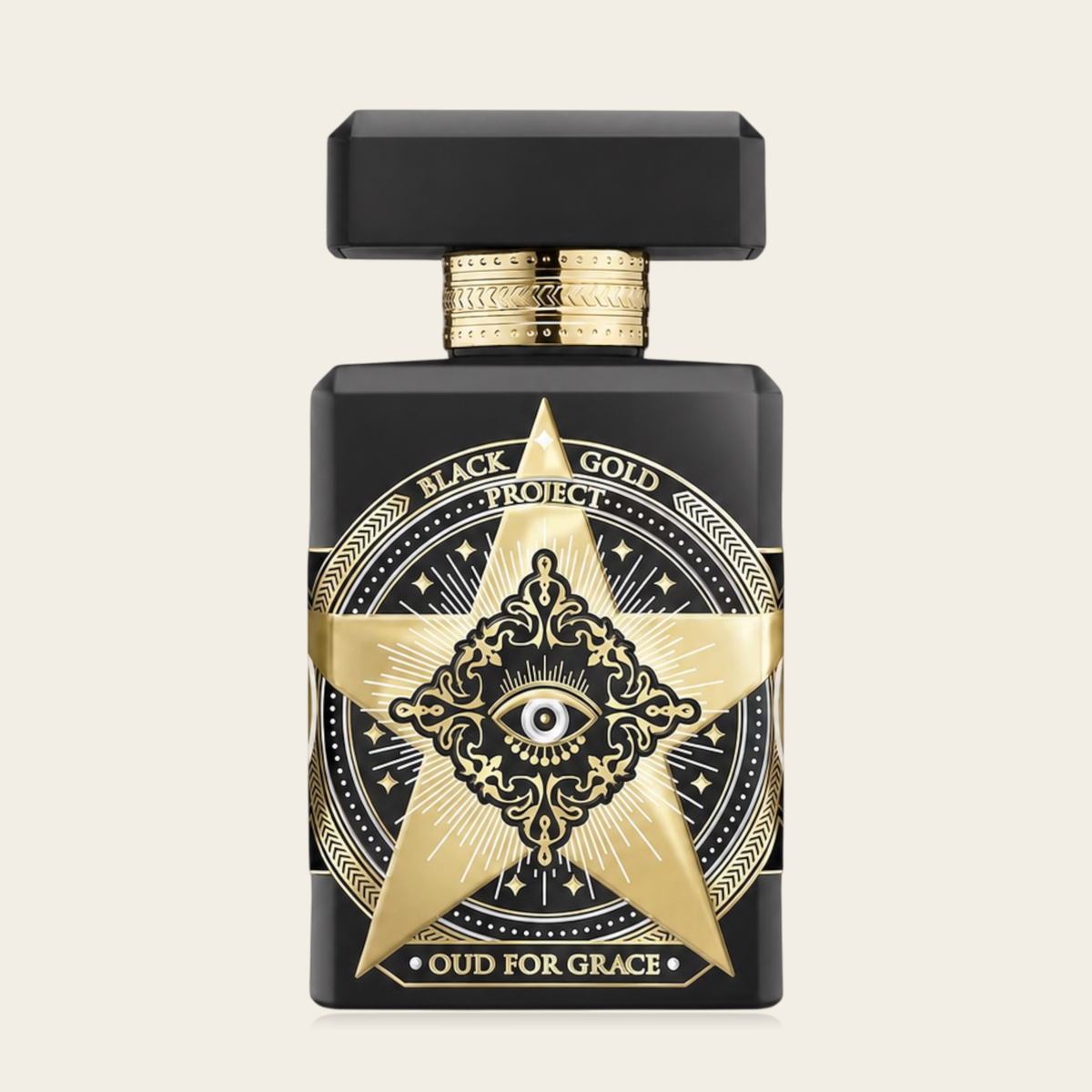
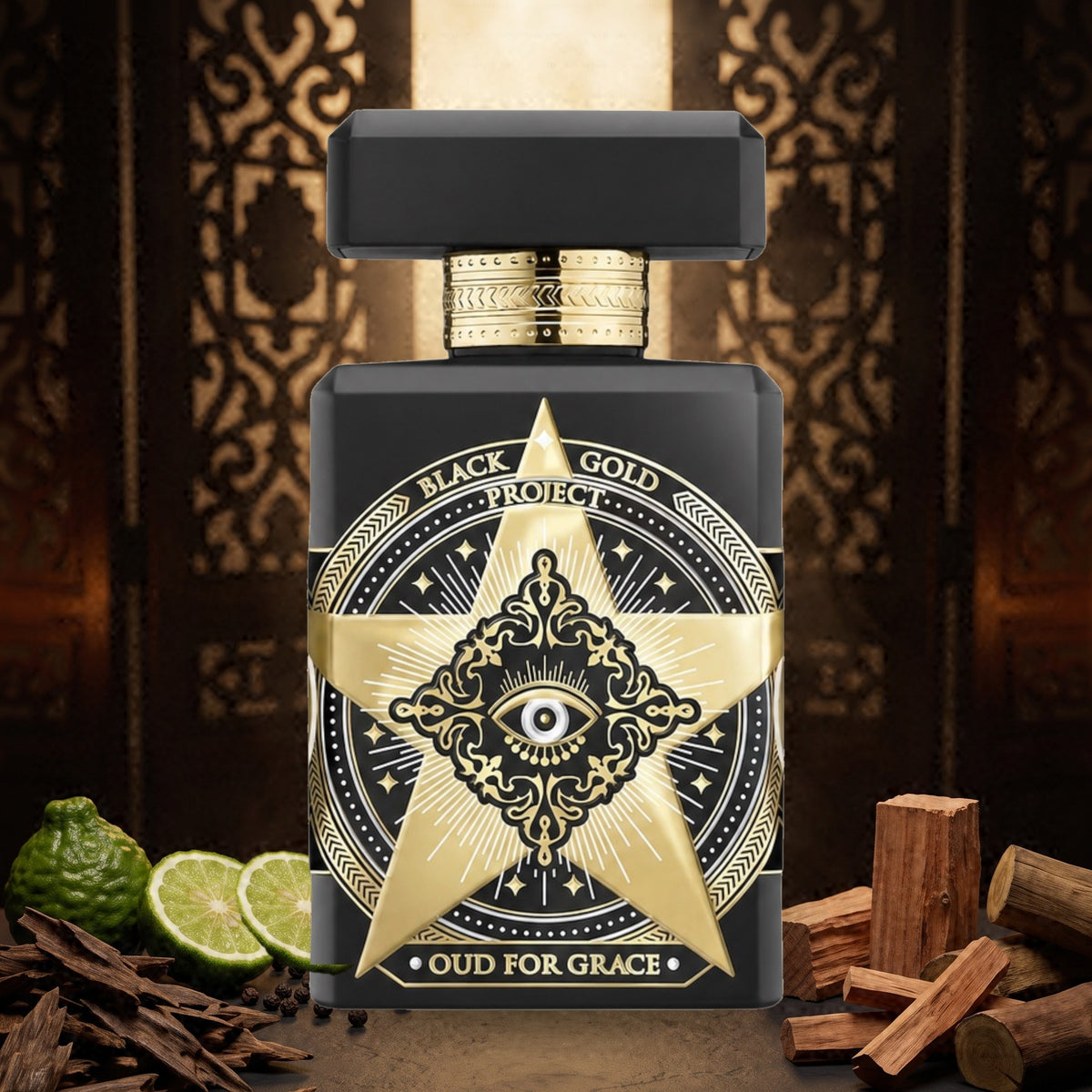
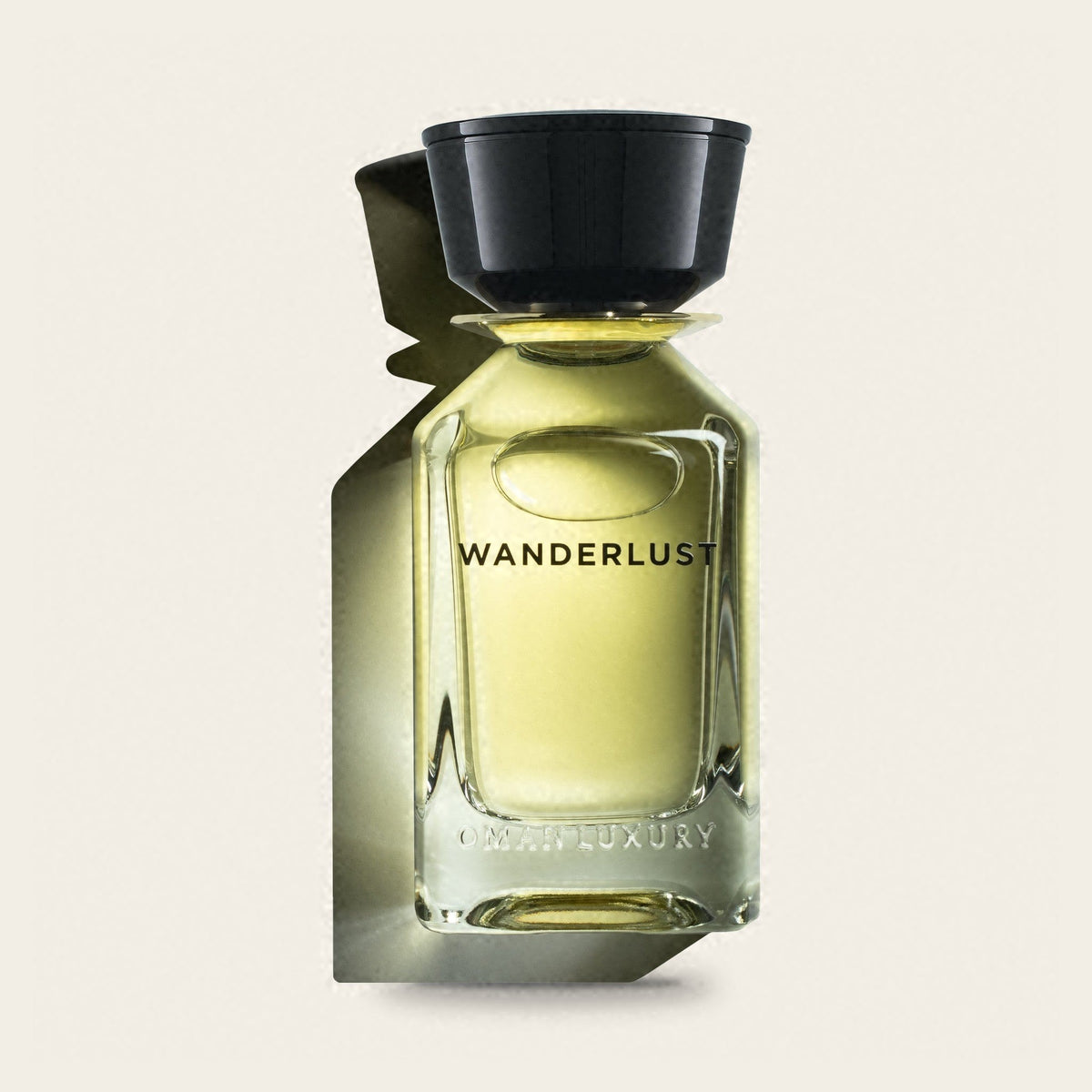
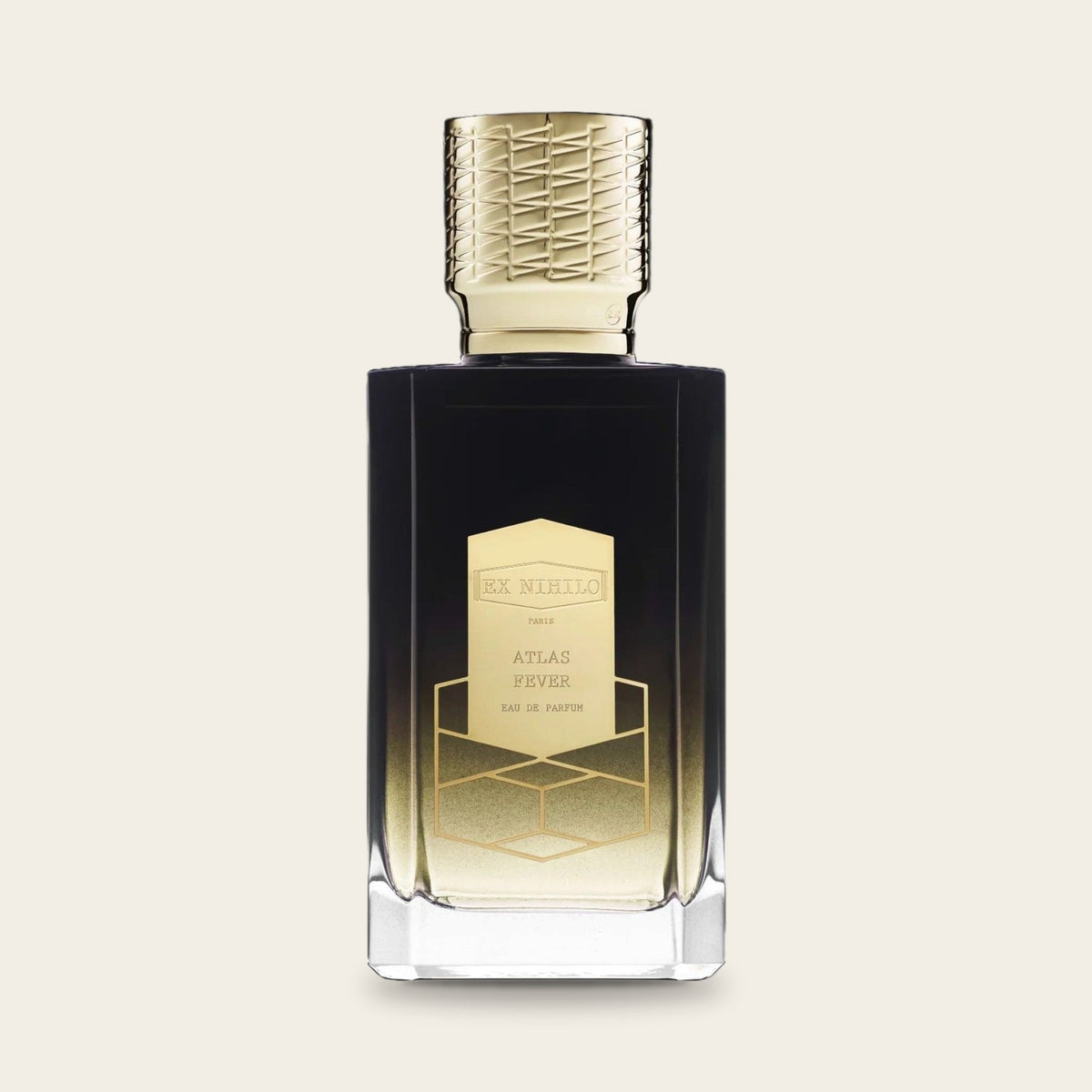
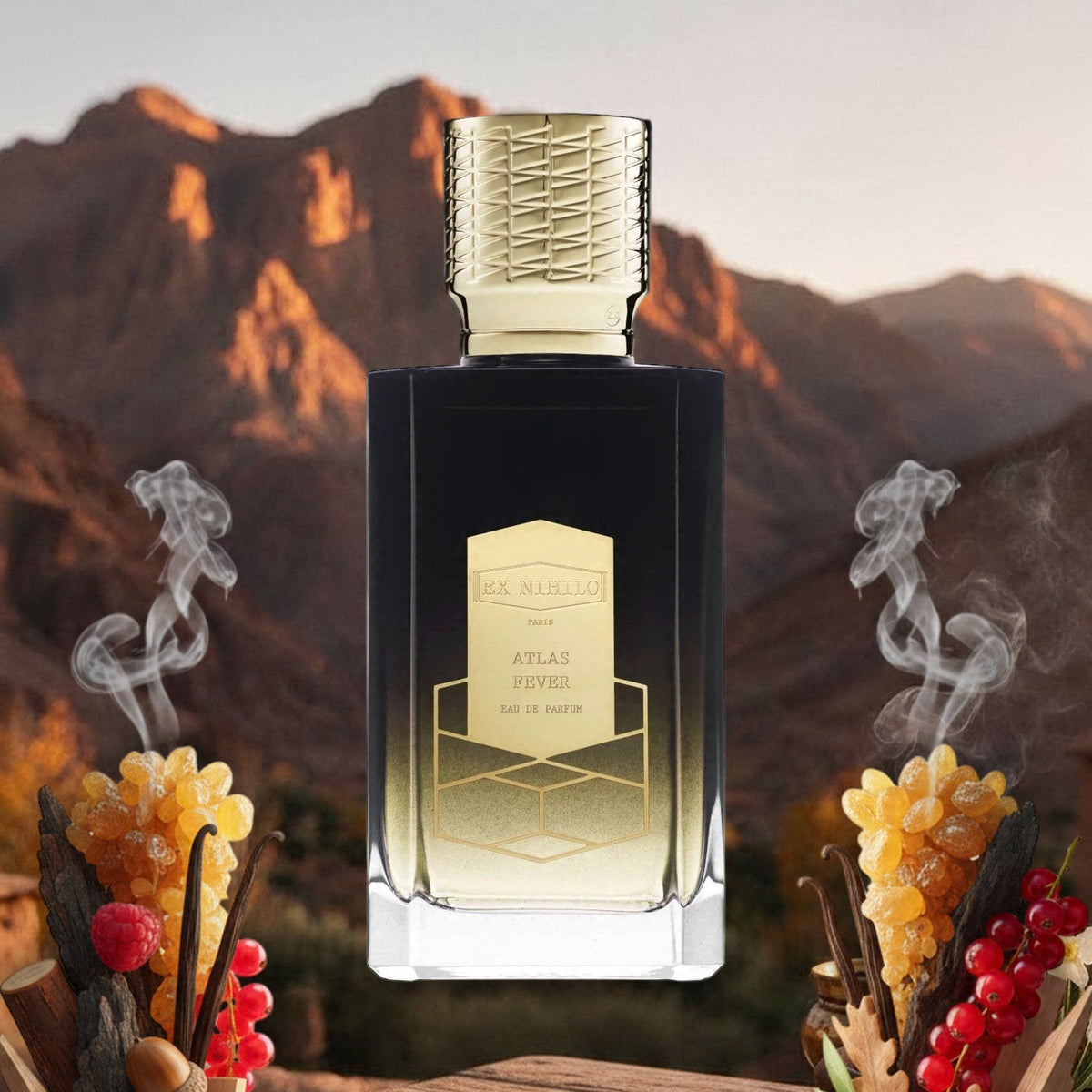
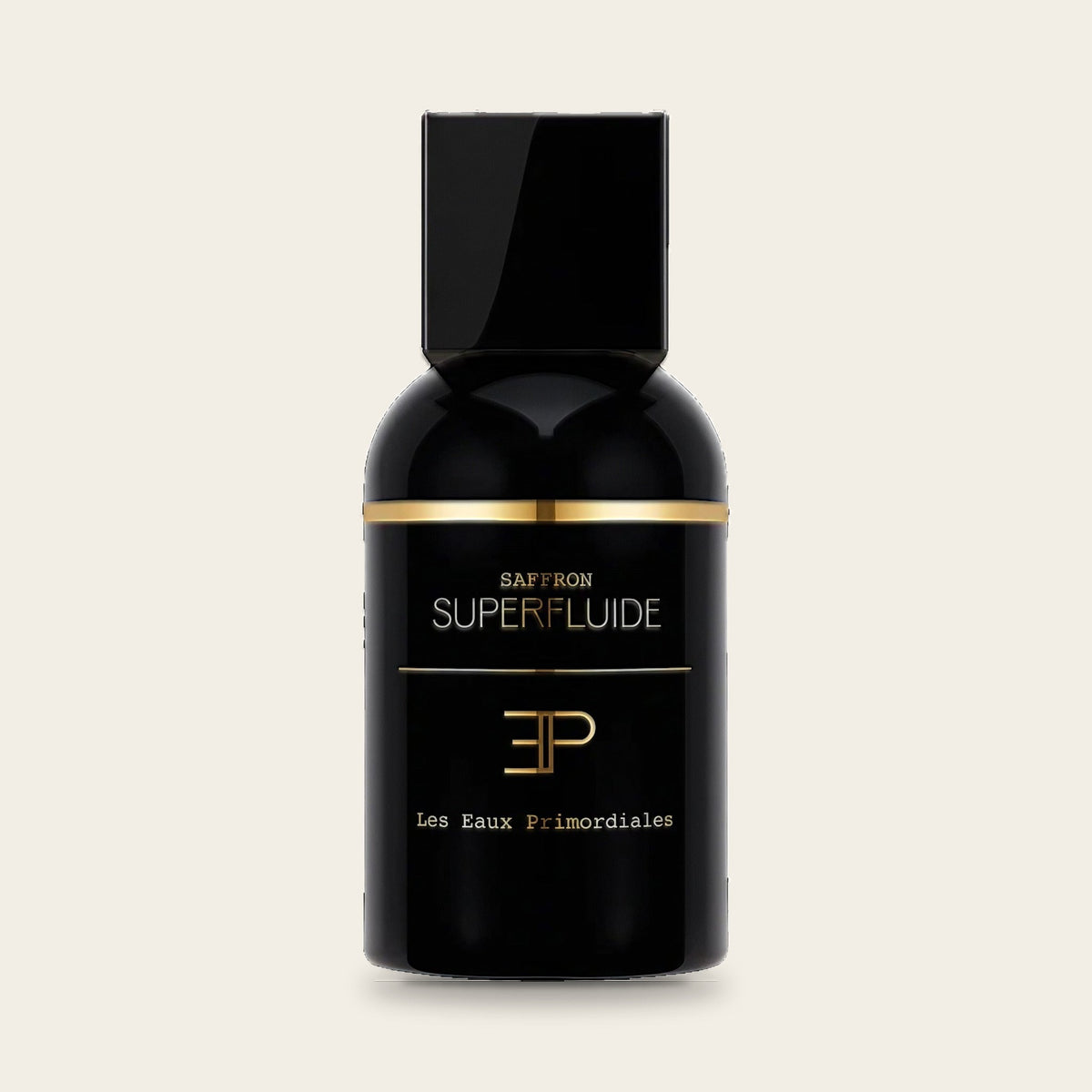
Fragrances with Guaiac Wood









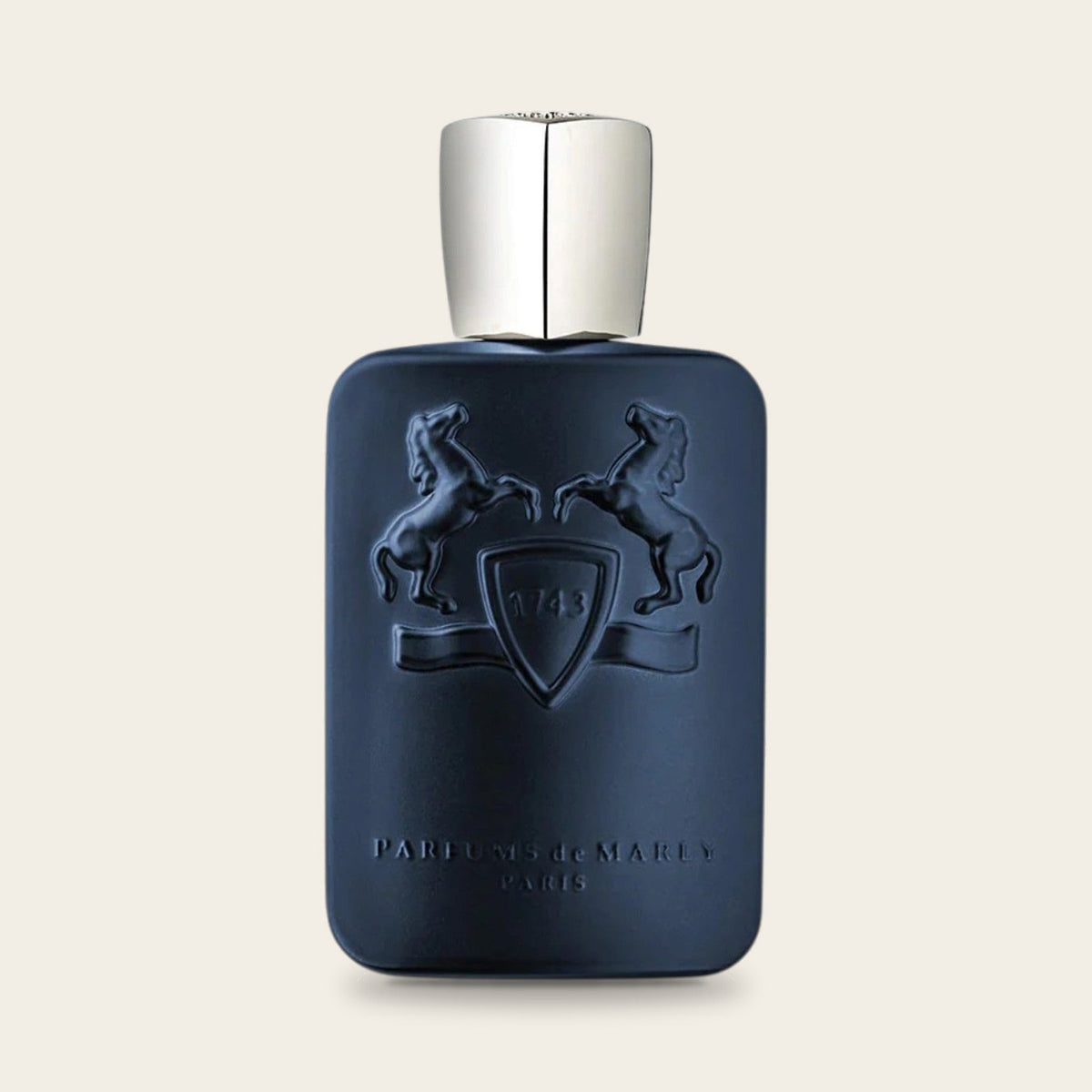

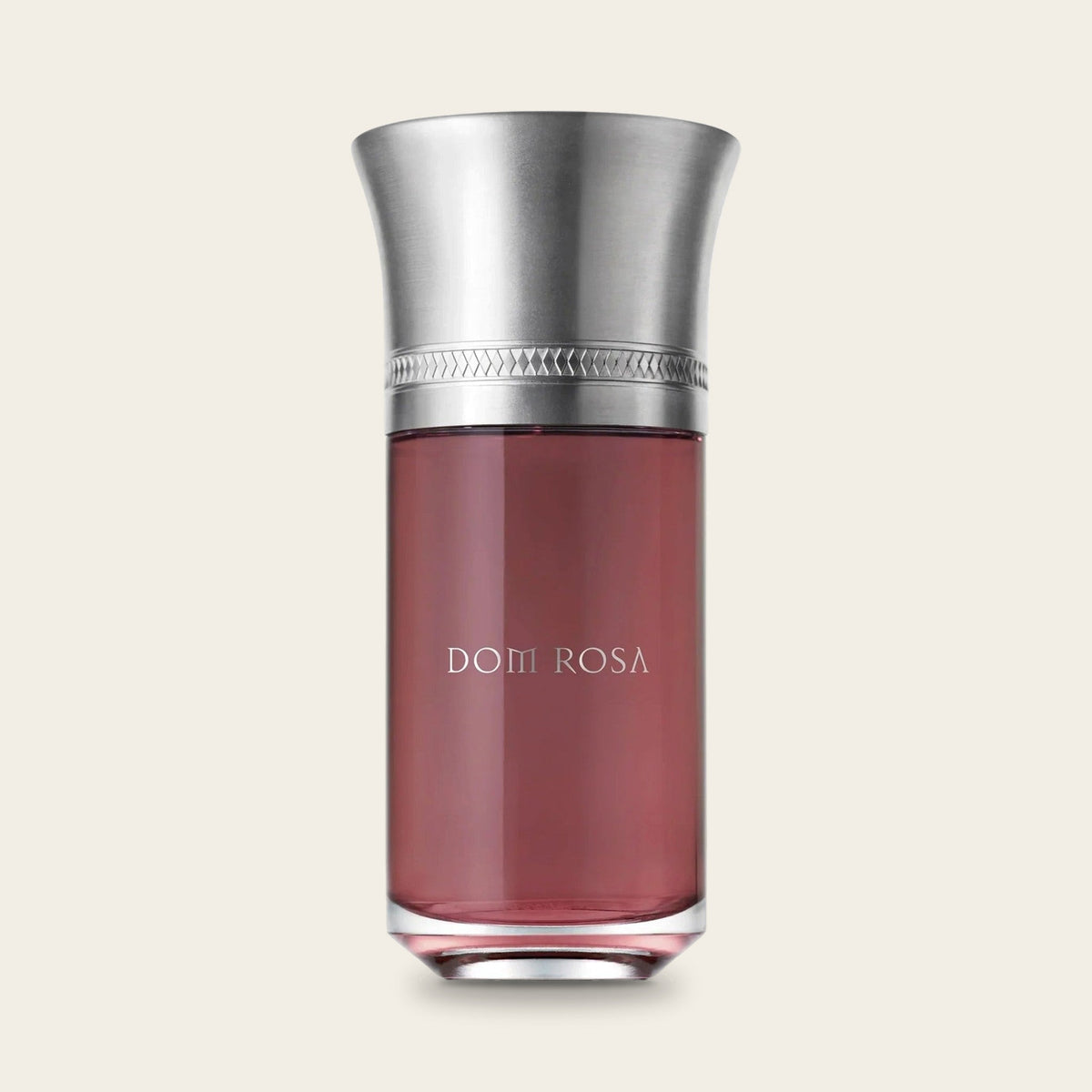

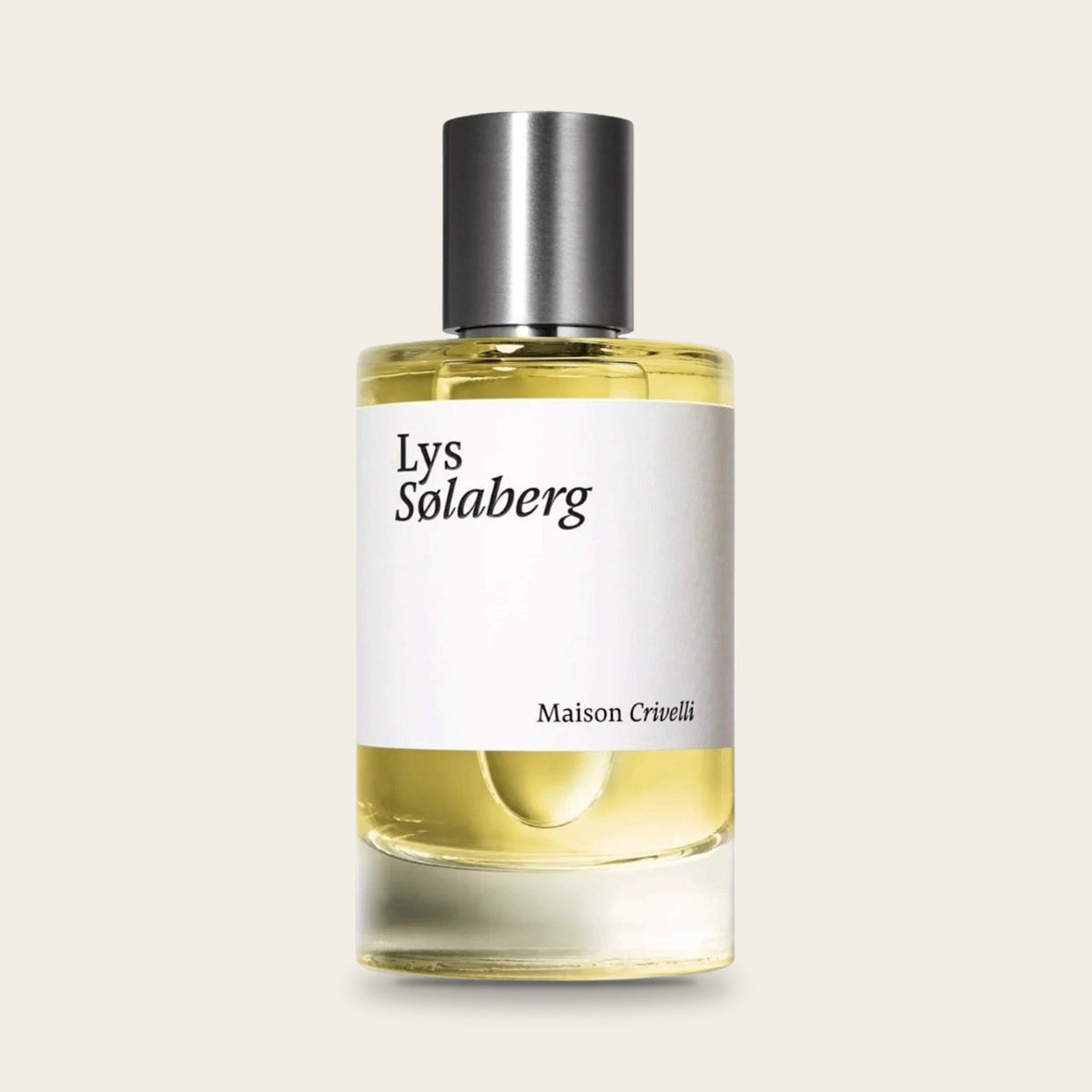
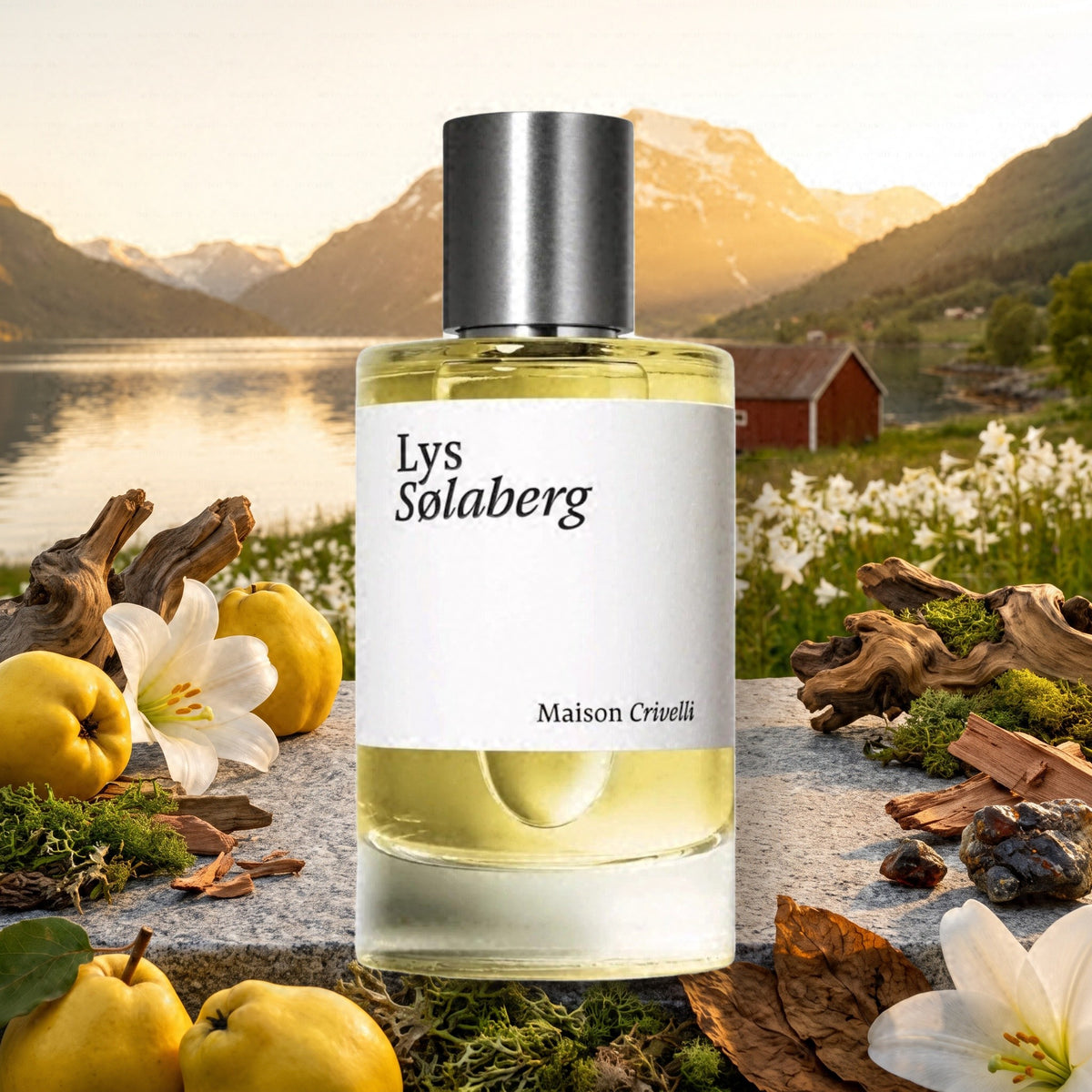
Questions and answers
Soft, smoky and woody, with a balsamic-sweet warmth reminiscent of tea rose.
Bulnesia sarmientoi is a tree of the caltrop family and grows only in the Gran Chaco, a semi-arid landscape of forest and scrub at the heart of South America. Its range extends across Argentina, Paraguay and Bolivia, with only isolated records from Brazil. In Spanish the tree is called 'palo santo' – holy wood. The same name, however, is also used for Bursera graveolens, a tree from a different plant family (the torchwood family, Burseraceae) that grows in the dry forests of tropical America, for instance on the coast of Ecuador.
To obtain the oil, the wood is chipped; chips and sawdust are steam-distilled, after which the oil separates from the water. The yield amounts to a few per cent of the wood used. The result is a yellow to greenish-yellow oil that is semi-solid at room temperature and only melts at 40–50 °C. It is therefore warmed or diluted before use.
Guaiac wood sits in the base of a fragrance, where it lasts a very long time and acts as a fixative that holds other notes together. Its smoky, woody, faintly rosy warmth supports woody and amber accords and helps to recreate other wood notes such as sandalwood or oud. In our range it sits in the base of 51 out of 65 fragrances.
Woody · Amber (oriental) · base note
Guaiac wood oil is not tied to any flowering or harvest season, because it is distilled from wood. Since 2010, international trade in the wood and the oil has required a permit under the CITES species-protection convention.
In our fragrances, it often appears alongside Vanilla, sandalwood, cedarwood, bergamot, patchouli, musk, saffron.
In the Gran Chaco the very hard wood has long been used for posts, tools and turnery, and the tree still plays a part in the region's folk medicine. The oil distilled from the wood found its way into soaps and perfumes. This should be kept apart from the older history of the guaiacum wood that gave it its name: in the 16th century Europe imported the wood of Caribbean Guaiacum species, known as lignum vitae, as a supposed cure for syphilis – Ulrich von Hutten described his own treatment with it in 1519. That story shares only its name and plant family with Bulnesia sarmientoi. In 2010, at Argentina's request, Bulnesia sarmientoi was added to Appendix II of the CITES convention on endangered species.
- Despite its name, guaiac wood oil does not come from the guaiacum tree (Guaiacum) but from its relative Bulnesia sarmientoi, a member of the same plant family.
- Since 2010 the tree has been listed in Appendix II of CITES at Argentina's request – and the listing explicitly covers extracts, meaning the oil itself.
- The wood is so dense that some pieces sink in water instead of floating.
Guaiac wood oil consists mainly of sesquiterpene alcohols, above all bulnesol (C₁₅H₂₆O, PubChem CID 90785) and guaiol (C₁₅H₂₆O, CID 227829); elemol and α-guaiene, among others, have also been identified. Bulnesol and guaiol are isomers – they share the same molecular formula and a molar mass of about 222 g/mol but differ in the structure of their carbon skeleton. Their share of the oil varies considerably with origin and analysis. Pure guaiol is a crystalline solid that only melts at about 91 °C.
FRAGRANCE KNOWLEDGE
In the 4D Journal
-
 FRAGRANCE KNOWLEDGE
Rose in perfume: The queen of fragrance materials
READ ARTICLE
-
 FRAGRANCE KNOWLEDGE
Vanilla in perfume: From orchid to favourite scent
READ ARTICLE
-
 FRAGRANCE KNOWLEDGE
Leather in perfume: How does something smell that was never in the bottle?
READ ARTICLE
-
 FRAGRANCE KNOWLEDGE
Scented candles & home fragrance: How to use them right
READ ARTICLE