
INGREDIENT GLOSSARY
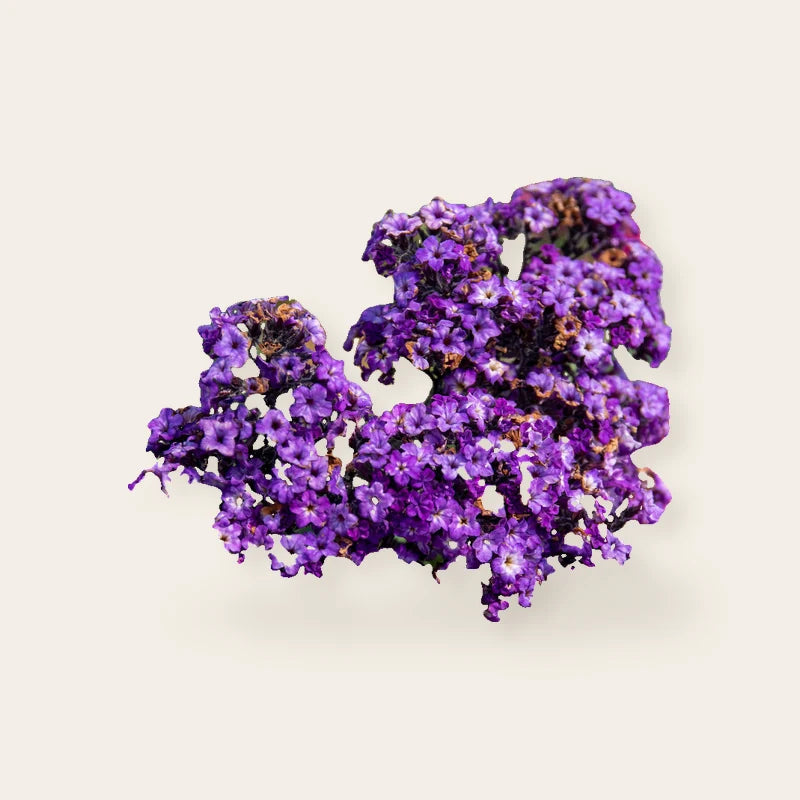
Heliotrope
Heliotropium arborescens · Borage family (Boraginaceae)
Powdery, sweet and almond-like, with hints of vanilla and a touch of cherry pie.
ACCORDFLORAL · POWDERY · GOURMAND · HEART NOTE
AT A GLANCE
- Plant: the shrub Heliotropium arborescens, a member of the borage family
- Origin: Andes (Peru, Bolivia, Colombia), in Europe since the 18th century
- Extraction: practically no flower extract – recreated as an accord around heliotropin (piperonal)
- Scent: powdery, sweet, almond-vanilla with a cherry note – heart note
PROFILE
- Origin
- Andes of South America (Peru, Bolivia, Colombia) · grown in Europe as a fragrant garden plant since the 18th century
- Extraction
- Practically no flower extract – the note is recreated as an accord around heliotropin (piperonal) with vanillin, coumarin and anisaldehyde
- Main molecules
- Piperonal/heliotropin (C₈H₆O₃, powdery-almond) · Vanillin (C₈H₈O₃, vanilla) · Anisaldehyde (C₈H₈O₂, sweet-floral) · Coumarin (C₉H₆O₂, sweet, hay-like)
- Harvest
- Heliotrope flowers from late spring right through summer into autumn; as it cannot tolerate frost, flowering outdoors ends with the first cold nights.
- Often paired with
- Vanille, Jasmin, Bergamotte, Sandelholz, Moschus, Patschuli, Rose
Numbers that surprise
around 4 sextillion
molecules are contained in a single gram of heliotropin – mathematically almost 500 billion for every person on Earth.
around 37 °C
is the melting point of heliotropin – almost exactly human body temperature.
up to about 1.8 metres
is how tall heliotrope grows as a shrub in its Andean homeland – head height, while in our climate, grown as an annual balcony plant, it stays much smaller.
Rounded values; calculation based on published data.
Harvest and season
Heliotrope flowers from late spring right through summer into autumn; as it cannot tolerate frost, flowering outdoors ends with the first cold nights. The heliotrope accord in perfume is independent of this: its molecules are produced synthetically and are available all year round.
There is practically no heliotrope flower material in common perfumery use – natural extracts are rare exceptions with a very low yield. The note is therefore built as an accord. At its heart is heliotropin, chemically piperonal: an aromatic aldehyde with a powdery, almond-vanilla scent, produced industrially mainly by oxidising isosafrole. Vanillin makes the accord creamier, coumarin adds a sweet, hay-like softness, and anisaldehyde and benzaldehyde reinforce the floral, almond facet.
Knowledge to share
Myth or truth?
Statement 1
The heliotrope scent in perfume is obtained from heliotrope flowers.
Myth. A natural flower extract is a rare exception and plays practically no role in perfumery. The note is almost always built as an accord around heliotropin (piperonal), rounded out with vanillin, coumarin and anisaldehyde.
Statement 2
In English, heliotrope is also called “cherry pie” – because it smells like cherry pie.
True. The popular name refers purely to the scent: many noses detect a sweet blend of vanilla, almond and cherry in the flowers – like a freshly baked cherry pie.
Statement 3
Heliotrope is a harmless balcony plant.
Myth. All parts of the plant contain pyrrolizidine alkaloids, which can damage the liver if eaten. Horses are particularly at risk. Smelling the flowers, on the other hand, is harmless.
Your result
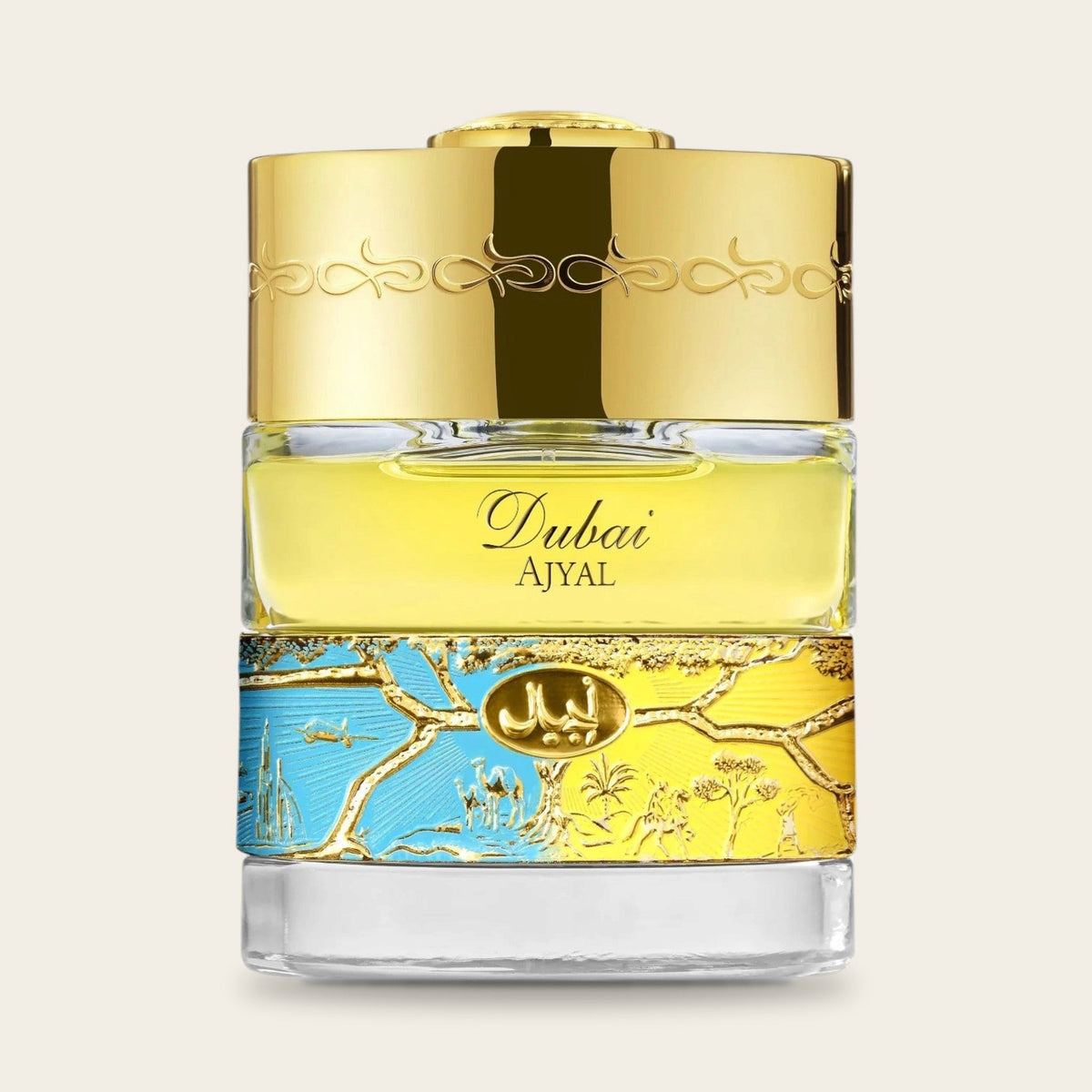
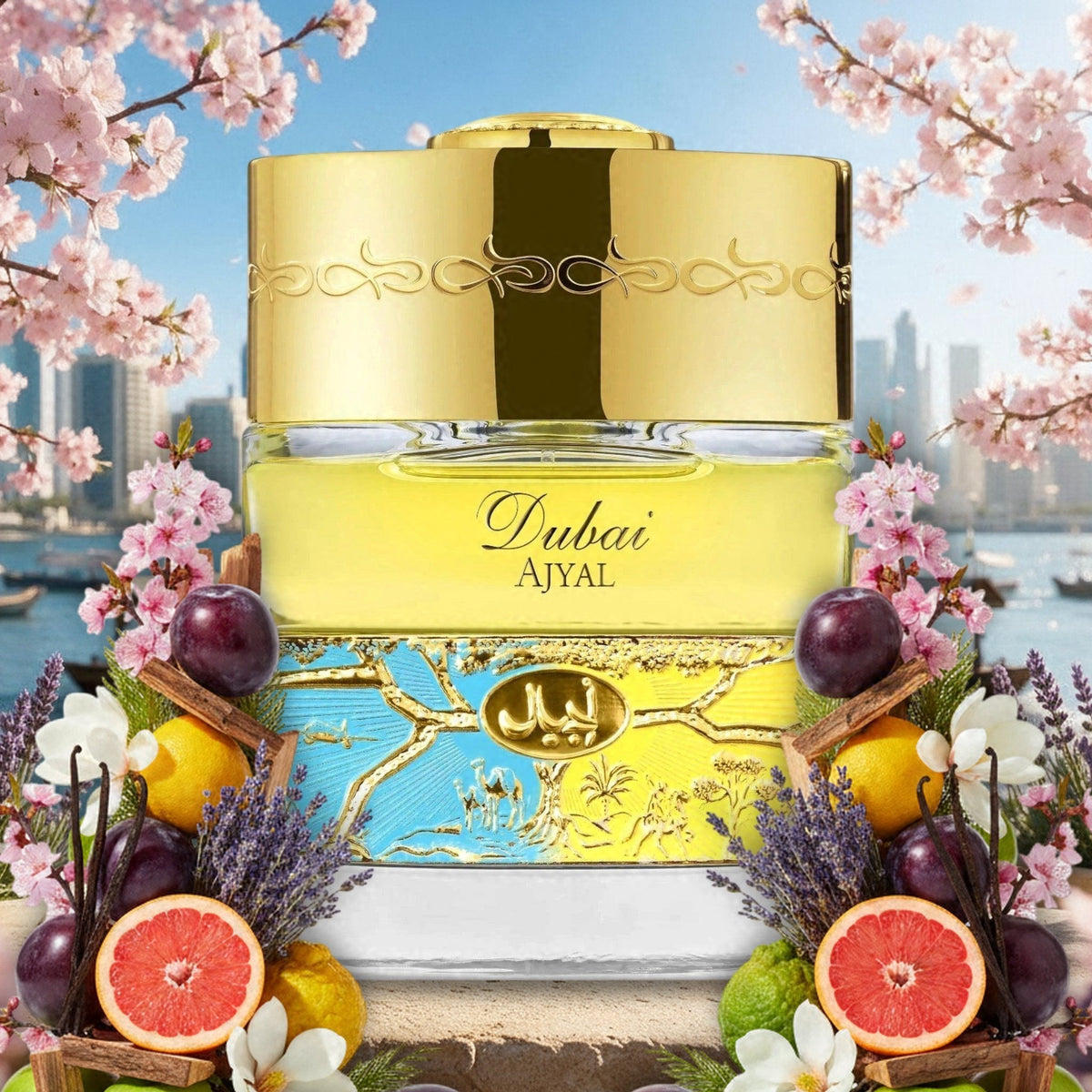
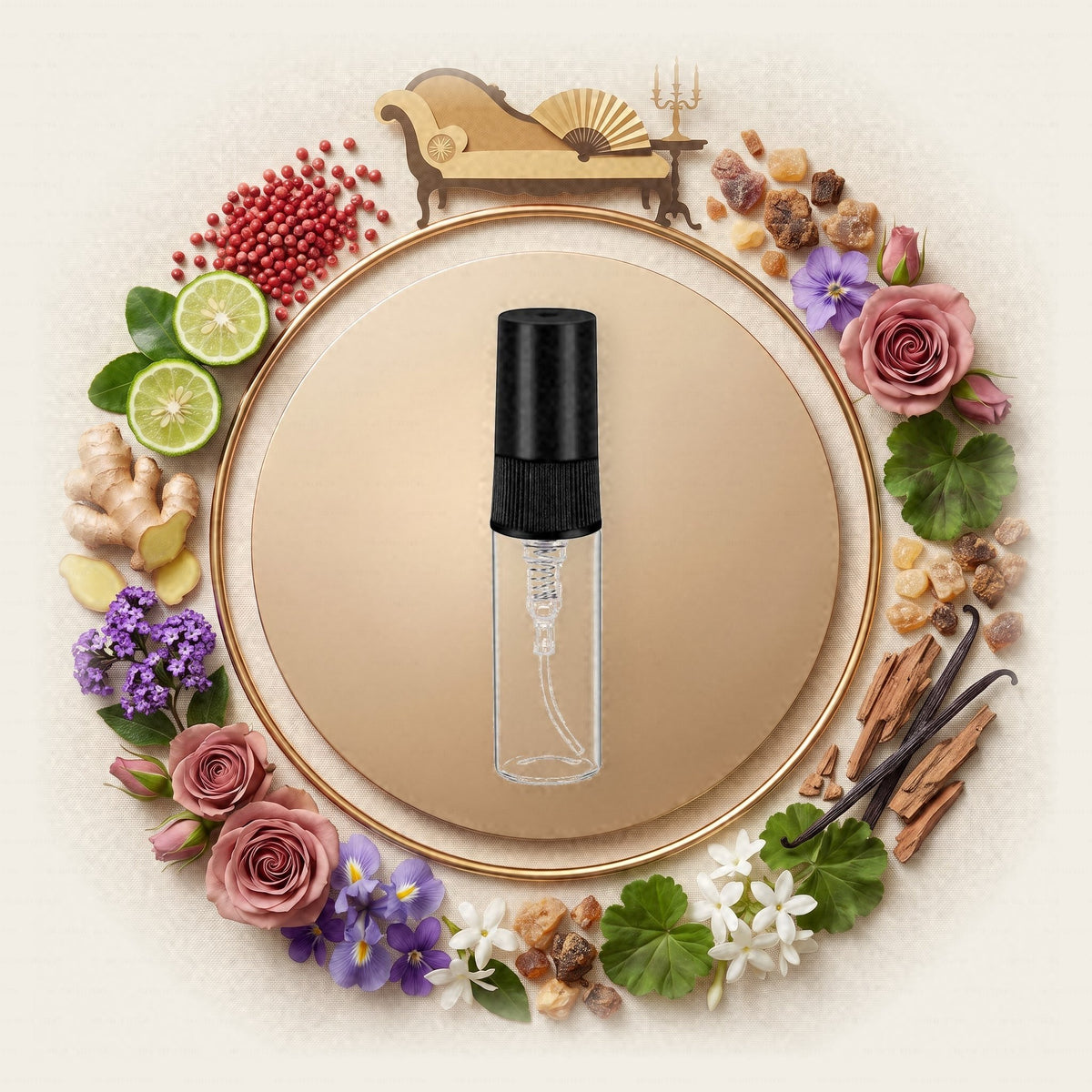
FRAGRANCES WITH HELIOTROPEINGREDIENT GLOSSARY
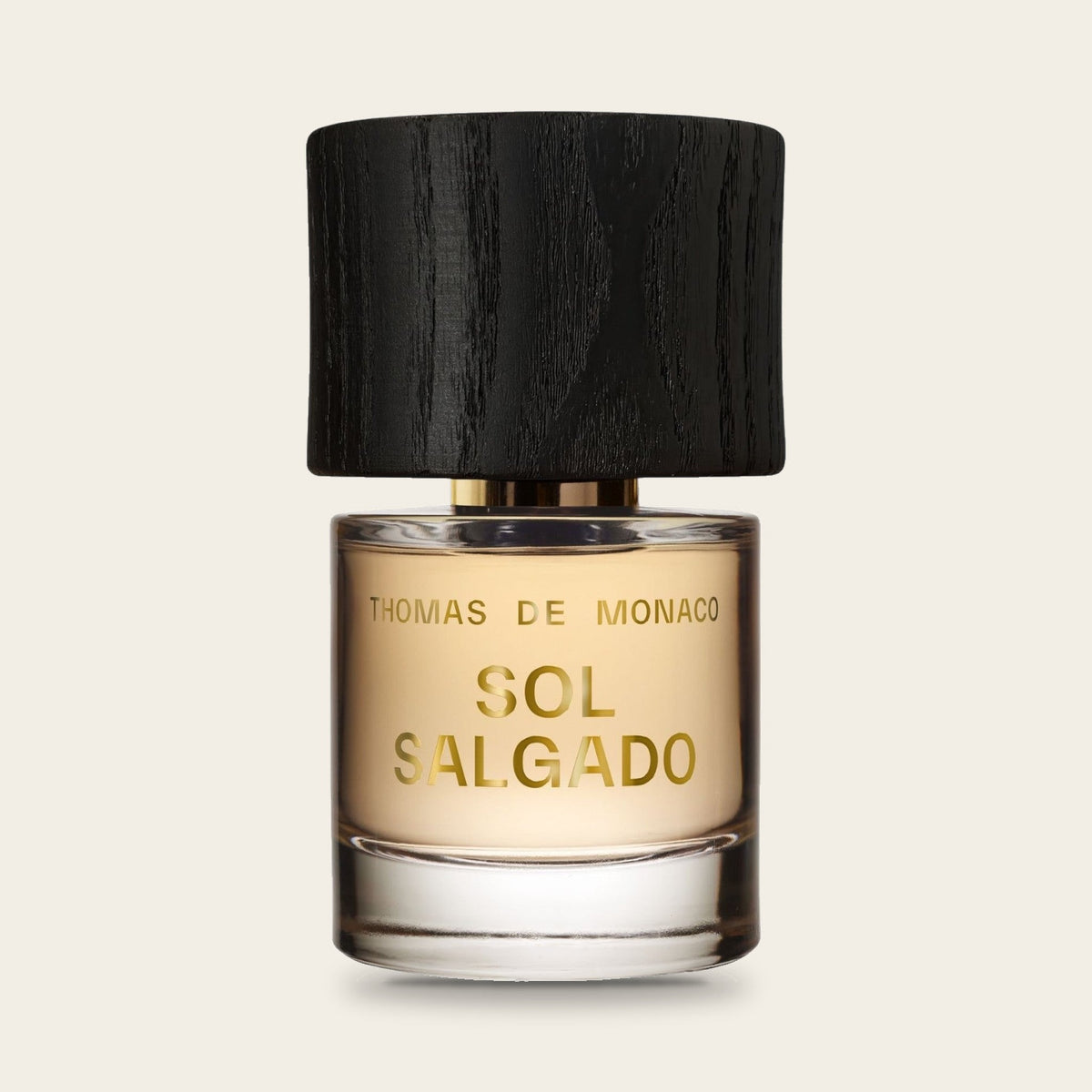
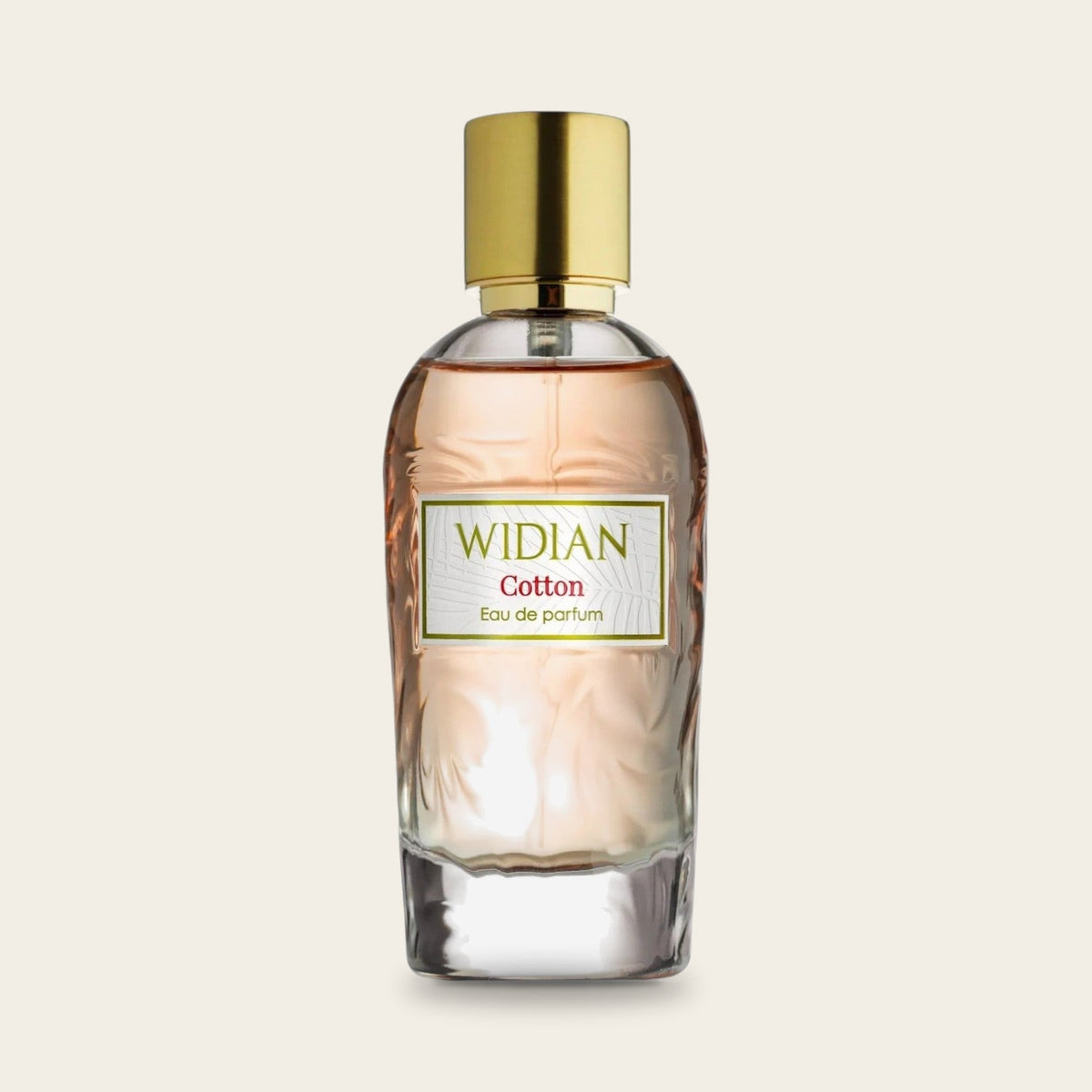
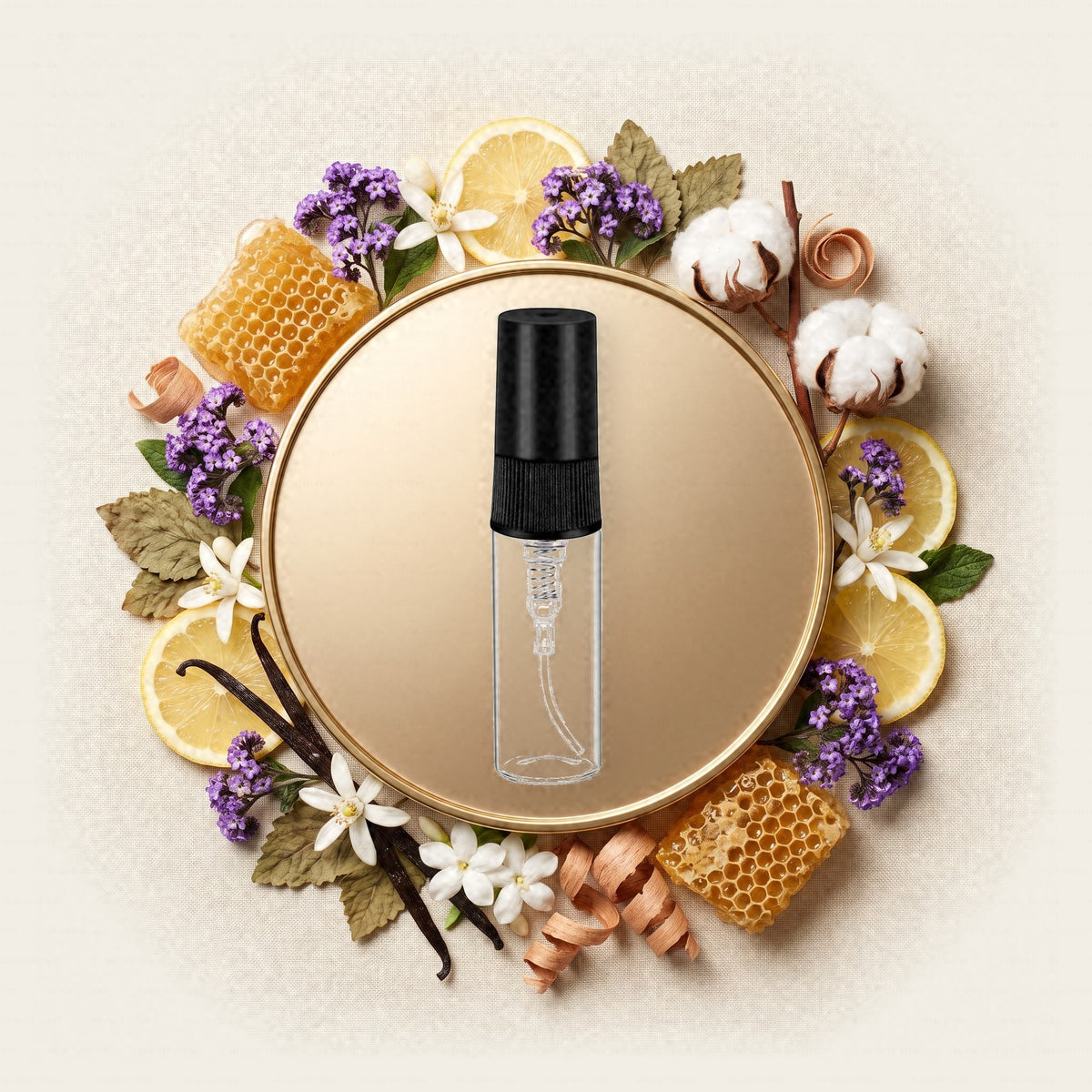
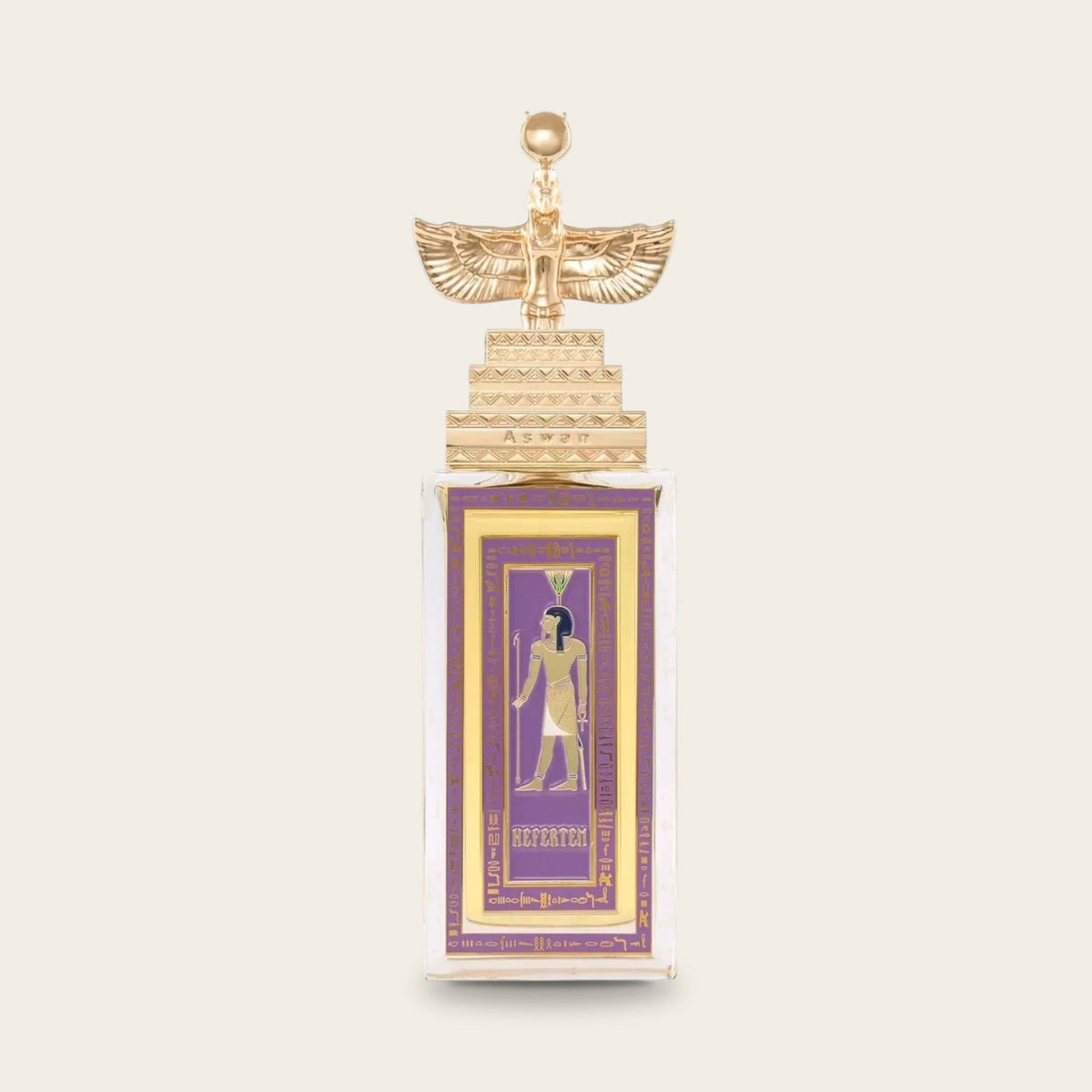
Fragrances with Heliotrope


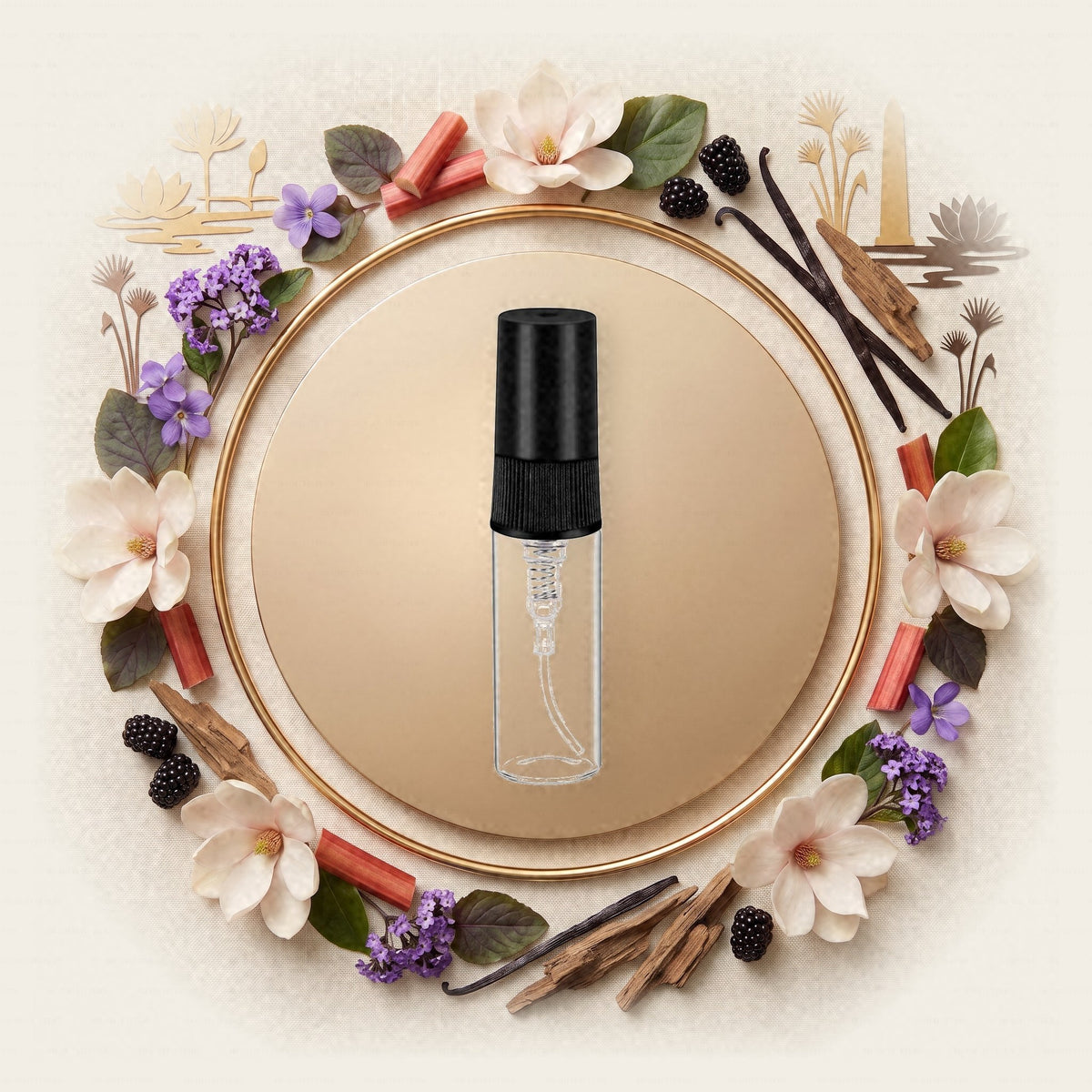
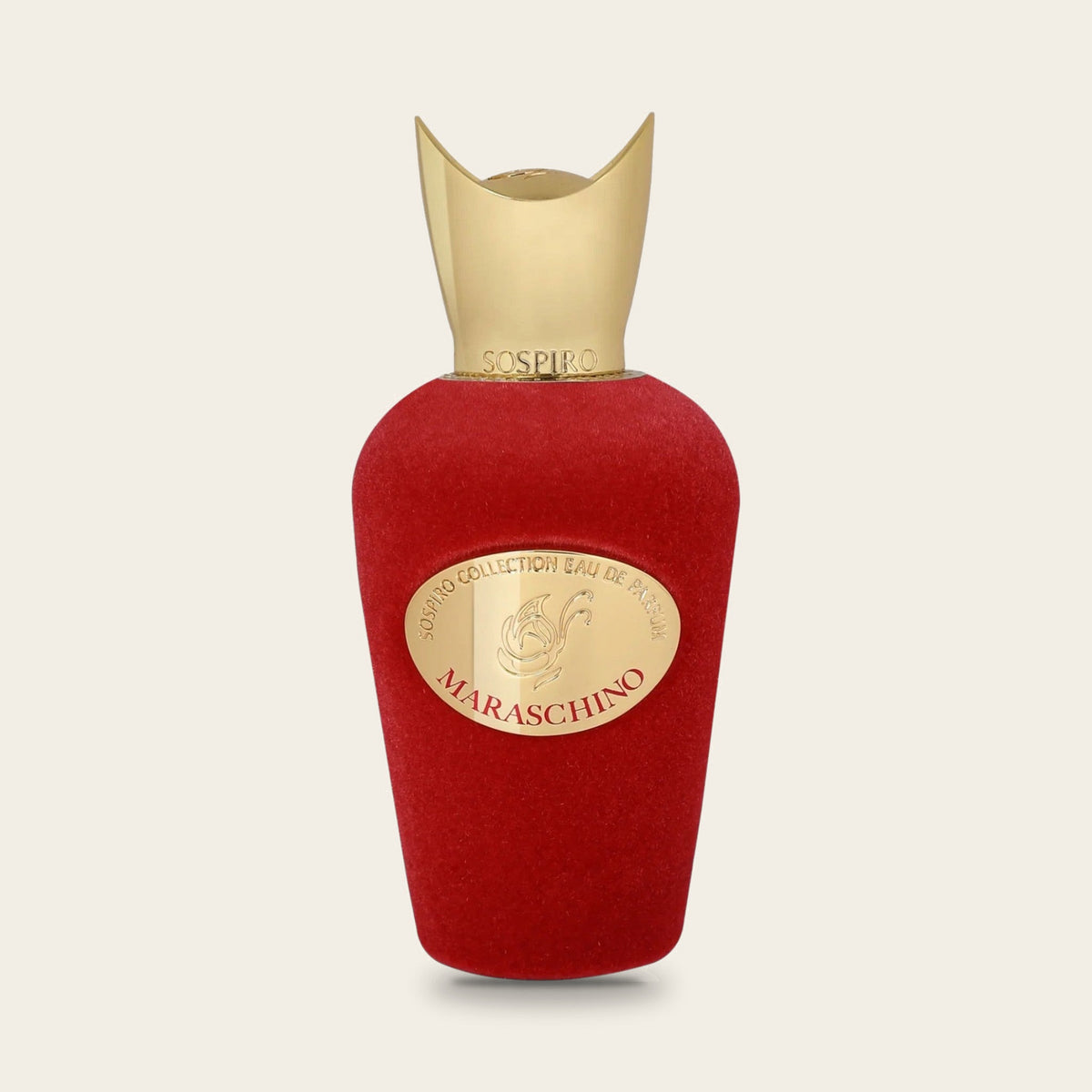
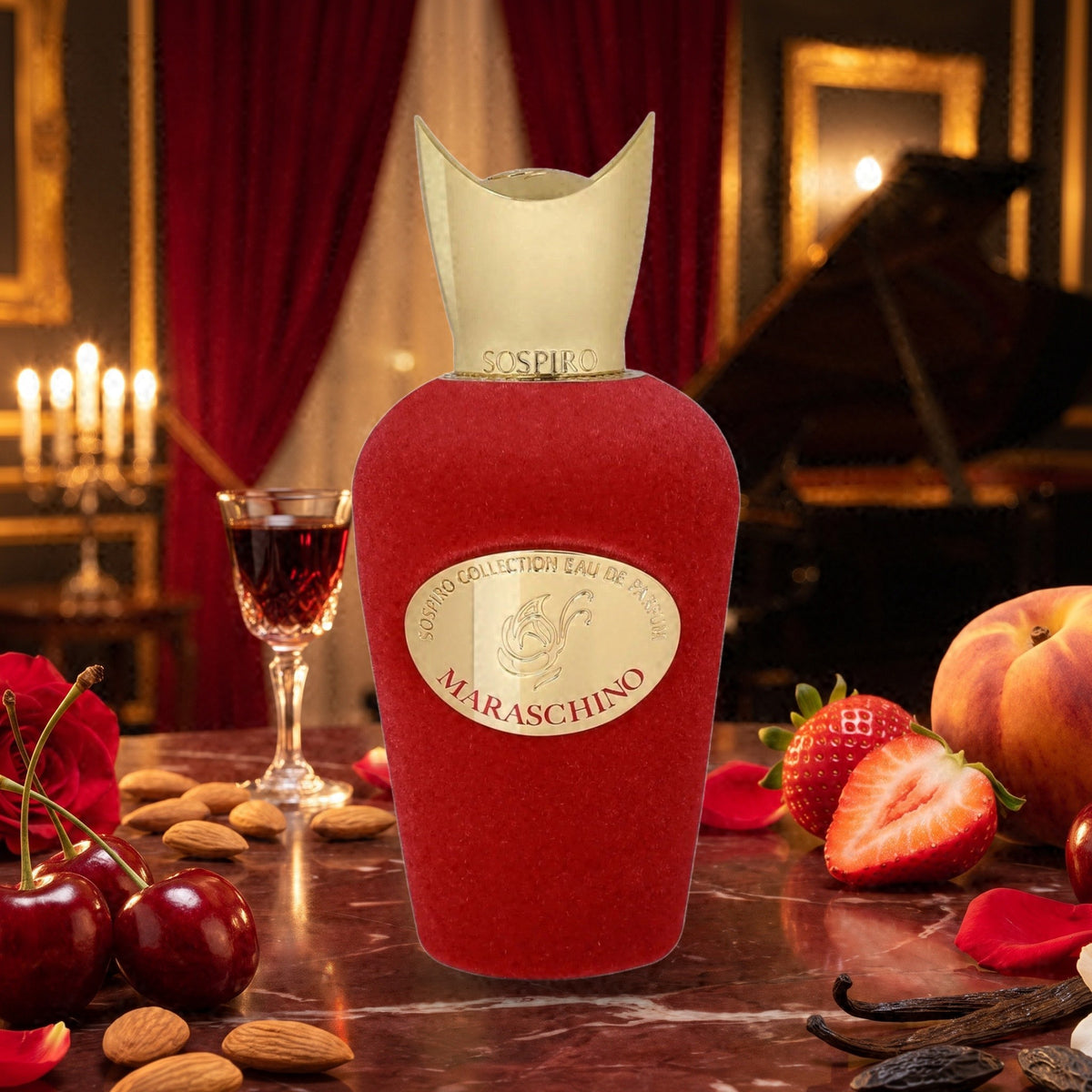
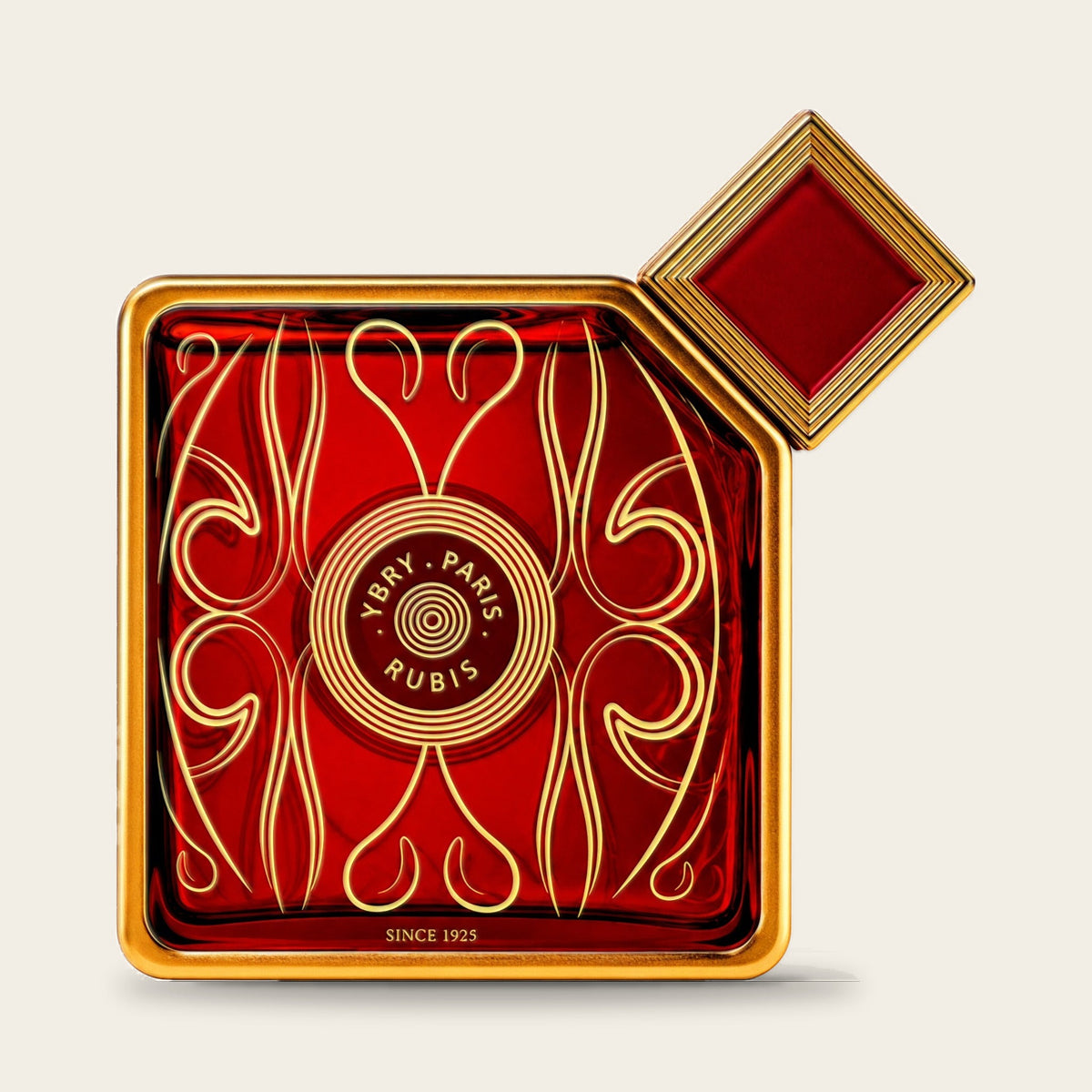

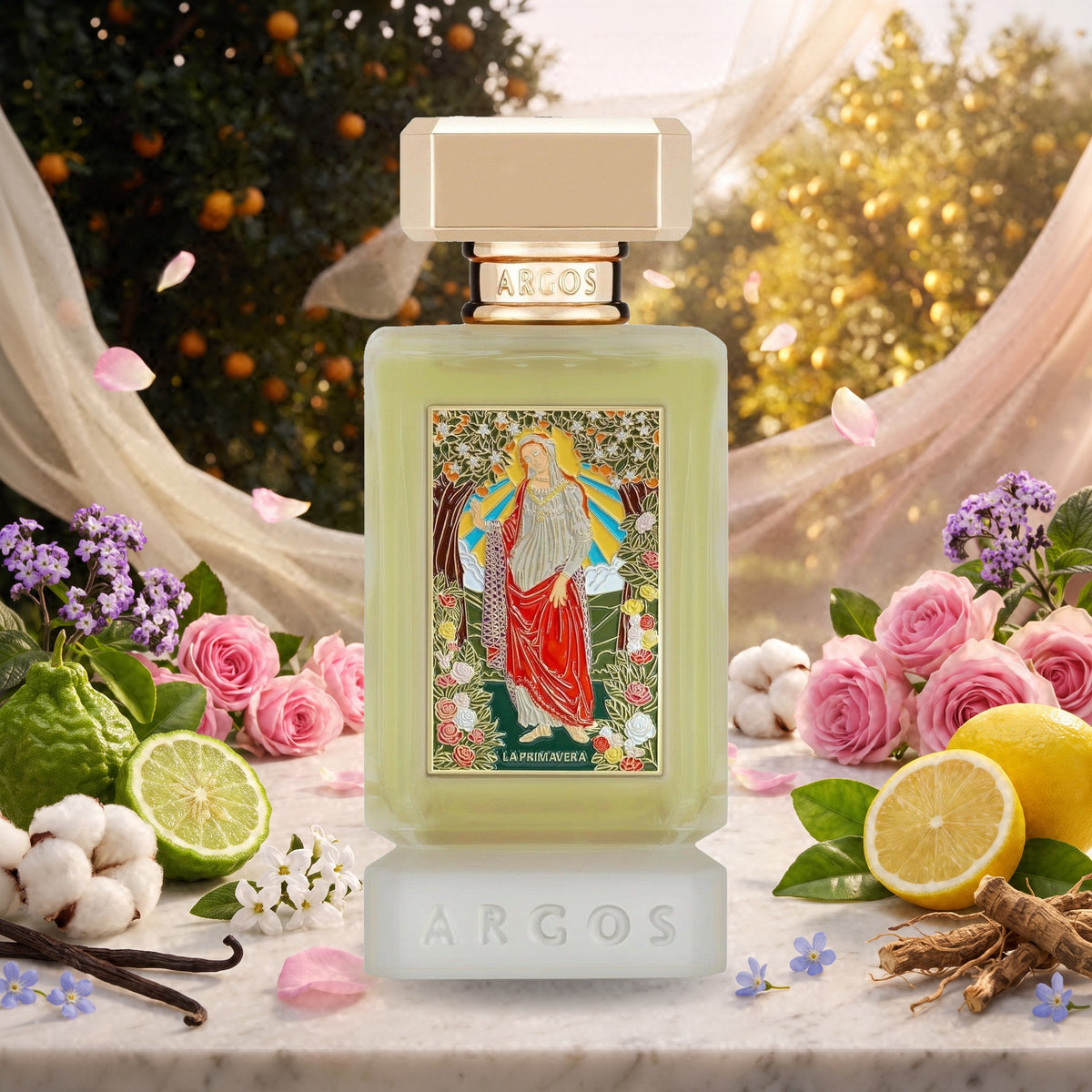

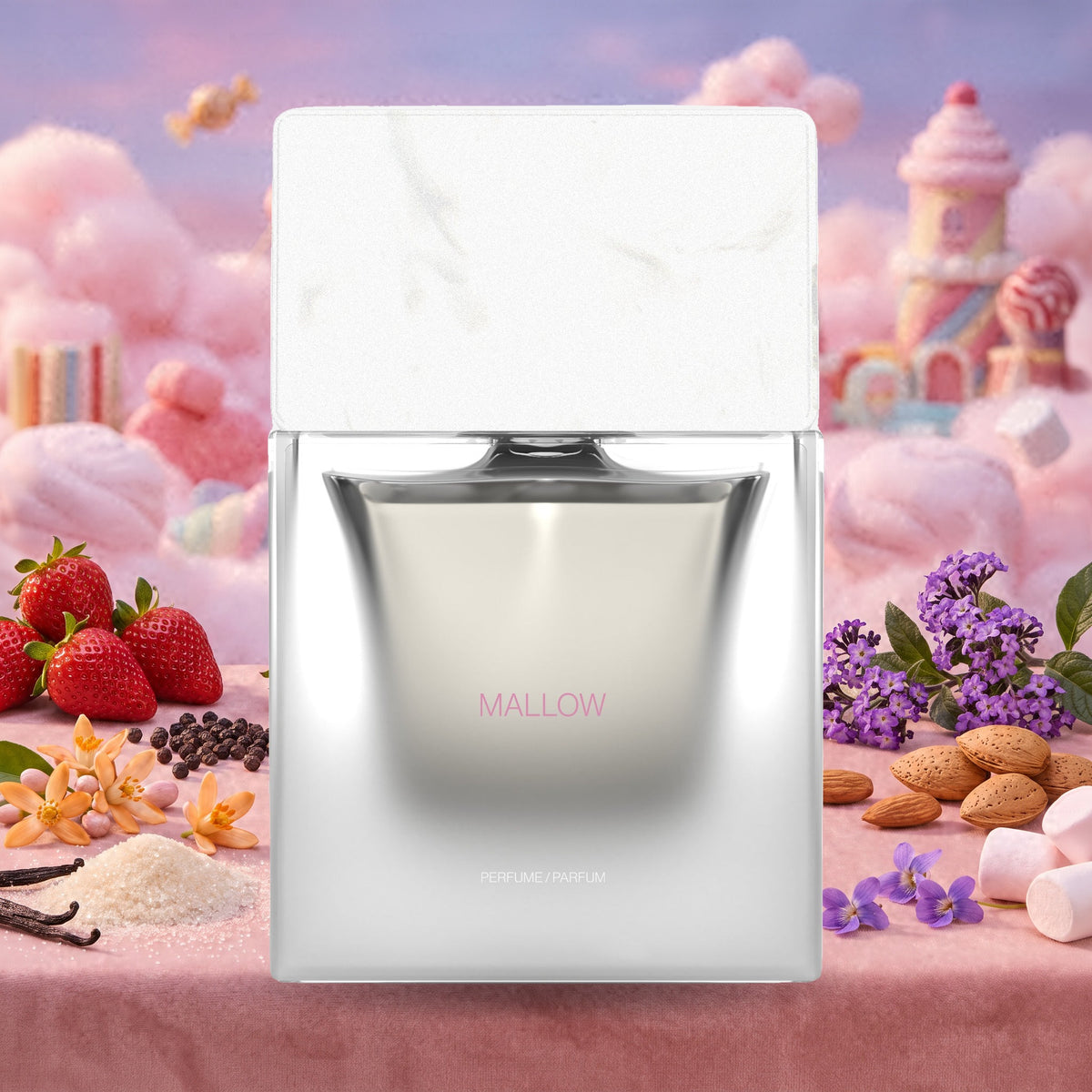


Questions and answers
Powdery, sweet and almond-like, with hints of vanilla and a touch of cherry pie.
Heliotrope, Heliotropium arborescens, is a shrub from the Andes of South America, native to Peru, Bolivia and Colombia. In its homeland it grows to roughly head height and bears dense clusters of small, mostly purple, sometimes white or lavender flowers with an intense, vanilla-like fragrance. Botanically it belongs to the borage family; more recent classifications place the genus in a family of its own, Heliotropiaceae. As it cannot tolerate frost, it is usually grown as an annual balcony and bedding plant in Central Europe.
There is practically no heliotrope flower material in common perfumery use – natural extracts are rare exceptions with a very low yield. The note is therefore built as an accord. At its heart is heliotropin, chemically piperonal: an aromatic aldehyde with a powdery, almond-vanilla scent, produced industrially mainly by oxidising isosafrole. Vanillin makes the accord creamier, coumarin adds a sweet, hay-like softness, and anisaldehyde and benzaldehyde reinforce the floral, almond facet.
Heliotrope usually sits in the heart of a fragrance, with its powdery, vanilla facets reaching into the base. It feels soft, nostalgic and slightly gourmand, links floral notes such as iris or violet with vanilla, tonka and musk, and gives a composition a velvety, powdery glow. In our range, heliotrope appears in 50 fragrances, 36 of them in the heart.
Floral · Powdery · Gourmand · Heart note
Heliotrope flowers from late spring right through summer into autumn; as it cannot tolerate frost, flowering outdoors ends with the first cold nights. The heliotrope accord in perfume is independent of this: its molecules are produced synthetically and are available all year round.
In our fragrances, it often appears alongside Vanille, Jasmin, Bergamotte, Sandelholz, Moschus, Patschuli, Rose.
Heliotrope reached Europe in the 18th century: the French botanist Joseph de Jussieu, who had set out for South America with La Condamine's expedition in 1735, sent seeds from Peru to the royal garden in Paris. In the 19th century the fragrant shrub became a popular bedding and container plant. The name goes back to the Greek hēliotropion, meaning “sun-turning”. The aroma chemical heliotropin is named for its resemblance to the scent of the flower.
- The name comes from the Greek “hēlios” (sun) and “trepein” (to turn) – people believed the flowers turned to follow the sun.
- Heliotropin is on the international list of monitored drug precursors (Table I of the 1988 UN Convention): because it can be misused for the illicit manufacture of synthetic drugs, trading and acquiring it in the EU requires a licence.
- The chemical name piperonal points to pepper (Piper): the substance occurs in traces in black pepper.
The aroma chemical heliotropin (piperonal) bears the flower's name and smells floral with hints of vanilla and cherry. Chemically it is an aromatic aldehyde with a methylenedioxy ring (1,3-benzodioxole-5-carbaldehyde, C₈H₆O₃, PubChem CID 8438, molar mass around 150 g/mol); it forms colourless crystals that melt at about 37 °C. In nature, piperonal occurs only in traces, for example in black pepper and vanilla. Whether and to what extent it contributes to the scent of the heliotrope flower is not clearly established – its name describes a resemblance in scent, not an origin. In the accord it is complemented by vanillin (C₈H₈O₃, CID 1183), anisaldehyde (C₈H₈O₂, CID 31244) and coumarin (C₉H₆O₂).
FRAGRANCE KNOWLEDGE
In the 4D Journal
-
 FRAGRANCE KNOWLEDGE
Rose in perfume: The queen of fragrance materials
READ ARTICLE
-
 FRAGRANCE KNOWLEDGE
Vanilla in perfume: From orchid to favourite scent
READ ARTICLE
-
 FRAGRANCE KNOWLEDGE
Leather in perfume: How does something smell that was never in the bottle?
READ ARTICLE
-
 FRAGRANCE KNOWLEDGE
Scented candles & home fragrance: How to use them right
READ ARTICLE