

INGREDIENT GLOSSARY
Raspberry
Rubus idaeus · Rose family (Rosaceae)
Juicy, sweet and fruity, with a slightly tart freshness, a green undertone and a soft, almost powdery, violet-like warmth.
NATURAL · MOSTLY AN ACCORDFRUITY · FLORAL · TOP AND HEART NOTE
AT A GLANCE
- Plant: raspberry bush Rubus idaeus, a member of the rose family
- Origin: Europe and northern Asia, now grown in temperate regions worldwide
- Production: no fruit oil – rebuilt as an accord of raspberry ketone and ionones
- Scent: juicy, sweet-tart, slightly violet-like – top and heart note
PROFILE
- Origin
- Native to Europe and northern Asia · now grown in temperate regions worldwide
- Extraction
- The fruit yields no essential oil – the scent is rebuilt as an accord from raspberry ketone, ionones and other molecules
- Main molecules
- Raspberry ketone (C₁₀H₁₂O₂) · α-/β-Ionone (C₁₃H₂₀O, violet-like)
- Harvest
- Summer raspberries ripen in roughly June and July, depending on variety and region, while autumn raspberries fruit on the new canes from August until the first frost.
- Often paired with
- Vanilla, patchouli, musk, amber, bergamot, rose, jasmine
Numbers that surprise
at least 250 tonnes
of raspberries would be needed, in theory, for a single kilogram of natural raspberry ketone – that is how little of it the fruit contains.
around 4 to 15 quadrillion
raspberry ketone molecules are packed into a single gram of raspberry – even though the compound makes up only 1 to 4 millionths of its weight.
more than 200
volatile compounds have been identified in raspberries – yet only a few of them shape the typical raspberry scent.
Rounded values; calculation based on published data.
Harvest and season
Summer raspberries ripen in roughly June and July, depending on variety and region, while autumn raspberries fruit on the new canes from August until the first frost. The raspberry accord in perfume, by contrast, does not depend on the harvest, as its key molecules are produced synthetically.
Raspberries yield no essential oil, and natural raspberry extracts play hardly any role in perfumery. Even the characteristic raspberry ketone is present in the fruit only in traces of 1 to 4 mg per kilogram, so recovering it naturally is laborious and costly. Industrially, it is therefore usually built from 4-hydroxybenzaldehyde and acetone and then hydrogenated; the ionones are likewise made synthetically from citral and acetone. Perfumers assemble the raspberry note as an accord from these and other molecules.
Knowledge to share
Myth or truth?
Statement 1
The raspberry scent in perfume is extracted from raspberries.
Myth. Raspberries yield no essential oil, and raspberry ketone makes up only 1 to 4 mg per kilogram of fruit. The raspberry note in perfume is almost always an accord of synthetically produced molecules such as raspberry ketone and ionones.
Statement 2
Botanically, the raspberry is a berry.
Myth. The raspberry is an aggregate fruit: it consists of many small drupelets, each enclosing a seed and arranged around a receptacle that stays on the plant when the fruit is picked.
Statement 3
Raspberries and violets share scent molecules.
True. α- and β-ionone shape the scent of violets and are also among the most important aroma compounds in raspberries – hence their soft, powdery, floral undertone.
Your result
FRAGRANCES WITH RASPBERRYINGREDIENT GLOSSARY
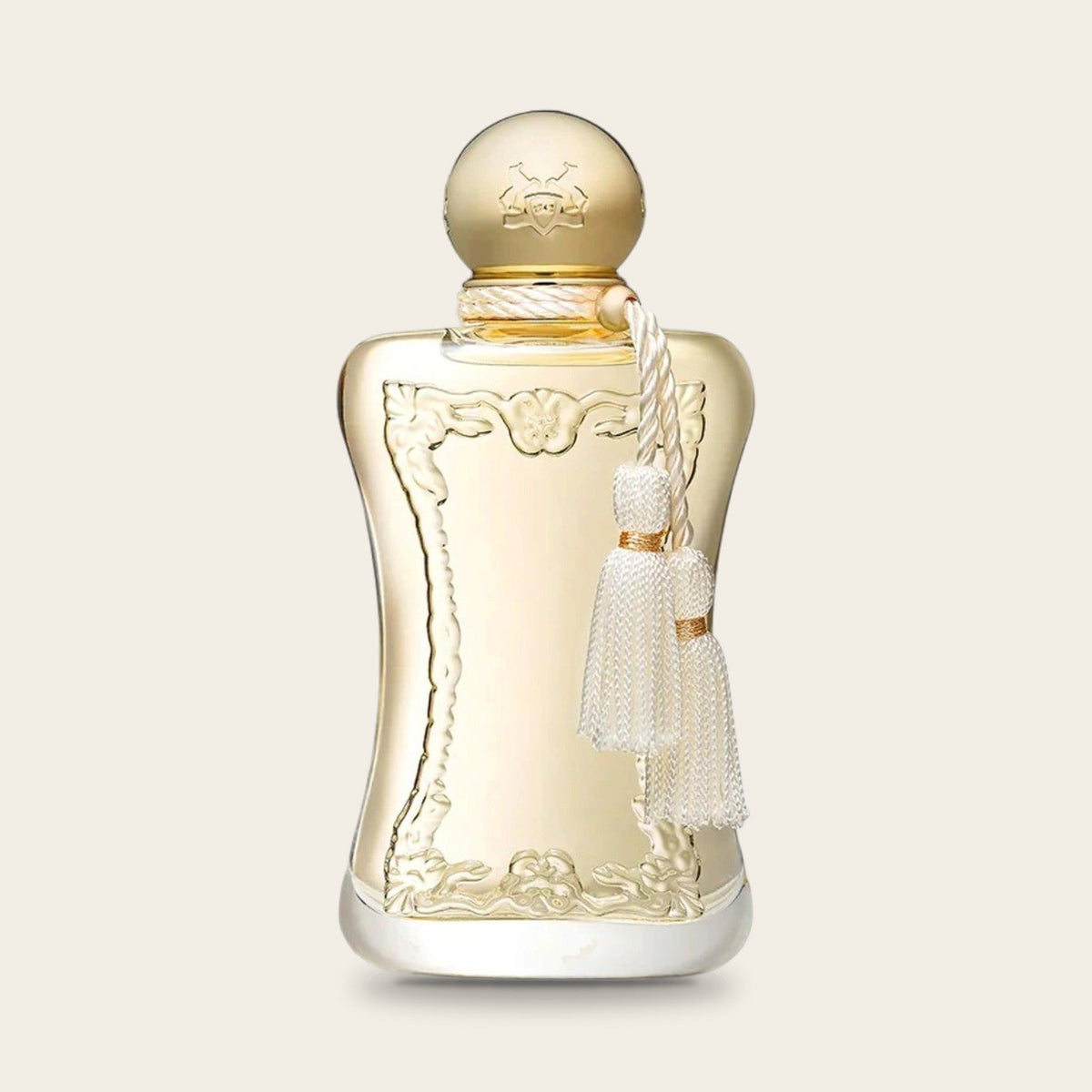
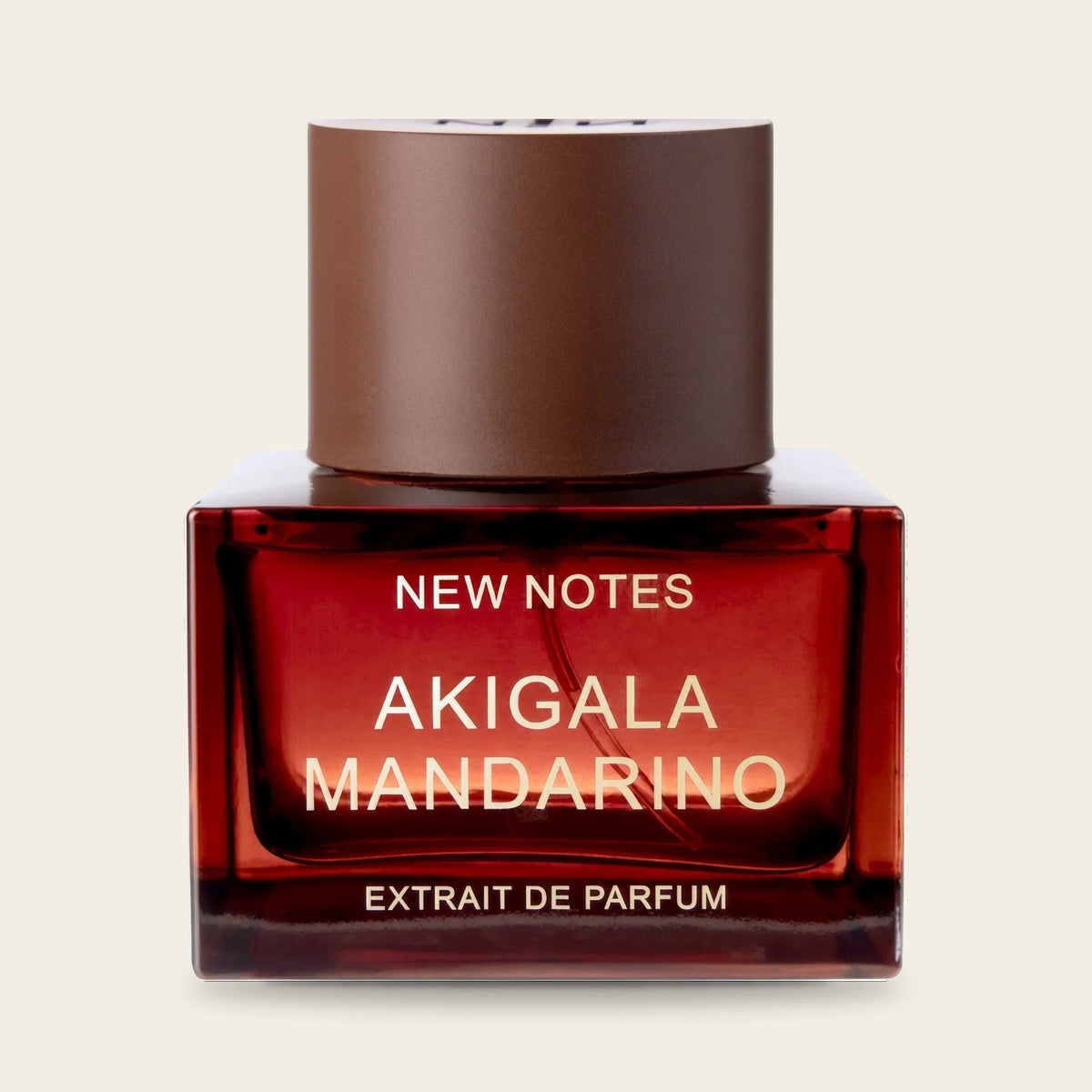
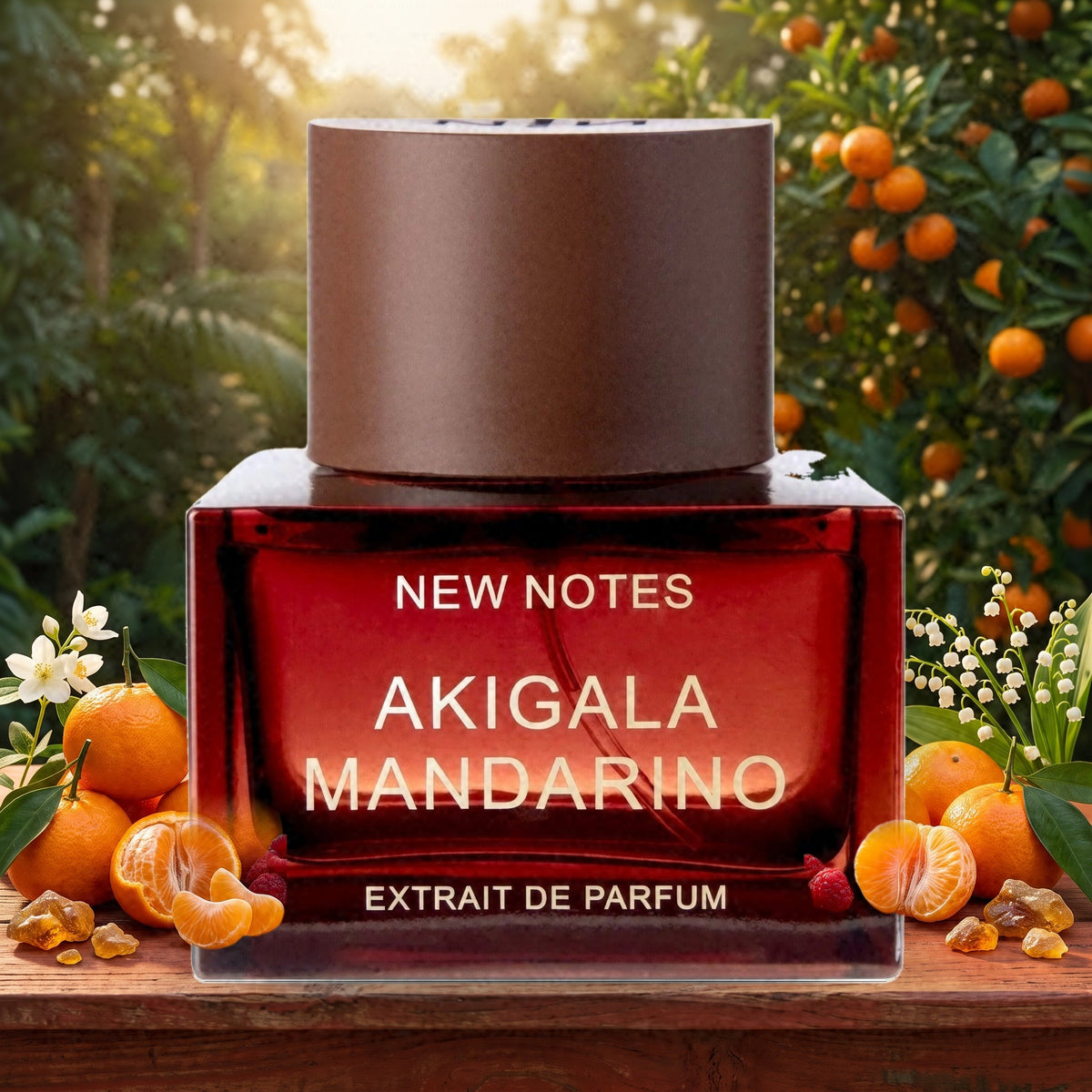
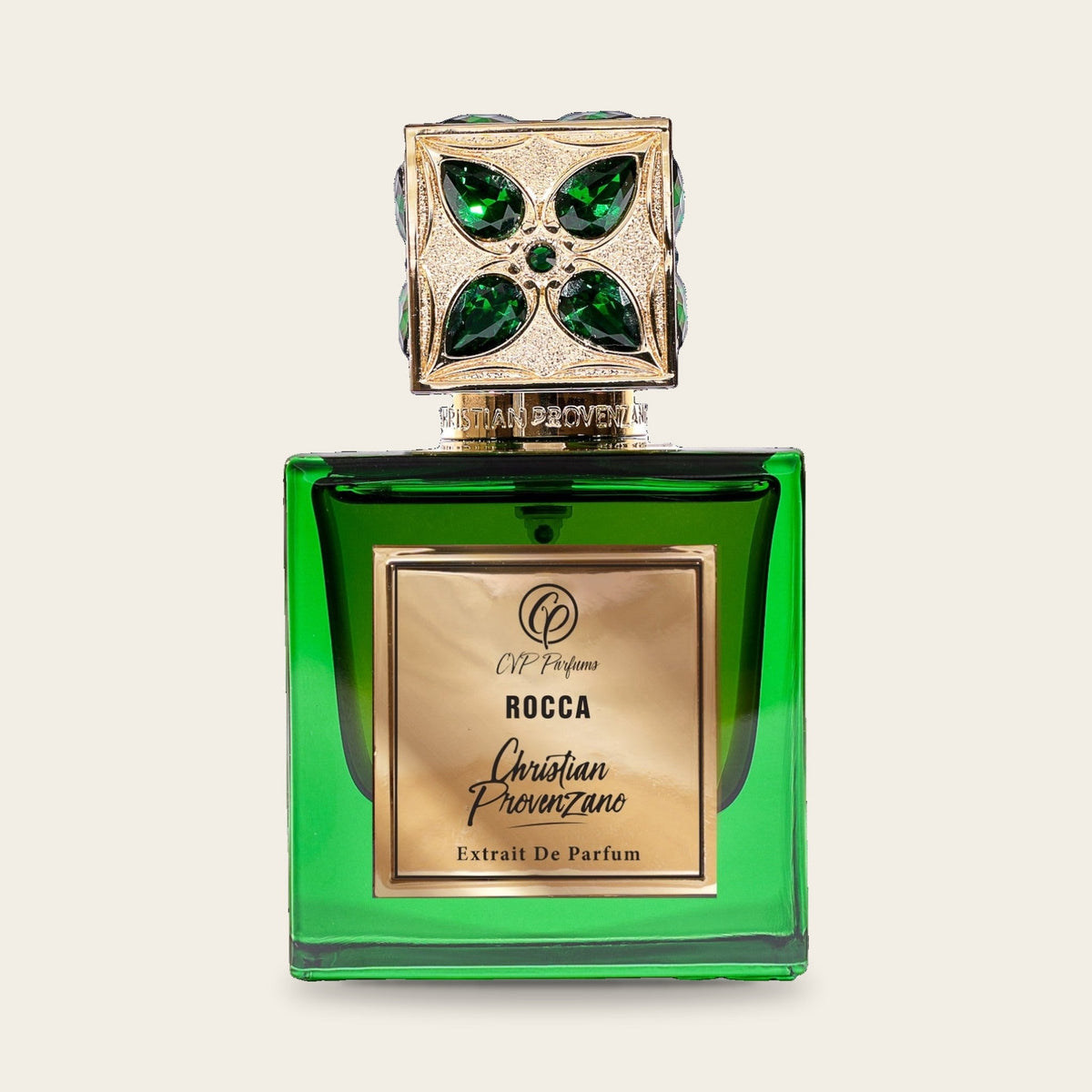
Fragrances with Raspberry







Questions and answers
Juicy, sweet and fruity, with a slightly tart freshness, a green undertone and a soft, almost powdery, violet-like warmth.
The raspberry (Rubus idaeus) belongs to the rose family and is native to Europe and northern Asia; today it is grown in temperate regions worldwide. The plant has a perennial root system, while its canes live for only about two years: they grow in the first year, then fruit and die back in the second. Botanically, the raspberry is not a berry but an aggregate fruit made up of many small drupelets, each enclosing a single seed.
Raspberries yield no essential oil, and natural raspberry extracts play hardly any role in perfumery. Even the characteristic raspberry ketone is present in the fruit only in traces of 1 to 4 mg per kilogram, so recovering it naturally is laborious and costly. Industrially, it is therefore usually built from 4-hydroxybenzaldehyde and acetone and then hydrogenated; the ionones are likewise made synthetically from citral and acetone. Perfumers assemble the raspberry note as an accord from these and other molecules.
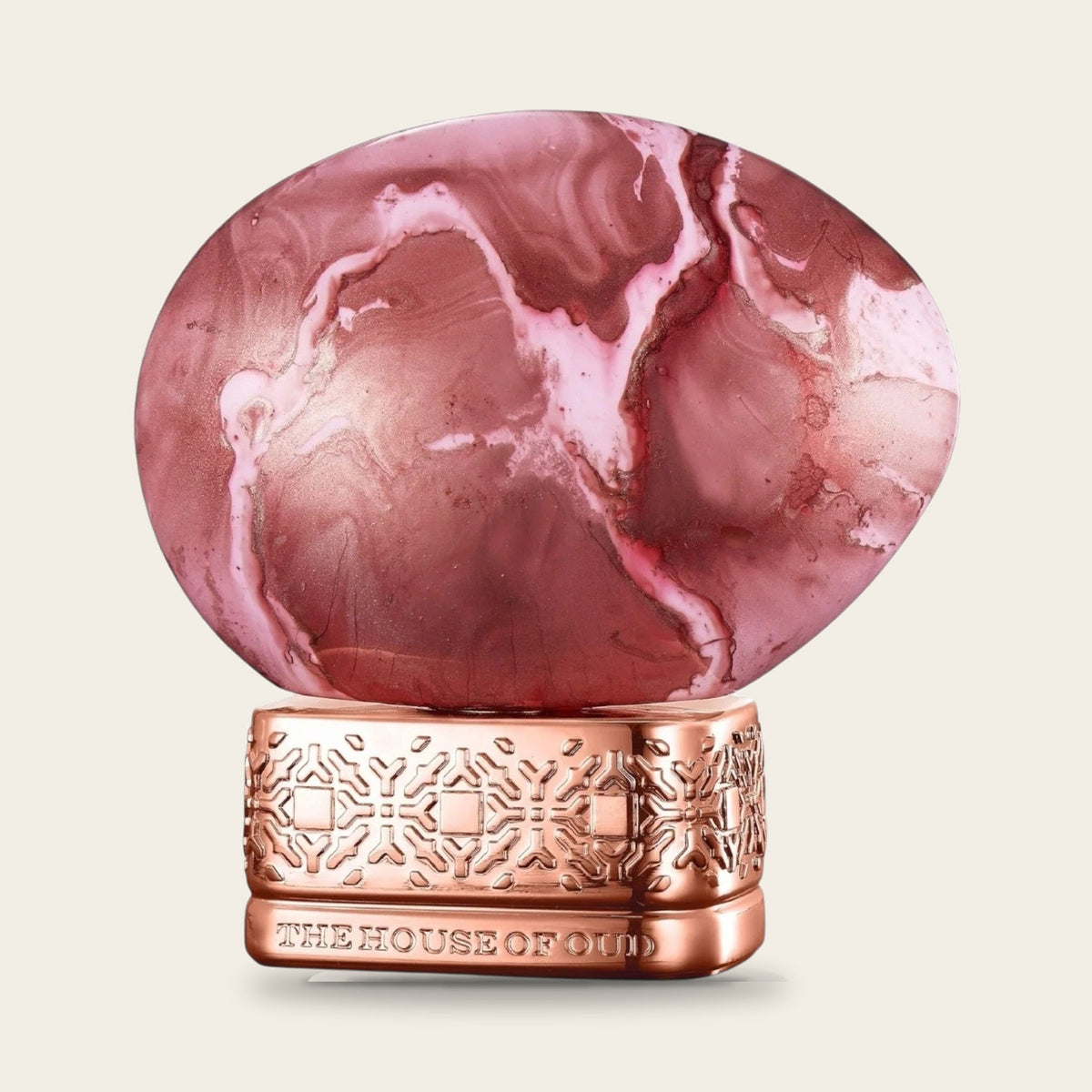
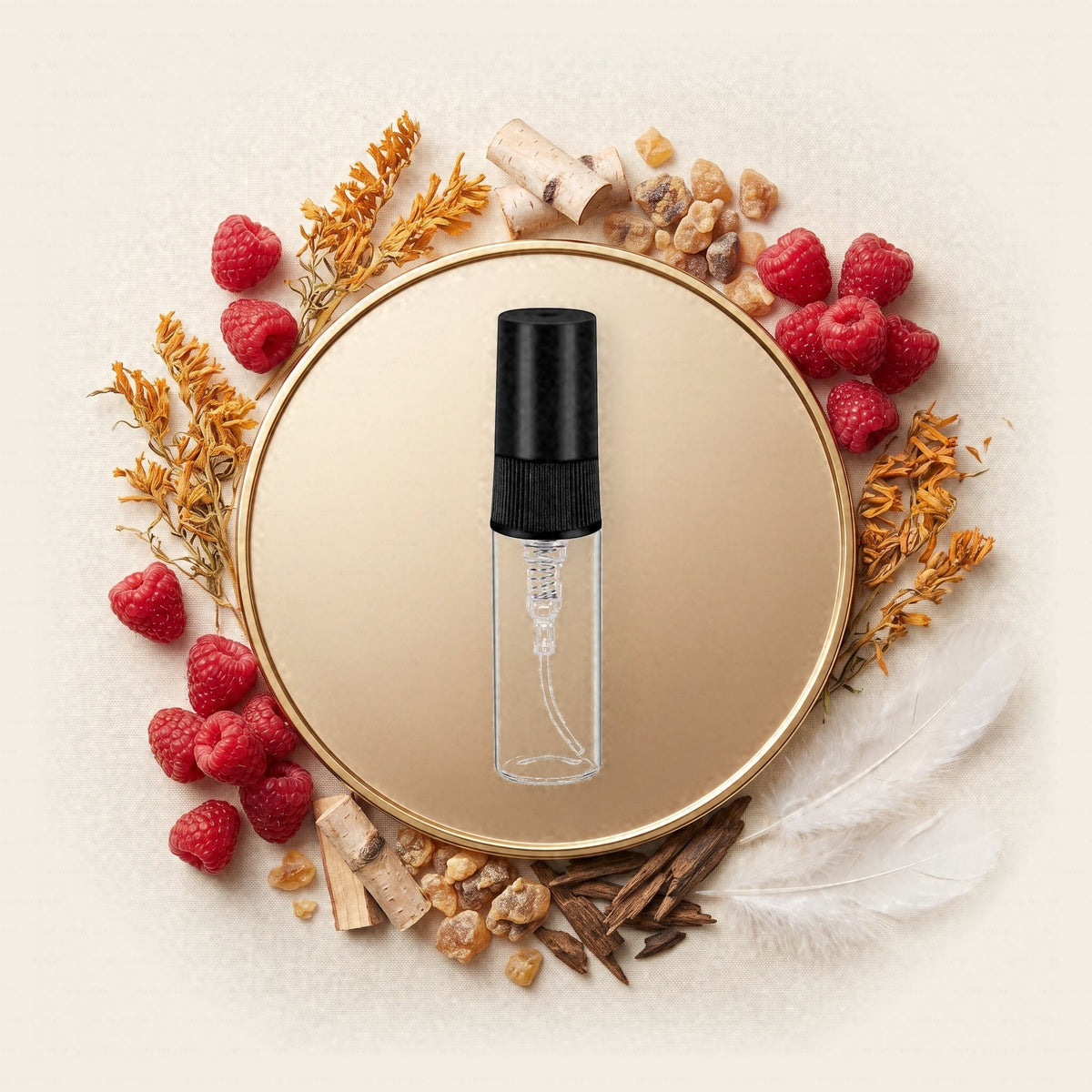
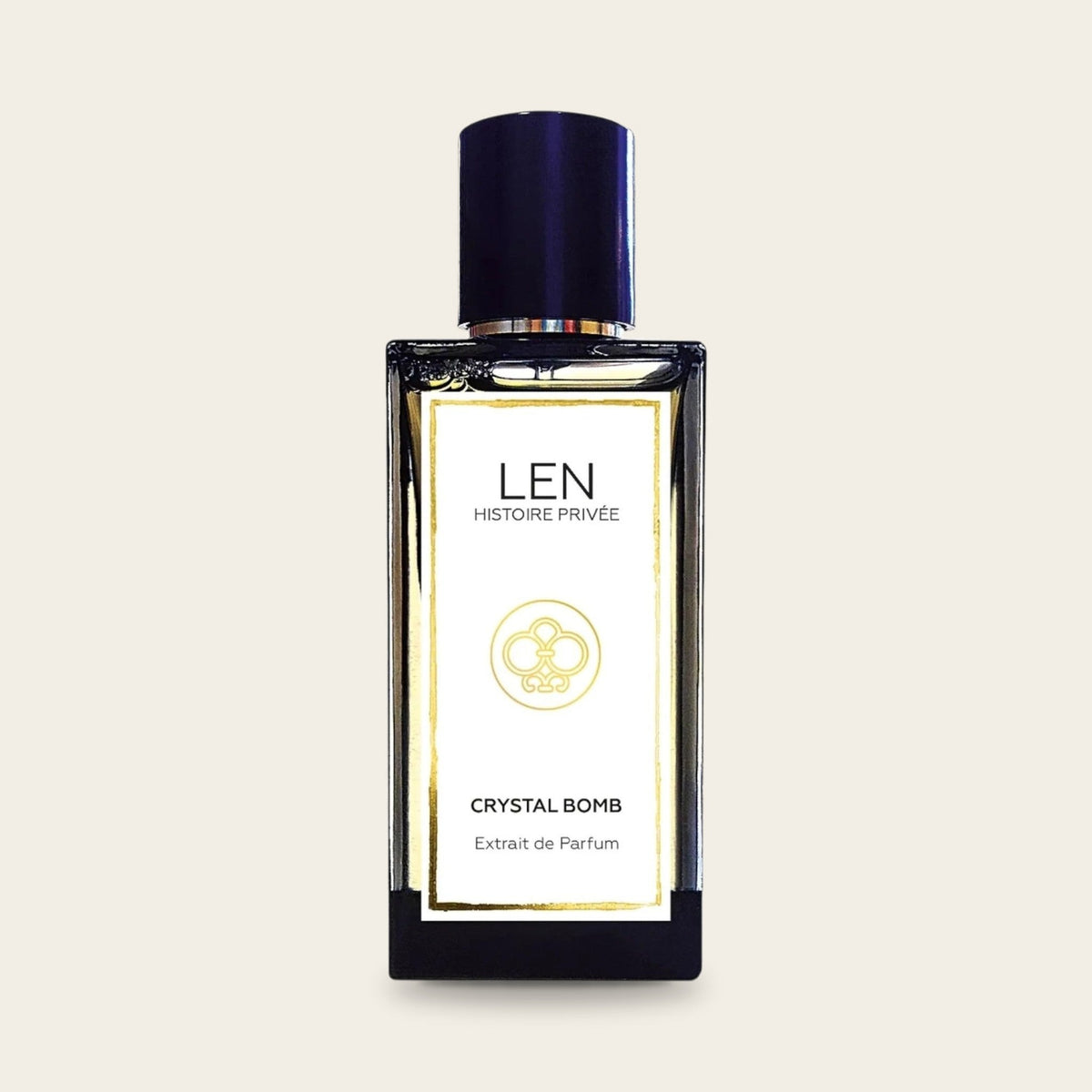
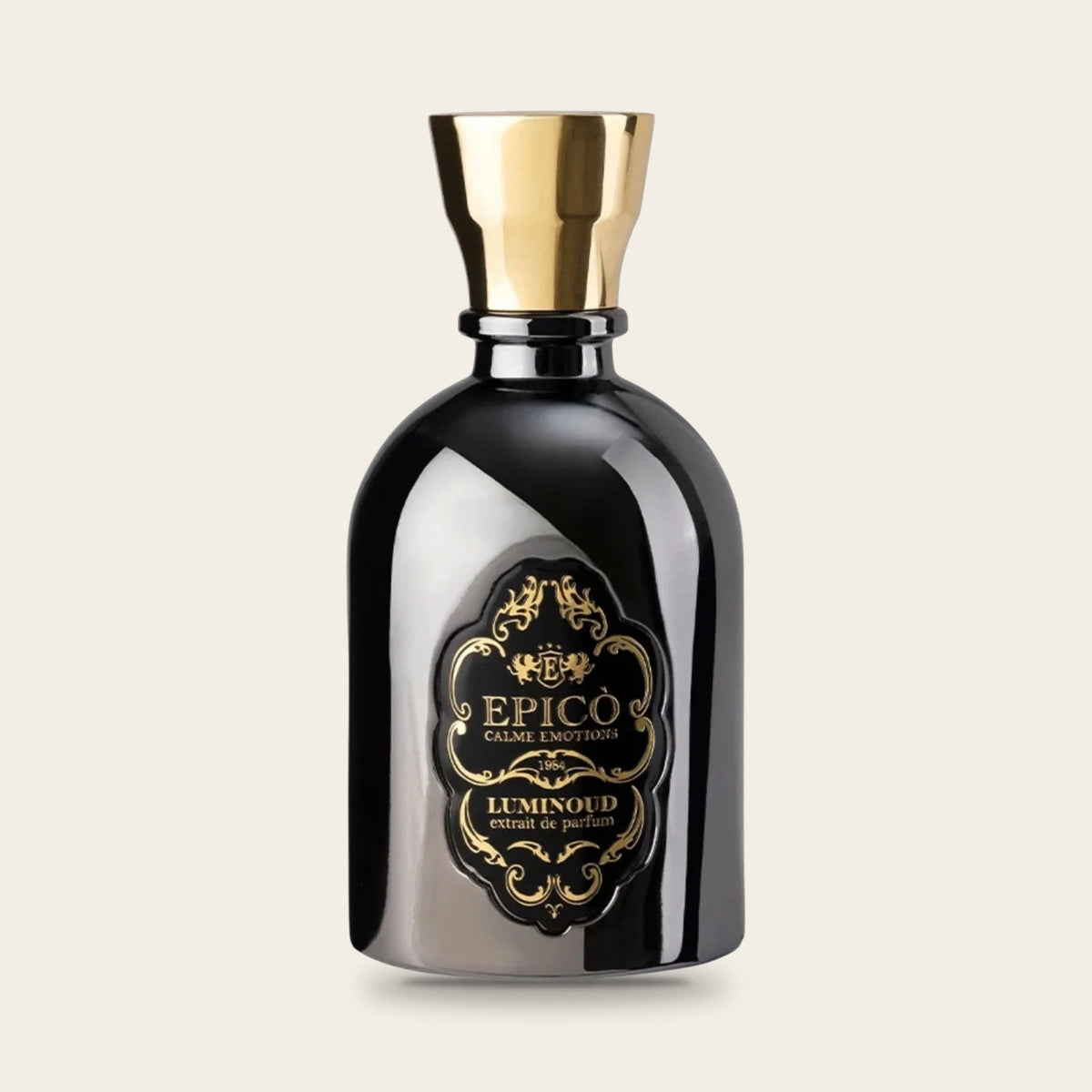
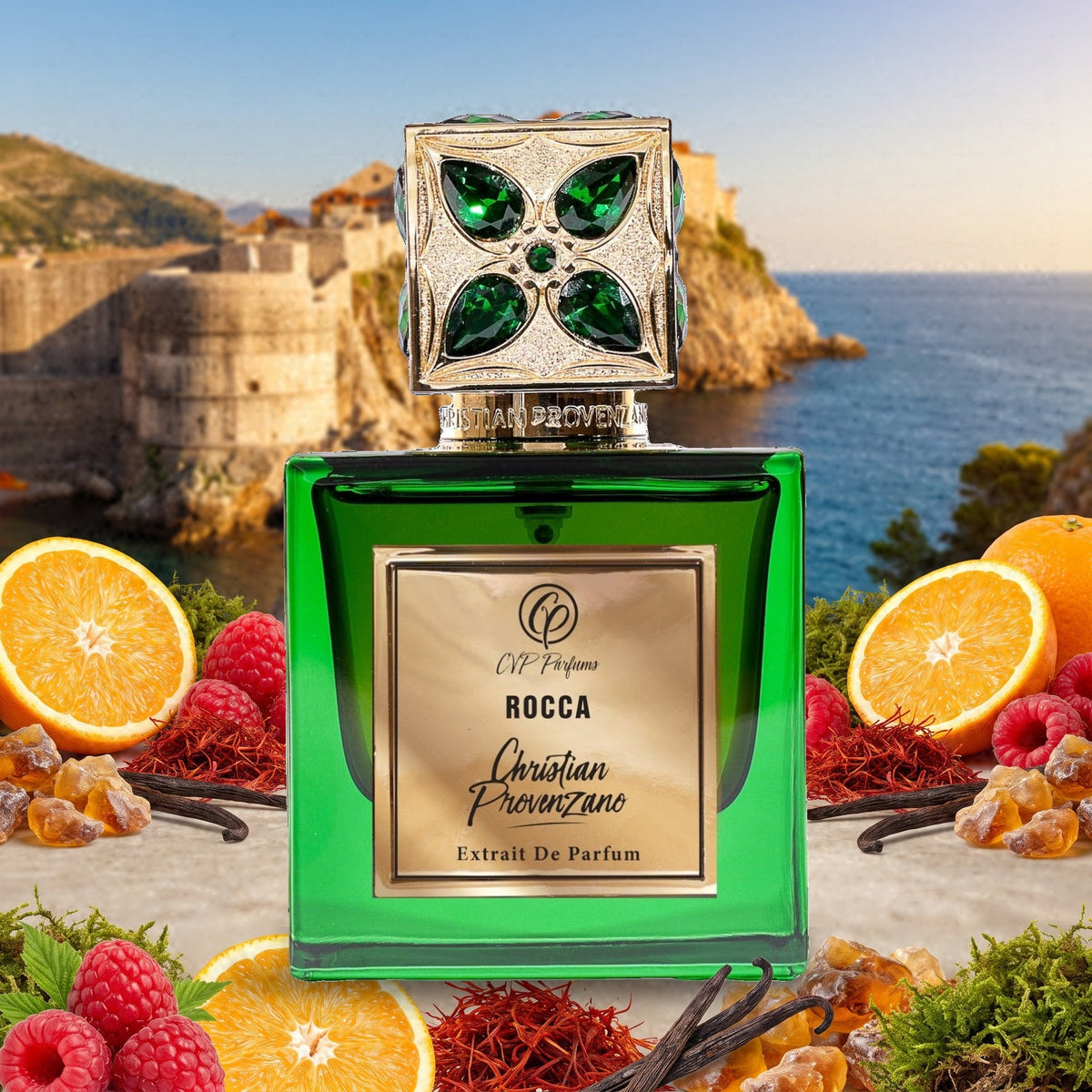
Raspberry is mostly used in the top and heart of a fragrance, where it adds a juicy, sweet-tart fruitiness. Through the ionones it has a natural kinship with violet and powdery, iris-like notes, which is why it is often paired with floral accords. In our range it sits in the top of 40 out of 65 fragrances.
Fruity · Floral · top and heart note
Summer raspberries ripen in roughly June and July, depending on variety and region, while autumn raspberries fruit on the new canes from August until the first frost. The raspberry accord in perfume, by contrast, does not depend on the harvest, as its key molecules are produced synthetically.
In our fragrances, it often appears alongside Vanilla, patchouli, musk, amber, bergamot, rose, jasmine.
The botanical name Rubus idaeus means 'bramble of Ida' and refers to Mount Ida, where, according to tradition, the plant grew in abundance. The Roman agricultural writer Palladius already described raspberry cultivation in the 4th century AD. A decisive year for perfumery was 1893, when Ferdinand Tiemann and Paul Krüger first synthesised ionones from citral and acetone – molecules now regarded as key building blocks of raspberry aroma.
- Raspberries are hollow inside: when picked, the receptacle stays on the plant as a white cone – with blackberries, it comes away with the fruit.
- Raspberry ketone is not found only in fruit: some orchids release it from their flowers to attract male fruit flies.
- The very same ionones that smell of violets are among the most important aroma compounds in raspberries.
The signature raspberry molecule is raspberry ketone, also called rheosmin (C₁₀H₁₂O₂, PubChem CID 21648, molar mass about 164 g/mol, melting point about 83 °C); the plant builds it from p-coumaroyl-CoA and malonyl-CoA in two enzyme steps. At least as important for the aroma are α-ionone (C₁₃H₂₀O, CID 5282108) and β-ionone (C₁₃H₂₀O, CID 638014), which contribute floral, violet-like nuances. The green, grassy freshness comes partly from (Z)-3-hexenol (C₆H₁₂O, CID 5281167). In total, more than 200 volatile compounds have been identified in raspberries, yet only a few of them carry the typical raspberry scent.
FRAGRANCE KNOWLEDGE
In the 4D Journal
-
 FRAGRANCE KNOWLEDGE
Rose in perfume: The queen of fragrance materials
READ ARTICLE
-
 FRAGRANCE KNOWLEDGE
Vanilla in perfume: From orchid to favourite scent
READ ARTICLE
-
 FRAGRANCE KNOWLEDGE
Leather in perfume: How does something smell that was never in the bottle?
READ ARTICLE
-
 FRAGRANCE KNOWLEDGE
Scented candles & home fragrance: How to use them right
READ ARTICLE