
INGREDIENT GLOSSARY
Honey
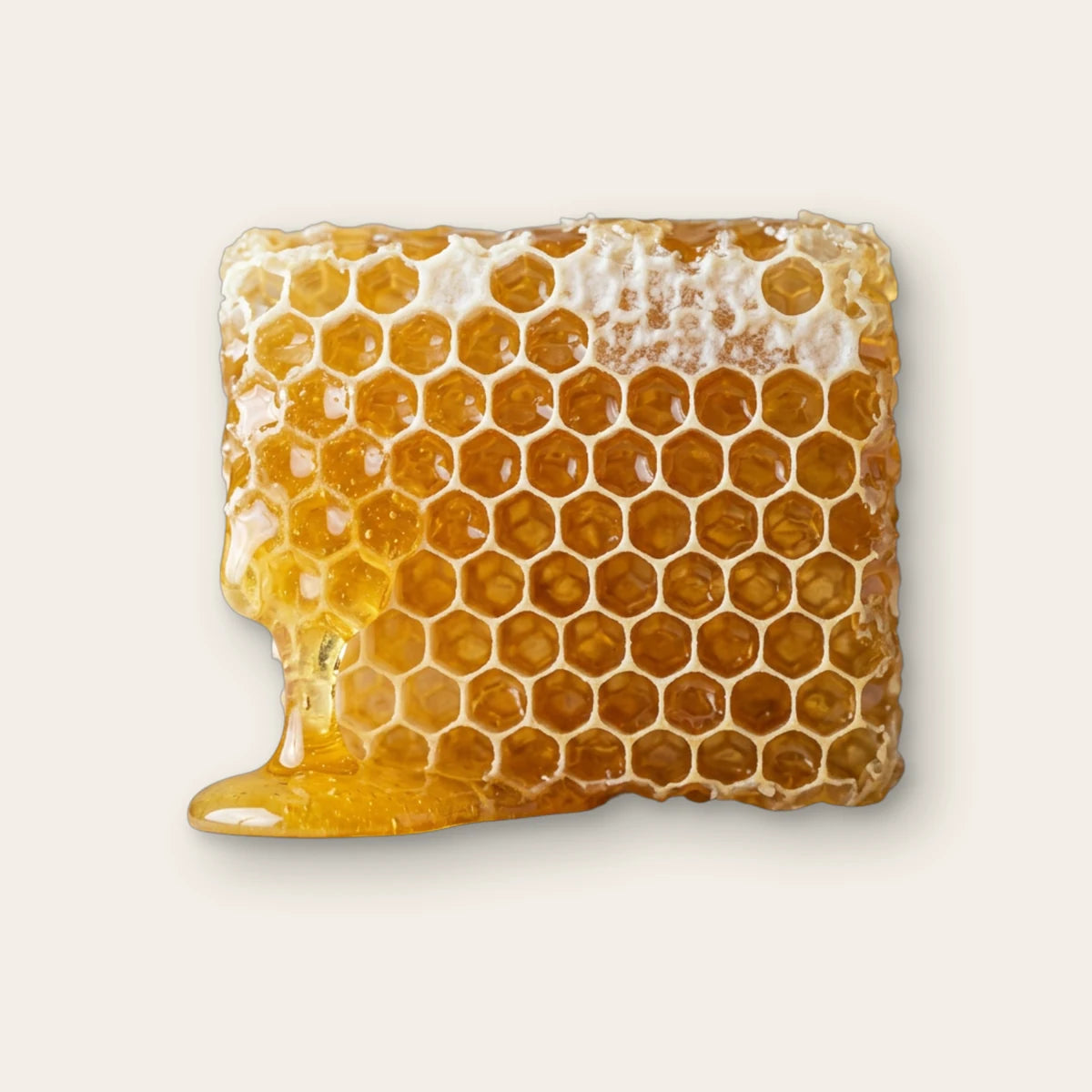
Sweet, warm and waxy, with floral and slightly animalic nuances.
ACCORDGOURMAND · SWEET AND WAXY · HEART AND BASE NOTE
AT A GLANCE
- Plant: none – a fragrance accord modelled on the honey and beeswax of the honey bee
- Origin: built in the lab; beeswax absolute from beekeepers' wax
- Extraction: accord of phenylacetic acid, ethyl phenylacetate and phenylacetaldehyde, sometimes with beeswax absolute (solvent extraction)
- Scent: sweet, warm, waxy, floral with a slightly animalic side – heart and base note
PROFILE
- Origin
- Accord built in the lab · model: honey and beeswax of the honey bee
- Extraction
- Recreated from single molecules such as phenylacetic acid and its esters, sometimes complemented by beeswax absolute obtained by solvent extraction
- Main molecules
- Phenylacetic acid (C₈H₈O₂, honey-like, key molecule of honey scent) · ethyl phenylacetate (C₁₀H₁₂O₂, sweet, floral and honeyed) · phenylacetaldehyde (C₈H₈O, PubChem CID 998, green-floral, honey-like)
- Harvest
- As an accord built in the lab, the honey note is available all year round, independent of harvests.
- Often paired with
- Vanille, Amber, Moschus, Zimt, Patschuli, Rose, Oud
Numbers that surprise
6 to 10 kilograms
of honey are consumed by bees for a single kilogram of beeswax – the wax from which the absolute for the honey note is obtained.
up to 5,500 years
is the age of the oldest known honey remains – discovered in vessels in a tomb in Georgia during the construction of an oil pipeline.
Rounded values; calculation based on published data.
Harvest and season
As an accord built in the lab, the honey note is available all year round, independent of harvests.
No honey is used for the honey note. Perfumers recreate it from molecules that also shape the scent of real honey: phenylacetic acid brings the typical warm honeyed sweetness, ethyl phenylacetate a sweet floral side and phenylacetaldehyde a green-floral accent. Beeswax absolute adds natural depth. Because wax does not release its scent through distillation, it is extracted with solvents: first a non-polar solvent yields a waxy concrete, from which ethanol then dissolves the odorants. Once the alcohol has evaporated, the absolute remains.
Knowledge to share
Myth or truth?
Statement 1
A honey note means real honey goes into the perfume.
Myth. Honey consists mostly of sugar and water and contains odorants only in traces. The note is recreated from molecules such as phenylacetic acid, ethyl phenylacetate and phenylacetaldehyde, often complemented by beeswax absolute.
Statement 2
Honey 3,000 years old and still edible was found in pharaohs' tombs.
Myth. There is no documented find of edible honey from Egyptian tombs; jars labelled as honey were almost empty and their contents could not be confirmed as honey. What is true: properly stored honey keeps for a very long time.
Statement 3
Beeswax naturally smells of honey.
True. Yellow beeswax has a characteristic honey odour, bleached white wax only a faint one. That is why beeswax absolute gives the honey accord a natural, waxy-sweet depth.
Your result
FRAGRANCES WITH HONEYINGREDIENT GLOSSARY
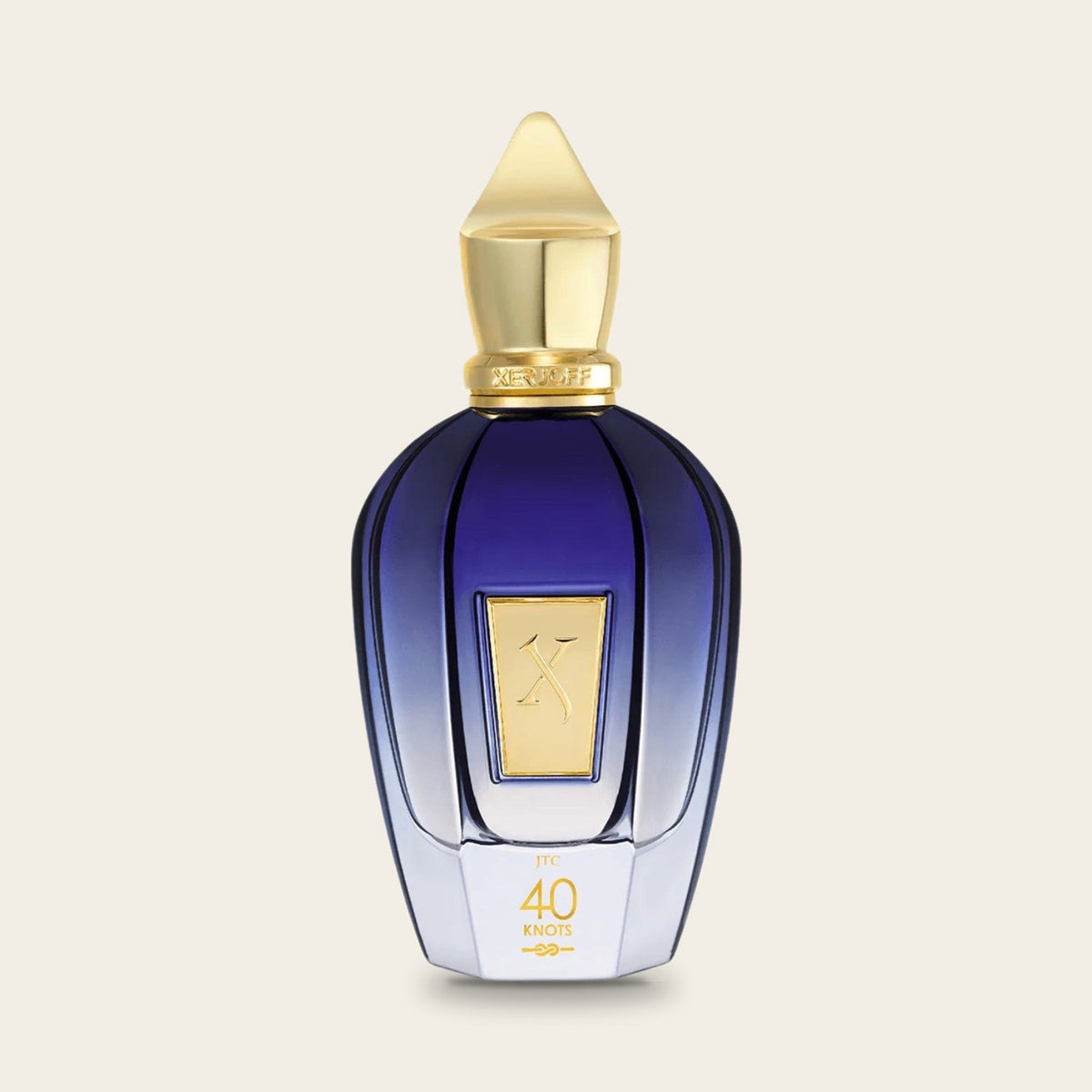
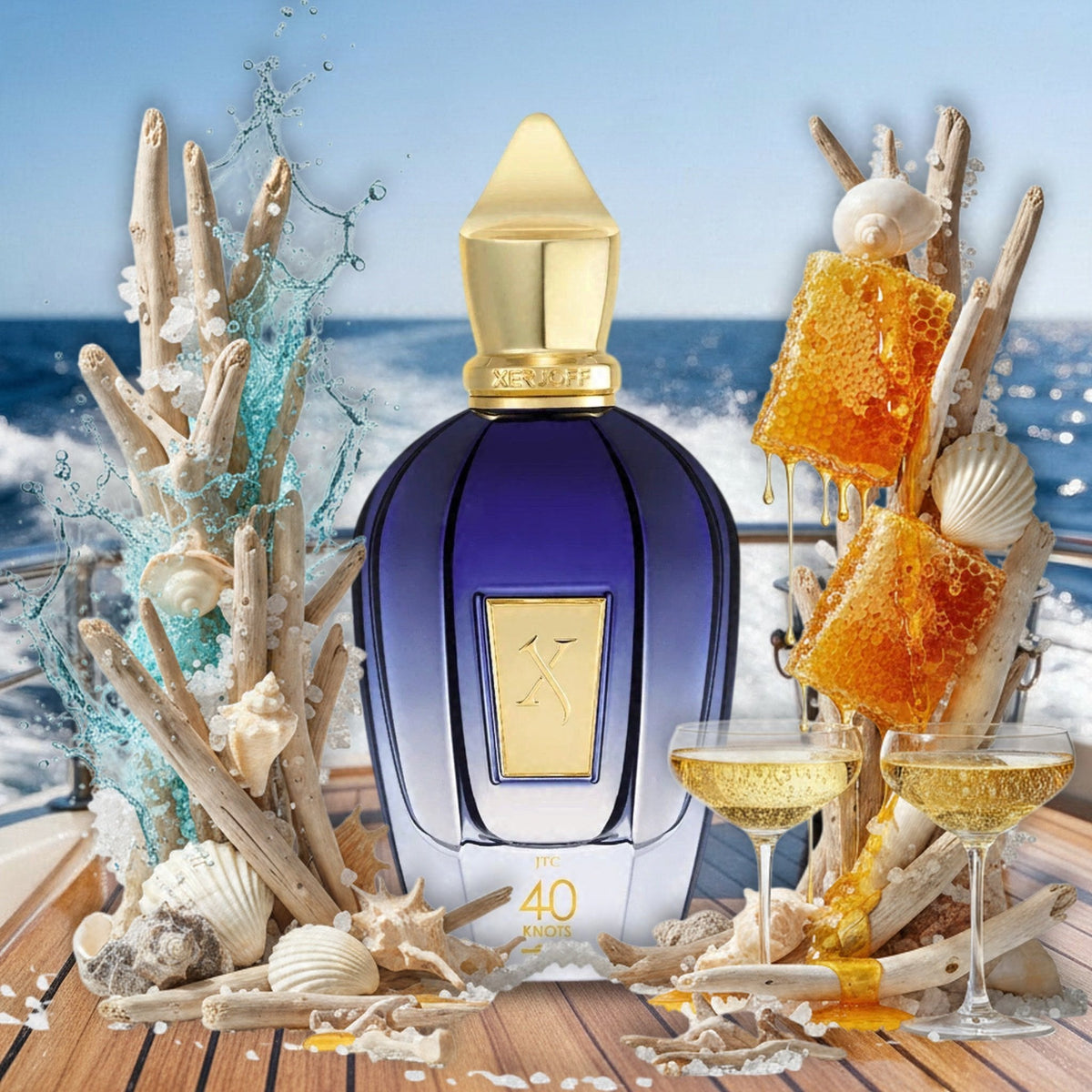
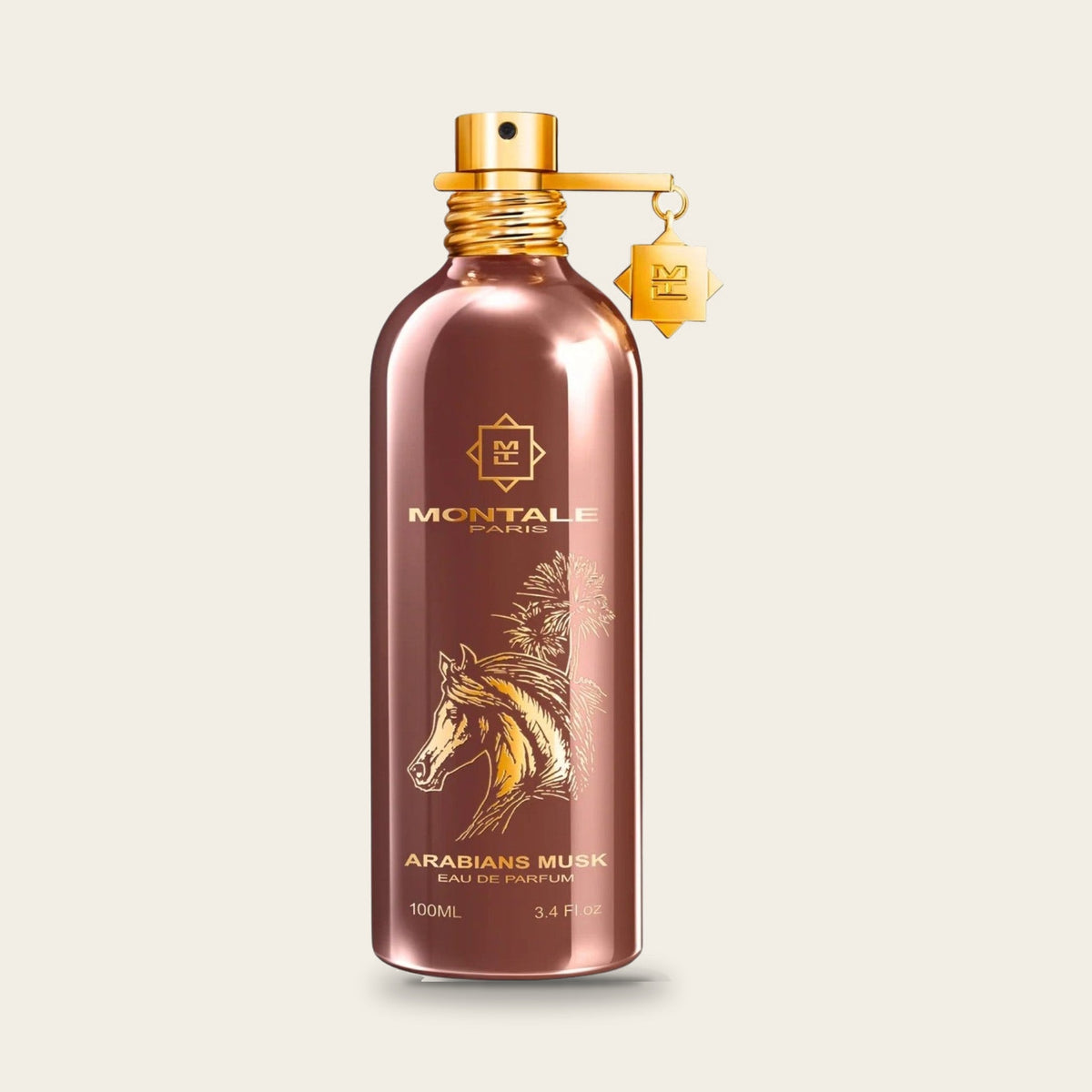
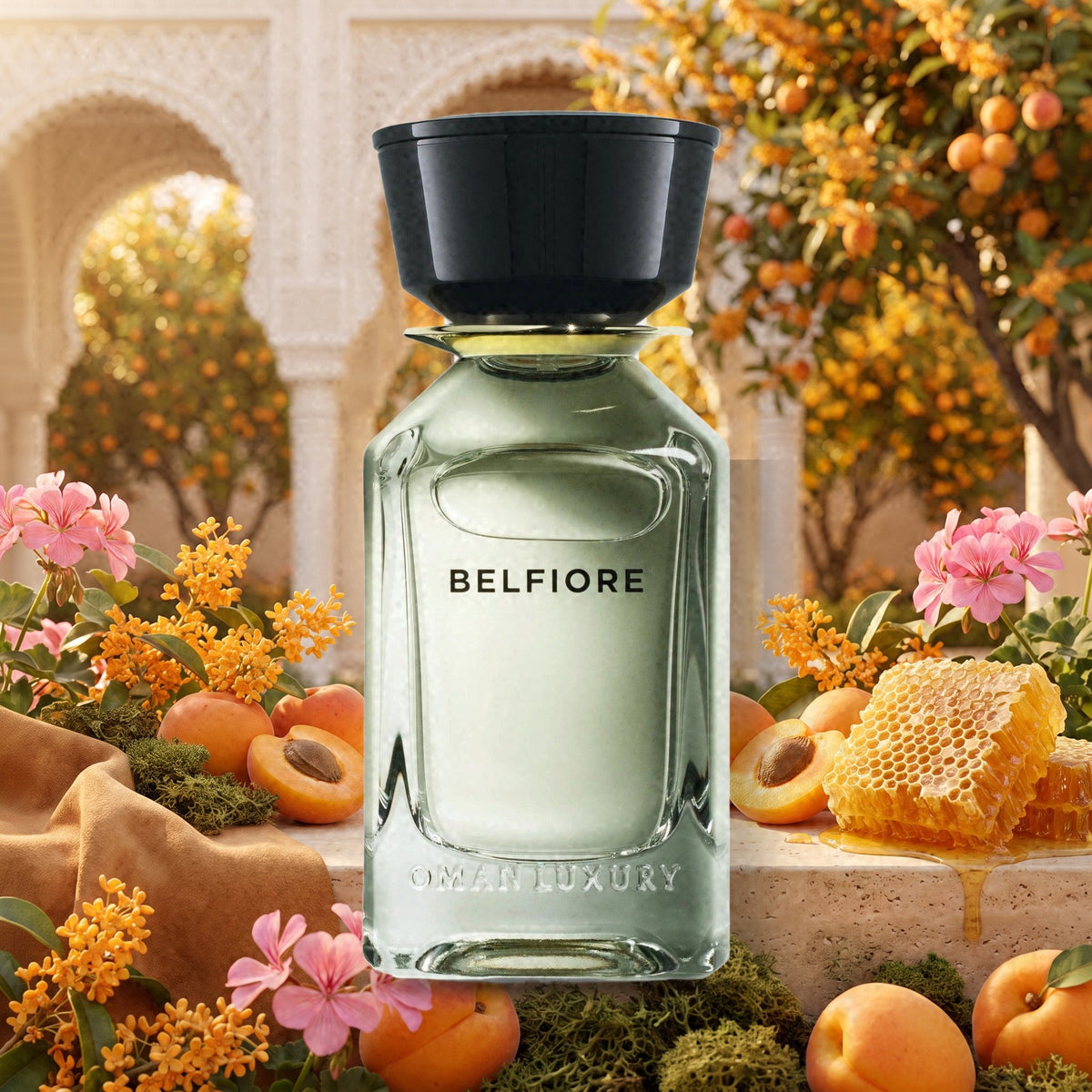
Fragrances with Honey


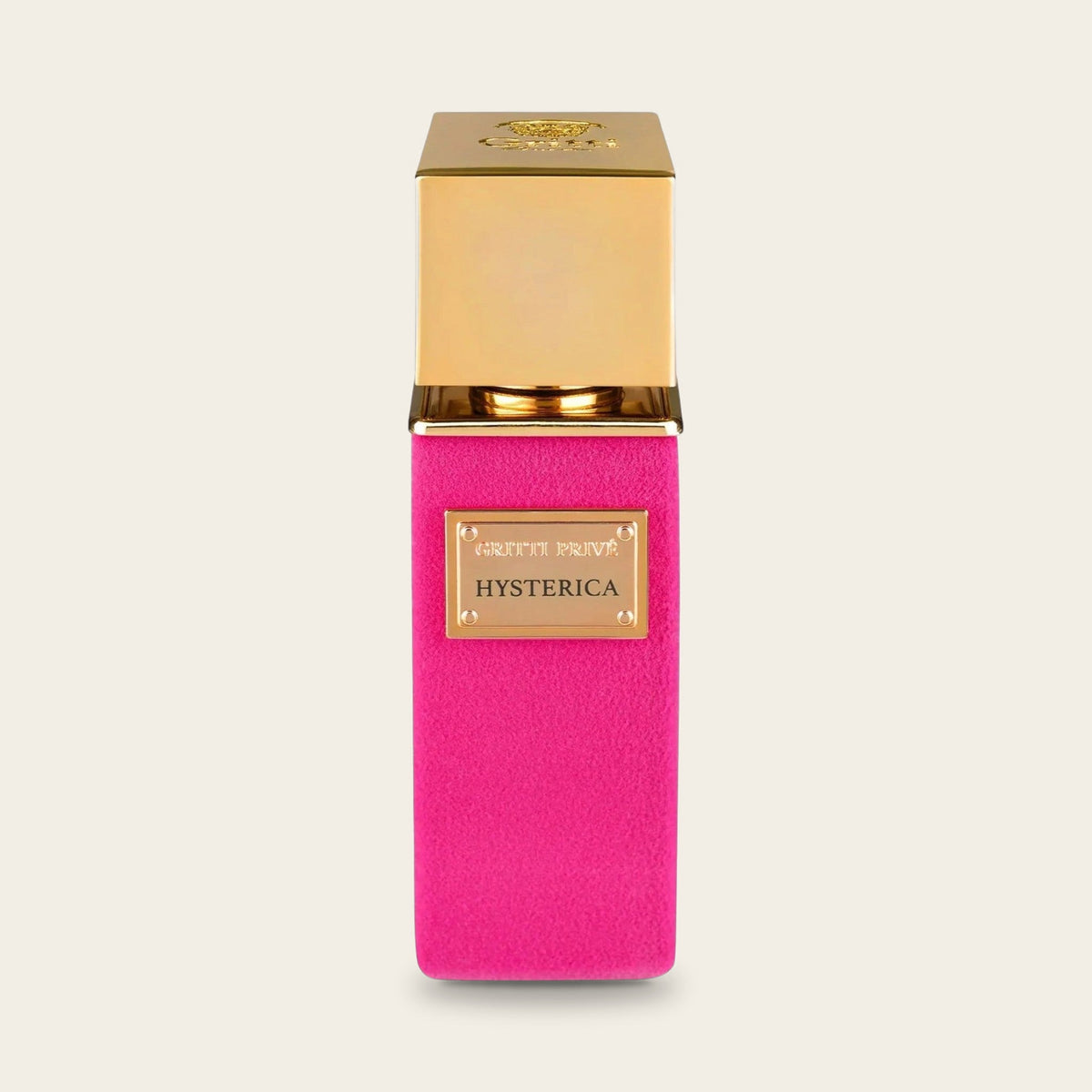
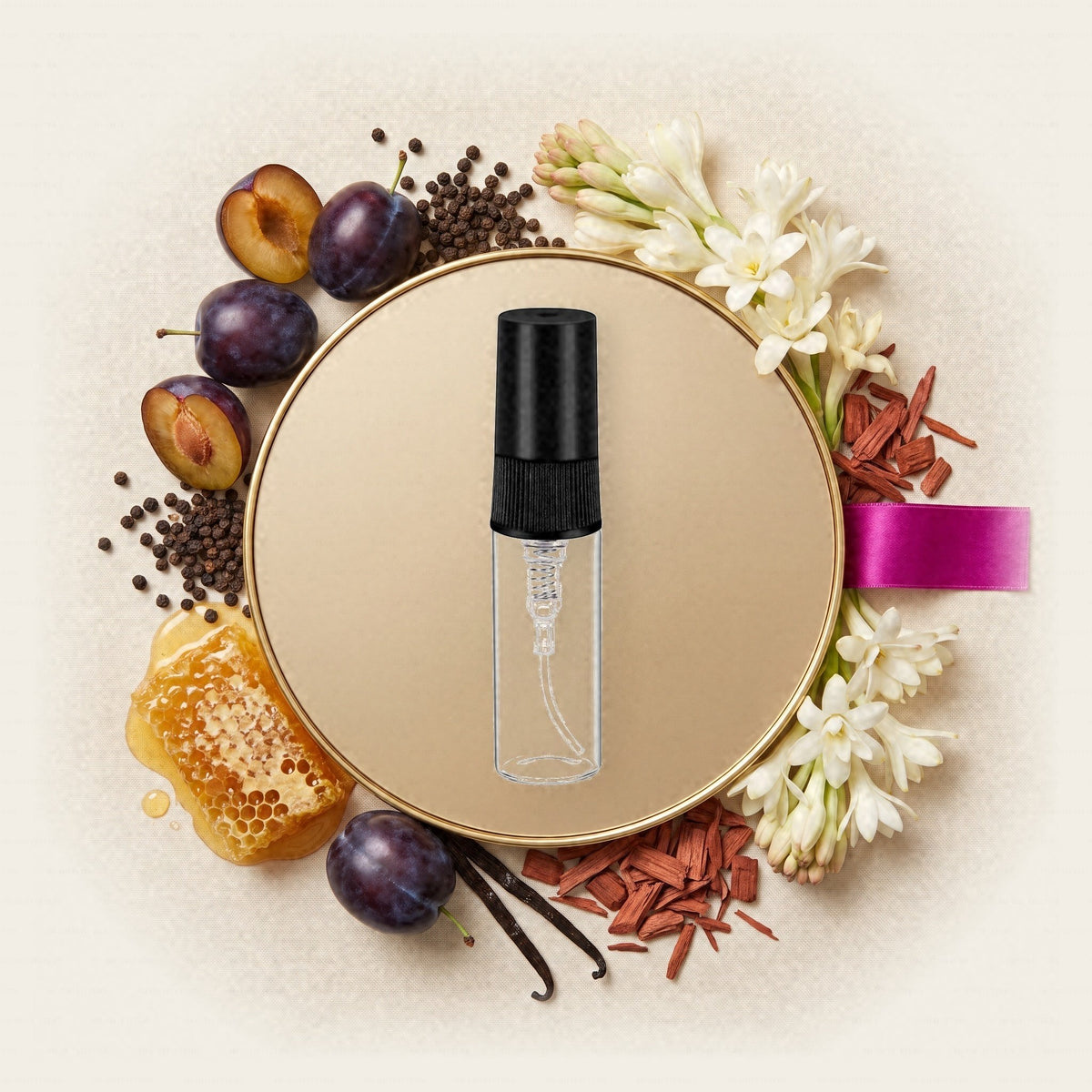
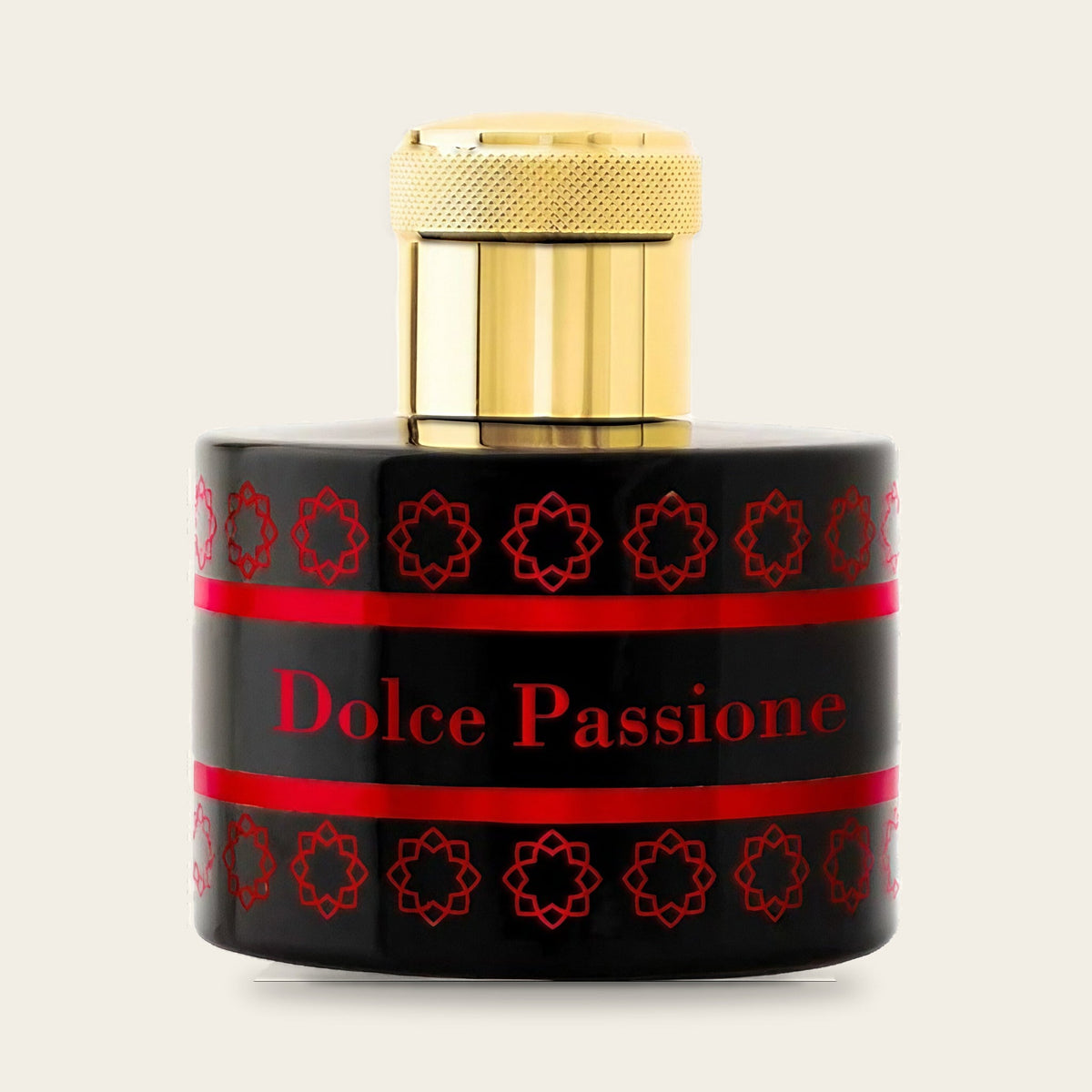
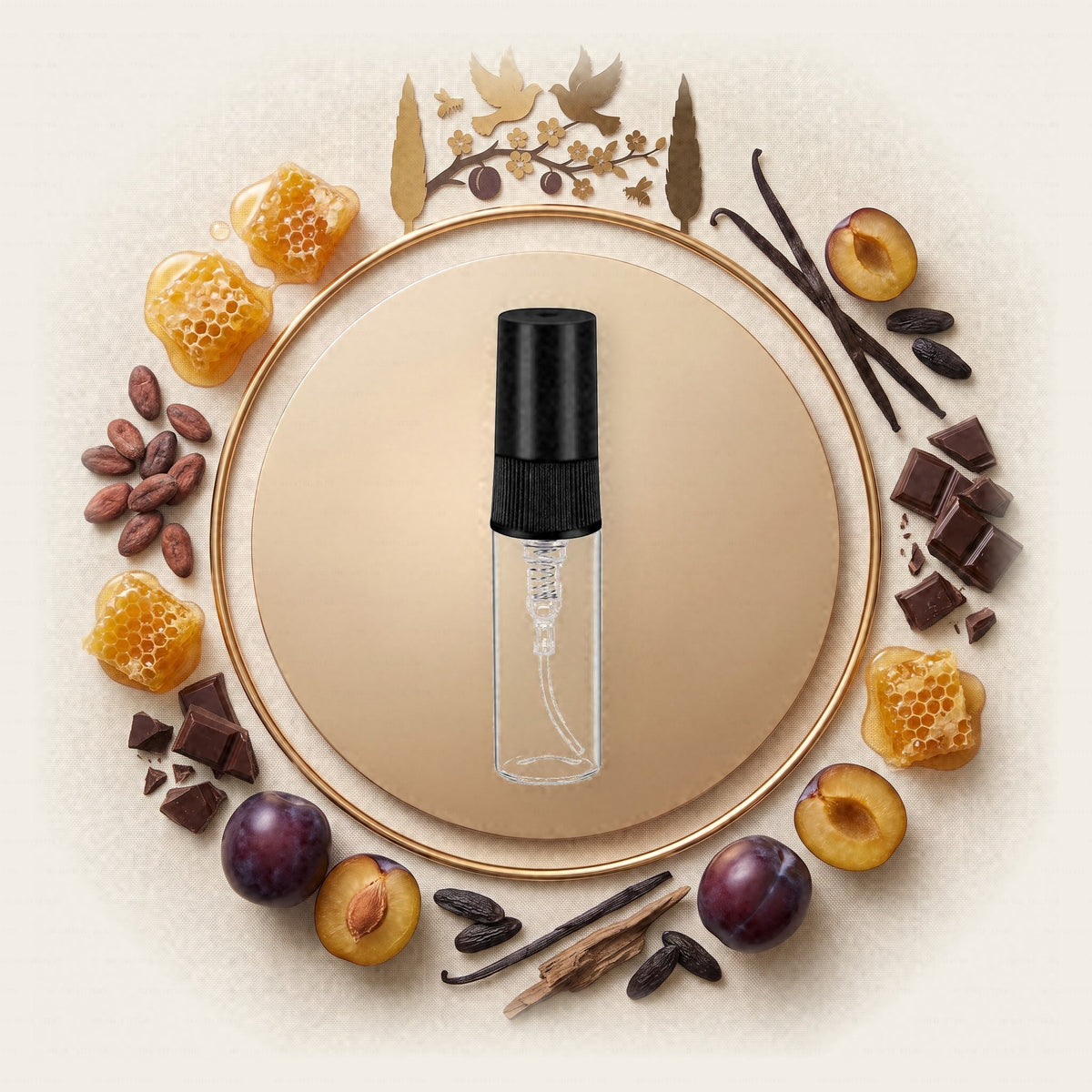
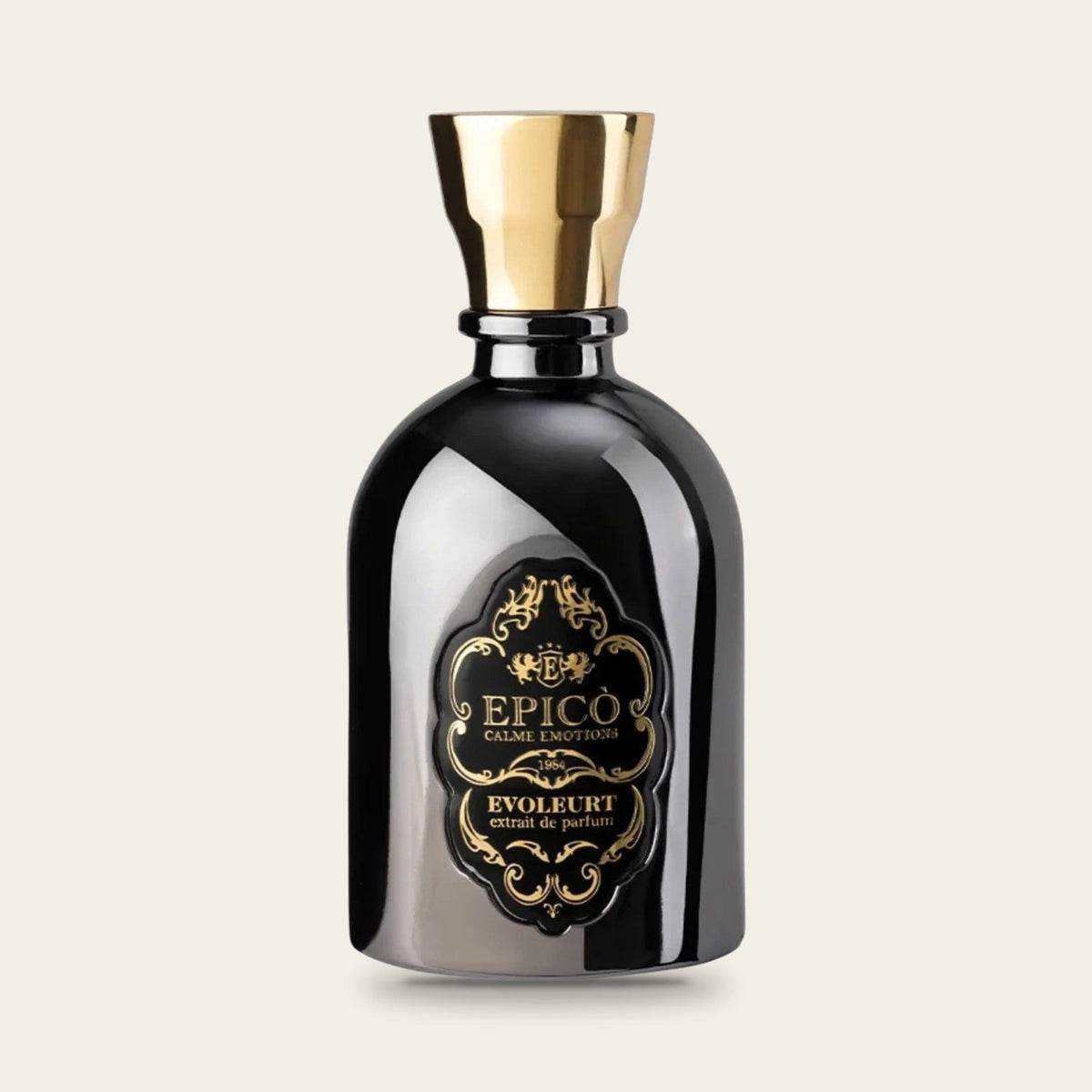
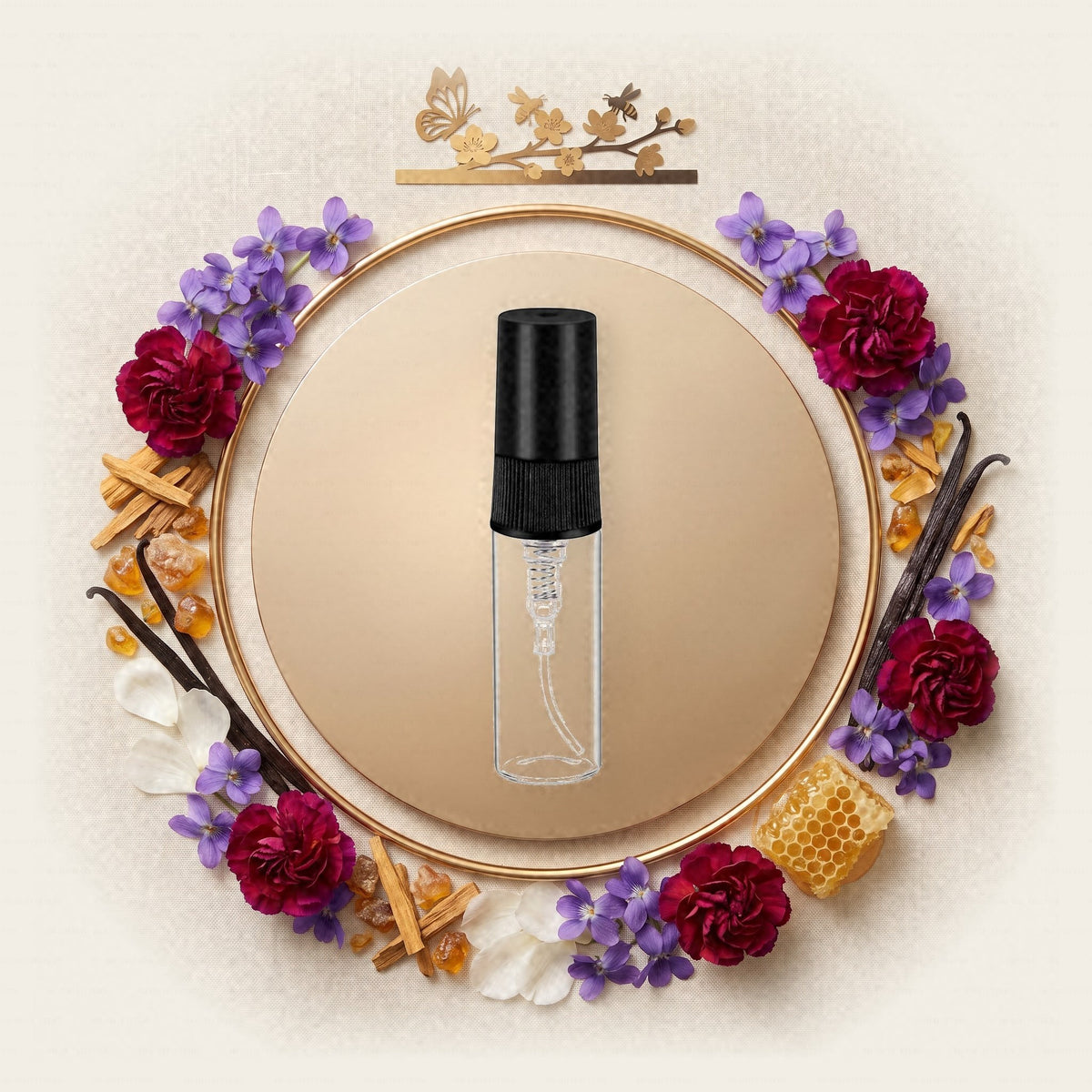
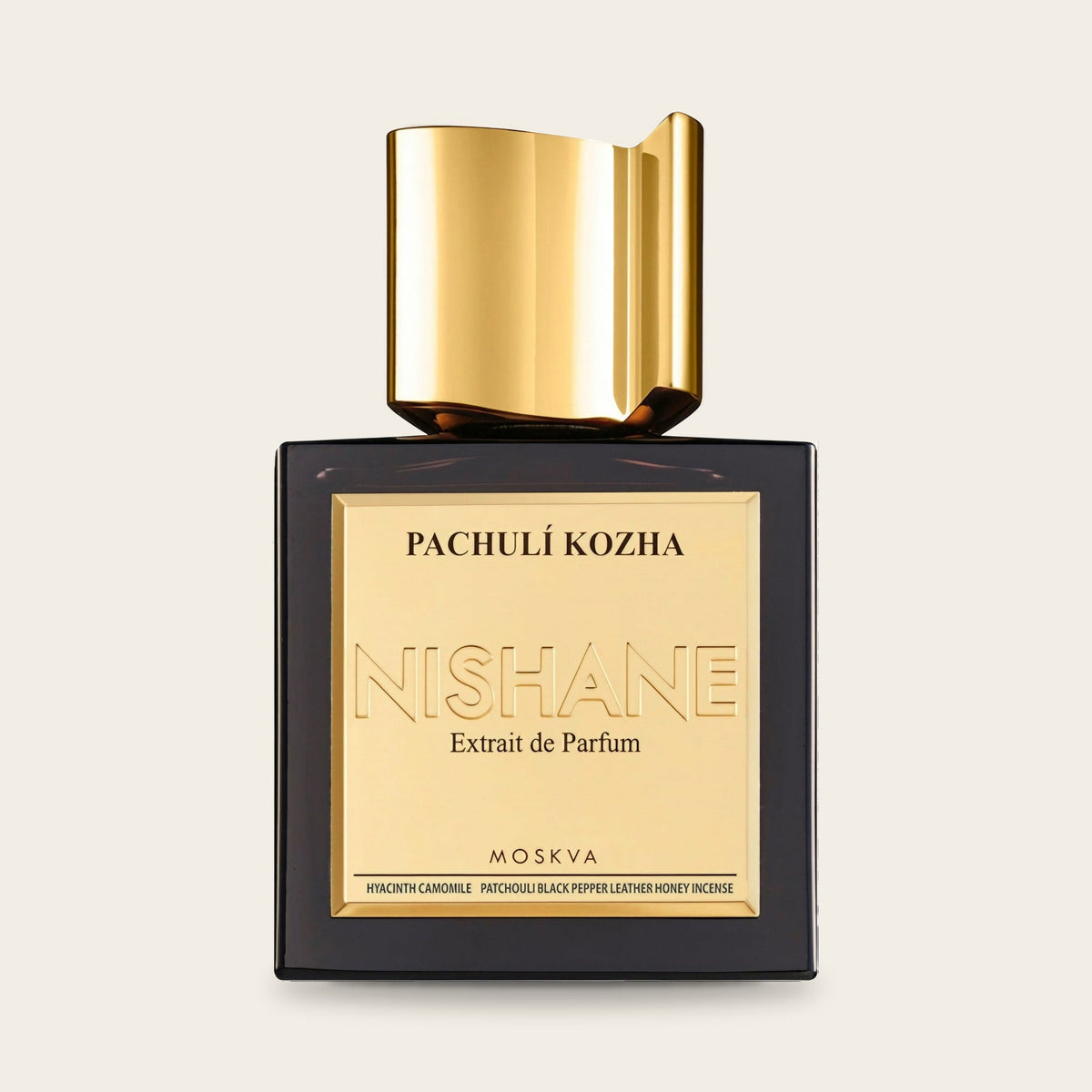
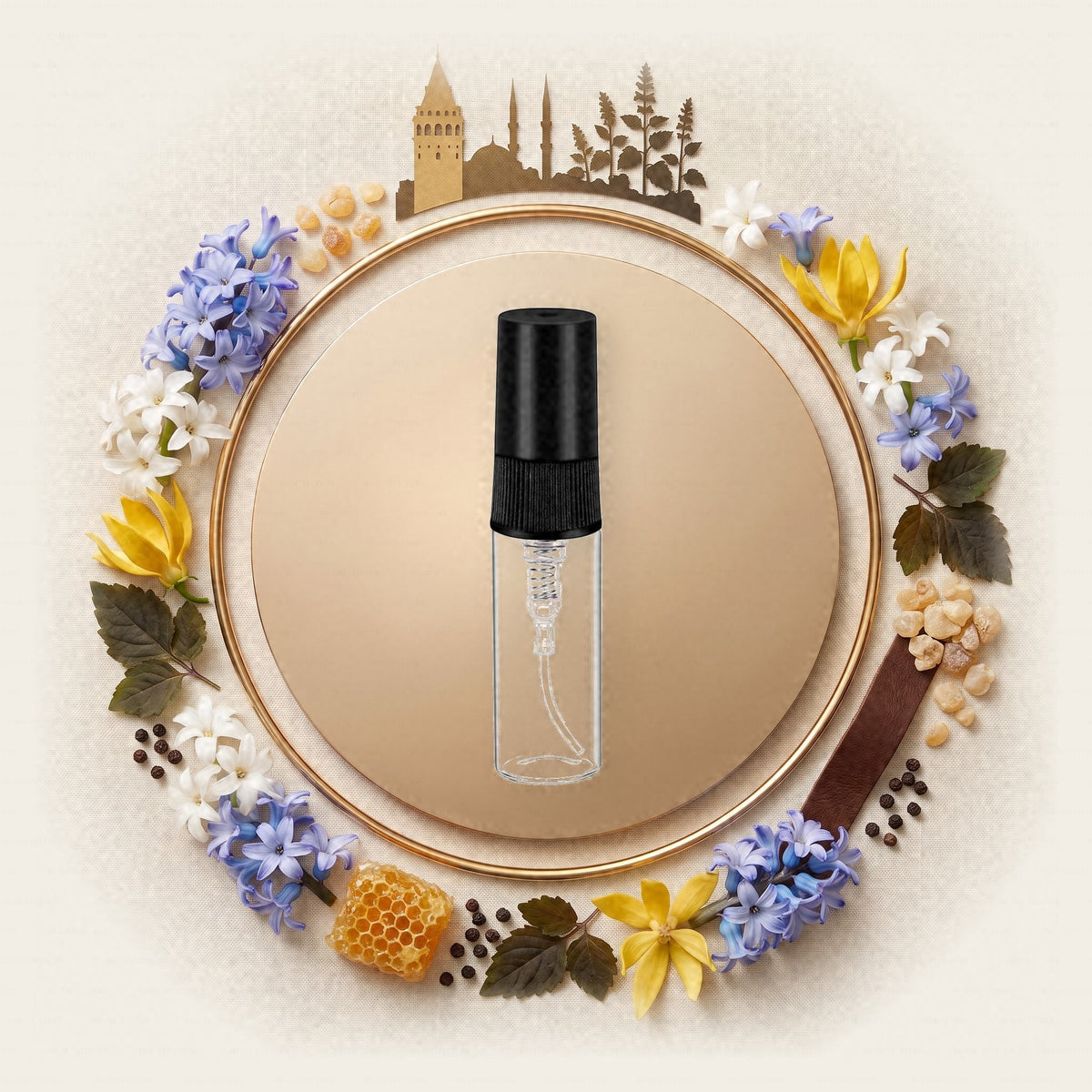
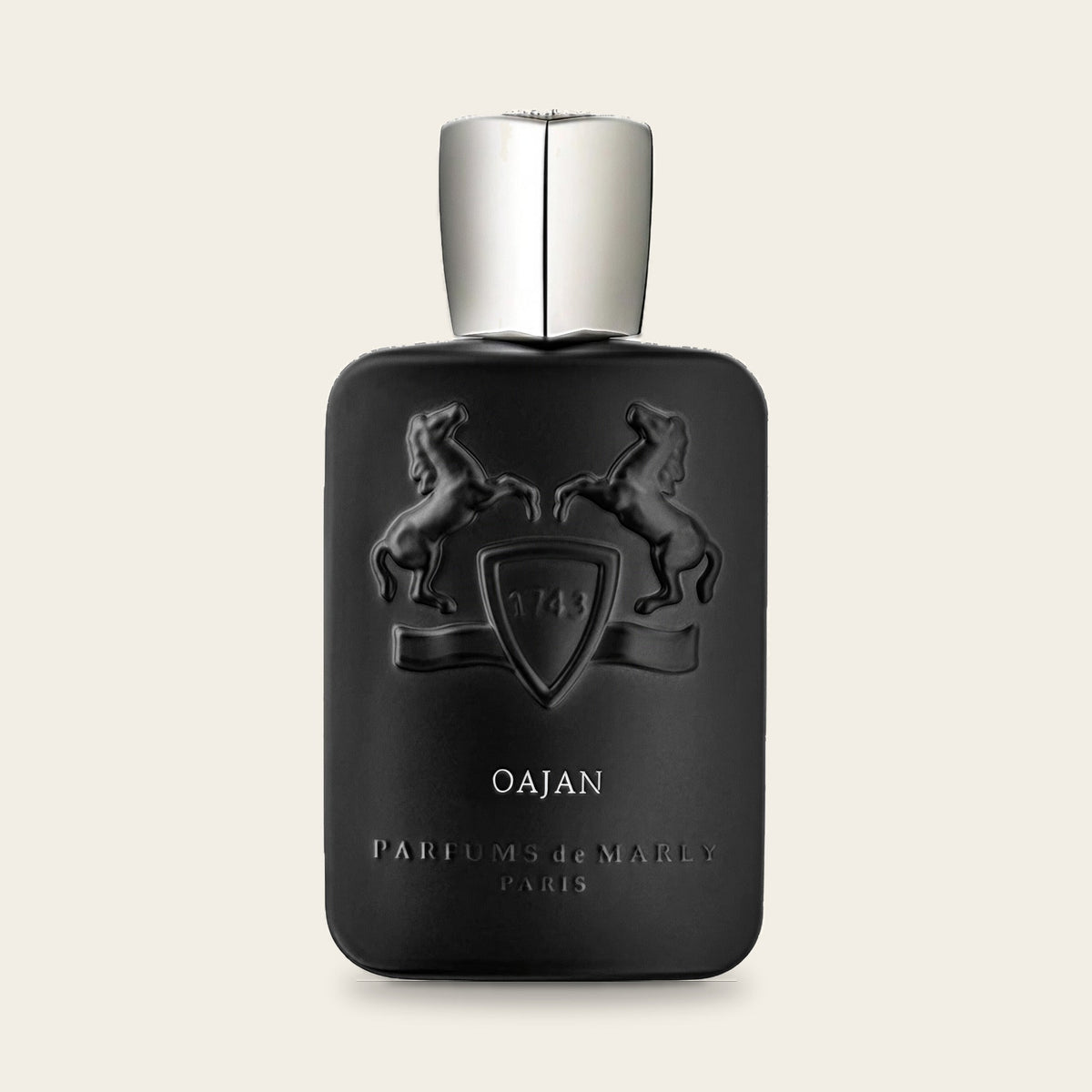
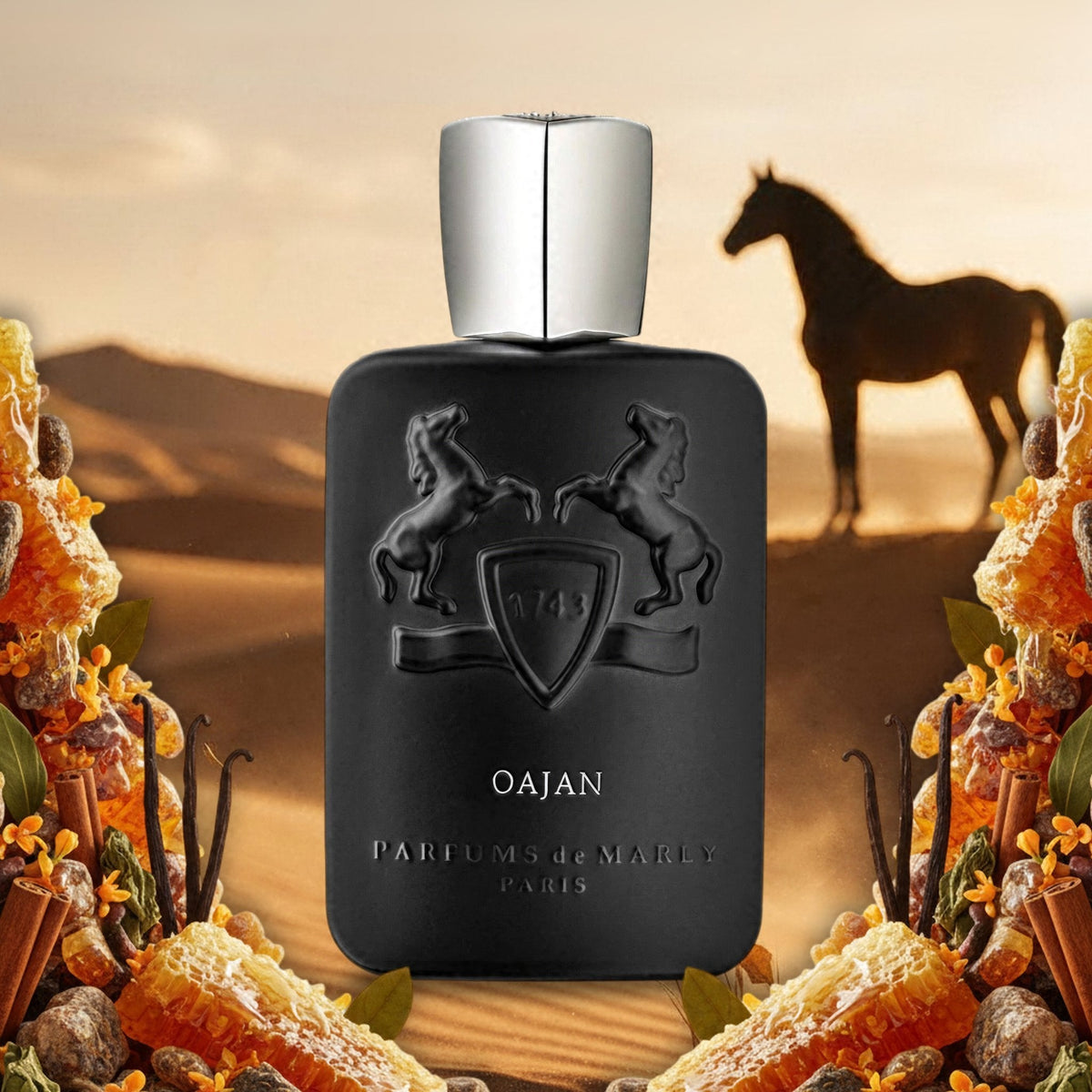
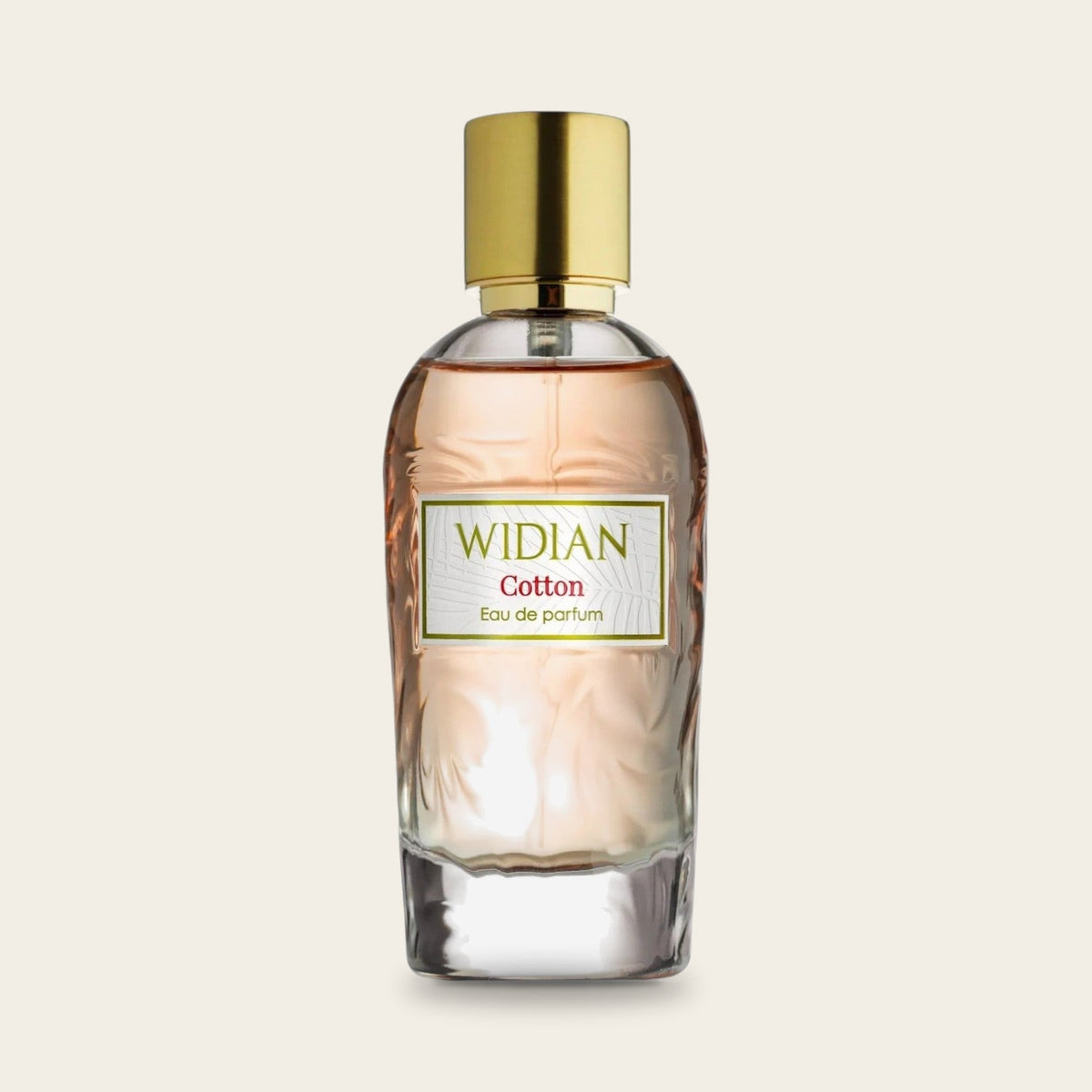
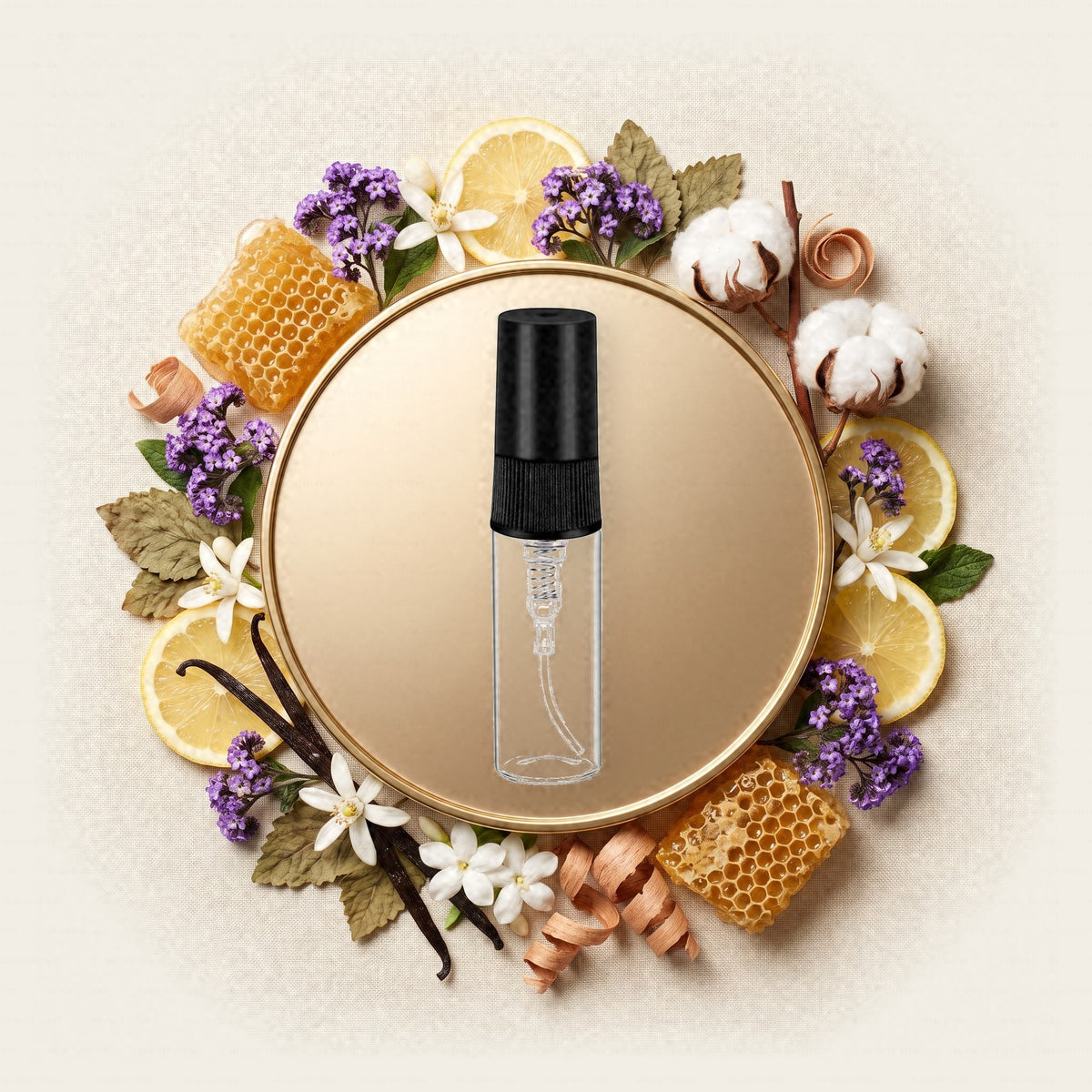


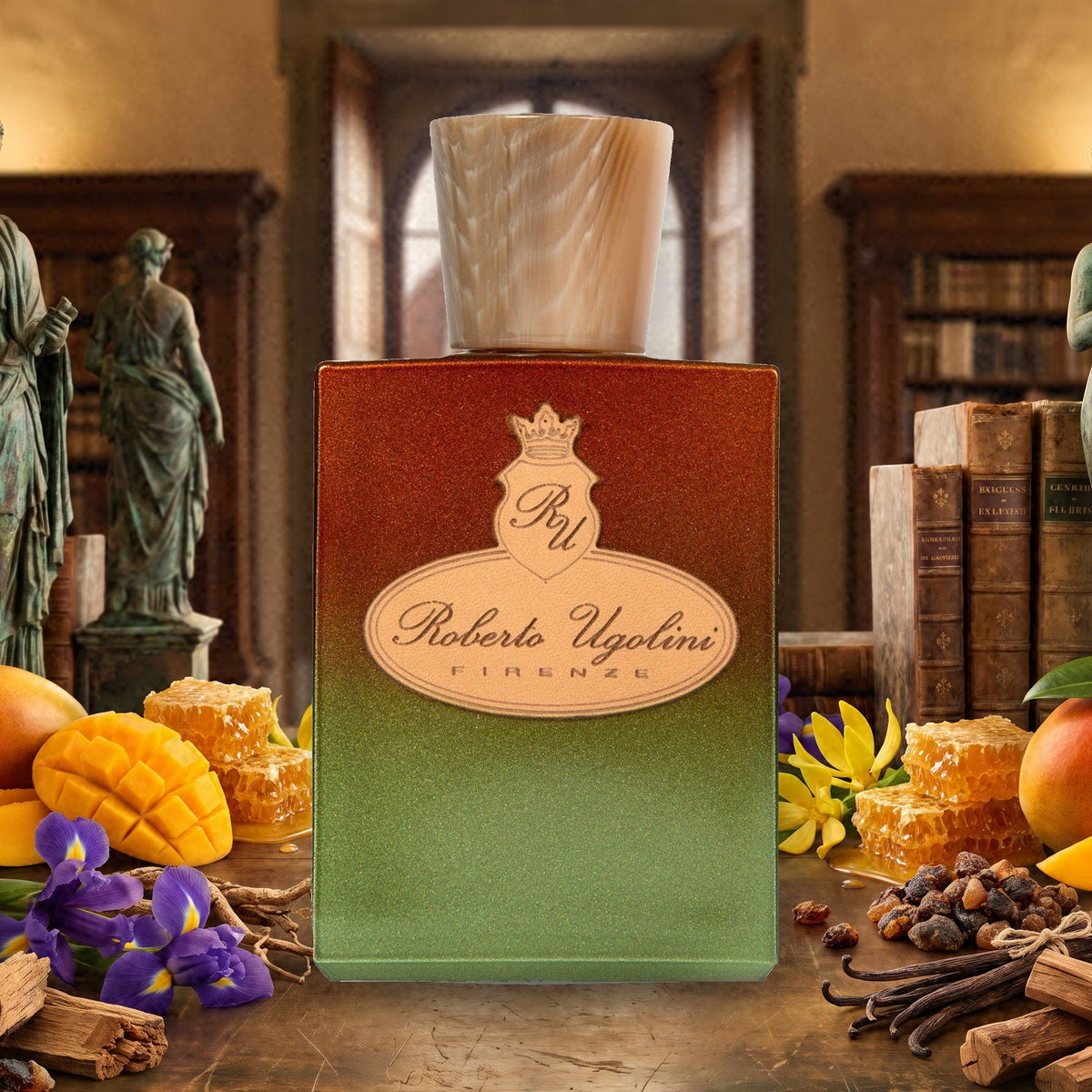

Questions and answers
Sweet, warm and waxy, with floral and slightly animalic nuances.
The accord is modelled on the honey and beeswax of the honey bee. Which odorants a honey carries depends strongly on its type and origin; some scent molecules pass directly from the flowers via the bees into the honey. The wax comes from young worker bees, which secrete it from four pairs of glands on the underside of the abdomen – a costly material, since the bees consume many times its weight in honey to make a kilogram of wax. Yellow beeswax naturally smells distinctly of honey.
No honey is used for the honey note. Perfumers recreate it from molecules that also shape the scent of real honey: phenylacetic acid brings the typical warm honeyed sweetness, ethyl phenylacetate a sweet floral side and phenylacetaldehyde a green-floral accent. Beeswax absolute adds natural depth. Because wax does not release its scent through distillation, it is extracted with solvents: first a non-polar solvent yields a waxy concrete, from which ethanol then dissolves the odorants. Once the alcohol has evaporated, the absolute remains.
The honey accord gives compositions a sweet, warm and waxy roundness with a slightly animalic side. Because phenylacetic acid quickly turns animalic at higher doses, it is used sparingly and usually combined with floral and balsamic building blocks. In our range, honey appears in 38 fragrances, 13 in the heart, 13 in the base and 12 in the top note.
Gourmand · Sweet and waxy · Heart and base note
As an accord built in the lab, the honey note is available all year round, independent of harvests.
In our fragrances, it often appears alongside Vanille, Amber, Moschus, Zimt, Patschuli, Rose, Oud.
People have gathered honey for millennia: a rock painting in the Cueva de la Araña near Bicorp in Spain shows honey gatherers at a bees' nest; its age is disputed, with estimates ranging from around 5,000 to about 8,000 years. The oldest known honey remains lay in vessels in a tomb in Georgia and are up to 5,500 years old. The earliest known depiction of beekeeping comes from Egypt: a relief in the sun temple of King Nyuserre of the 5th Dynasty, around 2400 BC, shows a beekeeper using smoke at stacked hives and honey being packed into jars. In Egypt, honey served as an offering to gods and the dead.
- Phenylacetaldehyde is also known as “hyacinthin” – in perfumes it adds accents of hyacinth, narcissus and rose.
- The roughly 3,000-year-old beehives of Tel Rehov in present-day Israel were made of unfired clay and straw; traces of wax were still found in their walls.
- Bees “sweat” their wax: it emerges as tiny oval scales between the rear abdominal segments of young worker bees.
Depending on the type, honey contains more than 100 volatile compounds, which carry almost all of its aroma. Phenylacetic acid (C₈H₈O₂), its ethyl ester ethyl phenylacetate (C₁₀H₁₂O₂) and phenylacetaldehyde (C₈H₈O, PubChem CID 998) are regarded as especially typical of honey scent. In rapeseed honey, phenylacetic acid with its honey-like smell is among the compounds with the highest odour activity. Chemically the molecules are closely related: phenylacetaldehyde readily oxidises in air to phenylacetic acid, and ethyl phenylacetate is its ester with ethanol.
FRAGRANCE KNOWLEDGE
In the 4D Journal
-
 FRAGRANCE KNOWLEDGE
Rose in perfume: The queen of fragrance materials
READ ARTICLE
-
 FRAGRANCE KNOWLEDGE
Vanilla in perfume: From orchid to favourite scent
READ ARTICLE
-
 FRAGRANCE KNOWLEDGE
Leather in perfume: How does something smell that was never in the bottle?
READ ARTICLE
-
 FRAGRANCE KNOWLEDGE
Scented candles & home fragrance: How to use them right
READ ARTICLE