

INGREDIENT GLOSSARY
Ginger
Zingiber officinale · Ginger family (Zingiberaceae)
Fresh, sharp and spicy, with a lemony, slightly woody warmth.
NATURALFRESH-SPICY
AT A GLANCE
- Rhizome of a ginger plant from Southeast Asia
- Scent: fresh, sharp, lemony-spicy
- Main molecule of the oil: zingiberene
- In the top notes of 60 of our 92 ginger fragrances
PROFILE
- Origin
- Originally Southeast Asia · main cultivation today in India, Nigeria and China
- Extraction
- Steam distillation of the dried rhizome, also CO₂ extraction
- Main molecules
- Zingiberene (C₁₅H₂₄) · ar-Curcumene (C₁₅H₂₂)
- Harvest
- Ginger is harvested after eight to ten months, when the leaves wither.
- Often paired with
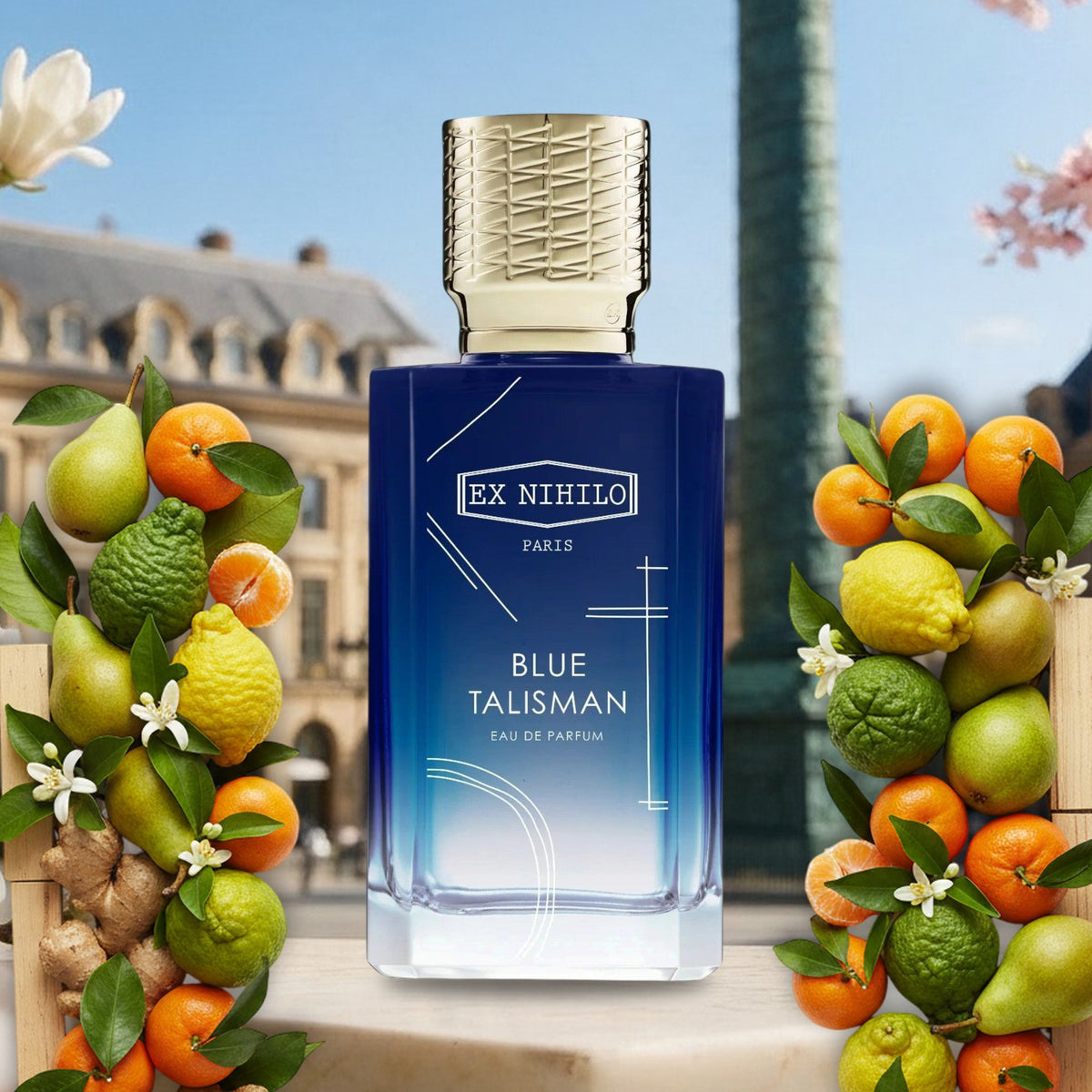
- Bergamot, vanilla, patchouli, jasmine, pepper, ambergris accord, akigalawood
Numbers that surprise
60 of 92
of our ginger fragrances carry it in the top notes – as a spicy spark.
around 2.2 million tonnes
of ginger are harvested by India alone each year – almost half the world's total.
Rounded values; calculation based on published data.
Harvest and season
Ginger is harvested after eight to ten months, when the leaves wither. Younger ginger, harvested earlier, is milder and juicier.
The rhizome is harvested, washed and usually dried. Steam-distilled, it gives a fresh, lemony-spicy oil; the CO₂ extract comes even closer to the scent of the fresh root. The heat on the tongue stays behind – gingerols are barely volatile.
Knowledge to share
Myth or truth?
Statement 1
Ginger is a root.
Myth. Ginger is a rhizome – an underground stem. The true roots are the fine threads growing from it.
Statement 2
Ginger oil in perfume is hardly pungent.
True. The heat comes from gingerols, which barely evaporate – what remains in the scent is the fresh, lemony side.
Statement 3
Ginger, cardamom and turmeric are related.
True. All three belong to the ginger family (Zingiberaceae).
Your result
FRAGRANCES WITH GINGERINGREDIENT GLOSSARY
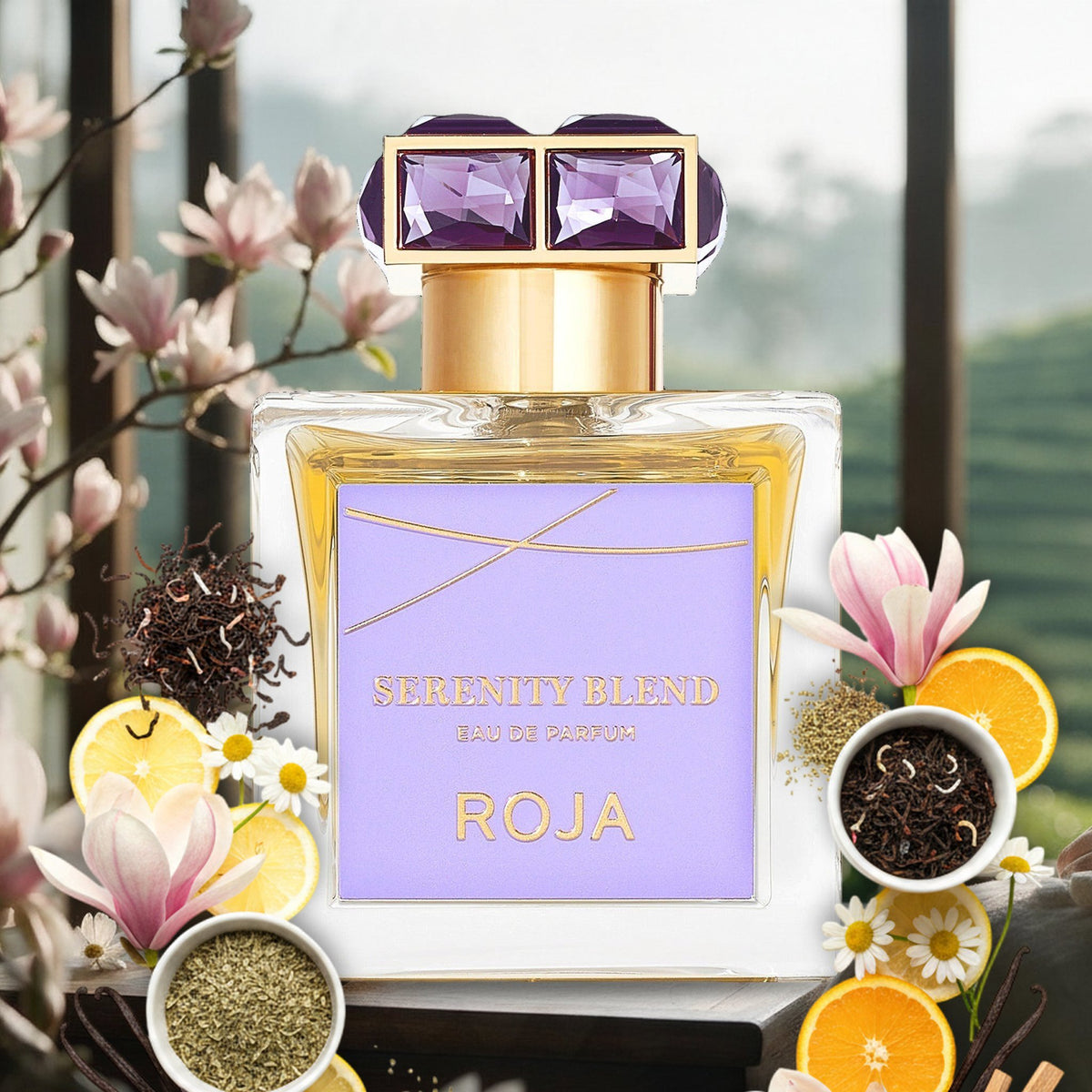
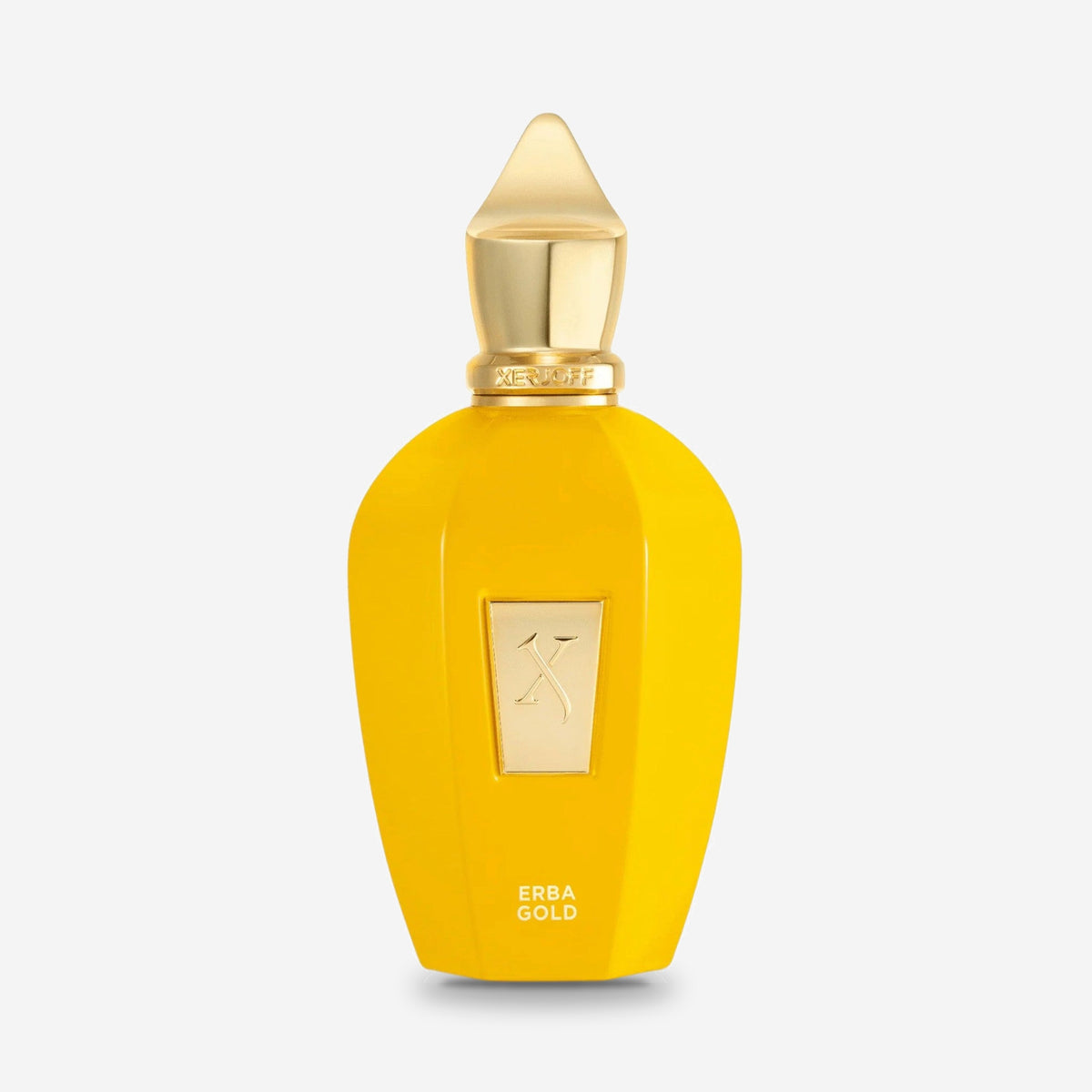
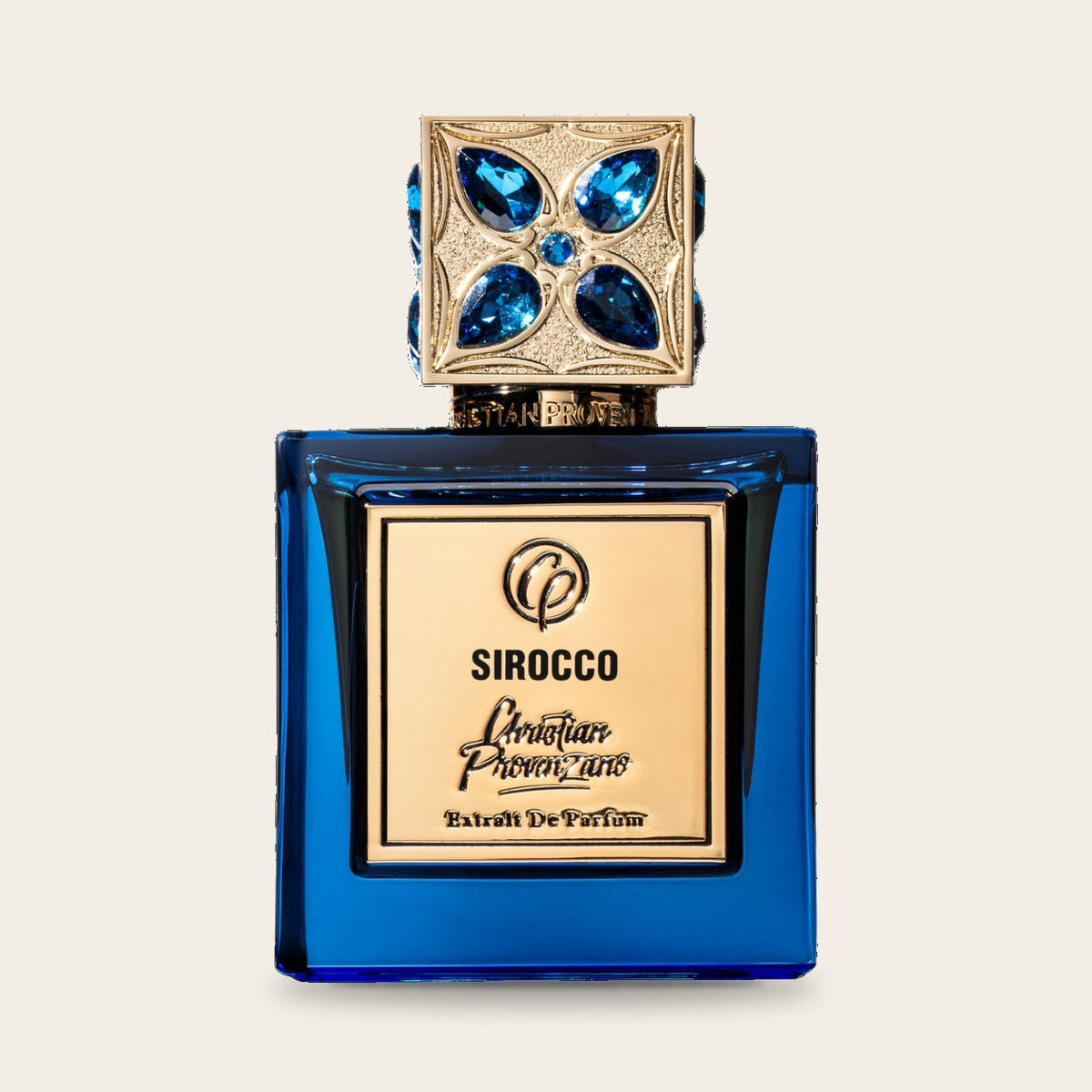
Fragrances with Ginger

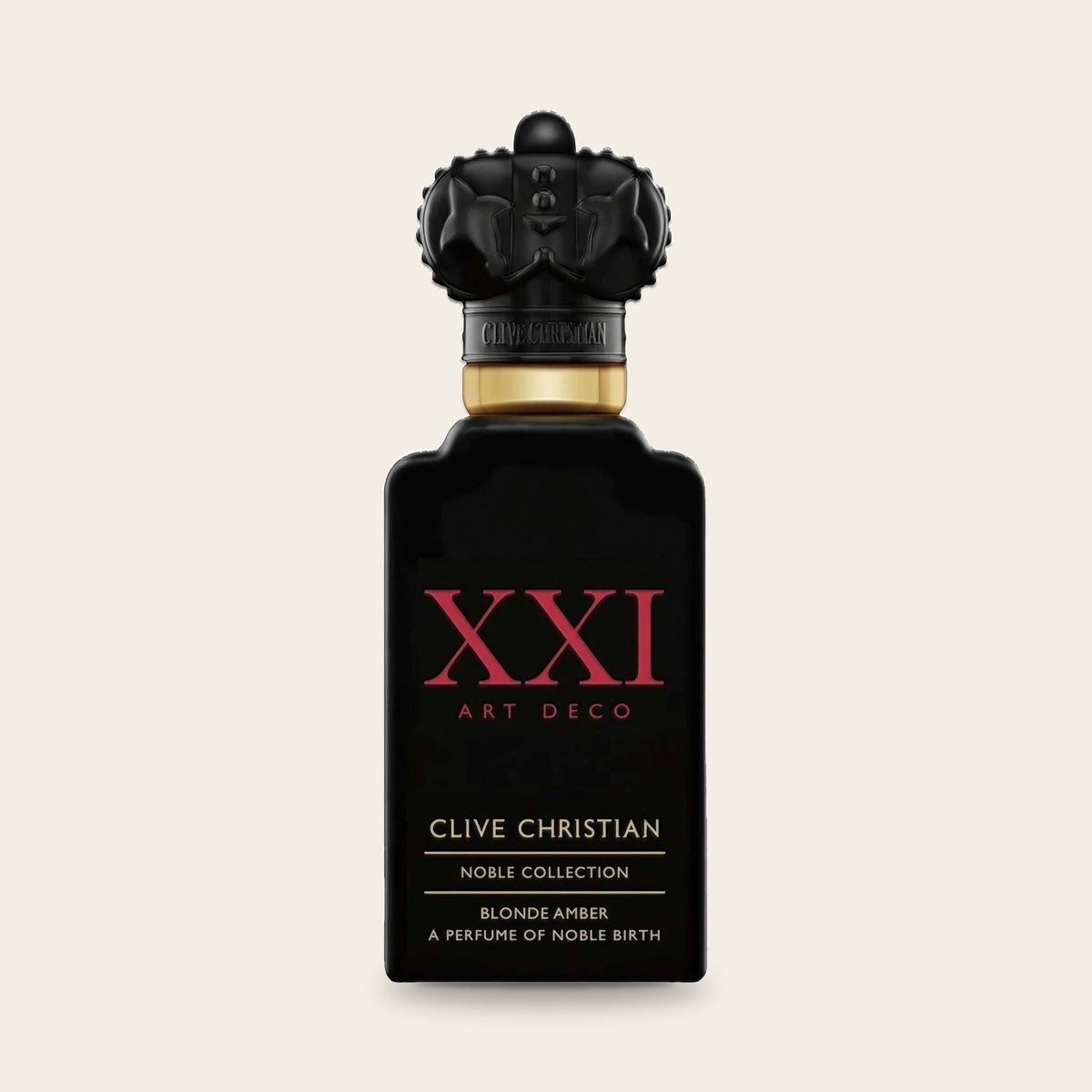
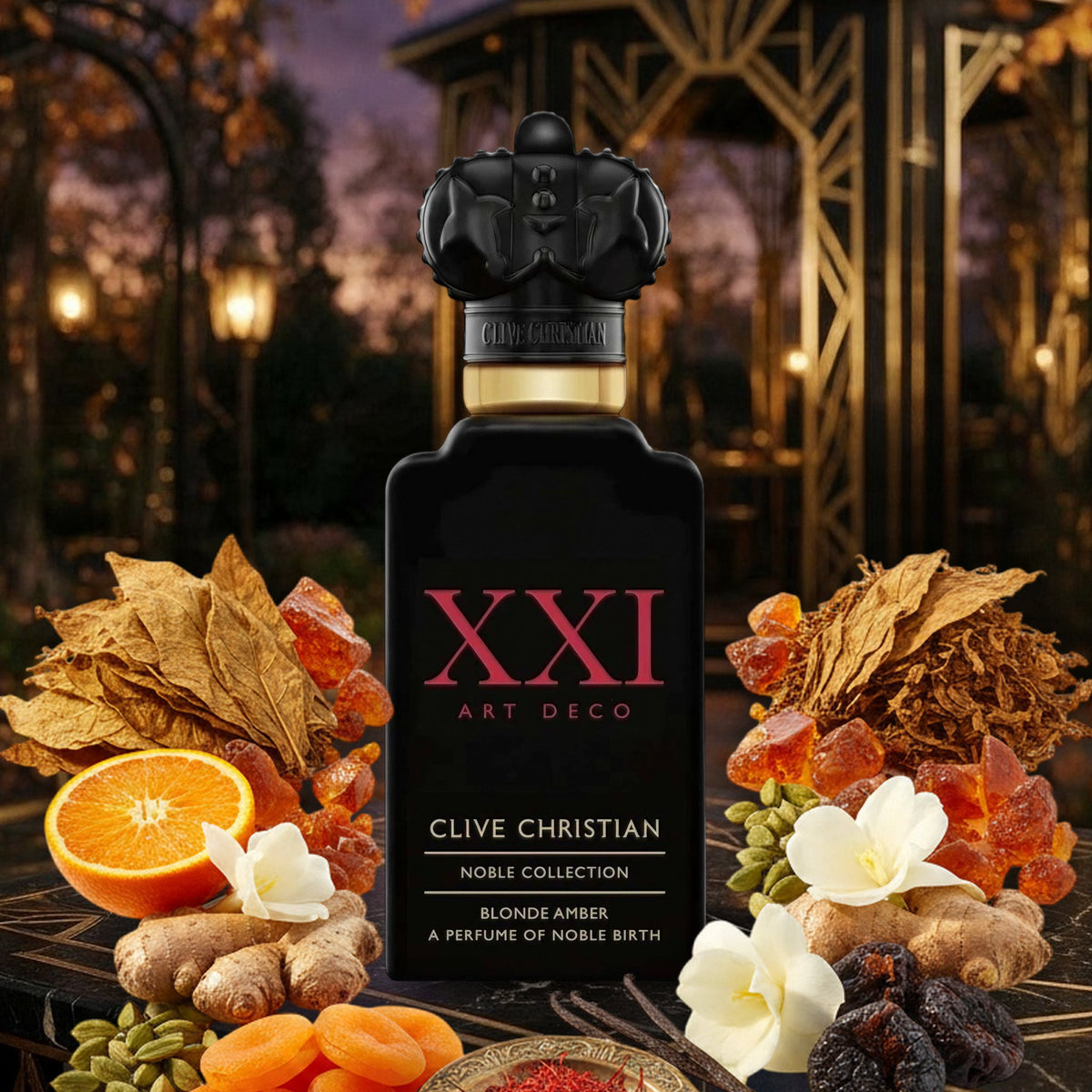


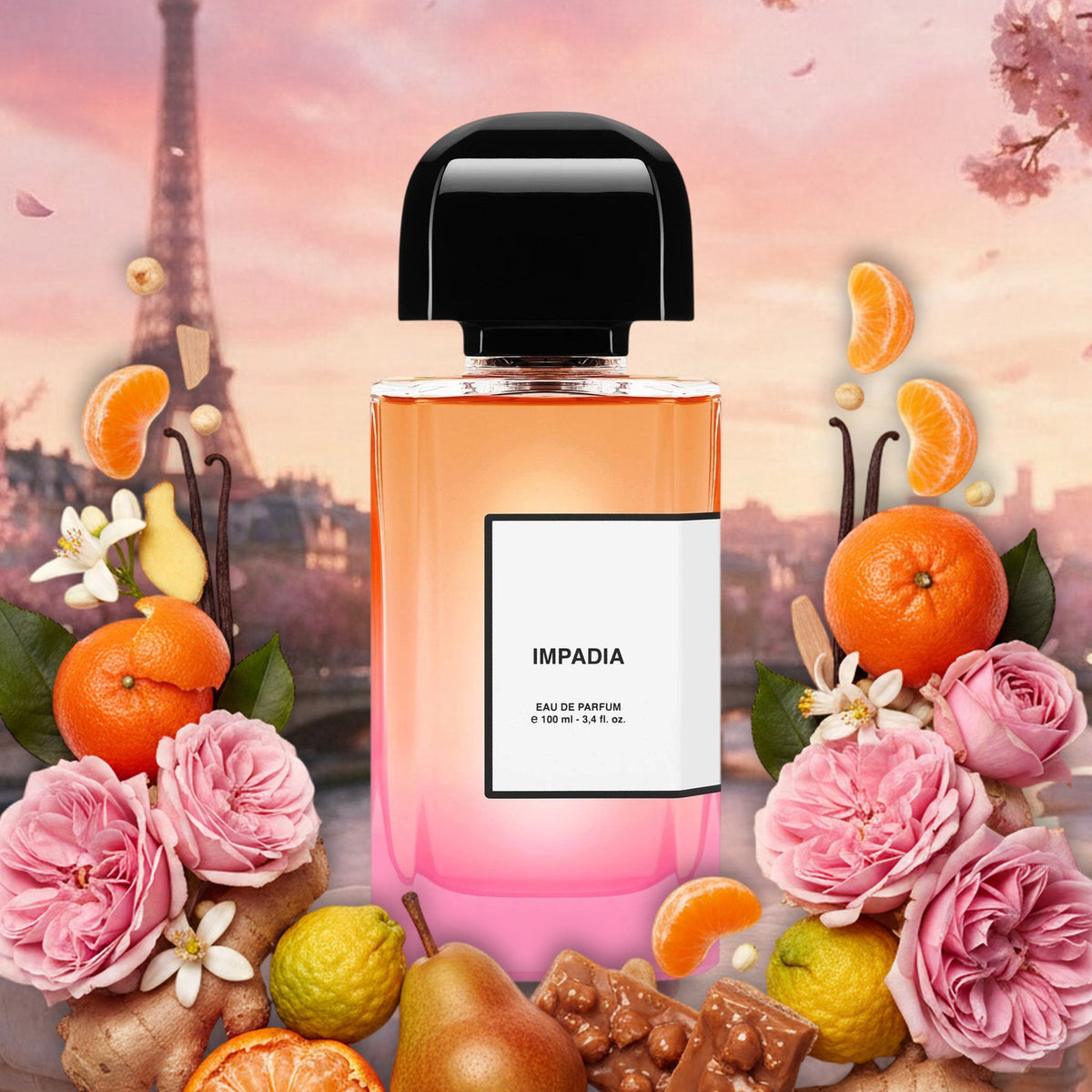
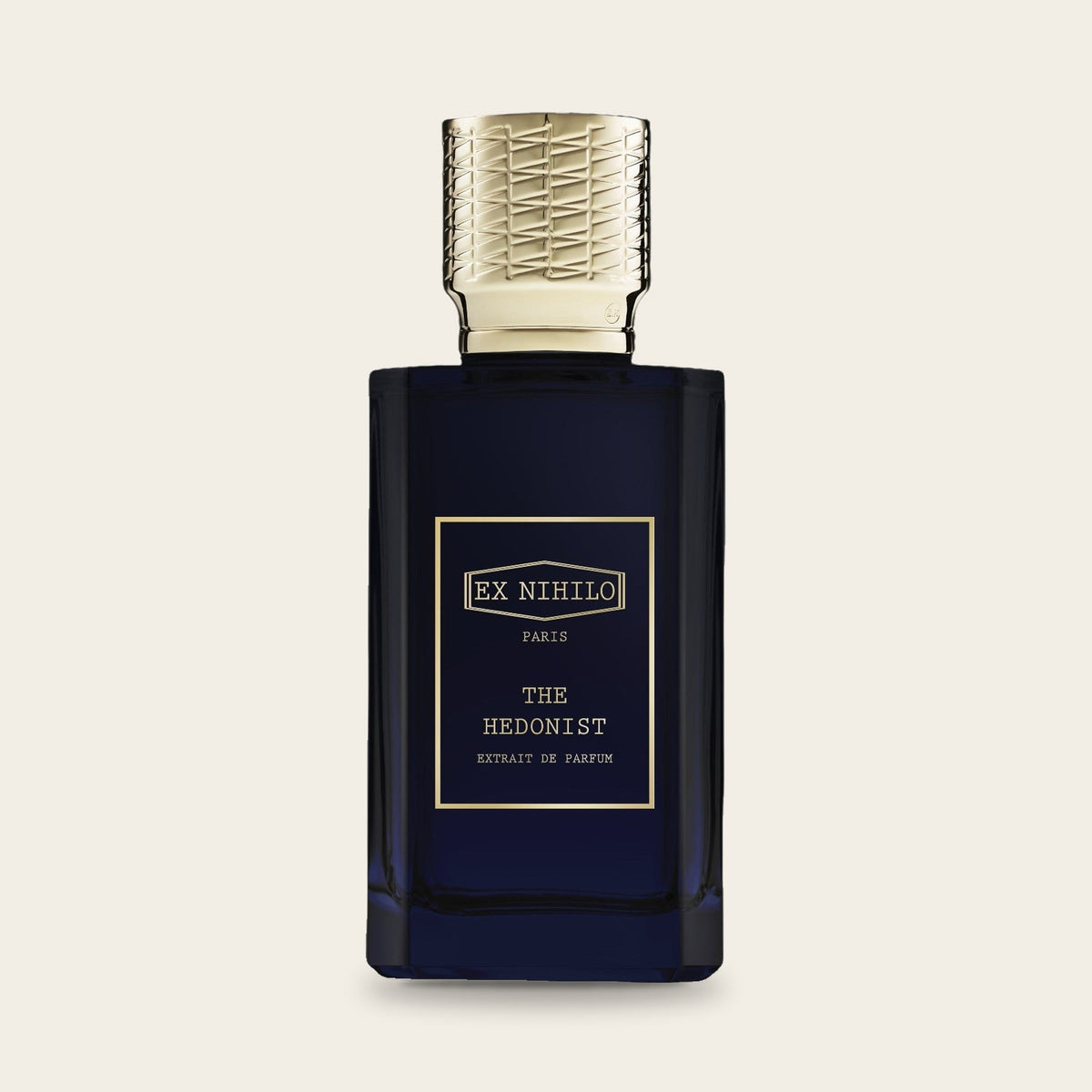

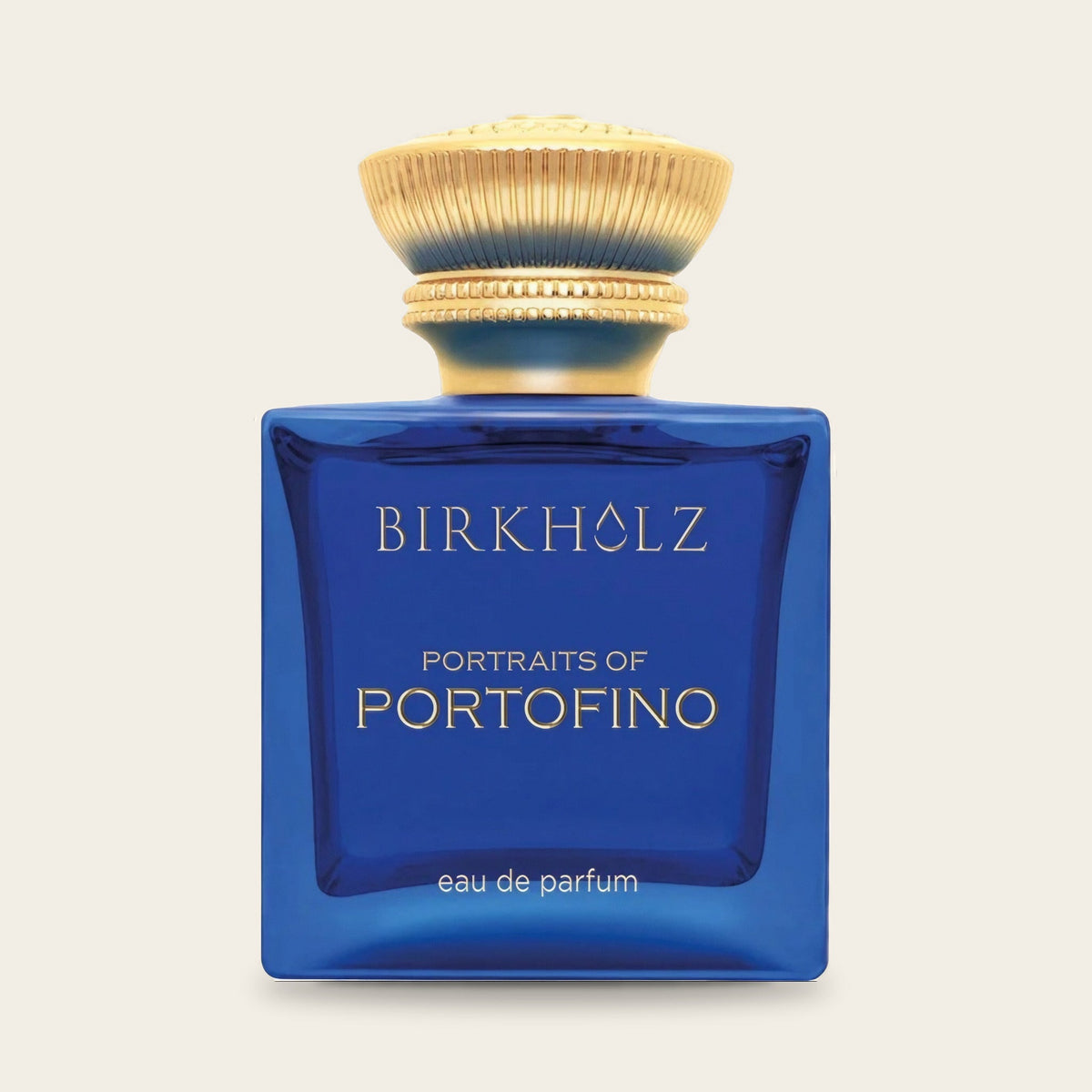

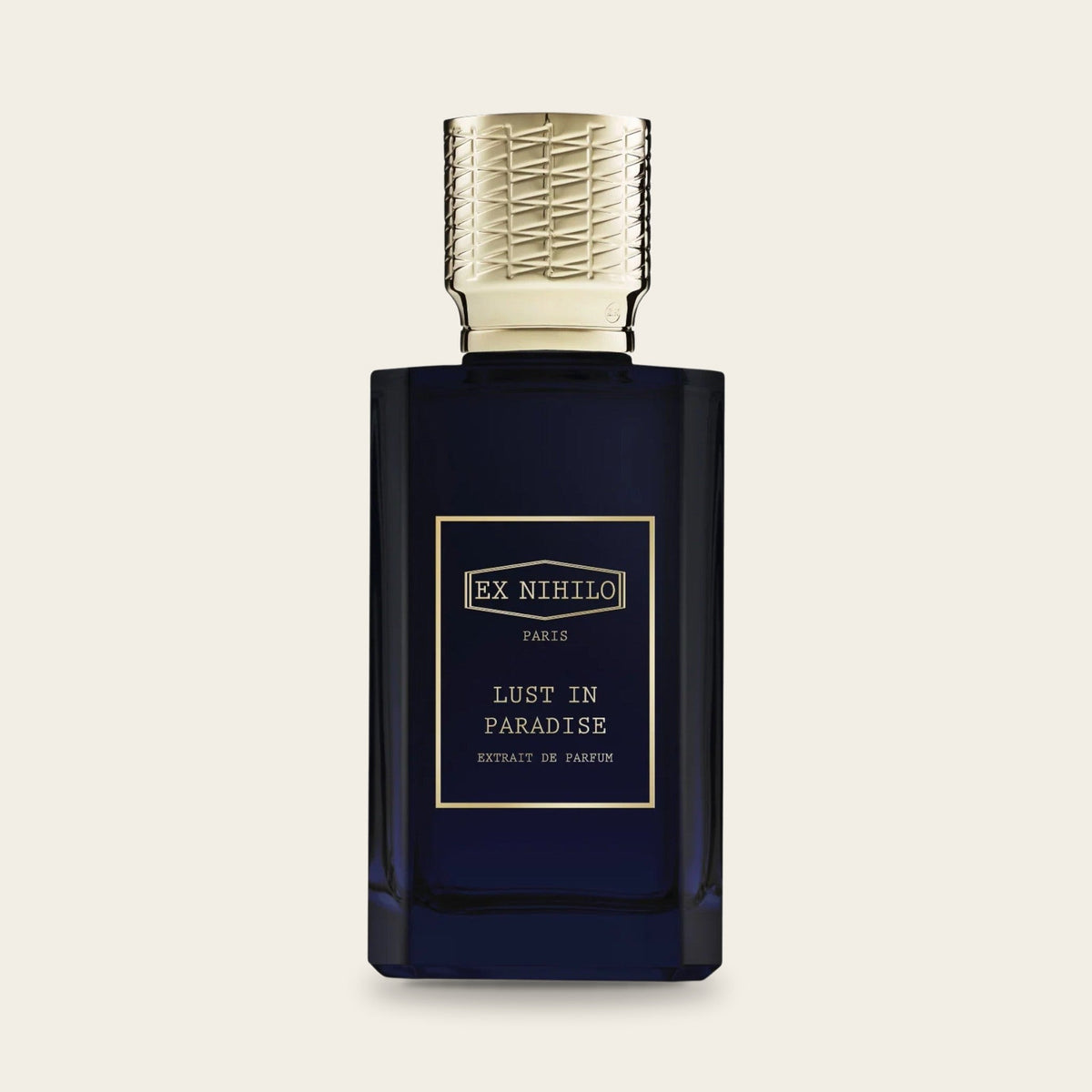



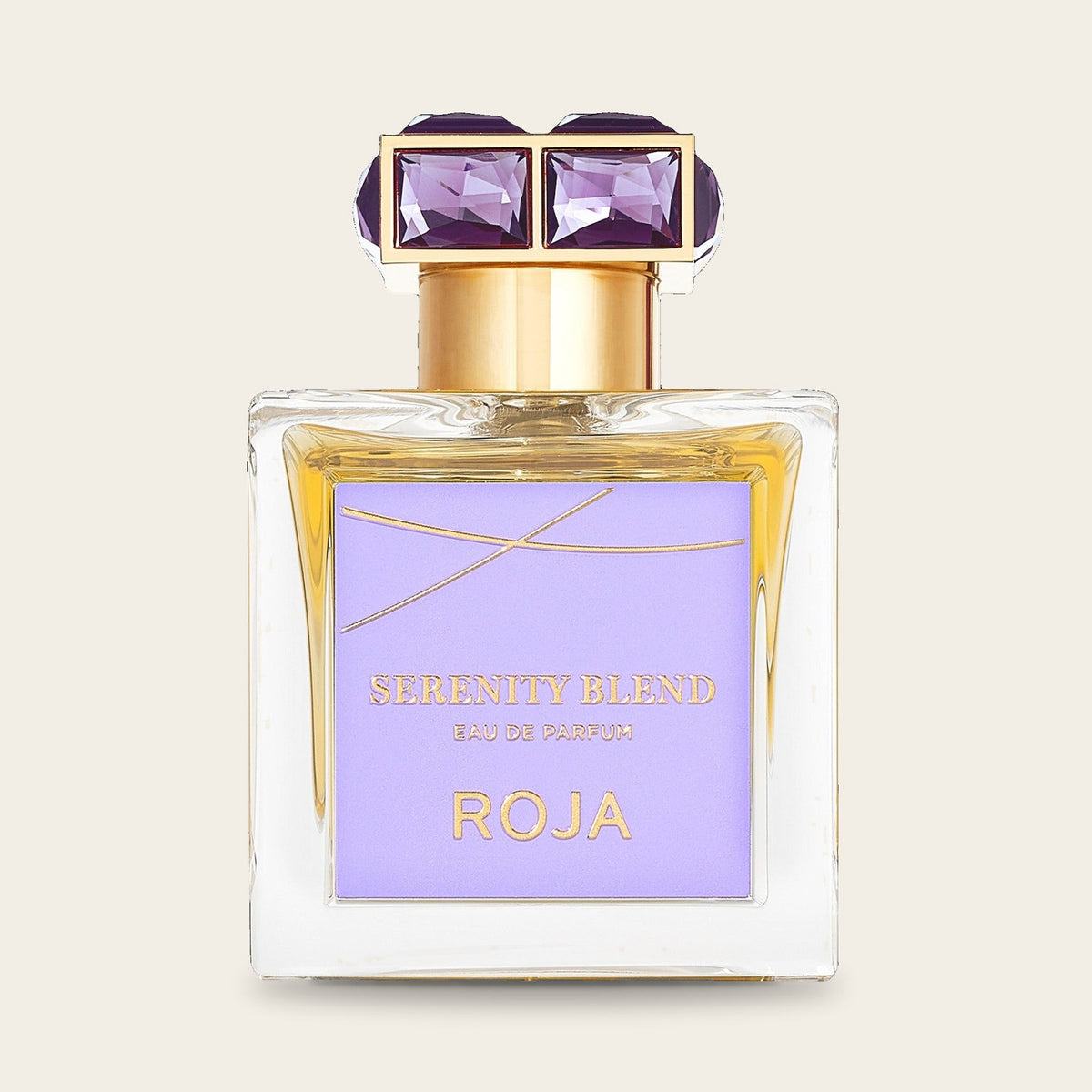



Questions and answers
Fresh, sharp and spicy, with a lemony, slightly woody warmth.
Ginger comes from Southeast Asia and has been cultivated for thousands of years. Almost half of the world's harvest today comes from India; Nigeria and China are also major producers.
The rhizome is harvested, washed and usually dried. Steam-distilled, it gives a fresh, lemony-spicy oil; the CO₂ extract comes even closer to the scent of the fresh root. The heat on the tongue stays behind – gingerols are barely volatile.
Ginger is the spark in the opening: fresh, sharp, lemony, with a warm, woody trail. In our range it sits in the top notes of 60 out of 92 fragrances. It gives citrus more bite and spicy scents a lively freshness.
Fresh-spicy, with a lemony side.
Ginger is harvested after eight to ten months, when the leaves wither. Younger ginger, harvested earlier, is milder and juicier.
In our fragrances, it often appears alongside Bergamot, vanilla, patchouli, jasmine, pepper, ambergris accord, akigalawood.
Ginger was among the first spices to reach Europe from Asia – the Greeks and Romans already knew it. In the Middle Ages it was one of the most widely traded spices of all.
- Almost half of the world's ginger comes from India – around 45 % of 4.9 million tonnes in 2023.
- Botanically, ginger is not a root but a rhizome – an underground stem.
- Ginger is a close relative of cardamom and turmeric – all three belong to the ginger family.
The main component of the essential oil is zingiberene; in fresh ginger the heat comes from gingerols, which turn into shogaols when dried.
FRAGRANCE KNOWLEDGE
In the 4D Journal
-
 FRAGRANCE KNOWLEDGE
Rose in perfume: The queen of fragrance materials
READ ARTICLE
-
 FRAGRANCE KNOWLEDGE
Vanilla in perfume: From orchid to favourite scent
READ ARTICLE
-
 FRAGRANCE KNOWLEDGE
Leather in perfume: How does something smell that was never in the bottle?
READ ARTICLE
-
 FRAGRANCE KNOWLEDGE
Scented candles & home fragrance: How to use them right
READ ARTICLE