
INGREDIENT GLOSSARY
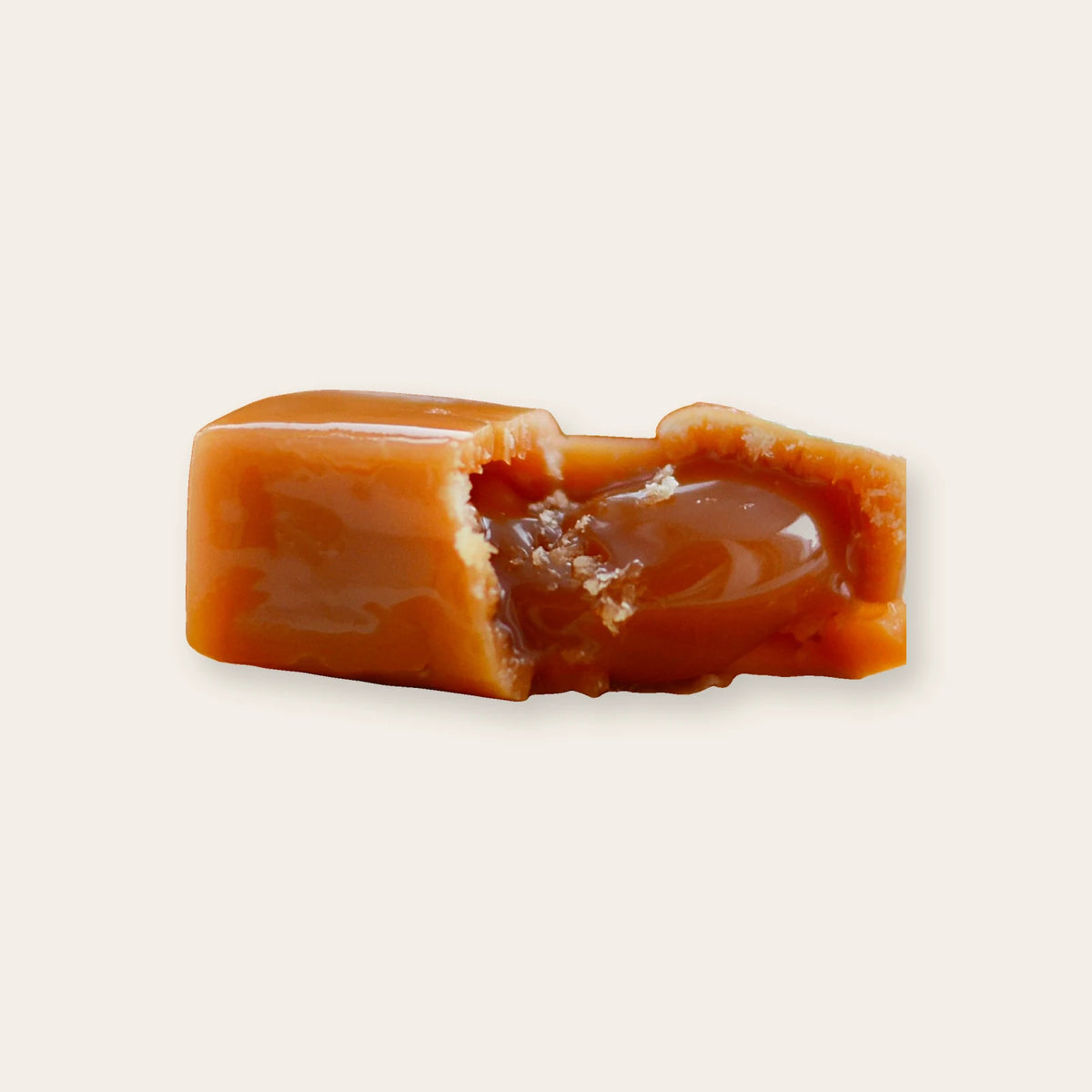
Caramel
– (accord of aroma chemicals; modelled on caramelised sugar from sugar cane or sugar beet) · – (not a plant material; a fragrance accord of the gourmand family)
Warm and sweet, like burnt sugar, with fruity, jam-like and candyfloss facets; depending on the accord, also a hint of maple syrup.
ACCORDGOURMAND · SWEET · HEART/BASE NOTE
AT A GLANCE
- Raw material: accord of aroma chemicals, modelled on heated sugar
- Origin: sugar cane and sugar beet as the model, aroma chemicals from synthesis
- Production: ethyl maltol, maltol, furaneol and cyclotene blended
- Scent: sweet, burnt sugar, candyfloss-like – heart and base note
PROFILE
- Origin
- Not a natural raw material · accord of aroma chemicals, modelled on heated sugar from sugar cane or sugar beet
- Extraction
- No extract: perfumers blend the accord from aroma chemicals such as ethyl maltol, maltol and furaneol
- Main molecules
- Ethyl maltol (C₇H₈O₃, synthetic) · Maltol (C₆H₆O₃) · Furaneol (C₆H₈O₃, caramel and strawberry)
- Harvest
- Caramel has no harvest season: the aroma chemicals of the accord are made by synthesis all year round.
- Often paired with
- Vanilla, bergamot, musk, jasmine, rose, sandalwood, amber
Numbers that surprise
around 4.3 quintillion
molecules of ethyl maltol are packed into a single milligram of this caramel aroma chemical – 43 followed by 17 zeros.
around one tenth
of its weight is lost as water when table sugar reacts to form caramelan, one of the main products of caramelisation.
four to six times
as potent as its natural relative maltol is ethyl maltol as a flavouring – even though it does not itself occur in nature.
Rounded values; calculation based on published data.
Harvest and season
Caramel has no harvest season: the aroma chemicals of the accord are made by synthesis all year round. In the kitchen, table sugar browns once it is heated to around 160–170 °C.
During caramelisation, sucrose splits into glucose and fructose; the sugars lose water, break into smaller fragments and combine into brown polymers such as caramelans. Fructose starts to brown at around 105–110 °C, table sugar only at around 160–170 °C. The Maillard reaction is a separate process: there, reducing sugars react with amino acids – it browns bread crust or roast meat, not pure sugar. For the perfume accord, perfumers combine ethyl maltol and maltol with furaneol and cyclotene, an aroma chemical with a caramel and maple character; ethyl maltol is used only in small amounts.
Knowledge to share
Myth or truth?
Statement 1
The caramel scent in perfume is obtained from real caramel or a caramel extract.
Myth. Caramel is heated sugar, not a plant material with a fragrant oil. The note is rebuilt as an accord – above all with ethyl maltol, a purely synthetic aroma chemical.
Statement 2
Caramelisation and the Maillard reaction are the same thing.
Myth. Both brown food, but in the Maillard reaction sugars react with amino acids. In caramelisation, sugar breaks down through heat alone – without any amino acids.
Statement 3
A caramel aroma compound can also smell of spice.
True. At low concentration sotolon smells of maple syrup and burnt sugar, but concentrated it smells of fenugreek or curry – it is the main aroma compound of fenugreek seeds.
Your result
FRAGRANCES WITH CARAMELINGREDIENT GLOSSARY
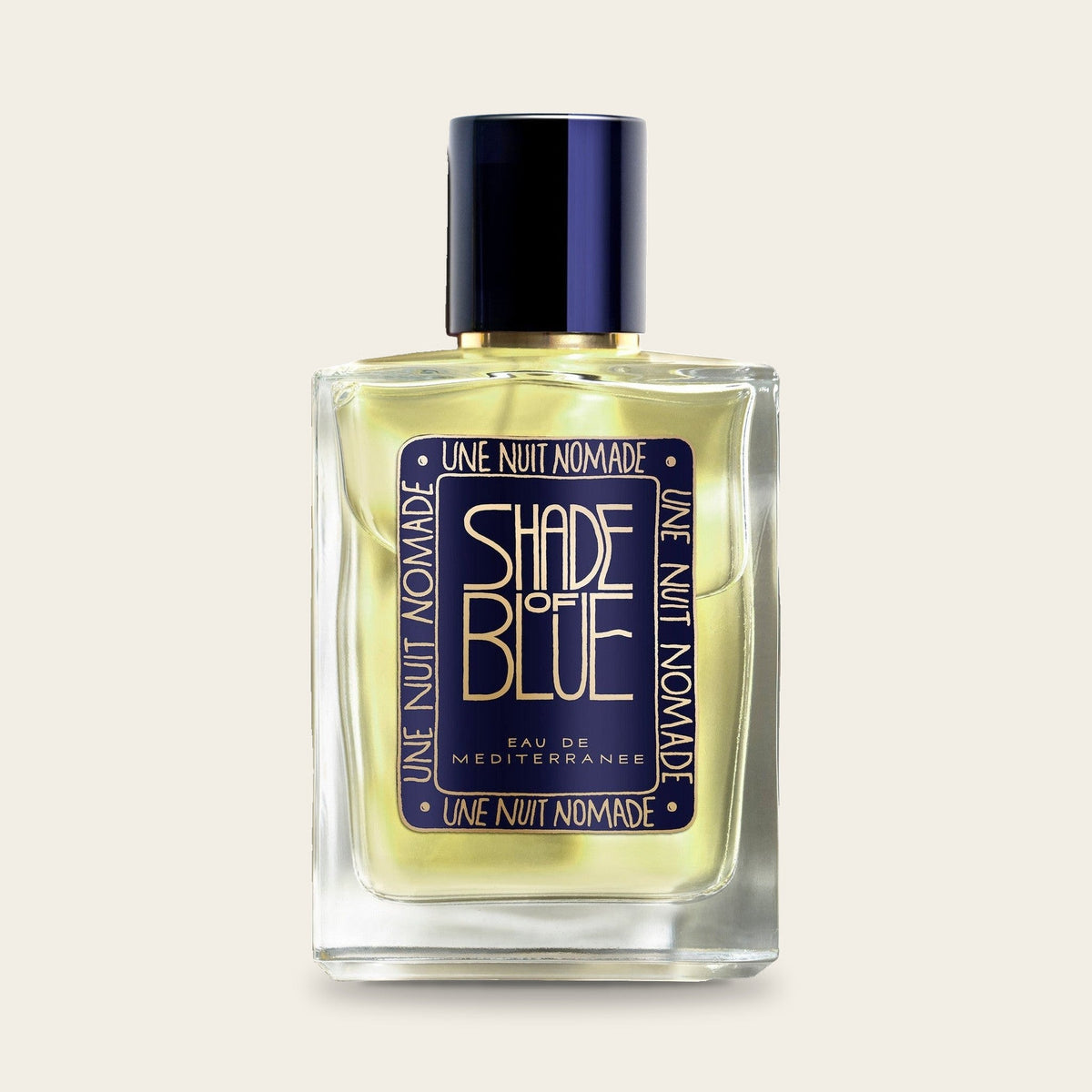
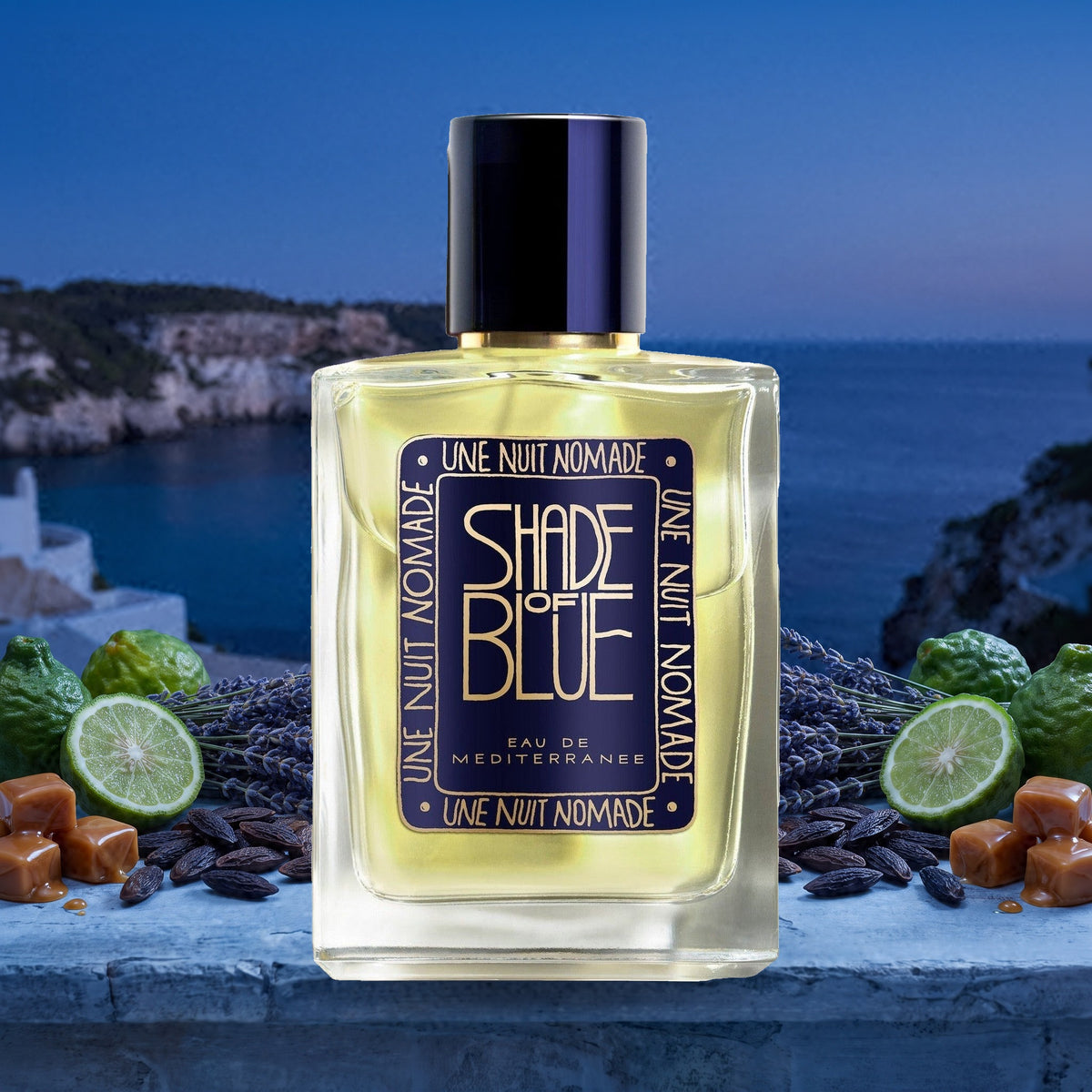
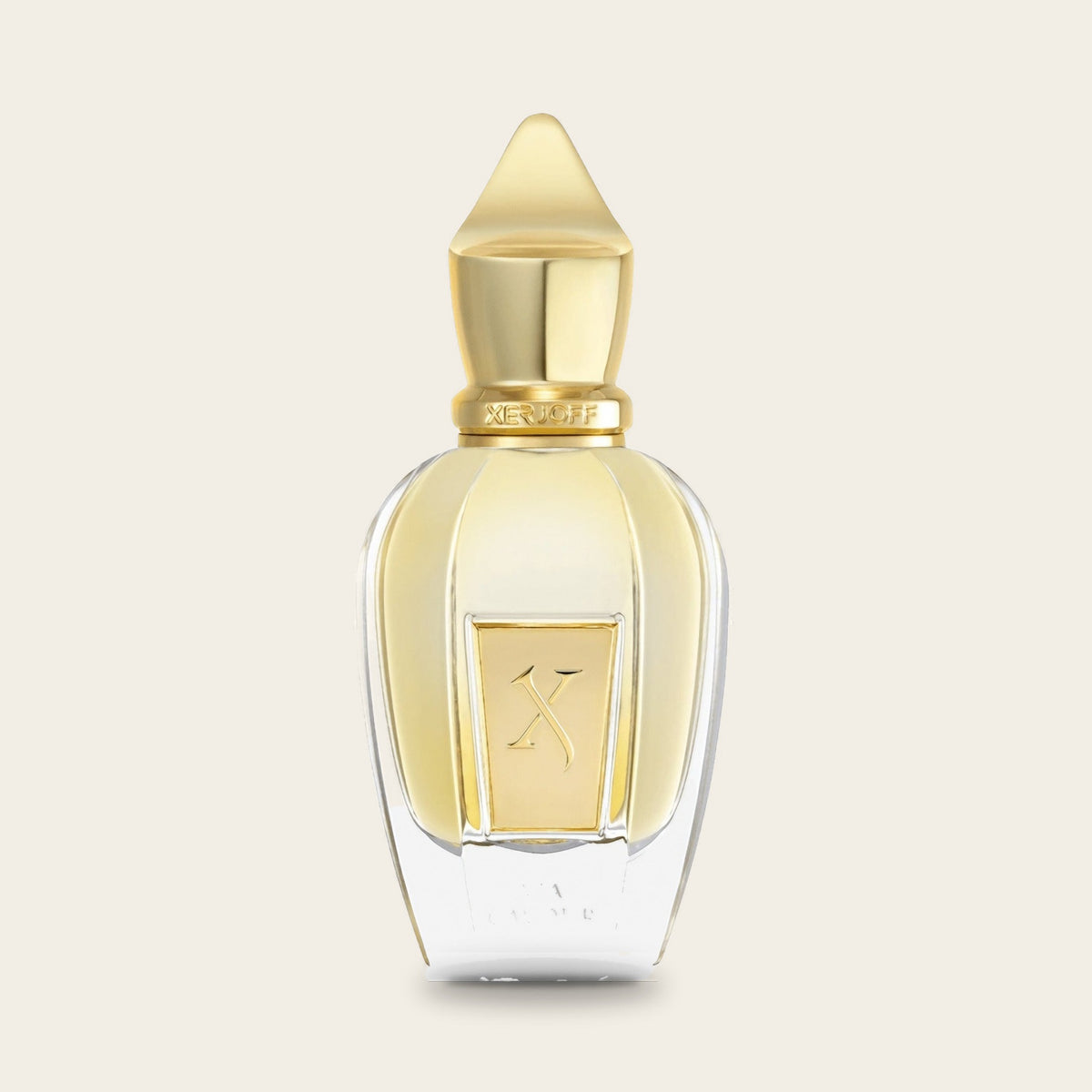
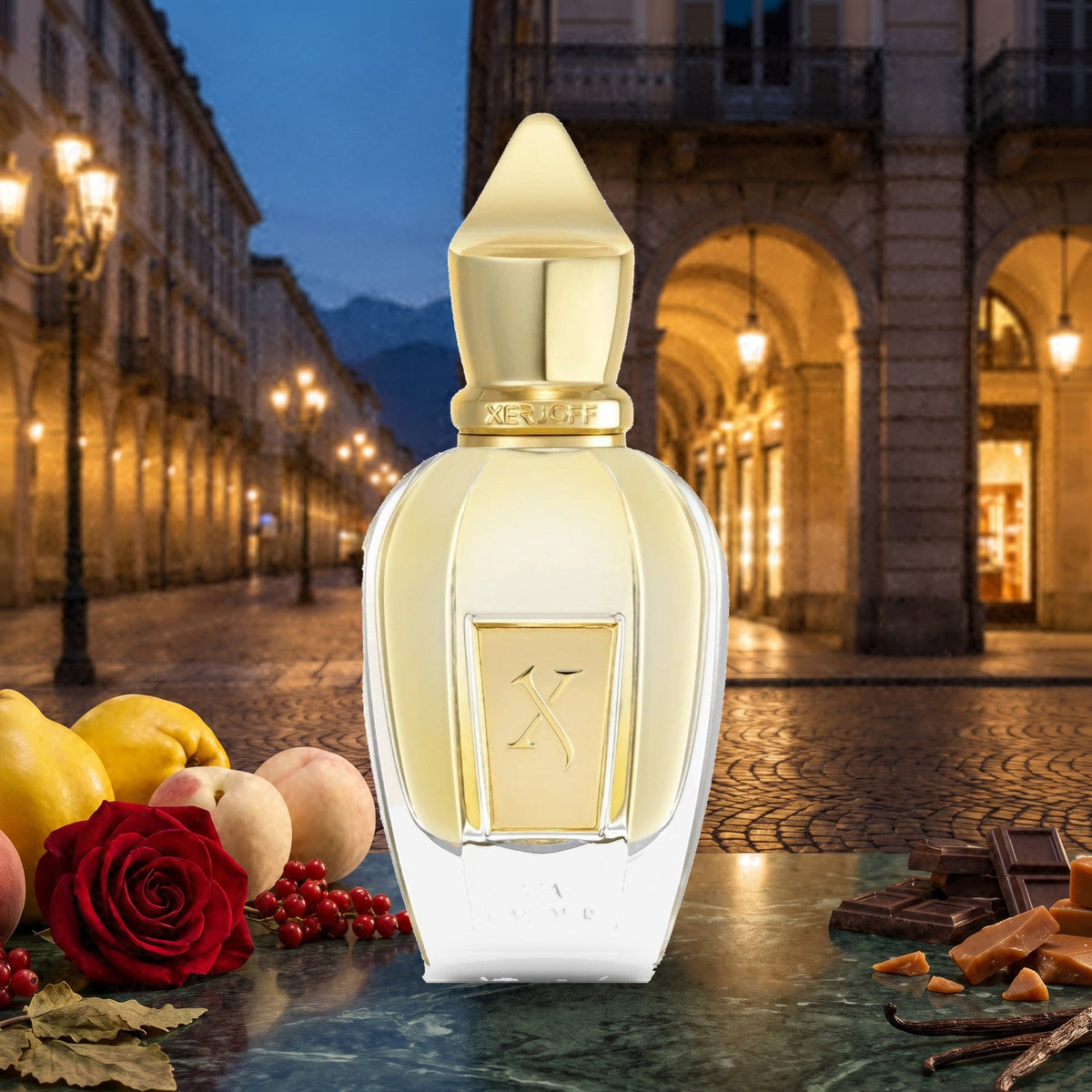
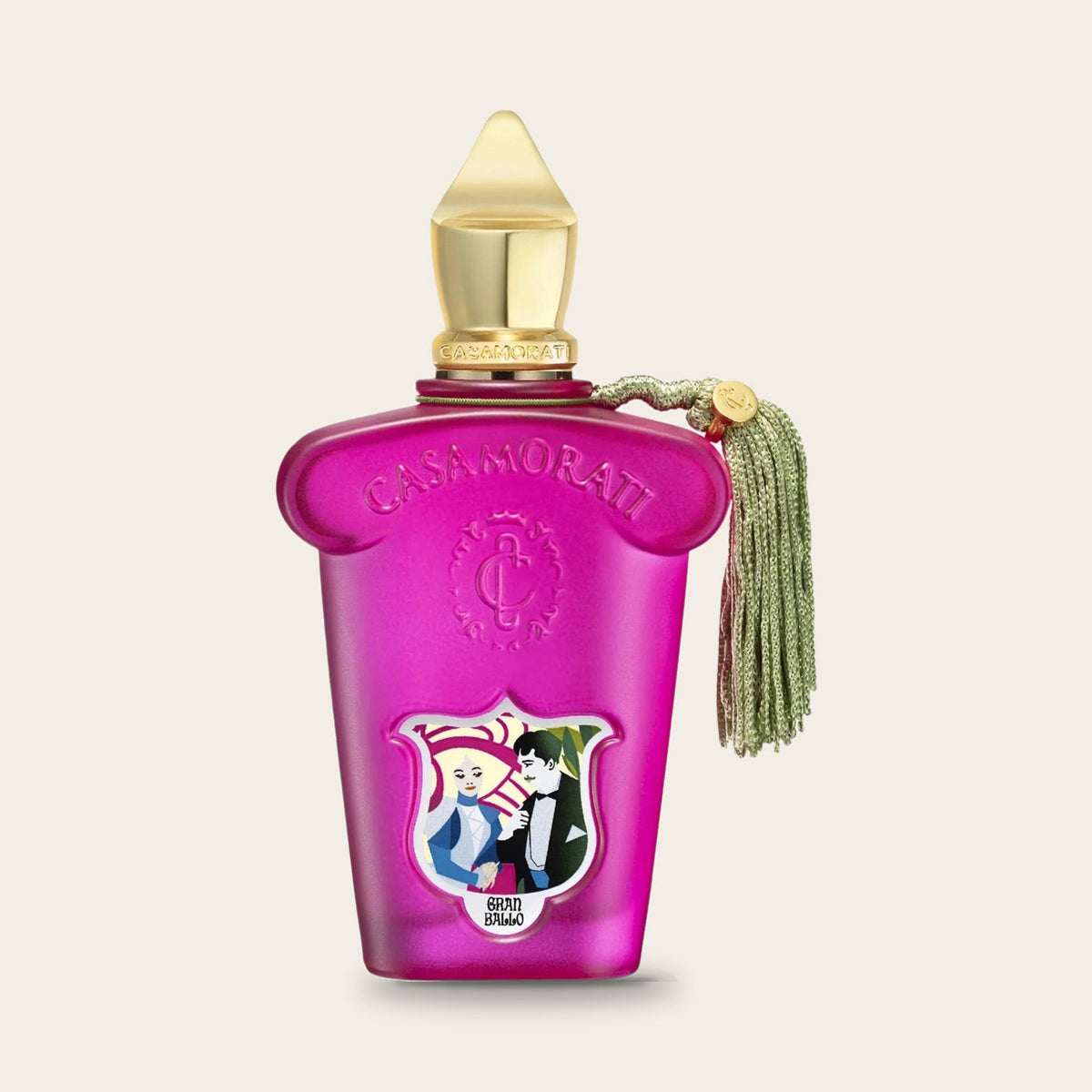
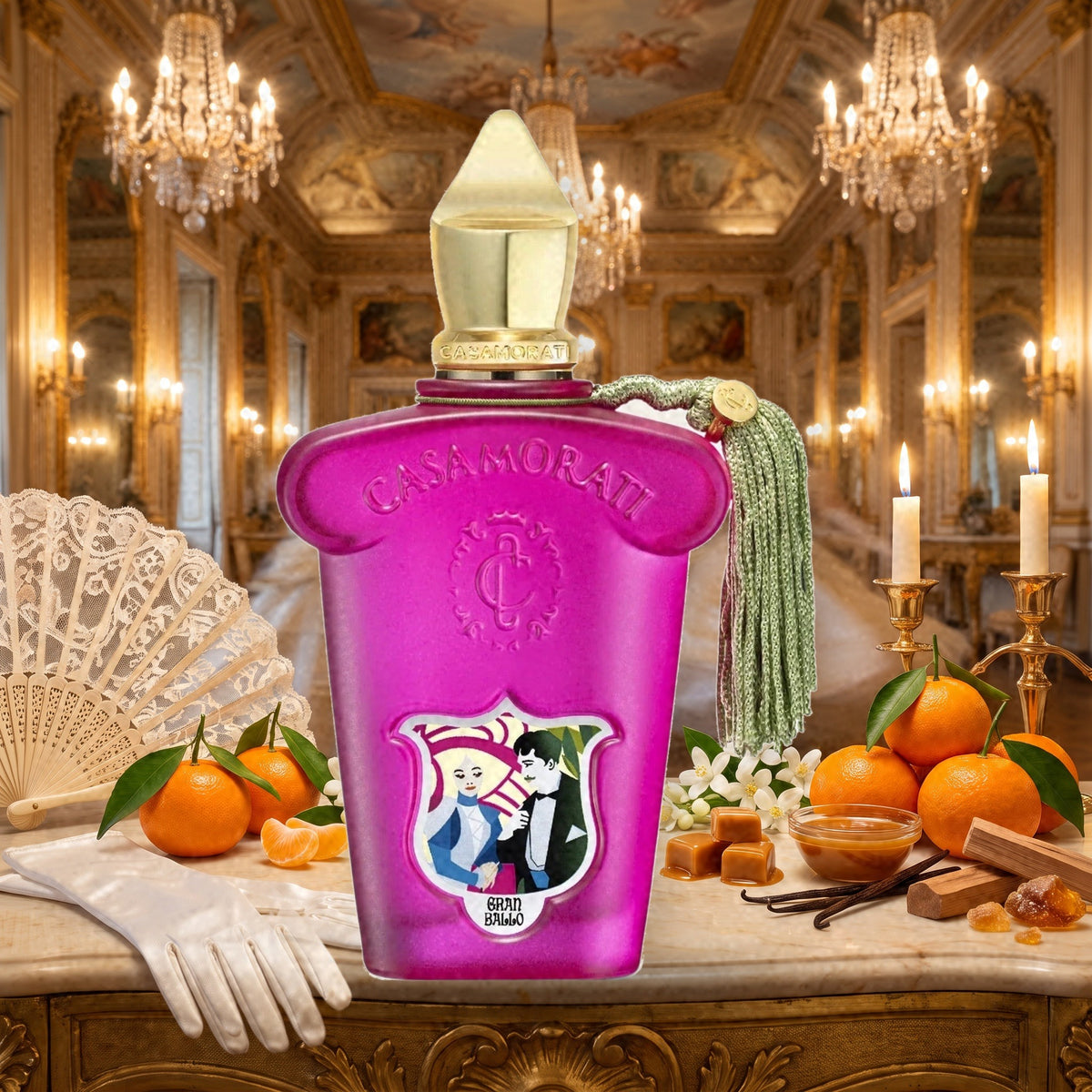
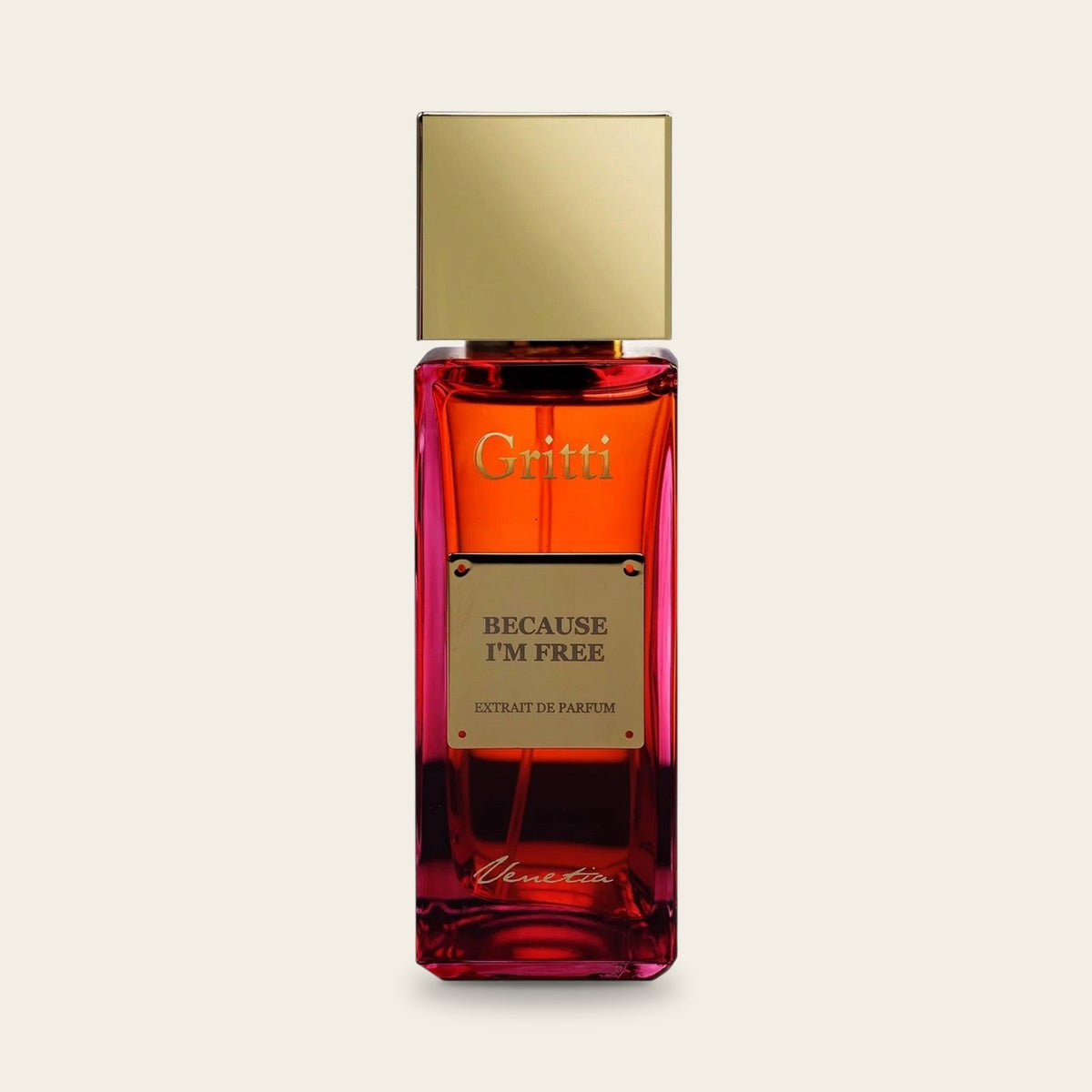
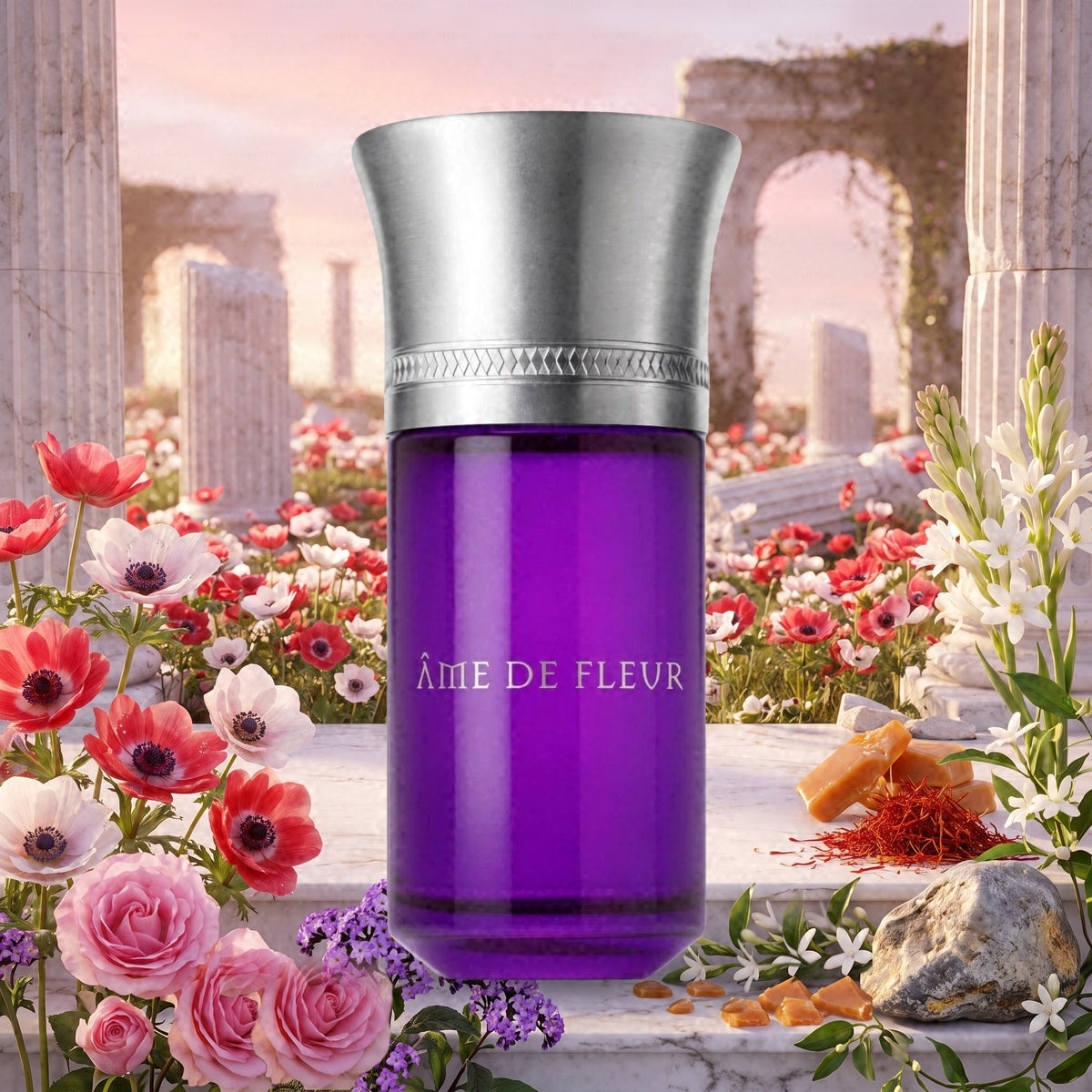
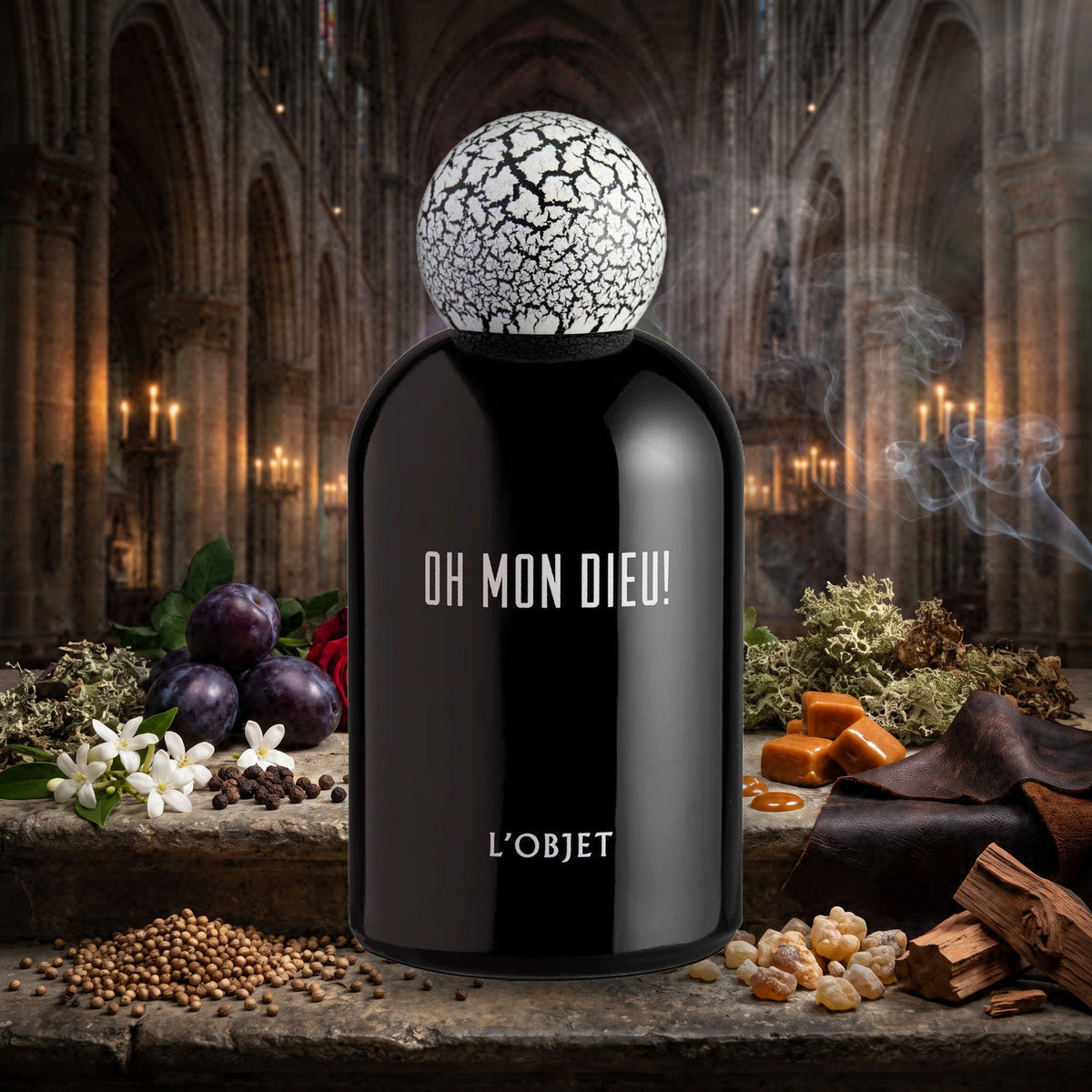
Fragrances with Caramel






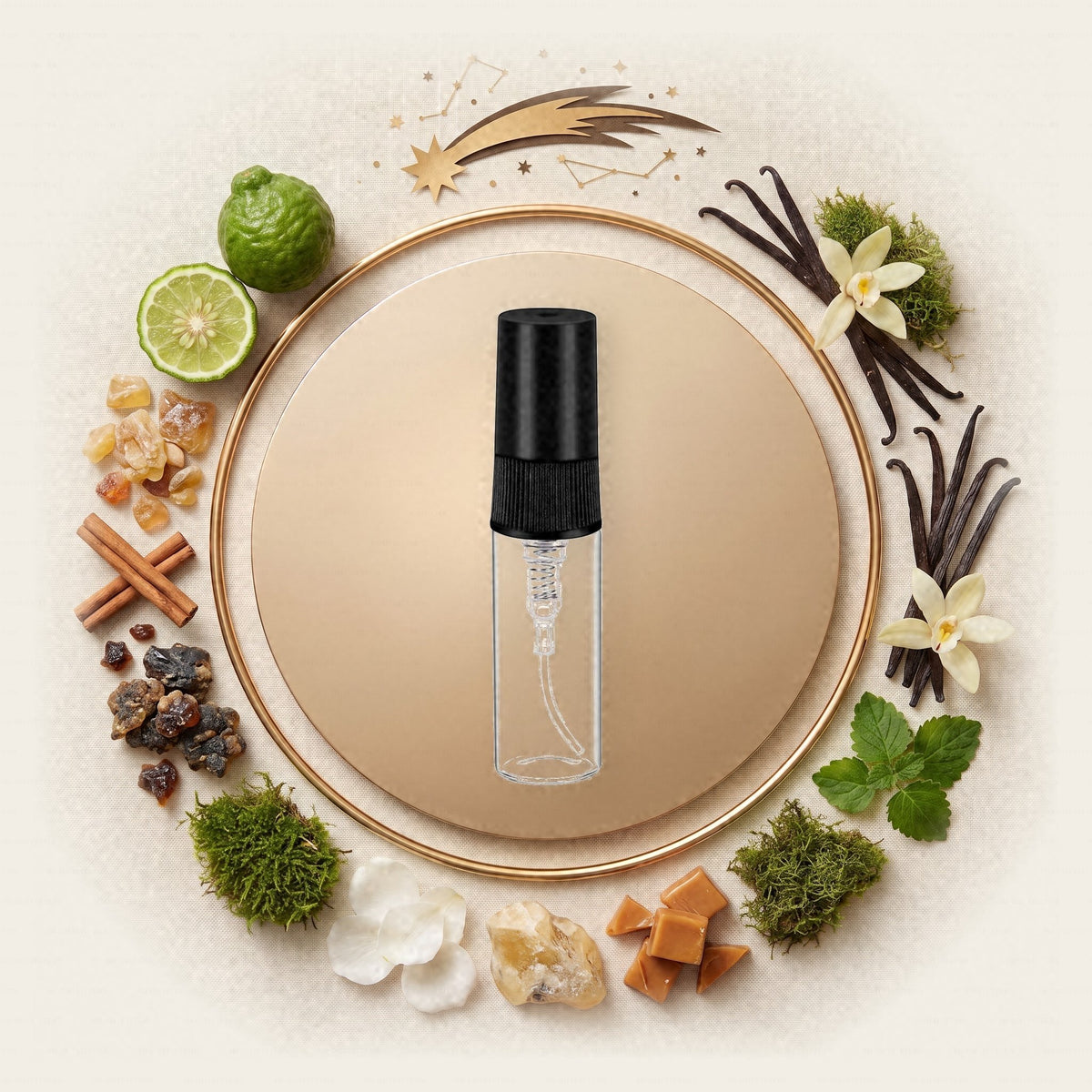

Questions and answers
Warm and sweet, like burnt sugar, with fruity, jam-like and candyfloss facets; depending on the accord, also a hint of maple syrup.
Caramel forms when sugar is strongly heated without amino acids. Its starting material, table sugar (sucrose), comes mainly from sugar cane and sugar beet and consists of one molecule each of glucose and fructose. There is no essential oil or absolute of caramel – the note in perfume is a reconstruction made from aroma chemicals. Some of them also occur in nature: maltol, for instance, is found in larch bark, pine needles and roasted malt, and furaneol in strawberries and pineapple.
During caramelisation, sucrose splits into glucose and fructose; the sugars lose water, break into smaller fragments and combine into brown polymers such as caramelans. Fructose starts to brown at around 105–110 °C, table sugar only at around 160–170 °C. The Maillard reaction is a separate process: there, reducing sugars react with amino acids – it browns bread crust or roast meat, not pure sugar. For the perfume accord, perfumers combine ethyl maltol and maltol with furaneol and cyclotene, an aroma chemical with a caramel and maple character; ethyl maltol is used only in small amounts.
Caramel gives gourmand fragrances their sweet, edible-seeming warmth and is often paired with vanilla, tonka bean, patchouli or musk. Because ethyl maltol is very sweet and remarkably tenacious even at low doses, the accord carries from the heart deep into the base of a fragrance. In our range it appears in 63 fragrances – 34 times in the base and 23 times in the heart.
Gourmand · Sweet · heart/base note
Caramel has no harvest season: the aroma chemicals of the accord are made by synthesis all year round. In the kitchen, table sugar browns once it is heated to around 160–170 °C.
In our fragrances, it often appears alongside Vanilla, bergamot, musk, jasmine, rose, sandalwood, amber.
In 1912 the French chemist Louis-Camille Maillard (1878–1936) described how amino acids react with sugars – ever since, food chemistry has distinguished the Maillard reaction named after him from caramelisation, which involves no amino groups. Maltol, a natural caramel molecule, occurs in the bark of larch trees. In 1969 its stronger, purely synthetic relative ethyl maltol was patented for the first time. In the 1990s, gourmand fragrances emerged as a family of their own, smelling of edible things such as caramel, chocolate or vanilla – and made ethyl maltol one of their key building blocks.
- Furaneol smells of caramel when concentrated but of strawberry when diluted – and is one of the most important aroma compounds of ripe strawberries.
- From 2005 onwards a mysterious maple-syrup smell repeatedly drifted over New York; in 2009 it was traced to fenugreek-seed processing in New Jersey – the seeds' aroma compound, sotolon, is also found in maple syrup.
- Ethyl maltol, the backbone of many caramel accords, does not occur in nature – it was only patented in 1969.
The key molecule of most caramel accords is ethyl maltol (C₇H₈O₃, PubChem CID 21059, molar mass about 140 g/mol), which as a flavouring is four to six times as potent as maltol (C₆H₆O₃, CID 8369, about 126 g/mol, melting point 161–162 °C). Furaneol (C₆H₈O₃, CID 19309) and sotolon (C₆H₈O₃, CID 62835) share the same molecular formula yet smell different: concentrated sotolon recalls fenugreek or curry, at low concentration maple syrup, caramel or burnt sugar. Cyclotene (C₆H₈O₂, CID 6660 for the enol form) adds a maple-like caramel note. Caramelisation and the Maillard reaction are both non-enzymatic browning reactions, but caramelisation is the pyrolytic breakdown of sugar without amino acids.
FRAGRANCE KNOWLEDGE
In the 4D Journal
-
 FRAGRANCE KNOWLEDGE
Rose in perfume: The queen of fragrance materials
READ ARTICLE
-
 FRAGRANCE KNOWLEDGE
Vanilla in perfume: From orchid to favourite scent
READ ARTICLE
-
 FRAGRANCE KNOWLEDGE
Leather in perfume: How does something smell that was never in the bottle?
READ ARTICLE
-
 FRAGRANCE KNOWLEDGE
Scented candles & home fragrance: How to use them right
READ ARTICLE