

INGREDIENT GLOSSARY
Lily of the valley
Convallaria majalis · Asparagus family (Asparagaceae)
Fresh, green and delicately floral, with a sweet, slightly waxy springtime scent.
ACCORDFLORAL · GREEN · HEART NOTE
AT A GLANCE
- Plant: lily of the valley, Convallaria majalis – an asparagus-family plant
- Origin: woodlands from Europe to the Caucasus
- Production: no natural extract – rebuilt as an accord from aroma molecules
- Scent: fresh, green, delicately floral – a heart note
PROFILE
- Origin
- Woodlands from Europe to the Caucasus · the scent in perfume is created in the lab
- Extraction
- No natural extract can be obtained – the scent is rebuilt as an accord from aroma molecules such as hydroxycitronellal
- Main molecules
- Hydroxycitronellal (C₁₀H₂₀O₂) · Bourgeonal (C₁₃H₁₈O)
- Harvest
- Lily of the valley flowers in May and June, followed by red berries.
- Often paired with
- Bergamot, vanilla, musk, jasmine, sandalwood, amber, patchouli
Numbers that surprise
10 mg
of hydroxycitronellal per kilogram is enough for this lily-of-the-valley building block to be named on a perfume's packaging – a mere 0.001%.
around 465 years
is the age of the French custom of giving lily of the valley on 1 May – according to tradition, it began in 1561 at the court of King Charles IX.
around 3.5 sextillion
hydroxycitronellal molecules are packed into a single gram of the aroma molecule – 35 followed by 20 zeros.
Rounded values; calculation based on published data.
Harvest and season
Lily of the valley flowers in May and June, followed by red berries. Because its scent in perfume is made from aroma molecules, the lily-of-the-valley accord can be produced all year round, regardless of the flowering season.
No usable natural fragrance extract can be obtained from lily-of-the-valley flowers – early attempts by perfumers yielded practically nothing. The scent is therefore rebuilt entirely: perfumers combine synthetic aroma molecules that recall the flower. The classic building block is the aldehyde hydroxycitronellal, made by adding water to citronellal. Lilial long belonged to the palette too, until the EU banned it from cosmetics in 2022. The result is not an extract but an accord – a composition of several aroma molecules.
Knowledge to share
Myth or truth?
Statement 1
The lily-of-the-valley scent in perfume is extracted from the flower.
Myth. No usable fragrance extract can be obtained from lily-of-the-valley flowers. The scent in perfume is an accord built from aroma molecules such as hydroxycitronellal.
Statement 2
Lily of the valley is poisonous.
True. All parts of the plant contain cardiac glycosides, especially the flowers, leaves and red berries. Perfume, however, contains no plant material – the scent is rebuilt from aroma molecules.
Statement 3
Lily of the valley is a lily.
Myth. Despite its name, it now belongs to the asparagus family (Asparagaceae). It used to be classified with the lilies.
Your result
FRAGRANCES WITH LILY OF THE VALLEYINGREDIENT GLOSSARY
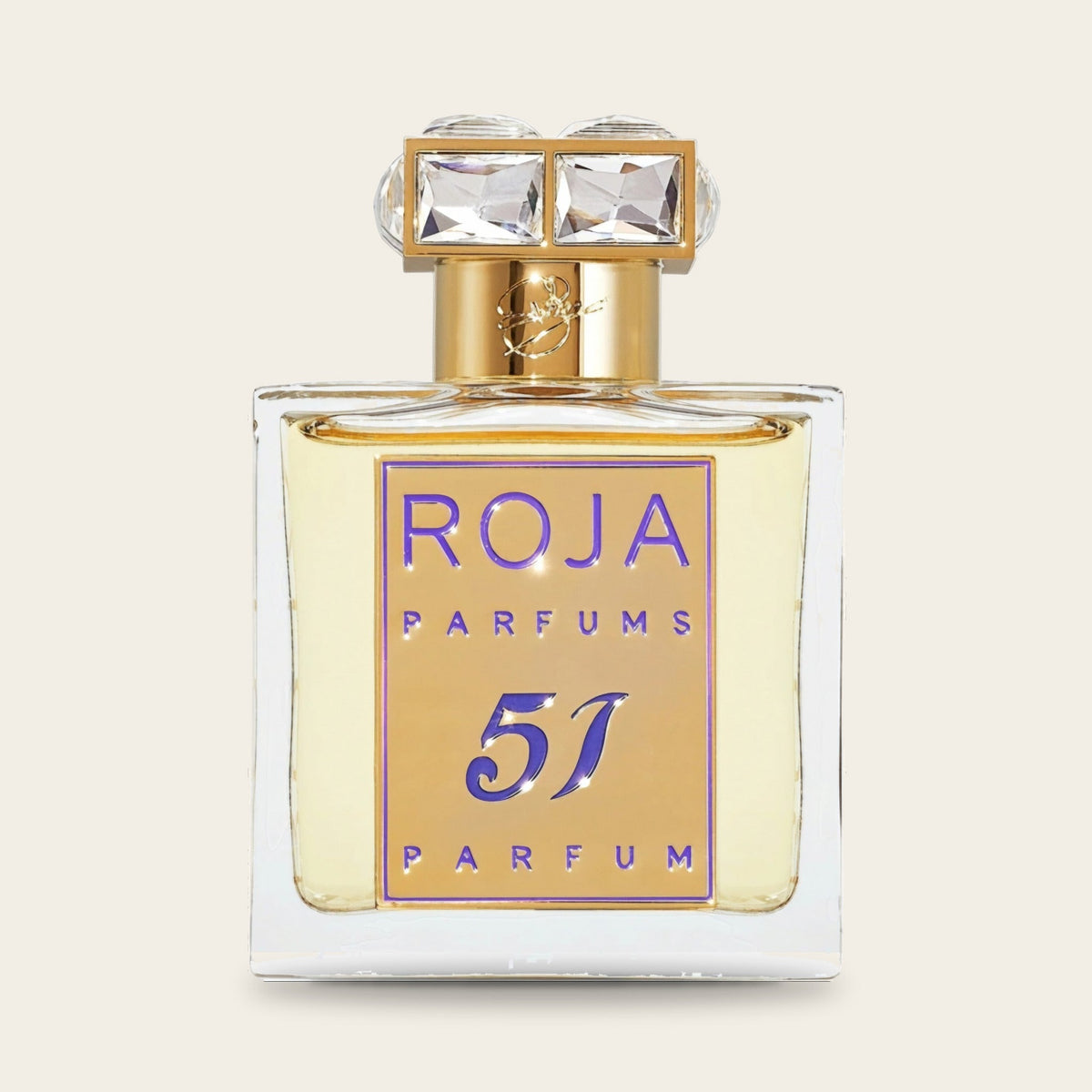
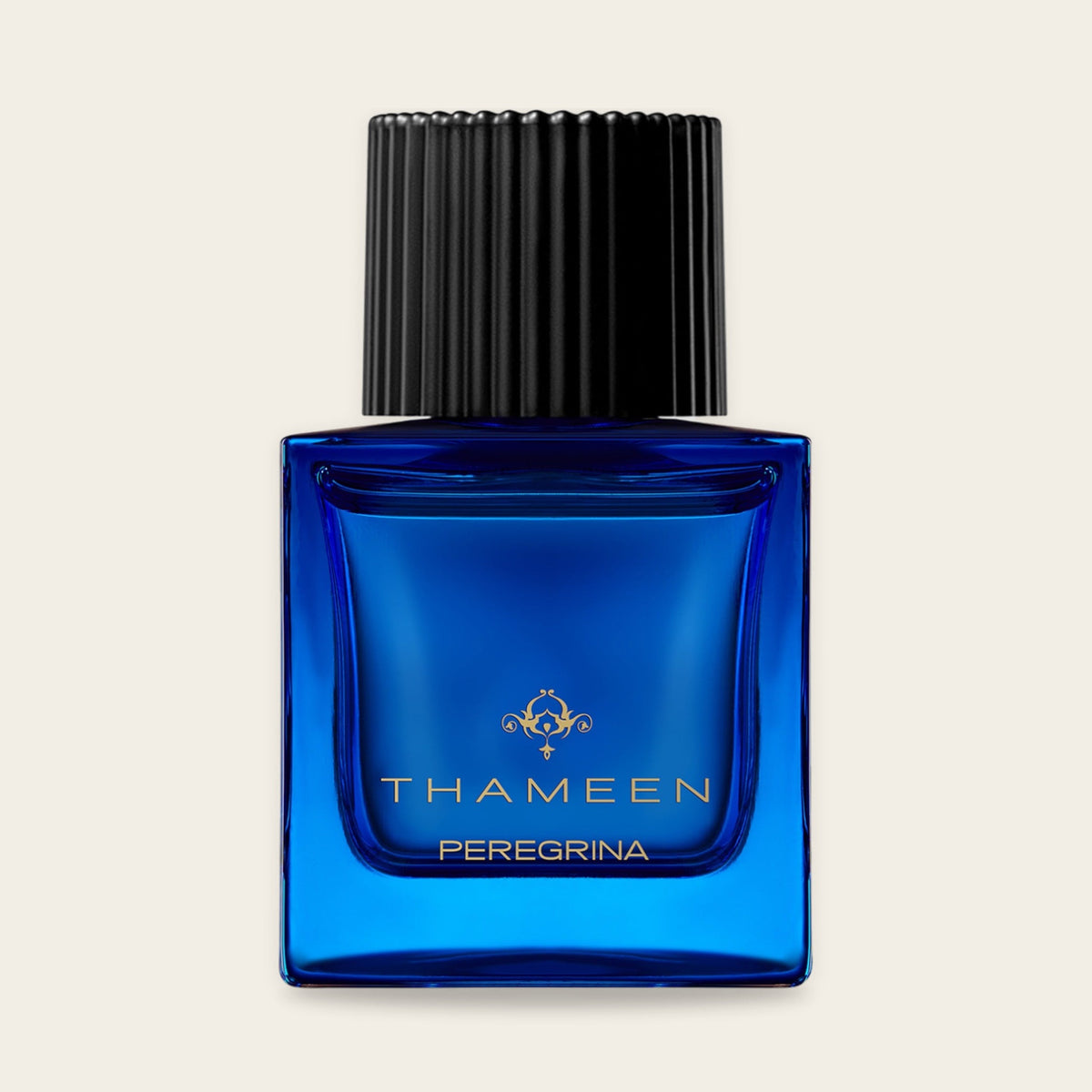
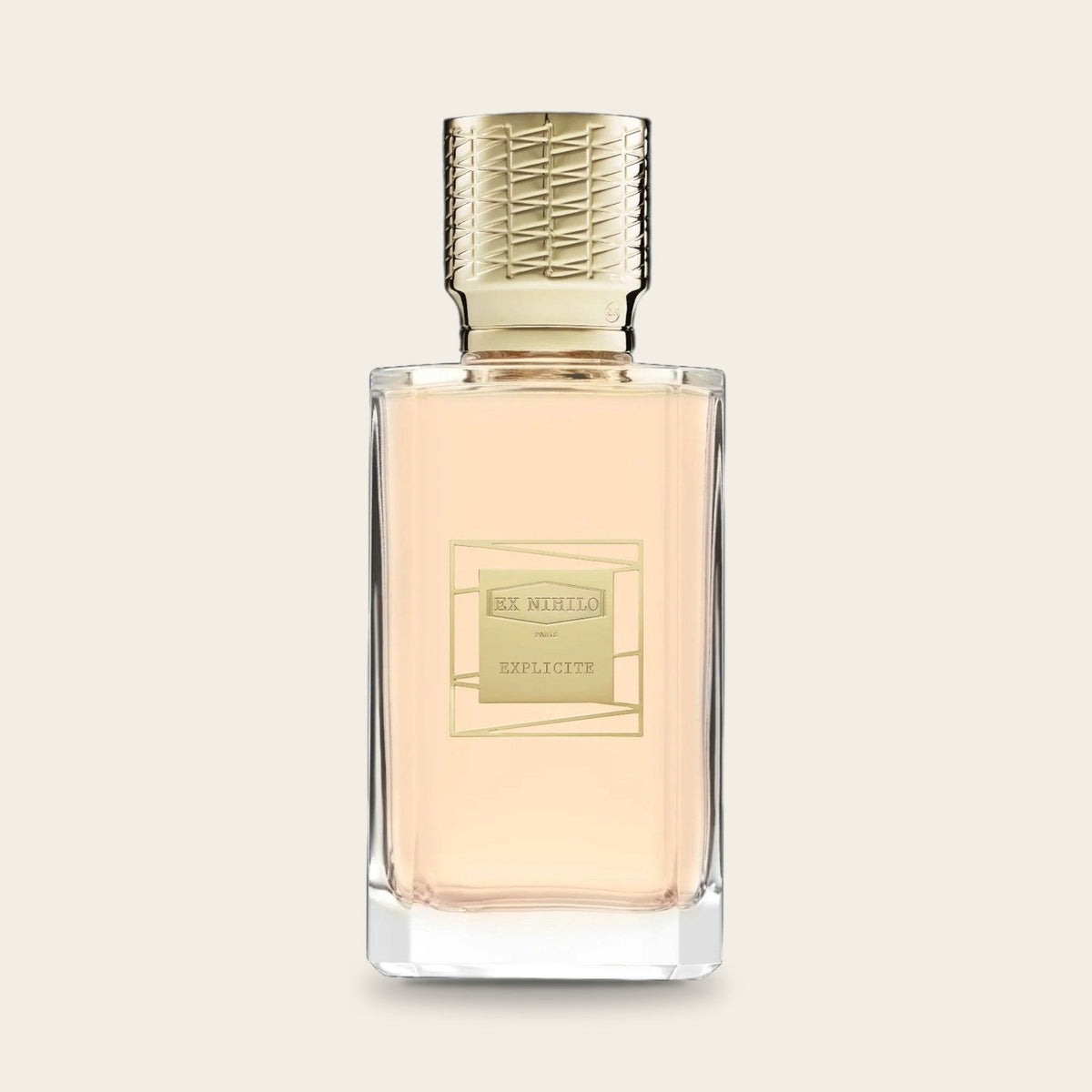
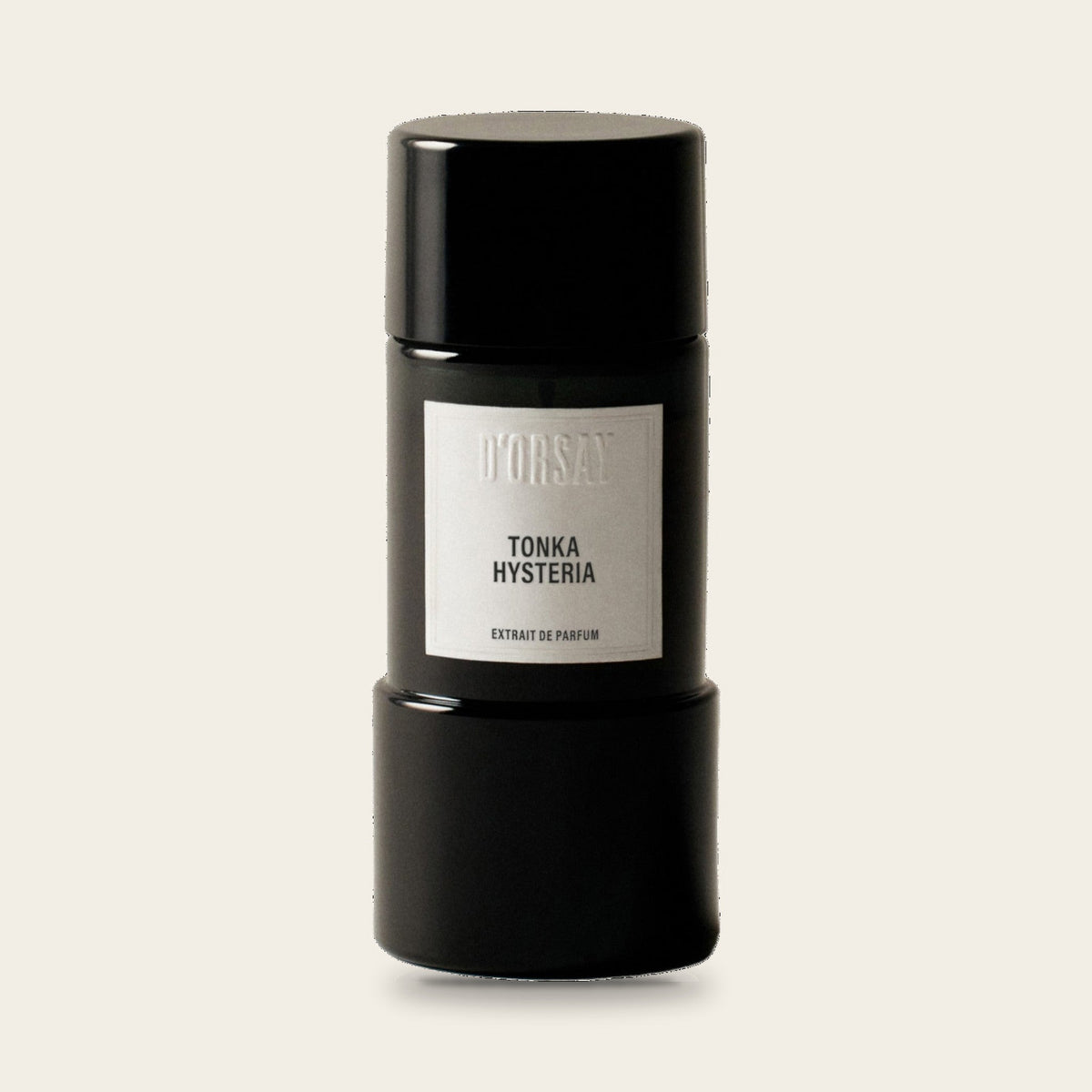
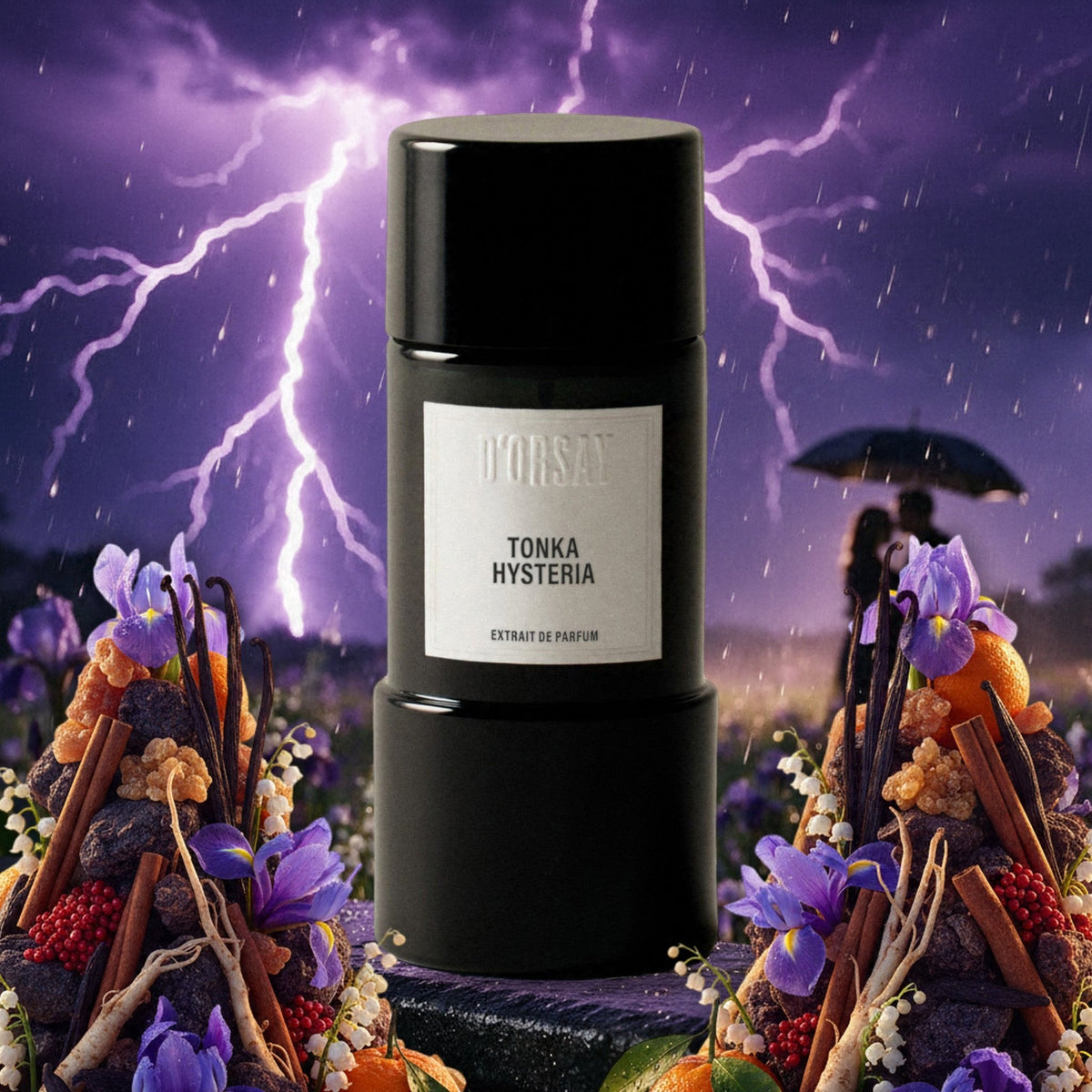
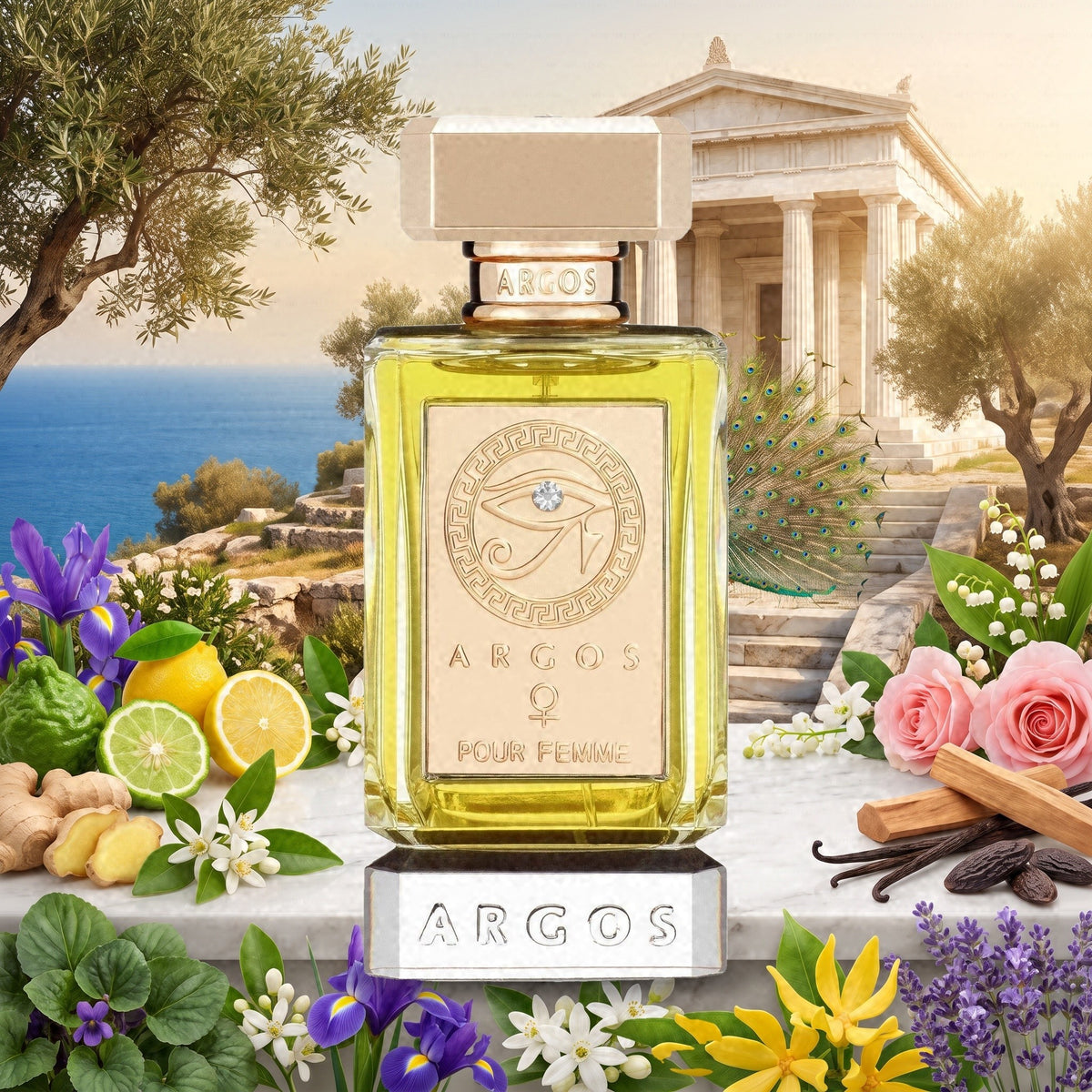
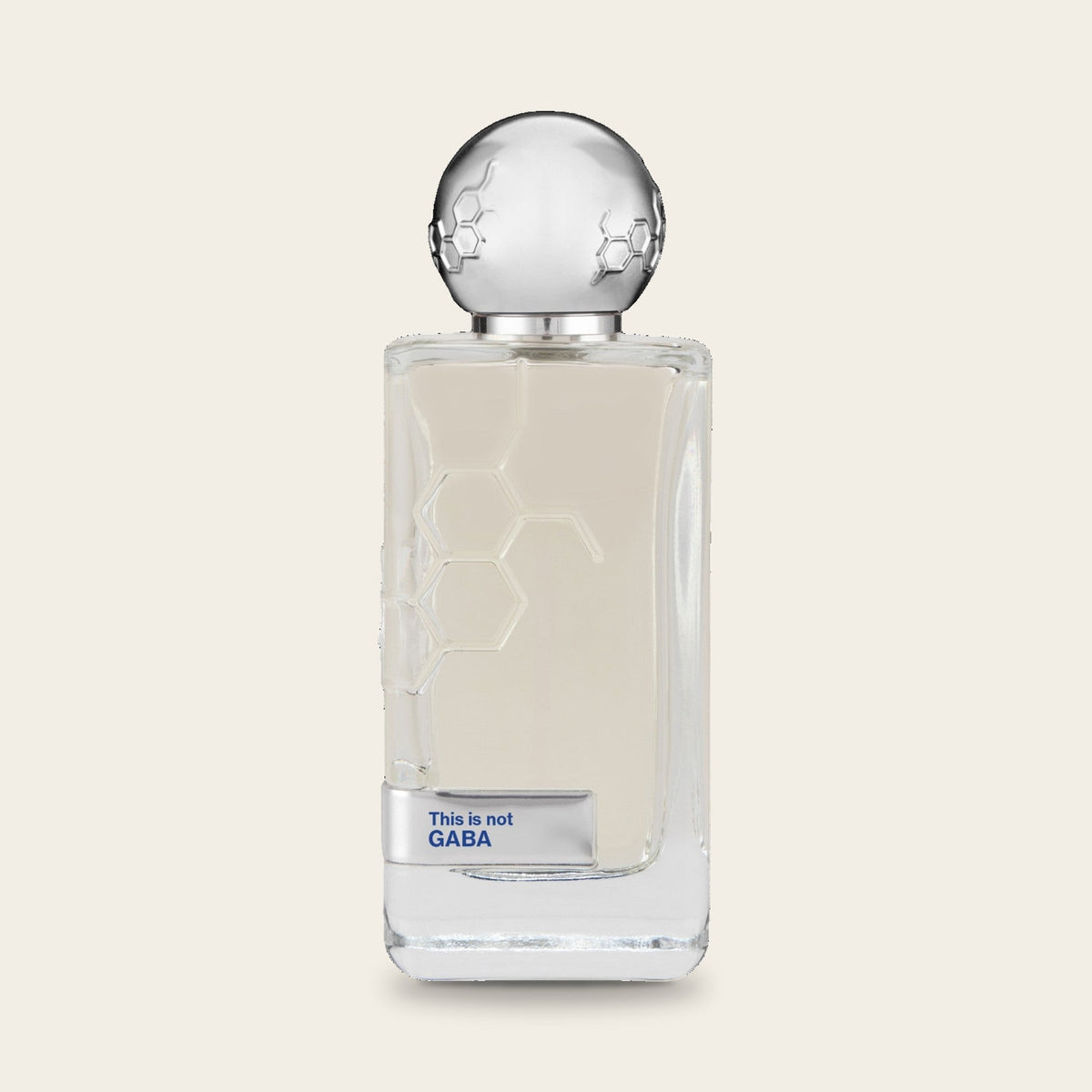
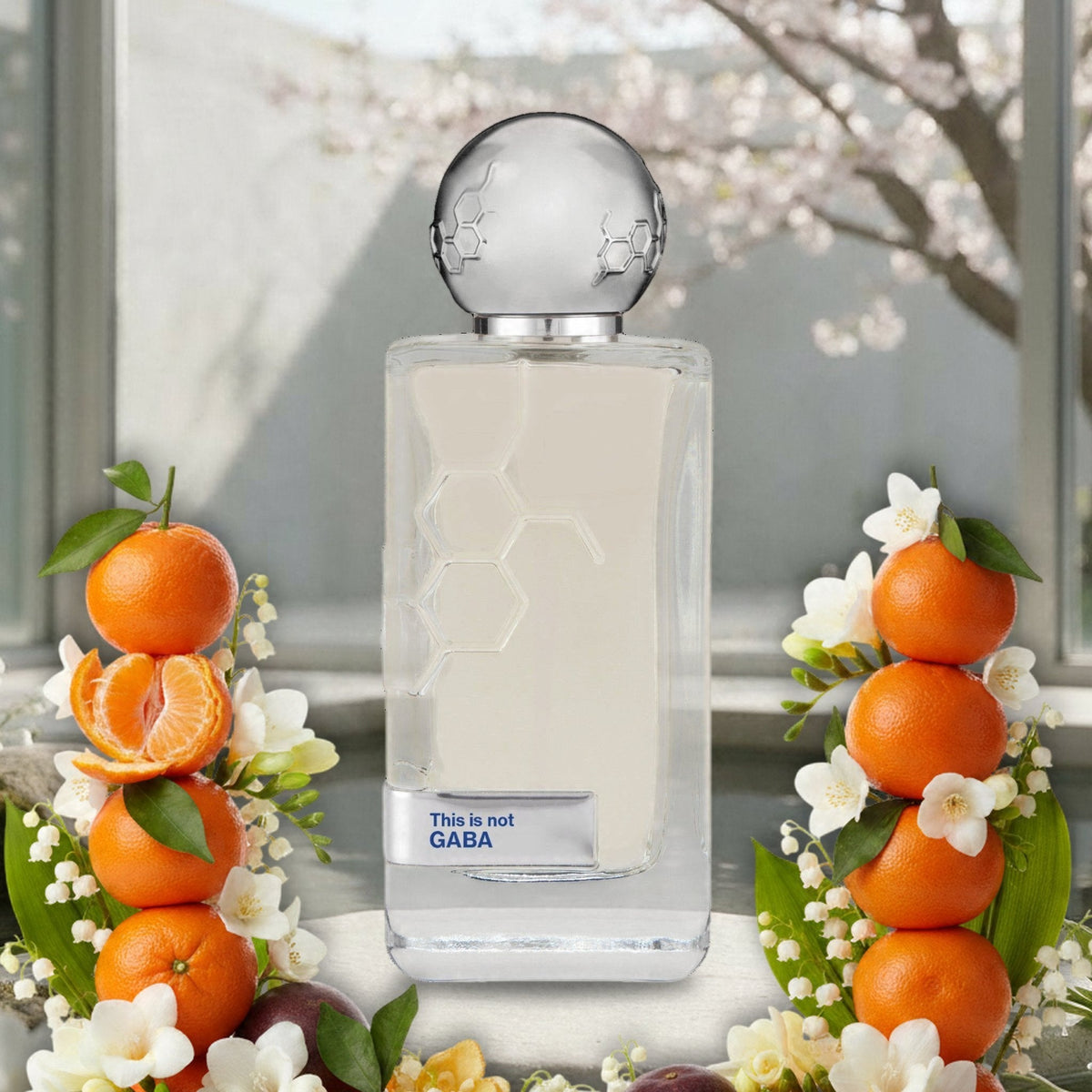
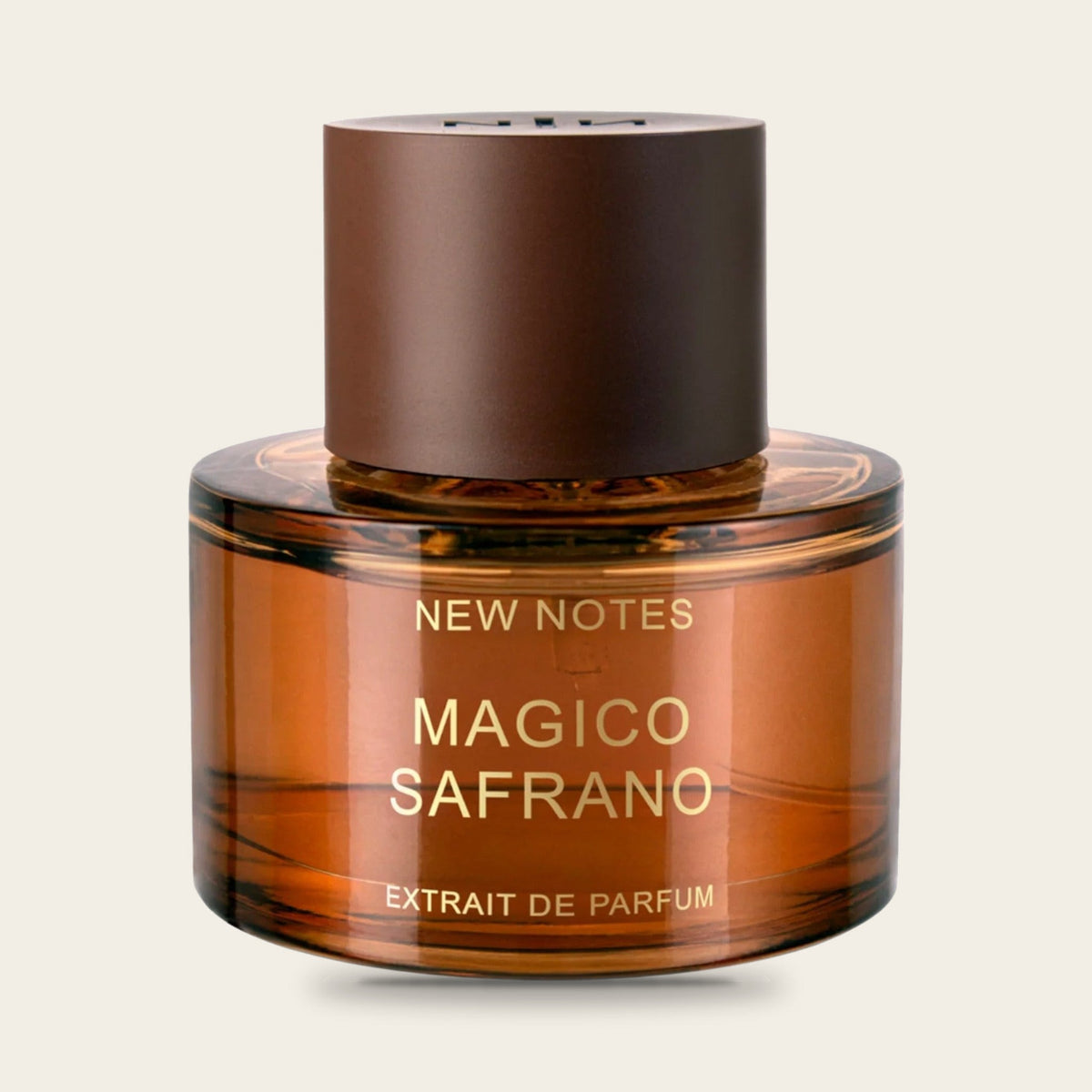
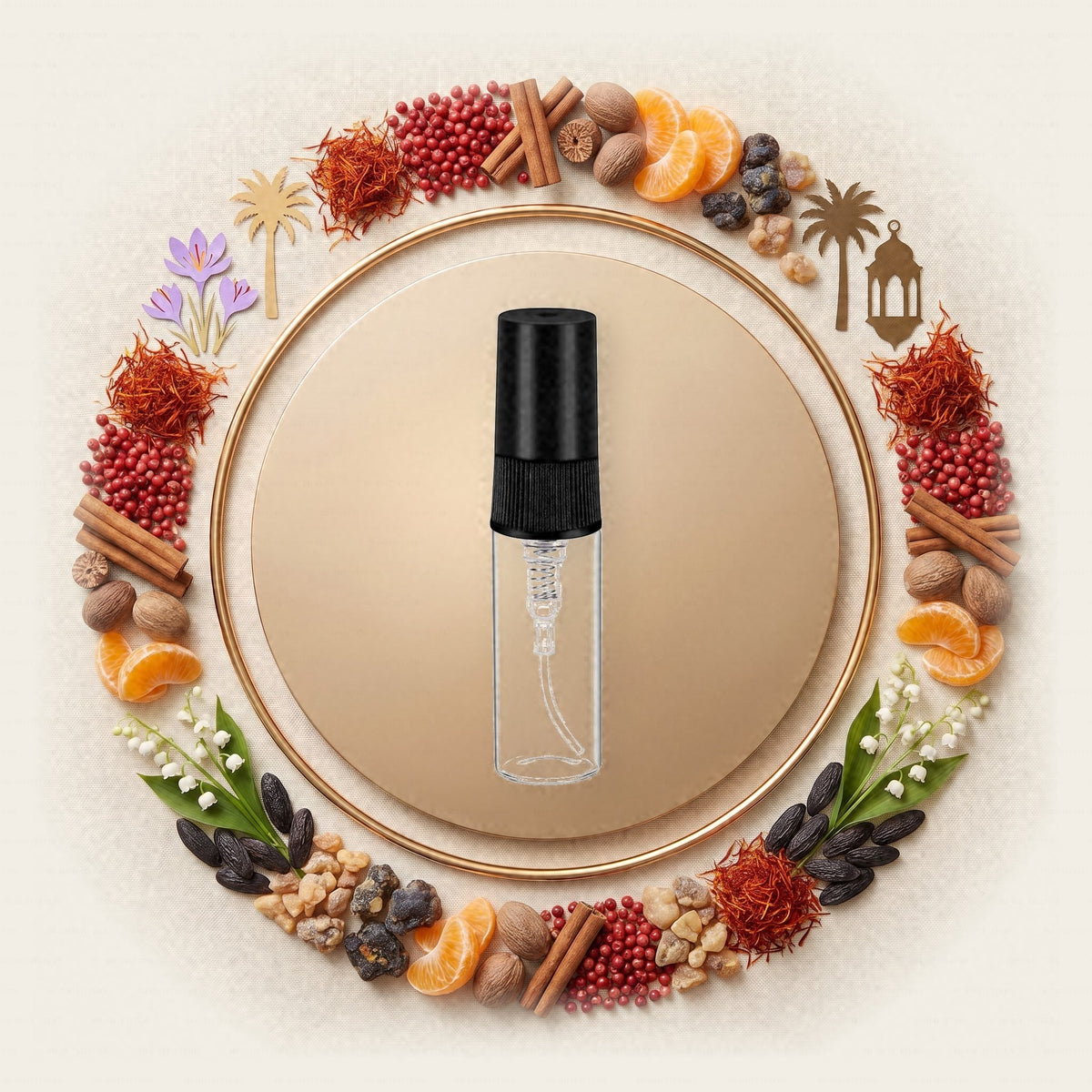
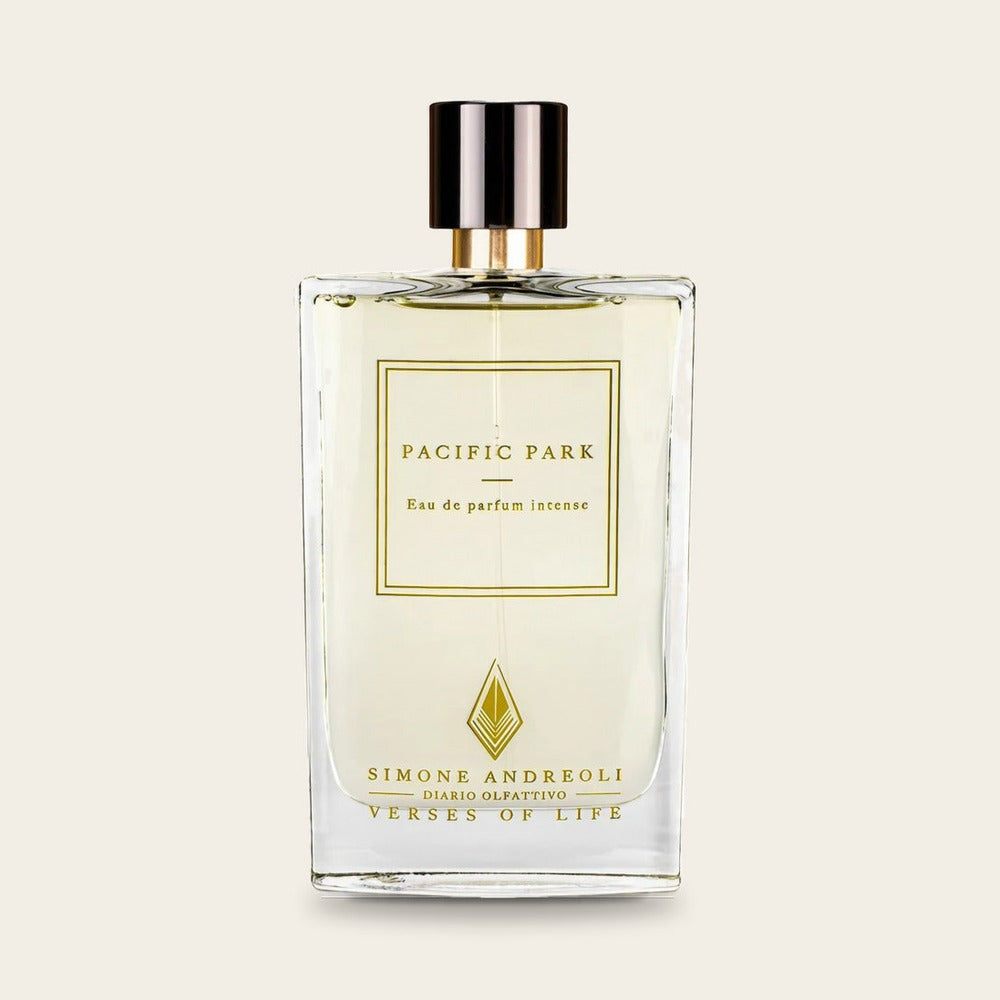
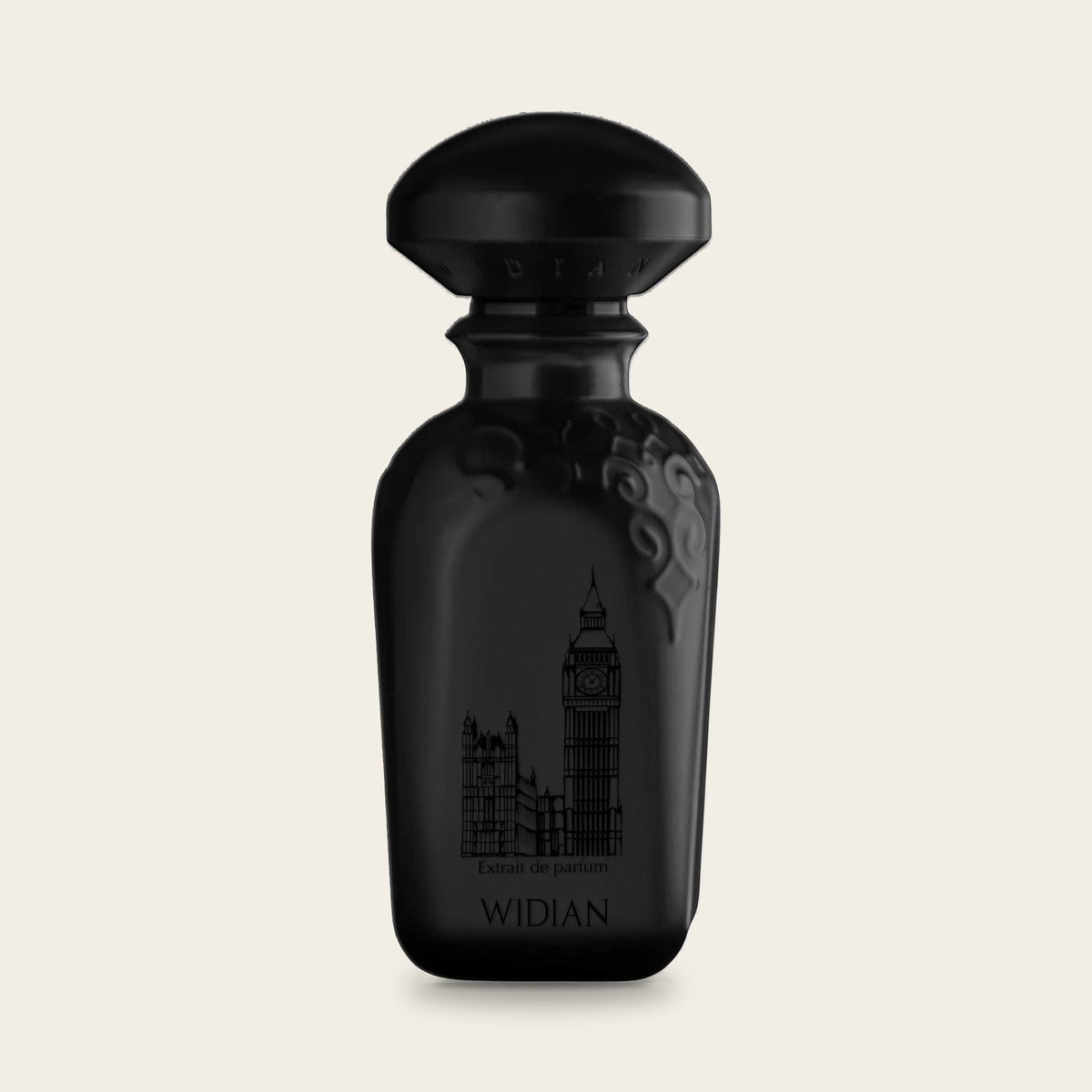
Fragrances with Lily of the valley









Questions and answers
Fresh, green and delicately floral, with a sweet, slightly waxy springtime scent.
Lily of the valley (Convallaria majalis) is a woodland plant in the asparagus family; it used to be classified with the lilies. It is native from Europe to the Caucasus, where it grows in woods and scrubland. In May and June each flowering stem carries small, white, highly fragrant bells, which from July onwards give way to red berries.
No usable natural fragrance extract can be obtained from lily-of-the-valley flowers – early attempts by perfumers yielded practically nothing. The scent is therefore rebuilt entirely: perfumers combine synthetic aroma molecules that recall the flower. The classic building block is the aldehyde hydroxycitronellal, made by adding water to citronellal. Lilial long belonged to the palette too, until the EU banned it from cosmetics in 2022. The result is not an extract but an accord – a composition of several aroma molecules.
Lily of the valley brings a bright, fresh and clean floralcy to a fragrance, usually at the heart of the composition. As an accord it blends well with other white flowers and gives perfumes a green, springlike character. In our range it sits in the heart of 68 out of 77 fragrances.
Floral · Green · heart note
Lily of the valley flowers in May and June, followed by red berries. Because its scent in perfume is made from aroma molecules, the lily-of-the-valley accord can be produced all year round, regardless of the flowering season.
In our fragrances, it often appears alongside Bergamot, vanilla, musk, jasmine, sandalwood, amber, patchouli.
As early as the 16th century, lily of the valley was linked to 1 May in France: according to tradition, King Charles IX received a sprig as a lucky charm on 1 May 1561 and from then on gave lily of the valley to the ladies of his court every year. To this day the French give each other 'muguet' as a token of good luck on 1 May, and many wear a sprig at Labour Day marches. In perfumery, early attempts to capture the flower's scent failed. Only chemistry made it convincingly reproducible, from the beginning of the 20th century onwards, with hydroxycitronellal.
- Lilial, long a key building block for lily-of-the-valley notes, has been banned from cosmetics in the EU since 1 March 2022.
- Human sperm respond to bourgeonal, an aroma molecule with a lily-of-the-valley scent, in the lab: in 2003 researchers found an olfactory receptor on sperm cells that lets them swim towards the molecule.
- Despite its delicate scent, lily of the valley is poisonous – all parts of the plant, especially the flowers, leaves and berries, contain cardiac glycosides.
Because the flower's scent can barely be captured, perfumers rebuild it – classically with the aldehyde hydroxycitronellal (C₁₀H₂₀O₂, PubChem CID 7888, molar mass about 172 g/mol), formed by adding water across the double bond of citronellal. It is regarded as a weak skin sensitiser and, in the EU, must be named on the label of leave-on products from 0.001%. Lilial (butylphenyl methylpropional, C₁₄H₂₀O, CID 228987) has been banned from cosmetics since March 2022. Bourgeonal (C₁₃H₁₈O, CID 64832), another aldehyde with a lily-of-the-valley scent, activates the olfactory receptor hOR17-4, which is also found on human sperm – whether this plays any role in fertilisation has not been proven to date.
FRAGRANCE KNOWLEDGE
In the 4D Journal
-
 FRAGRANCE KNOWLEDGE
Rose in perfume: The queen of fragrance materials
READ ARTICLE
-
 FRAGRANCE KNOWLEDGE
Vanilla in perfume: From orchid to favourite scent
READ ARTICLE
-
 FRAGRANCE KNOWLEDGE
Leather in perfume: How does something smell that was never in the bottle?
READ ARTICLE
-
 FRAGRANCE KNOWLEDGE
Scented candles & home fragrance: How to use them right
READ ARTICLE