
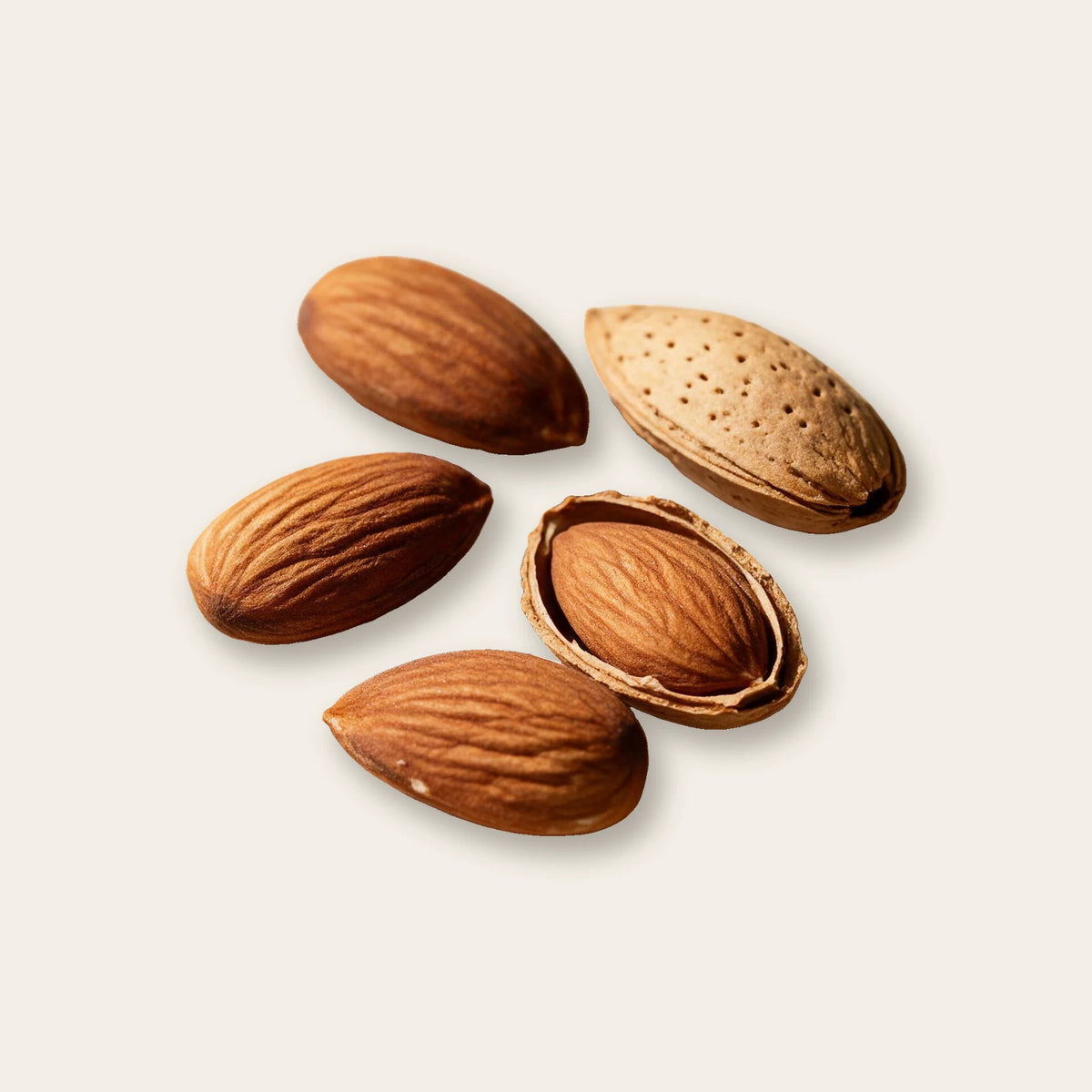
INGREDIENT GLOSSARY
Almond
Prunus dulcis (syn. Prunus amygdalus) · Rose family (Rosaceae)
Bittersweet and marzipan-like, with a hint of cherry and warm pastry.
NATURAL & SYNTHETICGOURMAND · BITTERSWEET · TOP AND HEART NOTE
AT A GLANCE
- Plant: almond tree Prunus dulcis, a stone-fruit tree of the rose family; the scent comes from the bitter almond (var. amara)
- Origin: southwest Asia with Iran as centre of origin, today mainly California; bitter almond oil mostly from apricot kernels
- Extraction: press cake of bitter kernels steeped in water, benzaldehyde distilled, hydrogen cyanide removed – mostly synthetic
- Scent: bittersweet, marzipan-like, with a cherry and pastry facet – top and heart note
PROFILE
- Origin
- Originally southwest Asia, with Iran as the main centre of origin · grown today mainly in California · bitter almond oil for perfumery mostly from apricot kernels
- Extraction
- Bitter kernels are pressed, the press cake is steeped in water, the resulting benzaldehyde is steam-distilled and the hydrogen cyanide removed – though synthetic benzaldehyde is used far more often
- Main molecules
- Benzaldehyde (C₇H₆O, bitter-almond- and cherry-like, main constituent of bitter almond oil) · amygdalin (C₂₀H₂₇NO₁₁, the precursor in the bitter kernels) · hydrogen cyanide (HCN, forms alongside it and is removed for perfumery)
- Harvest
- The almond tree blossoms in early spring, often before its leaves appear; the fruit ripens into autumn.
- Often paired with
- Vanille, Sandelholz, Tonkabohne, Jasmin, Moschus, Kirsche, Bergamotte
Numbers that surprise
33 to 54 grams
of amygdalin are contained in one kilogram of bitter almonds – sweet almonds usually hold only a few milligrams, more than 200 times less.
125 to 200 kilograms
of bitter almonds are needed for a single kilogram of essential bitter almond oil – the kernels yield only around 0.5 to 0.8% volatile oil.
over 1 million
honeybee colonies are brought to California's almond orchards every year for the February bloom, because most varieties depend on cross-pollination.
Rounded values; calculation based on published data.
Harvest and season
The almond tree blossoms in early spring, often before its leaves appear; the fruit ripens into autumn. As kernels and benzaldehyde store well or are produced synthetically, the almond scent is available all year round.
The typical scent is not yet present in the almond kernel itself. The bitter kernels are first pressed, releasing a mild, fatty oil. The remaining press cake is ground and steeped in water: now the kernel's own enzyme system, emulsin, splits amygdalin into sugar, hydrogen cyanide and benzaldehyde. Steam distillation then yields the essential bitter almond oil, which in its crude form contains several per cent of hydrogen cyanide. For perfumery and flavours the hydrogen cyanide is removed, leaving an oil of around 98 to over 99% benzaldehyde. Today the raw material is mostly apricot kernels, which share the same chemistry. Far more often than the natural oil, however, synthetic benzaldehyde is used.
Knowledge to share
Myth or truth?
Statement 1
The almond scent in perfume comes from almond oil, like the one you know from the kitchen.
Myth. Pressed, fatty almond oil hardly smells. The almond scent comes from benzaldehyde, which only forms when enzymes in crushed bitter kernels split amygdalin – in perfume it is mostly synthetic.
Statement 2
Today, bitter almond oil often does not come from almonds at all.
True. It is mostly obtained from apricot kernels. They also contain amygdalin and, after distillation and removal of the hydrogen cyanide, yield an oil of around 98 to over 99% benzaldehyde.
Statement 3
Sweet almonds smell so mild because they almost completely lack amygdalin.
True. Measurements show 33 to 54 grams of amygdalin per kilogram in bitter almonds, but usually only milligrams in sweet ones. The reason is a single point mutation in the bHLH2 gene that switches off amygdalin formation – and with it the source of the intense benzaldehyde.
Your result
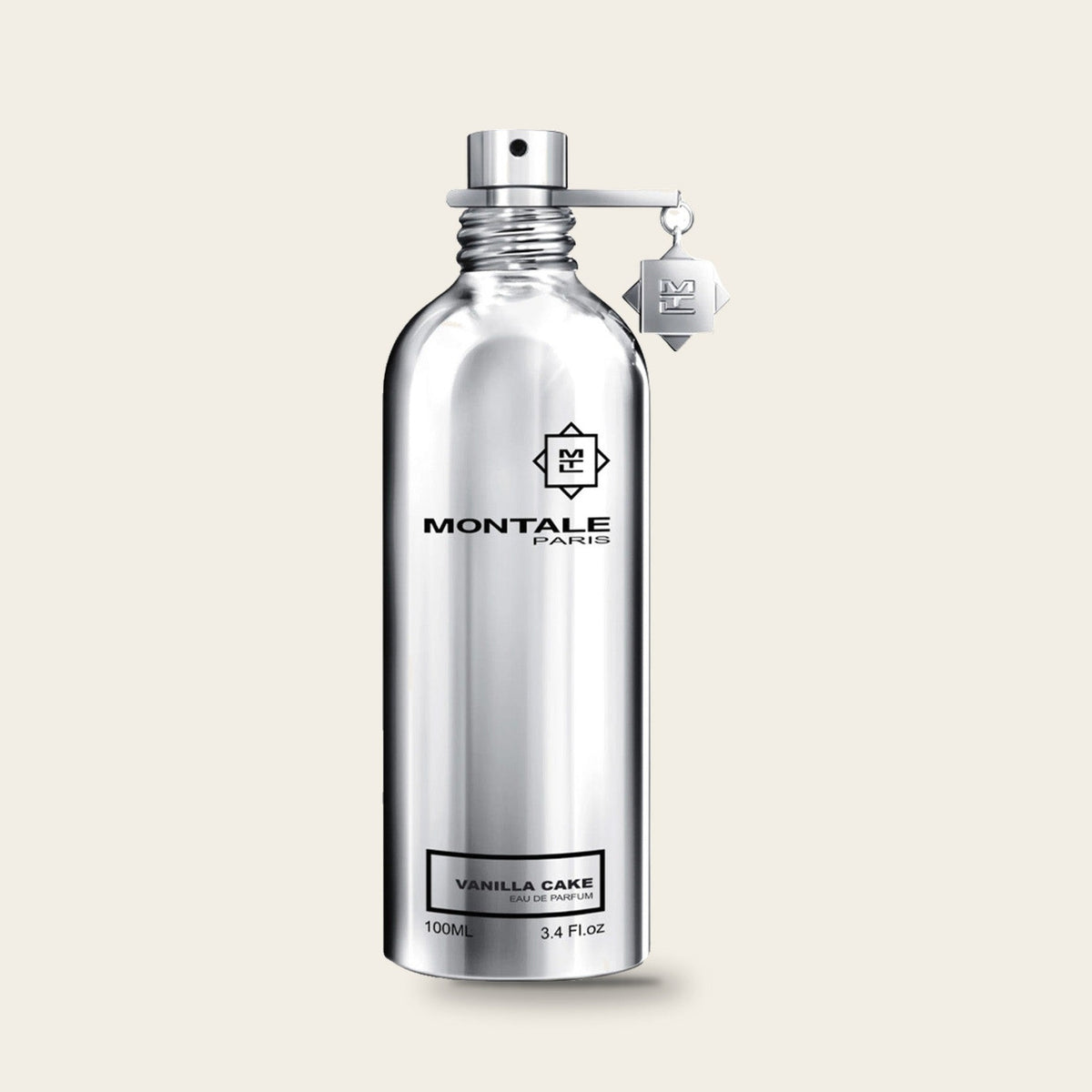
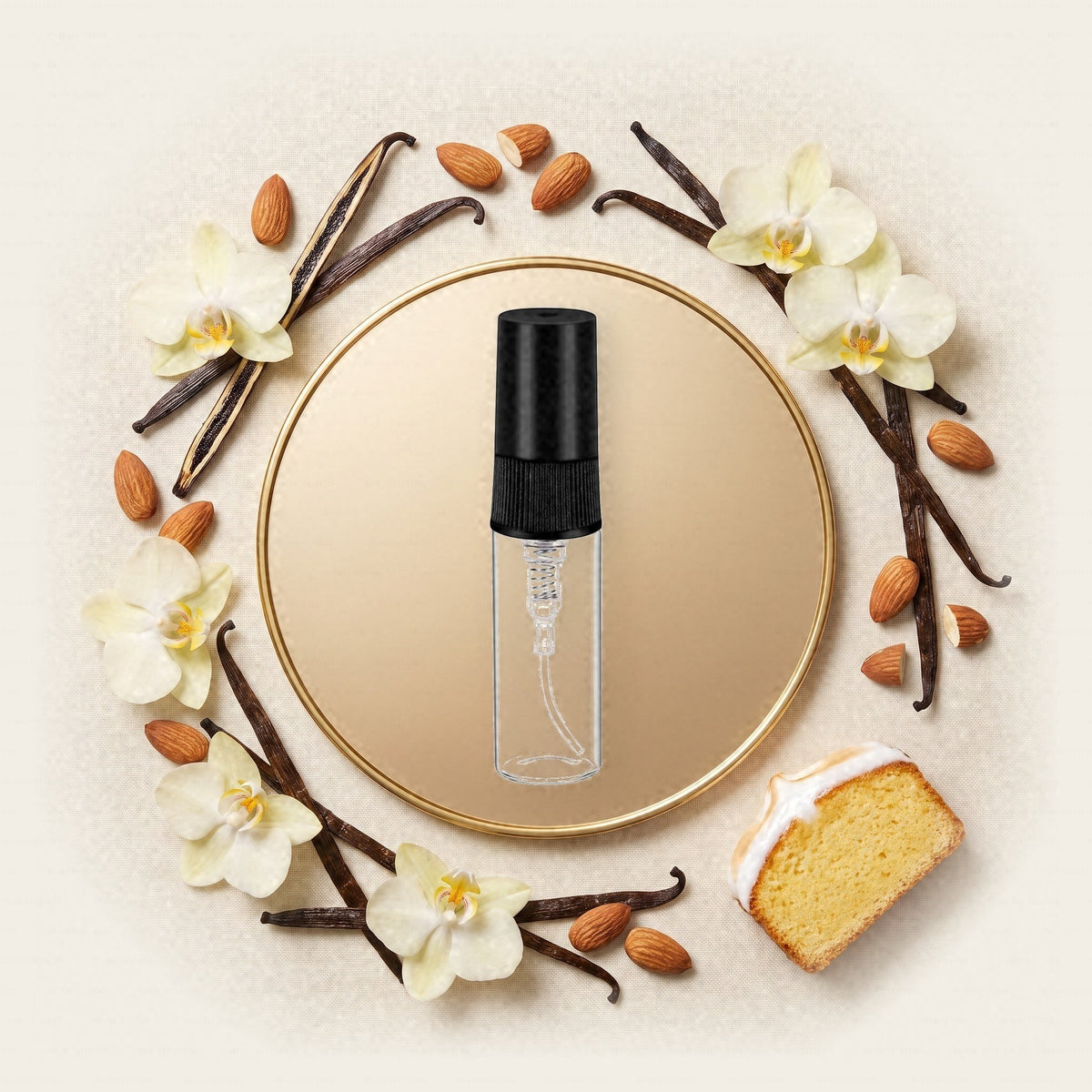
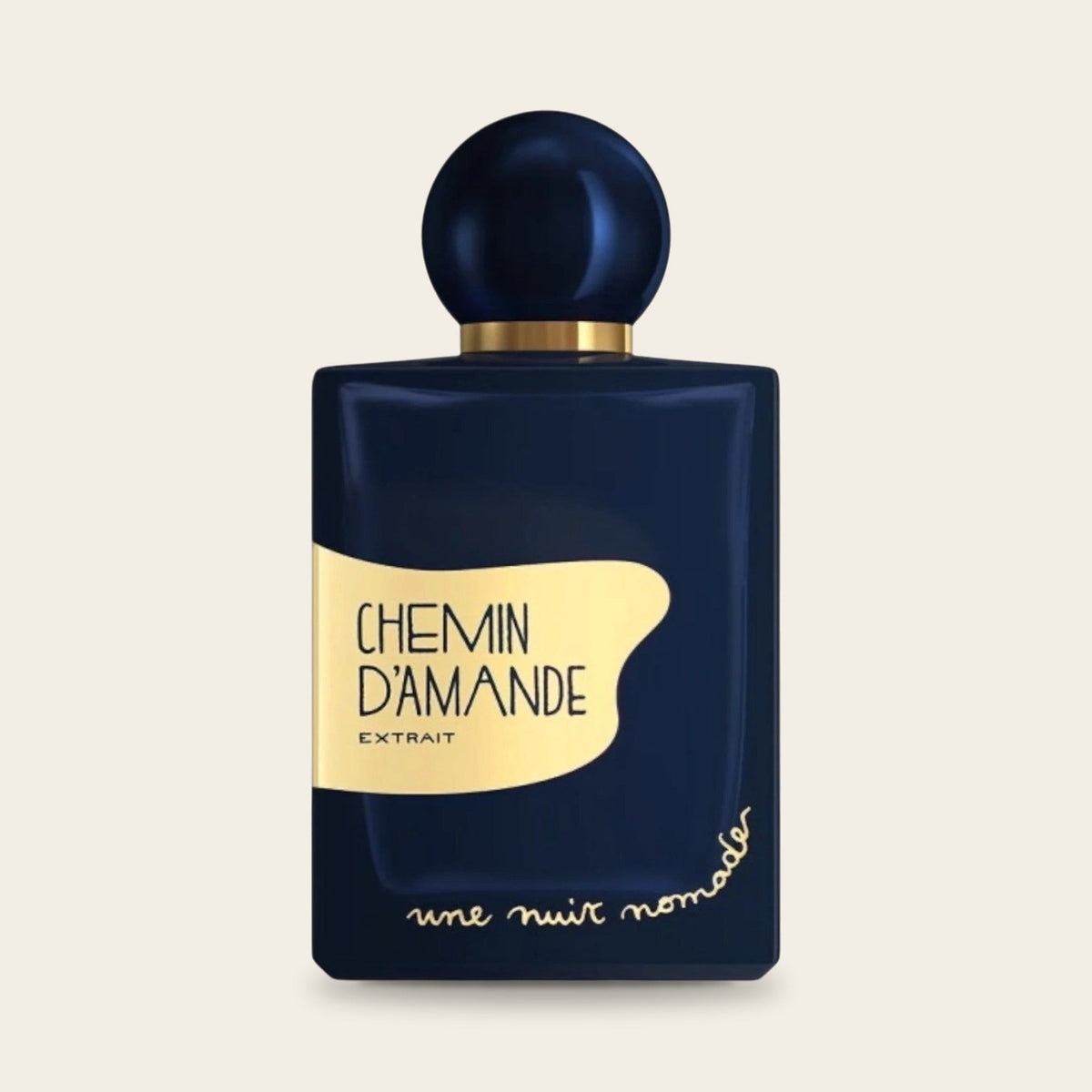
FRAGRANCES WITH ALMONDINGREDIENT GLOSSARY
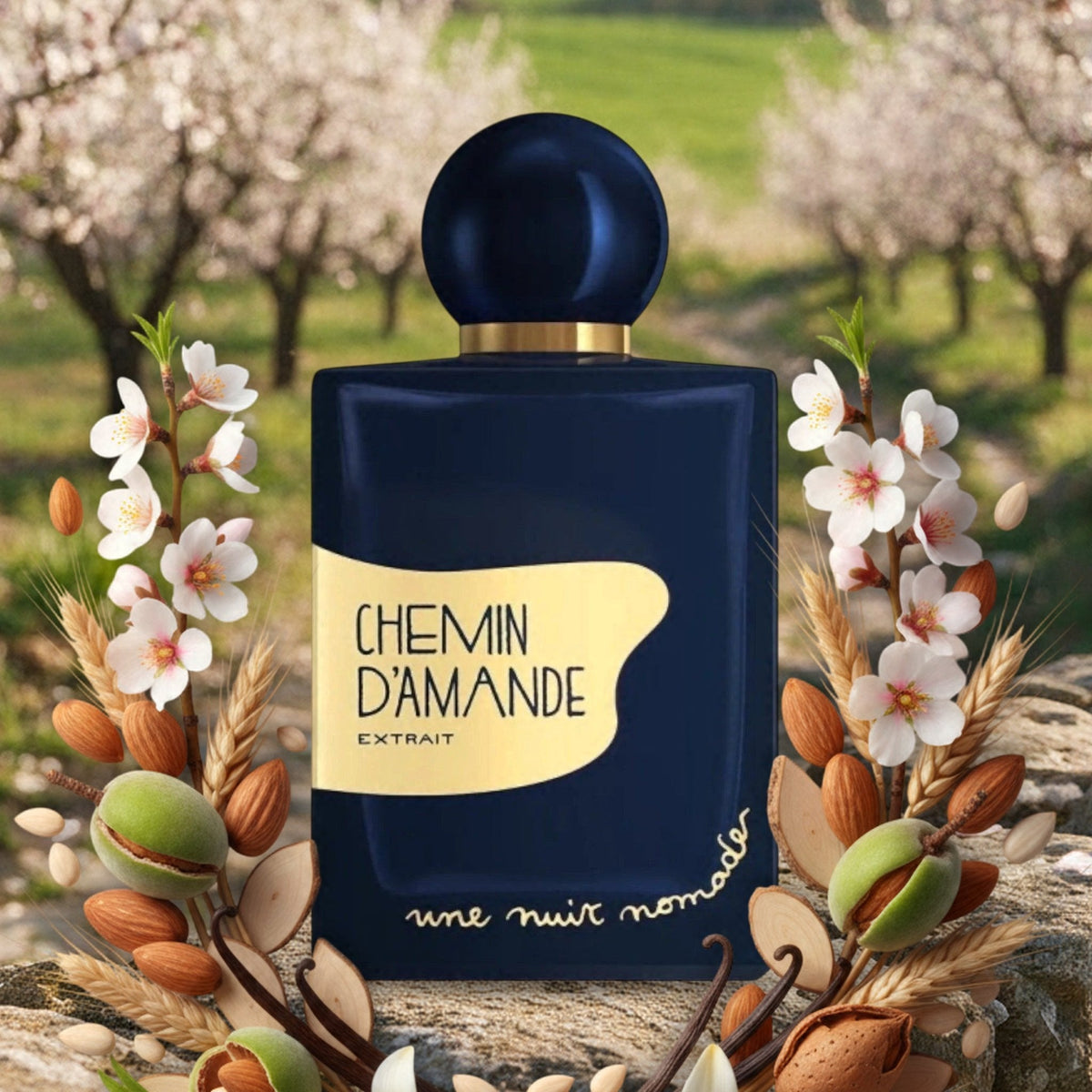
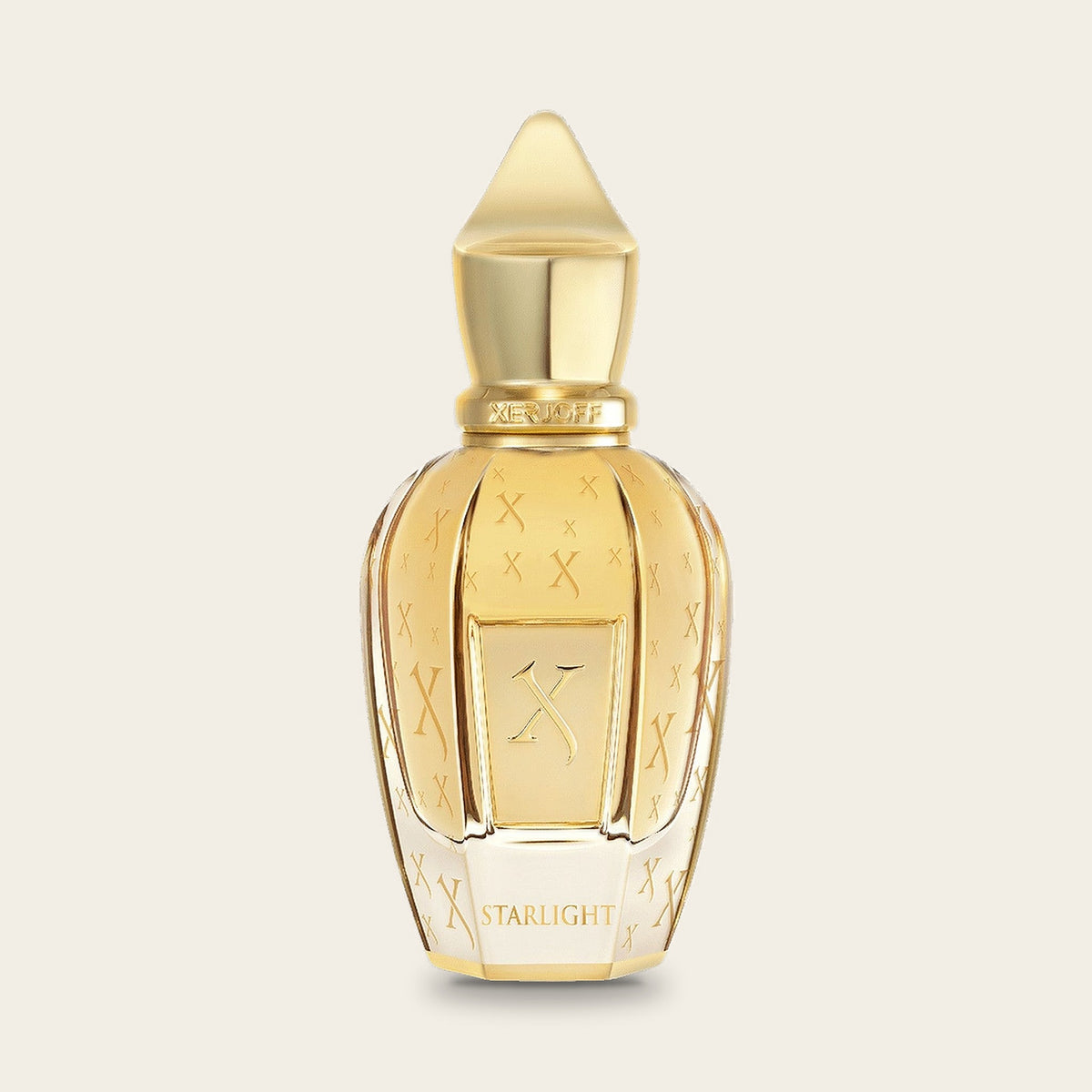
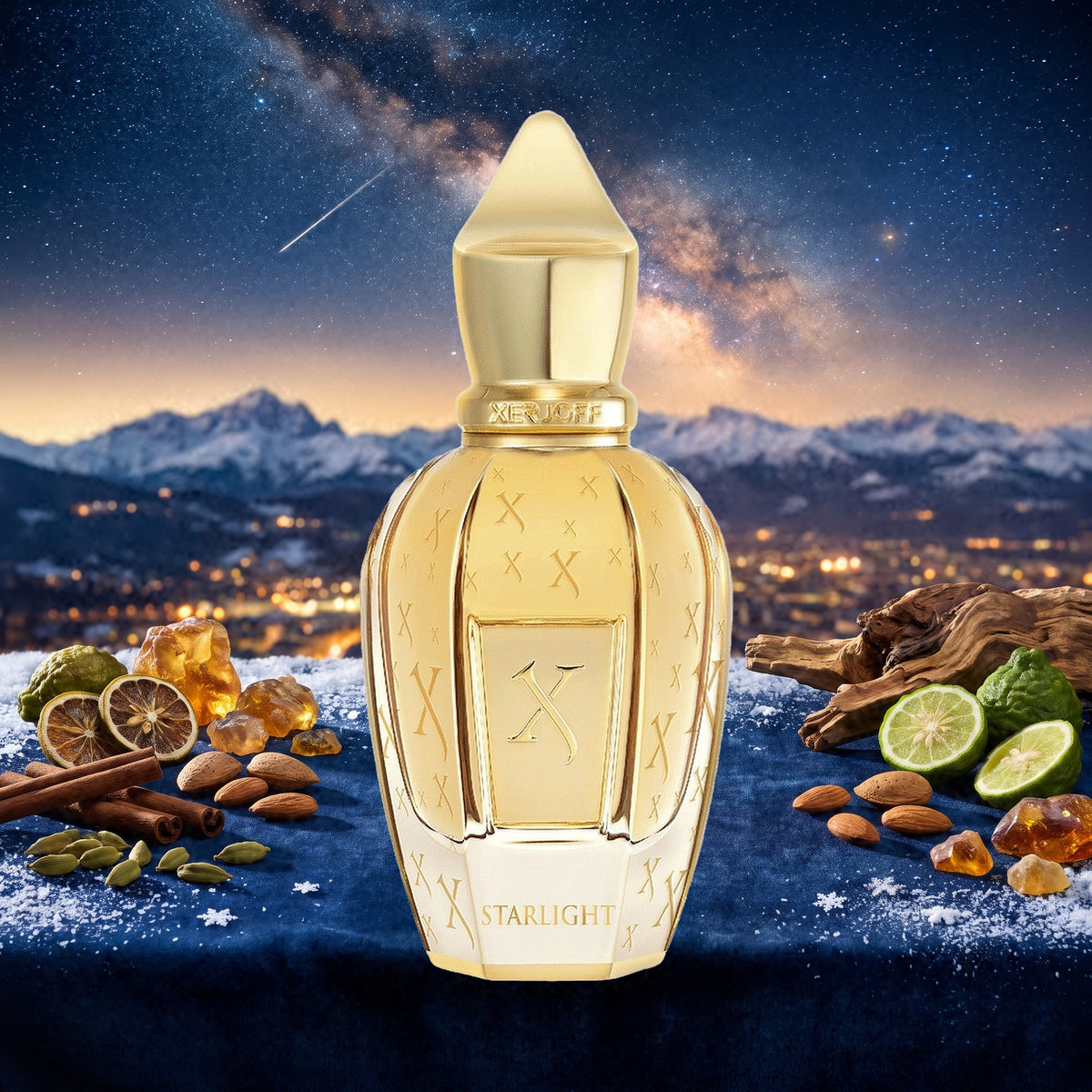
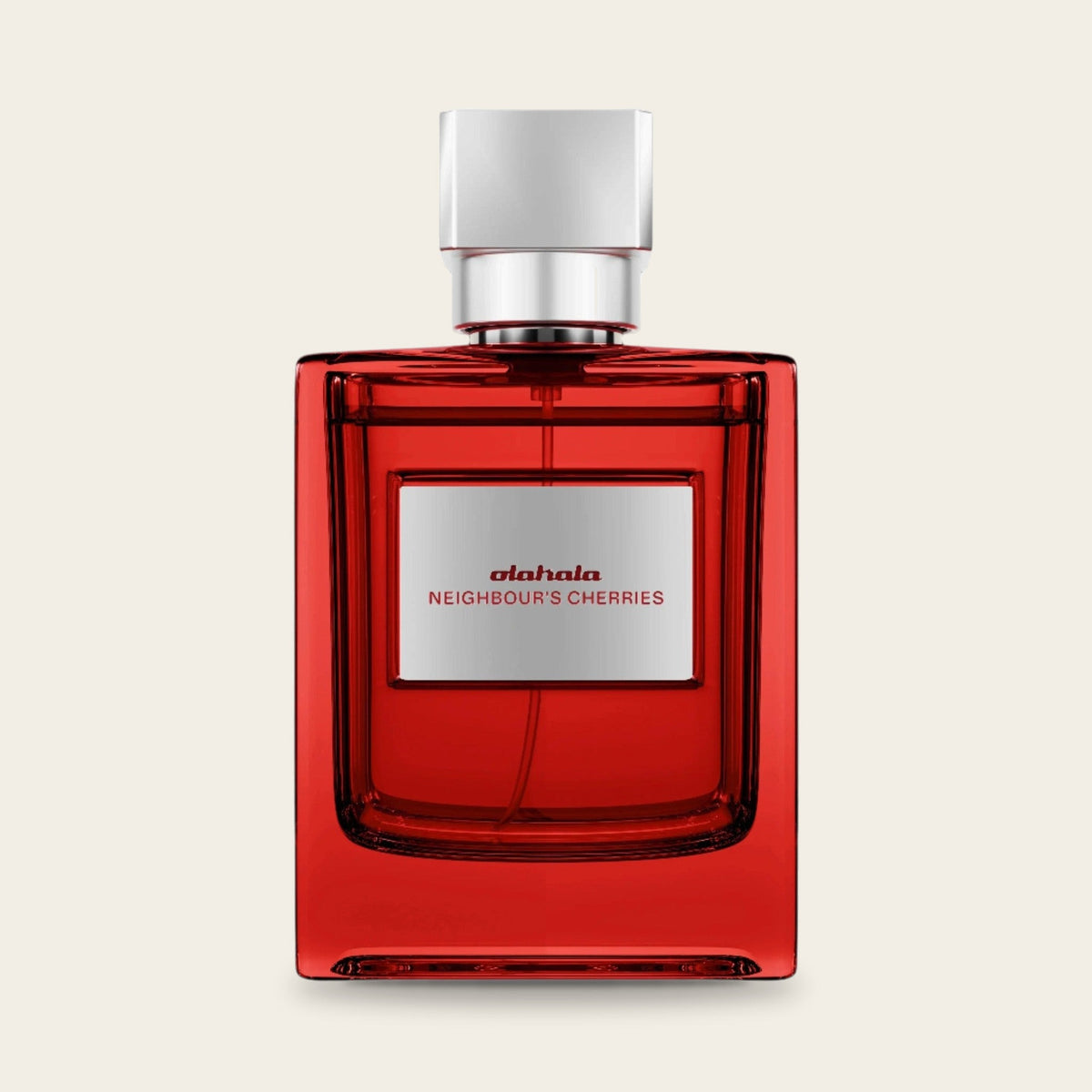
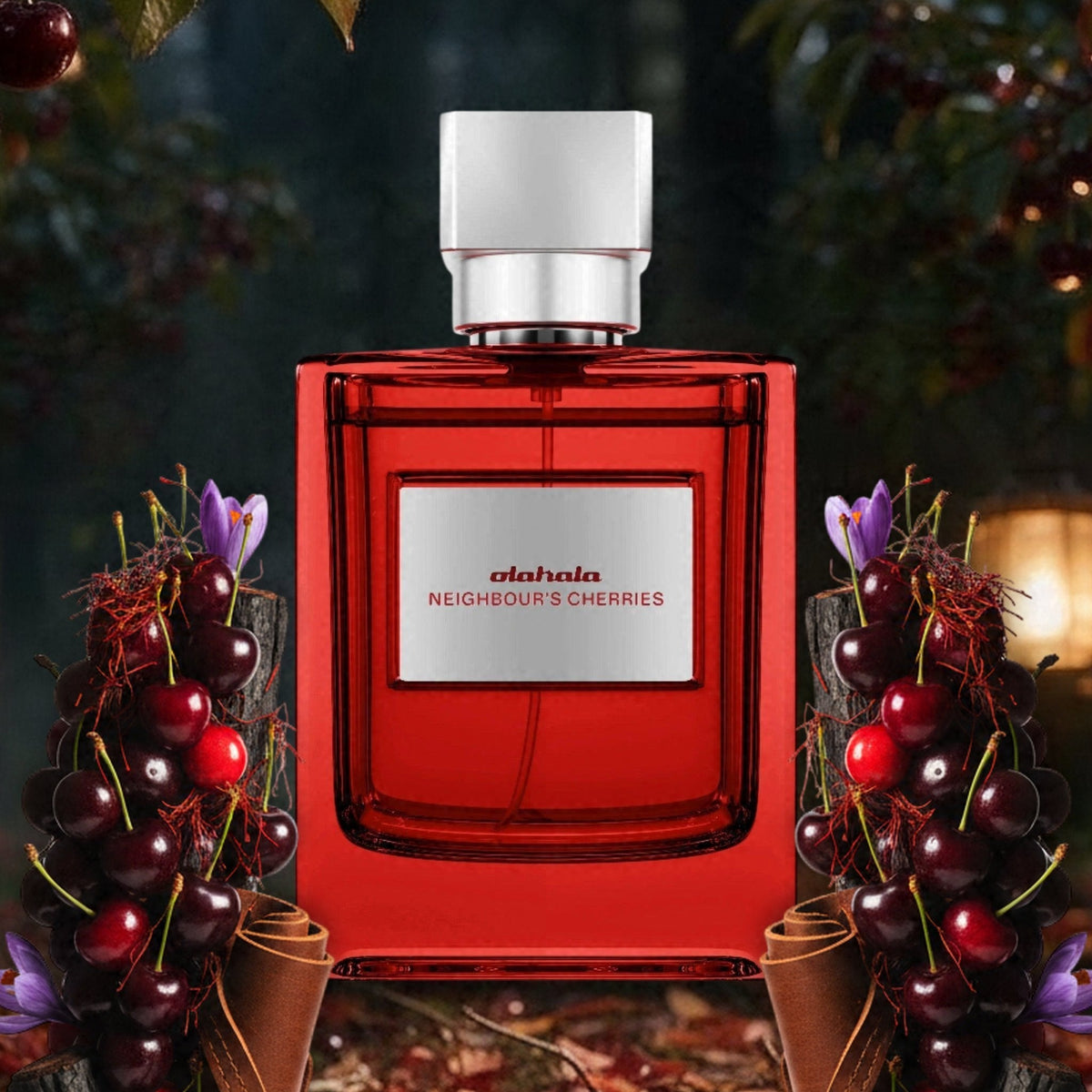
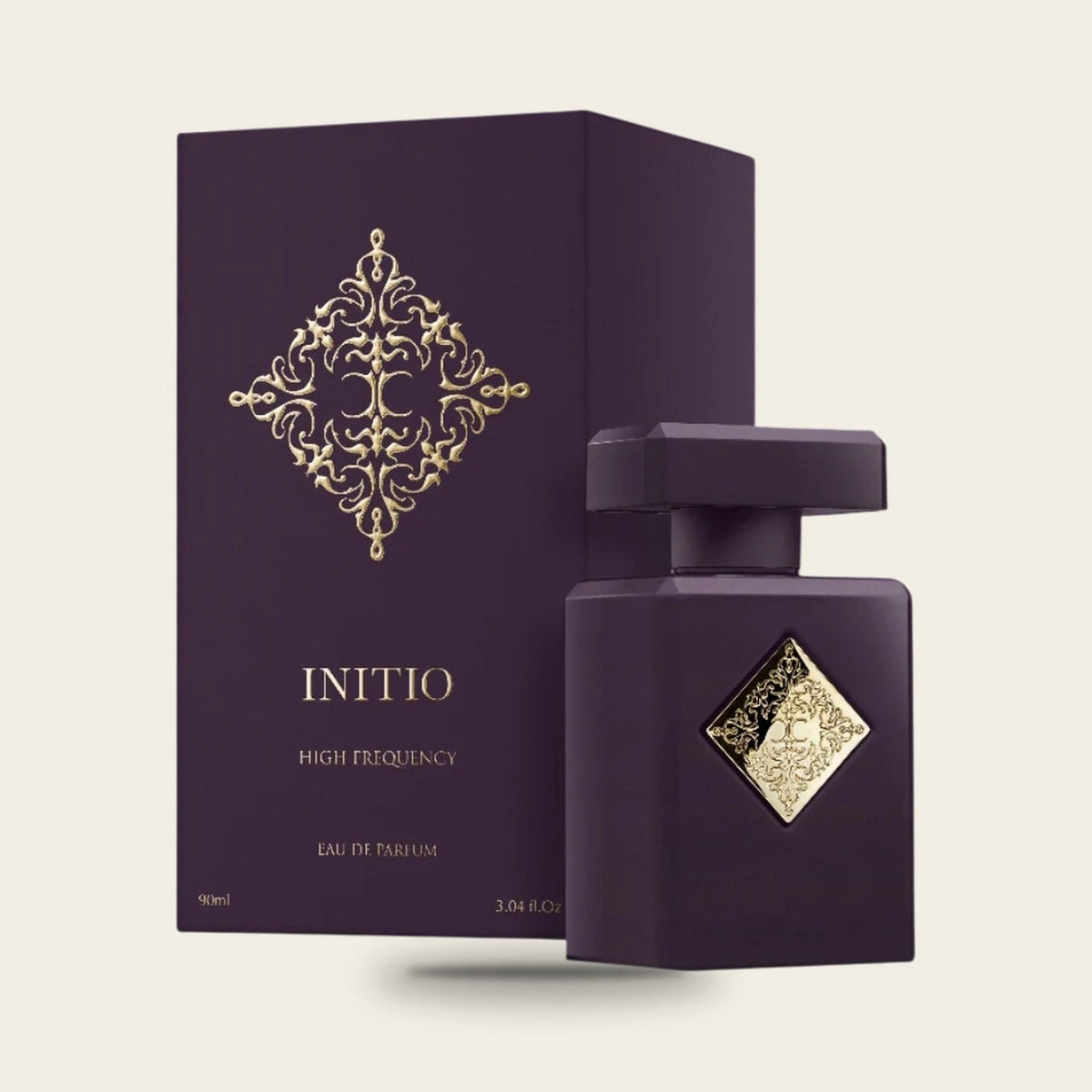
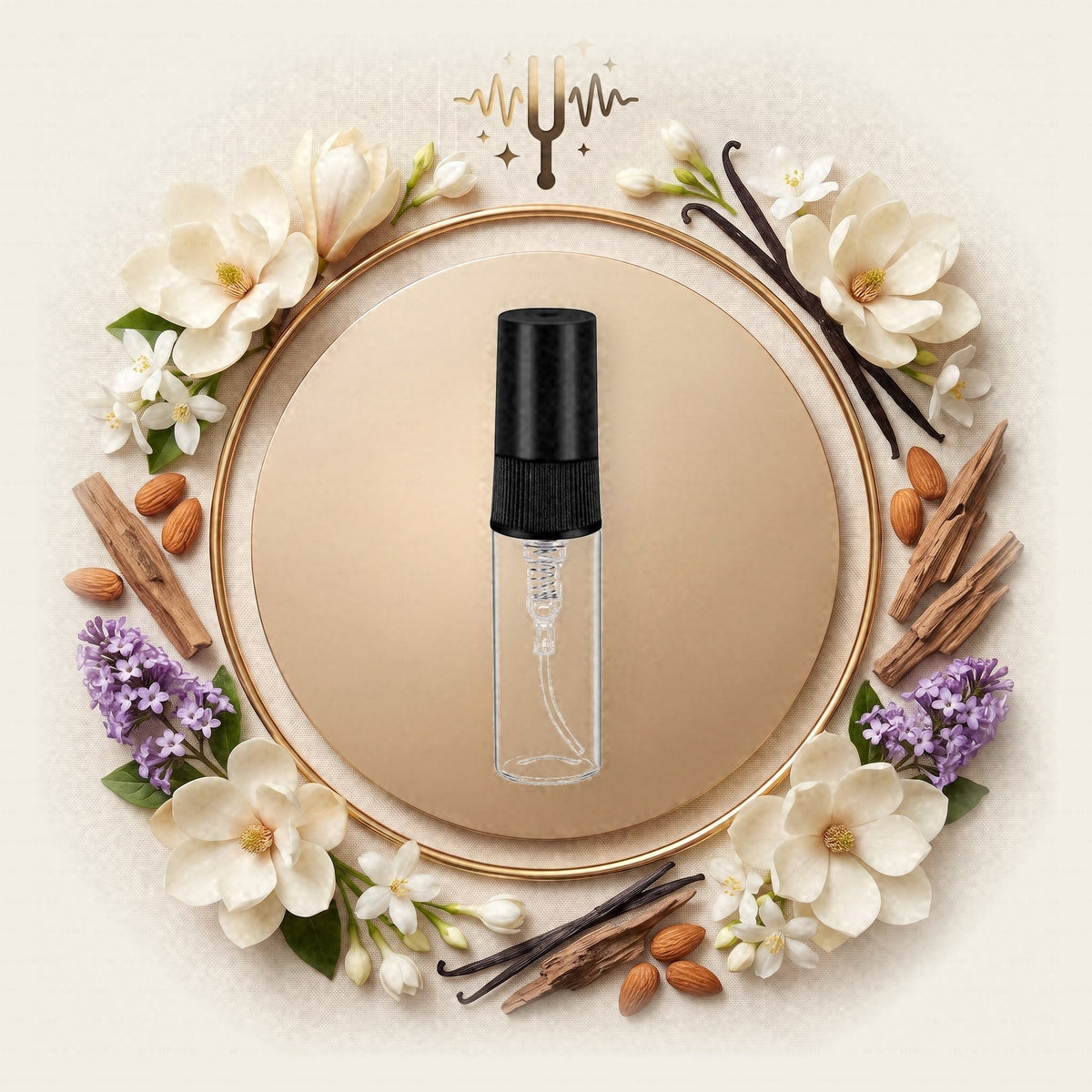
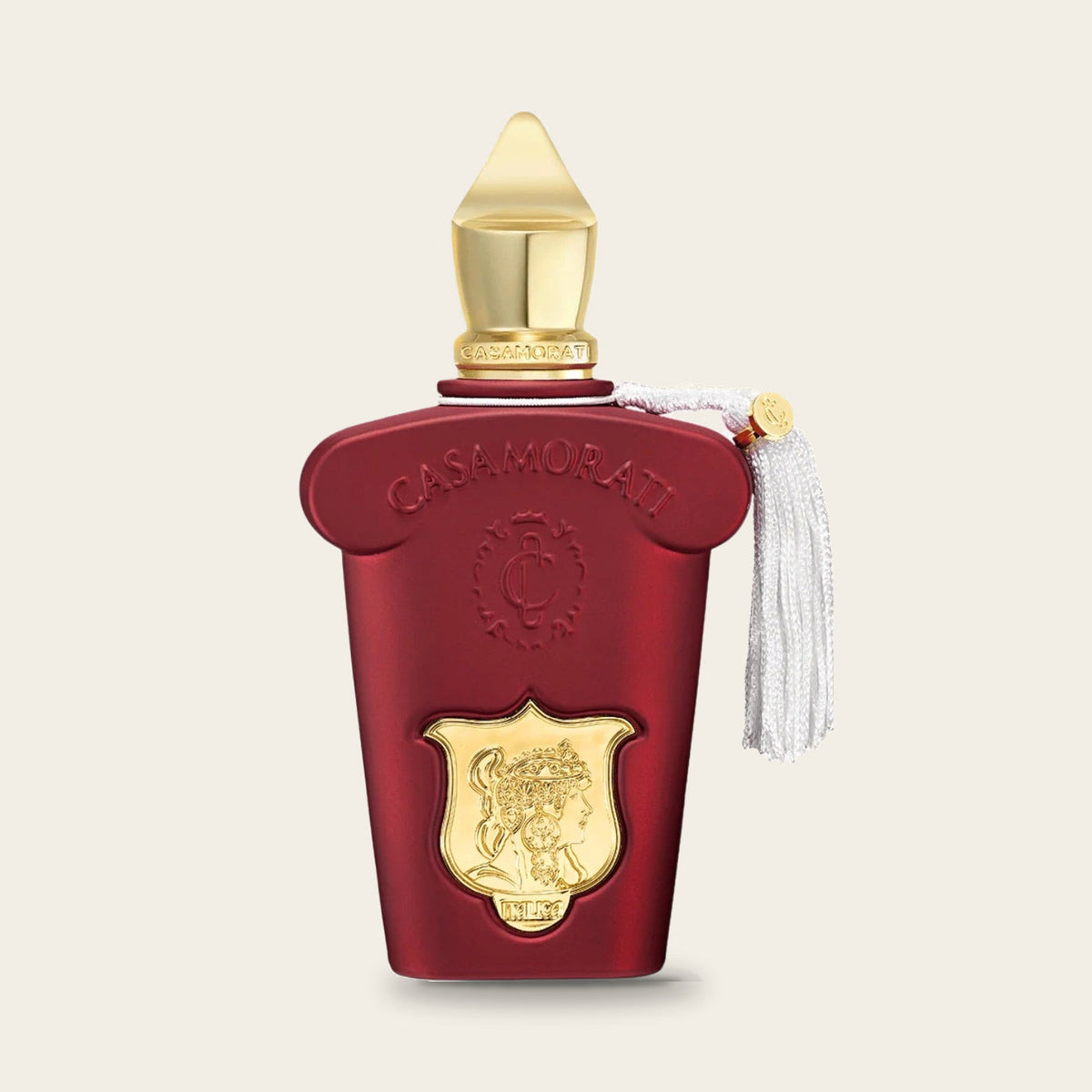
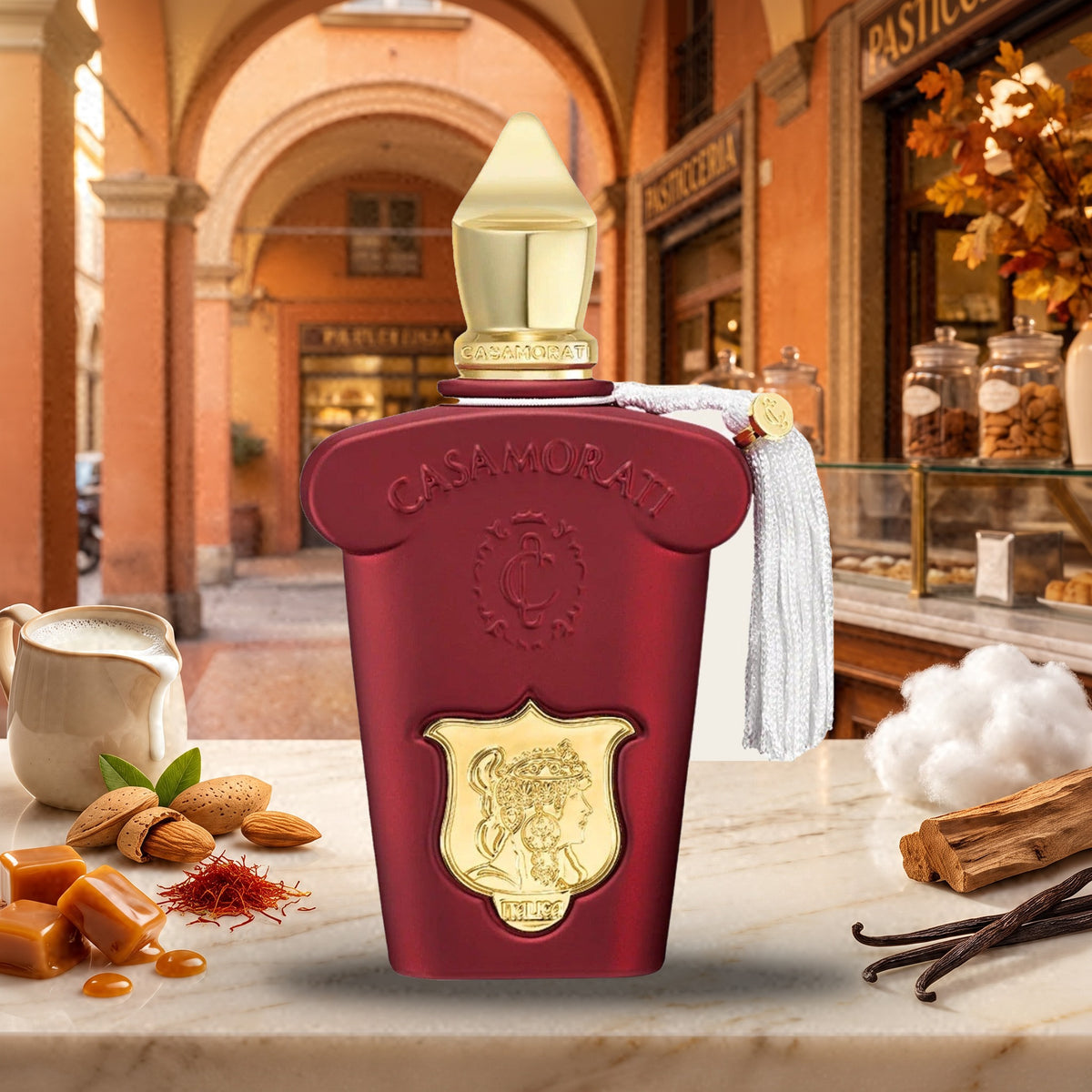
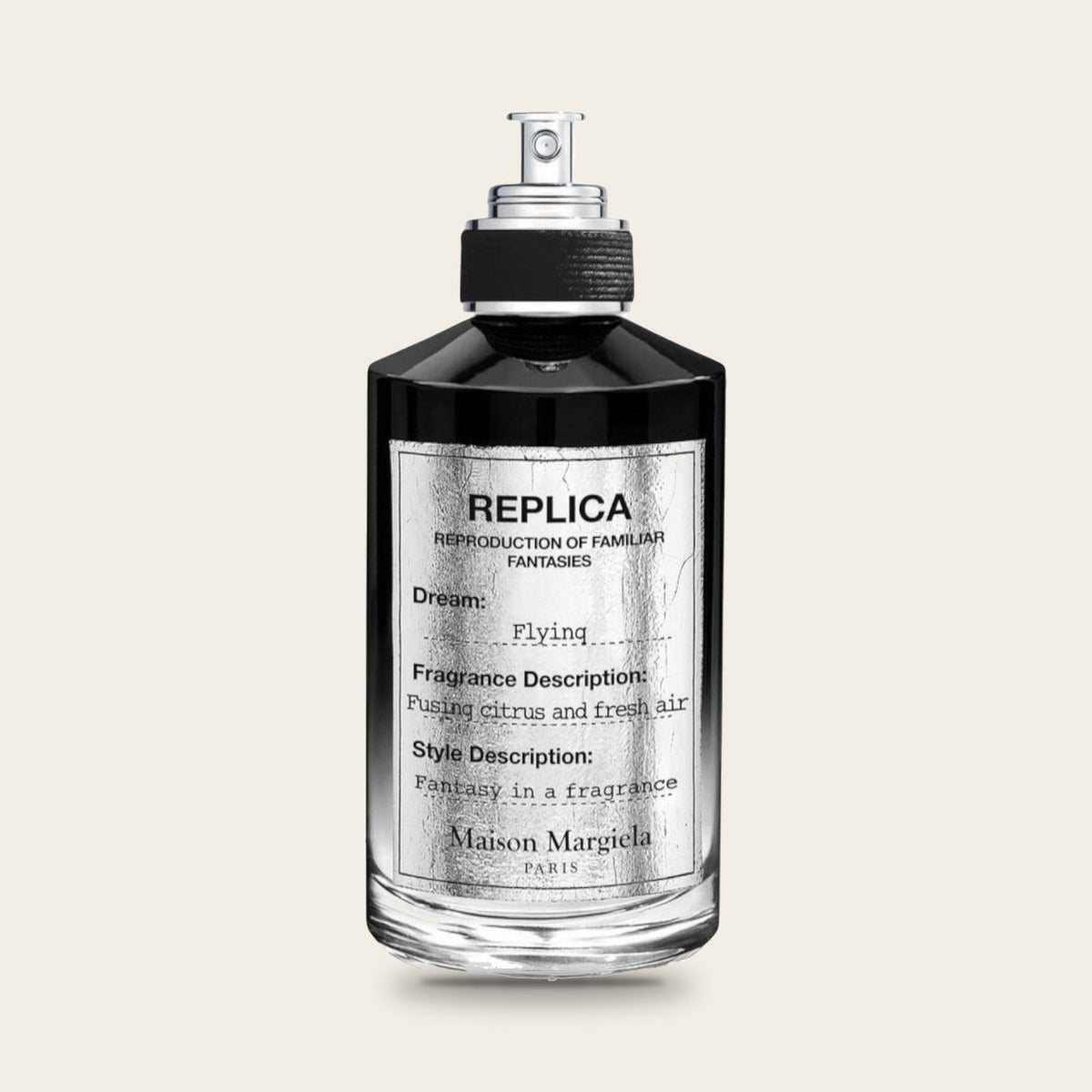
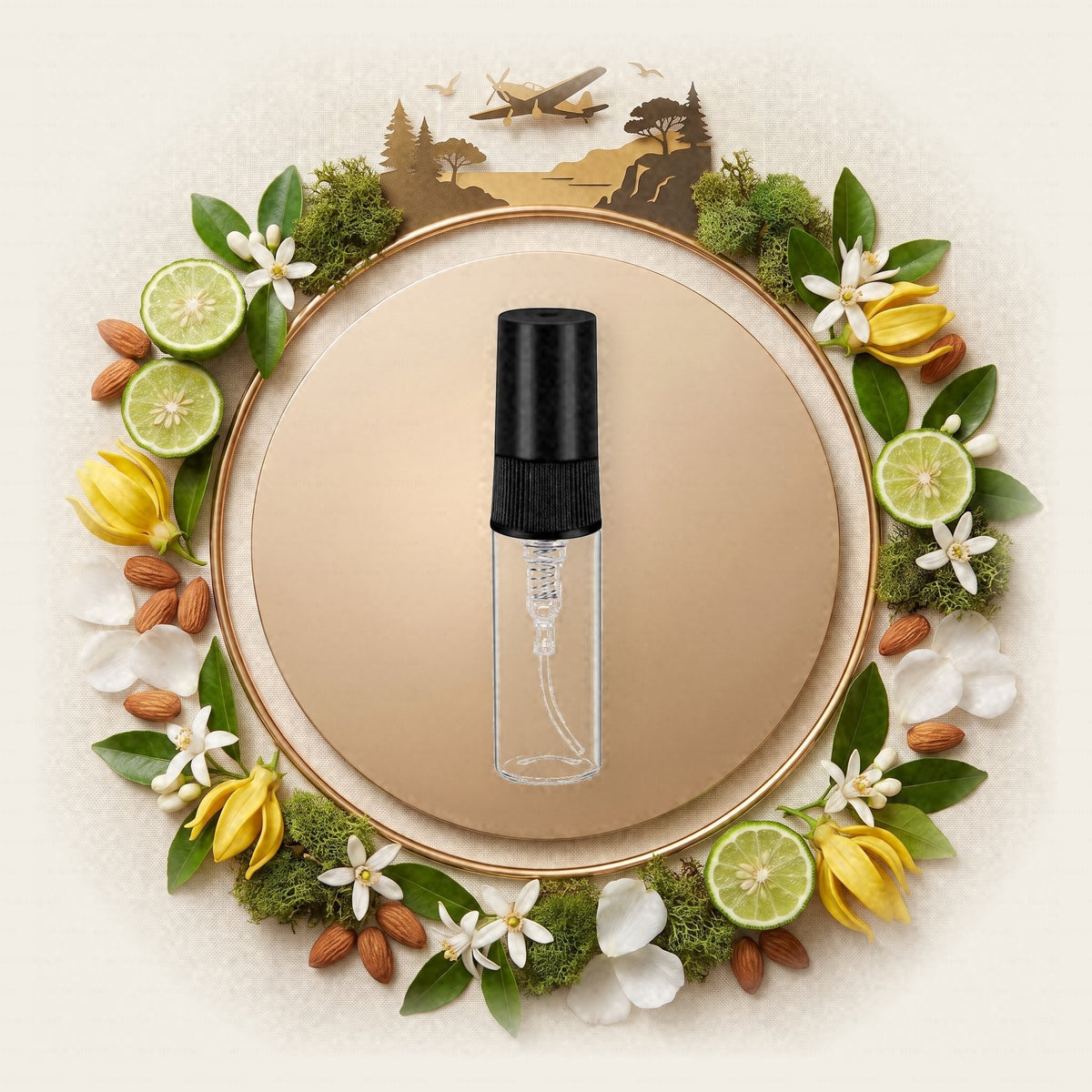
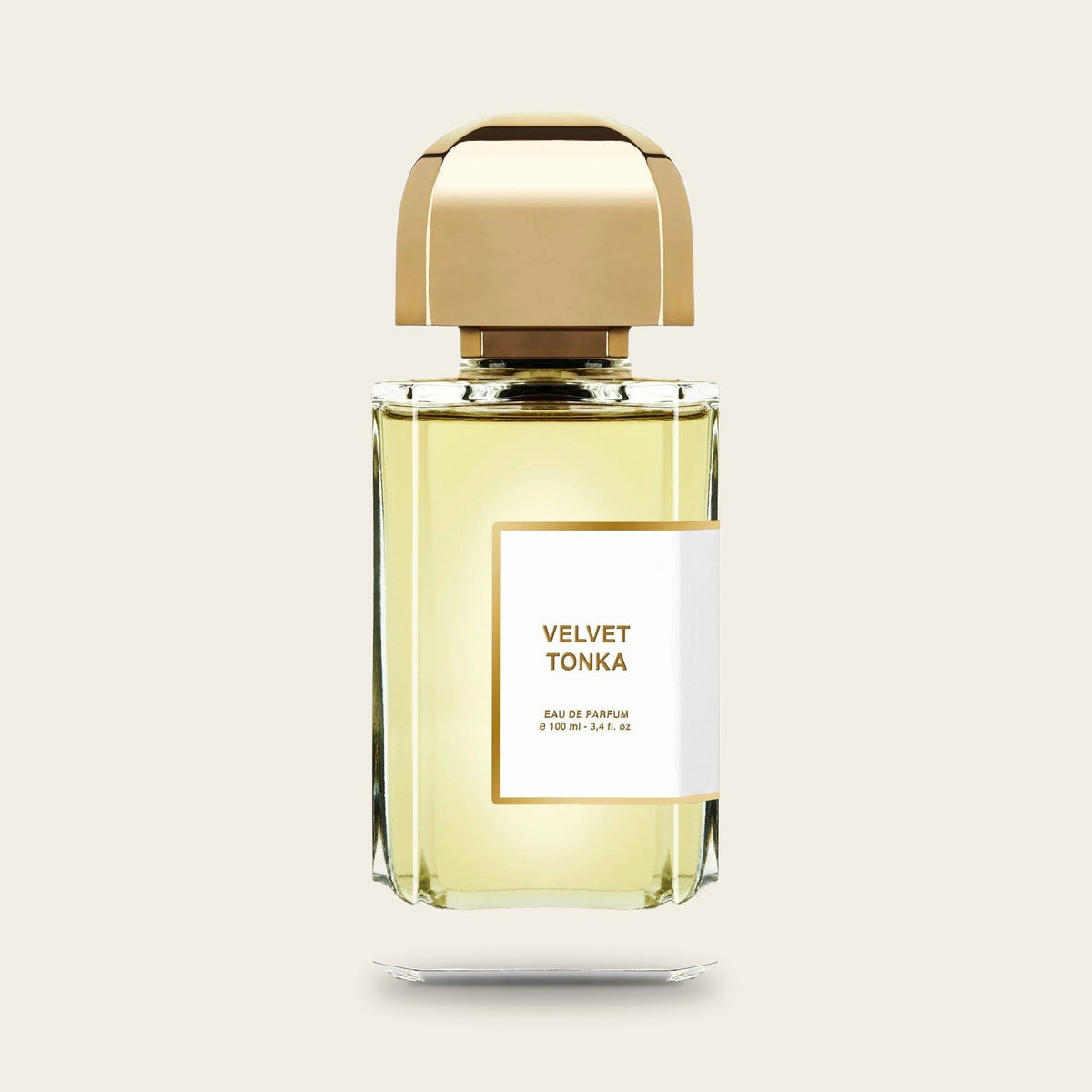
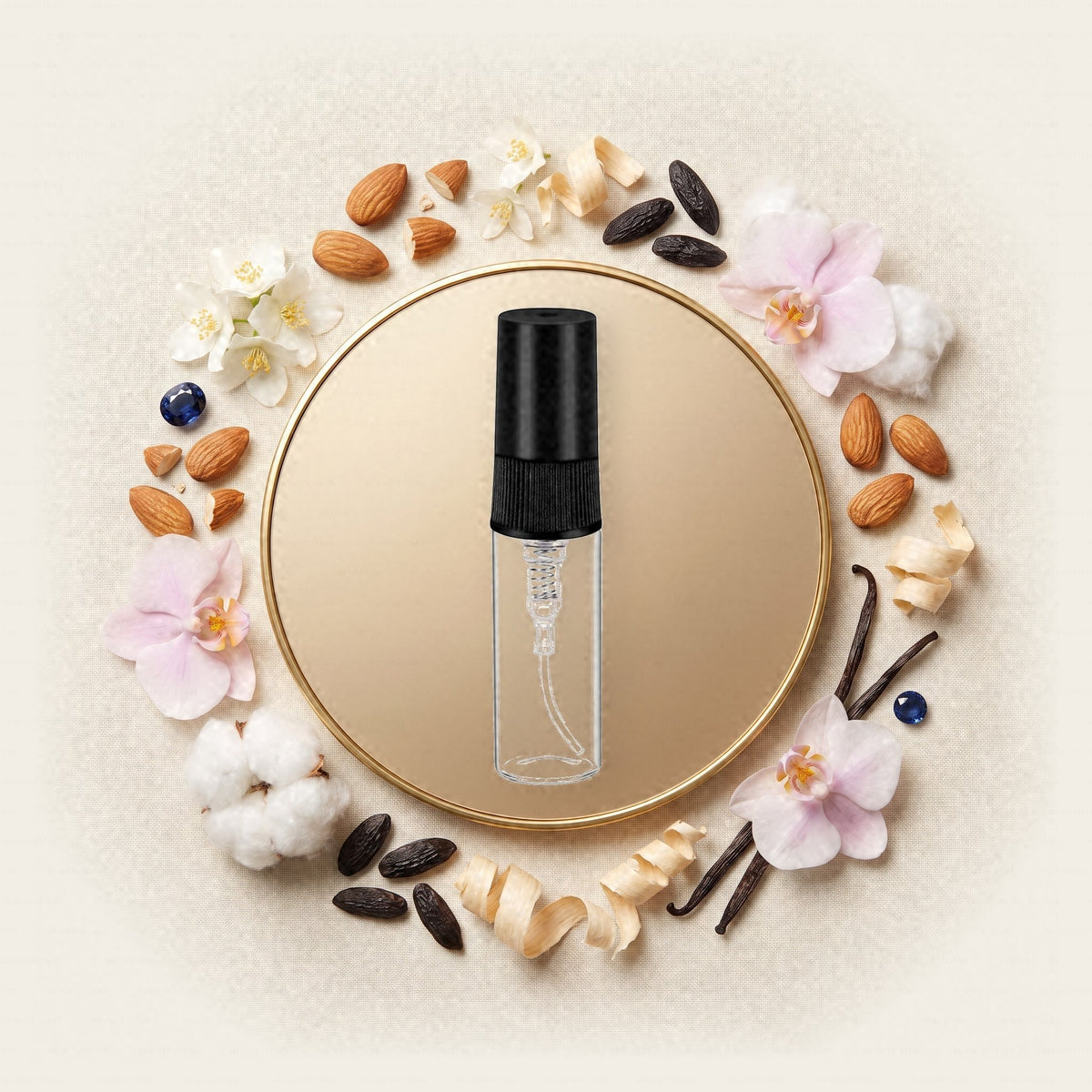
Fragrances with Almond
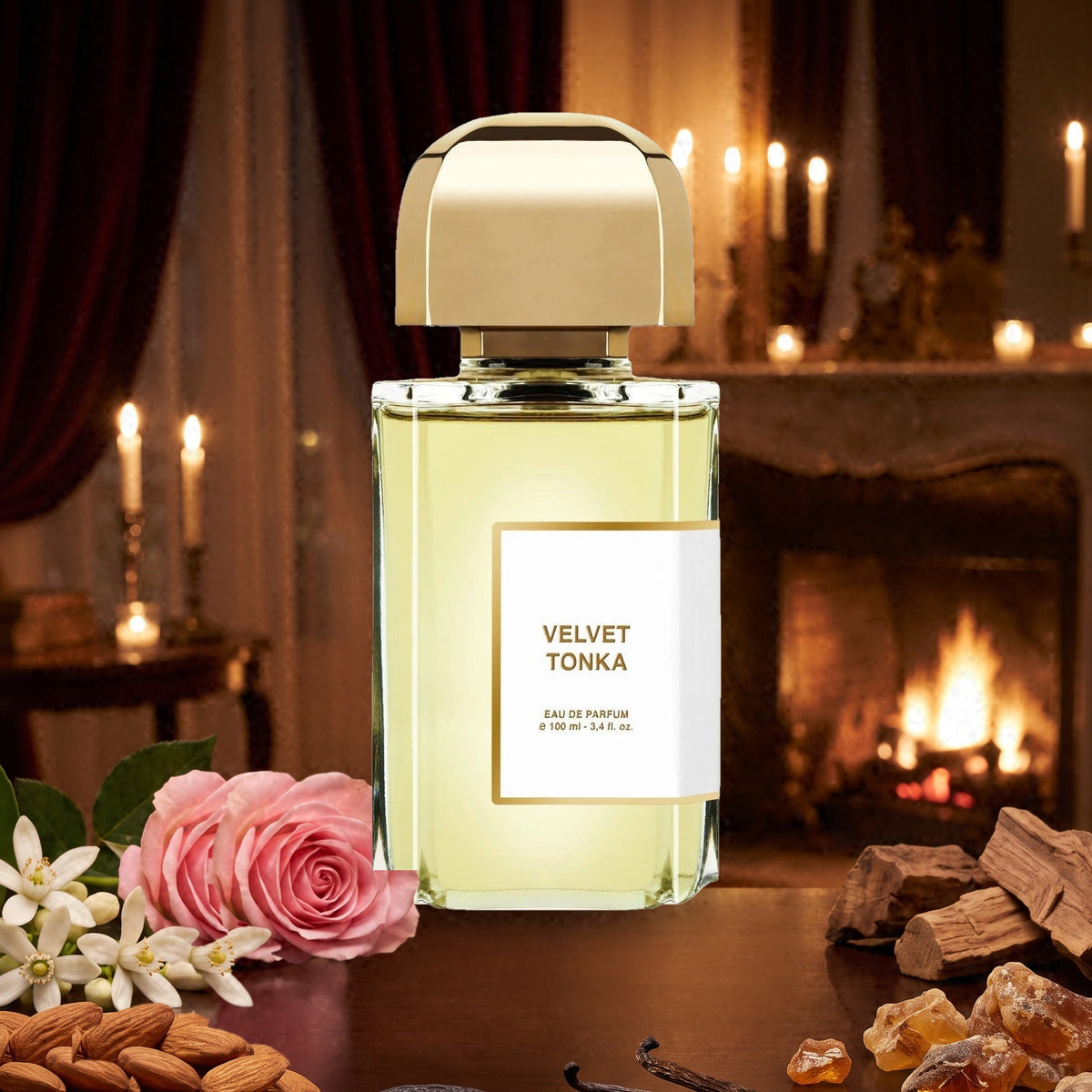
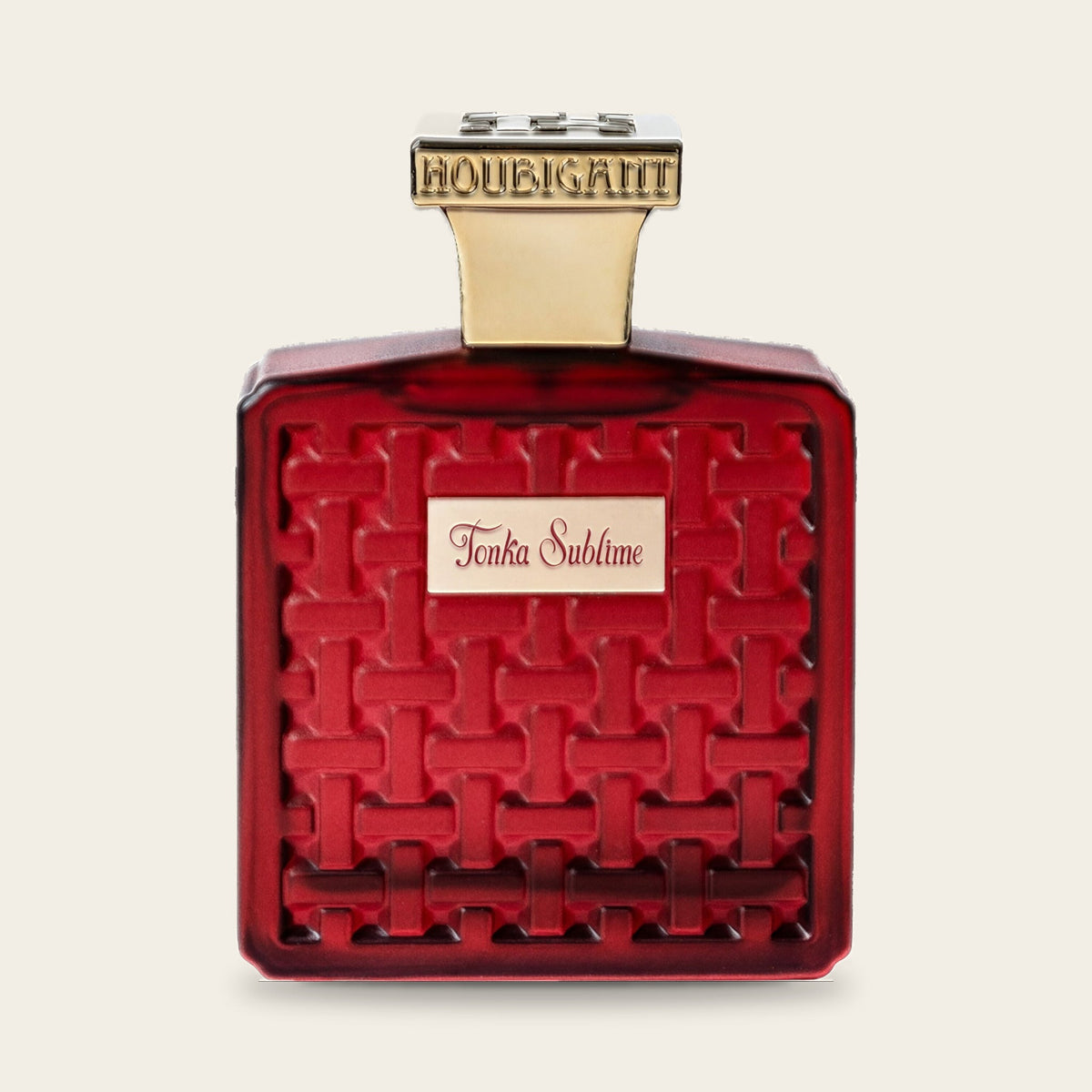
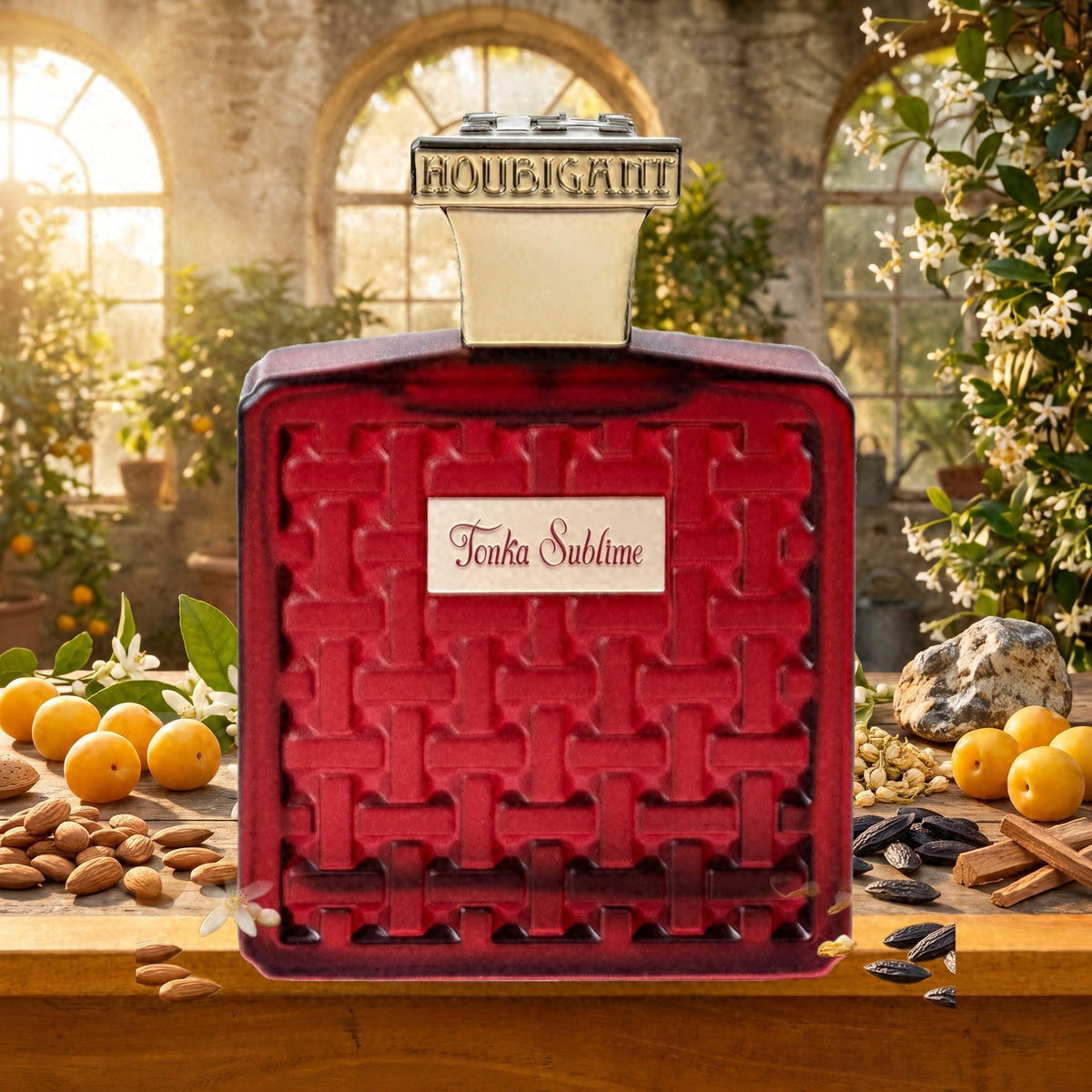

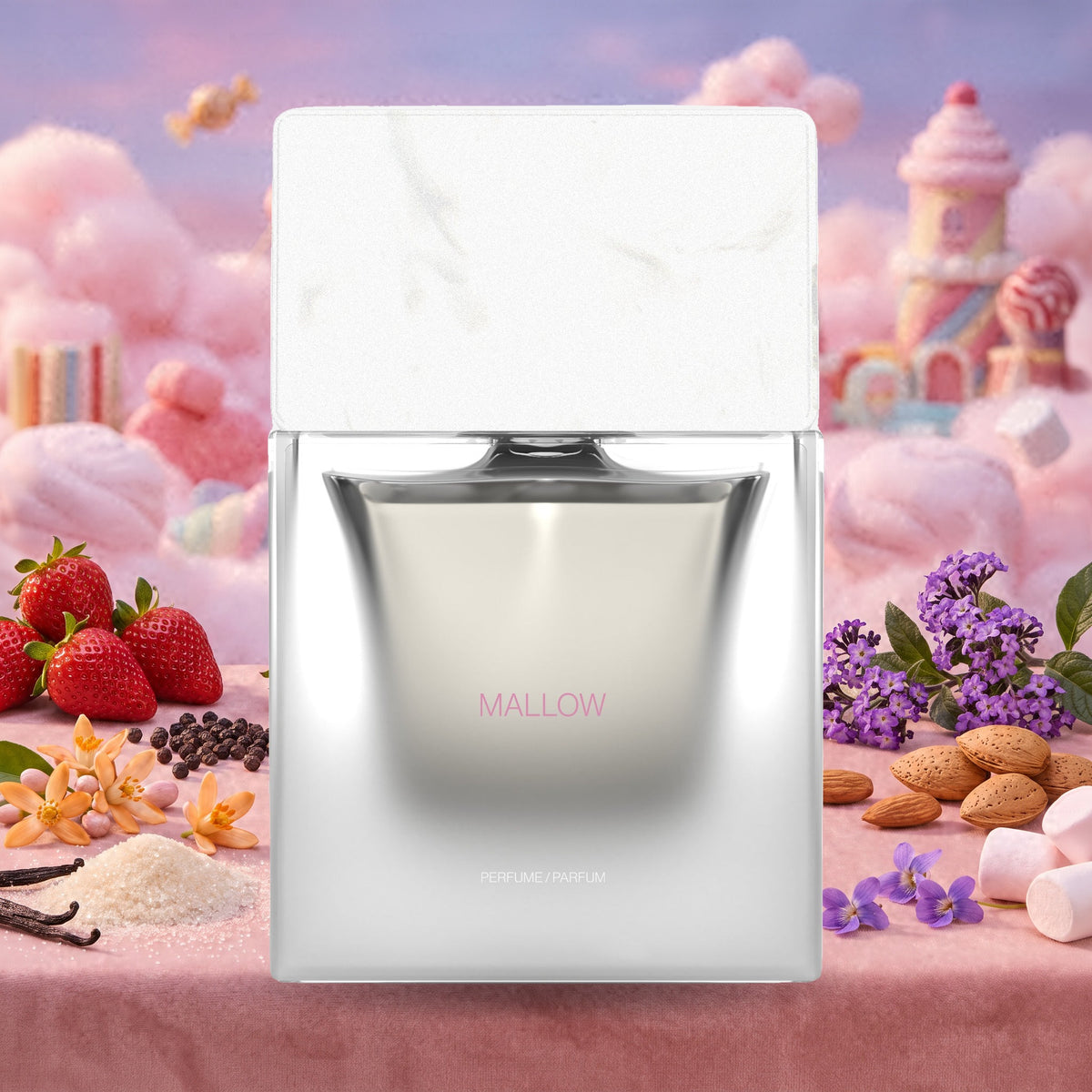

Questions and answers
Bittersweet and marzipan-like, with a hint of cherry and warm pastry.
Botanically, the almond is not a nut but the seed of a stone fruit from the rose family – related to apricot, peach and cherry. Its home is southwest Asia, with Iran regarded as the most important centre of origin. A distinction is made between the edible sweet almond and the bitter almond (Prunus dulcis var. amara), which is rich in amygdalin. Today California is the world's most important growing region. Because most of the varieties planted there cannot fertilise themselves, the crop depends on pollination by honeybees.
The typical scent is not yet present in the almond kernel itself. The bitter kernels are first pressed, releasing a mild, fatty oil. The remaining press cake is ground and steeped in water: now the kernel's own enzyme system, emulsin, splits amygdalin into sugar, hydrogen cyanide and benzaldehyde. Steam distillation then yields the essential bitter almond oil, which in its crude form contains several per cent of hydrogen cyanide. For perfumery and flavours the hydrogen cyanide is removed, leaving an oil of around 98 to over 99% benzaldehyde. Today the raw material is mostly apricot kernels, which share the same chemistry. Far more often than the natural oil, however, synthetic benzaldehyde is used.
Benzaldehyde gives compositions the unmistakable bitter almond and marzipan tone with a cherry facet and is a basic building block of gourmand accords. It is often flanked by heliotropin (C₈H₆O₃, sweet and powdery, heliotrope-like with hints of cherry and vanilla) and coumarin (hay-like, vanilla-like), which make the almond note seem softer, more powdery and warmer. In our range, almond appears in 37 fragrances, 17 in the top, 12 in the heart and 8 in the base note.
Gourmand · Bittersweet · Top and heart note
The almond tree blossoms in early spring, often before its leaves appear; the fruit ripens into autumn. As kernels and benzaldehyde store well or are produced synthetically, the almond scent is available all year round.
In our fragrances, it often appears alongside Vanille, Sandelholz, Tonkabohne, Jasmin, Moschus, Kirsche, Bergamotte.
Almonds are among the earliest crops of the Near East: cultivated almonds appear in the Early Bronze Age, and Sumerian texts from the 3rd millennium BC record almond oil, used mainly for anointing and sometimes scented. Well-preserved almonds lay in the tomb of Tutankhamun (c. 1325 BC). The scent was deciphered chemically in the 19th century: the French pharmacist Martrès obtained benzaldehyde from bitter almonds, in 1830 Robiquet and Boutron-Charlard isolated amygdalin, and in 1832 Friedrich Wöhler and Justus von Liebig first described the preparation of benzaldehyde. Bitter almond oil has long flavoured baked goods, marzipan and liqueurs.
- Sweet almonds owe their mildness to a single point mutation in the bHLH2 gene that blocks the formation of bitter amygdalin.
- In the Bible, Aaron's rod brings forth blossoms and ripe almonds overnight – a sign meant to mark him as the chosen priest.
- Nitrobenzene used to be called “false bitter almond oil” – a toxic substance that also smells of almonds but has nothing to do with the almond.
Bitter almond kernels store amygdalin (C₂₀H₂₇NO₁₁), a so-called cyanogenic glycoside. Only when the tissue is destroyed does an enzyme cascade begin: a first enzyme splits off glucose to form prunasin, a second releases mandelonitrile, which finally breaks down – spontaneously or enzymatically – into benzaldehyde (C₇H₆O) and hydrogen cyanide. In measurements, bitter almonds contain around 33 to 54 grams of amygdalin per kilogram, sweet ones usually only a few milligrams. The difference comes down to a single building block: in the sweet almond's transcription factor bHLH2, a point mutation has swapped one amino acid (leucine for phenylalanine), so that two cytochrome P450 genes of amygdalin synthesis are no longer read.
FRAGRANCE KNOWLEDGE
In the 4D Journal
-
 FRAGRANCE KNOWLEDGE
Rose in perfume: The queen of fragrance materials
READ ARTICLE
-
 FRAGRANCE KNOWLEDGE
Vanilla in perfume: From orchid to favourite scent
READ ARTICLE
-
 FRAGRANCE KNOWLEDGE
Leather in perfume: How does something smell that was never in the bottle?
READ ARTICLE
-
 FRAGRANCE KNOWLEDGE
Scented candles & home fragrance: How to use them right
READ ARTICLE