
INGREDIENT GLOSSARY
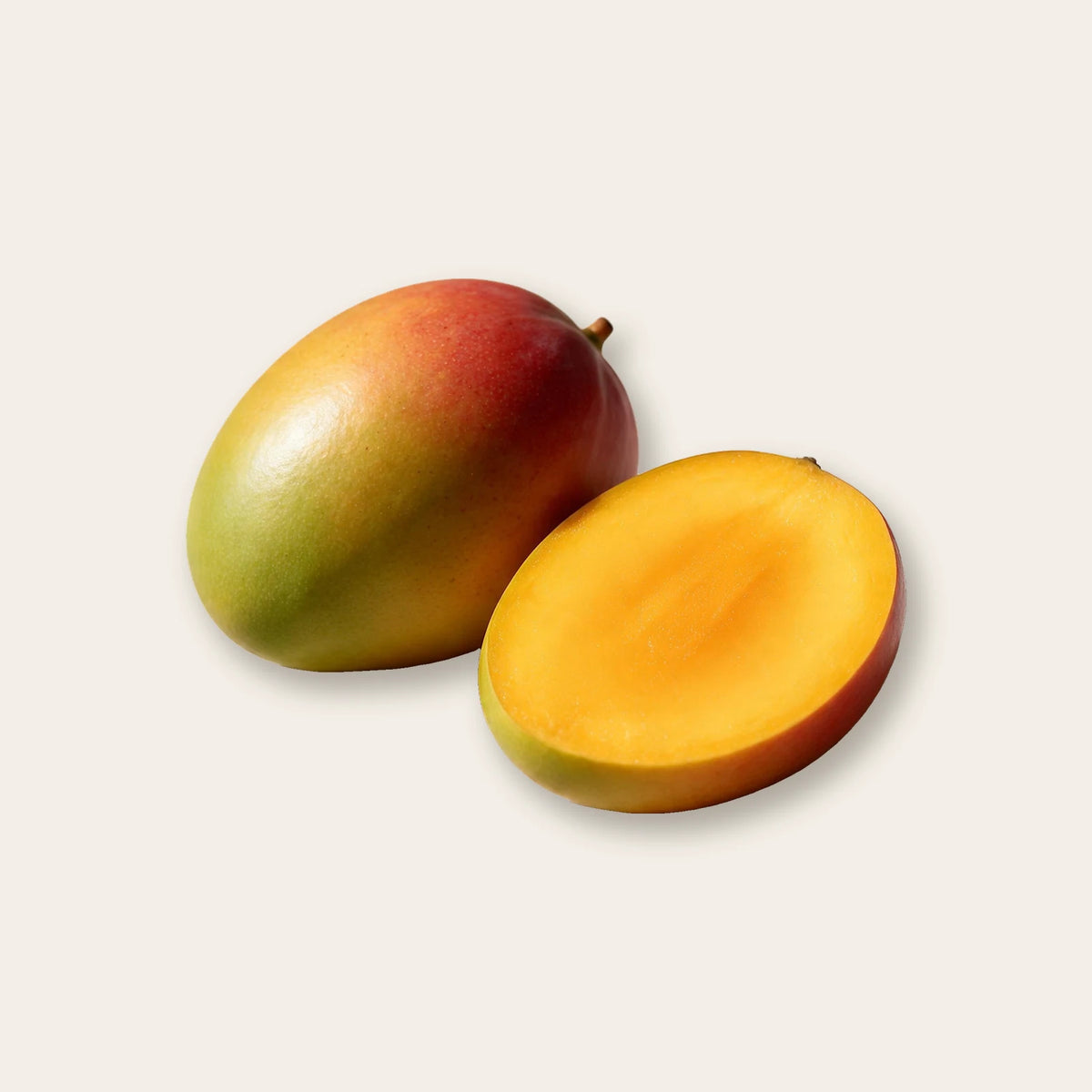
Mango
Mangifera indica · Cashew family (Anacardiaceae)
Juicy, sweet and tropical, with a creamy, peach-like nuance and a green-resinous, slightly turpentine-like undertone.
ACCORDFRUITY · TROPICAL-CREAMY · TOP NOTE
AT A GLANCE
- Plant: mango tree Mangifera indica, a member of the cashew family – related to cashew and pistachio
- Origin: Indo-Burma region from Assam to Myanmar, India the largest producer today
- Extraction: no commercial essential oil – rebuilt in perfume as an accord of aroma molecules
- Scent: juicy, sweet, tropical, creamy with a green-resinous facet – mainly a top note
PROFILE
- Origin
- Wild species native to the Indo-Burma region, from Assam and Myanmar to southern China · Grown throughout the tropics and subtropics today, with India the largest producer
- Extraction
- No commercial essential oil from the flesh – in perfume, the mango scent is built as an accord from aroma molecules
- Main molecules
- Accord building blocks: creamy, fruity lactones, fruity esters and terpenes · In the fruit itself: δ-3-carene (C₁₀H₁₆), (Z)-β-ocimene (C₁₀H₁₆) and the furanone HDMF (C₆H₈O₃)
- Harvest
- In India, mangoes ripen from late March into July, depending on the cultivar; the monsoon brings the season to an end.
- Often paired with
- Amber, Vanilla, Bergamot, Musk, Iris, Saffron, Sandalwood
Numbers that surprise
around 44%
of the world's mangoes, mangosteens and guavas were grown in India in 2022 – around 26 million of just over 59 million tonnes.
up to 4,000
flowers grow on a single mango panicle – depending on the cultivar, 25 to 98% of them are purely male and cannot set fruit.
Rounded values; calculation based on published data.
Harvest and season
In India, mangoes ripen from late March into July, depending on the cultivar; the monsoon brings the season to an end. As a fragrance accord, mango is available all year round.
There is no commercial essential oil from mango flesh. Perfumers therefore rebuild the scent as an accord. Creamy lactones give the accord body and a peach-like softness, fruity esters bring juiciness and terpenes the green, resinous freshness reminiscent of the peel.
Knowledge to share
Myth or truth?
Statement 1
The mango scent in perfume comes from an essential mango oil.
Myth. There is no commercial essential oil from mango flesh. Perfumers rebuild the juicy, tropical scent as an accord – with creamy lactones, fruity esters and green, resinous terpenes.
Statement 2
The mango is related to cashew, pistachio and poison ivy.
True. All of them belong to the cashew family (Anacardiaceae). The mango peel in particular contains urushiol-like alkylresorcinols that resemble the contact allergen of poison ivy.
Statement 3
All mangoes smell the same.
Myth. Different aroma compounds dominate depending on the cultivar: in many Western cultivars it is the terpene δ-3-carene, while in Indian cultivars such as Alphonso, other terpenes as well as lactones and furanones shape the scent.
Your result
FRAGRANCES WITH MANGOINGREDIENT GLOSSARY
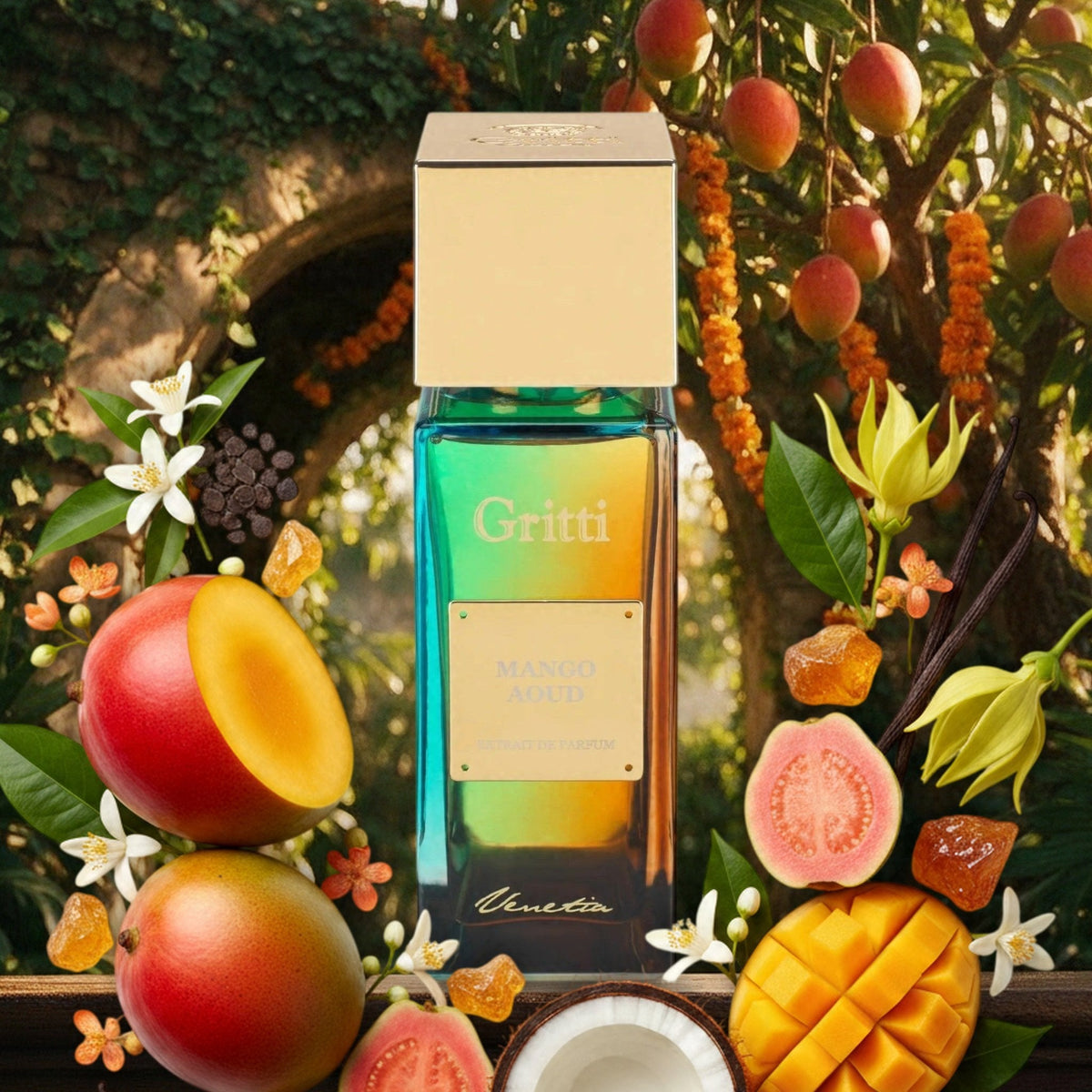
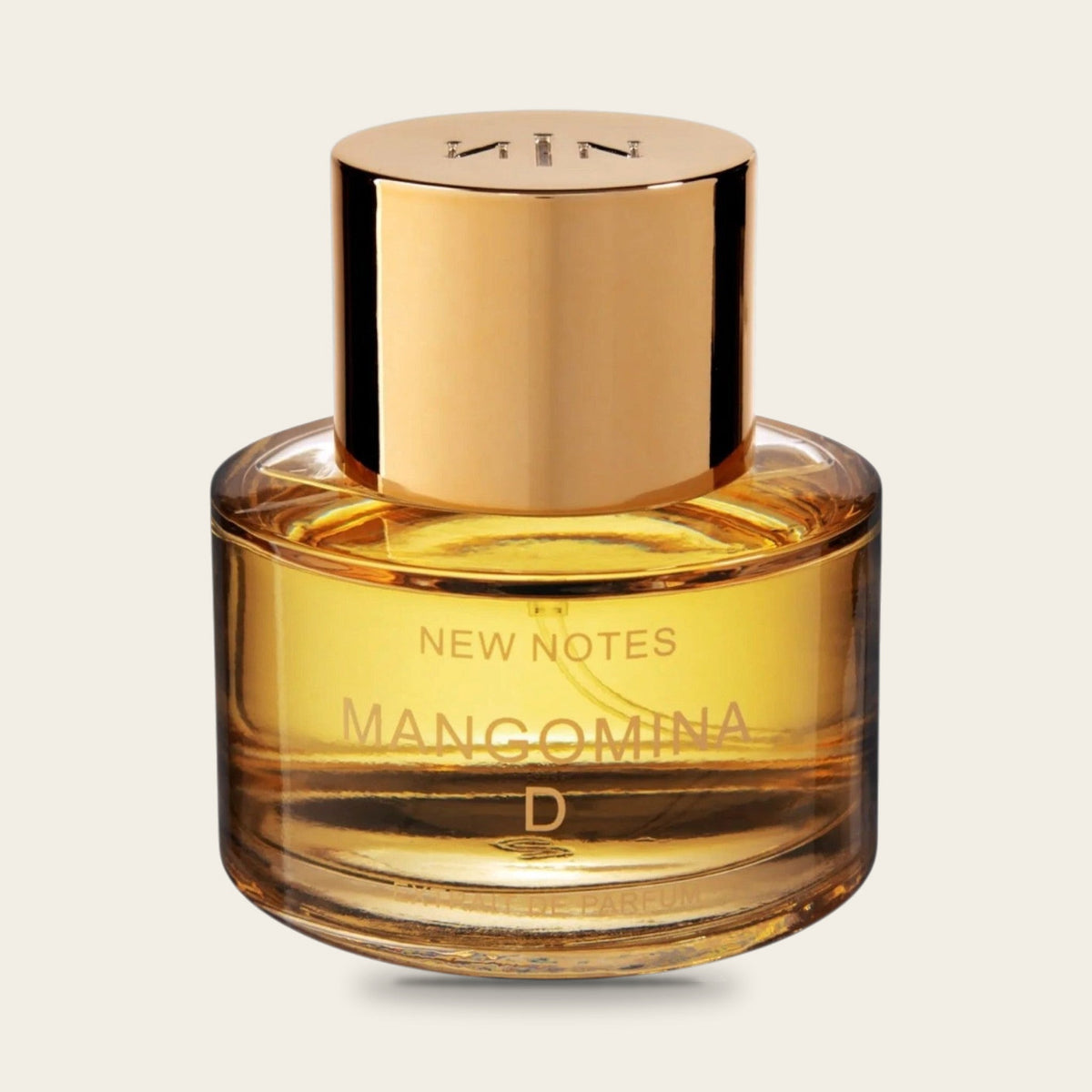
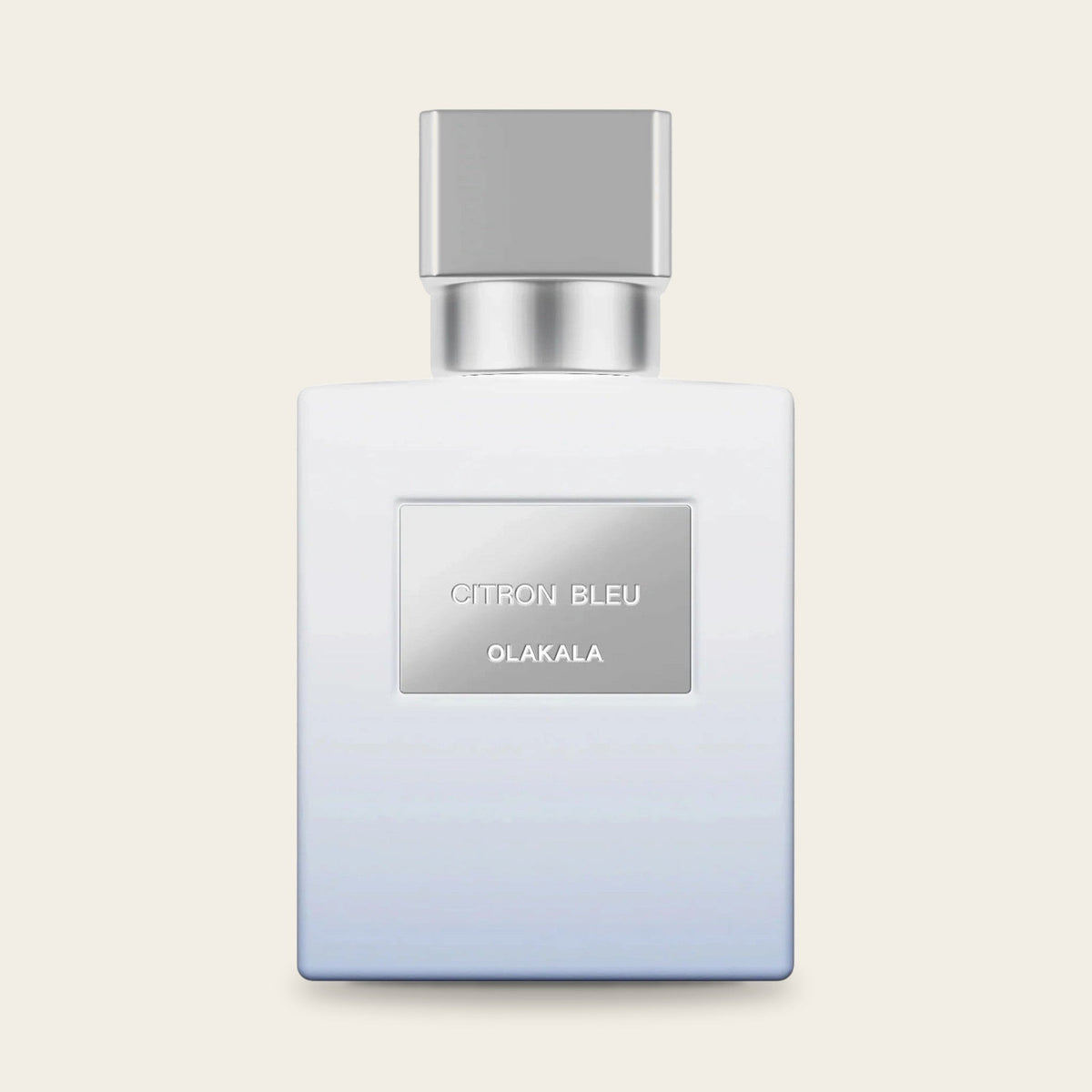
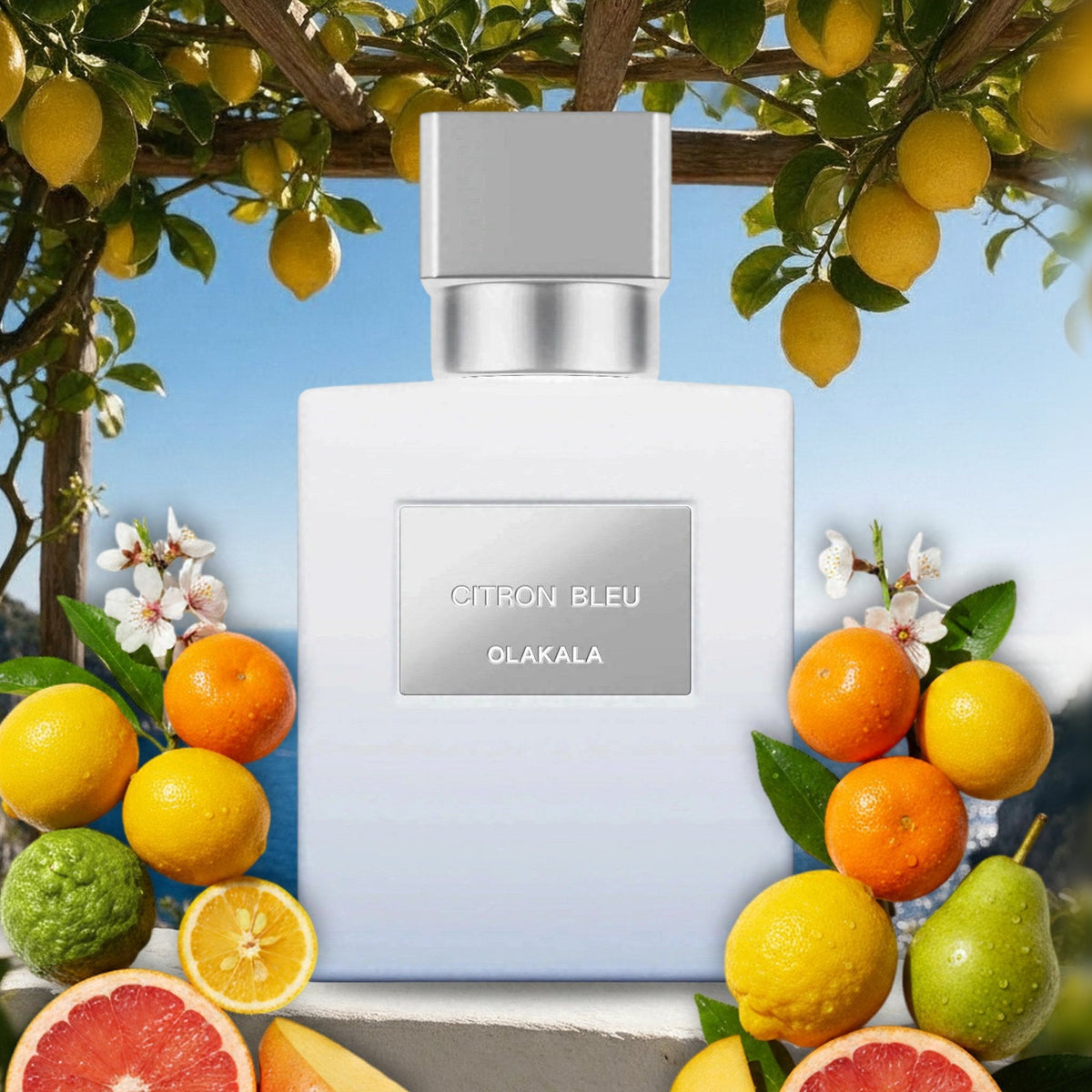
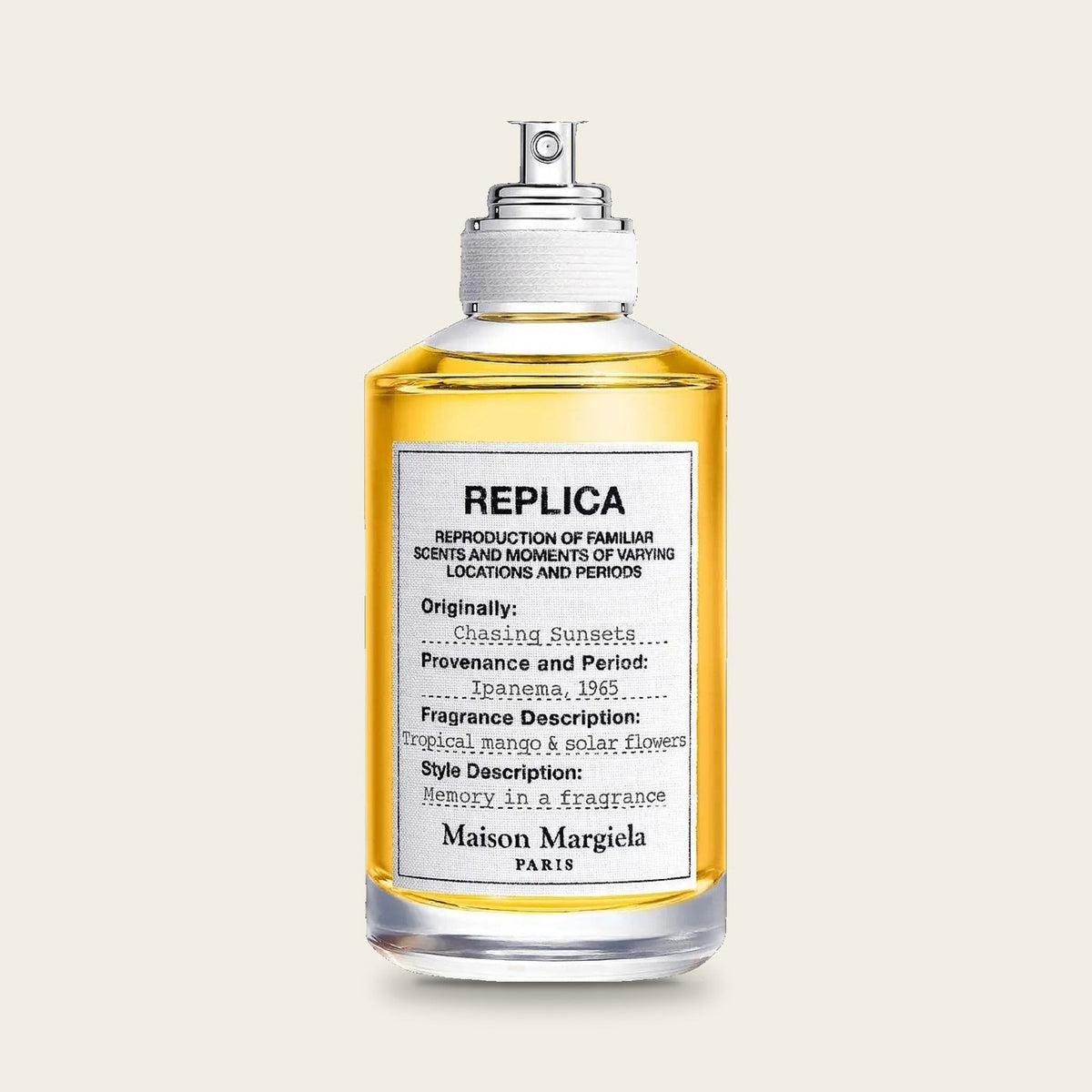
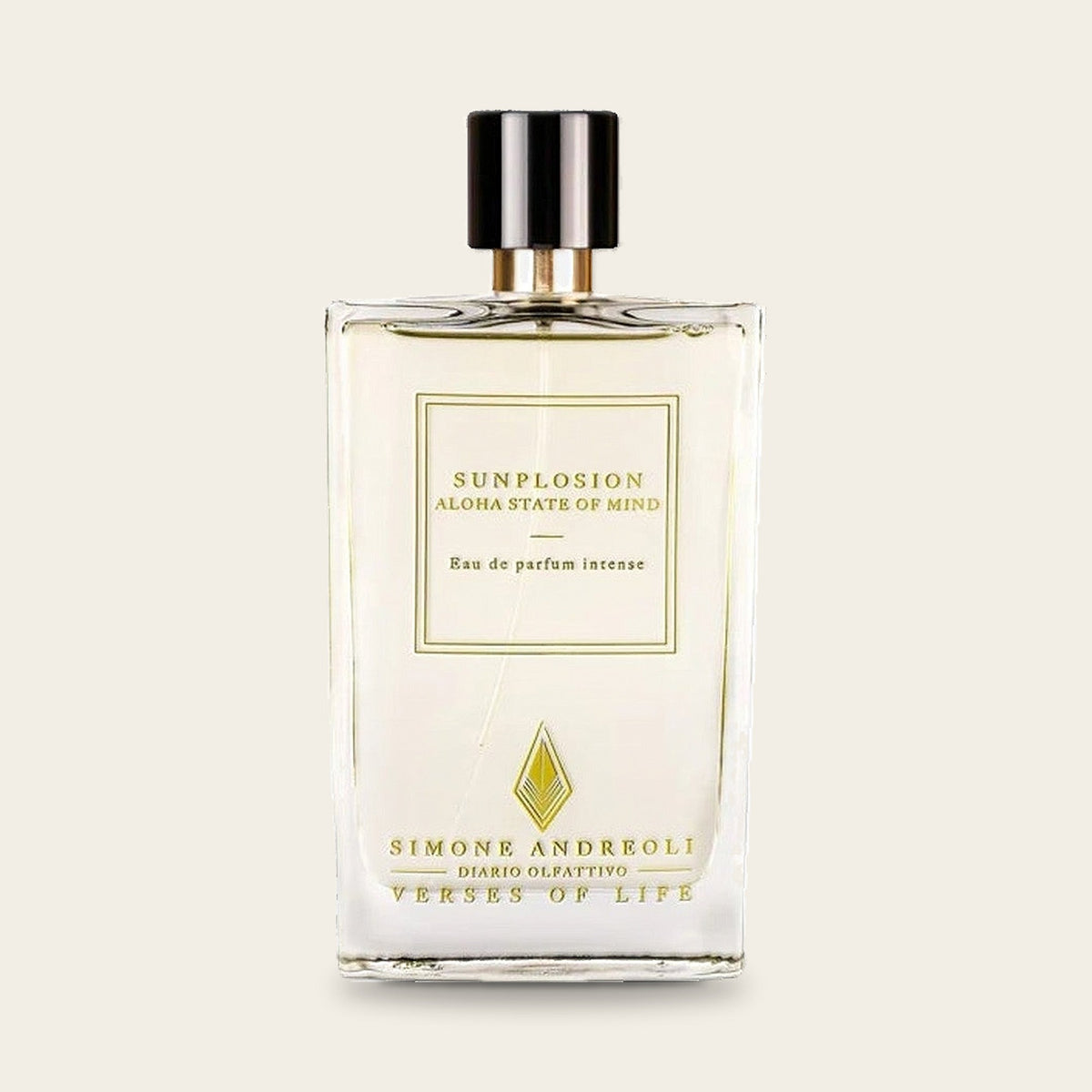
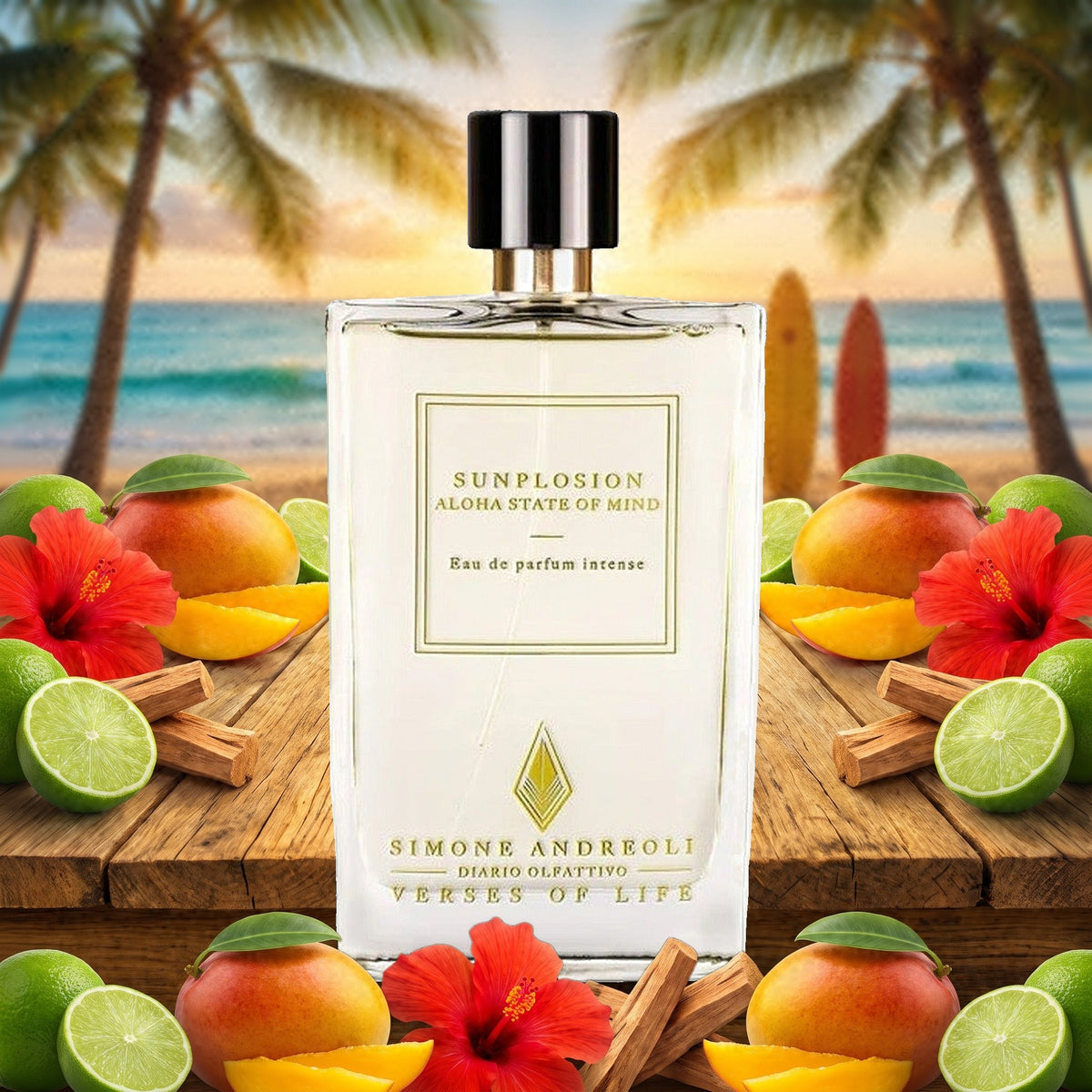
Fragrances with Mango





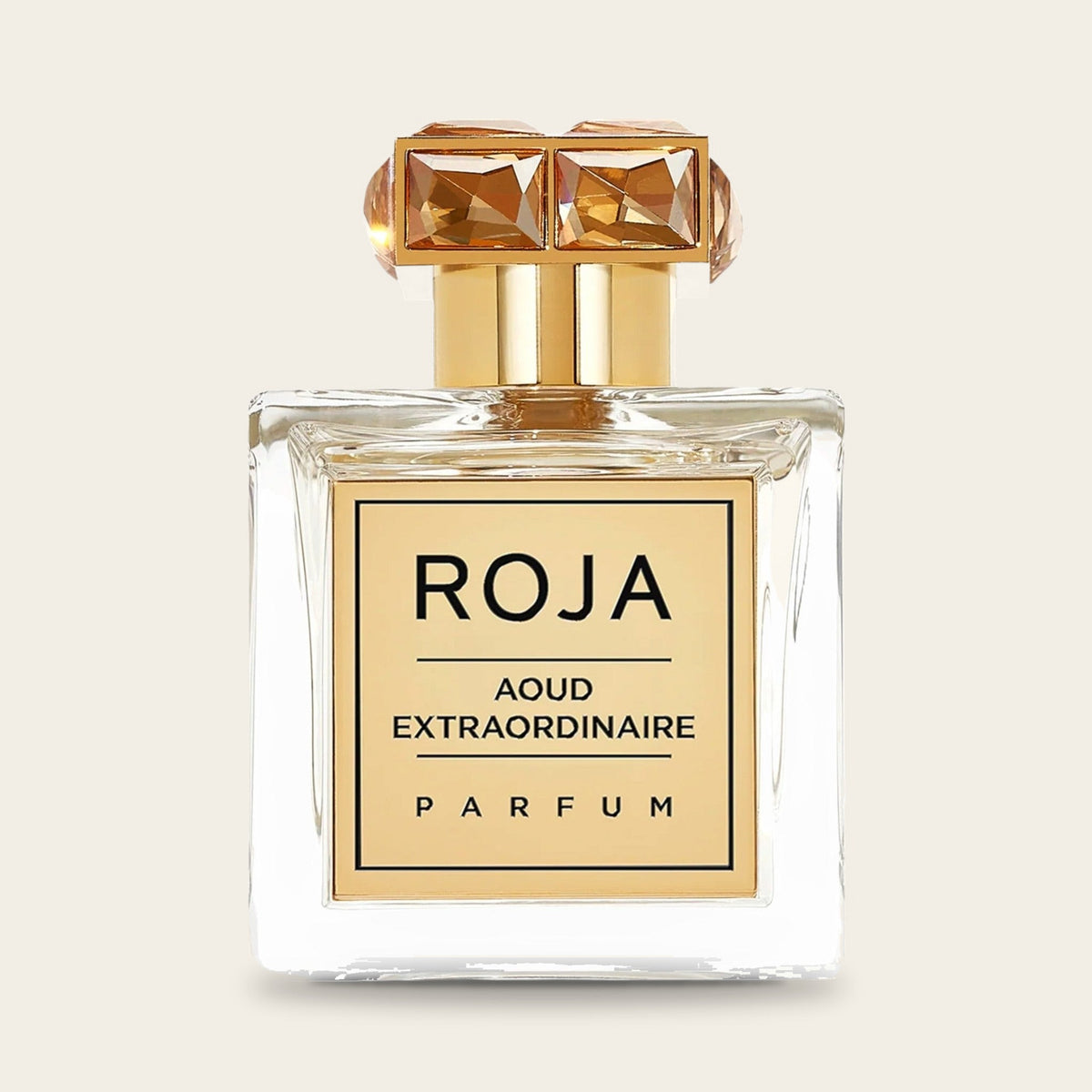
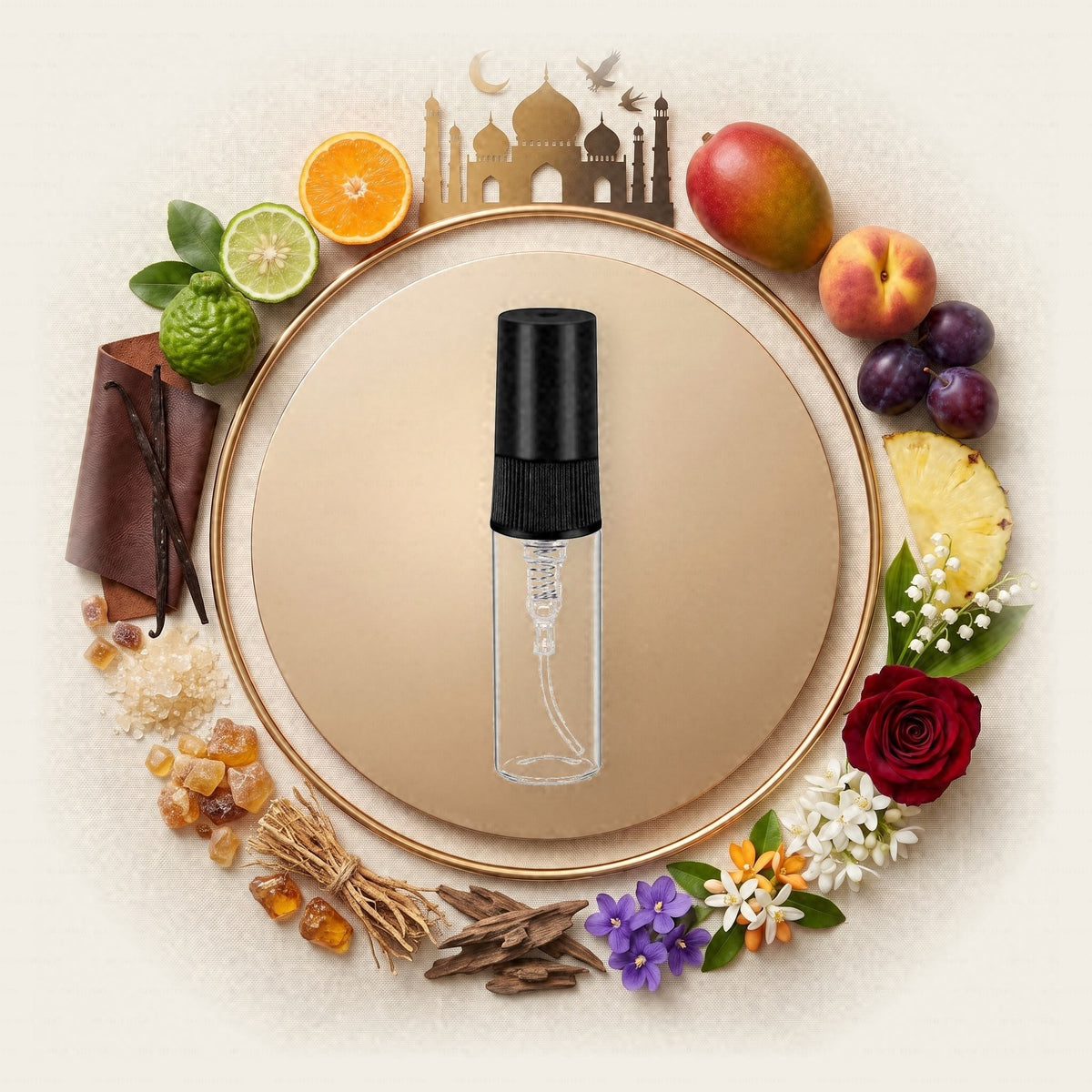


Questions and answers
Juicy, sweet and tropical, with a creamy, peach-like nuance and a green-resinous, slightly turpentine-like undertone.
The mango belongs to the cashew family, which makes it a relative of cashew and pistachio – but also of poison ivy and poison sumac. Its home is the Indo-Burma region: the mango tree grows wild from Assam in India through Myanmar to southern China. The evergreen tree can reach up to 30 metres in height and live to a great age, bearing its small flowers in large, upright panicles. Mangoes have been cultivated in India for thousands of years, and the country is still by far the world's largest producer. Among the hundreds of cultivars, Western selections such as Haden, Kent or Keitt smell chemically quite different from Indian cultivars such as Alphonso.
There is no commercial essential oil from mango flesh. Perfumers therefore rebuild the scent as an accord. Creamy lactones give the accord body and a peach-like softness, fruity esters bring juiciness and terpenes the green, resinous freshness reminiscent of the peel.
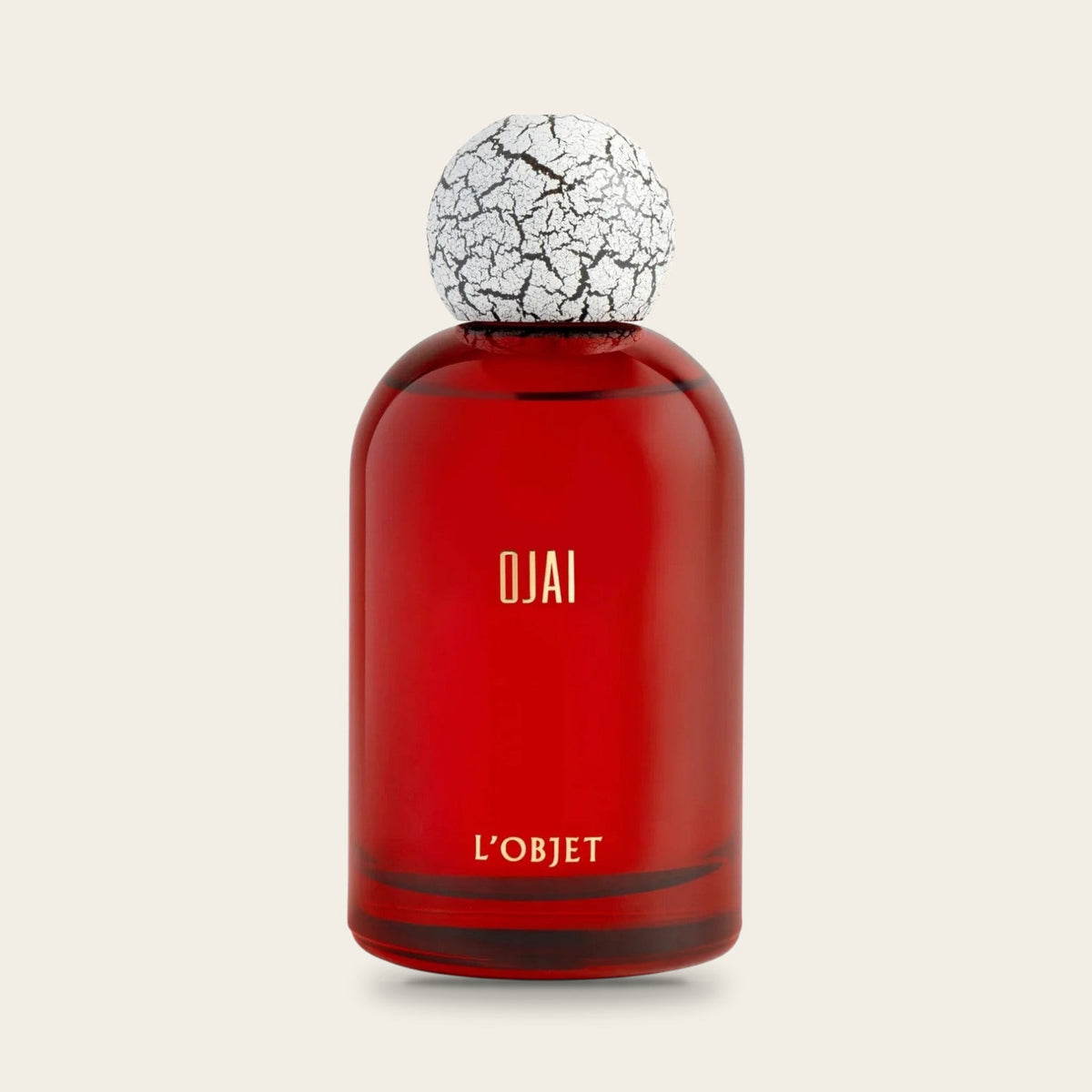
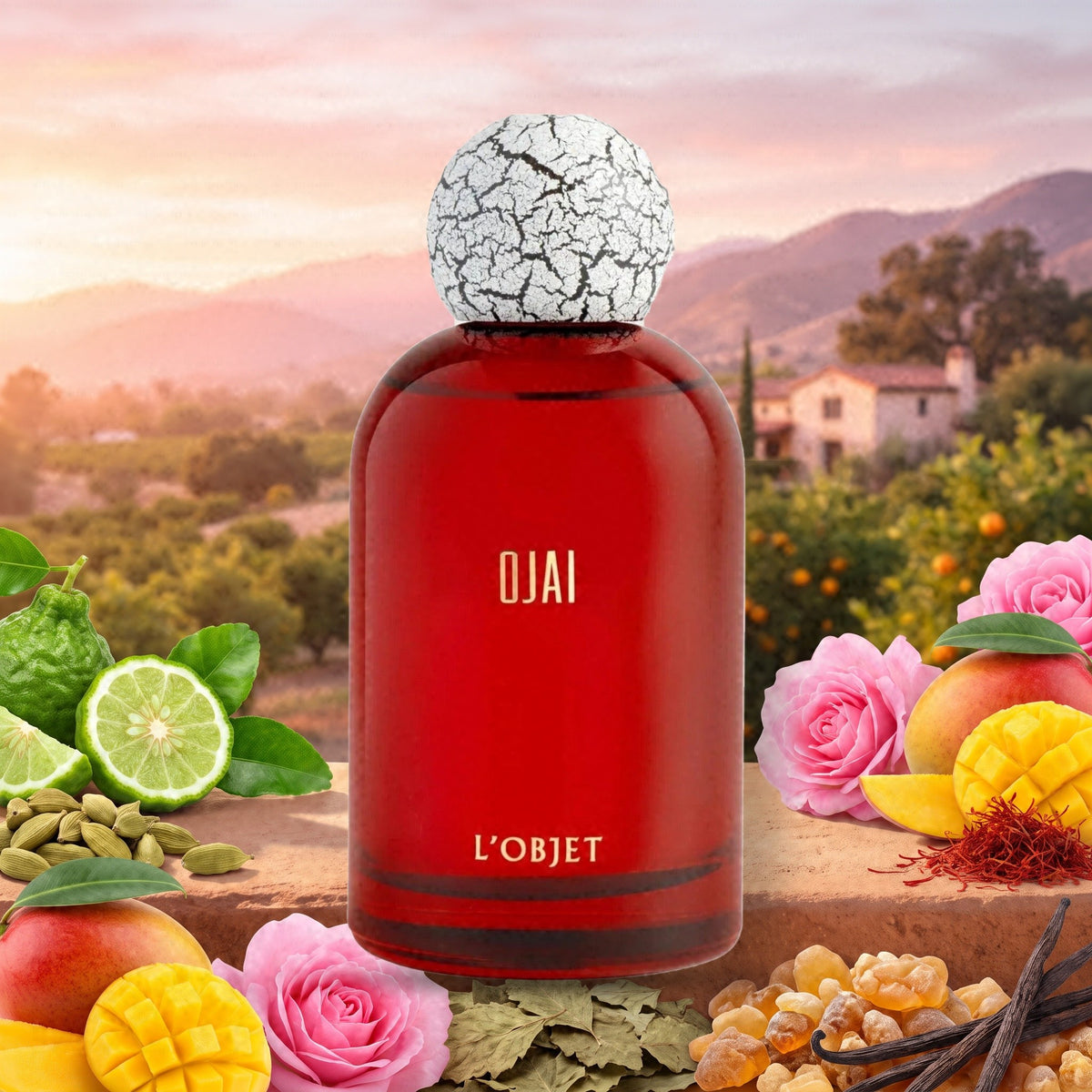
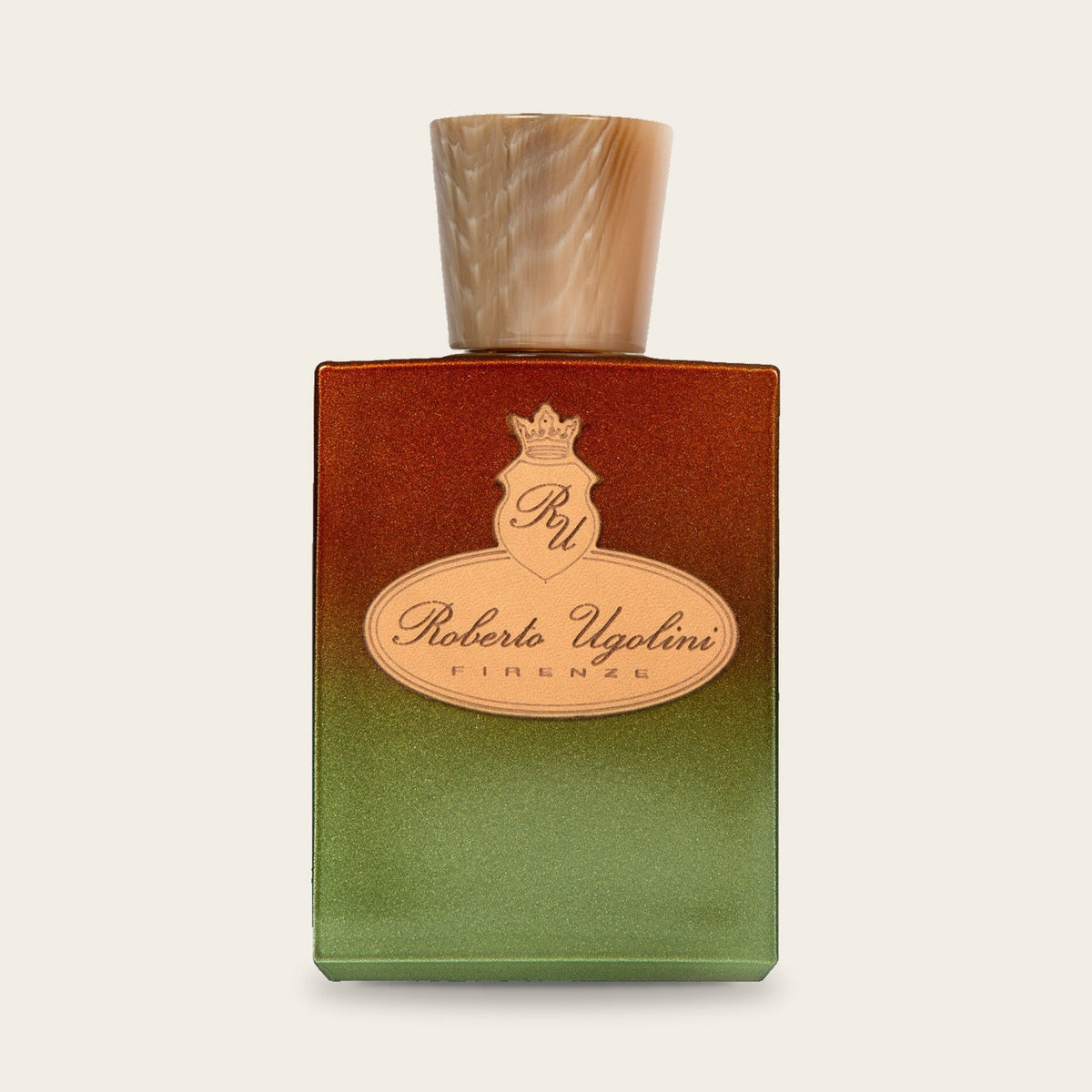
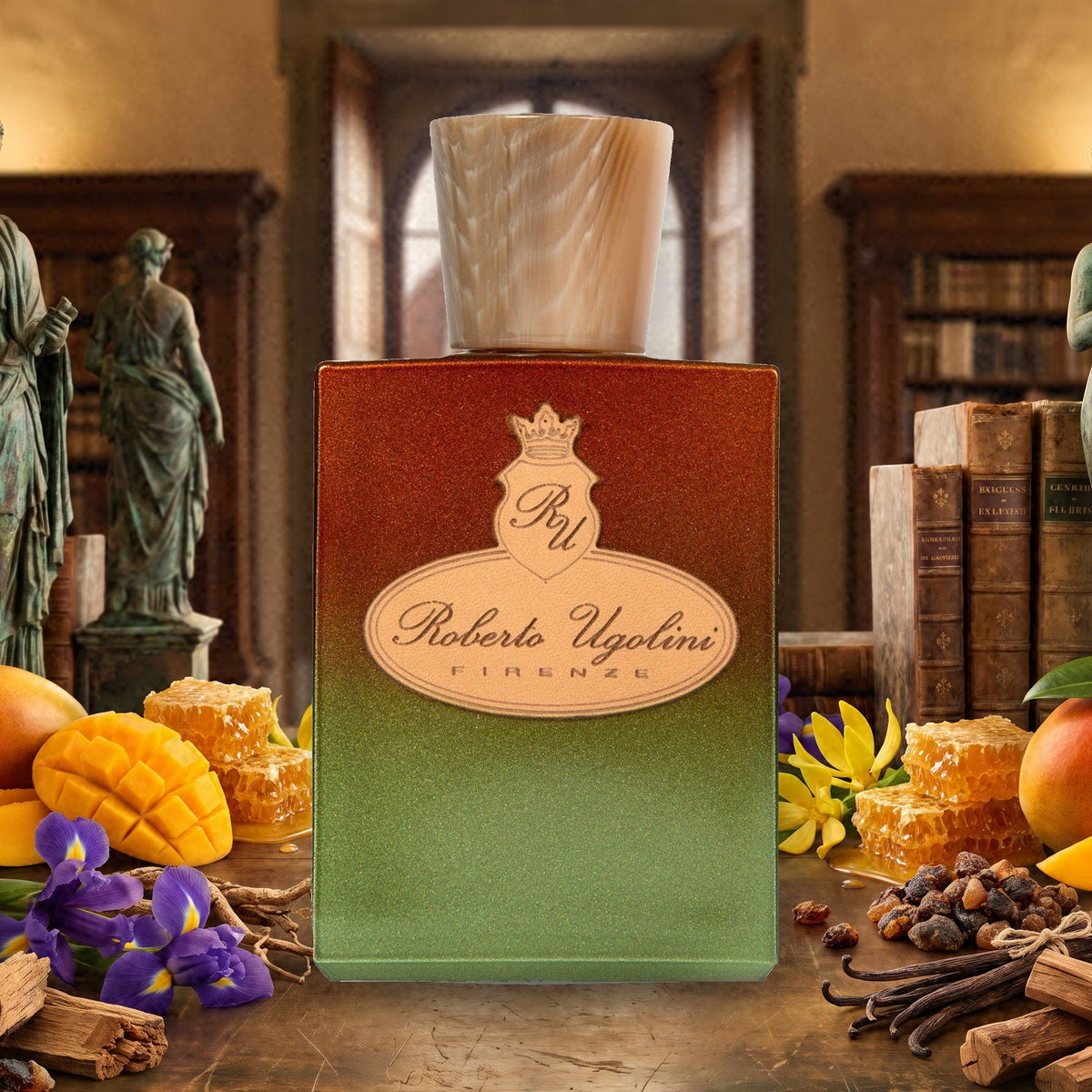
Mango gives a composition a juicy, tropical sweetness with creamy depth. The accord livens up the opening above all and pairs well with bergamot, saffron and iris; over a base of amber, vanilla and musk, its green, resinous side adds a fresh contrast. In our range, mango appears in 17 fragrances – in the top note of 12 and the heart note of 5.
Fruity · Tropical-creamy · Top note, also heart
In India, mangoes ripen from late March into July, depending on the cultivar; the monsoon brings the season to an end. As a fragrance accord, mango is available all year round.
In our fragrances, it often appears alongside Amber, Vanilla, Bergamot, Musk, Iris, Saffron, Sandalwood.
In South Asia, the mango has been more than just a fruit for thousands of years. According to Buddhist tradition, the courtesan Ambapali gave her mango grove in Vesali, the Ambapalivana, to the Buddha and his order – a shady place of rest. In India, the tree is still closely tied to religious customs: garlands of mango leaves decorate doorways at festivals and weddings. As a perfume note, however, mango is a child of the laboratory: since no oil can be obtained from the fruit, its scent is rebuilt with aroma molecules.
- The mango is related to cashew and pistachio – and to poison ivy: its peel contains urushiol-like substances that can trigger skin reactions in sensitive people.
- The word mango reached Europe via the Portuguese, who adopted the fruit's South Indian name as ‘manga’.
- According to Buddhist tradition, the Buddha was given a mango grove: the courtesan Ambapali handed it over to him and his order in Vesali.
How a mango smells depends heavily on the cultivar. In many Western cultivars such as Haden, Kent, Keitt or Ataulfo, the terpene δ-3-carene (C₁₀H₁₆, PubChem CID 26049) is the most abundant volatile. In Indian cultivars such as Alphonso, other monoterpenes such as (Z)-β-ocimene (C₁₀H₁₆, PubChem CID 5320250) and myrcene are more prominent. During ripening, lactones with a peach- and coconut-like odour form as well, along with furanones, above all HDMF (4-hydroxy-2,5-dimethyl-3(2H)-furanone, C₆H₈O₃, PubChem CID 19309) with its sweet, caramel-like scent; the Alphonso mango is particularly rich in both groups. In perfume, mango is therefore recreated as an accord of such building blocks.
FRAGRANCE KNOWLEDGE
In the 4D Journal
-
 FRAGRANCE KNOWLEDGE
Rose in perfume: The queen of fragrance materials
READ ARTICLE
-
 FRAGRANCE KNOWLEDGE
Vanilla in perfume: From orchid to favourite scent
READ ARTICLE
-
 FRAGRANCE KNOWLEDGE
Leather in perfume: How does something smell that was never in the bottle?
READ ARTICLE
-
 FRAGRANCE KNOWLEDGE
Scented candles & home fragrance: How to use them right
READ ARTICLE