
INGREDIENT GLOSSARY
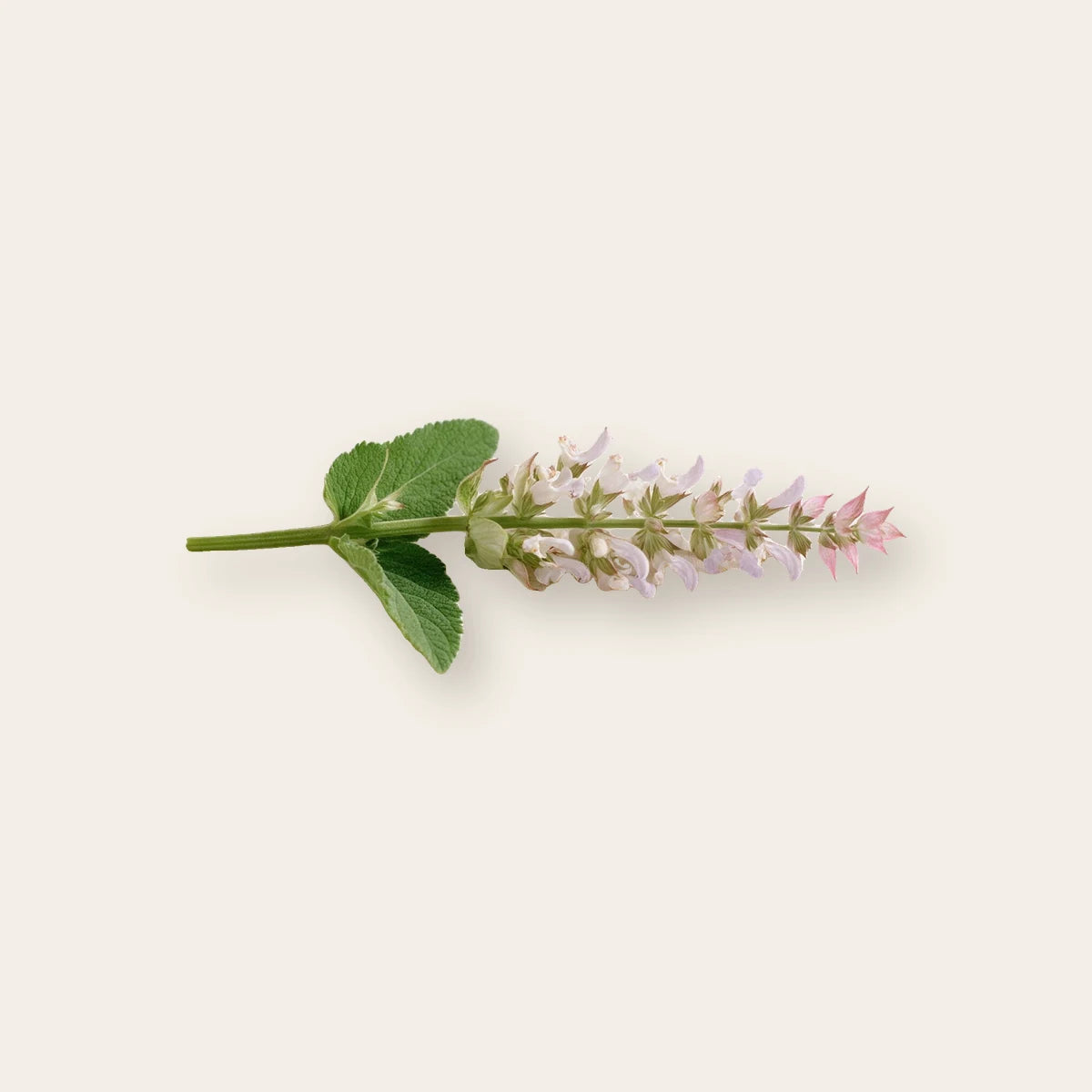
Clary sage
Salvia sclarea · Mint family (Lamiaceae)
Warm and herbaceous with a gentle sweetness, tea-like and hay-like, with a note reminiscent of muscat wine and a soft, slightly ambery dry-down.
NATURALAROMATIC · HERBACEOUS-AMBERY · HEART AND TOP NOTE
AT A GLANCE
- Plant: clary sage Salvia sclarea, a mostly biennial sage of the mint family
- Origin: Mediterranean to Central Asia, grown mainly in France, Bulgaria, the USA and China
- Extraction: steam distillation of the flowering tops; concrete, absolute and sclareol via solvents
- Scent: warm and herbaceous, tea-like, reminiscent of muscat wine, slightly ambery – heart and top note
PROFILE
- Origin
- Native from the Mediterranean to Central Asia and the western Himalaya · Grown mainly in France, Bulgaria, the USA and China
- Extraction
- Essential oil by steam distillation of the flowering tops; concrete and absolute by solvent extraction, which also yields sclareol
- Main molecules
- Linalyl acetate (C₁₂H₂₀O₂, the key molecule of the oil) · linalool (C₁₀H₁₈O) – together usually around 60 to 90% of the oil · sclareol (C₂₀H₃₆O₂, mainly in the concrete and absolute, starting material for ambroxide)
- Harvest
- Clary sage does not bloom until its second year; the flowering tops are then harvested.
- Often paired with
- Bergamot, Patchouli, Cedarwood, Vetiver, Mandarin, Musk, Lemon
Numbers that surprise
around 80 to 150 kilograms
of dried flower heads are needed, by calculation, for a single kilogram of clary sage oil – they contain only around 0.7 to 1.3% oil.
10 to 25 kilograms
of sclareol are contained in one tonne of flower heads – only a tiny fraction of it reaches the distilled oil; the rest is recovered with solvents.
around 60 to 90%
of the oil usually consists of just two molecules: linalyl acetate and linalool.
Rounded values; calculation based on published data.
Harvest and season
Clary sage does not bloom until its second year; the flowering tops are then harvested. Oil, concrete and absolute keep well and are available all year round.
The flowering tops of the plant are harvested. For the essential oil they are steam-distilled, usually after partial drying; the flower heads contain only around 0.7 to 1.3% oil. A second route uses solvents: it produces a waxy concrete, which is purified with alcohol into an absolute. Sclareol, the most valuable accompanying compound, barely passes into the oil during distillation. It is therefore extracted from the plant material with organic solvents and then purified. Sclareol is the most common starting material for ambroxide, one of the key molecules of the ambergris odour.
Knowledge to share
Myth or truth?
Statement 1
The sclareol for ambroxide is obtained from clary sage essential oil.
Myth. During steam distillation, sclareol barely passes into the oil. It is recovered from the dried flower heads or the distillation residue with organic solvents and then purified.
Statement 2
Like common sage oil, clary sage oil is distilled from the leaves.
Myth. For clary sage oil, it is mainly the flowering tops that are harvested and steam-distilled. The flower heads carry the oil – and their calyces also hold the sclareol.
Statement 3
Clary sage is related to nutmeg.
Myth. It has nothing to do with nutmeg. Its German name, Muskatellersalbei, refers to muscat wine: the flower heads smell similar, and in 16th-century Germany wine was flavoured with the plant to imitate muscatel.
Your result
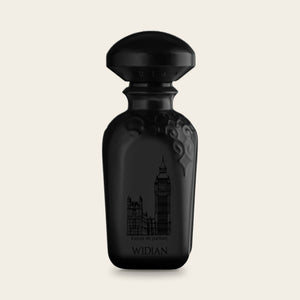
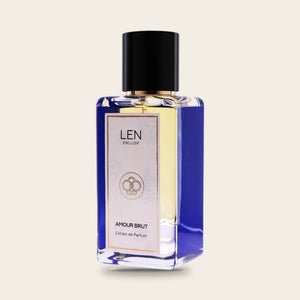
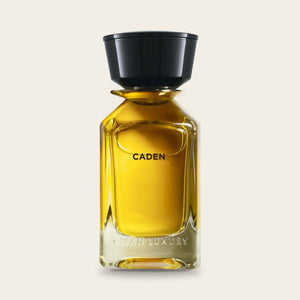
FRAGRANCES WITH CLARY SAGEINGREDIENT GLOSSARY
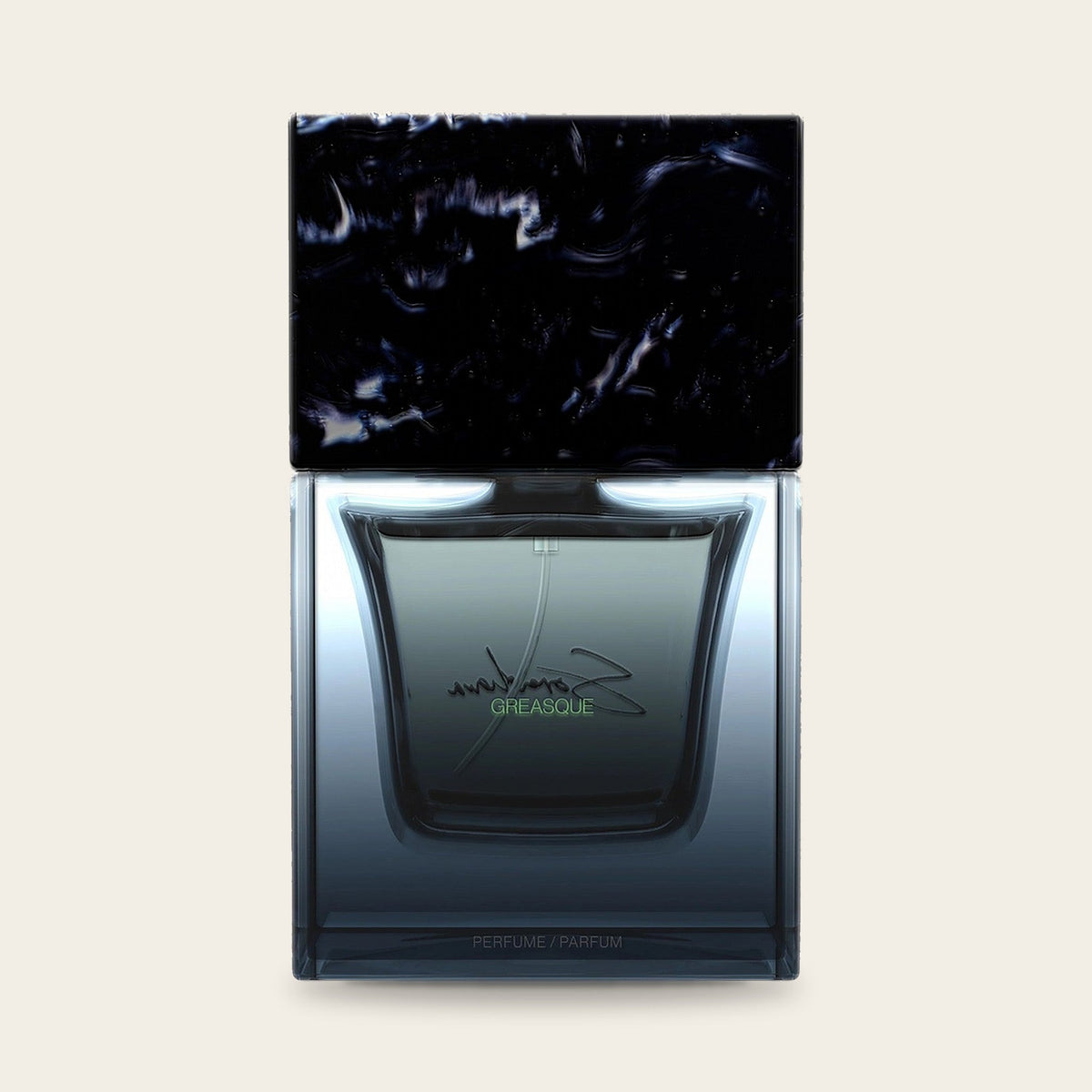
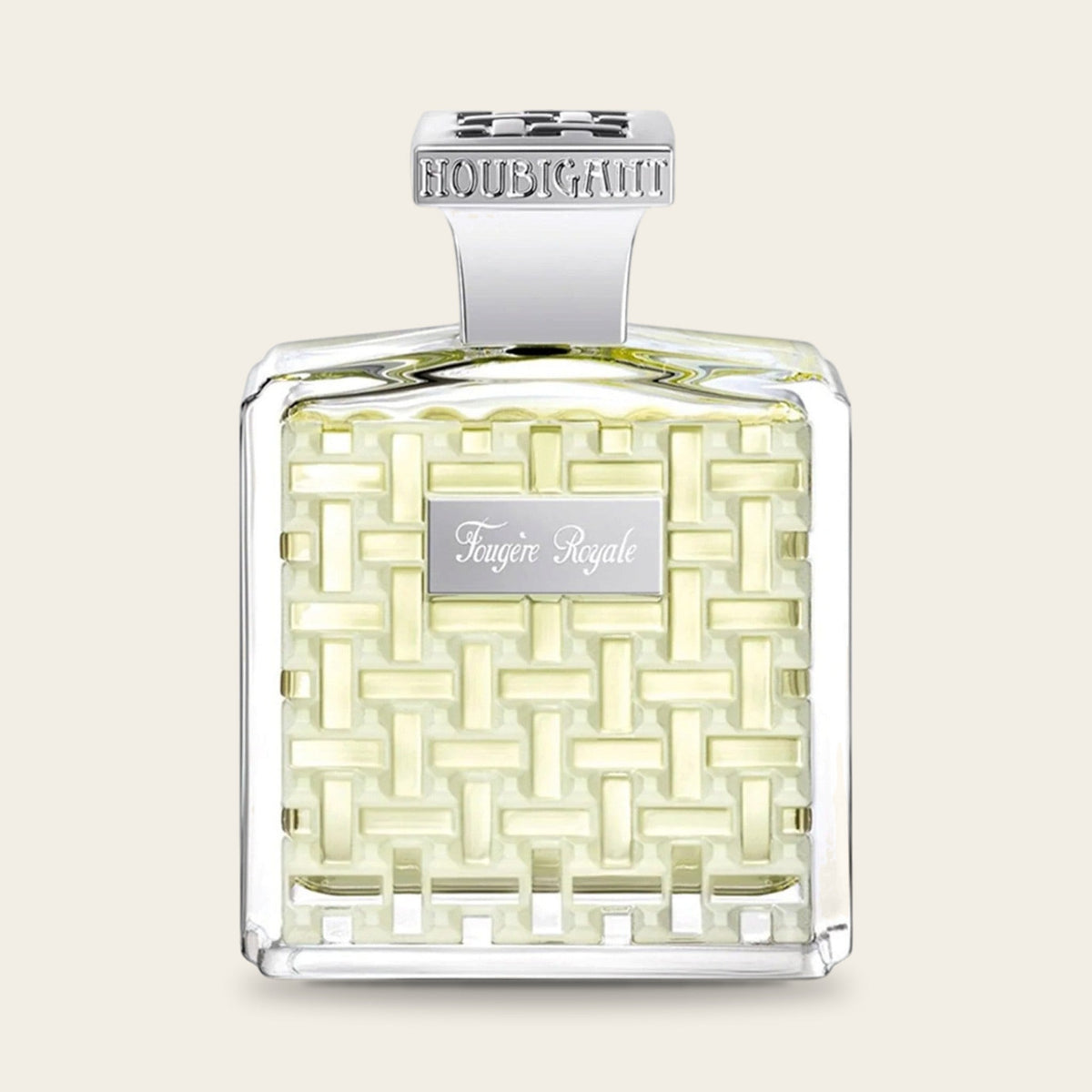
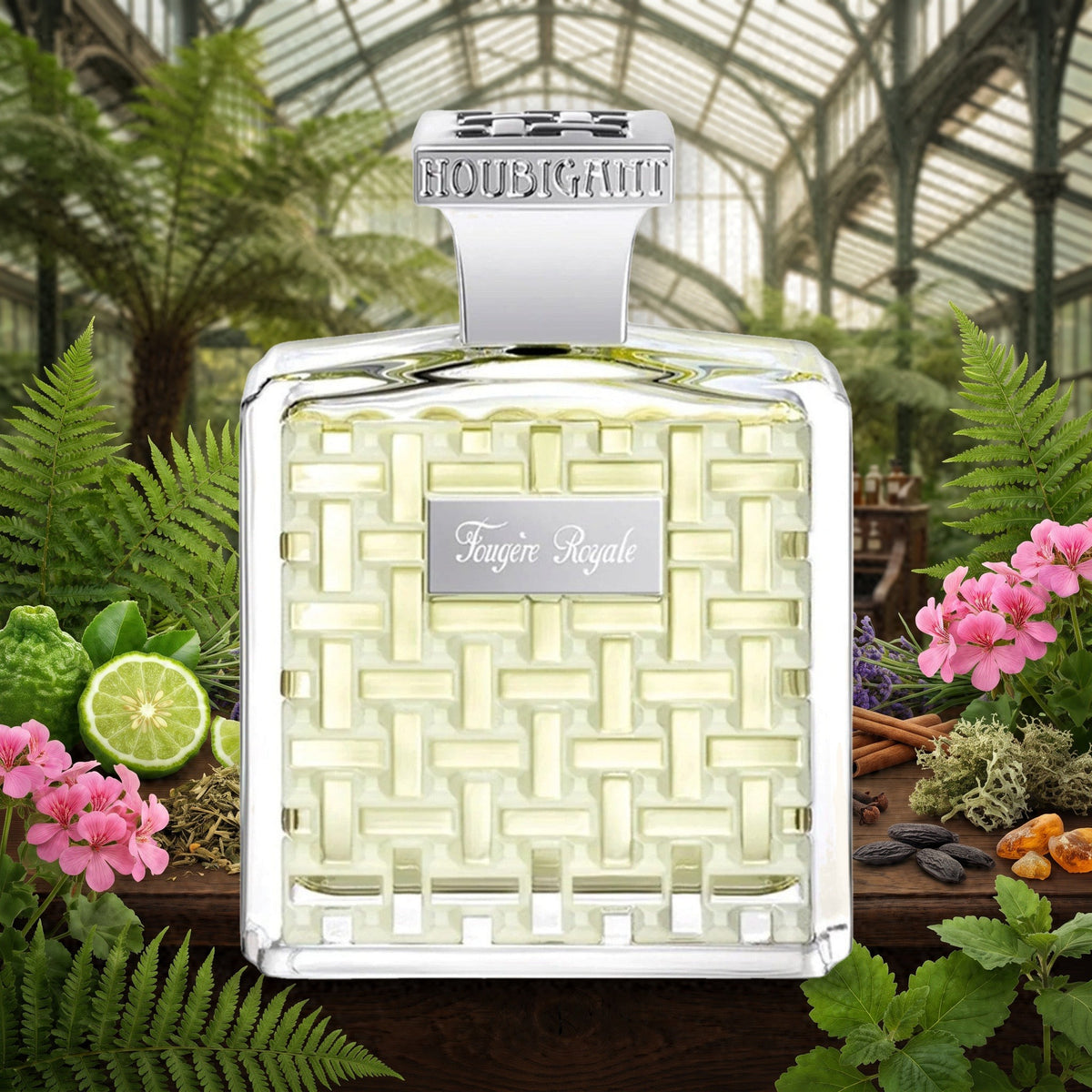
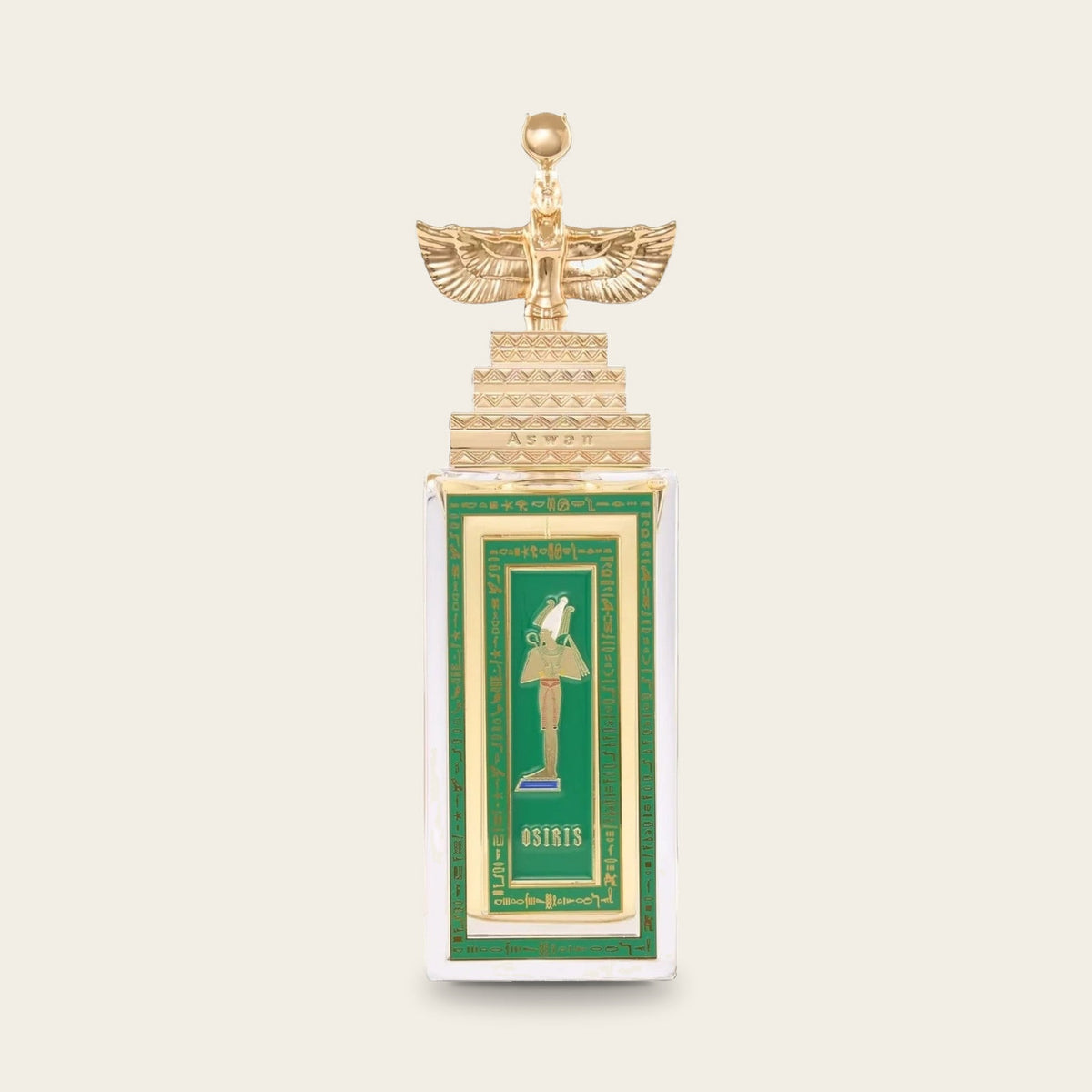
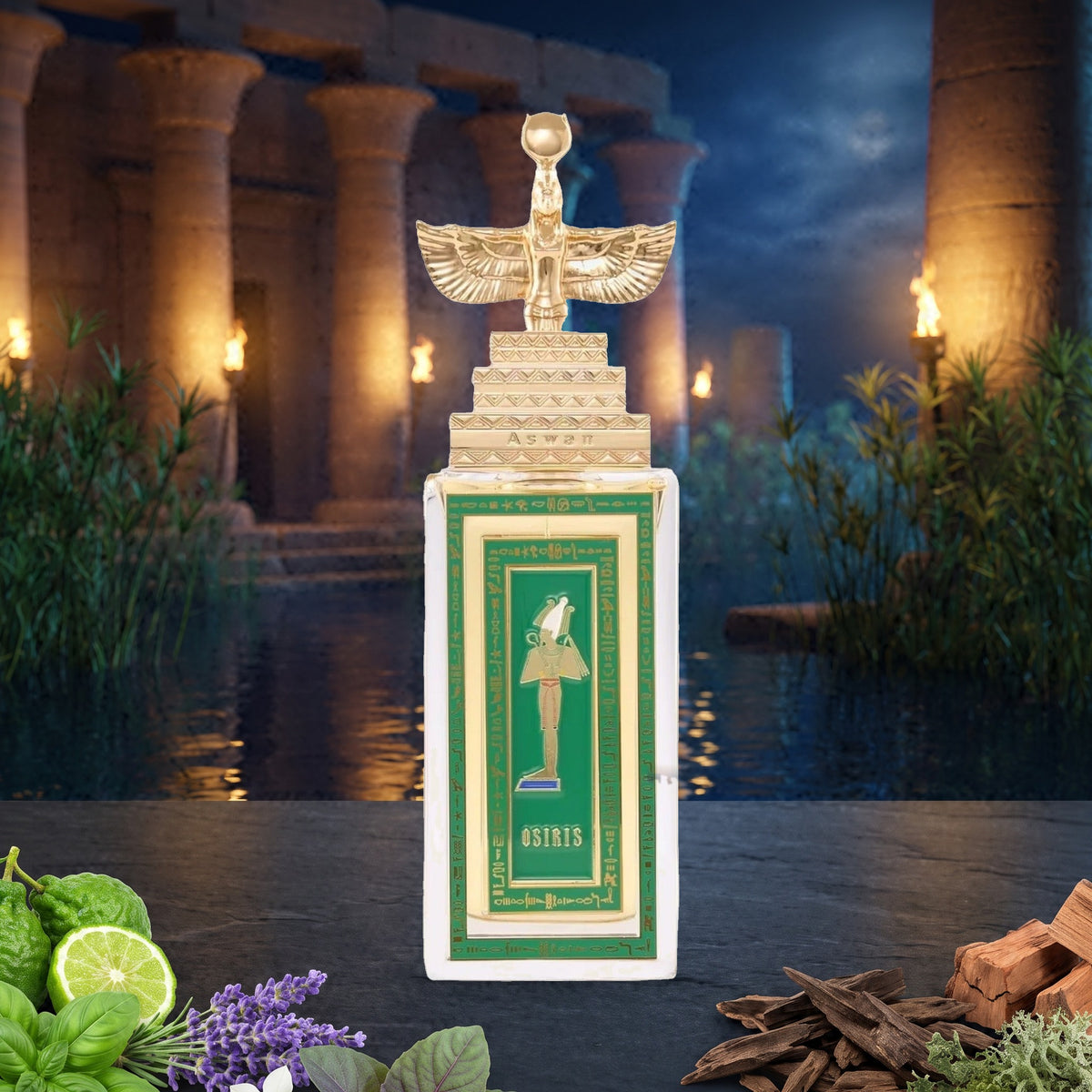
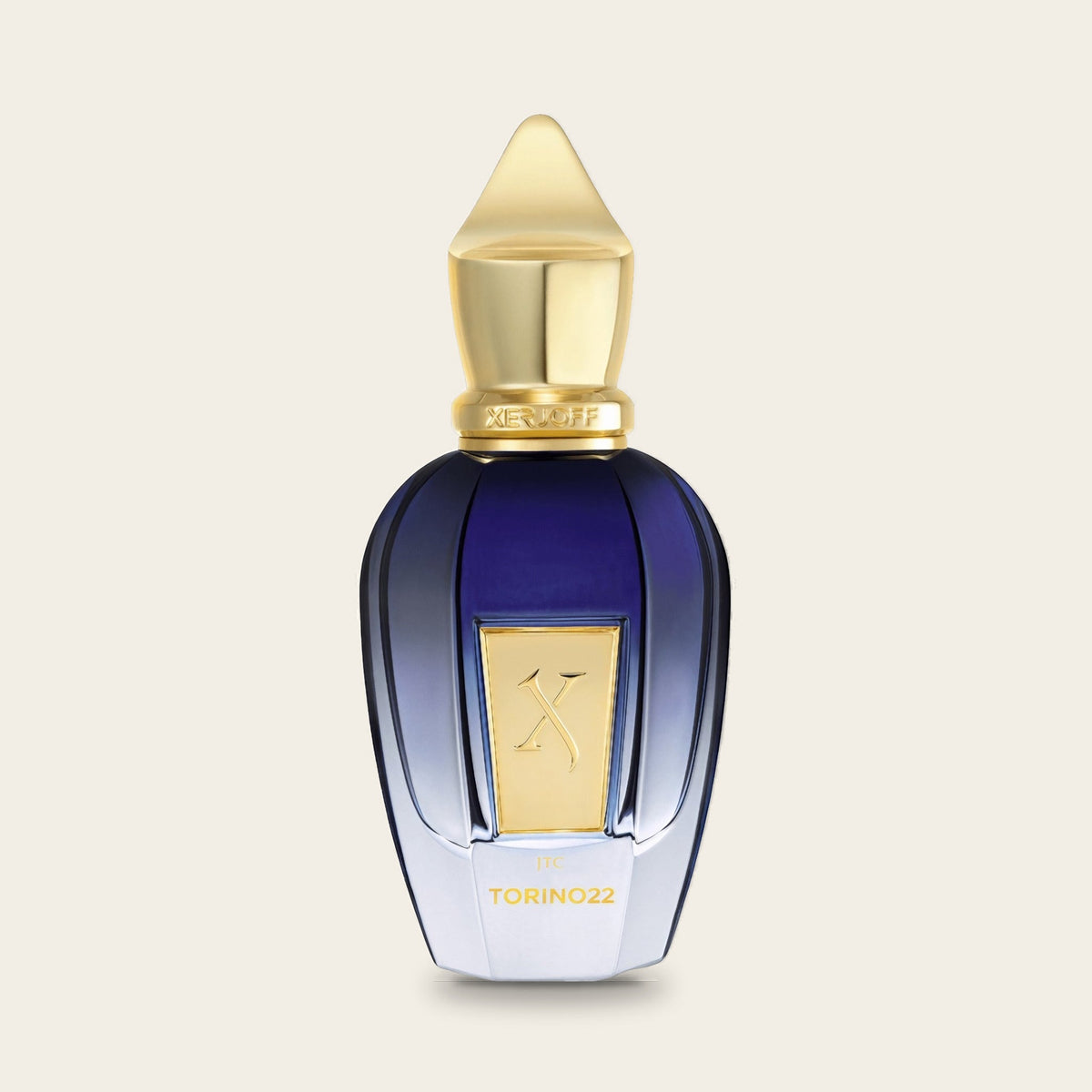
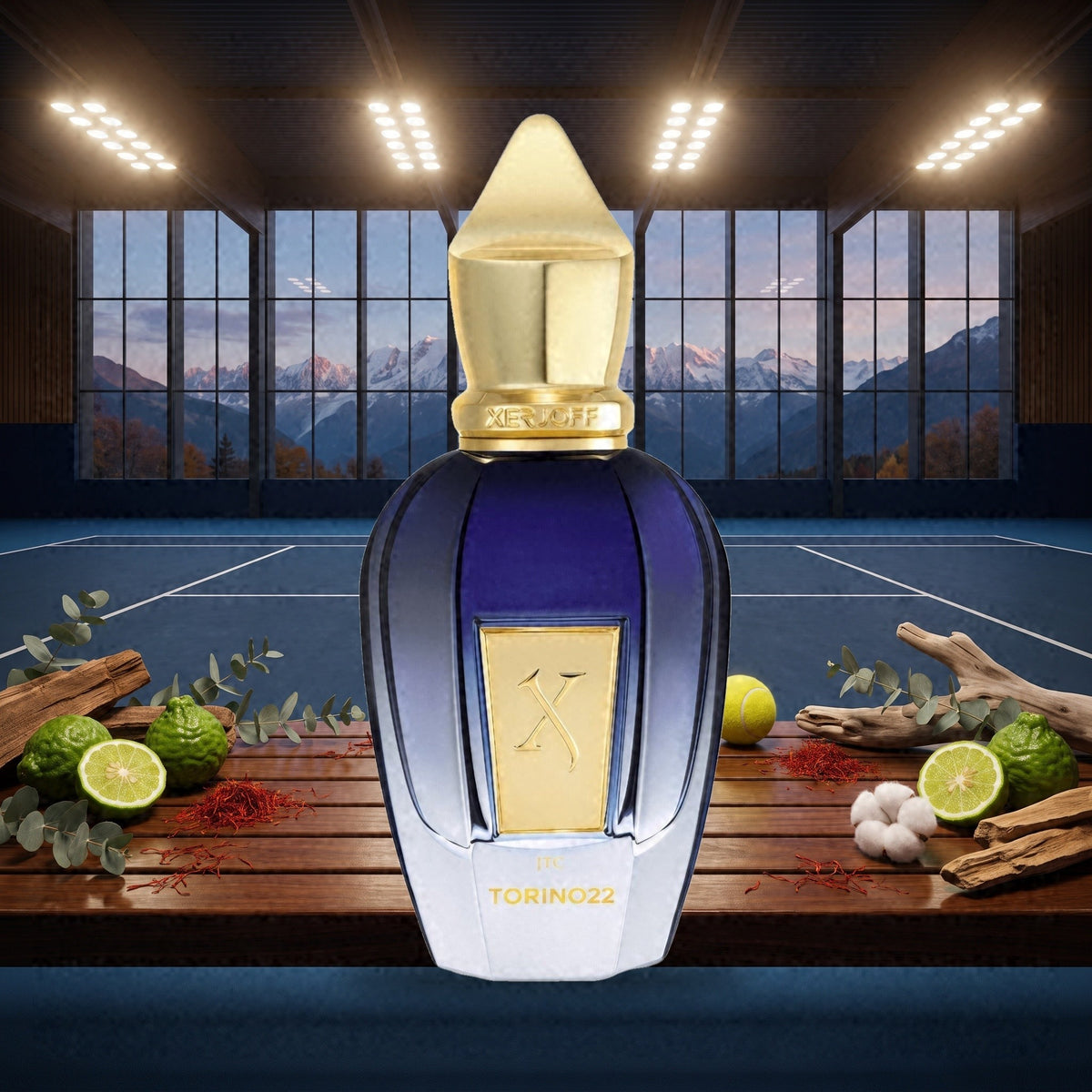
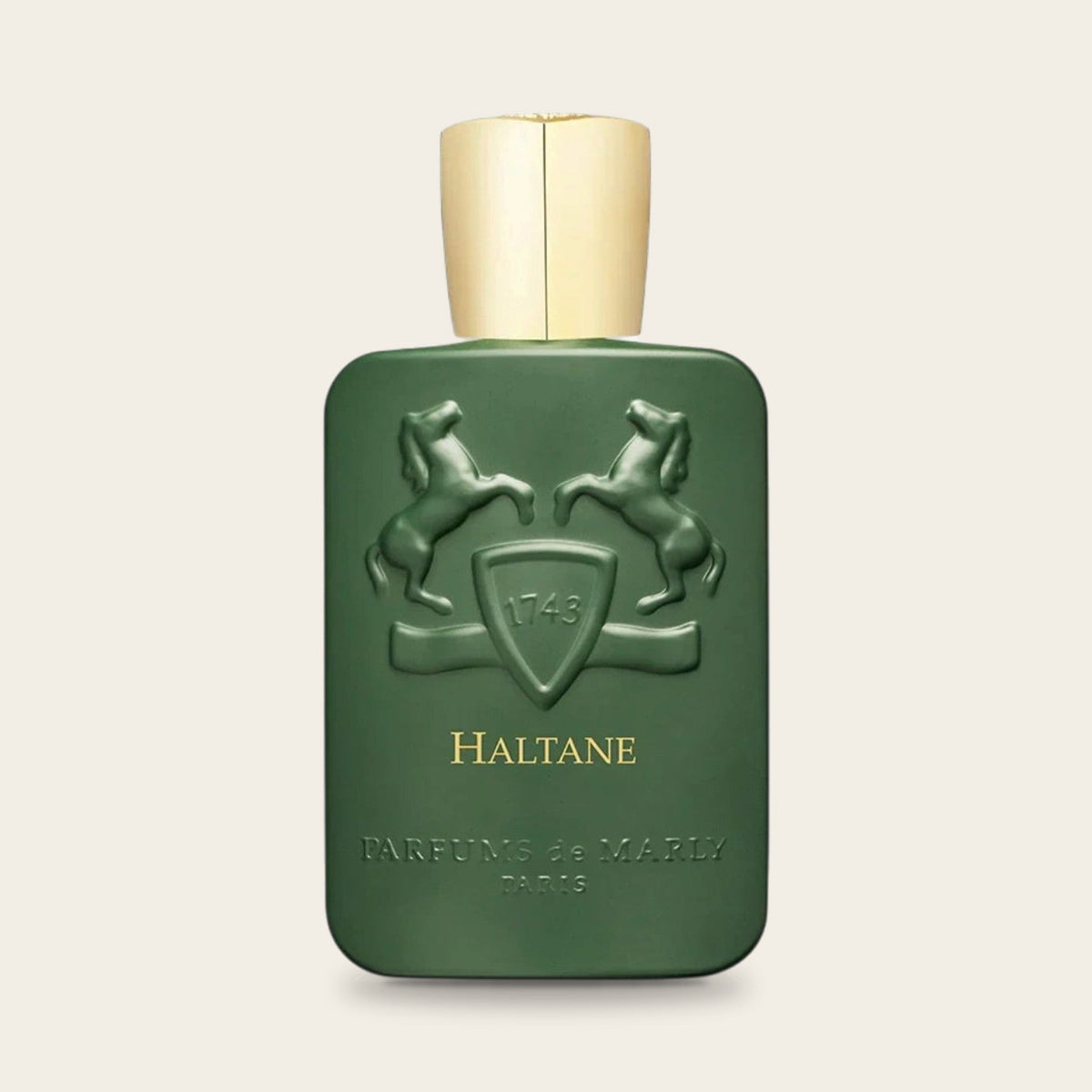
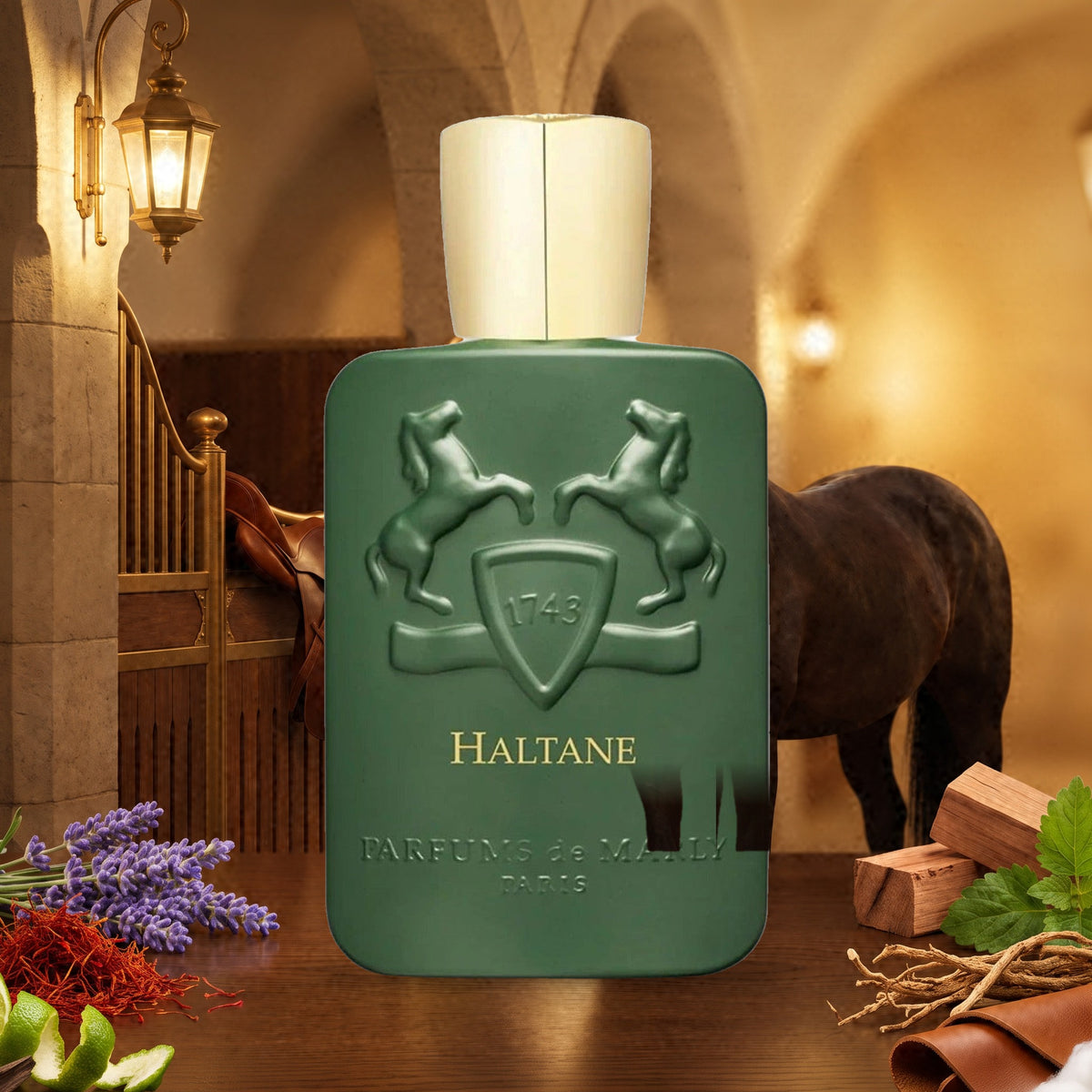
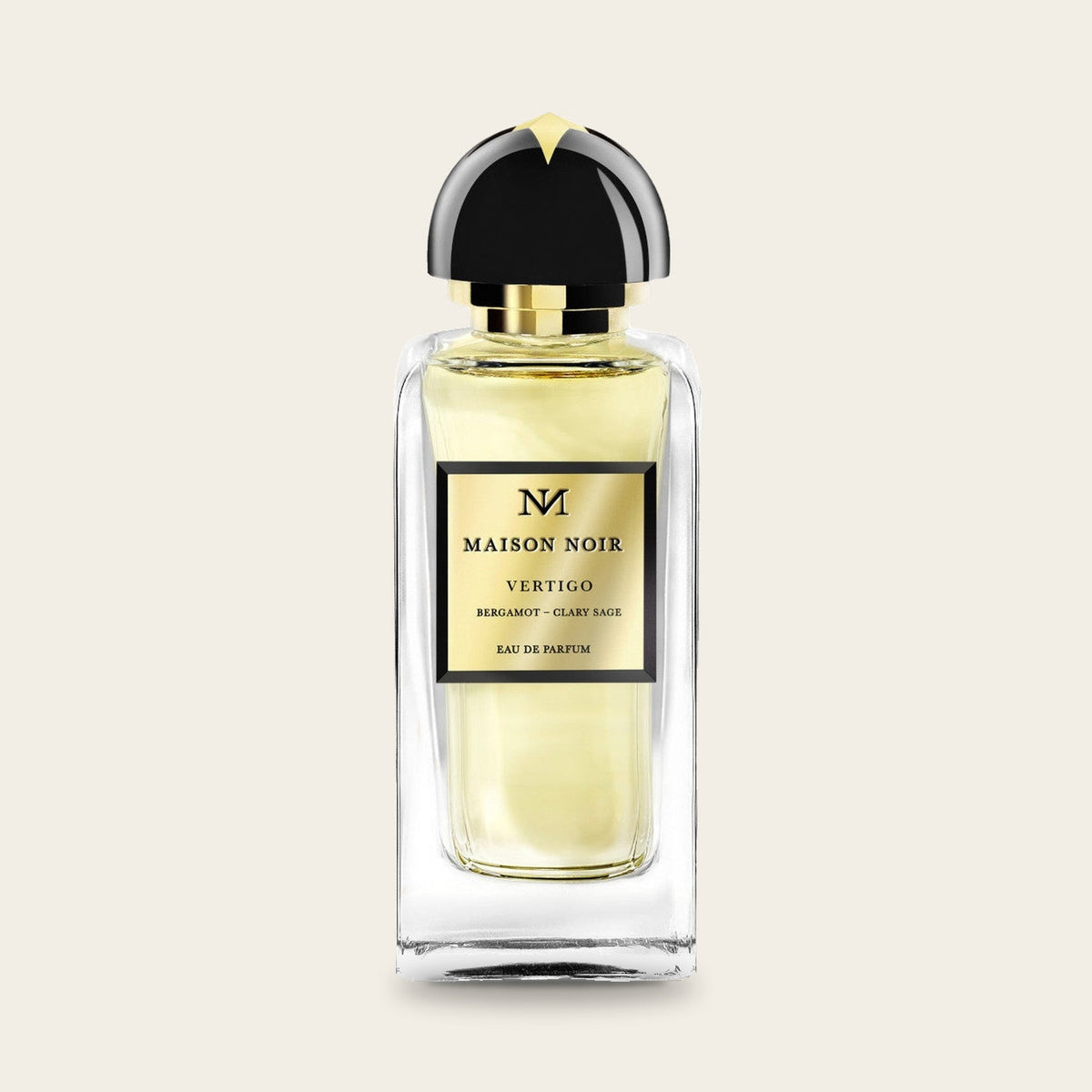
Fragrances with Clary sage




Questions and answers
Warm and herbaceous with a gentle sweetness, tea-like and hay-like, with a note reminiscent of muscat wine and a soft, slightly ambery dry-down.
Clary sage is a species of its own within the genus Salvia and only a relative of kitchen sage: a robust, mostly biennial plant that does not send up its tall, lilac to pink flower spikes until its second year. Its native range stretches from the Mediterranean to Central Asia and the western Himalaya. For perfumery it is grown as a field crop, mainly in France, Bulgaria, the USA and China. The species name sclarea and the English word clary are usually traced back to a Latin word for 'clear'; older English herbals read the name as 'clear-eye'. The German name, Muskatellersalbei, refers to muscat wine, which the scent of the flower heads recalls.
The flowering tops of the plant are harvested. For the essential oil they are steam-distilled, usually after partial drying; the flower heads contain only around 0.7 to 1.3% oil. A second route uses solvents: it produces a waxy concrete, which is purified with alcohol into an absolute. Sclareol, the most valuable accompanying compound, barely passes into the oil during distillation. It is therefore extracted from the plant material with organic solvents and then purified. Sclareol is the most common starting material for ambroxide, one of the key molecules of the ambergris odour.
Clary sage gives a composition a soft, herbaceous, tea-like note with a muscat-like sweetness. It is mostly used as a supporting note: it links fresh, aromatic openings with warm, ambery and tobacco-like accords in the depths. In our range, clary sage appears in 21 fragrances, 9 in the top, 10 in the heart and 2 in the base note.
Aromatic · Herbaceous-ambery · Heart and top note, rarely base
Clary sage does not bloom until its second year; the flowering tops are then harvested. Oil, concrete and absolute keep well and are available all year round.
In our fragrances, it often appears alongside Bergamot, Patchouli, Cedarwood, Vetiver, Mandarin, Musk, Lemon.
Clary sage is an old flavouring and garden plant. For a long time it was used to flavour wine and beer. In 16th-century Germany it was added to Rhine wine together with elderflowers to imitate the taste of muscat wine – hence its German name. In English herbals of the 17th and early 18th centuries the plant appears as 'clear-eye': its mucilaginous seeds were meant to draw foreign bodies out of the eye. Later its importance shifted to the fragrance and flavour industry: today clary sage is grown mainly for its essential oil, and since the mid-20th century its sclareol has served as the starting material for ambergris-like scent molecules.
- Clary sage oil is not just a perfumery material: to this day it gives vermouths, liqueurs and wines a muscat-like note.
- A field of clary sage only yields flowers every other year – the plant does not bloom until its second year.
- The species name sclarea and the English word clary are usually traced back to a Latin word for 'clear'.
The essential oil of clary sage is carried by two monoterpenes: linalyl acetate (C₁₂H₂₀O₂, PubChem CID 8294), the acetic acid ester of linalool, and linalool (C₁₀H₁₈O, PubChem CID 6549). Together they usually make up around 60 to 90% of the oil in commercial oils and analyses; the proportions vary widely with origin, plant line and distillation. The diterpene alcohol sclareol (C₂₀H₃₆O₂, PubChem CID 163263) forms mainly on the flower calyces, which also carry the glandular hairs. The flower heads contain around 1 to 2.5% sclareol, but because the compound barely passes over during steam distillation, it is found mainly in solvent extracts such as the concrete. Sclareol is used to make ambroxide, one of the key molecules of the ambergris odour.
FRAGRANCE KNOWLEDGE
In the 4D Journal
-
 FRAGRANCE KNOWLEDGE
Rose in perfume: The queen of fragrance materials
READ ARTICLE
-
 FRAGRANCE KNOWLEDGE
Vanilla in perfume: From orchid to favourite scent
READ ARTICLE
-
 FRAGRANCE KNOWLEDGE
Leather in perfume: How does something smell that was never in the bottle?
READ ARTICLE
-
 FRAGRANCE KNOWLEDGE
Scented candles & home fragrance: How to use them right
READ ARTICLE