INGREDIENT GLOSSARY
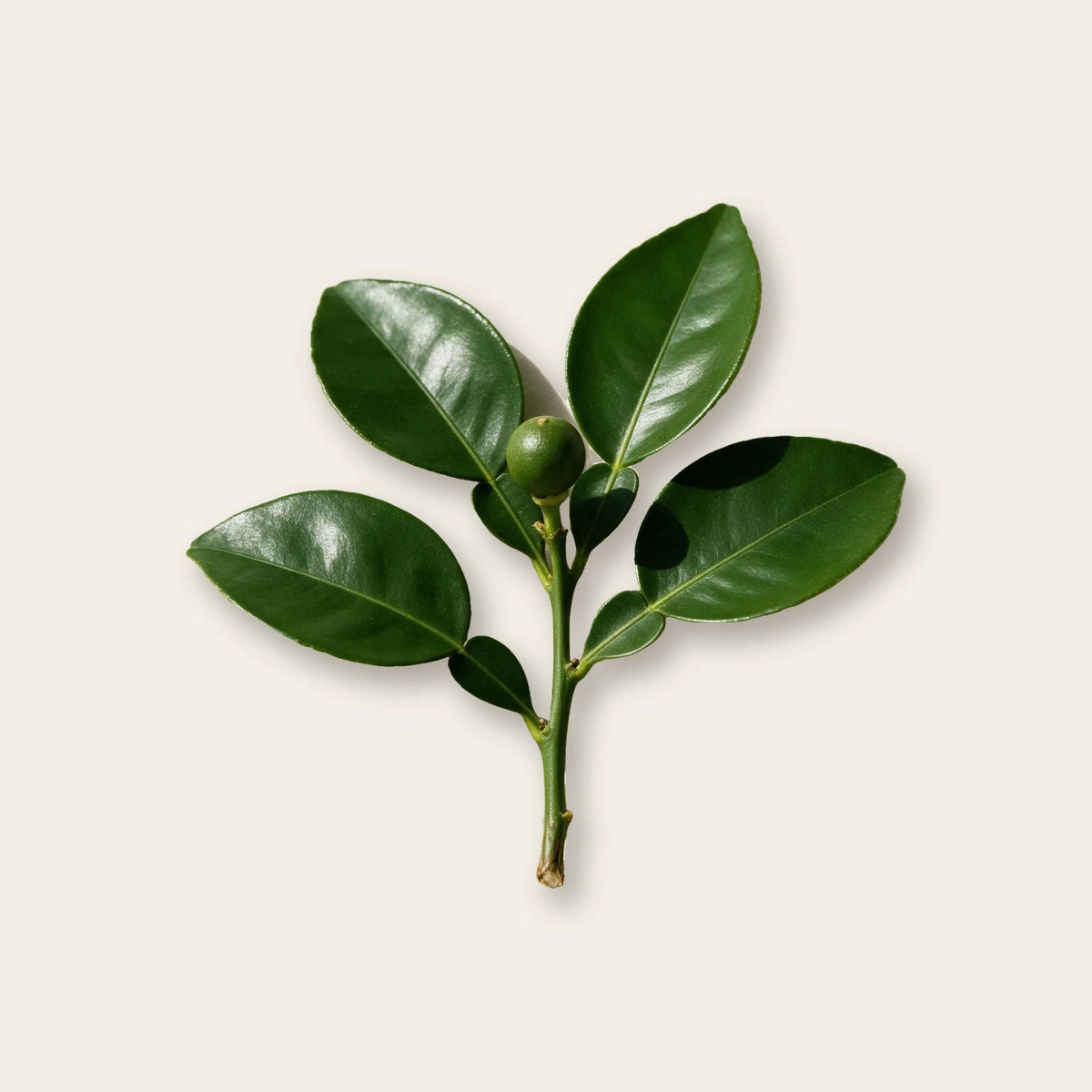
Petitgrain
Citrus × aurantium (bitter orange) · Rue family (Rutaceae)
Fresh, green and slightly bitter, with a hint of orange blossom and a woody, herbaceous undertone.
NATURALCITRUS-GREEN · AROMATIC-FLORAL · TOP AND HEART NOTE
AT A GLANCE
- Plant: leaves and twigs of the bitter orange Citrus × aurantium, rue family
- Origin: mainly Paraguay, smaller quantities from the Mediterranean
- Extraction: steam distillation of foliage and young twigs
- Scent: fresh, green, slightly bitter, with a hint of orange blossom – top and heart note
PROFILE
- Origin
- Today's main origin is Paraguay, above all the departments of San Pedro, Caaguazú, Canindeyú and Cordillera · Smaller quantities come from the Mediterranean, for example France
- Extraction
- Steam distillation of bitter orange leaves and young twigs; small unripe fruits were also distilled in the past
- Main molecules
- Linalyl acetate (C₁₂H₂₀O₂, fresh and fruity, reminiscent of bergamot, usually the main constituent) · linalool (C₁₀H₁₈O, floral and fresh) · α-terpineol (C₁₀H₁₈O, mild, lilac-like)
- Harvest
- In Paraguay's tropical climate the foliage grows back almost all year round; the main harvest usually falls between October and March, and the trees are cut around twice a year.
- Often paired with
- Bergamotte, Moschus, Amber, Jasmin, Patschuli, Neroli, Zitrone
Numbers that surprise
around 45%
of a typical petitgrain oil consists of a single molecule: linalyl acetate, the ester that gives the oil its fruity freshness.
over 90%
limonene can be found in the oil from the peel of the same bitter orange – in petitgrain from its leaves, linalyl acetate and linalool lead instead.
around 150 years
is how long oil has been distilled from the bitter orange in Paraguay – ever since a French botanist set up the first stills in the 1870s.
Rounded values; calculation based on published data.
Harvest and season
In Paraguay's tropical climate the foliage grows back almost all year round; the main harvest usually falls between October and March, and the trees are cut around twice a year. The distilled oil is available all year round.
Petitgrain is obtained by steam distillation of leaves and young twigs. In Paraguay the trees are kept low and cut back regularly so that they produce as much fresh foliage as possible. Because the tropical climate lets the foliage grow back almost all year round, work continues for much of the year. The finished oil is a clear, yellowish to brownish-yellow liquid. In the past the small, unripe fruits of the bitter orange were distilled as well – they gave the oil its name.
Knowledge to share
Myth or truth?
Statement 1
Petitgrain, neroli and bitter orange oil smell the same – after all, they come from the same tree.
Myth. Each organ yields its own oil: in petitgrain from the leaves linalyl acetate usually leads, in neroli from the blossom linalool, and the peel oil consists mainly of limonene, often over 90%.
Statement 2
Petitgrain oil always has the same composition.
Myth. The composition depends on harvest time, origin and tree. In Brazil leaf oils differed between the dry and the rainy season, and one accession was even dominated by α-pinene.
Statement 3
Linalyl acetate and linalool are closely related.
True. Linalyl acetate (C₁₂H₂₀O₂) is the acetic acid ester of linalool (C₁₀H₁₈O) – both share the same carbon skeleton. The ester smells fruitier and reminiscent of bergamot, the alcohol floral and fresh; together they shape the character of petitgrain.
Your result
FRAGRANCES WITH PETITGRAININGREDIENT GLOSSARY
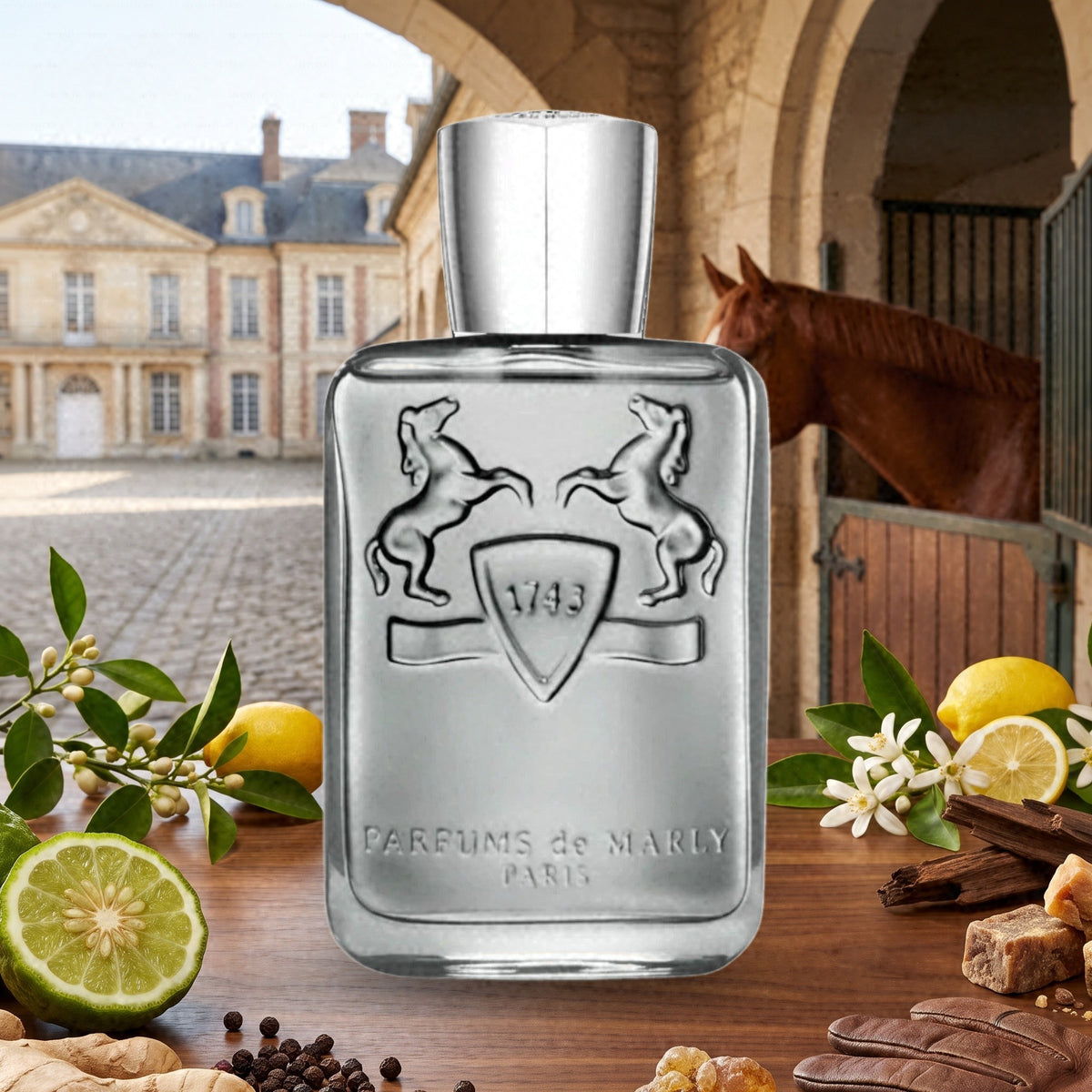
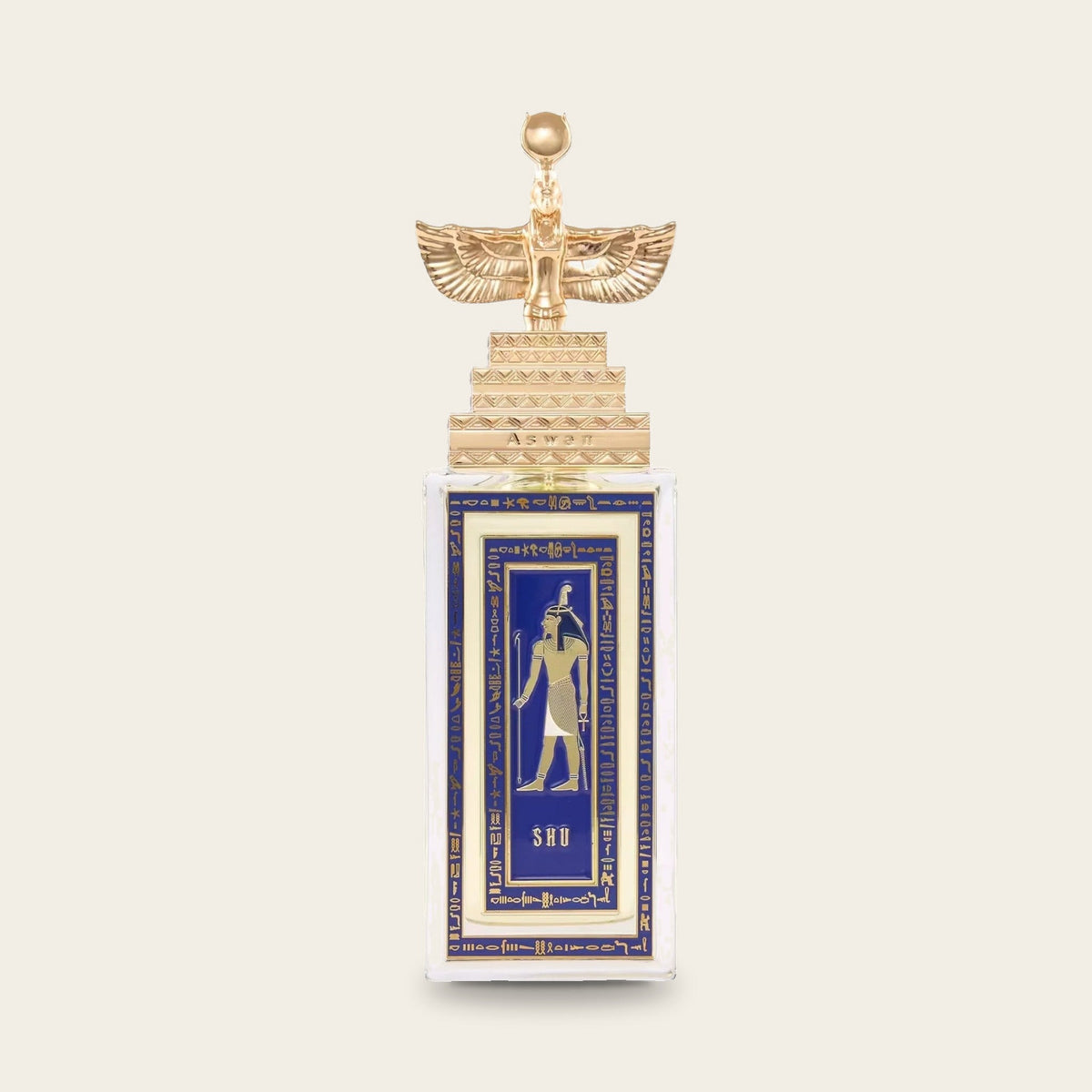
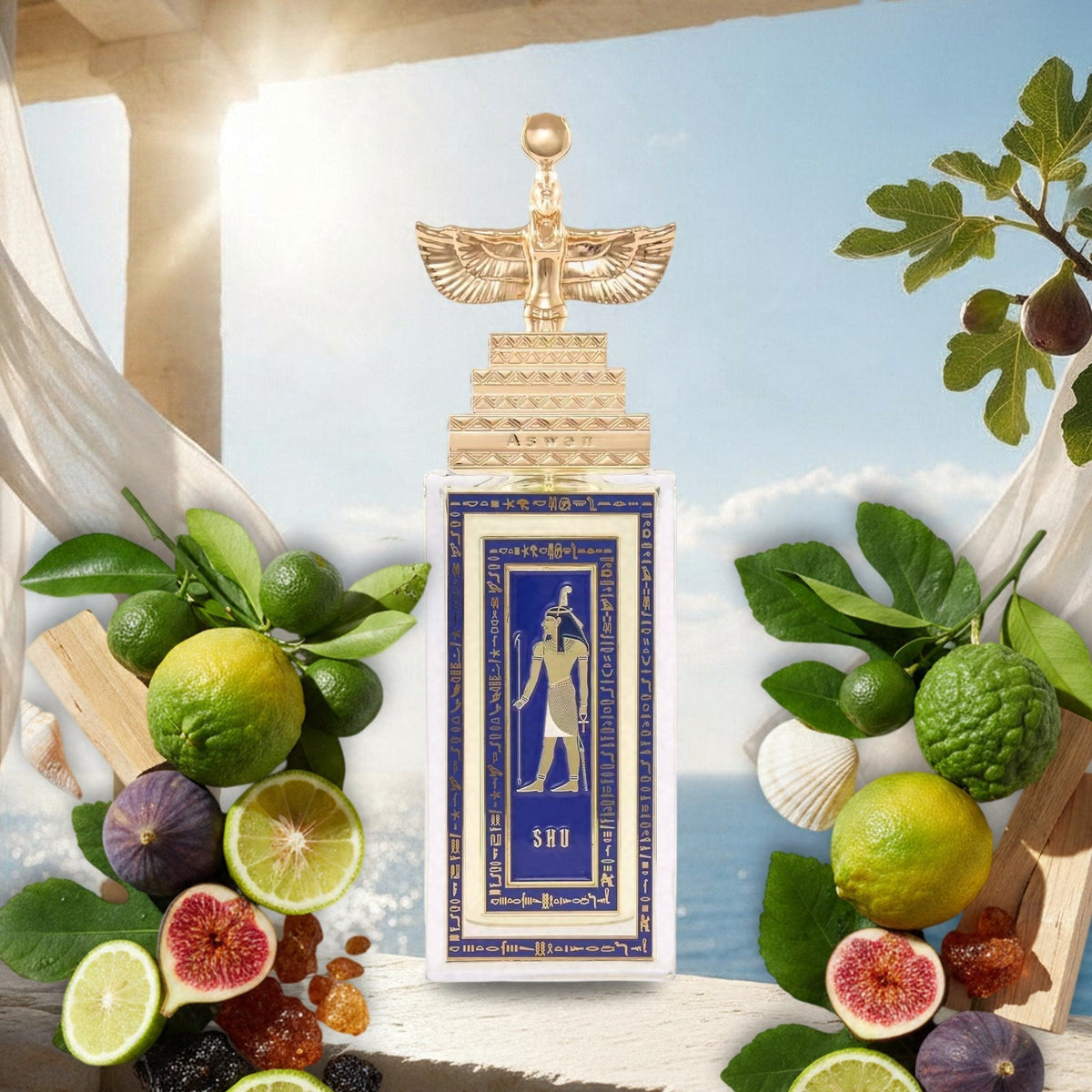
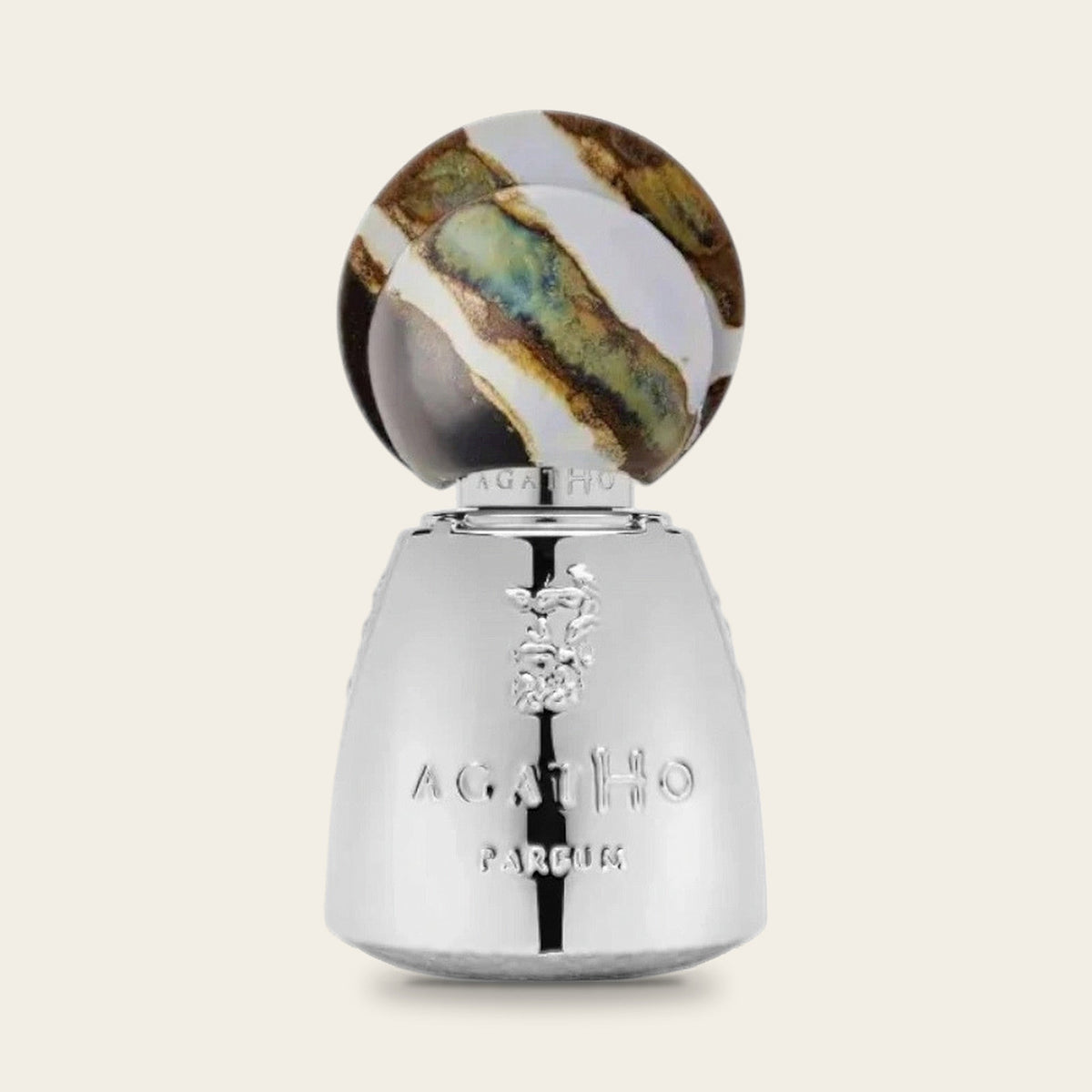
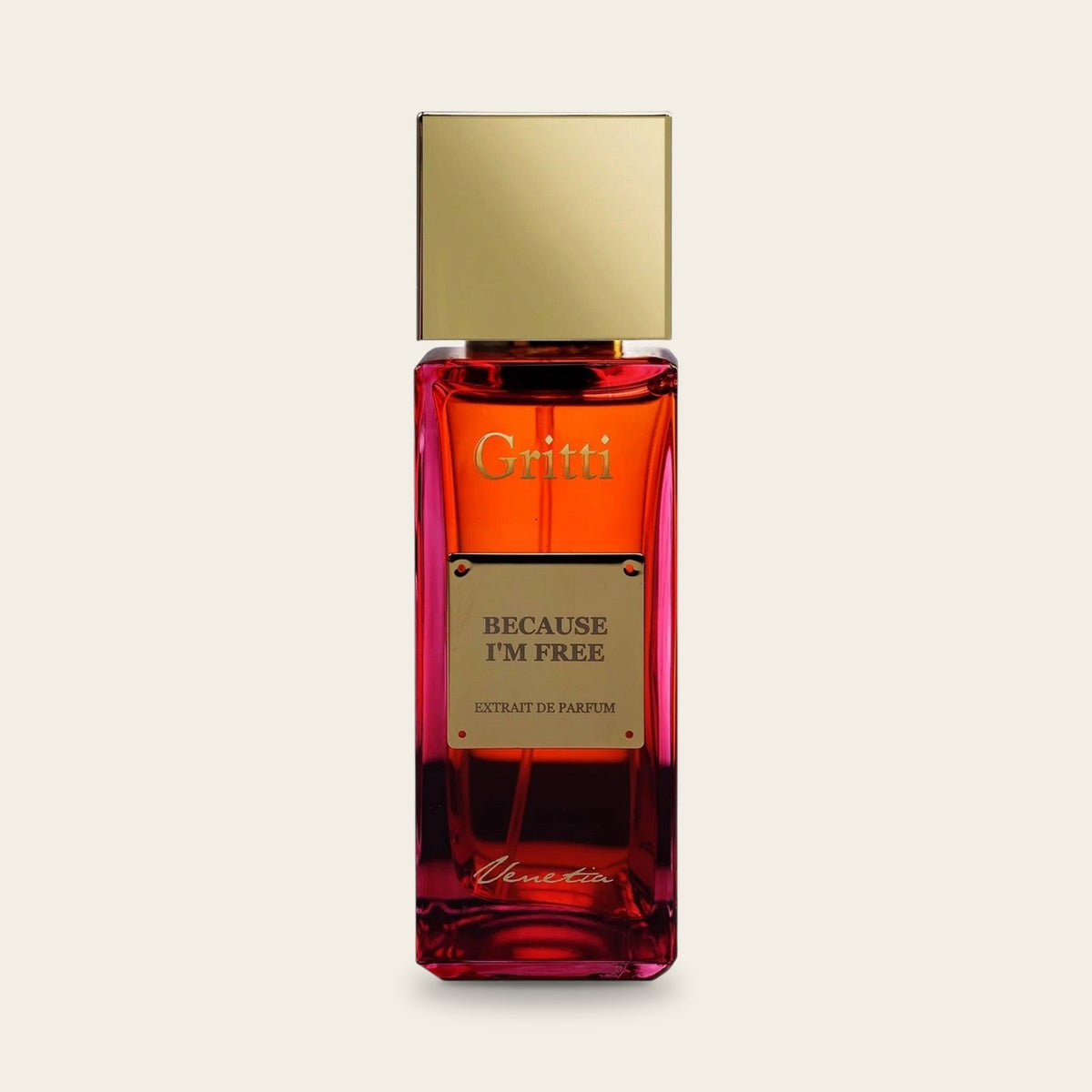
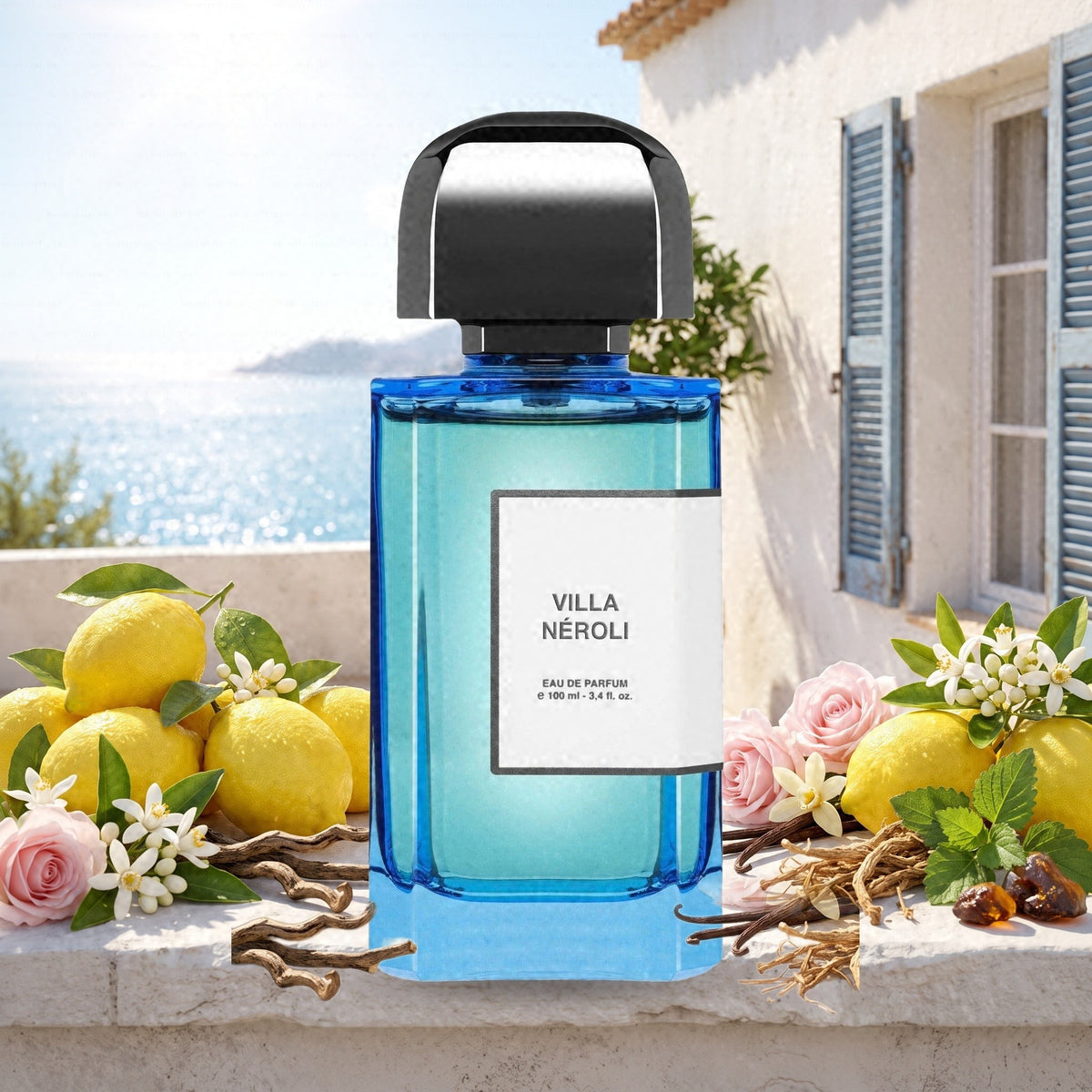
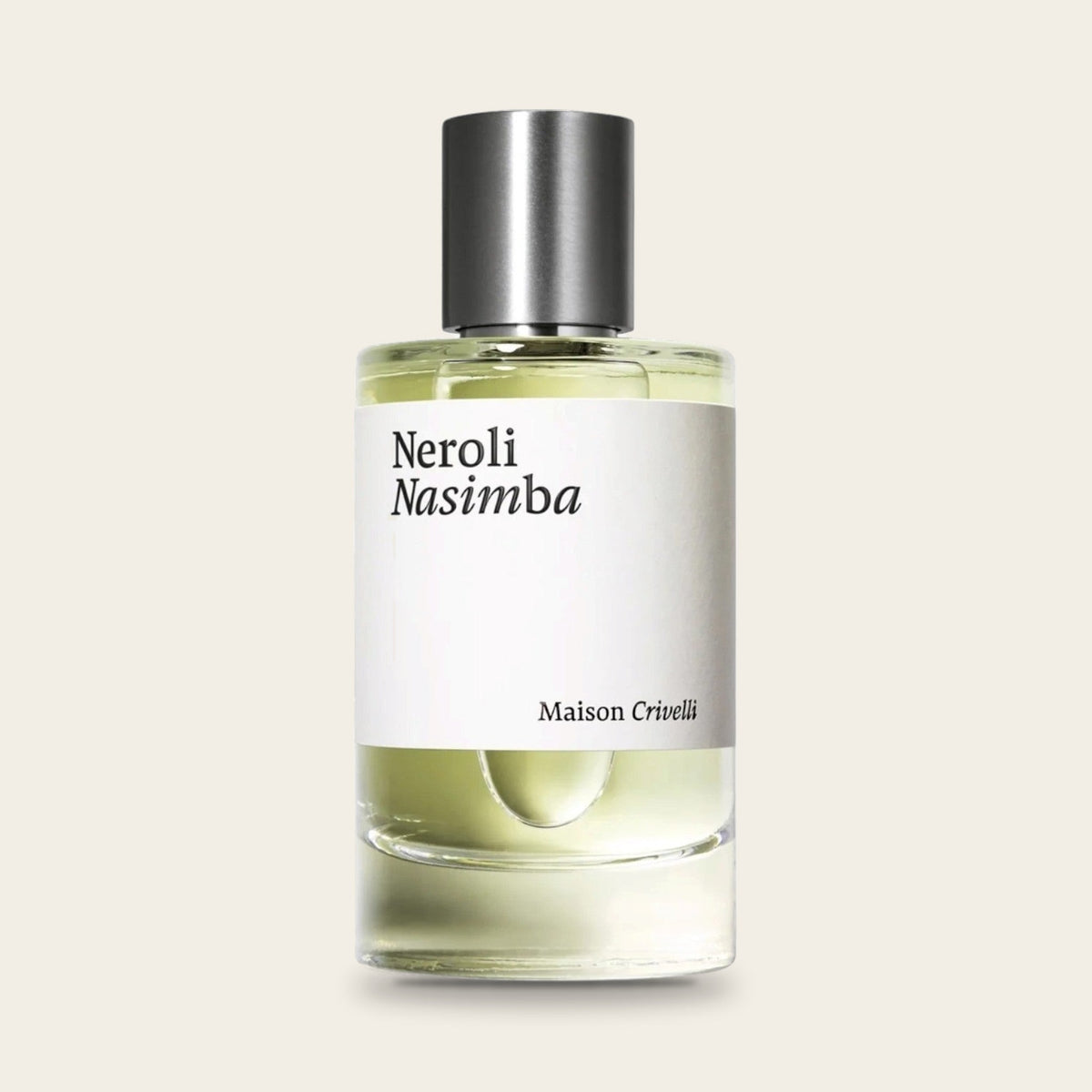
Fragrances with Petitgrain




Questions and answers
Fresh, green and slightly bitter, with a hint of orange blossom and a woody, herbaceous undertone.
Petitgrain in the narrower sense – “petitgrain bigarade” – comes from the bitter orange (Citrus × aurantium), also known as Seville orange or bigarade, a member of the rue family. Today the most important producing country is Paraguay: there the oil is made mainly by smallholders in the departments of San Pedro, Caaguazú, Canindeyú and Cordillera, while smaller quantities come from the Mediterranean, for example France. The name is not tied to the bitter orange, however: oils distilled from the leaves of mandarin or lemon are also traded as petitgrain – such as “petitgrain mandarinier” or “petitgrain citronnier”. Each of them smells distinctly different.
Petitgrain is obtained by steam distillation of leaves and young twigs. In Paraguay the trees are kept low and cut back regularly so that they produce as much fresh foliage as possible. Because the tropical climate lets the foliage grow back almost all year round, work continues for much of the year. The finished oil is a clear, yellowish to brownish-yellow liquid. In the past the small, unripe fruits of the bitter orange were distilled as well – they gave the oil its name.
Petitgrain brings a green, slightly bitter freshness with a floral shimmer of orange blossom to a composition. It works in the opening and the heart of a fragrance and bridges citrus notes and white flowers – which is why it is a classic building block of eaux de cologne and fresh citrus fragrances. Thanks to its high content of linalyl acetate and linalool it blends well with bergamot, neroli and lavender; its woody, herbaceous side gives bright compositions a little more contour. In our range, petitgrain appears in 25 fragrances, 18 in the top and 7 in the heart note.
Citrus-green · Aromatic-floral · Top and heart note
In Paraguay's tropical climate the foliage grows back almost all year round; the main harvest usually falls between October and March, and the trees are cut around twice a year. The distilled oil is available all year round.
In our fragrances, it often appears alongside Bergamotte, Moschus, Amber, Jasmin, Patschuli, Neroli, Zitrone.
The name “petitgrain” is French and means “little grain”: the oil was originally distilled from the small, green, unripe fruits of the bitter orange. Today it is made from leaves and young shoots – the name stayed. Distillation reached Paraguay in the late 19th century: the French botanist Benjamin Balansa, who worked in the country from 1873 and set up a distillery for orange essence there, is regarded as the pioneer. From these beginnings grew a smallholder oil economy that still makes Paraguay the world's most important supplier of petitgrain.
- “Petitgrain” means “little grain”: the name originally referred to the small, green, unripe fruits – today leaves and twigs are distilled.
- Petitgrain from mandarin leaves is dominated by a nitrogen-containing odorant, methyl N-methylanthranilate – there is even a dedicated French standard for measuring it.
- In Paraguay bitter oranges are not grown as tall trees but in low, regularly cut-back rows – what is harvested is the foliage, around twice a year.
The oil from bitter orange leaves is carried by two closely related molecules: linalyl acetate (C₁₂H₂₀O₂, PubChem CID 8294) and linalool (C₁₀H₁₈O, CID 6549). Linalyl acetate is the acetic acid ester of linalool and smells fruity and fresh, reminiscent of bergamot; linalool is floral and fresh. In commercial oils they make up around 45–48% and 20–27% respectively, in laboratory analyses of leaf oils about 37–39% and 26–39%. They are joined by α-terpineol (C₁₀H₁₈O, CID 17100) at around 6 to 12%, a mild, lilac-like terpene alcohol. How much the organs of the same tree differ is shown by the peel: its oil consists mainly of limonene, often over 90%. Petitgrain from mandarin leaves, by contrast, is shaped by methyl N-methylanthranilate.
FRAGRANCE KNOWLEDGE
In the 4D Journal
-
 FRAGRANCE KNOWLEDGE
Rose in perfume: The queen of fragrance materials
READ ARTICLE
-
 FRAGRANCE KNOWLEDGE
Vanilla in perfume: From orchid to favourite scent
READ ARTICLE
-
 FRAGRANCE KNOWLEDGE
Leather in perfume: How does something smell that was never in the bottle?
READ ARTICLE
-
 FRAGRANCE KNOWLEDGE
Scented candles & home fragrance: How to use them right
READ ARTICLE