
INGREDIENT GLOSSARY
Pepper
Piper nigrum · Pepper family (Piperaceae)
Warm, dry and woody-spicy, with a fresh, terpenic-citrus lift and a tingling, peppery bite.
NATURALSPICY · WOODY · TOP NOTE
AT A GLANCE
- Plant: pepper vine Piper nigrum, a tropical climber
- Origin: Malabar Coast and Western Ghats in south-western India, grown today mainly in Vietnam
- Production: steam distillation of peppercorns, also CO₂ extract
- Scent: warm, dry, woody-spicy with a fresh lift – a top note
PROFILE
- Origin
- Native to the Malabar Coast and the Western Ghats of south-western India · grown throughout the tropics today, most of all in Vietnam
- Extraction
- Steam distillation of dried, crushed peppercorns · also CO₂ extract
- Main molecules
- Rotundone (C₁₅H₂₂O, the key molecule of pepper's smell) · Limonene and sabinene (C₁₀H₁₆, fresh citrusy lift)
- Harvest
- In the tropics, pepper is harvested as soon as the first fruits on a spike turn yellow to red.
- Often paired with
- Cedarwood, bergamot, vetiver, patchouli, musk, sandalwood, vanilla
Numbers that surprise
around 30%
of the world's pepper harvest comes from Vietnam – almost every third peppercorn in the world.
more than 50,000
Roman legionaries could have been paid for a year with the 50 million sesterces that, according to Pliny, flowed out annually for Indian goods such as pepper.
more than 100 million litres
of water could be made perceptibly peppery by a single gram of rotundone – that is how low its odour threshold is.
Rounded values; calculation based on published data.
Harvest and season
In the tropics, pepper is harvested as soon as the first fruits on a spike turn yellow to red. Once dried, the peppercorns keep for a long time – so pepper oil and CO₂ extract are available all year round.
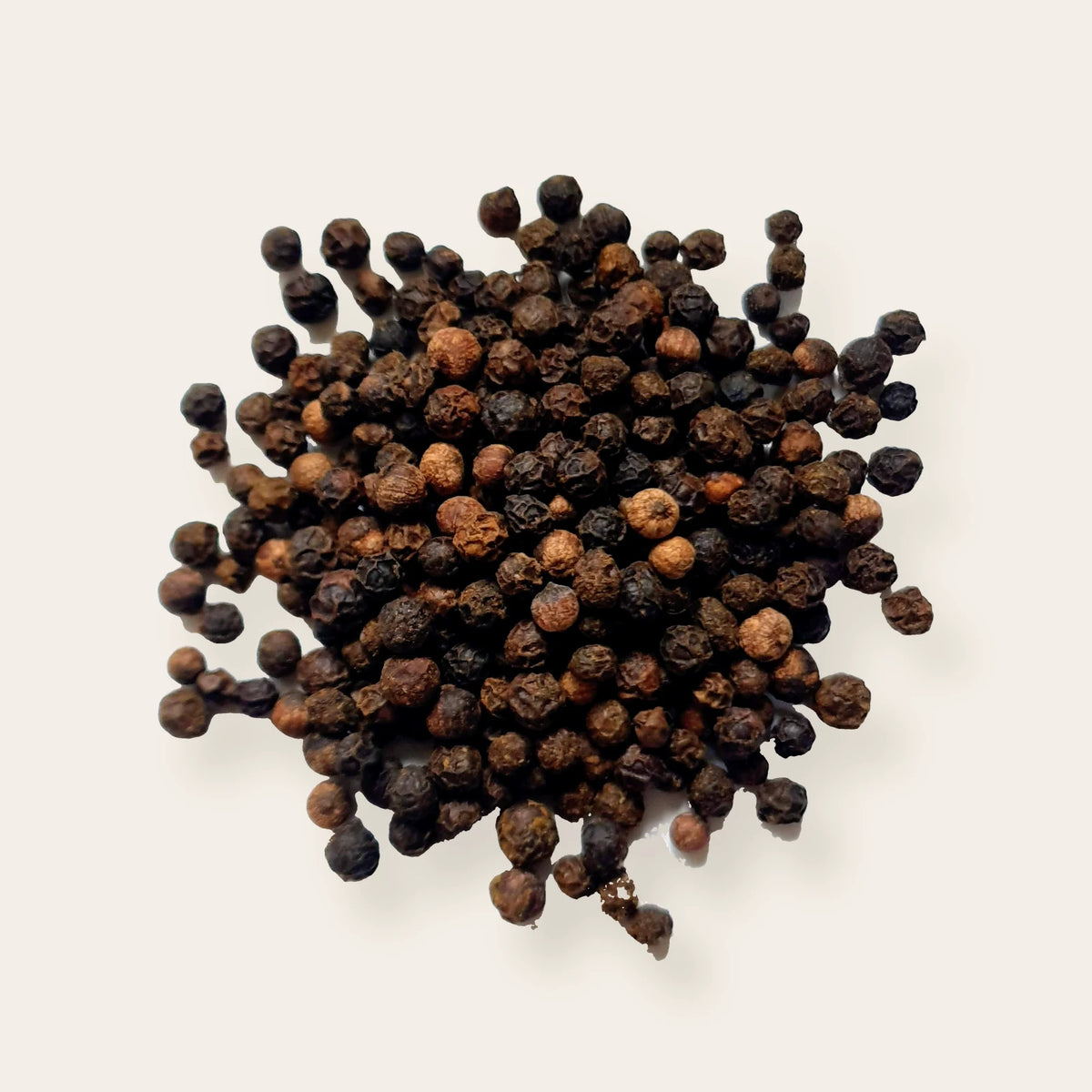
One plant, four colours: for black pepper the fruits are picked unripe and dried until the skin turns dark. Green pepper also comes from unripe fruits, kept green by brining, freeze-drying or gentle drying. For white pepper, ripe fruits are soaked until the flesh comes away, leaving the pale seed. Red pepper consists of fully ripe fruits, dried or preserved. For perfumery, dried, mostly black peppercorns are coarsely crushed and steam-distilled, yielding just a few per cent of essential oil. There is also a CO₂ extract: supercritical carbon dioxide draws the aroma compounds out of the pepper at low temperatures of about 30 to 50 °C.
Knowledge to share
Myth or truth?
Statement 1
Black, white, green and red pepper come from different plants.
Myth. All four come from the same climbing plant, Piper nigrum, and differ only in harvest time and processing: dried unripe it is black, preserved unripe green, ripe and peeled white, fully ripe red.
Statement 2
Pink pepper is just another colour of true pepper.
Myth. Pink pepper comes from the pepper tree (Schinus) of the cashew family and is not related to Piper nigrum – it merely tastes similar.
Statement 3
Pepper originally comes from India.
True. The pepper vine is native to the Malabar Coast and the Western Ghats in south-western India. Today, however, the largest producer is Vietnam.
Your result
FRAGRANCES WITH PEPPERINGREDIENT GLOSSARY
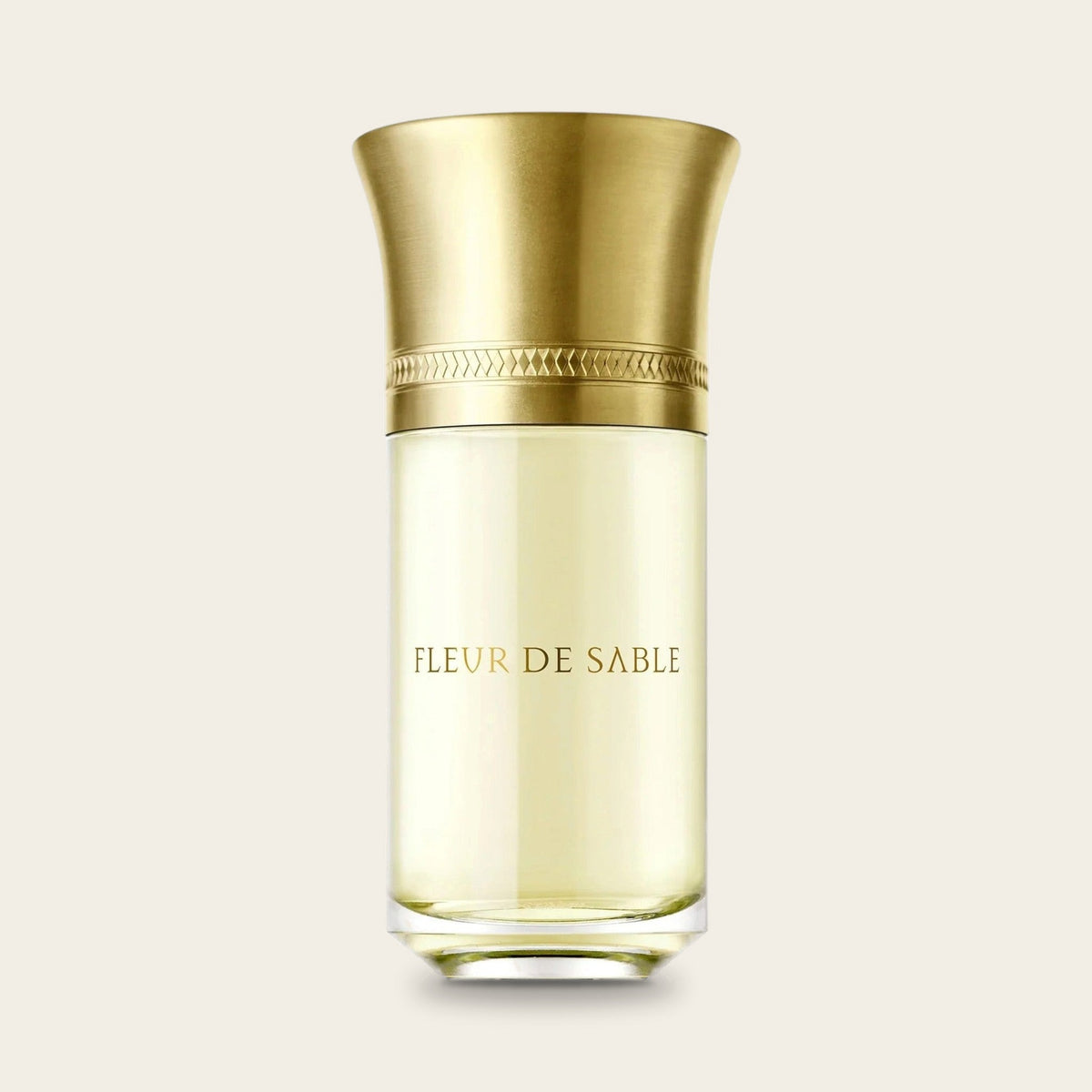
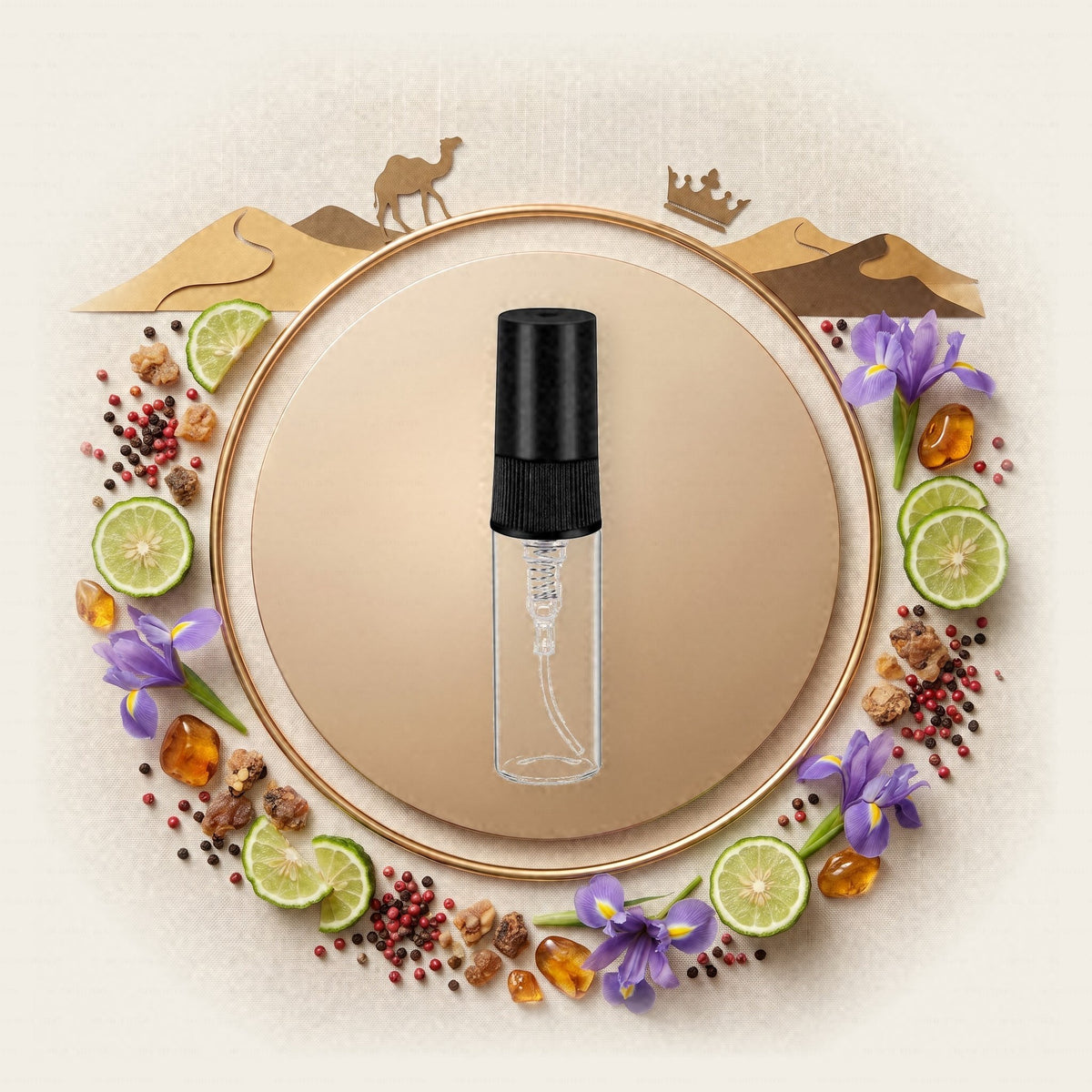
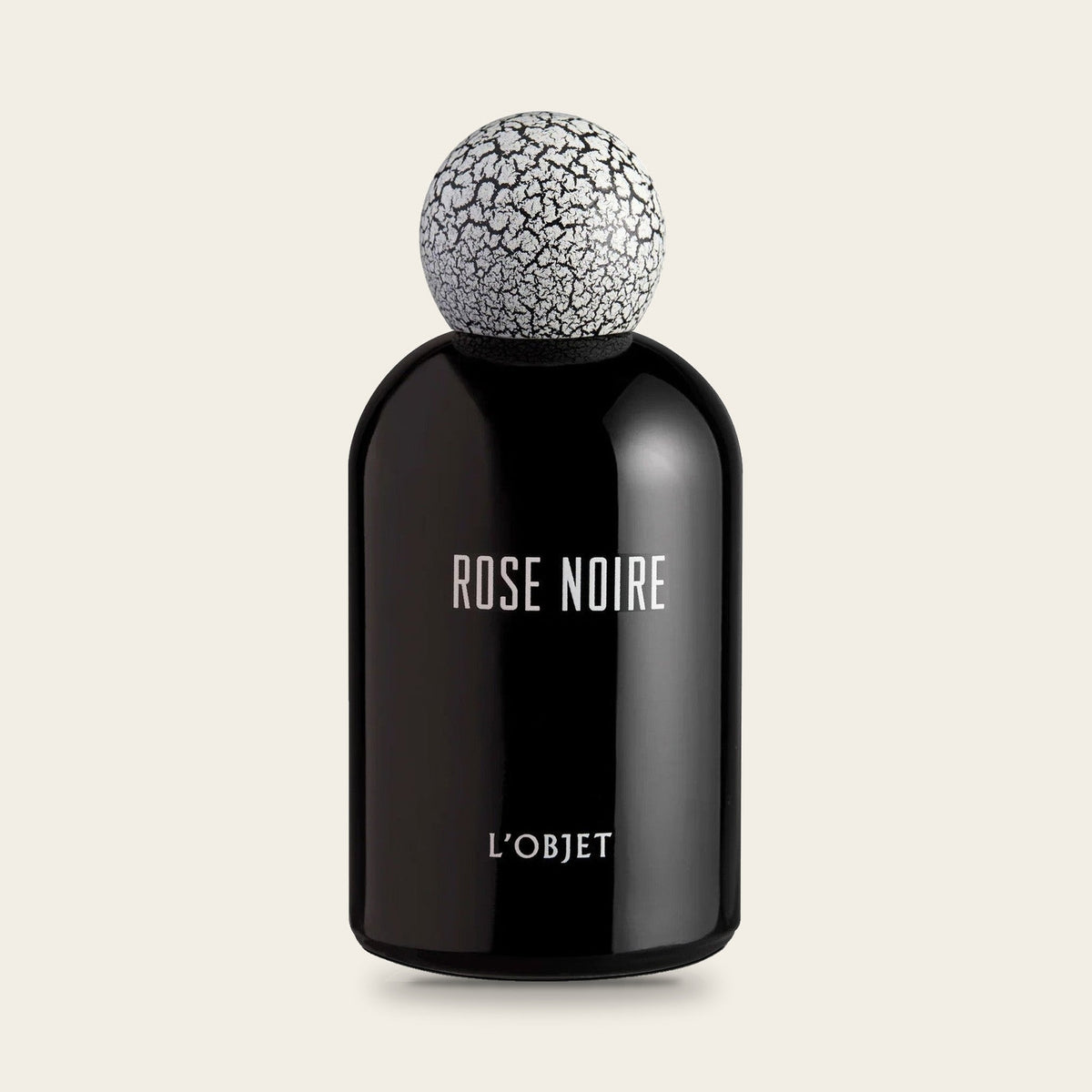
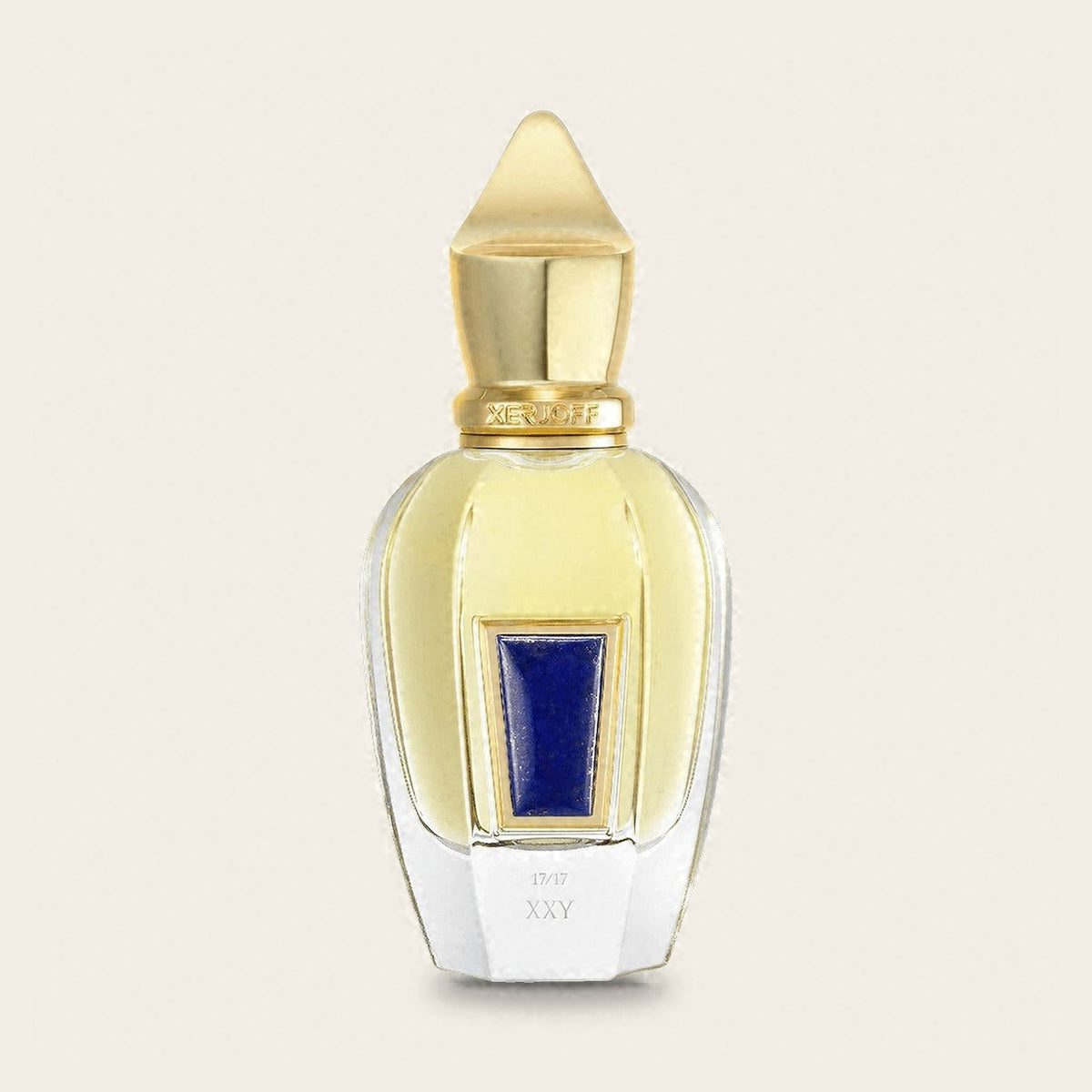
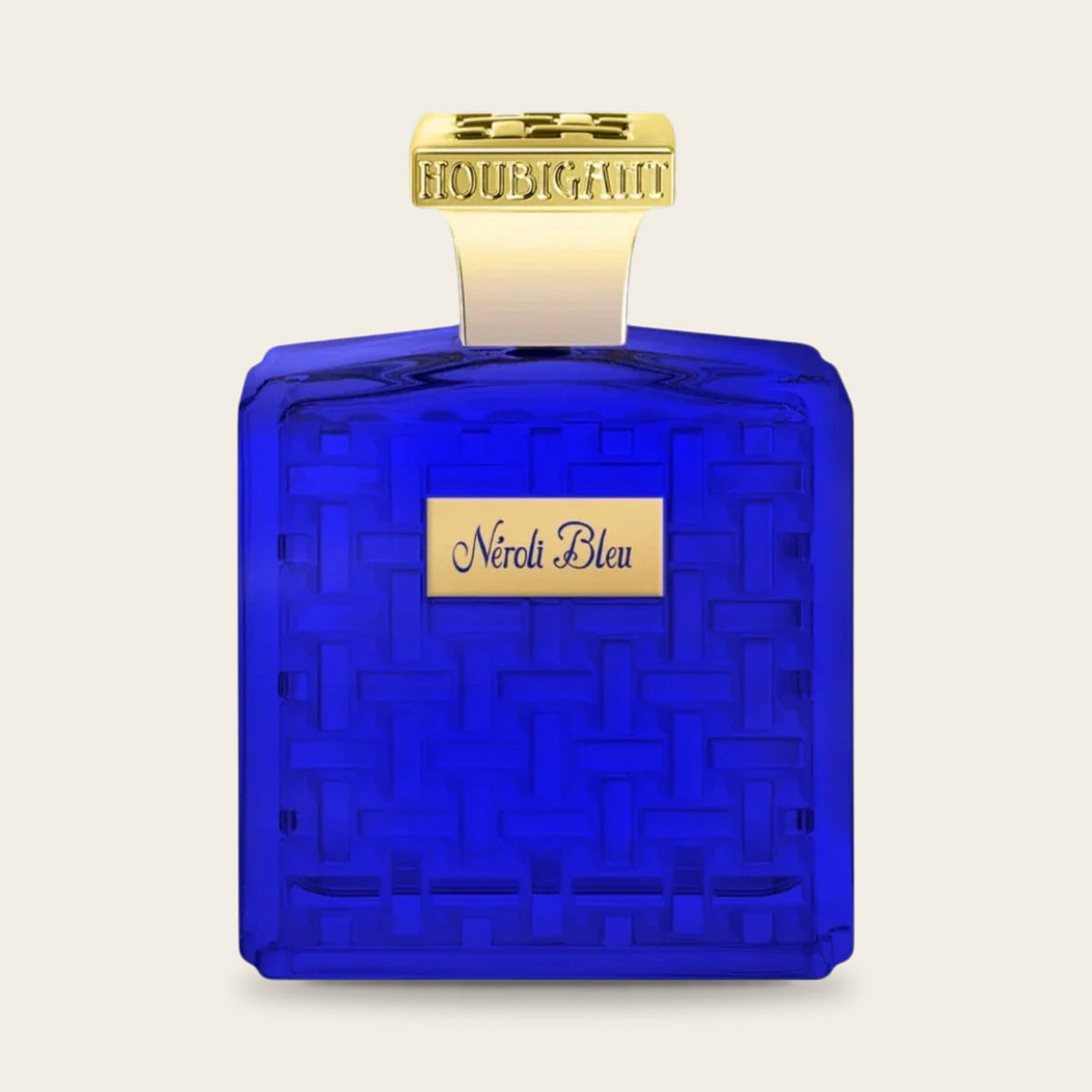
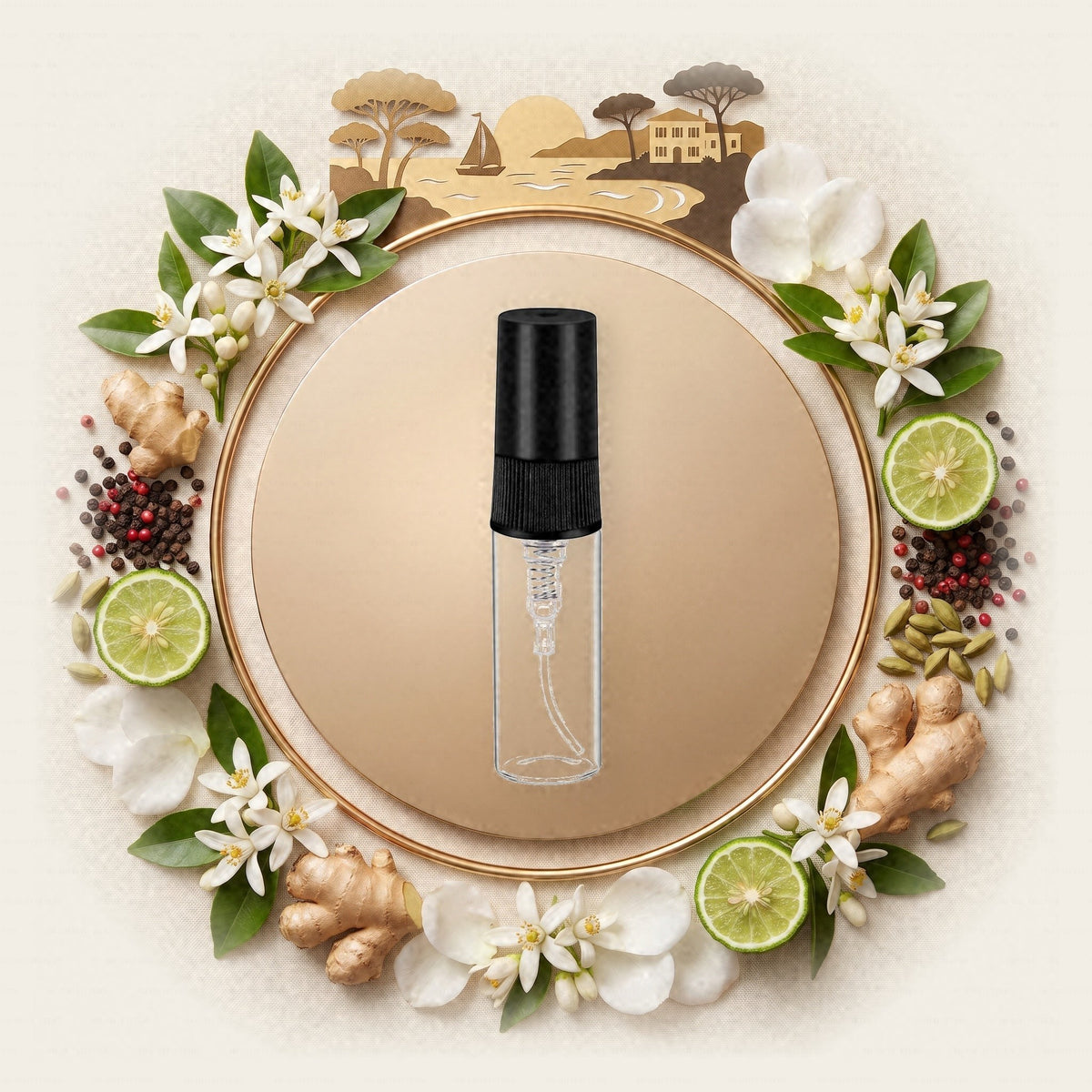
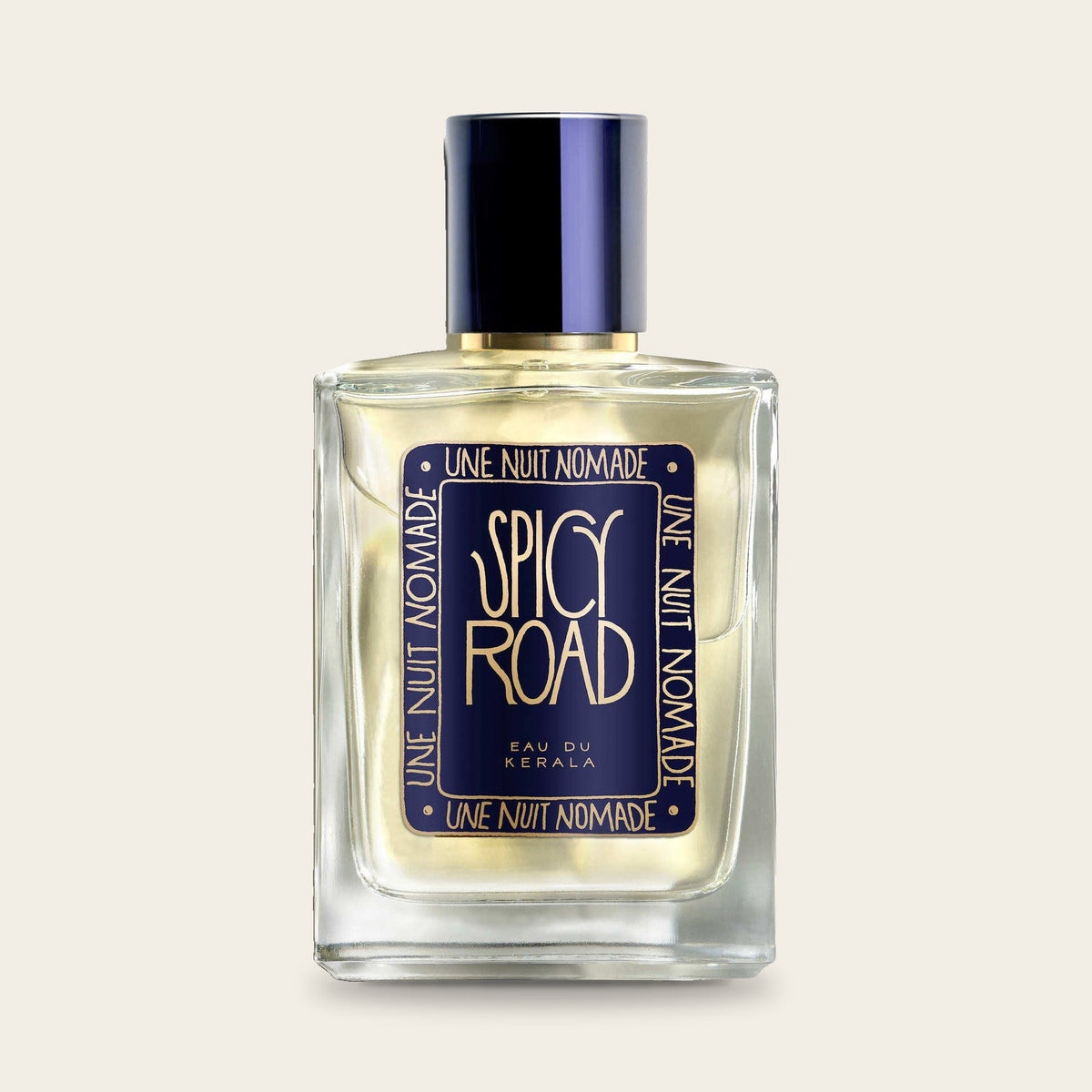
Fragrances with Pepper






Questions and answers
Warm, dry and woody-spicy, with a fresh, terpenic-citrus lift and a tingling, peppery bite.
Pepper is the fruit of a perennial, woody climbing plant from the pepper family. It grows wild in the forests of the Western Ghats in south-western India; the Malabar Coast below, in today's Kerala, has been the classic pepper land since antiquity. Using clinging roots, the vine climbs trees or support poles to more than 10 m and bears hanging spikes of small drupes only about 5 mm across. Black, green, white and red pepper all come from this one plant. Pink pepper, by contrast, is not a pepper botanically: it comes from the pepper tree (Schinus) of the cashew family and has its own page. Today pepper is grown throughout the tropics, by far most of all in Vietnam, ahead of countries such as Brazil, India and Indonesia.
One plant, four colours: for black pepper the fruits are picked unripe and dried until the skin turns dark. Green pepper also comes from unripe fruits, kept green by brining, freeze-drying or gentle drying. For white pepper, ripe fruits are soaked until the flesh comes away, leaving the pale seed. Red pepper consists of fully ripe fruits, dried or preserved. For perfumery, dried, mostly black peppercorns are coarsely crushed and steam-distilled, yielding just a few per cent of essential oil. There is also a CO₂ extract: supercritical carbon dioxide draws the aroma compounds out of the pepper at low temperatures of about 30 to 50 °C.
Pepper usually adds a dry, tingling accent to the top of a fragrance and gives fresh citrus notes such as bergamot some spice. Its warm, woody side blends well with cedarwood, vetiver and patchouli. In our range it appears in 58 fragrances, in 34 of them in the top.
Spicy · Woody · top note
In the tropics, pepper is harvested as soon as the first fruits on a spike turn yellow to red. Once dried, the peppercorns keep for a long time – so pepper oil and CO₂ extract are available all year round.
In our fragrances, it often appears alongside Cedarwood, bergamot, vetiver, patchouli, musk, sandalwood, vanilla.
Pepper is one of the oldest traded spices in the world. In the 1st century, Roman ships sailed via the Red Sea and the Indian Ocean to southern India; most of Rome's pepper was loaded at the port of Muziris on the Malabar Coast. In Rome the spice was kept in dedicated warehouses, the horrea piperataria. Around 77 AD, Pliny the Elder complained that India drained the empire of at least 50 million sesterces every year, and wondered why a spice whose only appeal was its pungency should be so sought after. The word pepper came via Latin piper and Greek péperi from the Sanskrit pippalī. More on its role as a currency can be found on the Black Pepper page.
- In studies, roughly one in five to one in four test subjects could not smell the pepper odorant rotundone, even at high concentrations.
- Rotundone was discovered as early as 1967 in the tubers of nutgrass (Cyperus rotundus), after which it is named – that it is the key molecule of pepper's smell was only recognised in 2008.
- In ancient Rome, according to Pliny, long pepper – a close relative – cost almost four times as much as black pepper: 15 instead of 4 denarii per pound.
Pepper's typical peppery smell comes mainly from rotundone, a sesquiterpene ketone (C₁₅H₂₂O, PubChem CID 5321003, molar mass about 218 g/mol). In 2008 Australian researchers identified it as the most important aroma compound of pepper and also as the source of the peppery note in Syrah and Shiraz wines; marjoram and rosemary contain it too. Those who can smell rotundone detect it at about 8 billionths of a gram per litre of water, and about 16 in red wine. The fresh, citrusy lift of pepper oil comes from volatile monoterpenes such as limonene (C₁₀H₁₆, CID 22311) and sabinene (C₁₀H₁₆, CID 18818), along with pinenes and sesquiterpenes.
FRAGRANCE KNOWLEDGE
In the 4D Journal
-
 FRAGRANCE KNOWLEDGE
Rose in perfume: The queen of fragrance materials
READ ARTICLE
-
 FRAGRANCE KNOWLEDGE
Vanilla in perfume: From orchid to favourite scent
READ ARTICLE
-
 FRAGRANCE KNOWLEDGE
Leather in perfume: How does something smell that was never in the bottle?
READ ARTICLE
-
 FRAGRANCE KNOWLEDGE
Scented candles & home fragrance: How to use them right
READ ARTICLE