

INGREDIENT GLOSSARY
Rum
Warm and sweet of molasses, with fruity esters, vanilla and dark wood.
ACCORDGOURMAND · SWEET-BOOZY · TOP
AT A GLANCE
- Type: fragrance accord (gourmand note), composed from aroma materials
- Origin: modelled on rum from the Caribbean, first recorded on Barbados around 1650
- Extraction: model distilled from fermented molasses or sugarcane juice, often aged in wooden casks
- Scent: warm, sweet of molasses, fruity, vanilla-woody – top, heart and base note
PROFILE
- Origin
- Originally the Caribbean, first recorded as a spirit on Barbados around 1650 · in perfume today composed as an accord of aroma materials
- Extraction
- Not a single natural material: the accord is assembled from several aroma materials and recreates the scent of cask-aged rum
- Main molecules
- Ethyl butanoate (C₆H₁₂O₂, fruity, pineapple-like) · ethyl acetate (C₄H₈O₂, sweet-fruity) · vanillin (C₈H₈O₃, vanilla, from the cask) · whisky lactone (C₉H₁₆O₂, coconut-woody) · β-damascenone (C₁₃H₁₈O, honeyed-fruity)
- Harvest
- The rum accord has no harvest season: it is composed from aroma materials and is available all year round.
- Often paired with
- Vanille, Patschuli, Tabak, Moschus, Sandelholz, Zimt, Zedernholz
Numbers that surprise
more than half
of a rum cask can evaporate in the Caribbean within ten years – at an average angels’ share of around 7% a year, the calculation leaves only about 48%.
up to four times
as much rum evaporates from the cask in the Caribbean as in Cognac – up to 10% a year compared with about 2.5%.
Rounded values; calculation based on published data.
Harvest and season
The rum accord has no harvest season: it is composed from aroma materials and is available all year round. As a warm, sweet gourmand note it is particularly associated with cooler days.
For the spirit, molasses or sugarcane juice is diluted with water and fermented with yeast; slow fermentations produce more aroma compounds. It is then distilled: simple pot stills give heavier, richly aromatic rums, continuous column stills lighter ones. Many rums then mature in wooden casks, from which substances such as vanillin pass into the spirit. In perfumery this smell is usually rebuilt as an accord – from individual aroma materials that trace its fruitiness, sweetness and wood.
Knowledge to share
Myth or truth?
Statement 1
The vanilla aroma of aged rum comes from the sugarcane.
Myth. Vanillin comes mainly from the wooden casks in which the rum matures. The fruity notes, by contrast, come from the esters formed during fermentation.
Statement 2
Ethyl formate and rum ether are the same thing.
Myth. Rum ether is a mixture of many volatile substances made from wood vinegar and alcohol; ethyl formate is just one of several esters in it. The key odorants of real rum, in turn, differ from the main components of rum ether.
Statement 3
More rum evaporates from the cask in the tropics than in Europe.
True. In the Caribbean heat an average of around 7%, sometimes up to 10%, is lost each year as the angels’ share – in Cognac it is about 2.5%.
Your result
FRAGRANCES WITH RUMINGREDIENT GLOSSARY
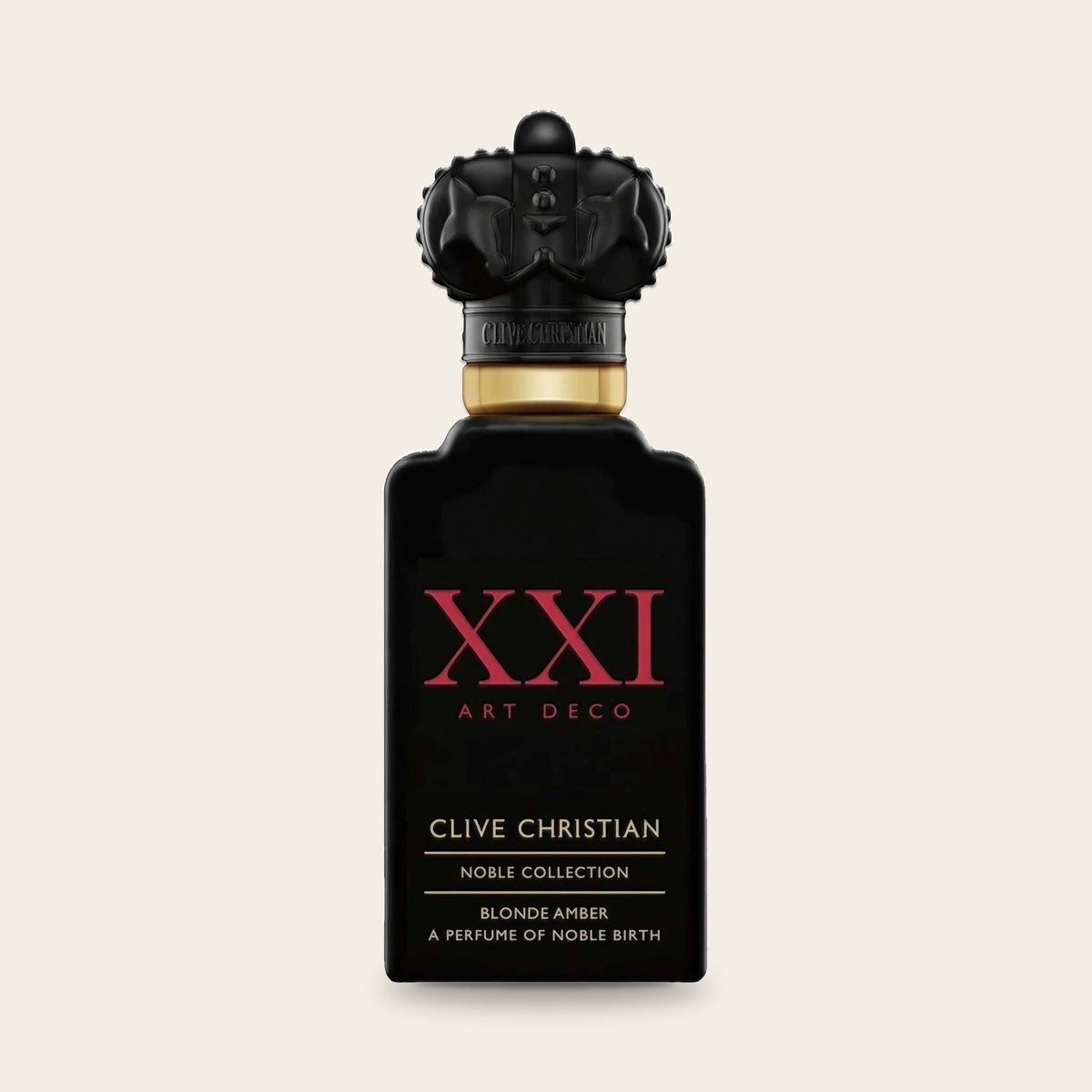
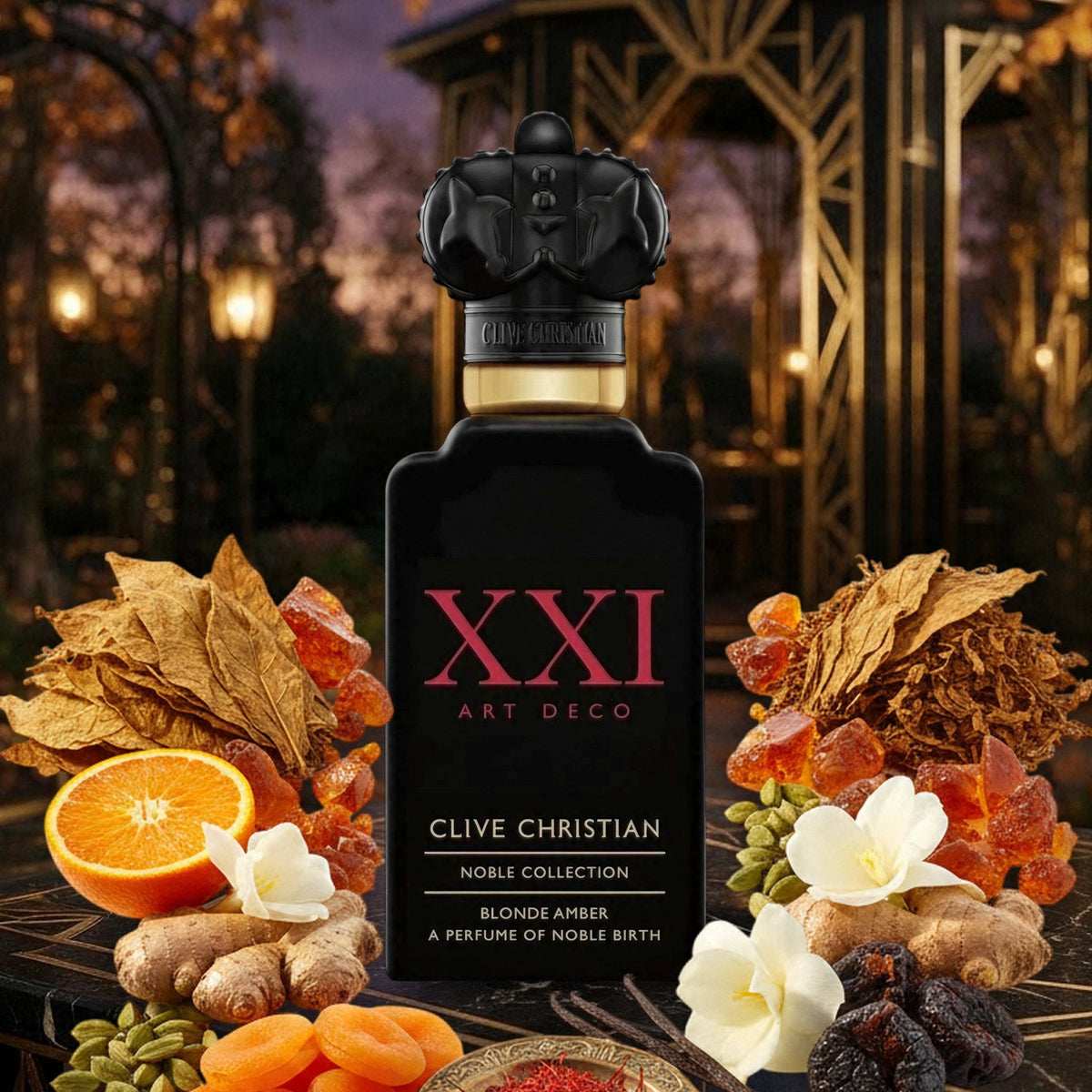
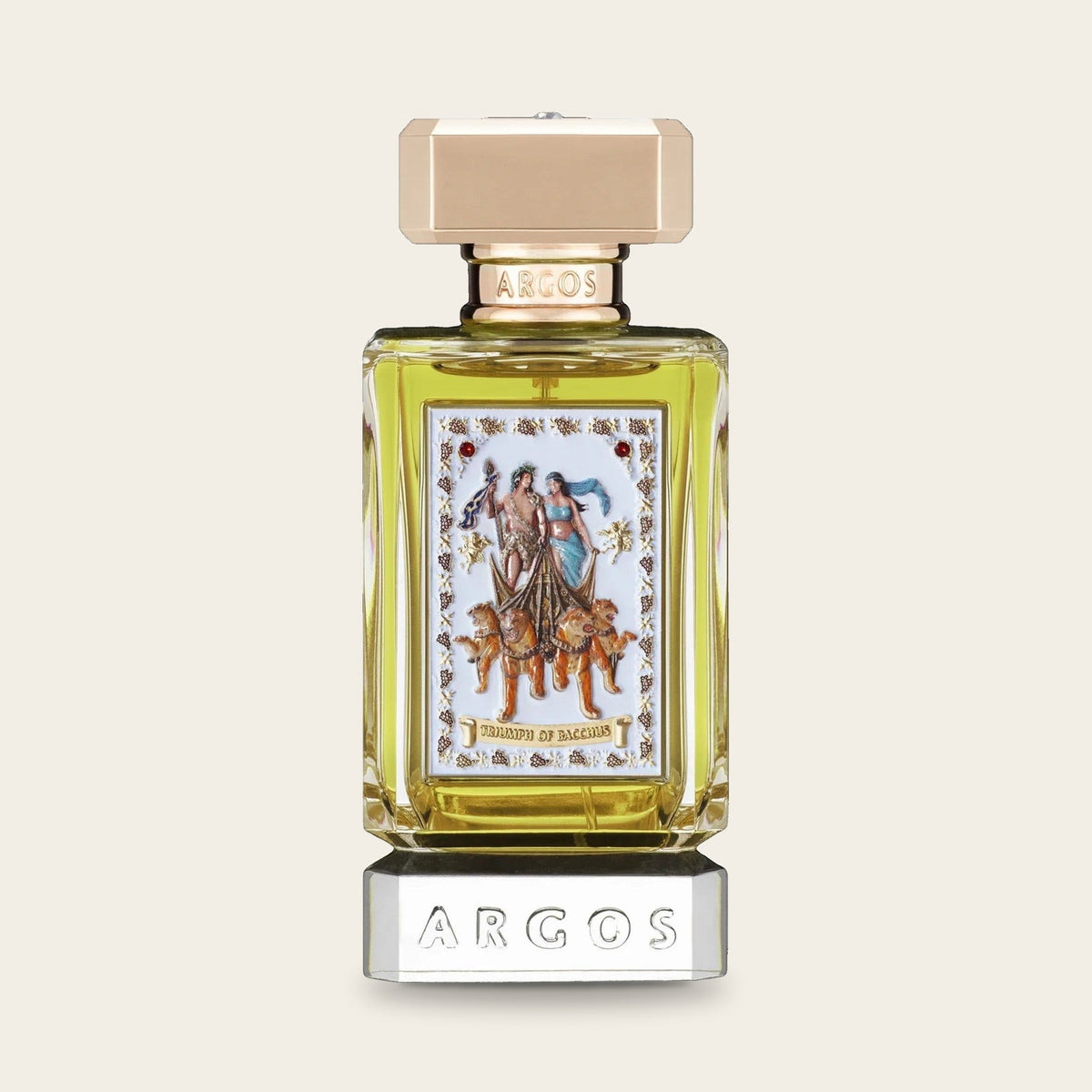
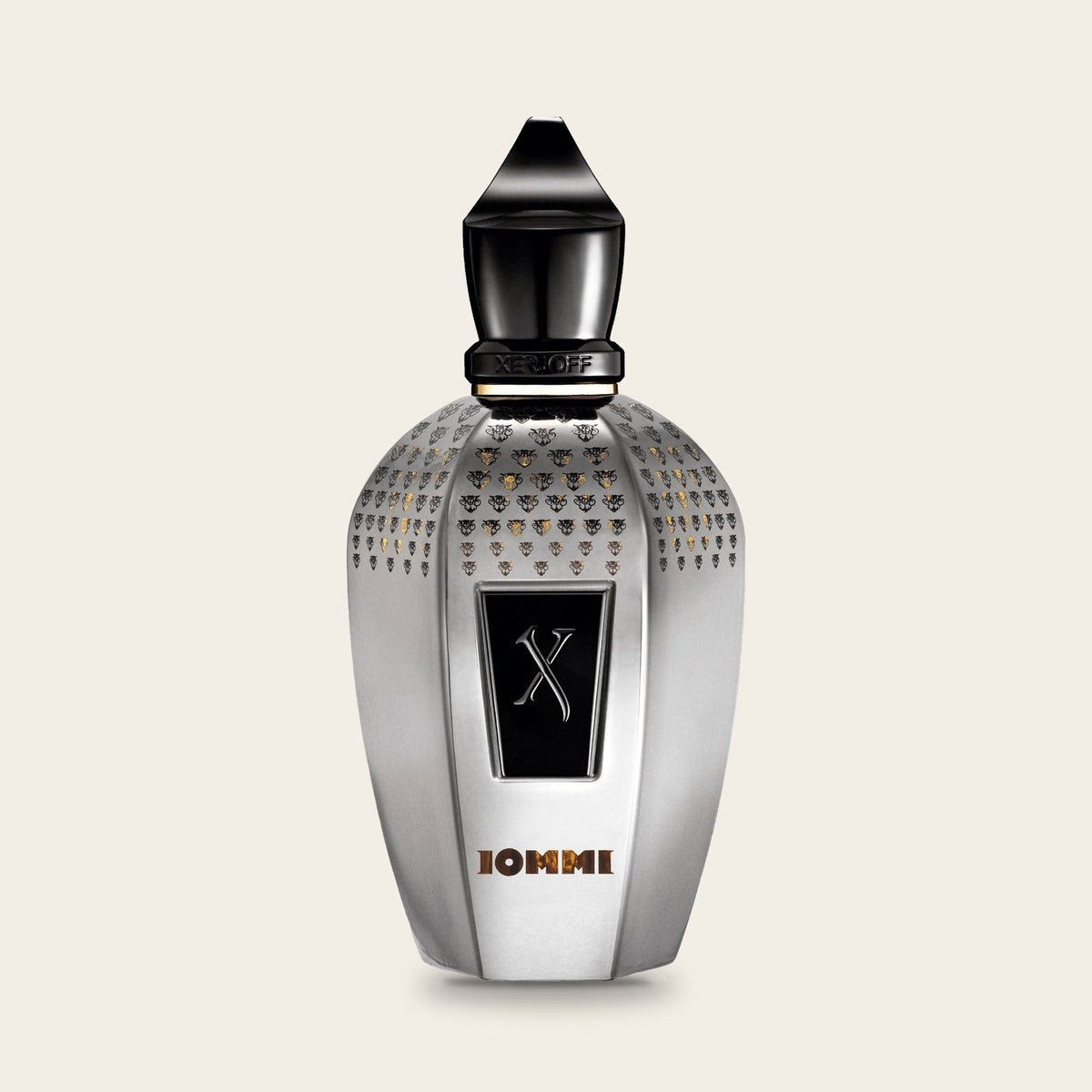
Fragrances with Rum

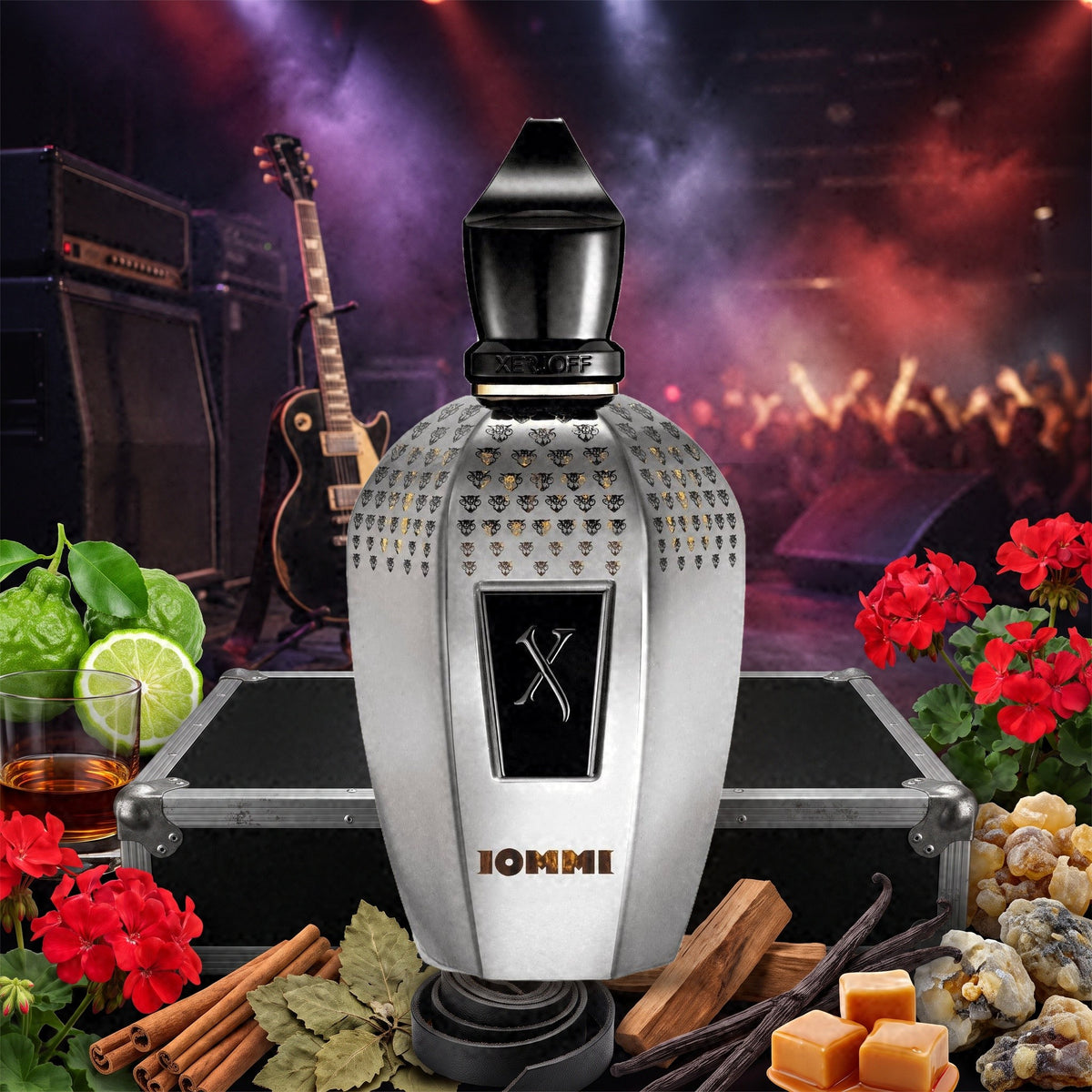
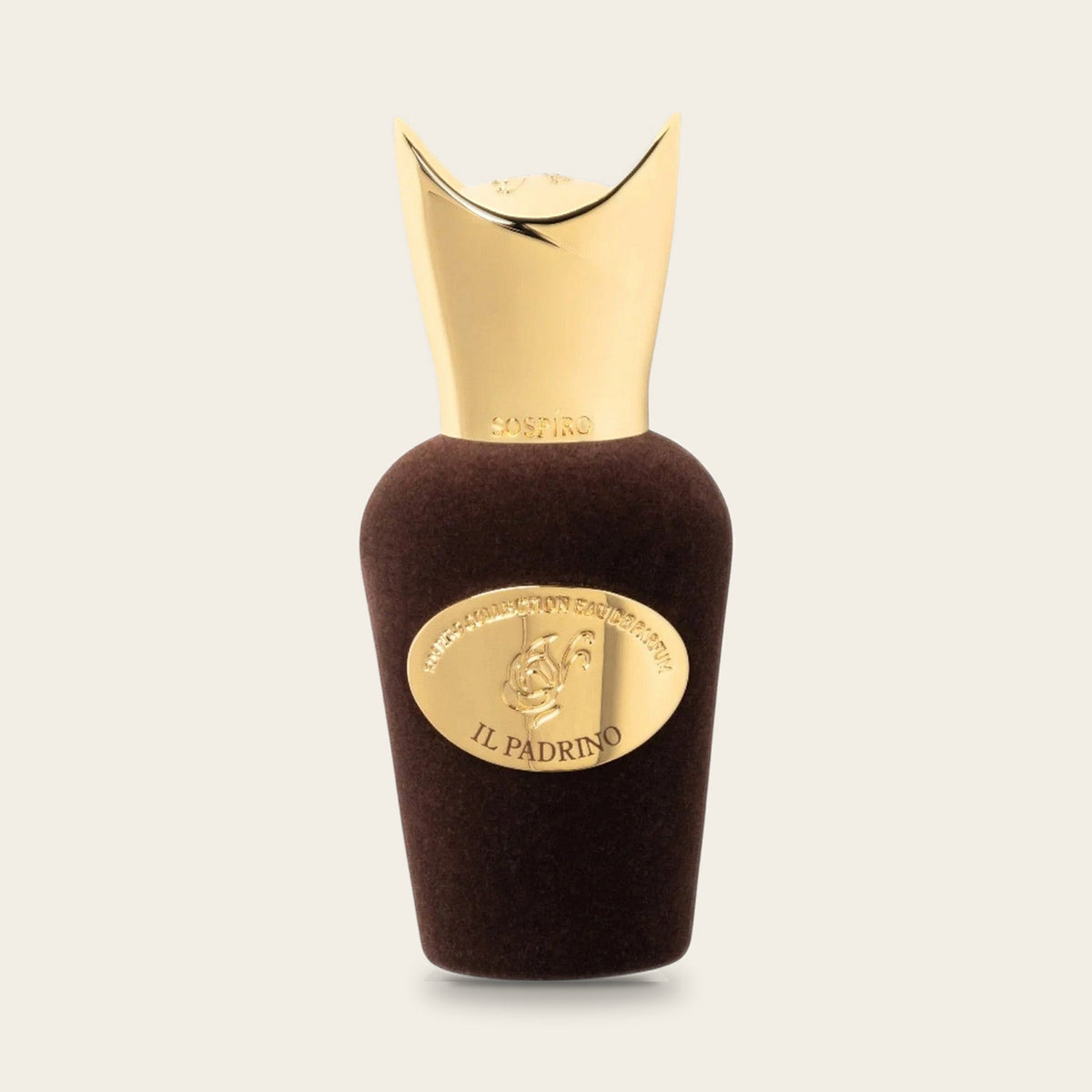
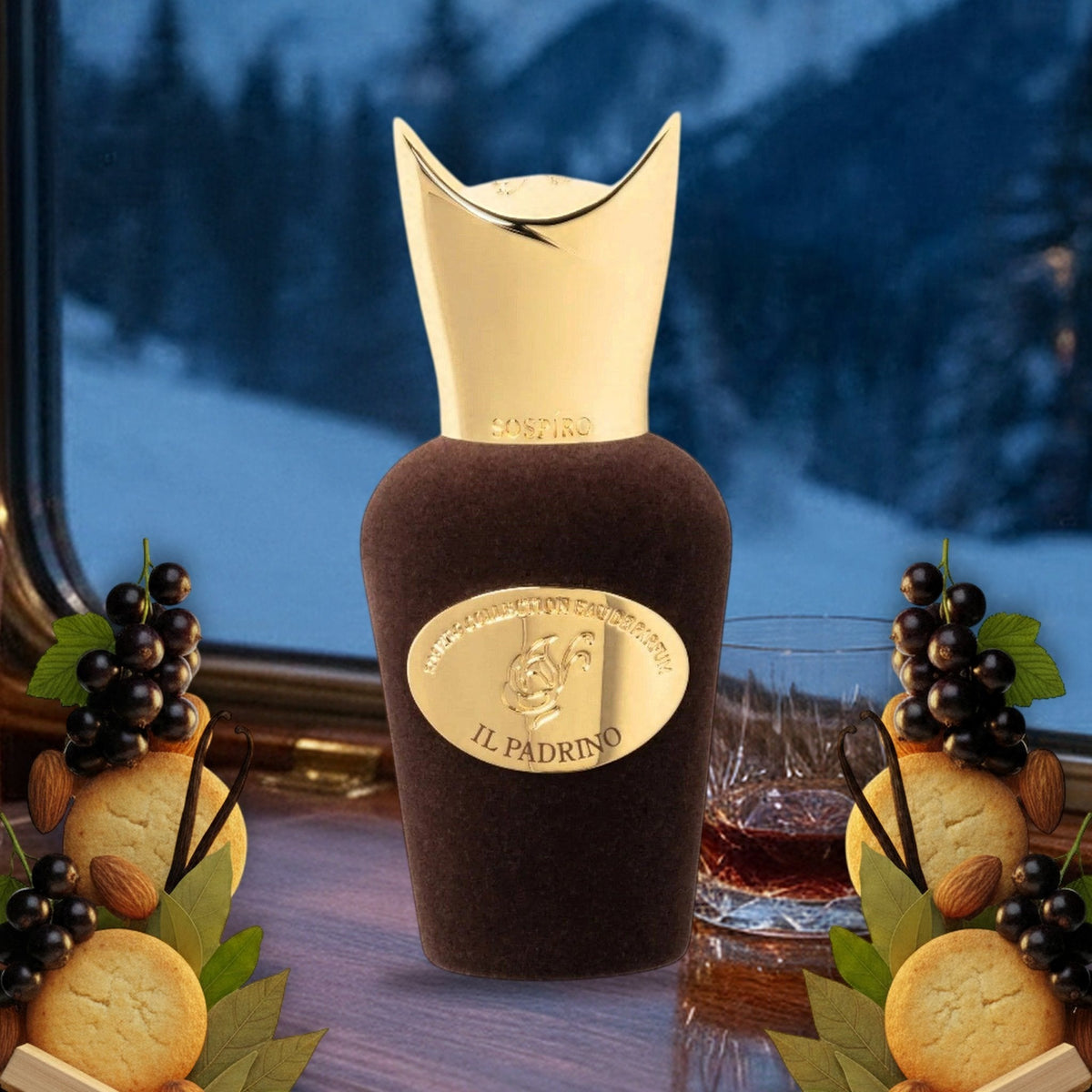
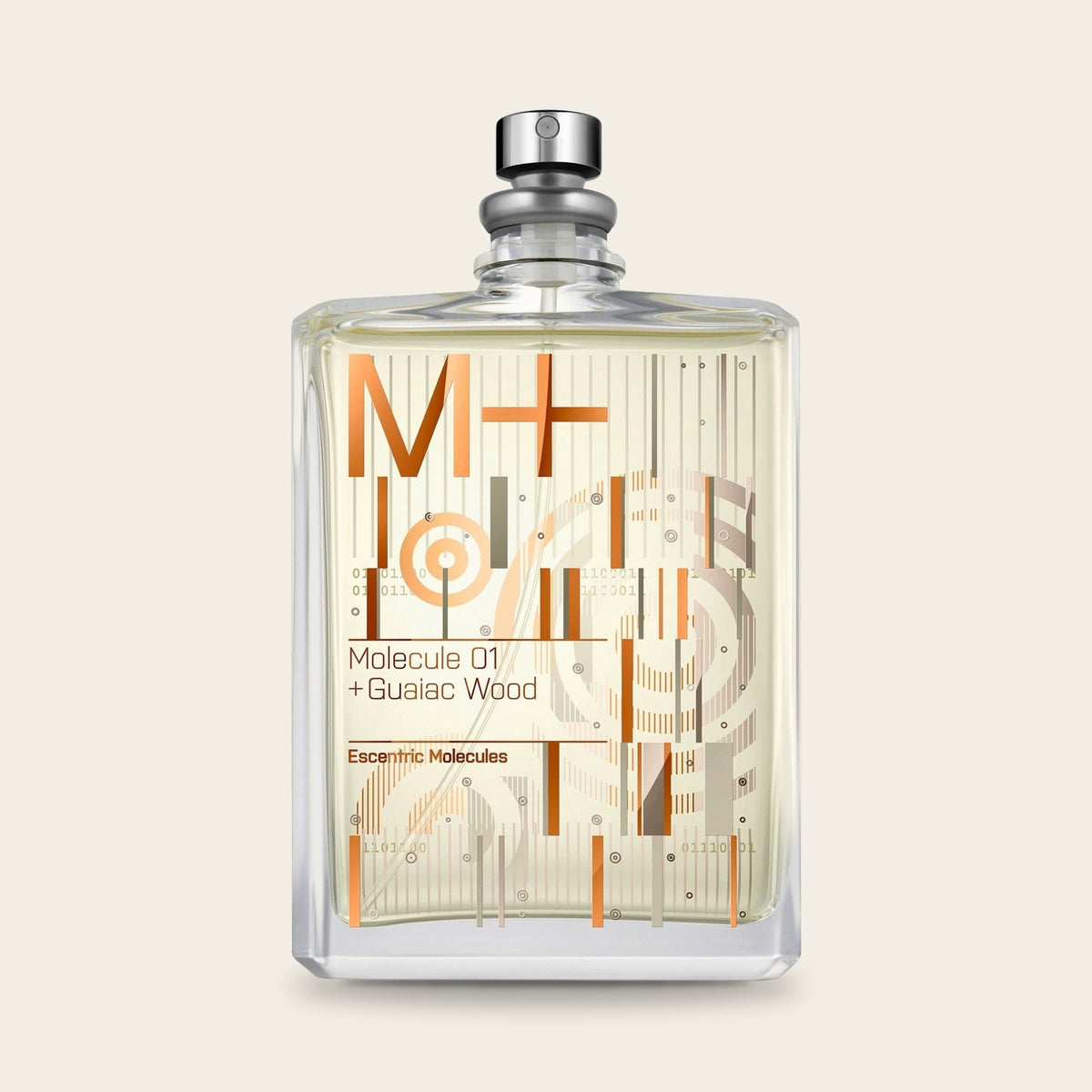


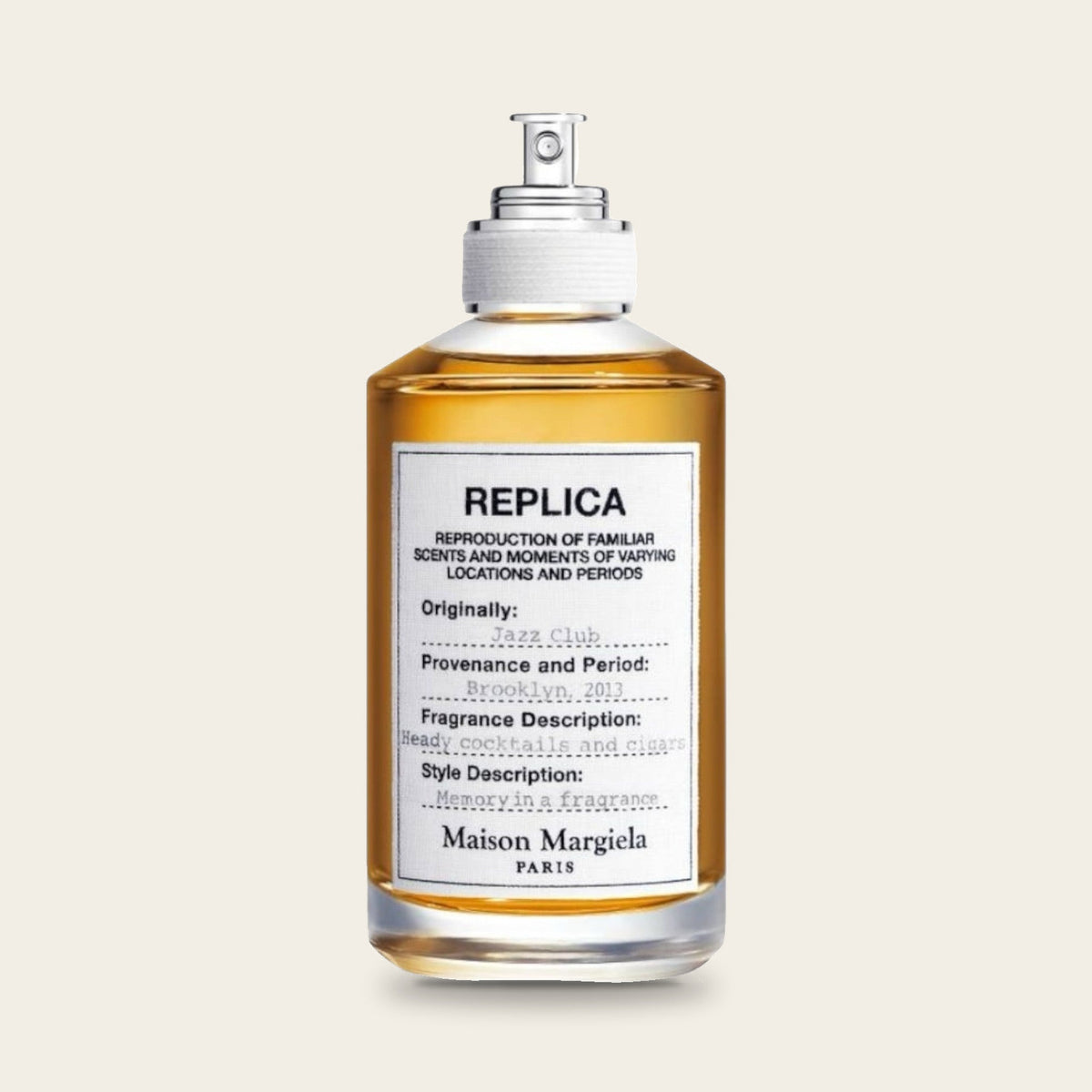
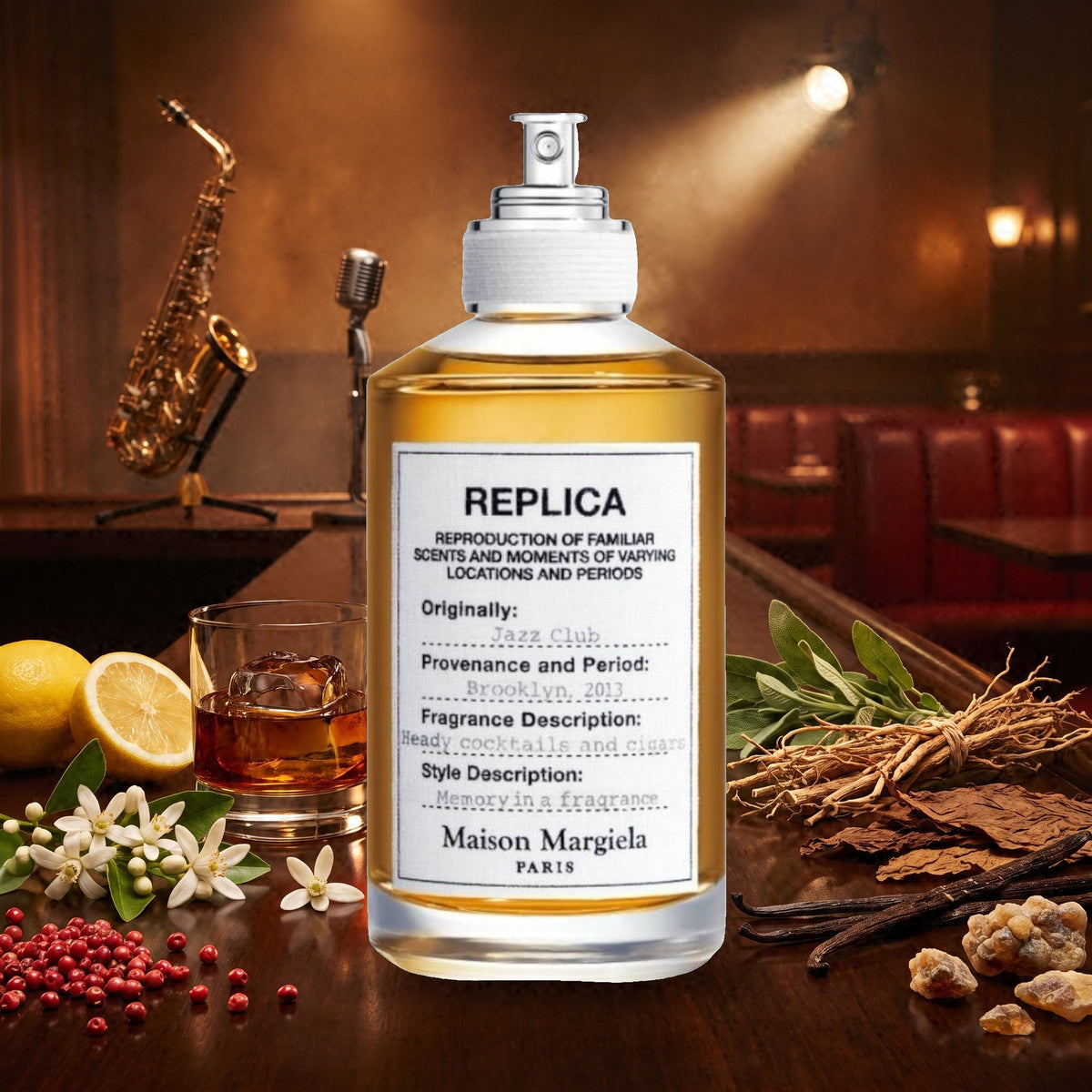


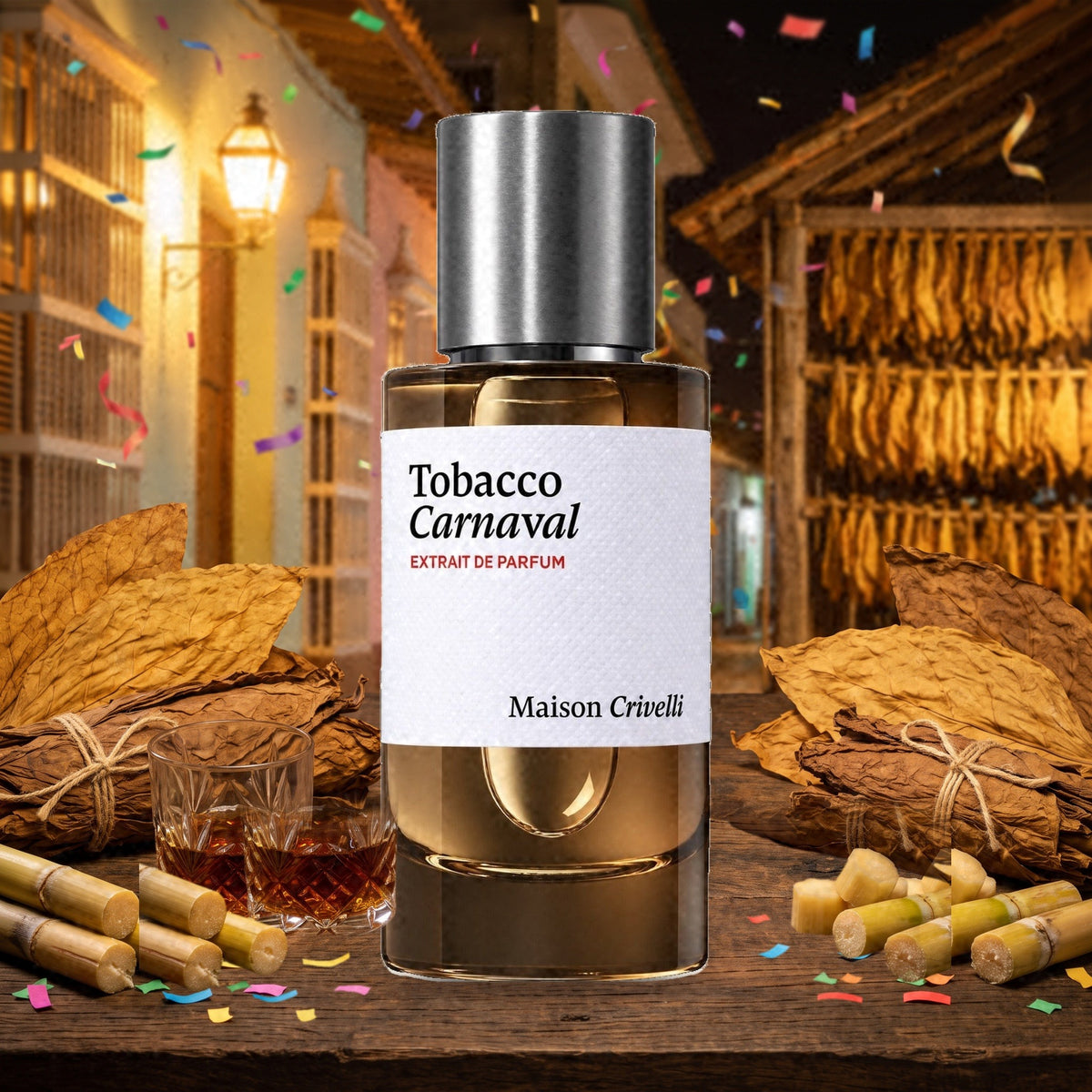

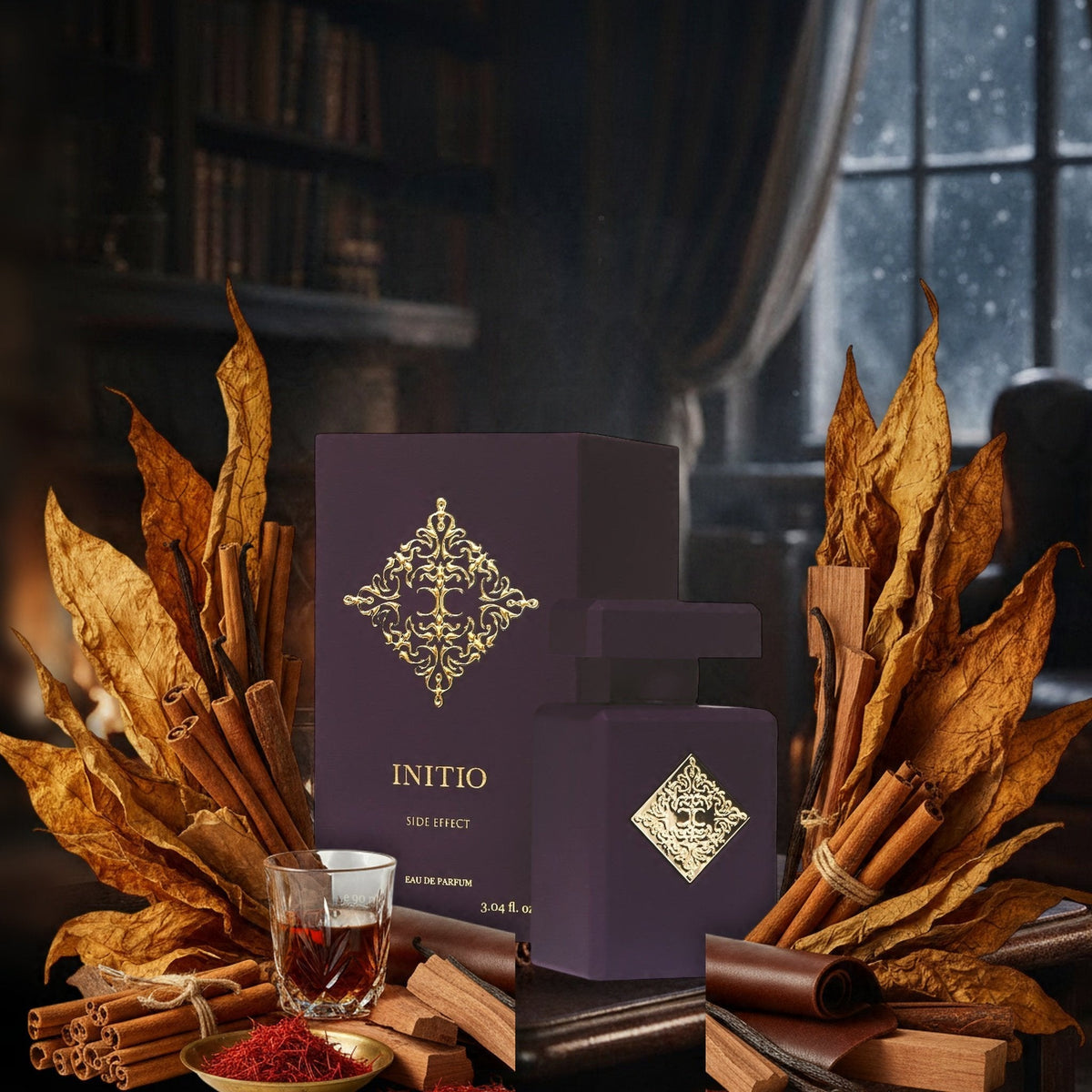
Questions and answers
Warm and sweet of molasses, with fruity esters, vanilla and dark wood.
The model for the accord is rum, a spirit made from sugarcane (Saccharum officinarum), a sweet grass of the family Poaceae. Rum is mostly distilled from molasses, the dark syrup left over from sugar production, and less often from freshly pressed sugarcane juice. Its birthplace is considered to be the sugarcane plantations of the Caribbean in the 17th century. The earliest written records come from Barbados around 1650, where the drink was called “rumbullion” or “kill-devil”. Today rum is made in many countries where sugarcane grows.
For the spirit, molasses or sugarcane juice is diluted with water and fermented with yeast; slow fermentations produce more aroma compounds. It is then distilled: simple pot stills give heavier, richly aromatic rums, continuous column stills lighter ones. Many rums then mature in wooden casks, from which substances such as vanillin pass into the spirit. In perfumery this smell is usually rebuilt as an accord – from individual aroma materials that trace its fruitiness, sweetness and wood.
The rum accord combines fruity esters, which give a lively opening, with vanilla and woody facets that linger for a long time – depending on the composition it therefore appears in the top, heart or base. It suits warm gourmand and woody compositions. In our range, rum appears in 40 fragrances, 18 in the top note, 12 in the base and 10 in the heart.
Gourmand · Sweet-boozy · Top, heart and base note
The rum accord has no harvest season: it is composed from aroma materials and is available all year round. As a warm, sweet gourmand note it is particularly associated with cooler days.
In our fragrances, it often appears alongside Vanille, Patschuli, Tabak, Moschus, Sandelholz, Zimt, Zedernholz.
Rum emerged in the 17th century on the sugarcane plantations of the Caribbean, where sugar production left plenty of molasses; Barbados provides the earliest records around 1650. The spirit was closely bound up with the Atlantic triangular trade: Caribbean molasses was distilled into rum in New England, and rum served in Africa as currency in the trade in enslaved people. For centuries British sailors received a daily rum ration, which was abolished only on 31 July 1970. In Central Europe, cheap imitation rum, the Czech tuzemák, was flavoured with a rum aroma based on pyroligneous acid (wood vinegar).
- In the Caribbean up to 10% of the rum in a cask evaporates each year – the so-called angels’ share; in France or Scotland it is usually only 2 to 2.5%.
- In 2009 astronomers detected ethyl formate in the gas cloud Sagittarius B2 near the centre of the Milky Way – an ester that smells of rum and contributes to the flavour of raspberries.
- So-called rum ether, a historical rum flavouring, is made from wood vinegar and alcohol – its main components differ from the key odorants of real rum.
Fruity ethyl esters such as ethyl butanoate (C₆H₁₂O₂, PubChem CID 7762) form mainly during the yeast fermentation of the molasses. In quantity, the most important ester in rum is ethyl acetate (C₄H₈O₂, CID 8857). From the wooden cask come above all vanillin (C₈H₈O₃, CID 1183) and coconut-scented whisky lactone (C₉H₁₆O₂, CID 62900); in analyses of high-quality rums both were among the compounds with the strongest odour impact. The key aroma compounds also include β-damascenone (C₁₃H₁₈O, CID 5366074) with its honeyed, fruity tone. Food chemists were able to recreate the aroma of different rums by mixing the key odorants at their natural concentrations – in essence a laboratory rum accord.
FRAGRANCE KNOWLEDGE
In the 4D Journal
-
 FRAGRANCE KNOWLEDGE
Rose in perfume: The queen of fragrance materials
READ ARTICLE
-
 FRAGRANCE KNOWLEDGE
Vanilla in perfume: From orchid to favourite scent
READ ARTICLE
-
 FRAGRANCE KNOWLEDGE
Leather in perfume: How does something smell that was never in the bottle?
READ ARTICLE
-
 FRAGRANCE KNOWLEDGE
Scented candles & home fragrance: How to use them right
READ ARTICLE