

INGREDIENT GLOSSARY
Sage
Salvia officinalis · Mint family (Lamiaceae)
Herbaceous, fresh and slightly camphoraceous, with a dry, spicy-bitter depth.
NATURALAROMATIC · HERBAL · TOP AND HEART NOTE
AT A GLANCE
- Plant: common sage Salvia officinalis, an evergreen subshrub of the mint family
- Origin: the Mediterranean, above all the Balkan coasts of the Adriatic and Ionian seas
- Extraction: essential oil distilled from the dried leaves
- Scent: herbaceous, fresh, slightly camphoraceous, dry and spicy – top and heart note
PROFILE
- Origin
- Originally the Mediterranean, above all the Adriatic and Ionian coasts of the Balkans (Dalmatia, Albania, Greece) · today cultivated in many countries, with Albania an important supplier
- Extraction
- Essential oil distilled with water or steam from the dried leaves and aerial parts
- Main molecules
- α-Thujone (C₁₀H₁₆O, herbaceous and fresh, typically “thujonic”) · camphor (C₁₀H₁₆O, camphoraceous) · 1,8-cineole (C₁₀H₁₈O, fresh and cool) · in clary sage, by contrast, linalyl acetate (C₁₂H₂₀O₂) and linalool (C₁₀H₁₈O)
- Harvest
- Both the dried herb and the distilled oil store well, so sage oil is available all year round.
- Often paired with
- Zedernholz, Bergamotte, Amber, Patschuli, Moschus, Sandelholz, Vanille
Numbers that surprise
40 to 100 kilograms
of dried sage leaves are needed, by calculation, for a single kilogram of essential oil – the leaves contain only around 1 to 2.5% oil.
up to 43%
α-thujone is the upper end of the typical range given by the international standard for Dalmatian sage oil – the molecule long wrongly blamed for the effects of absinthe.
just under 1,000 species
make up the genus Salvia – common sage and clary sage are only two of them.
Rounded values; calculation based on published data.
Harvest and season
Both the dried herb and the distilled oil store well, so sage oil is available all year round.
For the essential oil, the leaves of common sage, usually together with stems and other aerial parts, are dried and distilled with water or steam. The yield is low: the leaves contain only around 1 to 2.5% essential oil. Which molecules dominate depends strongly on origin, plant population and harvest time; the quality of the oil is judged mainly by the ratio of thujone to camphor. Clary sage oil is distilled as well. Its most valuable companion substance, sclareol, sits mainly in glandular hairs on the flower calyces.
Knowledge to share
Myth or truth?
Statement 1
Clary sage is just another name for kitchen sage.
Myth. They are two species of the same genus: common sage oil is shaped by thujone, camphor and 1,8-cineole and smells herbaceous and camphoraceous; clary sage oil consists mainly of linalyl acetate and linalool and smells softer, tea-like and slightly ambery.
Statement 2
The thujone that is also found in sage made absinthe a hallucinogenic drug.
Myth. Thujone was long considered the intoxicating ingredient of absinthe, but this has been disproved. Analyses show that the amounts measured are too small to explain the effects attributed to it.
Statement 3
The most important starting material for ambergris-like scent molecules comes from a sage.
True. Clary sage forms sclareol in the glandular hairs of its flower calyces. It is the most common starting material for ambroxide, one of the key molecules of the ambergris odour, which today takes on the role of precious natural ambergris in many perfumes.
Your result
FRAGRANCES WITH SAGEINGREDIENT GLOSSARY
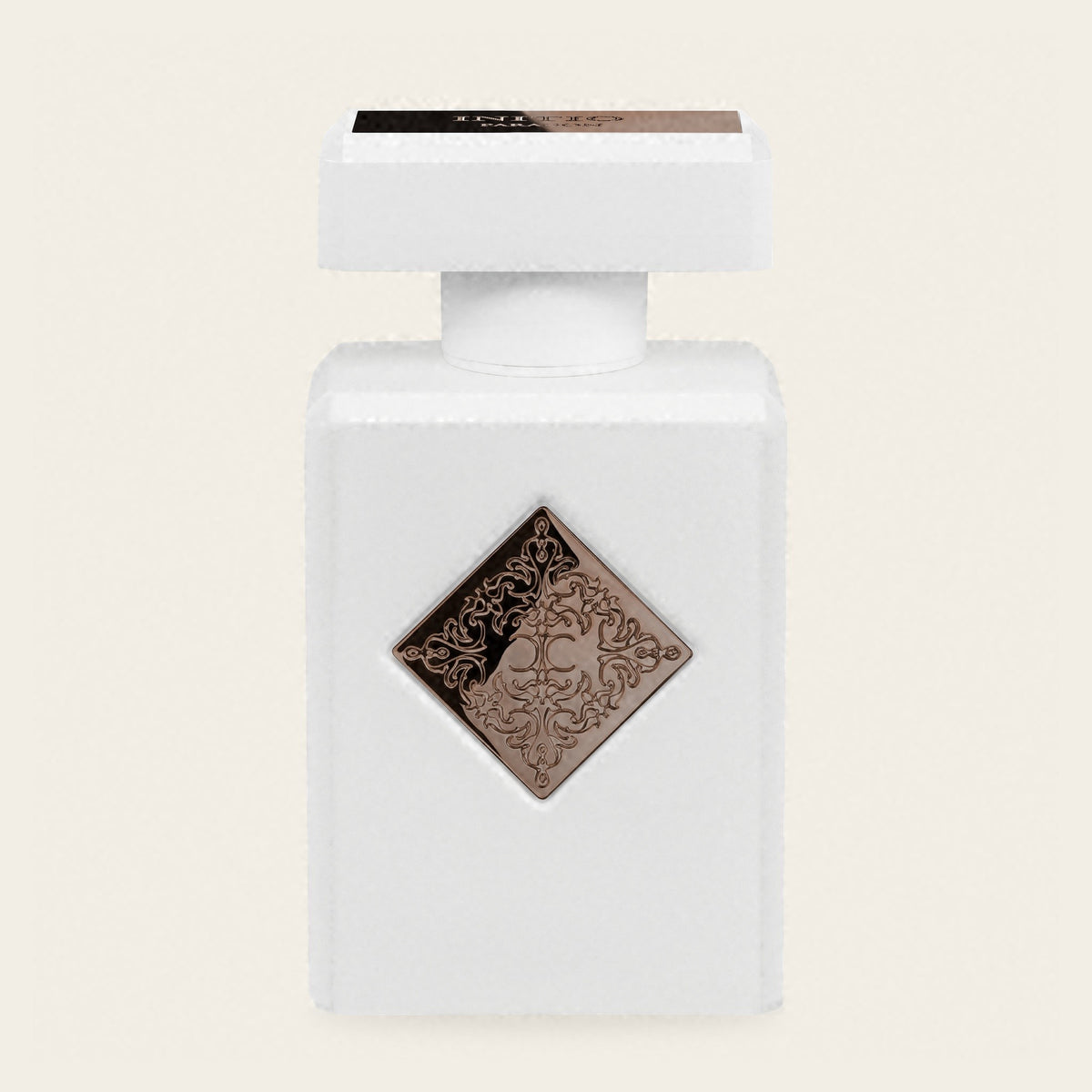
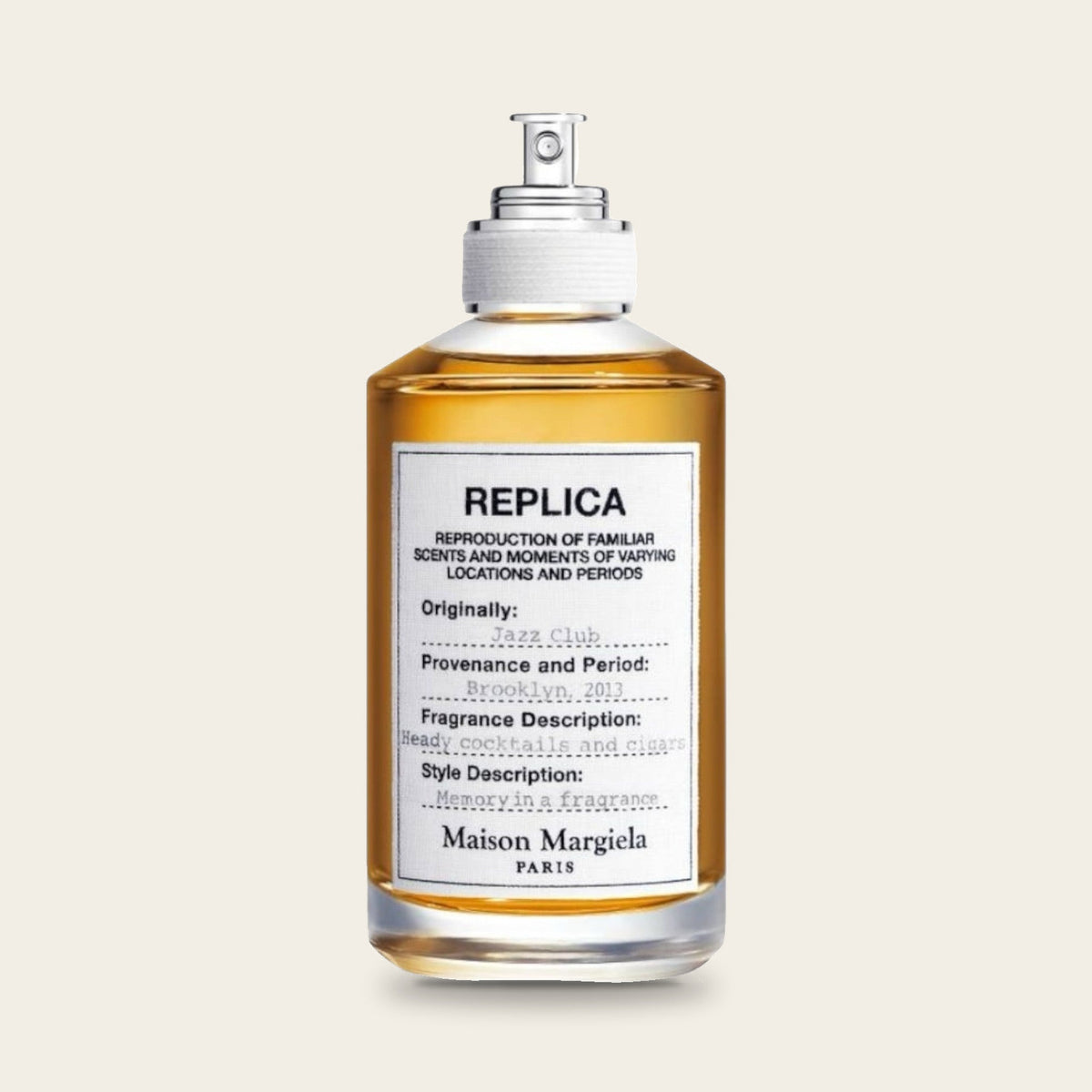
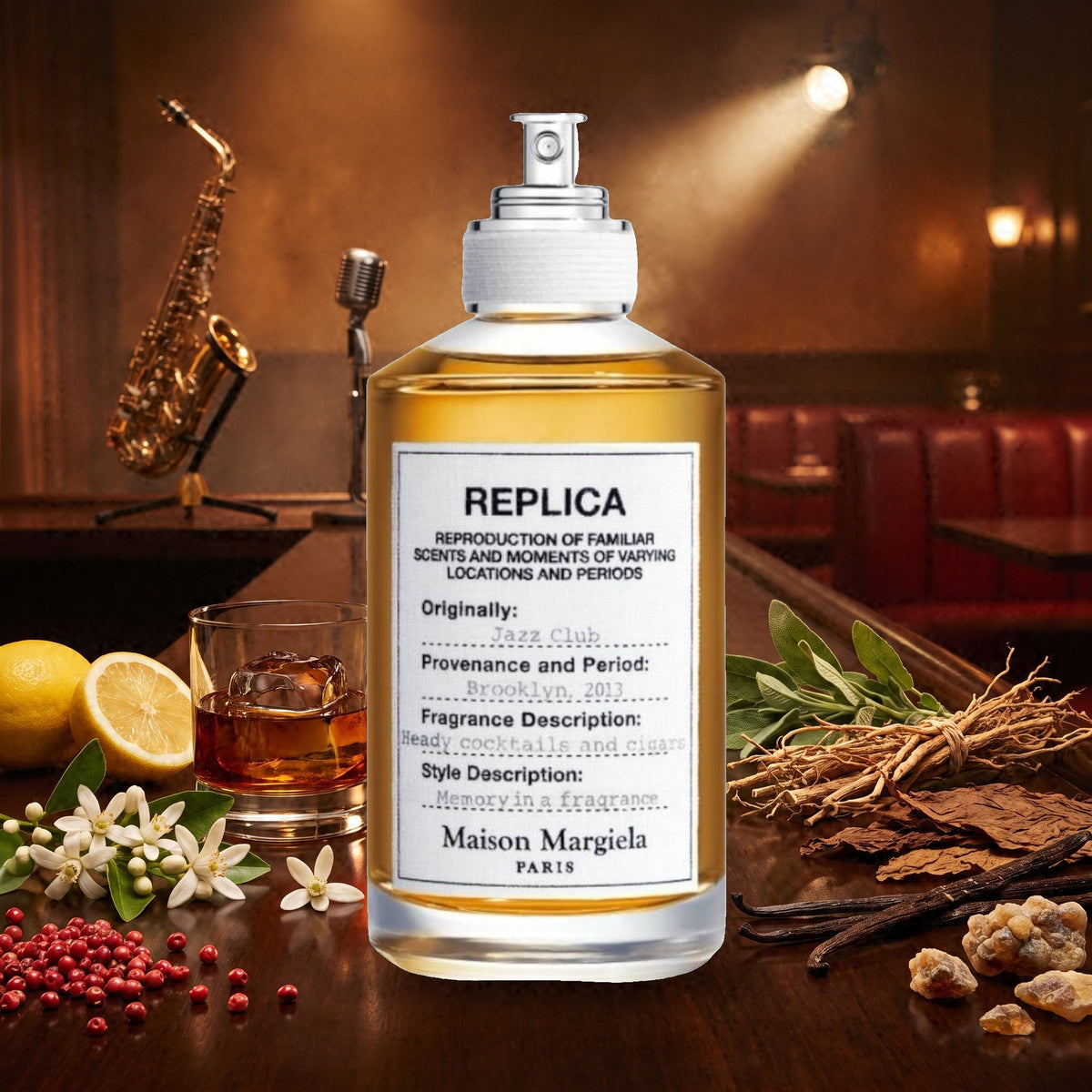
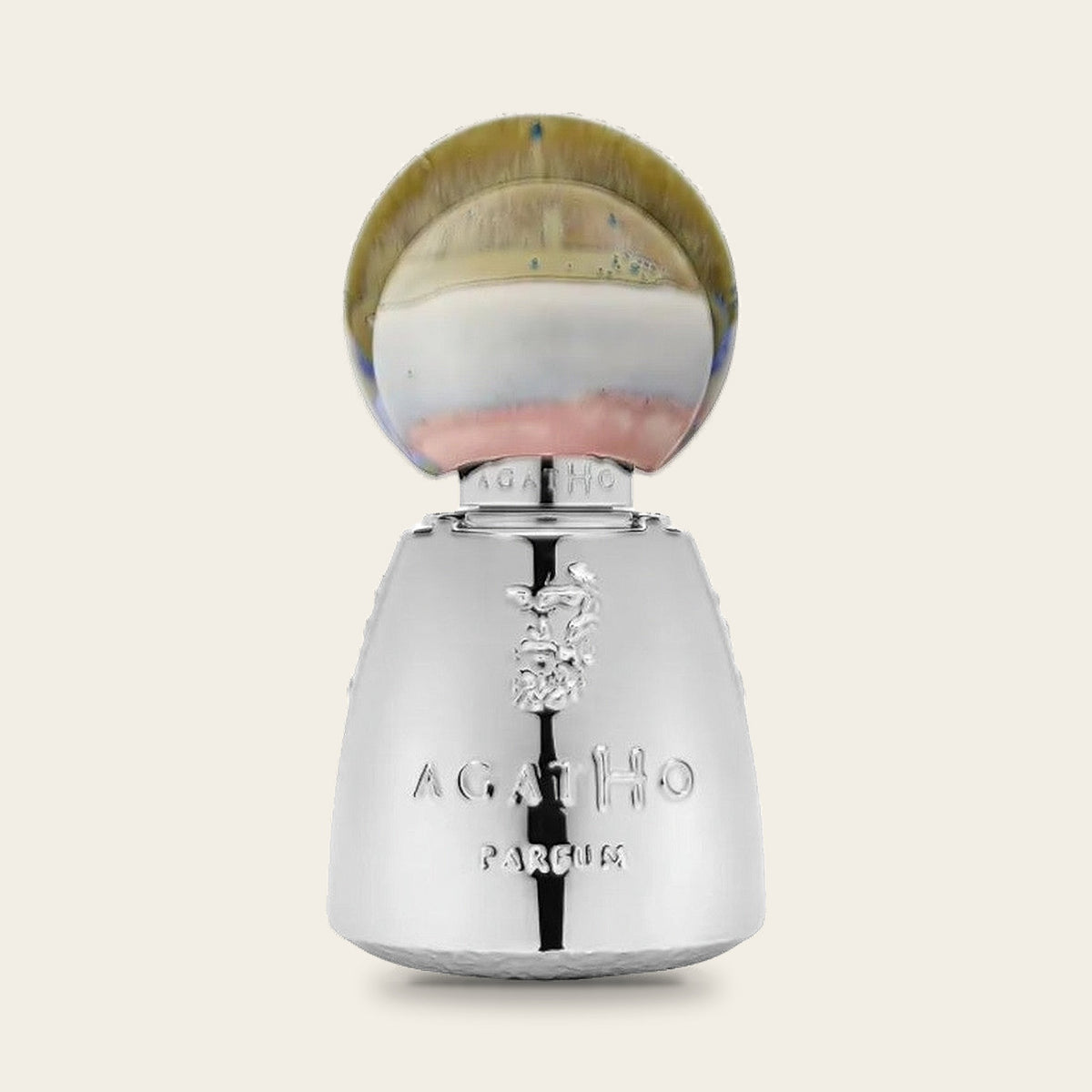
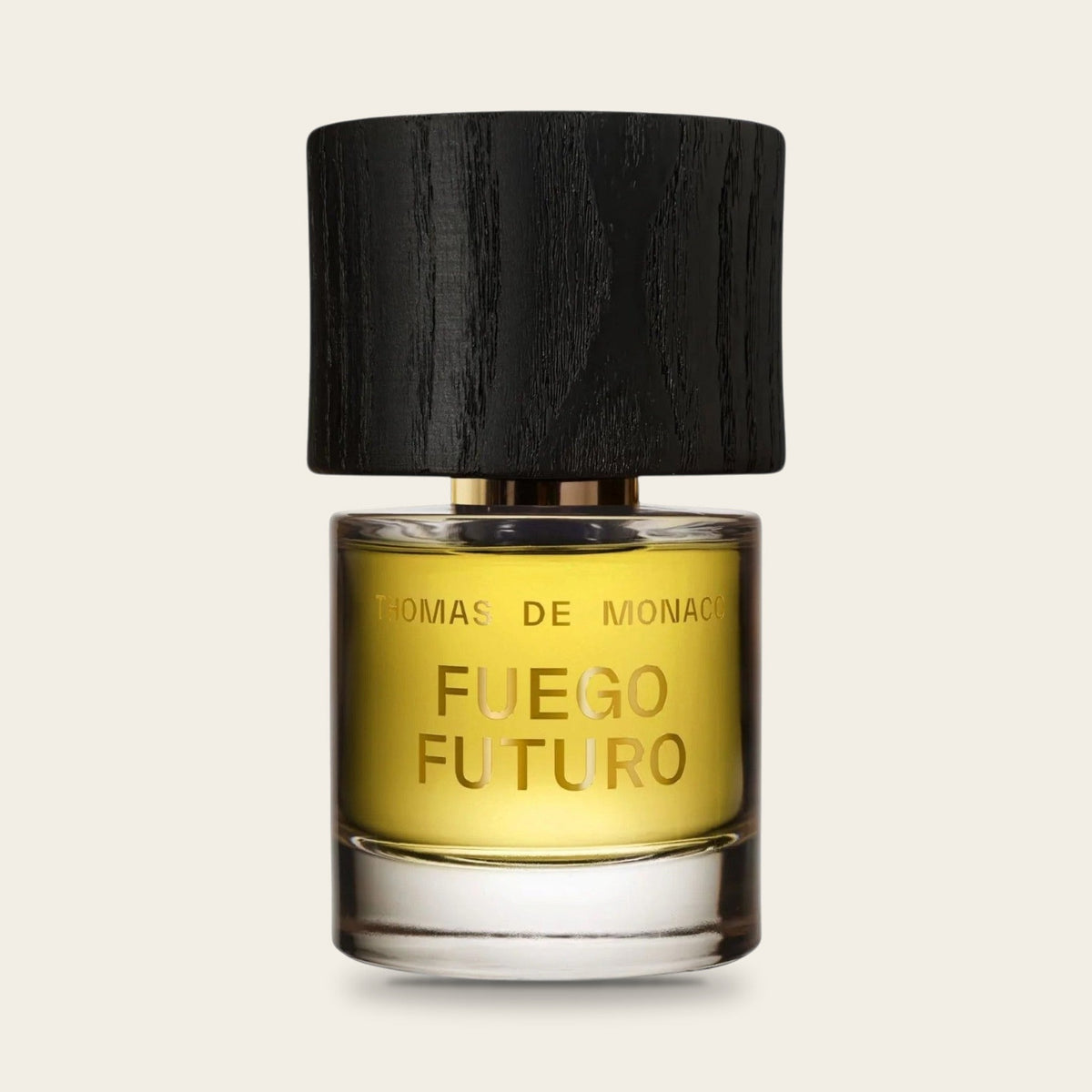
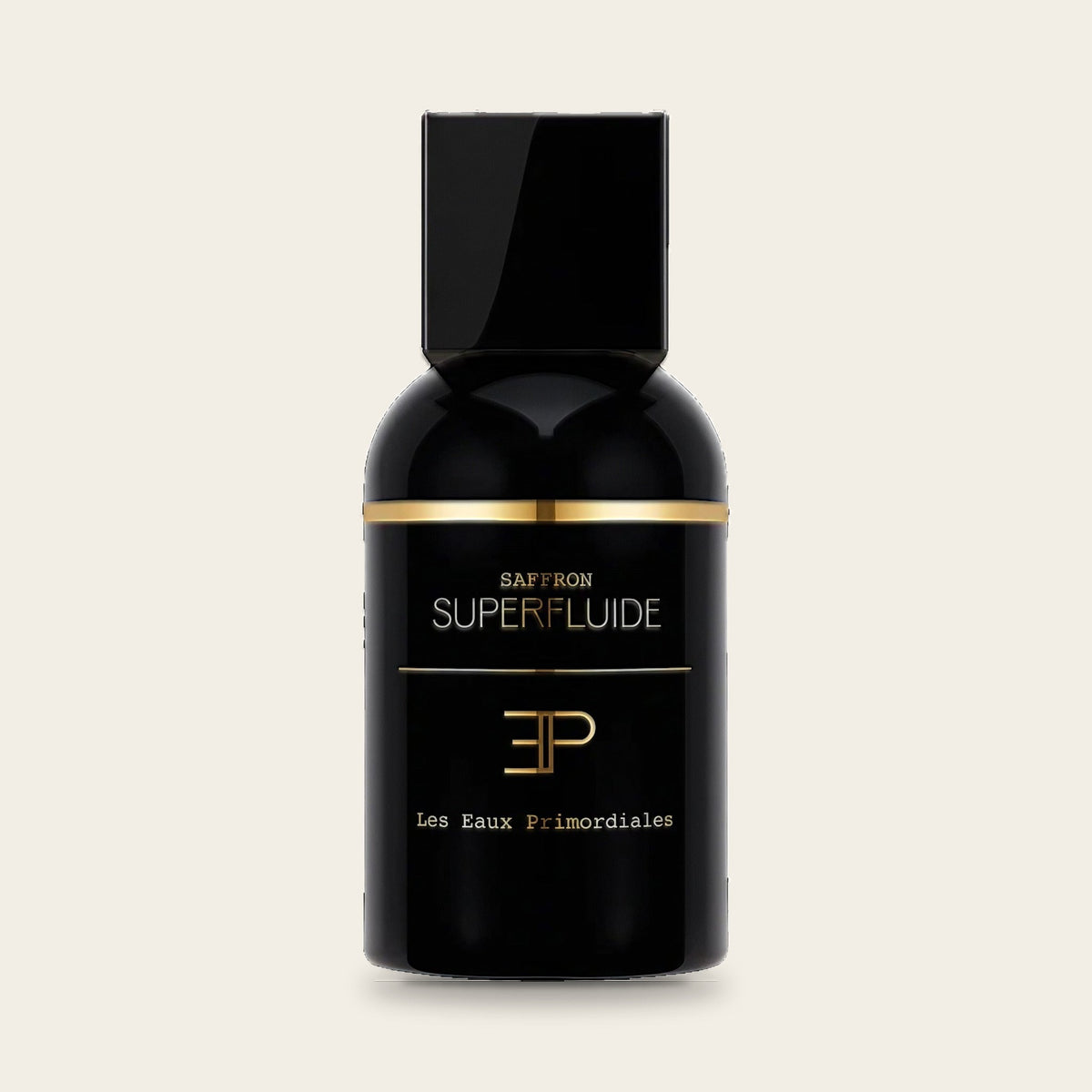
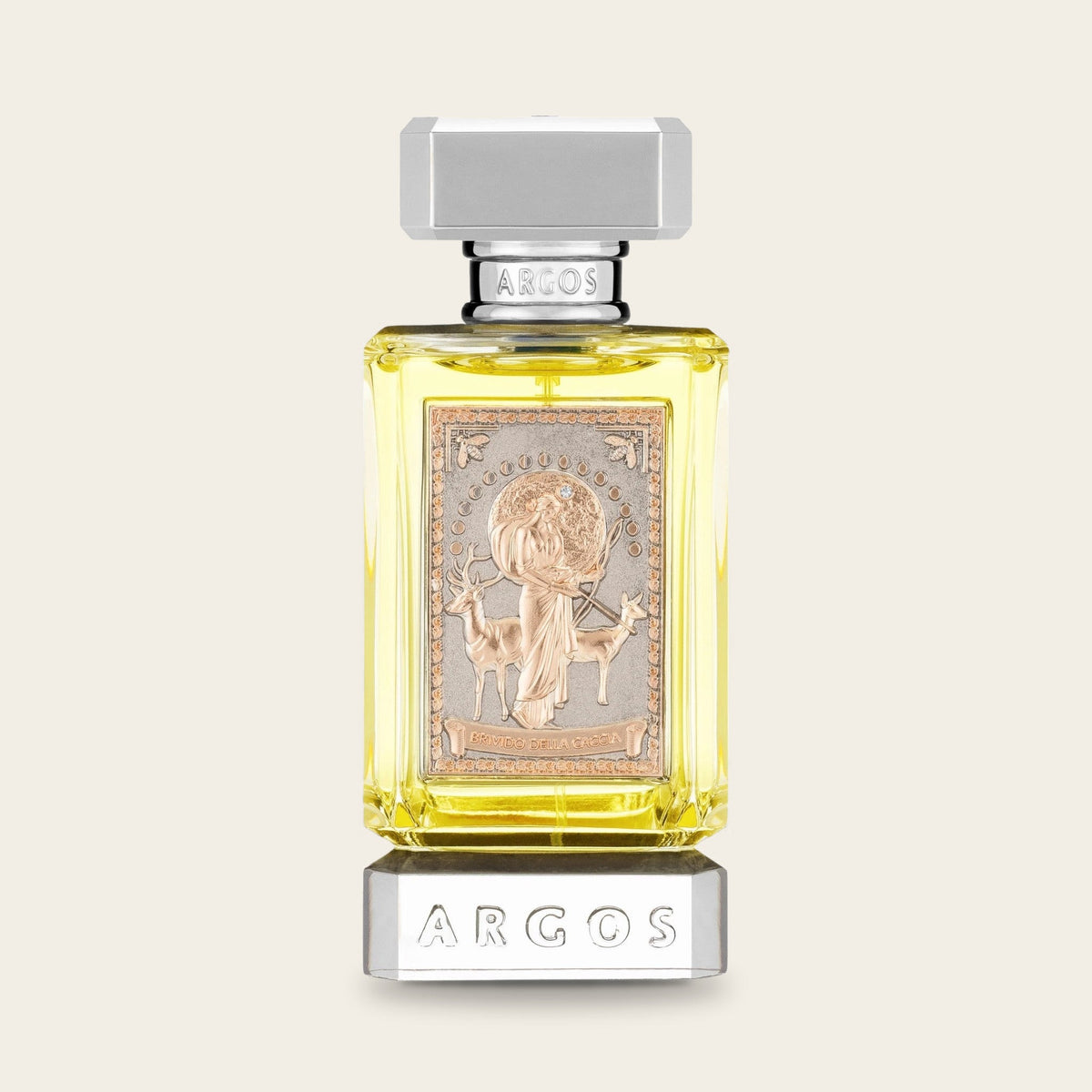
Fragrances with Sage






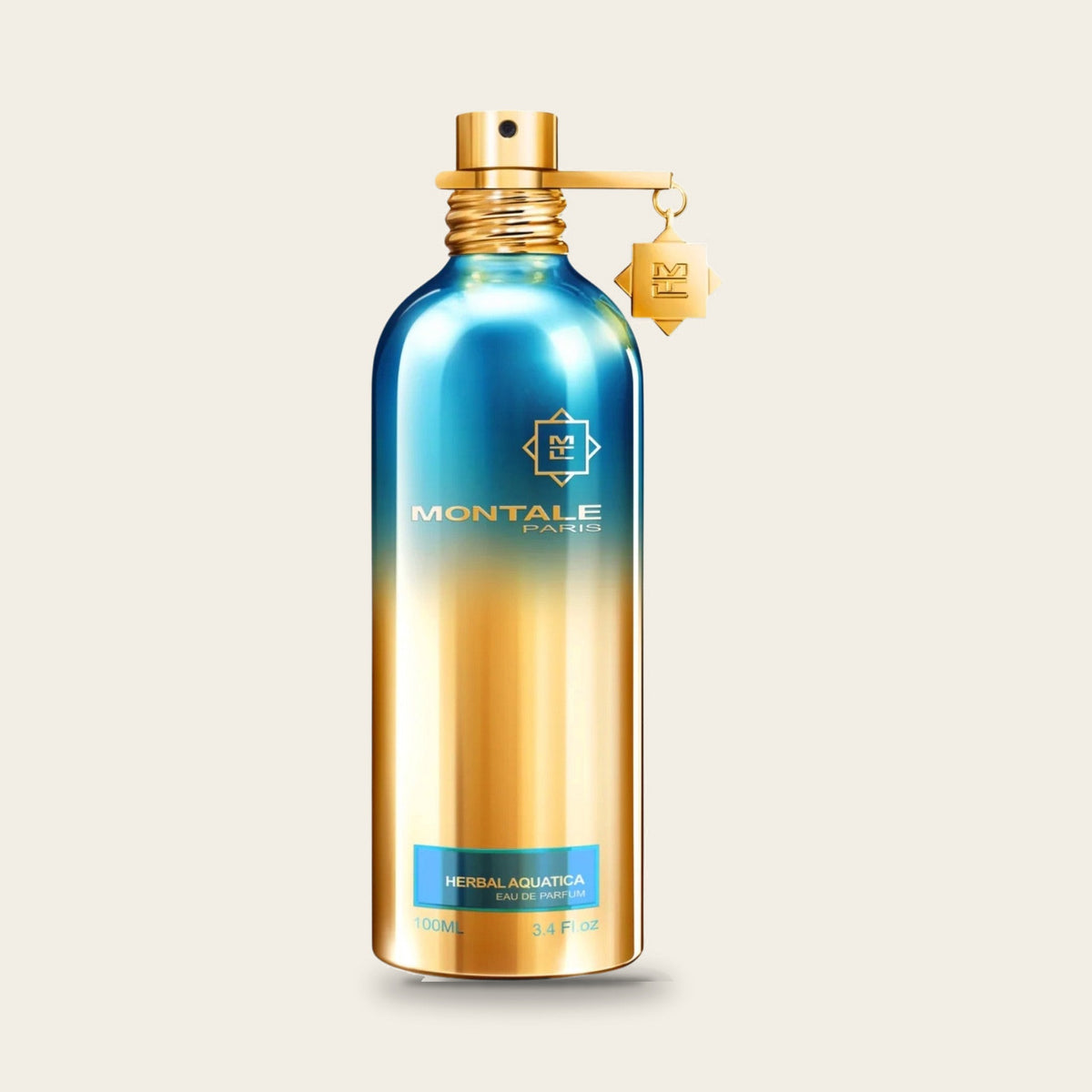
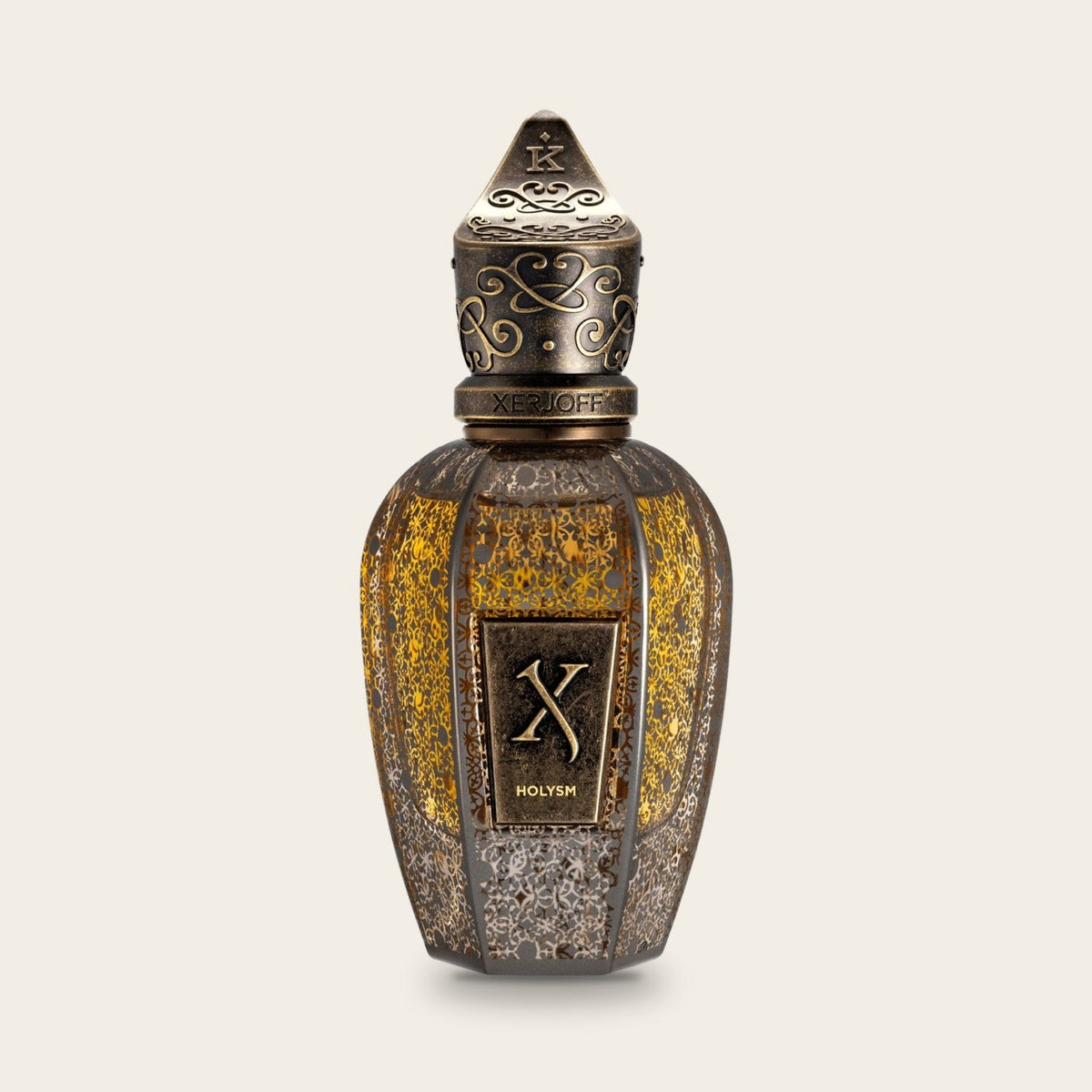
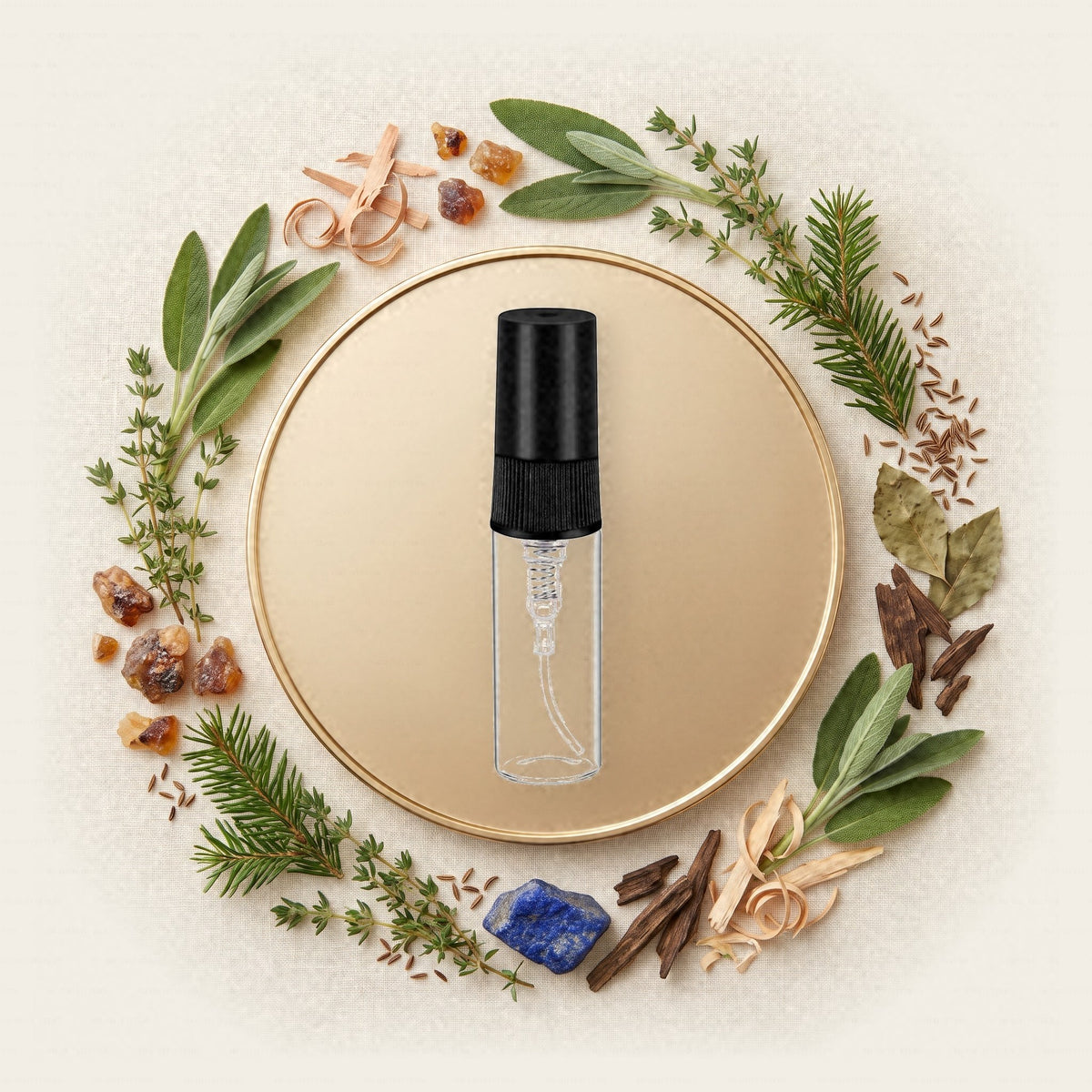
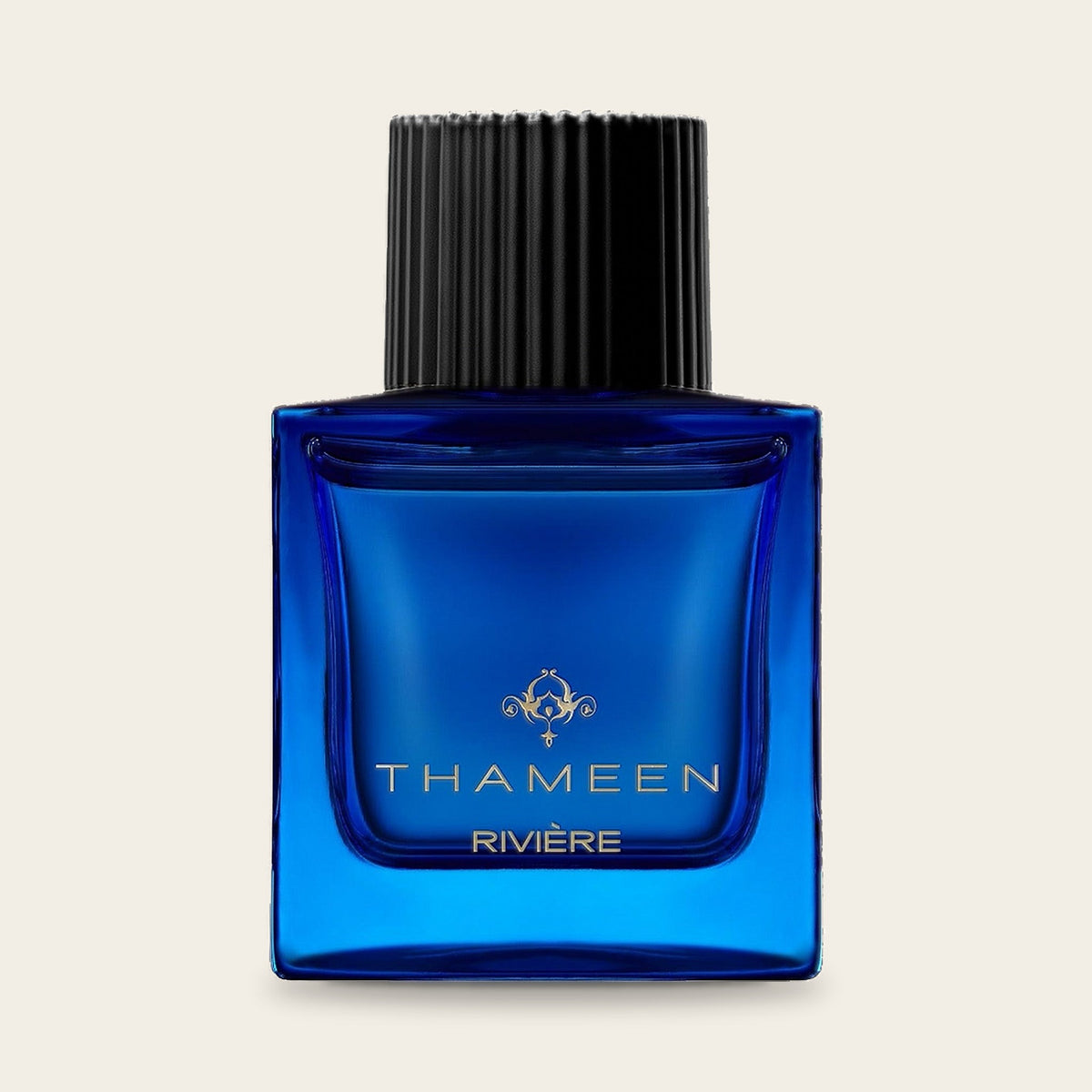


Questions and answers
Herbaceous, fresh and slightly camphoraceous, with a dry, spicy-bitter depth.
Common sage is an evergreen subshrub with woody stems and grey-green, felty leaves that grows to around 60 centimetres. Its home is the Mediterranean; wild stands grow above all on the coasts and islands of the Adriatic and Ionian seas and inland in the southern Balkans. Because Dalmatian sage is regarded as the classic quality, the oil is often traded as “Dalmatian sage oil”. Today Albania is an important supplying and growing country. Clary sage (Salvia sclarea) is a separate species of the same genus; it comes from southern Europe and is grown in larger plantations specifically for perfumery.
For the essential oil, the leaves of common sage, usually together with stems and other aerial parts, are dried and distilled with water or steam. The yield is low: the leaves contain only around 1 to 2.5% essential oil. Which molecules dominate depends strongly on origin, plant population and harvest time; the quality of the oil is judged mainly by the ratio of thujone to camphor. Clary sage oil is distilled as well. Its most valuable companion substance, sclareol, sits mainly in glandular hairs on the flower calyces.
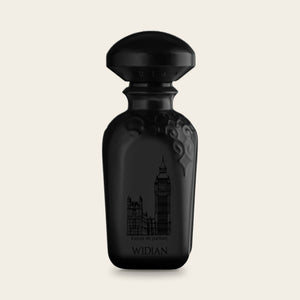
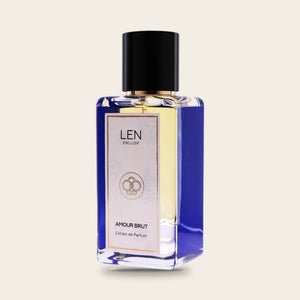
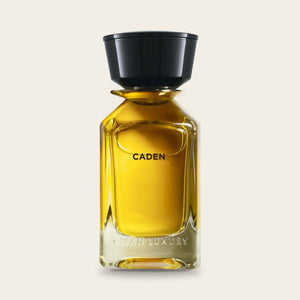
Sage brings a herbaceous, fresh, slightly camphoraceous note to compositions and gives them the dry, aromatic clarity typical of herbal and aromatic accords. Because its main constituents are light monoterpenes, it works above all in the opening and the heart. Clary sage smells softer, tea-like and slightly ambery; it is mostly used as a supporting note. In our range, sage appears in 33 fragrances, 17 in the top and 16 in the heart note.
Aromatic · Herbal · Top and heart note
Both the dried herb and the distilled oil store well, so sage oil is available all year round.
In our fragrances, it often appears alongside Zedernholz, Bergamotte, Amber, Patschuli, Moschus, Sandelholz, Vanille.
Sage has accompanied people in the Mediterranean since antiquity. In the 1st century AD the Latin name Salvia appears in Dioscorides and Pliny the Elder. Around 800, Charlemagne's estate ordinance, the “Capitulare de villis”, lists sage among the plants to be grown in the gardens of the imperial estates, and it became a fixture of monastery gardens. In the 9th century, Walafrid Strabo, abbot of Reichenau, opened his didactic poem on the monastery garden, the “Hortulus”, with sage. In 16th-century Germany, wine was flavoured with clary sage and elderflowers to imitate the taste of muscatel – hence its German name, Muskatellersalbei. In 2023, common sage was named Medicinal Plant of the Year in Germany.
- The name Salvia goes back to the Latin “salvus” – healthy, whole, unharmed.
- A medieval verse associated with the school of Salerno asks: “Cur moriatur homo, cui salvia crescit in horto?” – “Why should a man die who has sage growing in his garden?”
- Clary sage was called “clear-eye” in English and “Oculus Christi” in Latin: its mucilaginous seeds were once used to lift foreign bodies out of the eye.
The essential oil of common sage is shaped by bicyclic monoterpenes: α- and β-thujone (both C₁₀H₁₆O), camphor (C₁₀H₁₆O) and 1,8-cineole (C₁₀H₁₈O, PubChem CID 2758). The international standard ISO 9909 for Dalmatian sage oil gives ranges of 18 to 43% α-thujone, 3 to 8.5% β-thujone, 4.5 to 24.5% camphor and 5.5 to 13% 1,8-cineole. How much the composition varies is shown by analyses of wild populations, in which the proportions differ markedly from site to site. Clary sage is quite different: its oil is carried by linalyl acetate (C₁₂H₂₀O₂, PubChem CID 8294) and linalool (C₁₀H₁₈O). It also forms the diterpene alcohol sclareol (C₂₀H₃₆O₂), which is produced in the glandular hairs of the flower calyces and is the most important starting material for making ambroxide, a central molecule of ambergris-like scent notes.
FRAGRANCE KNOWLEDGE
In the 4D Journal
-
 FRAGRANCE KNOWLEDGE
Rose in perfume: The queen of fragrance materials
READ ARTICLE
-
 FRAGRANCE KNOWLEDGE
Vanilla in perfume: From orchid to favourite scent
READ ARTICLE
-
 FRAGRANCE KNOWLEDGE
Leather in perfume: How does something smell that was never in the bottle?
READ ARTICLE
-
 FRAGRANCE KNOWLEDGE
Scented candles & home fragrance: How to use them right
READ ARTICLE