
INGREDIENT GLOSSARY
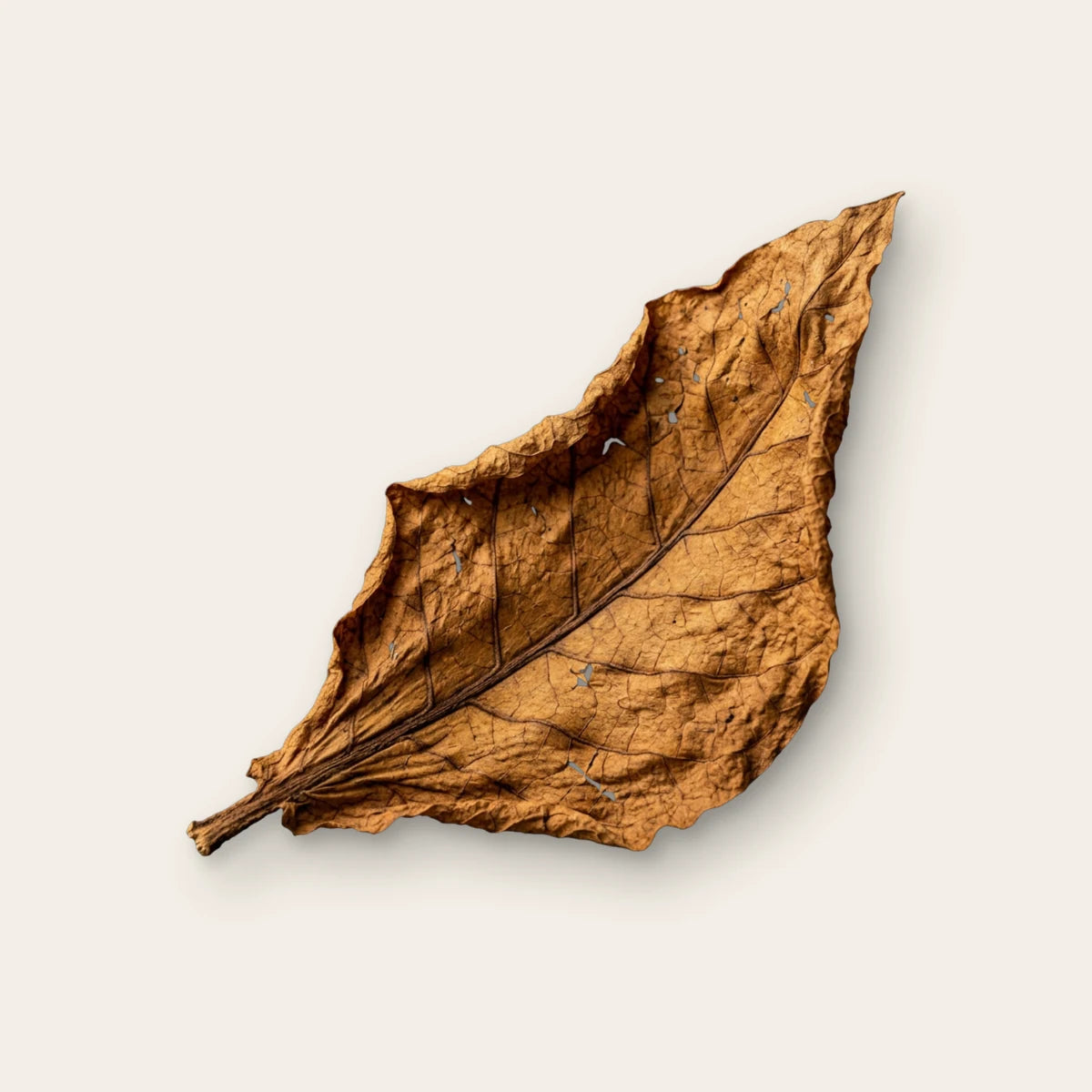
Tobacco
Nicotiana tabacum · Nightshade family (Solanaceae)
Warm, honey-sweet and hay-like, with dried fruit and a leathery depth; smoky hints remain a subtle undertone.
NATURAL · ALSO AS AN ACCORDAMBER (ORIENTAL) · LEATHER · BASE NOTE
AT A GLANCE
- Plant: cultivated tobacco Nicotiana tabacum, a member of the nightshade family
- Origin: South America (Andes), now grown worldwide
- Production: leaves cured, sometimes fermented, then extracted as an absolute
- Scent: honey-sweet, hay-like, leathery – a base note
PROFILE
- Origin
- Native to South America (Andes region) · now grown in many countries worldwide
- Extraction
- Leaves are cured, sometimes fermented, then solvent-extracted into an absolute
- Main molecules
- Megastigmatrienones (C₁₃H₁₈O) · β-Damascenone (C₁₃H₁₈O) · Solanone (C₁₃H₂₂O)
- Harvest
- After harvest, the leaves are cured for anything from about a week to two months, depending on the method.
- Often paired with
- Vanilla, patchouli, musk, sandalwood, cedarwood, bergamot, tonka bean
Numbers that surprise
around 12,300 years
is the age of four charred tobacco seeds from a hearth in Utah – the oldest known evidence of humans using tobacco.
more than 11,000 years
before Europeans first encountered tobacco with Columbus in 1492, people in the Americas were already using the plant.
more than 10,000
tobacco seeds together weigh just one gram.
Rounded values; calculation based on published data.
Harvest and season
After harvest, the leaves are cured for anything from about a week to two months, depending on the method. The typical tobacco aroma only develops during this time and the ageing that follows.
Freshly harvested leaves are first dried – a process known as curing. Depending on the method, they hang in ventilated barns (one to two months), are heated indirectly through flues (about a week), are dried over smouldering wood fires or are laid out in the sun; some tobaccos are fermented afterwards as well. For perfumery, the cured leaves are extracted with solvents such as hexane, and the waxy concrete is then washed with alcohol to give the dark brown, viscous absolute. There are also supercritical CO₂ extracts, which come across as fresher and greener.
Knowledge to share
Myth or truth?
Statement 1
A tobacco note in perfume smells of cigarette smoke.
Myth. Tobacco absolute is made from cured leaves and smells of hay, honey, dried fruit and leather. Smoky facets are at most a subtle undertone.
Statement 2
Tobacco absolute contains as much nicotine as tobacco leaves.
Myth. Technical data sheets for tobacco absolute list only traces of nicotine, below 0.04%. Nicotine-reduced grades are also available.
Statement 3
Tobacco is related to the tomato and the potato.
True. Like the tomato, potato and aubergine, tobacco belongs to the nightshade family (Solanaceae).
Your result
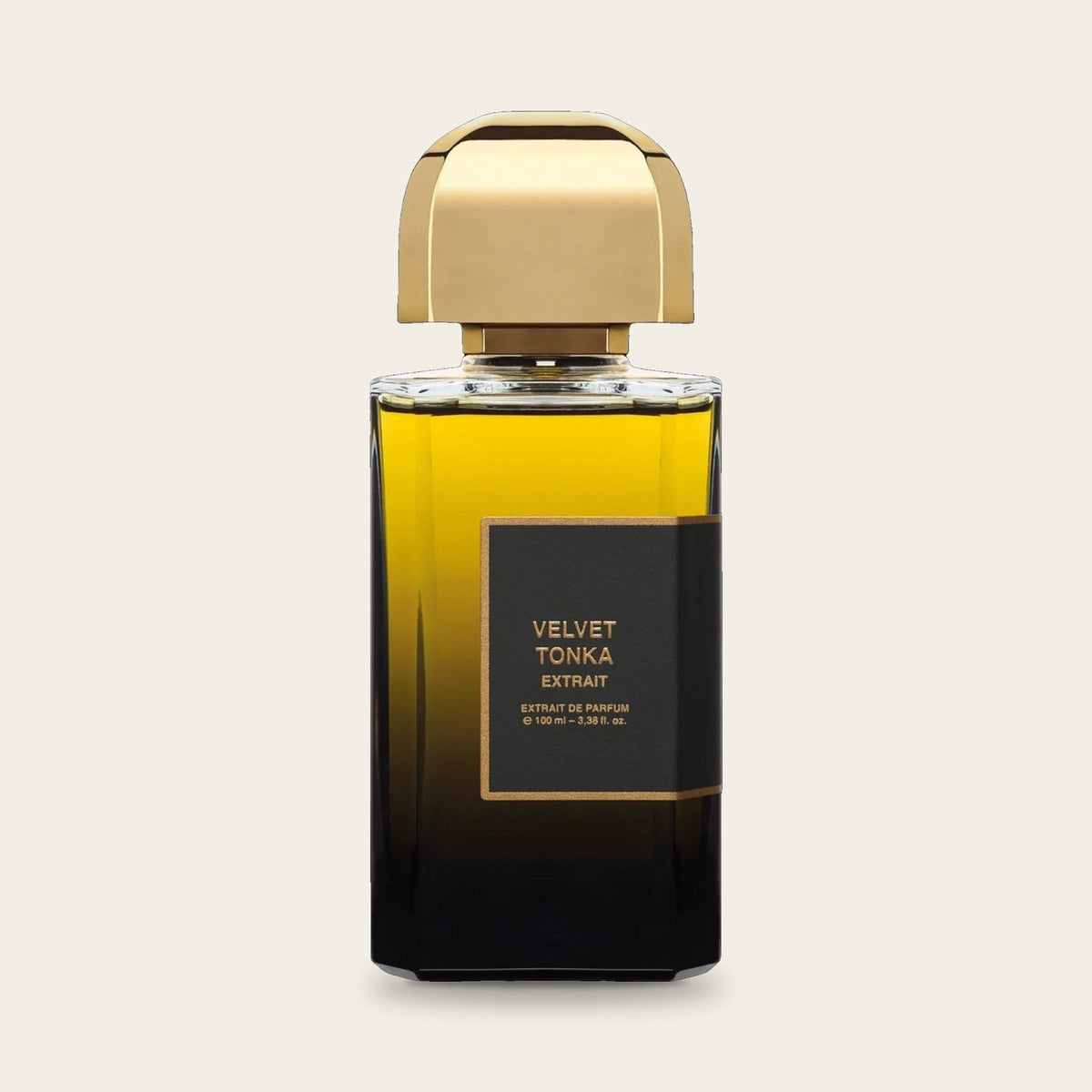
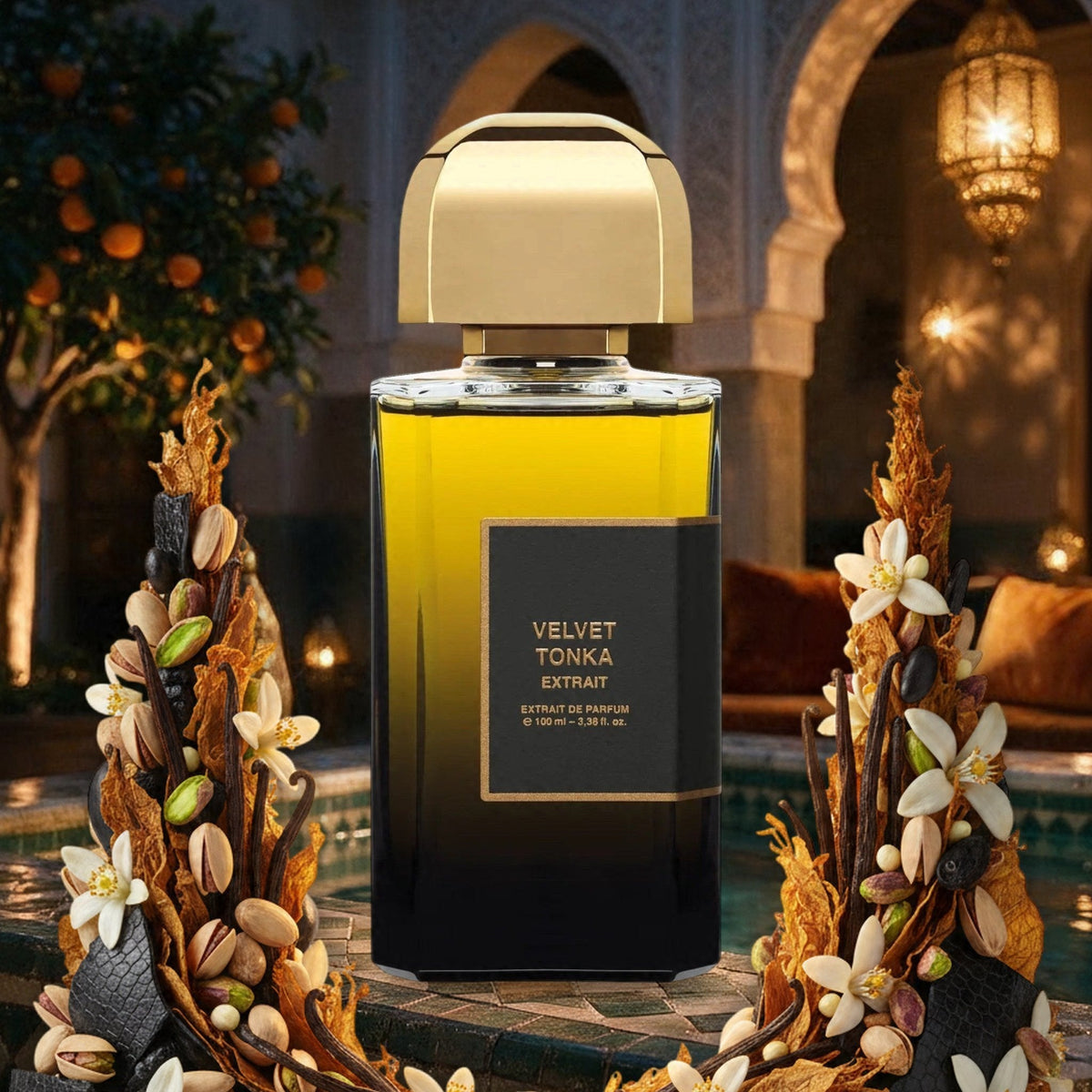
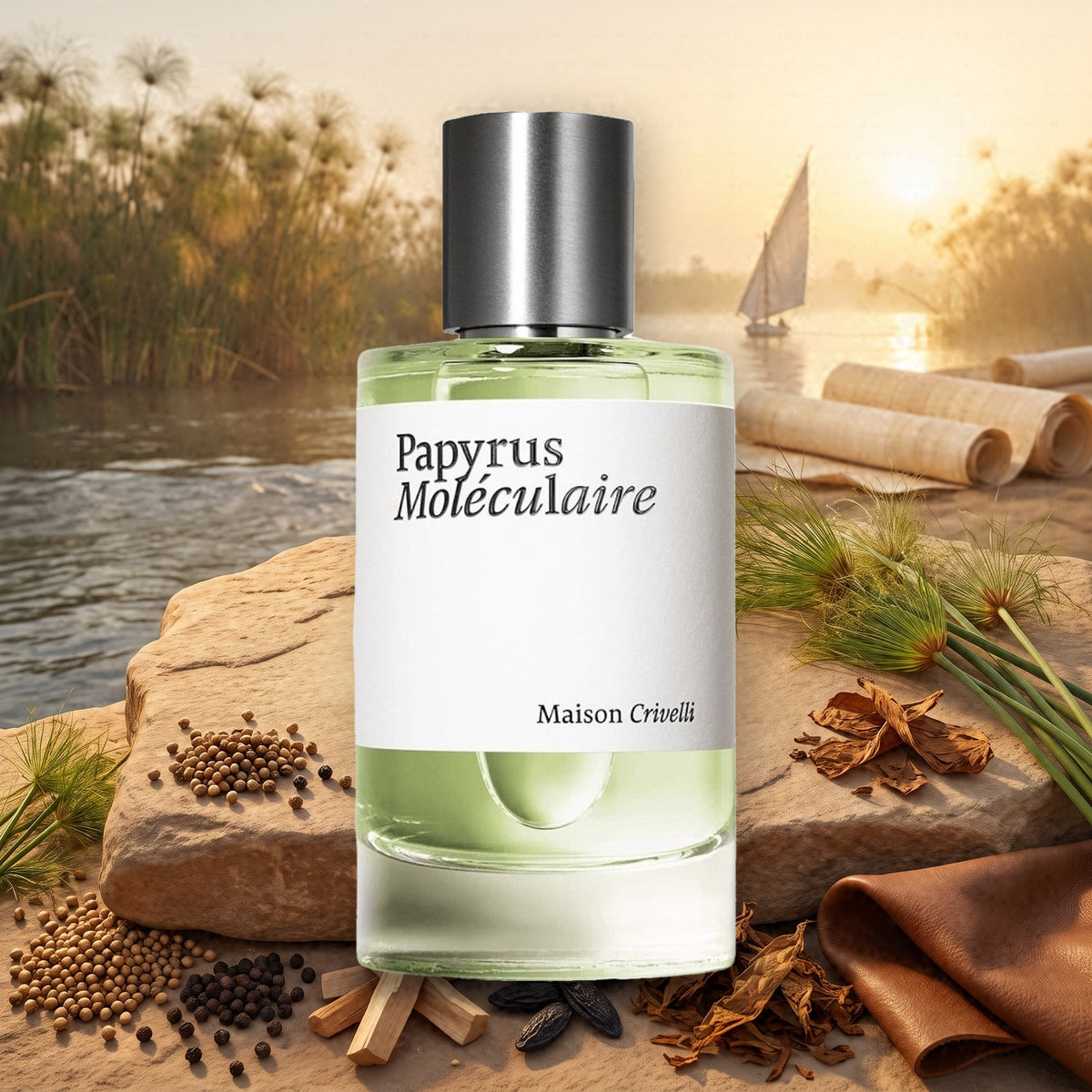
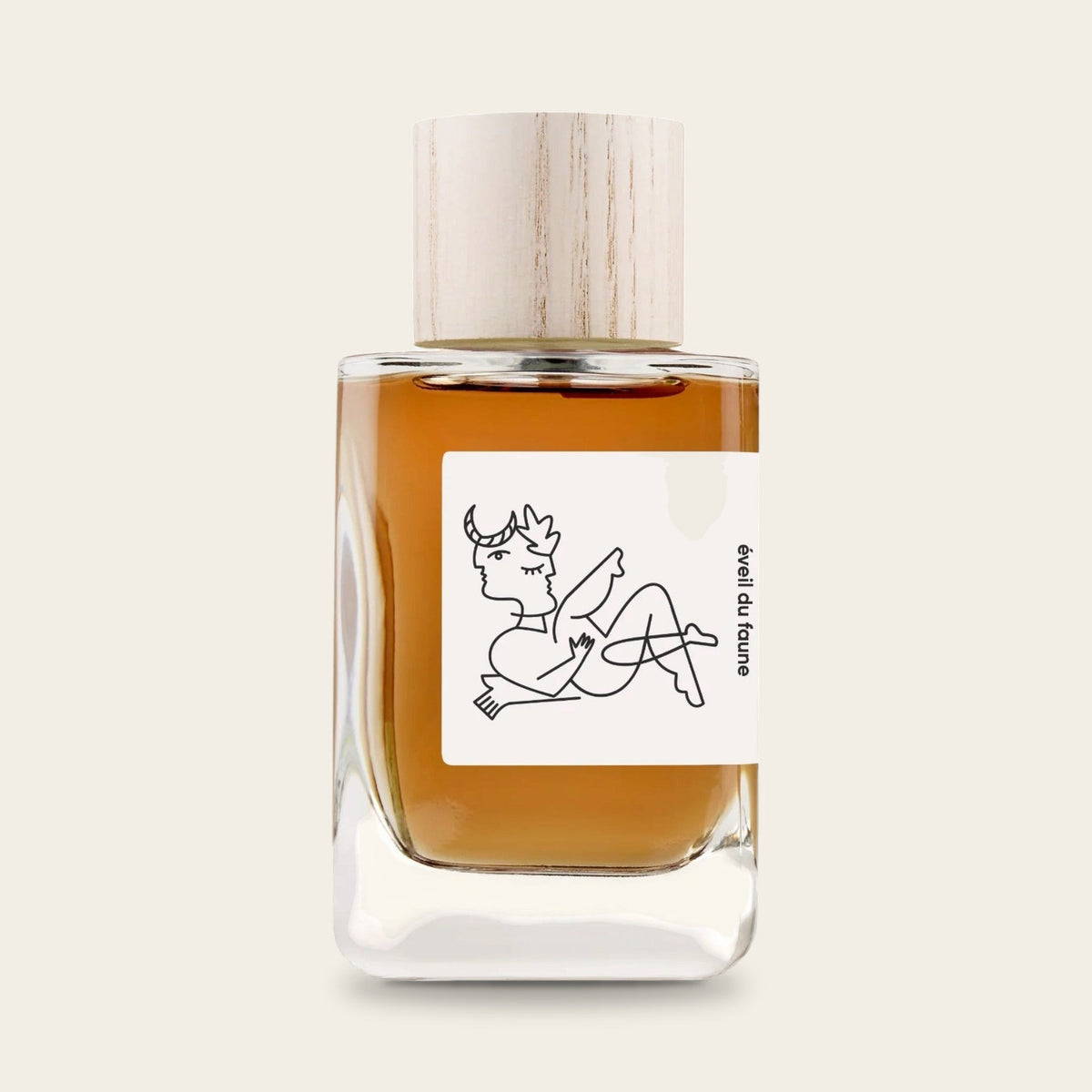
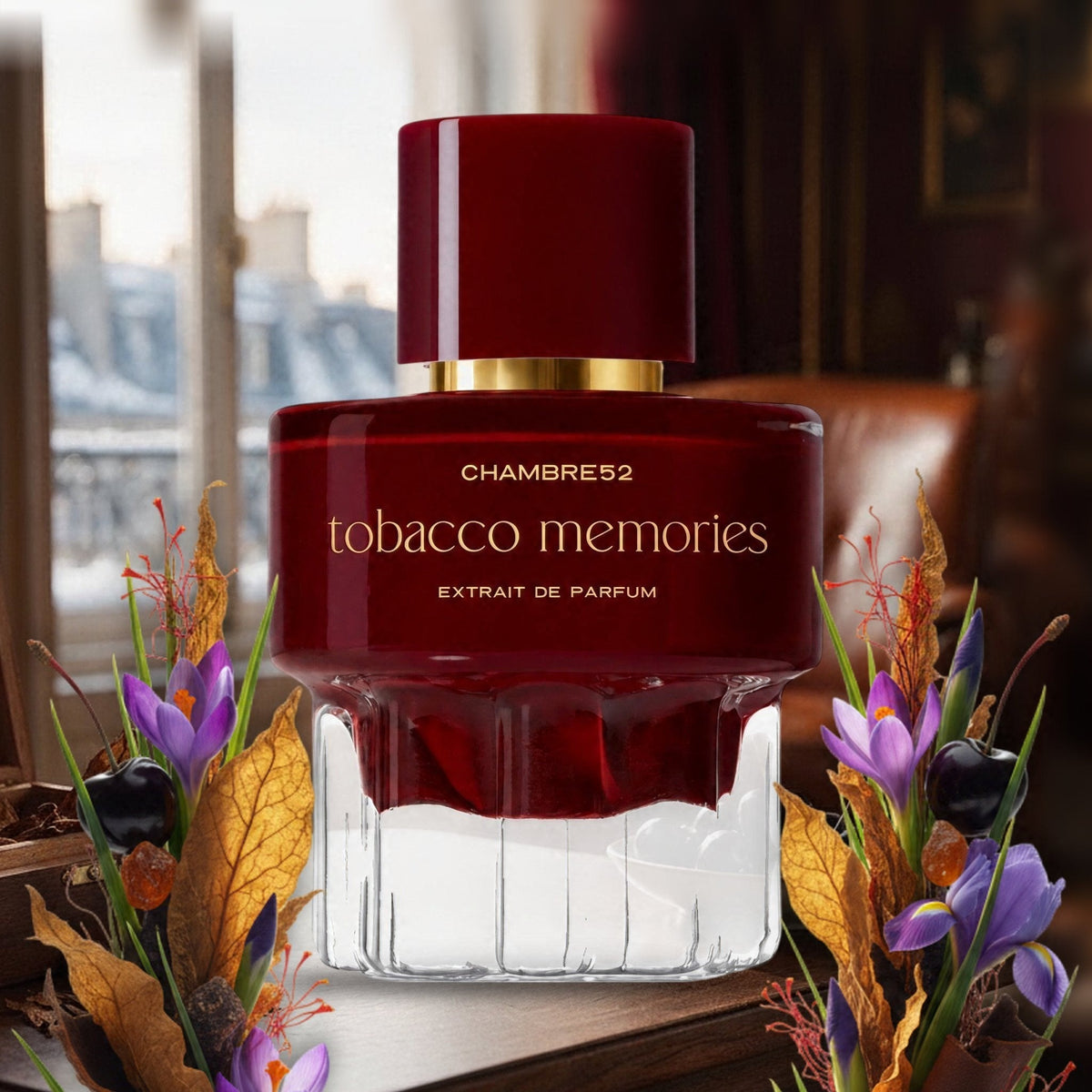
FRAGRANCES WITH TOBACCOINGREDIENT GLOSSARY
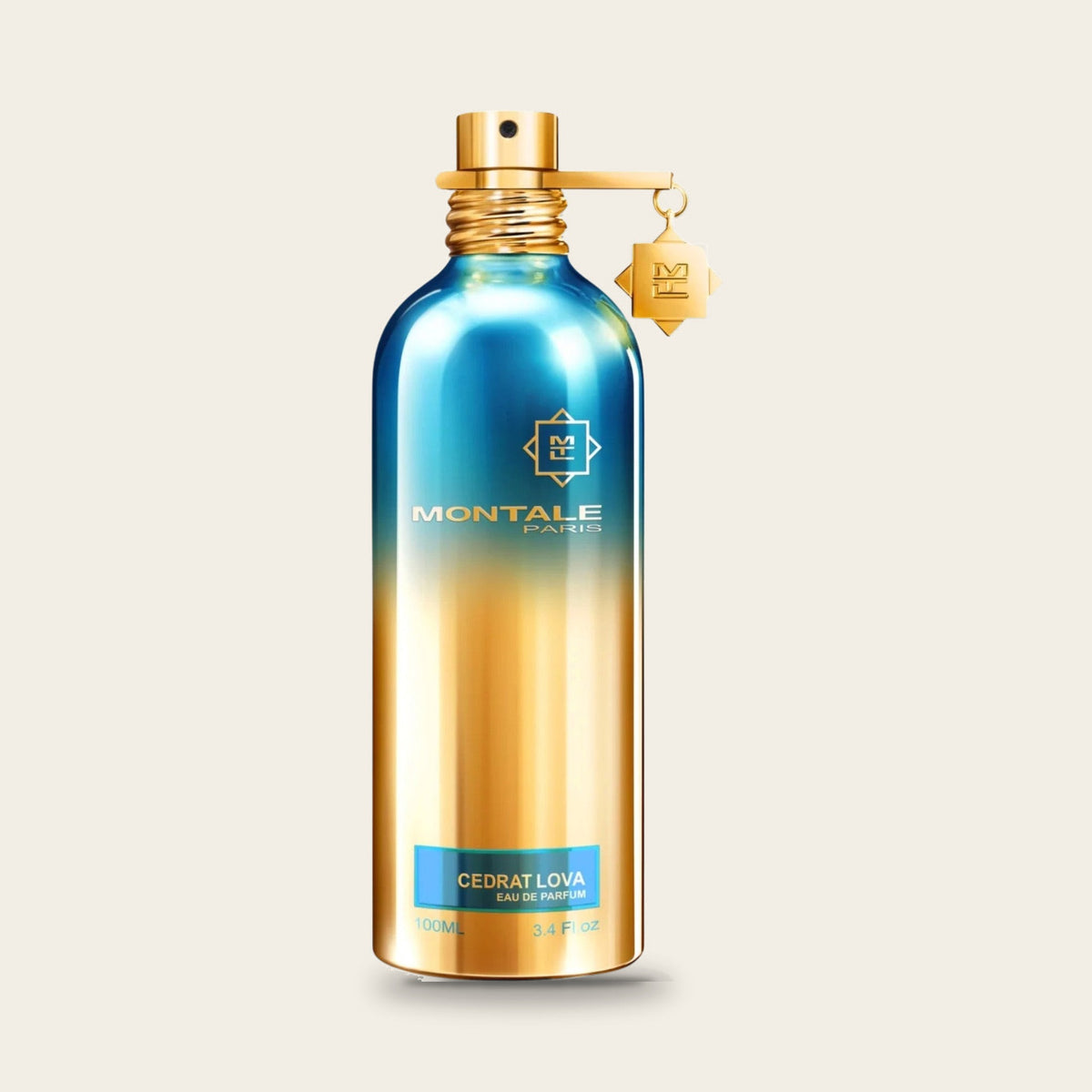
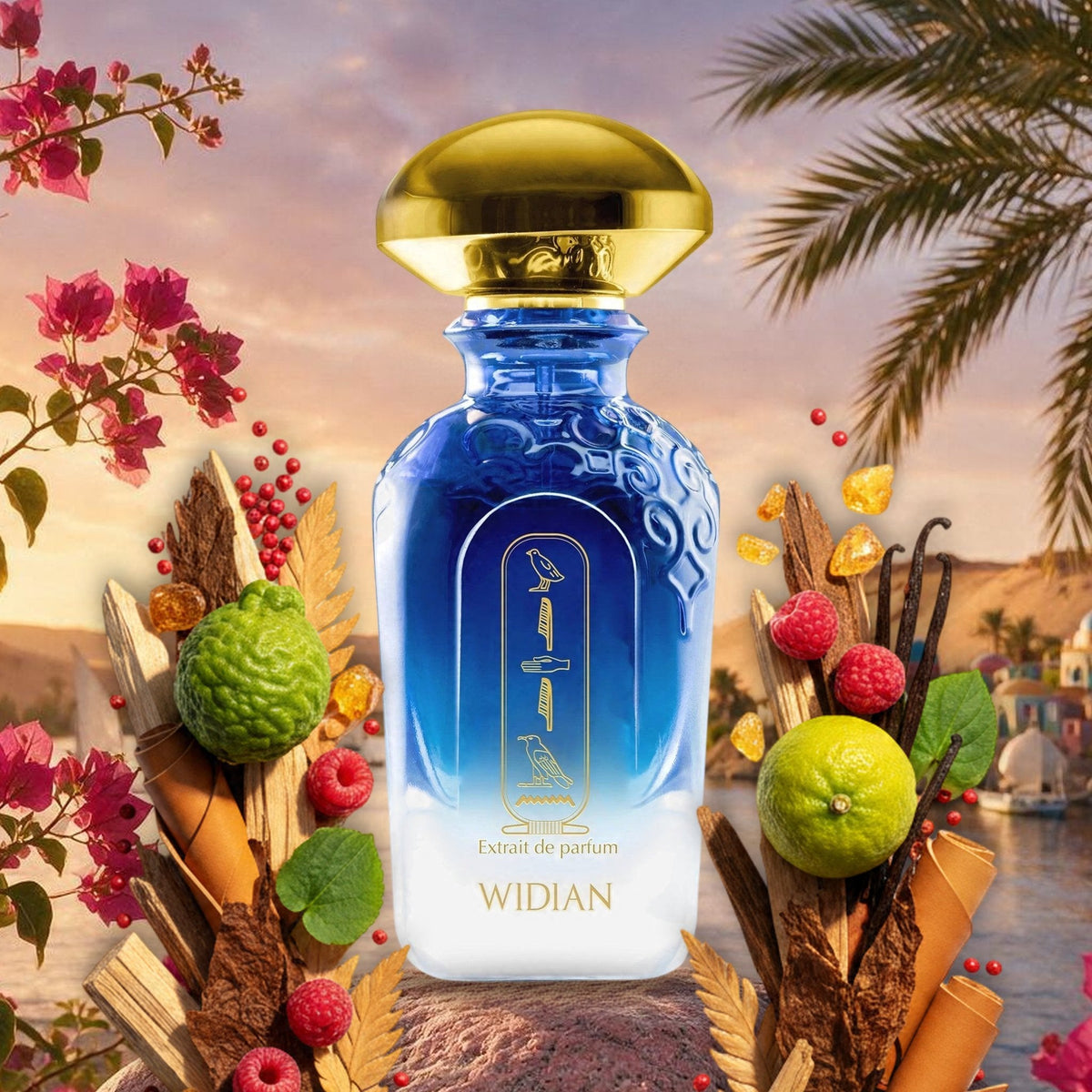
Fragrances with Tobacco
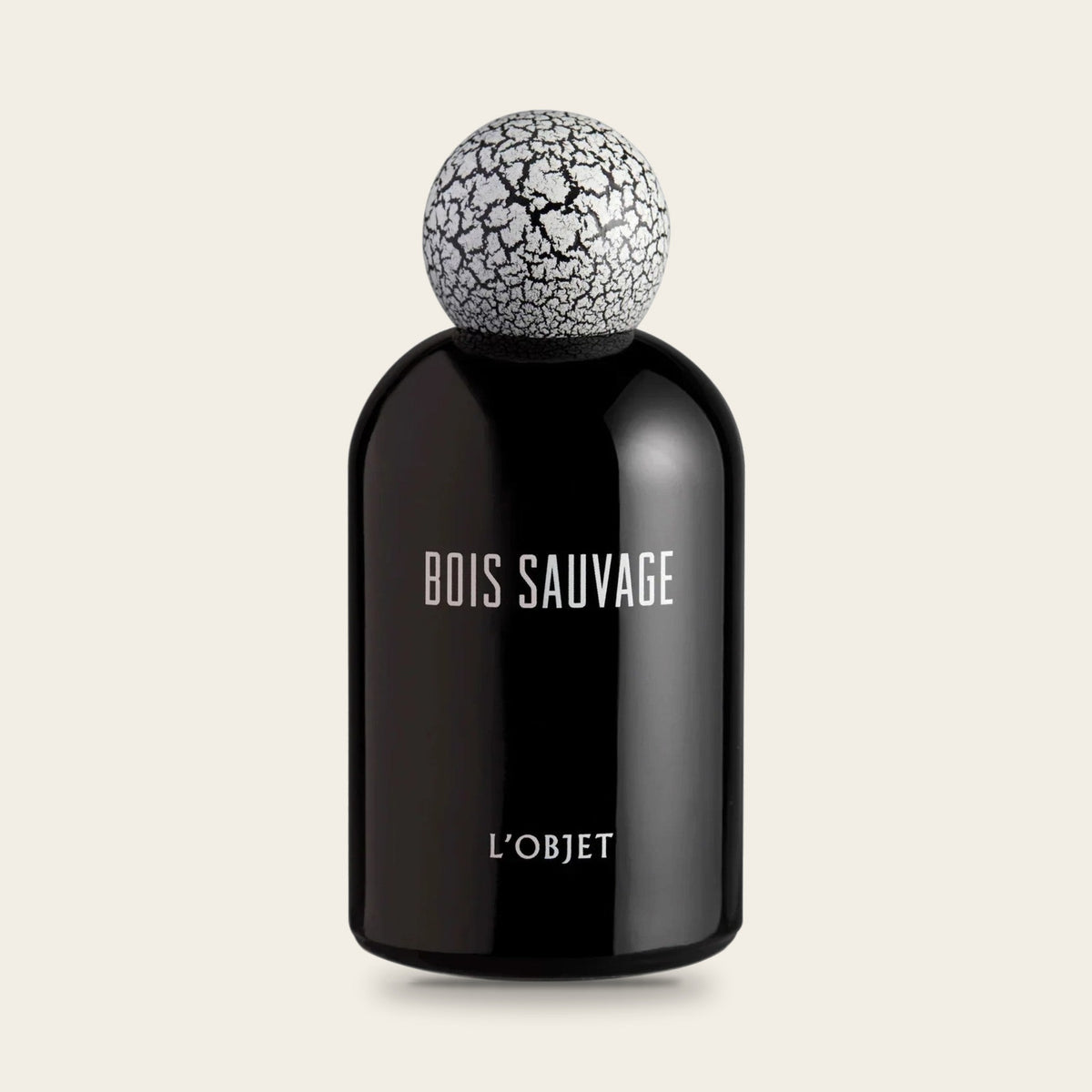
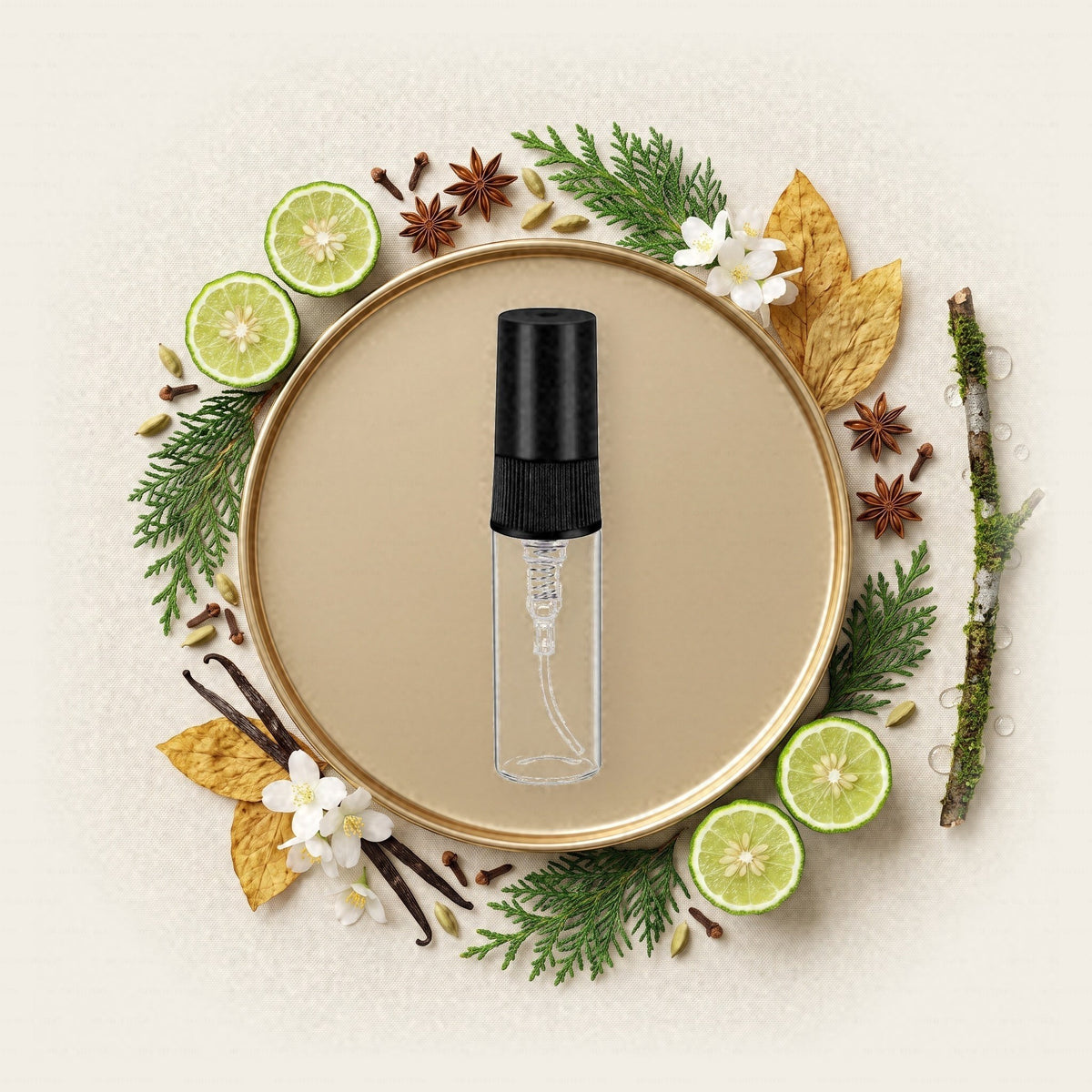
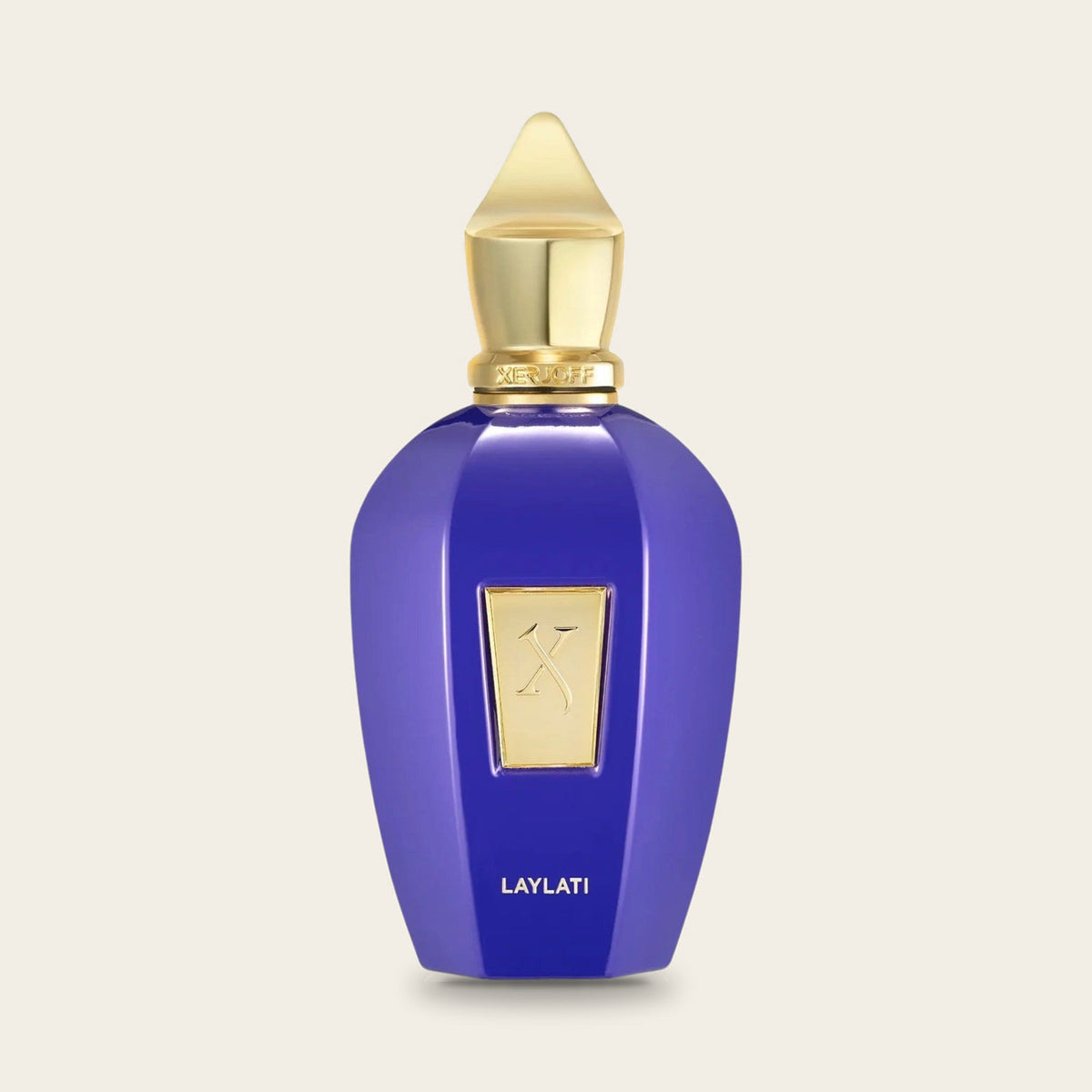
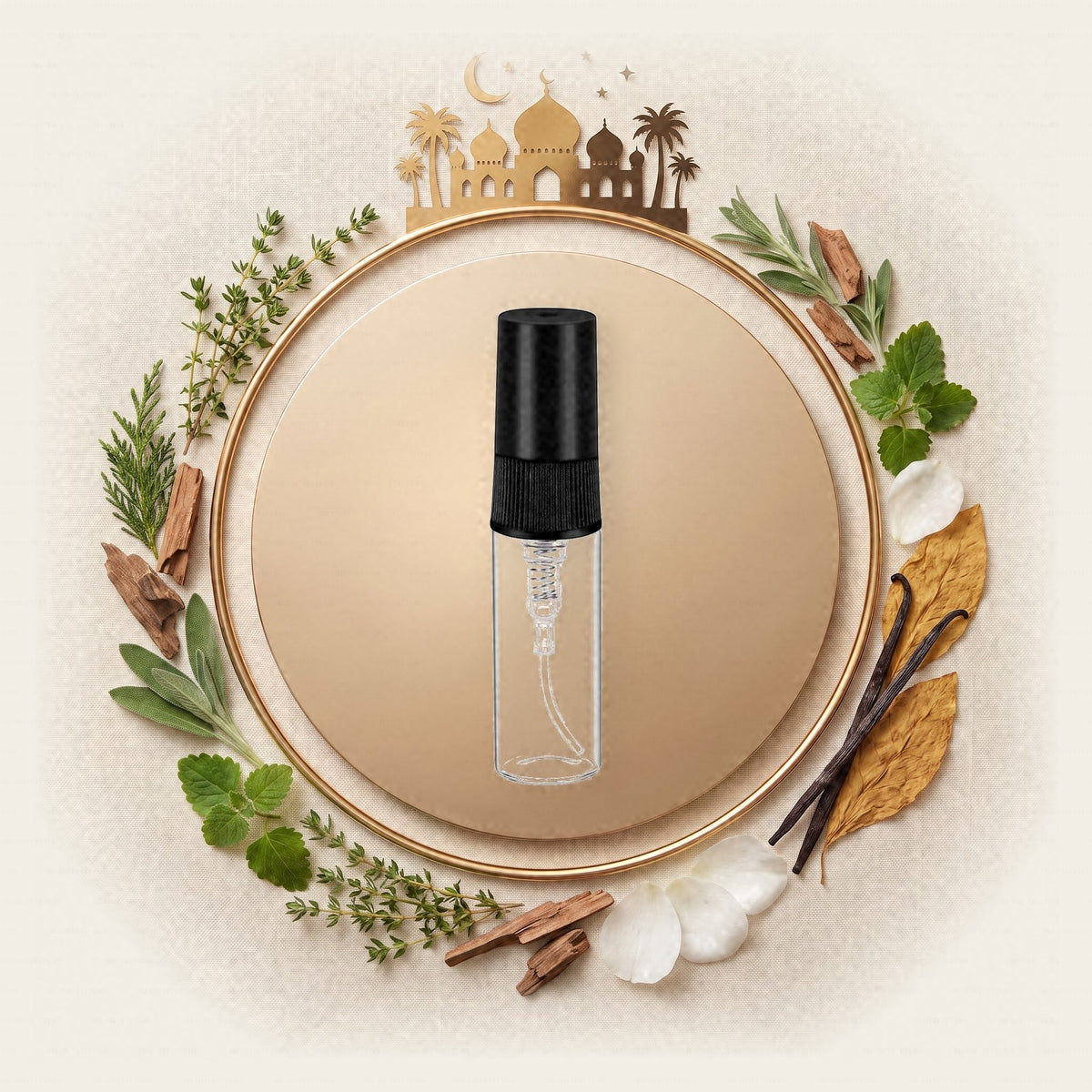



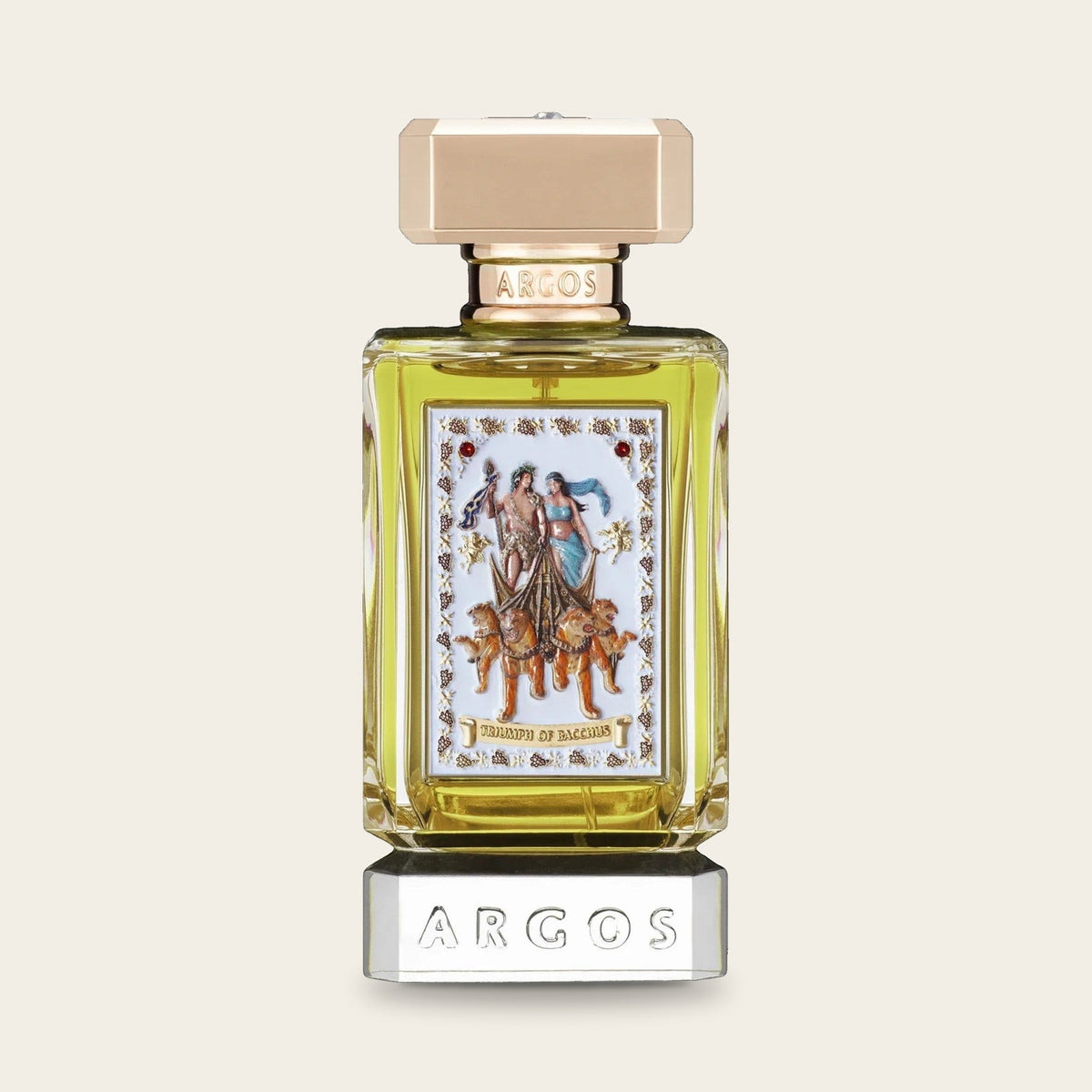


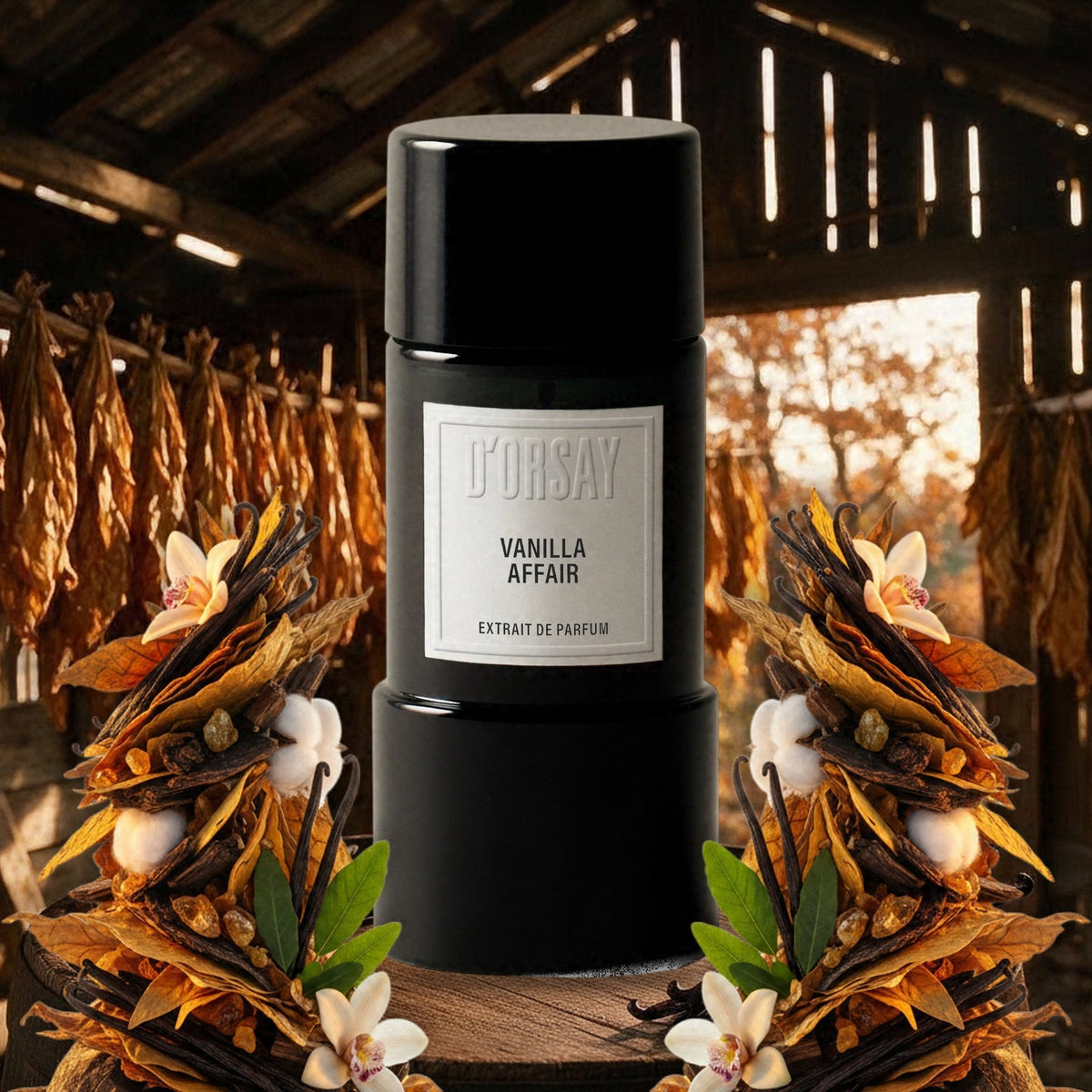
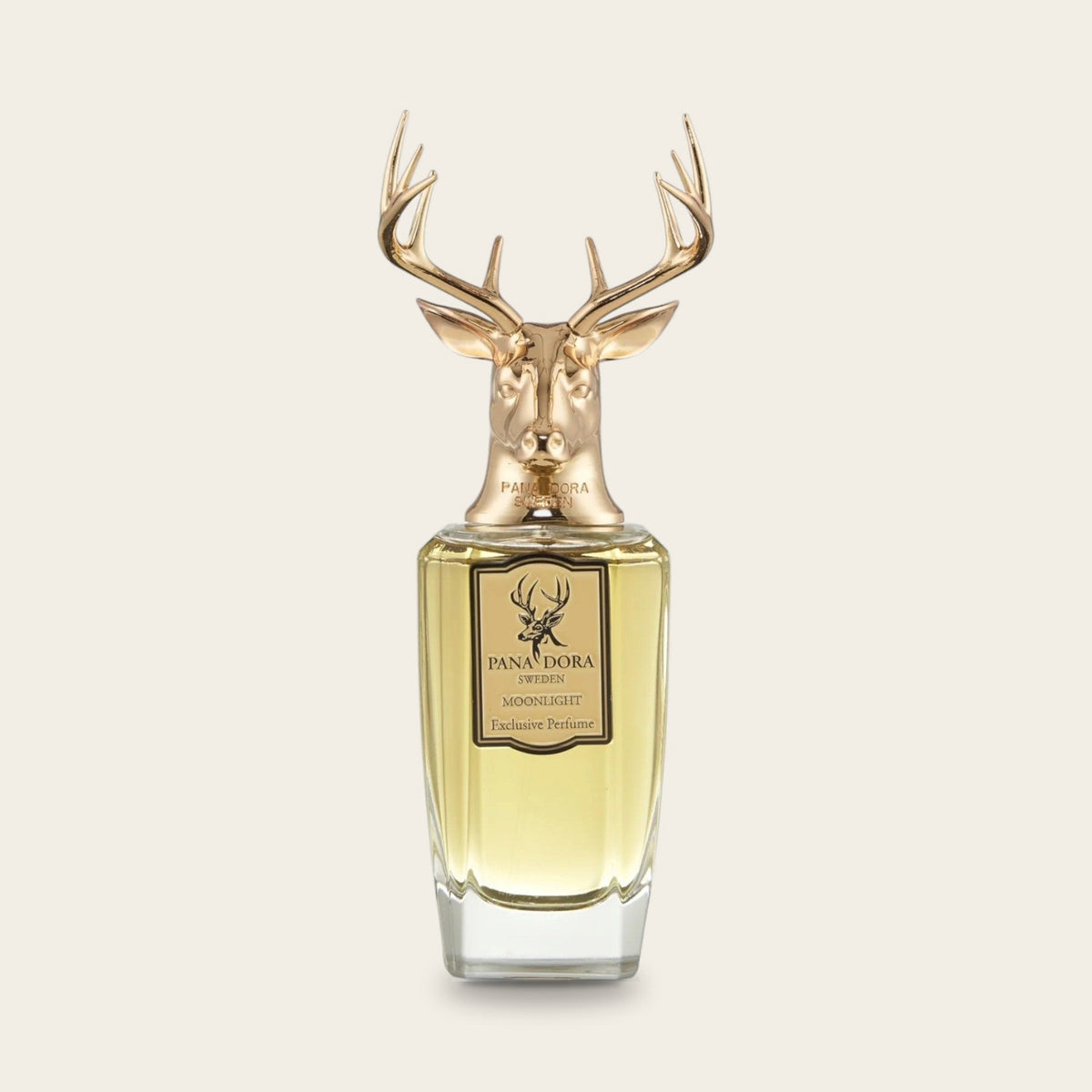

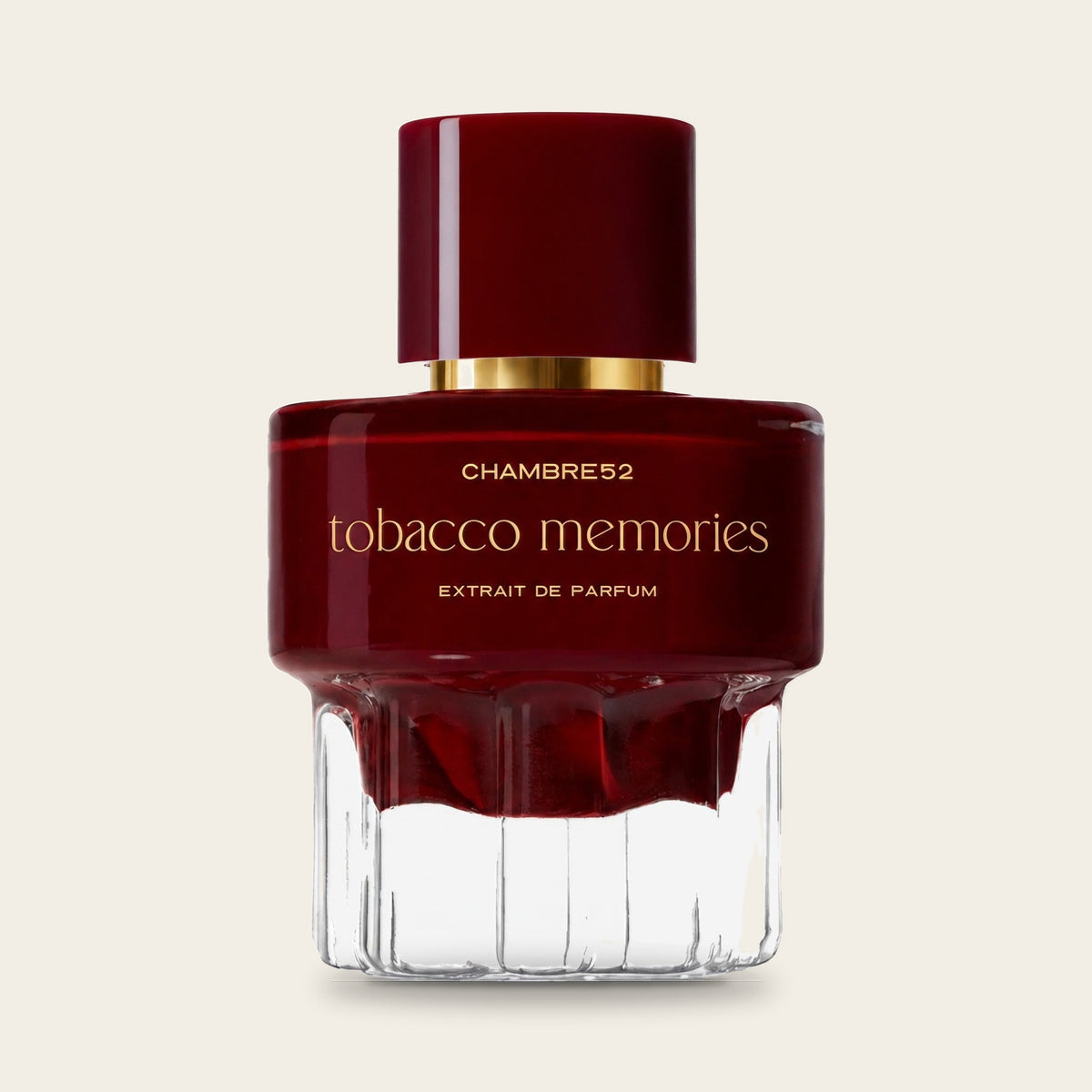
Questions and answers
Warm, honey-sweet and hay-like, with dried fruit and a leathery depth; smoky hints remain a subtle undertone.
The genus Nicotiana is at home mainly in western South America, and the Andes are regarded as the centre of origin of cultivated tobacco. Nicotiana tabacum is itself a hybrid species: it arose from a cross between the ancestors of two wild species, Nicotiana sylvestris and Nicotiana tomentosiformis. Today the plant, with its large, broad leaves, is grown in many countries around the world. The potato, tomato and aubergine belong to the same nightshade family.
Freshly harvested leaves are first dried – a process known as curing. Depending on the method, they hang in ventilated barns (one to two months), are heated indirectly through flues (about a week), are dried over smouldering wood fires or are laid out in the sun; some tobaccos are fermented afterwards as well. For perfumery, the cured leaves are extracted with solvents such as hexane, and the waxy concrete is then washed with alcohol to give the dark brown, viscous absolute. There are also supercritical CO₂ extracts, which come across as fresher and greener.
Tobacco works in the base of a fragrance, where it lingers for a long time and anchors lighter notes. In traces the absolute boosts sweetness and hay facets; at higher doses it carries leathery, amber and dry compositions. In our range it sits in the base of 37 out of 65 fragrances.
Amber (oriental) · Leather · base note
After harvest, the leaves are cured for anything from about a week to two months, depending on the method. The typical tobacco aroma only develops during this time and the ageing that follows.
In our fragrances, it often appears alongside Vanilla, patchouli, musk, sandalwood, cedarwood, bergamot, tonka bean.
Archaeological finds show that people in the Americas have used tobacco for more than 12,000 years. Europeans first encountered the plant on Christopher Columbus's first voyage in 1492; in November that year he made the first written record of local people smoking rolled, smouldering leaves. Jean Nicot, the French envoy in Lisbon, sent tobacco to the Paris court in 1560. Both the genus Nicotiana and the word nicotine are named after him.
- Tobacco belongs to the nightshade family, which makes it a botanical relative of the potato, tomato and aubergine.
- Cultivated tobacco is a hybrid: Nicotiana tabacum arose from a cross between the ancestors of two wild tobacco species.
- The genus name Nicotiana honours Jean Nicot, France's envoy in Lisbon, who sent tobacco to the Paris court in 1560.
Much of tobacco's aroma only develops after harvest, as precursors in the leaf break down during curing and ageing. Carotenoids give rise to C₁₃ aroma compounds such as the megastigmatrienones (C₁₃H₁₈O, PubChem CID 6437599 for one isomer), which smell distinctly of tobacco, and β-damascenone (C₁₃H₁₈O, CID 5366074), with notes of rose, apple and honey. A second route runs through cembranoids, ring-shaped diterpenes of the tobacco leaf, which yield solanone (C₁₃H₂₂O, CID 6451337) among other compounds.
FRAGRANCE KNOWLEDGE
In the 4D Journal
-
 FRAGRANCE KNOWLEDGE
Rose in perfume: The queen of fragrance materials
READ ARTICLE
-
 FRAGRANCE KNOWLEDGE
Vanilla in perfume: From orchid to favourite scent
READ ARTICLE
-
 FRAGRANCE KNOWLEDGE
Leather in perfume: How does something smell that was never in the bottle?
READ ARTICLE
-
 FRAGRANCE KNOWLEDGE
Scented candles & home fragrance: How to use them right
READ ARTICLE