

INGREDIENT GLOSSARY
Thyme
Thymus vulgaris · Mint family (Lamiaceae)
Herbal, spicy and warm, with a phenolic, bitter-sharp edge and a camphoraceous freshness.
NATURALAROMATIC · HERBAL-SPICY · TOP AND HEART NOTE
AT A GLANCE
- Plant: common thyme Thymus vulgaris, a low, evergreen subshrub of the mint family
- Origin: western Mediterranean, from Spain and southern France to south-eastern Italy
- Extraction: steam distillation of the flowering herb, red and redistilled white oil
- Scent: herbal-spicy, warm, phenolic and sharp – mainly a top note, also heart
PROFILE
- Origin
- Native to the western Mediterranean, from Spain and southern France to south-eastern Italy · Widely cultivated today; commercial thyme oil also comes from Spanish thyme (Thymus zygis)
- Extraction
- Steam distillation of the flowering herb; the crude “red” thyme oil is sometimes redistilled into the paler “white” oil
- Main molecules
- Thymol (C₁₀H₁₄O, spicy and phenolic, the key molecule of the thymol type) · carvacrol (C₁₀H₁₄O, warm and spicy, reminiscent of oregano) · p-cymene (C₁₀H₁₄) and γ-terpinene (C₁₀H₁₆) as further main constituents
- Harvest
- The herb is harvested in flower in early summer; the distilled oil keeps well and is available all year round.
- Often paired with
- Moschus, Jasmin, Zedernholz, Vanille, Vetiver, Lavendel, Bergamotte
Numbers that surprise
40 to 100 kilograms
of thyme herb are needed, by calculation, for a single kilogram of essential oil – the herb contains only around 1 to 2.5% oil.
over 50%
of thymol-type thyme oil can consist of a single molecule: thymol, which gives the oil its spicy sharpness.
at least 6
chemically distinct scent varieties are formed by a single plant species – from the thymol to the geraniol type, genetically fixed and distributed differently depending on winter frost.
Rounded values; calculation based on published data.
Harvest and season
The herb is harvested in flower in early summer; the distilled oil keeps well and is available all year round.
The herb is harvested while in flower, when the aerial parts contain the most essential oil. The fresh or partly dried herb is distilled with steam; it contains only around 1 to 2.5% oil. The crude distillate is reddish-brown and is traded as “red thyme oil”. Distilled once more, it becomes an almost colourless to pale yellow “white thyme oil” that smells sweeter and less pungent. Because the oil contains so much thymol, the latter can even be obtained from it as colourless crystals.
Knowledge to share
Myth or truth?
Statement 1
Thyme oil is thyme oil – every plant smells the same.
Myth. Thymus vulgaris forms at least six genetically fixed chemotypes: phenolic types are carried by thymol or carvacrol and smell spicy and sharp, non-phenolic ones by geraniol, linalool, α-terpineol or thujanol.
Statement 2
Thymol and carvacrol have the same molecular formula.
True. Both are C₁₀H₁₄O – isomeric phenols that differ only in the position of the OH group. Yet they behave differently: thymol is crystalline at room temperature and only melts at around 50 °C, while carvacrol is a thick oil.
Statement 3
The plant builds thymol from p-cymene.
Myth. That was long the accepted view. In 2021, however, researchers from Halle and Purdue University showed that thymol and carvacrol are formed from γ-terpinene via unstable intermediates converted by P450 enzymes and a dehydrogenase. p-Cymene only forms as a by-product when the dehydrogenase is missing.
Your result
FRAGRANCES WITH THYMEINGREDIENT GLOSSARY
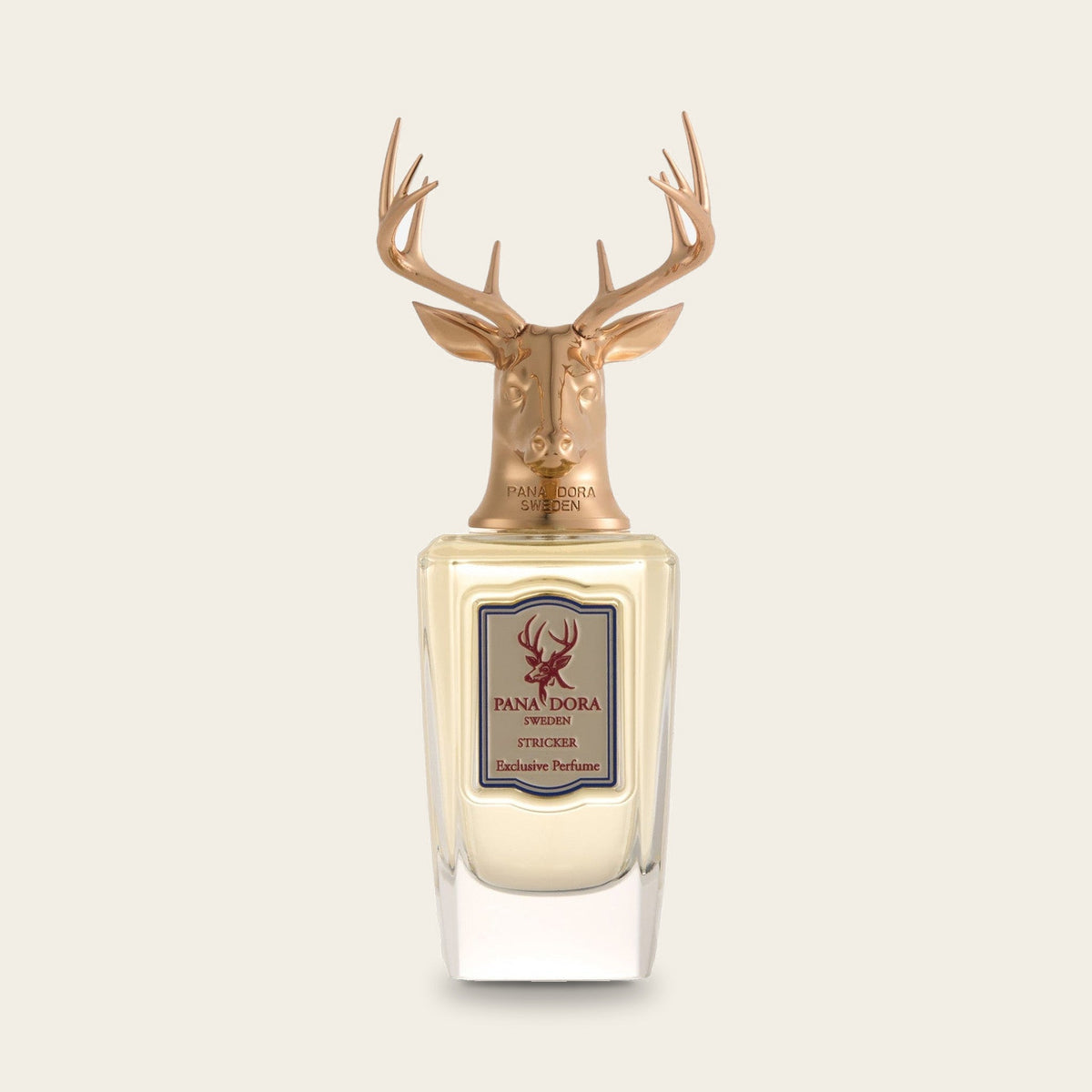
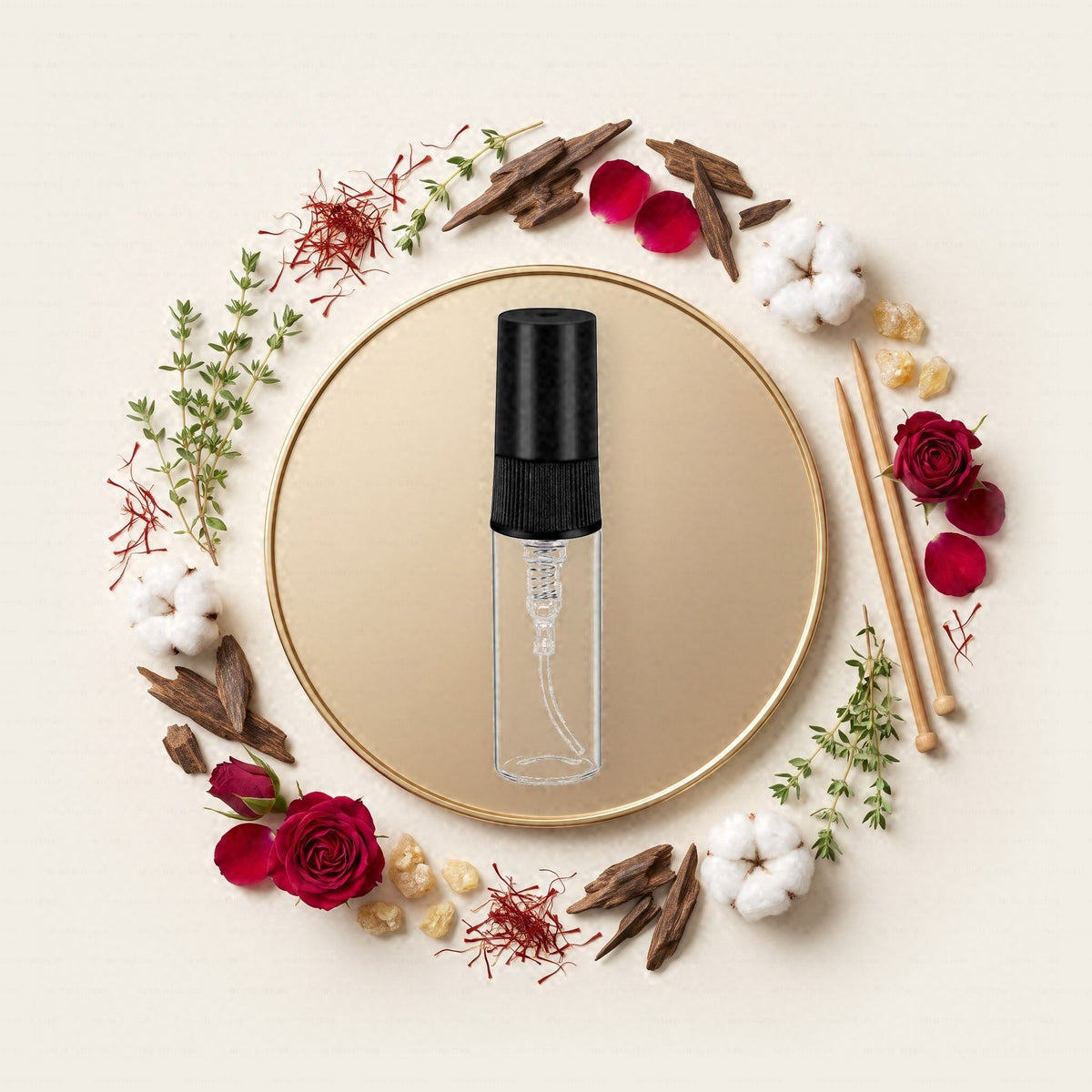
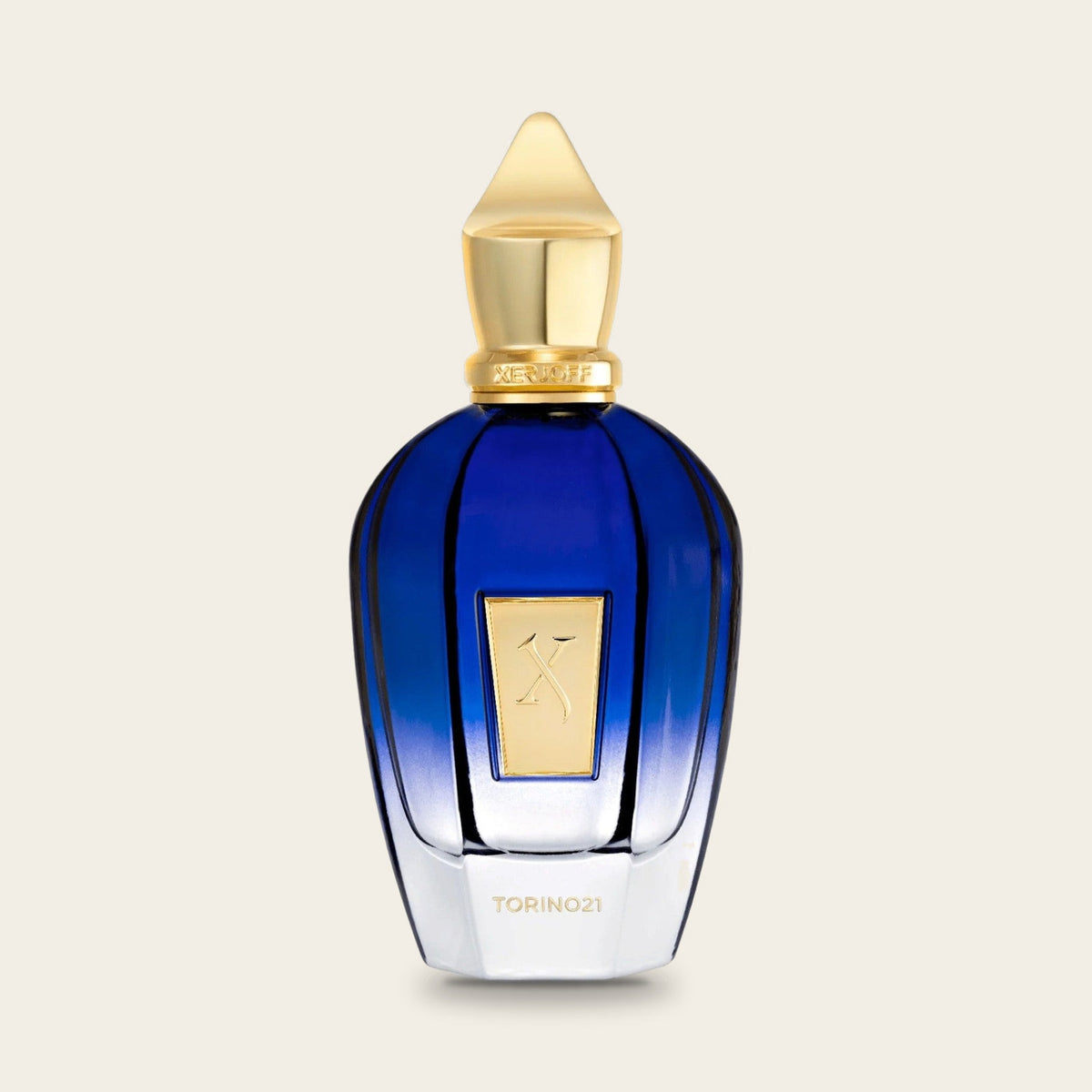
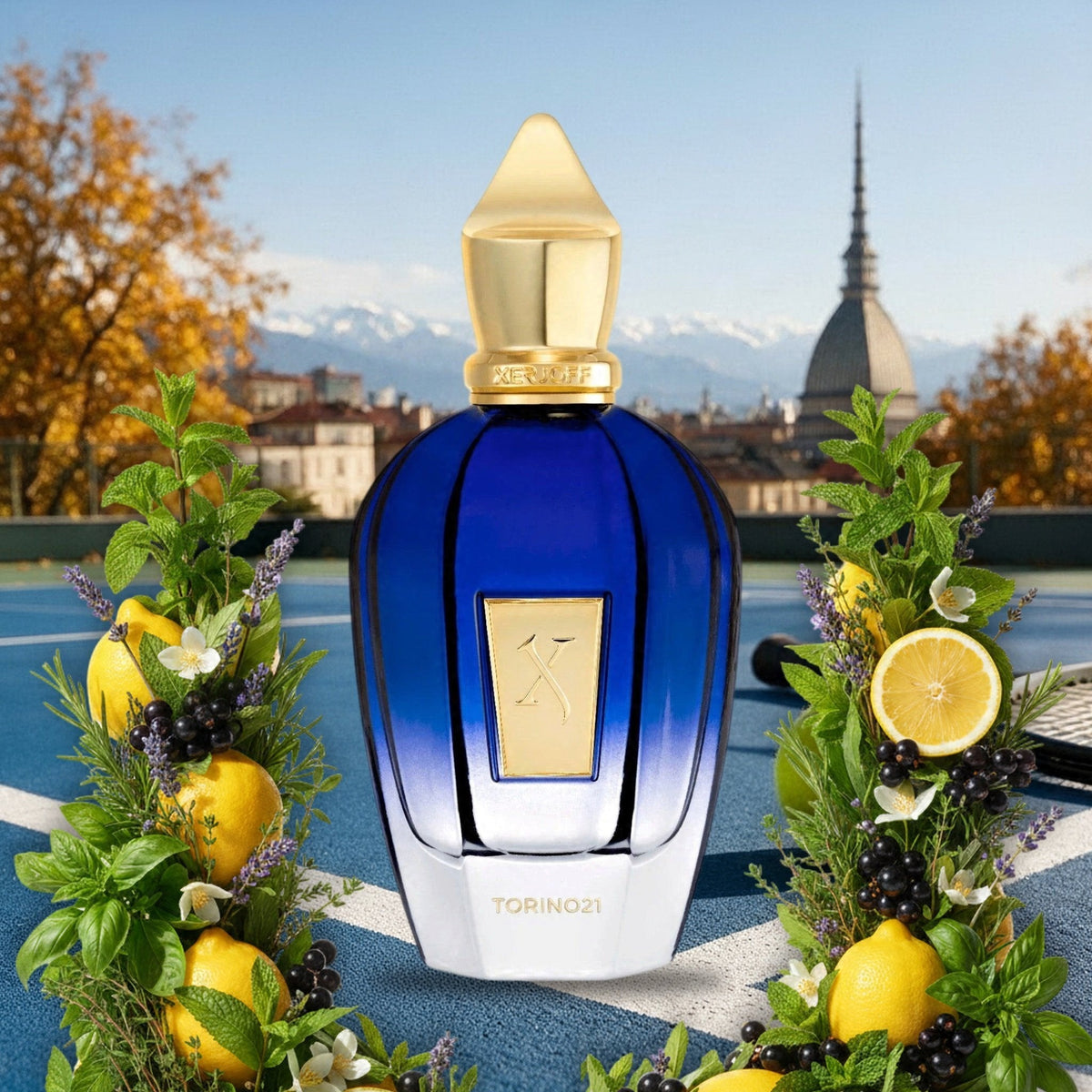
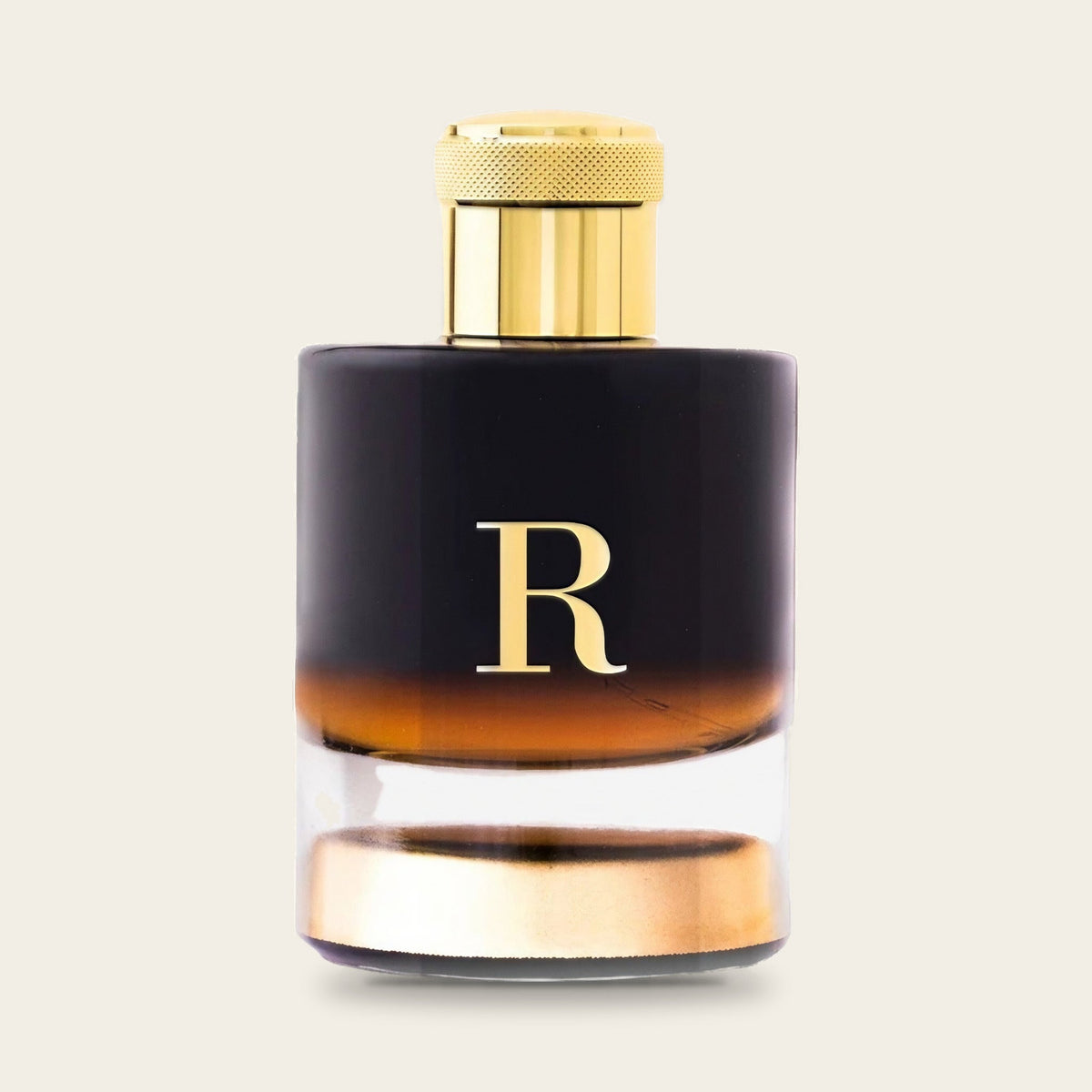
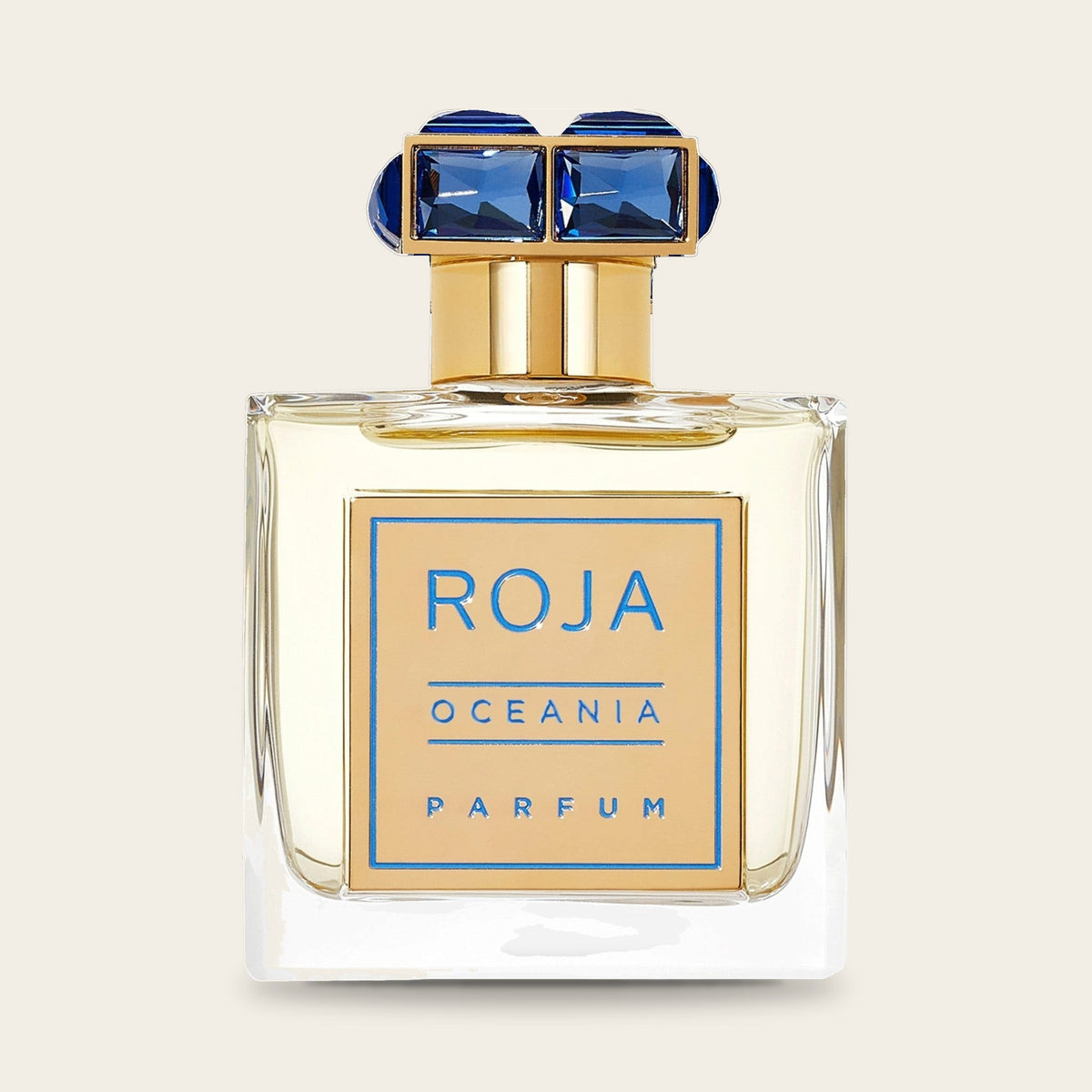
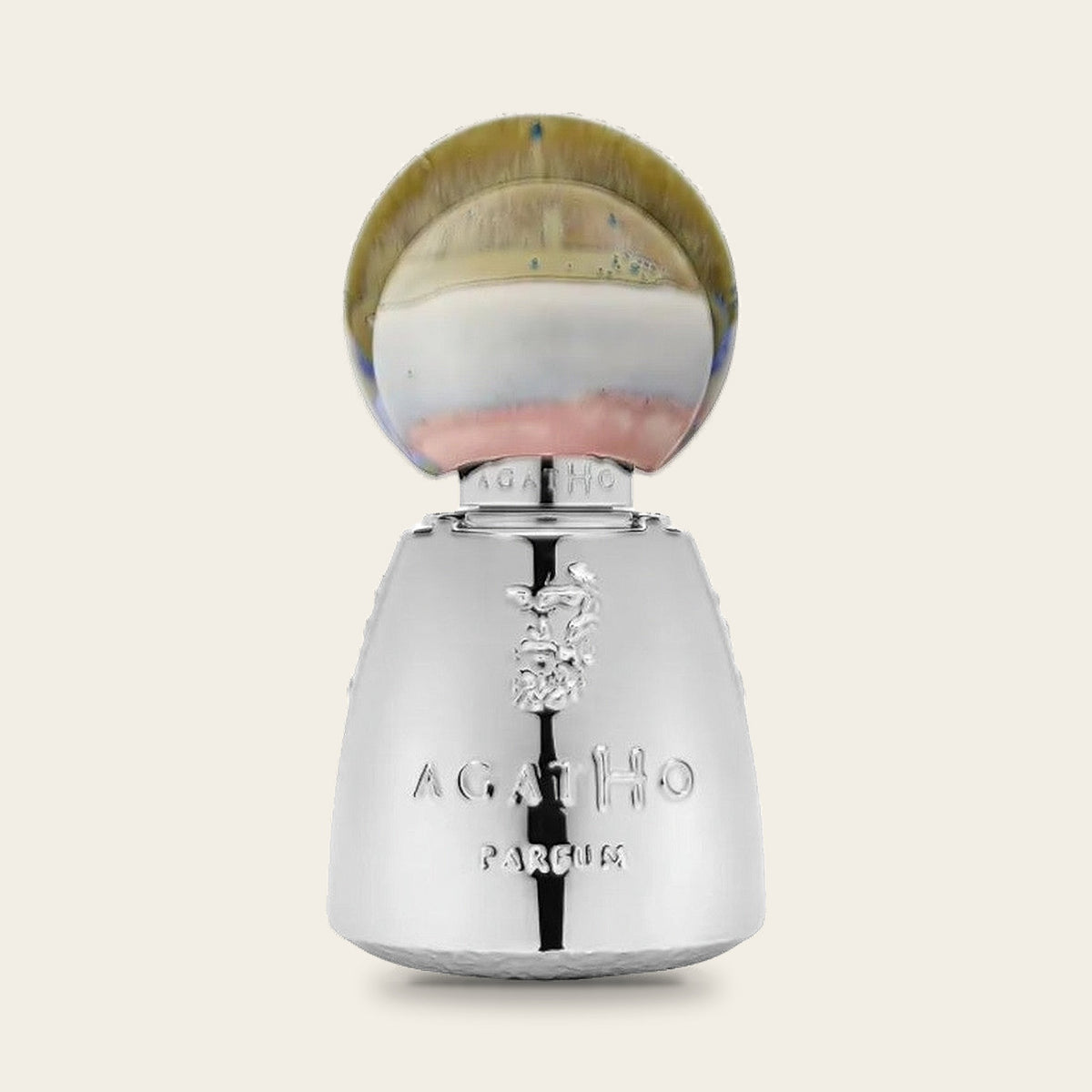
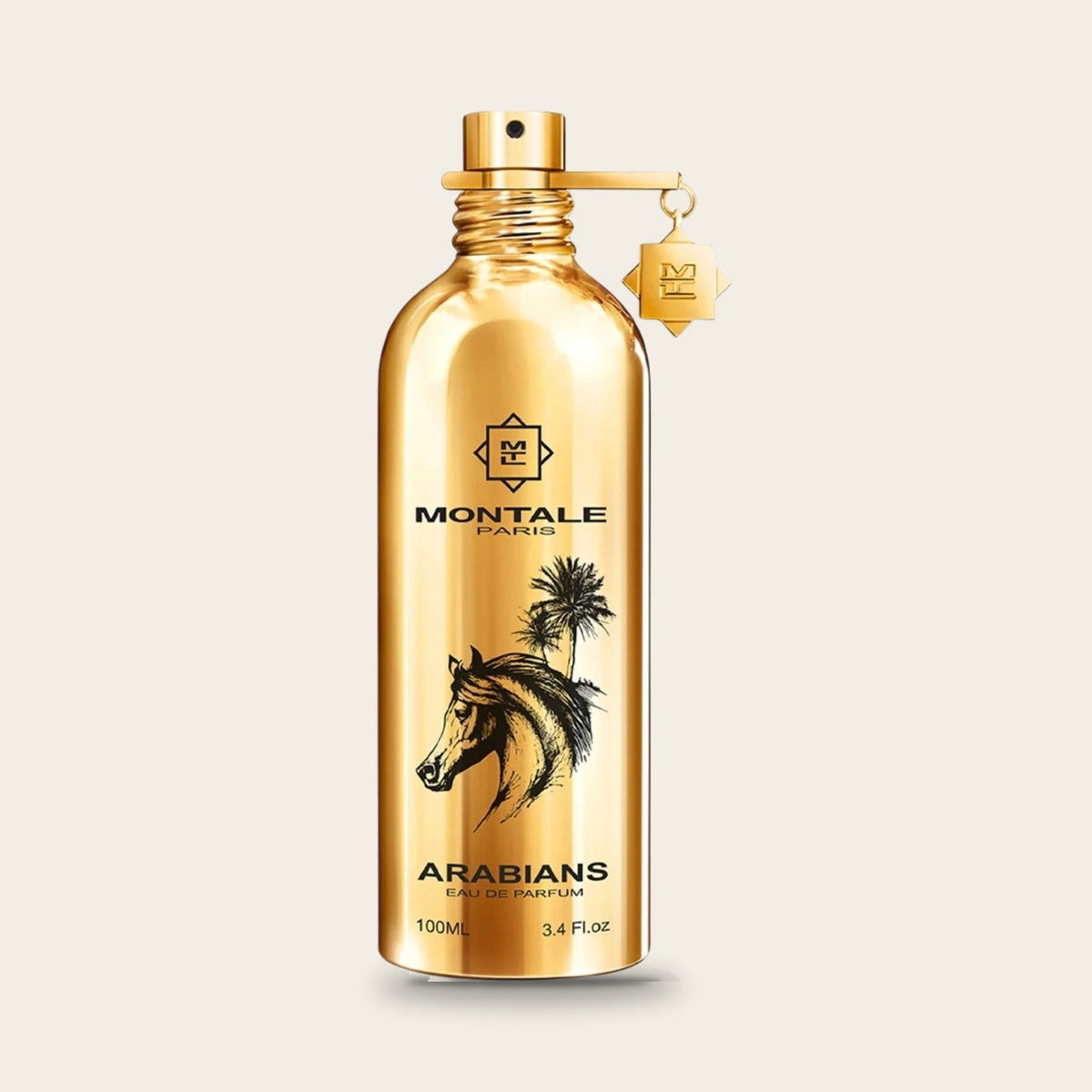
Fragrances with Thyme




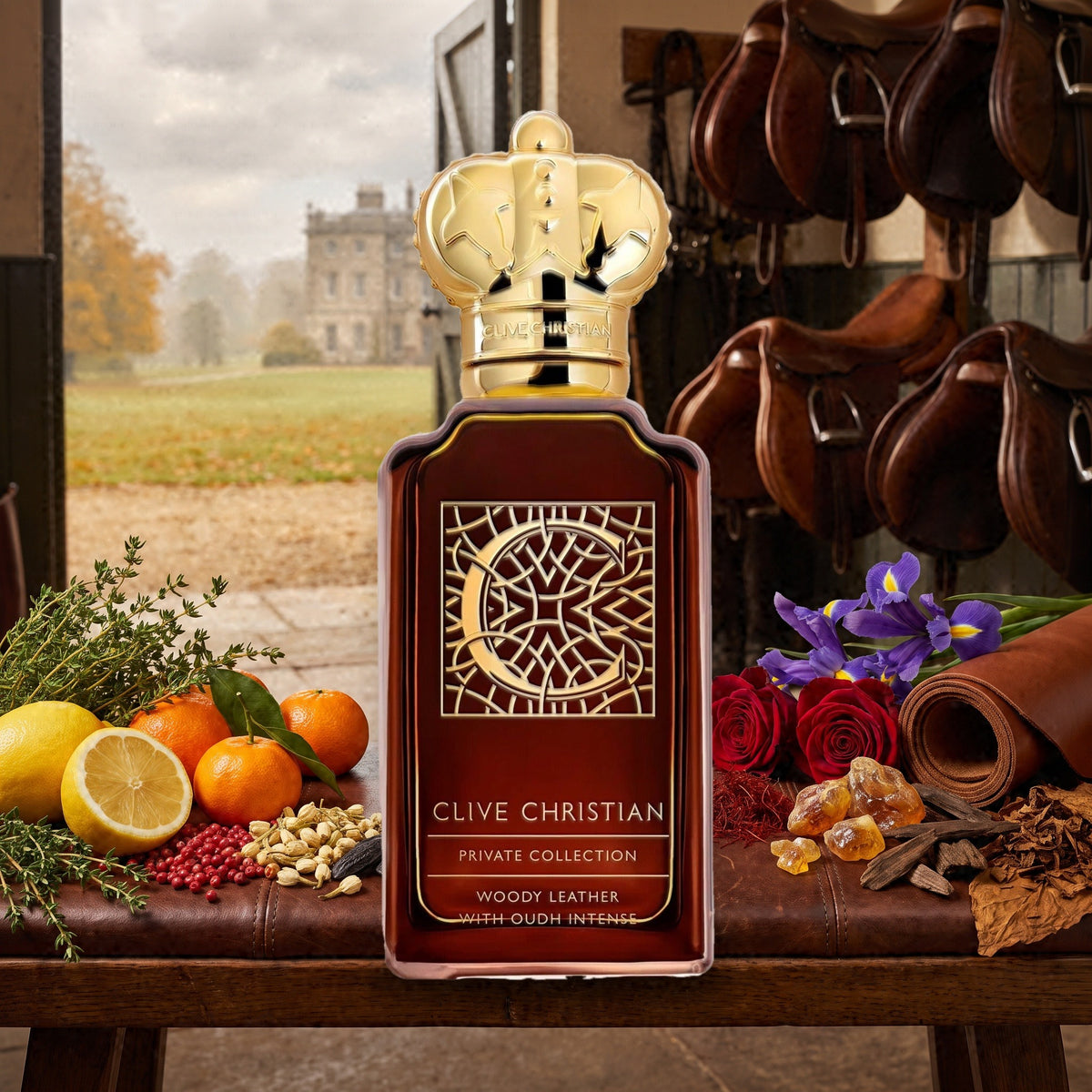






Questions and answers
Herbal, spicy and warm, with a phenolic, bitter-sharp edge and a camphoraceous freshness.
Common thyme is a low, evergreen subshrub of the mint family, which also includes lavender, rosemary and sage. Its home is south-western Europe: Spain with the Balearic Islands, southern France with Corsica and south-eastern Italy. It loves hot, sunny sites on well-drained, dry soil. Today it is cultivated in many countries. Commercial thyme oil does not come from Thymus vulgaris alone: Spanish thyme (Thymus zygis) also yields a thymol-rich oil, and the European Pharmacopoeia accepts both species and mixtures of them.
The herb is harvested while in flower, when the aerial parts contain the most essential oil. The fresh or partly dried herb is distilled with steam; it contains only around 1 to 2.5% oil. The crude distillate is reddish-brown and is traded as “red thyme oil”. Distilled once more, it becomes an almost colourless to pale yellow “white thyme oil” that smells sweeter and less pungent. Because the oil contains so much thymol, the latter can even be obtained from it as colourless crystals.
Thyme brings a herbal, spicy, slightly phenolic sharpness to a composition and works mainly in the opening. Because thymol and carvacrol are very powerful odorants, small amounts are enough to give aromatic fragrances a dry, sunny herbal note; the softer, redistilled white oil feels rounder than the red. In our range, thyme appears in 30 fragrances, 19 in the top and 11 in the heart note.
Aromatic · Herbal-spicy · Top and heart note
The herb is harvested in flower in early summer; the distilled oil keeps well and is available all year round.
In our fragrances, it often appears alongside Moschus, Jasmin, Zedernholz, Vanille, Vetiver, Lavendel, Bergamotte.
Thyme has accompanied people since antiquity. Its Greek name “thymon” is often linked to words for smoke and fumigation – presumably because the herb was burned as incense; linguists, however, consider this derivation uncertain. The essential oil already appears in 1589 in the Nuremberg pharmacopoeia “Dispensatorium Noricum”. In 1719 the German chemist Caspar Neumann obtained a crystalline substance from thyme oil; in 1853 the French chemist Alexandre Lallemand named it thymol and determined its formula. In the 1970s researchers in southern France systematically mapped for the first time that wild thyme grows in several chemically distinct types.
- The grayling's scientific name is Thymallus thymallus – the name is traced back to the idea that its flesh smells of thyme.
- At tournaments, medieval knights received sprigs of thyme or scarves embroidered with thyme from ladies as a sign of courage.
- Caspar Neumann called the crystals he obtained from thyme oil in 1719 “Camphora Thymi” – thyme camphor – even though they are not camphor at all.
The two key molecules of thyme oil, thymol and carvacrol, share the same molecular formula C₁₀H₁₄O (PubChem CID 6989 and 10364): they are isomeric phenols that differ only in the position of the OH group on the ring. Thymol is solid at room temperature and only melts at around 50 °C, while carvacrol is a thick oil. In pharmacopoeia oil of the thymol type, thymol makes up 36 to 55%, joined by p-cymene (C₁₀H₁₄, 15 to 28%), γ-terpinene (C₁₀H₁₆, 5 to 10%) and linalool. Both phenols are formed from γ-terpinene: P450 enzymes oxidise it to unstable intermediates, a dehydrogenase turns these into ketones, which rearrange spontaneously into the aromatic ring. Which oil a plant makes is genetically fixed – wild thyme occurs in at least six chemotypes: two phenolic (thymol, carvacrol) and four non-phenolic (geraniol, linalool, α-terpineol, thujanol). The phenolic types grow mainly on summer-dry sites with mild winters, the non-phenolic ones where hard frost occurs.
FRAGRANCE KNOWLEDGE
In the 4D Journal
-
 FRAGRANCE KNOWLEDGE
Rose in perfume: The queen of fragrance materials
READ ARTICLE
-
 FRAGRANCE KNOWLEDGE
Vanilla in perfume: From orchid to favourite scent
READ ARTICLE
-
 FRAGRANCE KNOWLEDGE
Leather in perfume: How does something smell that was never in the bottle?
READ ARTICLE
-
 FRAGRANCE KNOWLEDGE
Scented candles & home fragrance: How to use them right
READ ARTICLE