

INGREDIENT GLOSSARY
Tonka bean
Dipteryx odorata · Legume family (Fabaceae)
Warm, sweet and almond-like, with notes of hay, caramel and vanilla.
NATURALGOURMAND · AMBER (ORIENTAL) · FOUGÈRE · BASE NOTE
AT A GLANCE
- Plant: seed of the tonka tree Dipteryx odorata (legume family)
- Origin: northern South America, mainly Venezuela and Brazil
- Production: beans steeped in rum, dried, extracted as an absolute
- Scent: warm, sweet, almond-like, hay-like – a base note
PROFILE
- Origin
- Northern South America, Amazon and Orinoco basins · raw material for perfumery mainly from Venezuela and Brazil
- Extraction
- Seeds are dried, steeped in rum or alcohol and dried again, then ground and solvent-extracted into an absolute
- Main molecules
- Coumarin (C₉H₆O₂)
- Harvest
- The fruits of the tonka tree ripen in the rainy season and drop to the ground from February, where they are gathered in the forest into spring.
- Often paired with
- Vanilla, bergamot, musk, patchouli, sandalwood, amber, jasmine
Numbers that surprise
around 41 quintillion
coumarin molecules are packed into a single gram of tonka bean at the very least – 41 followed by 18 zeros, even though coumarin is often just 1% of its weight.
up to 3 kg
of perfume or cream could be brought up to the EU labelling threshold of 0.001% with the coumarin from a single gram of tonka bean.
48 years
passed between the discovery of coumarin in the tonka bean (1820) and its first synthesis in the laboratory (1868).
Rounded values; calculation based on published data.
Harvest and season
The fruits of the tonka tree ripen in the rainy season and drop to the ground from February, where they are gathered in the forest into spring. The beans only develop their full scent after drying, steeping and drying again.
The ripe fruits drop from the tree from February onwards and are gathered in the forest; the hard shell is cracked open to reach the seed. The beans are dried, then steeped in rum or strong alcohol and dried once more. They shrivel and become coated in fine white coumarin crystals, and their scent grows more intense. For perfumery, the beans are ground and extracted with solvents: first a waxy concrete forms, from which alcohol yields tonka absolute.
Knowledge to share
Myth or truth?
Statement 1
Tonka beans are banned in perfume.
Myth. Coumarin is banned only as a food additive in the United States, since 1954. In perfume it is permitted, but limited by IFRA Standards and subject to labelling in the EU.
Statement 2
The tonka bean comes from a legume.
True. The tonka tree belongs to the legume family (Fabaceae), like peas and beans – except that it grows to around 30 metres tall.
Statement 3
Tonka smells of vanilla because it contains vanillin.
Myth. Its vanilla-like scent comes from coumarin (C₉H₆O₂), an entirely different molecule from vanillin (C₈H₈O₃).
Your result
FRAGRANCES WITH TONKA BEANINGREDIENT GLOSSARY
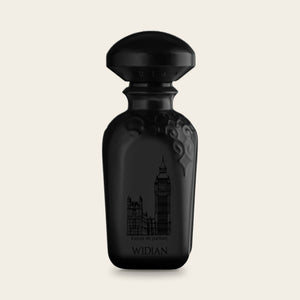
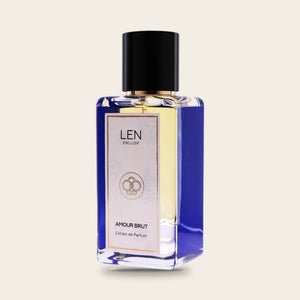
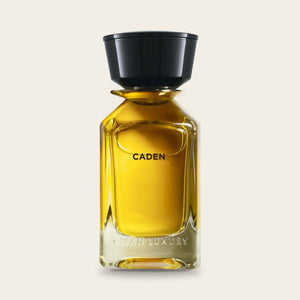
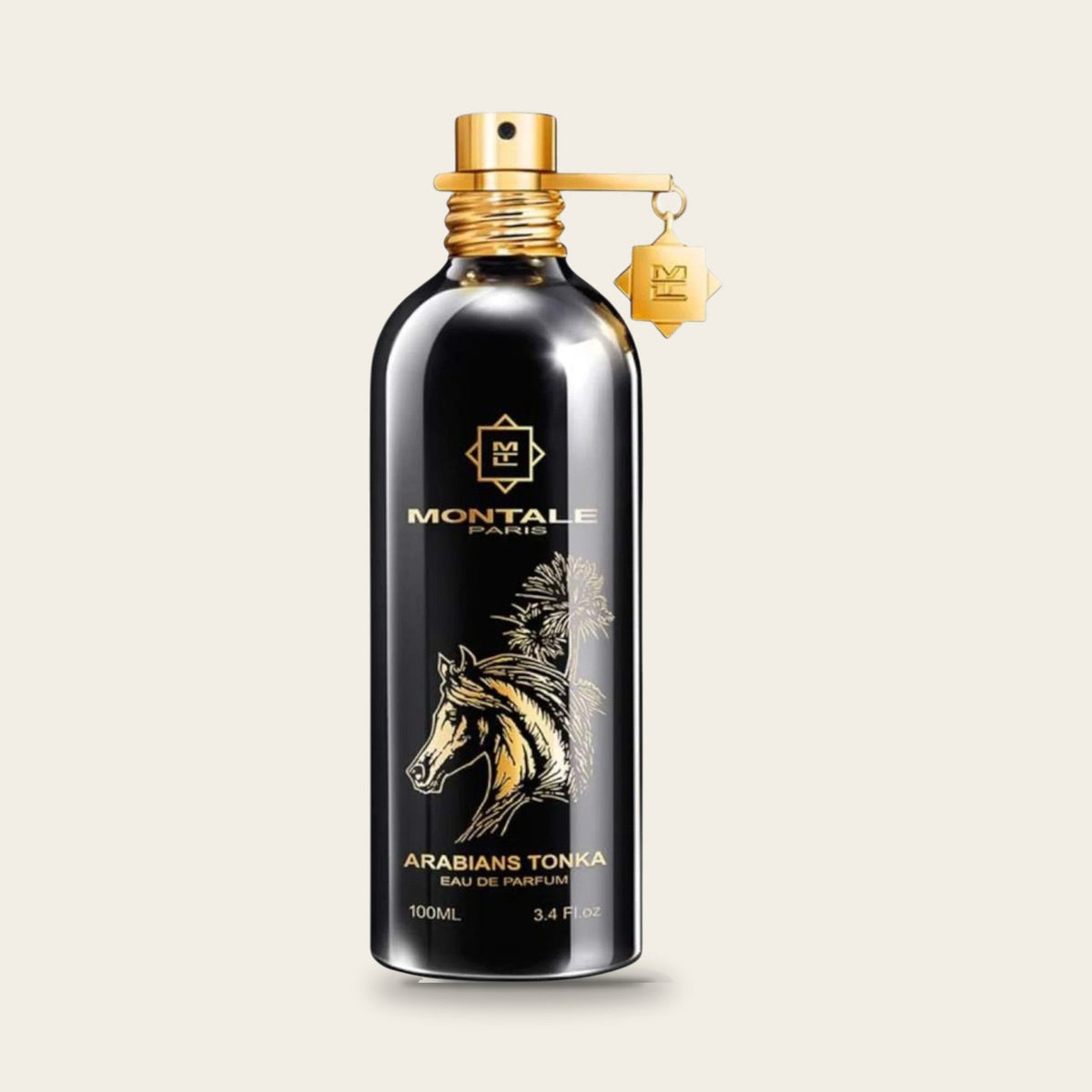
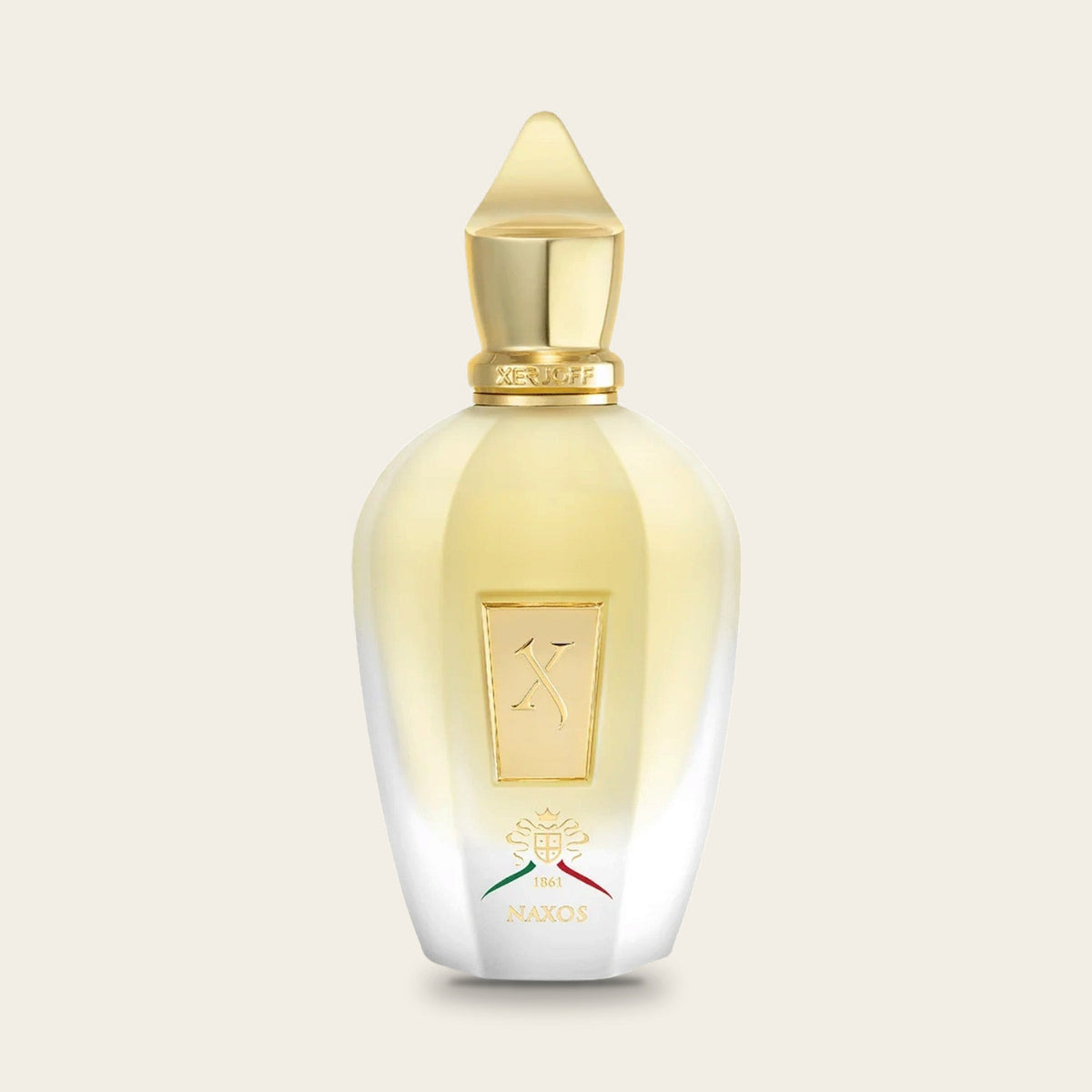
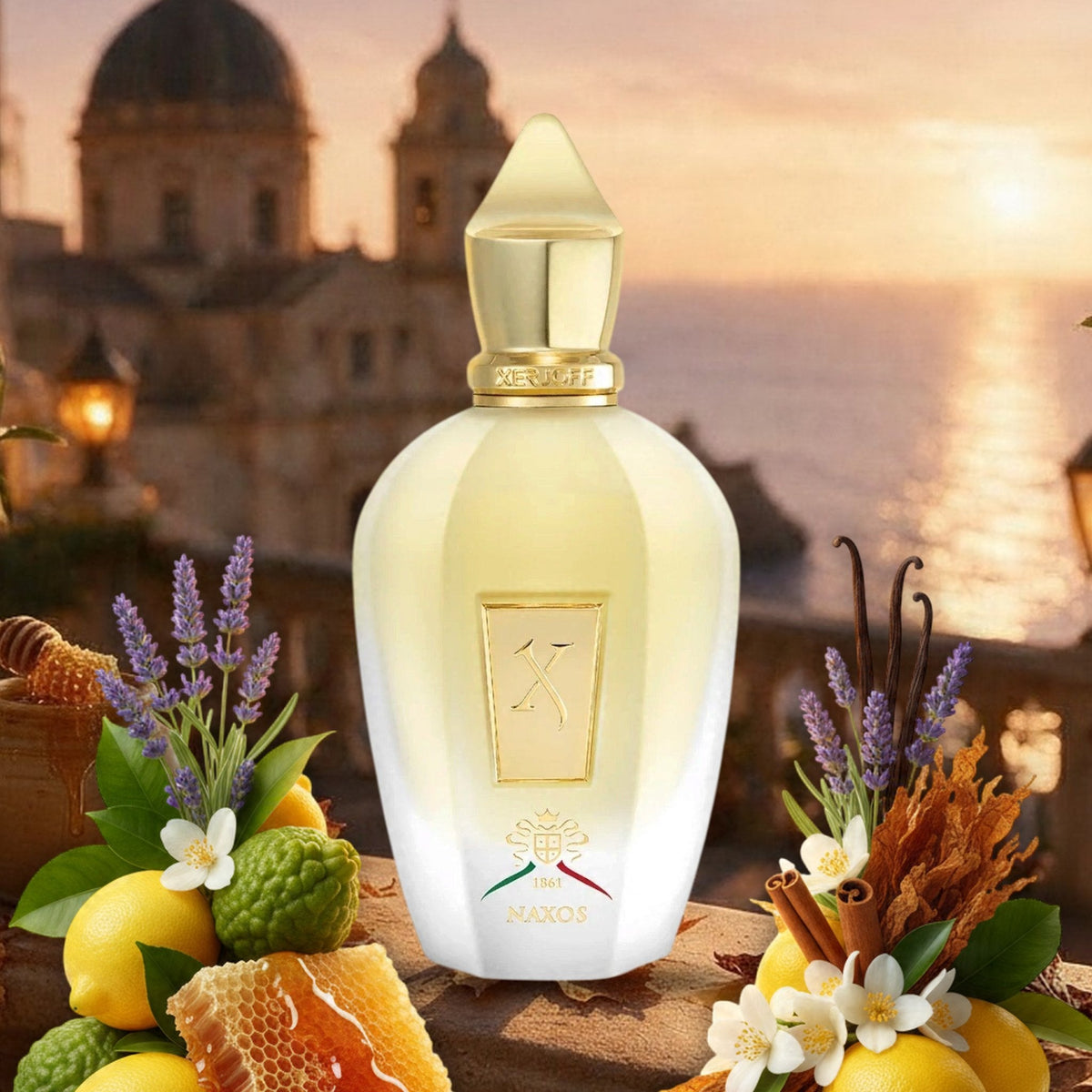
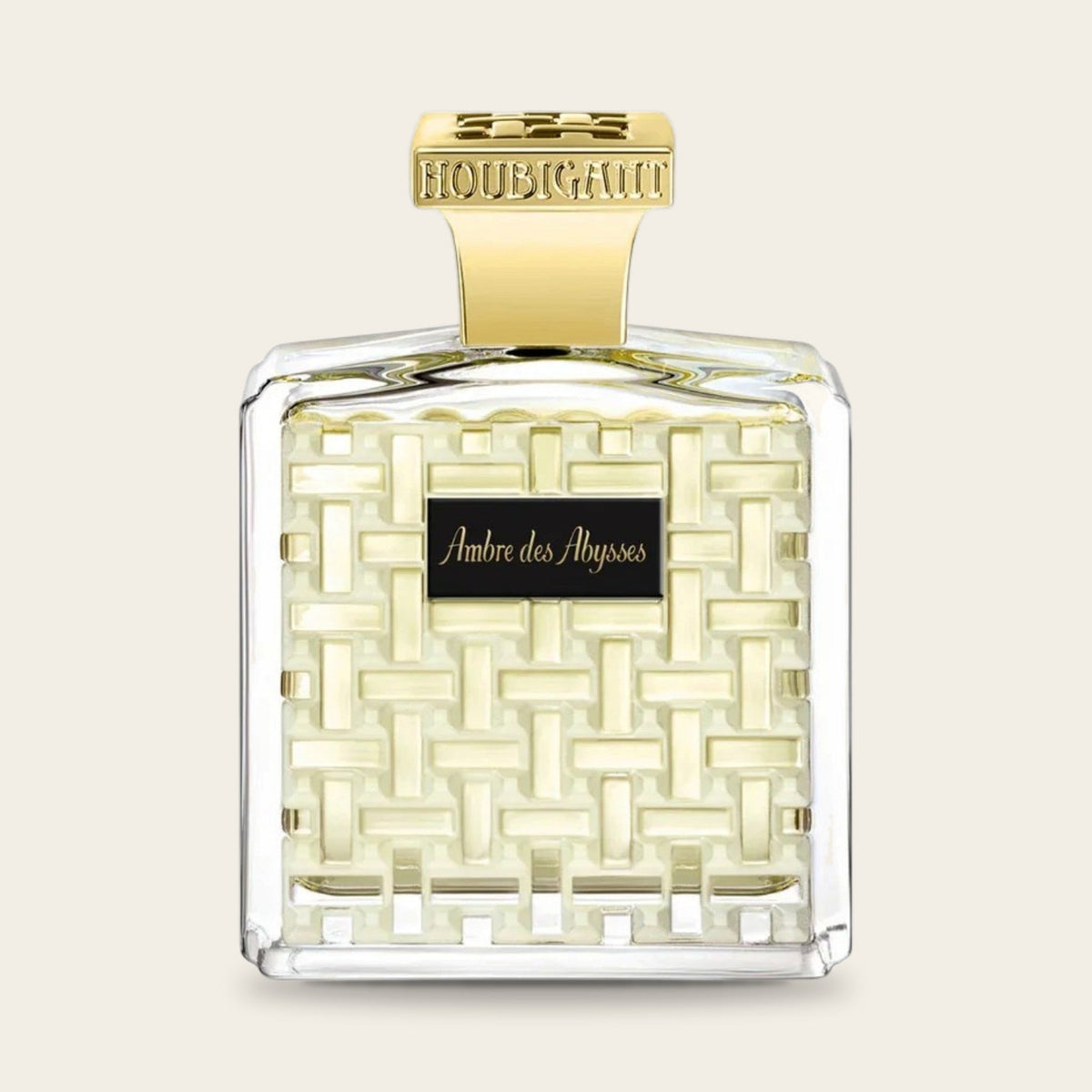
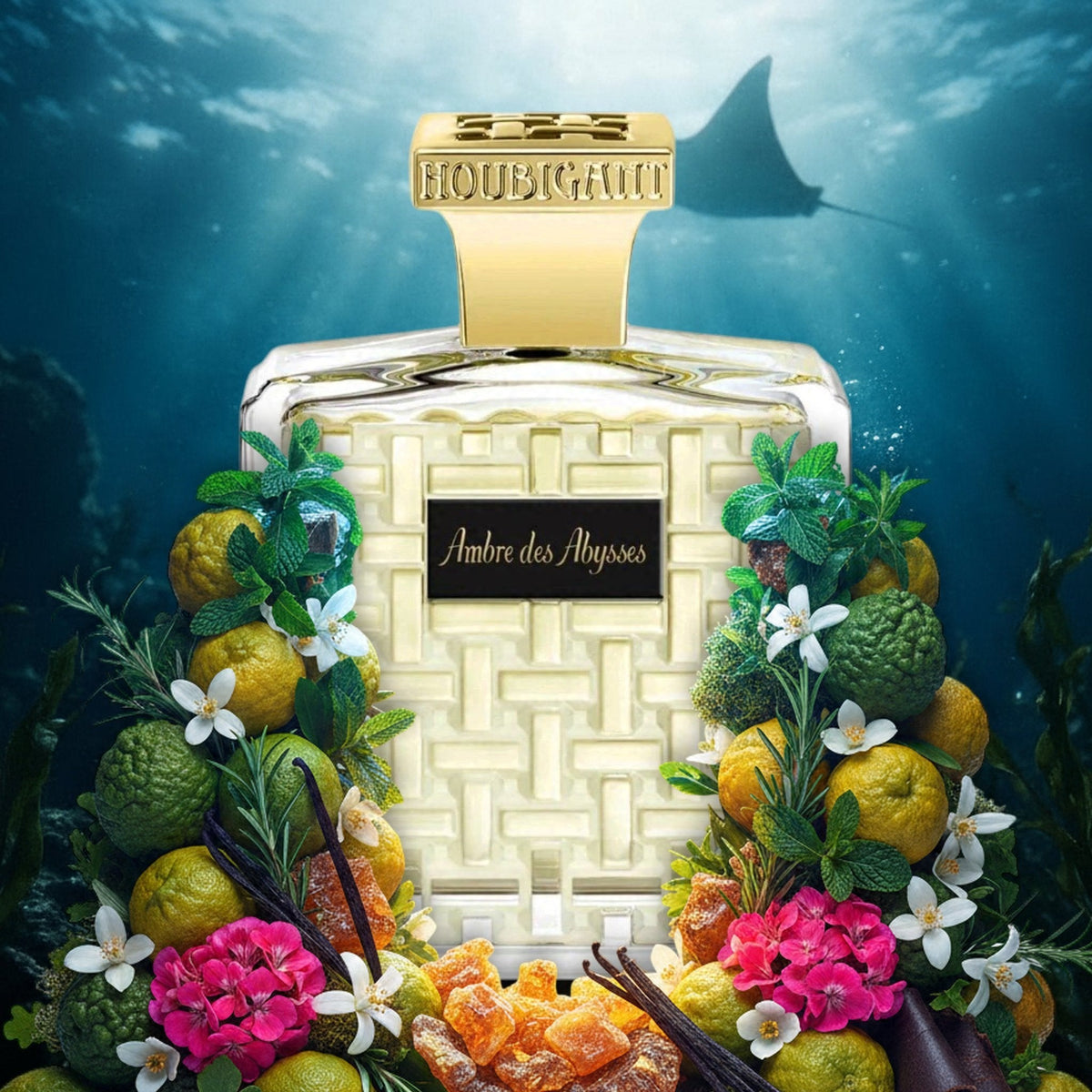
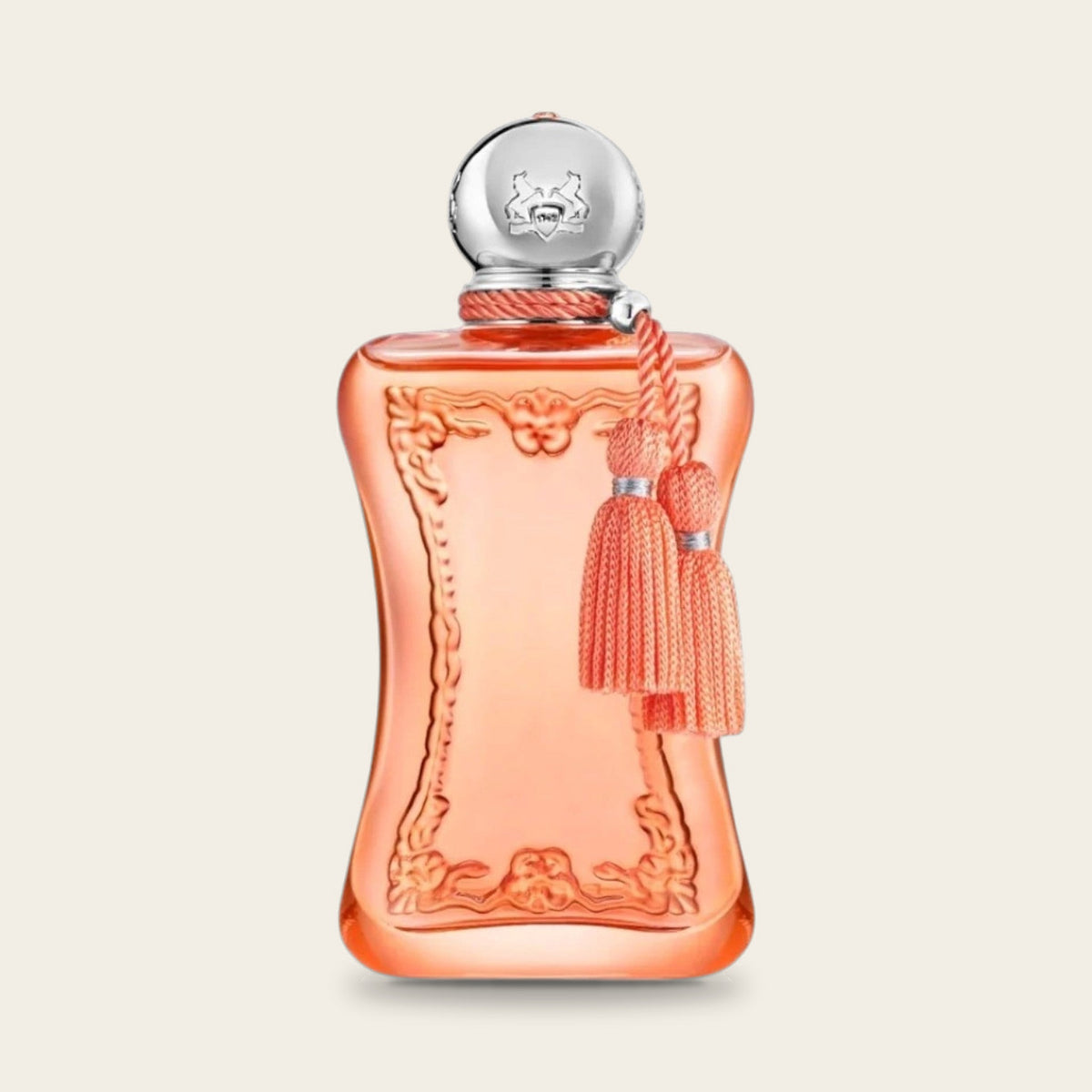
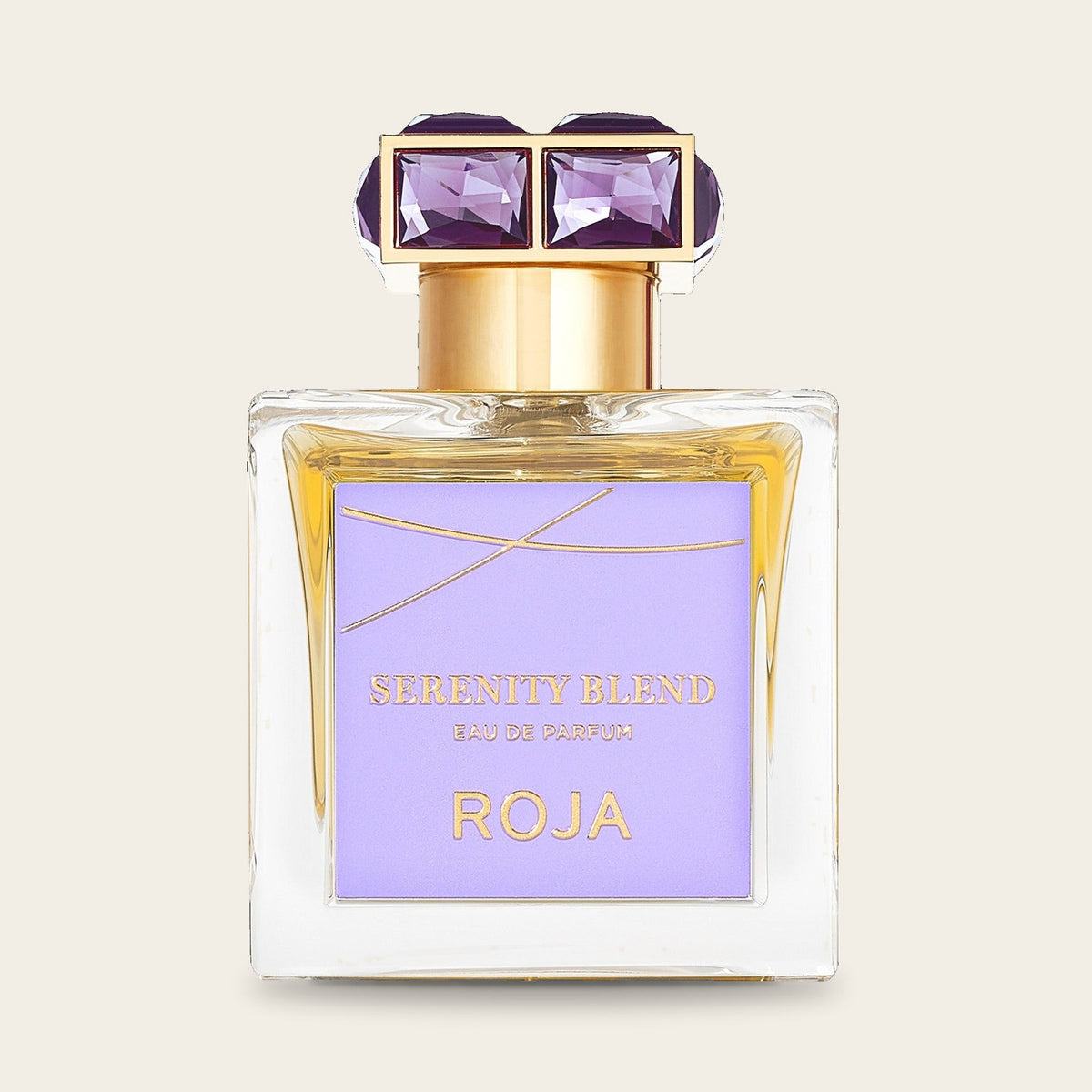
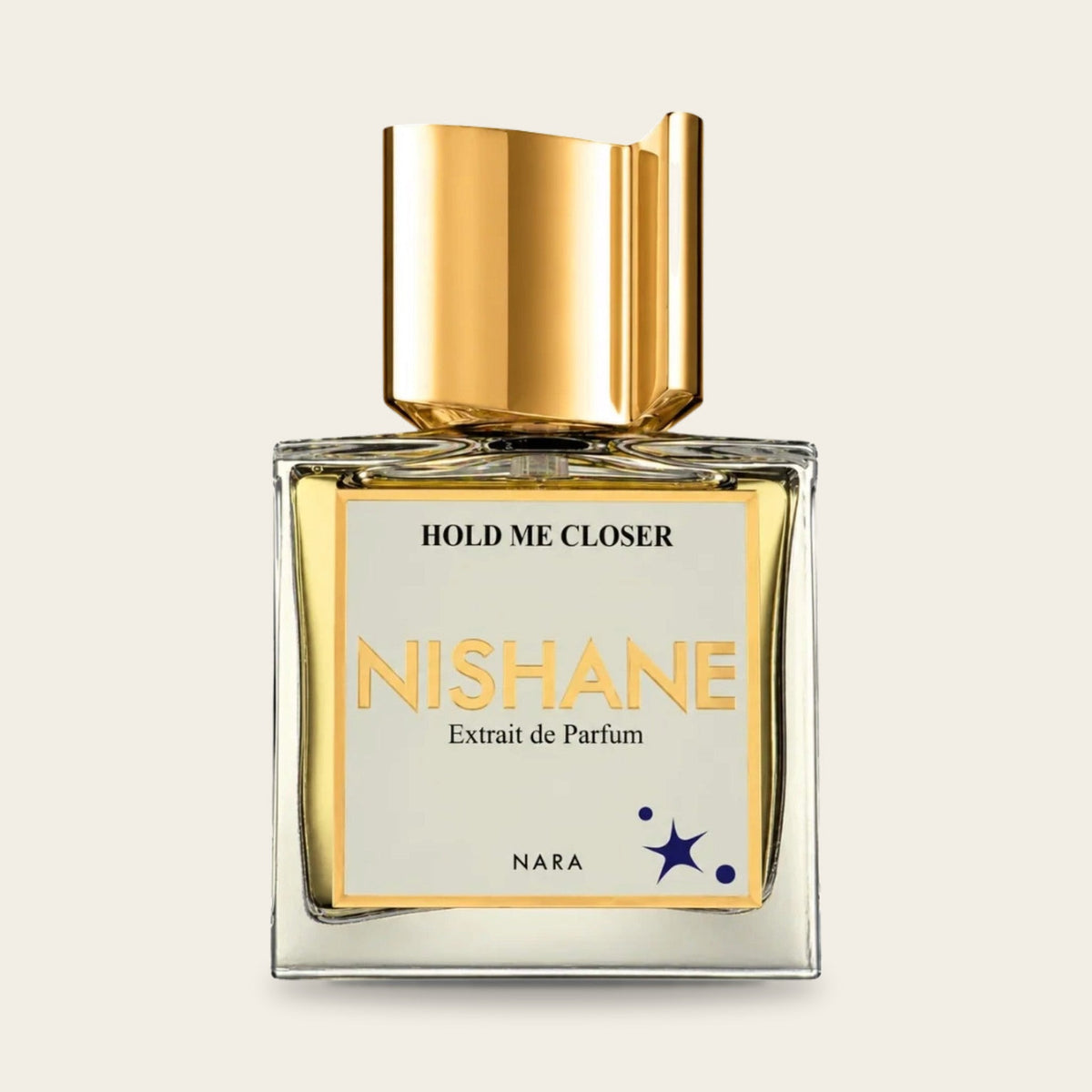
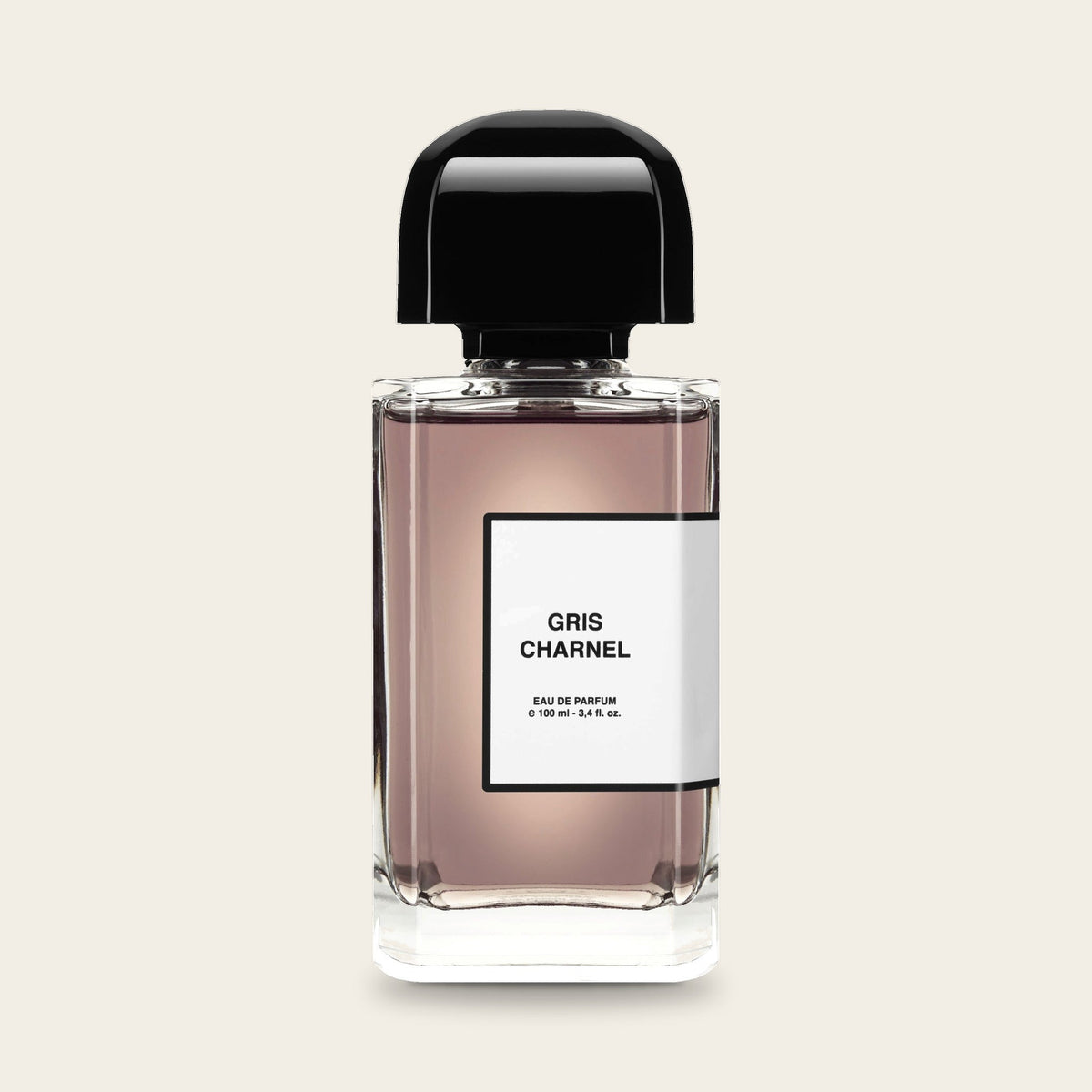
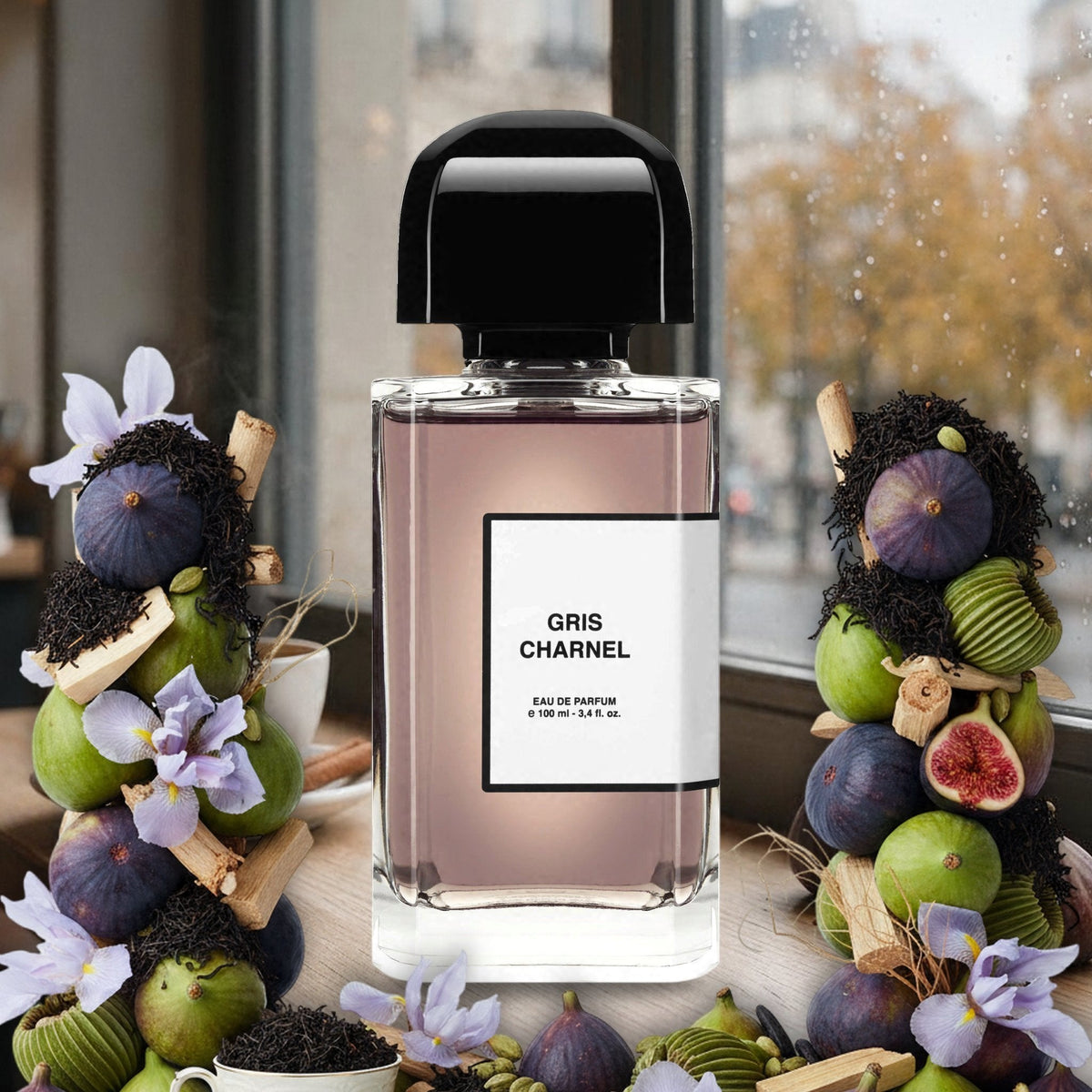
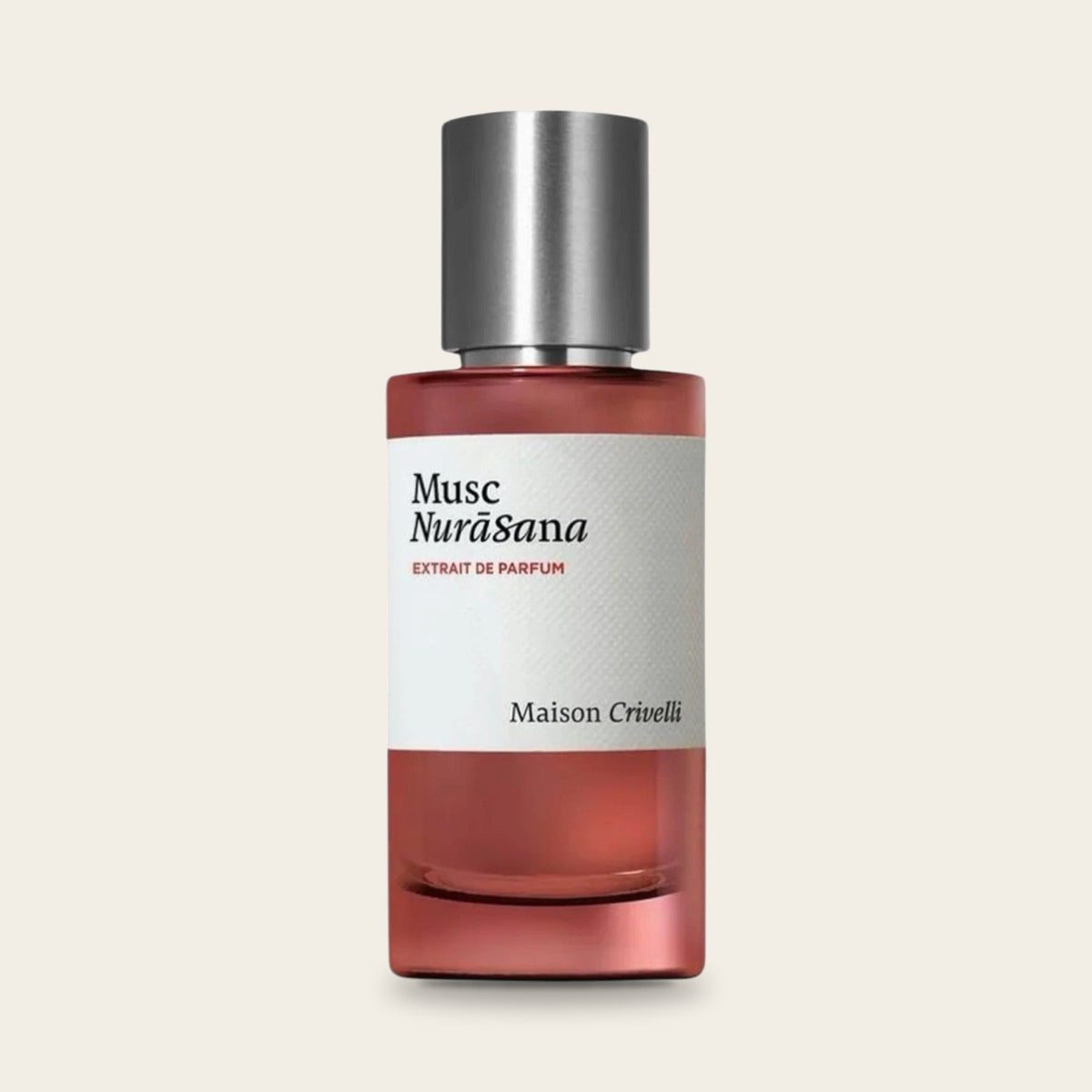
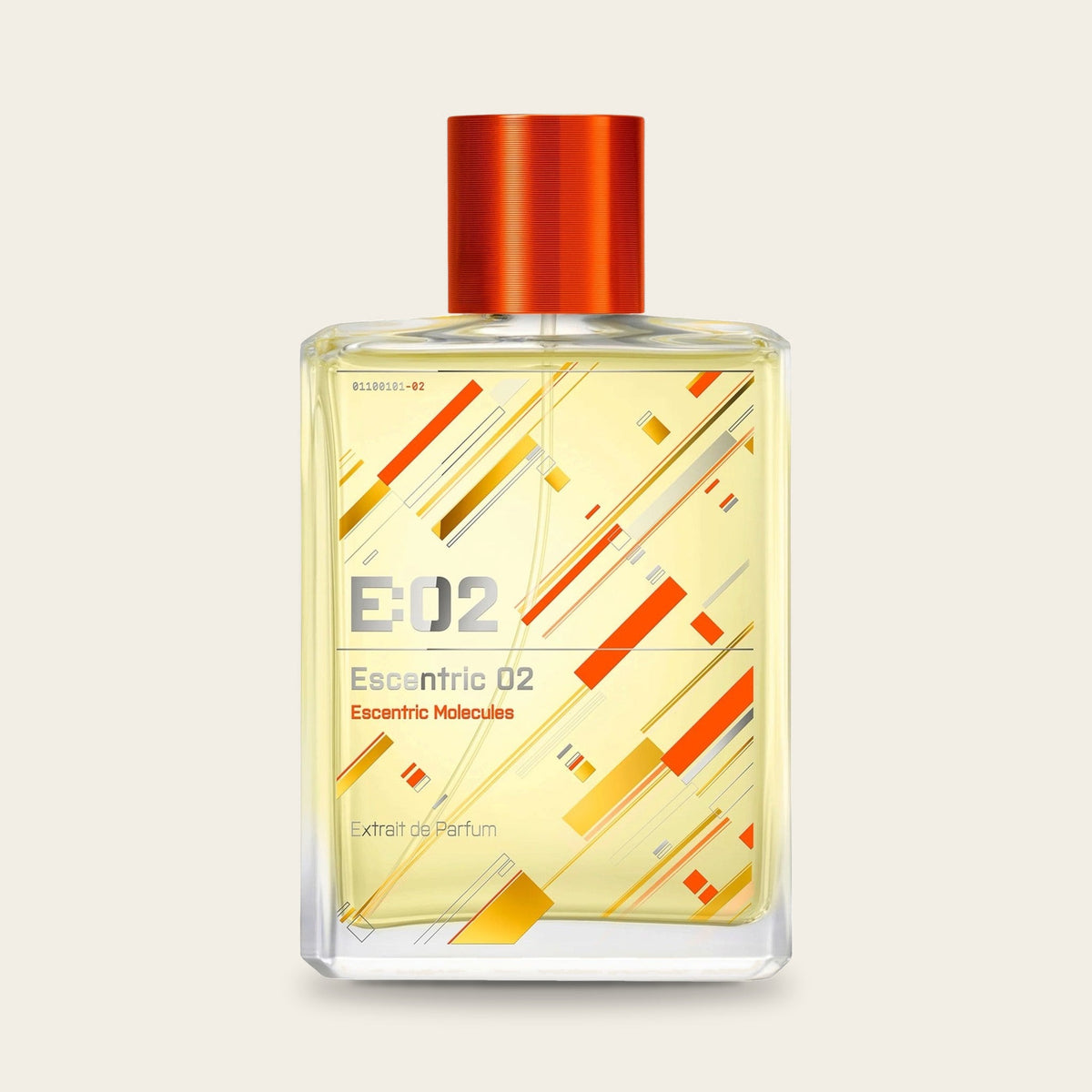
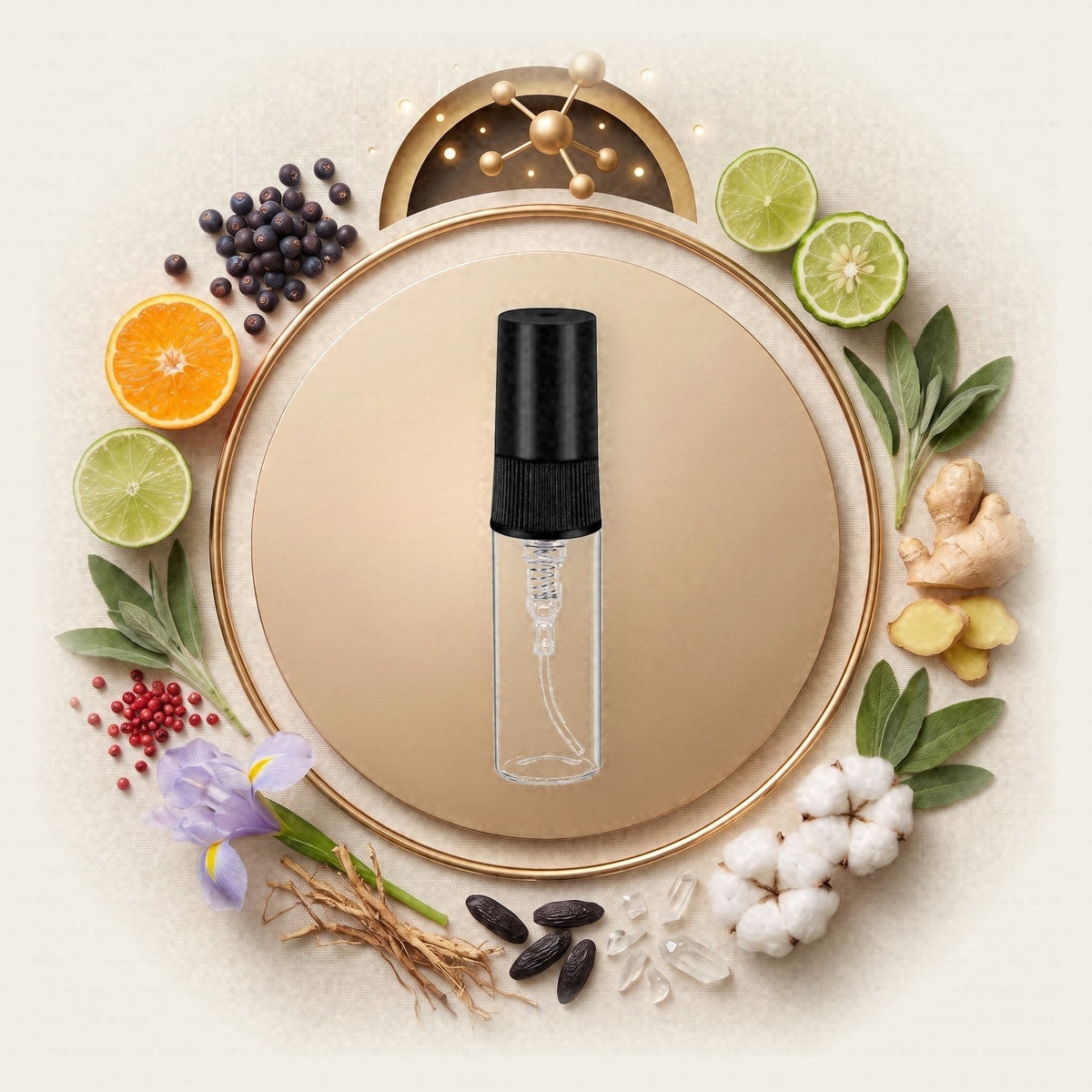
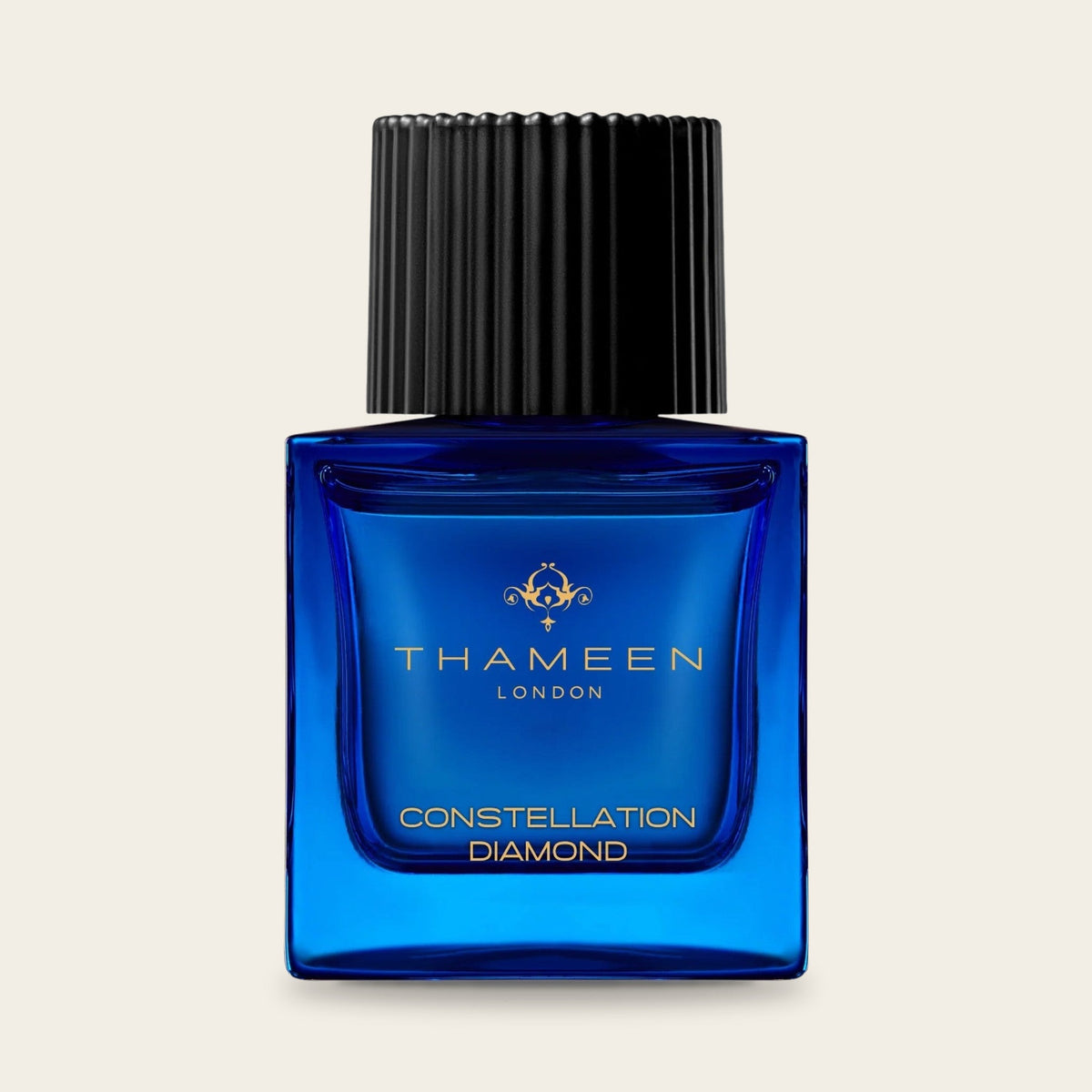
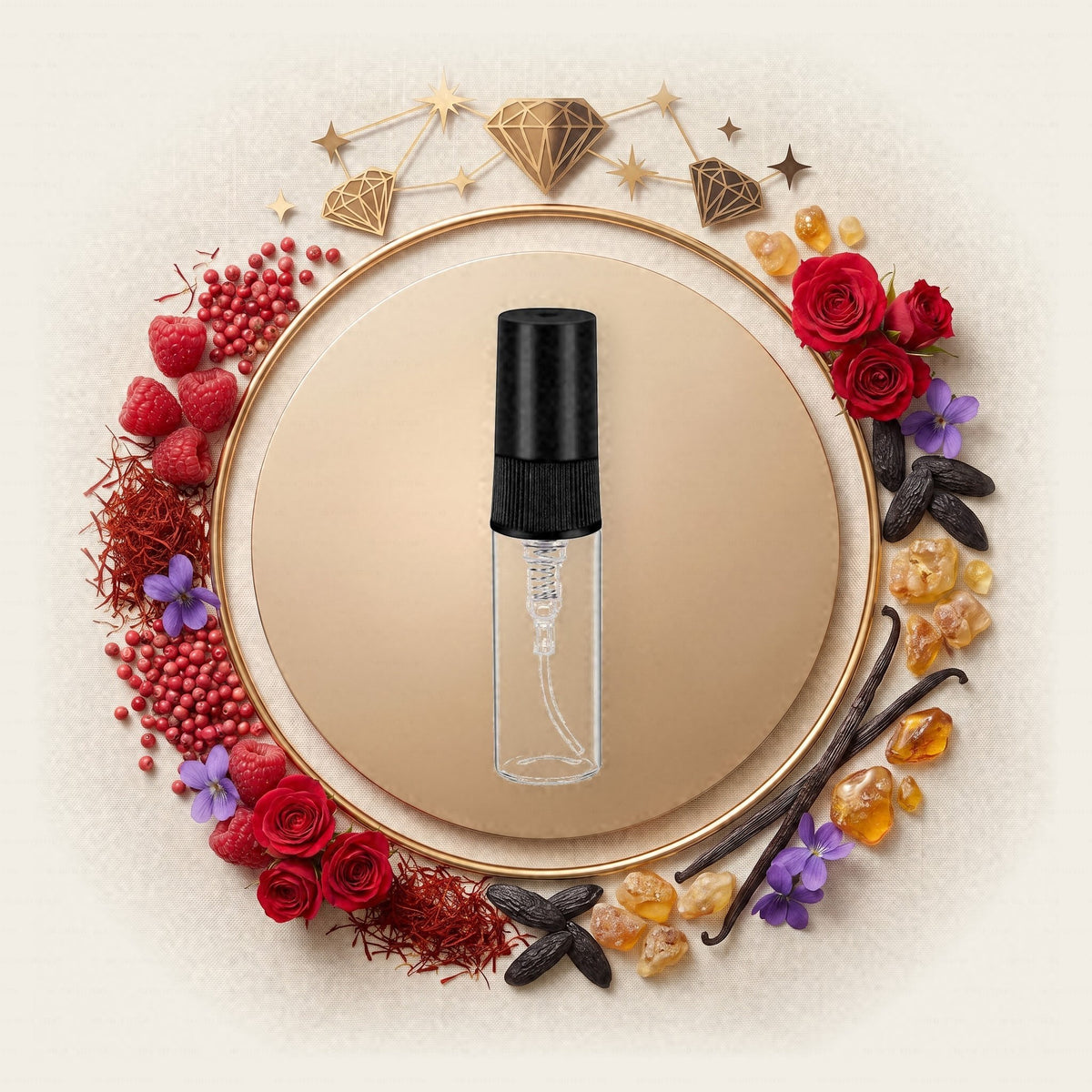
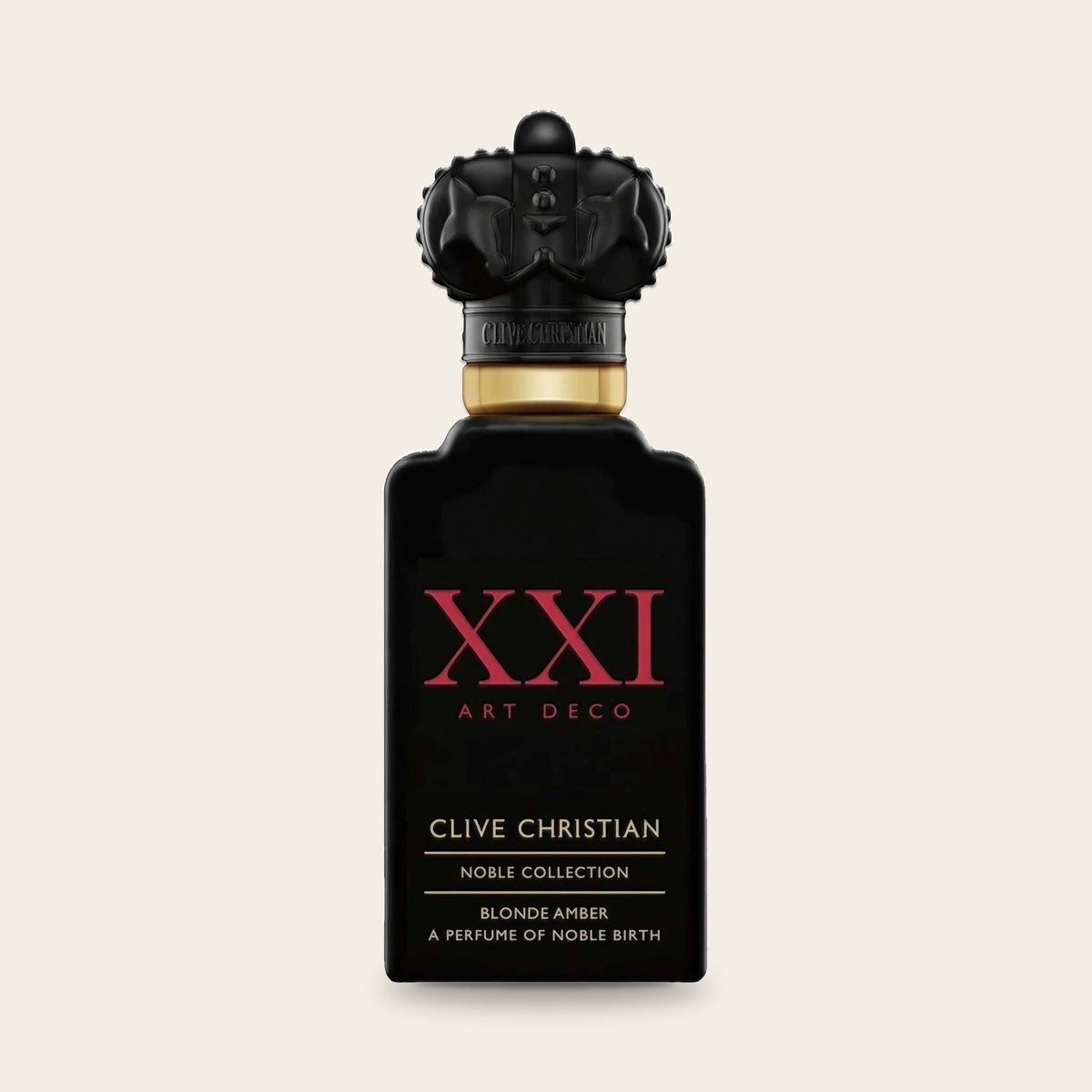
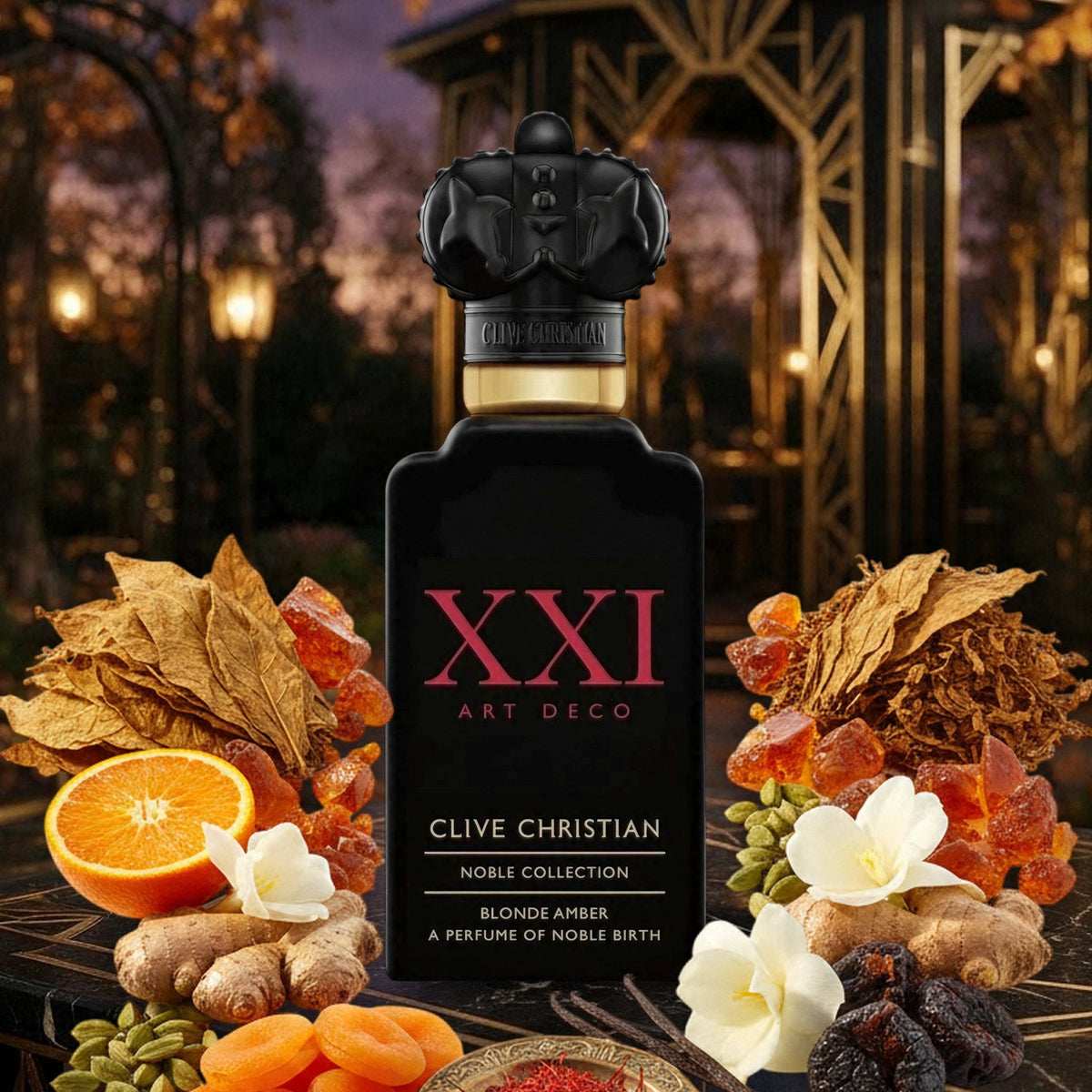
Fragrances with Tonka bean






Questions and answers
Warm, sweet and almond-like, with notes of hay, caramel and vanilla.
The tonka bean is the seed of Dipteryx odorata, a tree of the legume family that grows to around 30 metres. It grows wild in the rainforests of northern South America, in the Amazon and Orinoco basins. Each fruit holds a single black-brown, wrinkled seed a few centimetres long. The raw material used in perfumery comes mainly from Venezuela and Brazil. The name coumarin goes back to “kumarú”, the Tupi word for the tonka tree.
The ripe fruits drop from the tree from February onwards and are gathered in the forest; the hard shell is cracked open to reach the seed. The beans are dried, then steeped in rum or strong alcohol and dried once more. They shrivel and become coated in fine white coumarin crystals, and their scent grows more intense. For perfumery, the beans are ground and extracted with solvents: first a waxy concrete forms, from which alcohol yields tonka absolute.
Tonka gives a fragrance warmth, sweetness and staying power, and works above all in the base. Beyond coumarin, the absolute brings hay-like, almond and caramel-sweet facets, lending amber, gourmand and fougère compositions a soft, natural roundness. It pairs especially well with vanilla, leather and tobacco. In our range it sits in the base of 151 out of 194 fragrances.
Gourmand · Amber (oriental) · Fougère · base note
The fruits of the tonka tree ripen in the rainy season and drop to the ground from February, where they are gathered in the forest into spring. The beans only develop their full scent after drying, steeping and drying again.
In our fragrances, it often appears alongside Vanilla, bergamot, musk, patchouli, sandalwood, amber, jasmine.
In 1820 the German chemist A. Vogel and the French pharmacist Nicolas Guibourt independently isolated a crystalline odorant from tonka beans; Vogel at first took it for benzoic acid, while Guibourt recognised it as a new substance and named it coumarin. In 1868 the British chemist William Henry Perkin achieved the first synthesis. In 1882 synthetic coumarin shaped the birth of an entire fragrance family: the fougère (“fern”), which unites lavender, oakmoss and coumarin and is regarded as one of the first modern perfume styles built with synthetic aroma chemicals. In 1954 coumarin was banned as a food additive in the United States; in perfumery it is still permitted today, but limited in quantity by IFRA Standards and subject to labelling as a fragrance allergen in the EU.
- After steeping in rum and drying, tonka beans become coated in fine white crystals – pure coumarin.
- In 1820 its discoverer Vogel at first mistook coumarin for benzoic acid – only Guibourt realised it was a new substance.
- In the United States, food containing tonka beans has been considered adulterated since 1954 – in perfume, by contrast, it is a star.
The key molecule is coumarin (C₉H₆O₂, PubChem CID 323, CAS 91-64-5, molar mass about 146 g/mol), a lactone with the chemical name 2H-chromen-2-one; it forms colourless crystals, melts at around 71 °C and boils at about 302 °C. In the seeds it usually makes up 1 to 3%, rarely up to 10%. The seeds also contain up to around 25% fixed oil. In the absolute, coumarin is strongly concentrated and can account for almost half of it. Coumarin also occurs in sweet woodruff and sweet clover and contributes to the smell of fresh hay. Chemically it has nothing to do with vanillin (C₈H₈O₃), even though both smell sweet and warm.
FRAGRANCE KNOWLEDGE
In the 4D Journal
-
 FRAGRANCE KNOWLEDGE
Rose in perfume: The queen of fragrance materials
READ ARTICLE
-
 FRAGRANCE KNOWLEDGE
Vanilla in perfume: From orchid to favourite scent
READ ARTICLE
-
 FRAGRANCE KNOWLEDGE
Leather in perfume: How does something smell that was never in the bottle?
READ ARTICLE
-
 FRAGRANCE KNOWLEDGE
Scented candles & home fragrance: How to use them right
READ ARTICLE