

INGREDIENT GLOSSARY
Tuberose
Polianthes tuberosa (also Agave amica) · Asparagus family (Asparagaceae)
Opulent, sweet and floral, with a creamy, lactonic richness, spicy and slightly fruity facets and a cool, almost medicinal freshness.
NATURALFLORAL · WHITE FLOWERS · HEART NOTE
AT A GLANCE
- Plant: Polianthes tuberosa (also Agave amica), a member of the asparagus family
- Origin: Mexico, now grown mainly in southern India
- Production: flowers solvent-extracted into concrete and absolute, formerly enfleurage
- Scent: opulent, creamy, sweet and floral – a heart note
PROFILE
- Origin
- Native to Mexico · raw material for perfumery now mainly from southern India
- Extraction
- Fresh flowers are solvent-extracted into a concrete and purified in alcohol to give an absolute; historically also enfleurage
- Main molecules
- Methyl benzoate (C₈H₈O₂) · Methyl anthranilate (C₈H₉NO₂, stronger at night)
- Harvest
- Tuberose flowers from summer into autumn.
- Often paired with
- Vanilla, jasmine, musk, bergamot, sandalwood, patchouli, amber
Numbers that surprise
at least 700 kg
of fresh tuberose flowers are needed for a single kilogram of concrete – the yield is around 0.1% of the flower weight.
more than 430 years
is how long tuberose has demonstrably been known in Europe – in 1594 it is recorded with the physician Simón de Tovar in Seville.
around 200 years
enfleurage was the method in Grasse for heat-sensitive flowers such as tuberose and jasmine – until solvents displaced it in the mid-20th century.
Rounded values; calculation based on published data.
Harvest and season
Tuberose flowers from summer into autumn. In India the individual florets are picked daily in the early morning, and for perfumery over several months of the year.
The individual florets are picked by hand in the early morning. Volatile solvents such as hexane first yield a waxy concrete, from which an alcohol wash produces the absolute; the concrete yield is only around 0.08 to 0.1% of the flower weight. Historically, tuberose was processed in Grasse by enfleurage: the heat-sensitive flowers were laid on purified fat and replaced again and again with fresh ones until the fat was saturated with scent. Today this laborious method survives only on a very small scale.
Knowledge to share
Myth or truth?
Statement 1
Tuberose is a kind of rose.
Myth. Tuberose belongs to the asparagus family and is related to the agaves. Its name comes from the Latin tuberosus, 'tuberous' – after its knobbly rootstock.
Statement 2
Tuberoses smell stronger at night than by day.
True. Measurements show that the flowers release more scent after sunset, especially more floral-fruity esters such as methyl anthranilate.
Statement 3
Tuberose absolute is mostly produced by enfleurage today.
Myth. Enfleurage shaped Grasse for around 200 years, but was displaced by solvent extraction in the mid-20th century. Today tuberose absolute is almost always made via the concrete; enfleurage survives only on a very small scale.
Your result
FRAGRANCES WITH TUBEROSEINGREDIENT GLOSSARY
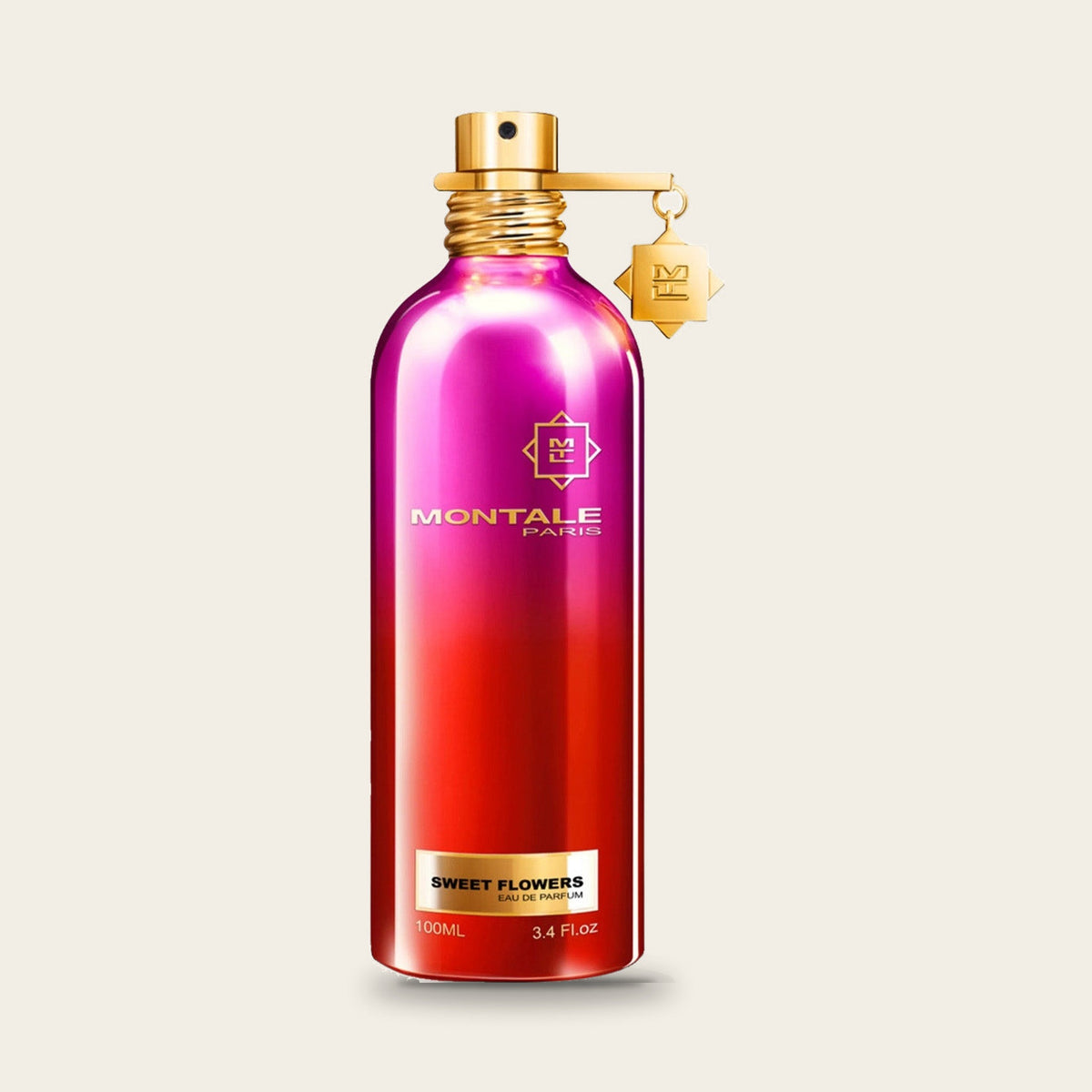
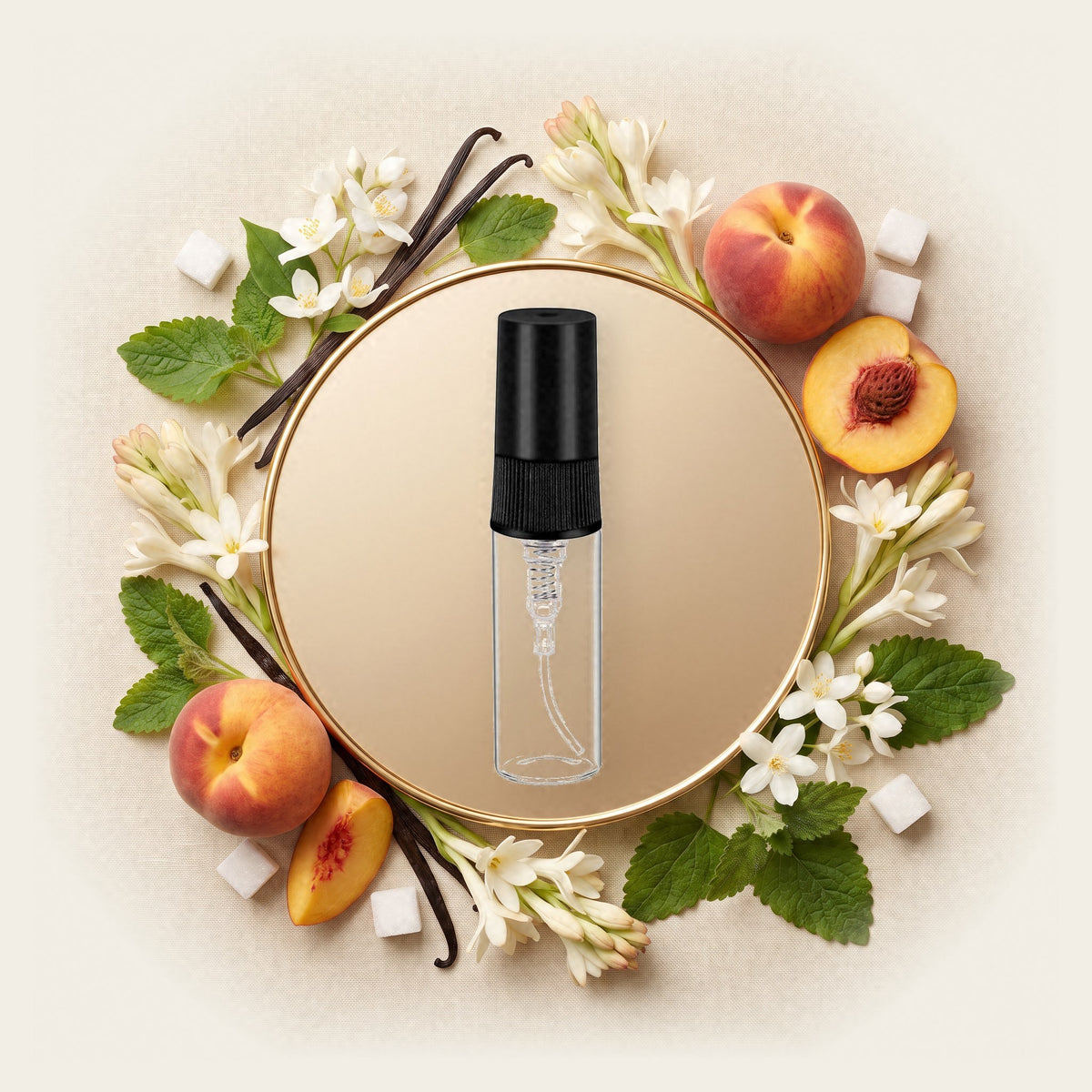
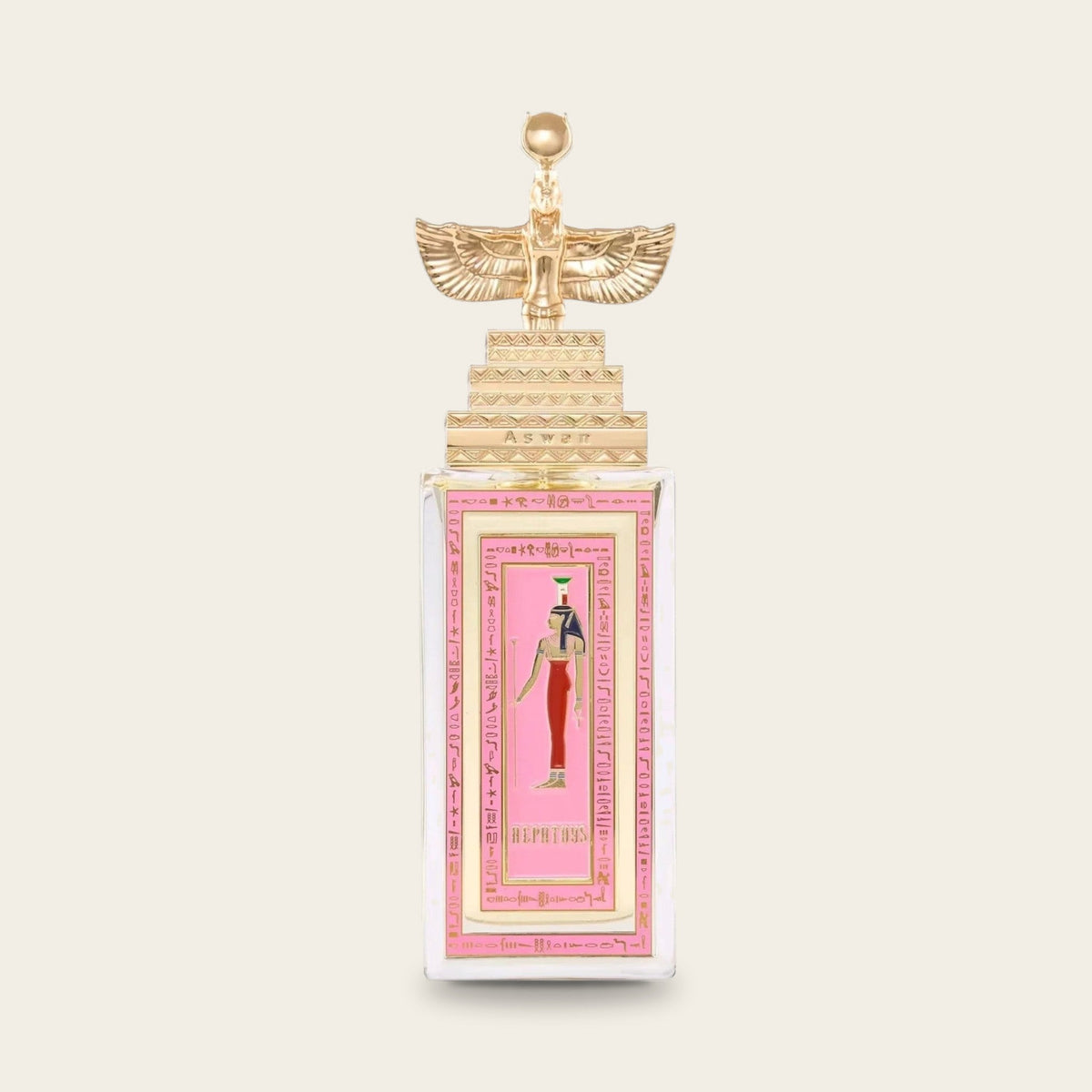
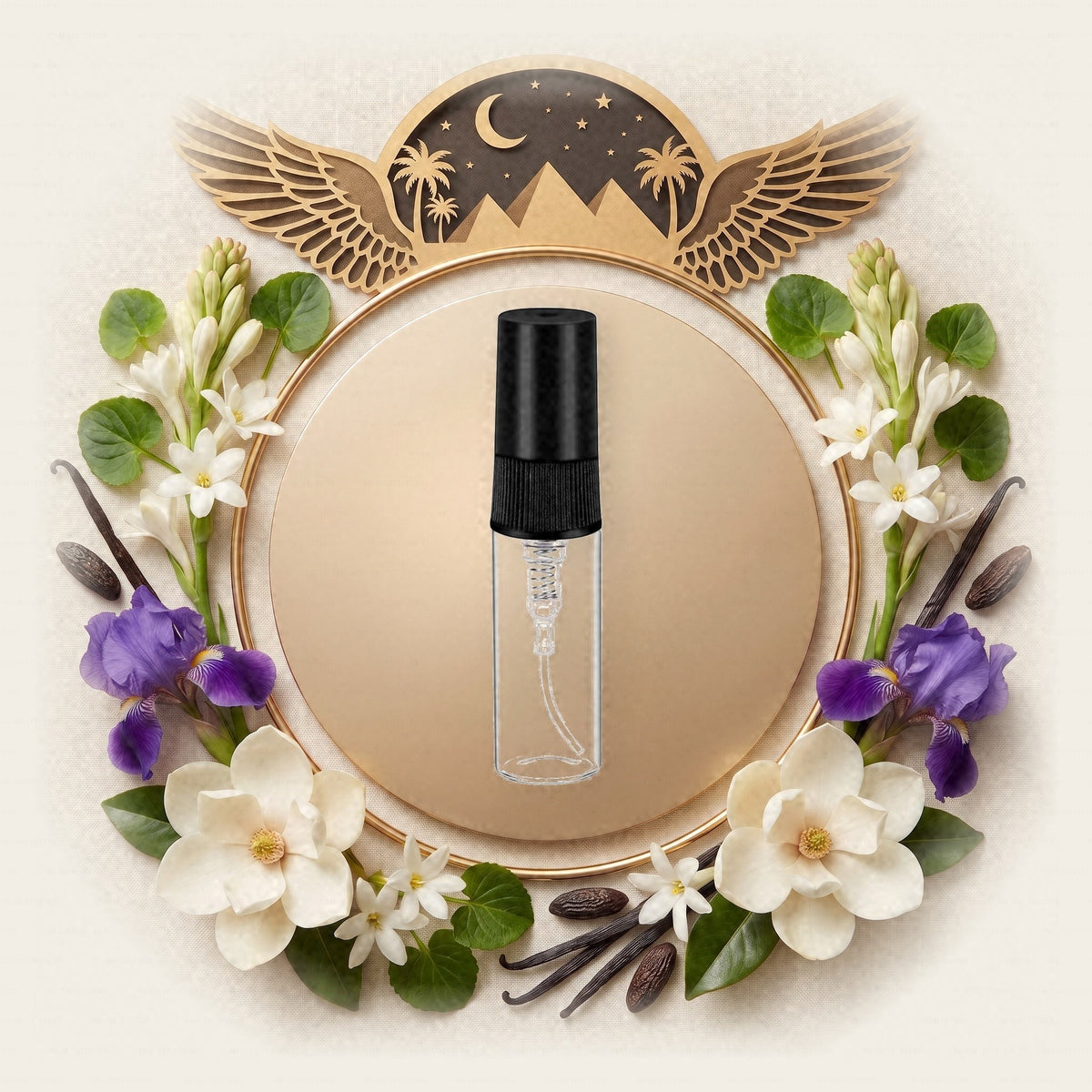
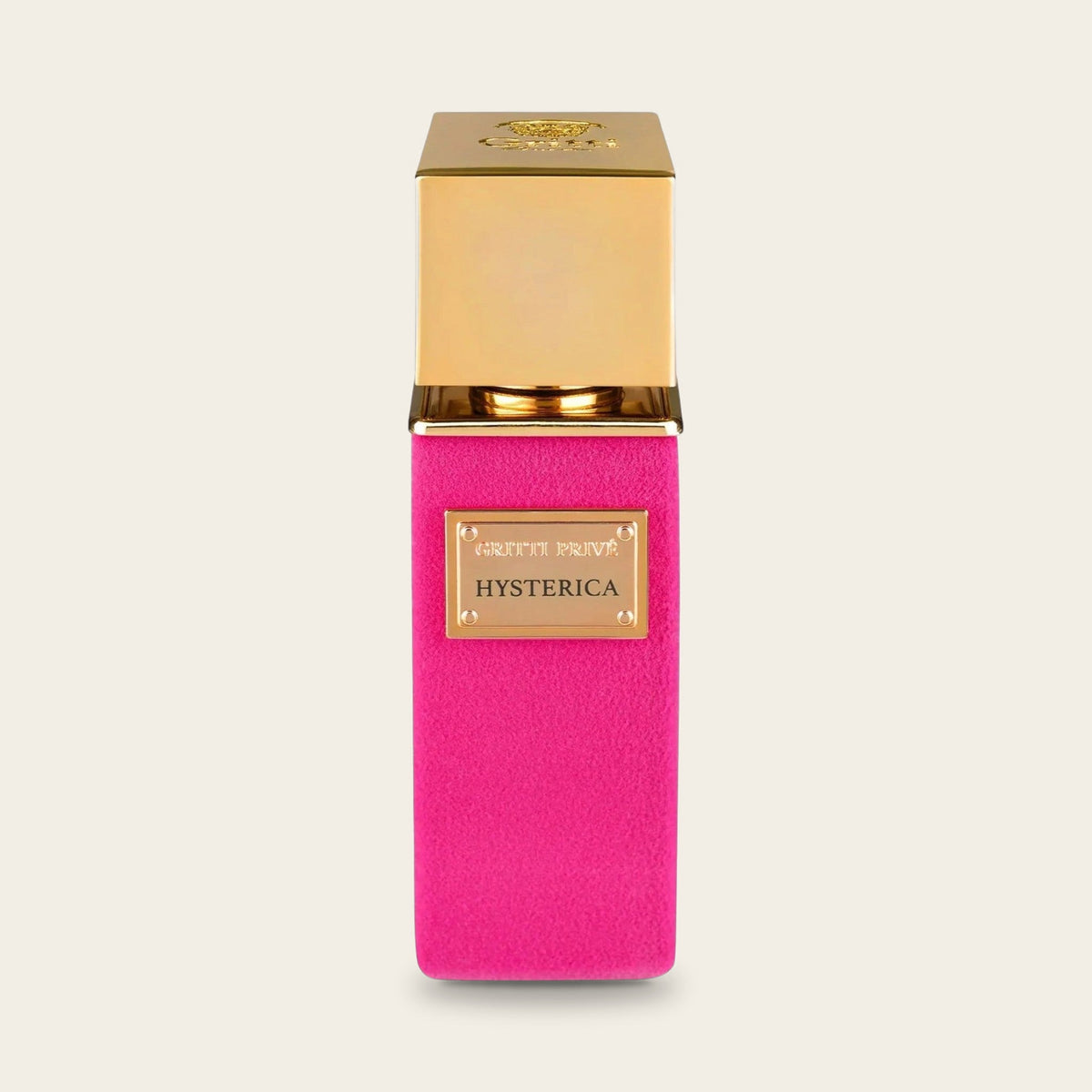
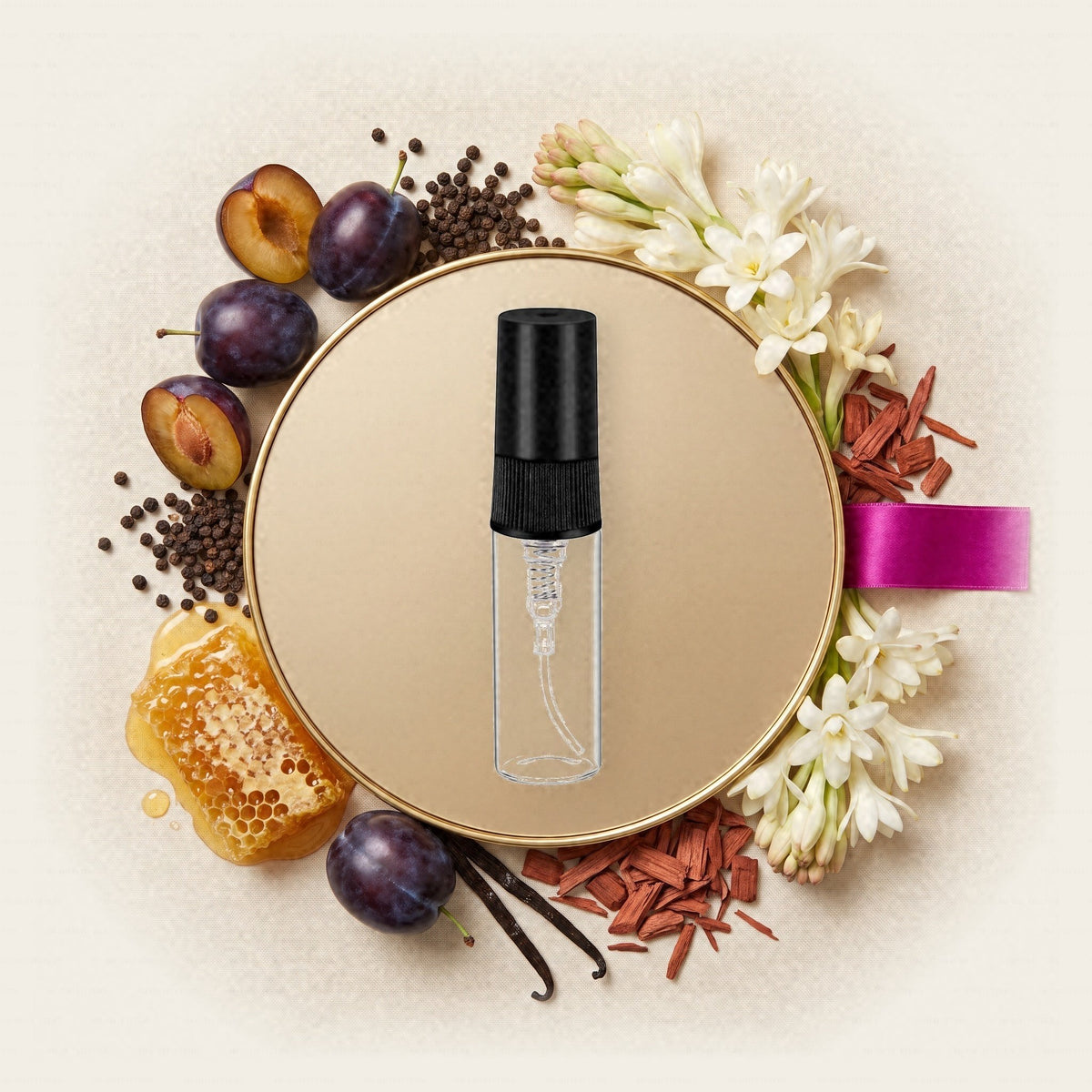
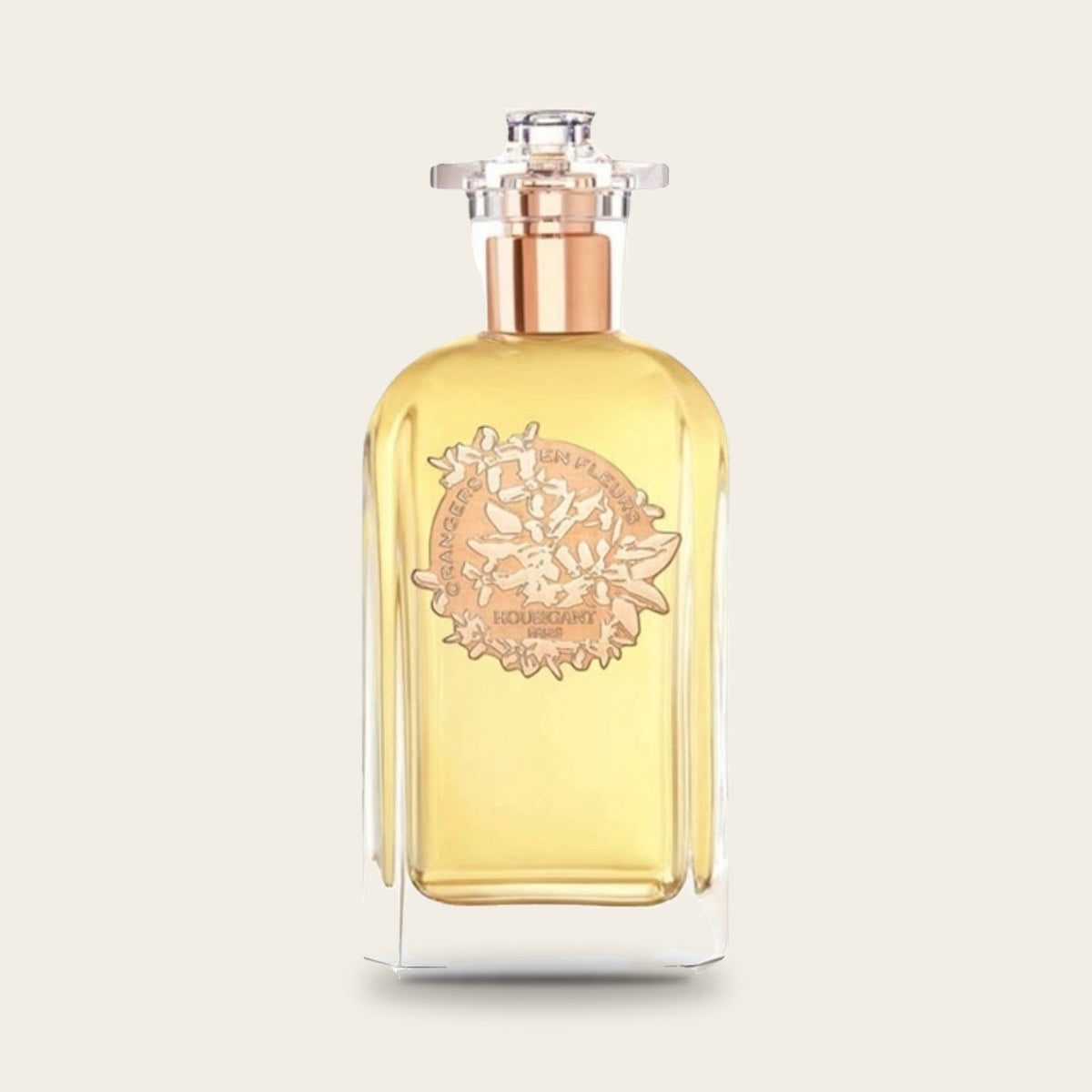
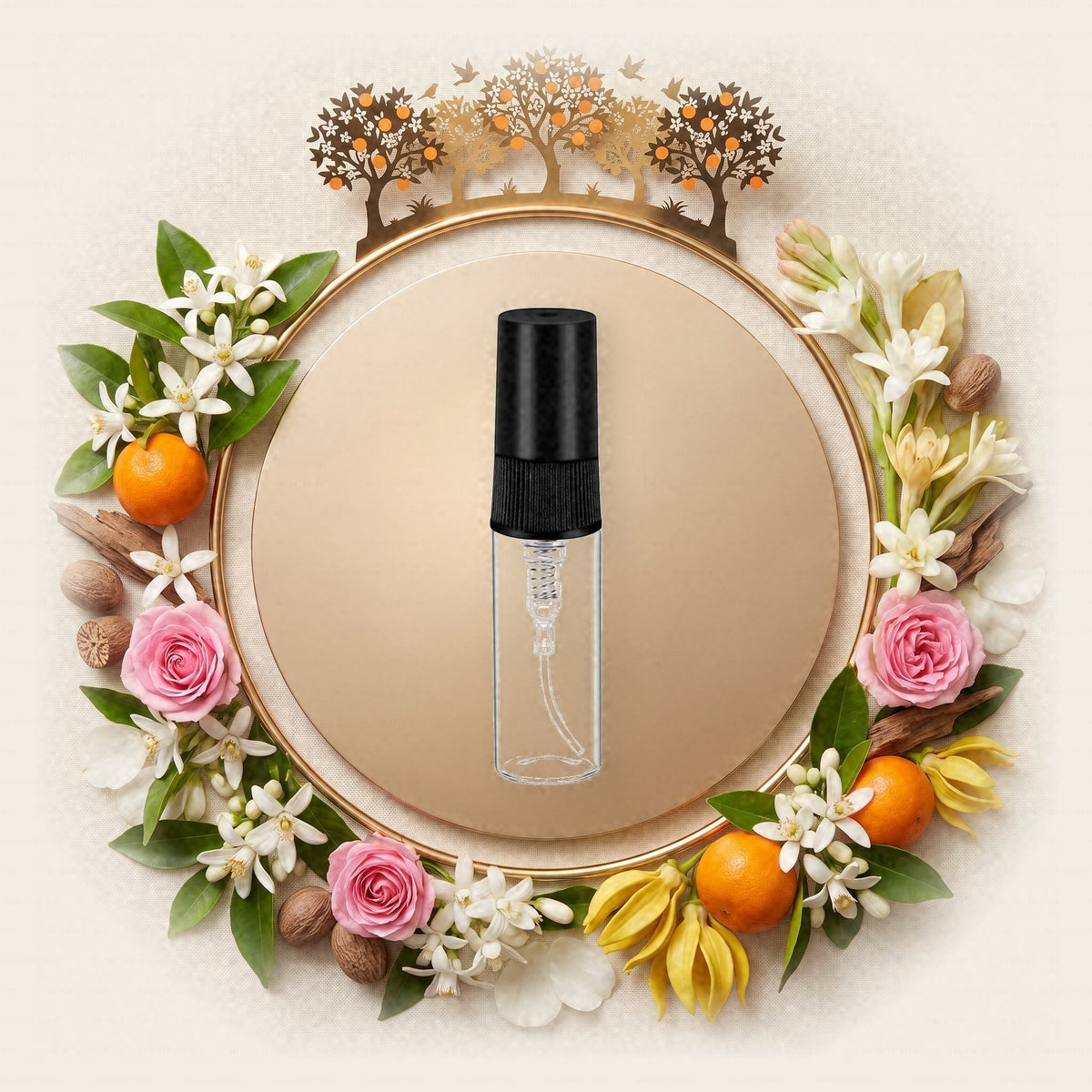
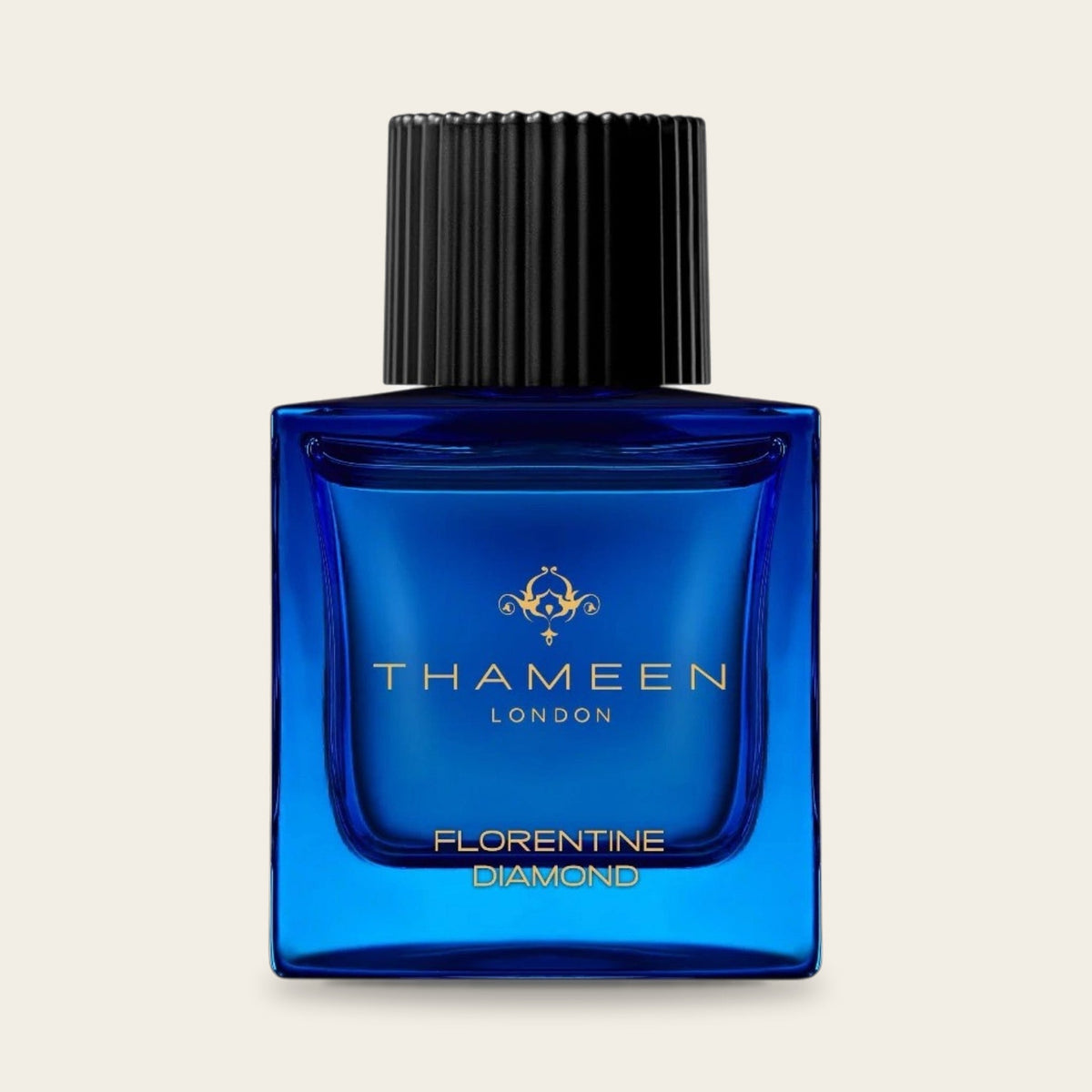
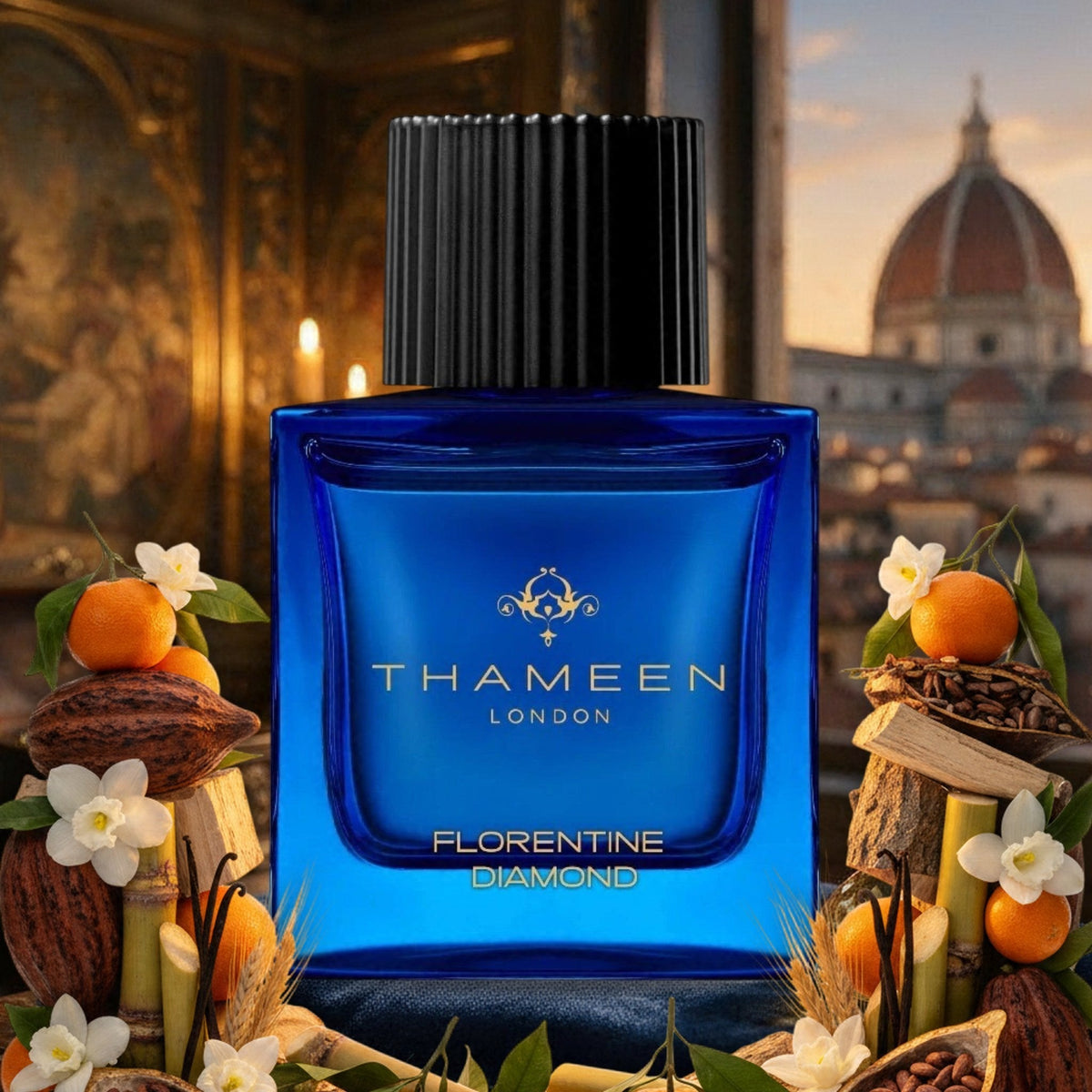
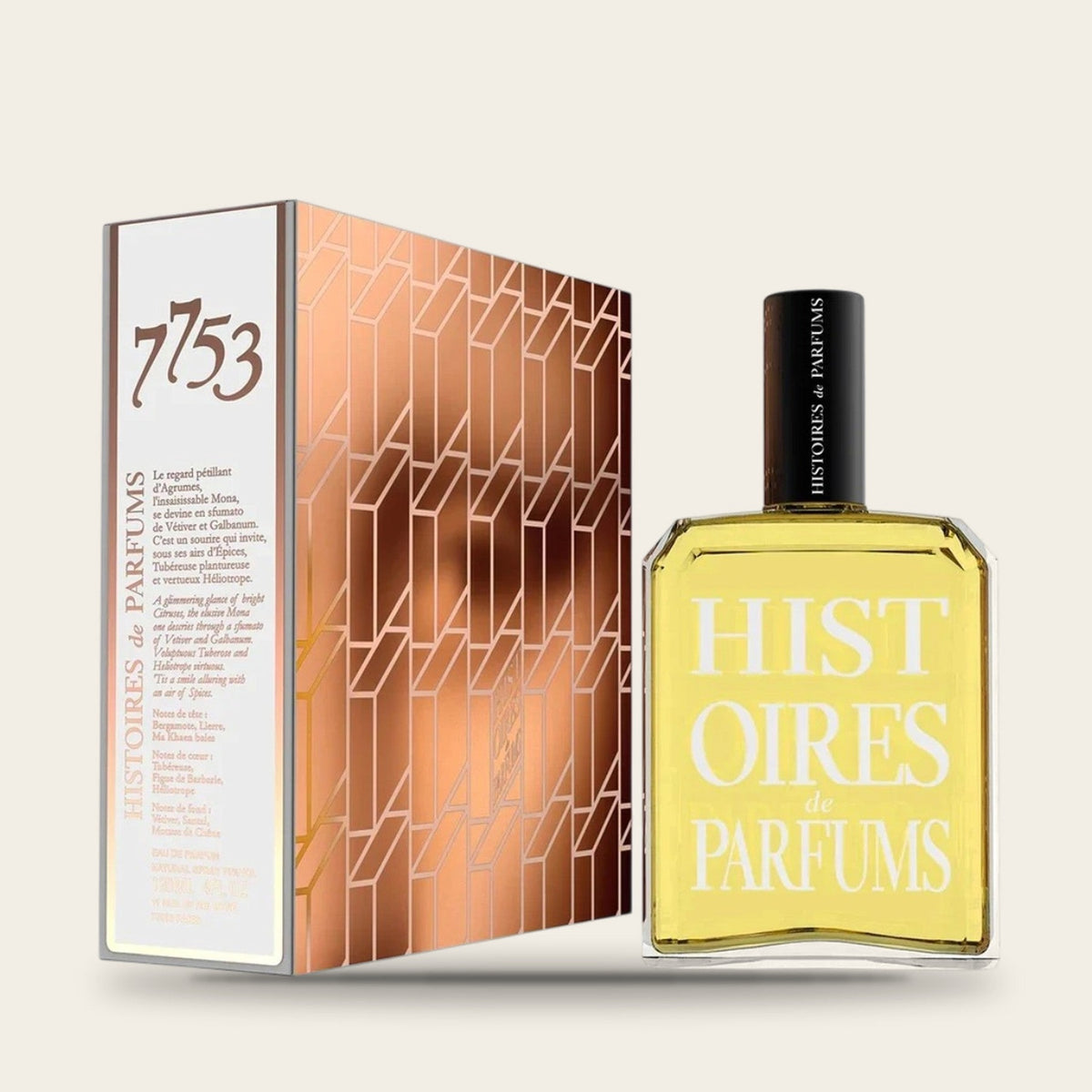
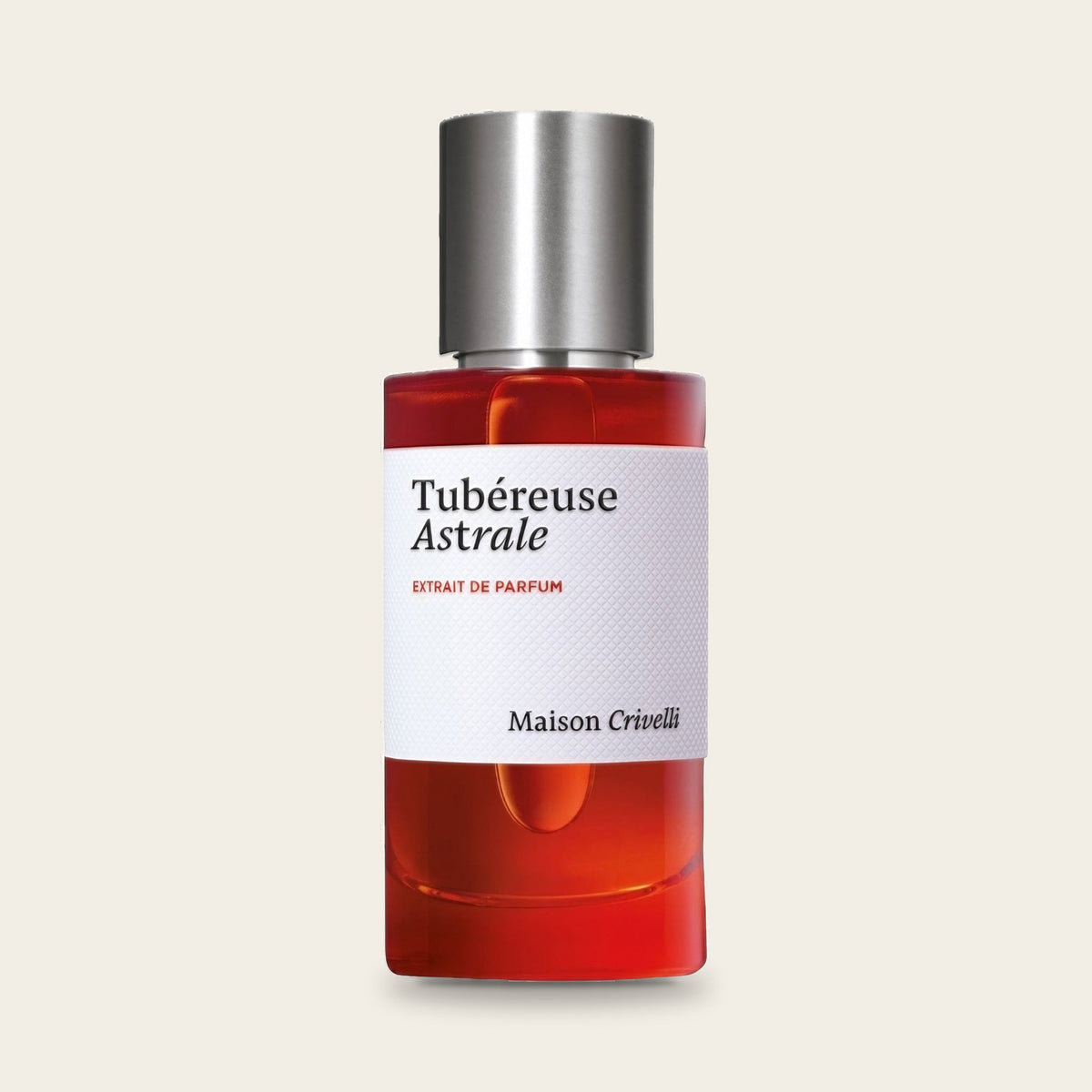
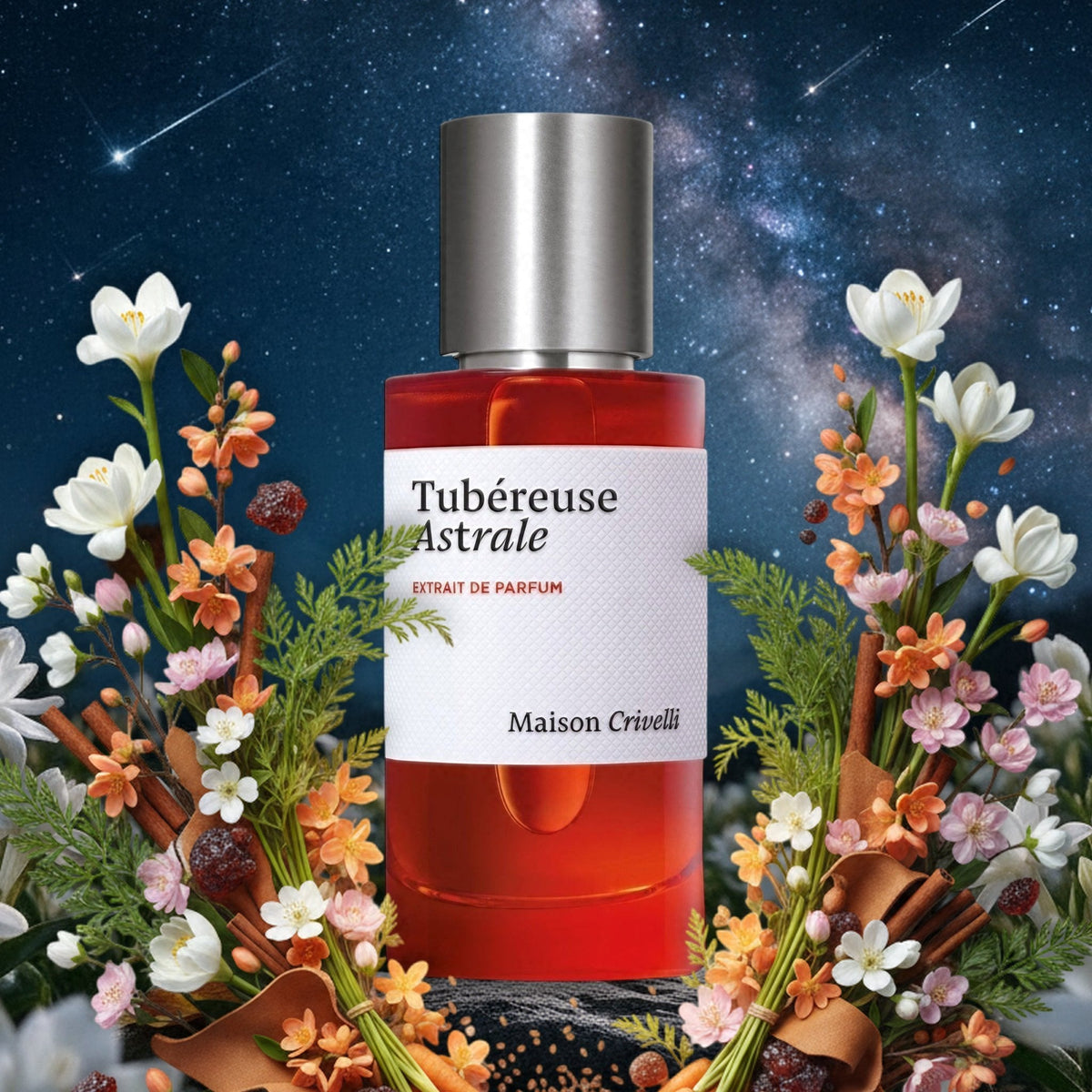
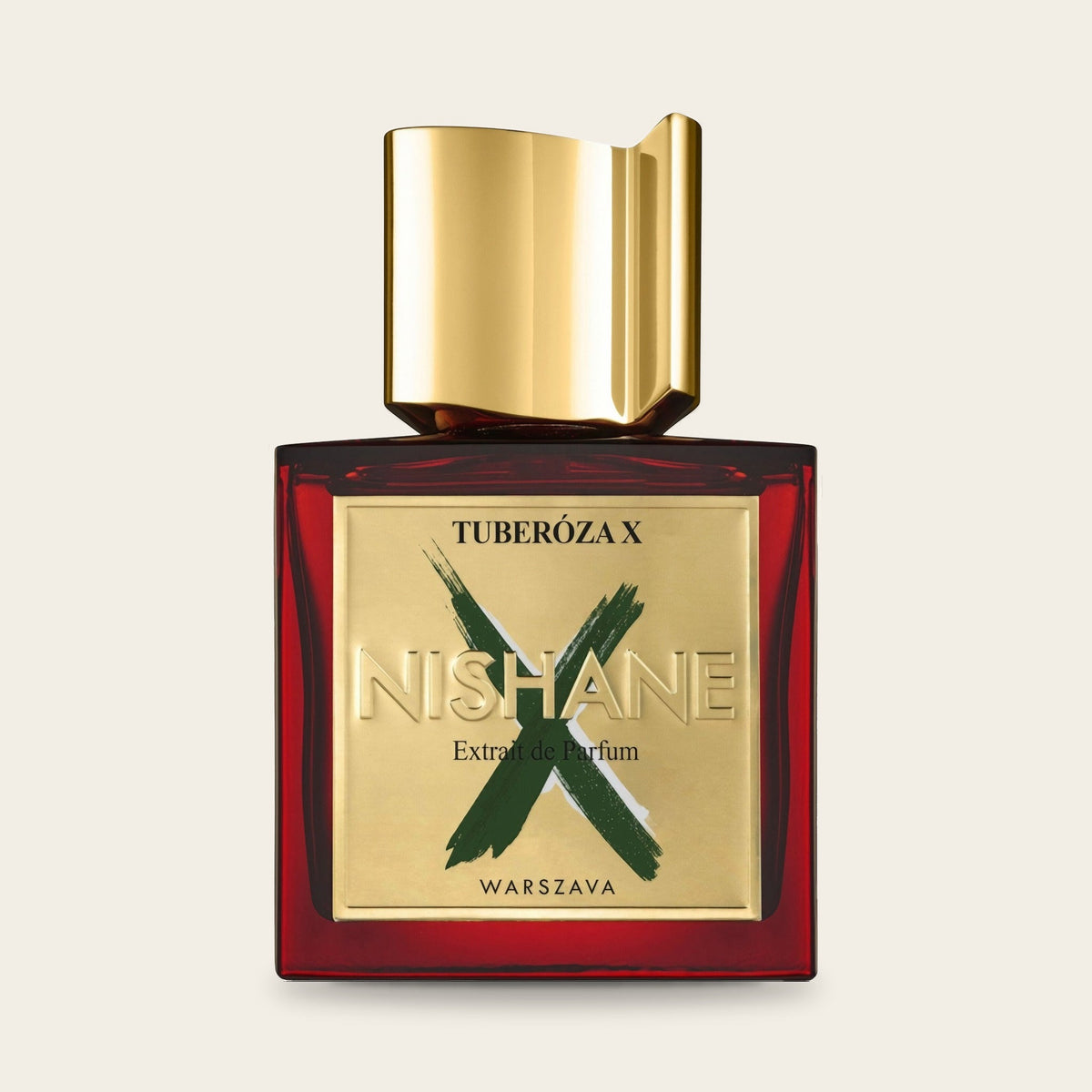
Fragrances with Tuberose


Questions and answers
Opulent, sweet and floral, with a creamy, lactonic richness, spicy and slightly fruity facets and a cool, almost medicinal freshness.
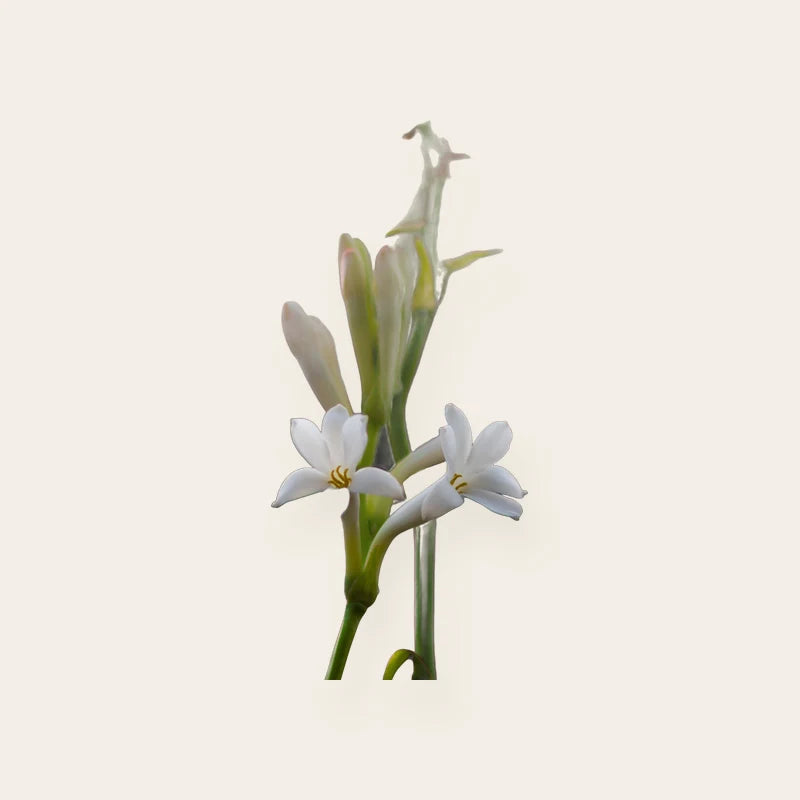
Tuberose comes from Mexico, where it was already cultivated in pre-Columbian times. Botanically it belongs to the asparagus family and is closely related to the agaves; some recent classifications therefore list it as Agave amica, others still as Polianthes tuberosa. Its waxy white, funnel-shaped flowers are borne on long spikes. For perfumery it is now grown mainly in southern India, especially in Tamil Nadu and Karnataka.
The individual florets are picked by hand in the early morning. Volatile solvents such as hexane first yield a waxy concrete, from which an alcohol wash produces the absolute; the concrete yield is only around 0.08 to 0.1% of the flower weight. Historically, tuberose was processed in Grasse by enfleurage: the heat-sensitive flowers were laid on purified fat and replaced again and again with fresh ones until the fat was saturated with scent. Today this laborious method survives only on a very small scale.
Tuberose acts as a heart note, giving white floral compositions a creamy, narcotic sweetness and fullness. Even in small amounts it is very present, pairing with other white flowers as well as with vanilla and amber notes. In our range it sits in the heart of 57 out of 64 fragrances.
Floral · White flowers · heart note
Tuberose flowers from summer into autumn. In India the individual florets are picked daily in the early morning, and for perfumery over several months of the year.
In our fragrances, it often appears alongside Vanilla, jasmine, musk, bergamot, sandalwood, patchouli, amber.
The Aztecs already cultivated tuberose and called it omixochitl, 'bone flower'. In the 16th century it reached Europe with the Spanish; in 1594 it is recorded with the physician Simón de Tovar in Seville, from where it travelled on to France and Italy. It was grown around Grasse and processed there by enfleurage from the 18th century until roughly the 1950s, when solvent extraction displaced the method. Through colonial trade it also spread to warm regions such as India, where it remains an important cut flower today.
- The name has nothing to do with roses: 'tuberose' comes from the Latin tuberosus, 'tuberous' – after its knobbly rootstock.
- The Aztecs called tuberose omixochitl, 'bone flower' – because of its waxy white blossoms.
- Tuberoses smell noticeably stronger at night than by day; after sunset the share of floral-fruity esters such as methyl anthranilate rises in particular.
The scent of the living flower is dominated by the ester methyl benzoate (C₈H₈O₂, PubChem CID 7150), accompanied by cool 1,8-cineole (C₁₀H₁₈O, CID 2758). Alongside these come methyl salicylate (C₈H₈O₃, CID 4133) with its wintergreen note and methyl anthranilate (C₈H₉NO₂, CID 8635), reminiscent of orange blossom and grape. Lactones such as jasmine lactone provide the creamy depth. In the solvent-extracted absolute, benzyl benzoate (C₁₄H₁₂O₂, CID 2345) also stands out strongly – one reason why the absolute and the living flower smell different.
FRAGRANCE KNOWLEDGE
In the 4D Journal
-
 FRAGRANCE KNOWLEDGE
Rose in perfume: The queen of fragrance materials
READ ARTICLE
-
 FRAGRANCE KNOWLEDGE
Vanilla in perfume: From orchid to favourite scent
READ ARTICLE
-
 FRAGRANCE KNOWLEDGE
Leather in perfume: How does something smell that was never in the bottle?
READ ARTICLE
-
 FRAGRANCE KNOWLEDGE
Scented candles & home fragrance: How to use them right
READ ARTICLE