
INGREDIENT GLOSSARY
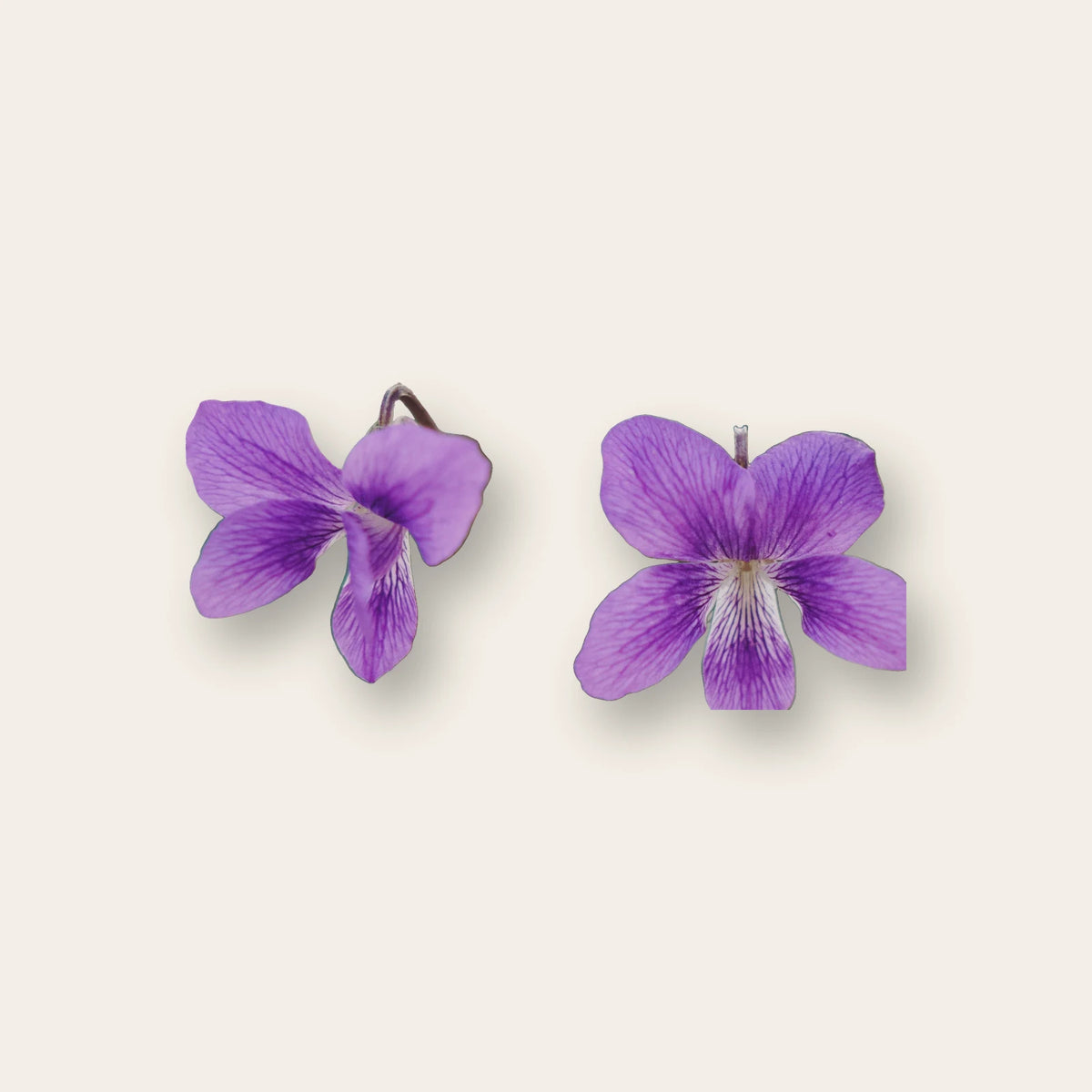
Violet
Viola odorata · Violet family (Violaceae)
Powdery, sweet and delicately floral, with a cool, slightly woody undertone.
ACCORDFLORAL · POWDERY · GREEN (VIOLET LEAF)
AT A GLANCE
- Plant: sweet violet Viola odorata (violet family) – an accord in perfume
- Origin: Europe and western Asia; violet leaf mainly from Egypt and the Côte d’Azur
- Production: flower scent from synthetic ionones, leaf extracted as an absolute
- Scent: powdery, sweet, delicately floral – the leaf green and cucumber-like
PROFILE
- Origin
- Reference plant native to Europe and western Asia · violet leaf absolute mainly from Egypt, smaller amounts from Tourrettes-sur-Loup near Grasse
- Extraction
- The flower scent is rebuilt with synthetic ionones; usually only the violet leaf is natural, its fresh leaves solvent-extracted into an absolute
- Main molecules
- β-Ionone (C₁₃H₂₀O)
- Harvest
- On the Côte d’Azur the sweet violet flowers from October to March, while the leaves for perfumery are cut in summer, from May to July.
- Often paired with
- Vanilla, musk, bergamot, jasmine, cedarwood, sandalwood, patchouli
Numbers that surprise
around 30 times
less β-ionone than α-ionone is enough for the nose to detect it – even though the two violet molecules share the same formula.
over 2 tonnes
of fresh violet leaves are needed for a single kilogram of violet leaf absolute.
around 600
family businesses in and around Toulouse made their living from violets at the end of the 19th century, together harvesting up to 30 tonnes of flowers a year.
Rounded values; calculation based on published data.
Harvest and season
On the Côte d’Azur the sweet violet flowers from October to March, while the leaves for perfumery are cut in summer, from May to July. The violet accord itself is available all year round, as its ionones are made synthetically.
The flowers yield only a tiny amount of scented oil, which is why violet flower absolute was among the most expensive materials in perfumery. Today the typical violet scent comes from ionones synthesised from citral and acetone: first pseudoionone forms, which acid then closes into the ring of ionone. Usually only the leaf is natural – in Tourrettes-sur-Loup the leaves are cut from May to July and taken to Grasse the same day. There they are extracted with volatile solvents into a concrete and then purified into the dark green violet leaf absolute.
Knowledge to share
Myth or truth?
Statement 1
You can only smell violets once.
Myth. Ionones switch off the olfactory receptors only briefly; after a few breaths the scent returns and registers as a new stimulus.
Statement 2
The violet scent in perfume comes from the flower.
Myth. The flower yields hardly any scented oil; since 1893 the violet scent has come from ionones, and usually only the violet leaf absolute is natural.
Statement 3
Violet and iris smell alike because their odorants are related.
True. The irones of orris root (C₁₄H₂₂O) are methyl ionones and thus close relatives of the violet ionones (C₁₃H₂₀O).
Your result
FRAGRANCES WITH VIOLETINGREDIENT GLOSSARY
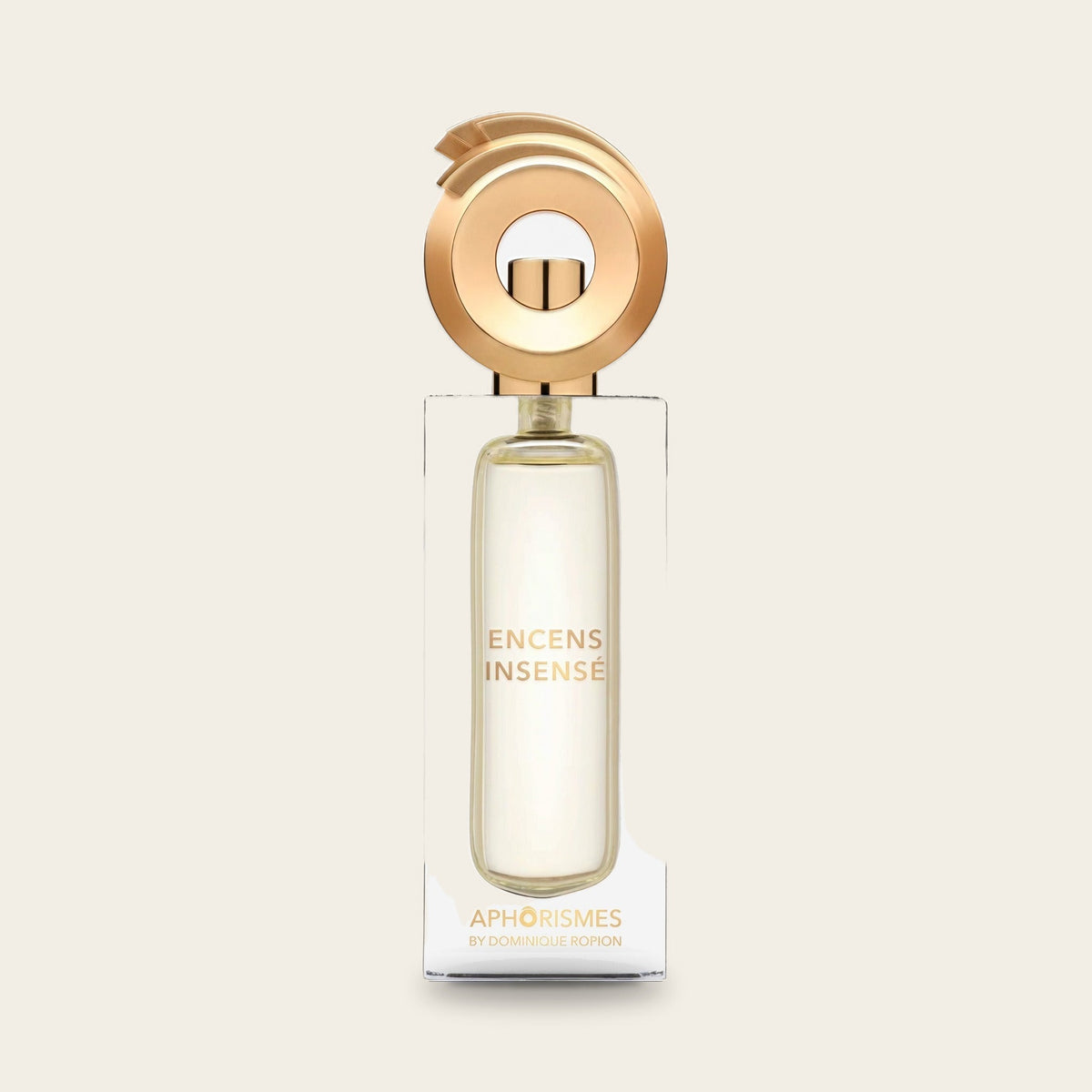
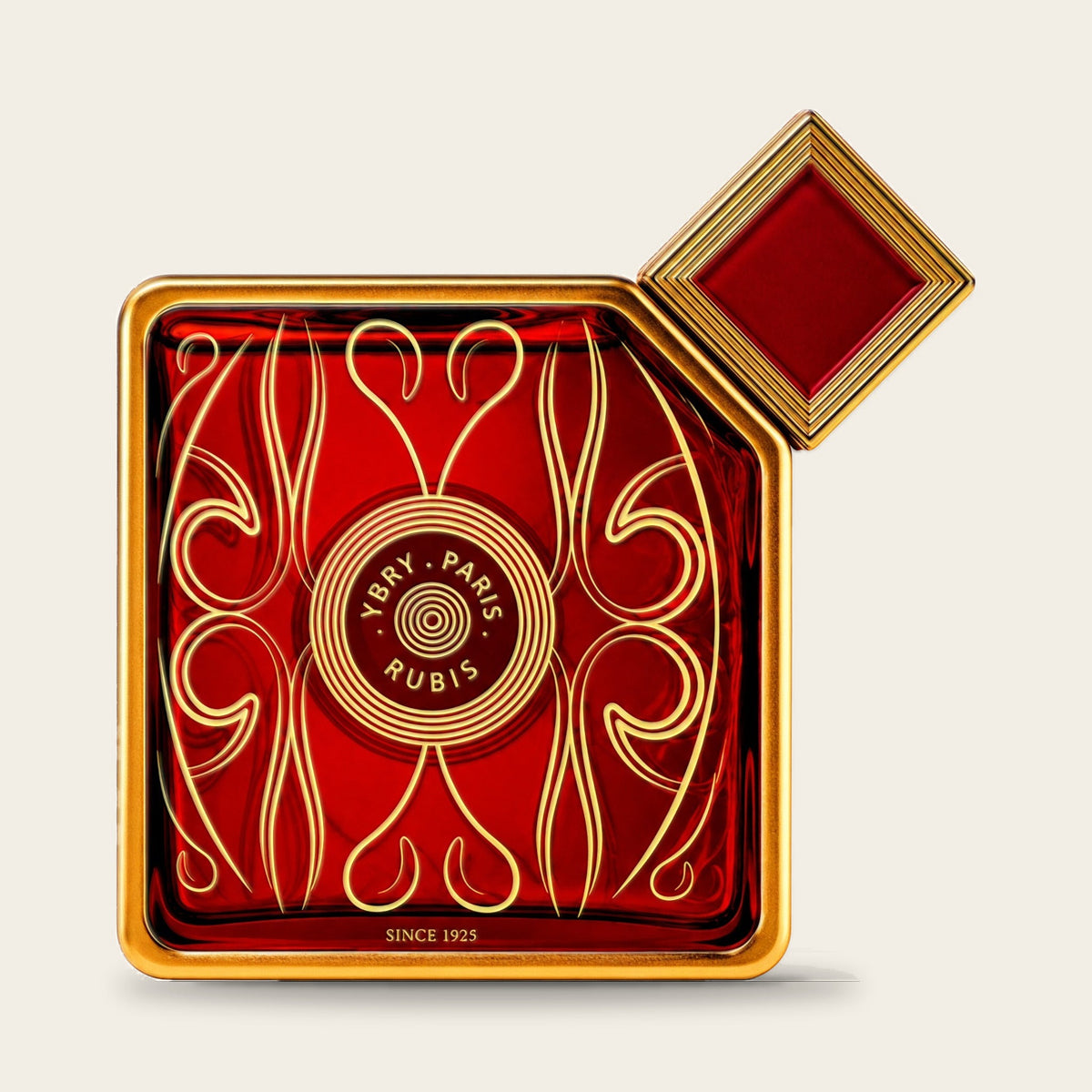
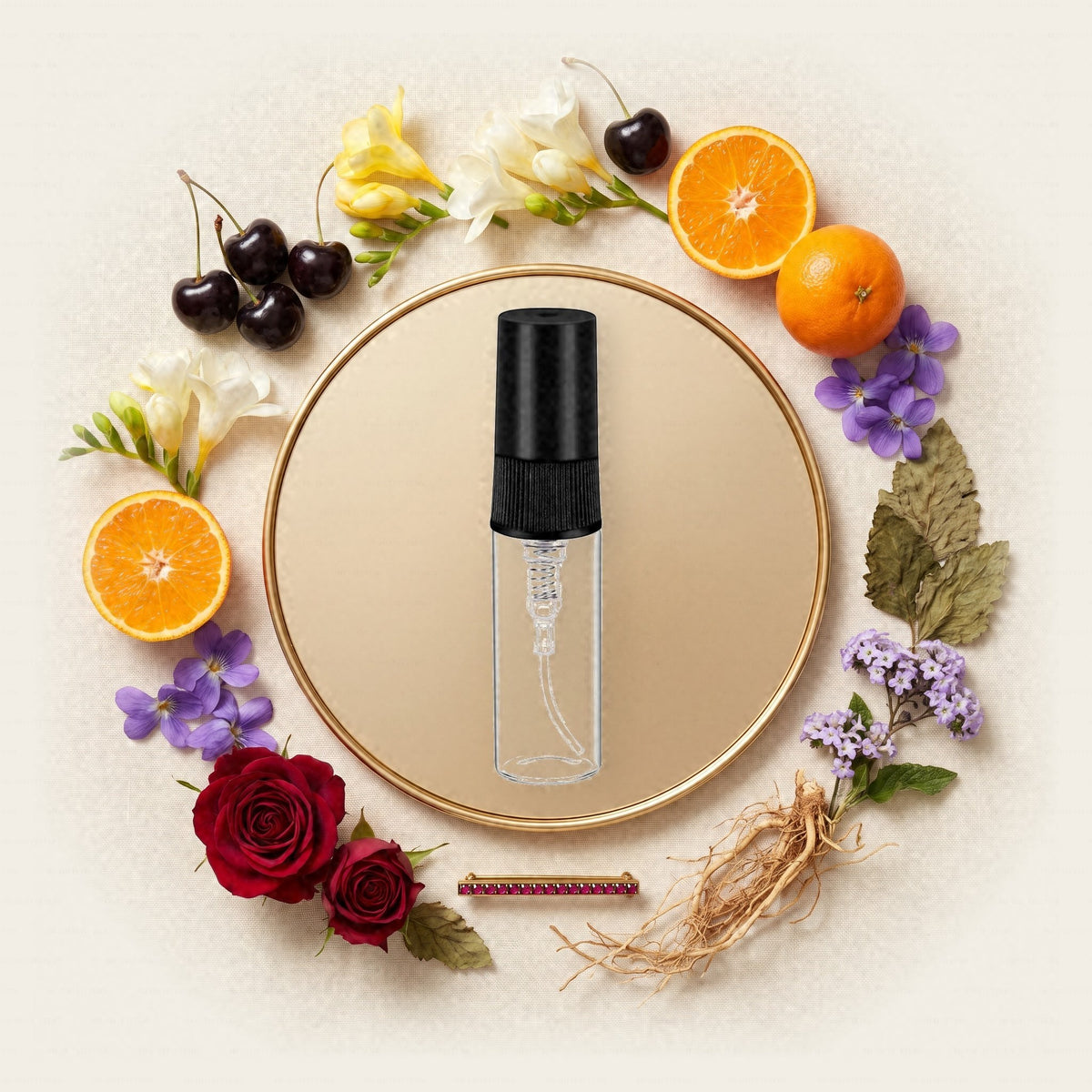
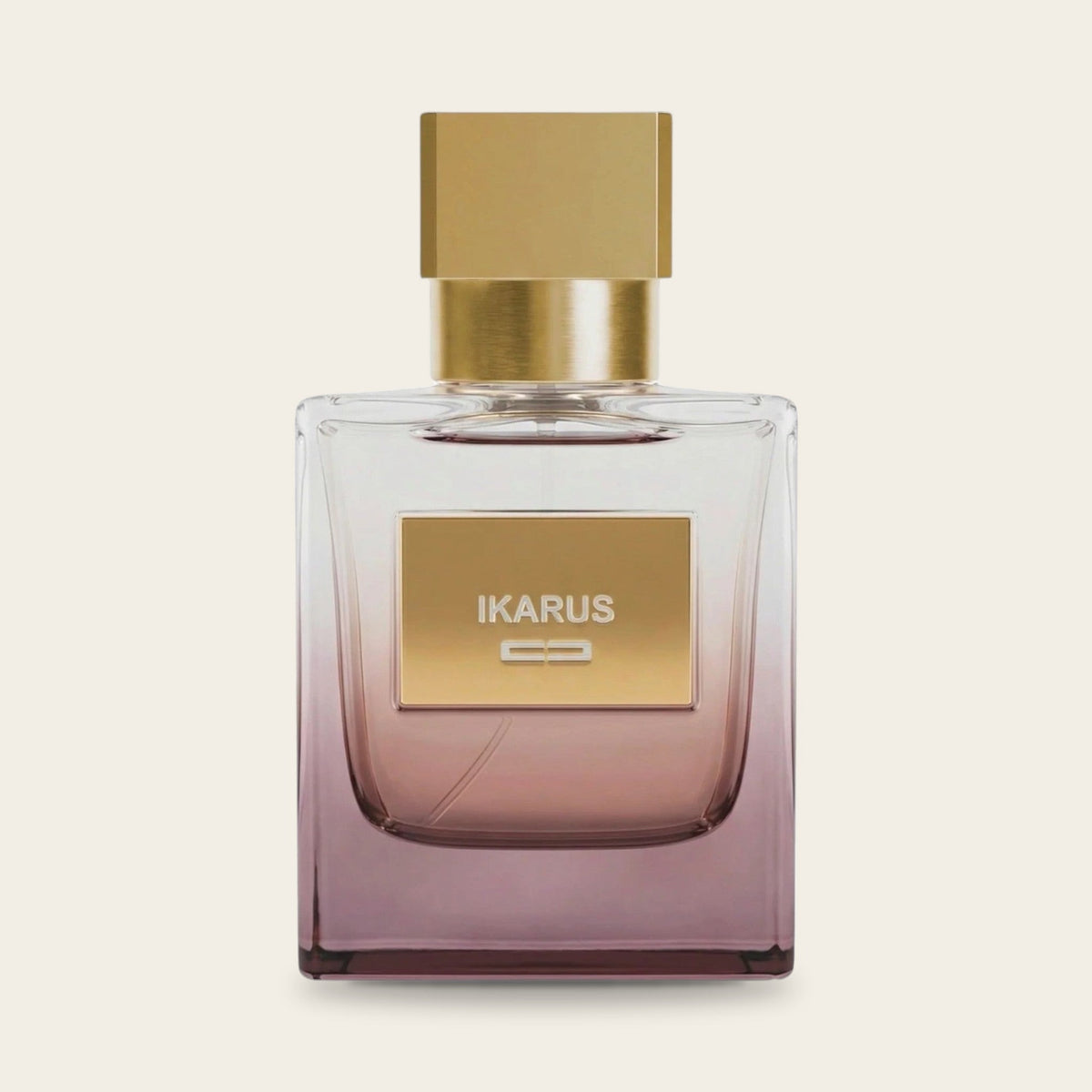
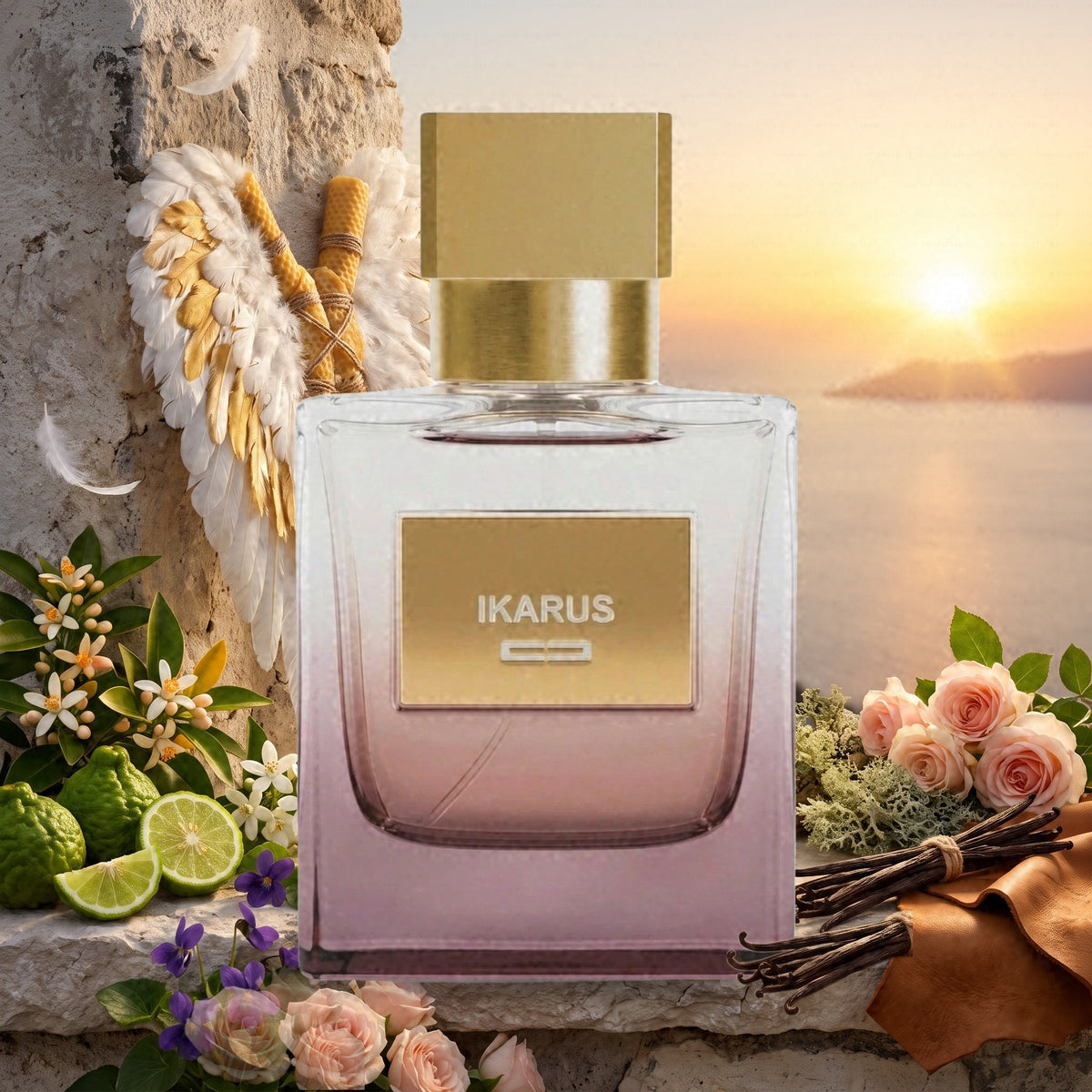
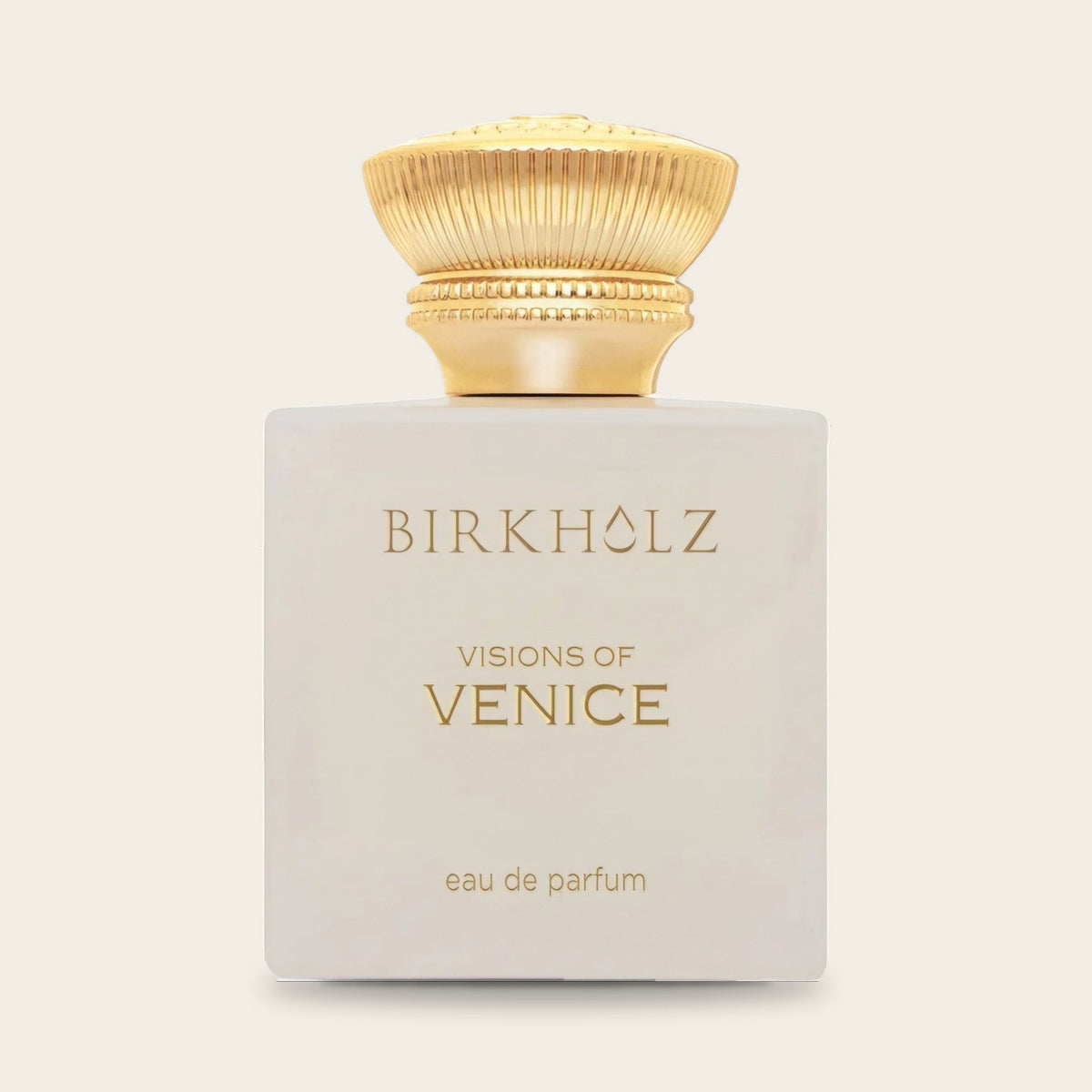
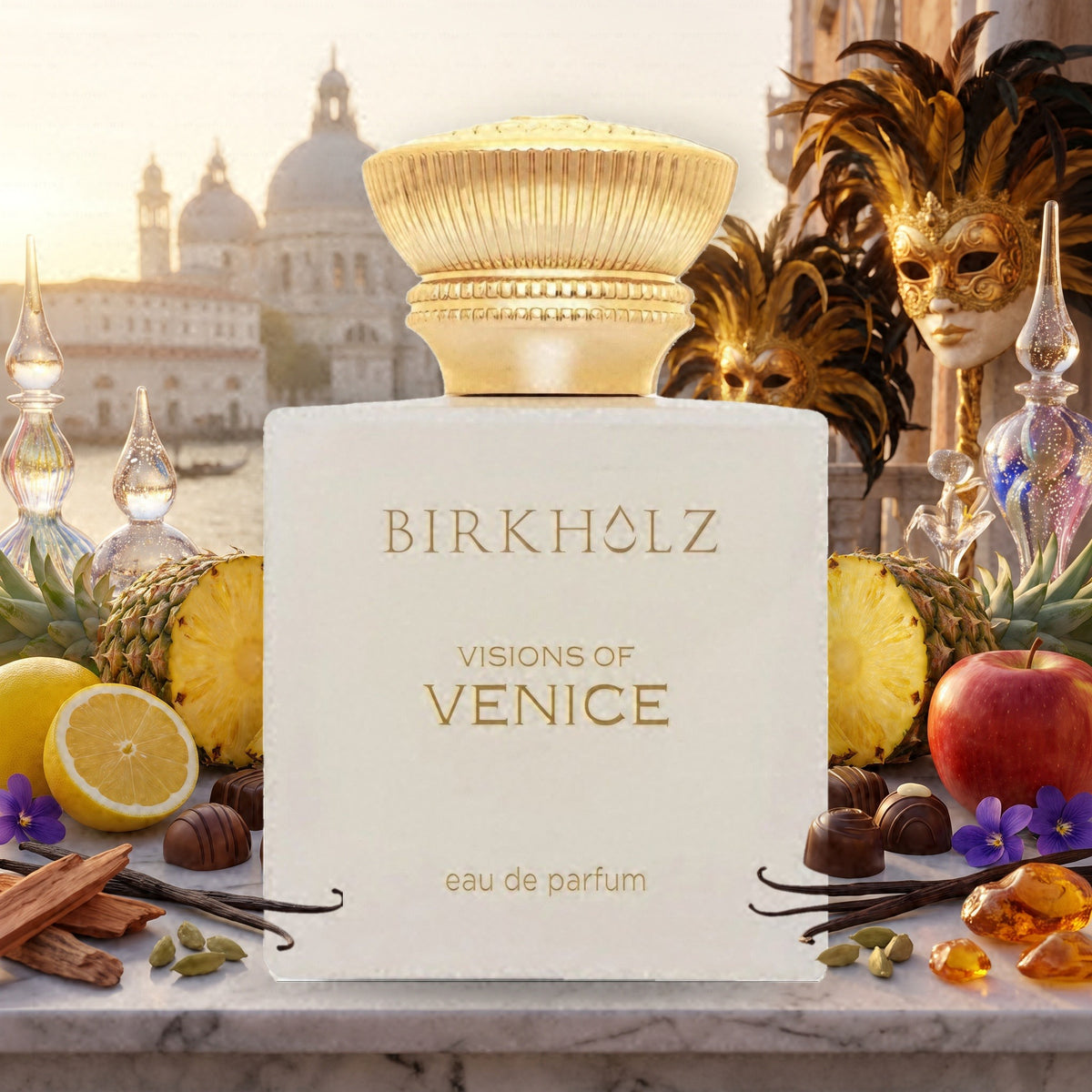
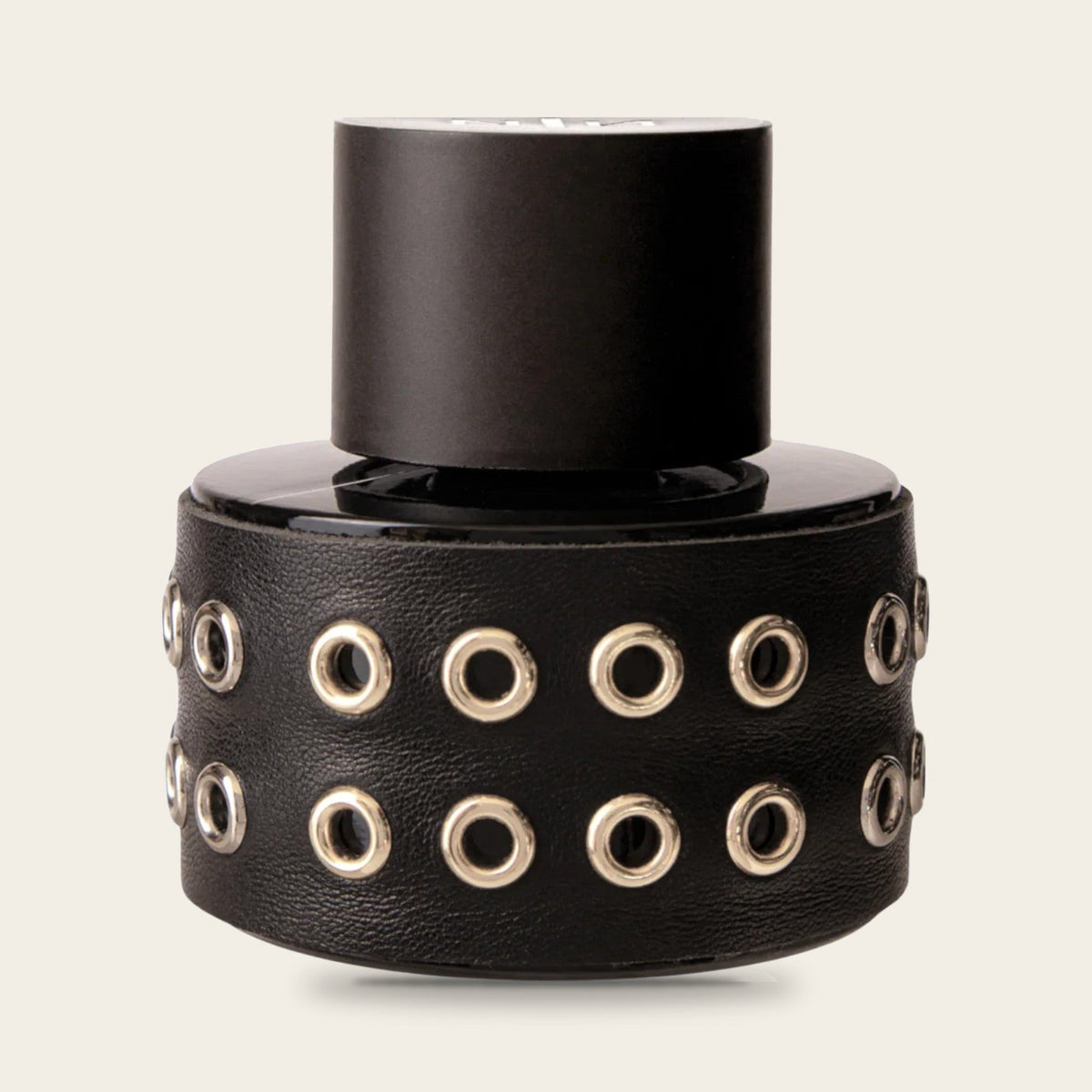
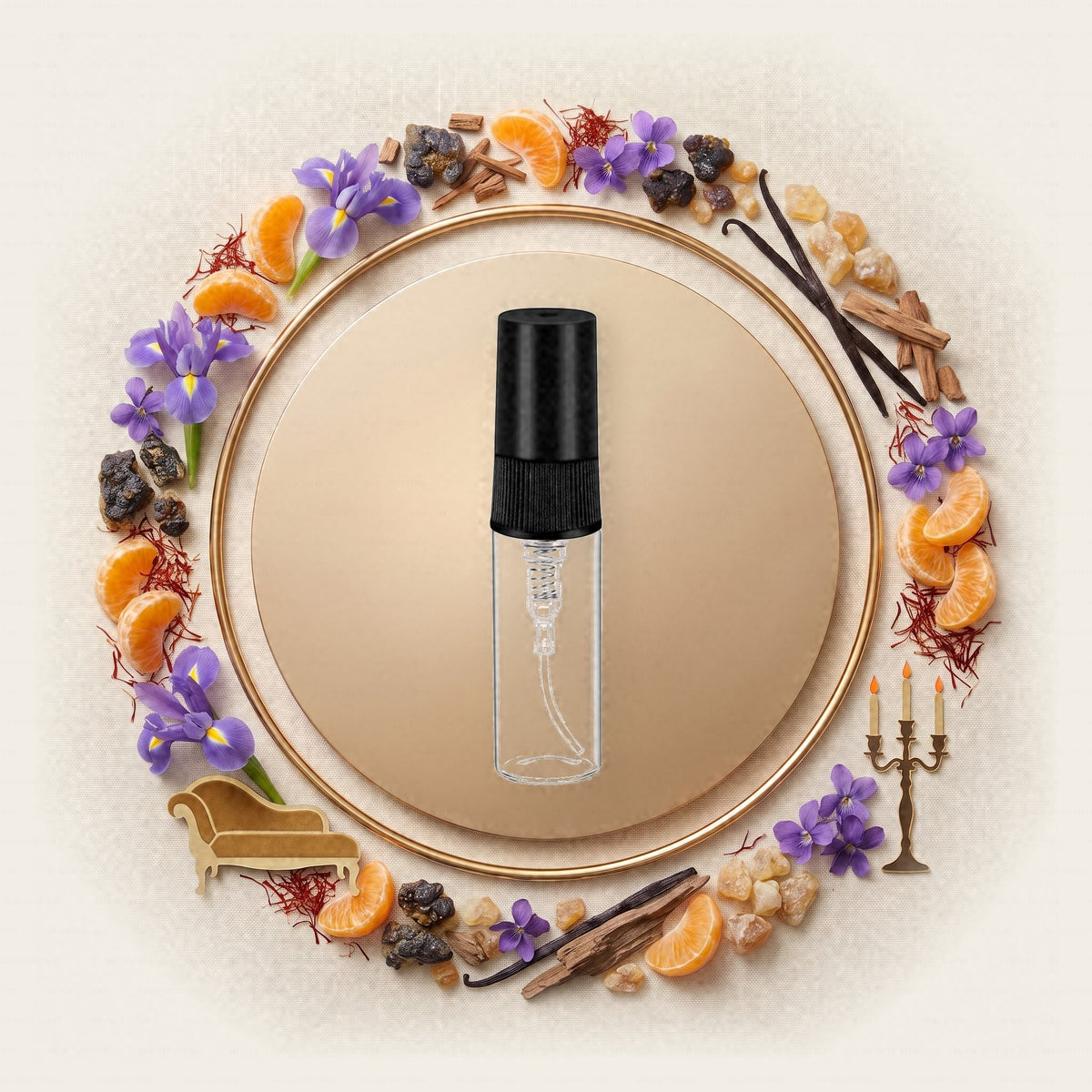
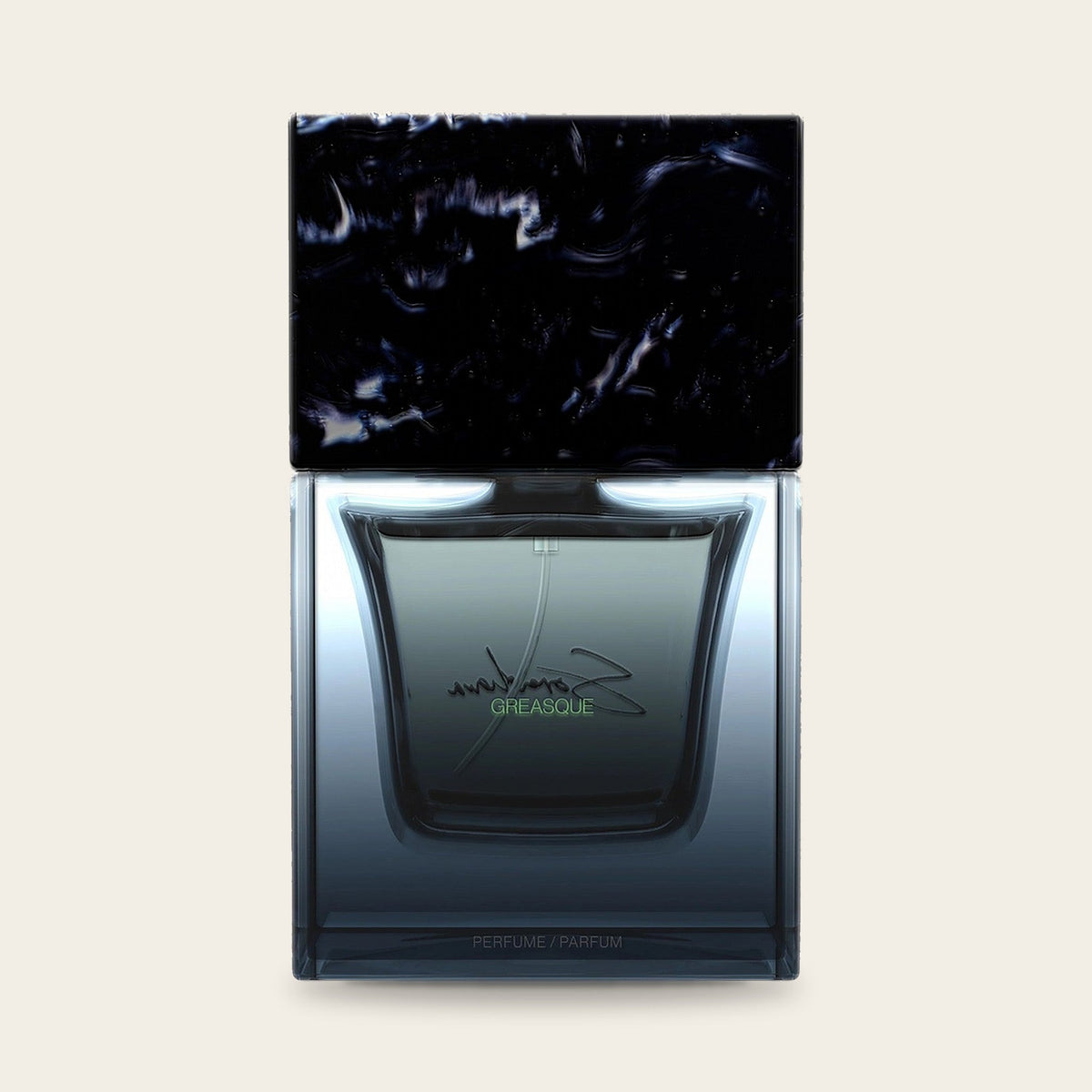
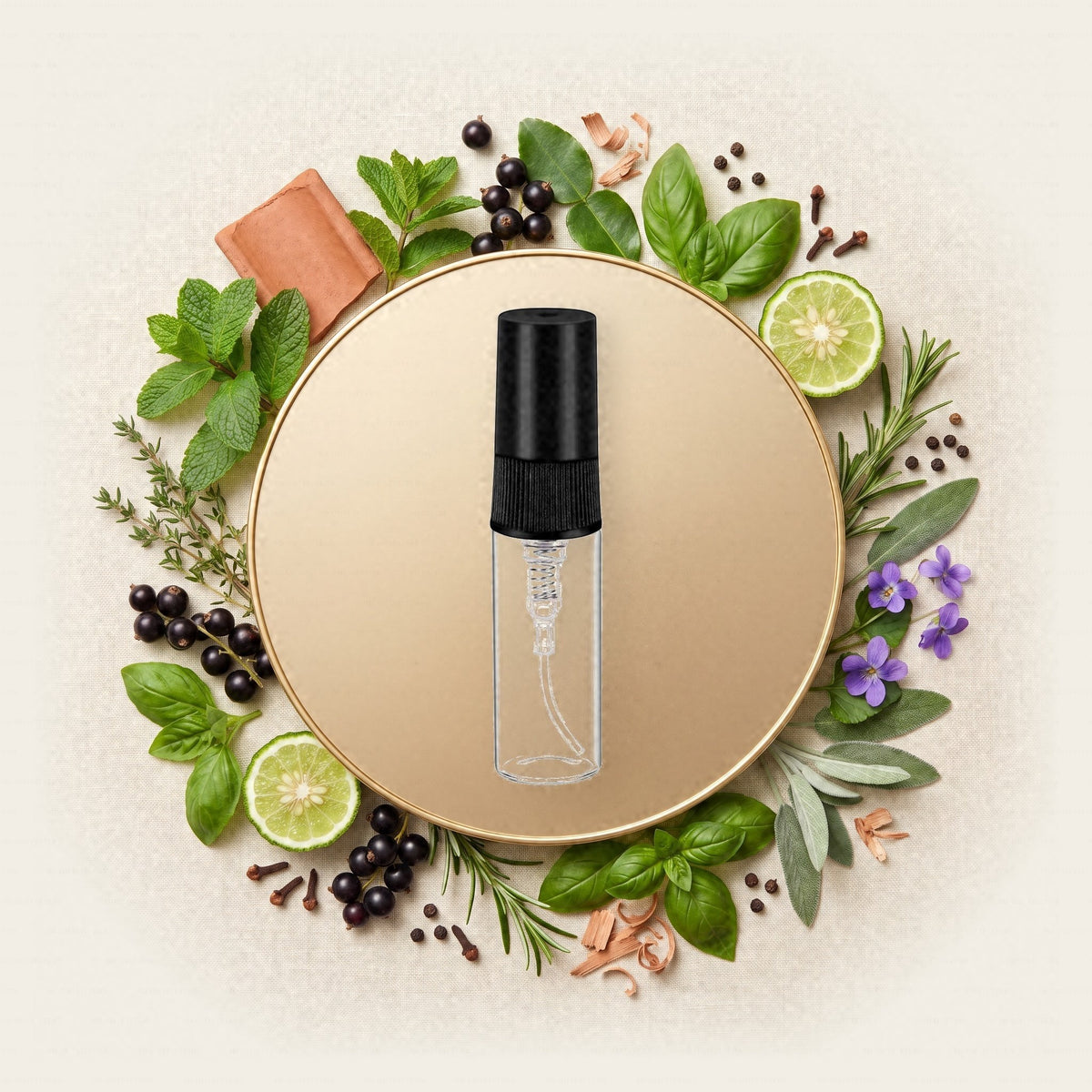
Fragrances with Violet



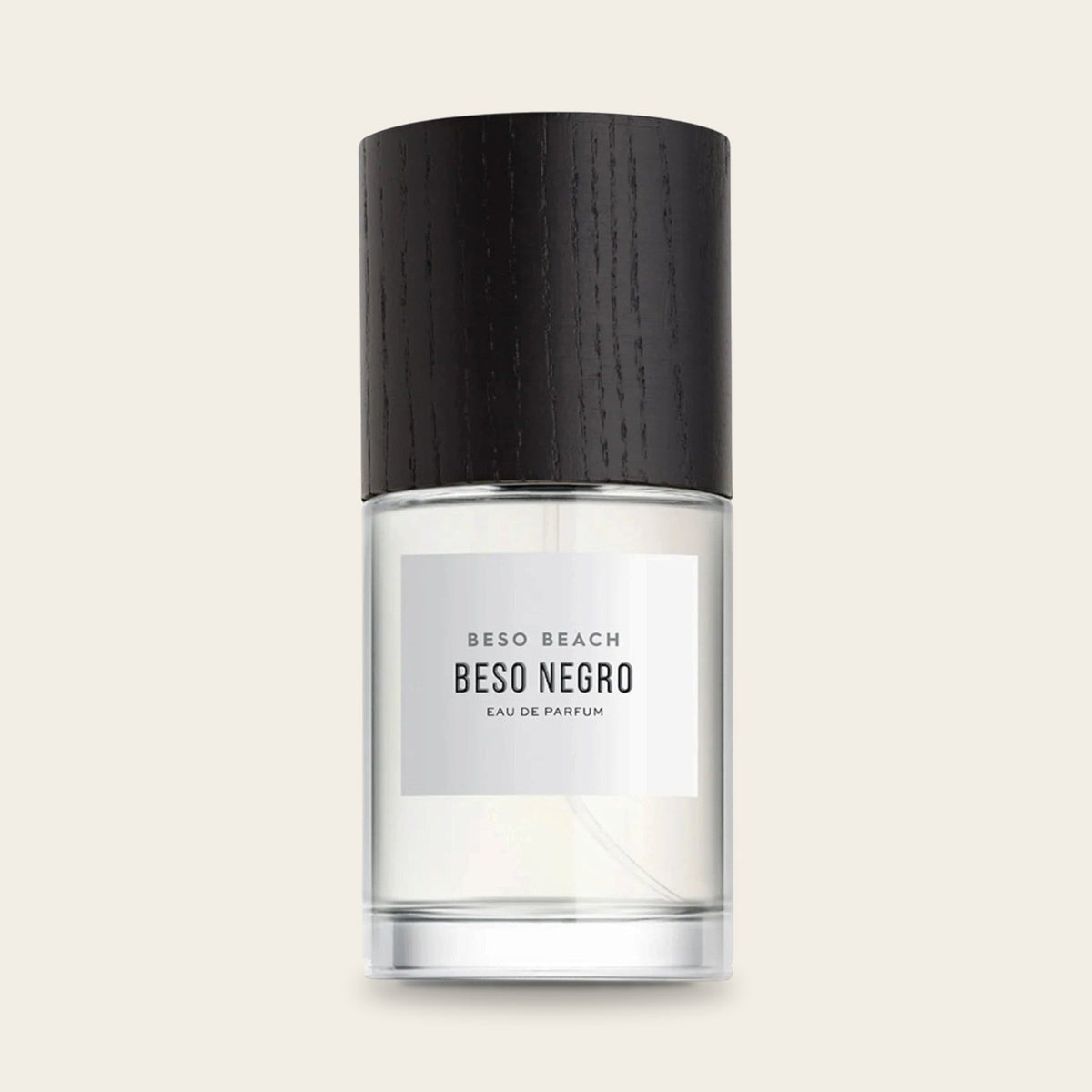

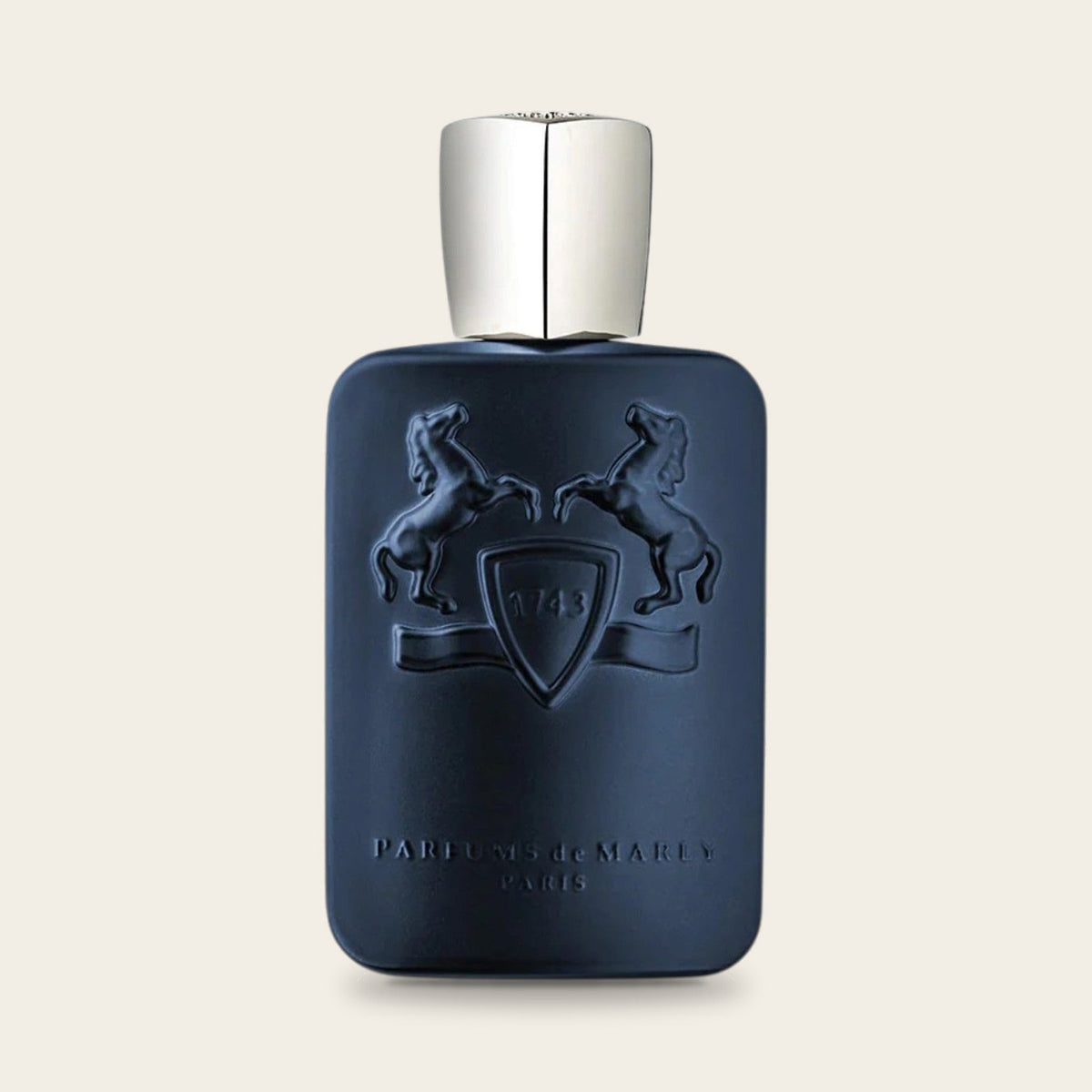

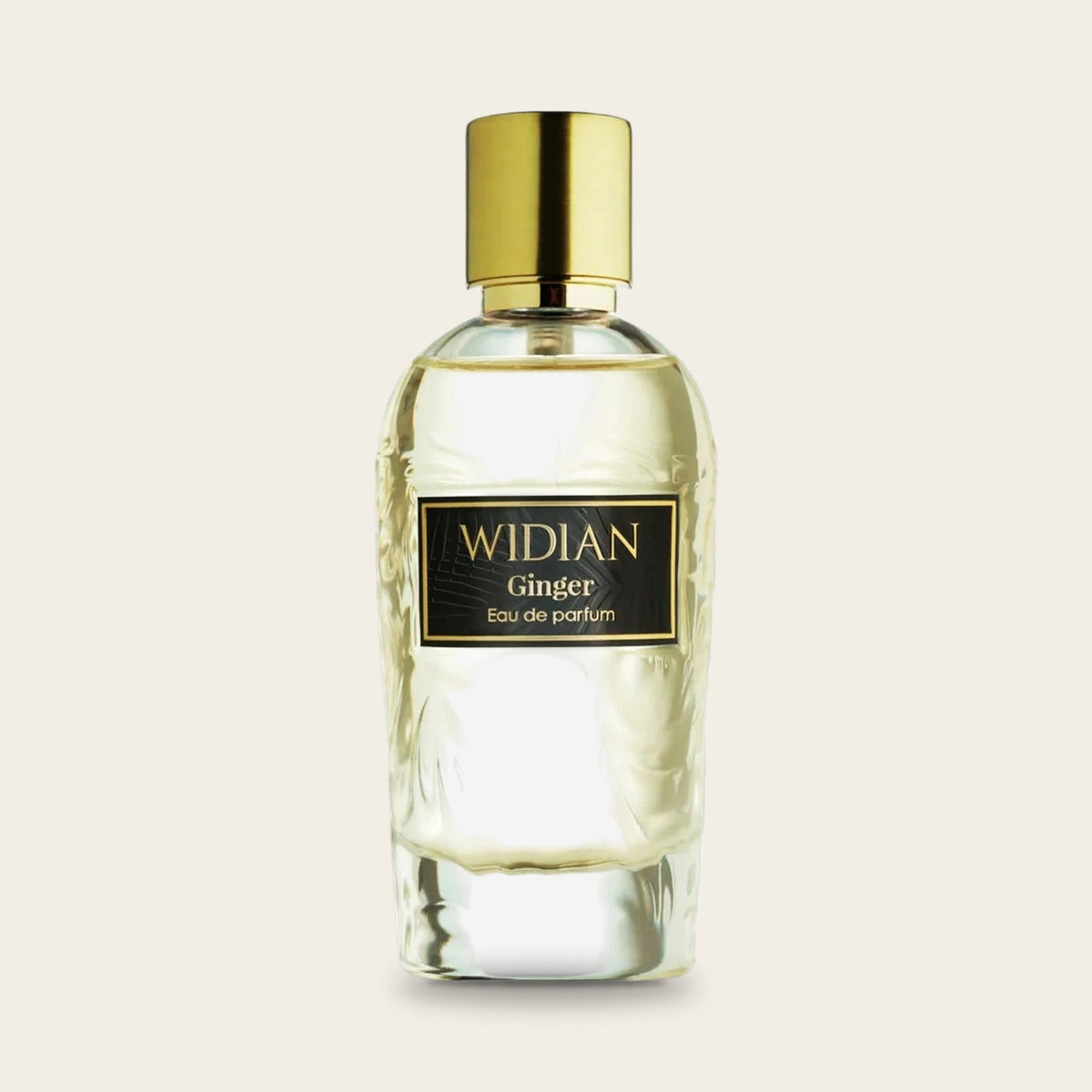
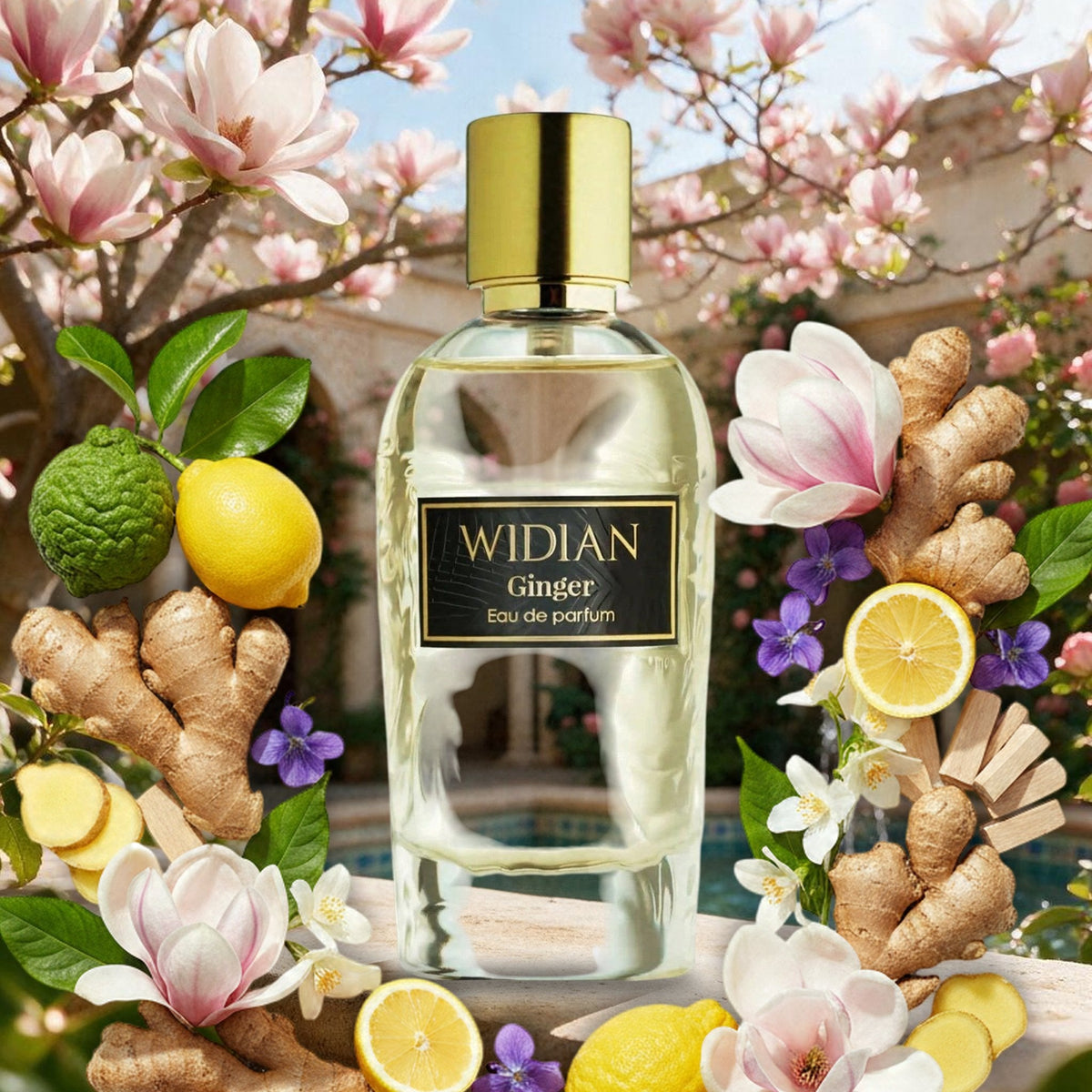

Questions and answers
Powdery, sweet and delicately floral, with a cool, slightly woody undertone.
The sweet violet, Viola odorata, is a small, low-growing perennial of the violet family. It is native to Europe and western Asia and, in the wild, flowers in early spring. In the 19th century Toulouse became the city of violets: from 1854, family growers there cultivated the double Parma violet and sent the flowers as far as Paris. In Tourrettes-sur-Loup near Grasse, violets have been the main crop since the 1880s, today above all the richly scented variety ‘Victoria’. Most of the violet leaf used in perfumery now comes from Egypt, which supplies around 90% of the world’s volume.
The flowers yield only a tiny amount of scented oil, which is why violet flower absolute was among the most expensive materials in perfumery. Today the typical violet scent comes from ionones synthesised from citral and acetone: first pseudoionone forms, which acid then closes into the ring of ionone. Usually only the leaf is natural – in Tourrettes-sur-Loup the leaves are cut from May to July and taken to Grasse the same day. There they are extracted with volatile solvents into a concrete and then purified into the dark green violet leaf absolute.
Violet lends a fragrance a powdery, sweet-floral and slightly woody softness. Violet leaf absolute, by contrast, brings a fresh, cucumber-green accent that enlivens green and fruity compositions. The violet accord is particularly close to iris, whose odorants, the irones, are close chemical relatives of the ionones. In our range it sits in the heart of 66 out of 83 fragrances.
Floral · Powdery · Green (violet leaf)
On the Côte d’Azur the sweet violet flowers from October to March, while the leaves for perfumery are cut in summer, from May to July. The violet accord itself is available all year round, as its ionones are made synthetically.
In our fragrances, it often appears alongside Vanilla, musk, bergamot, jasmine, cedarwood, sandalwood, patchouli.
Violets were already prized and made into scents in ancient Greece. In the 19th century violet fragrances became the height of fashion and Grasse processed both flowers and leaves, but the flower oil was scarce and one of the most precious materials in perfumery. In 1893 the German chemists Ferdinand Tiemann and Paul Krüger set out to uncover the secret of violet scent – to do so they studied the similar-smelling but far cheaper oil of orris root, found the irones in it and synthesised ionone for the first time. Their work is regarded as one of the founding moments of modern aroma chemistry; the ionones took their name from the Greek word “ion” for violet. Ever since, violet fragrances have been built with ionones, flower growing for perfumery has declined sharply, and today it is mainly the leaf that is still extracted naturally.
- How strongly a person perceives β-ionone, the key molecule of violet scent, depends largely on a single variant of the olfactory receptor gene OR5A1.
- In search of violet scent, Tiemann and Krüger studied of all things orris root in 1893 – and discovered the irones and ionone along the way.
- The main odorant of the violet leaf, 2,6-nonadienal, is the same one that gives cucumbers their typical smell.
Violet scent rests mainly on α- and β-ionone – they form when enzymes oxidatively split carotenoids such as β-carotene. β-Ionone (C₁₃H₂₀O, PubChem CID 638014, CAS 79-77-6, molar mass about 192 g/mol) and α-ionone (C₁₃H₂₀O, PubChem CID 5282108, CAS 127-41-3) are isomers, differing only in the position of a double bond in the ring. β-Ionone is by far the stronger odorant: the nose detects it at a concentration around 30 times lower than α-ionone. The irones of iris (α-irone: C₁₄H₂₂O, CAS 79-69-6) are chemically methyl ionones, carrying one extra carbon atom. In violet leaf, by contrast, an entirely different molecule dominates: (2E,6Z)-2,6-nonadienal (C₉H₁₄O, PubChem CID 643731, CAS 557-48-2, molar mass about 138 g/mol), known as “violet leaf aldehyde” because of where it occurs. It is also the key odorant of cucumber and smells green, fatty and fresh.
FRAGRANCE KNOWLEDGE
In the 4D Journal
-
 FRAGRANCE KNOWLEDGE
Rose in perfume: The queen of fragrance materials
READ ARTICLE
-
 FRAGRANCE KNOWLEDGE
Vanilla in perfume: From orchid to favourite scent
READ ARTICLE
-
 FRAGRANCE KNOWLEDGE
Leather in perfume: How does something smell that was never in the bottle?
READ ARTICLE
-
 FRAGRANCE KNOWLEDGE
Scented candles & home fragrance: How to use them right
READ ARTICLE