

INGREDIENT GLOSSARY
Juniper
Juniperus communis · Cypress family (Cupressaceae)
Fresh, resinous and coniferous, with a peppery, spicy dryness and a hint of gin.
NATURALAROMATIC · WOODY (CONIFEROUS) · TOP NOTE
AT A GLANCE
- Plant: common juniper Juniperus communis, a member of the cypress family
- Origin: the whole Northern Hemisphere, berries for the oil mainly from south-eastern Europe and Italy
- Extraction: steam distillation of the ripe berry cones
- Scent: fresh, resinous, coniferous, peppery – top note
PROFILE
- Origin
- Cool temperate Northern Hemisphere, from the Arctic to the mountains of North America, Europe and Asia · Berries for perfumery come mainly from south-eastern Europe and Italy
- Extraction
- The ripe, blue-black berry cones are steam-distilled into juniper berry essential oil
- Main molecules
- α-Pinene (C₁₀H₁₆, resinous, pine-like) · Myrcene (C₁₀H₁₆) · Limonene (C₁₀H₁₆) · Germacrene D (C₁₅H₂₄)
- Harvest
- The berry cones take around a year and a half or longer to ripen; only the ripe, blue-black cones are harvested.
- Often paired with
- Bergamotte, Vetiver, Moschus, Zedernholz, rosa Pfeffer, Amber, Vanille
Numbers that surprise
1,647 years
is the age of the oldest dated juniper, a shrub in Finnish Lapland – more than 20 human lifetimes of 80 years each, and the oldest dated woody plant in Europe.
more than 30 kilograms
of juniper berries are needed for a single litre of berry oil – even oil-rich berries contain at most around 3% essential oil.
around 18 months
is how long a juniper “berry” stays on the shrub before it is ripe and blue-black – which is why shrubs often carry green and ripe cones at the same time.
Rounded values; calculation based on published data.
Harvest and season
The berry cones take around a year and a half or longer to ripen; only the ripe, blue-black cones are harvested. The distilled berry oil is available to perfumery all year round.
Juniper is dioecious: only female shrubs bear the berry cones. They start out green and take around a year and a half – by some accounts up to three years – to ripen to blue-black with a waxy bloom. Only the ripe cones are harvested. The essential oil is obtained by steam distillation of the ripe, unfermented berries. The yield is low: the berries contain about 1 to 3% essential oil.
Knowledge to share
Myth or truth?
Statement 1
Juniper berries are berries.
Myth. The “berry” is a cone: in juniper the cone scales stay fleshy and fuse into a round coat around the seeds. Botanists call it a berry-like cone.
Statement 2
The Leiden physician Franciscus Sylvius invented genever around 1650.
Myth. Wine and distillates flavoured with juniper were already known as remedies in the Middle Ages, and juniper spirit was mentioned in the Netherlands before Sylvius was born in 1614. At most, he made genever better known.
Statement 3
Juniper is a conifer.
True. Common juniper is a conifer in the cypress family – and the most widely distributed conifer in the world, from the Arctic to the Himalayas and the Atlas Mountains.
Your result
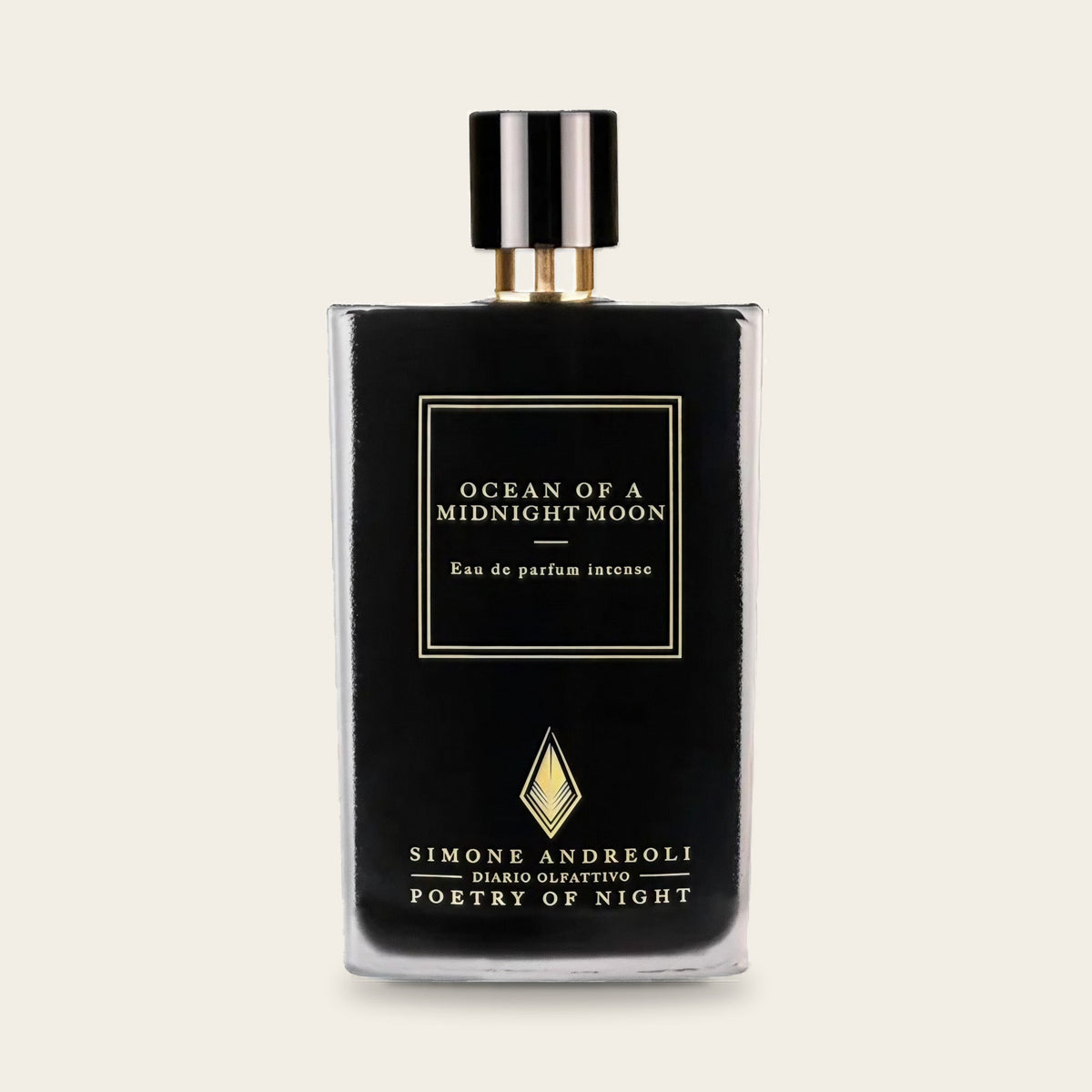
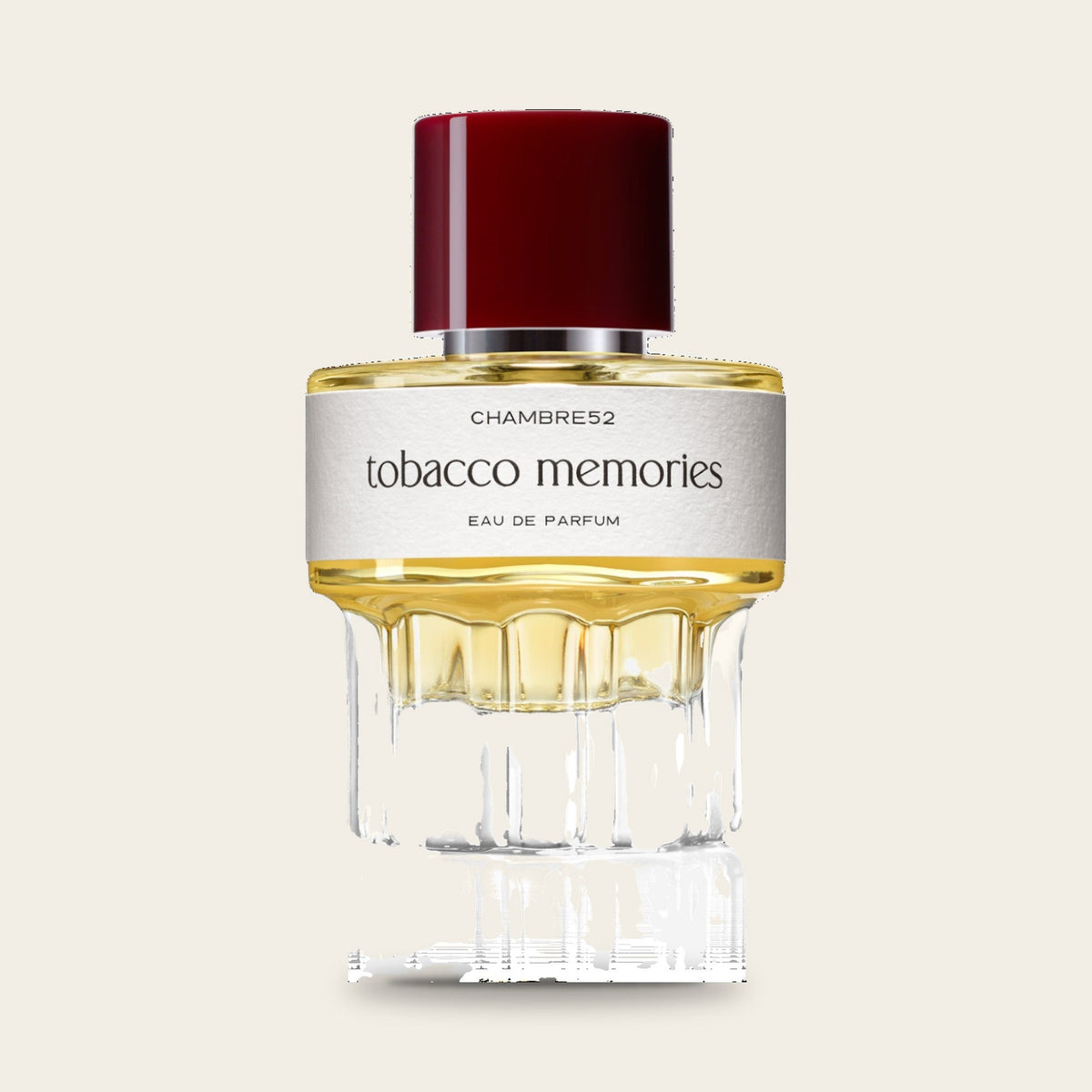
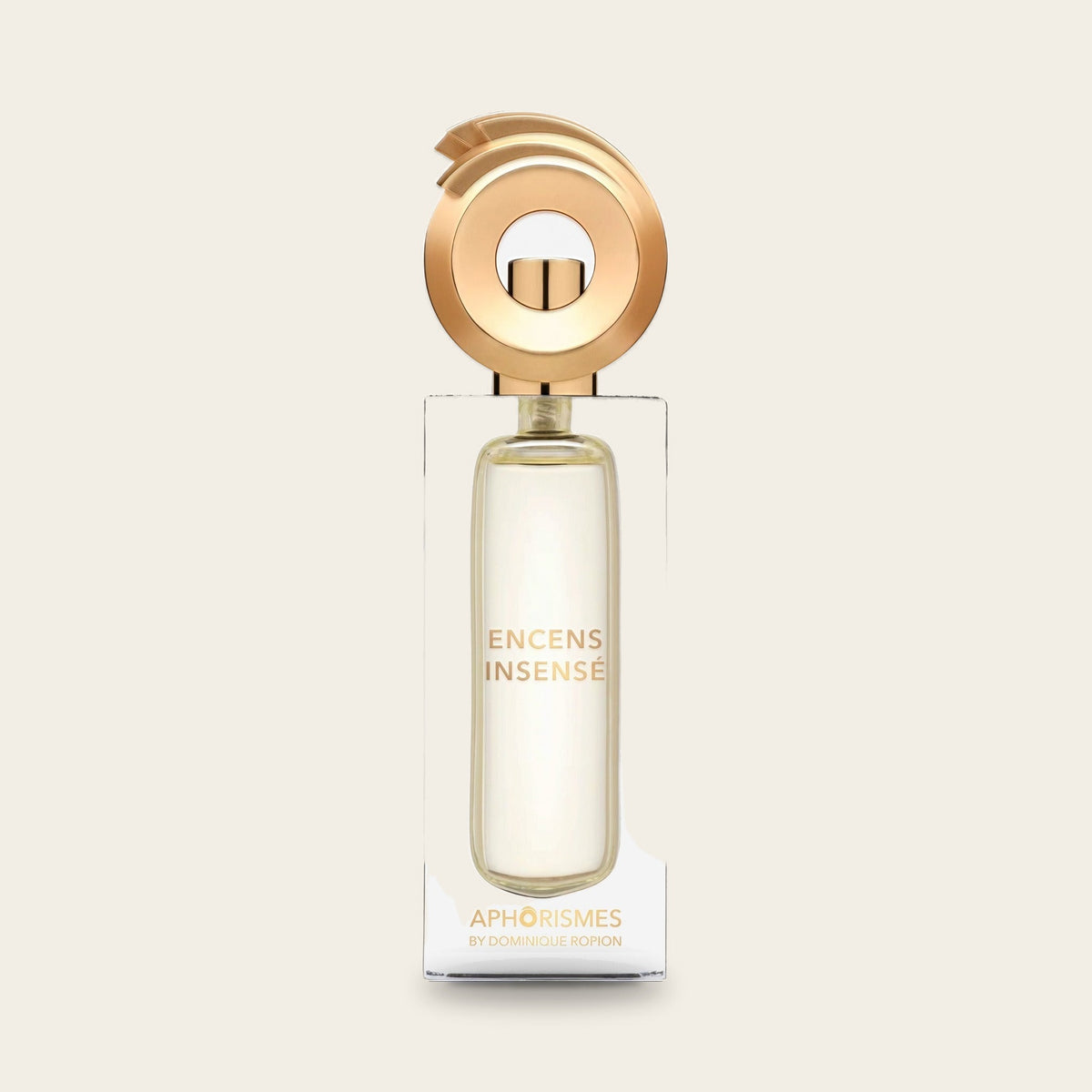
FRAGRANCES WITH JUNIPERINGREDIENT GLOSSARY
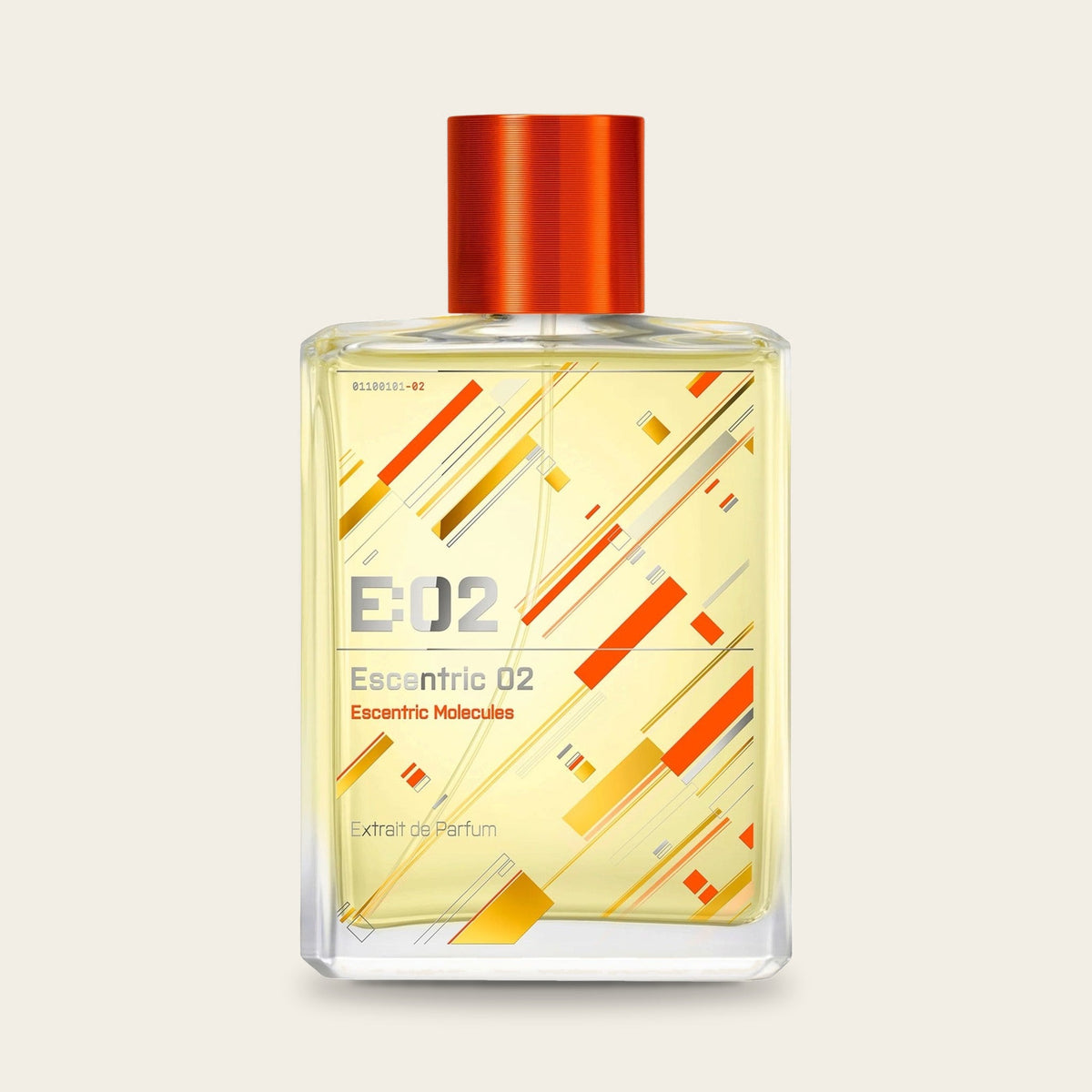
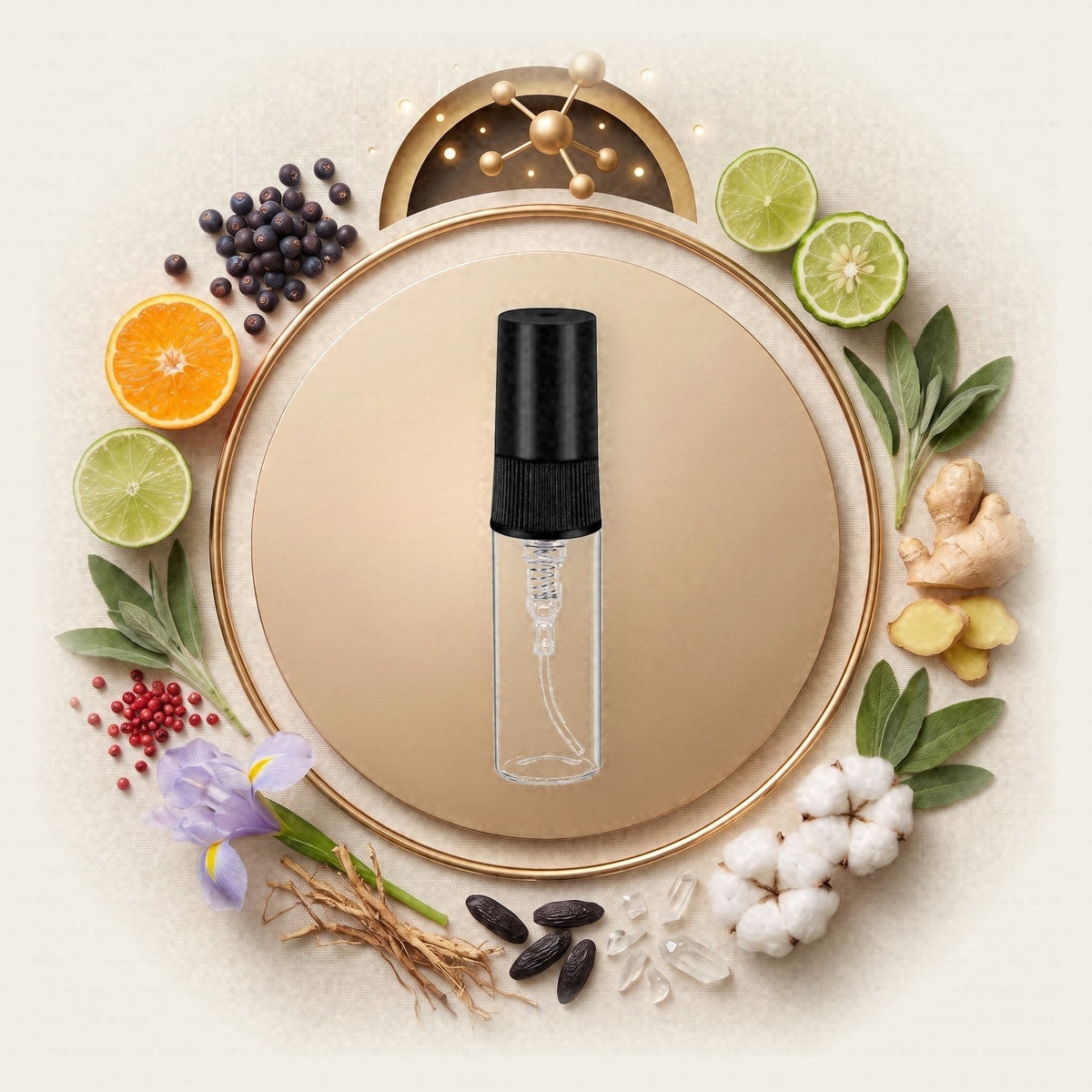
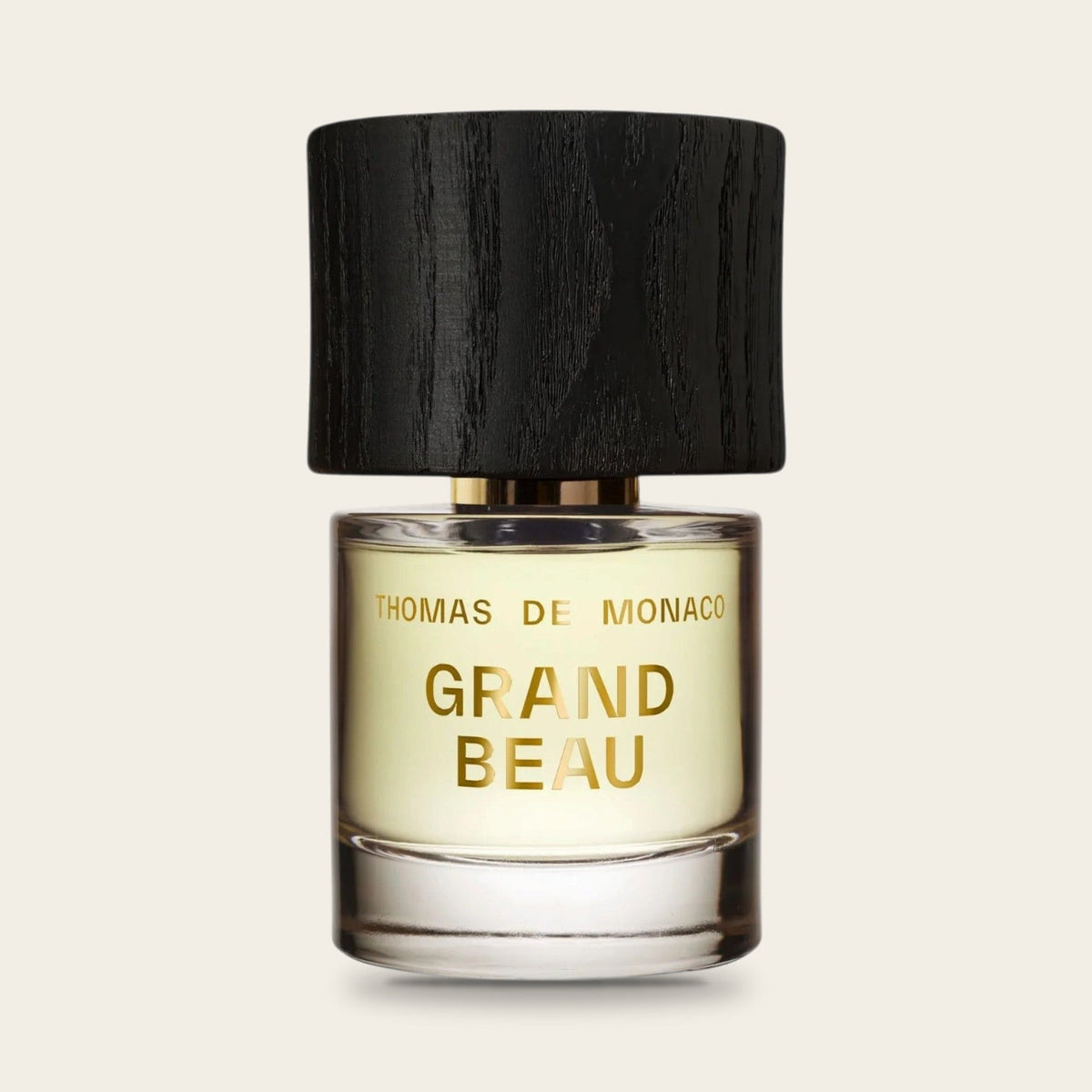
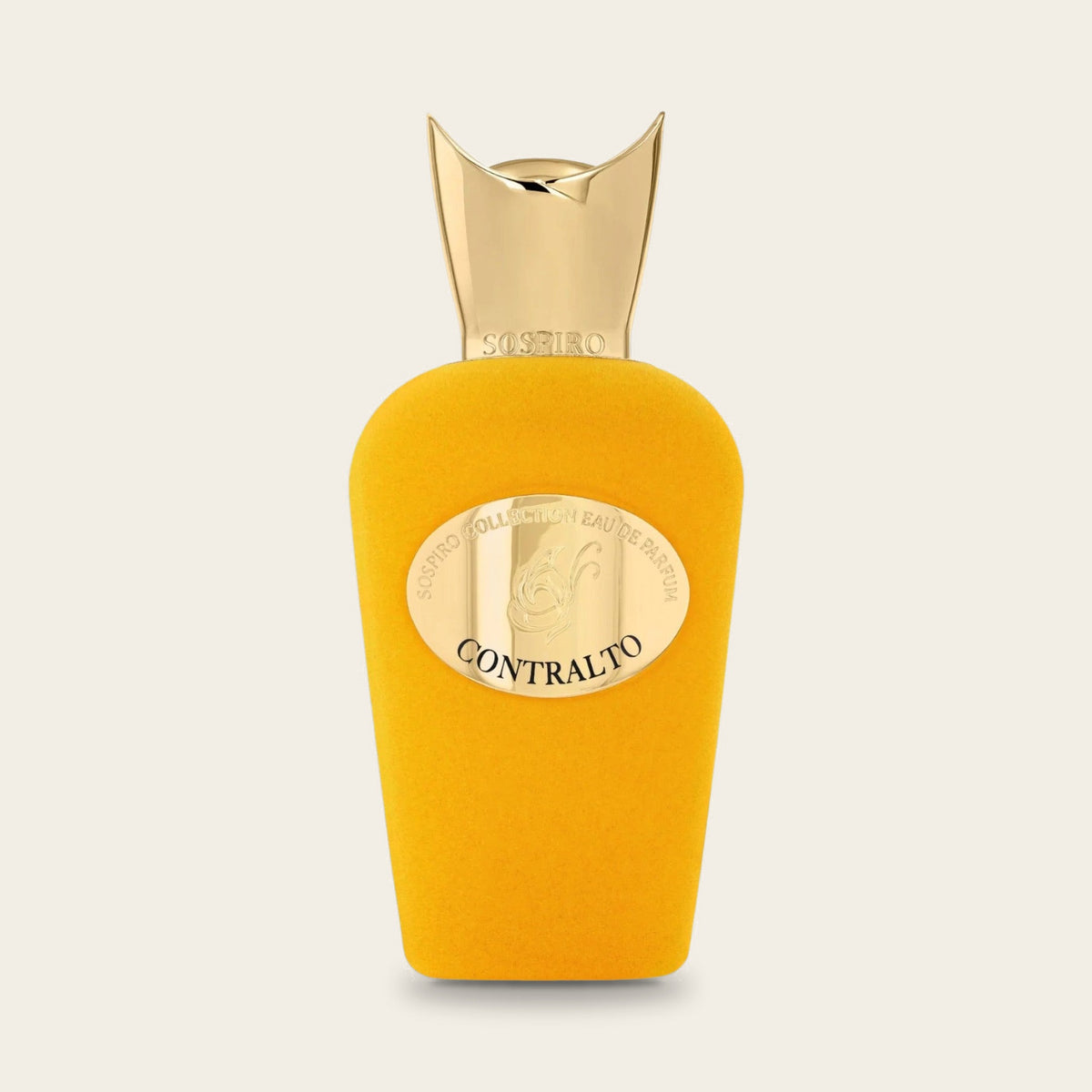
Fragrances with Juniper

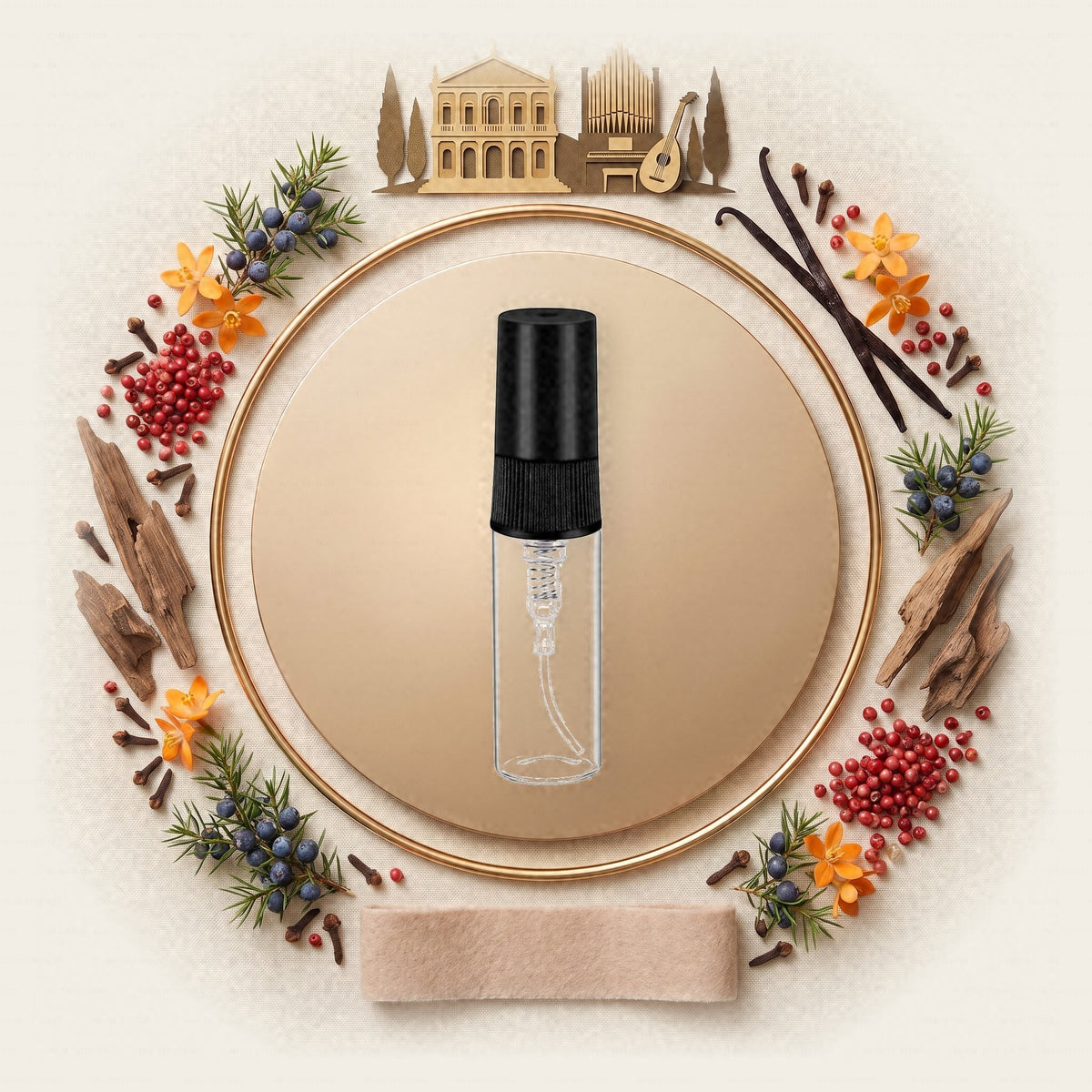




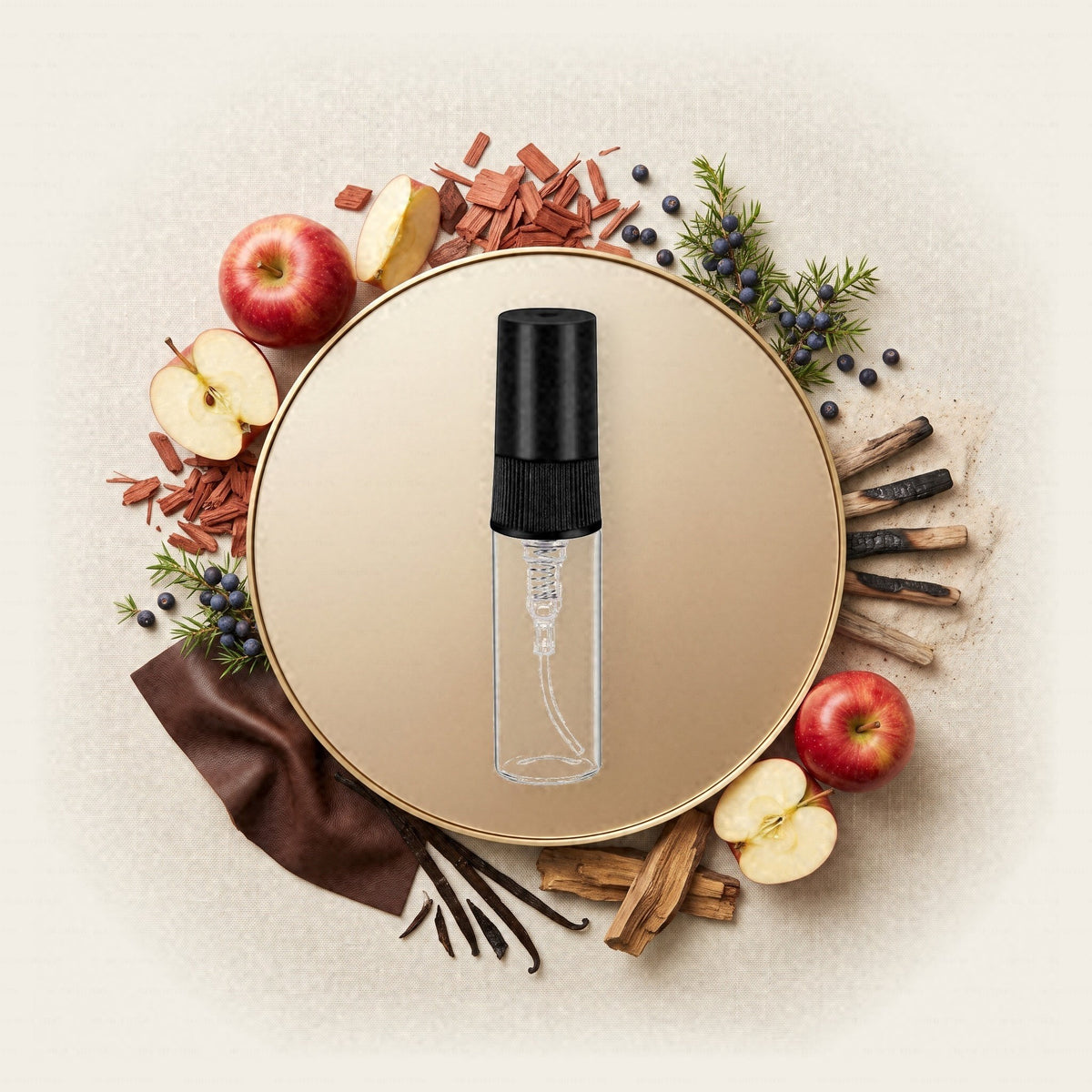
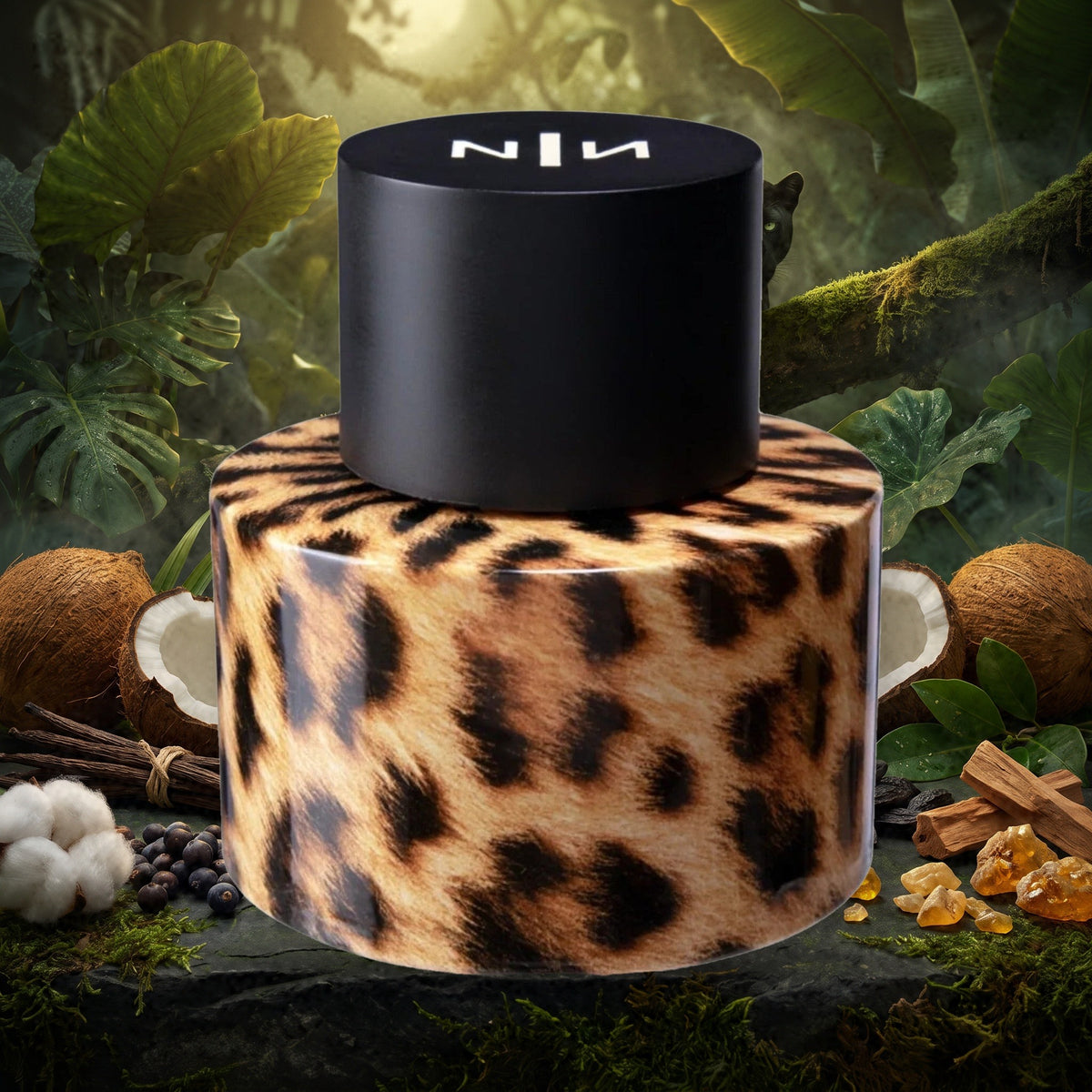




Questions and answers
Fresh, resinous and coniferous, with a peppery, spicy dryness and a hint of gin.
Common juniper, Juniperus communis, is a conifer in the cypress family. It has the largest range of any woody plant: around the cool temperate Northern Hemisphere it grows from beyond the Arctic Circle in Alaska, Scandinavia and Siberia to the Himalayas and the Atlas Mountains of North Africa. It usually stays a low, spreading shrub and only rarely becomes a small tree of around ten metres. The berries for the essential oil come mostly from wild stands in south-eastern Europe, such as the Balkans and the Adriatic coast, and from Italy.
Juniper is dioecious: only female shrubs bear the berry cones. They start out green and take around a year and a half – by some accounts up to three years – to ripen to blue-black with a waxy bloom. Only the ripe cones are harvested. The essential oil is obtained by steam distillation of the ripe, unfermented berries. The yield is low: the berries contain about 1 to 3% essential oil.
Juniper usually sits in the top note and reaches into the heart of a fragrance. Its highly volatile monoterpenes create a clear, cool opening – resinous, needle-like and with the typical association of gin. In aromatic, fresh-woody and fougère compositions it bridges citrus notes with woods and spices, lending them a dry, bracing freshness. In our range, juniper appears in 55 fragrances, 37 of them in the top note and 18 in the heart.
Aromatic · Woody (coniferous) · Top note
The berry cones take around a year and a half or longer to ripen; only the ripe, blue-black cones are harvested. The distilled berry oil is available to perfumery all year round.
In our fragrances, it often appears alongside Bergamotte, Vetiver, Moschus, Zedernholz, rosa Pfeffer, Amber, Vanille.
Medieval healers already knew wine with juniper as a remedy; around 1270 the Flemish poet Jacob van Maerlant described juniper berries boiled in wine as a medicine. In the Netherlands, juniper spirit became genever – long before its invention around 1650 was attributed to the Leiden physician Franciscus Sylvius. After William III of Orange became King of England in 1689, the juniper spirit grew popular there, and “genever” became “gin”. In the kitchen, the berries still season game and sauerkraut, above all in central and northern Europe.
- The word gin goes back to juniper: French “genièvre” became Dutch “genever”, which the English shortened to “gin”.
- In the Alps juniper is also called Kranewitt – from Old High German kranawitu, probably meaning “crane wood”; the fieldfare, which loves the berries, was once named Krammetsvogel after them.
- Juniper is dioecious: there are male and female shrubs, and only the female ones bear “berries” – the wind carries the pollen from shrub to shrub.
The essential oil of the berry cones consists mostly of monoterpene hydrocarbons. The main constituent is usually α-pinene (C₁₀H₁₆, PubChem CID 6654) – around 20 to 50% in analyses – accompanied by myrcene (C₁₀H₁₆, CID 31253) and limonene (C₁₀H₁₆, CID 22311). All three are isomers with the same molecular formula but a different structure. Among the less volatile sesquiterpenes, germacrene D (C₁₅H₂₄, CID 5317570) stands out. The exact composition varies considerably with origin and harvest year.
FRAGRANCE KNOWLEDGE
In the 4D Journal
-
 FRAGRANCE KNOWLEDGE
Rose in perfume: The queen of fragrance materials
READ ARTICLE
-
 FRAGRANCE KNOWLEDGE
Vanilla in perfume: From orchid to favourite scent
READ ARTICLE
-
 FRAGRANCE KNOWLEDGE
Leather in perfume: How does something smell that was never in the bottle?
READ ARTICLE
-
 FRAGRANCE KNOWLEDGE
Scented candles & home fragrance: How to use them right
READ ARTICLE