
INGREDIENT GLOSSARY
Incense
Boswellia sacra · Torchwood family (Burseraceae)
Bright, resinous and smoky, with a lemony freshness and a sacred coolness.
NATURALRESINOUS-WOODY
AT A GLANCE
- Resin of the frankincense tree from southern Arabia and East Africa
- Scent: bright, resinous, smoky, lemony
- Main component of the oil: α-pinene
- In our fragrances in the top, heart and base
PROFILE
- Origin
- Oman, Yemen, Somalia (Boswellia sacra) · other Boswellia species in East Africa and India
- Extraction
- Steam distillation of the air-dried resin
- Main molecules
- α-Pinene (C₁₀H₁₆)
- Harvest
- Harvesting takes place mainly in the hot, dry season.
- Often paired with
- Patchouli, bergamot, cedarwood, vanilla, myrrh, coriander, osmanthus
Numbers that surprise
3 levels
frankincense appears in the top, heart and base of our fragrances – few ingredients are so versatile.
since 2000
Oman's “Land of Frankincense” has been a UNESCO World Heritage Site.
Rounded values; calculation based on published data.
Harvest and season
Harvesting takes place mainly in the hot, dry season. The trees are scored several times in succession; each time the resin needs a few days to weeks to harden in the air.
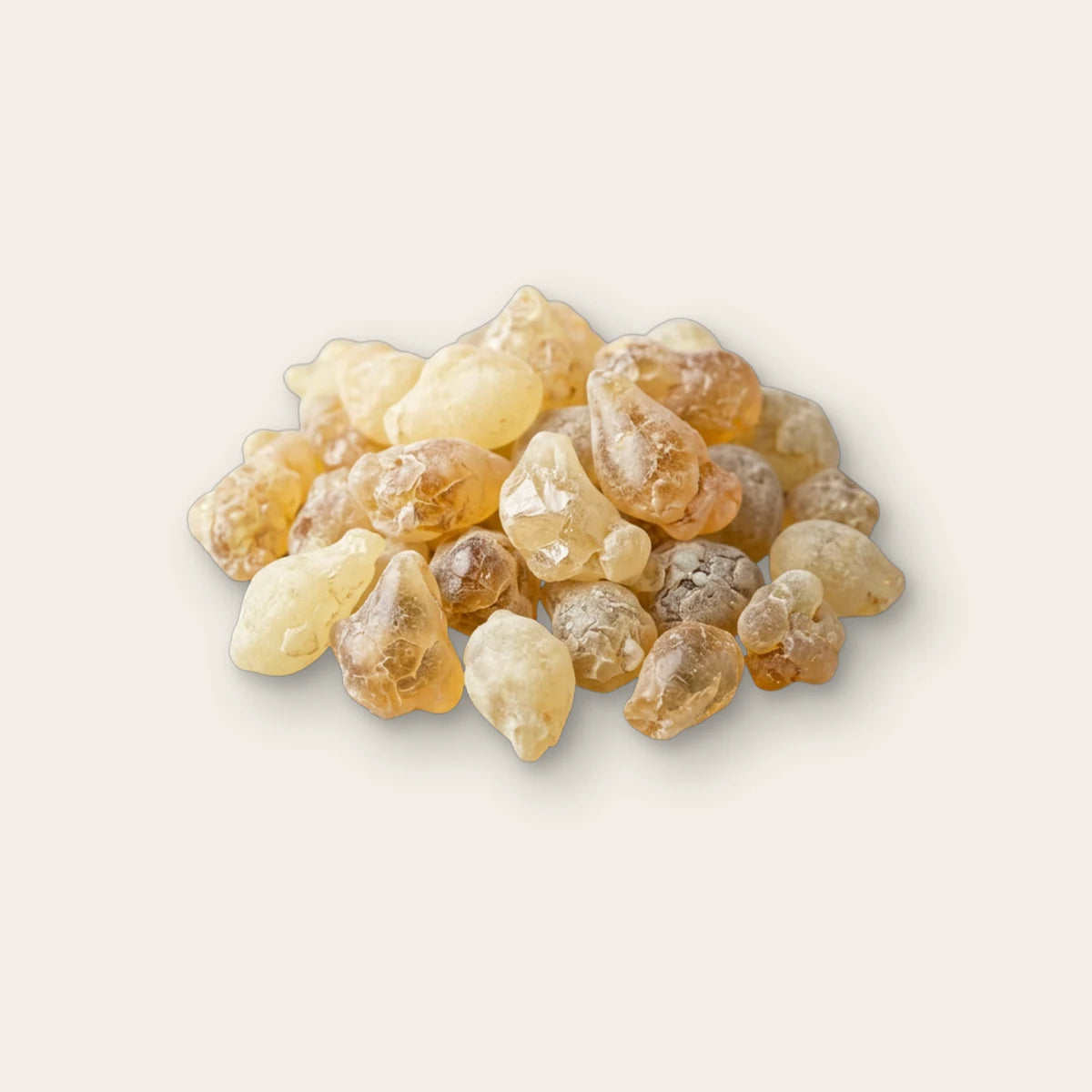
The bark is scored with a small knife. A milky sap seeps out and hardens in the air into pale “tears”. These are collected by hand and distilled or extracted for perfumery. Pale, almost translucent tears are considered the best.
Knowledge to share
Myth or truth?
Statement 1
Frankincense always smells like church.
Myth. That is the smoke of burning resin – the distilled oil in perfume smells bright, fresh and almost lemony.
Statement 2
Frankincense is a wood.
Myth. It is a resin – the dried sap that seeps from the scored bark of the frankincense tree.
Statement 3
The palest frankincense tears are considered the finest.
True. Pale, almost translucent tears are traditionally regarded as the finest quality.
Your result
FRAGRANCES WITH INCENSEINGREDIENT GLOSSARY
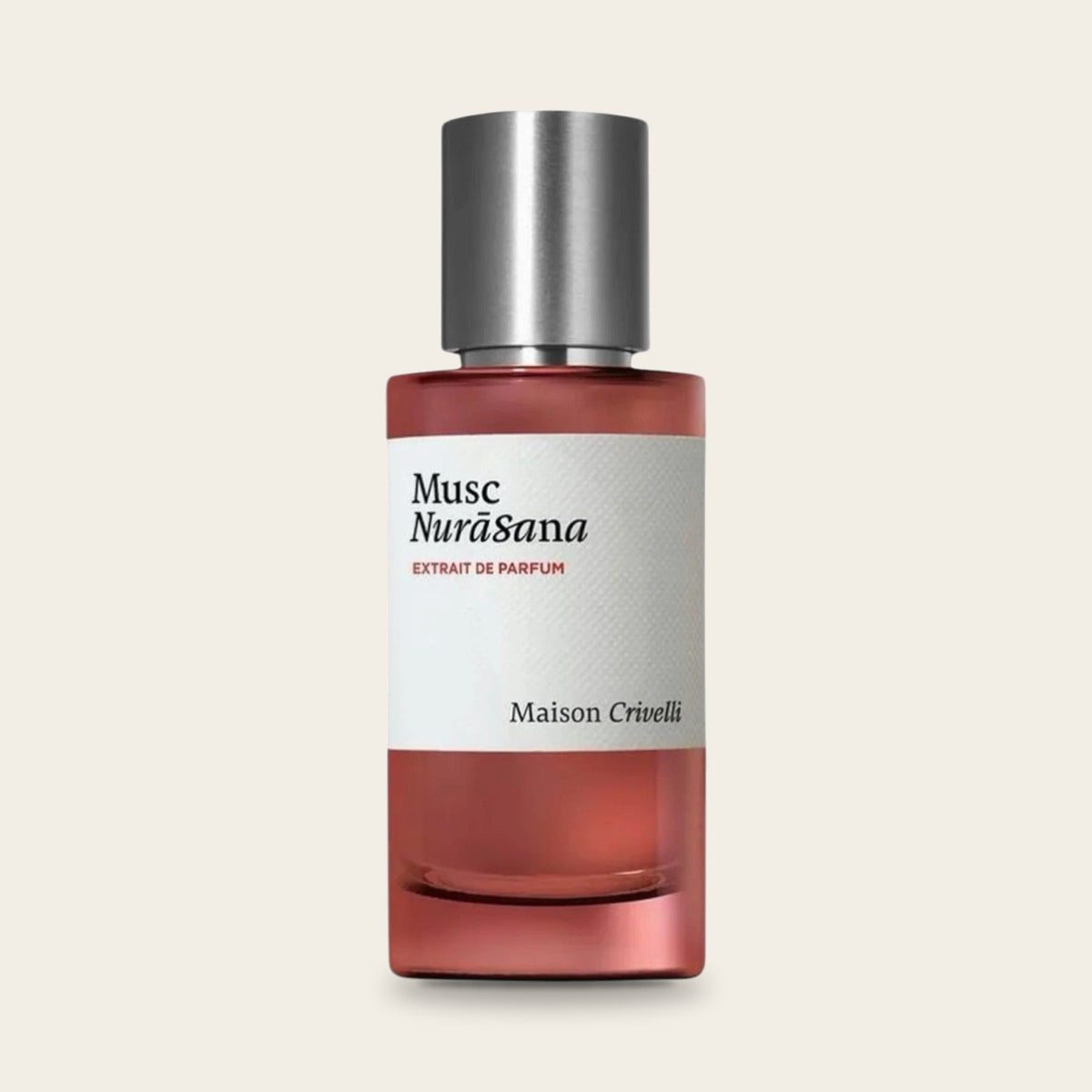
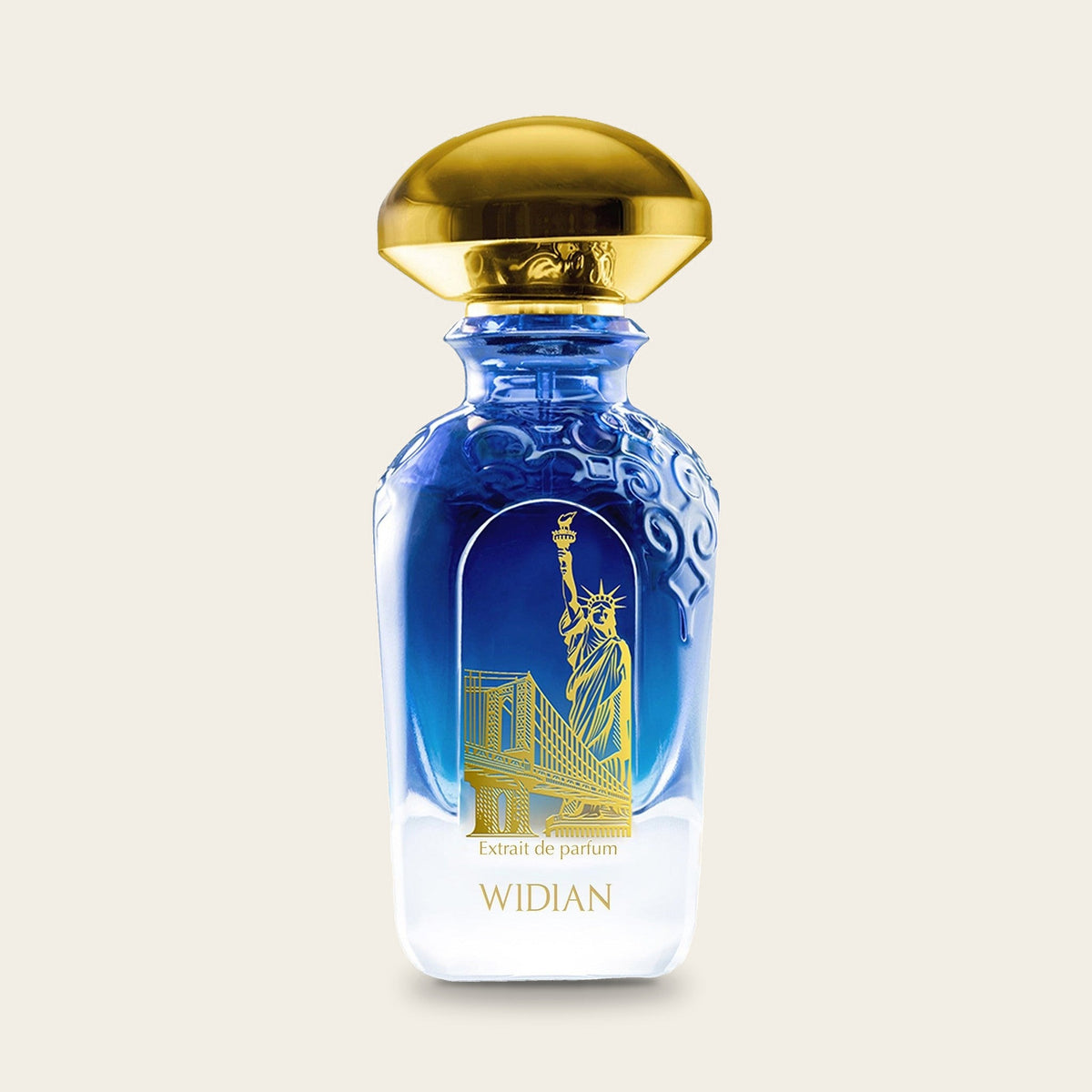
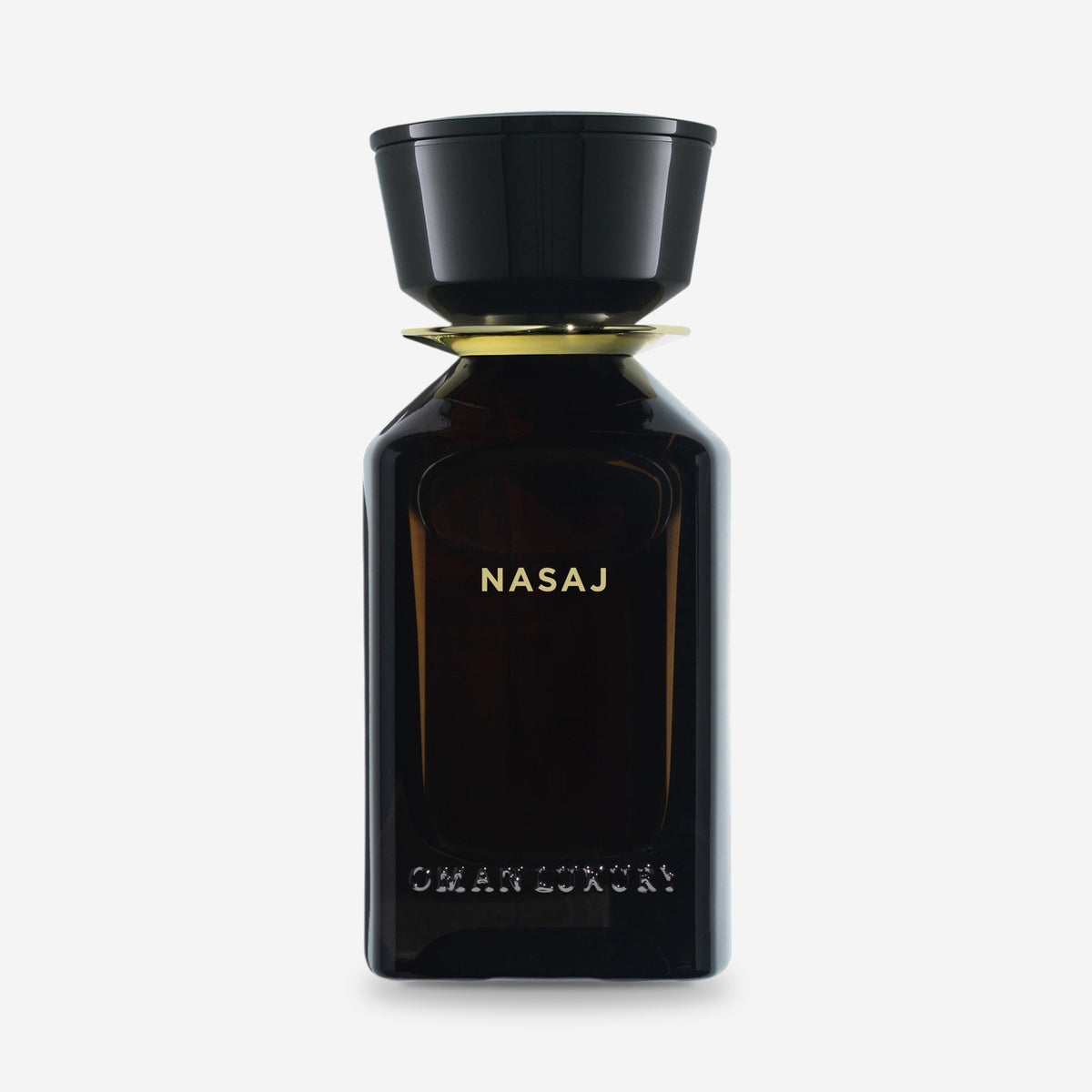
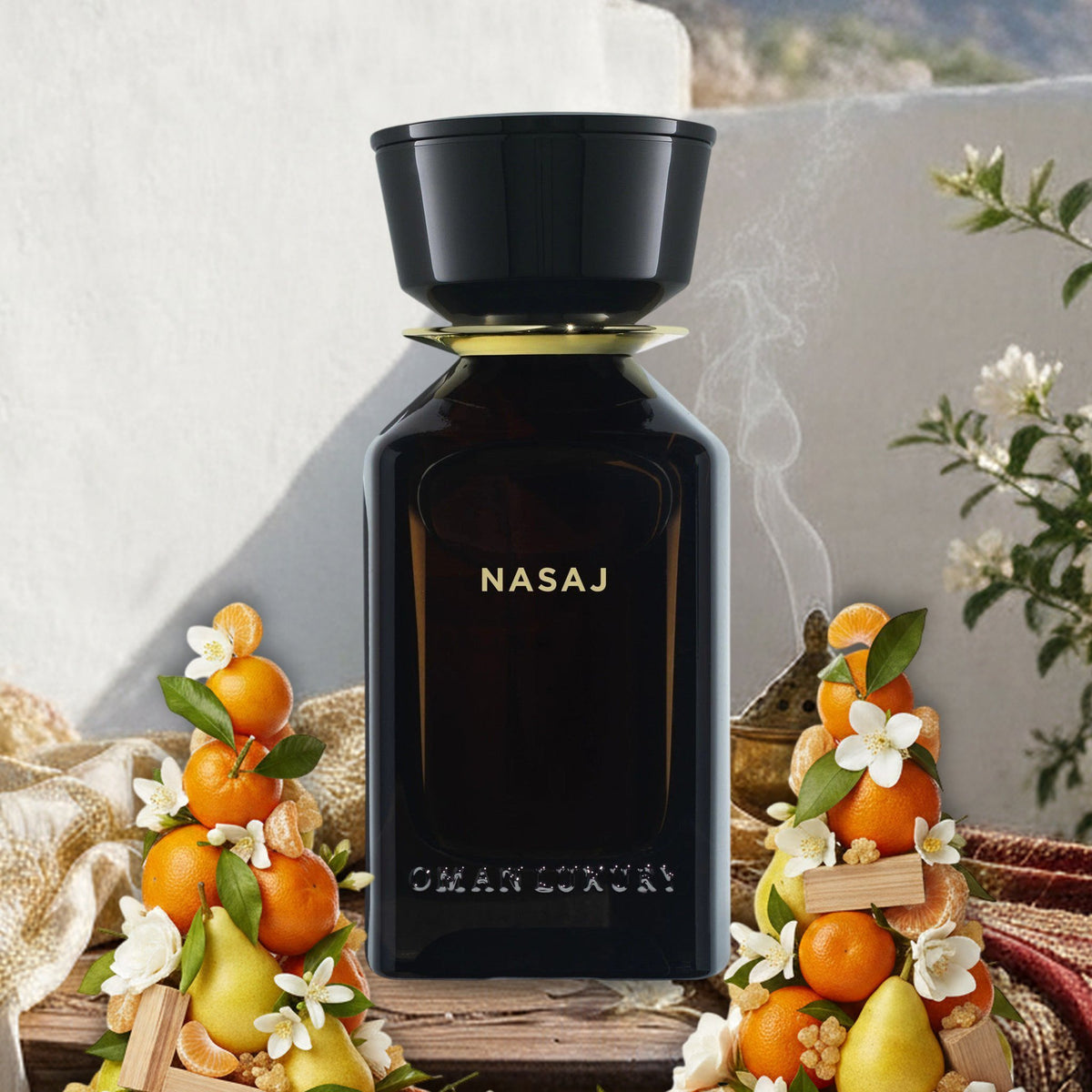
Fragrances with Incense
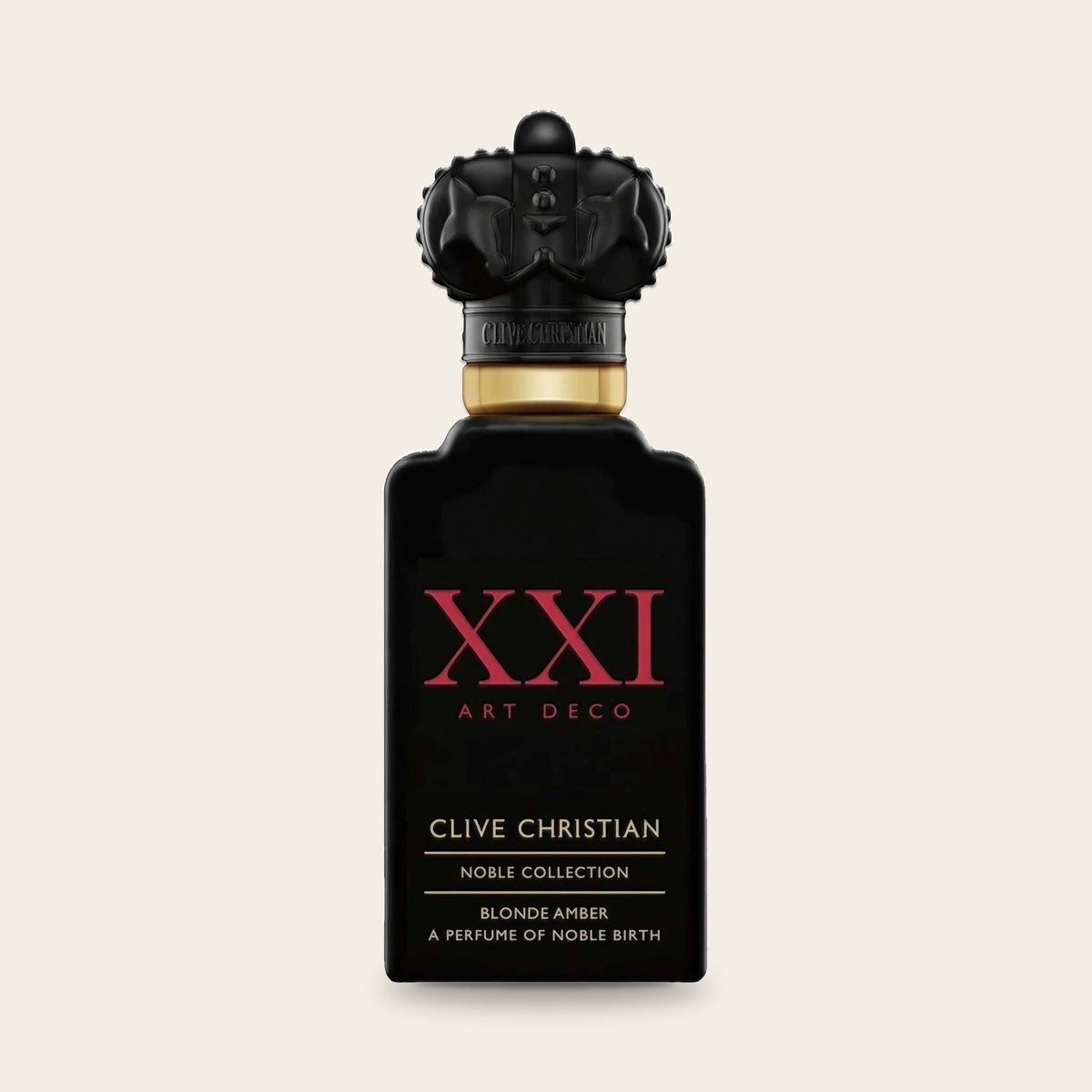
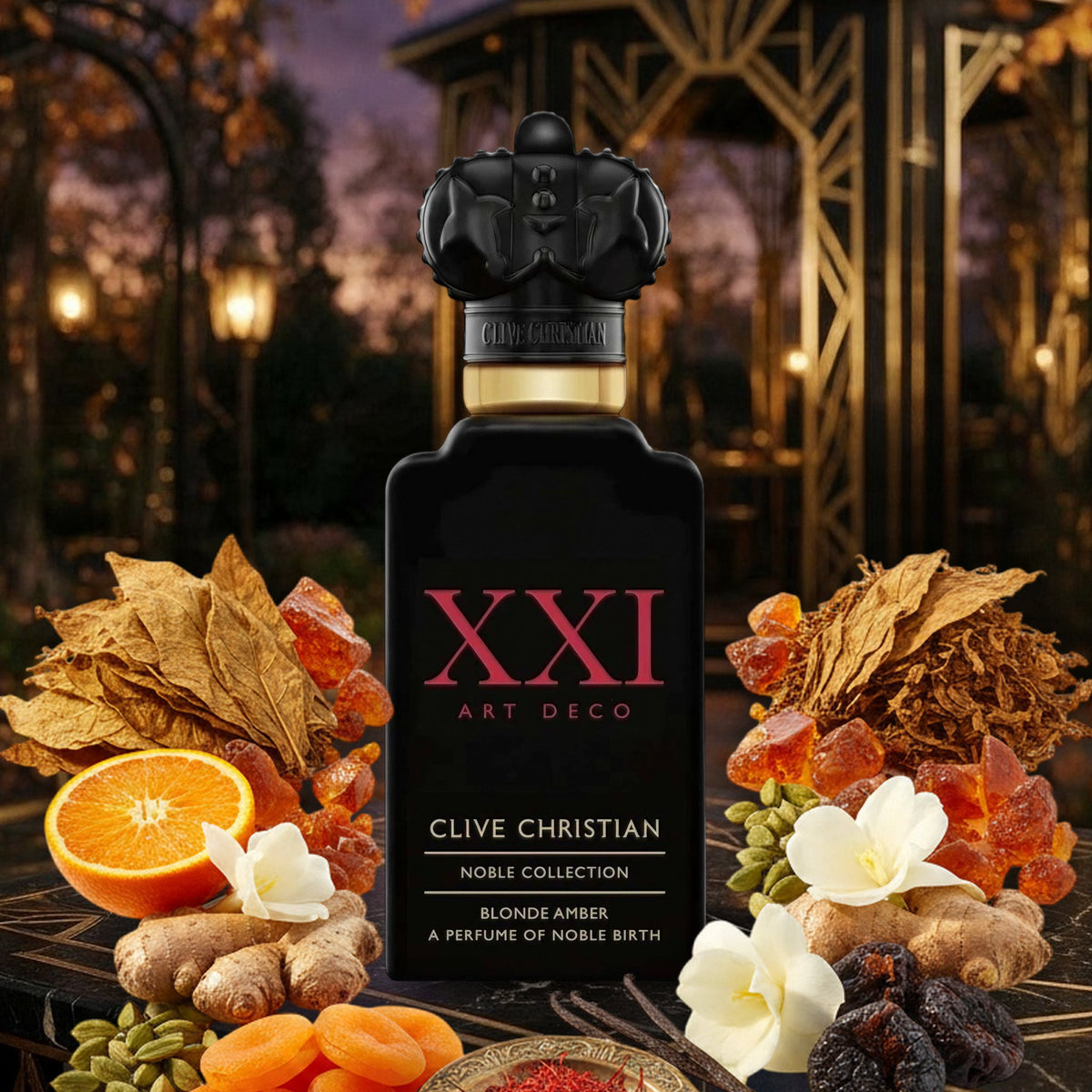
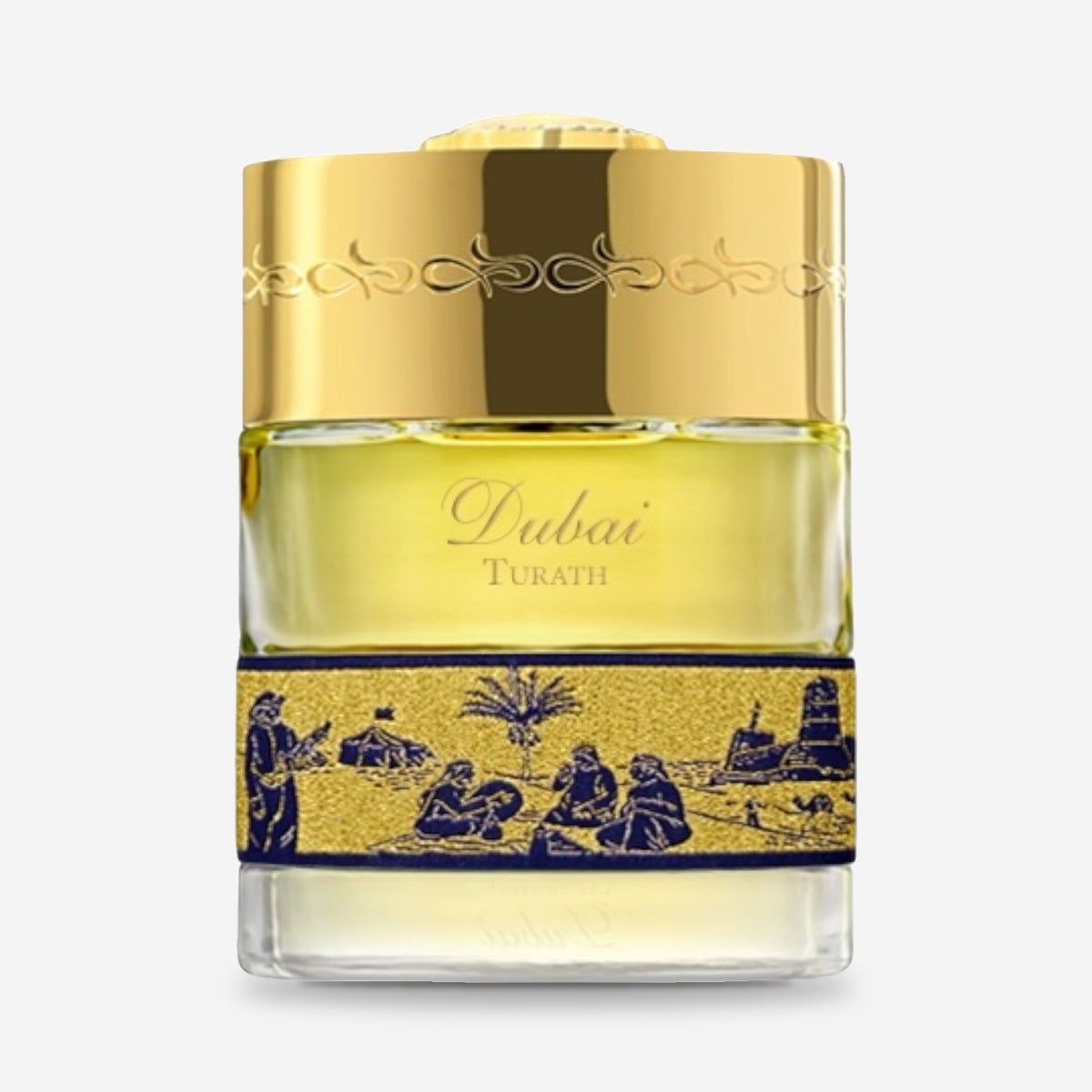

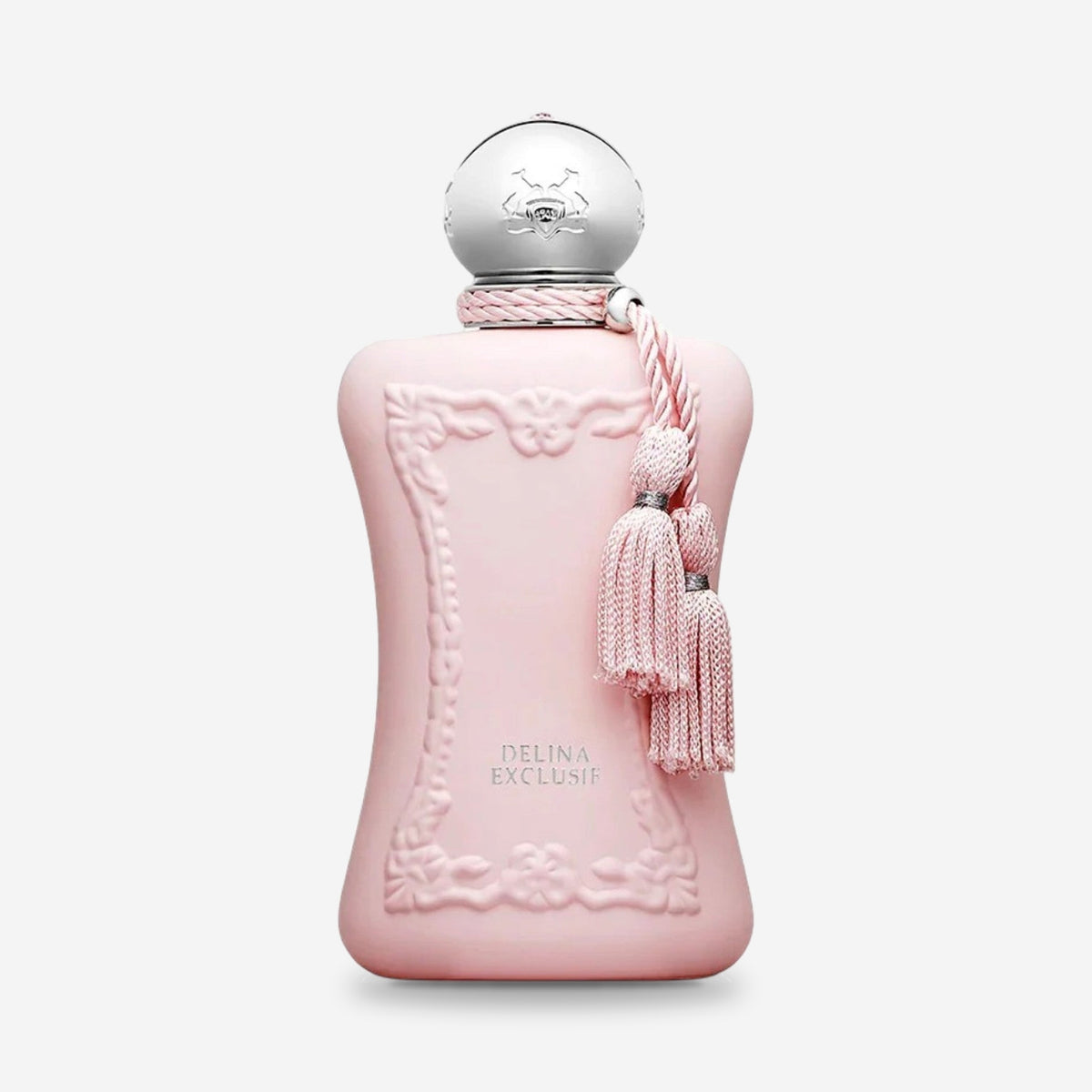
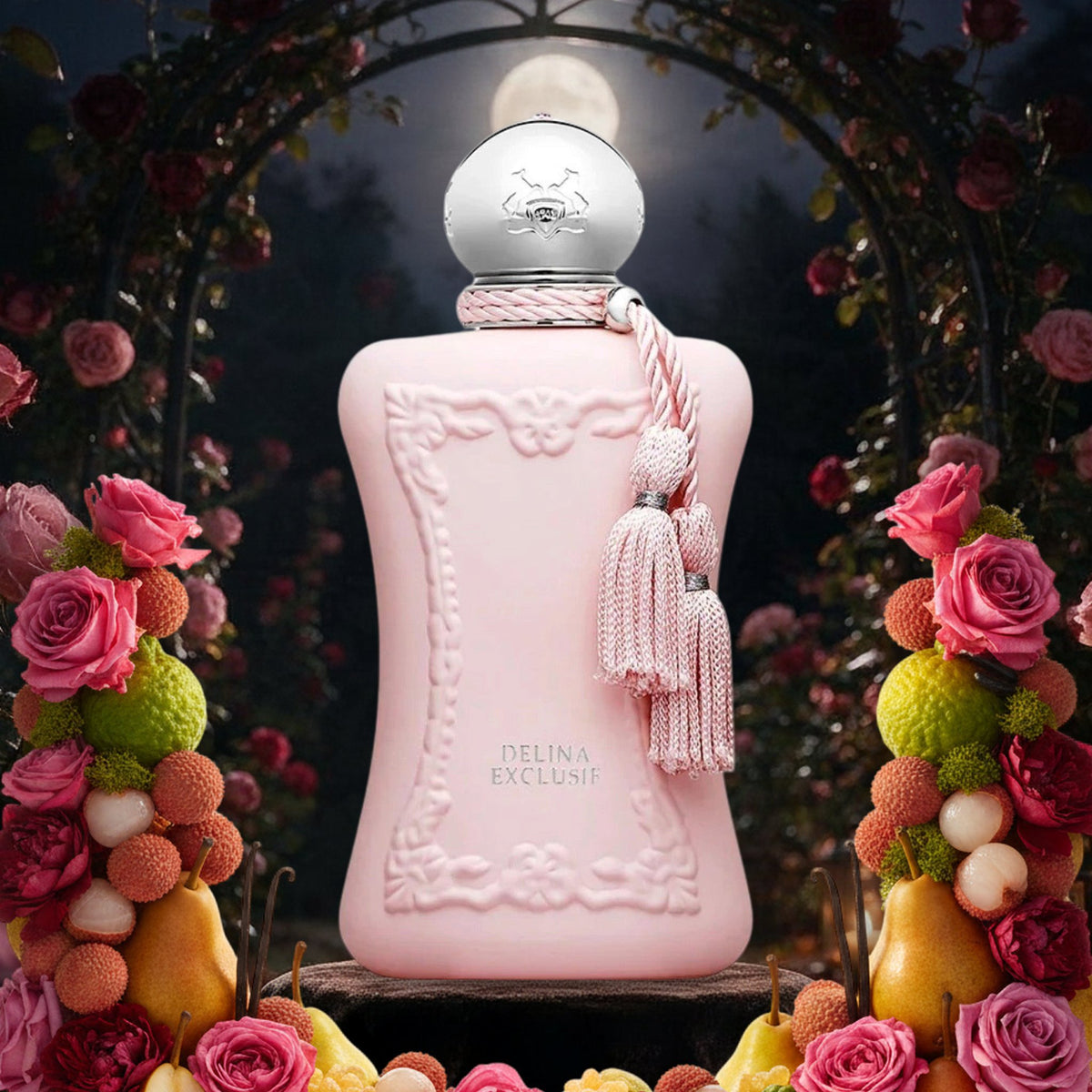
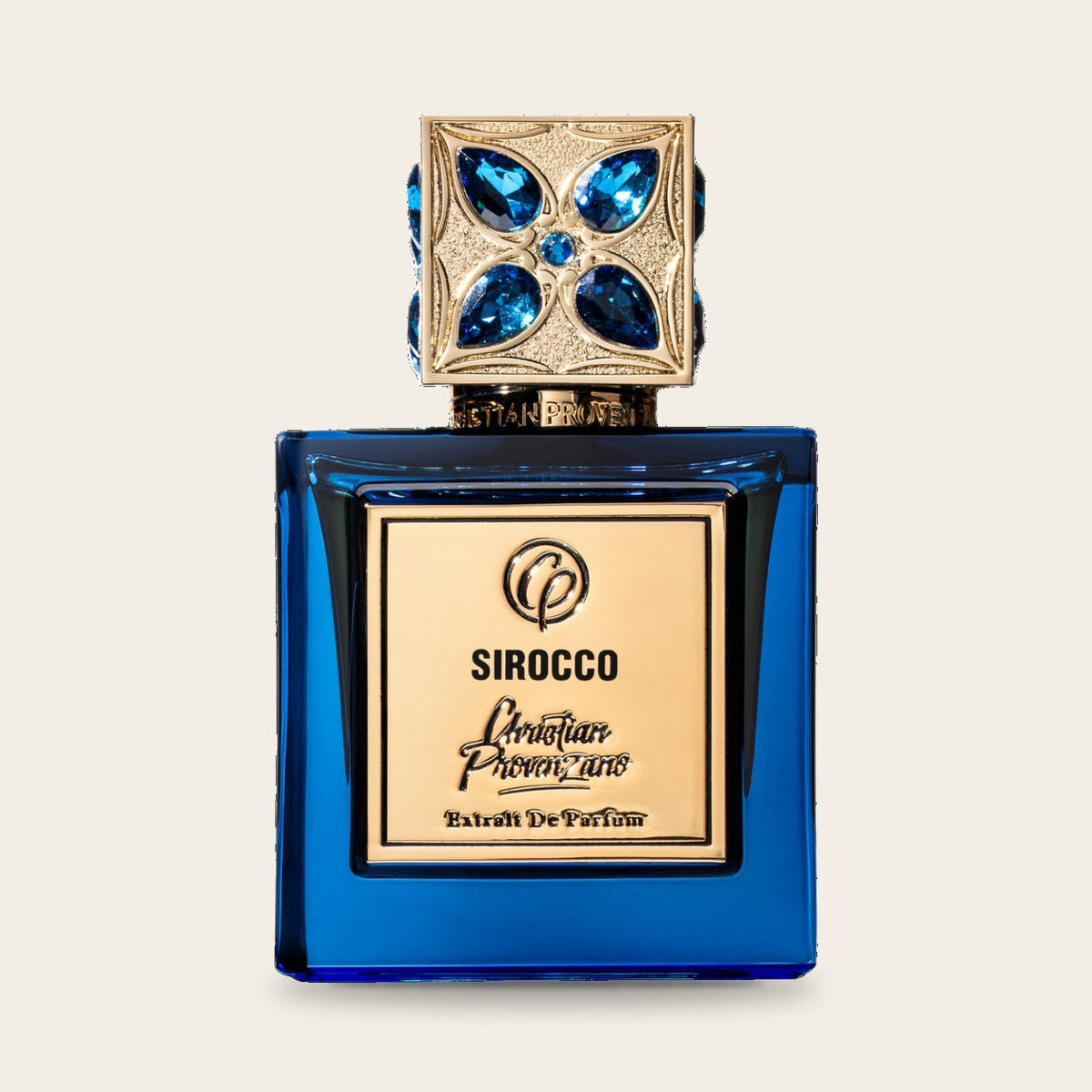


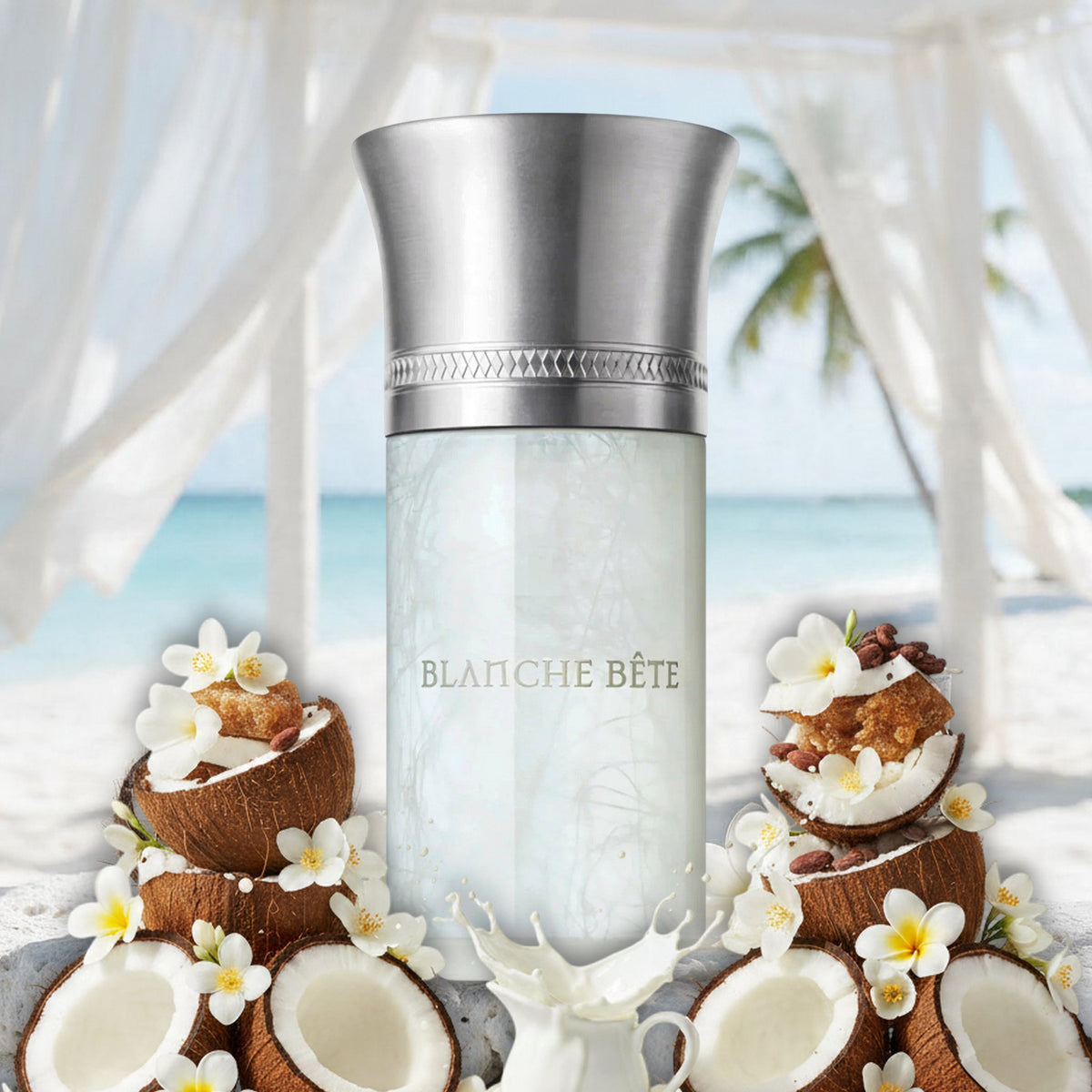


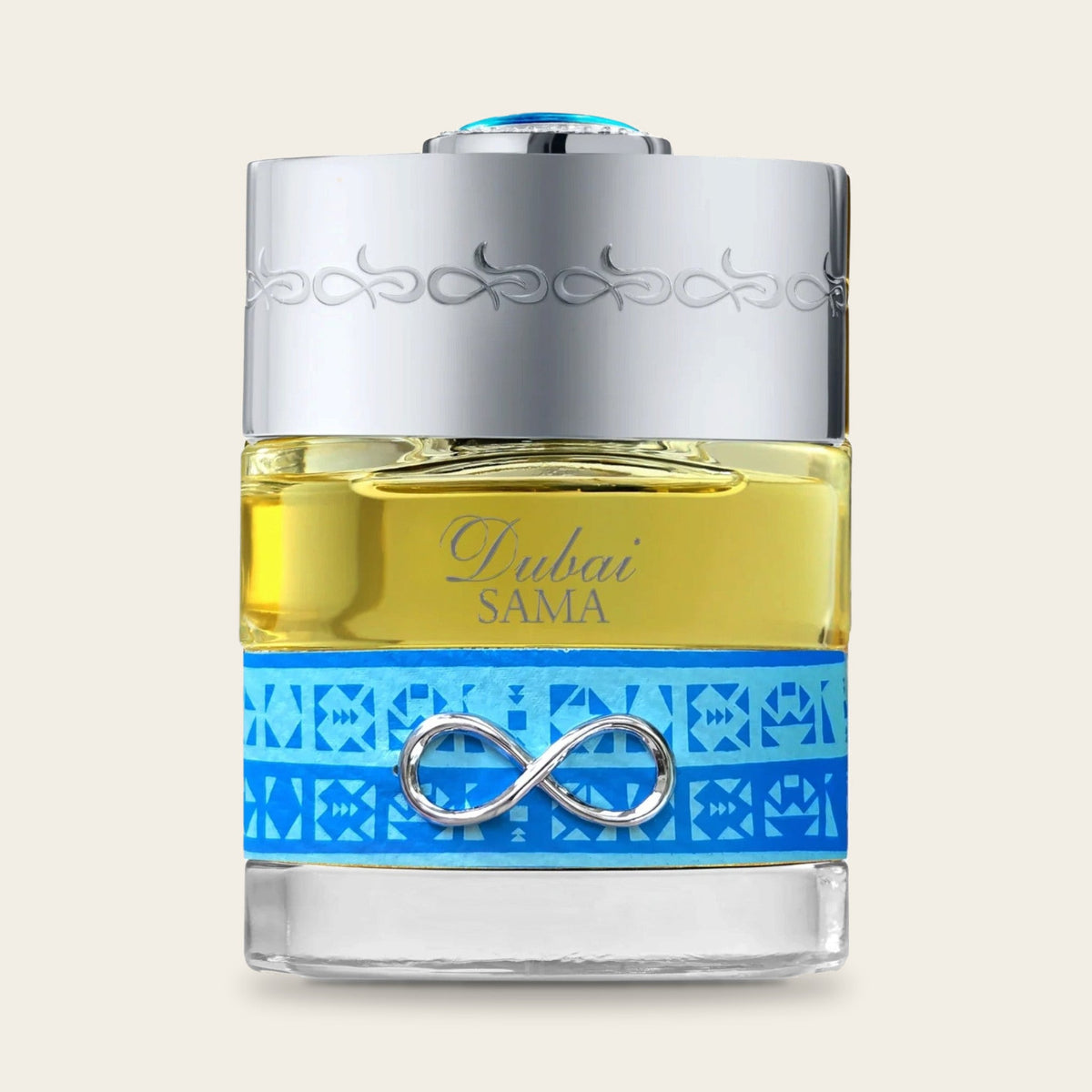

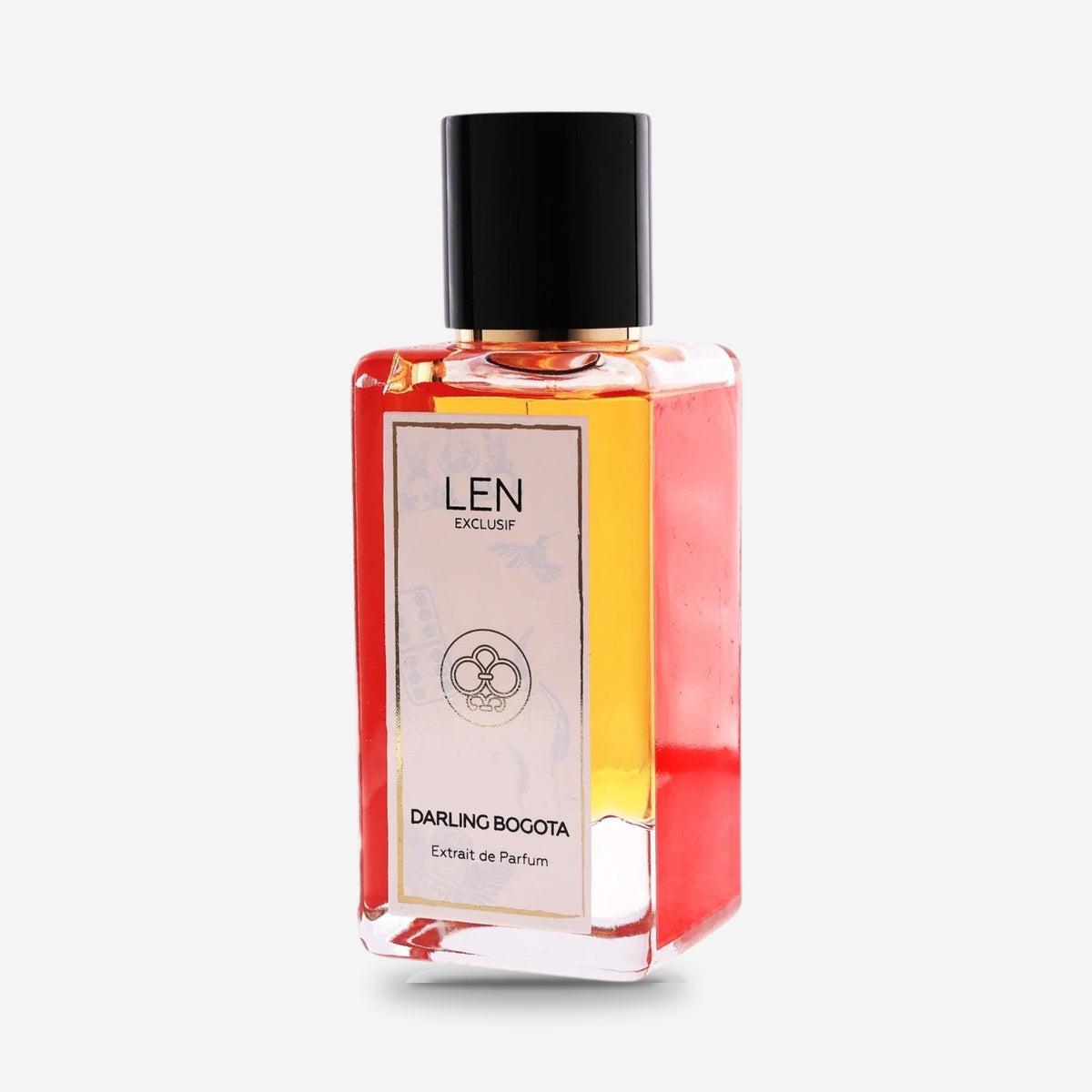

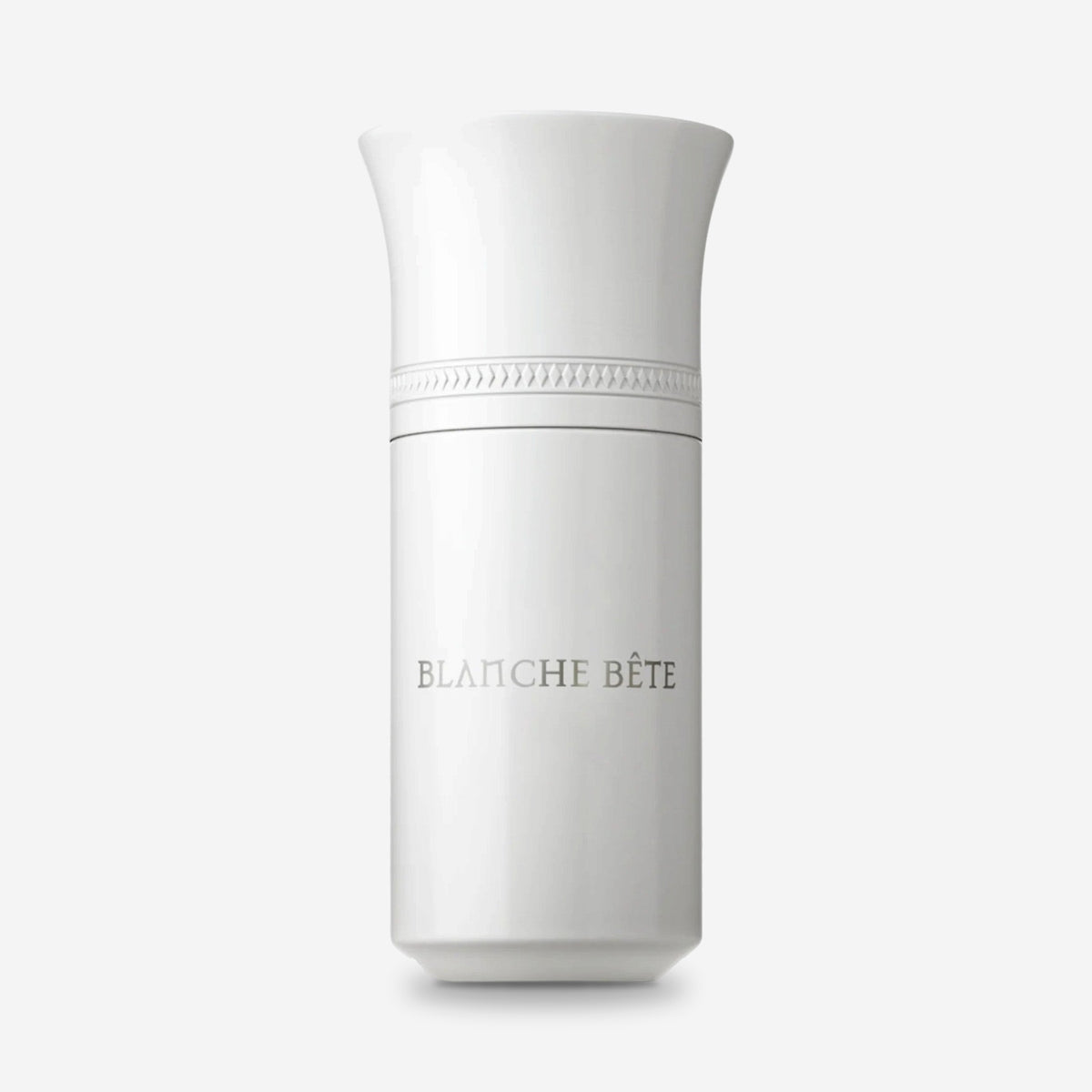
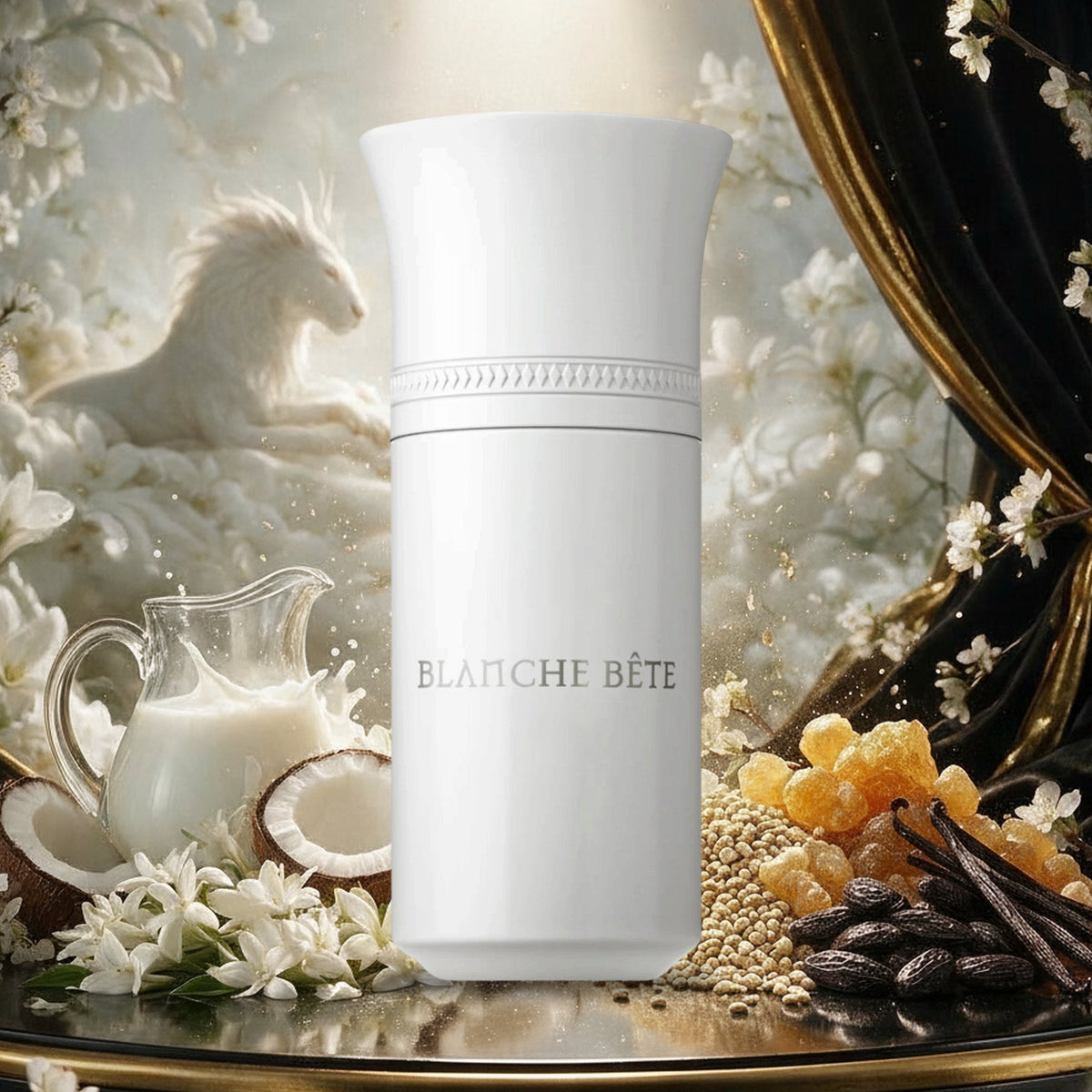
Questions and answers
Bright, resinous and smoky, with a lemony freshness and a sacred coolness.
Frankincense is the resin of small, gnarled trees growing on the barren limestone soils of southern Arabia and the Horn of Africa. Frankincense from the Dhofar region of Oman is considered particularly fine.
The bark is scored with a small knife. A milky sap seeps out and hardens in the air into pale “tears”. These are collected by hand and distilled or extracted for perfumery. Pale, almost translucent tears are considered the best.
Frankincense brings light and smoke at once: fresh and resinous, lemony, with a cool, sacred depth. In our range it appears on all three levels – in the base of 73 out of 148 fragrances, in the heart of 50 and even in the opening of 32.
Resinous-woody, with a fresh, lemony side.
Harvesting takes place mainly in the hot, dry season. The trees are scored several times in succession; each time the resin needs a few days to weeks to harden in the air.
In our fragrances, it often appears alongside Patchouli, bergamot, cedarwood, vanilla, myrrh, coriander, osmanthus.
In antiquity frankincense was one of the most precious trade goods of all. Caravans travelled the Incense Route from southern Arabia to the Mediterranean; in the Gospel of Matthew, frankincense is one of the gifts of the Magi, alongside gold and myrrh.
- The resin is obtained by making shallow cuts in the bark – mainly in Oman, Yemen and Somalia.
- The ancient frankincense sites of Oman have been a UNESCO World Heritage Site, the “Land of Frankincense”, since 2000.
- The name olibanum probably goes back to the Arabic al-lubān – after the milky sap of the resin.
The fresh tone comes mainly from α-pinene, along with other monoterpenes.
FRAGRANCE KNOWLEDGE
In the 4D Journal
-
 FRAGRANCE KNOWLEDGE
Rose in perfume: The queen of fragrance materials
READ ARTICLE
-
 FRAGRANCE KNOWLEDGE
Vanilla in perfume: From orchid to favourite scent
READ ARTICLE
-
 FRAGRANCE KNOWLEDGE
Leather in perfume: How does something smell that was never in the bottle?
READ ARTICLE
-
 FRAGRANCE KNOWLEDGE
Scented candles & home fragrance: How to use them right
READ ARTICLE