
INGREDIENT GLOSSARY
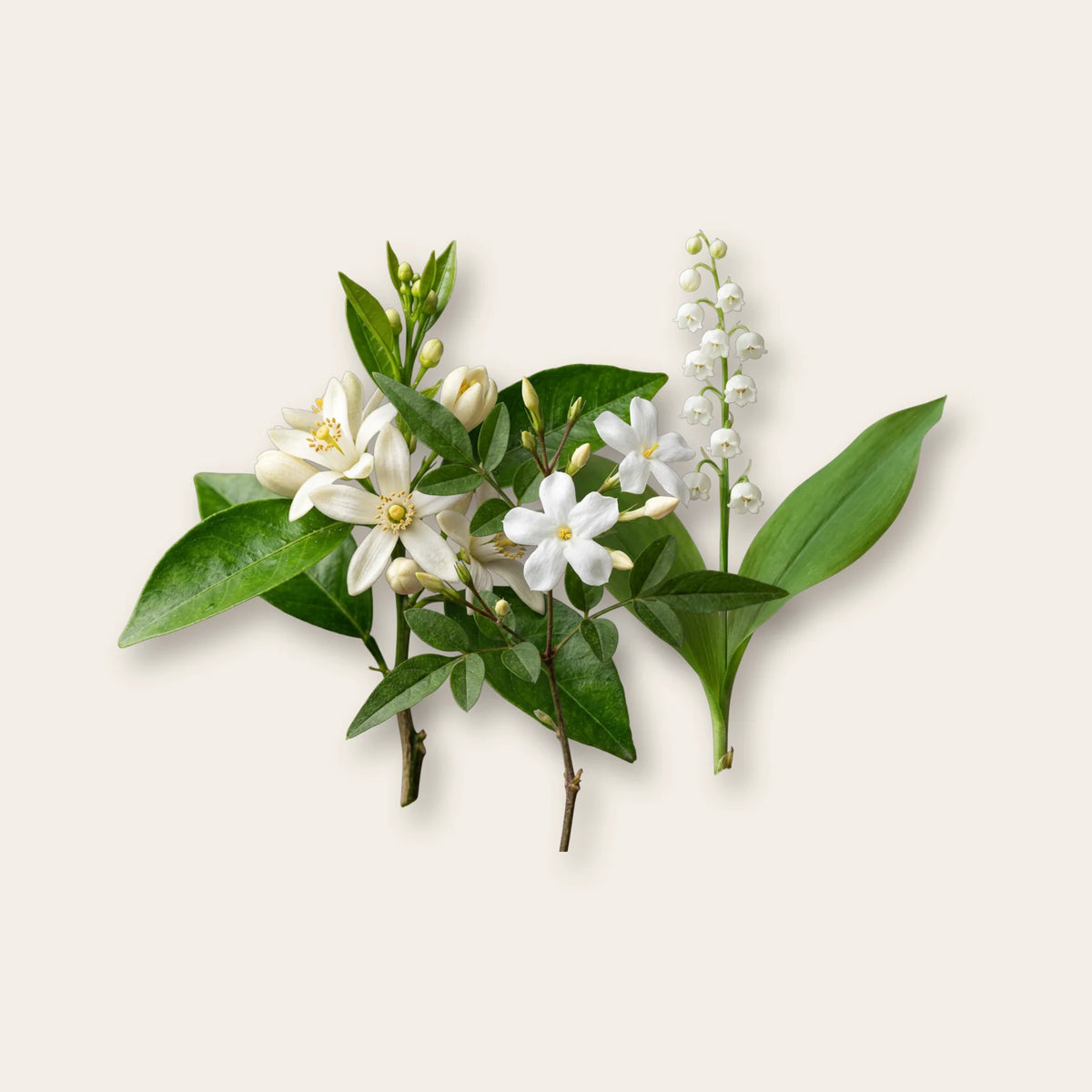
White flowers
Creamy, heavy and slightly animalic, like a bouquet of blossoms opened at night, with a sweet, almost skin-close undertone.
ACCORDFLORAL · WHITE FLOWERS · HEART NOTE
AT A GLANCE
- Accord: a composed scent note modelled on white flowers such as jasmine, tuberose, orange blossom, gardenia and ylang-ylang
- Origin: not a natural raw material; its models are mostly night-scented flowers from the tropics and subtropics
- Extraction: built from single molecules such as indole, benzyl acetate, methyl anthranilate and methyl dihydrojasmonate, often with flower absolutes
- Scent: creamy, heavy, sweet and slightly animalic – a classic heart note
PROFILE
- Origin
- No region of origin – the accord is composed · Its models are mostly evening- or night-scented plants with white to cream flowers from the tropics and subtropics, such as jasmine, tuberose, orange blossom, ylang-ylang and the East Asian gardenia
- Extraction
- Not a natural extract: built from single molecules such as indole, benzyl acetate, methyl anthranilate and methyl dihydrojasmonate, often rounded off with flower absolutes; modelled on scent analyses of living flowers
- Main molecules
- Indole (C₈H₇N, warm and animalic, floral when highly diluted) · benzyl acetate (C₉H₁₀O₂, sweet, fruity, jasmine-like) · methyl anthranilate (C₈H₉NO₂, fruity, reminiscent of grape and orange blossom) · methyl jasmonate (C₁₃H₂₀O₃) and its synthetic relative methyl dihydrojasmonate (C₁₃H₂₂O₃, fresh, radiant, jasmine-like) · linalool and methyl benzoate as frequent companions
- Harvest
- As an accord it is available all year round; its models mostly flower in summer and smell strongest in the evening and at night.
- Often paired with
- Moschus, Patschuli, Vanille, Amber, Bergamotte, Jasmin, Sandelholz
Numbers that surprise
10 times as much
linalool is found in the scent of jasmine once the flower has been picked – its share rises from about 3 to 30%. That is why perfumers prefer to analyse the living flower.
around 30 centimetres
is the length of the nectar spur of the white, night-scented Darwin's orchid from Madagascar – only a hawkmoth with an equally long proboscis can reach the nectar.
around 40 years
passed before the moth was found that Darwin had predicted in 1862 from the length of this floral spur alone.
Rounded values; calculation based on published data.
Harvest and season
As an accord it is available all year round; its models mostly flower in summer and smell strongest in the evening and at night.
There is no such thing as a “white flower extract”. The accord is built from single materials because some of its models yield no usable oil: perfumers compose the scent of gardenia, for instance, as a base from headspace analysis data; a gardenia extract is made at most on an experimental scale, for example by enfleurage. On top of that, picked flowers smell different from living ones: in jasmine, the share of linalool rises from about 3 to 30% after picking, while benzyl acetate falls from 60 to 40%. Headspace technology therefore captures the scent cloud of the living flower. From the measurements, perfumers build the accord with materials found in many white flowers – indole, benzyl acetate, methyl anthranilate, linalool, methyl benzoate, jasmonates and creamy lactones – often rounded off with genuine flower absolutes.
Knowledge to share
Myth or truth?
Statement 1
A gardenia note in perfume comes from gardenia oil.
Myth. Gardenia yields no commercially usable oil. In perfumes its scent is rebuilt as a base – from headspace data of the living flower, which smells mainly of ocimene, linalool, α-farnesene and (Z)-3-hexenyl tiglate.
Statement 2
A picked flower smells exactly like a living one.
Myth. In jasmine, the share of linalool rises from about 3 to 30% after picking, while benzyl acetate falls from 60 to 40%. That is why perfumers use headspace technology to analyse the scent cloud of the living flower before building an accord.
Statement 3
Many white scented flowers are geared to moths as pollinators.
True. Pale colours that stand out in moonlight, long floral tubes and a sweet scent that is strongest in the evening and at night are considered typical of flowers pollinated by hawkmoths. In 1862 Darwin even predicted a moth with an equally long proboscis from a nectar spur around 30 cm long.
Your result
FRAGRANCES WITH WHITE FLOWERSINGREDIENT GLOSSARY
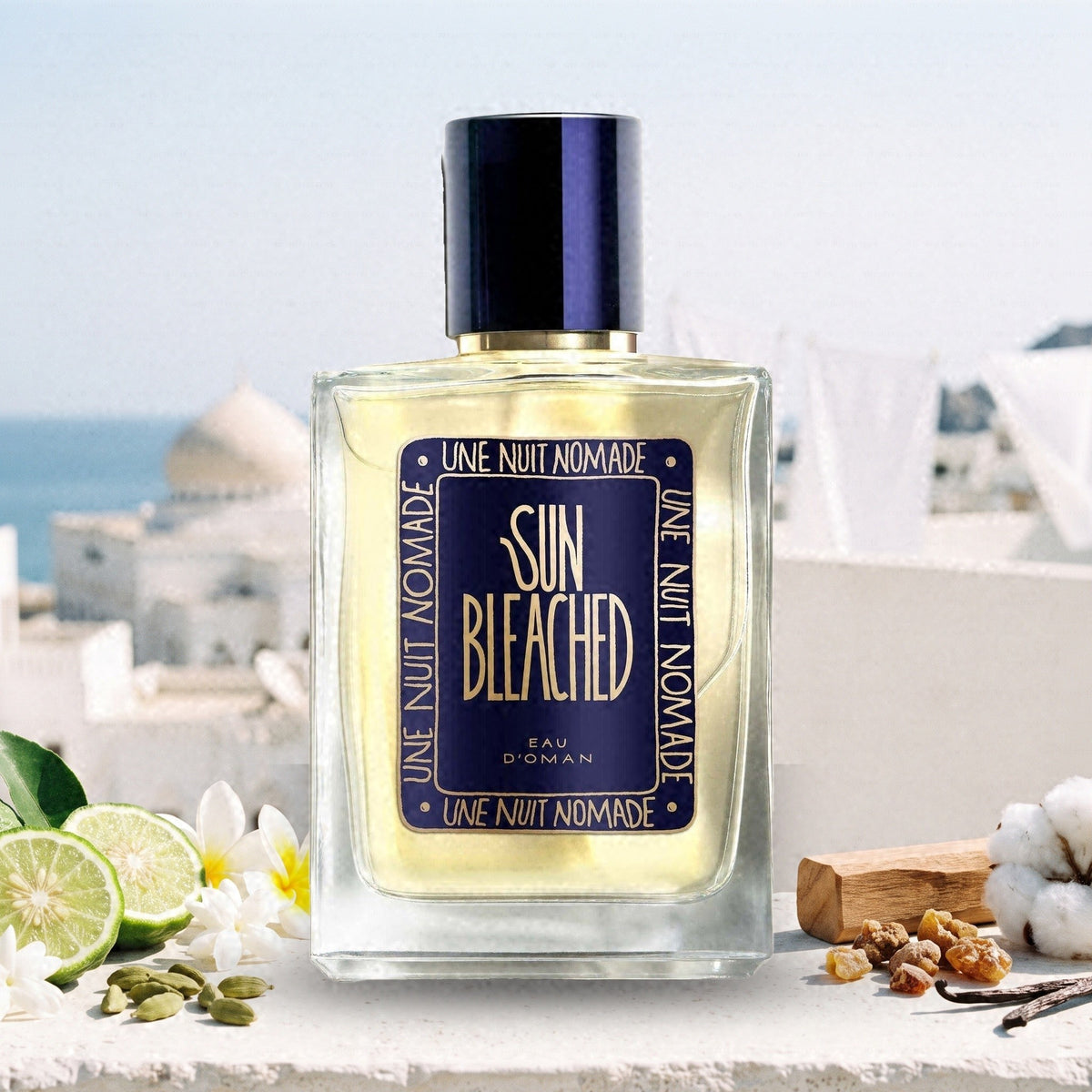
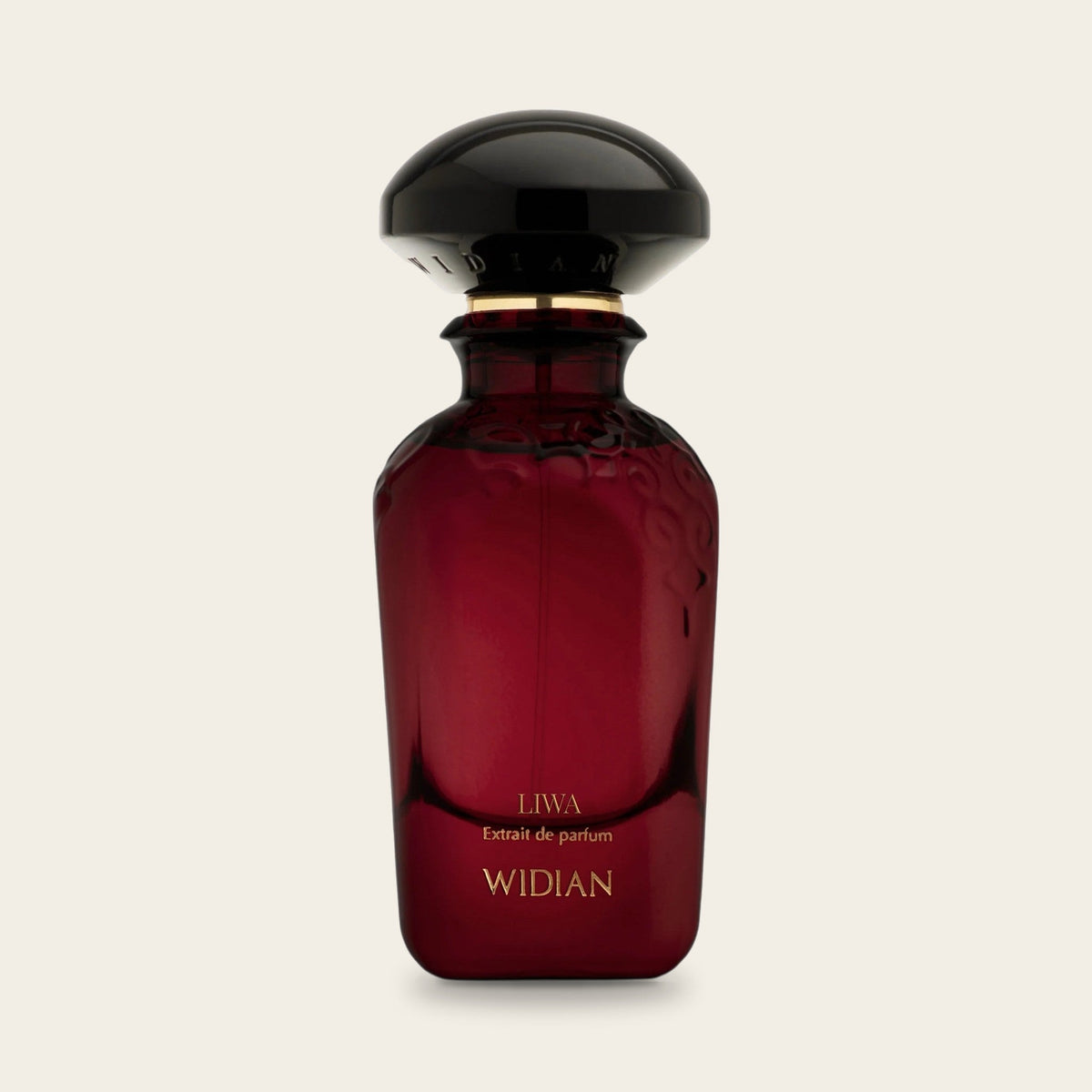
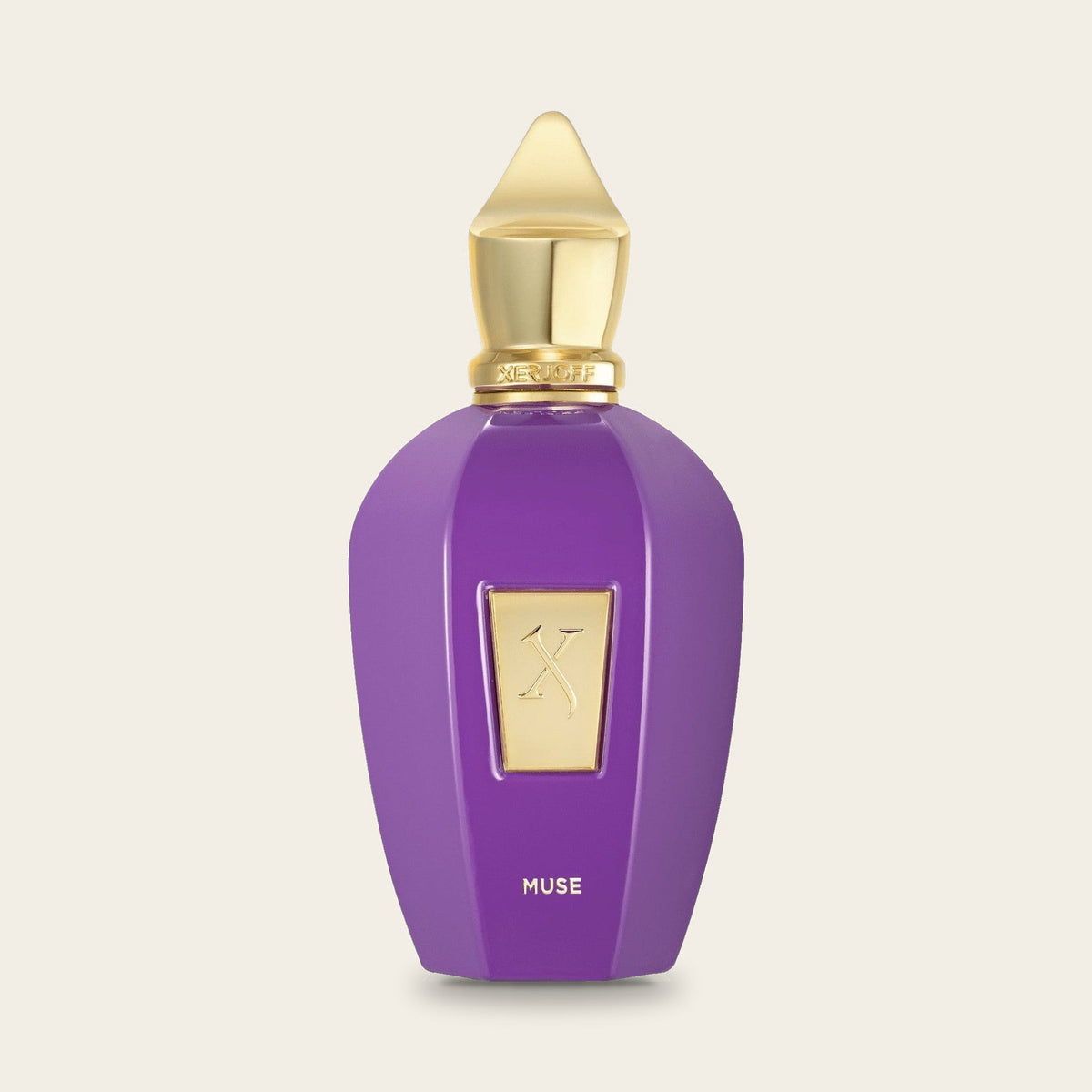
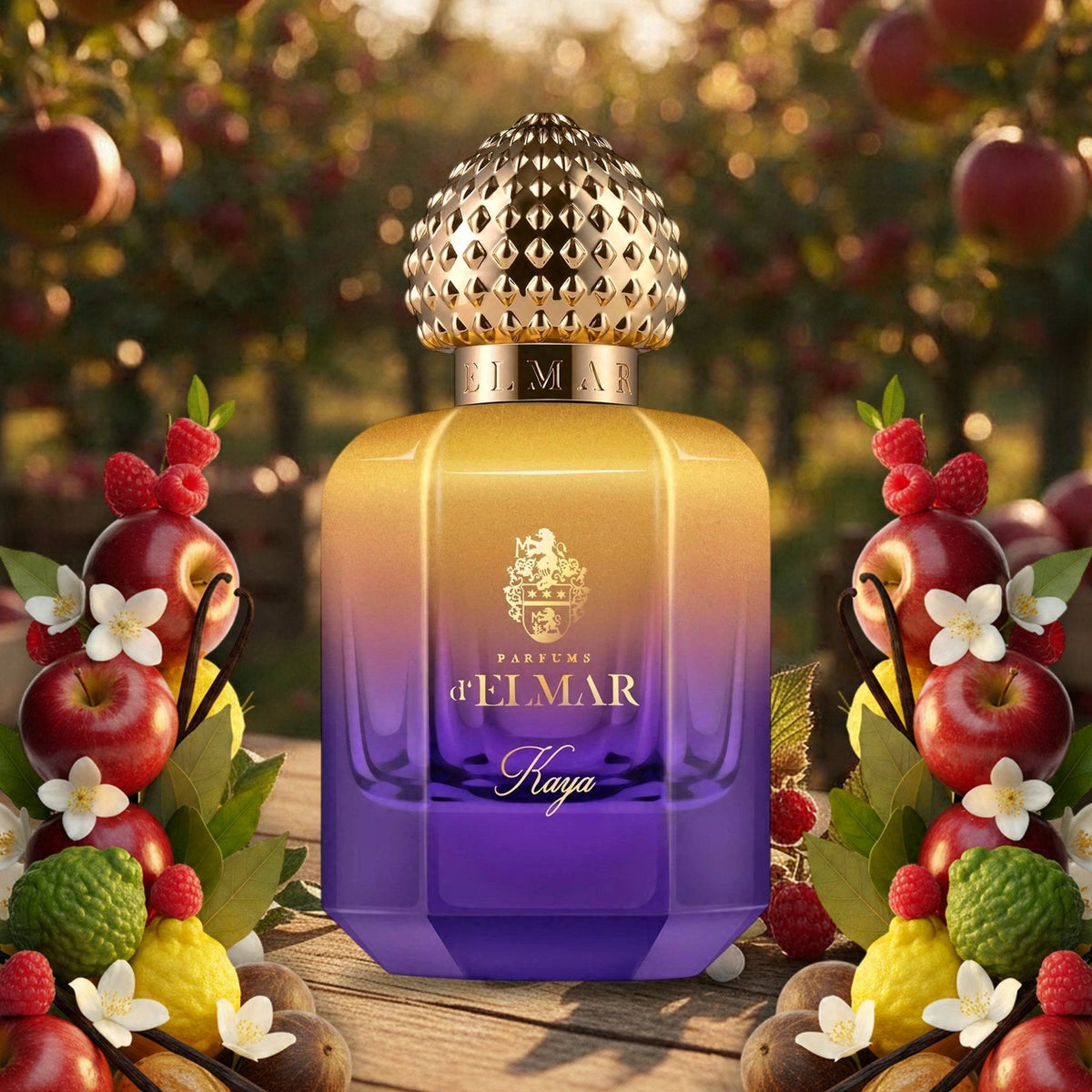
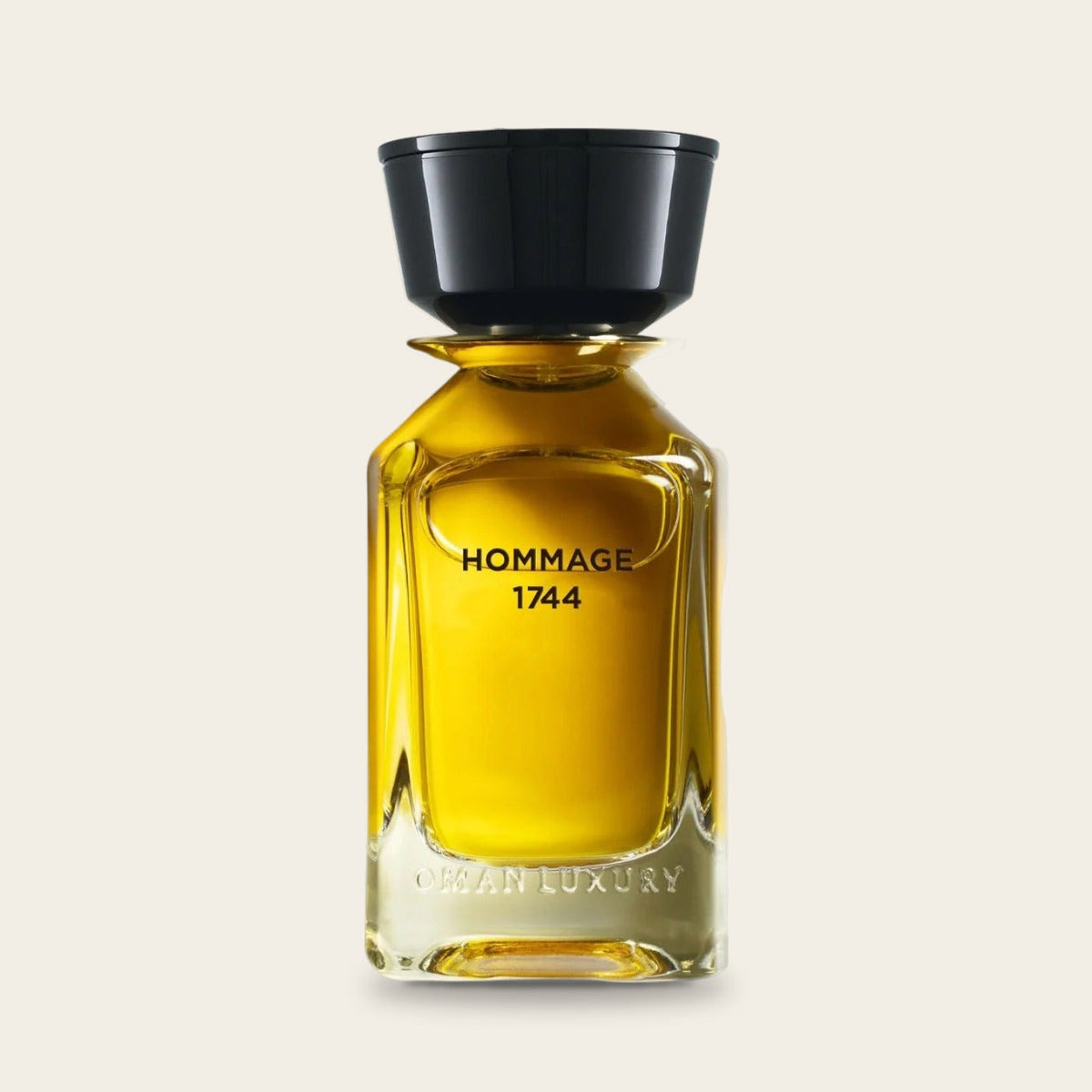
Fragrances with White flowers






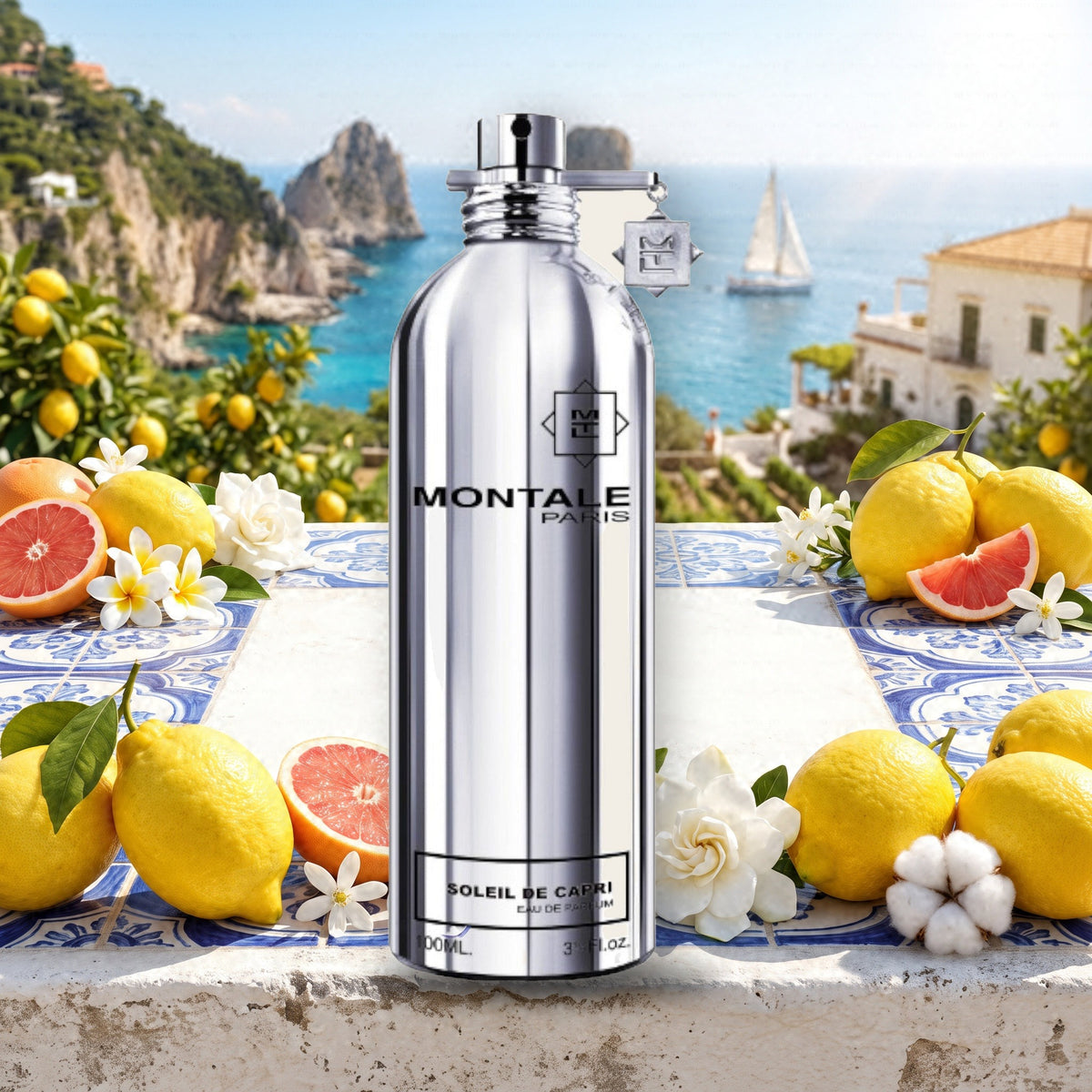


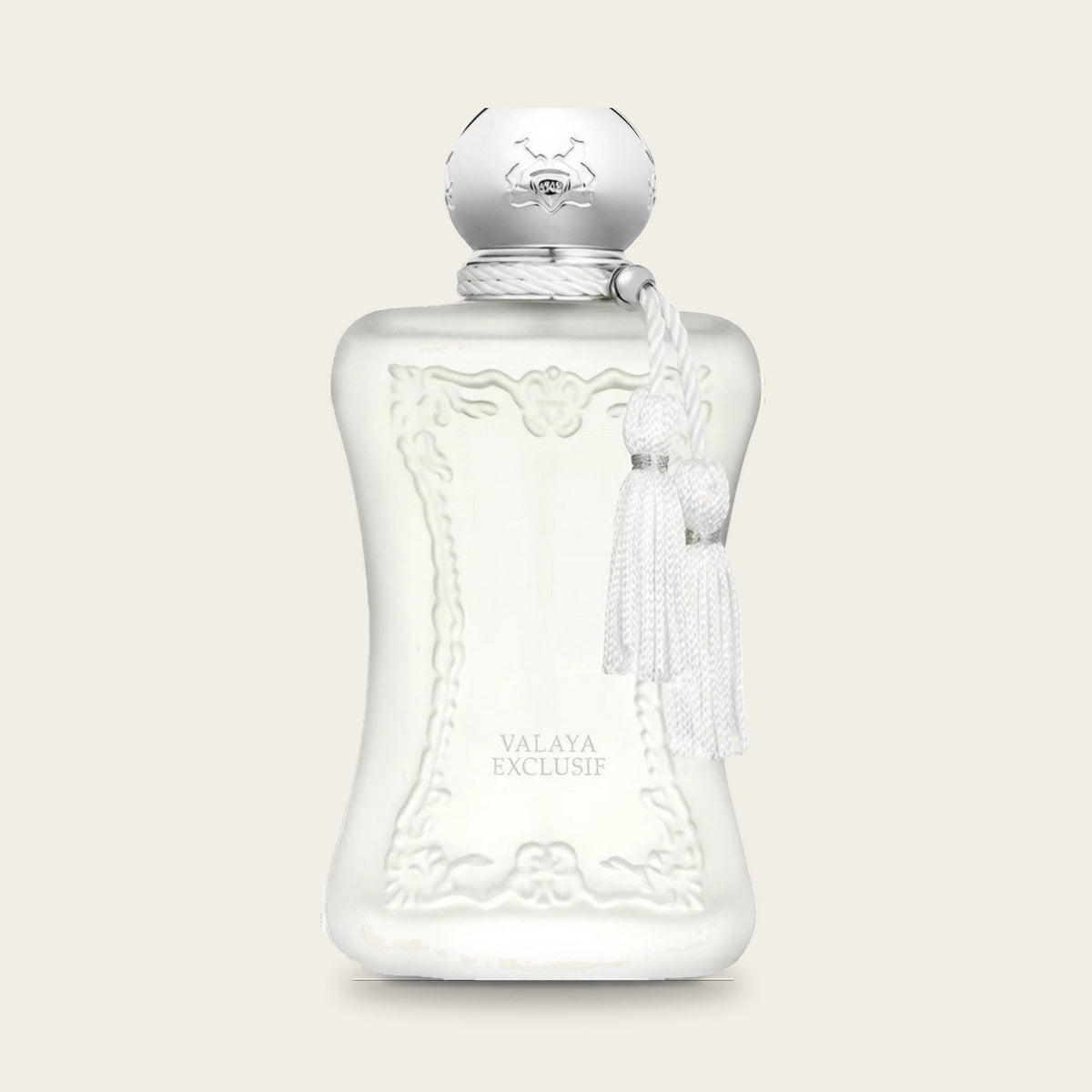

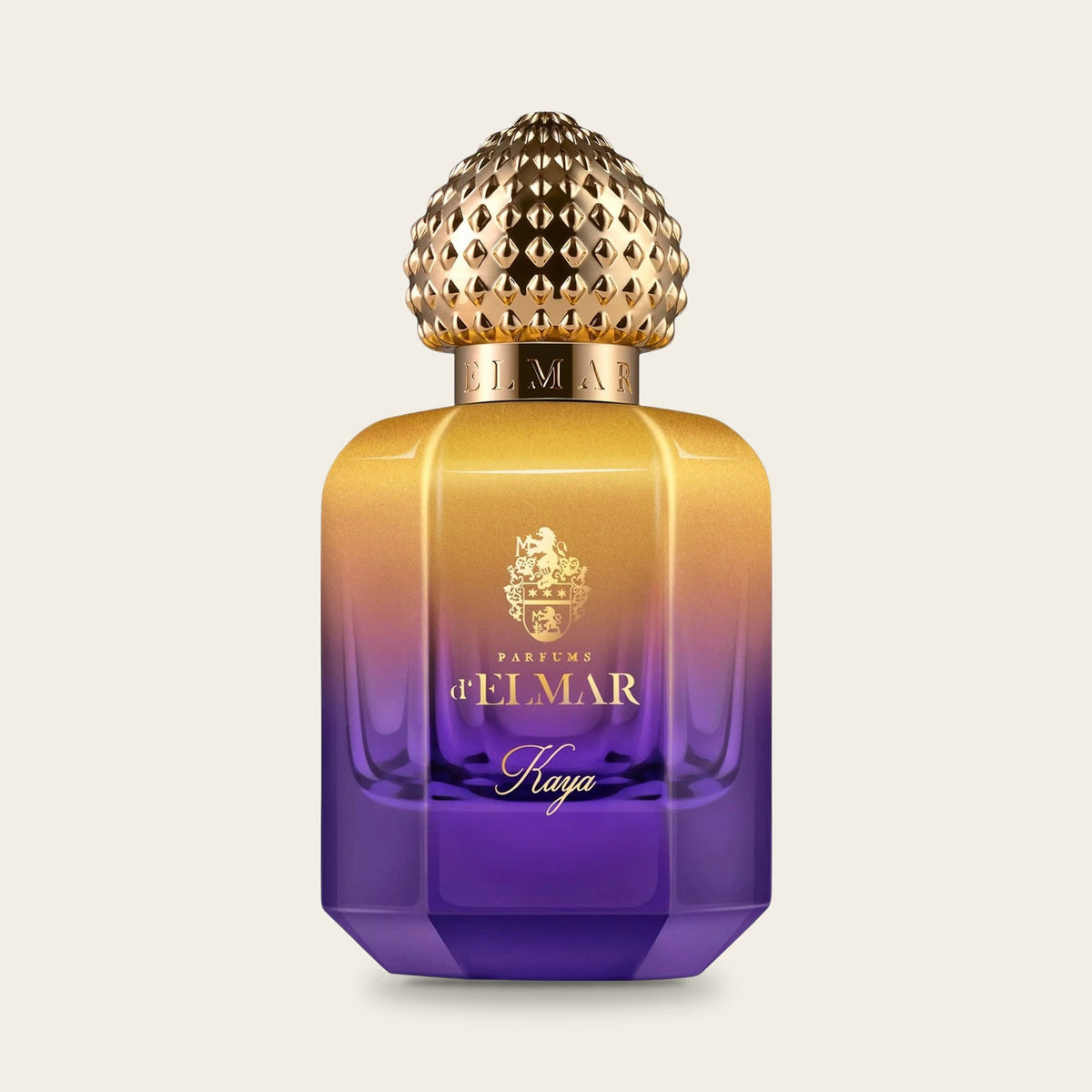


Questions and answers
Creamy, heavy and slightly animalic, like a bouquet of blossoms opened at night, with a sweet, almost skin-close undertone.
“White flowers” is a perfumery term, not a botanical group. It refers to strongly scented blossoms that are white, cream or pale yellow and release their fragrance mainly in the evening and at night. Botanists recognise this picture as the typical outfit of plants pollinated by hawkmoths and other moths: pale colours that stand out in moonlight, often long floral tubes for the moths' long proboscis, and a sweet, far-carrying night scent. The accord's models come from quite different plant families – gardenia, for example, belongs to the coffee family Rubiaceae and is at home in subtropical East Asia. That their scents are nevertheless alike is down to shared scent molecules, not close kinship.
There is no such thing as a “white flower extract”. The accord is built from single materials because some of its models yield no usable oil: perfumers compose the scent of gardenia, for instance, as a base from headspace analysis data; a gardenia extract is made at most on an experimental scale, for example by enfleurage. On top of that, picked flowers smell different from living ones: in jasmine, the share of linalool rises from about 3 to 30% after picking, while benzyl acetate falls from 60 to 40%. Headspace technology therefore captures the scent cloud of the living flower. From the measurements, perfumers build the accord with materials found in many white flowers – indole, benzyl acetate, methyl anthranilate, linalool, methyl benzoate, jasmonates and creamy lactones – often rounded off with genuine flower absolutes.
The accord works mainly in the heart, giving a composition fullness, creaminess and a sensual, skin-close warmth. Indole provides the animalic depth and is dosed very sparingly, benzyl acetate and methyl anthranilate add sweet, fruity brightness, and methyl dihydrojasmonate makes the accord radiate and carry. Depending on the balance, it can feel fresh and transparent or heavy and opulent. Typical companions are citrus and neroli notes in the opening and musk, vanilla and pale woods in the base. In our range, white flowers appear in 27 fragrances, 21 in the heart and 6 in the top note.
Floral · White flowers · Heart note
As an accord it is available all year round; its models mostly flower in summer and smell strongest in the evening and at night.
In our fragrances, it often appears alongside Moschus, Patschuli, Vanille, Amber, Bergamotte, Jasmin, Sandelholz.
For a long time, white flowers could only be captured the way nature supplied them – as absolutes of jasmine, tuberose or orange blossom. It was chemistry that made the accord flexible. In 1866 Adolf von Baeyer obtained indole from a breakdown product of indigo and gave it its name. In the late 1950s chemists in Switzerland isolated methyl jasmonate from jasmine oil and made the related methyl dihydrojasmonate by hydrogenation; from 1966 it caught on in fine perfumery, bringing jasmine-like transparency and radiance. In the 1980s headspace technology followed: it made it possible to analyse the scent cloud of living flowers – and to rebuild flowers such as gardenia, which yield no usable oil, as a base.
- Indole, which resonates in jasmine and orange blossom and smells of faeces and mothballs when undiluted, is named after a dye: Adolf von Baeyer formed the name from “indigo”, having obtained the substance from a breakdown product of that dye.
- In 1862 Darwin saw a white, night-scented orchid from Madagascar with a nectar spur around 30 cm long and predicted a moth with an equally long proboscis – the hawkmoth was only found some 40 years later.
- In China, gardenia flowers are used to scent tea because of their jasmine-like fragrance.
Many white flowers share the same scent molecules. Indole (C₈H₇N, PubChem CID 798) occurs in jasmine and orange blossom, benzyl acetate (C₉H₁₀O₂, CID 8785) shapes the scent of jasmine, and methyl anthranilate (C₈H₉NO₂, CID 8635) is found in neroli, jasmine and tuberose. Methyl jasmonate (C₁₃H₂₀O₃, CID 5281929) occurs in jasmine; hydrogenating its double bond gives the synthetic methyl dihydrojasmonate (C₁₃H₂₂O₃, CID 102861), a key building block of today's jasmine accords. Studies of hawkmoth-pollinated flowers show a recurring pattern: benzenoids, esters and nitrogen-containing compounds such as indole are released on a nocturnal rhythm. Yet “white” does not mean “the same”: the scent of the living gardenia is carried by terpenes such as ocimene, linalool and α-farnesene plus (Z)-3-hexenyl tiglate, with methyl benzoate making up only a few per cent.
FRAGRANCE KNOWLEDGE
In the 4D Journal
-
 FRAGRANCE KNOWLEDGE
Rose in perfume: The queen of fragrance materials
READ ARTICLE
-
 FRAGRANCE KNOWLEDGE
Vanilla in perfume: From orchid to favourite scent
READ ARTICLE
-
 FRAGRANCE KNOWLEDGE
Leather in perfume: How does something smell that was never in the bottle?
READ ARTICLE
-
 FRAGRANCE KNOWLEDGE
Scented candles & home fragrance: How to use them right
READ ARTICLE