


INGREDIENT GLOSSARY
White Musk
Clean, soft and freshly washed, like warm skin under cotton.
SYNTHETICMUSK
AT A GLANCE
- Synthetic musk molecules – no animal
- Scent: clean, soft, like fresh laundry
- Building blocks: Galaxolide, Habanolide, ethylene brassylate
- In the base of all 108 of our white musk fragrances
PROFILE
- Origin
- Laboratory – modern synthetic musk molecules
- Extraction
- Chemical synthesis
- Main molecules
- Galaxolide (C₁₈H₂₆O) · Habanolide (C₁₅H₂₆O₂) · Ethylene brassylate (C₁₅H₂₆O₄)
- Often paired with
- Vanilla, bergamot, sandalwood, rose, lily of the valley, orange, blackcurrant
Numbers that surprise
108 of 108
of our white musk fragrances carry it in the base – it is the anchor.
1888
the first synthetic musk was created – by chance, during experiments with explosives.
Rounded values; calculation based on published data.
Knowledge to share
Myth or truth?
Statement 1
White musk comes from a white animal.
Myth. It is entirely synthetic – “white” simply describes its clean, bright character.
Statement 2
Not every nose can smell every musk.
True. Many people barely perceive certain musk molecules, or not at all – which is why perfumers blend several.
Statement 3
Musk in modern perfumes is of animal origin.
Myth. Modern musk notes are synthetic – the musk deer is a protected species.
Your result
FRAGRANCES WITH WHITE MUSKINGREDIENT GLOSSARY
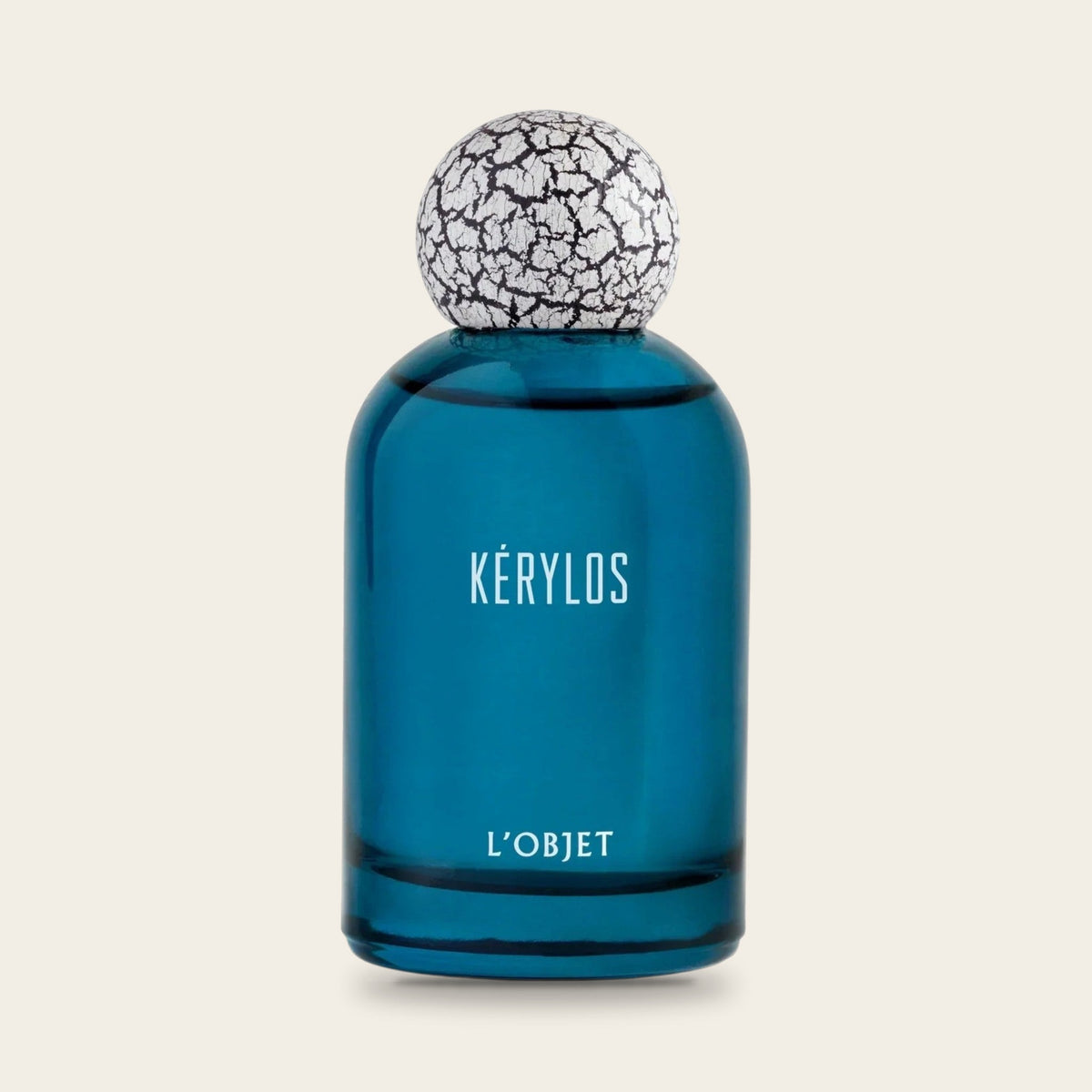
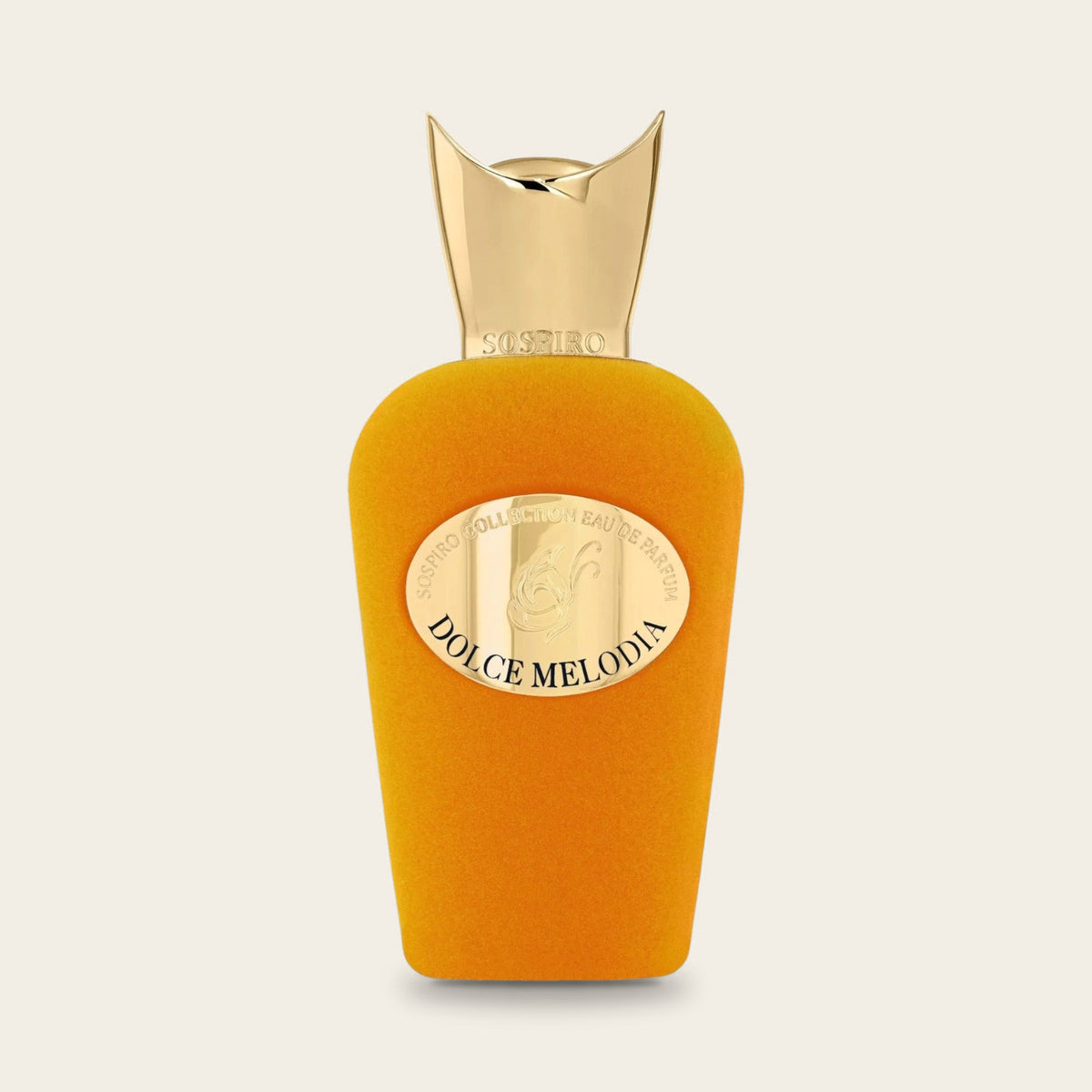
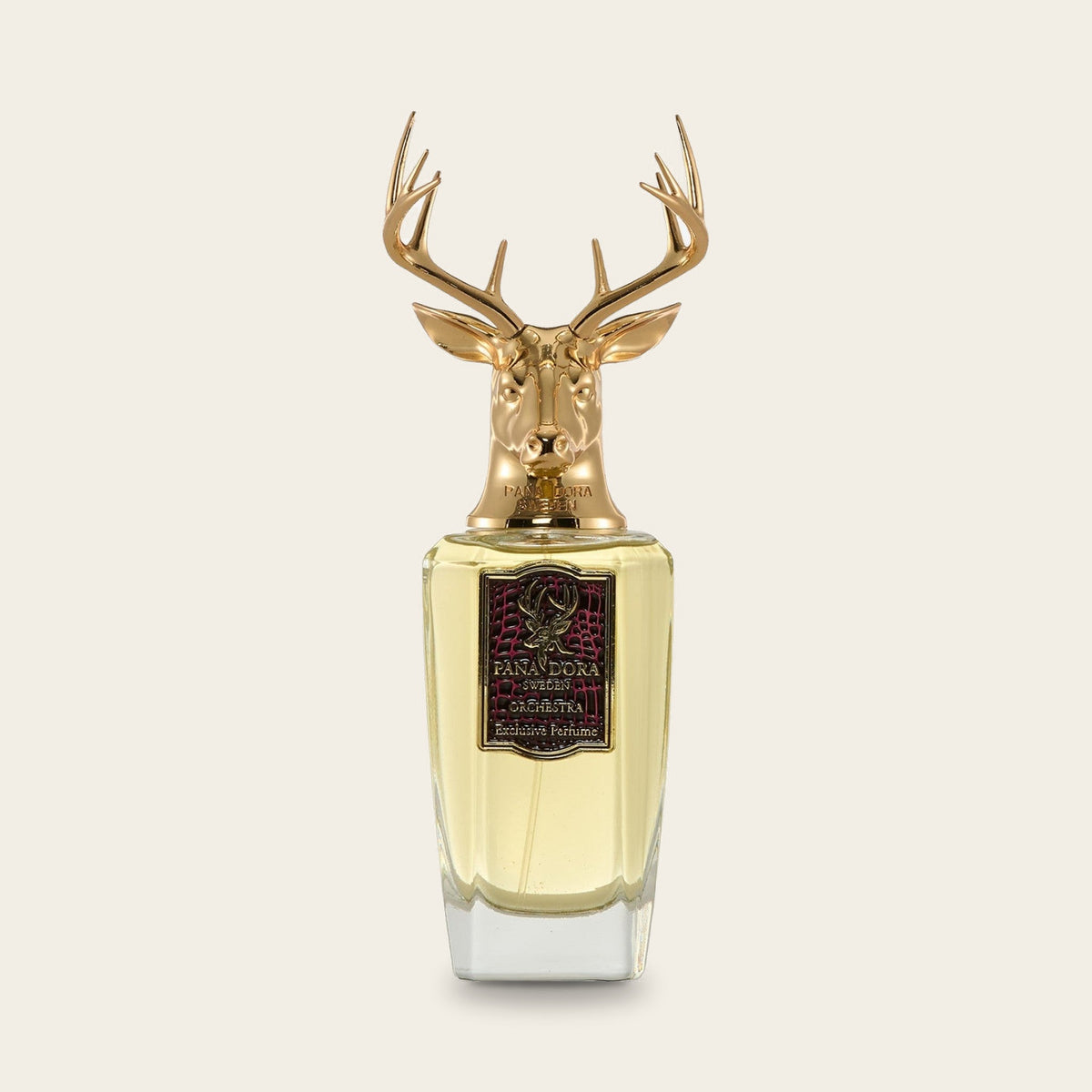
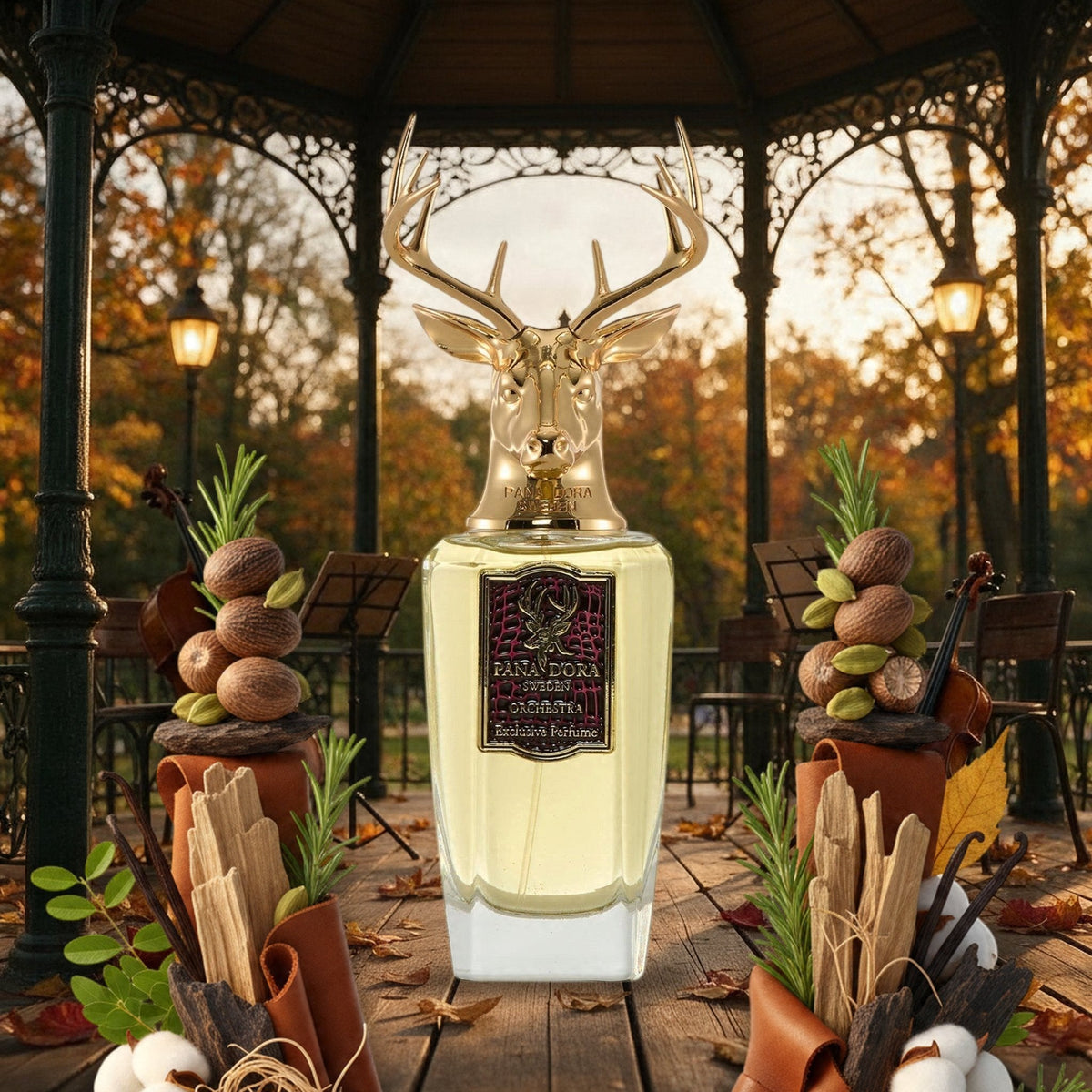
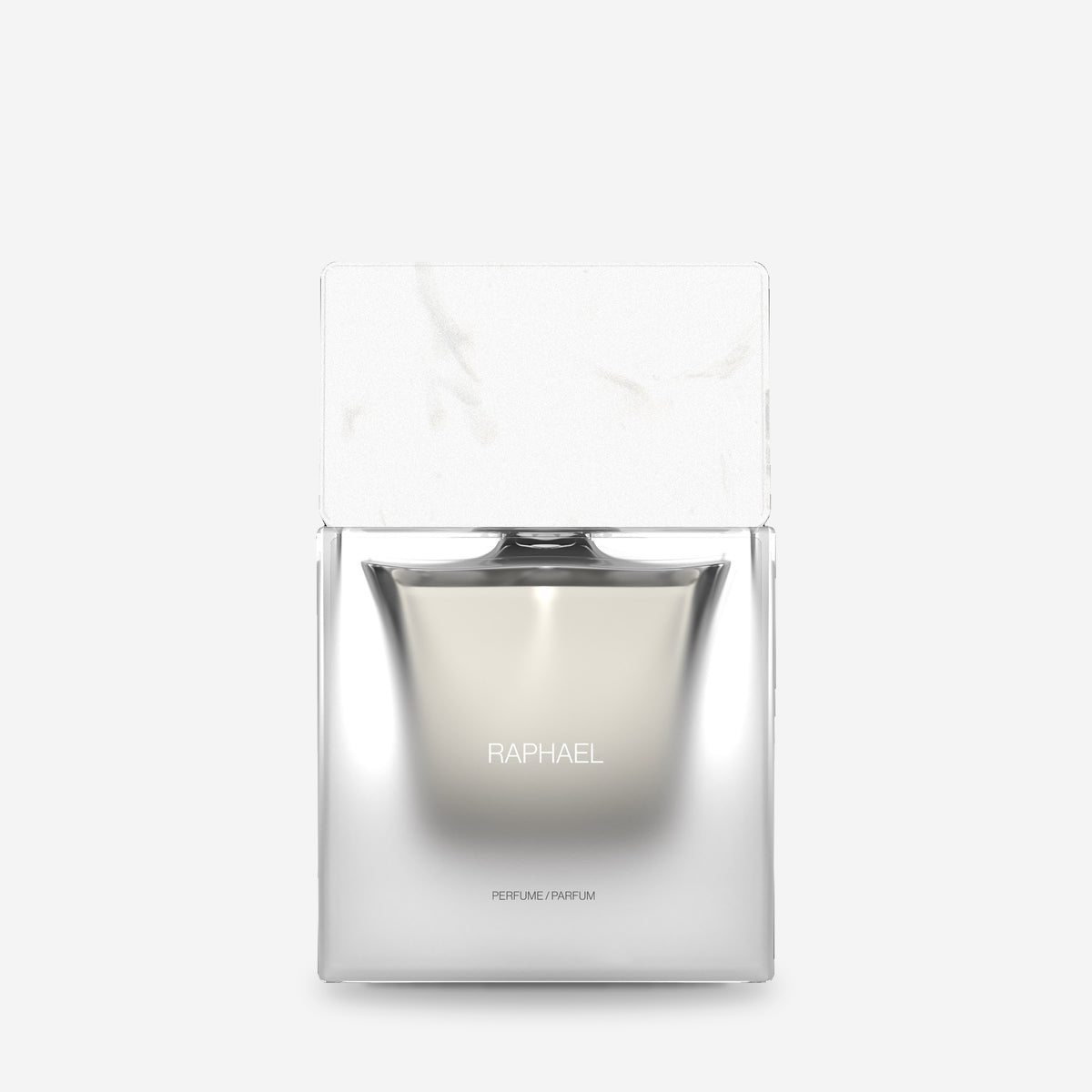
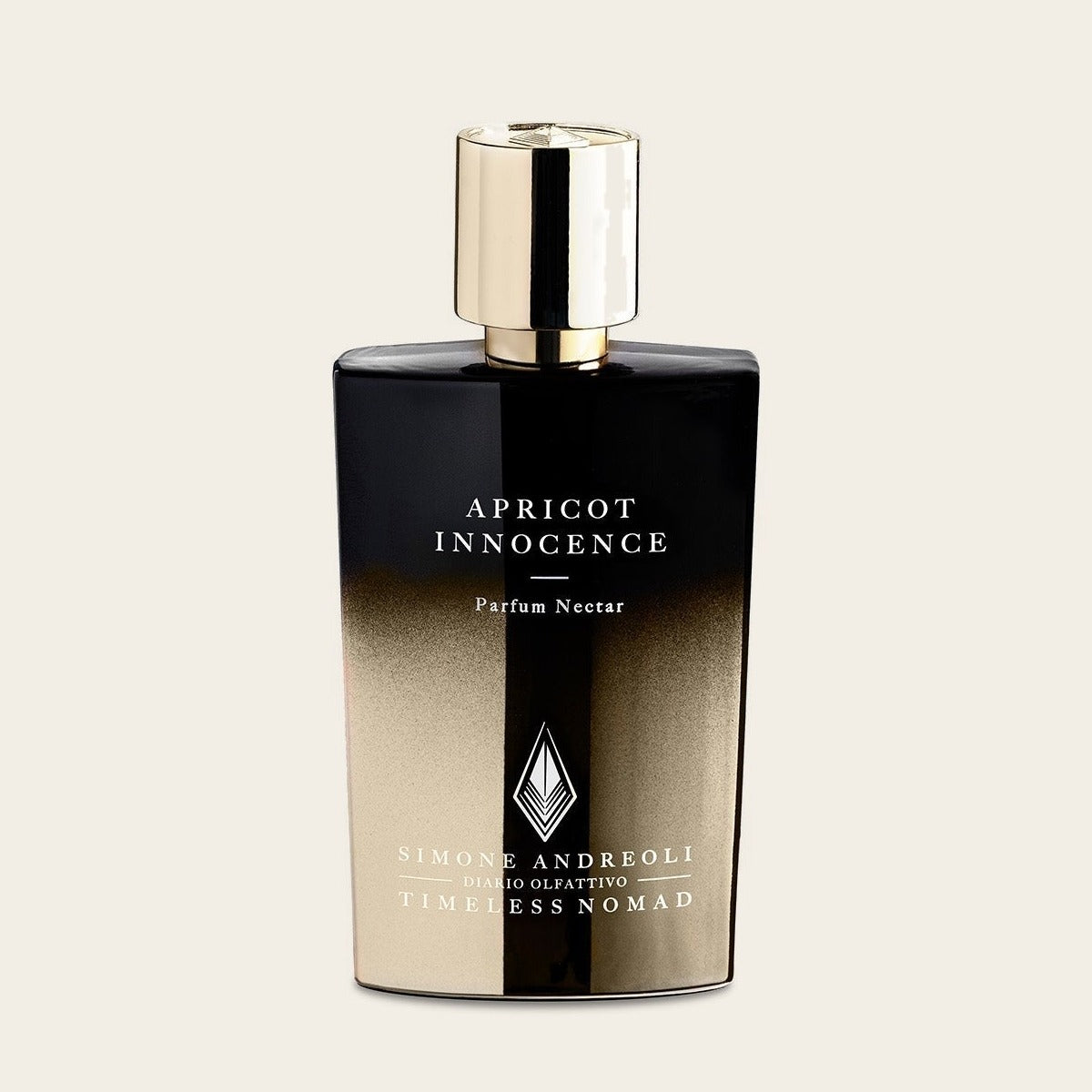
Fragrances with White Musk










Questions and answers
Clean, soft and freshly washed, like warm skin under cotton.
“White musk” is not a natural raw material but a scent image: clean, soft musk notes composed from synthetic molecules. The original musk came from a gland of the musk deer – today these animals are internationally protected.
White musk is made in the laboratory. Typical building blocks are polycyclic musks such as Galaxolide and macrocyclic ones such as Habanolide or ethylene brassylate. Perfumers blend several of them, because each molecule shows a different facet – and because not every nose perceives every molecule equally well.
White musk is the scent of fresh laundry on warm skin: clean, soft, intimate. In our range it sits in the base of all 108 fragrances that contain it. It keeps a scent on the skin for a long time and makes it rounder and more intimate.
Musk, clean and skin-close.
In our fragrances, it often appears alongside Vanilla, bergamot, sandalwood, rose, lily of the valley, orange, blackcurrant.
The first synthetic musk was discovered almost by chance in 1888: while experimenting with explosives, the chemist Albert Baur came across a molecule that smelled of musk. In the 1960s Galaxolide followed – the material that defined the clean, “white” musk.
- Natural musk was coveted for centuries – over the 20th century it was gradually replaced by synthetic musks.
- The first synthetic musk was discovered by chance in 1888 during experiments with explosives.
- Some people cannot smell certain musk molecules at all – this innate “musk blindness” is well documented.
One of its best-known building blocks is Galaxolide (C₁₈H₂₆O), a polycyclic musk discovered at IFF in the 1960s.
FRAGRANCE KNOWLEDGE
In the 4D Journal
-
 FRAGRANCE KNOWLEDGE
Rose in perfume: The queen of fragrance materials
READ ARTICLE
-
 FRAGRANCE KNOWLEDGE
Vanilla in perfume: From orchid to favourite scent
READ ARTICLE
-
 FRAGRANCE KNOWLEDGE
Leather in perfume: How does something smell that was never in the bottle?
READ ARTICLE
-
 FRAGRANCE KNOWLEDGE
Scented candles & home fragrance: How to use them right
READ ARTICLE