
INGREDIENT GLOSSARY
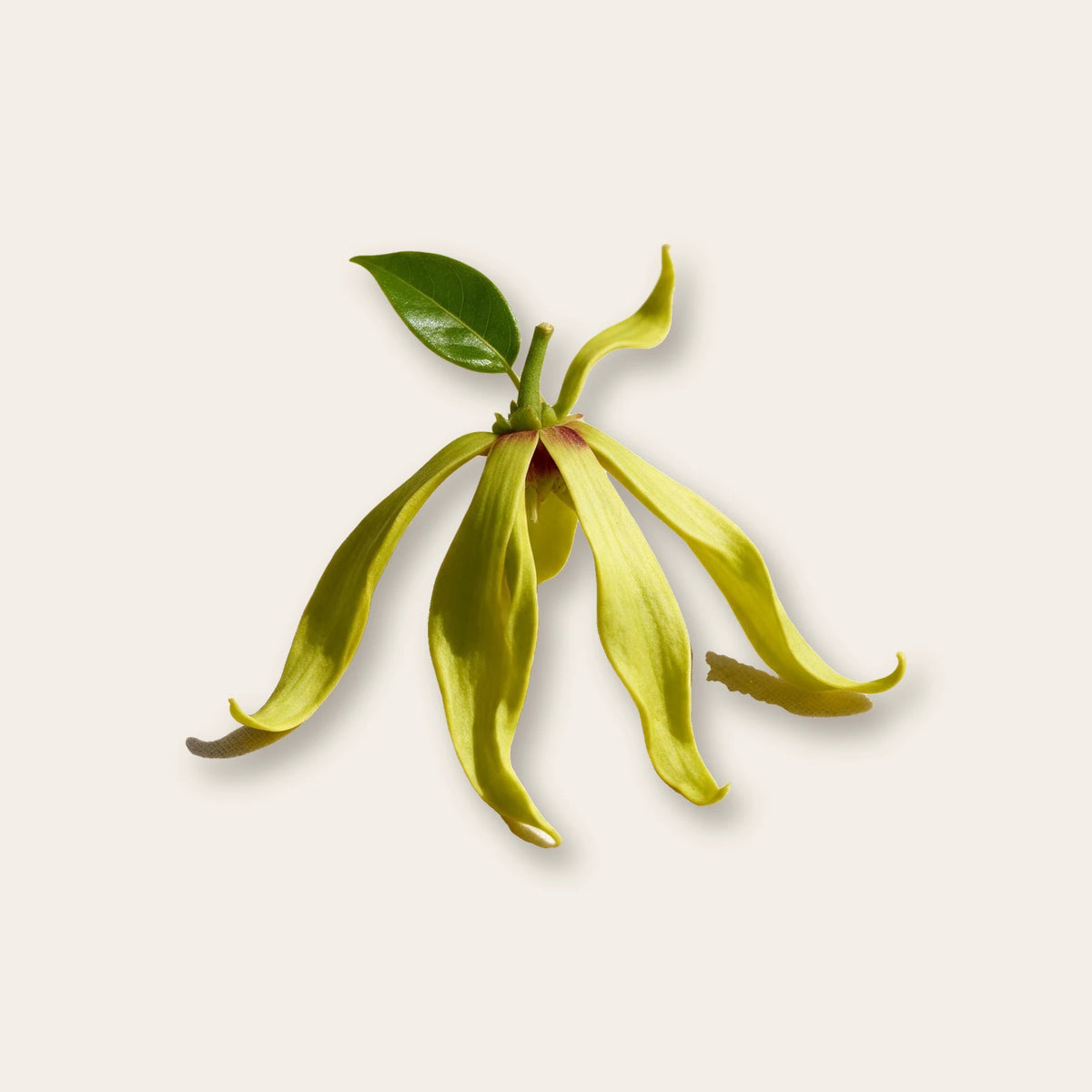
Ylang-Ylang
Cananga odorata · Custard-apple family (Annonaceae)
Creamy, exotic and sweet, with a hint of banana and jasmine.
NATURALWHITE FLORAL
AT A GLANCE
- Flower of a tropical tree, today mainly from the Comoros
- Scent: creamy, sweet, exotic
- Four grades from one distillation: Extra, I, II, III
- At the heart of 98 of our 116 ylang-ylang fragrances
PROFILE
- Origin
- Comoros, Mayotte, Madagascar (Nosy Be) · originally the Philippines and Indonesia
- Extraction
- Fractional steam distillation of the fresh flowers
- Main molecules
- Linalool (C₁₀H₁₈O) · Benzyl acetate (C₉H₁₀O₂) · Germacrene D (C₁₅H₂₄)
- Harvest
- In the tropics the tree flowers almost all year round.
- Often paired with
- Vanilla, jasmine, bergamot, sandalwood, tuberose, heliotrope, clove
Numbers that surprise
4 grades
Extra, I, II and III – all from a single distillation.
98 of 116
of our ylang-ylang fragrances carry it in the heart.
Rounded values; calculation based on published data.
Harvest and season
In the tropics the tree flowers almost all year round. The flowers are picked early in the morning, when the yellow blossoms are most fragrant.
The flowers are picked fresh as soon as they have turned from green to yellow, and distilled immediately. During the long distillation the oil is collected in stages: first the finest, most floral grade “Extra”, then grades I, II and III, which smell increasingly warmer and heavier.
Knowledge to share
Myth or truth?
Statement 1
Ylang-ylang Extra is a separate plant variety.
Myth. “Extra” is the first, finest fraction of the same distillation – followed by grades I, II and III.
Statement 2
Antimacassars owe their name to a hair oil containing ylang-ylang.
True. The 19th-century Macassar hair oil often contained ylang-ylang – and the protective doilies were named after it.
Statement 3
Ylang-ylang flowers are picked while still green.
Myth. They are only picked once they have turned yellow – that is when their scent is strongest.
Your result
FRAGRANCES WITH YLANG-YLANGINGREDIENT GLOSSARY
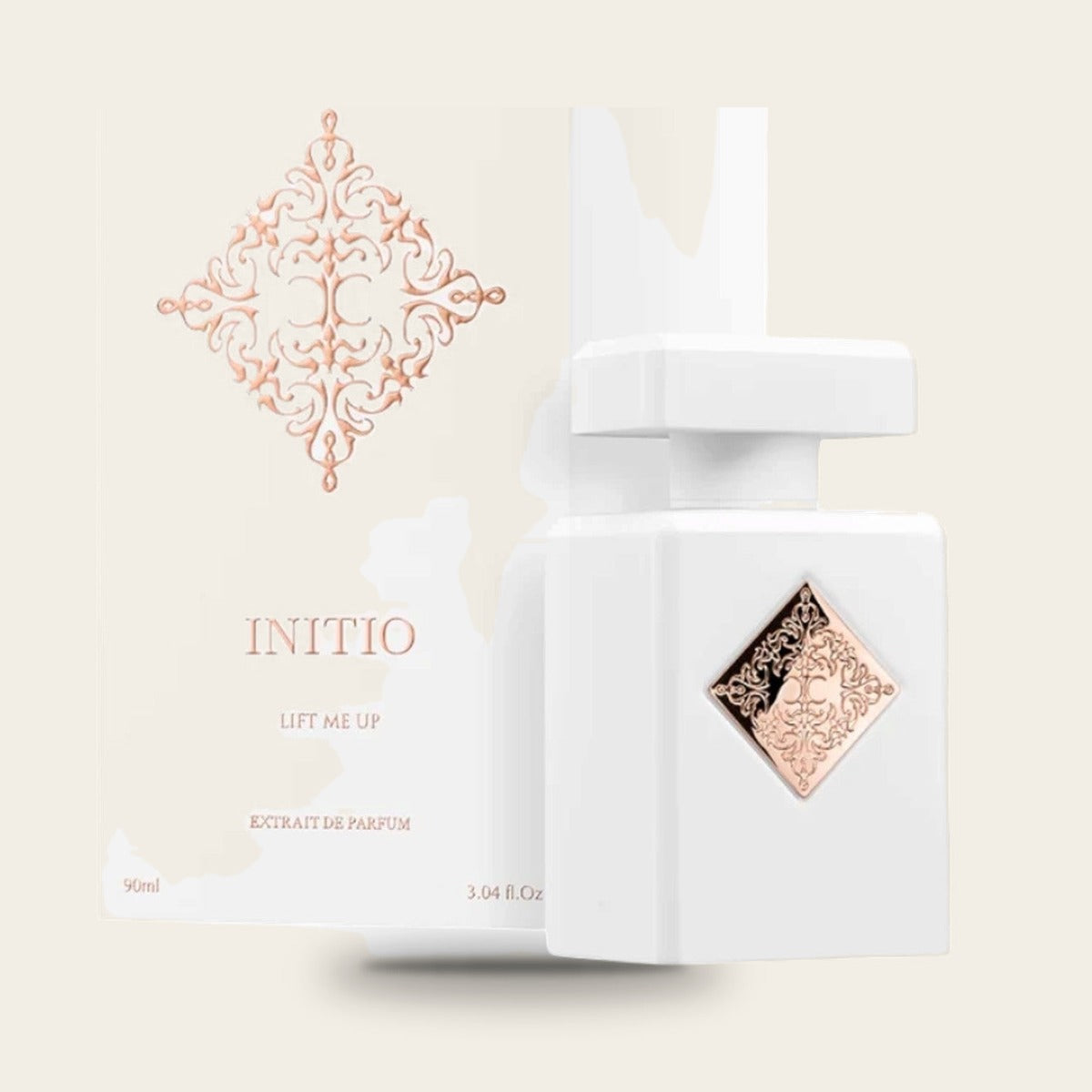
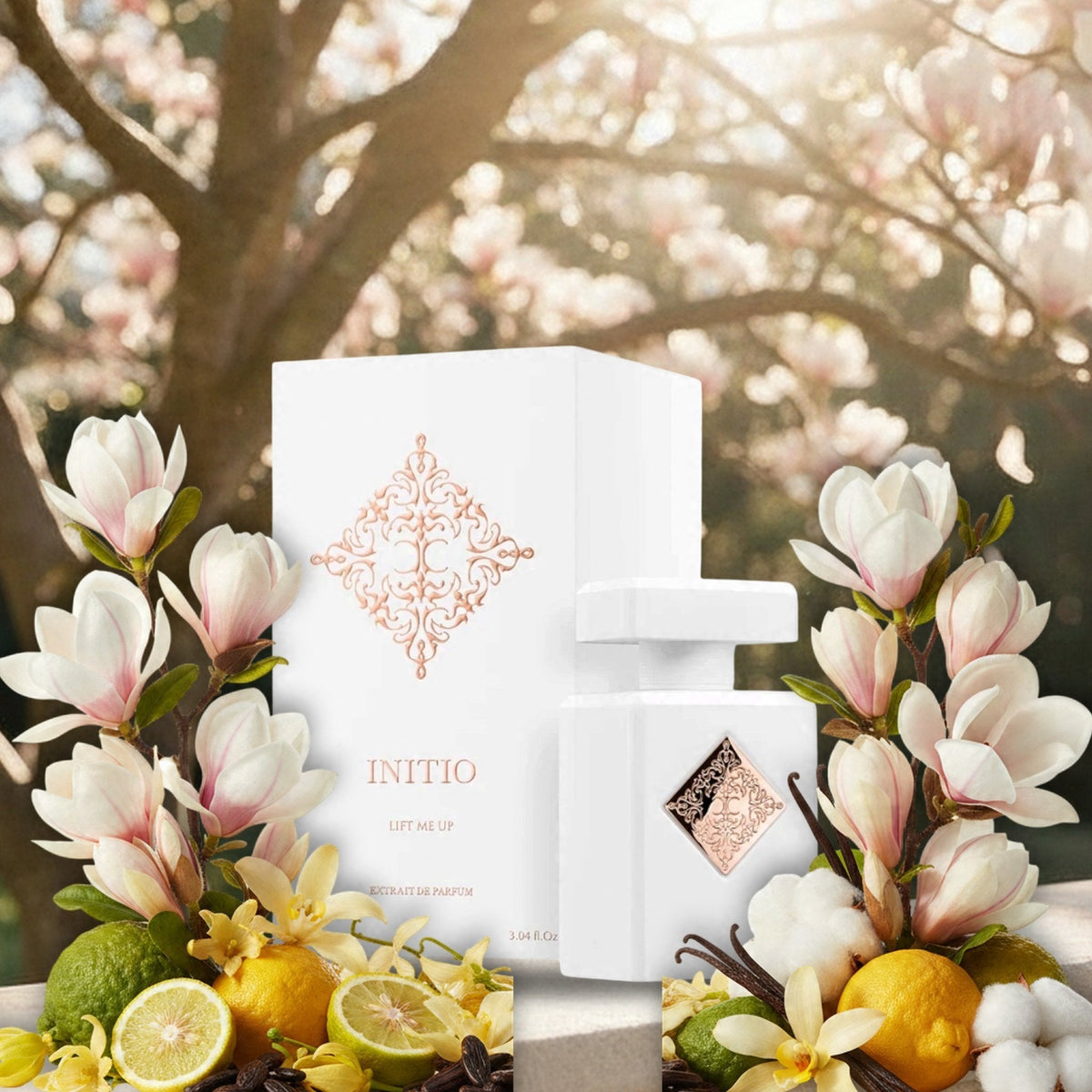
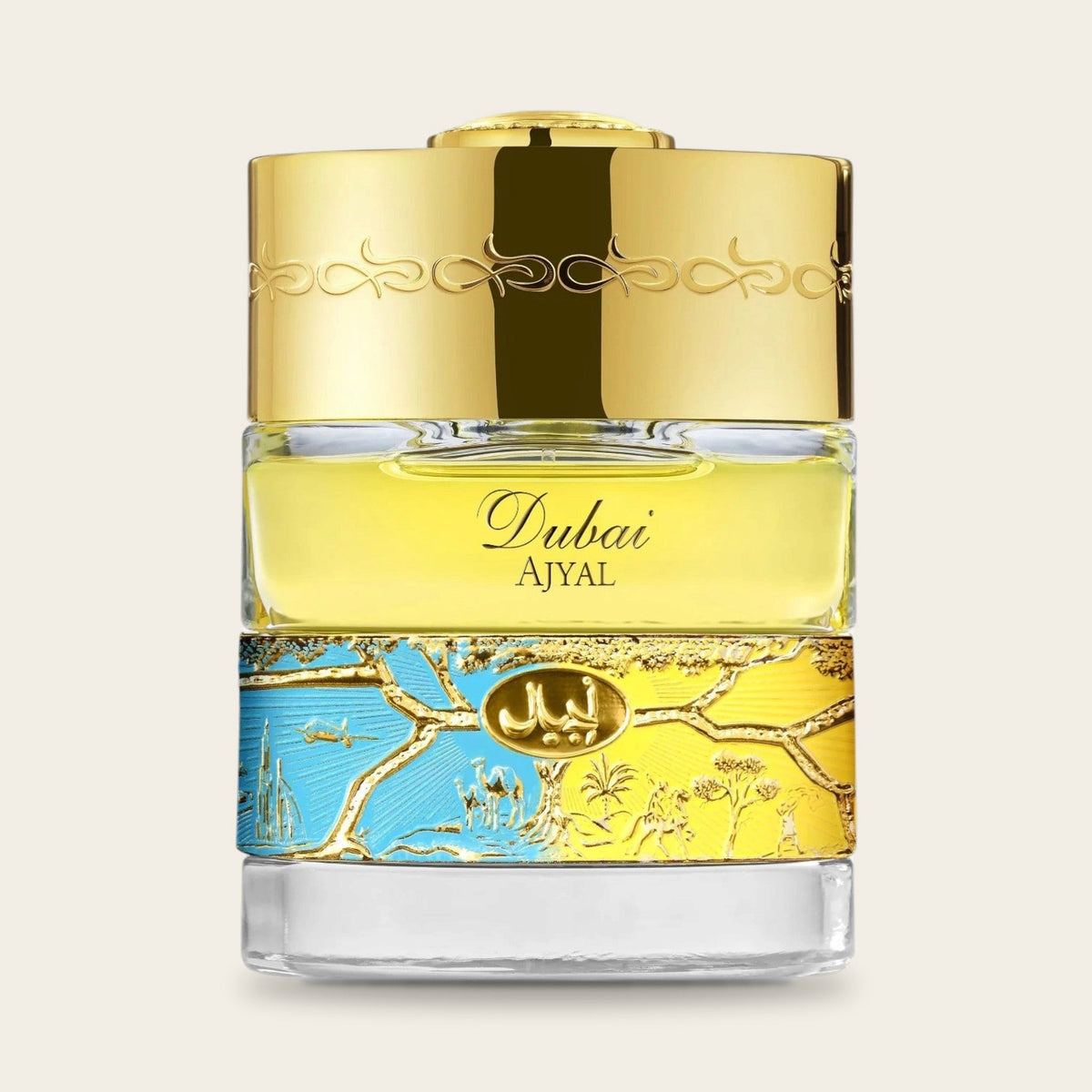
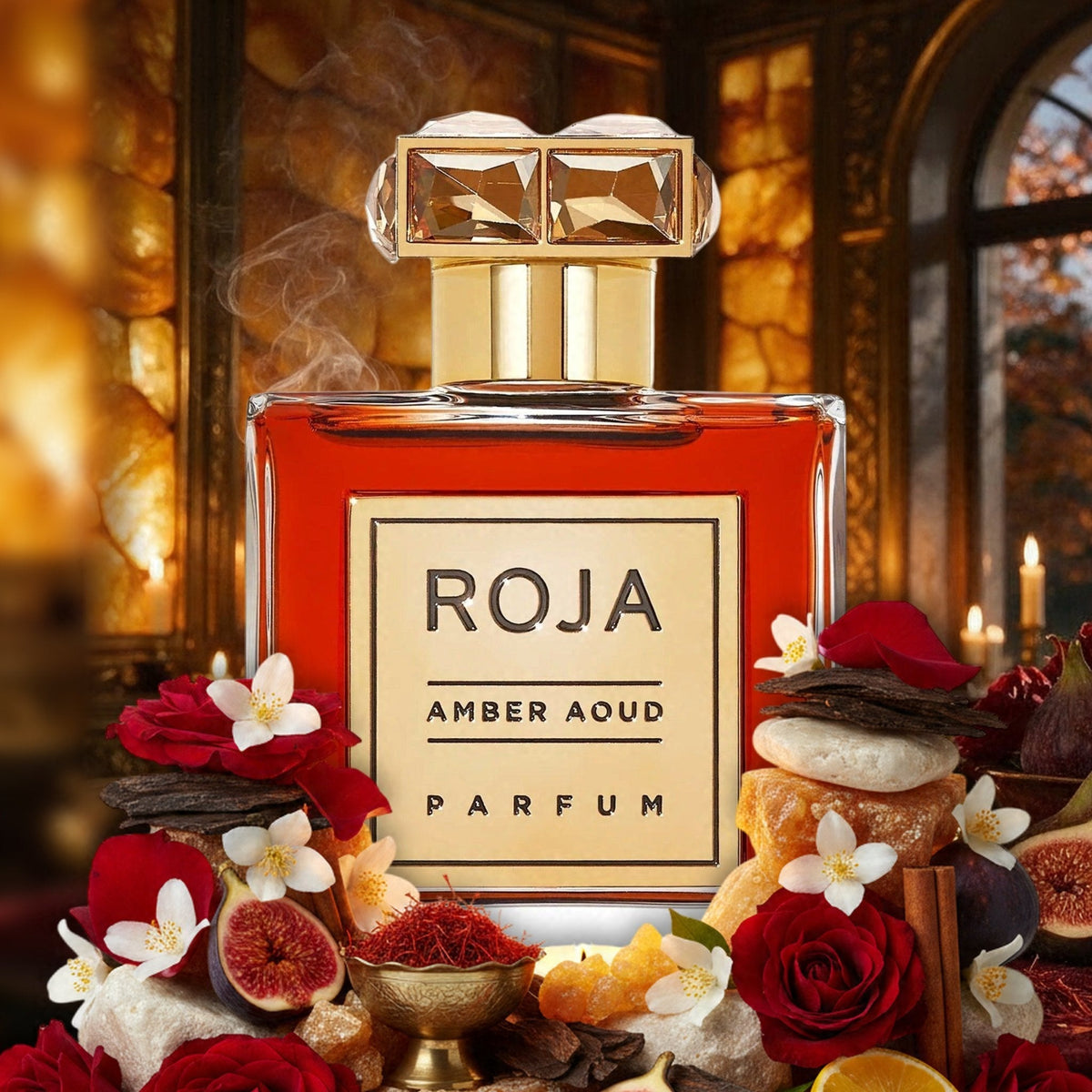
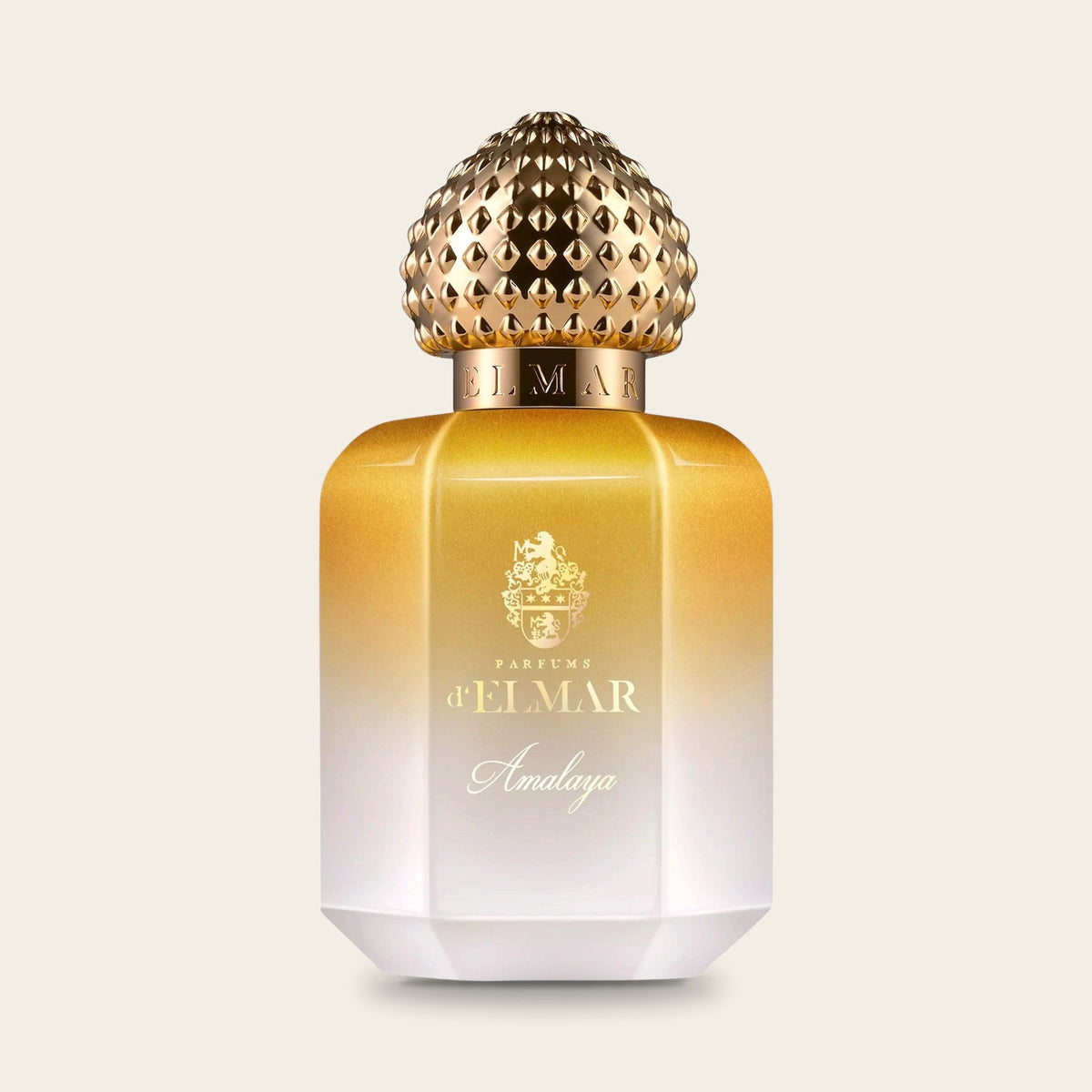
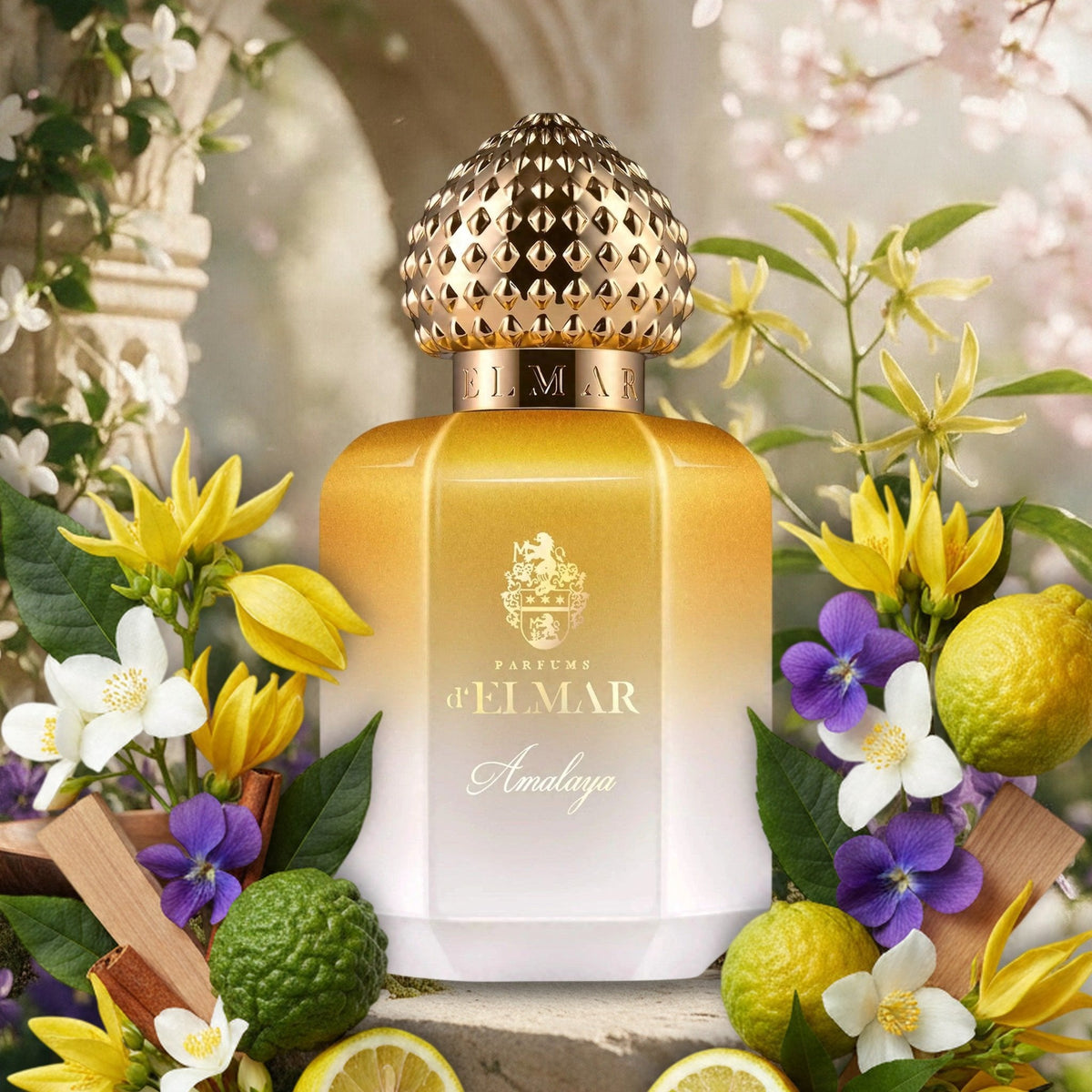
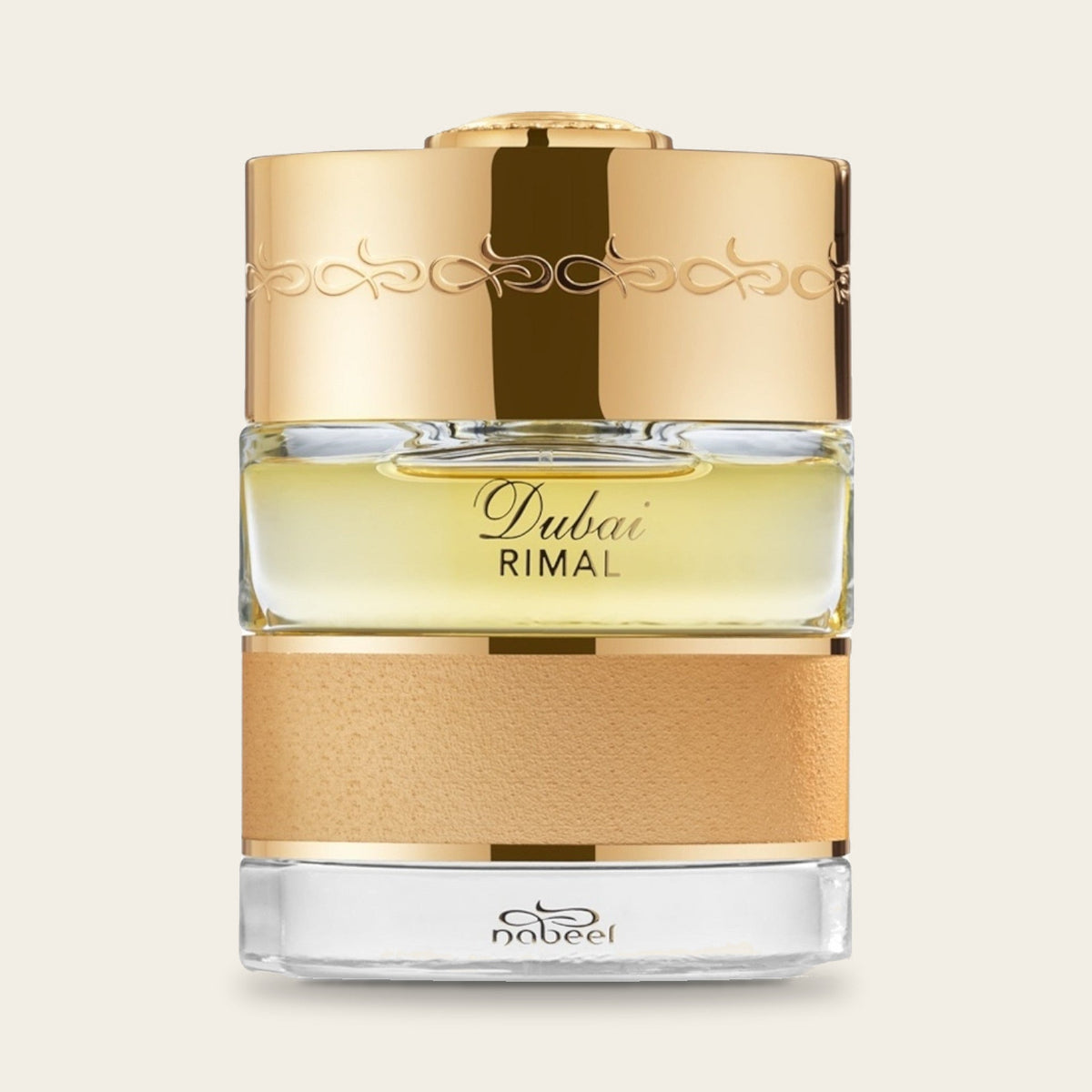
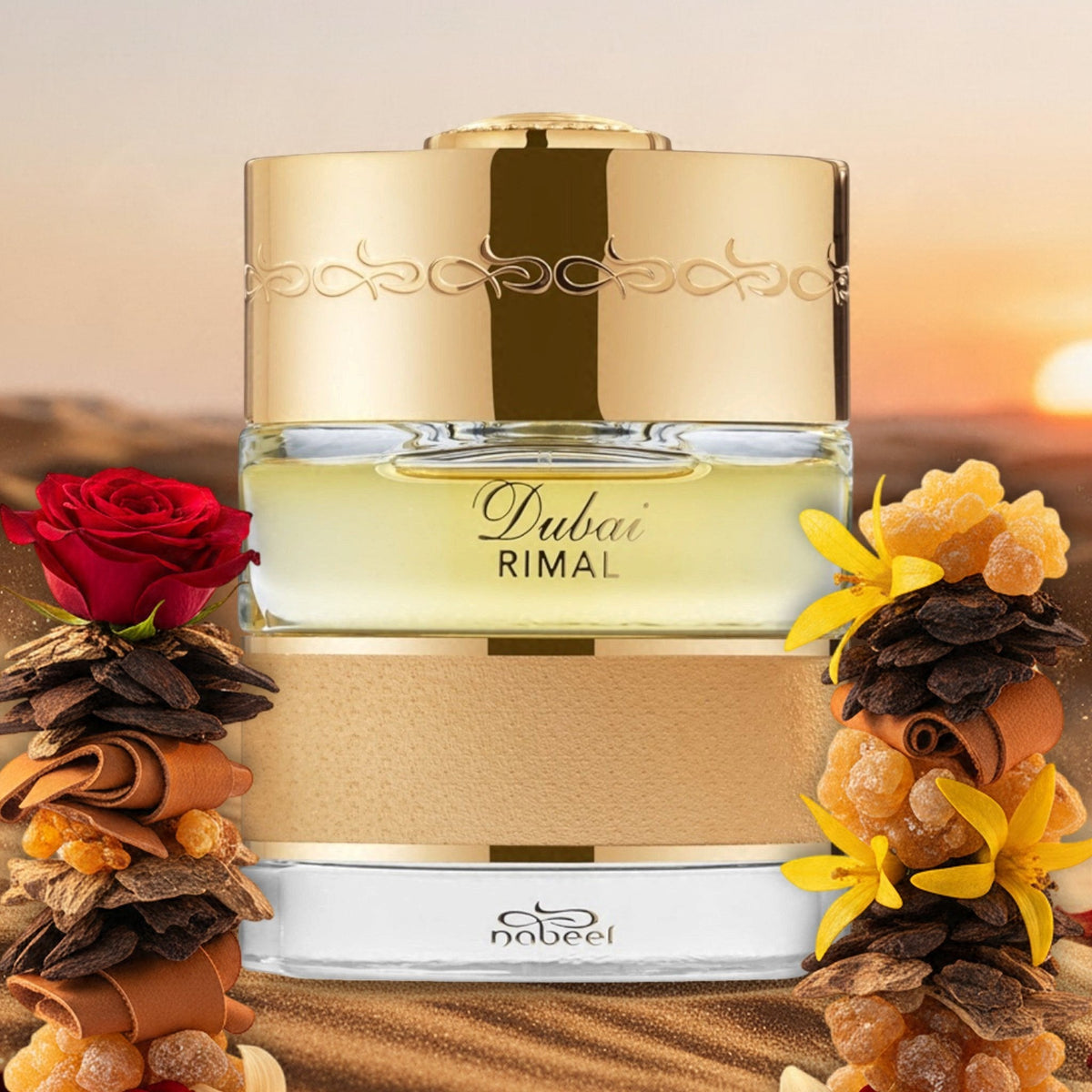
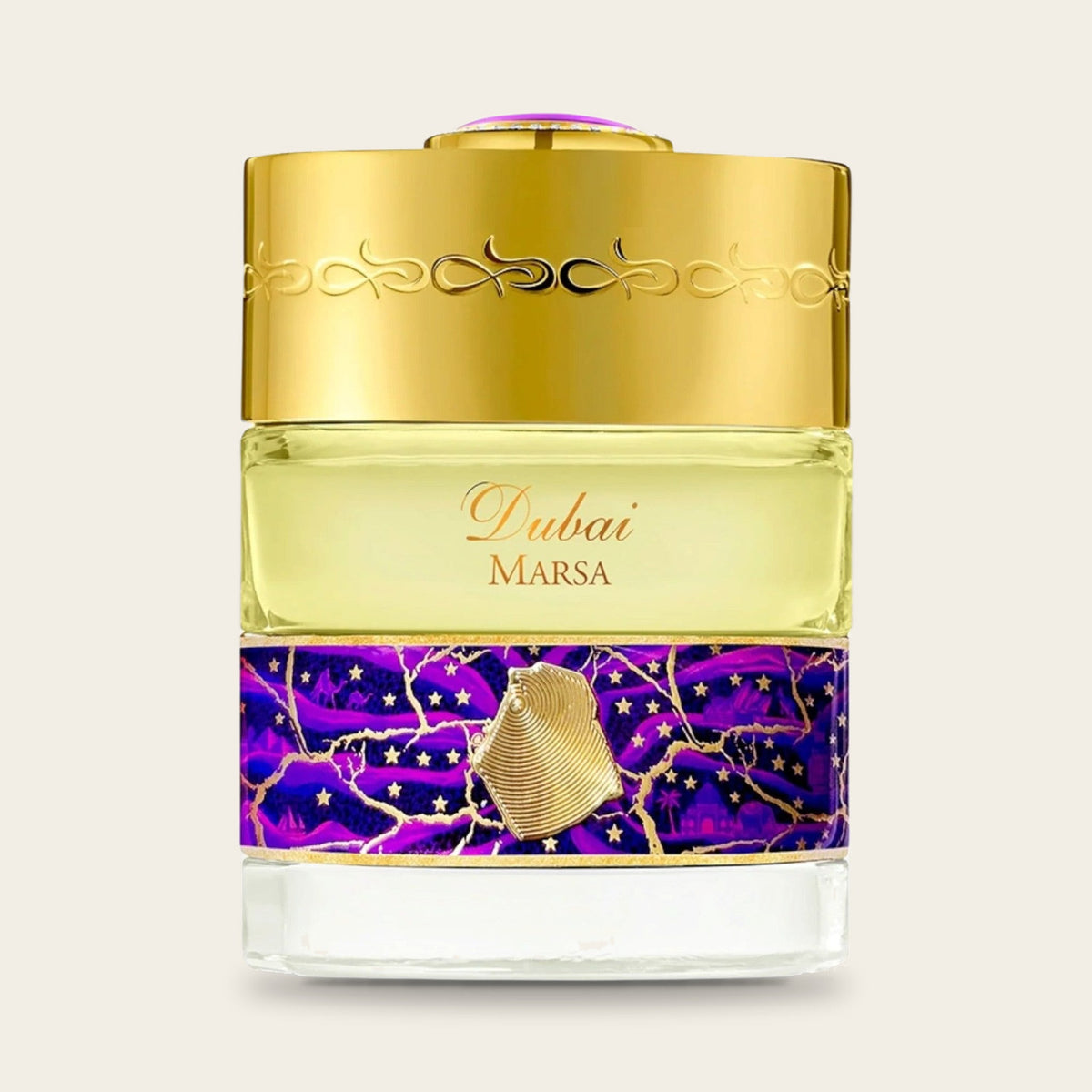
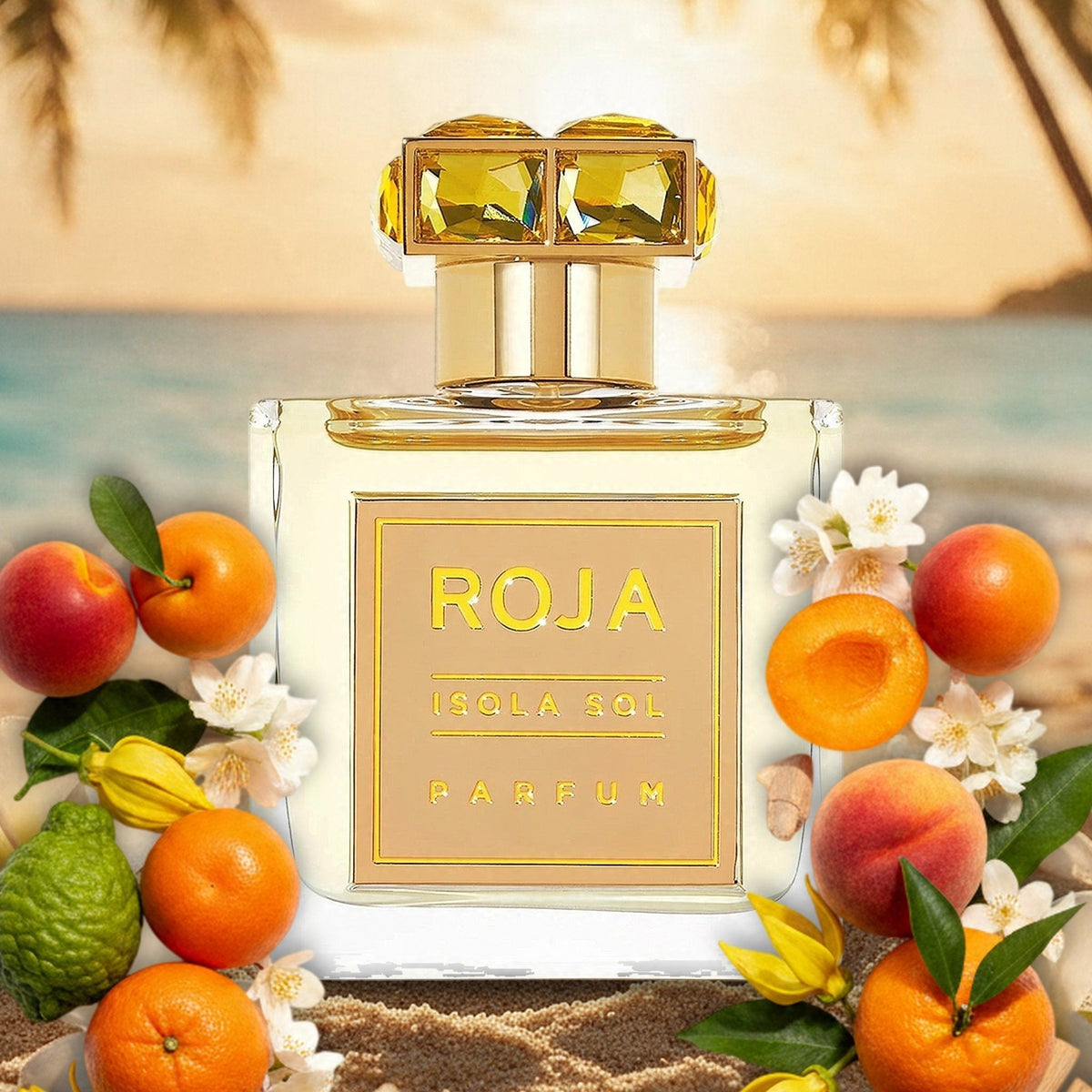
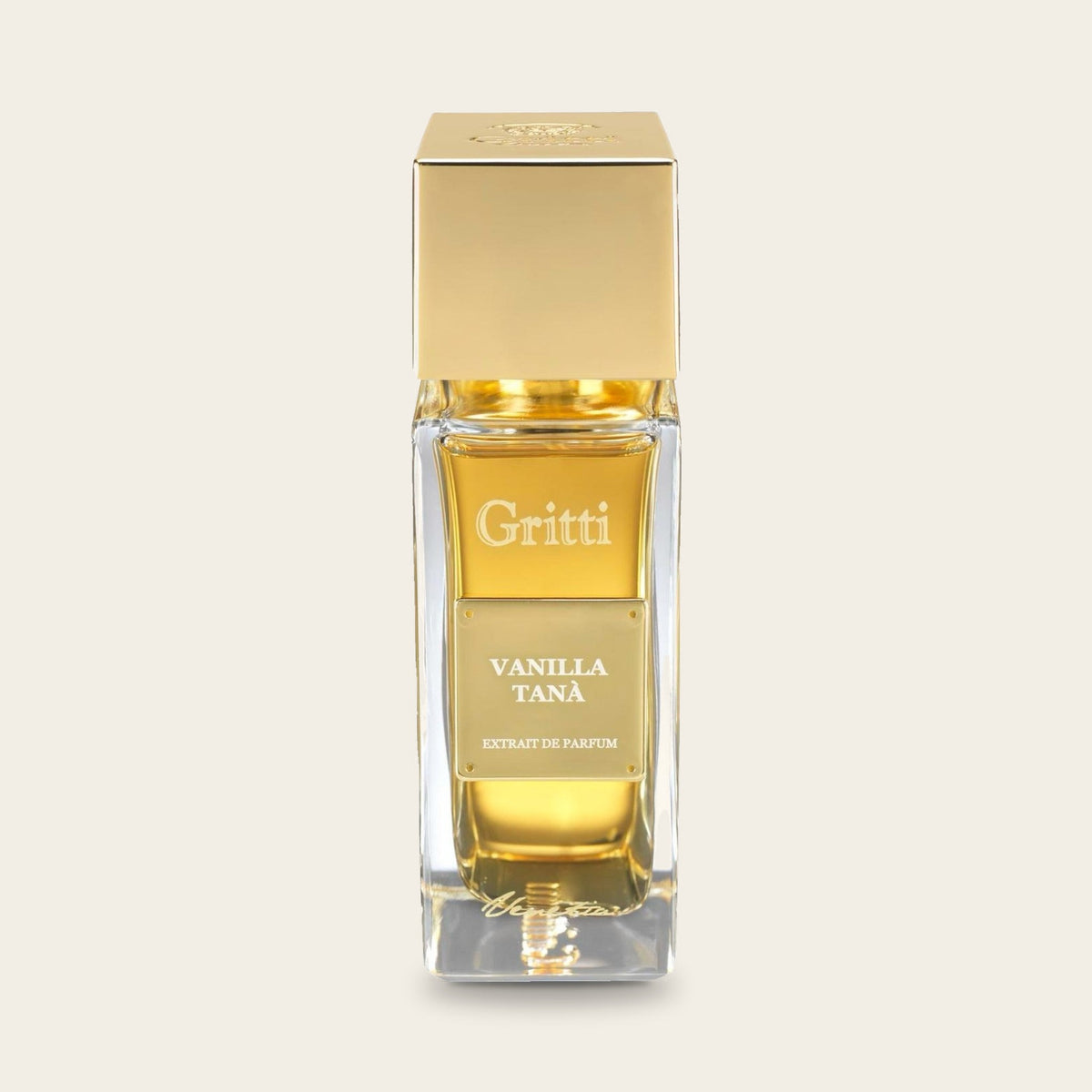
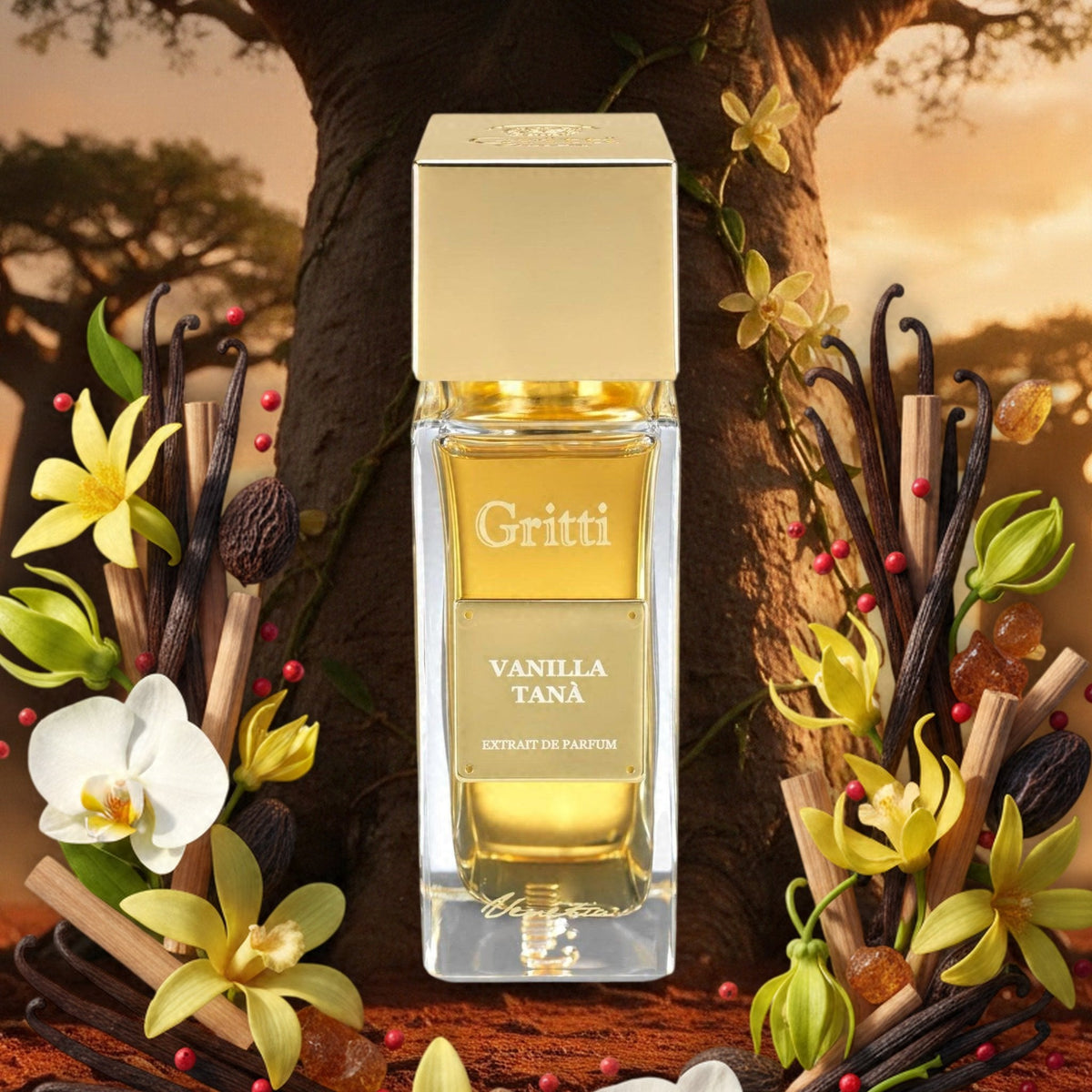
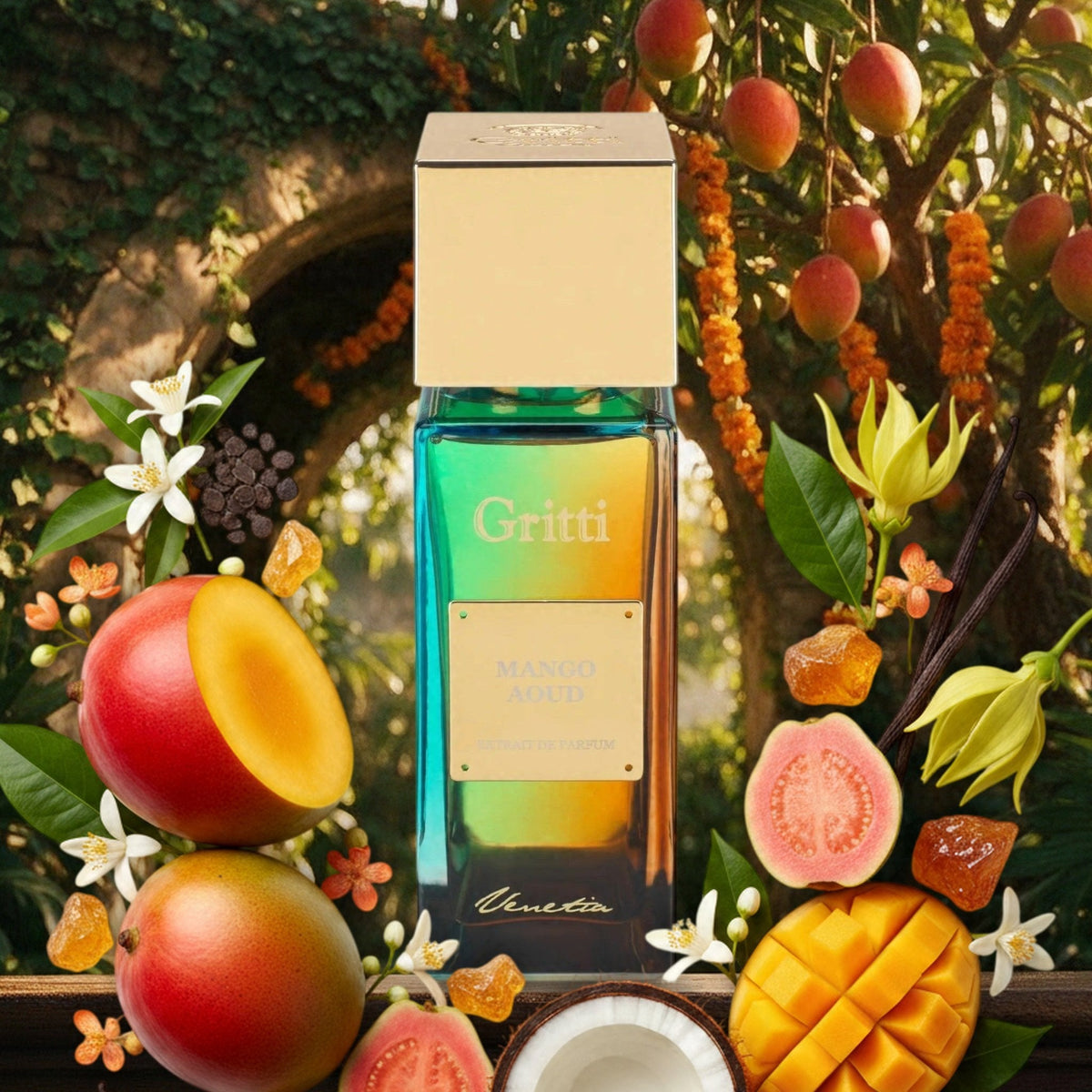
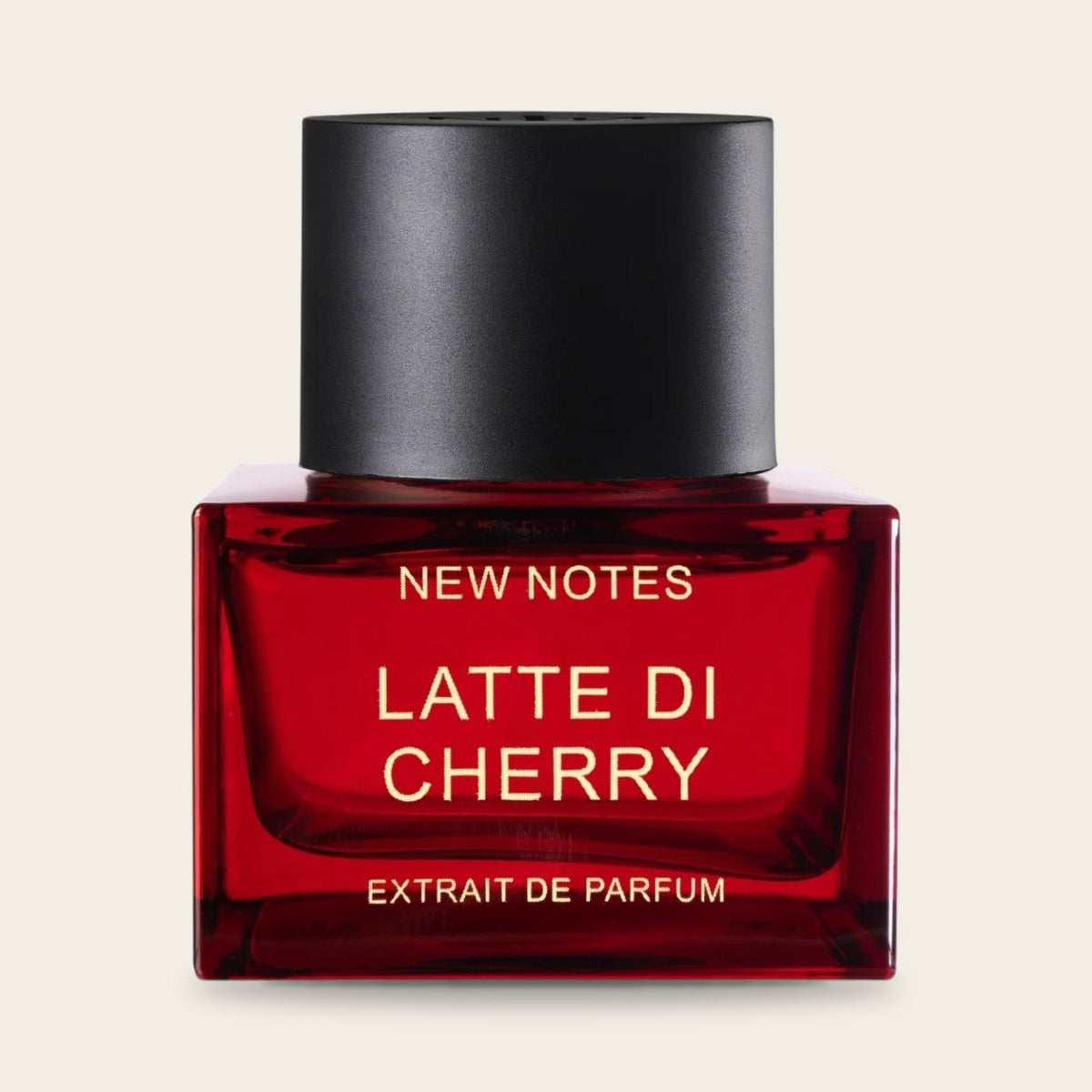
Fragrances with Ylang-Ylang
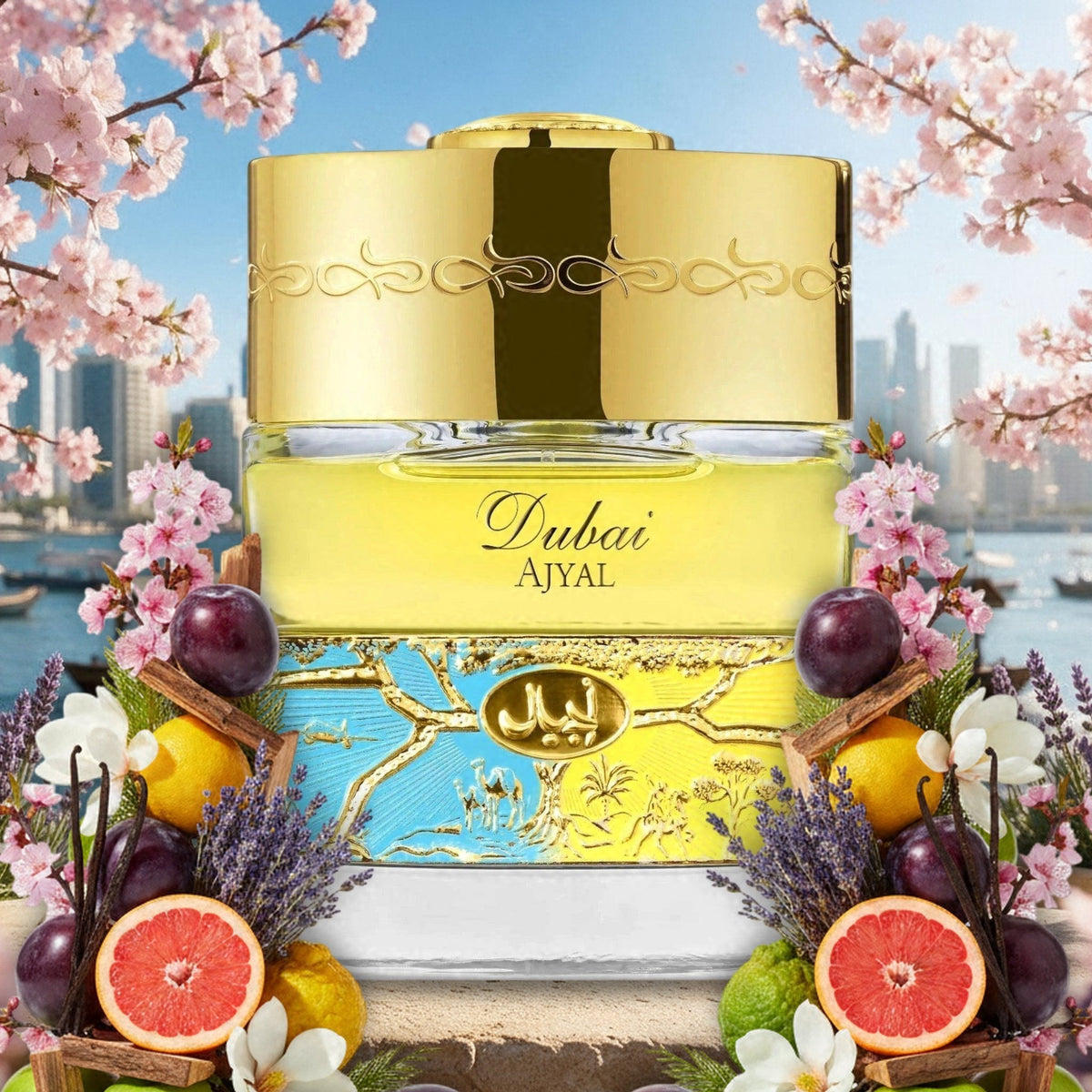
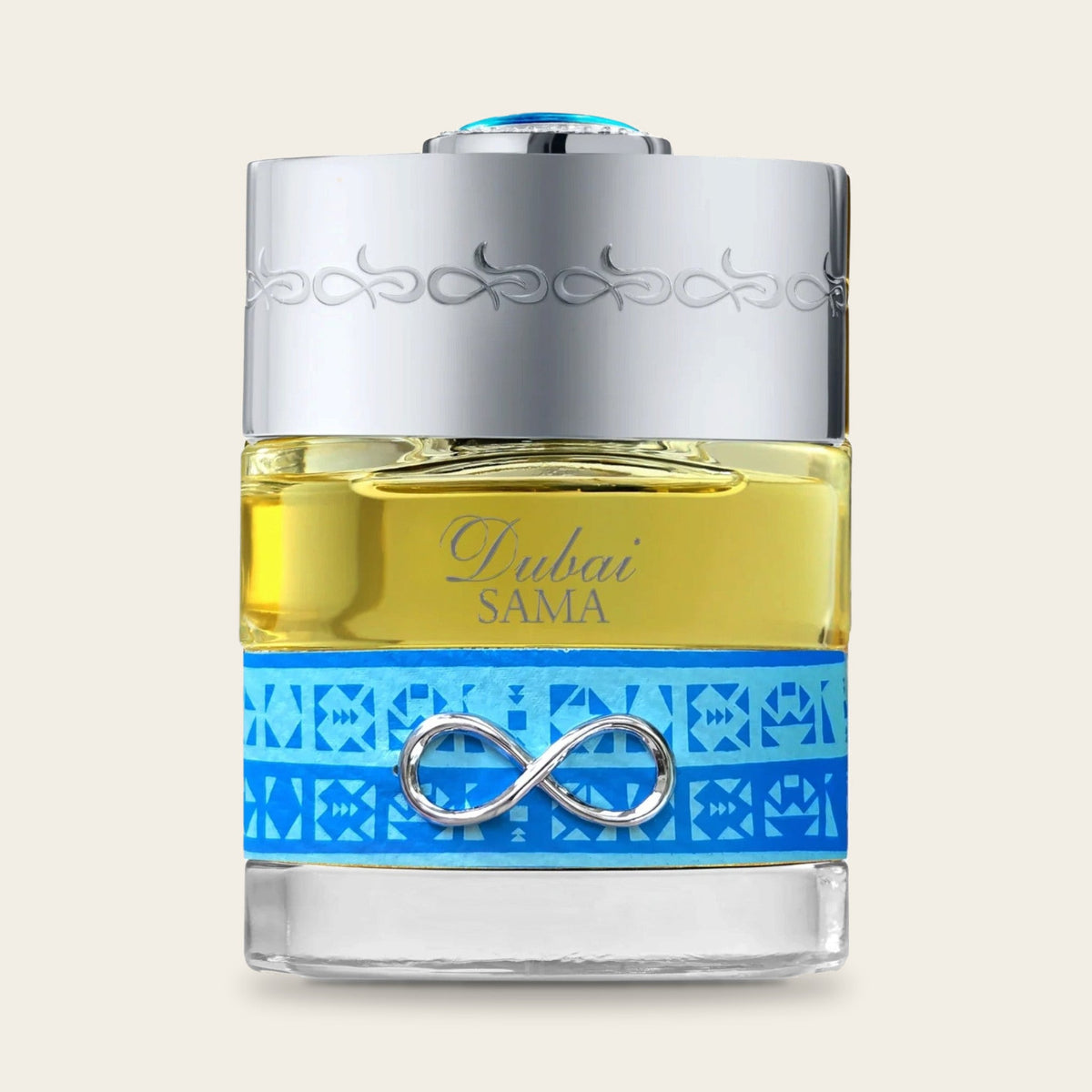
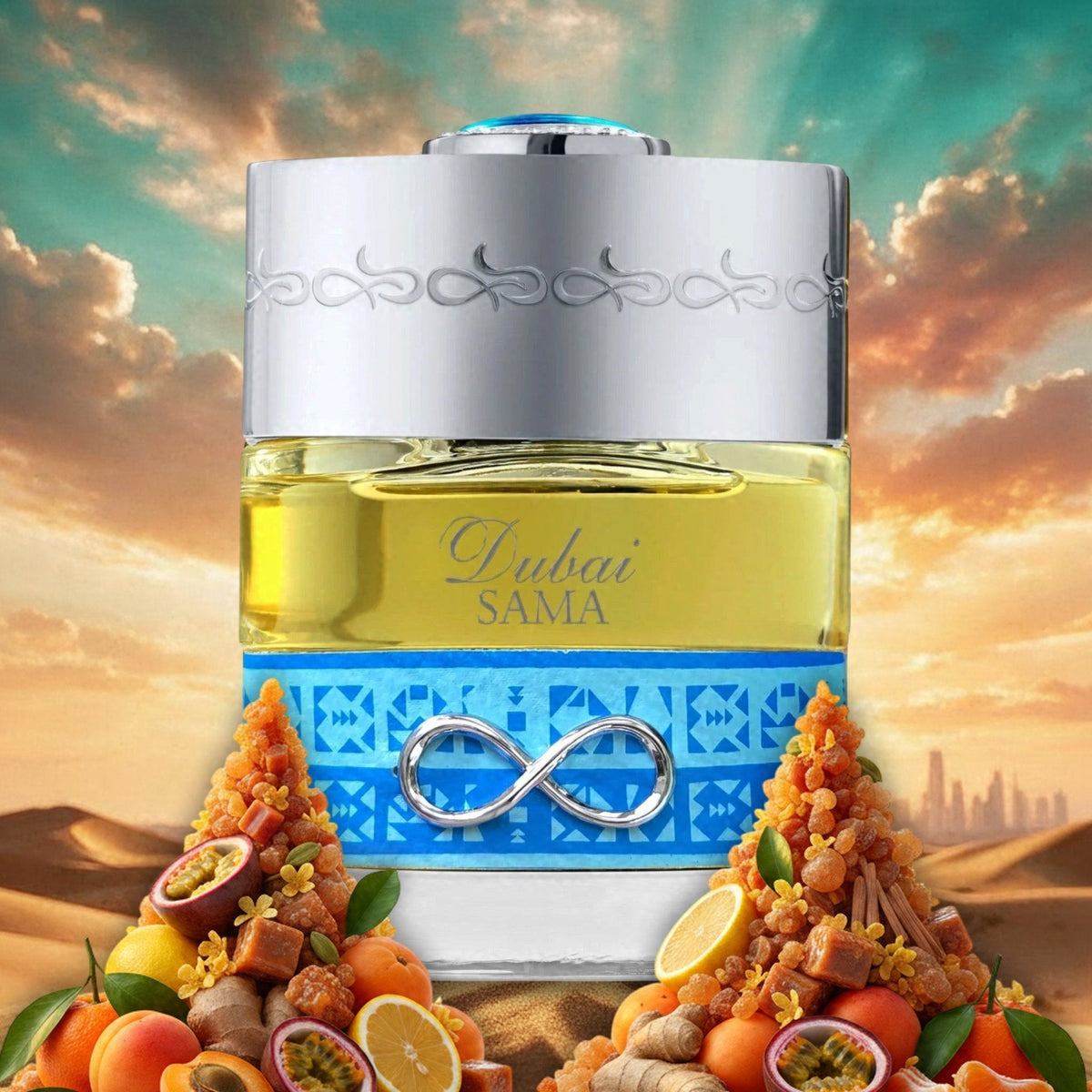
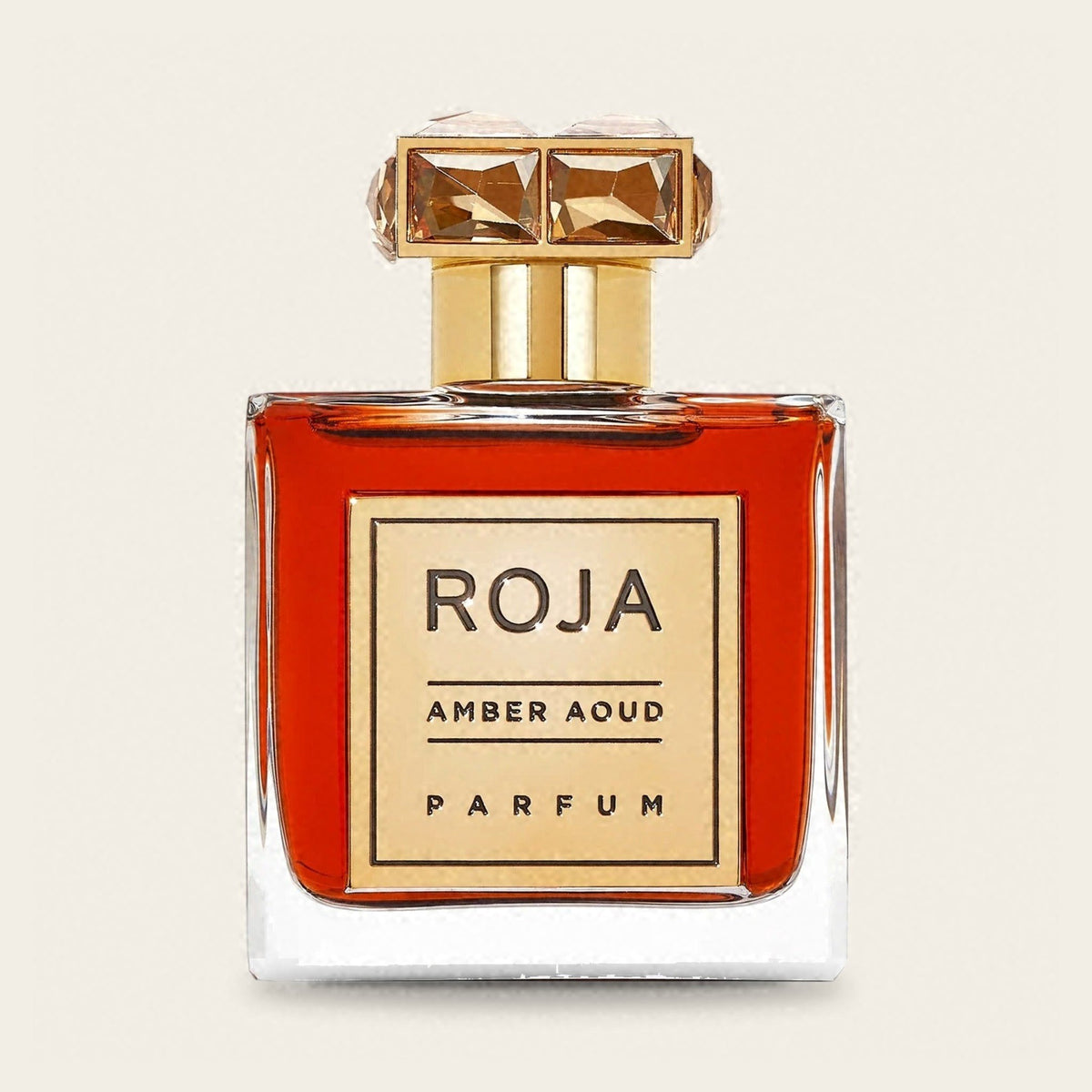



Questions and answers
Creamy, exotic and sweet, with a hint of banana and jasmine.
Ylang-ylang comes from Southeast Asia, from the Philippines and Indonesia. Most perfumery oil today comes from the Comoros, Mayotte and the island of Nosy Be off Madagascar.
The flowers are picked fresh as soon as they have turned from green to yellow, and distilled immediately. During the long distillation the oil is collected in stages: first the finest, most floral grade “Extra”, then grades I, II and III, which smell increasingly warmer and heavier.
Ylang-ylang is sunny opulence: creamy, exotic, sweet, with a hint of banana and jasmine. In our range it sits at the heart of 98 out of 116 fragrances. It makes white flowers fuller and gives vanilla and woods a sensual warmth.
White floral, creamy and exotic.
In the tropics the tree flowers almost all year round. The flowers are picked early in the morning, when the yellow blossoms are most fragrant.
In our fragrances, it often appears alongside Vanilla, jasmine, bergamot, sandalwood, tuberose, heliotrope, clove.
In the 19th century ylang-ylang was an ingredient of the famous Macassar hair oil. Because the oil stained the armchairs, protective cloths were laid over the backrests – in English they are still called “antimacassars” today.
- The name is the Spanish spelling of the Tagalog word “ilang-ilang” – the often-quoted translation “flower of flowers” is disputed.
- The protective cloths on armchairs are called “antimacassars” in English – after a hair oil that often contained ylang-ylang.
- The flowers are green at first and are only picked once they have turned yellow.
The oil is separated into grades by distillation time: extra, 1, 2 and 3.
FRAGRANCE KNOWLEDGE
In the 4D Journal
-
 FRAGRANCE KNOWLEDGE
Rose in perfume: The queen of fragrance materials
READ ARTICLE
-
 FRAGRANCE KNOWLEDGE
Vanilla in perfume: From orchid to favourite scent
READ ARTICLE
-
 FRAGRANCE KNOWLEDGE
Leather in perfume: How does something smell that was never in the bottle?
READ ARTICLE
-
 FRAGRANCE KNOWLEDGE
Scented candles & home fragrance: How to use them right
READ ARTICLE