

INGREDIENT GLOSSARY
Cinnamon
Cinnamomum verum · Laurel family (Lauraceae)
Warm, sweet and spicy, with a woody, fiery depth.
NATURALWARM-SPICY
AT A GLANCE
- Inner bark of the Ceylon cinnamon tree from Sri Lanka
- Scent: warm, sweet, spicy-sharp
- Main molecule of the bark: cinnamaldehyde
- In our fragrances equally often in the top and heart
PROFILE
- Origin
- Sri Lanka (Ceylon cinnamon) · related cassia from China, Vietnam and Indonesia
- Extraction
- Steam distillation of the bark (cinnamon bark oil) or the leaves (cinnamon leaf oil)
- Main molecules
- Cinnamaldehyde (C₉H₈O) · Eugenol (C₁₀H₁₂O₂, mainly in the leaf oil)
- Harvest
- In Sri Lanka the shoots are cut mainly during the rainy season, when the bark comes away easily from the wood.
- Often paired with
- Vanilla, patchouli, bergamot, sandalwood, clove, honey, rum
Numbers that surprise
54 to 55
cinnamon appears almost equally often in the top and the heart of our fragrances.
Rounded values; calculation based on published data.
Harvest and season
In Sri Lanka the shoots are cut mainly during the rainy season, when the bark comes away easily from the wood.
The outer bark is scraped from young shoots, the delicate inner bark peeled off and dried – curling into the familiar sticks as it does. For perfume, the bark is distilled. The leaves give a second oil that smells more of clove.
Knowledge to share
Myth or truth?
Statement 1
Cinnamon sticks are dried twigs.
Myth. They are the inner bark of young shoots – it curls into a stick by itself as it dries.
Statement 2
Cinnamon leaf oil smells more like clove.
True. Leaf oil is dominated by eugenol – the same molecule that defines clove.
Statement 3
All cinnamon is the same.
Myth. Ceylon cinnamon and cassia come from different species – Ceylon is finer and sweeter, cassia bolder.
Your result
FRAGRANCES WITH CINNAMONINGREDIENT GLOSSARY
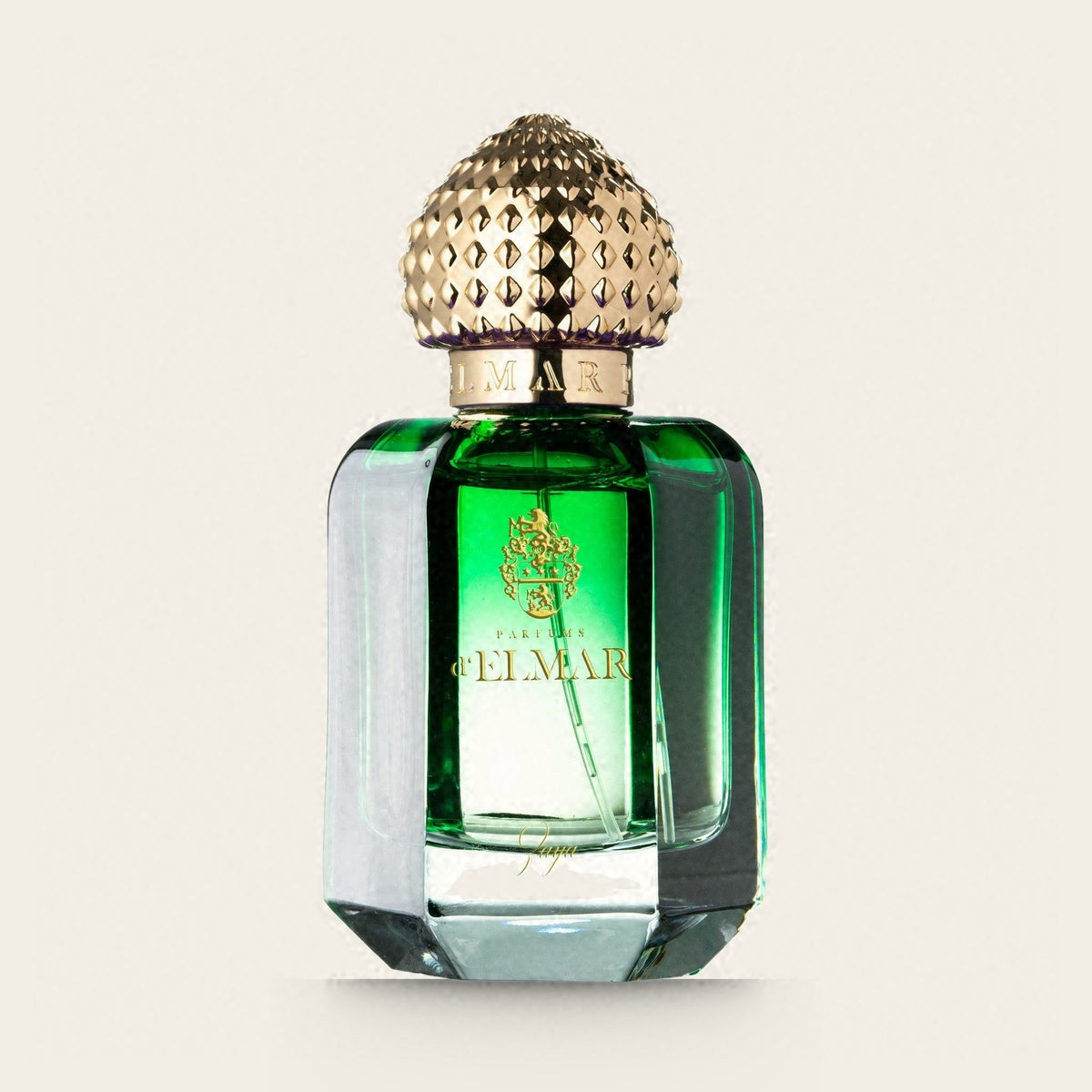
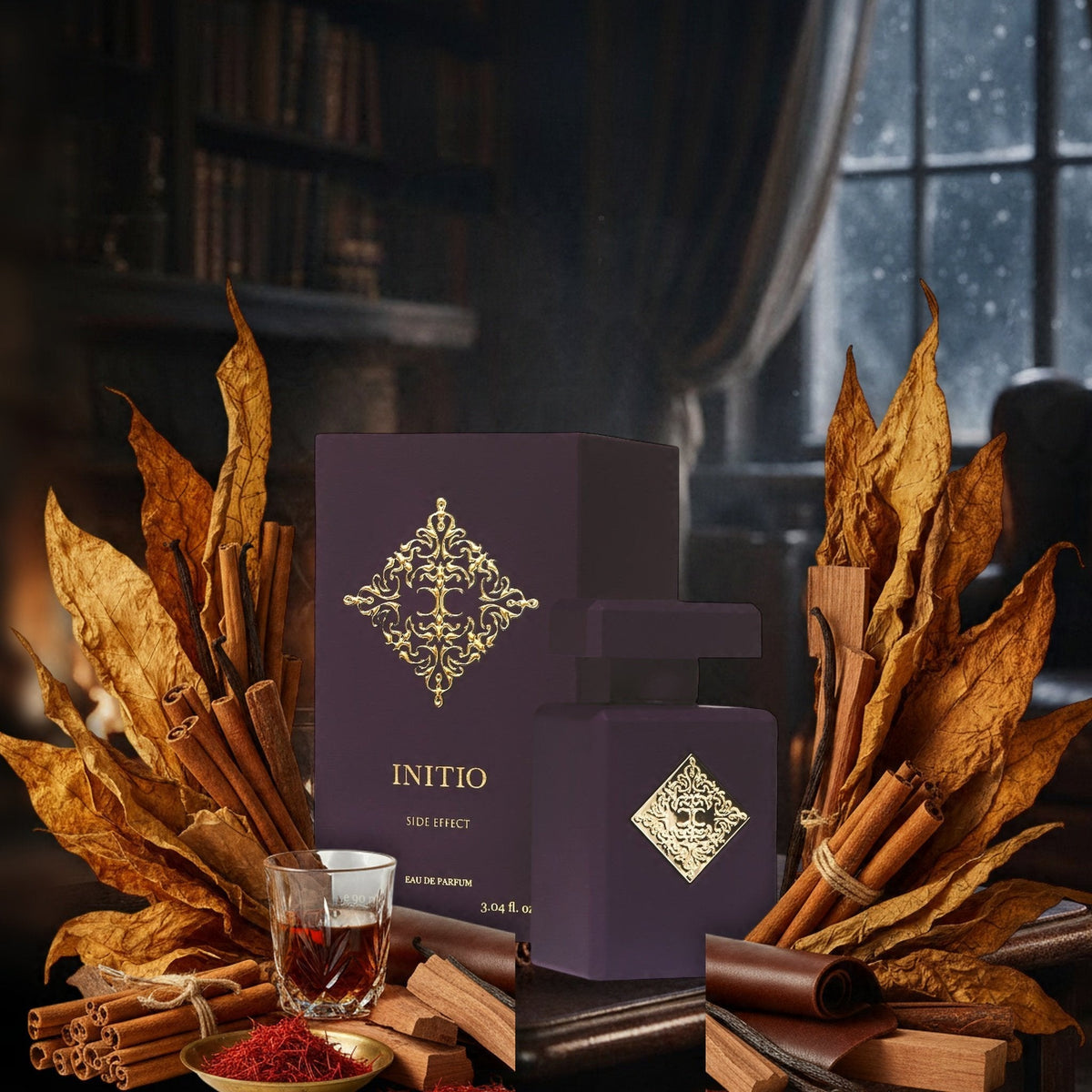
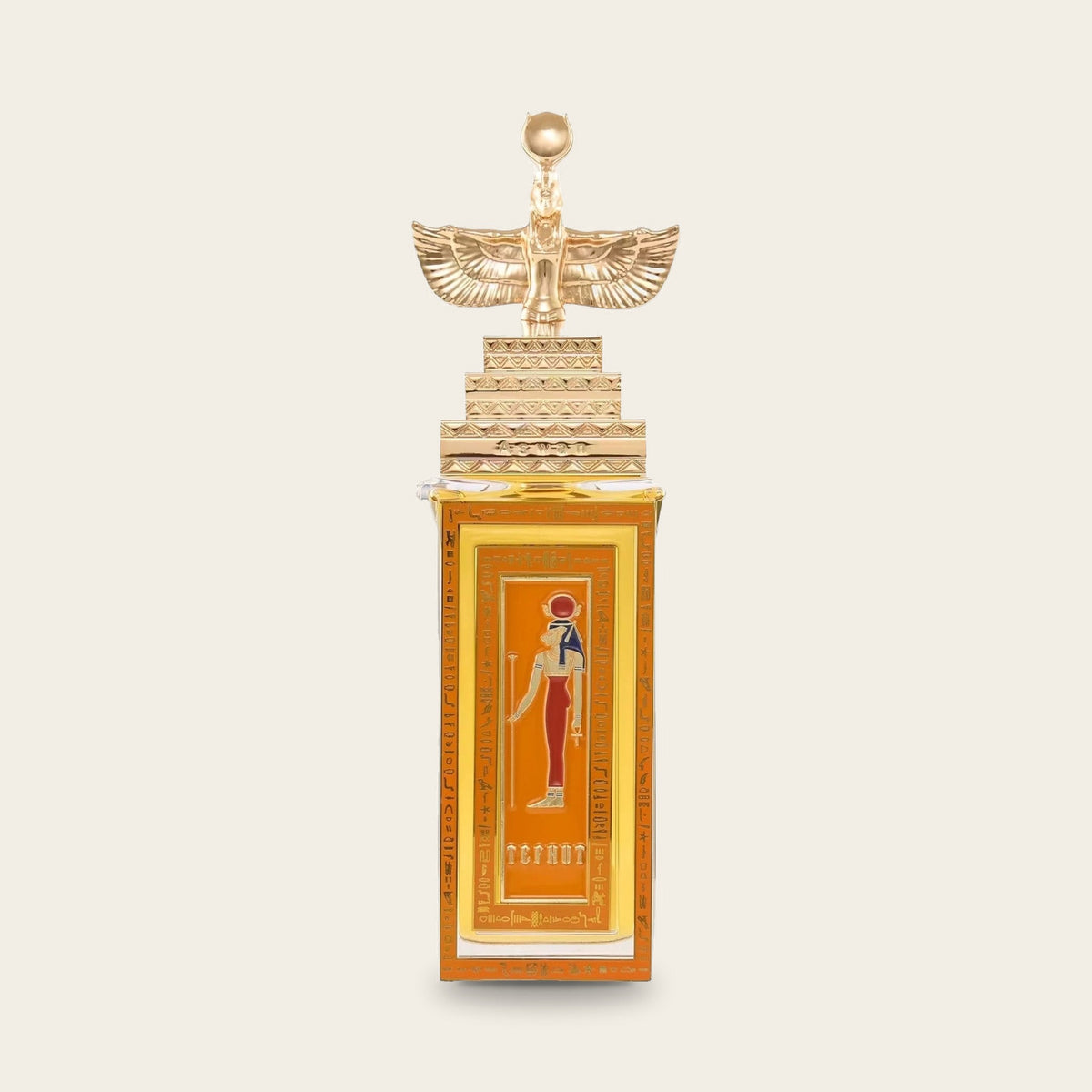
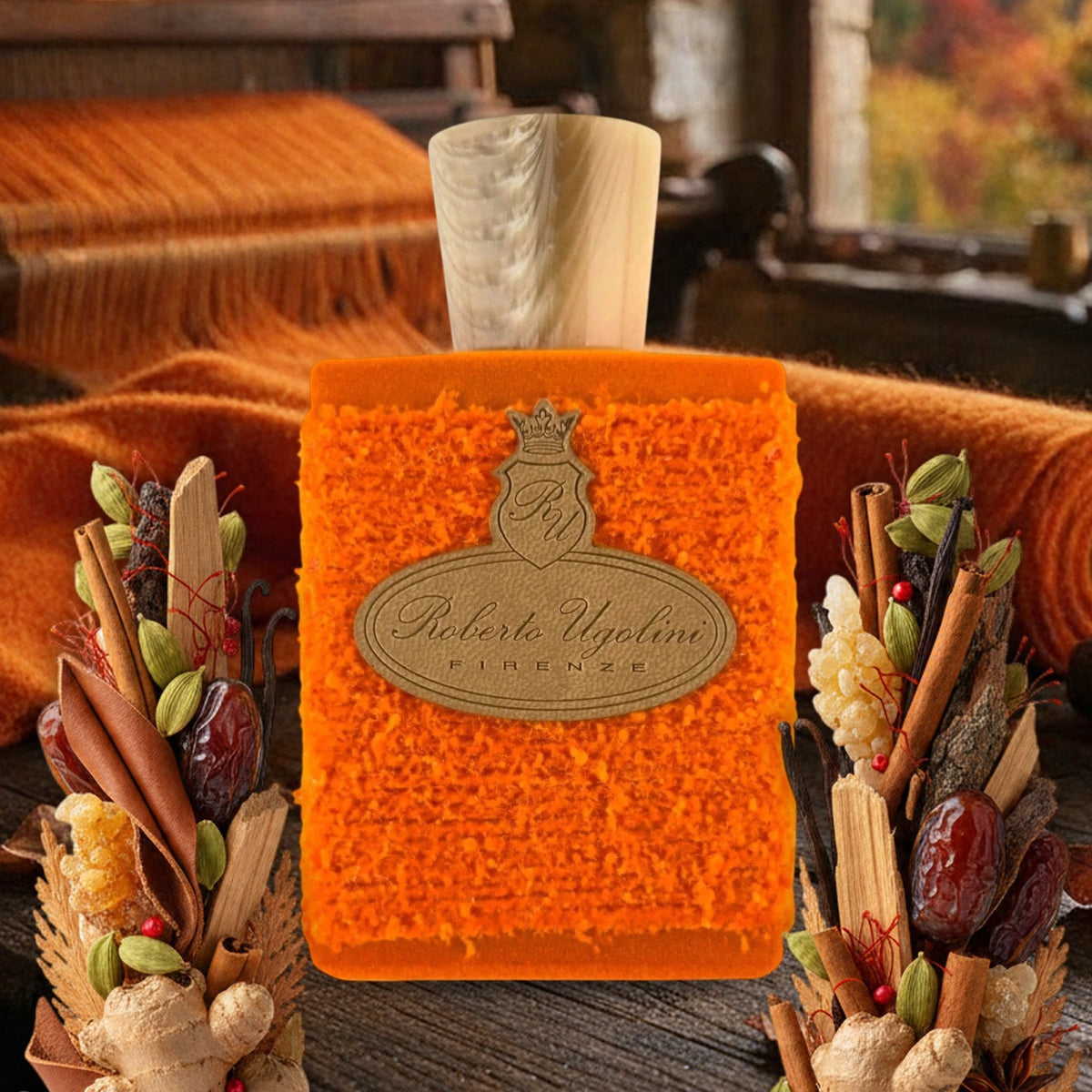
Fragrances with Cinnamon
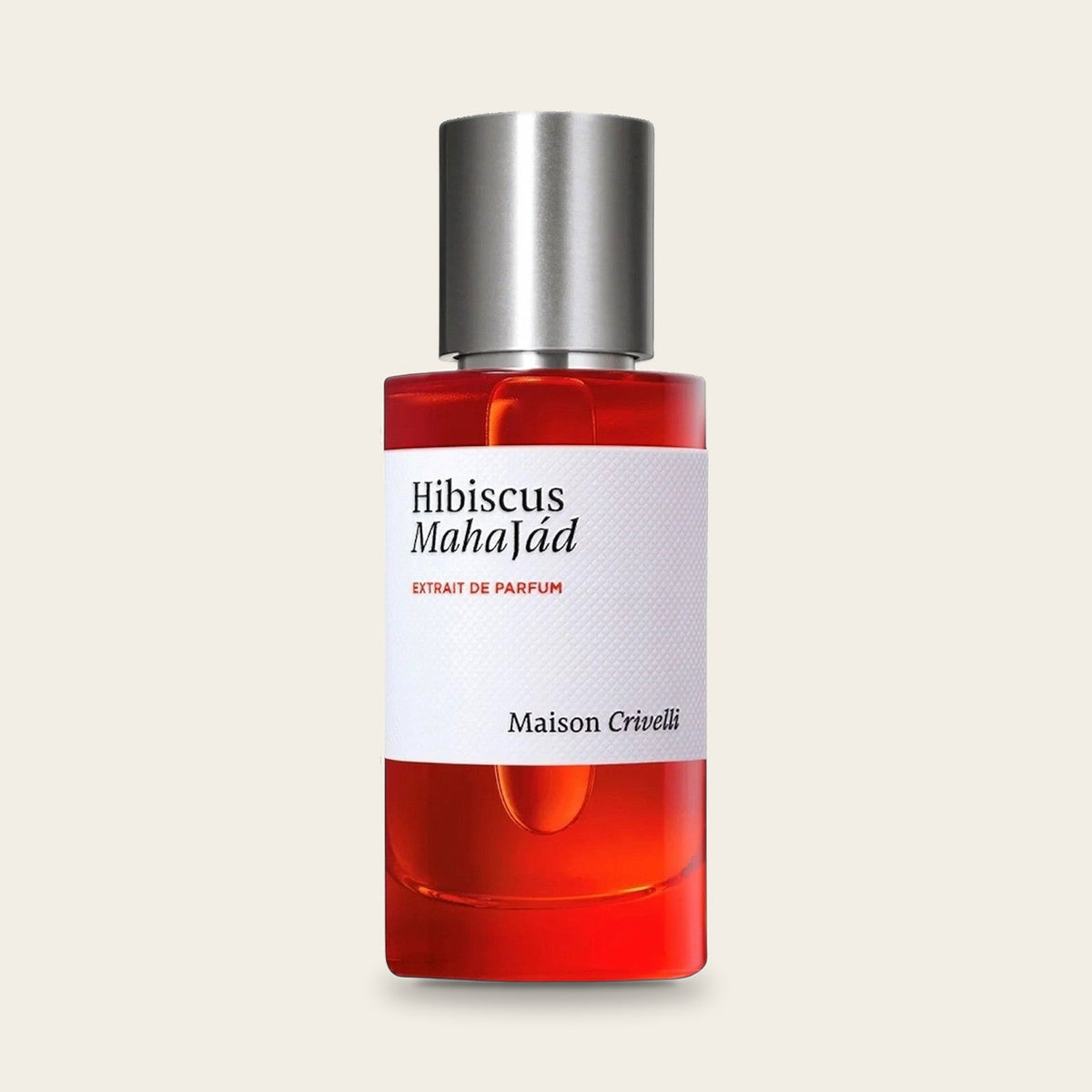
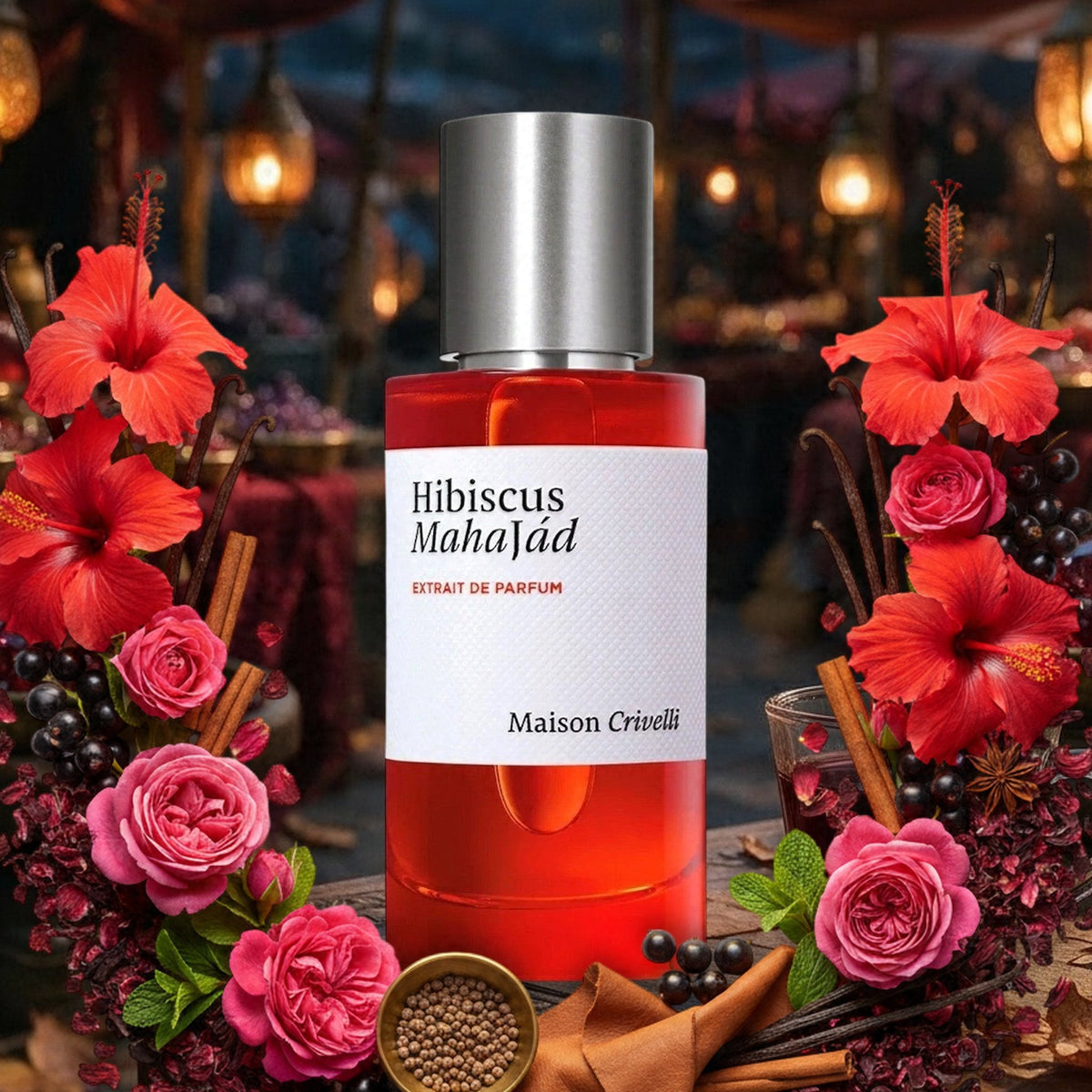
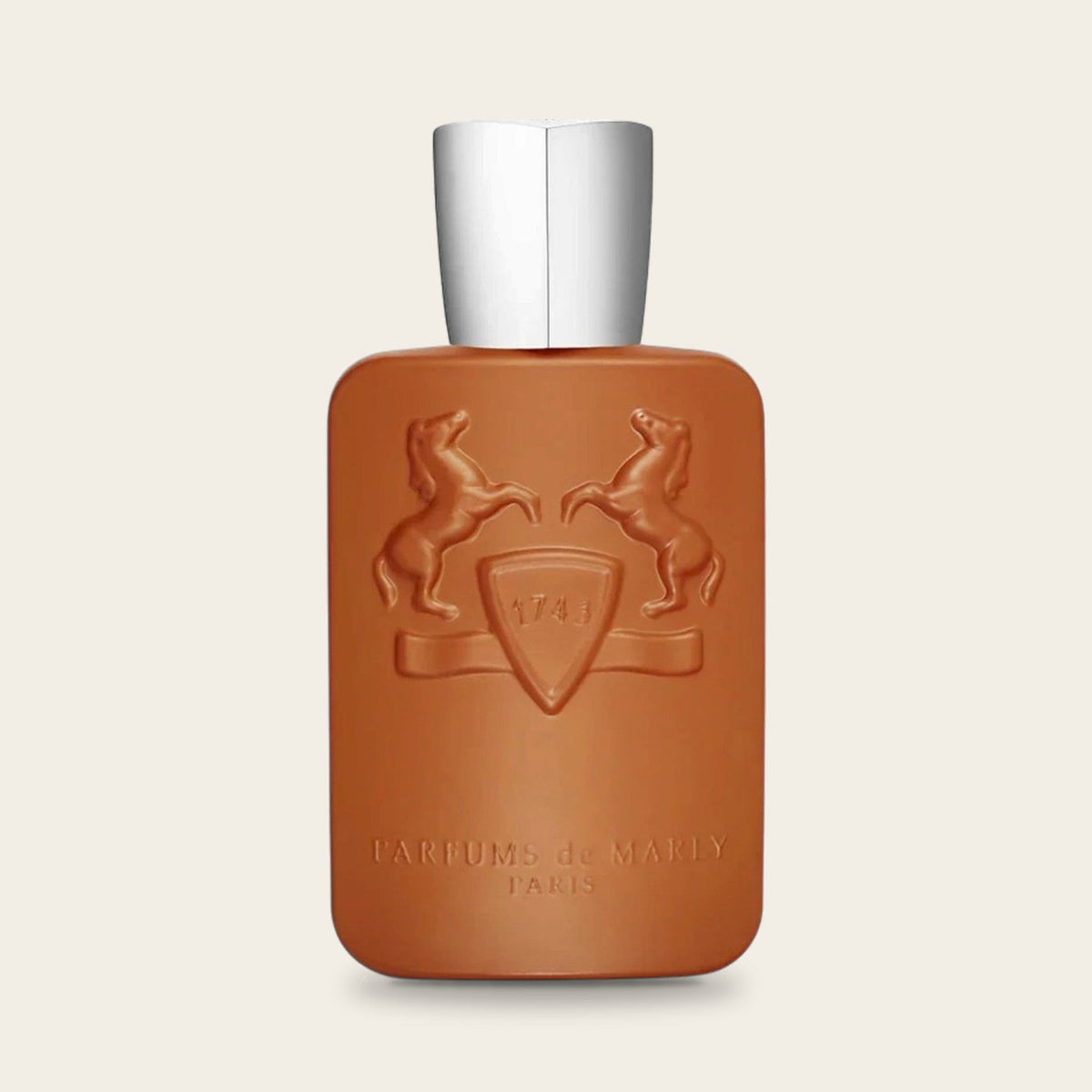

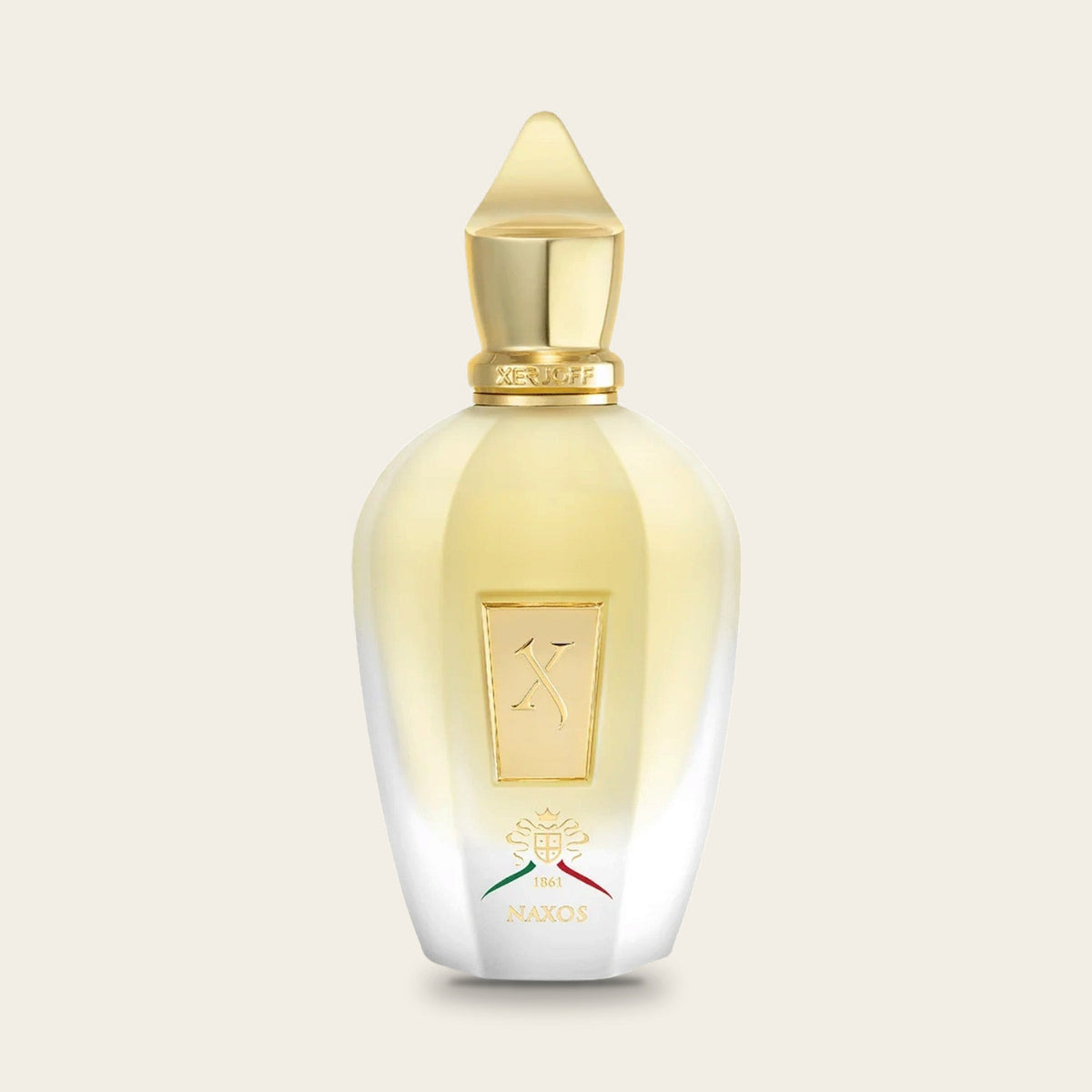
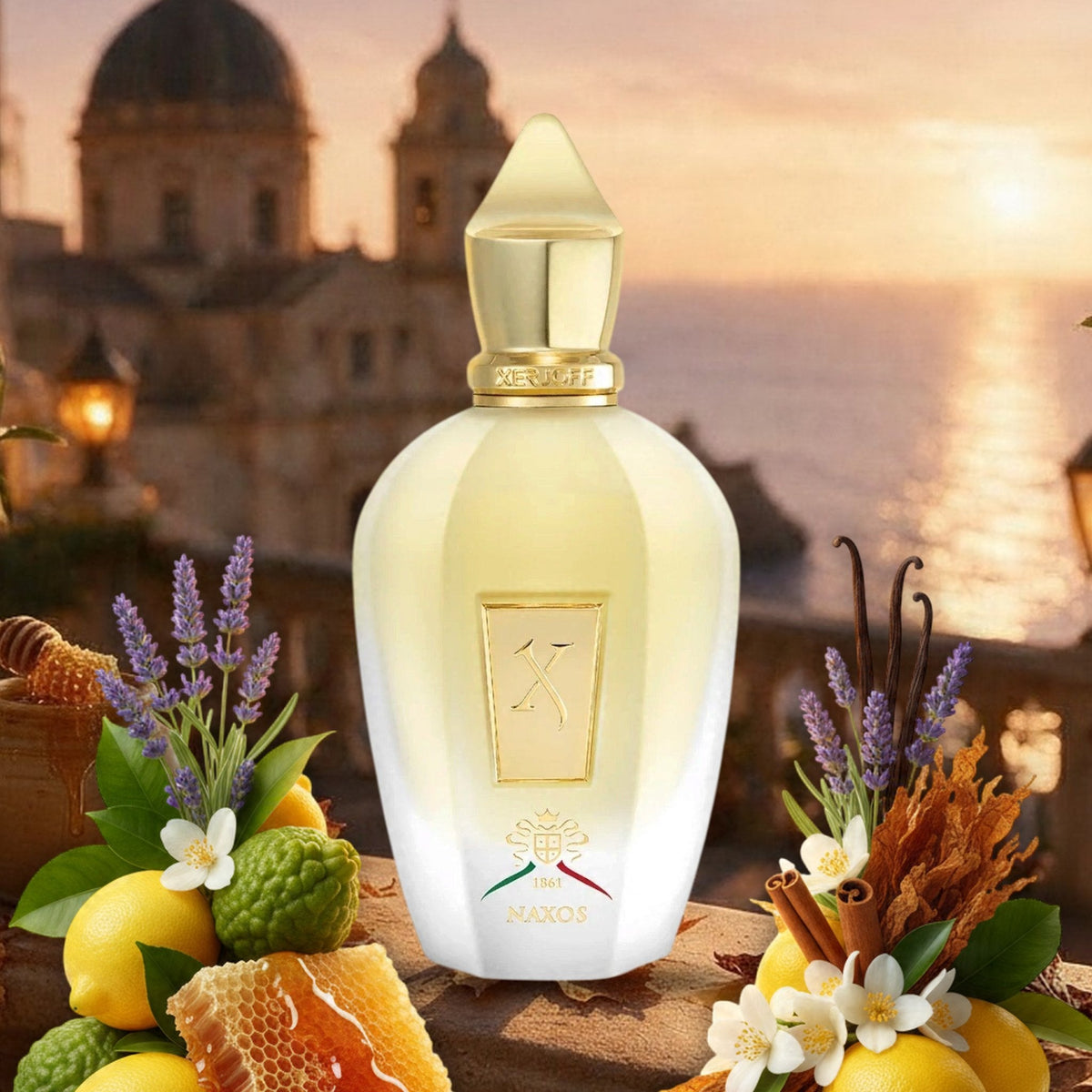
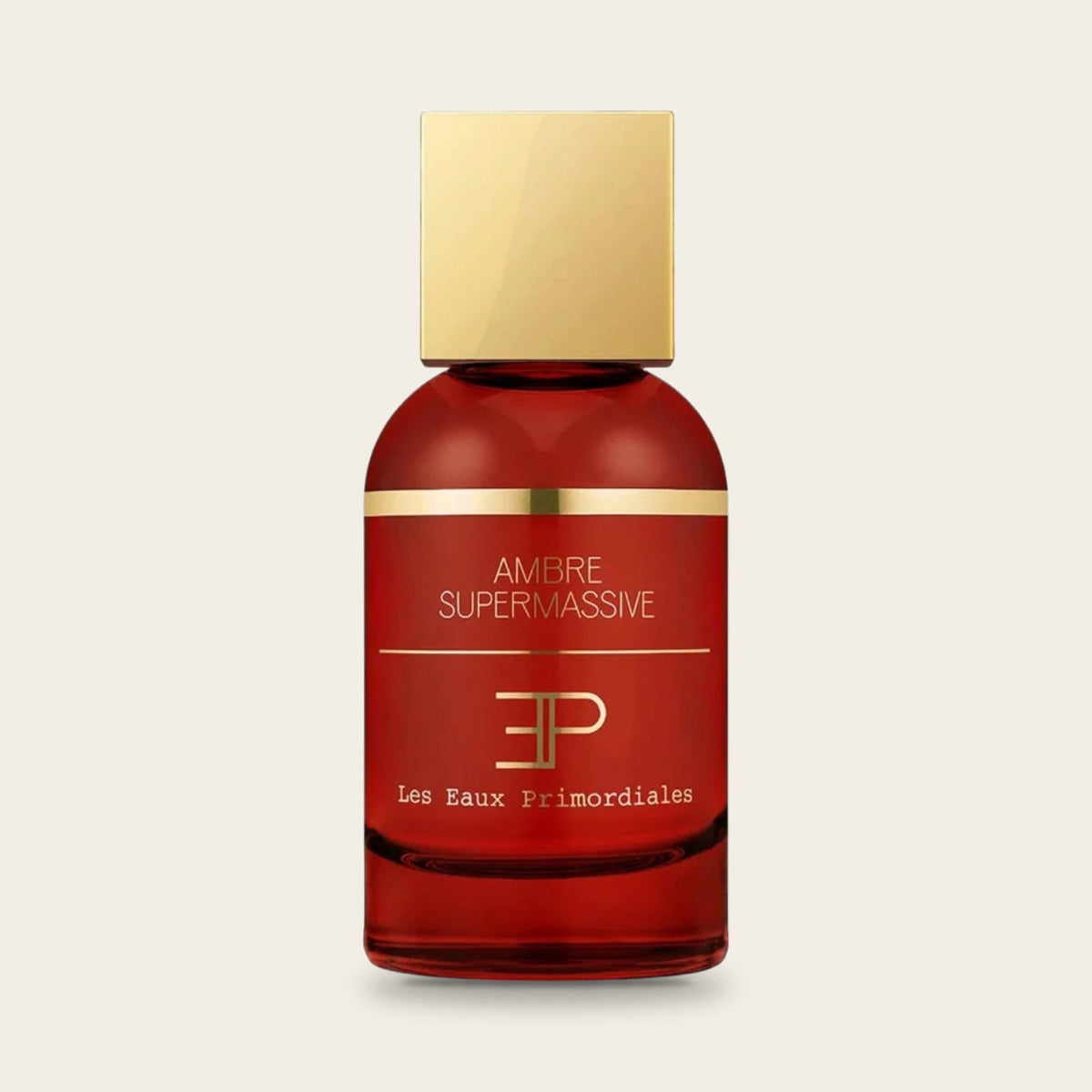
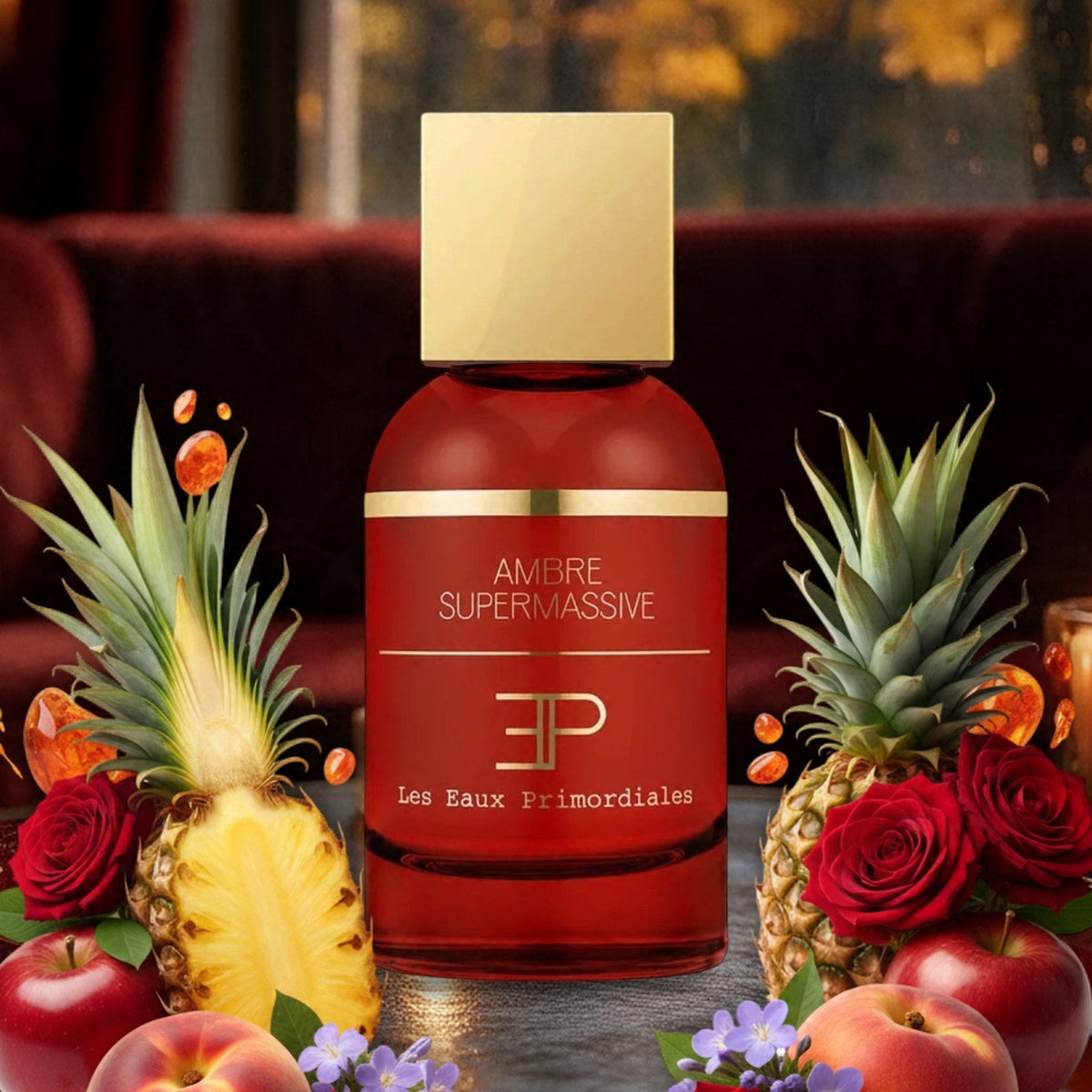
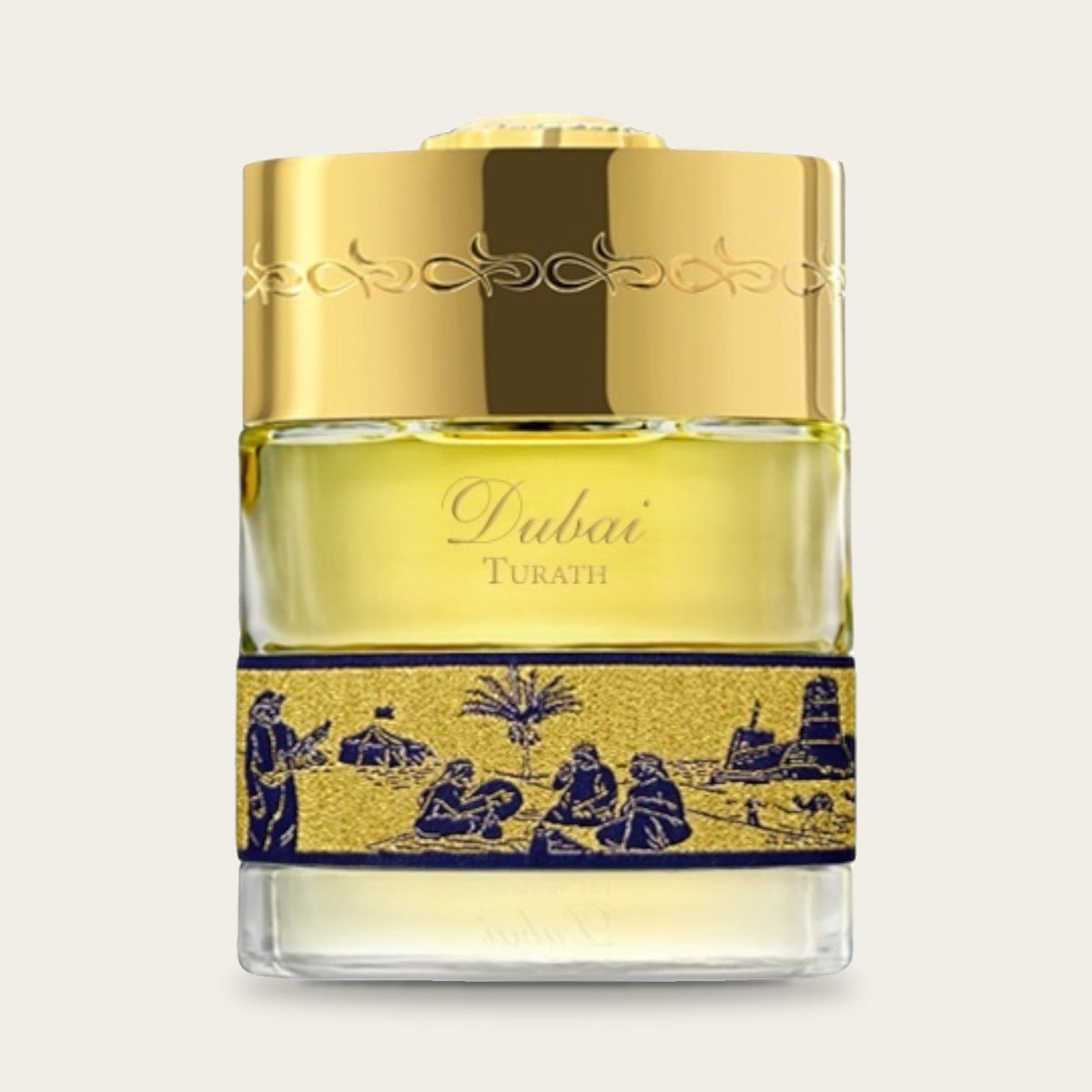









Questions and answers
Warm, sweet and spicy, with a woody, fiery depth.
True cinnamon, also called Ceylon cinnamon, comes from Sri Lanka. The bolder cassia comes from related species in China, Vietnam and Indonesia.
The outer bark is scraped from young shoots, the delicate inner bark peeled off and dried – curling into the familiar sticks as it does. For perfume, the bark is distilled. The leaves give a second oil that smells more of clove.
Cinnamon brings warmth, sweetness and a spicy bite – like an evening by the fireplace in a bottle. In our range it appears almost equally often in the top notes (54) and the heart (55). Because it is so present, it is dosed very sparingly.
Warm-spicy, often with an oriental or gourmand note.
In Sri Lanka the shoots are cut mainly during the rainy season, when the bark comes away easily from the wood.
In our fragrances, it often appears alongside Vanilla, patchouli, bergamot, sandalwood, clove, honey, rum.
Where cinnamon came from was a well-kept secret in antiquity – Herodotus told of great birds carrying cinnamon sticks to their nests. Later the Portuguese and the Dutch fought for control of Ceylon's cinnamon trade.
- In ancient Rome, according to Pliny the Elder, a pound of cinnamon at times cost up to 1,500 denarii.
- Herodotus reported that great birds carried cinnamon sticks to their nests – its true origin long remained hidden.
- Ceylon cinnamon can be recognised by its many paper-thin layers, cassia by a single thick layer of bark.
The main component of cinnamon bark oil is cinnamaldehyde, usually more than half of it – it creates the typical cinnamon scent.
FRAGRANCE KNOWLEDGE
In the 4D Journal
-
 FRAGRANCE KNOWLEDGE
Rose in perfume: The queen of fragrance materials
READ ARTICLE
-
 FRAGRANCE KNOWLEDGE
Vanilla in perfume: From orchid to favourite scent
READ ARTICLE
-
 FRAGRANCE KNOWLEDGE
Leather in perfume: How does something smell that was never in the bottle?
READ ARTICLE
-
 FRAGRANCE KNOWLEDGE
Scented candles & home fragrance: How to use them right
READ ARTICLE