
INGREDIENT GLOSSARY
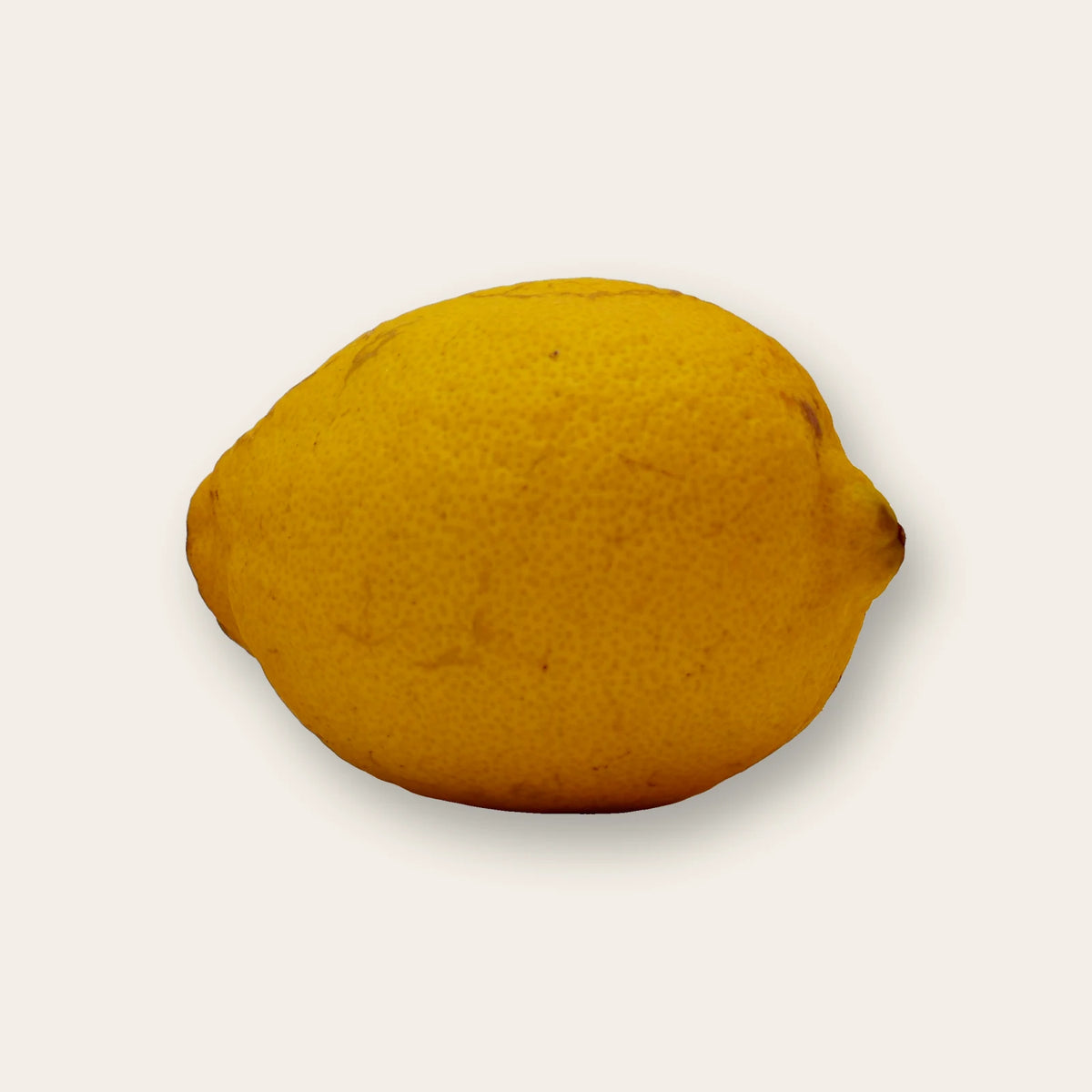
Lemon
Citrus × limon · Rue family (Rutaceae)
Bright, zesty and clean, with a green, tart freshness.
NATURALCITRUS
AT A GLANCE
- Oil from the peel, not the juice
- Scent: bright, zesty, clean
- Character molecule: citral
- In the top notes of 152 of our 153 lemon fragrances
PROFILE
- Origin
- Originally Southeast Asia (north-east India, Myanmar, China) · oil today mainly from Argentina, Italy and Spain
- Extraction
- Cold pressing of the peel
- Main molecules
- Limonene (C₁₀H₁₆) · Citral (C₁₀H₁₆O)
- Harvest
- Lemon trees flower and bear fruit almost all year round; in the Mediterranean the main harvest is in winter.
- Often paired with
- Bergamot, patchouli, jasmine, vanilla, grapefruit, oakmoss, cashmere wood
Numbers that surprise
152 of 153
of our lemon fragrances place it in the top notes – pure starting energy.
Rounded values; calculation based on published data.
Harvest and season
Lemon trees flower and bear fruit almost all year round; in the Mediterranean the main harvest is in winter.
As with all citrus fruits, the oil sits in tiny glands in the peel. It is cold-pressed – usually as a by-product of juice production. The juice itself provides no perfume material.
Knowledge to share
Myth or truth?
Statement 1
The lemon scent in perfume comes from the juice.
Myth. The essential oil sits in the peel and is cold-pressed.
Statement 2
Lemongrass smells of lemon because it contains the same molecule.
True. Both owe their scent to citral – and lemongrass contains considerably more of it.
Statement 3
Lemon is the longest-lasting note in a perfume.
Myth. Its molecules evaporate quickly – which is why it almost always sits in the top notes.
Your result
FRAGRANCES WITH LEMONINGREDIENT GLOSSARY
Fragrances with Lemon


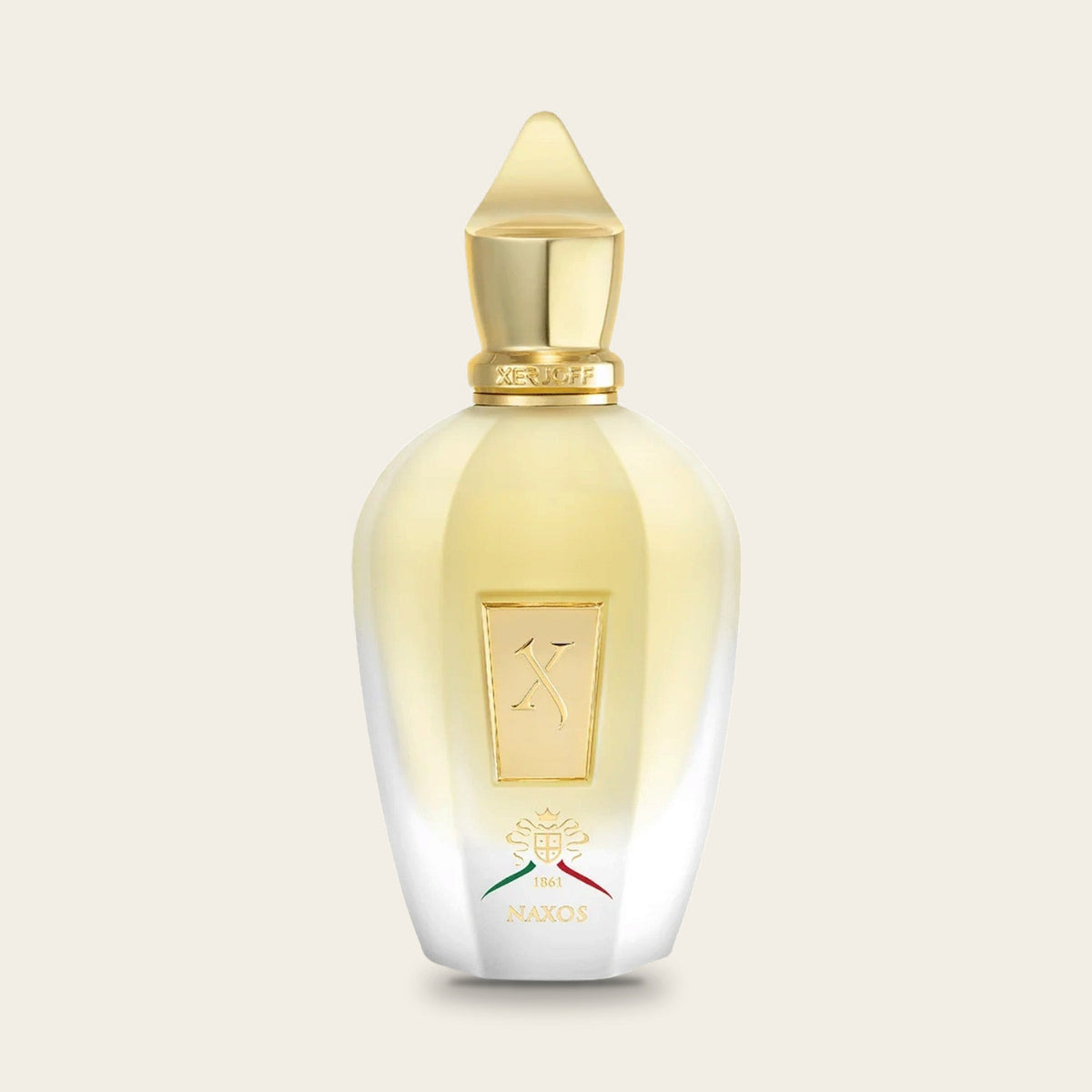
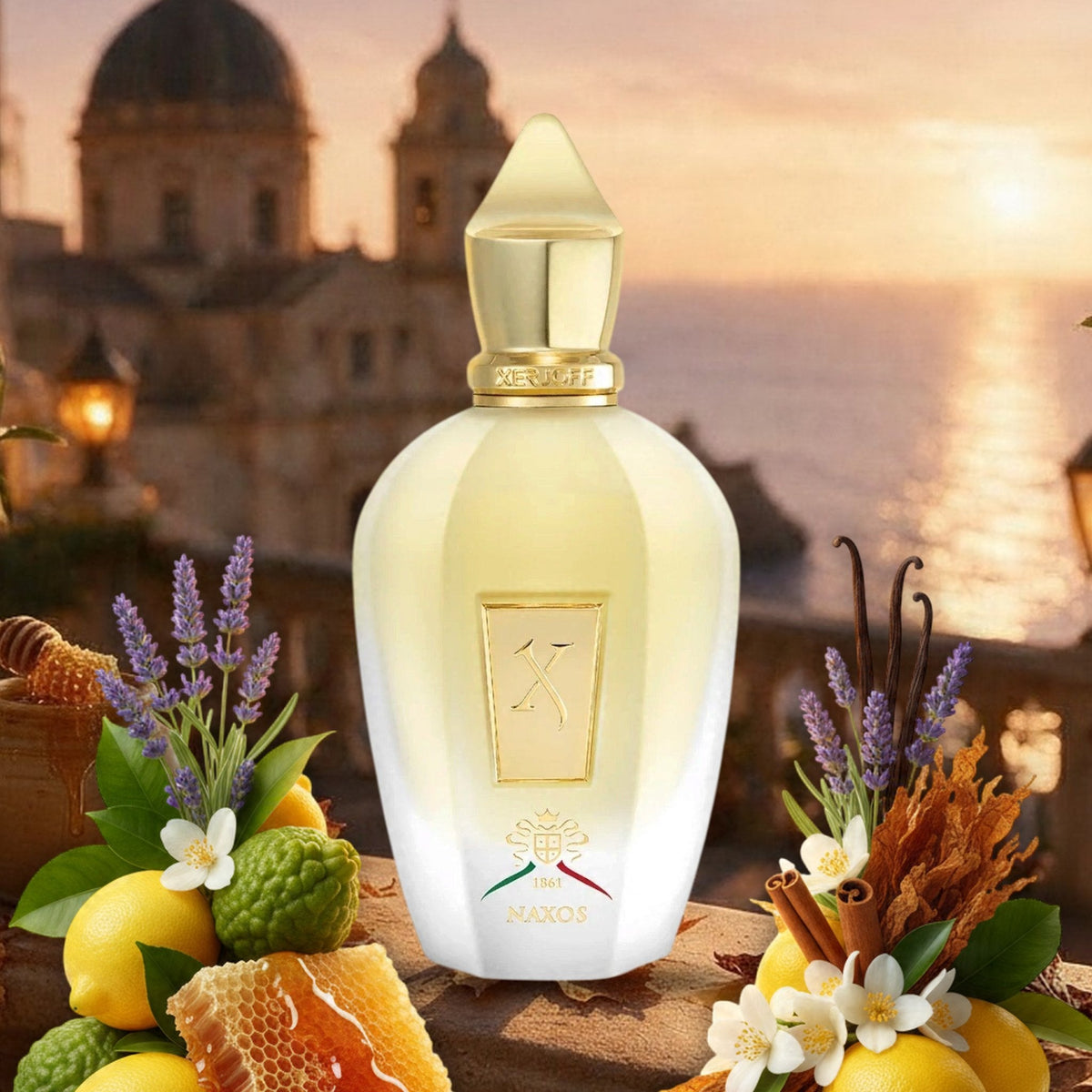
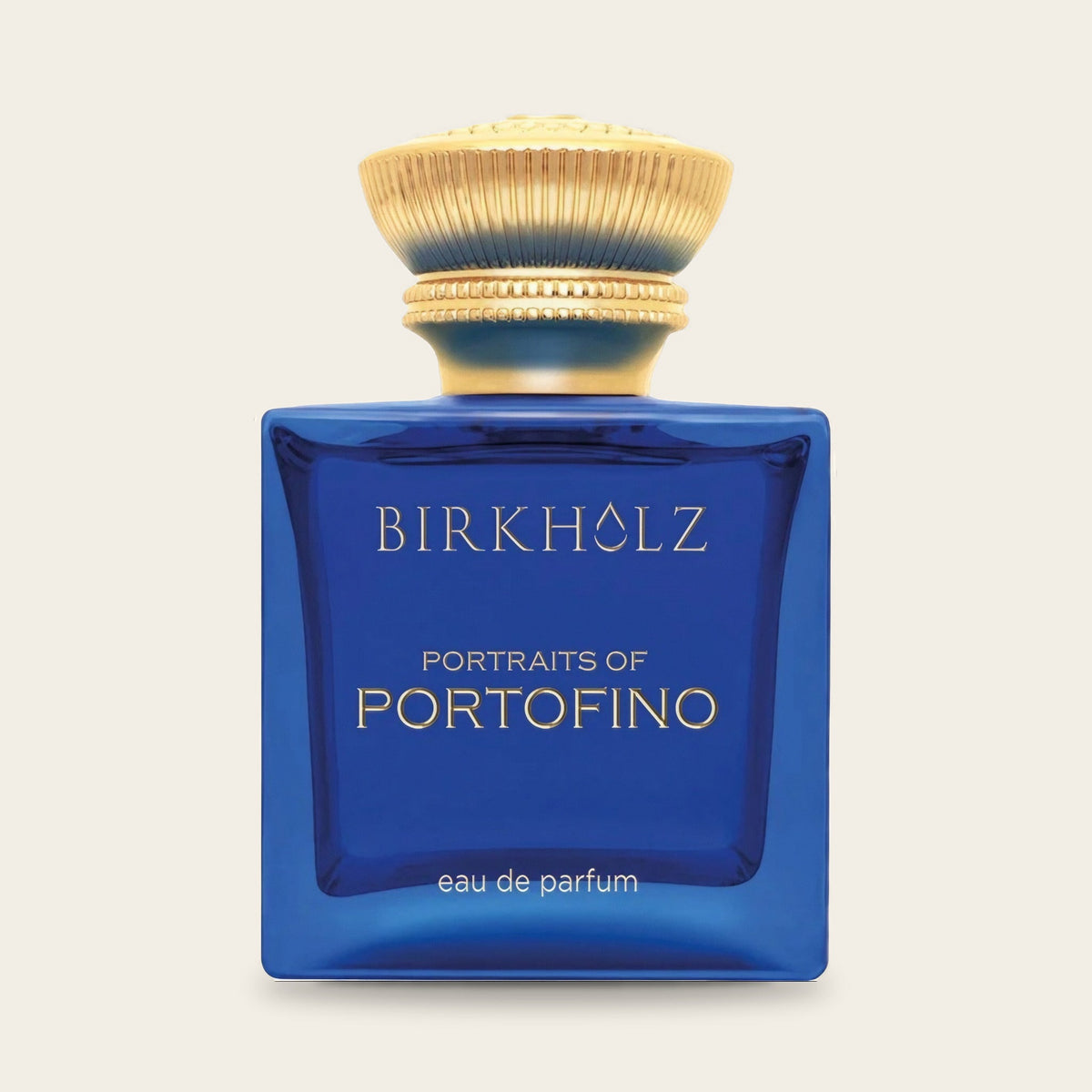

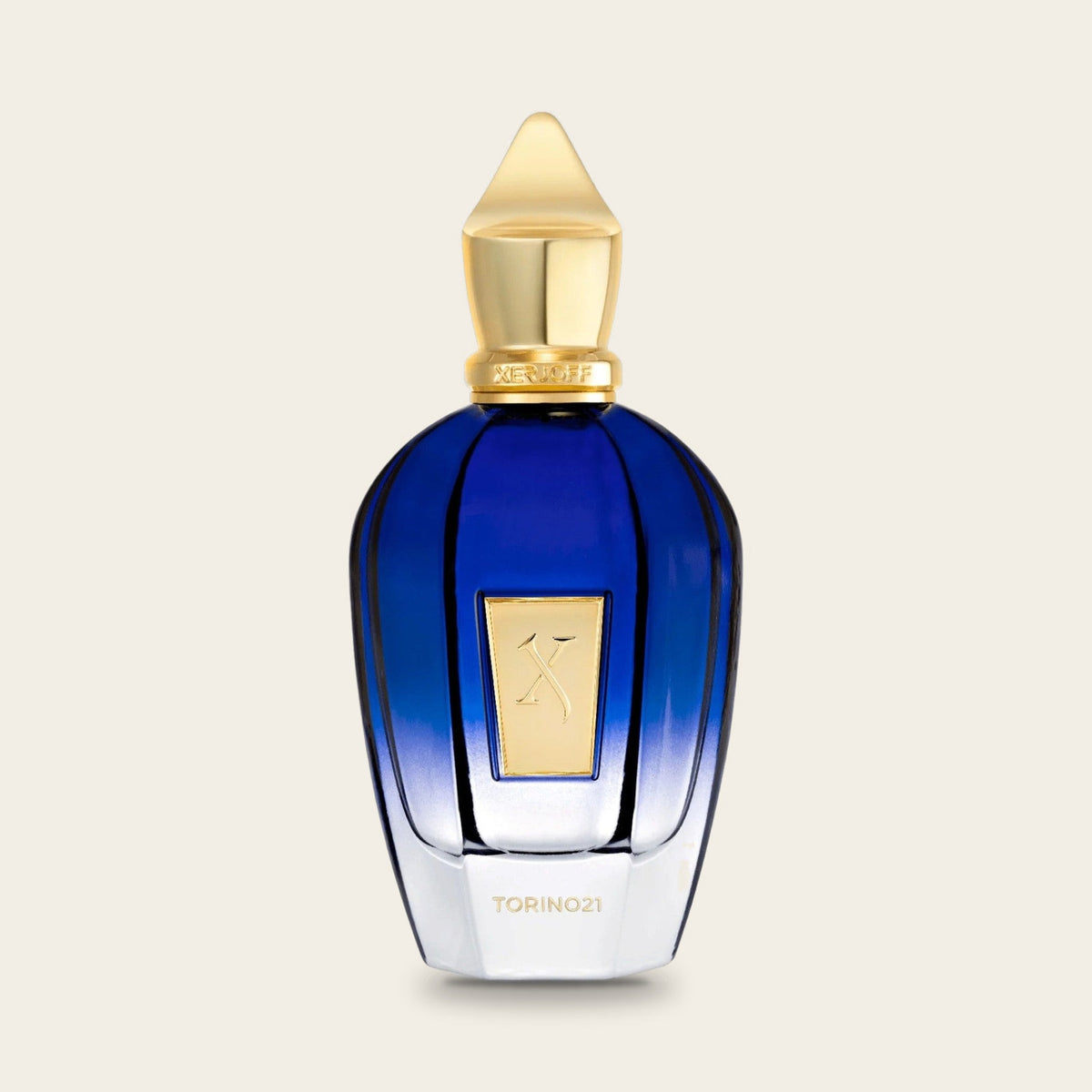
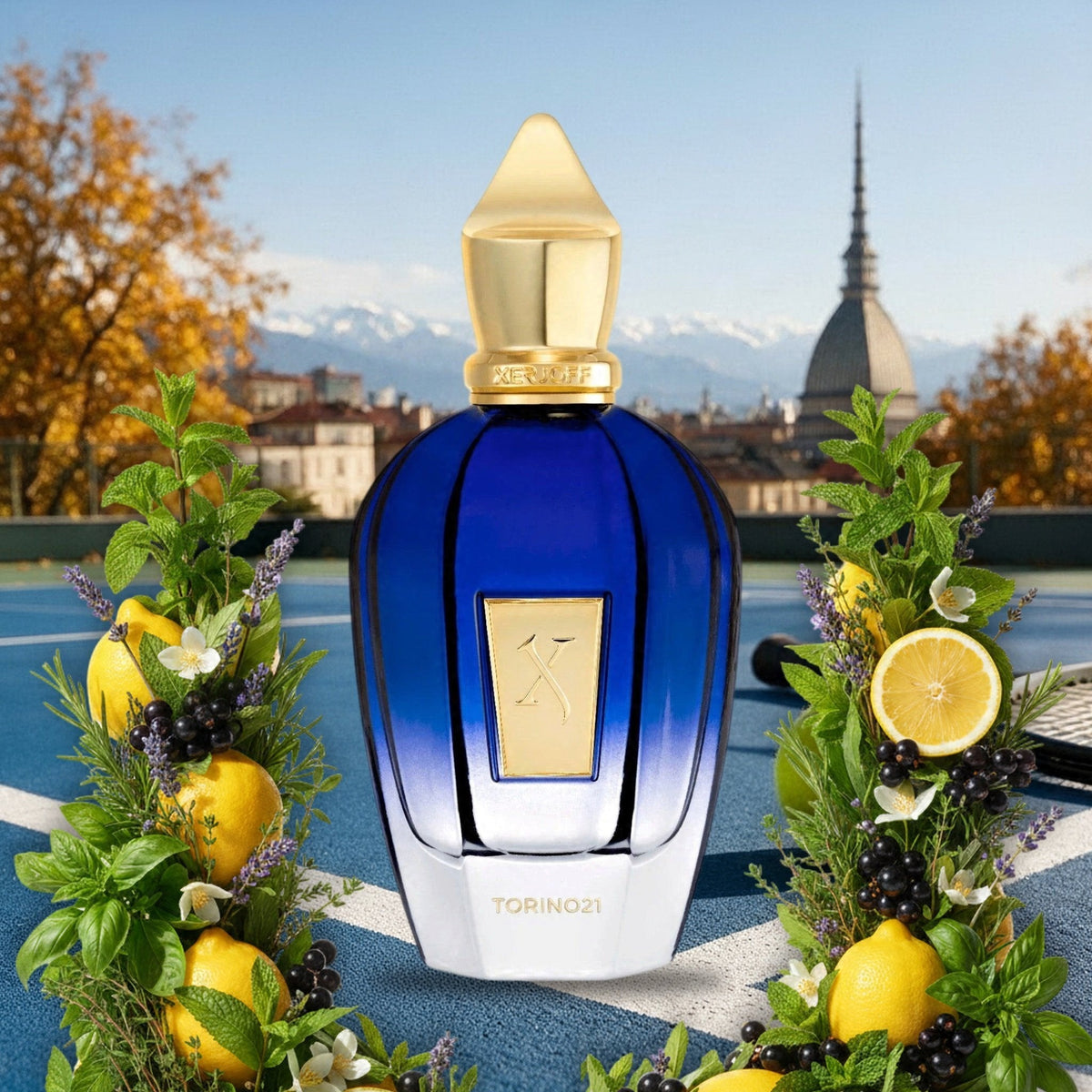
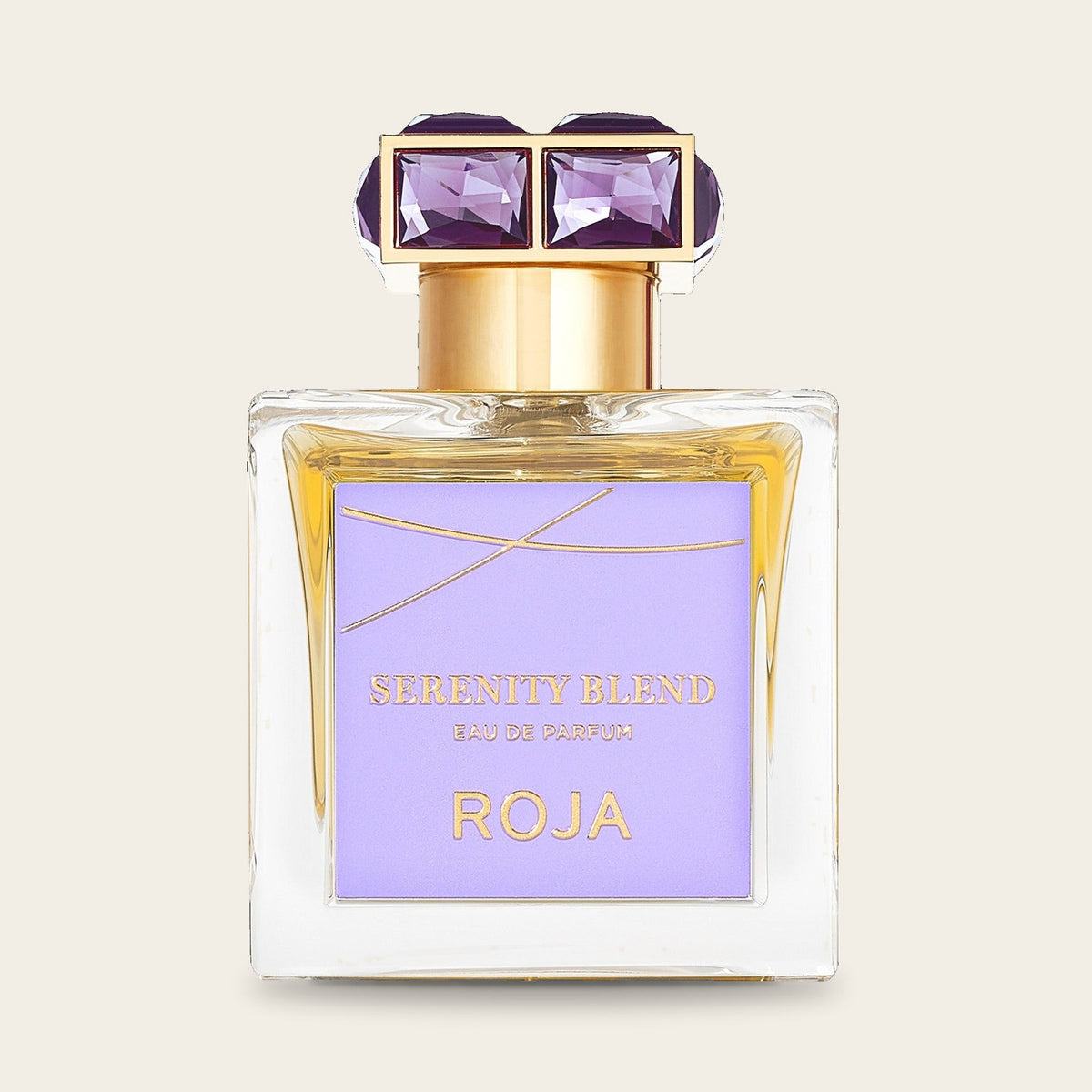


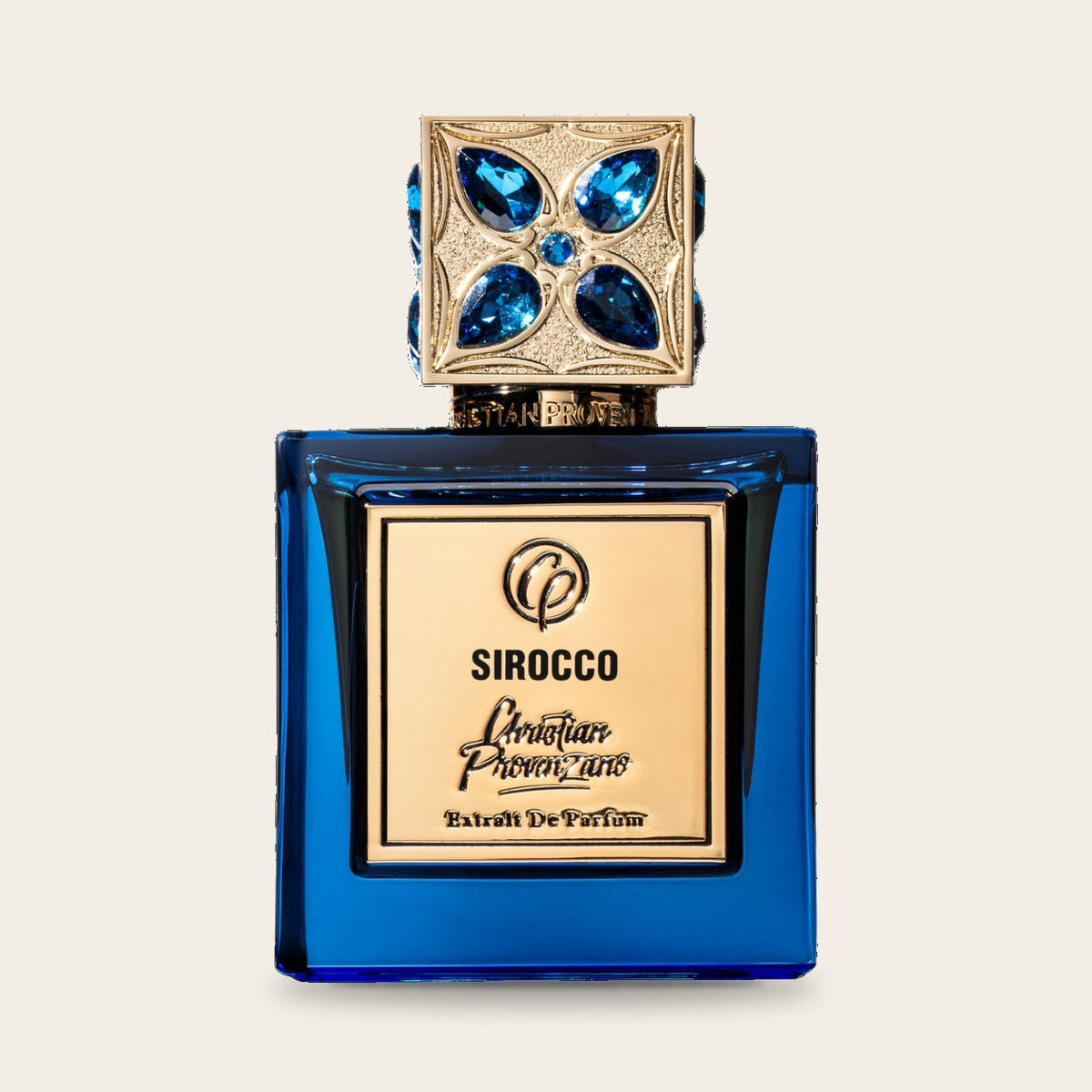
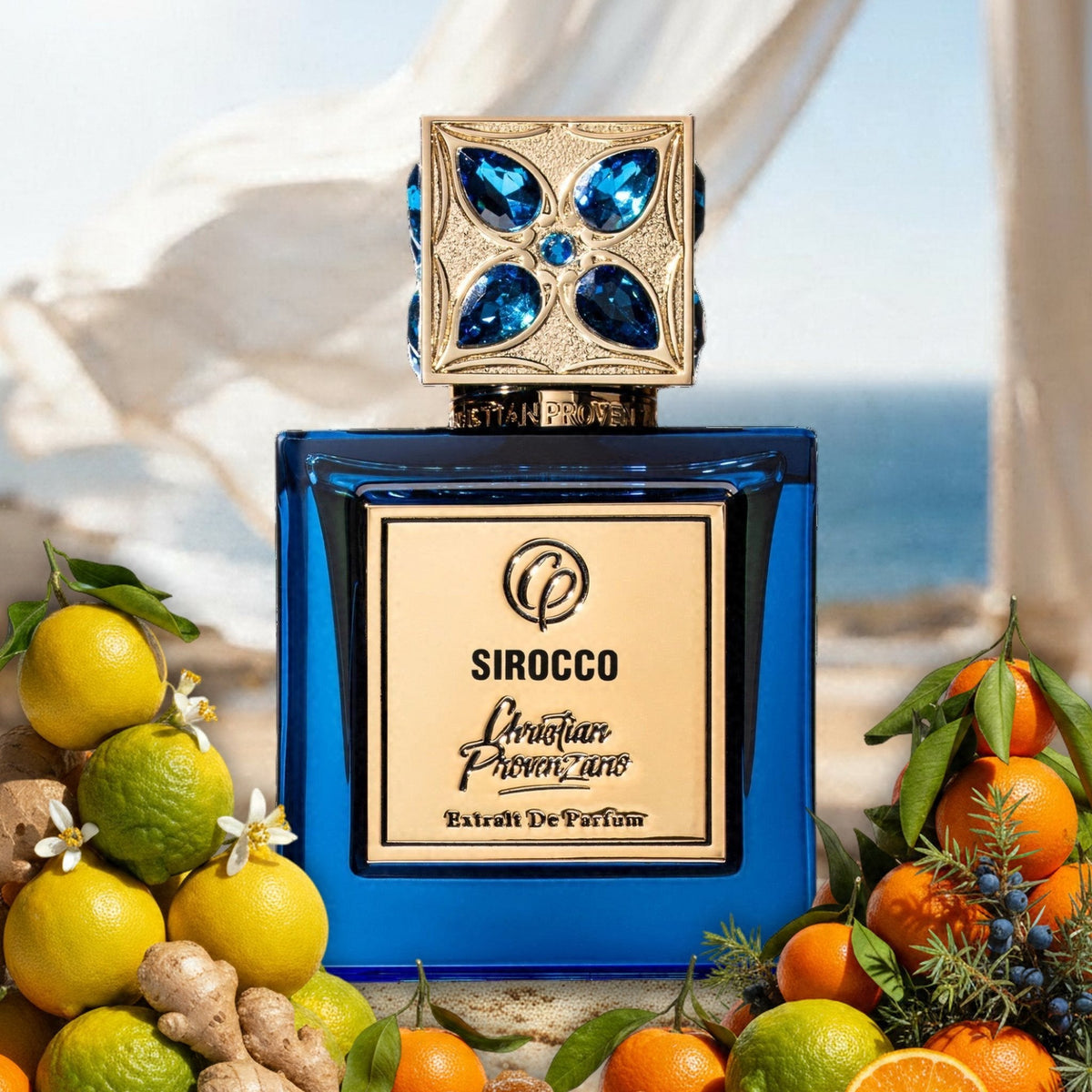
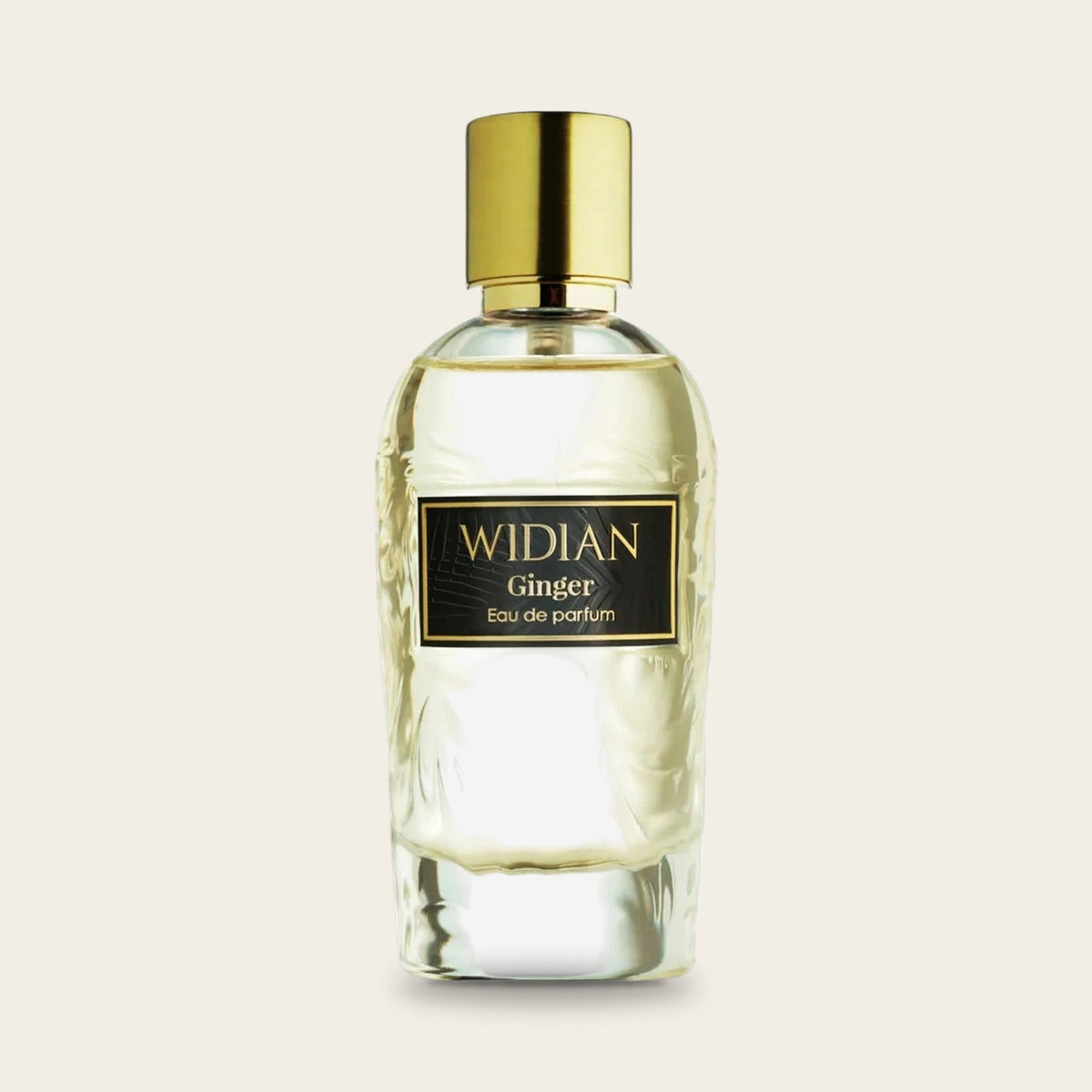
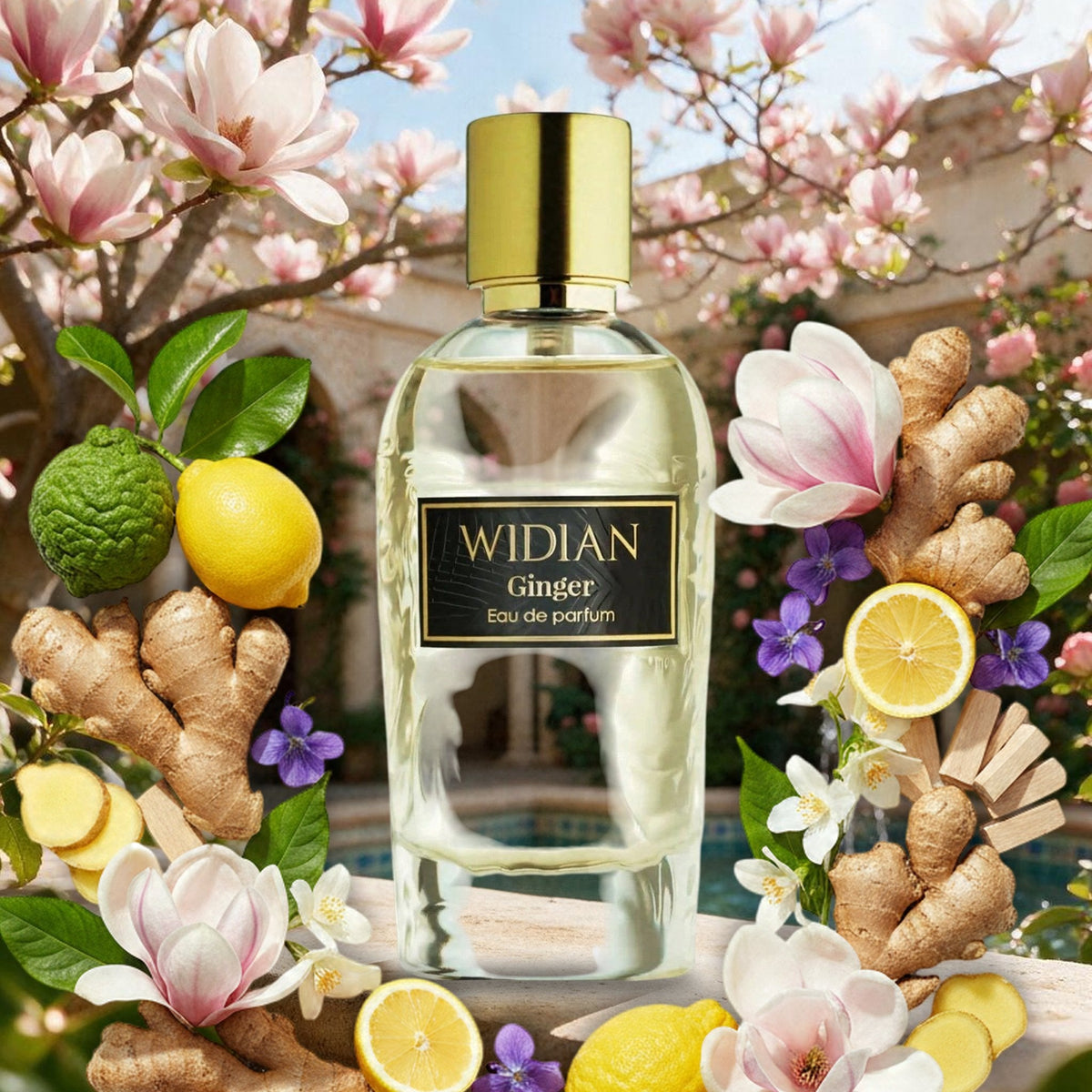


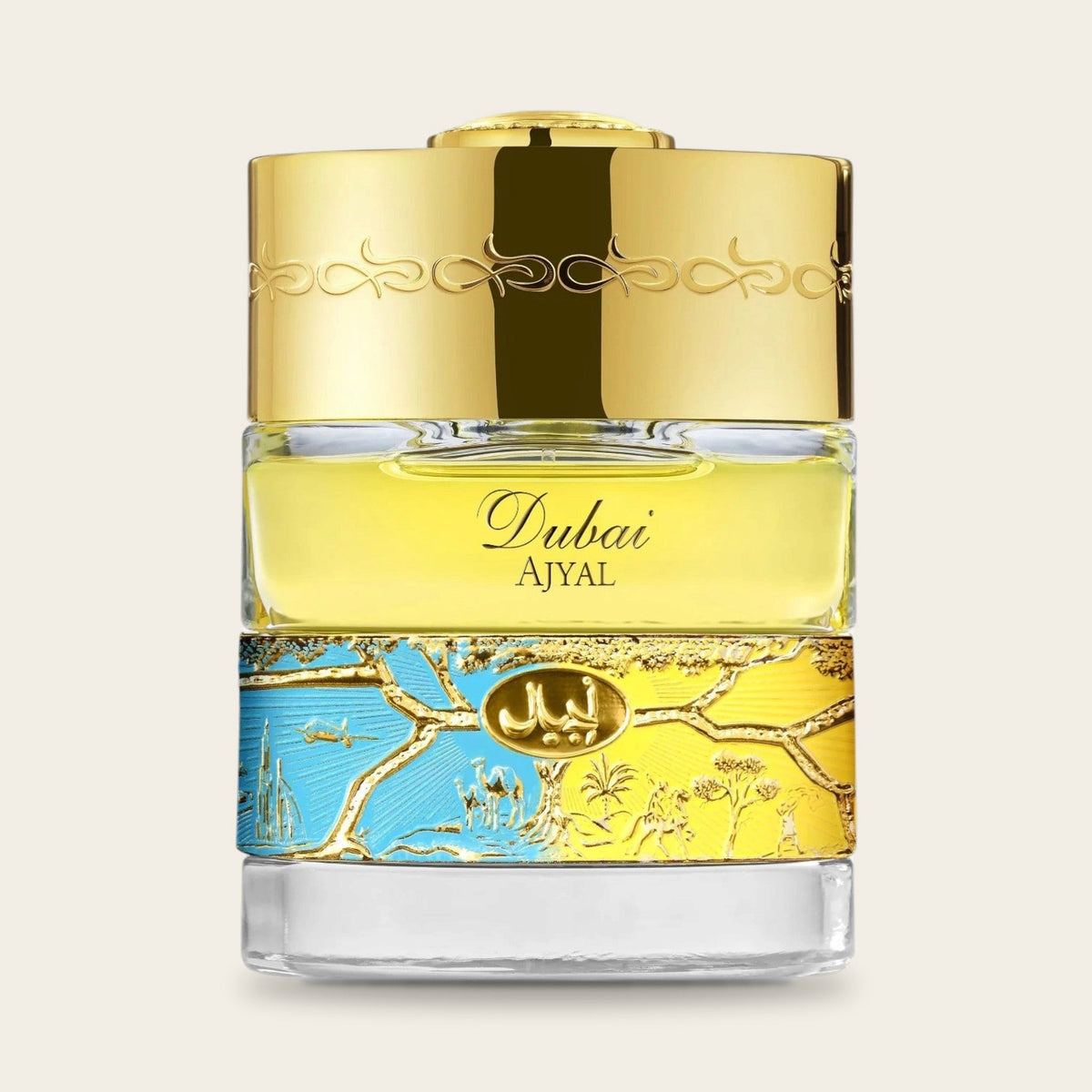
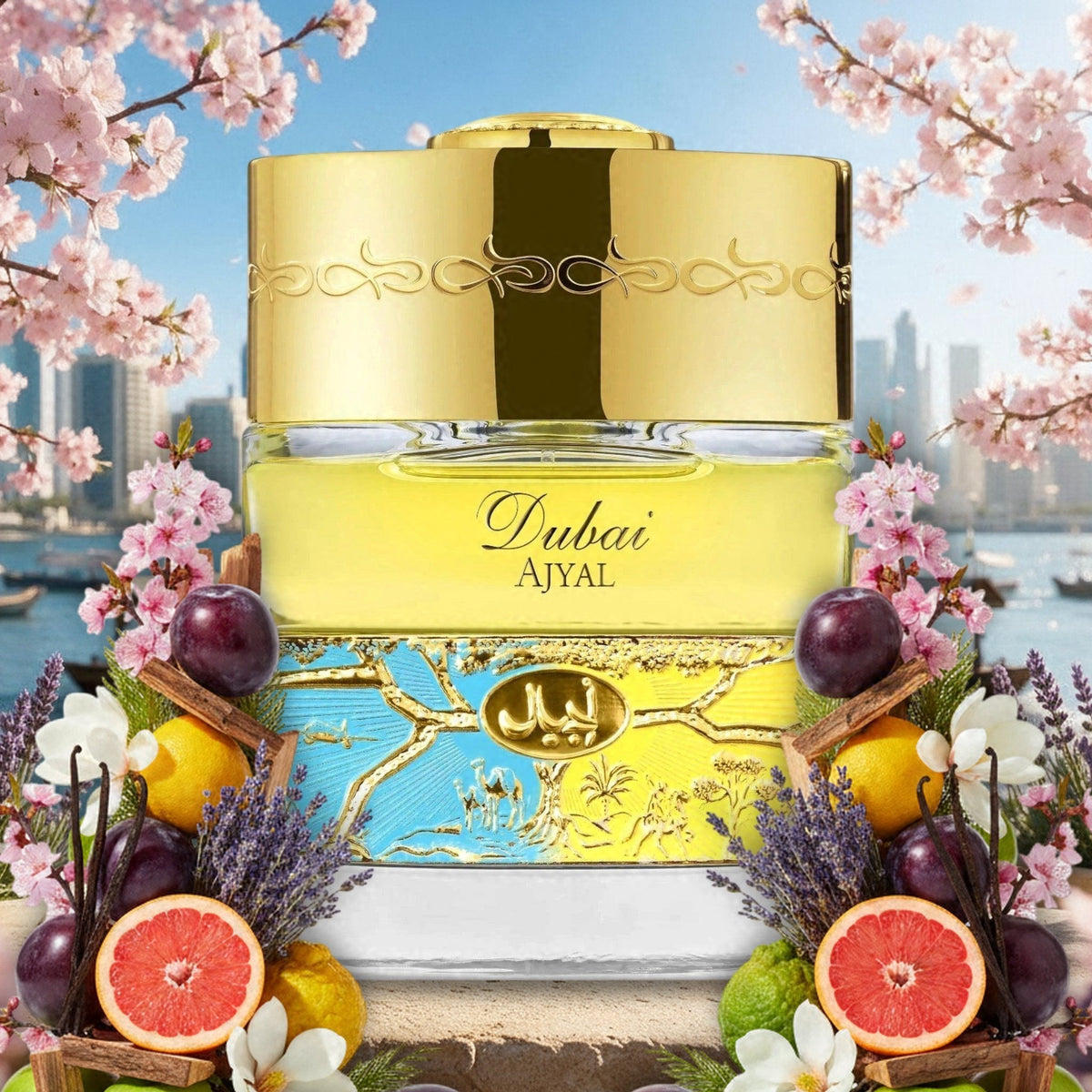


Questions and answers
Bright, zesty and clean, with a green, tart freshness.
The lemon probably originated in the border region of north-east India, Myanmar and China. Most of the world's lemon oil today comes from Argentina; Sicily is also known for fine qualities.
As with all citrus fruits, the oil sits in tiny glands in the peel. It is cold-pressed – usually as a by-product of juice production. The juice itself provides no perfume material.
Lemon is the brightest moment of a perfume: zesty, clean, instantly awake. In our range it sits in the top notes of 152 out of 153 fragrances. Because its molecules are highly volatile, it appears first – and then makes way for the heart and base.
Citrus, fresh and bright.
Lemon trees flower and bear fruit almost all year round; in the Mediterranean the main harvest is in winter.
In our fragrances, it often appears alongside Bergamot, patchouli, jasmine, vanilla, grapefruit, oakmoss, cashmere wood.
Citrus oils have been the heart of refreshing fragrances for centuries: the Eau de Cologne that Johann Maria Farina composed in Cologne at the beginning of the 18th century lived on lemon, bergamot and orange – and gave its name to an entire genre of fragrance.
- In 1747 the ship's surgeon James Lind tested citrus fruits against scurvy – one of the first controlled trials in the history of medicine.
- Citral, the typical lemon molecule, is found in far higher concentration in lemongrass than in the lemon itself.
- Most of the world's lemon oil today comes from Argentina.
FRAGRANCE KNOWLEDGE
In the 4D Journal
-
 FRAGRANCE KNOWLEDGE
Rose in perfume: The queen of fragrance materials
READ ARTICLE
-
 FRAGRANCE KNOWLEDGE
Vanilla in perfume: From orchid to favourite scent
READ ARTICLE
-
 FRAGRANCE KNOWLEDGE
Leather in perfume: How does something smell that was never in the bottle?
READ ARTICLE
-
 FRAGRANCE KNOWLEDGE
Scented candles & home fragrance: How to use them right
READ ARTICLE