
Akigalawood: What Is the Peppery Wood in Perfume?
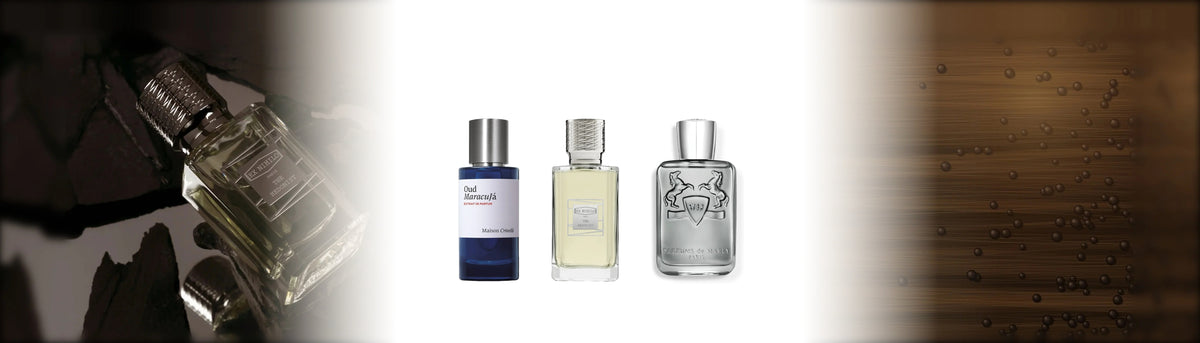
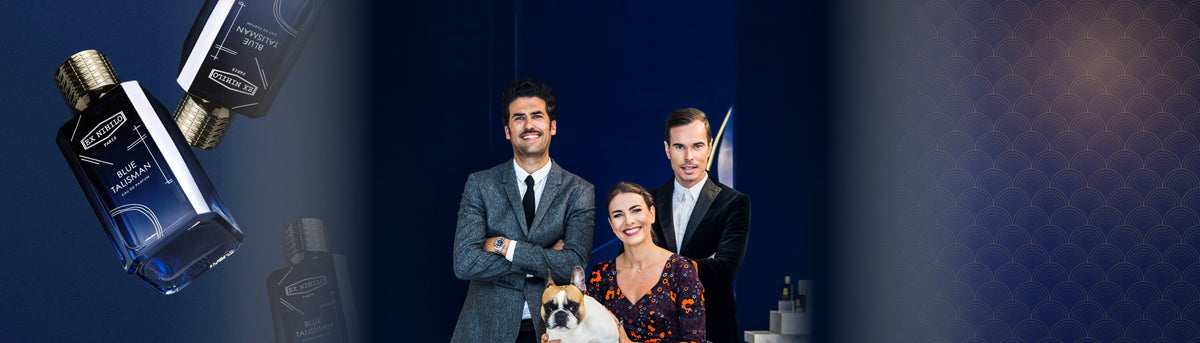
A wood that never grew on a tree. Browse the fragrance pyramids of modern niche perfumes and you will stumble more and more often over a word that sounds like an island paradise: Akigalawood. It is in Blue Talisman, in The Hedonist and in a whole range of other fragrances in our shop. But what actually is Akigalawood? The short answer: patchouli that has made a second career in the lab. The long version is far more exciting.
- What: Akigalawood is a fragrance raw material from the Swiss group Givaudan, obtained from patchouli oil that is transformed with enzymes. Givaudan describes it as natural and as a "captive", meaning proprietary and protected.
- Since when: On the palette of Givaudan's perfumers since 2014, developed in Givaudan's biotech lab near Zurich.
- What it smells like: Woody and peppery-spicy, with facets of patchouli and agarwood, radiant and room-filling, yet clean and fresh.
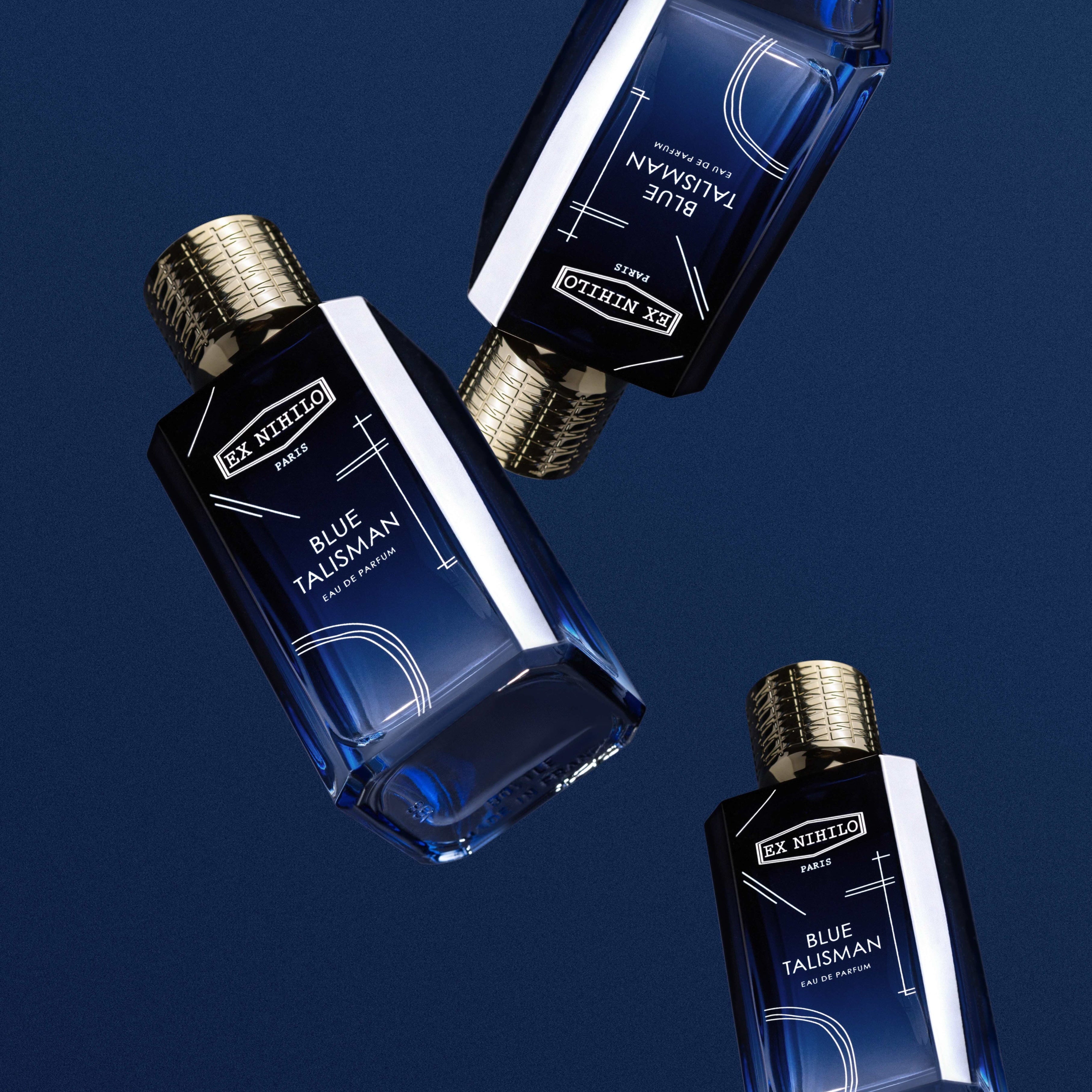
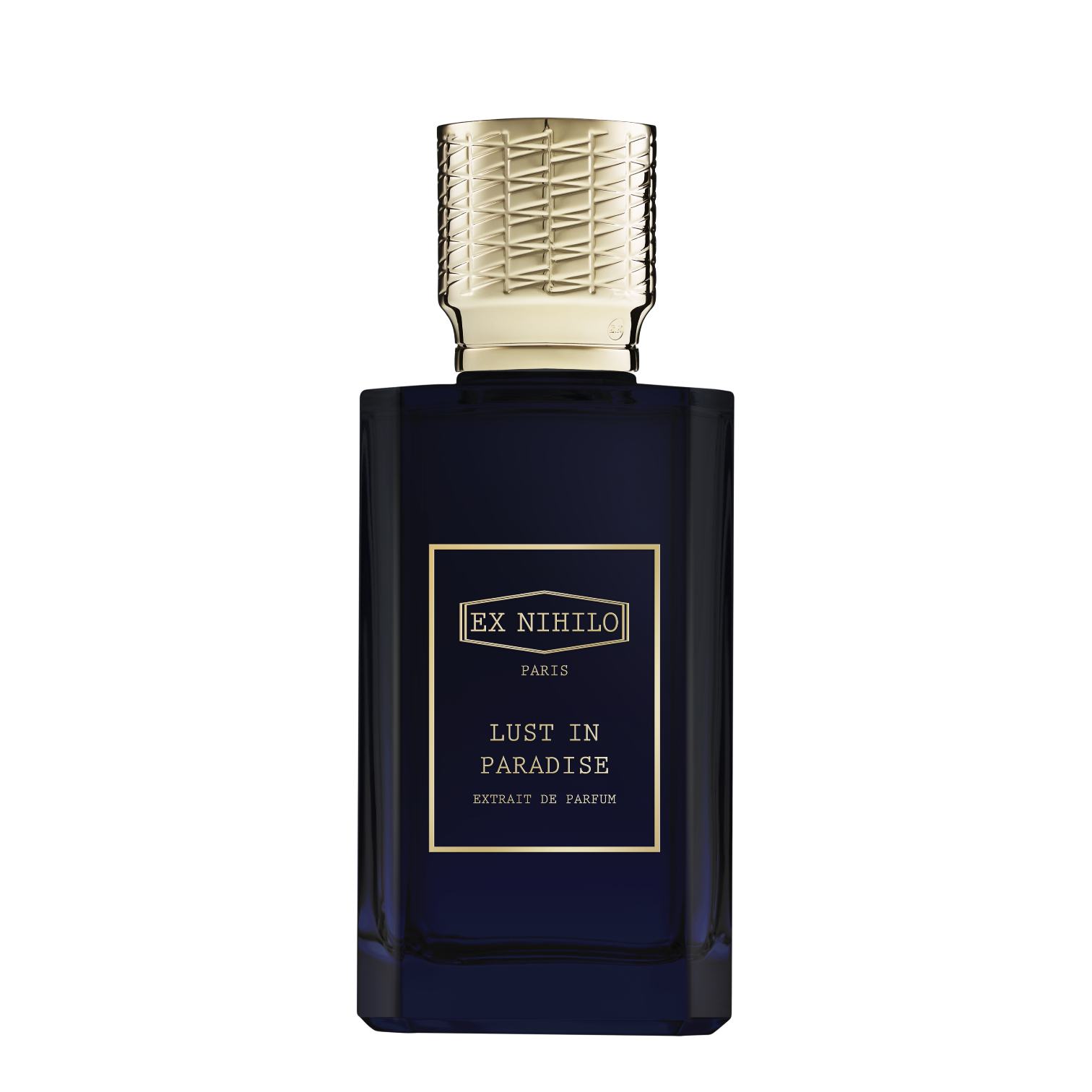
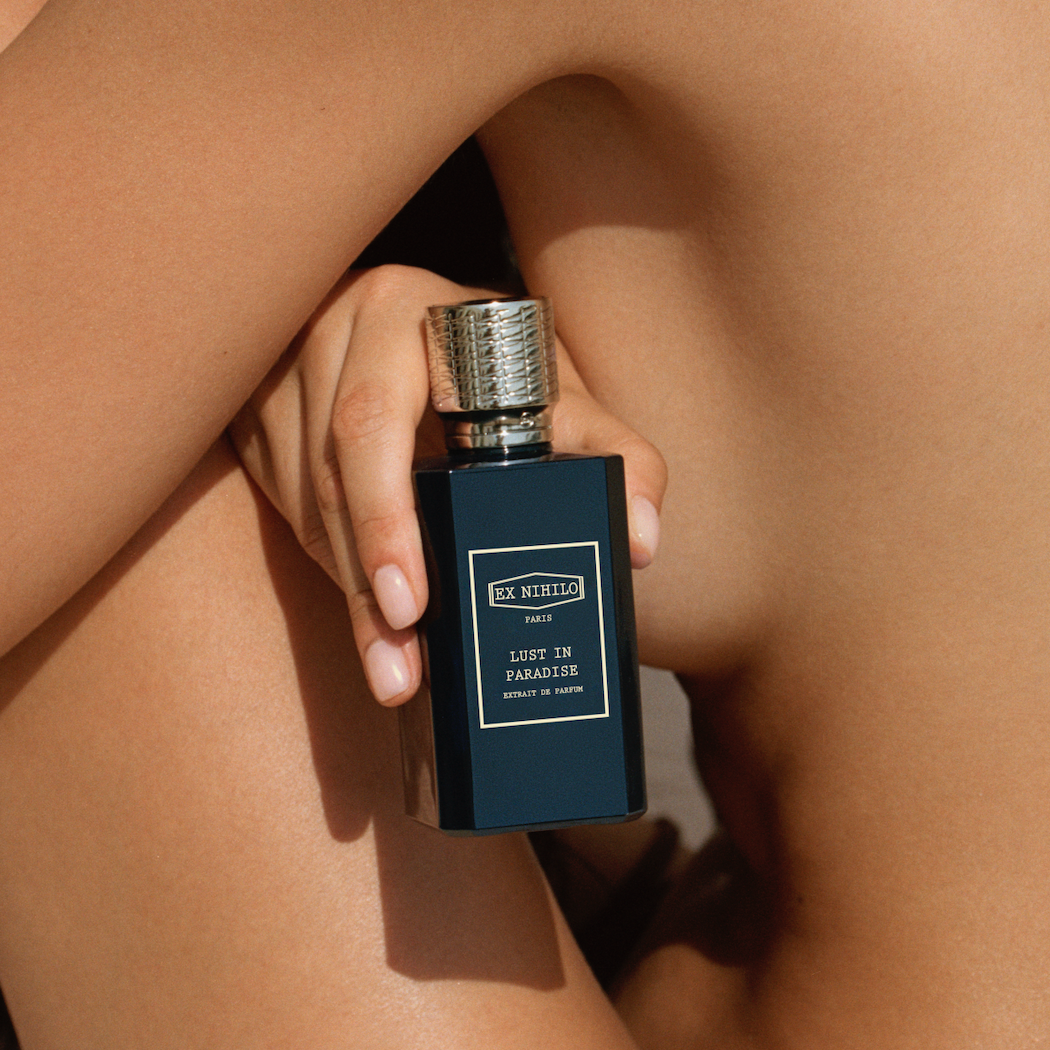
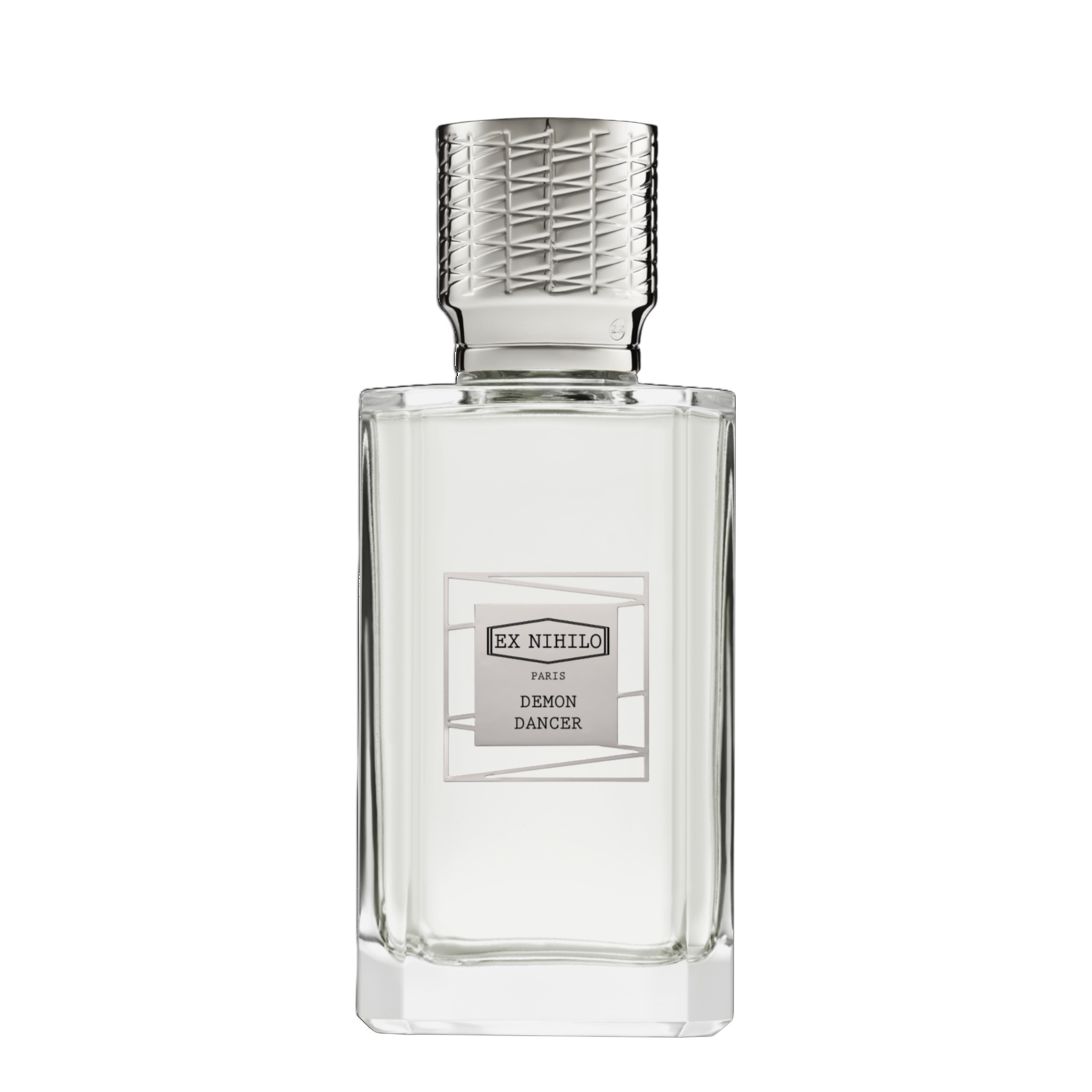
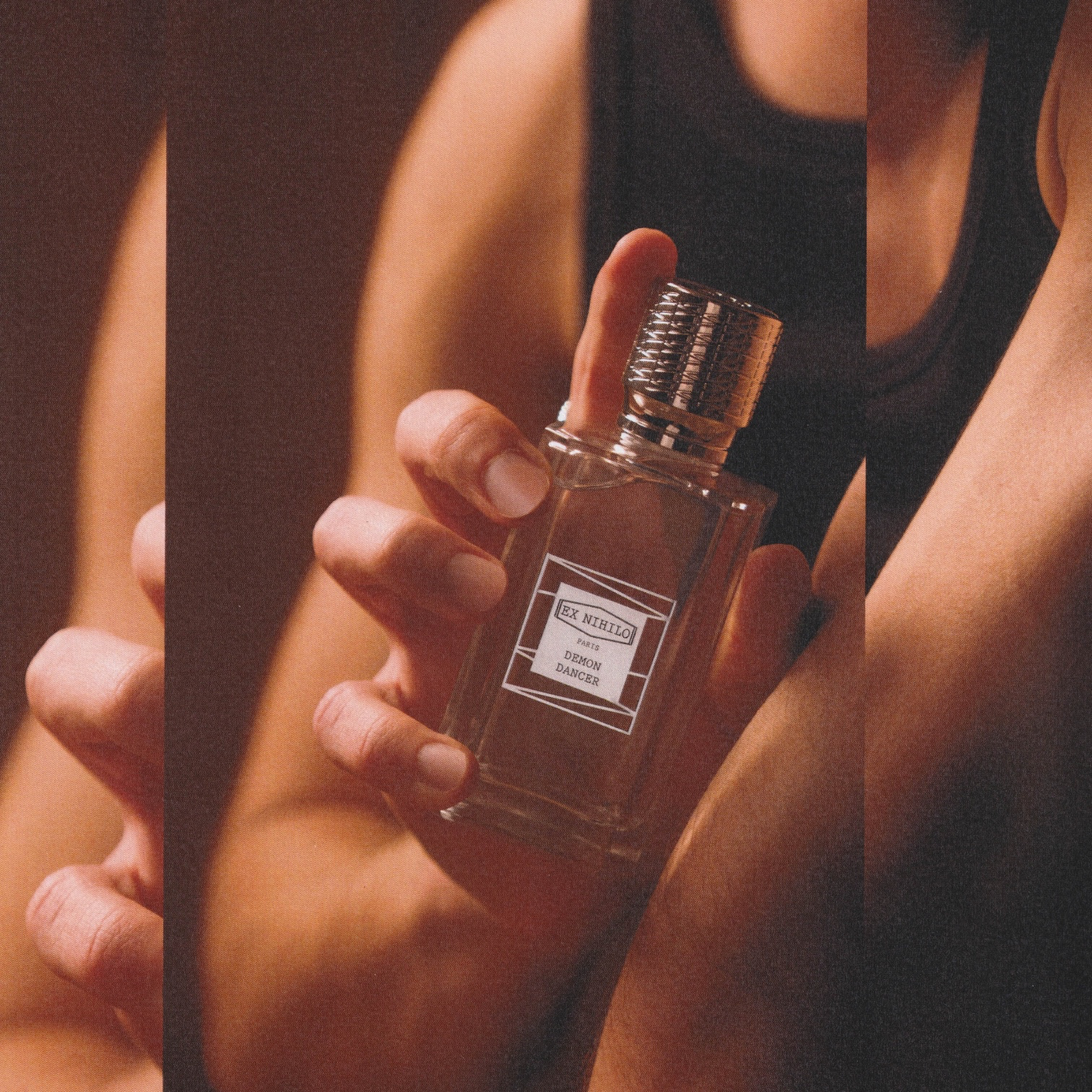
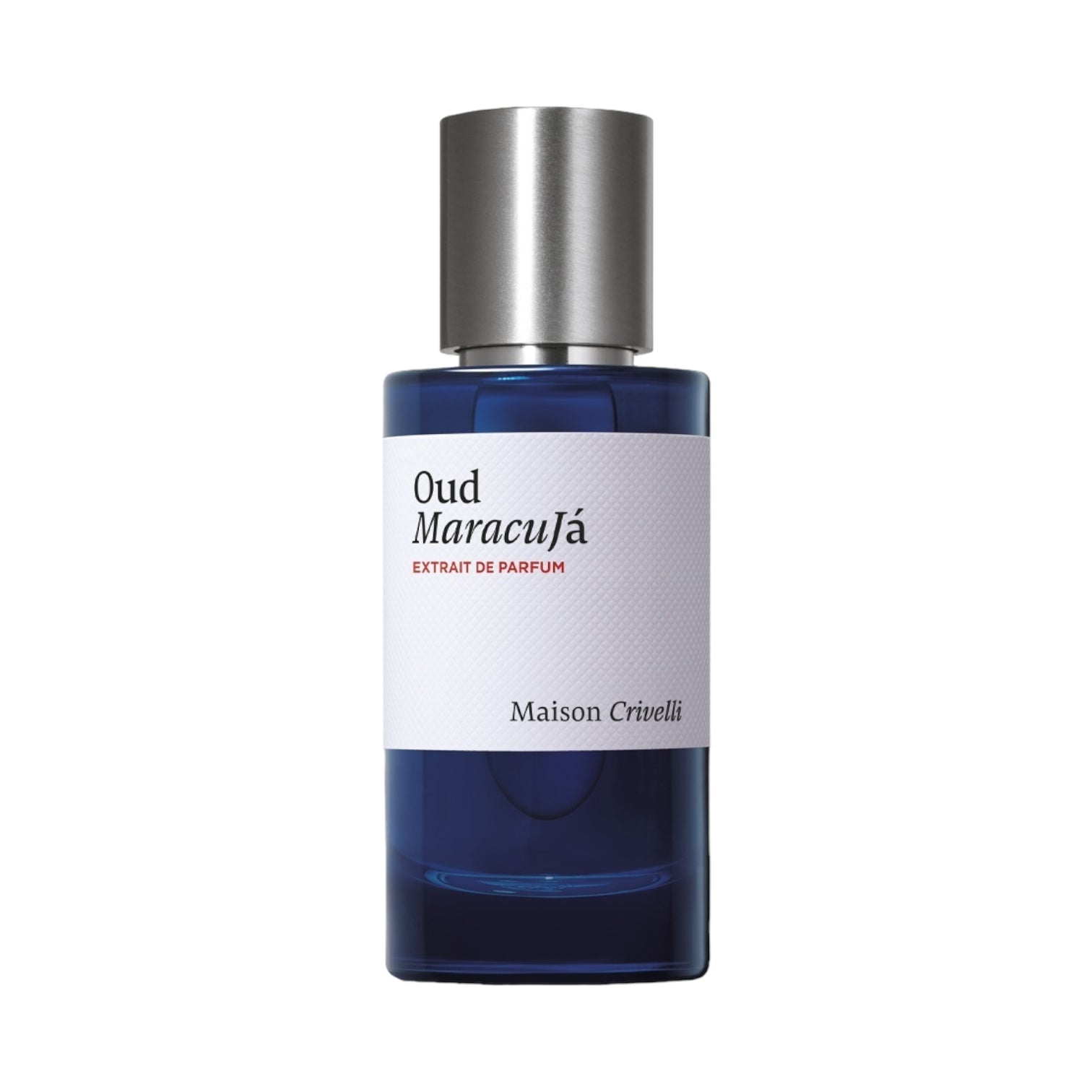
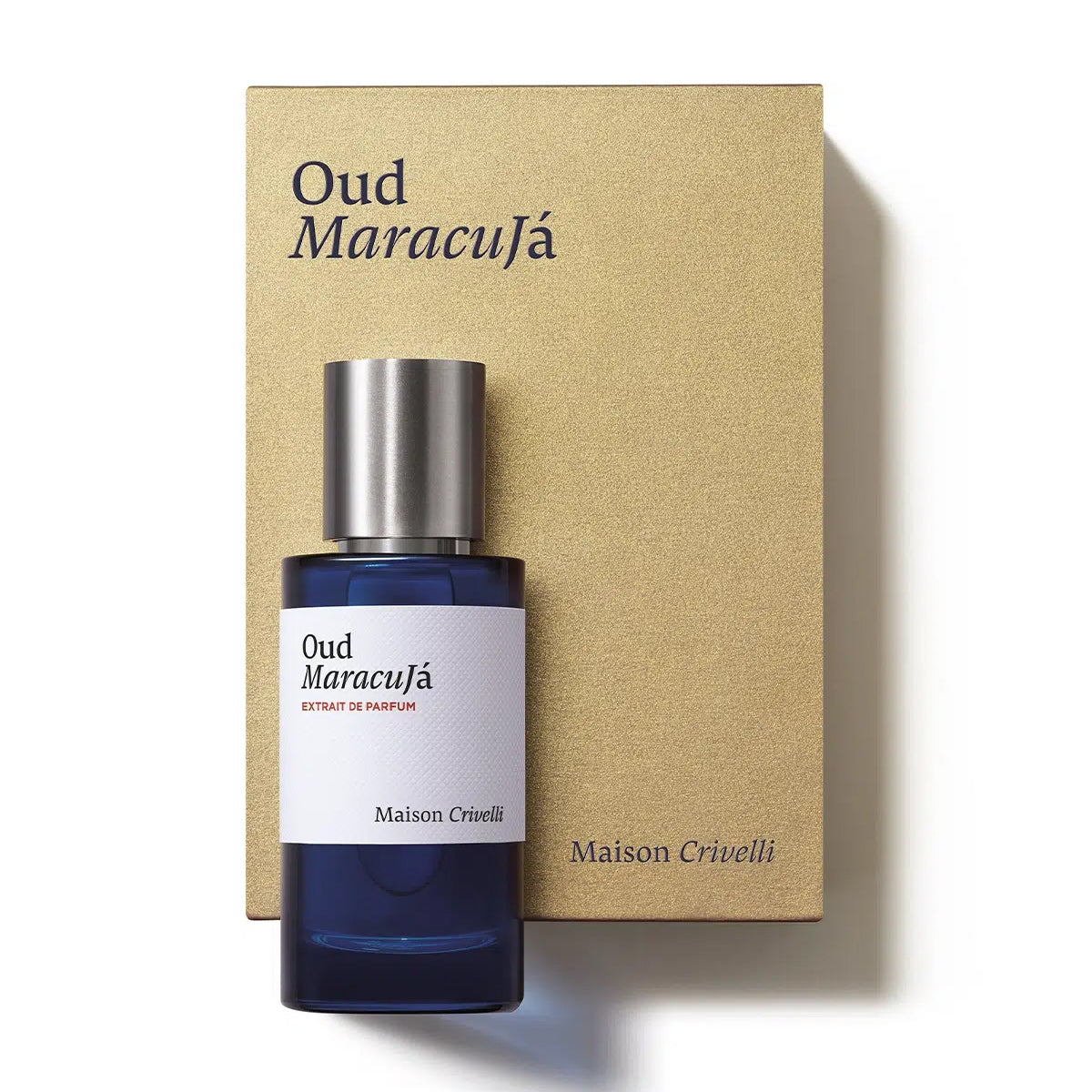
- Where to find it: At 4D, for example, in Blue Talisman, The Hedonist and The Hedonist Extrait, Lust in Paradise Extrait, Demon Dancer, Oud Maracujá, Castley, Valaya and Icarus Extrait 967.
What is Akigalawood?
Akigalawood is not wood, and according to Givaudan not even a single molecule, but a natural, complex mixture. The starting material is patchouli oil, the earthy, dark oil from the leaves of the patchouli plant that smelled of incense sticks and flea markets in the 1970s and today turns up in almost every other fragrance pyramid. According to Wikipedia, more than 90 percent of the world's patchouli oil comes from Indonesia.
Givaudan does not take the prime cut, though, but fractions that, in its own words, would never previously have made it onto the perfumers' palette. The company lets enzymes derived from fermentation processes loose on these leftovers. Givaudan speaks of "white biotechnology" and calls the result an example of upcycling: a side stream becomes a luxury raw material.
How is Akigalawood made?
The exact recipe is a trade secret, but the principle can be explained in three steps:
Split the patchouli
Patchouli oil is separated into fractions. The parts used are those that have so far been of little interest to classic perfumery.
Let enzymes do the work
Enzymes from fermentation processes transform the components of these fractions. According to Givaudan, a biotechnological process, without the romance of a classic chemical plant.
Gain a new profile
The result is a material that smells of patchouli and agarwood, but with a lively peppery sparkle. Givaudan calls it 100 percent natural and biodegradable.
Akigalawood was developed in Givaudan's biotech lab in Dübendorf near Zurich. It got its first big stage in 2014 in a men's fragrance in Brazil: #Urbano by Natura. According to Glossy, it became known worldwide a year later with the first Miu Miu fragrance.
"Enzymes derived from fermentation processes act on patchouli oil residues."
Pierre Arnoux, Givaudan, to FragroomWhat does Akigalawood smell like?
Imagine freshly ground black pepper trickling onto a dry, noble wood. Givaudan describes Akigalawood as vibrant and spicy with pepper, with woody facets of patchouli and agarwood, and "radiant and room-filling". Givaudan perfumer Jordi Fernández, who uses it in many Ex Nihilo fragrances, speaks of a luminous, spicy, full-bodied woody note. His colleague Christine Hassan told Glossy it is spicy but clean, fresh-woody and remarkably universal, neither masculine nor feminine.
If you mainly associate patchouli with incense sticks, you will be surprised: instead of earth and cellar, the Givaudan people mostly describe radiance, pepper and cleanness. Akigalawood is not without side effects, though: at high doses, some noses report, it can come across as a little musty. As so often in perfumery, the dose makes the poison.
How can you recognise Akigalawood in a perfume?
- Pepper without peppercorns: a dry, tingling spiciness even though no pepper is listed in the pyramid.
- Wood that shines: not dark, smoky wood but a clear, almost mineral radiance in the heart and base.
- A hint of oud: Givaudan itself points to agarwood facets. Many fragrances with Akigalawood therefore seem slightly "oudy" without being heavy.
- The comparison test: smell The Hedonist after an hour. If cedarwood and a peppery glow remain, you have Akigalawood in your nose.
Is Akigalawood natural or synthetic?
Givaudan lists Akigalawood as a natural raw material because it is created from a natural substance by enzymatic transformation and is not a single molecule assembled in a test tube. The comparison with another biotech star from the same house is fascinating: according to Givaudan, Ambrofix is made by fermenting sugar cane and needs around a hundred times less farmland per kilo than conventional production. Pierre Arnoux draws a clear line: Ambrofix is a synthetic molecule made by biotechnology, Akigalawood a natural mixture. Incidentally, both sit side by side in Blue Talisman.
Captives are fragrance materials that a company develops and protects. According to Givaudan, only its own perfumers may work with them.
Which perfumes contain Akigalawood?
Since 2014 Akigalawood has had a remarkable career. Well-known examples from the fragrance world include Comme des Garçons Blackpepper (2016), Montblanc Explorer (2019) and Amouage Guidance (2023), which according to Glossy, together with Guidance 46, now accounts for around a quarter of Amouage's global sales. At 4D you will find Akigalawood in these fragrances:
| Fragrance | Brand | What Akigalawood does there |
|---|---|---|
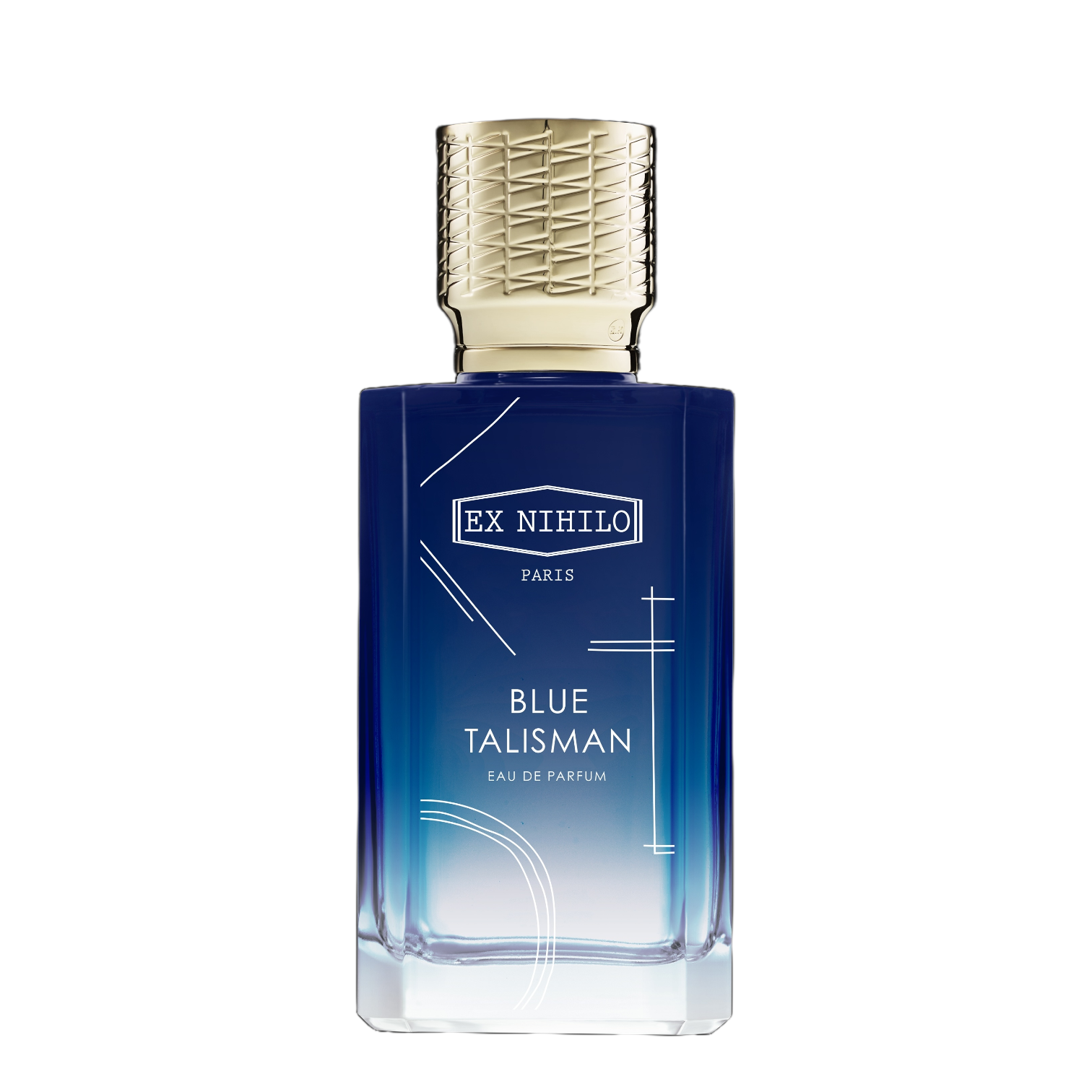
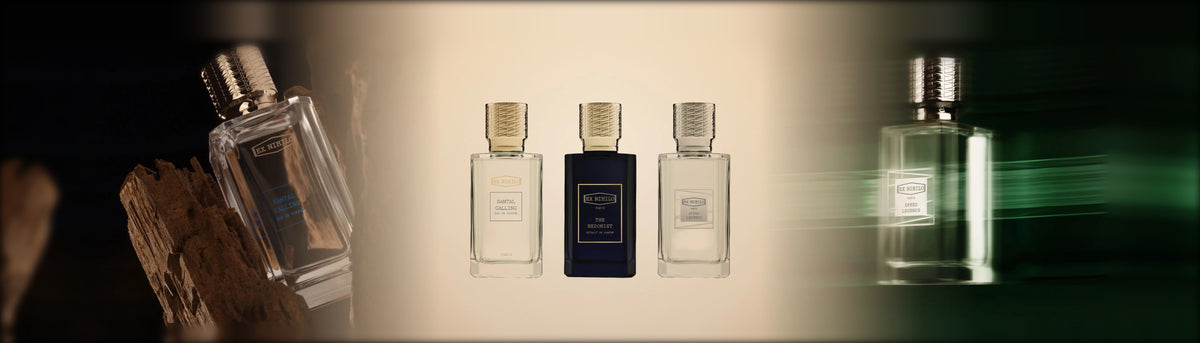
| Blue Talisman | Ex Nihilo | Gives the pear freshness a peppery-woody backbone in the base, together with Ambrofix and musk. |
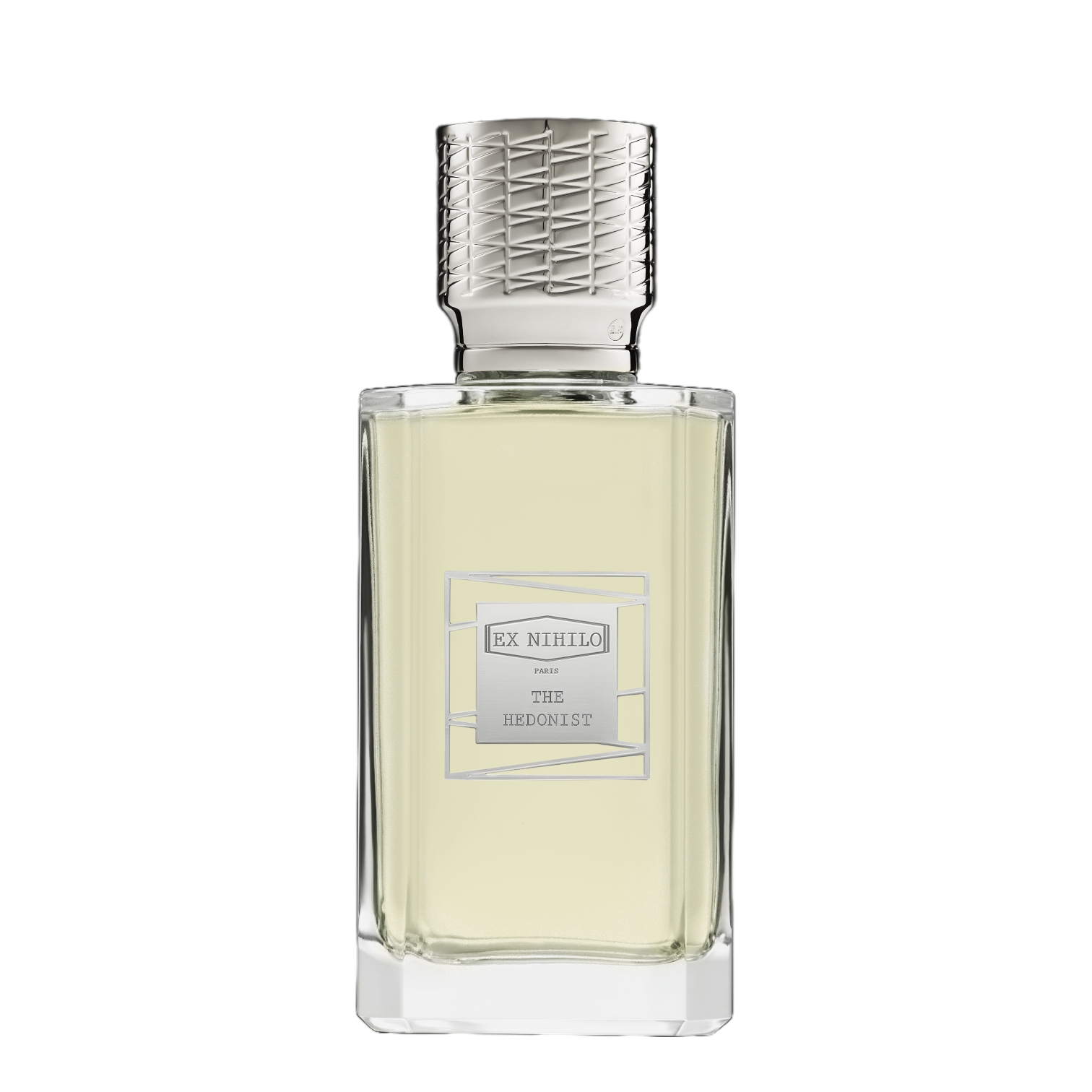
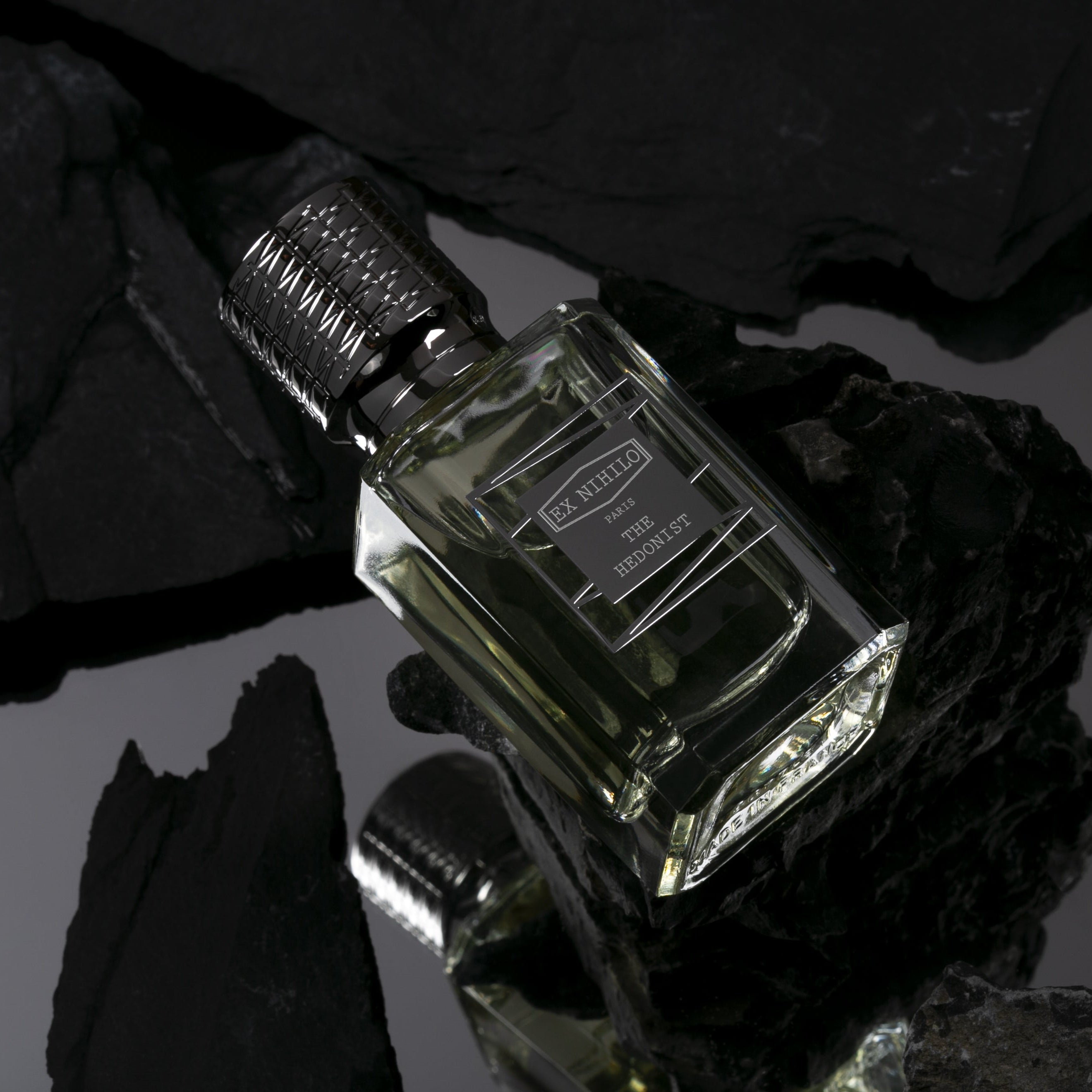
| The Hedonist | Ex Nihilo | Sits in the heart with cedarwood, after bergamot and ginger: the core of the fragrance. |
| The Hedonist Extrait | Ex Nihilo | In the heart with cedar and lychee, above ambery woods and patchouli. |
| Lust in Paradise Extrait | Ex Nihilo | Underlines rose and jasmine sambac with warm depth in the base. |
| Demon Dancer | Ex Nihilo | Part of the powerful base with Georgywood, Ambrofix and tonka. |
| Oud Maracujá | Maison Crivelli | Extends oud, leather and benzoin in the base with woody spice. |
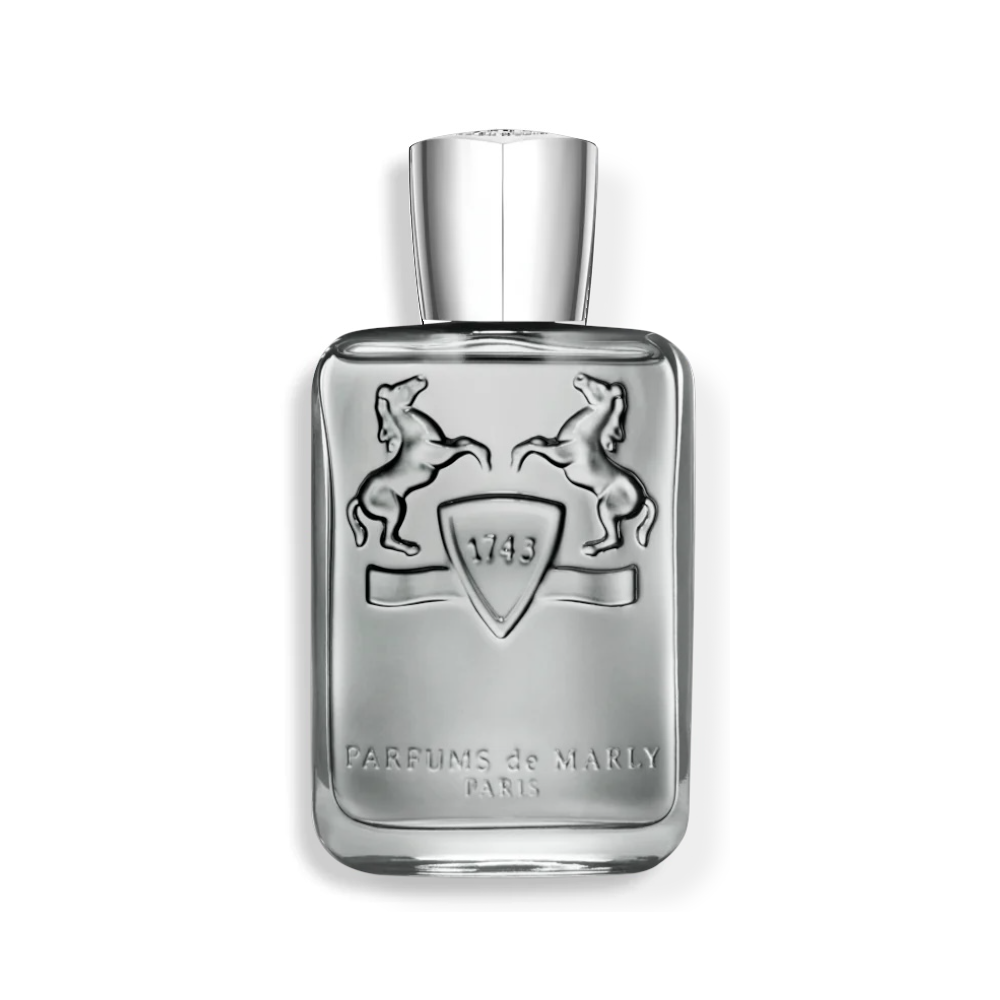
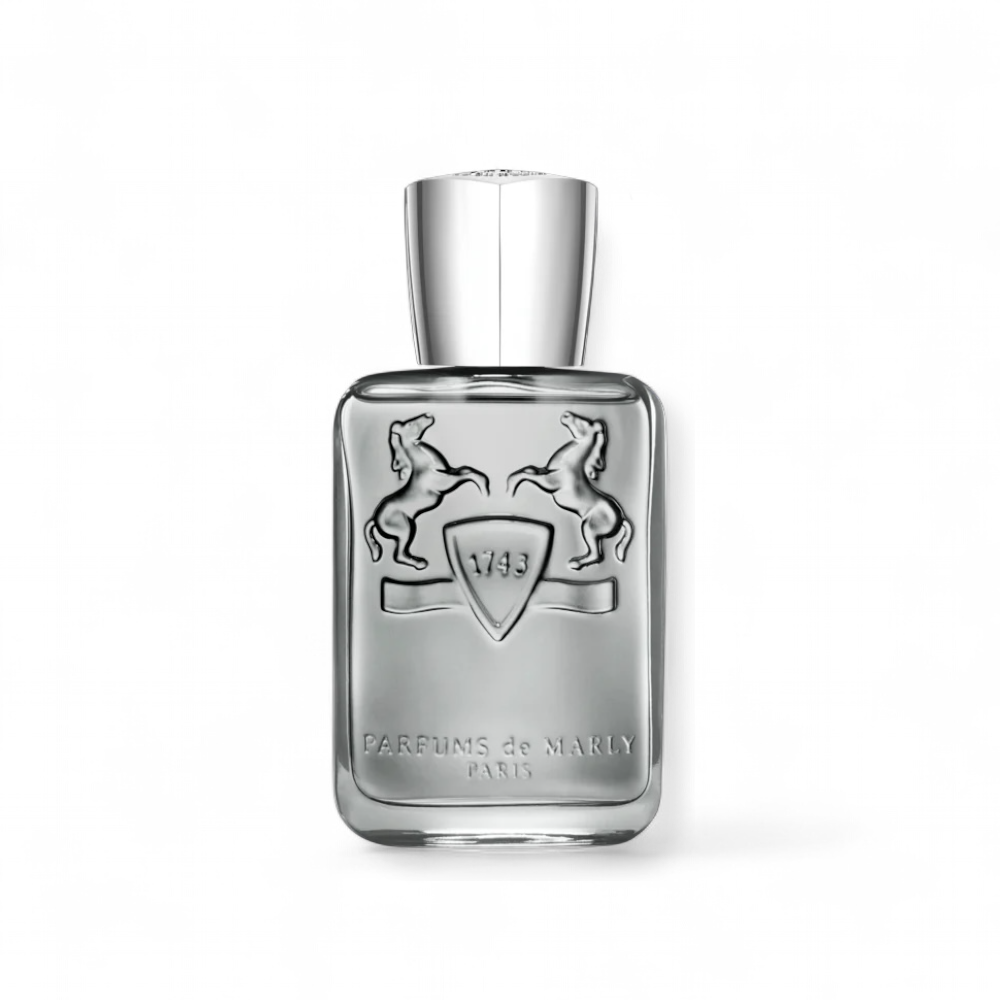
| Castley | Parfums de Marly | Base with labdanum and benzoin, after timut pepper and neroli. |
| Valaya and Valaya Exclusif | Parfums de Marly | Keeps the white musk and vanilla in the base in balance. |
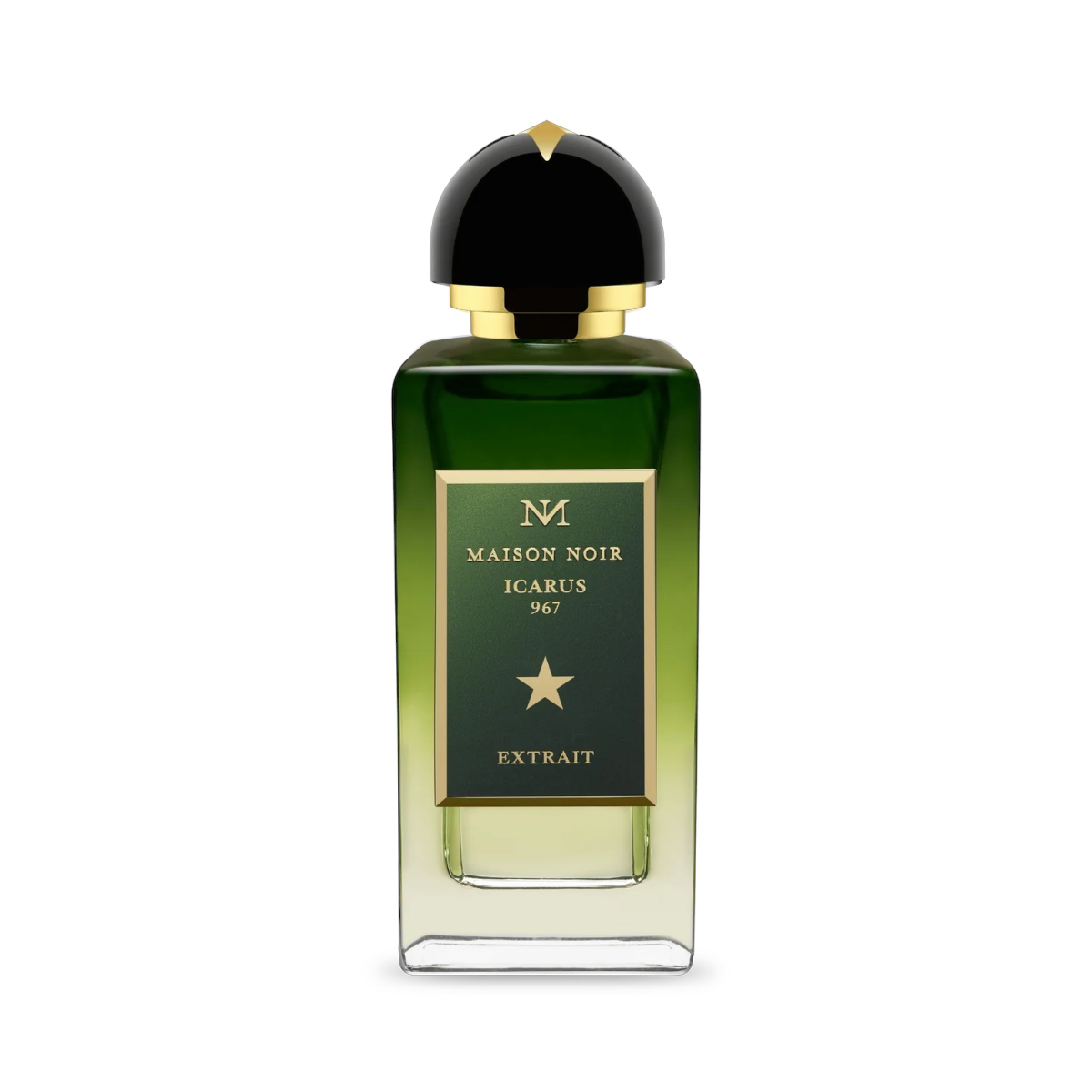
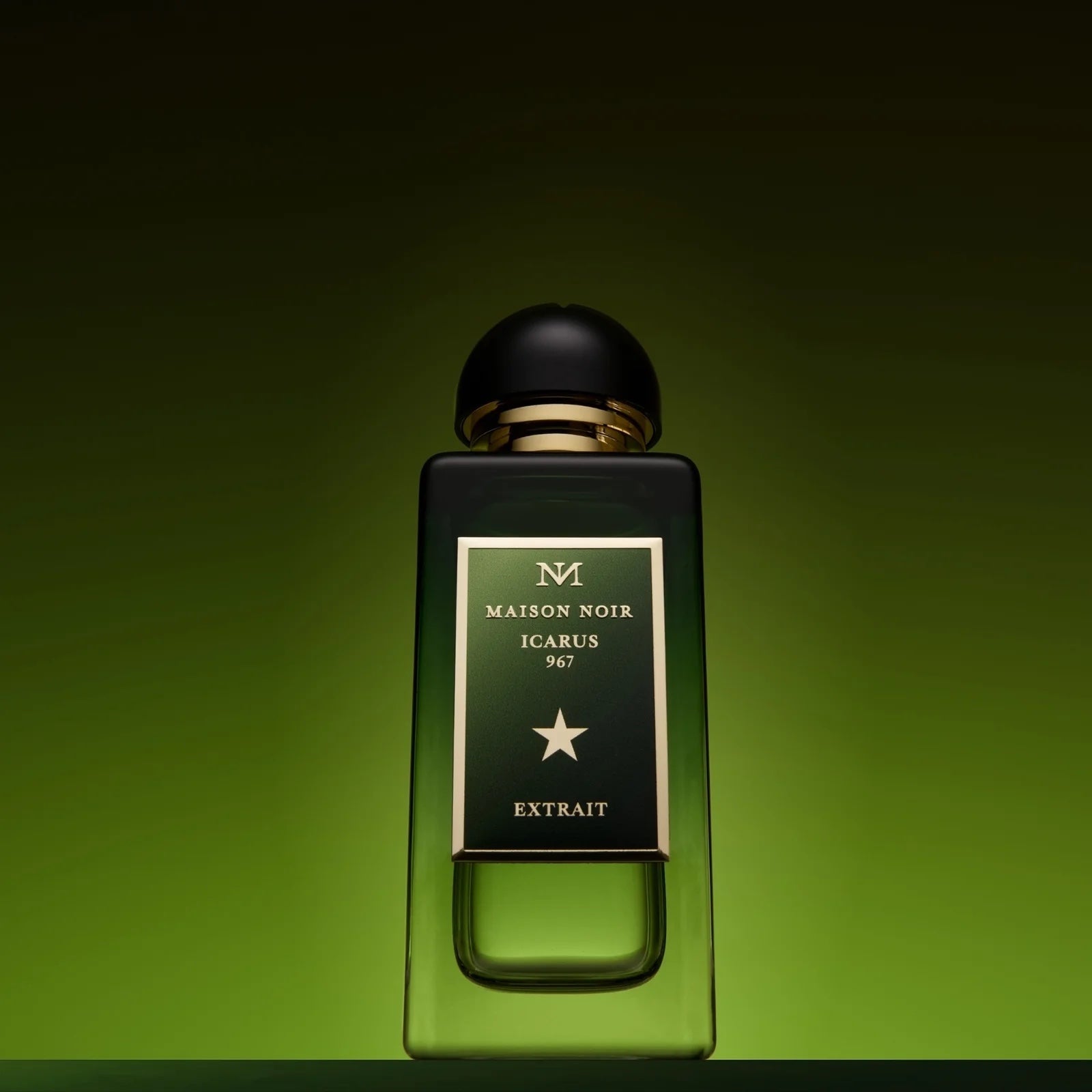
| Icarus Extrait 967 | Maison Noir | Replaces the original's ambroxan and moss in the Extrait and makes the fragrance woodier. |
| New York | Widian | In the heart between iris, rose, patchouli and caramel. |
| Morning Star | Liquides Imaginaires | In the base with cedarwood, Georgywood, patchouli and vetiver. |
Want to go deeper? In our comparisons Valaya or Valaya Exclusif? and Icarus 347 or Extrait 967? you can smell how the same fragrance changes with and without certain building blocks.


Curiosities about Akigalawood
What makes the lab-born wood so special
- Leftovers turned luxury
Givaudan counts Akigalawood among its upcycled raw materials: it uses patchouli fractions that previously would not have made it onto the perfumers' palette.
- A Swiss wood with Indonesian roots
Akigalawood was developed in Givaudan's biotech lab near Zurich, while the starting material, patchouli, comes overwhelmingly from Indonesia.
- The bestseller building block
According to Glossy, Blue Talisman by Ex Nihilo, with Akigalawood in its base, accounted for over 40 percent of the brand's US sales in 2025. A raw material that makes tills ring.
- The competition never sleeps
Also in 2014, Firmenich (now dsm-firmenich) launched Clearwood, its own biotech material from patchouli. Two companies, one idea, two paths.
- Pepper not everyone can smell
The peppery note in black pepper and in some Syrah wines comes from rotundone. In a 2008 study, around 20 percent of participants could not smell rotundone even at high concentrations. A Givaudan patent lists rotundone as a product of a related patchouli process. Givaudan does not reveal whether it is in Akigalawood, but if the person next to you does not notice the pepper, it may not be the perfume's fault.
- A tree that does not exist
Despite the "-wood" in its name, no tree was ever felled for Akigalawood. The wood exists only in perception, which may be the finest punchline of modern perfumery.
- Manufacturer: Givaudan, captive material, on the palette since 2014, developed in the biotech lab in Dübendorf (now Kemptthal).
- Process: enzymatic transformation of patchouli oil fractions. A 2010 Givaudan patent describes the oxidation of patchoulol-poor patchouli fractions with the enzyme laccase, producing rotundone among other compounds. Givaudan does not say whether exactly this process is behind Akigalawood.
- Rotundone: a sesquiterpene ketone responsible for the peppery note in black pepper and some Syrah wines, described in 2008 by Australian researchers led by Wood.
- Status: according to Givaudan, 100 percent natural and inherently biodegradable.
- First fragrance: Natura #Urbano (Brazil, 2014), international breakthrough with Miu Miu (2015).
Frequently asked questions about Akigalawood
What is Akigalawood?
Akigalawood is a natural fragrance raw material from Givaudan. It is obtained from fractions of patchouli oil that are transformed with enzymes derived from fermentation processes, and it smells woody-peppery with patchouli and agarwood facets.
What does Akigalawood smell like?
Spicy with pepper, woody and radiant, according to Givaudan with facets of patchouli and agarwood. Perfumers describe it as clean and fresh-woody.
Is Akigalawood natural?
Givaudan describes Akigalawood as 100 percent natural because it is created from patchouli oil through biotechnology and is not a single molecule assembled in the lab.
Who developed Akigalawood?
The Swiss fragrance group Givaudan developed Akigalawood in its biotech lab near Zurich. Givaudan perfumers have been working with it since 2014.
Which perfumes contain Akigalawood?
At 4D OUTFITTERS, for example, Blue Talisman, The Hedonist, The Hedonist Extrait, Lust in Paradise Extrait and Demon Dancer by Ex Nihilo, Oud Maracujá by Maison Crivelli, Castley and Valaya by Parfums de Marly, Icarus Extrait 967 by Maison Noir, New York by Widian and Morning Star by Liquides Imaginaires.
Can I test fragrances with Akigalawood first?
Yes. With every fragrance order at 4D OUTFITTERS you receive a sample of the fragrance you ordered, and via the order note you can choose up to four more free samples. Or test in our boutique in Bregenz.
Smell first, then fall in love
Akigalawood is best understood with your nose. With every fragrance order we include a sample of exactly the fragrance you ordered, and via the order note in the cart you can request up to four more free samples. Our suggestion for your Akigalawood tasting: The Hedonist, Blue Talisman, Oud Maracujá and Castley. We ship free of charge from € 200.
Curious about the story behind it? Read our portrait of Ex Nihilo, the house that is particularly fond of Akigalawood, and discover in The best woody fragrances by Ex Nihilo how different wood can sound. Or visit us in the boutique in Bregenz and browse the Ex Nihilo collection.
Your team at 4D OUTFITTERS, Bregenz
Sources: Givaudan – Biotechnology · Givaudan – Upcycling · Givaudan Highlights 2014 · Givaudan – Ambrofix · Fragroom · Glossy · Patent US8883468 · Wikipedia – Rotundone · Wood et al. 2008 · Wikipedia – Patchouli




Leave a comment
This site is protected by hCaptcha and the hCaptcha Privacy Policy and Terms of Service apply.