
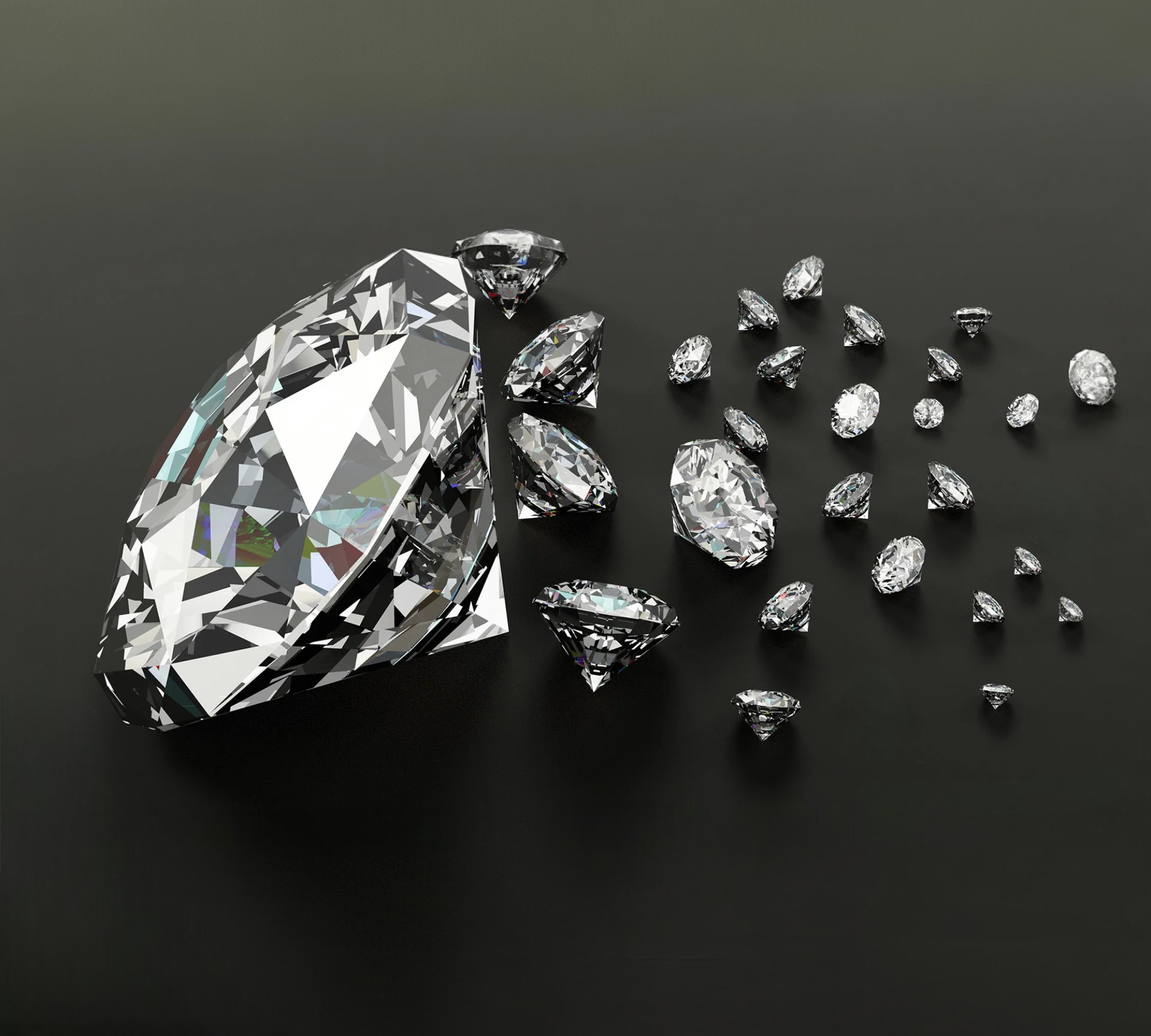
Diamonds as an Investment: What to Know Before You Buy
- Diamonds are small, durable and valuable – but as an investment they are far more demanding than gold or shares.
- There is no official exchange for diamonds; prices are not very transparent and reselling can be difficult.
- What matters: the certificate (e.g. GIA or IGI), the 4Cs, origin and all additional costs.
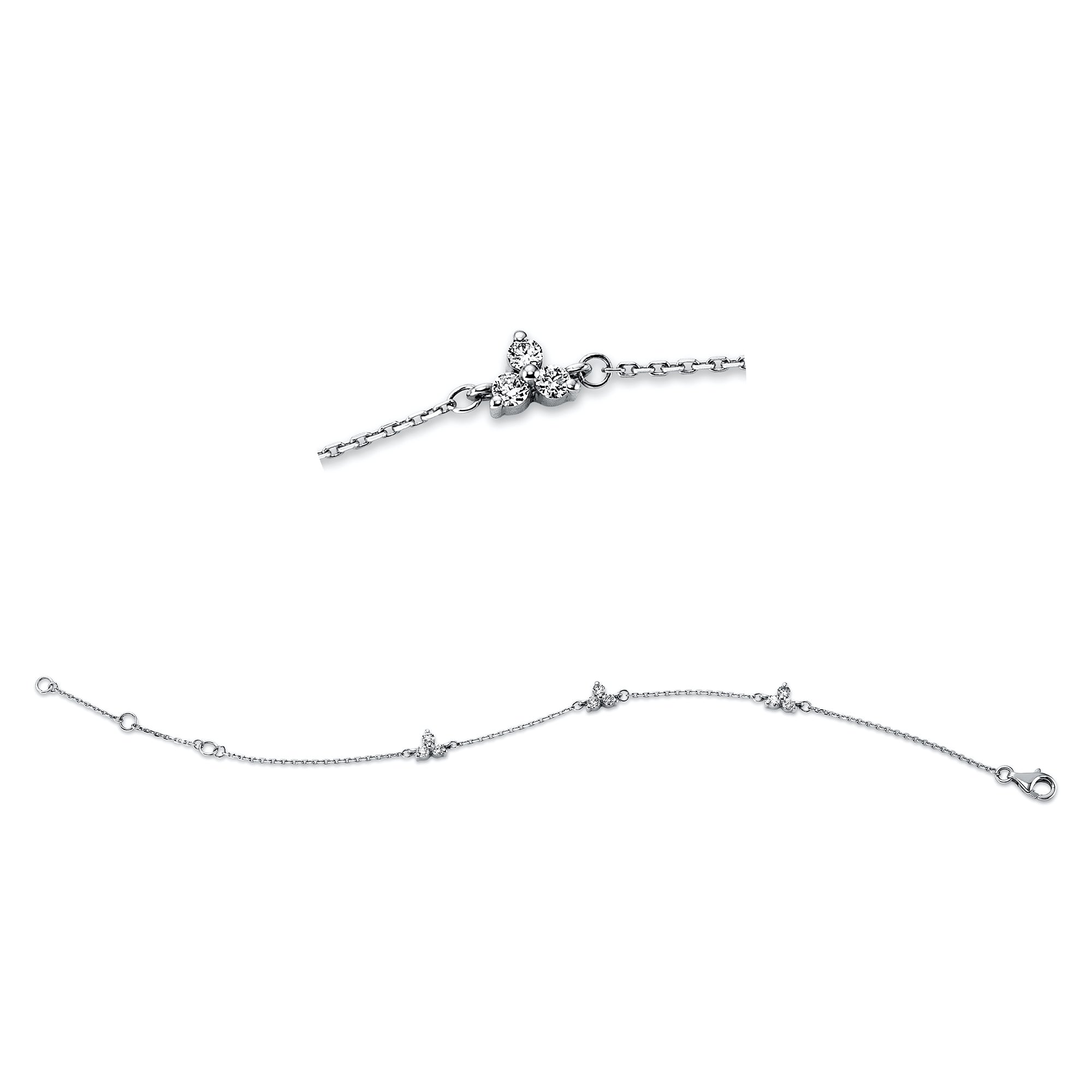
- 4D OUTFITTERS carries only natural, mined diamonds – as jewellery to wear, not as a financial product.
“A Diamond Is Forever” – hardly any sentence has shaped our image of diamonds like this advertising slogan from the late 1940s. But is a diamond also a good investment? The honest answer: it depends. Diamonds can be part of your wealth, but they work differently from gold, shares or bonds. Before you consider it, it pays to know the key points.
What speaks for diamonds
Diamonds are extremely durable, very compact and can be stored in the smallest of spaces. A natural diamond is also a piece of Earth's history – often hundreds of millions, sometimes more than three billion years old. And unlike a portfolio statement, you can wear it and enjoy it.
What you should know before you buy
Certification: Larger stones should come with a certificate from a recognised gemmological institute such as GIA or IGI. It documents authenticity and quality – and also states whether a stone is natural or laboratory-grown.
Quality – the 4Cs: carat (weight), clarity, colour and cut determine the value. How much weight alone affects the price is explained in our article Carat – the foundation of sparkle.
Market knowledge: The diamond market is complex. Two stones with similar certificates can carry very different prices. Do your research and compare.
Liquidity: Unlike gold or shares, diamonds are not traded on an exchange. Finding a buyer at a fair price can take time, and buy-back prices are usually well below the retail purchase price.
Costs: On top of the purchase price come insurance, secure storage and possibly appraisals. These costs eat into any potential gain in value.
Origin and ethics: Look for traceable origin. Since 2003 the Kimberley Process has regulated the trade in rough diamonds to exclude conflict diamonds – an important minimum standard, though not without its critics.
Natural or lab-grown? Laboratory-grown diamonds have fallen dramatically in price in recent years and are therefore hardly suitable as a store of value. More in our article on natural and synthetic diamonds.
Tax: The tax treatment of diamonds differs from country to country. Please consult a tax adviser.
Diamond curiosities
Things you probably didn't know
- A slogan for eternity
“A Diamond Is Forever” was written by copywriter Frances Gerety for De Beers in the late 1940s. In 1999, the trade magazine Advertising Age named it the best advertising slogan of the 20th century.
- Carat comes from carob
The word carat goes back to the Greek “kerátion” – the seed of the carob tree. That these seeds weigh remarkably evenly, however, is a myth. Since 1907 the international rule is: 1 carat = 200 milligrams.
- The biggest diamond came by post
The Cullinan, at 3,106 carats the largest gem-quality diamond ever found, reportedly travelled to London after its discovery in 1905 as a plain registered parcel – while a heavily guarded decoy sailed on a steamer.
- Ancient and deeply buried
Natural diamonds are roughly 90 million to 3.5 billion years old – the oldest dated ones come from mines in northern Canada. Most formed some 150 to 200 kilometres below the surface, while rare “superdeep” diamonds formed as deep as 800 kilometres.
- Price crash in the lab
According to the wholesale index of diamond analyst Edahn Golan, lab-grown diamond prices have fallen by around 96 per cent since 2018 – by 26 per cent in 2025 alone.
This article is for general information only and does not constitute investment, tax or financial advice. Diamonds can lose value; an increase in value is not guaranteed. Please make investment decisions only after your own review and, where appropriate, with independent advice.
Our conclusion
Diamonds are fascinating – but as a pure investment they are only for very well-informed buyers. If you buy a diamond, you should above all love it and want to wear it. At 4D OUTFITTERS we carry only natural, mined diamonds set in real gold, and we are happy to advise you on quality, cut and certificates in our boutique in Bregenz.
FAQ
Are diamonds a safe investment?
No, there is no guarantee. Diamonds are not very liquid, prices are not transparent, and on resale you often get considerably less than you paid.
Which certificate matters?
Certificates from GIA and IGI are the most widely recognised. They document the 4Cs and whether a stone is natural or laboratory-grown.
Does 4D OUTFITTERS sell lab-grown diamonds?
No. 4D OUTFITTERS carries only natural, mined diamonds.
Shipping is free from € 200, you have a 14-day right of return, and in the 4D Insider Club you collect stars with every order. Questions? service@4doutfitters.com
Yours, jewelry.gio and the 4D OUTFITTERS team, Bregenz




Leave a comment
This site is protected by hCaptcha and the hCaptcha Privacy Policy and Terms of Service apply.