
INGREDIENT GLOSSARY
Ambergris
Aged ambergris smells warm, salty-marine and slightly sweet, with tobacco-like, musky facets and a dry, skin-close finish.
NATURALANIMALIC · AMBERY-MARINE · BASE NOTE
AT A GLANCE
- Animal: sperm whale Physeter macrocephalus – ambergris is a sea-aged excretion from its intestine
- Origin: flotsam and beach finds on the coasts of many seas; trade banned in the USA and Australia, among others
- Production: collected, ground and dissolved in alcohol as a tincture; today mostly replaced by synthetics
- Scent: warm, salty-marine, slightly sweet and tobacco-like – mainly a base note, also a heart note
PROFILE
- Origin
- Excretion from the intestine of the sperm whale (Physeter macrocephalus) · Found as flotsam and beach finds on the coasts of many seas · Trade banned in some countries, including the USA and Australia
- Extraction
- Collected as a beach find or flotsam, aged at sea, then ground for perfumery and dissolved in alcohol as a tincture
- Main molecules
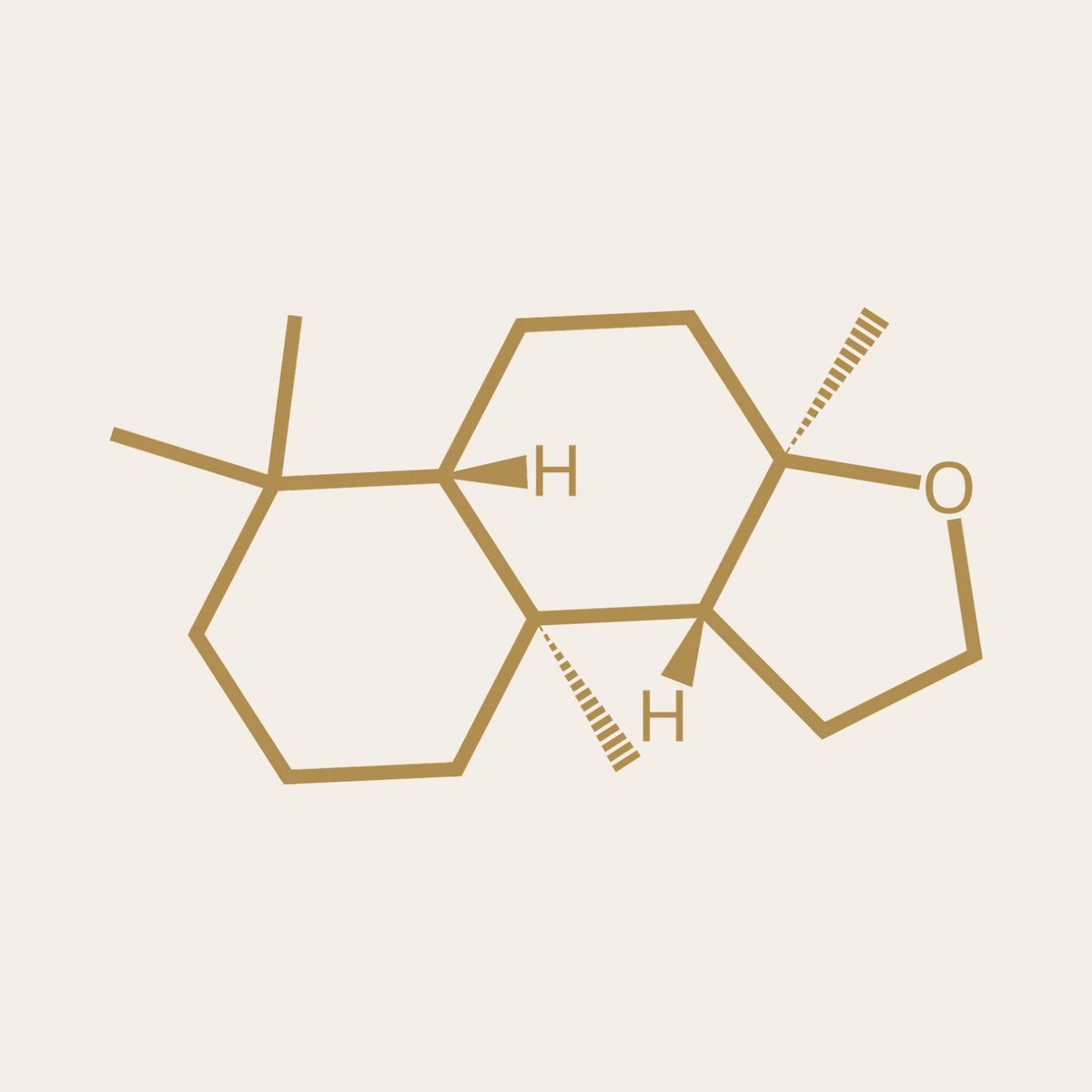
- Ambrein (C₃₀H₅₂O, main constituent) · Ambroxide (C₁₆H₂₈O) and ambrinol as odorous breakdown products
- Harvest
- Ambergris has no harvest season: it is found by chance all year round on beaches or at sea.
- Often paired with
- saffron, leather, oud, jasmine, patchouli, oakmoss, tuberose
Numbers that surprise
127 kilograms
of ambergris were found by fishermen off the coast of Yemen in 2021 inside a dead sperm whale – the find sold for around 1.5 million US dollars.
0.8 to 0.9 grams
is the weight of one cubic centimetre of aged ambergris – it is lighter than water and therefore floats on the sea until it washes up on a coast.
30 instead of 16
carbon atoms make up ambrein – in the odorant ambroxide, which forms from it as it breaks down, only 16 remain, so almost half of the skeleton is lost.
Rounded values; calculation based on published data.
Harvest and season
Ambergris has no harvest season: it is found by chance all year round on beaches or at sea. As a synthetically recreated note it is available at any time.
Ambergris can be neither cultivated nor harvested: it is found, usually by chance, as a beach find or flotsam. Its quality depends on how long it has aged at sea – sun, air and salt water oxidise the mass, water evaporates, it hardens and lightens from black to grey or yellowish. For perfumery, the aged ambergris was ground and dissolved in alcohol; it enters a composition as this tincture. Legally the material is delicate: in the USA, finds may be neither collected nor sold because of species protection for the sperm whale, and in Australia commercial import and export are banned. This is another reason why the ambergris note is today mostly built from synthetic aroma chemicals.
Knowledge to share
Myth or truth?
Statement 1
Ambergris is sperm whale vomit.
Myth. Ambergris forms in the sperm whale's intestine and, according to current knowledge, is usually passed like faeces. Whether particularly large pieces are also brought up through the mouth is disputed – nobody has yet observed it being expelled.
Statement 2
Ambergris was once thought to be bird droppings or sea foam.
True. Before its origin in the sperm whale was established, ambergris was variously taken for the droppings of seabirds, for solidified sea foam or for a product of undersea volcanoes.
Statement 3
Anyone who finds ambergris on a beach may keep and sell it anywhere.
Myth. In the USA, the species-protection laws for the sperm whale prohibit collecting and selling it, and in Australia commercial import and export are banned. In other countries trade is permitted – local rules apply in each case.
Your result
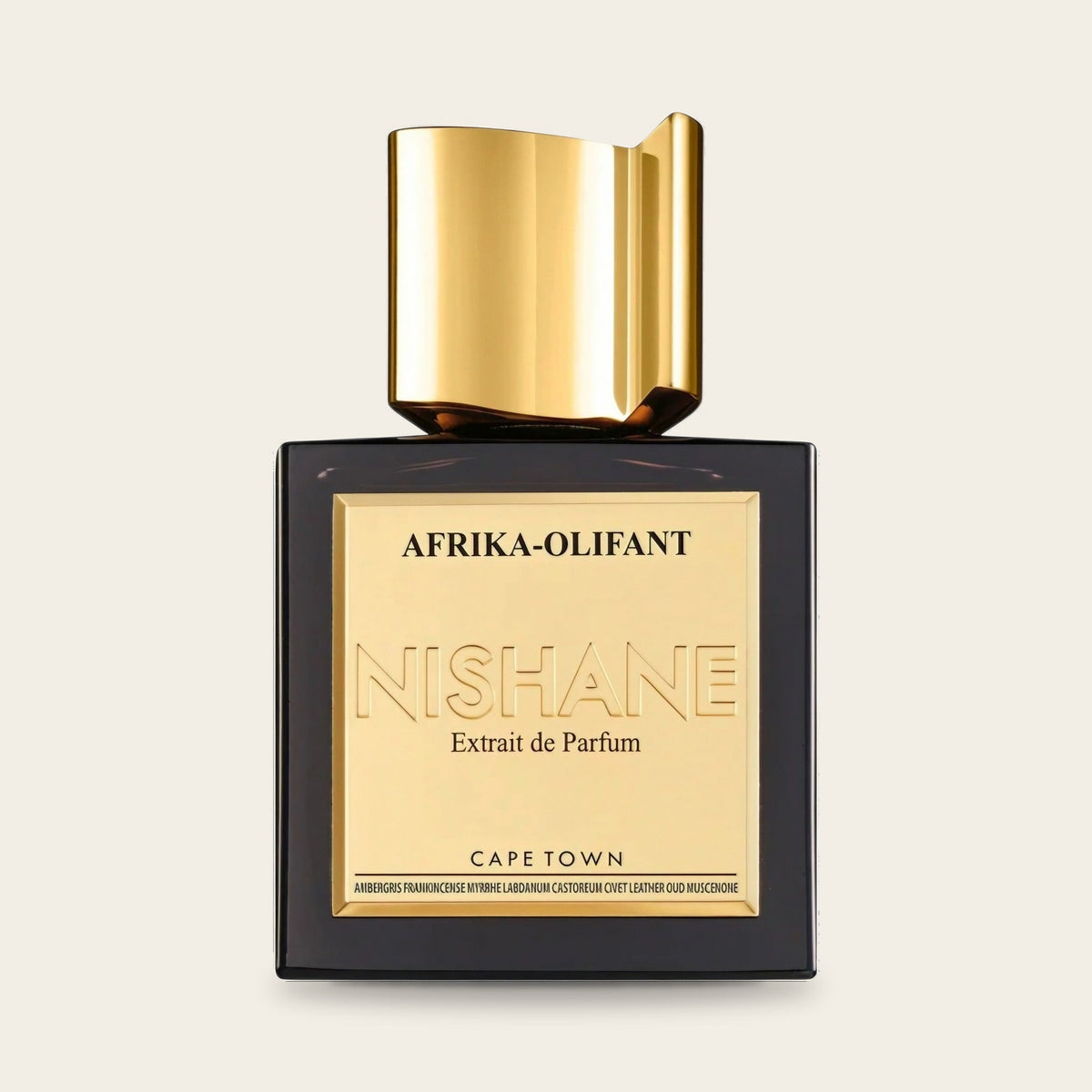
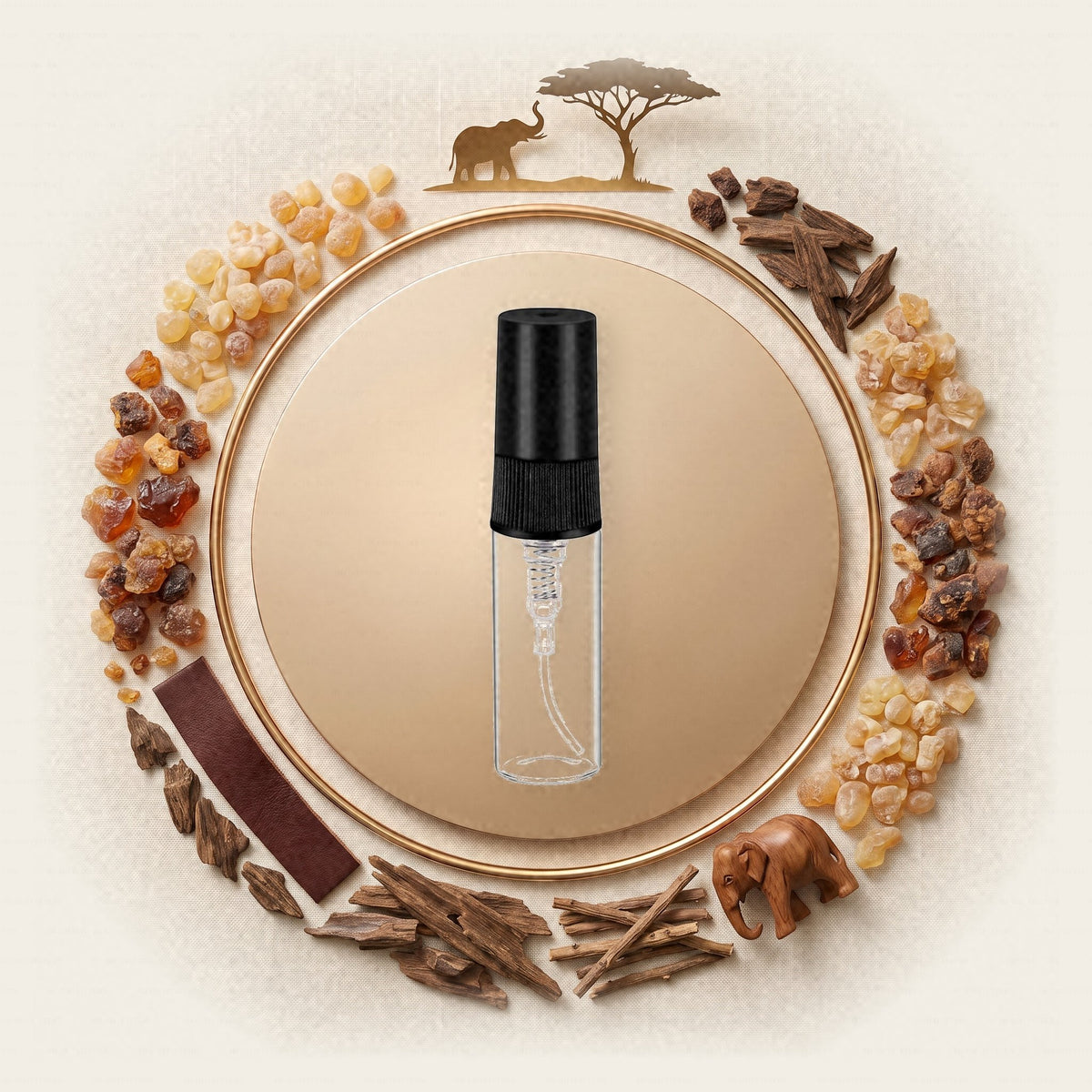
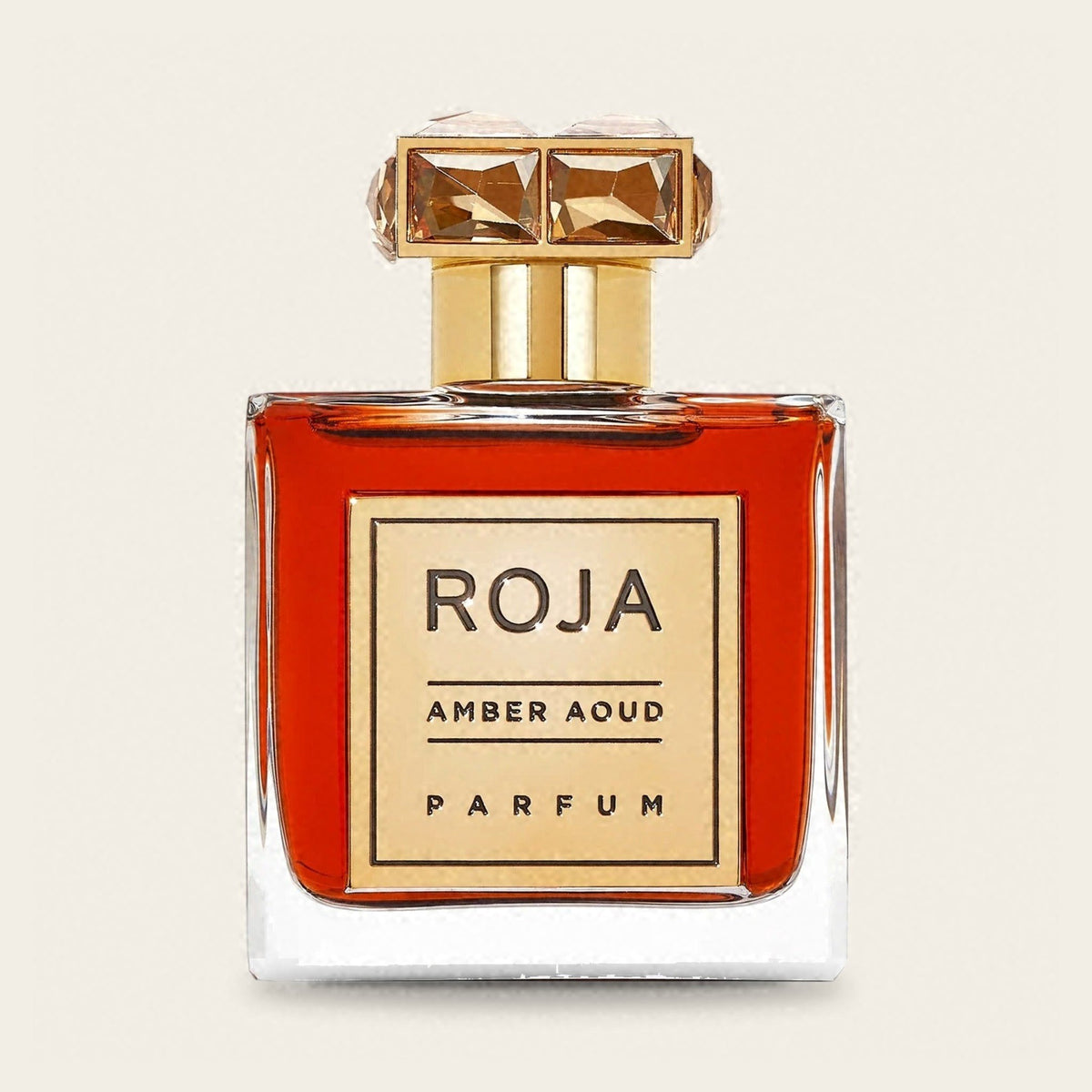
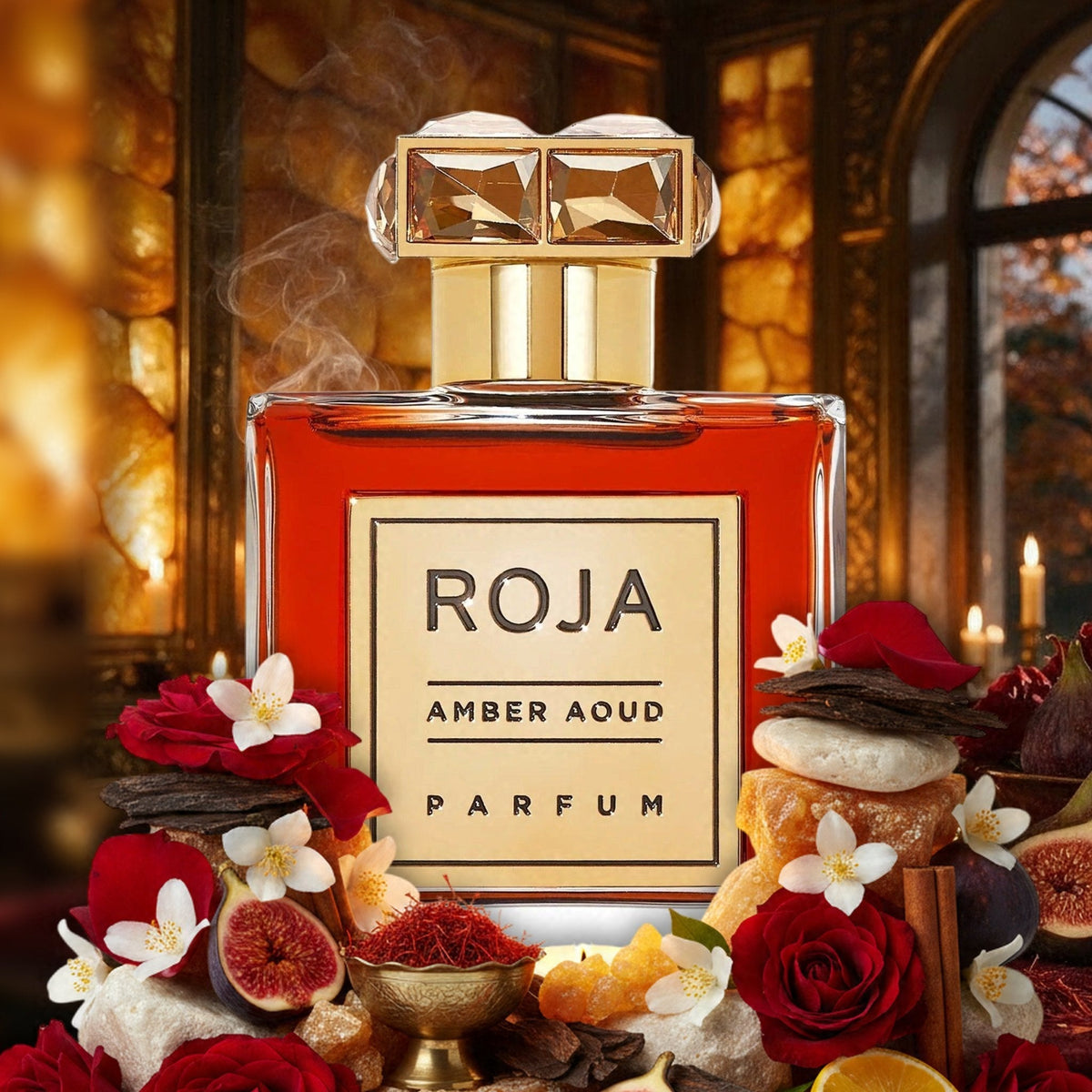
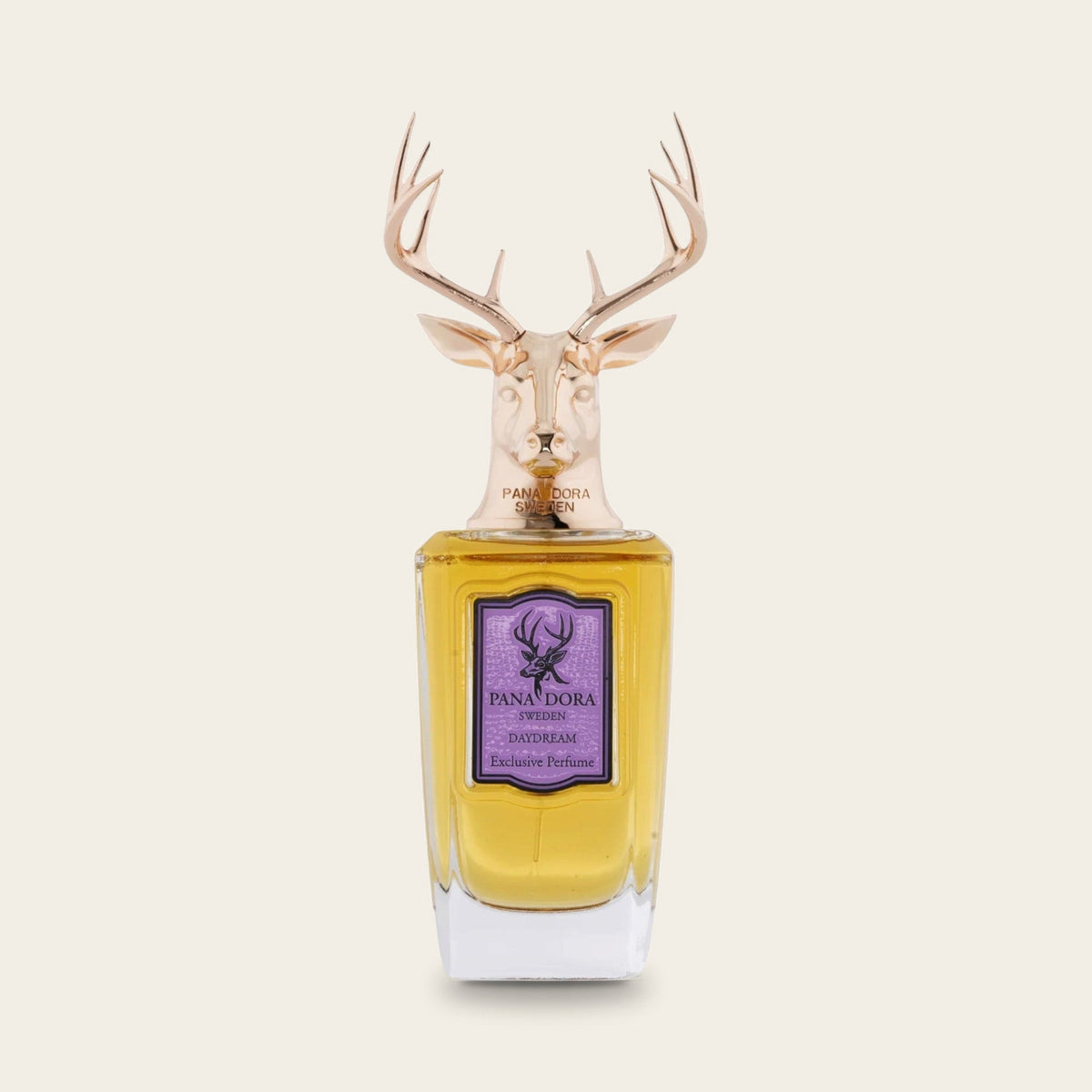
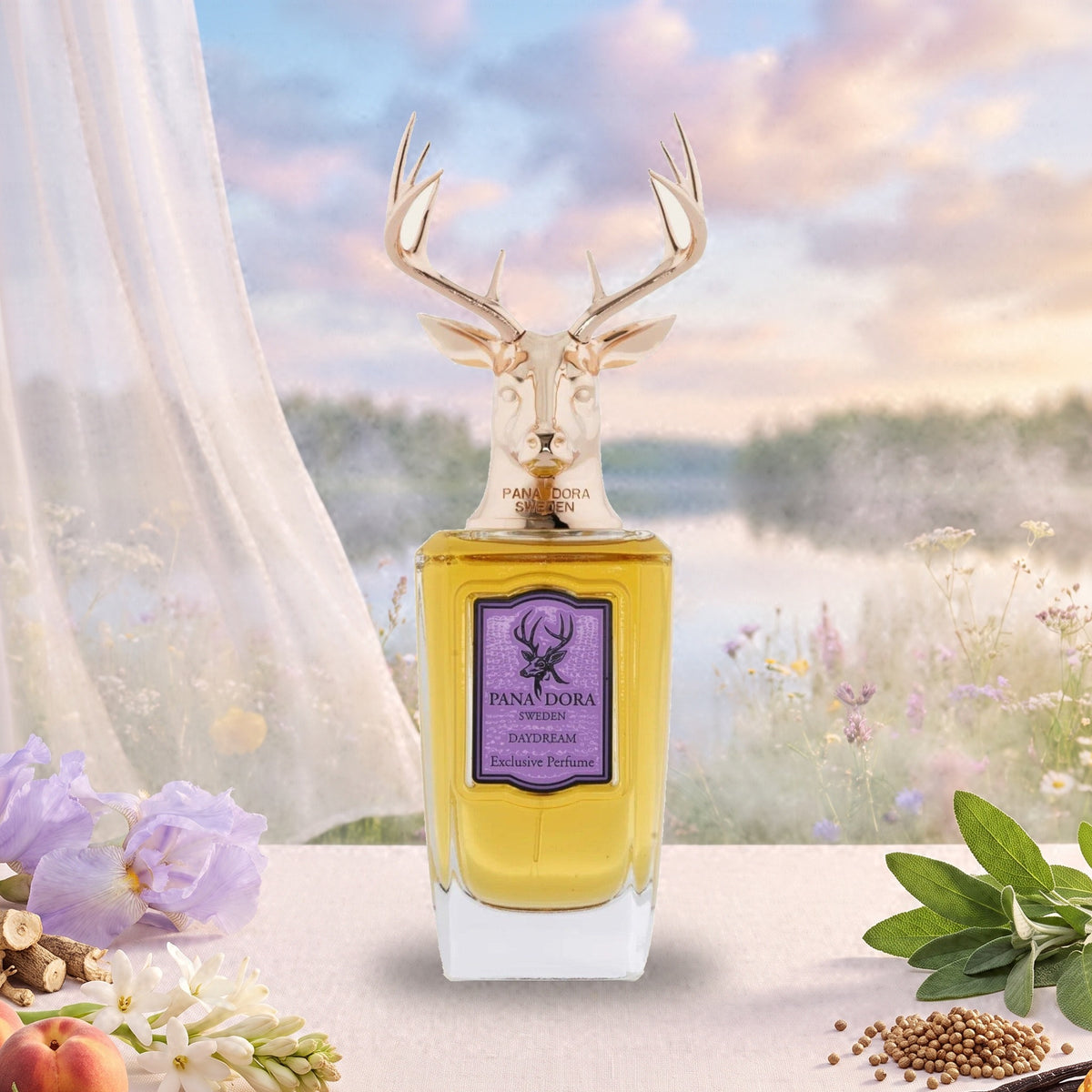
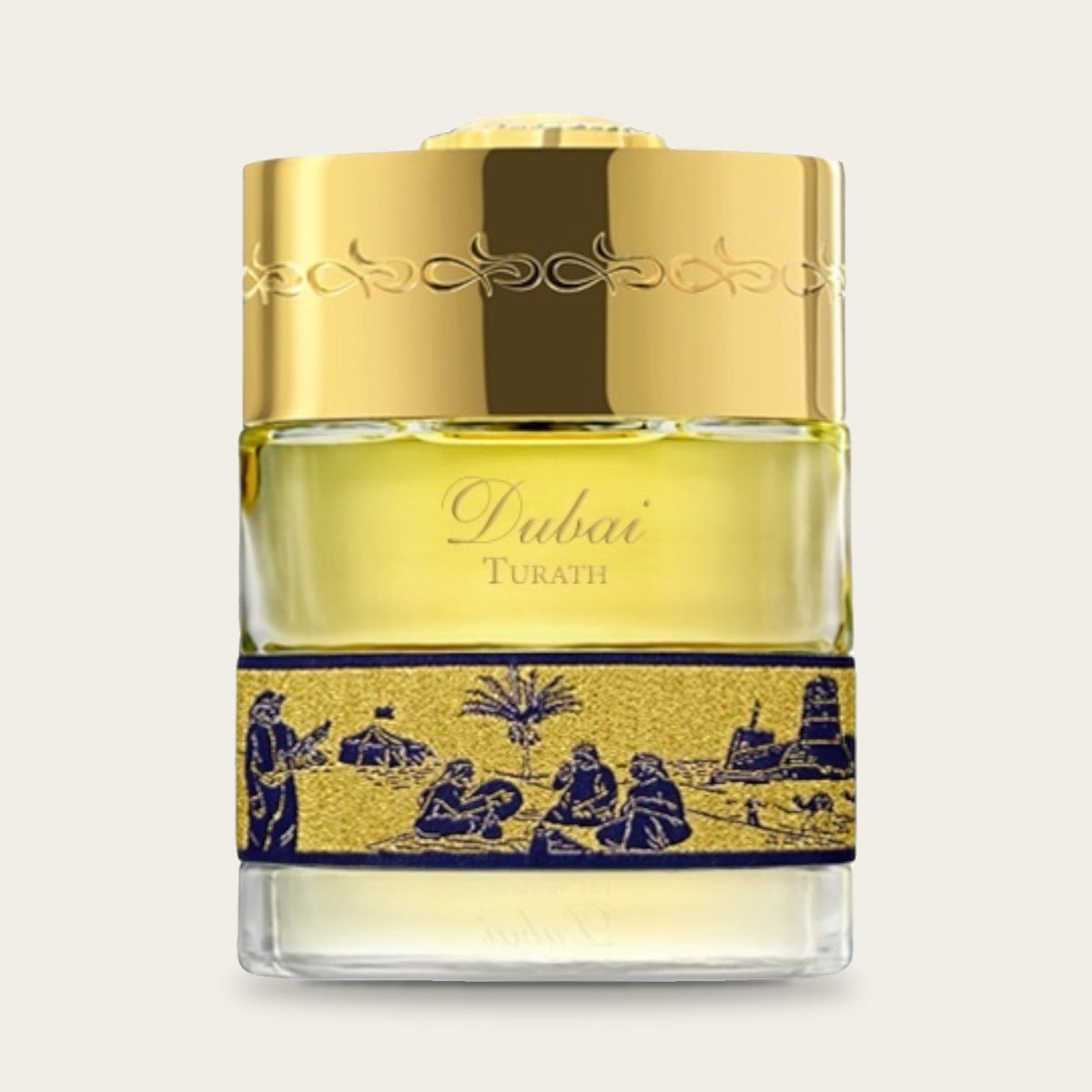
FRAGRANCES WITH AMBERGRISINGREDIENT GLOSSARY
Fragrances with Ambergris


Questions and answers
Aged ambergris smells warm, salty-marine and slightly sweet, with tobacco-like, musky facets and a dry, skin-close finish.
Ambergris is neither a resin nor a mineral but a substance from the digestive tract of the sperm whale (Physeter macrocephalus). Sperm whales live in all the world's oceans and hunt mainly squid in the deep. The whale cannot digest their hard beaks; in the intestine a fatty, waxy mass forms around them, probably protecting the gut from injury. According to current knowledge the mass is usually passed like faeces – although no one has ever observed it. Because it is lighter than water, it often drifts at sea for a long time before washing up on a coast. Ambergris is found on beaches of many seas, from the North Sea to Australia and the Canary Islands, and occasionally in the intestines of dead sperm whales. Fresh ambergris is black and soft; only the long journey through sun, air and salt water makes it hard, grey and waxy.
Ambergris can be neither cultivated nor harvested: it is found, usually by chance, as a beach find or flotsam. Its quality depends on how long it has aged at sea – sun, air and salt water oxidise the mass, water evaporates, it hardens and lightens from black to grey or yellowish. For perfumery, the aged ambergris was ground and dissolved in alcohol; it enters a composition as this tincture. Legally the material is delicate: in the USA, finds may be neither collected nor sold because of species protection for the sperm whale, and in Australia commercial import and export are banned. This is another reason why the ambergris note is today mostly built from synthetic aroma chemicals.
Ambergris is used in small amounts as a tincture and acts less as a note of its own than as an enhancer: it slows the evaporation of other fragrance materials, holds a composition in place for longer and gives it a warm, slightly salty radiance. Its scent is restrained but lasting – it rounds off floral oils and lends woods, musk and resins a skin-close depth. Because genuine ambergris is rare and cannot be traded in many places, the note in today's perfumes is usually a reconstruction from synthetic building blocks. In our range, ambergris features in 8 fragrances, mainly in the base note; a further 58 fragrances list an ambergris accord.
Animalic · Ambery-marine · Base note, also heart note
Ambergris has no harvest season: it is found by chance all year round on beaches or at sea. As a synthetically recreated note it is available at any time.
In our fragrances, it often appears alongside saffron, leather, oud, jasmine, patchouli, oakmoss, tuberose.
Ambergris is one of the oldest and most precious fragrance materials in the world. In ancient Egypt it was already burned as incense. In the Arab world and later in Europe it was also regarded as a remedy – medieval writings recommended it for headaches, colds and epilepsy, for example. During the Black Death, people carried scented balls containing ambergris, believing its scent protected them against the plague. It was prized in food and drink too, flavouring Turkish coffee and the hot chocolate of the 18th century. In perfumery, ambergris was valued above all as a fixative that gave flower oils staying power. With the protection of the sperm whale and trade restrictions it has become rare in perfumery; its role is today mostly taken over by synthetic aroma chemicals.
- In ancient China, ambergris was called 'dragon's spittle fragrance'.
- Herman Melville devoted a chapter of 'Moby-Dick' to ambergris and mocked that fine ladies and gentlemen perfumed themselves with an essence found in the 'inglorious bowels of a sick whale'.
- King Charles II of England is said to have been particularly fond of eggs with ambergris.
The main constituent of ambergris is ambrein (C₃₀H₅₂O), a triterpene alcohol that in analyses makes up by far the largest part of the soluble organic matter; ambergris also contains varying amounts of steroids. The actual scent is carried by breakdown products: when air and light oxidise the ambrein over a long period, smaller molecules form, such as ambroxide (C₁₆H₂₈O, PubChem CID 10857465) and ambrinol, which are regarded as the most important odorants. Aged ambergris melts at around 60 °C, is insoluble in water but dissolves in alcohol, ether and oils – which is why it is processed into an alcoholic tincture for perfumery. Inside, the undigested squid beaks around which it formed are often still present.
FRAGRANCE KNOWLEDGE
In the 4D Journal
-
 FRAGRANCE KNOWLEDGE
Rose in perfume: The queen of fragrance materials
READ ARTICLE
-
 FRAGRANCE KNOWLEDGE
Vanilla in perfume: From orchid to favourite scent
READ ARTICLE
-
 FRAGRANCE KNOWLEDGE
Leather in perfume: How does something smell that was never in the bottle?
READ ARTICLE
-
 FRAGRANCE KNOWLEDGE
Scented candles & home fragrance: How to use them right
READ ARTICLE