
INGREDIENT GLOSSARY
Ambroxan
– (synthetic aroma chemical, ambroxide) · Aroma molecule (terpenoid ether)
Warm, dry and woody with a faintly salty edge, a musky ambergris depth and excellent tenacity.
SYNTHETICAMBER · WOODY · BASE NOTE
AT A GLANCE
- Substance: synthetic aroma chemical ambroxide, the scent molecule of ambergris
- Origin: from sclareol in clary sage, or by biotechnology
- Production: three-step conversion of sclareol or enzymatic cyclisation
- Scent: warm, woody, faintly salty, ambery – a base note
PROFILE
- Origin
- Modelled on ambergris from the sperm whale · today made from sclareol in clary sage or by biotechnology
- Extraction
- Sclareol is converted into ambroxide in three steps – alternatively an enzyme builds it from fermentation-derived precursors
- Main molecules
- Ambroxide (C₁₆H₂₈O) · Sclareol (C₂₀H₃₆O₂, starting material)
- Harvest
- As a synthetic aroma chemical, Ambroxan can be produced all year round, independent of rare ambergris finds.
- Often paired with
- Bergamot, musk, patchouli, vanilla, mandarin, pink pepper, tonka bean
Numbers that surprise
1 in 100
sperm whales is estimated to produce ambergris at all – the natural origin of the Ambroxan scent has always been a rarity.
around 2.5 sextillion
ambroxide molecules are packed into a single gram – 25 followed by 20 zeros.
at most around 770 g
of ambroxide can theoretically be obtained from one kilogram of sclareol, because the molecule loses a quarter of its mass in the conversion – in practice the yield is considerably lower.
Rounded values; calculation based on published data.
Harvest and season
As a synthetic aroma chemical, Ambroxan can be produced all year round, independent of rare ambergris finds. The classic starting material sclareol, however, comes from cultivated clary sage and varies with harvests and climate – the biotechnological route makes production less dependent on it.
The classic starting material is sclareol, a diterpene from the flowers of clary sage (Salvia sclarea), which is recovered from the plant material with solvents after distillation. Ambroxide is made from it in three steps: the side chain is oxidatively degraded to sclareolide, the lactone is reduced to a diol (ambradiol), and this is finally closed into the cyclic ether under acid or zeolite catalysis. A newer route does without sage altogether: fermentation-derived β-farnesene is turned into homofarnesol, which a tailor-made enzyme, a squalene-hopene cyclase, folds into ambroxide in a single step. According to the scientific literature, this biotechnological route saves steps, solvents and waste.
Knowledge to share
Myth or truth?
Statement 1
Ambroxan is obtained from whale vomit or ambergris from the sperm whale.
Myth. Ambroxan is a synthetic aroma chemical made from sclareol in clary sage or by biotechnology – no whale is involved. It simply recreates the most important scent molecule of ambergris.
Statement 2
The molecule behind Ambroxan also occurs in genuine ambergris.
True. Ambroxide forms in natural ambergris when seawater, air and sun break down its main constituent, ambrein – it is regarded as its most important odorant.
Statement 3
Fresh ambergris smells the finest.
Myth. Fresh ambergris is dark, soft and smells unpleasant. Only after ageing for a long time in sea, air and sun does it lighten and develop its subtle scent.
Your result
FRAGRANCES WITH AMBROXANINGREDIENT GLOSSARY
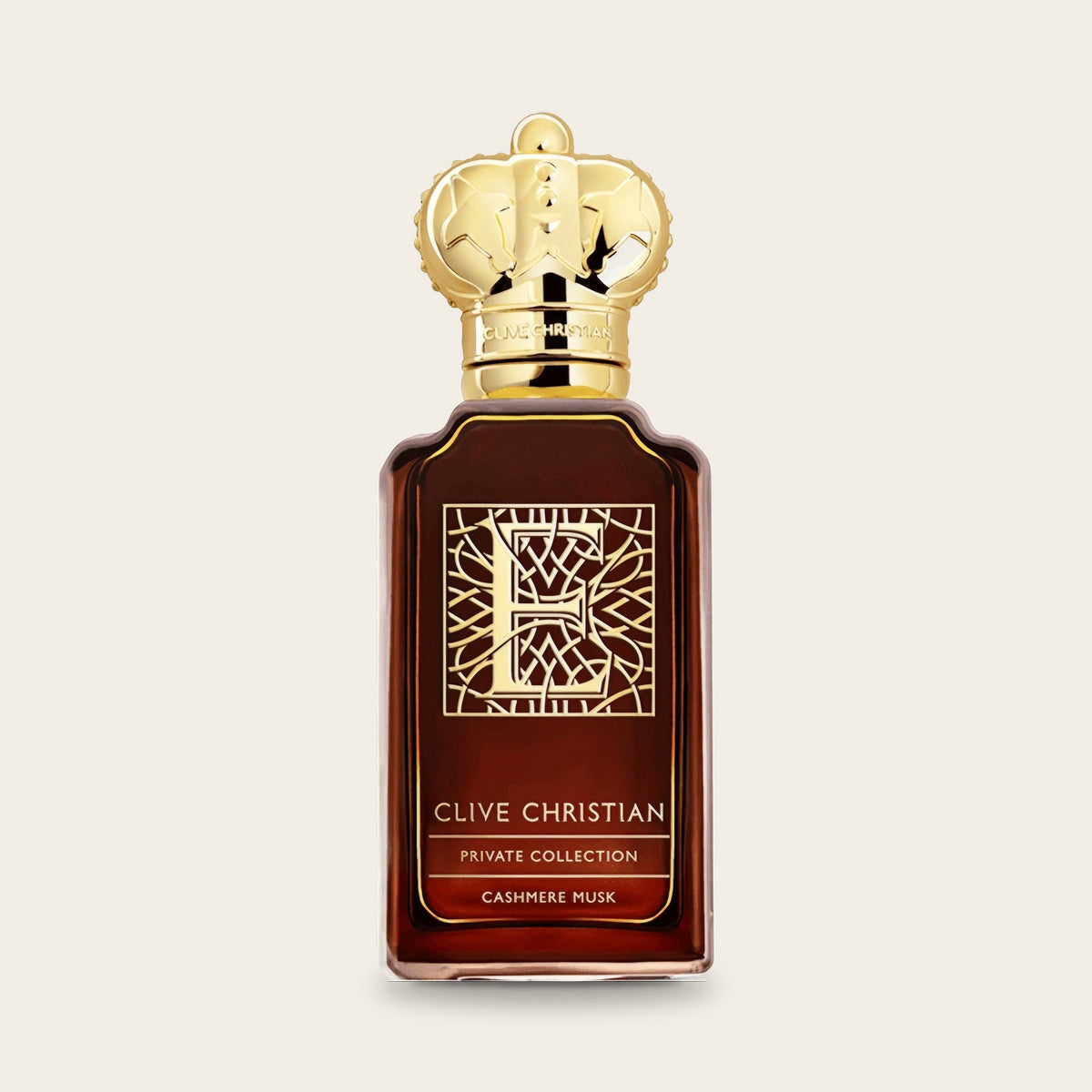
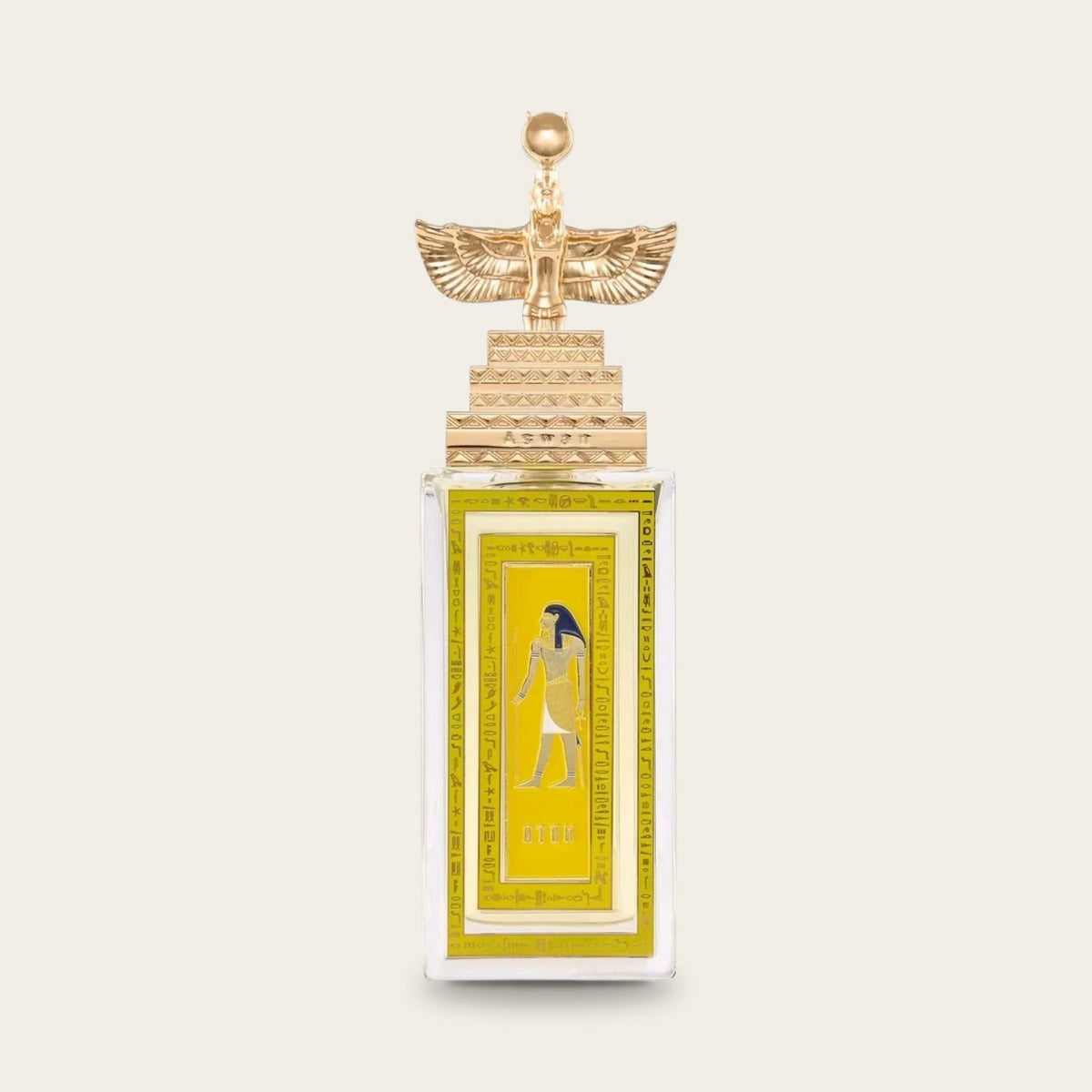
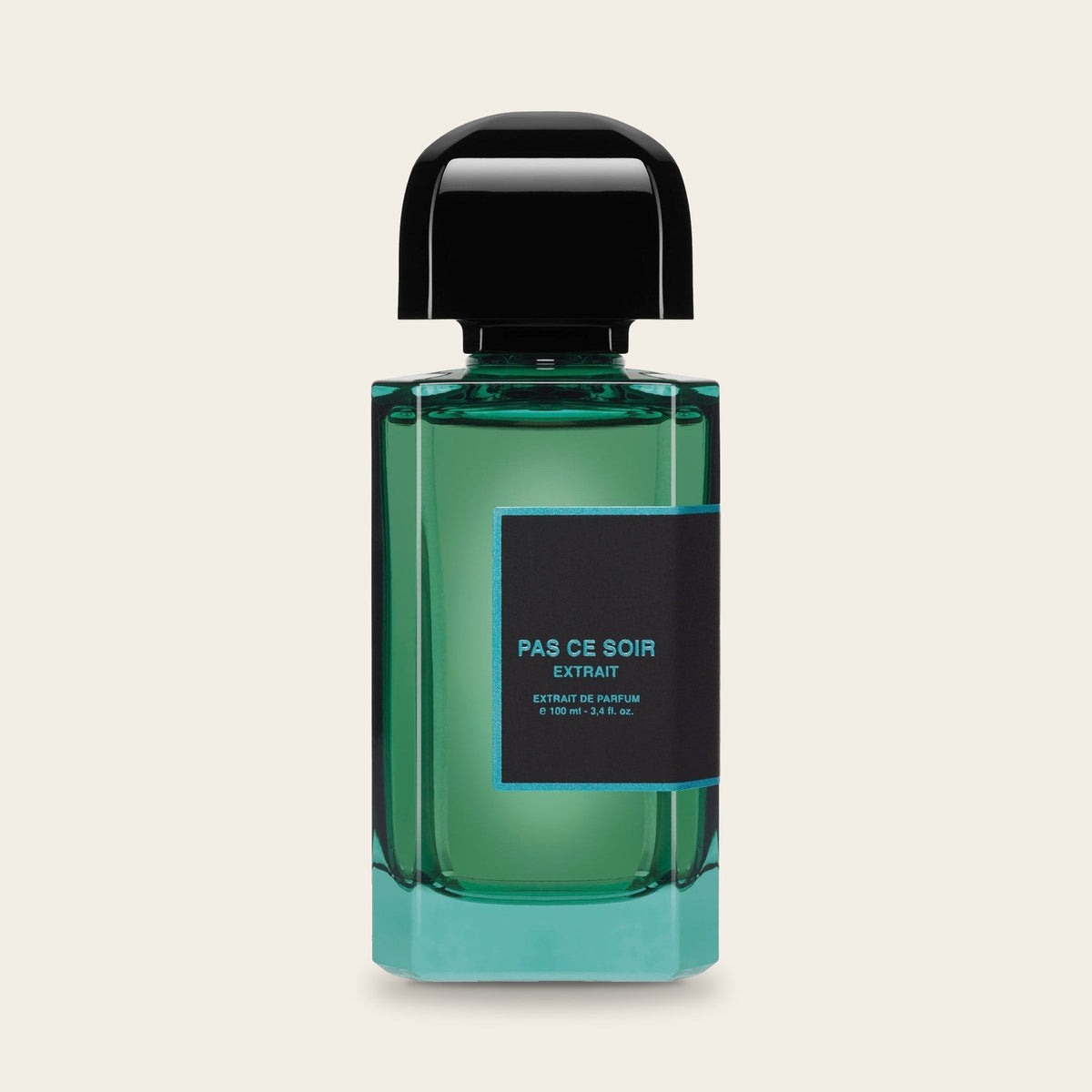
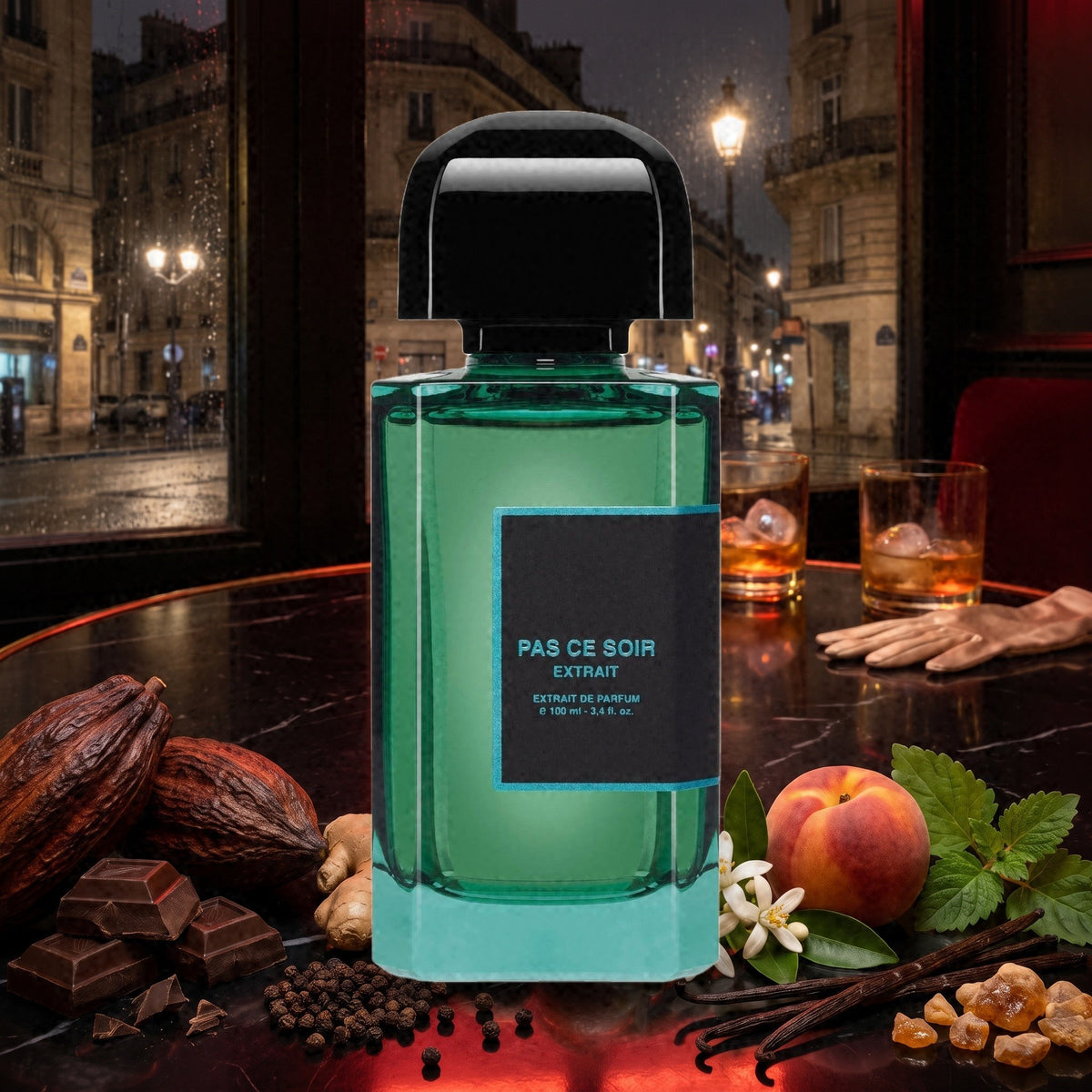
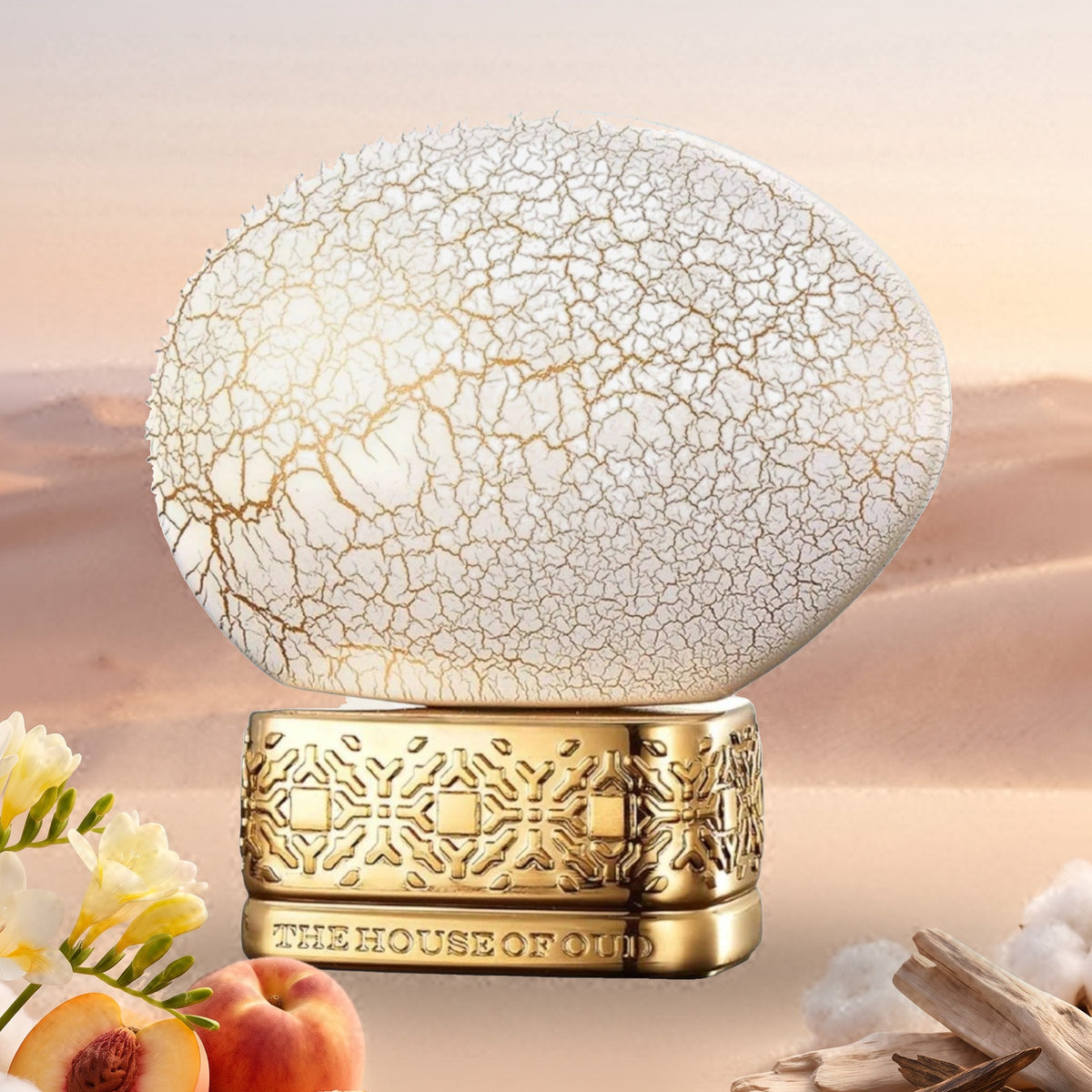
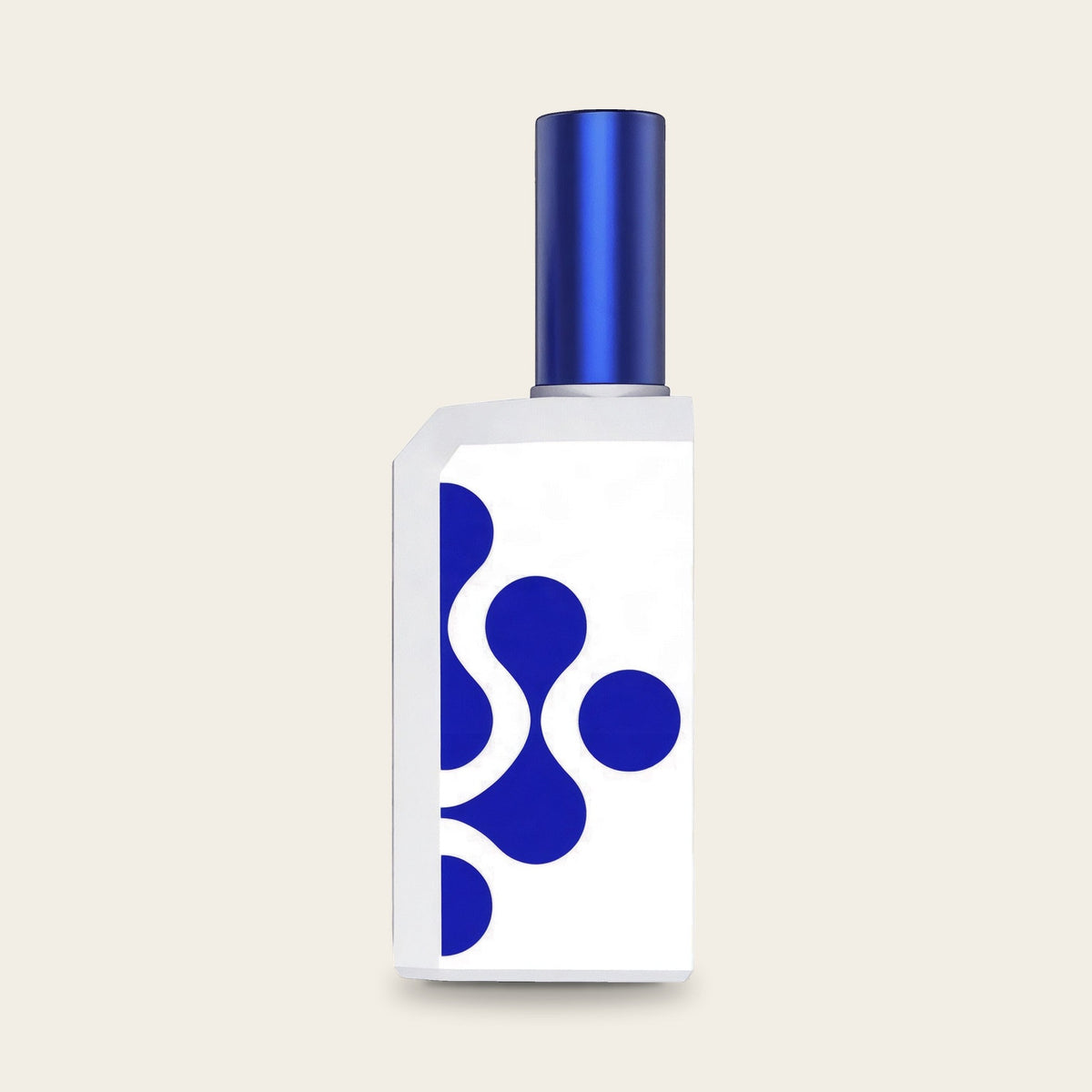
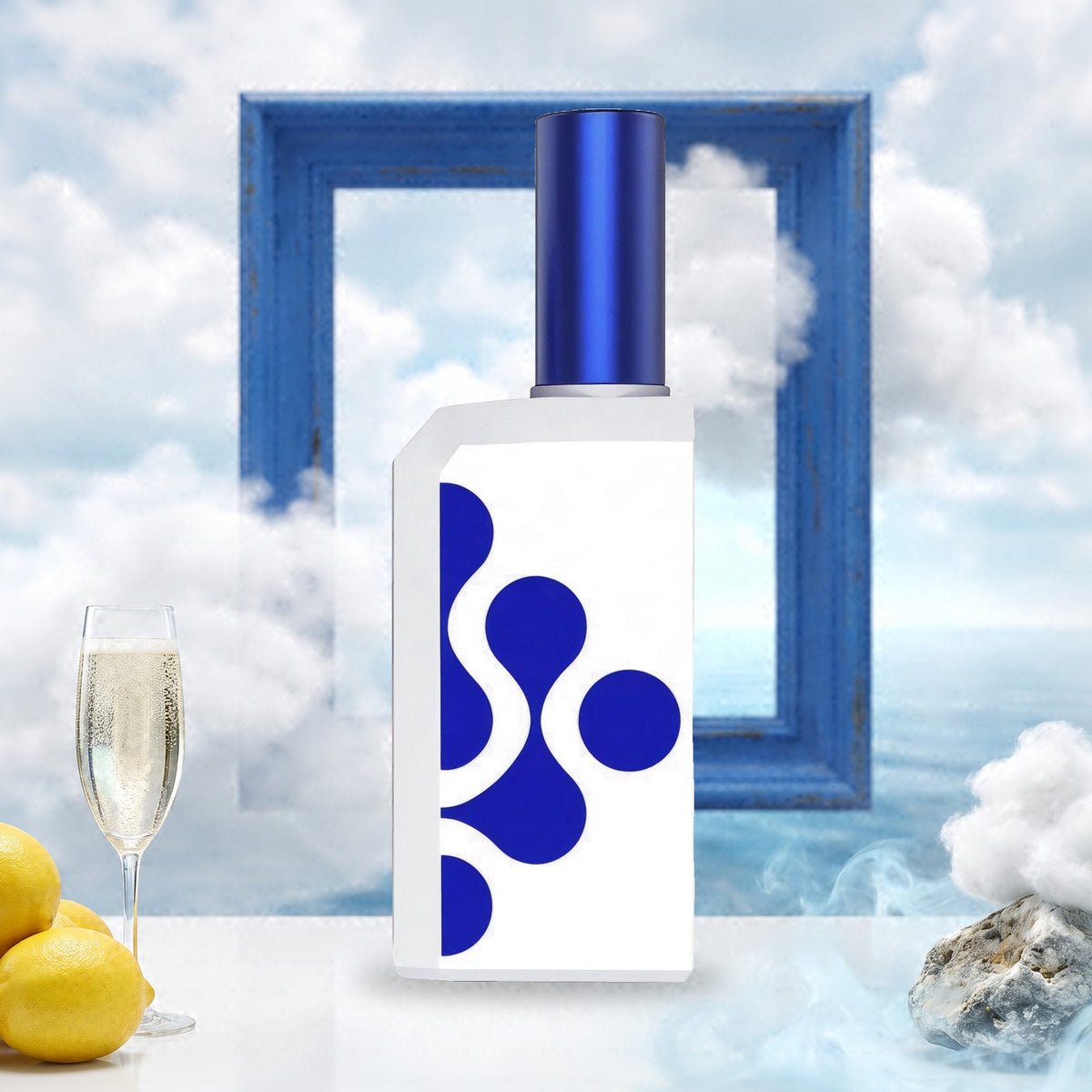
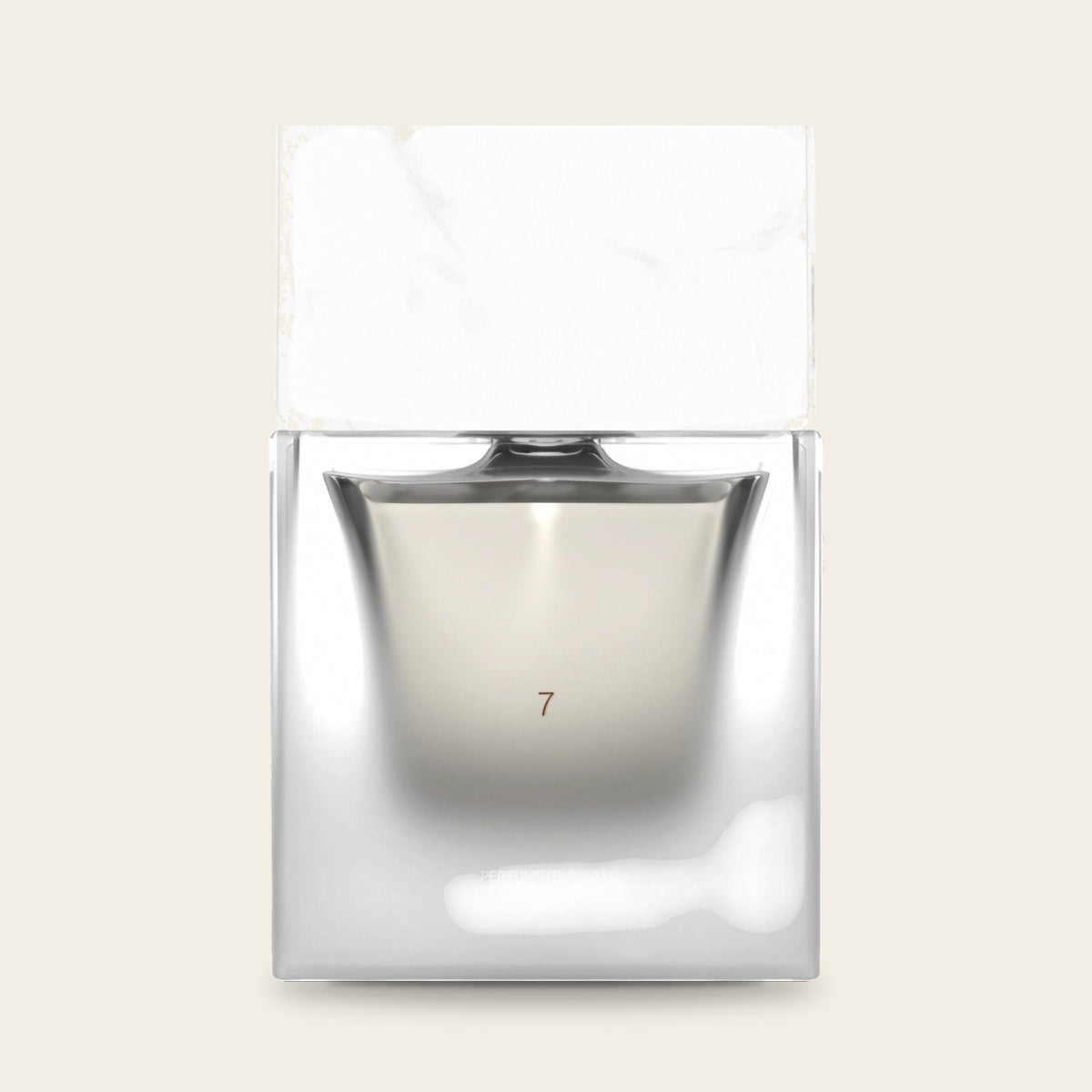
Fragrances with Ambroxan




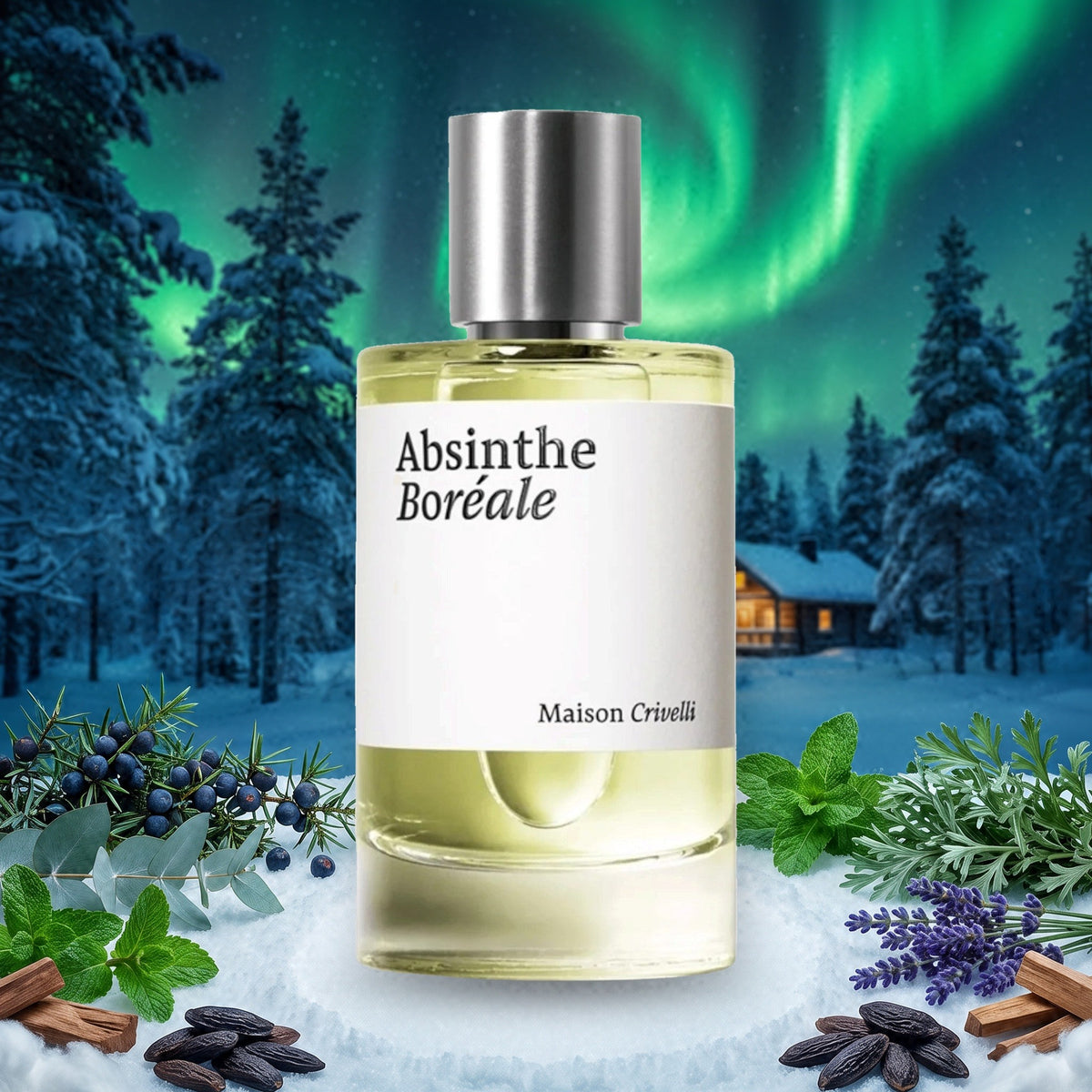
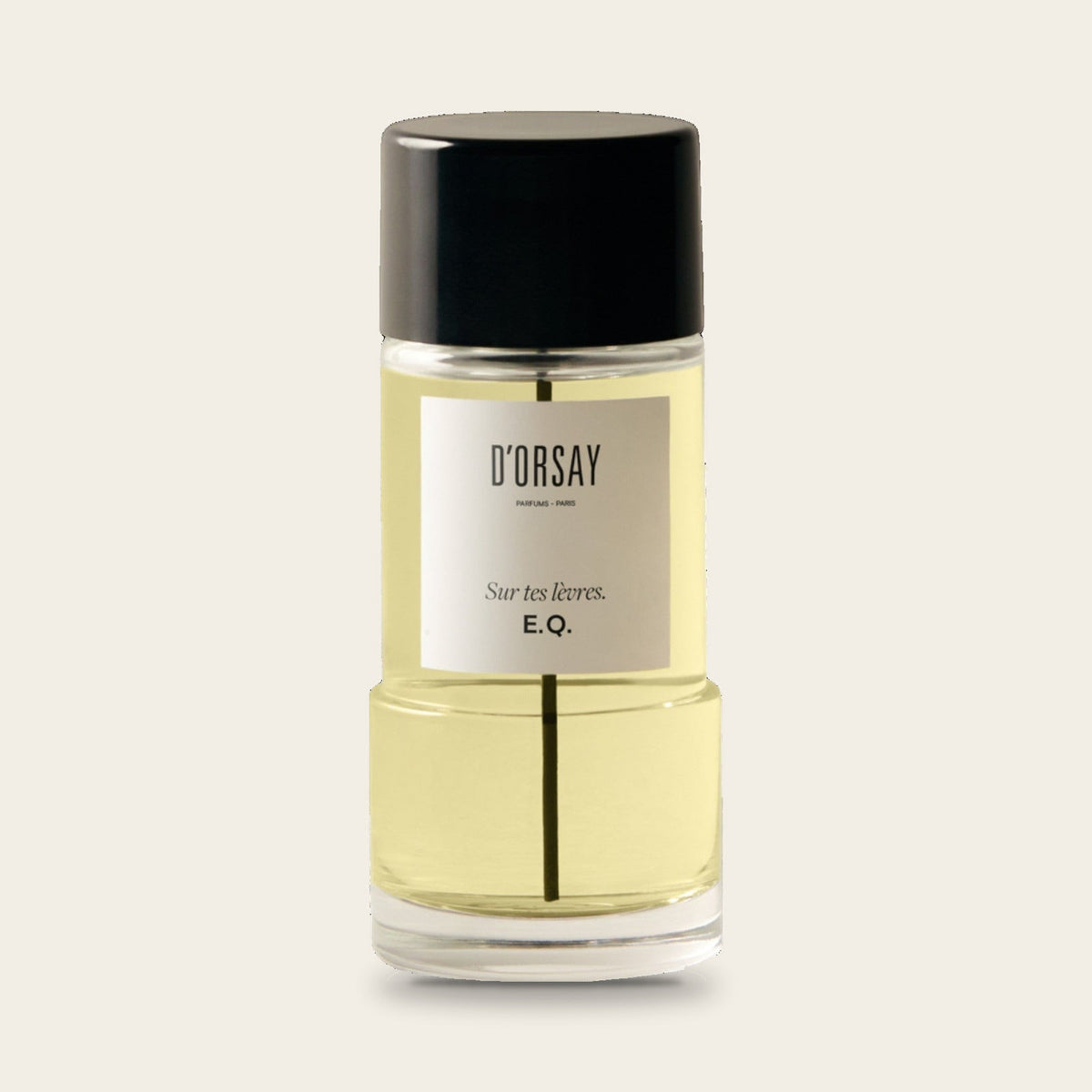

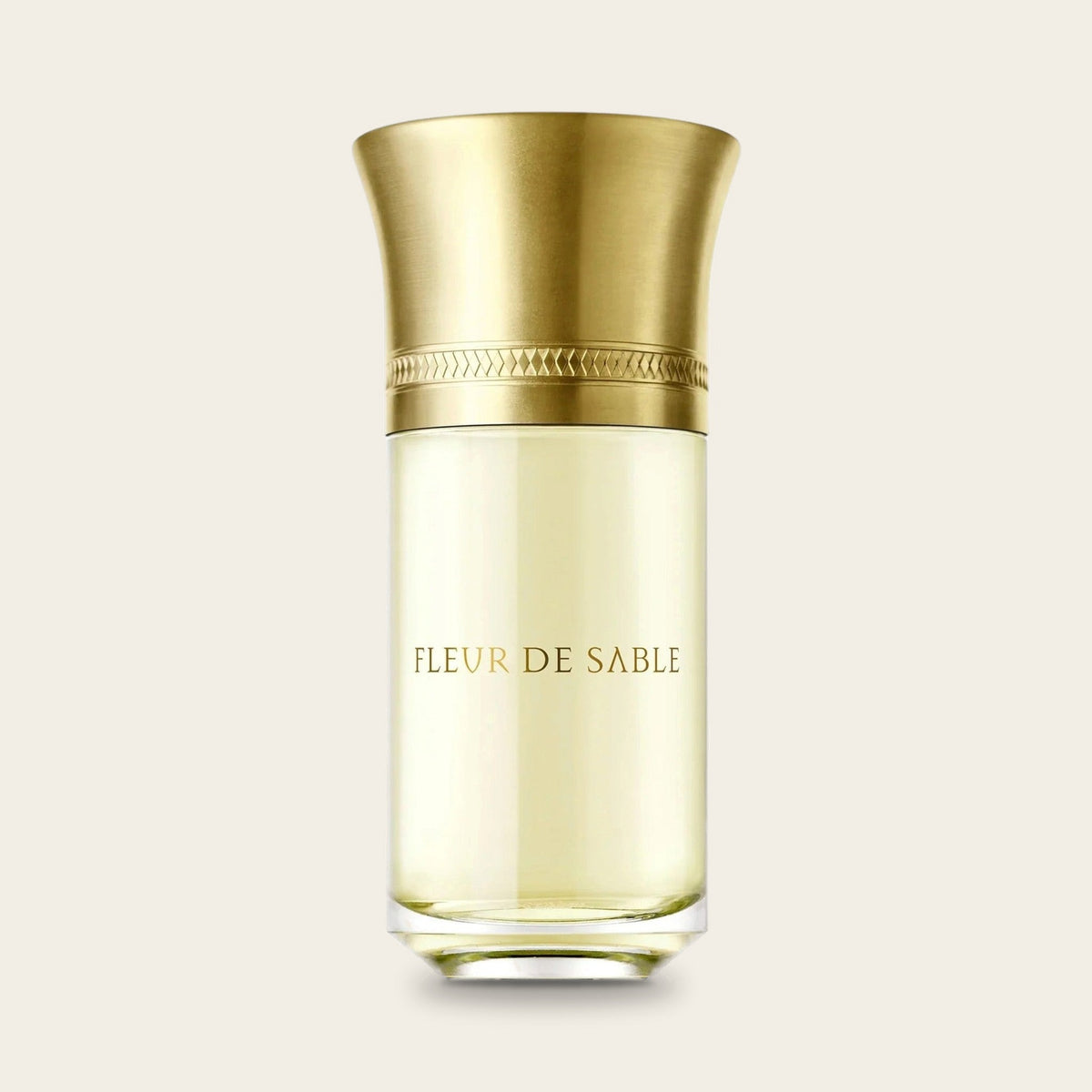
Questions and answers
Warm, dry and woody with a faintly salty edge, a musky ambergris depth and excellent tenacity.
Ambroxan is the note name for ambroxide, the most important scent molecule of grey ambergris. Ambergris forms in the intestine of the sperm whale and for centuries was found washed up on coastlines. Its main constituent, ambrein, has almost no smell of its own; only over long exposure do seawater, air and sunlight break it down oxidatively into fragrant compounds such as ambroxide. Because genuine ambergris is rare and the sperm whale is protected, the molecule is now made exclusively in the laboratory.
The classic starting material is sclareol, a diterpene from the flowers of clary sage (Salvia sclarea), which is recovered from the plant material with solvents after distillation. Ambroxide is made from it in three steps: the side chain is oxidatively degraded to sclareolide, the lactone is reduced to a diol (ambradiol), and this is finally closed into the cyclic ether under acid or zeolite catalysis. A newer route does without sage altogether: fermentation-derived β-farnesene is turned into homofarnesol, which a tailor-made enzyme, a squalene-hopene cyclase, folds into ambroxide in a single step. According to the scientific literature, this biotechnological route saves steps, solvents and waste.
In the base of a fragrance, Ambroxan acts as a fixative that holds more volatile notes for longer and gives the composition a warm, mineral-woody radiance. It is one of the most widely used ambergris aroma chemicals in modern perfumery and underpins woody, amber and musky accords. In our range it sits in the base of all 55 fragrances that feature it.
Amber · Woody · base note
As a synthetic aroma chemical, Ambroxan can be produced all year round, independent of rare ambergris finds. The classic starting material sclareol, however, comes from cultivated clary sage and varies with harvests and climate – the biotechnological route makes production less dependent on it.
In our fragrances, it often appears alongside Bergamot, musk, patchouli, vanilla, mandarin, pink pepper, tonka bean.
In Western perfumery, grey ambergris was long prized as a precious fixative that stabilised the scent of fine perfumes. Because it was rare, expensive and hard to obtain, chemists looked for a substitute: in 1950 chemists achieved the first synthesis of ambroxide from sclareol. With the protection of the sperm whale and trade restrictions on ambergris, the synthetic molecule became the standard. For some years now, ambroxide has also been produced by biotechnology on an industrial scale.
- The scent molecule behind Ambroxan was first synthesised in 1950 – from sclareol in clary sage, as a plant-based substitute for ambergris from the sperm whale.
- Only about one sperm whale in a hundred produces ambergris at all – which is why the natural material has always been extremely rare.
- The main constituent of ambergris, ambrein, is almost odourless – ambergris only develops its scent once sea, air and sun break ambrein down into ambroxide.
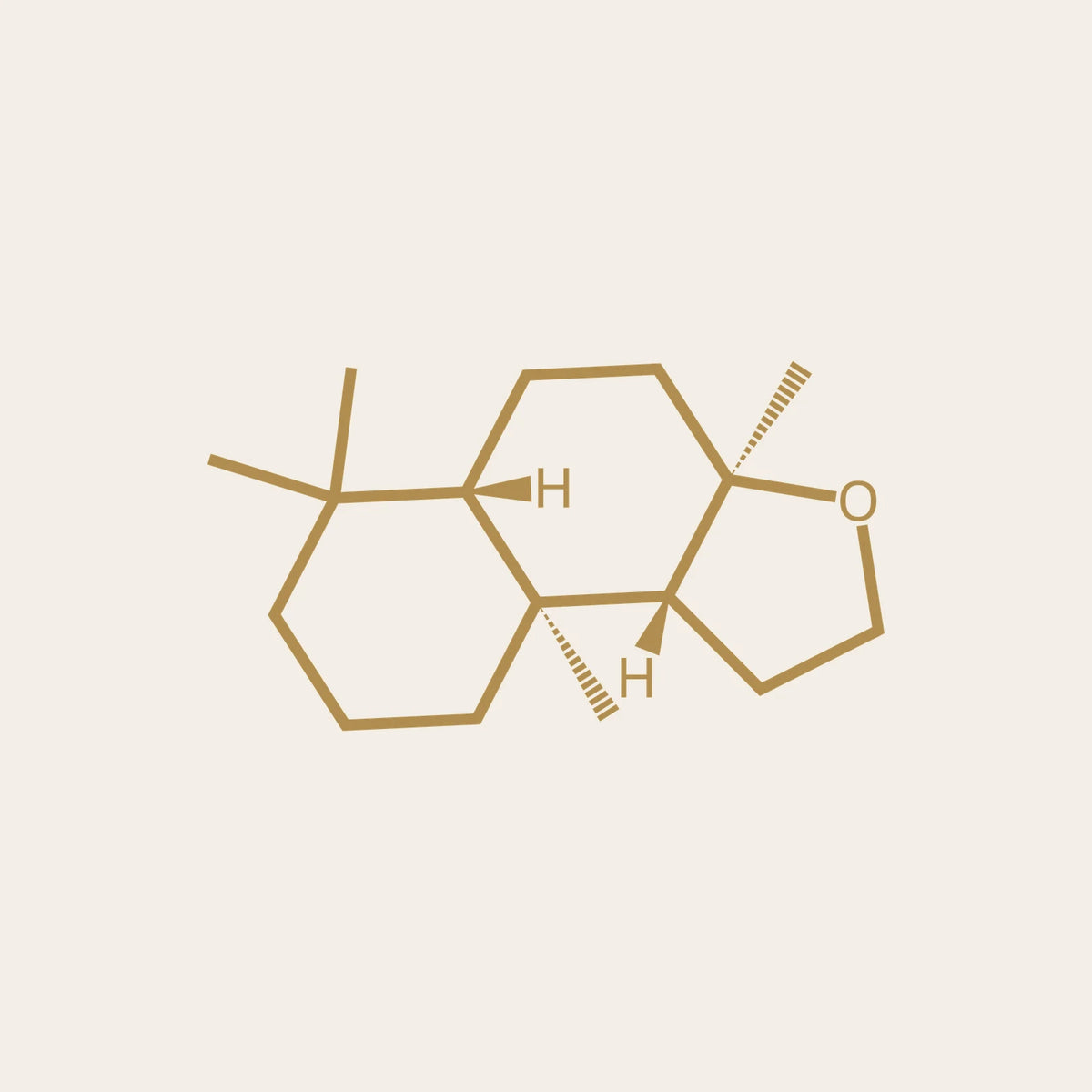
Ambroxide (C₁₆H₂₈O, PubChem CID 10857465, molar mass about 236.4 g/mol) is a tricyclic terpenoid ether with a naphthofuran skeleton, chemically a tetranorlabdane oxide. Its natural precursor is ambrein (C₃₀H₅₂O), a triterpene alcohol and the main constituent of ambergris, which breaks down through oxidation into ambroxide and other odorants. In the laboratory, sclareol (C₂₀H₃₆O₂, CID 163263) serves as the starting material, losing four carbon atoms of its side chain during the conversion. The molecule is chiral: the (−)-form smells considerably stronger than its mirror image, the (+)-form, which also has a somewhat different scent.
FRAGRANCE KNOWLEDGE
In the 4D Journal
-
 FRAGRANCE KNOWLEDGE
Rose in perfume: The queen of fragrance materials
READ ARTICLE
-
 FRAGRANCE KNOWLEDGE
Vanilla in perfume: From orchid to favourite scent
READ ARTICLE
-
 FRAGRANCE KNOWLEDGE
Leather in perfume: How does something smell that was never in the bottle?
READ ARTICLE
-
 FRAGRANCE KNOWLEDGE
Scented candles & home fragrance: How to use them right
READ ARTICLE