
INGREDIENT GLOSSARY
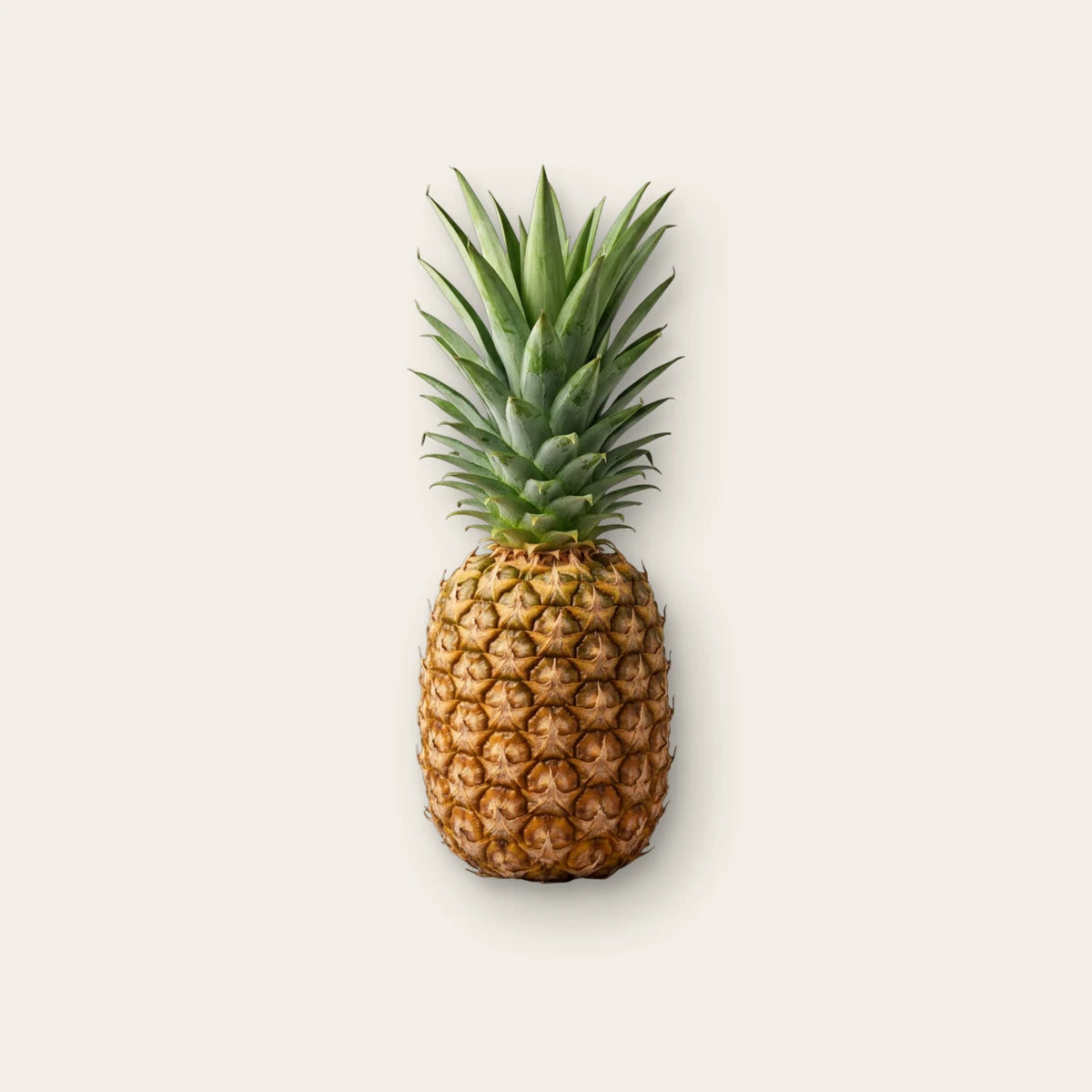
Pineapple
Ananas comosus · Bromeliad family (Bromeliaceae)
Juicy, sweet and slightly tart, with fruity, ester-like freshness and a hint of caramel.
ACCORDFRUITY · TROPICAL AND JUICY · MAINLY A TOP NOTE
AT A GLANCE
- Accord: pineapple, a fruit accord modelled on the ripe fruit of Ananas comosus (bromeliad family)
- Origin: plant from South America (Paraná–Paraguay, southern Brazil and Paraguay), today grown throughout the tropics
- Extraction: no natural oil – composed from esters such as ethyl butyrate, ethyl 2-methylbutanoate, ethyl hexanoate and allyl hexanoate, plus HDMF
- Scent: juicy, sweet, slightly tart, fruity and ester-like with a hint of caramel – mainly a top note
PROFILE
- Origin
- Not a natural raw material: a fragrance accord modelled on the ripe pineapple fruit · The plant comes from South America, from the Paraná and Paraguay region between southern Brazil and Paraguay; today it is grown throughout the tropics
- Extraction
- Not extracted from the fruit: an accord of fruity esters such as ethyl butyrate, ethyl 2-methylbutanoate, ethyl and methyl hexanoate and allyl hexanoate, rounded off with caramel-sweet HDMF
- Main molecules
- Ethyl 2-methylbutanoate (C₇H₁₄O₂, fruity, key odorant of the fruit) · methyl 2-methylbutanoate (C₆H₁₂O₂, fruity, apple-like) · ethyl hexanoate (C₈H₁₆O₂, fruity, of apple peel and pineapple) · ethyl butyrate (C₆H₁₂O₂, juicy and fruity) · allyl hexanoate (C₉H₁₆O₂, classic pineapple building block in flavours) · HDMF (C₆H₈O₃, caramel-sweet)
- Harvest
- All year round, accord: it is composed from aroma molecules and available independently of harvest and season.
- Often paired with
- Vanille, Jasmin, Patschuli, Moschus, Bergamotte, Sandelholz, Amber
Numbers that surprise
around 80 pounds
was what it cost, by a contemporary estimate, to raise a single pineapple in a hothouse in 18th-century England.
around 190 years
passed between Columbus encountering the pineapple on Guadeloupe in 1493 and one of Europe’s first pineapples ripening in a Dutch hothouse in the 1680s.
Rounded values; calculation based on published data.
Harvest and season
All year round, accord: it is composed from aroma molecules and available independently of harvest and season.
There is no pineapple essential oil or absolute that could be used in perfumery. The fruit’s scent comes from traces of volatile substances: aroma analyses found only a few hundred to just over a thousand micrograms of them per kilogram of flesh. Perfumers therefore rebuild the impression from single molecules, above all fruity esters. Ethyl 2-methylbutanoate and ethyl butyrate bring juicy fruitiness, ethyl and methyl hexanoate the typical pineapple note reminiscent of apple peel. Allyl hexanoate is the classic pineapple building block of the flavour industry, although it does not appear among the key odorants in analyses of the fruit. Caramel-sweet HDMF adds ripeness. Citrus and green notes give the accord its tart freshness.
Knowledge to share
Myth or truth?
Statement 1
The pineapple scent in perfume comes from the fruit.
Myth. No usable perfume oil is obtained from pineapple – the fruit contains its odorants only in traces. The pineapple scent in perfume is an accord of fruity esters such as ethyl 2-methylbutanoate, ethyl butyrate and allyl hexanoate, rounded off with caramel-sweet HDMF.
Statement 2
A pineapple is a single fruit.
Myth. The pineapple is a multiple fruit: around 100 to 200 individual flowers of one inflorescence fuse into a single fruiting body.
Statement 3
Fresh pineapple stops gelatine from setting.
True. Fresh pineapple contains the protein-splitting enzyme bromelain, which breaks down the protein chains of gelatine so that it does not gel. Heating the fruit makes the enzyme lose its effect; freezing, on the other hand, is not enough.
Your result
FRAGRANCES WITH PINEAPPLEINGREDIENT GLOSSARY
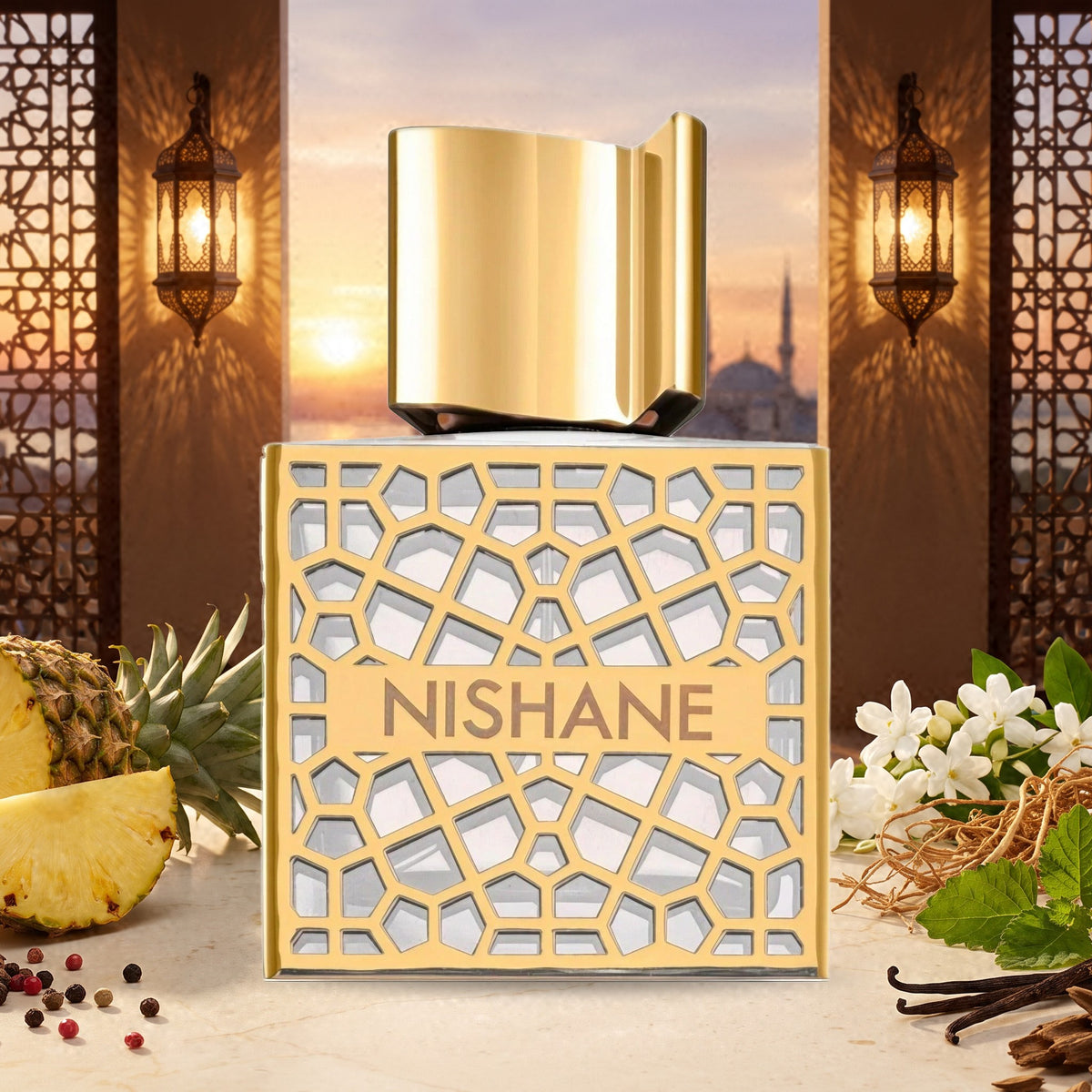
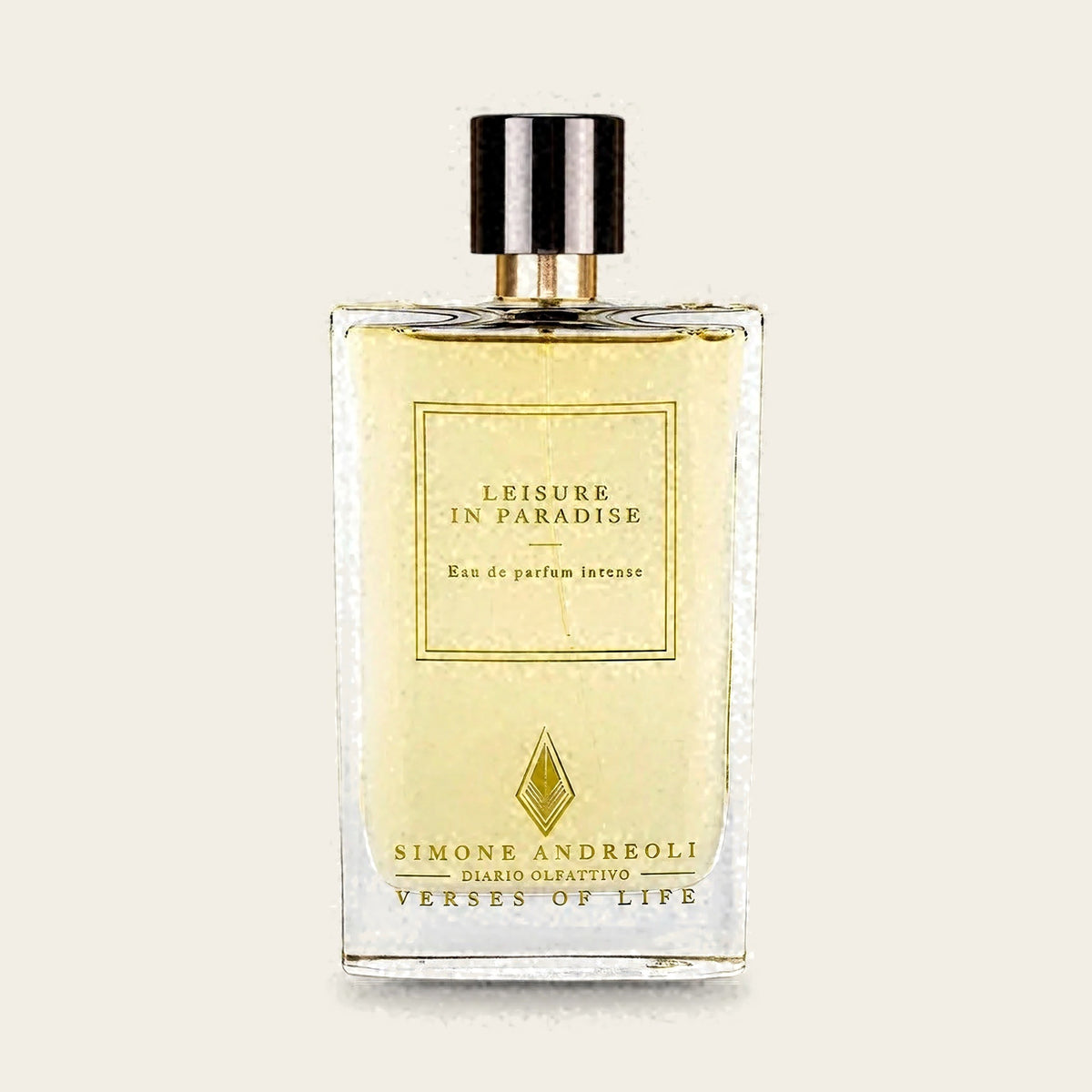
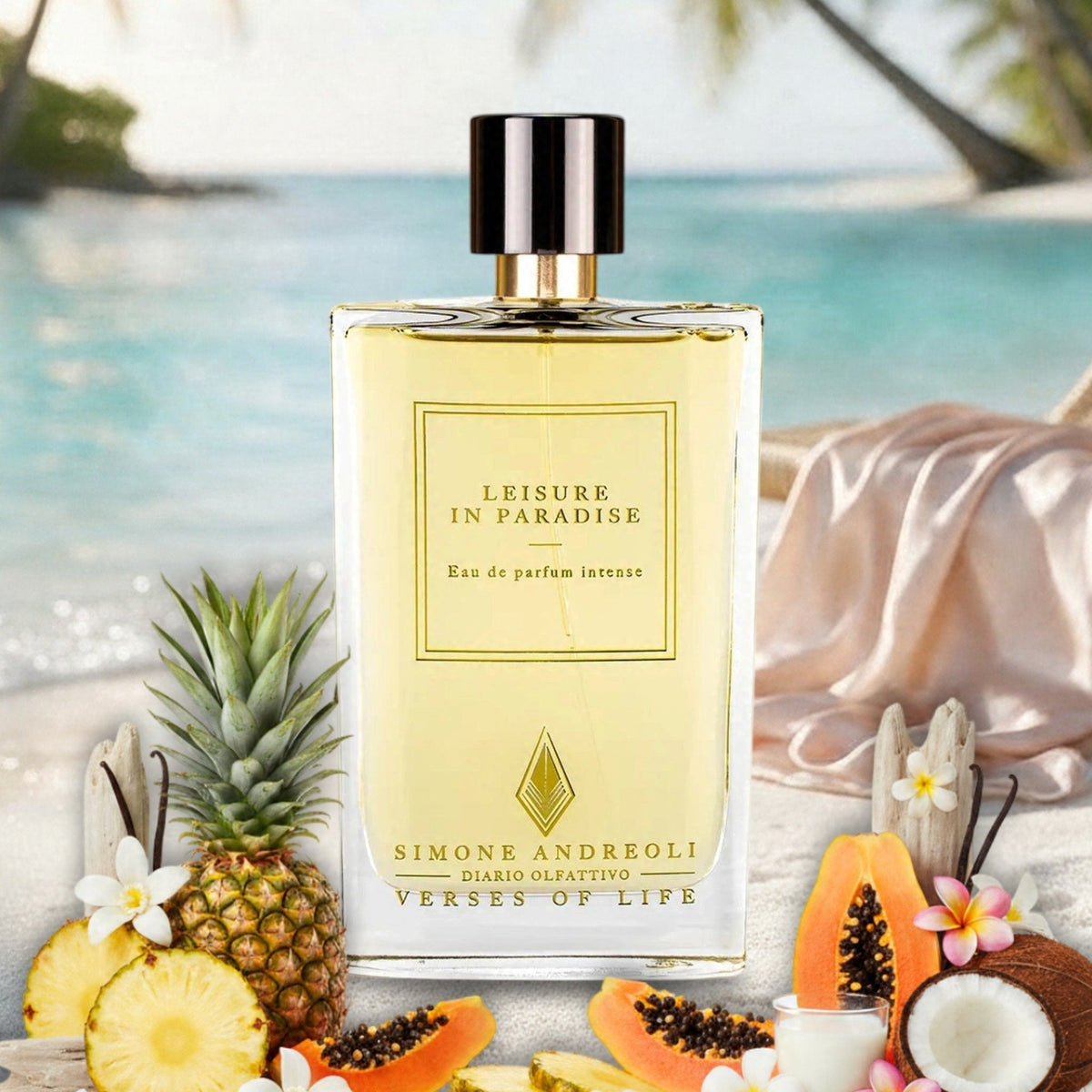
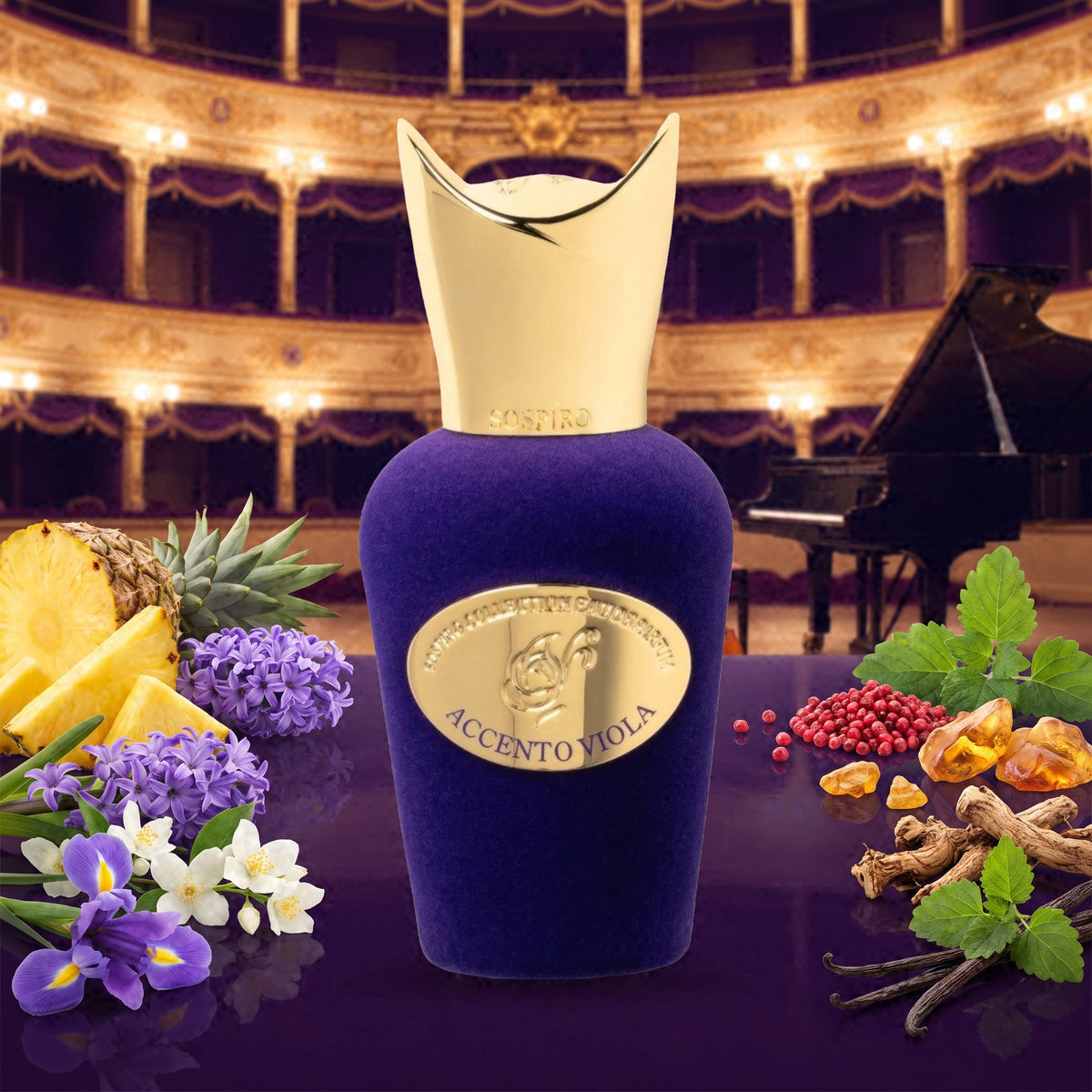
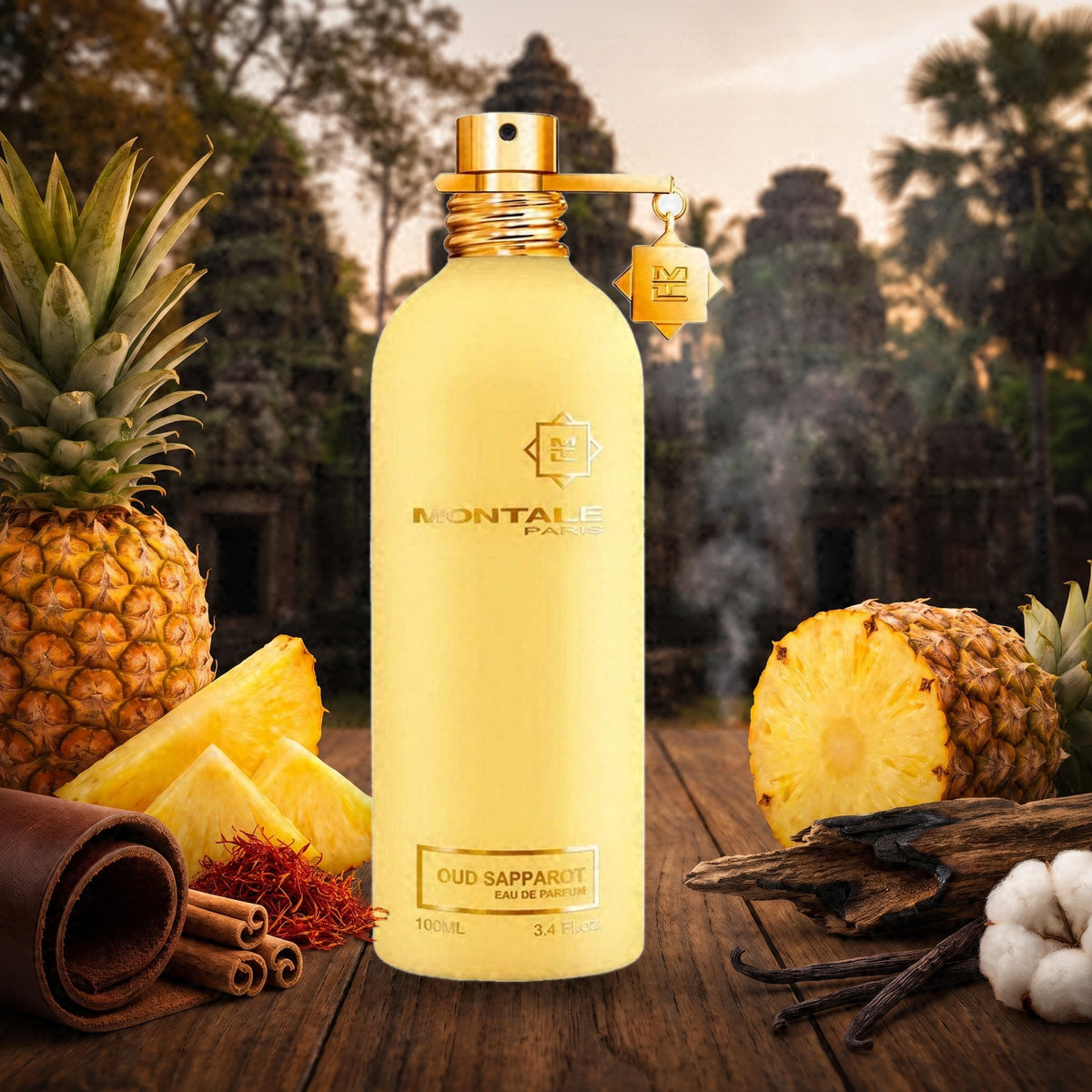
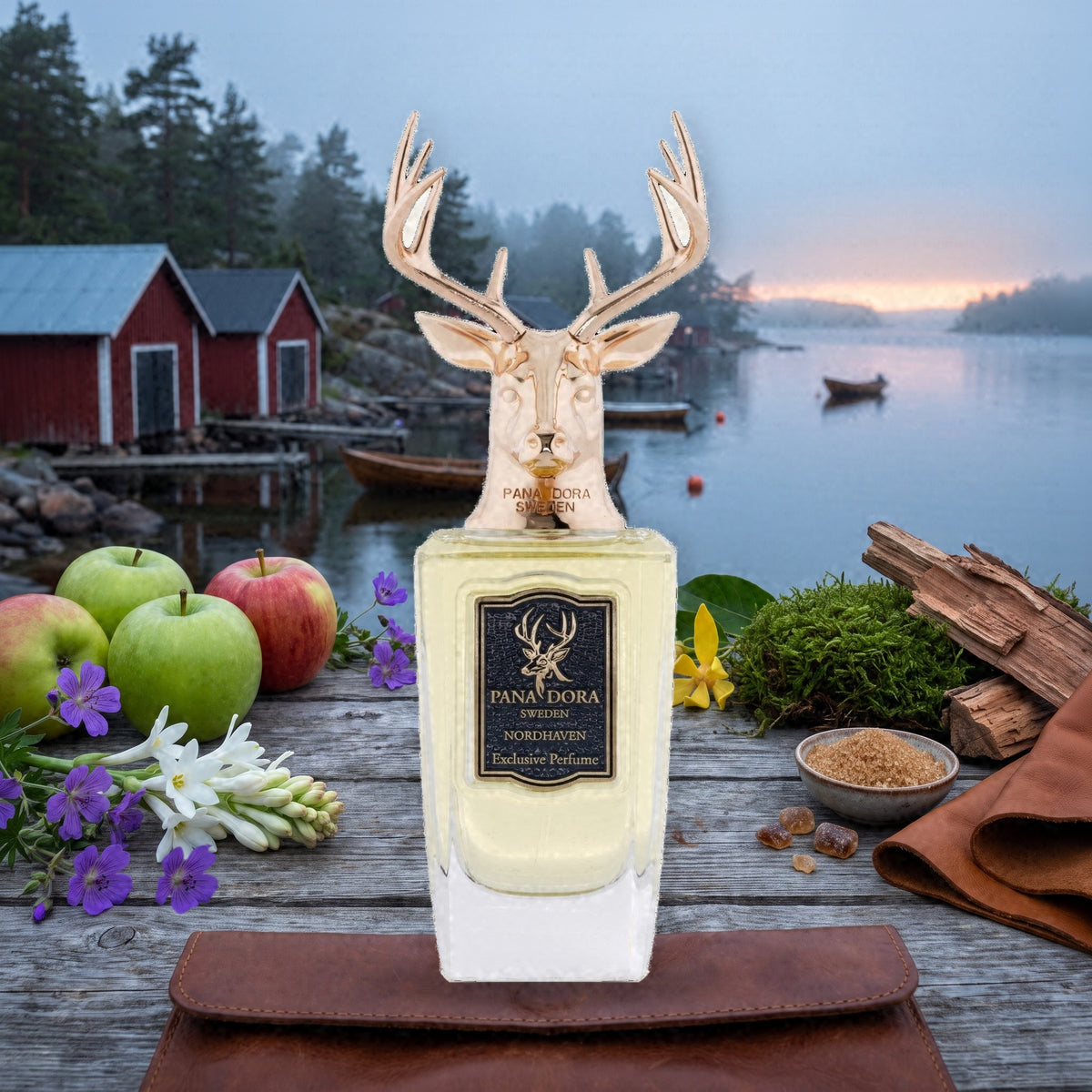
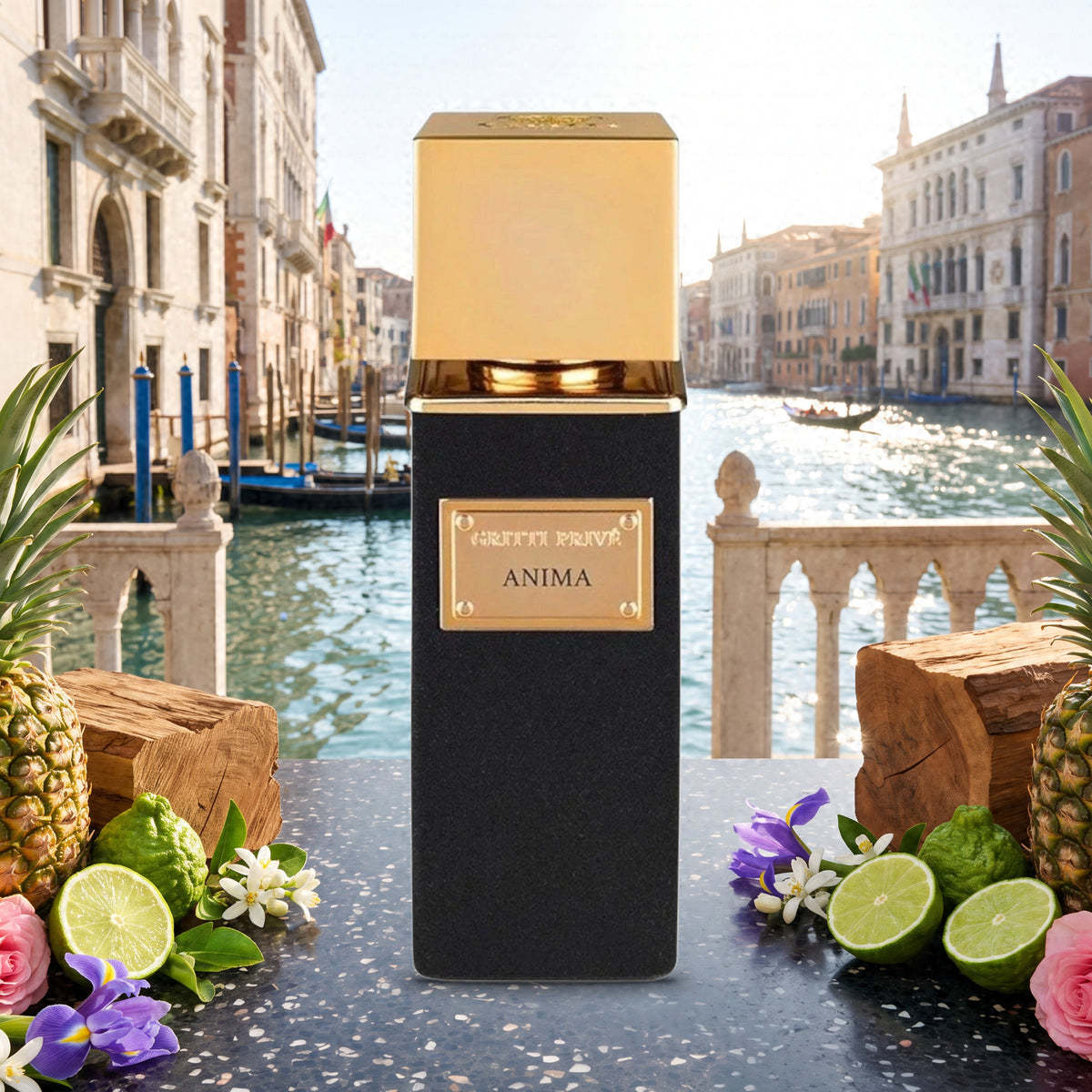
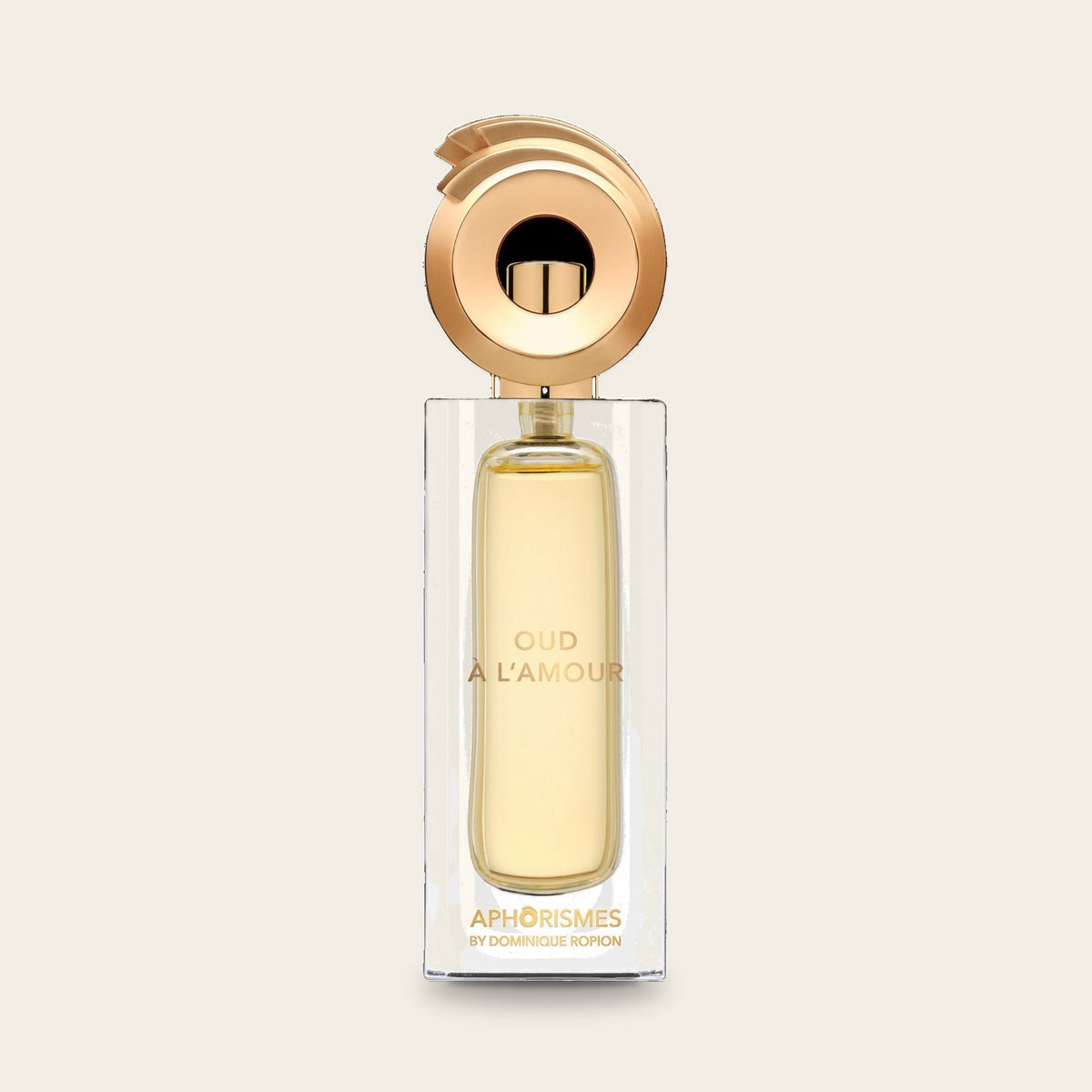
Fragrances with Pineapple








Questions and answers
Juicy, sweet and slightly tart, with fruity, ester-like freshness and a hint of caramel.
Pineapple is not a raw material that can be distilled or extracted, but a fragrance accord modelled on the ripe fruit. The fruit comes from Ananas comosus, a herbaceous perennial of the bromeliad family. Its area of origin is southern South America, the drainage of the Paraná and Paraguay rivers between southern Brazil and Paraguay. The cultivated pineapple is a pure cultigen; its wild ancestors are not known for certain. Indigenous peoples used and spread it long before Europeans arrived. Today it grows in frost-free regions worldwide; major producers include Costa Rica, the Philippines and Indonesia. What we eat as a fruit is a multiple fruit: around 100 to 200 individual flowers fuse into a single fruiting body.
There is no pineapple essential oil or absolute that could be used in perfumery. The fruit’s scent comes from traces of volatile substances: aroma analyses found only a few hundred to just over a thousand micrograms of them per kilogram of flesh. Perfumers therefore rebuild the impression from single molecules, above all fruity esters. Ethyl 2-methylbutanoate and ethyl butyrate bring juicy fruitiness, ethyl and methyl hexanoate the typical pineapple note reminiscent of apple peel. Allyl hexanoate is the classic pineapple building block of the flavour industry, although it does not appear among the key odorants in analyses of the fruit. Caramel-sweet HDMF adds ripeness. Citrus and green notes give the accord its tart freshness.
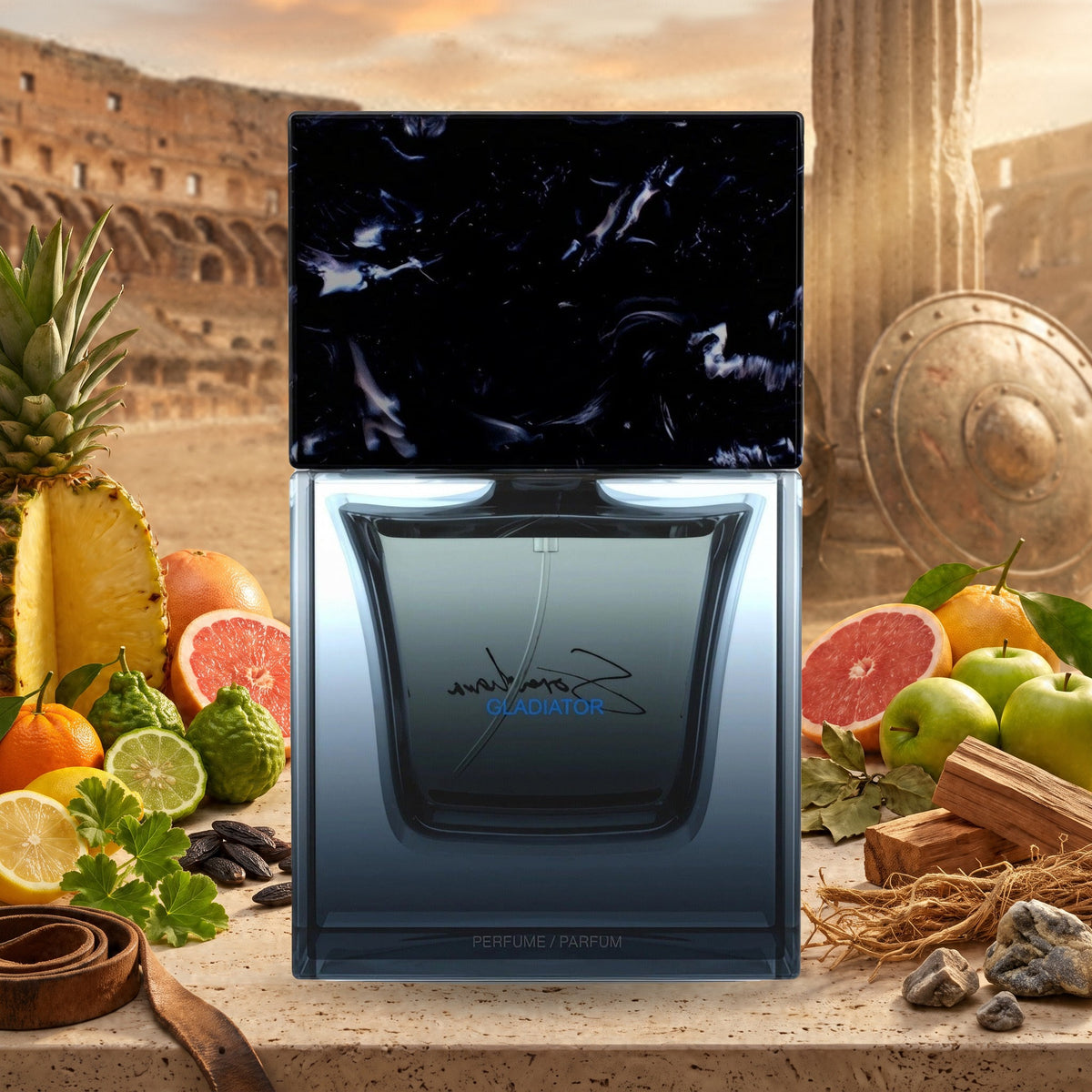
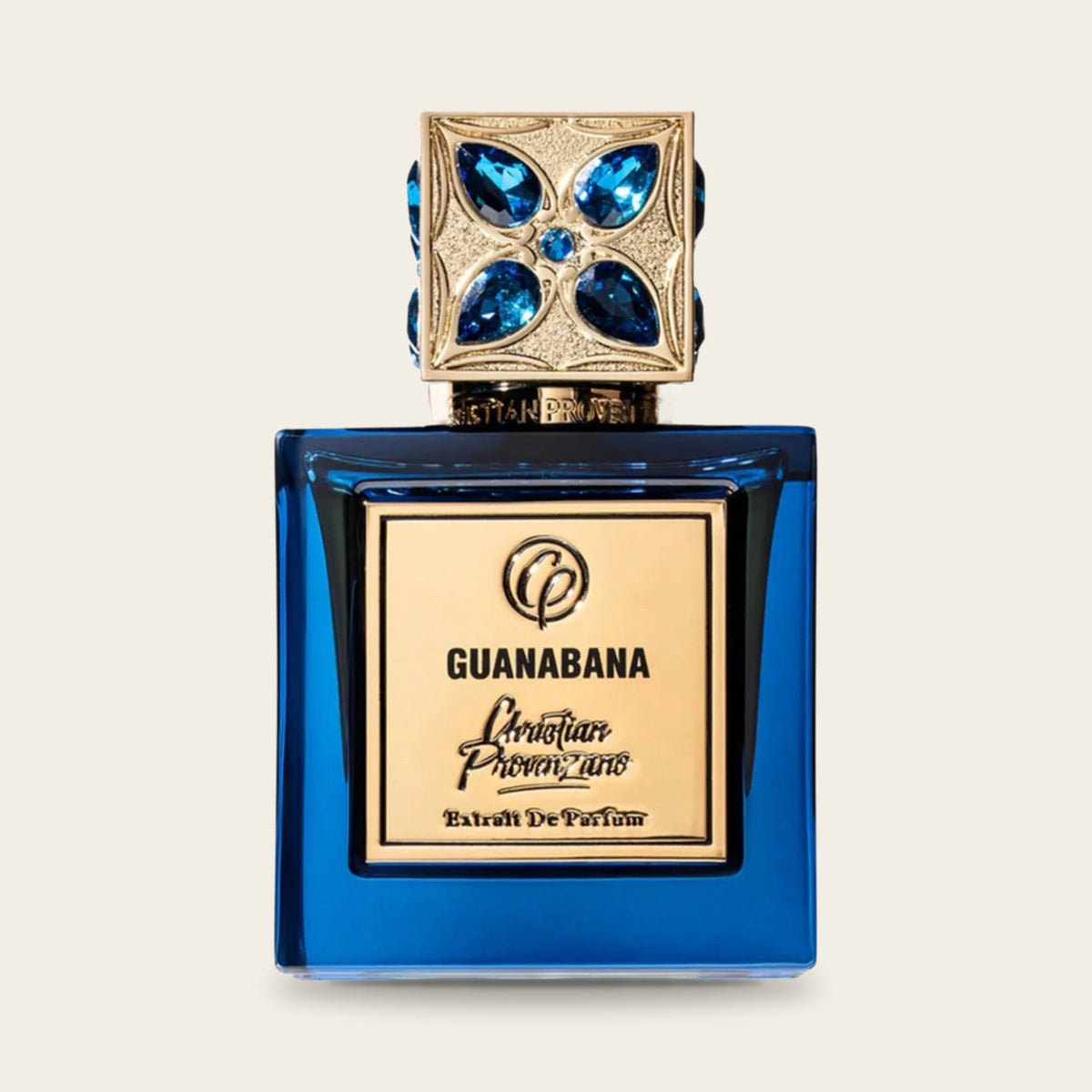
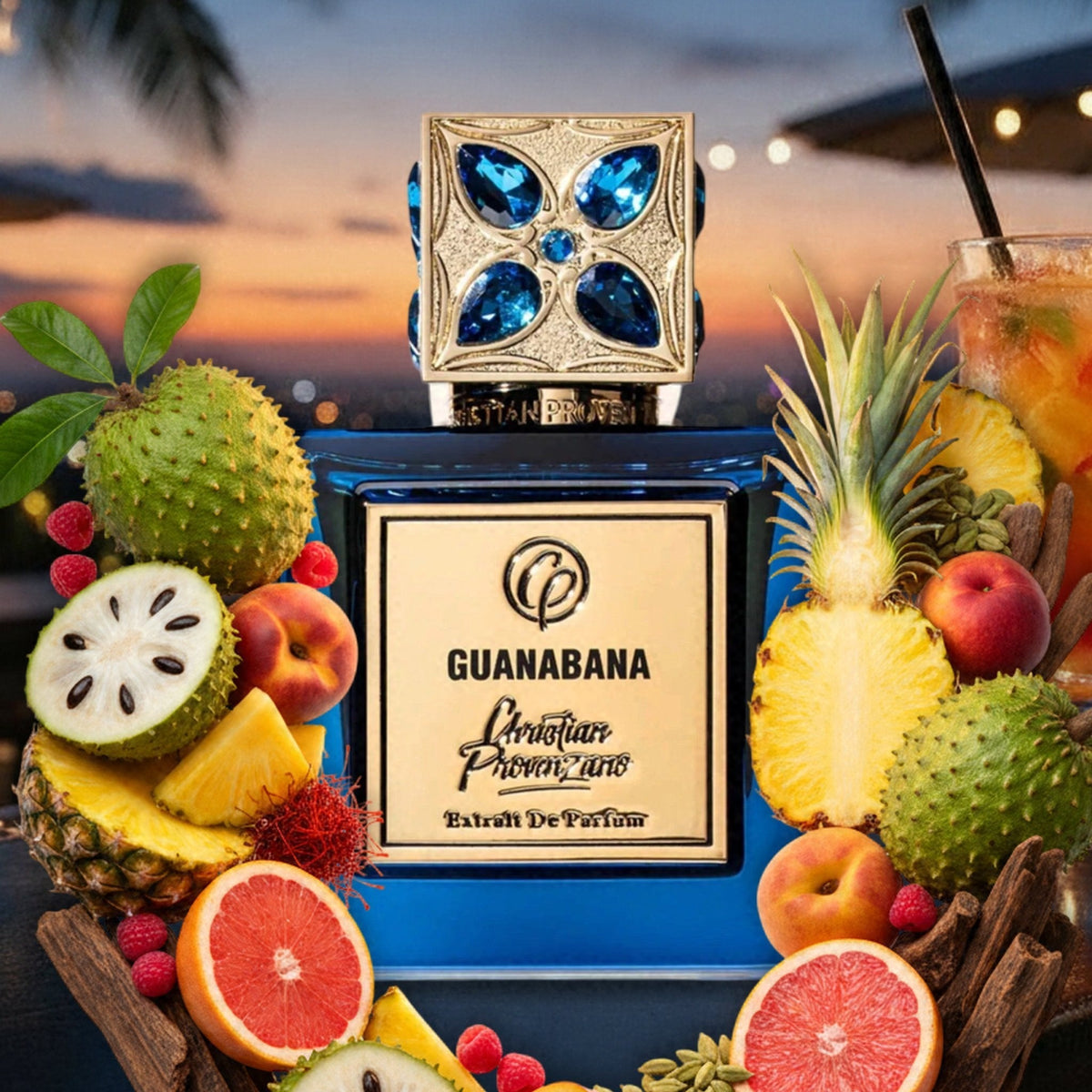
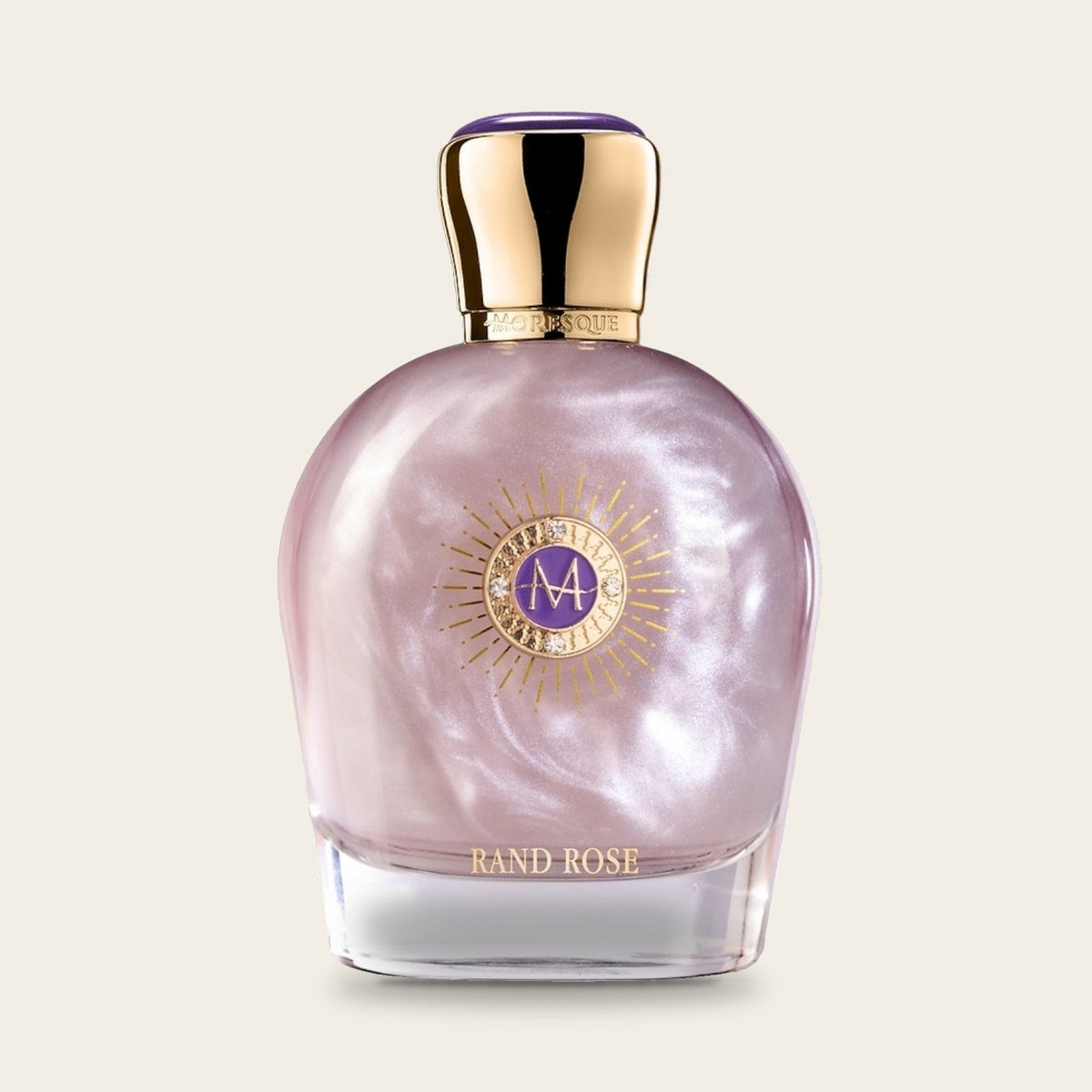
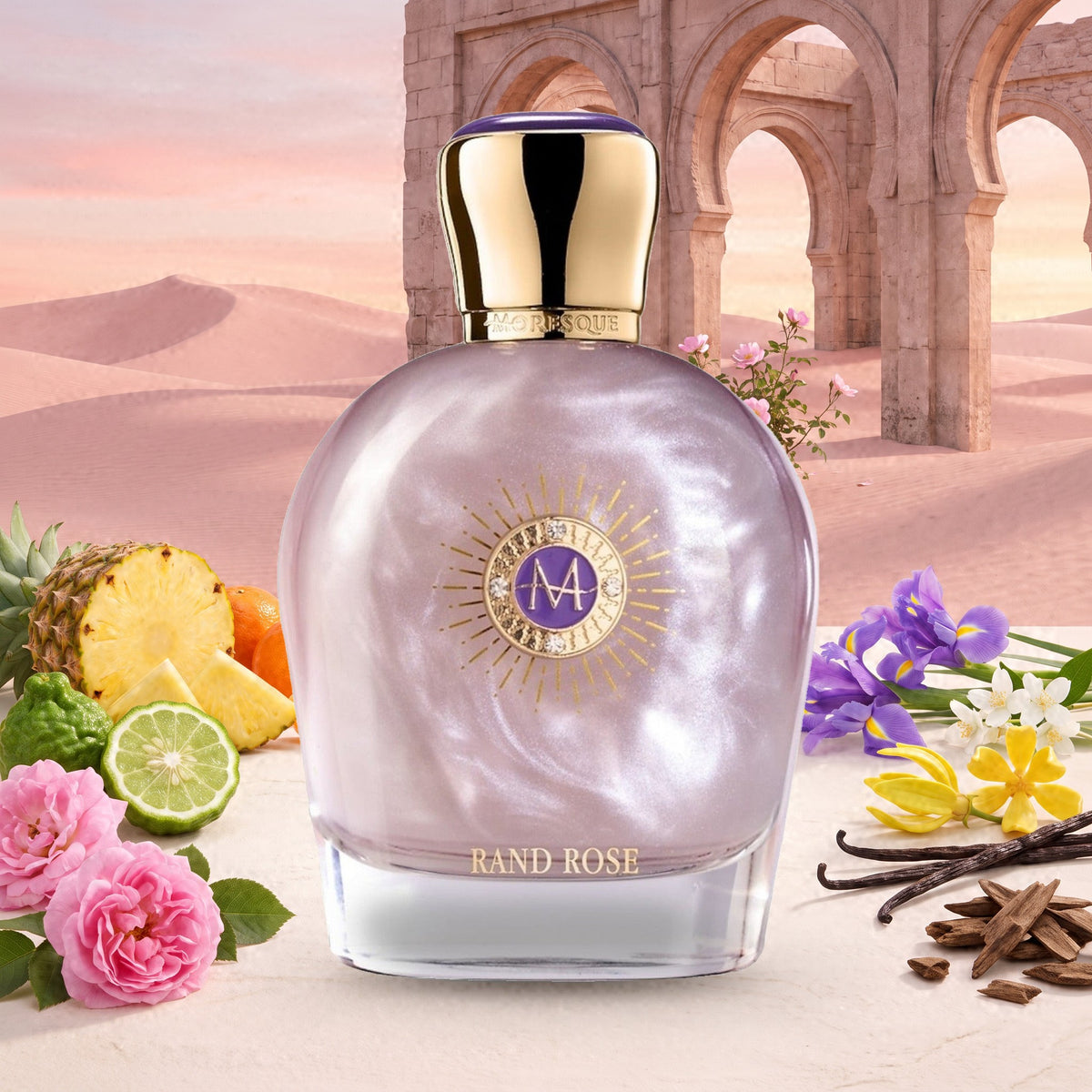
A pineapple accord brings juicy, slightly tart fruitiness to a composition and works mainly in the opening, where the volatile esters emerge quickly and radiantly. Depending on its building blocks it can feel green and fresh or ripe and caramel-like. Typical companions are citrus notes such as bergamot, along with musk, woods and patchouli, which give the fleeting fruit something to hold on to. In our range, pineapple appears in 31 fragrances, 30 in the top and one in the heart note.
Fruity · Tropical and juicy · Mainly a top note
All year round, accord: it is composed from aroma molecules and available independently of harvest and season.
In our fragrances, it often appears alongside Vanille, Jasmin, Patschuli, Moschus, Bergamotte, Sandelholz, Amber.
Christopher Columbus was the first European to encounter the pineapple, in November 1493 on Guadeloupe; he called it “piña de Indes”. The name ananas goes back to the Tupí word for the fruit, interpreted as “excellent fruit”; the English “pineapple” refers to its resemblance to a pine cone. Fresh fruit barely survived the Atlantic crossing, so it had to be grown in Europe itself. In the 1680s, Agneta Block brought one of Europe’s first pineapples to ripeness at her Vijverhof estate in the Netherlands. In England, gardeners of the early 18th century heated their hotbeds with fermenting tanner’s bark and manure. The pineapple became a status symbol: it adorned banquet tables, was often admired rather than eaten and could even be rented. In 1761 the Dunmore hothouse was built in Scotland, later crowned by a stone pineapple around 14 metres high.
- A pineapple is not a single fruit: around 100 to 200 individual flowers fuse into a single fruiting body.
- In 18th-century England you could rent a pineapple – as a table decoration for a dinner, after which the fruit was returned and lent out again.
- Fresh pineapple stops gelatine from setting: its enzyme bromelain breaks down the gelatine protein – heating the fruit makes the enzyme lose its effect.
The scent of ripe pineapple is carried by esters: in two analyses they made up around 84 to 86% of the volatiles in the flesh. What matters, however, is not the amount but the odour threshold. Ethyl 2-methylbutanoate (C₇H₁₄O₂, PubChem CID 24020) is perceptible from around 0.006 micrograms per kilogram and was present in the fruit at more than a thousand times that level. A study in 2005 used omission tests to show that ethyl 2-methylbutanoate and caramel-sweet HDMF (4-hydroxy-2,5-dimethyl-3(2H)-furanone, C₆H₈O₃, CID 19309) are the character compounds of fresh pineapple; a mixture of twelve odorants smelled similar to fresh juice. They are joined by methyl 2-methylbutanoate (C₆H₁₂O₂, CID 13357), ethyl hexanoate (C₈H₁₆O₂, CID 31265) and ethyl butyrate (C₆H₁₂O₂, CID 7762). The aroma profile depends strongly on the cultivar: in a Smooth Cayenne pineapple, methyl 2-methylbutanoate was missing entirely. Allyl hexanoate (C₉H₁₆O₂, CID 31266), by contrast, is mainly a building block for pineapple flavours.
FRAGRANCE KNOWLEDGE
In the 4D Journal
-
 FRAGRANCE KNOWLEDGE
Rose in perfume: The queen of fragrance materials
READ ARTICLE
-
 FRAGRANCE KNOWLEDGE
Vanilla in perfume: From orchid to favourite scent
READ ARTICLE
-
 FRAGRANCE KNOWLEDGE
Leather in perfume: How does something smell that was never in the bottle?
READ ARTICLE
-
 FRAGRANCE KNOWLEDGE
Scented candles & home fragrance: How to use them right
READ ARTICLE