
INGREDIENT GLOSSARY
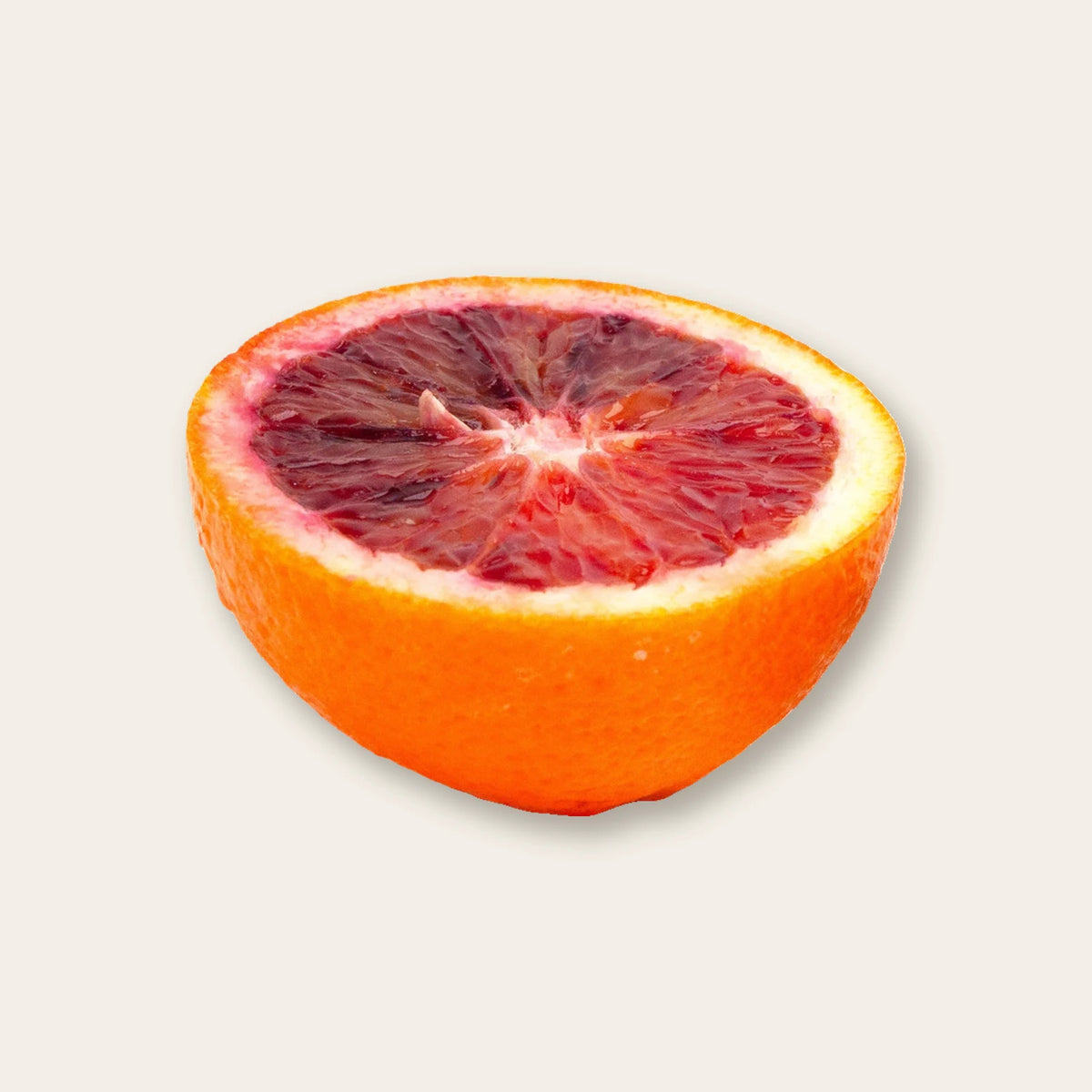
Blood Orange
Citrus × sinensis · Rue family (Rutaceae)
Juicy, sweet orange peel with a slightly tart, berry-like depth, fresher and darker than ordinary sweet orange.
NATURALCITRUS · FRUITY-BERRY · TOP NOTE
AT A GLANCE
- Plant: blood orange, a natural mutation of the sweet orange Citrus × sinensis (rue family)
- Origin: eastern Sicily around Mount Etna, cultivars Tarocco, Moro and Sanguinello; also Spain
- Extraction: cold-pressed from the peel
- Scent: juicy orange with a tart, berry-like depth – top note
PROFILE
- Origin
- Natural mutation of the sweet orange from the Mediterranean · Grown mainly in eastern Sicily around Mount Etna (Catania, Syracuse, Enna), with cultivars of its own in Spain as well
- Extraction
- As with sweet orange, the essential oil is cold-pressed from the peel without heat
- Main molecules
- Limonene (C₁₀H₁₆) · The red colour comes from anthocyanins, above all cyanidin-3-glucoside (C₂₁H₂₁O₁₁⁺)
- Harvest
- In Sicily, blood oranges are available from December into April, sometimes May: Moro ripens first from December, Sanguinello follows from February, and Tarocco lasts the longest.
- Often paired with
- Musk, Bergamot, Mandarin, Jasmine, Rose, Patchouli, Orange Blossom
Numbers that surprise
around 380 years
old is the first written description of the blood orange: in 1646, the Jesuit Giovanni Battista Ferrari described its red flesh in his work ‘Hesperides’.
around 200 years
old is the Moro: it arose in the early 19th century near Lentini and is still the most deeply coloured of the major blood orange cultivars.
Rounded values; calculation based on published data.
Harvest and season
In Sicily, blood oranges are available from December into April, sometimes May: Moro ripens first from December, Sanguinello follows from February, and Tarocco lasts the longest. As a cold-pressed oil, blood orange is available all year round.
As with sweet orange, the oil sits in tiny glands in the peel and is cold-pressed without heat. The peels of red cultivars such as Tarocco, Moro and Sanguinello are used, mainly from Sicily and Spain. Because blood oranges are grown in far smaller quantities than blond oranges, their oil is rarer too. The fruit's red pigment does not carry over into the scent: anthocyanins are pigments, not volatile aroma compounds.
Knowledge to share
Myth or truth?
Statement 1
The red colour gives the blood orange its berry-like scent.
Myth. The colour comes from anthocyanins such as cyanidin-3-glucoside – pigments in the flesh that are not volatile and have no smell. The fragrance oil is pressed from the peel and consists largely of limonene.
Statement 2
Blood oranges are genetically modified.
Myth. The blood orange is a natural mutation of the sweet orange. It owes its colour to a jumping gene that settled naturally in front of the pigment gene Ruby and switches it on in the cold.
Statement 3
Blood oranges can get redder after harvest.
True. In cool storage, blood oranges go on producing anthocyanins – so the red colour can still deepen after harvest.
Your result
FRAGRANCES WITH BLOOD ORANGEINGREDIENT GLOSSARY
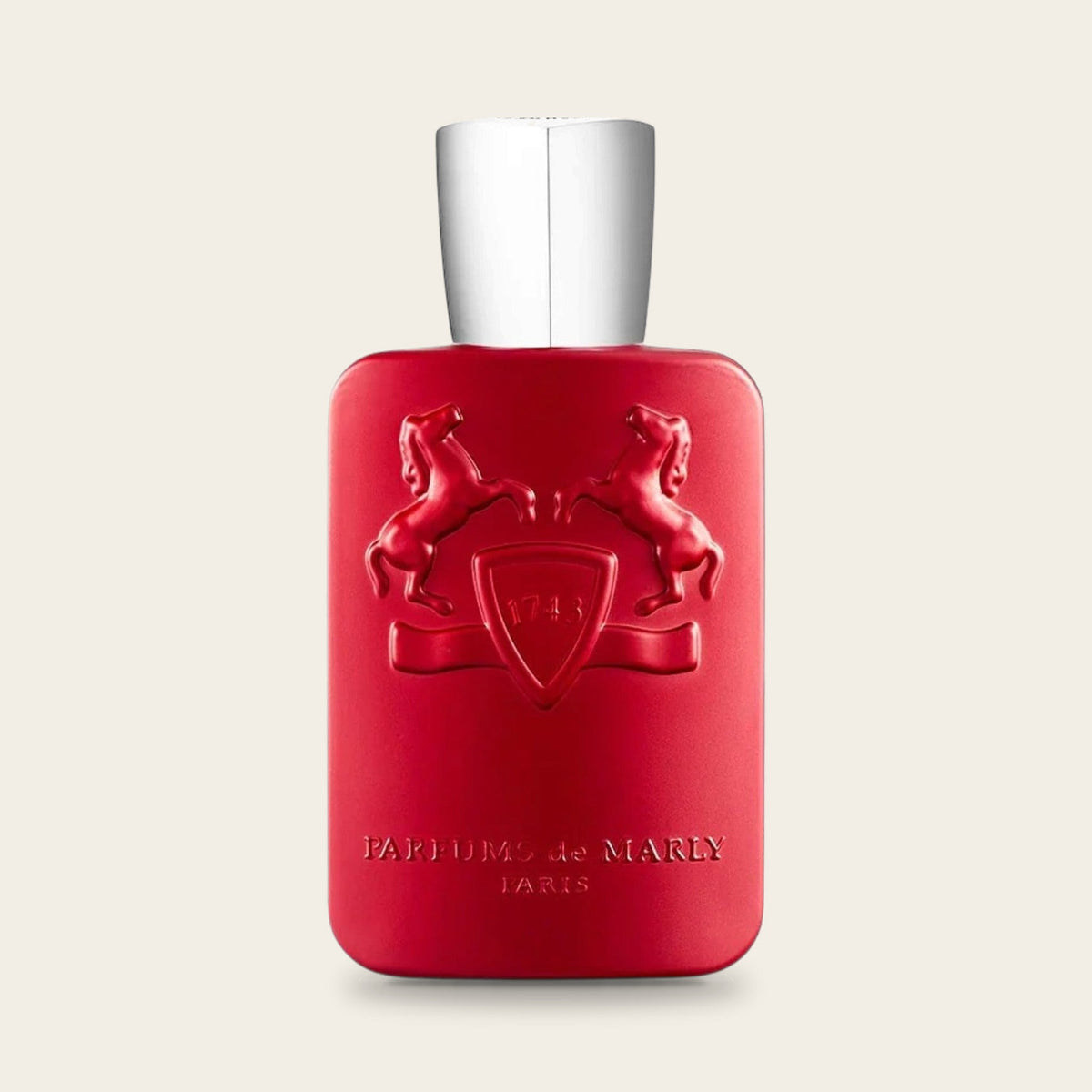
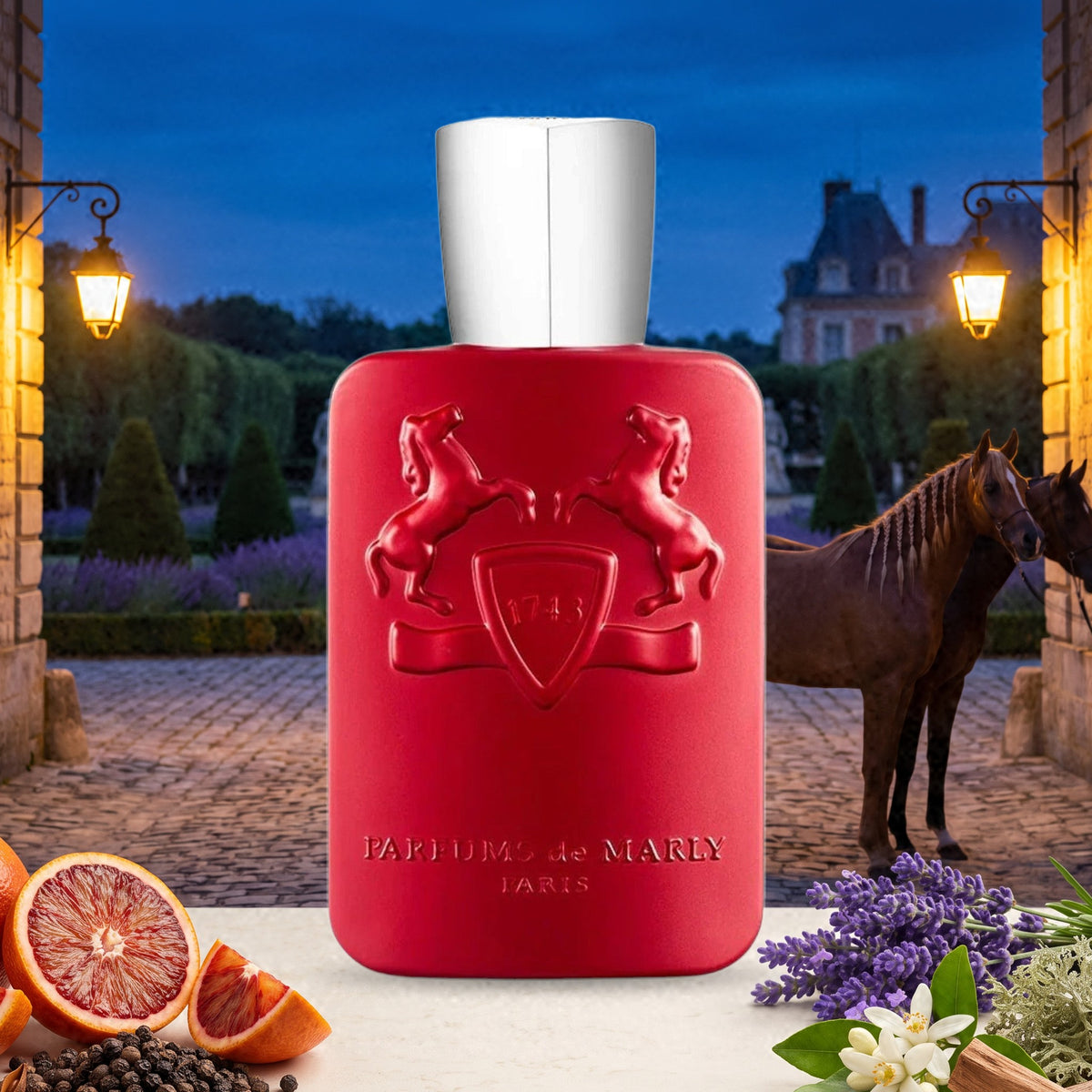
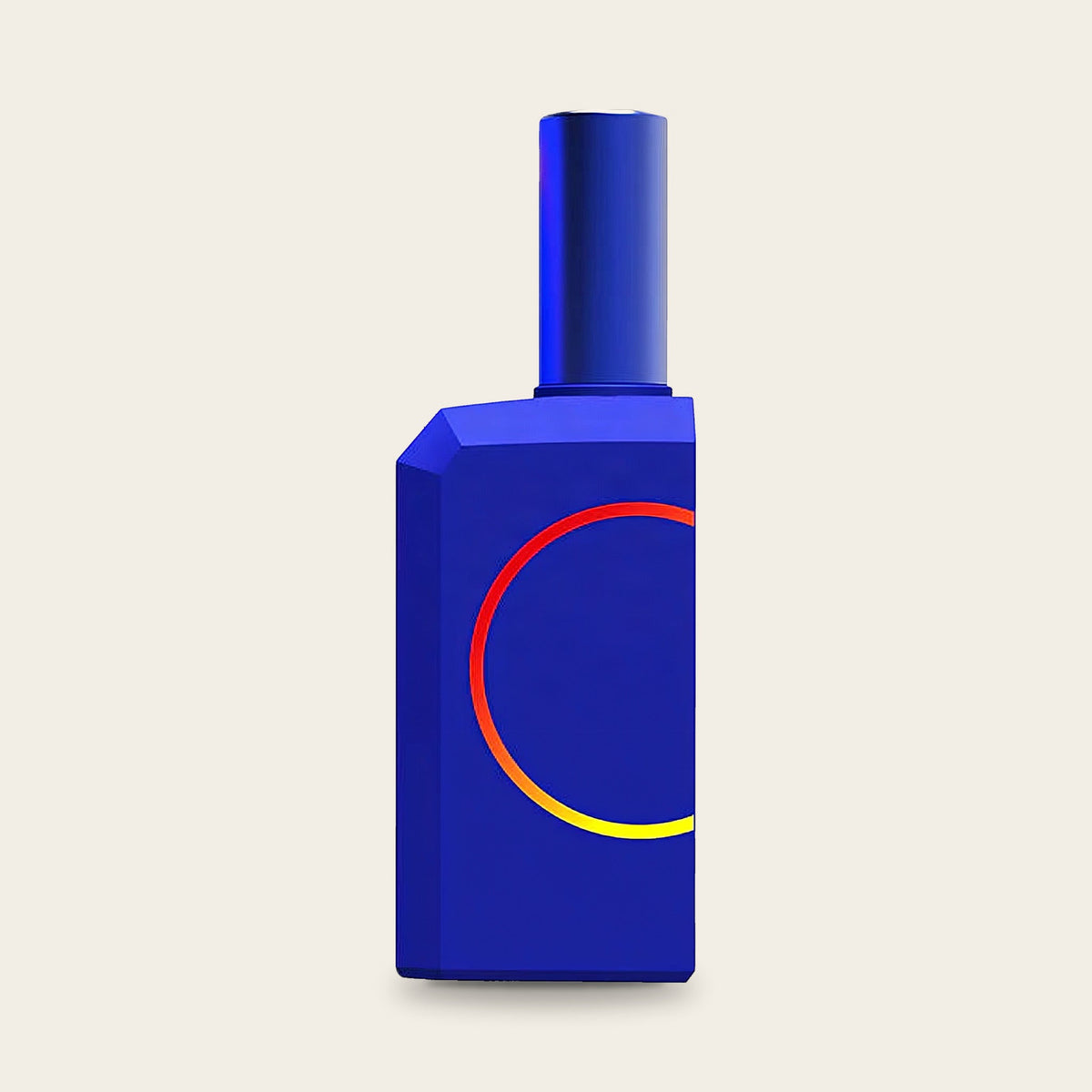
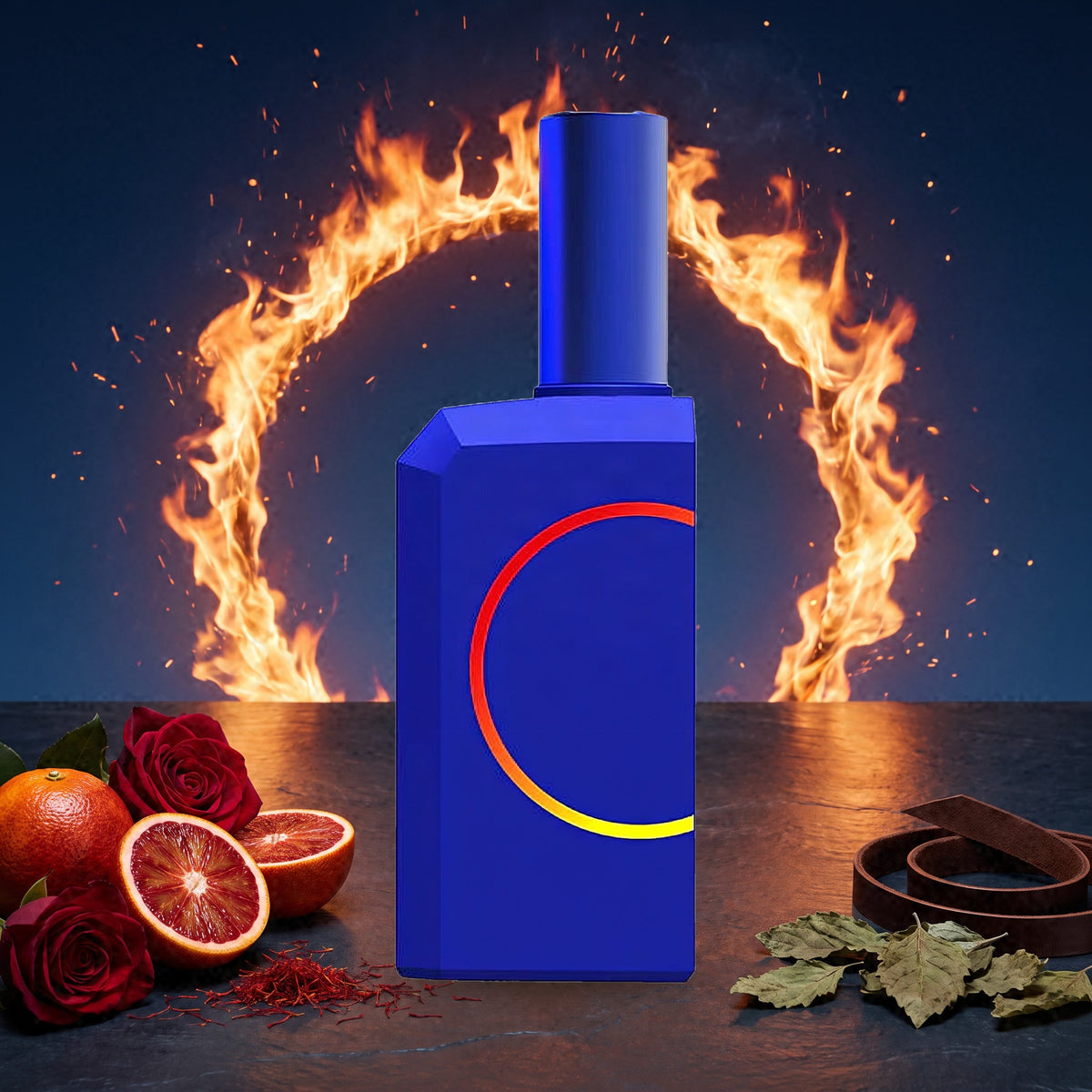
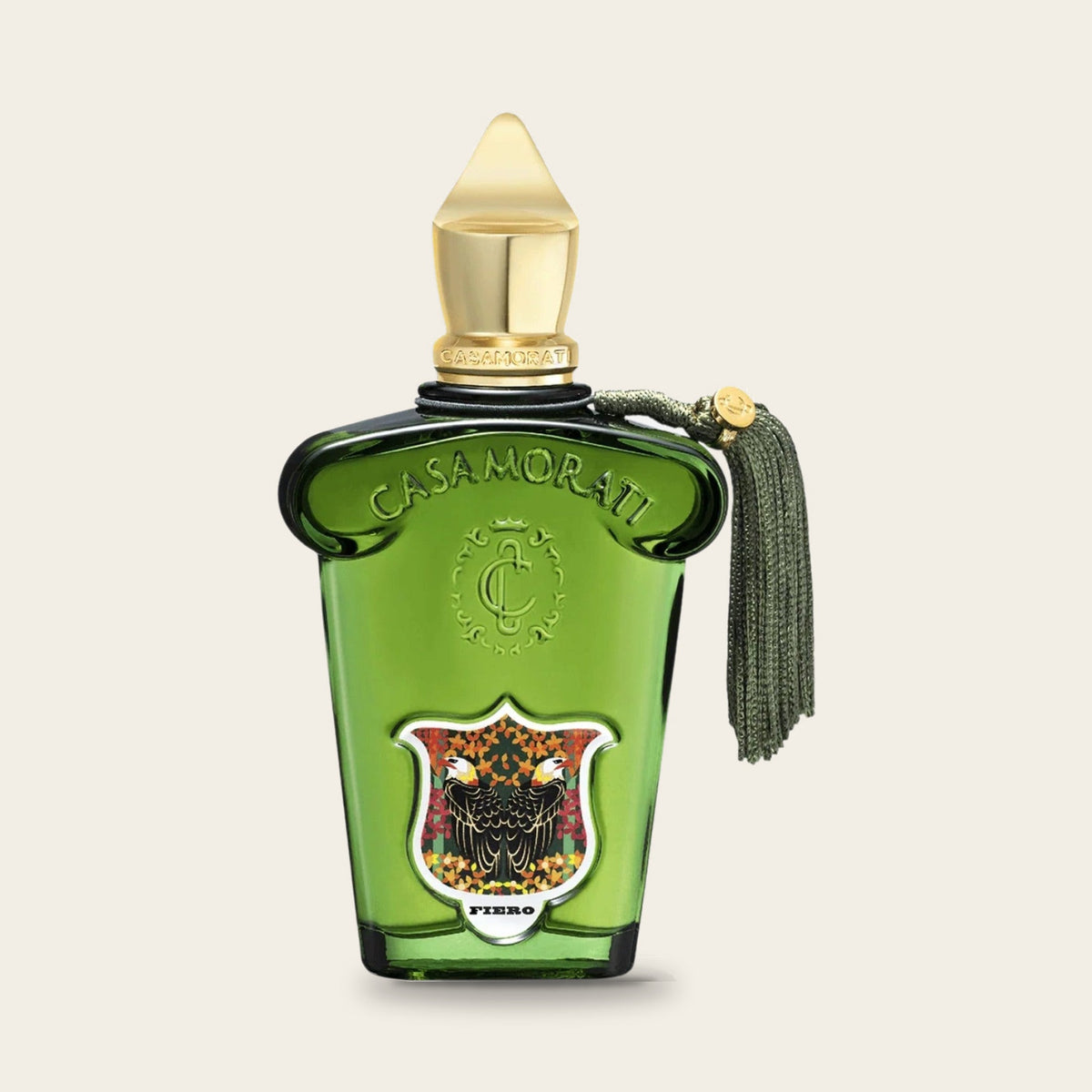
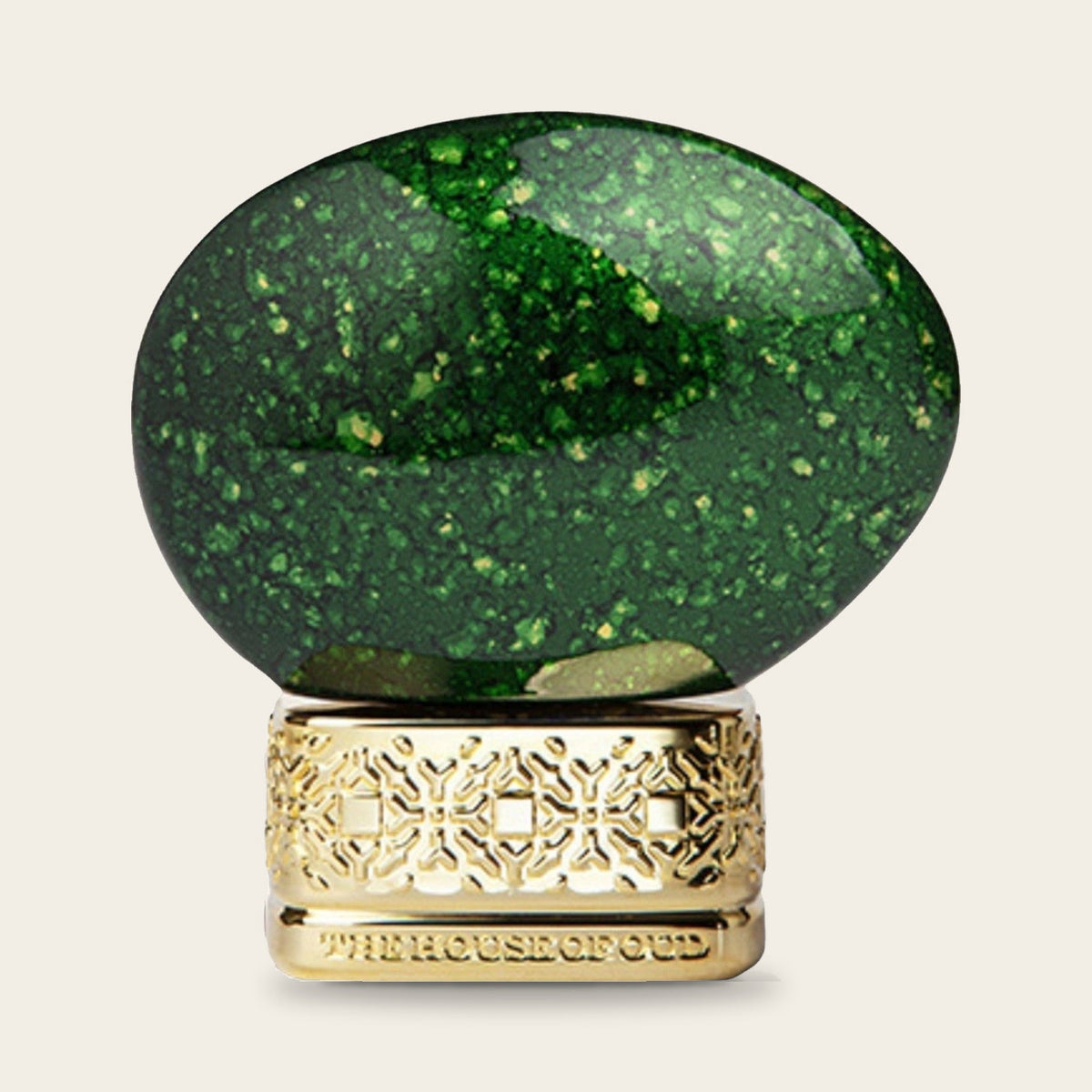
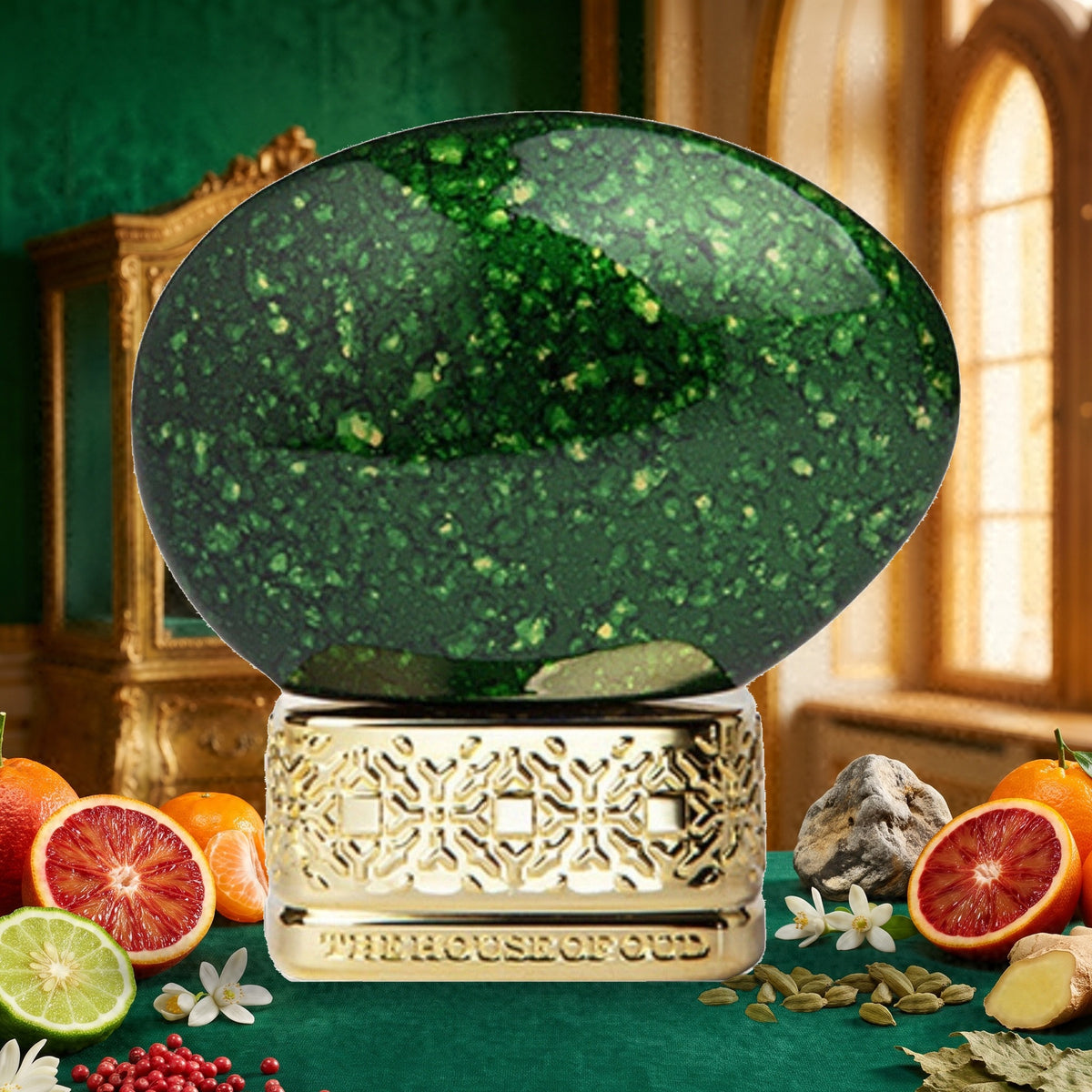
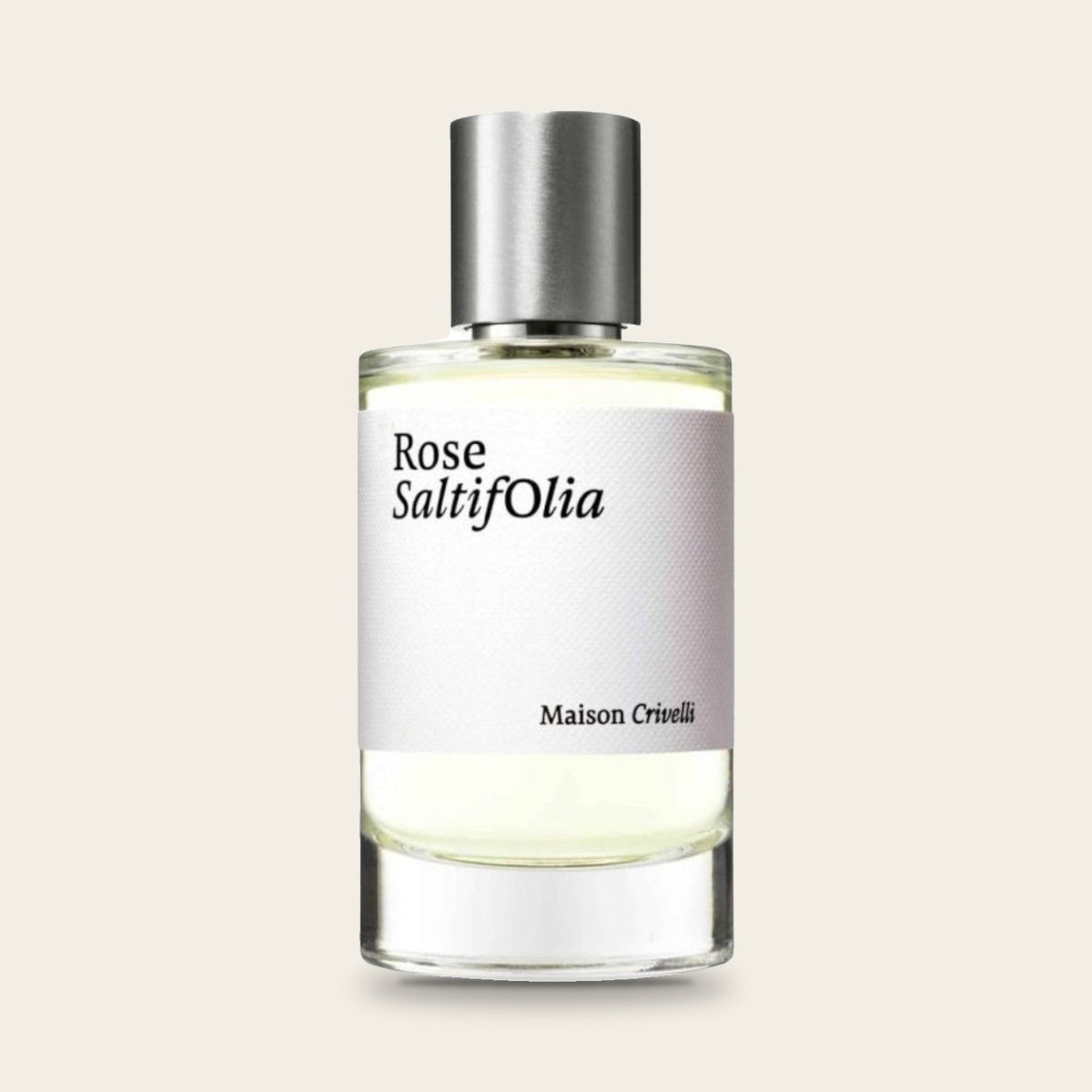
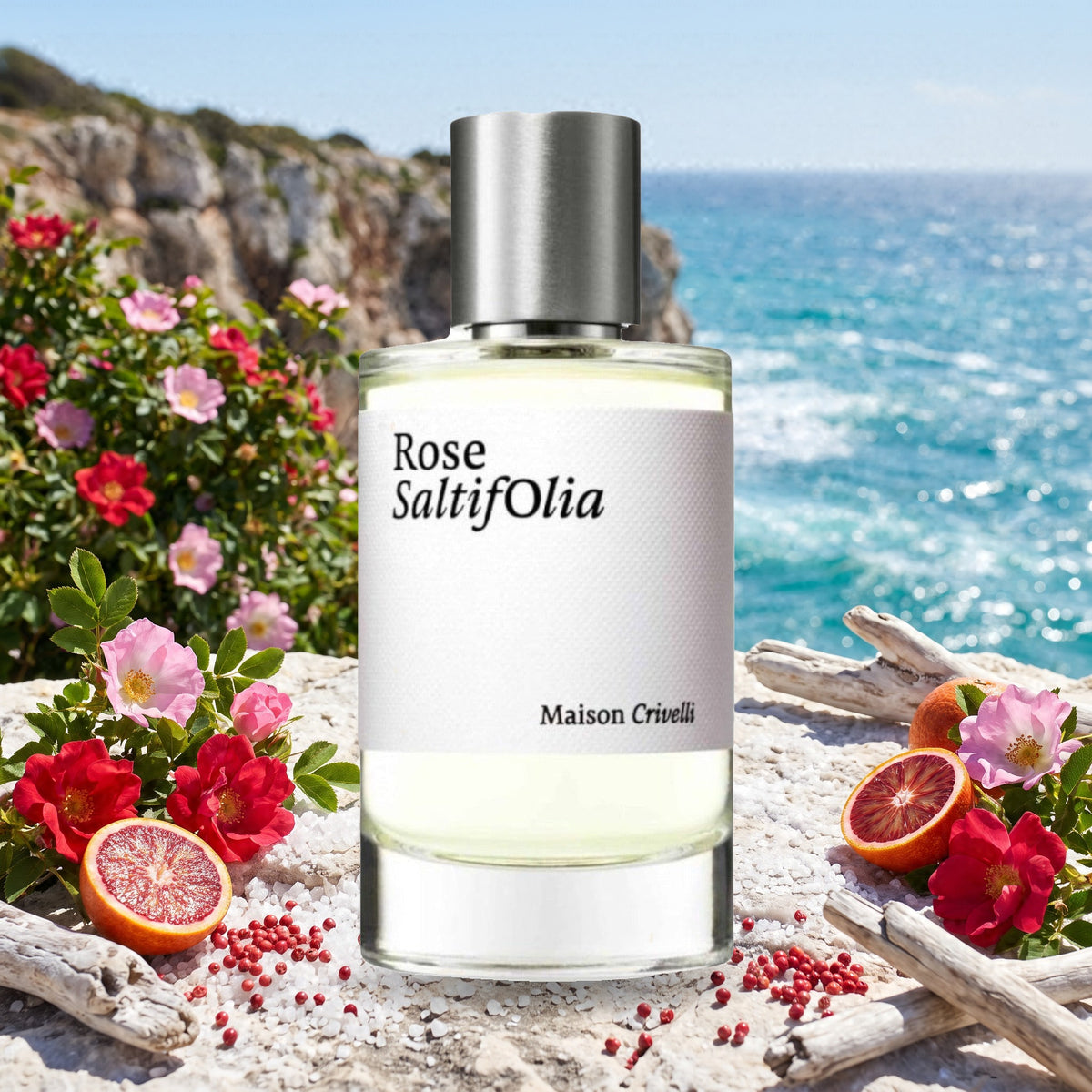
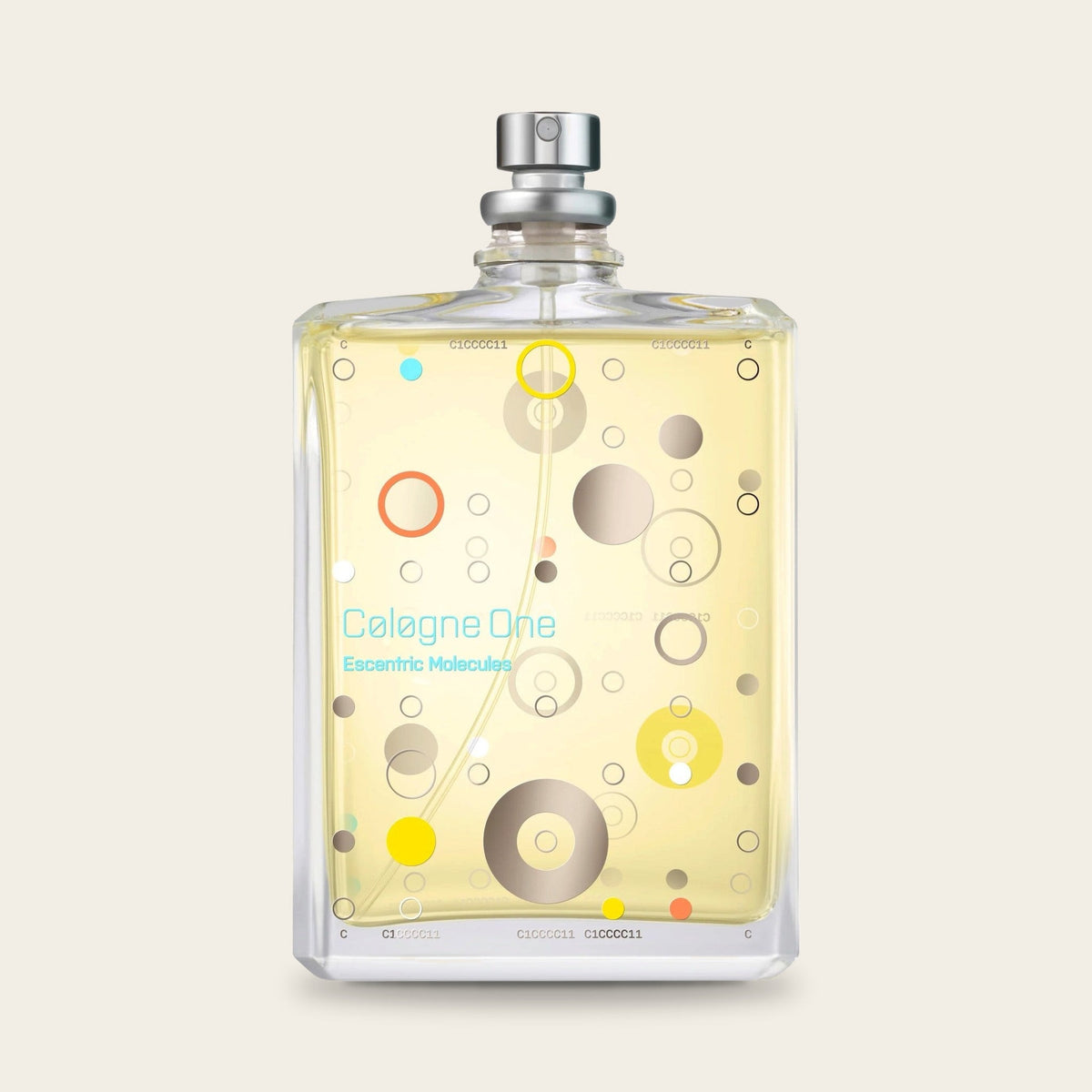
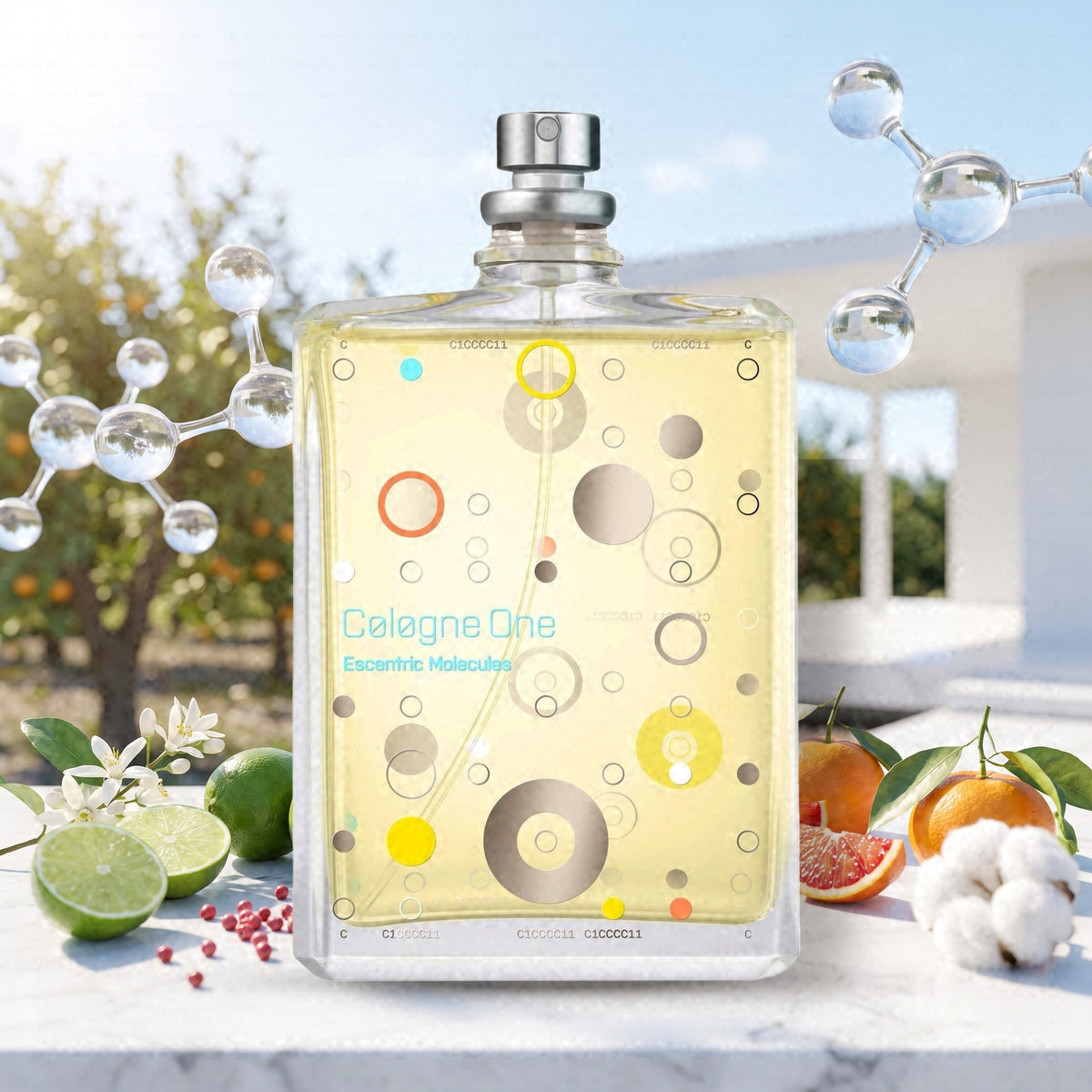
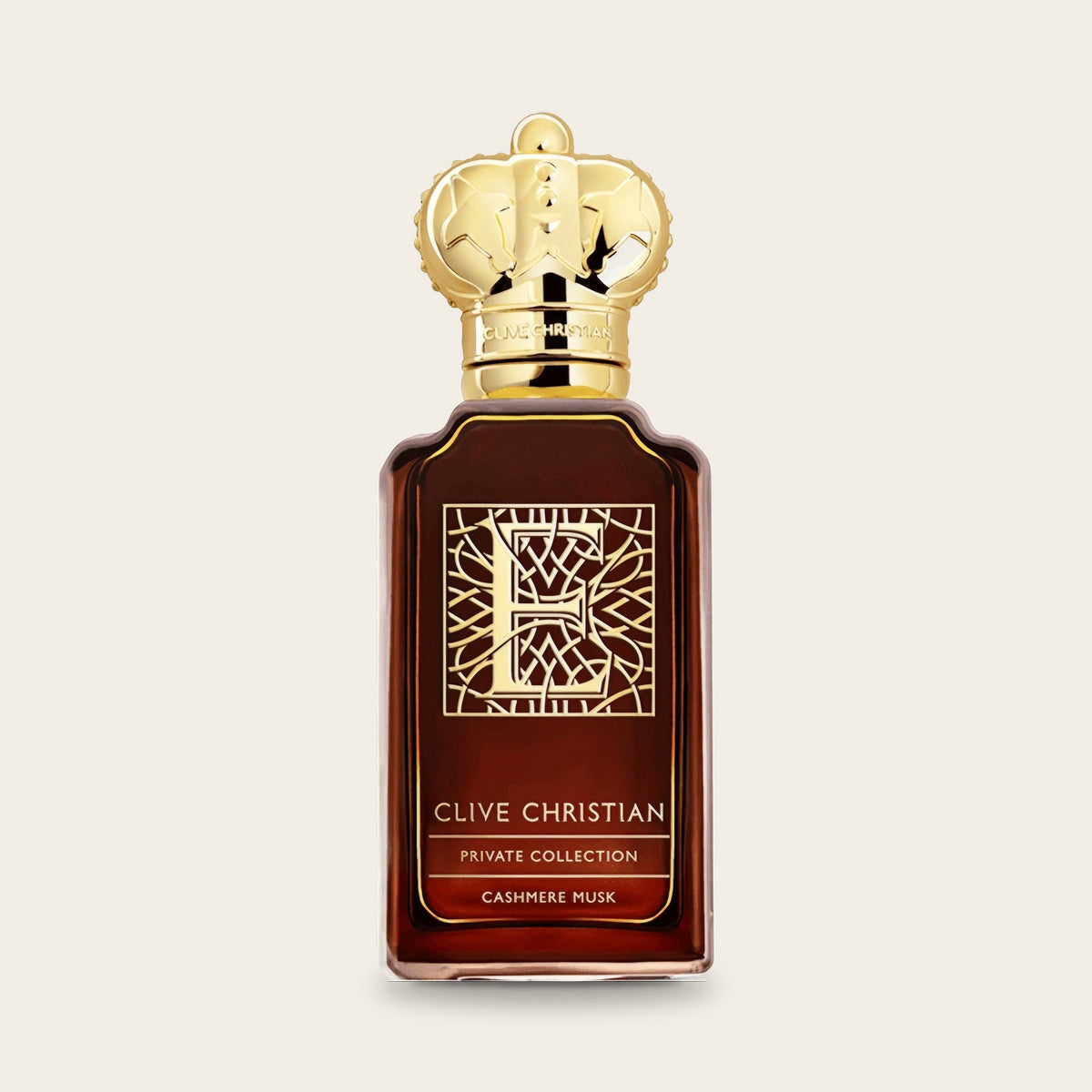
Fragrances with Blood Orange









Questions and answers
Juicy, sweet orange peel with a slightly tart, berry-like depth, fresher and darker than ordinary sweet orange.
The blood orange is not a species of its own but a natural mutation of the sweet orange, Citrus × sinensis. Its heartland is eastern Sicily: the protected designation ‘Arancia Rossa di Sicilia’ covers municipalities in the provinces of Catania, Syracuse and Enna, around Mount Etna and on the Catania plain. The climate is what matters there – sunny days and cool nights with large temperature swings promote sugar and red pigment. Three cultivars shape the crop: Tarocco, the best known, with a sweet-and-sour taste; Moro, the most deeply coloured, with almost violet-red flesh; and Sanguinello, with particularly juicy flesh. Spain has blood oranges of its own too: for a long time Doblefina was the most important there, and a bud mutation of it gave rise to the more intensely coloured Sanguinelli.
As with sweet orange, the oil sits in tiny glands in the peel and is cold-pressed without heat. The peels of red cultivars such as Tarocco, Moro and Sanguinello are used, mainly from Sicily and Spain. Because blood oranges are grown in far smaller quantities than blond oranges, their oil is rarer too. The fruit's red pigment does not carry over into the scent: anthocyanins are pigments, not volatile aroma compounds.
Blood orange opens a fragrance like sweet orange but feels riper, juicier and a touch more tart, with a hint of red berries. As a top note it fades quickly, yet it gives the opening more depth than blond orange. It is often paired with bergamot and mandarin and builds a bridge to floral heart notes such as jasmine, rose and orange blossom; musk and patchouli give it hold. In our range, blood orange appears in 13 fragrances, all of them in the top note.
Citrus · Fruity-berry · Top note
In Sicily, blood oranges are available from December into April, sometimes May: Moro ripens first from December, Sanguinello follows from February, and Tarocco lasts the longest. As a cold-pressed oil, blood orange is available all year round.
In our fragrances, it often appears alongside Musk, Bergamot, Mandarin, Jasmine, Rose, Patchouli, Orange Blossom.
Citrus fruit has been grown in Sicily since Arab rule. The first known written description of an orange with red flesh dates from 1646: the Jesuit and botanist Giovanni Battista Ferrari included it in ‘Hesperides’, his work on citrus fruit. Today's main cultivars are considerably younger. Moro arose in the early 19th century around Lentini, probably as a mutation of an older Sanguinello form; Tarocco appeared around the turn of the 20th century and became Sicily's most important blood orange. Today, ‘Arancia Rossa di Sicilia’ is registered in the EU as a protected geographical indication.
- No cold, no red: in Florida and Brazil the colour stays weak and unreliable – it develops reliably on a large scale mainly around Mount Etna.
- Blood oranges keep getting redder after harvest: in cool storage they go on producing anthocyanins.
- The first written description dates from 1646 – by the Jesuit Giovanni Battista Ferrari in his citrus book ‘Hesperides’.
As with sweet orange, the scent of the peel oil is dominated by the monoterpene (R)-(+)-limonene (C₁₀H₁₆, PubChem CID 440917); in analyses of Sicilian blood orange oils it usually makes up more than 90%. The red colour comes from anthocyanins, above all cyanidin-3-glucoside (C₂₁H₂₁O₁₁⁺; as the chloride C₂₁H₂₁ClO₁₁, PubChem CID 197081) and its malonyl derivative. Their formation is controlled by the gene Ruby, which encodes a MYB transcription factor. As researchers at the John Innes Centre showed in ‘The Plant Cell’ in 2012, Ruby is switched on in blood oranges by an inserted jumping gene, a retrotransposon – and it responds to cold. That is why blood oranges only colour when they ripen through cool nights.
FRAGRANCE KNOWLEDGE
In the 4D Journal
-
 FRAGRANCE KNOWLEDGE
Rose in perfume: The queen of fragrance materials
READ ARTICLE
-
 FRAGRANCE KNOWLEDGE
Vanilla in perfume: From orchid to favourite scent
READ ARTICLE
-
 FRAGRANCE KNOWLEDGE
Leather in perfume: How does something smell that was never in the bottle?
READ ARTICLE
-
 FRAGRANCE KNOWLEDGE
Scented candles & home fragrance: How to use them right
READ ARTICLE