

INGREDIENT GLOSSARY
Galbanum
Ferula gummosa · Carrot family (Apiaceae)
Intensely green and bitter-sharp, reminiscent of green bell pepper, with a resinous-balsamic, woody and slightly peppery undertone.
NATURALGREEN · RESINOUS-BALSAMIC · HEART AND TOP NOTE
AT A GLANCE
- Plant: Ferula gummosa, a perennial member of the carrot family
- Origin: wild from Turkmenistan to northern and central Iran, commercial material almost only from Iran
- Extraction: gum resin from the cut root crown, distilled into oil or extracted into resinoid
- Scent: intensely green, bitter-sharp, resinous-balsamic – heart and top note
PROFILE
- Origin
- Native from Turkmenistan to northern and central Iran, including the slopes of the Alborz range · A similar gum resin also comes from Afghanistan; commercial galbanum comes almost exclusively from Iran and from wild plants
- Extraction
- The root crown or stem base is cut; the gum resin that oozes out and hardens in air is distilled (essential oil) or extracted with solvents (resinoid)
- Main molecules
- β-Pinene (C₁₀H₁₆, resinous and pine-like, usually the main constituent of the oil) · α-pinene and δ-3-carene (both C₁₀H₁₆) as further monoterpenes · trace compounds (3E,5Z)-1,3,5-undecatriene (C₁₁H₁₈) and 2-methoxy-3-isobutylpyrazine (C₉H₁₄N₂O), which shape the sharp green character
- Harvest
- The gum resin is gathered from wild plants; sources disagree on the collecting season.
- Often paired with
- Moschus, Jasmin, Bergamotte, Zedernholz, Zitrone, Patschuli, Grapefruit
Numbers that surprise
15 nanograms
per litre are enough for red wine to smell of the pyrazine that also gives galbanum its green note – by calculation, one gram would do for around 66 million litres.
15 to 25%
of the gum resin can be distilled off as essential oil – many times what herbs such as thyme yield.
almost two thirds
of galbanum oil can be a single molecule, β-pinene – and yet it is not the main constituents that shape the green smell, but trace compounds.
Rounded values; calculation based on published data.
Harvest and season
The gum resin is gathered from wild plants; sources disagree on the collecting season. Oil and resinoid keep well and are available all year round.
What is obtained is a gum resin, a mixture of resin, gum and essential oil. The root crown – where stem meets root – or the base of the stem is cut; sometimes the soil around the taproot is cleared and a slice of root is removed, then again later. A milky sap flows out and quickly hardens in air into yellowish to greenish tears or lumpy masses. Older pharmacopoeias distinguished a harder and a markedly softer galbanum. The crude resin contains plenty of sand, plant debris and root slices and is warmed and sieved before processing. Steam distillation yields around 15 to 25% essential oil; solvent extraction gives a darker resinoid that smells deeper and acts as a fixative.
Knowledge to share
Myth or truth?
Statement 1
Galbanum's green scent comes from its main constituents.
Myth. By quantity, monoterpenes such as β-pinene, α-pinene and δ-3-carene dominate, and they smell rather resinous and pine-like. The sharp green note comes from trace compounds, above all (3E,5Z)-1,3,5-undecatriene and 2-methoxy-3-isobutylpyrazine.
Statement 2
The substance that helps give galbanum its green note is also found in green bell pepper.
True. 2-Methoxy-3-isobutylpyrazine is a trace compound of galbanum oil and at the same time the typical odorant of green bell pepper. It is so powerful that in red wine it is perceived from around 15 nanograms per litre.
Statement 3
“Levant galbanum” comes from the Levant.
Myth. “Levant” was a trade name. Pharmacopoeias around 1900 already noted that practically all commercial galbanum came from or through Persia – today it comes almost exclusively from Iran.
Your result
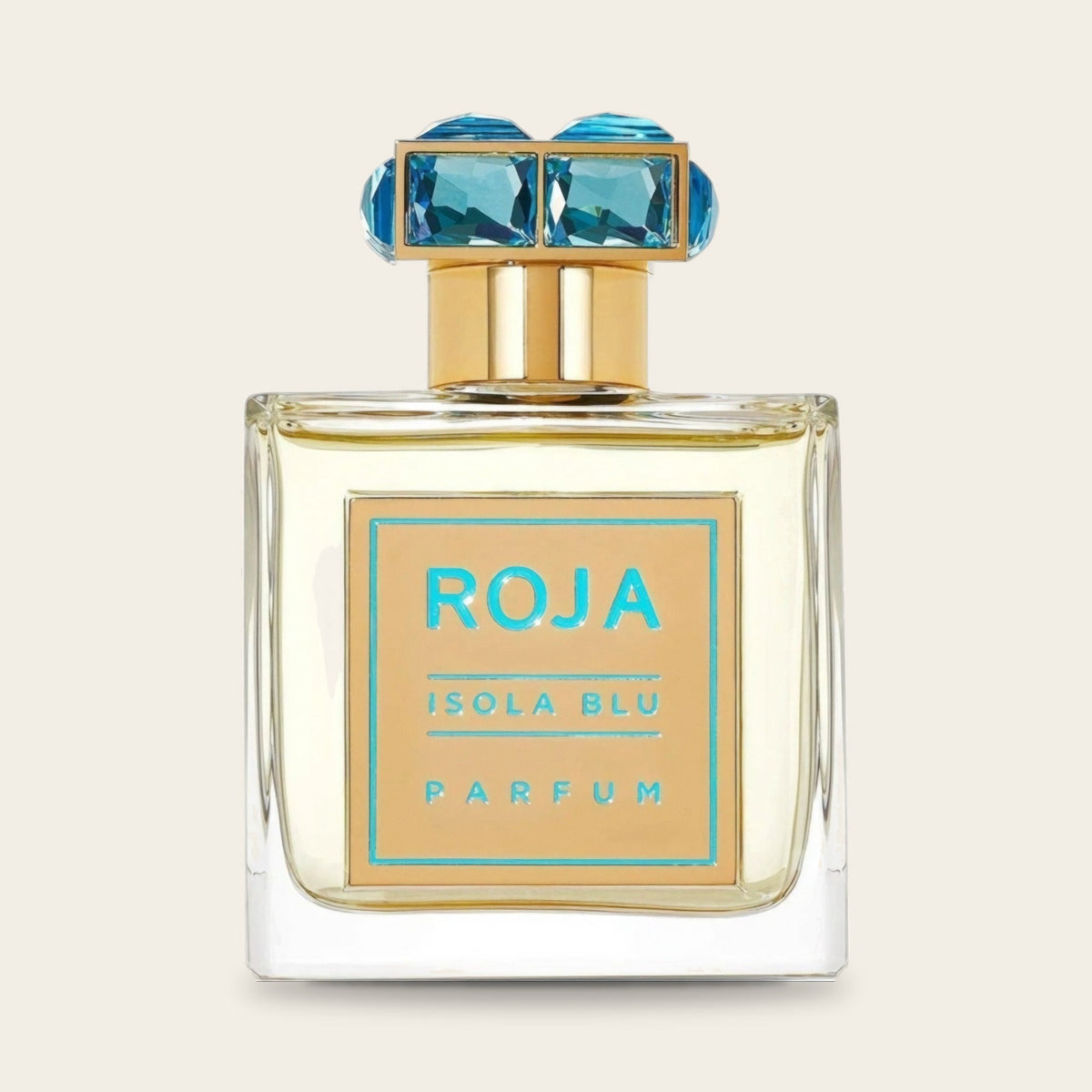
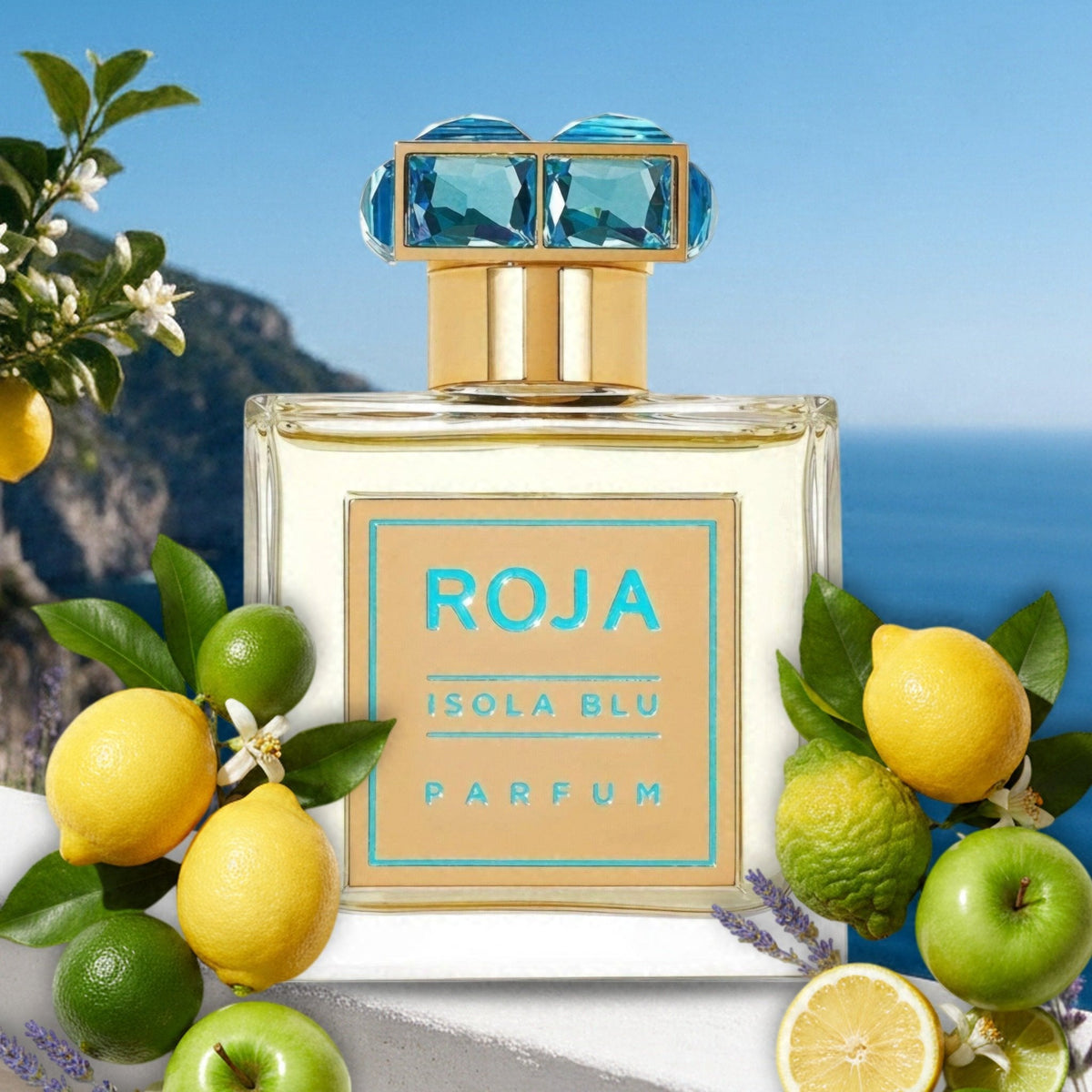
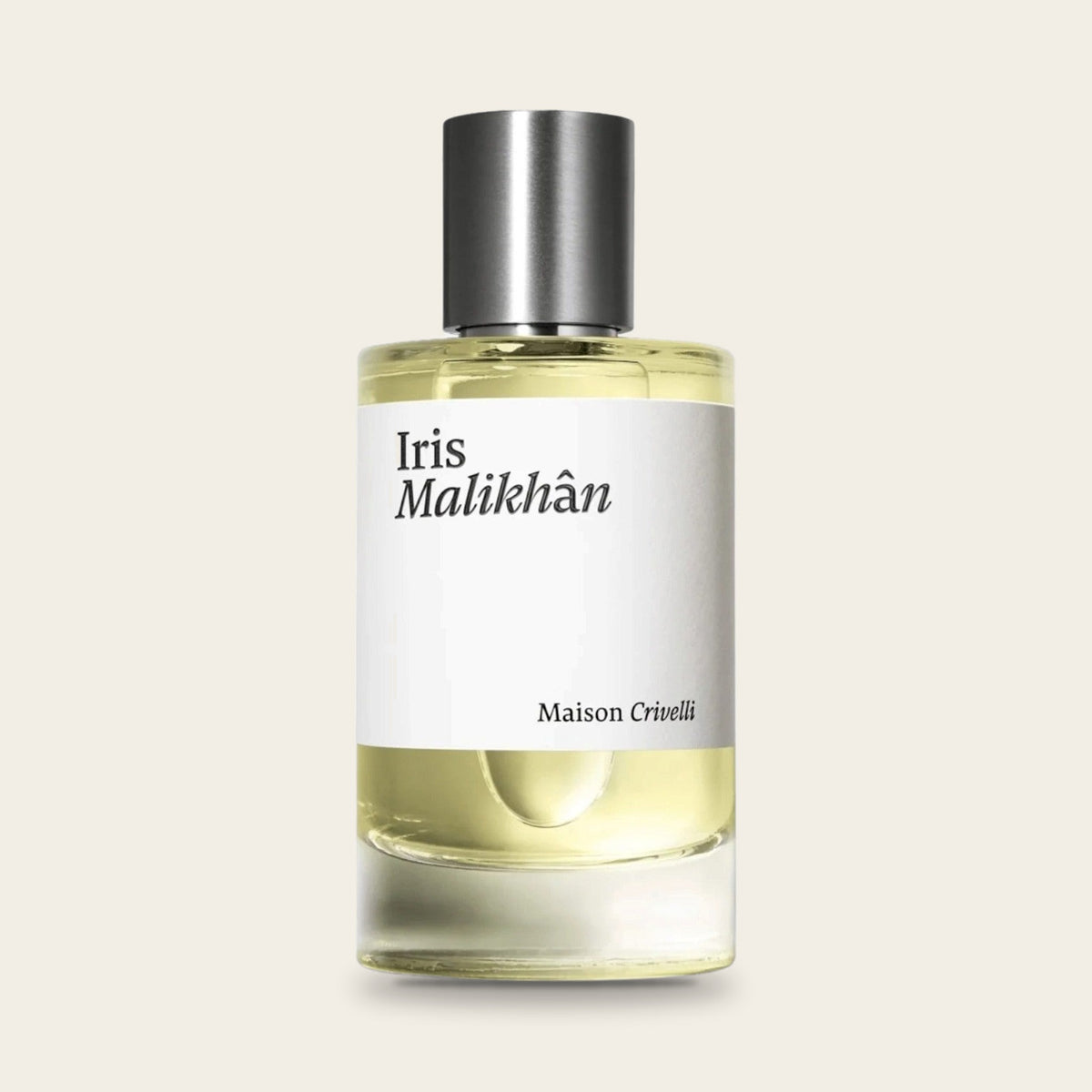
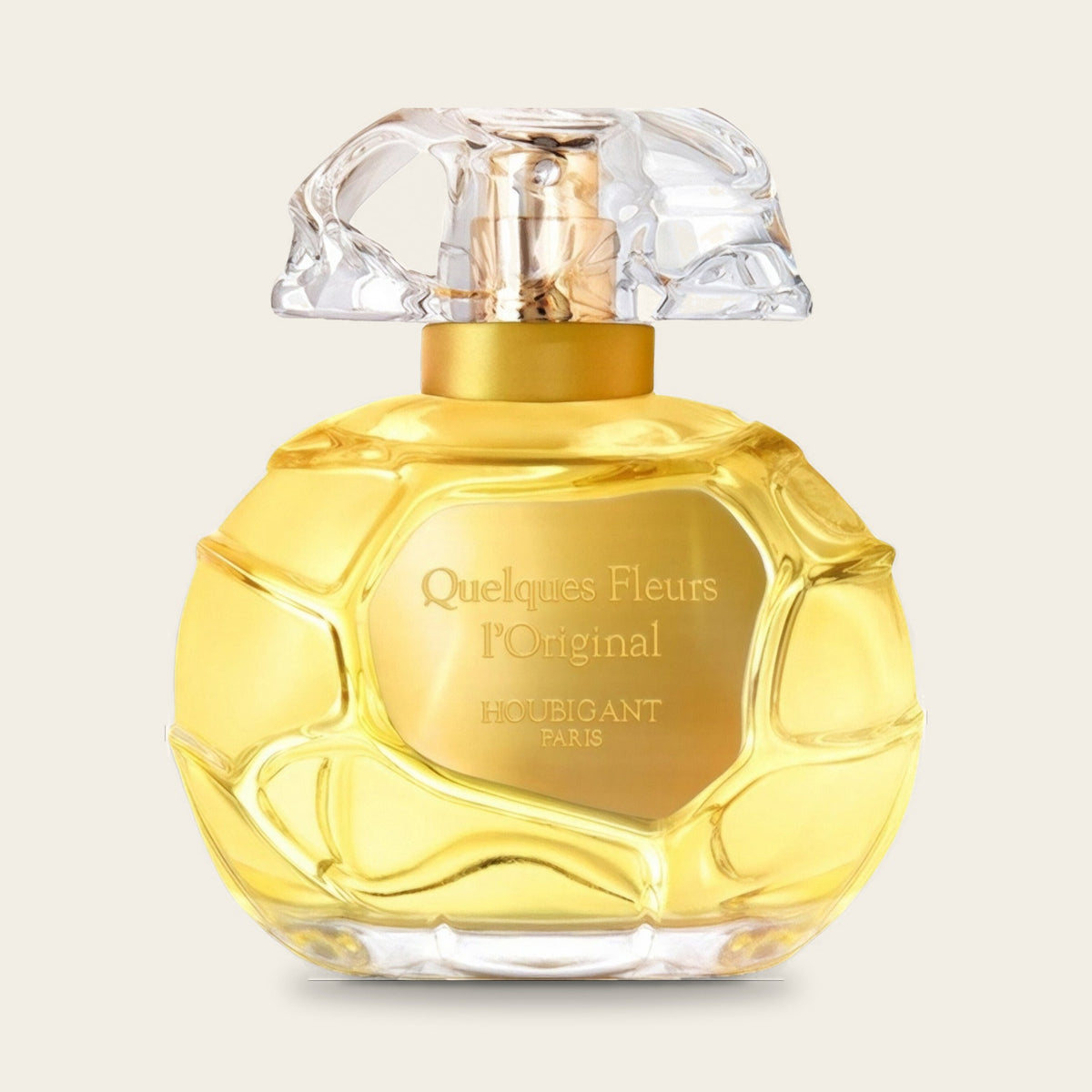
FRAGRANCES WITH GALBANUMINGREDIENT GLOSSARY
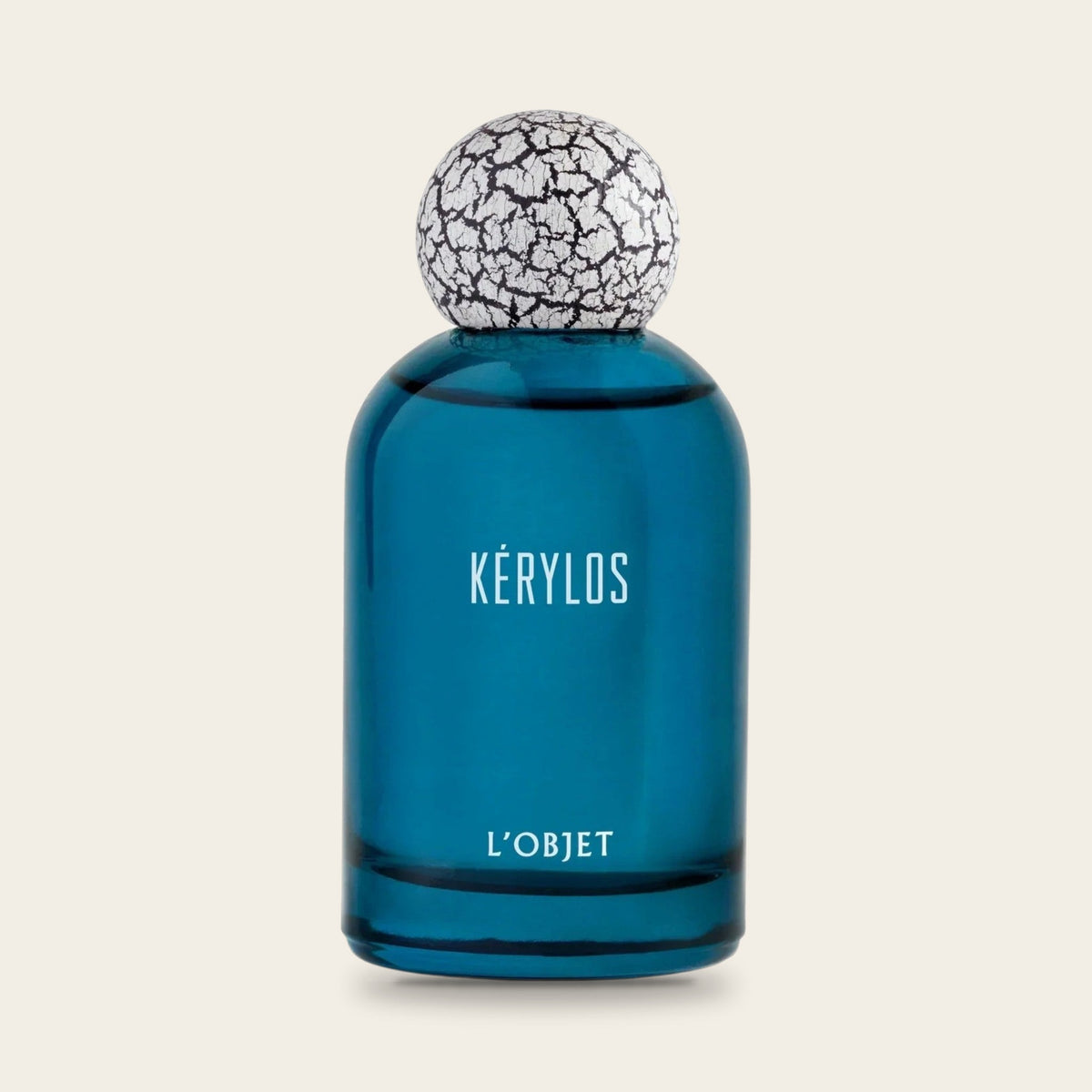
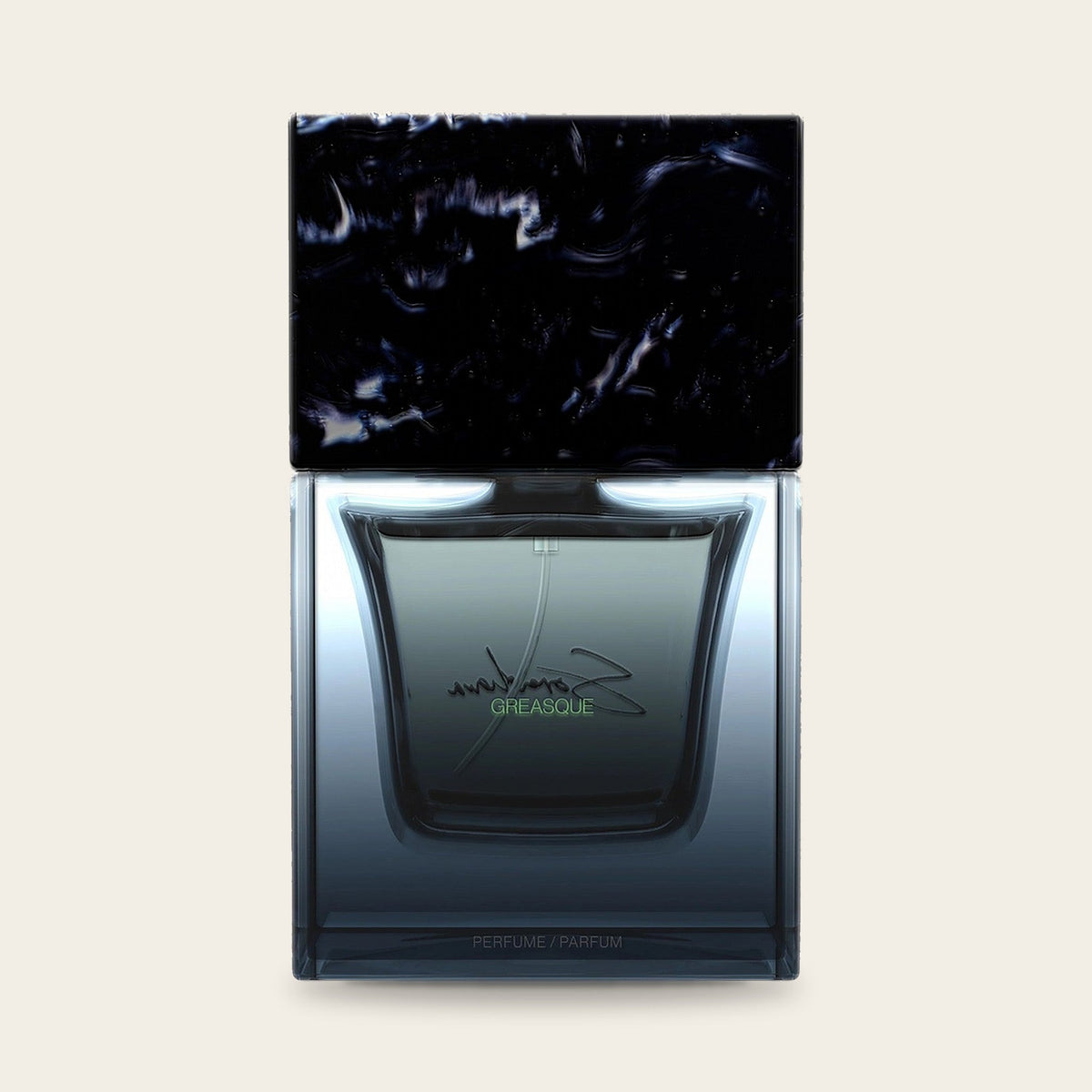
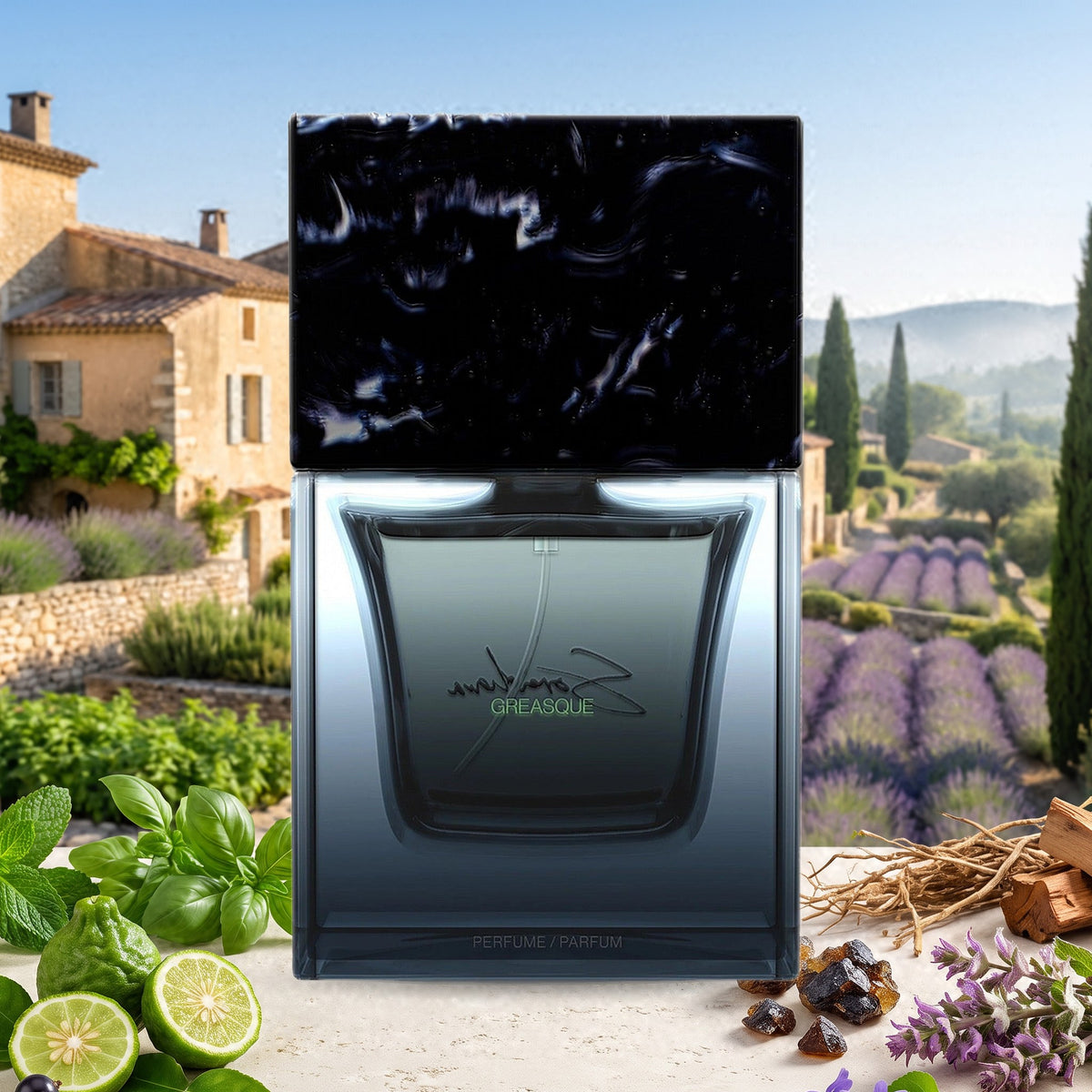
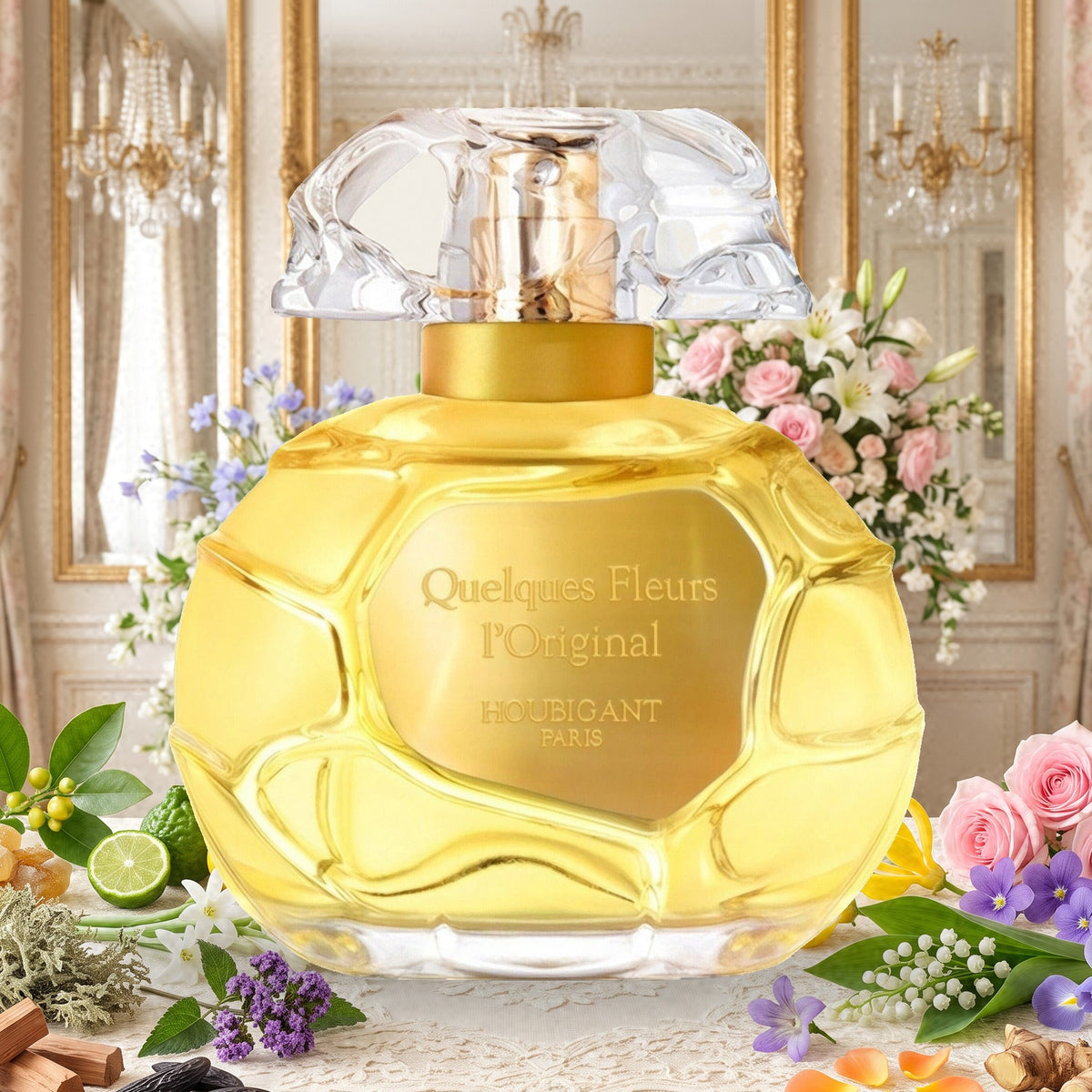
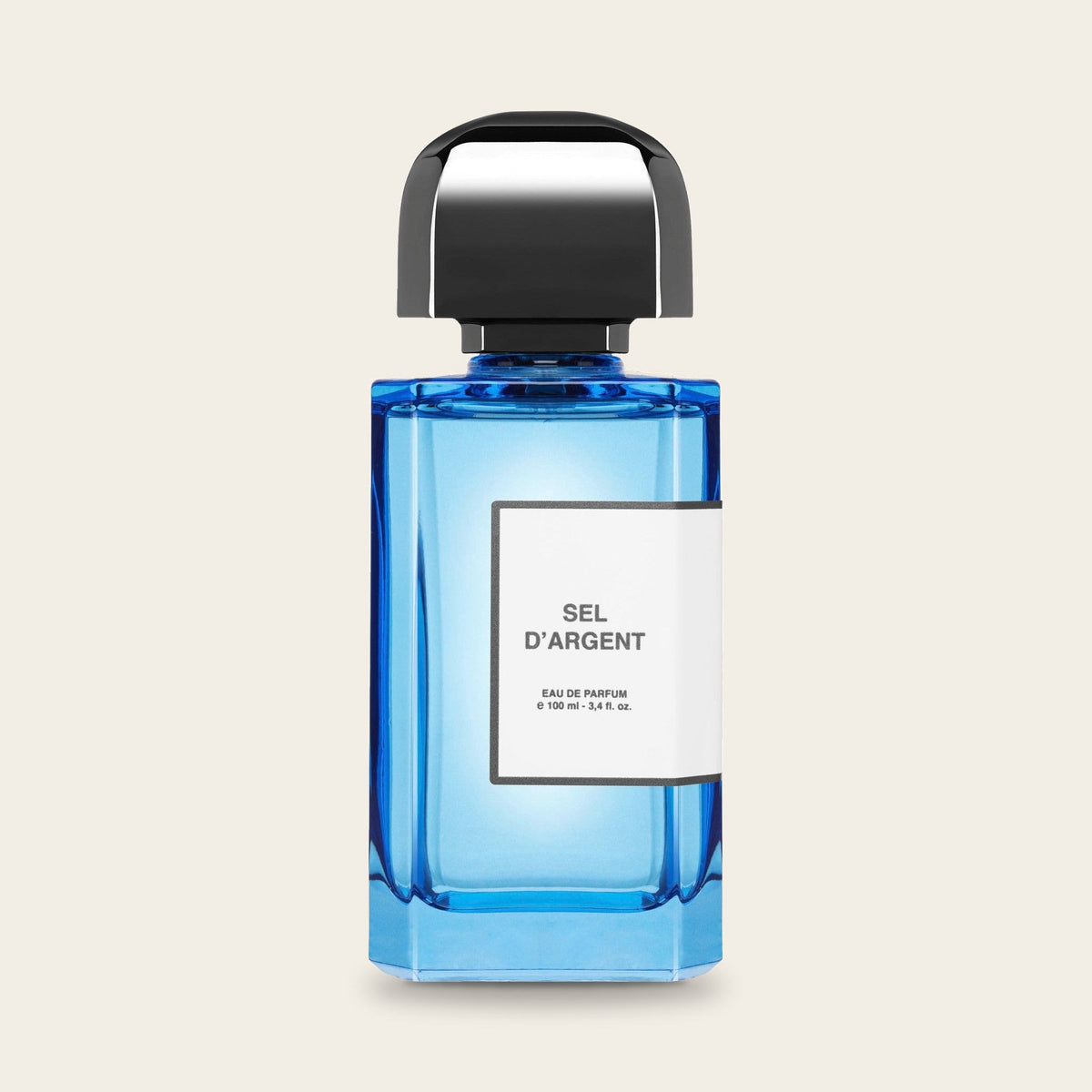
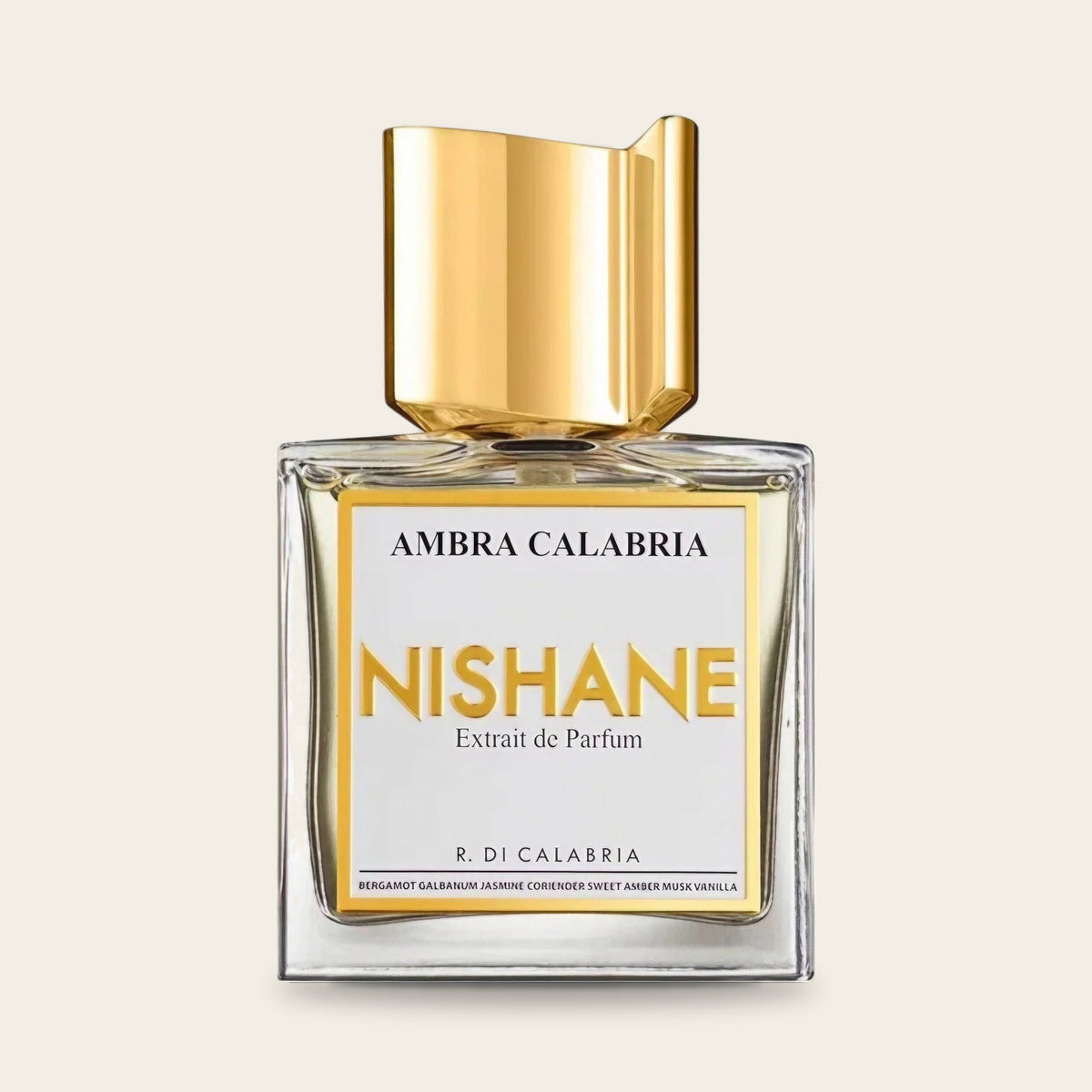
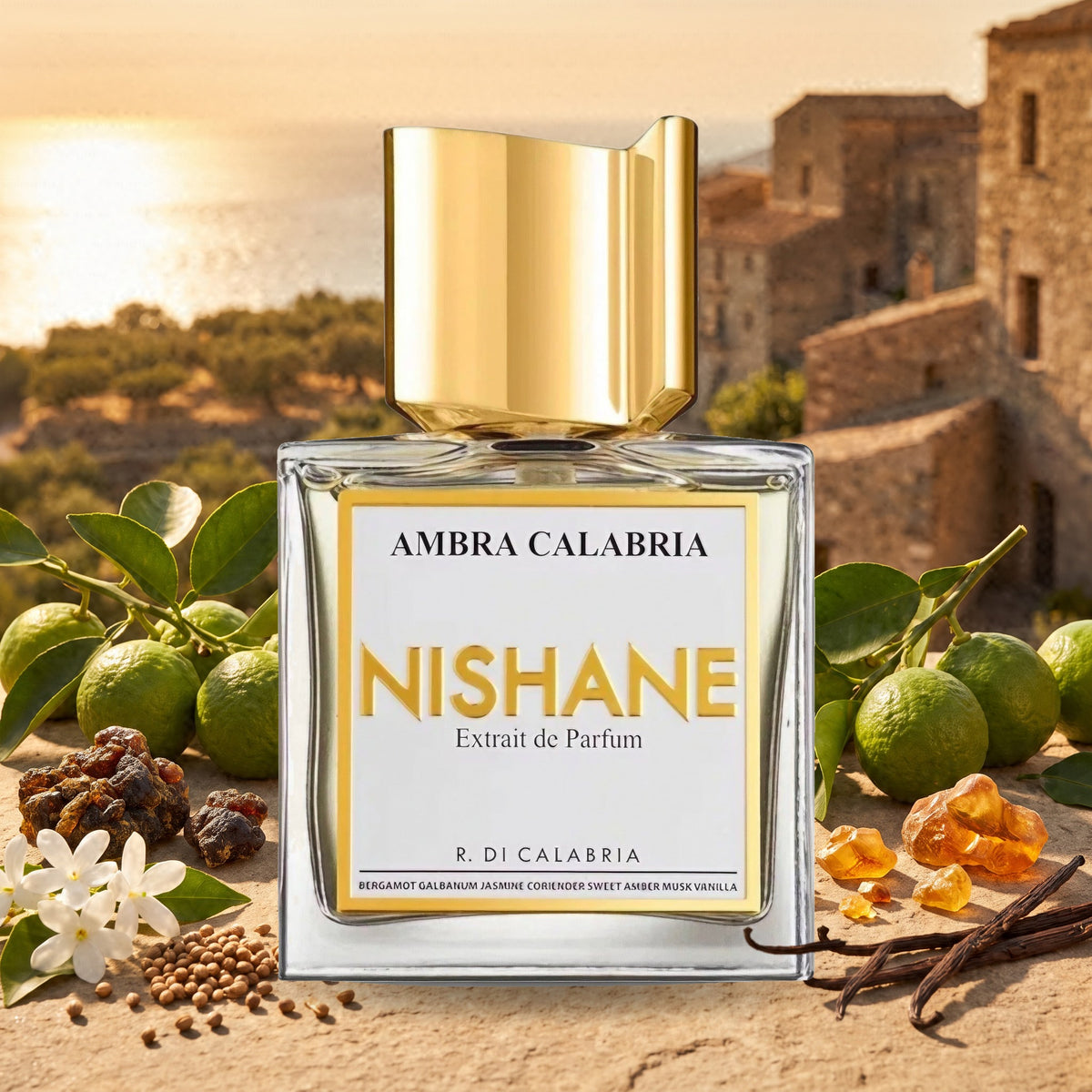
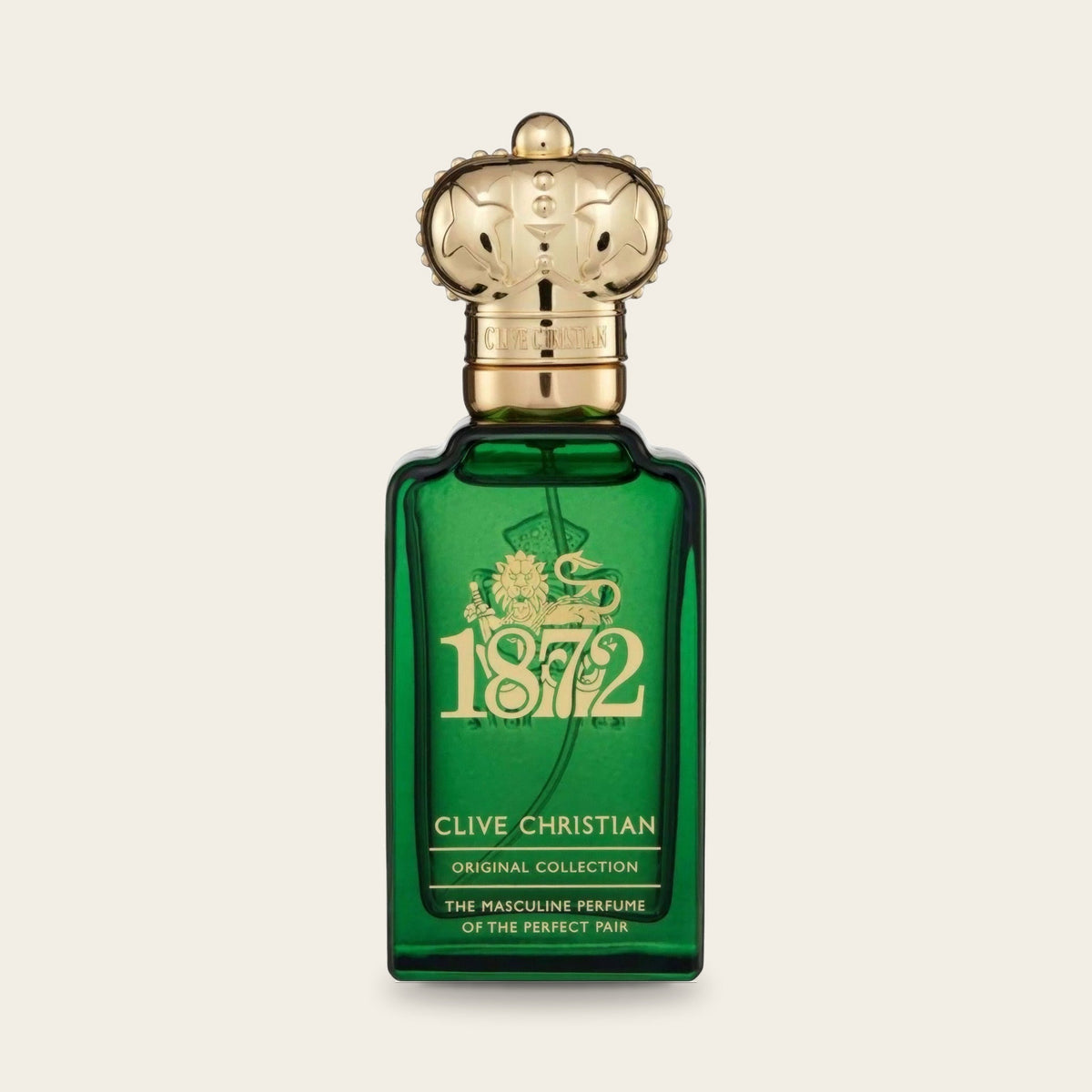
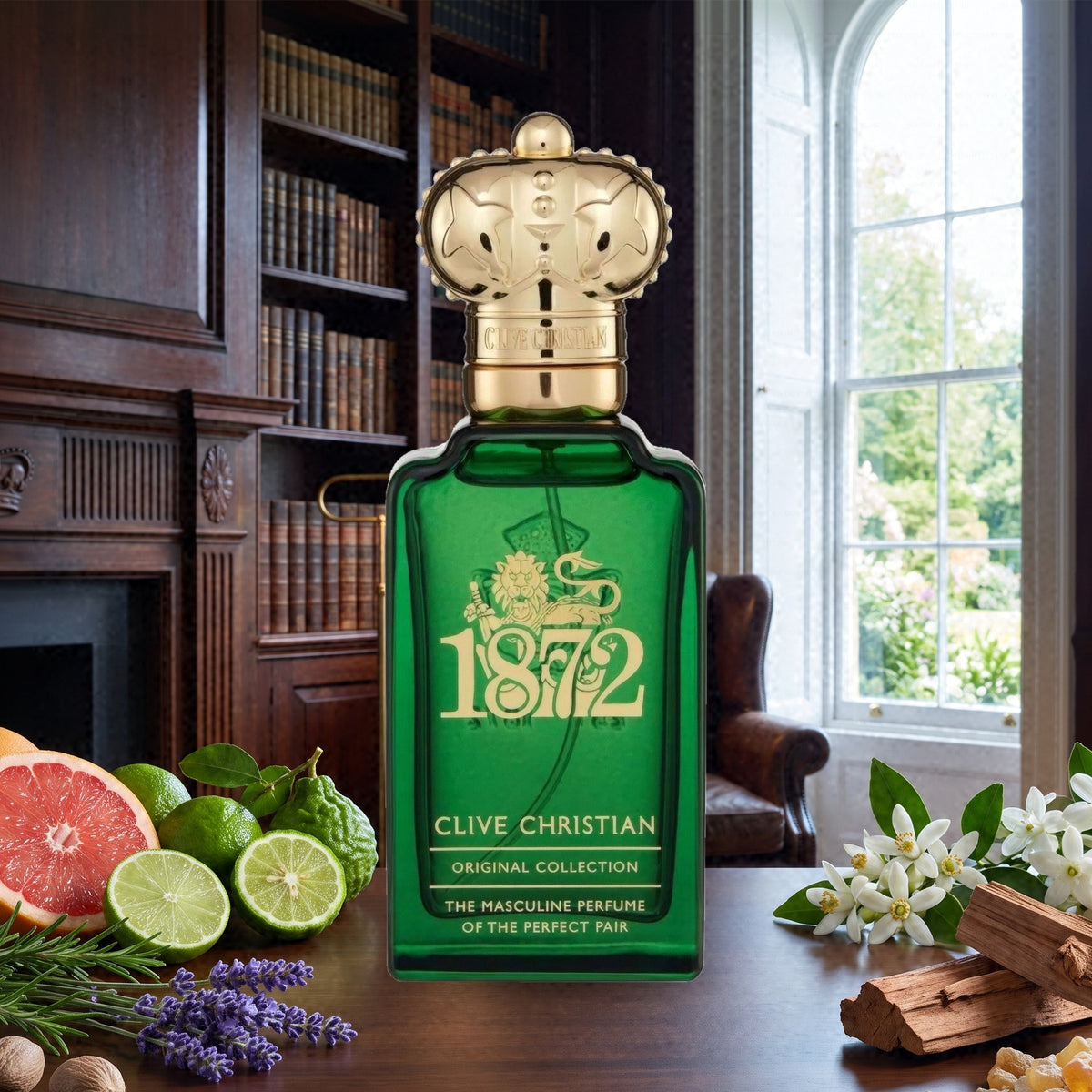
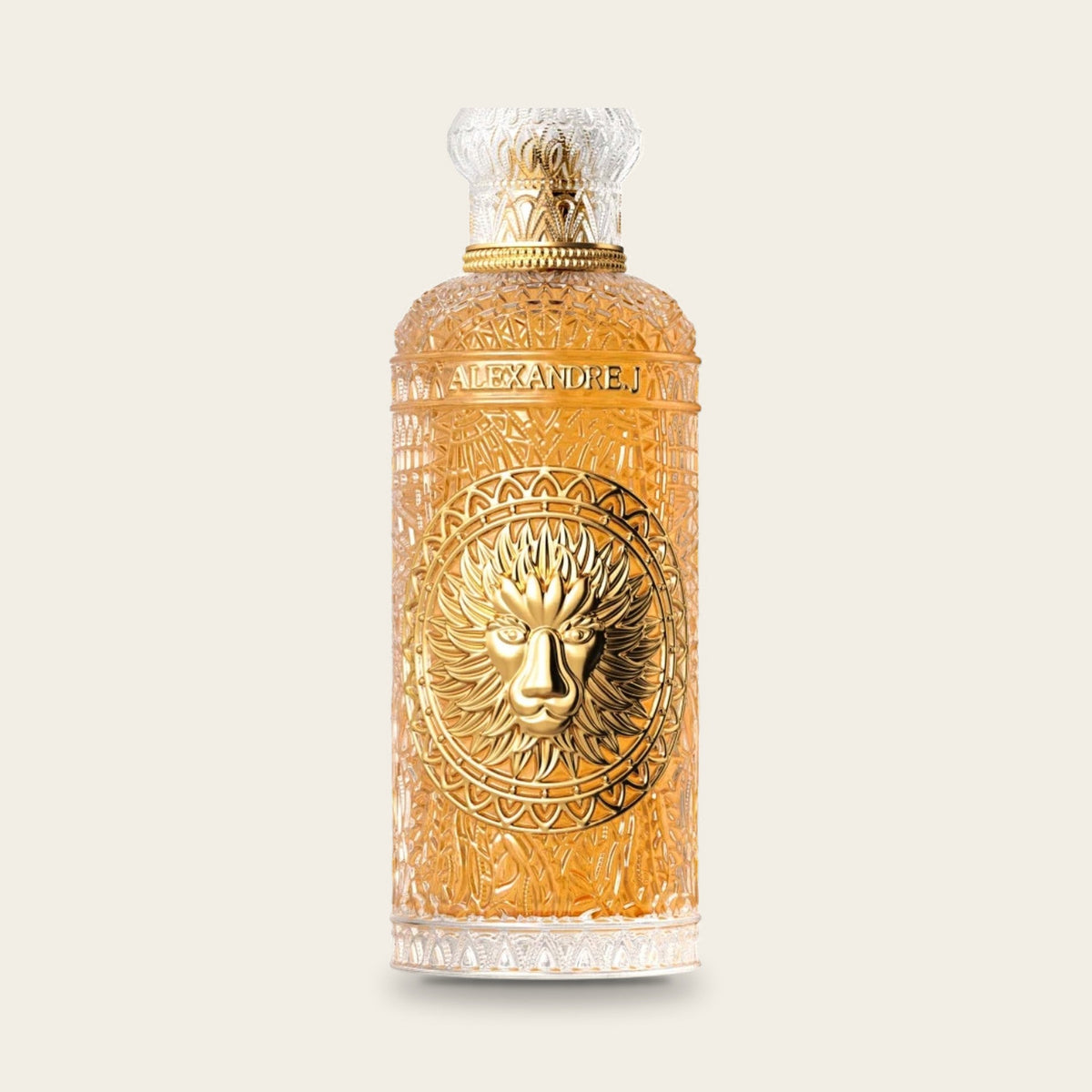
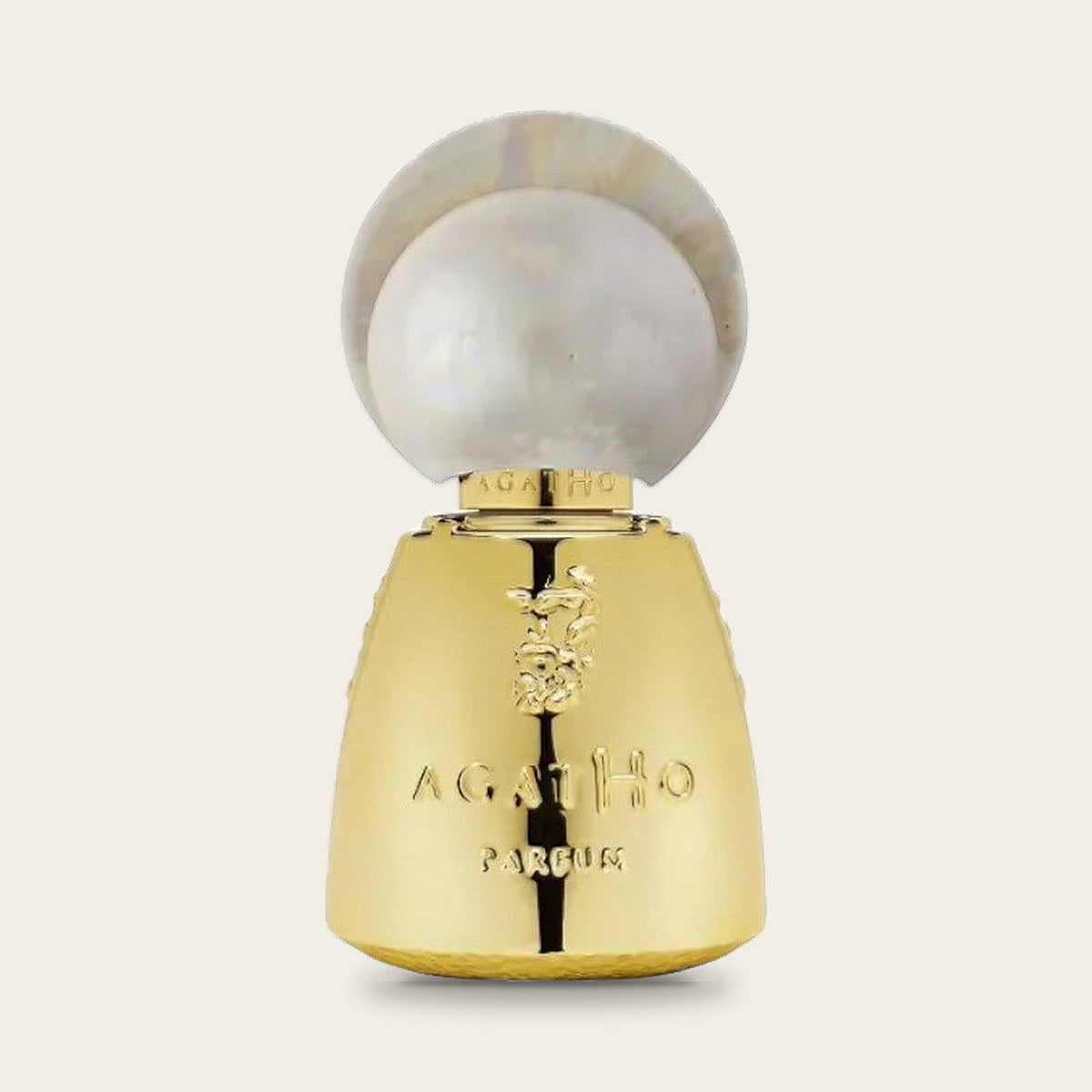
Fragrances with Galbanum







Questions and answers
Intensely green and bitter-sharp, reminiscent of green bell pepper, with a resinous-balsamic, woody and slightly peppery undertone.
Galbanum comes from Ferula gummosa, a perennial member of the carrot family. The plant grows wild from Turkmenistan to northern and central Iran, on steppe-like slopes in a climate of hot summers and cold winters. Nineteenth-century botanists found it on the slopes of Damavand in the Alborz range; a very similar gum resin was also collected in Afghanistan. The plant is practically not cultivated for its resin: commercial galbanum is gathered from wild plants and today comes almost exclusively from Iran. In Palestine, where it became known through the Bible, it was never native – there it was an imported good.
What is obtained is a gum resin, a mixture of resin, gum and essential oil. The root crown – where stem meets root – or the base of the stem is cut; sometimes the soil around the taproot is cleared and a slice of root is removed, then again later. A milky sap flows out and quickly hardens in air into yellowish to greenish tears or lumpy masses. Older pharmacopoeias distinguished a harder and a markedly softer galbanum. The crude resin contains plenty of sand, plant debris and root slices and is warmed and sieved before processing. Steam distillation yields around 15 to 25% essential oil; solvent extraction gives a darker resinoid that smells deeper and acts as a fixative.
Galbanum gives a composition a sharp, almost bitter green note and works in the heart and the opening; small amounts are enough because the trace compounds that shape its scent are extremely powerful. In the 20th century it became a hallmark of classic green fragrances, and it is still used in green floral compositions today. The resinoid feels deeper and more balsamic than the oil and lasts longer on the skin. In our range, galbanum appears in 23 fragrances, 15 times in the heart and 10 times in the top note; some list it in both.
Green · Resinous-balsamic · Heart and top note
The gum resin is gathered from wild plants; sources disagree on the collecting season. Oil and resinoid keep well and are available all year round.
In our fragrances, it often appears alongside Moschus, Jasmin, Bergamotte, Zedernholz, Zitrone, Patschuli, Grapefruit.
Galbanum is one of the oldest documented aromatic resins. Mesopotamian medicine already used it. In the Book of Exodus (30:34) it is one of four ingredients of the holy incense, blended in equal parts with stacte, onycha and pure frankincense – its only direct mention in the Bible. Later Jewish commentary explained why a resin that smells unpleasant on its own belongs in the blend: it stands for the sinners, who are also part of the community. Pliny the Elder and Dioscorides described galbanum as a product of Syria and listed numerous uses. In the late 1960s chemists recognised that an unusual hydrocarbon, 1,3,5-undecatriene, is partly responsible for its typical smell.
- Pliny the Elder wrote that the mere touch of galbanum, mixed with oil and spondylium, was enough to kill a serpent.
- In older sources, galbanum also goes by the name “mother resin”.
- Galbanum oil used to be frequently cut with pine oil distillates – both are rich in pinenes.
By quantity, galbanum oil consists mainly of monoterpenes: β-pinene (C₁₀H₁₆, PubChem CID 14896) can make up almost two thirds, joined by α-pinene, δ-3-carene (also C₁₀H₁₆), sabinene and limonene – in strongly varying proportions depending on origin. These main constituents, however, smell rather resinous and pine-like. The sharp green galbanum character is shaped by trace compounds: (3E,5Z)-1,3,5-undecatriene (C₁₁H₁₈), an unusual non-terpenic hydrocarbon, and 2-methoxy-3-isobutylpyrazine (C₉H₁₄N₂O, PubChem CID 32594), which also gives green bell pepper its smell. This pyrazine is among the most powerful odorants known: in red wine it is perceived from around 15 nanograms per litre. Besides the oil, the gum resin itself contains around 60% resin, in which the coumarin umbelliferone is bound, and around 20% gum.
FRAGRANCE KNOWLEDGE
In the 4D Journal
-
 FRAGRANCE KNOWLEDGE
Rose in perfume: The queen of fragrance materials
READ ARTICLE
-
 FRAGRANCE KNOWLEDGE
Vanilla in perfume: From orchid to favourite scent
READ ARTICLE
-
 FRAGRANCE KNOWLEDGE
Leather in perfume: How does something smell that was never in the bottle?
READ ARTICLE
-
 FRAGRANCE KNOWLEDGE
Scented candles & home fragrance: How to use them right
READ ARTICLE