
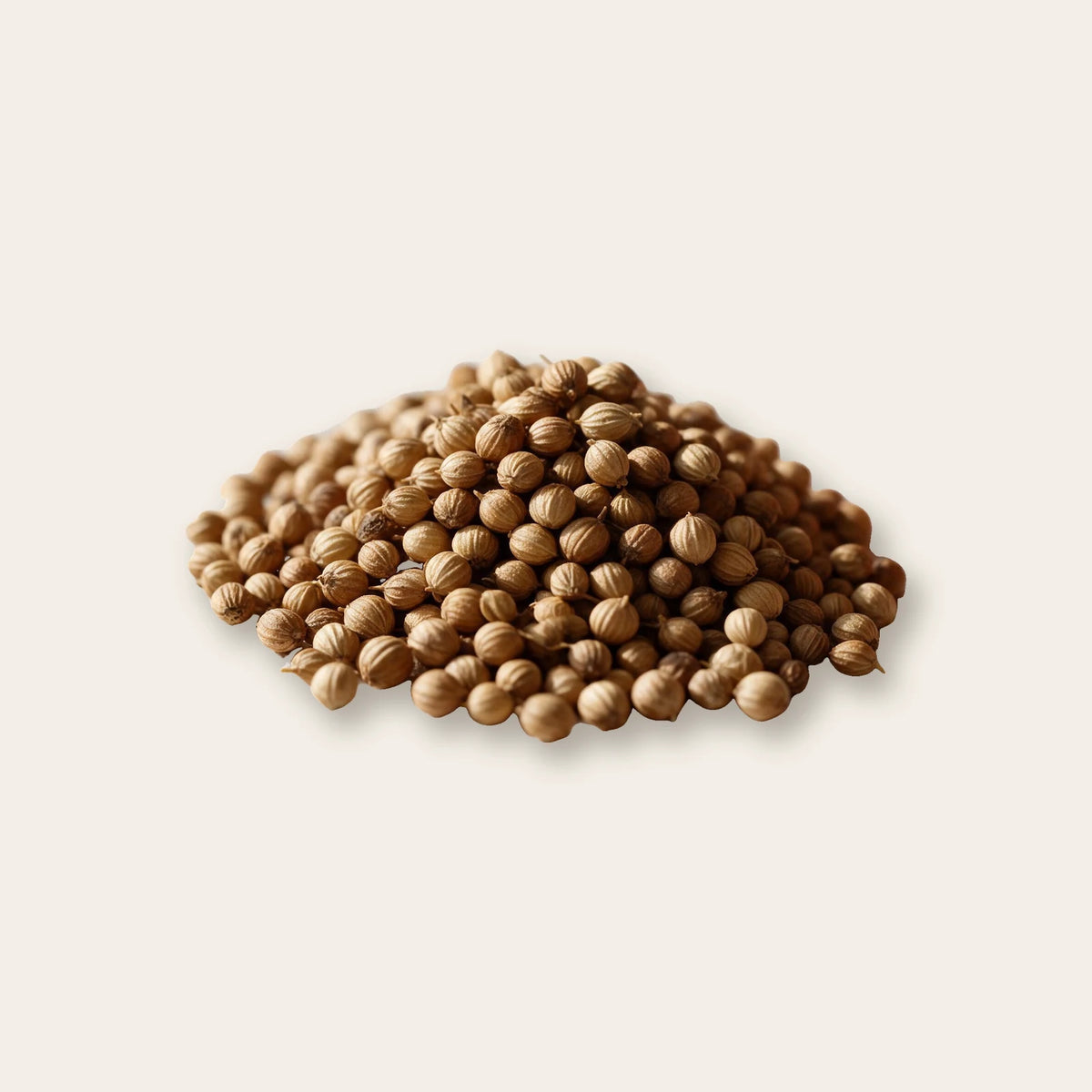
INGREDIENT GLOSSARY
Coriander
Coriandrum sativum · Carrot family (Apiaceae)
Spicy and warm yet floral and fresh, with a delicate citrus and woody tone from the seeds.
NATURALSPICY · AROMATIC · TOP AND HEART NOTE
AT A GLANCE
- Plant: coriander Coriandrum sativum, an annual of the carrot family
- Origin: Mediterranean and Western Asia, now grown worldwide
- Extraction: ripe fruits steam-distilled, yield around 1%
- Scent: spicy-warm, floral-fresh, subtly citrusy – top and heart note
PROFILE
- Origin
- Originally the Mediterranean and Western Asia · now grown worldwide, for example in India, Morocco, Canada and Eastern Europe
- Extraction
- Ripe, dried fruits (“seeds”) are steam-distilled – the yield is usually around 1%
- Main molecules
- Linalool (C₁₀H₁₈O, floral) · γ-terpinene (C₁₀H₁₆, citrusy-herbal) · α-pinene (C₁₀H₁₆) · (E)-2-decenal (C₁₀H₁₈O, leaves, soapy-fatty)
- Harvest
- Coriander is an annual: its fruits ripen a few months after sowing.
- Often paired with
- Patschuli, Bergamotte, Amber, Vanille, Moschus, Sandelholz, Zedernholz
Numbers that surprise
around 20 quintillion
linalool molecules are contained in a single gram of coriander seed – a 2 followed by 19 zeros, even though the essential oil makes up only about 1% of the weight.
at least 50 kilograms
of coriander fruits yield a single kilogram of essential oil – at the usual yield of around 1% it is closer to 100 kilograms.
up to 21%
of respondents disliked coriander in a study of almost 1,400 young adults – depending on ethnocultural group the share ranged from 3% to 21%, a sevenfold difference.
Rounded values; calculation based on published data.
Harvest and season
Coriander is an annual: its fruits ripen a few months after sowing. Once dried they store well, so the distilled oil is available all year round.
Perfumery uses not the leaves but the ripe fruits, usually sold as “seeds”. After harvest they are dried. The essential oil is obtained by steam distillation and afterwards separated from the distillation water. The yield is usually around 1% – small-fruited varieties give roughly 0.4 to 2% depending on origin, large-fruited ones often less than half a percent.
Knowledge to share
Myth or truth?
Statement 1
Coriander oil in perfume smells like fresh coriander leaves.
Myth. The perfumery oil is distilled from the ripe fruits and consists of around 60% to two thirds floral linalool. The typical smell of the leaves comes instead from aldehydes such as (E)-2-decenal.
Statement 2
Whether coriander tastes of soap is purely a matter of genes.
Myth. A genetic variant near the olfactory receptor gene OR6A2 makes people more likely to perceive the soapy note – but it explains only a small part of the differences. Habit and food culture play a role too: where coriander is common in cooking, far fewer people dislike it.
Statement 3
Coriander was already used for scented oils in the Bronze Age.
True. Linear B clay tablets from the Mycenaean palace of Pylos list coriander among the ingredients for perfumed oils – more than 3,000 years before its oil found its way into modern perfumes.
Your result
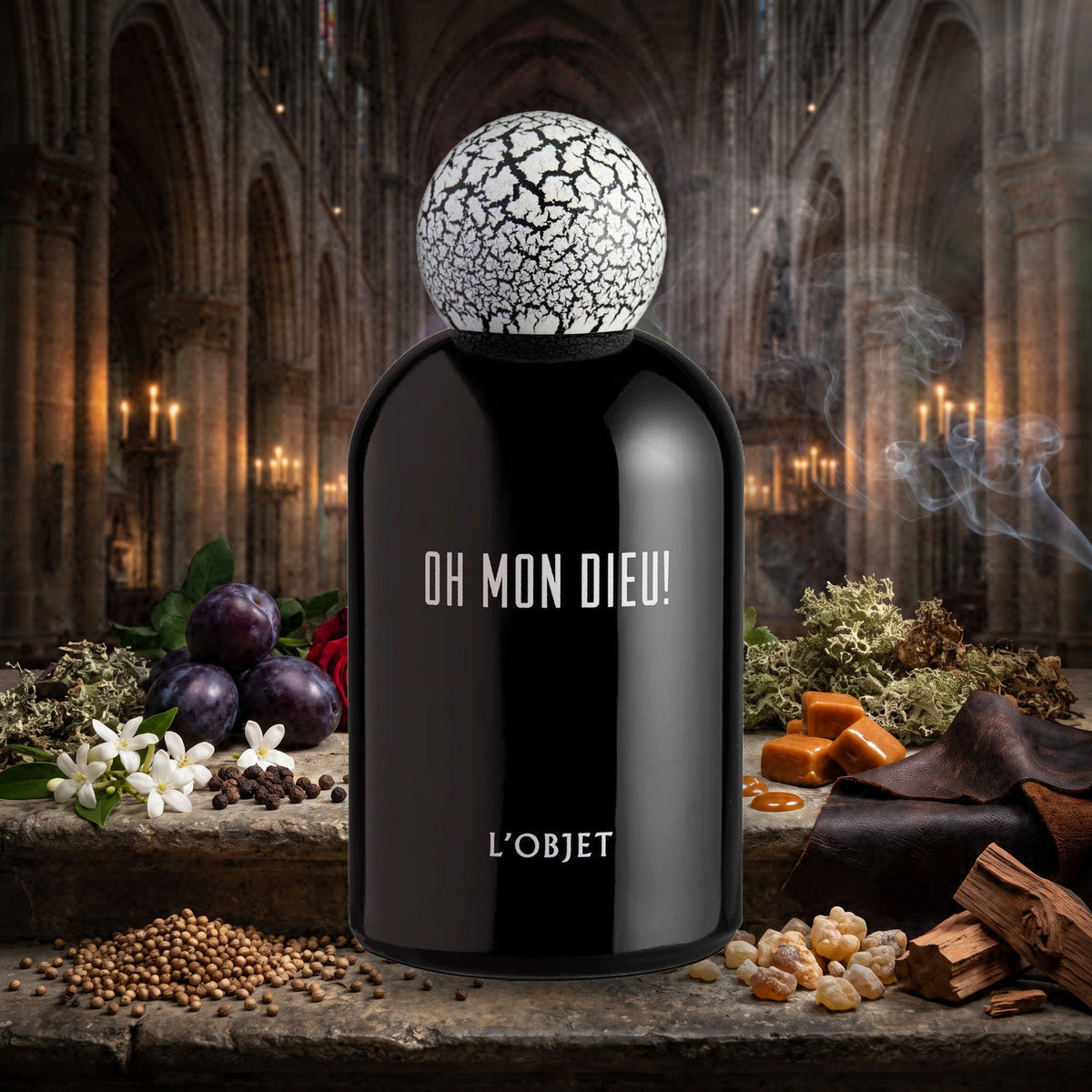
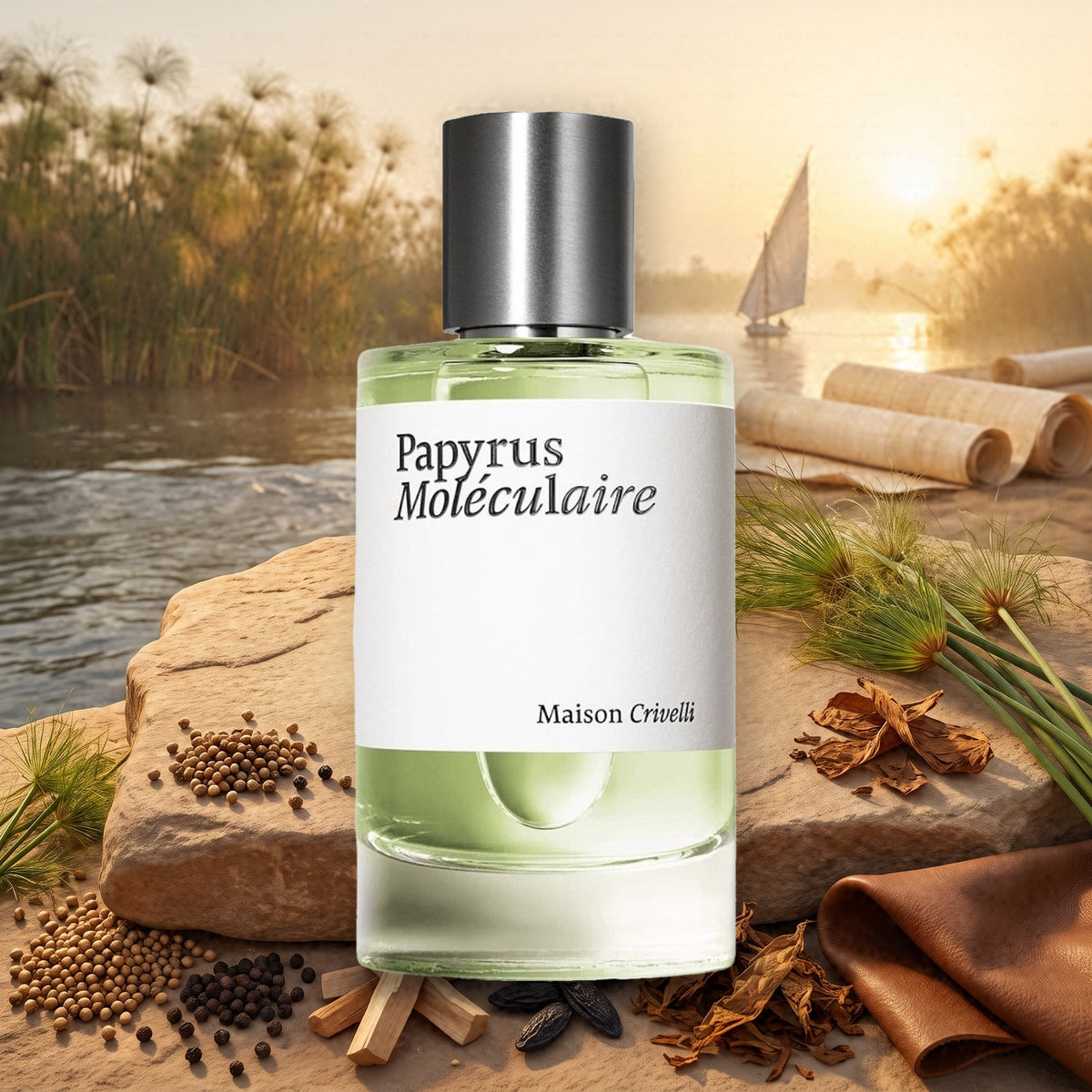
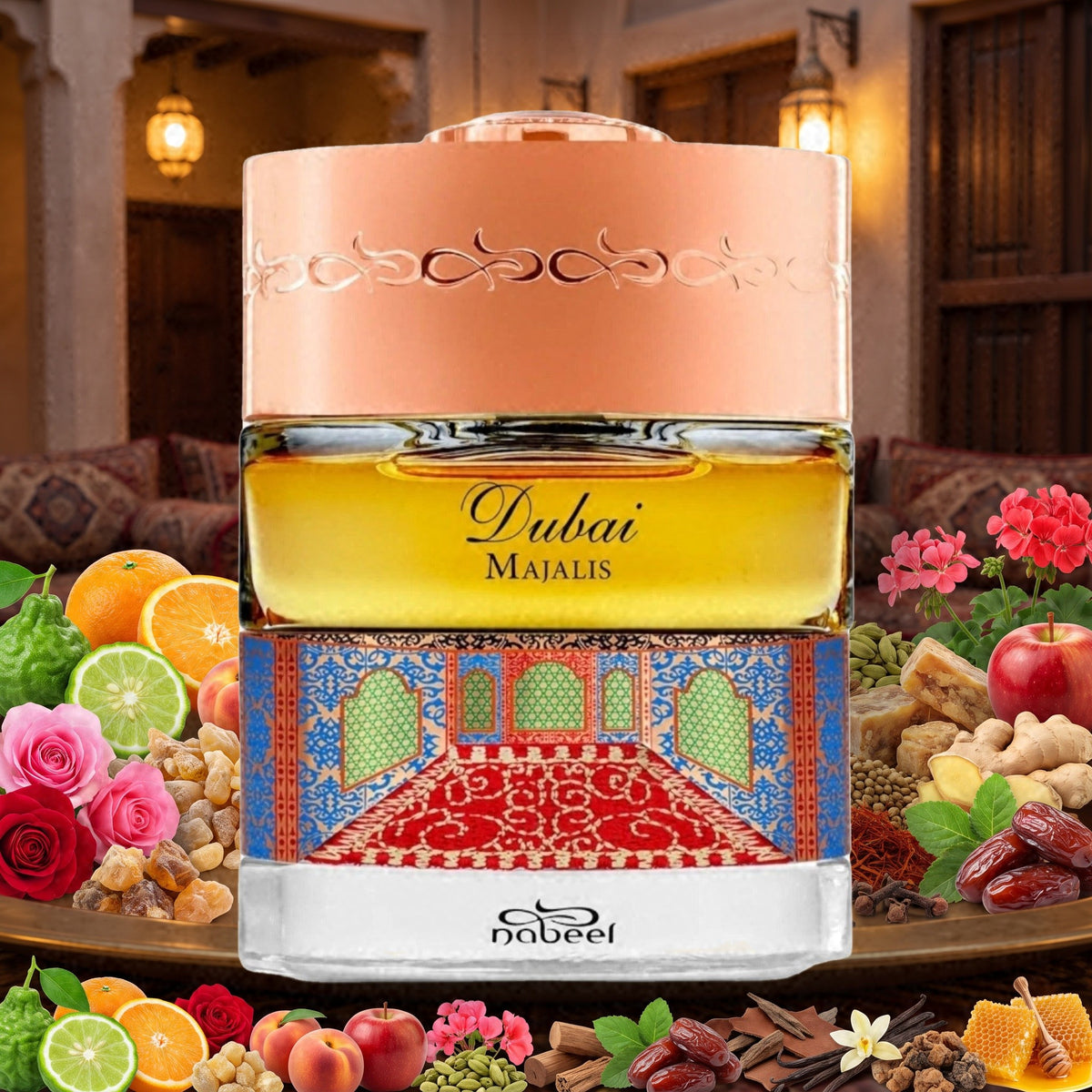
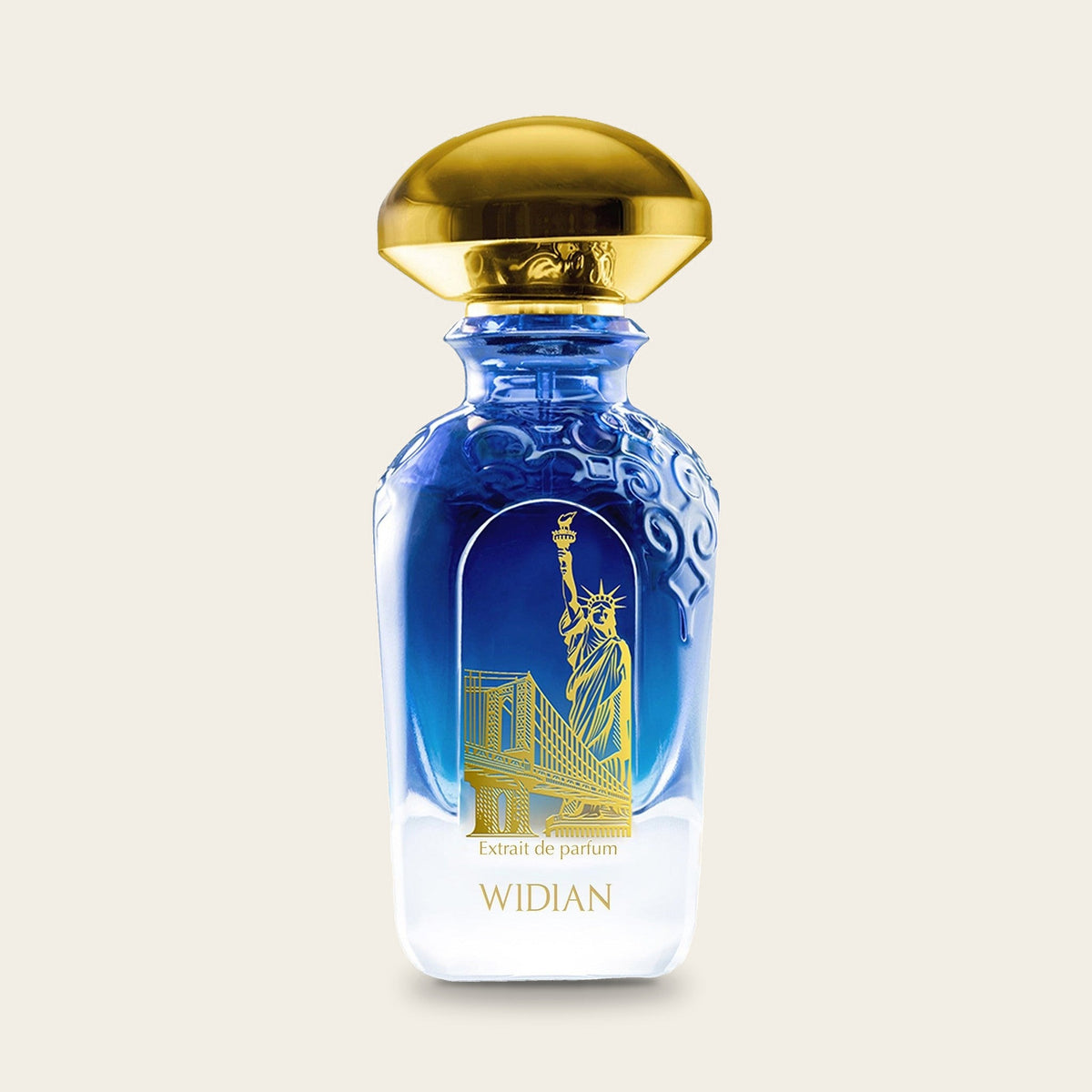
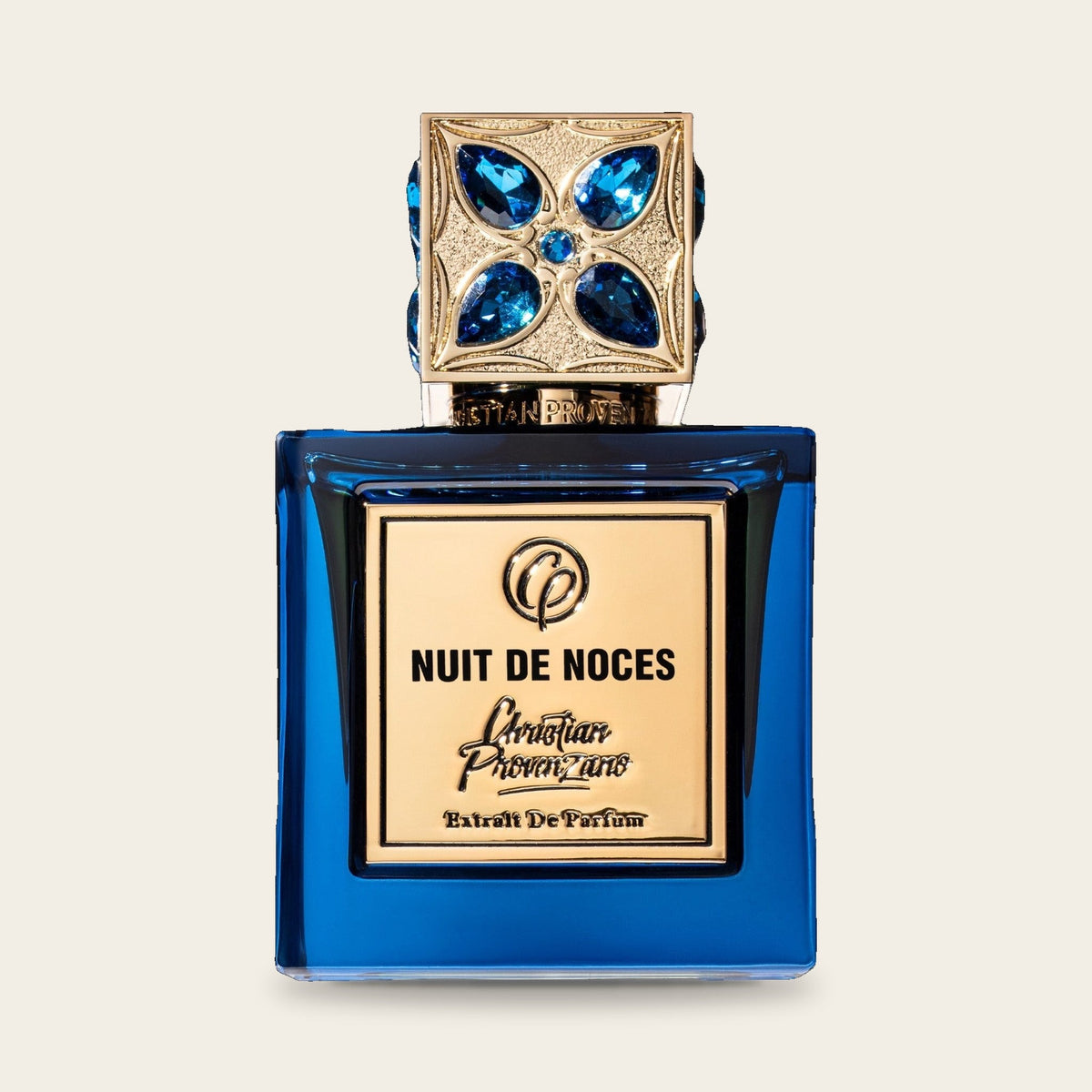
FRAGRANCES WITH CORIANDERINGREDIENT GLOSSARY
Fragrances with Coriander



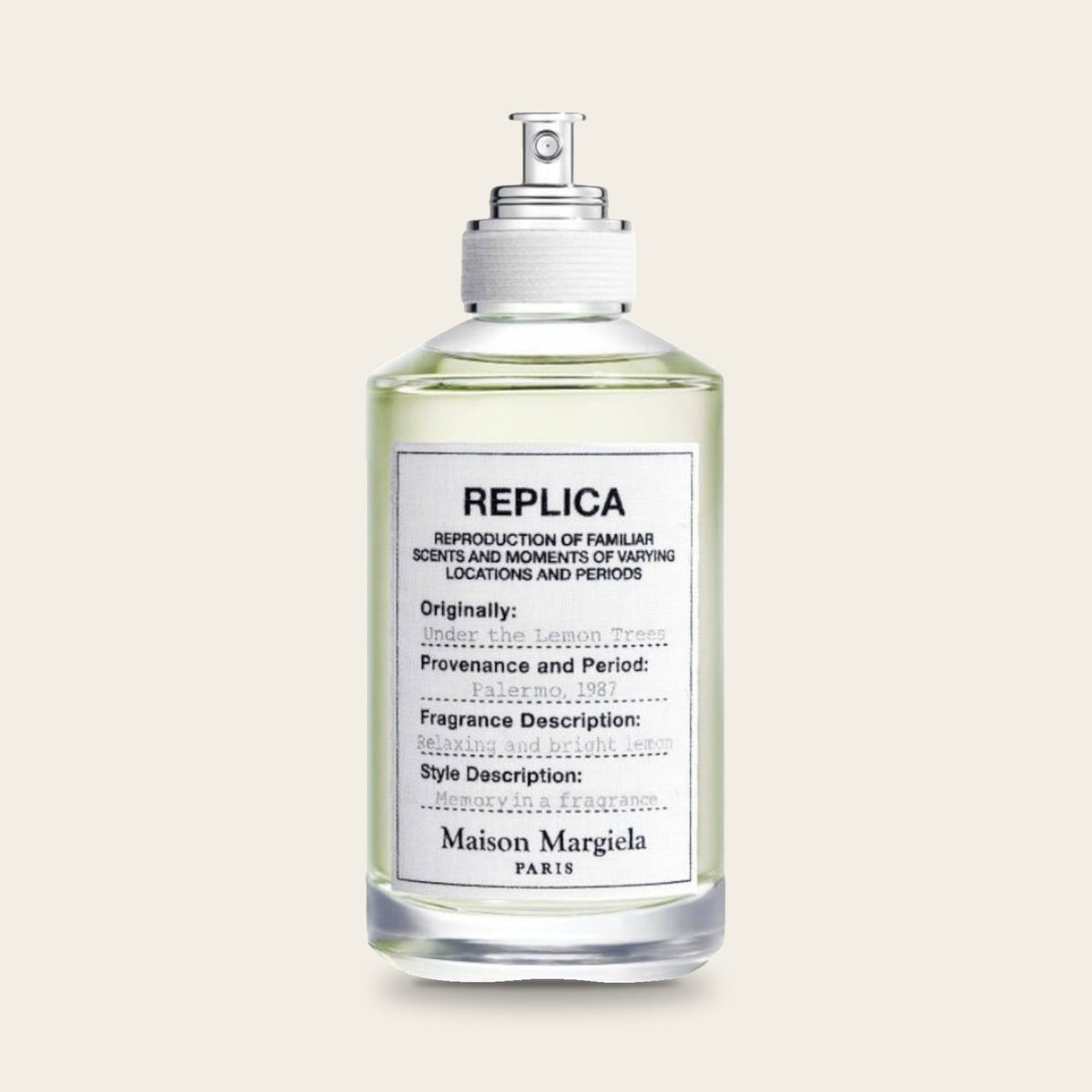

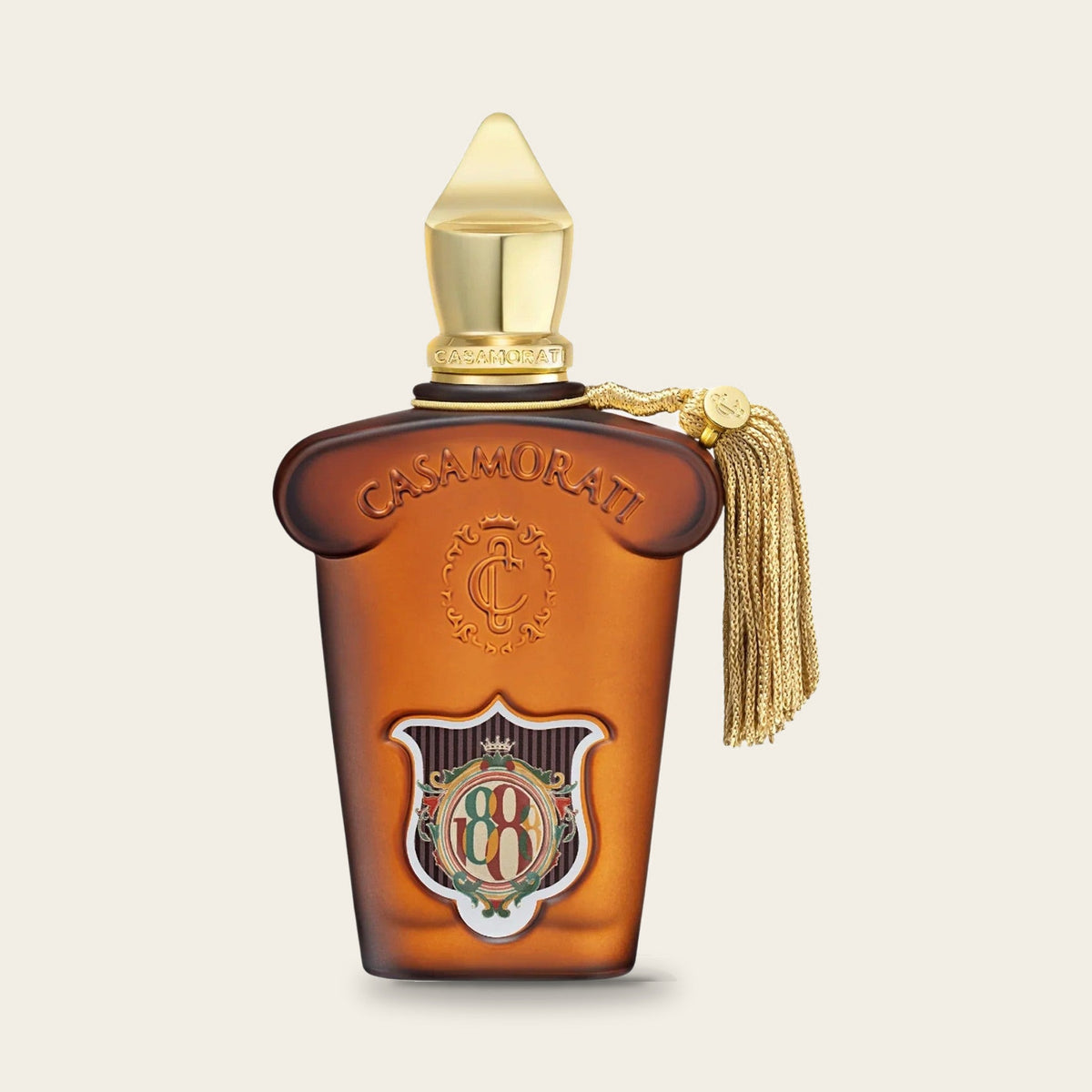
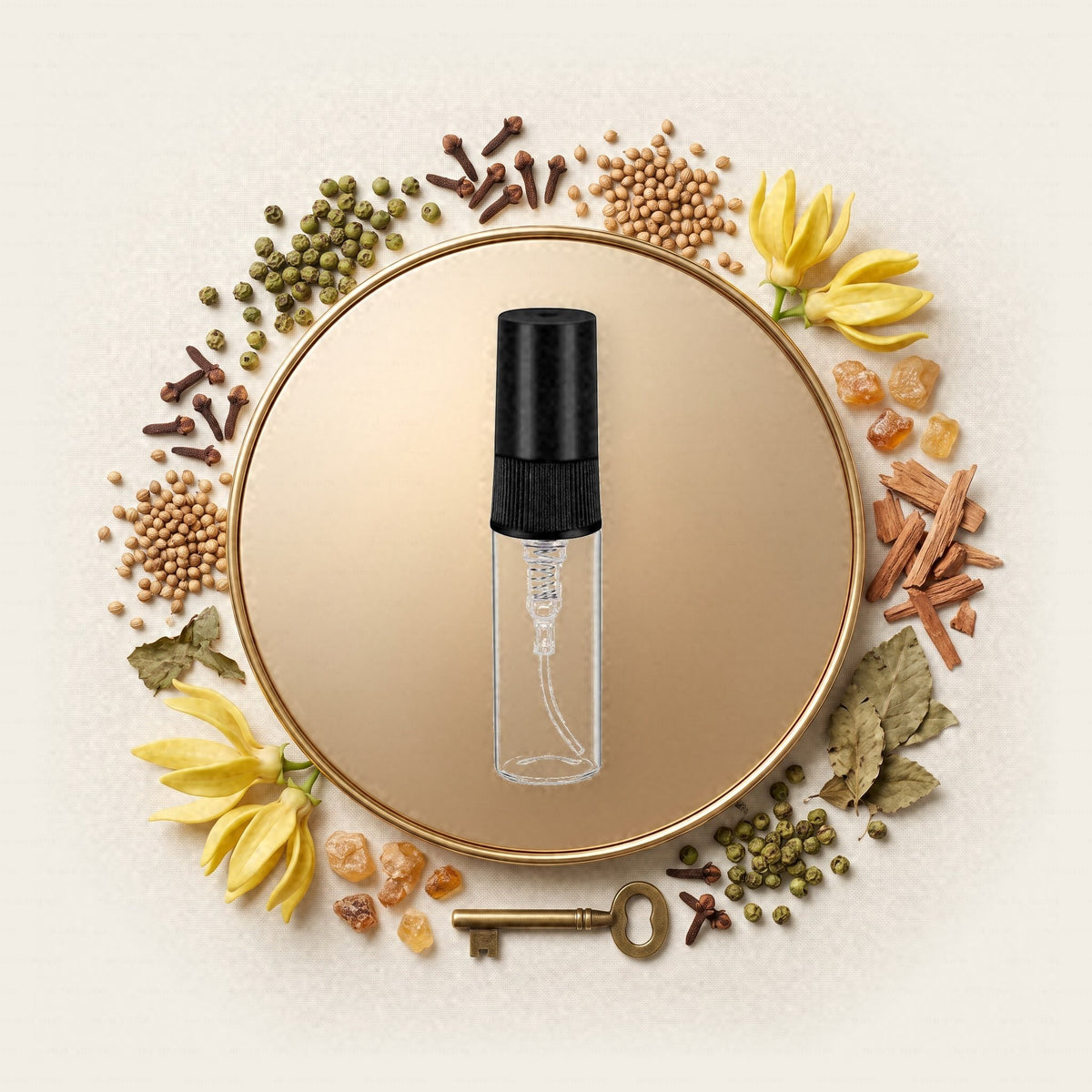
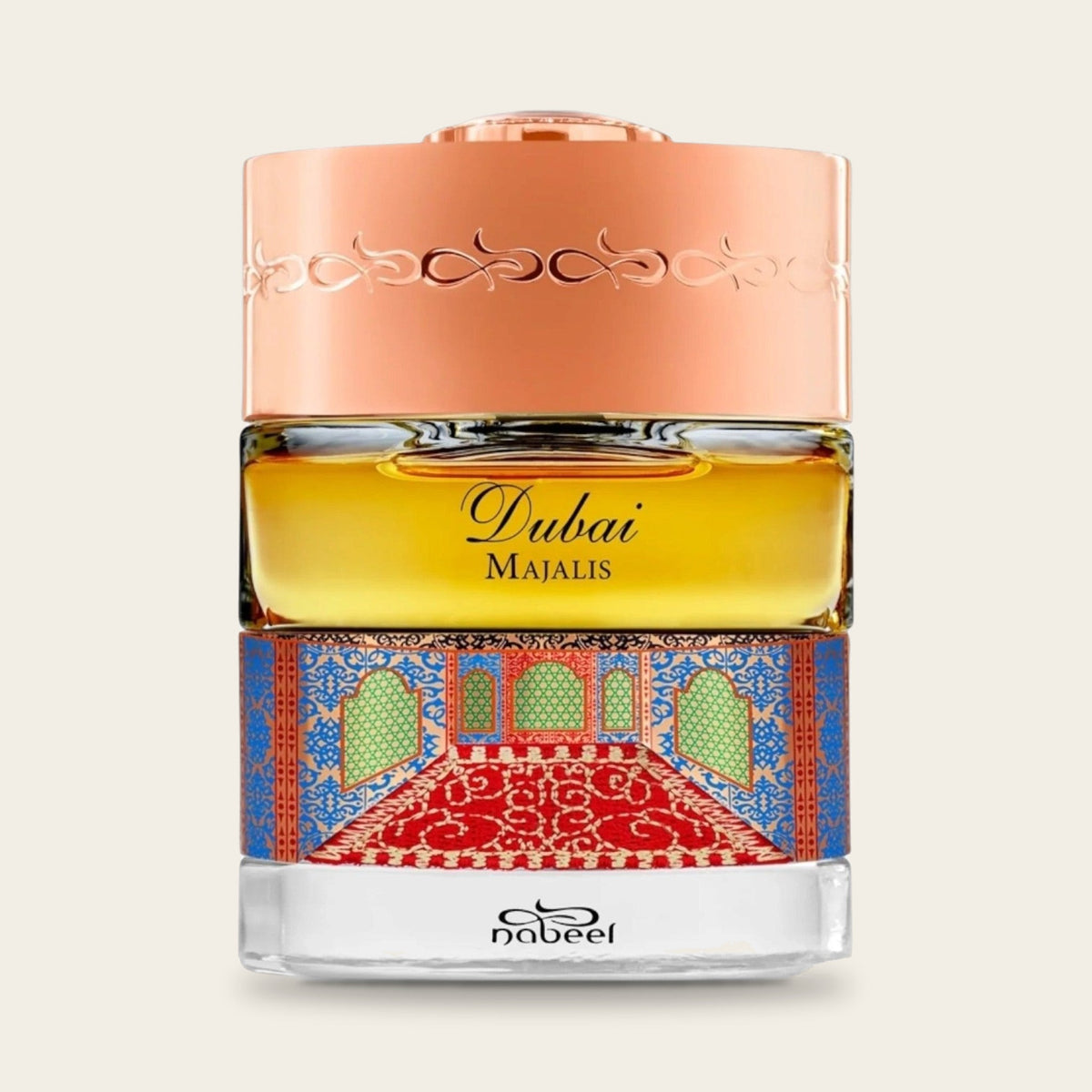

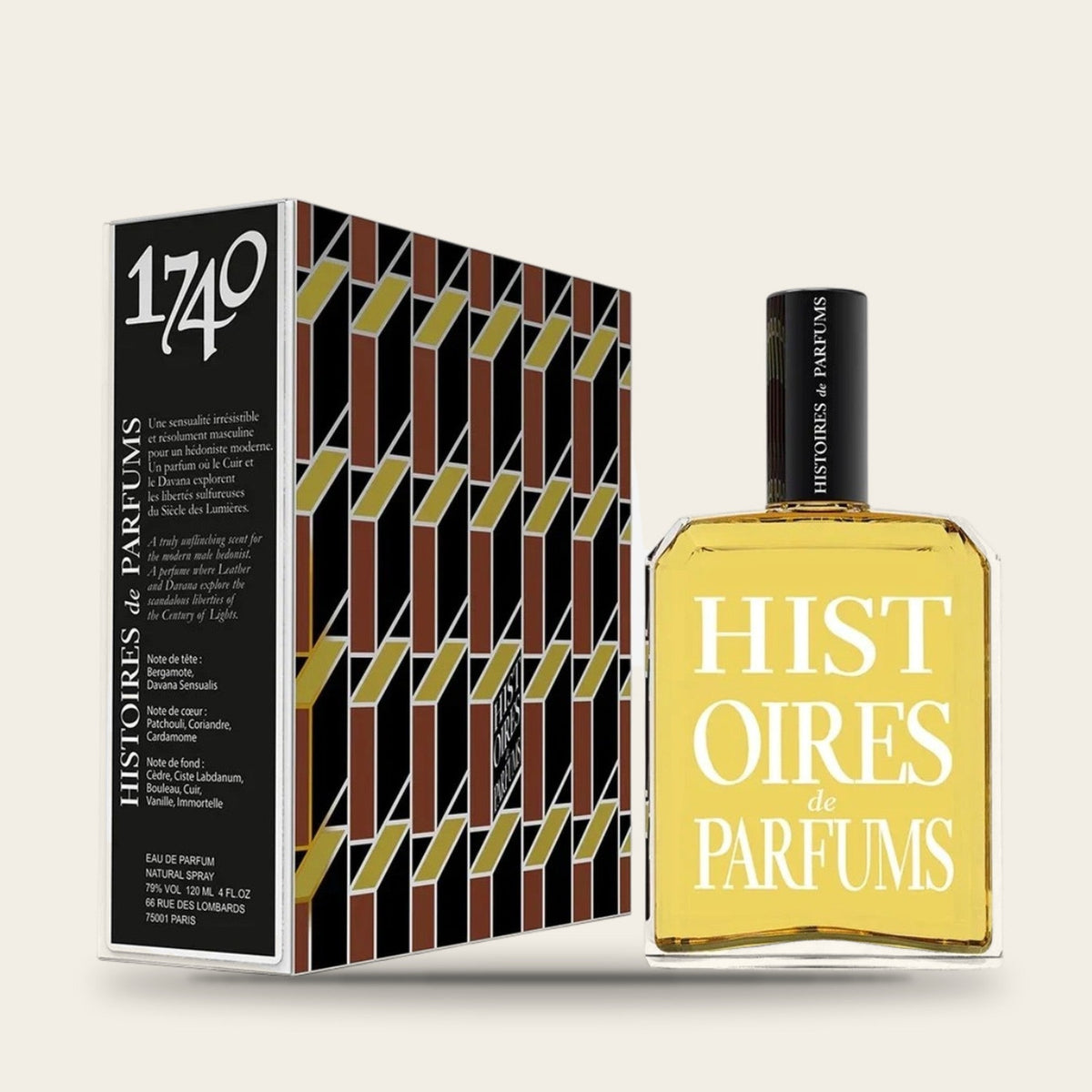
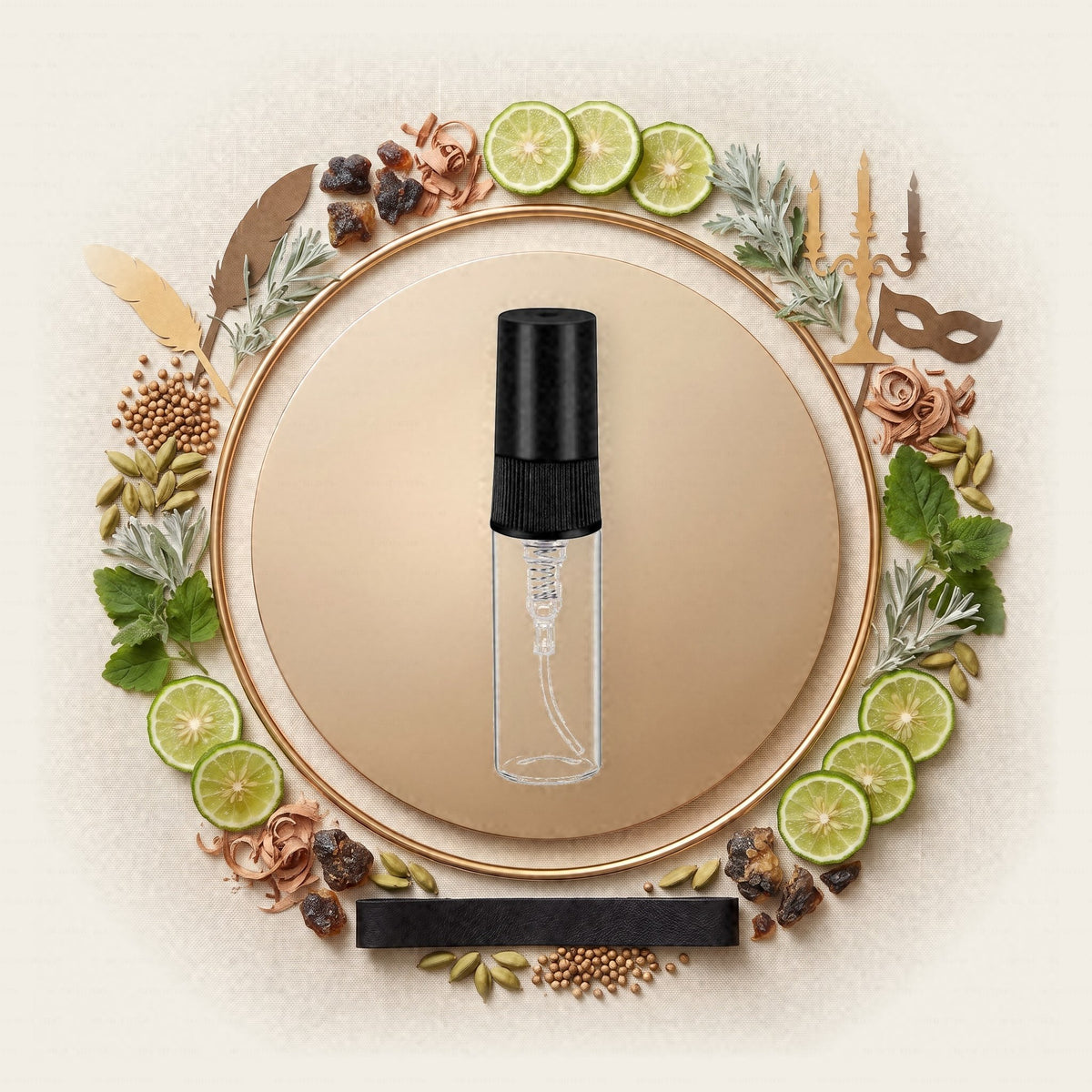
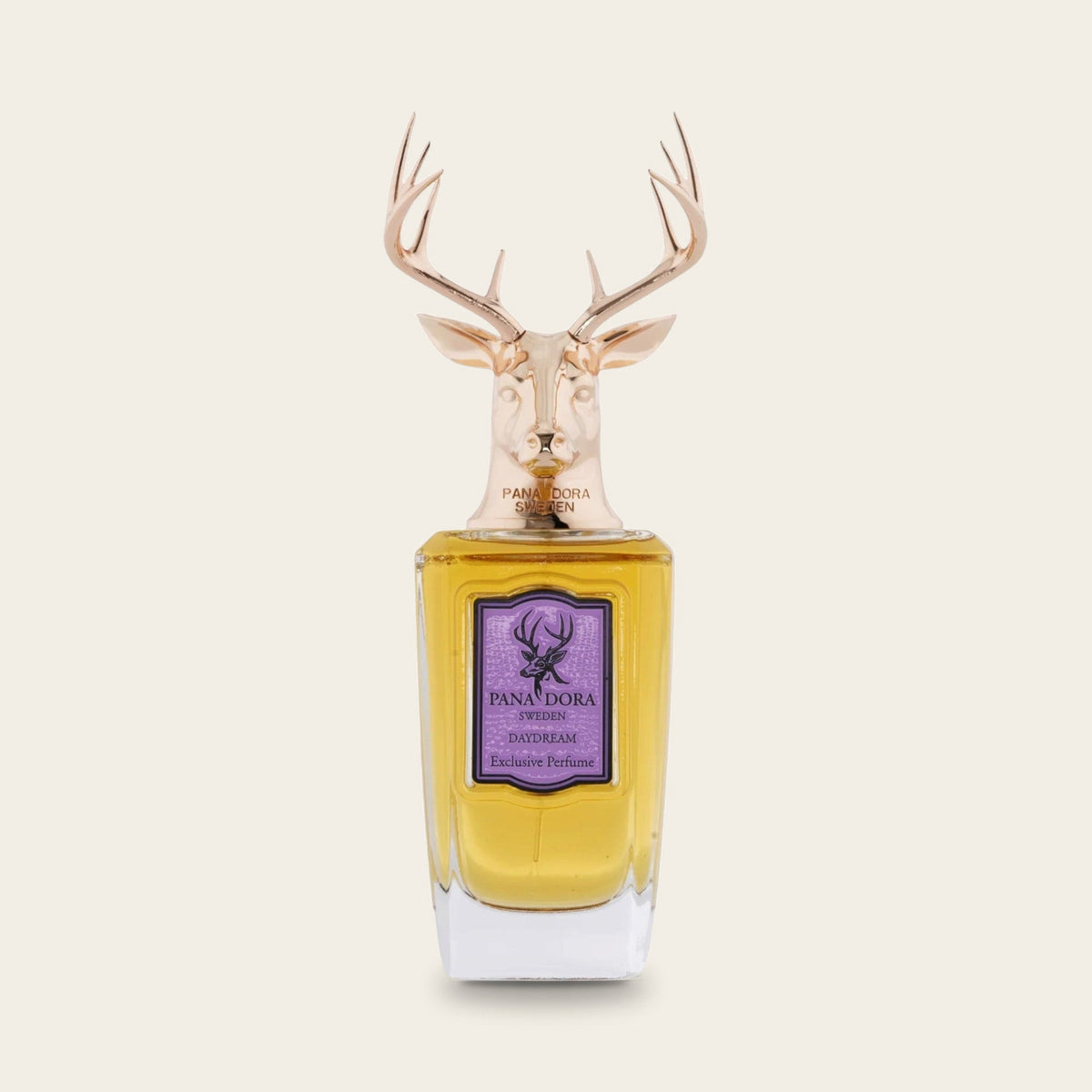
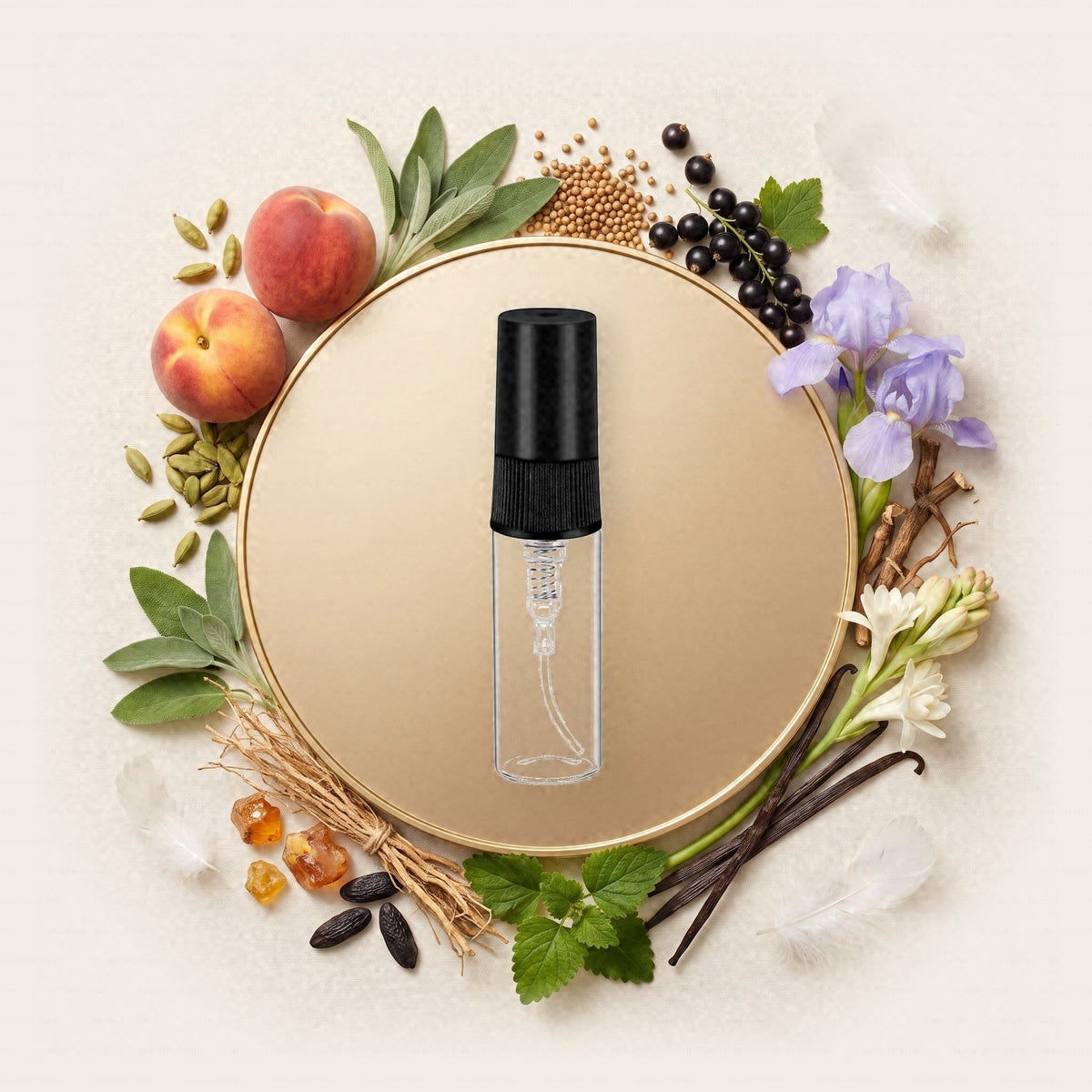


Questions and answers
Spicy and warm yet floral and fresh, with a delicate citrus and woody tone from the seeds.
Coriander is an annual member of the carrot family native to the Mediterranean and Western Asia; because it also grows wild in many places there, its original range is hard to pin down. A distinction is made between large-fruited forms, grown mainly in warm countries such as Morocco and India, and small-fruited forms from temperate latitudes. For oil production the small-fruited types are more interesting, as they contain considerably more essential oil. Today coriander is cultivated in many countries, including India, Morocco, Canada, Romania and other parts of Eastern Europe.
Perfumery uses not the leaves but the ripe fruits, usually sold as “seeds”. After harvest they are dried. The essential oil is obtained by steam distillation and afterwards separated from the distillation water. The yield is usually around 1% – small-fruited varieties give roughly 0.4 to 2% depending on origin, large-fruited ones often less than half a percent.
Coriander oil works in the top and heart notes: its high linalool content brings a bright, floral freshness, while terpenes such as γ-terpinene and α-pinene add a spicy, citrusy accent. Coriander thus links fresh openings with floral hearts and lends compositions an aromatic, slightly peppery spice. In our range, coriander appears in 43 fragrances, 26 of them in the top note and 17 in the heart.
Spicy · Aromatic · Top and heart note
Coriander is an annual: its fruits ripen a few months after sowing. Once dried they store well, so the distilled oil is available all year round.
In our fragrances, it often appears alongside Patschuli, Bergamotte, Amber, Vanille, Moschus, Sandelholz, Zedernholz.
Coriander is one of the oldest known spice plants. In Mycenaean Greece it appears on Linear B clay tablets from the palace of Pylos among the ingredients for scented oils, and Hippocrates also mentions it around 400 BC. Coriander fruits were found as a grave good in the tomb of Tutankhamun. To this day coriander is used as a spice (fruits), a culinary herb (leaves) and a raw material for perfumes.
- Whether coriander leaves taste like soap depends partly on a genetic variant near the olfactory receptor gene OR6A2, which responds to aldehydes.
- The name probably goes back to the Greek kóris, “bug” – unripe coriander fruits smell of bedbugs; only when ripe do they smell spicy and floral.
- The Torah compares manna, on which the Israelites lived in the desert, to coriander seed – a sign that the spice was widely known at the time.
The seed oil consists of around 60% to two thirds floral linalool (C₁₀H₁₈O, PubChem CID 6549), whereas the leaves are dominated by aldehydes such as (E)-2-decenal (C₁₀H₁₈O, CID 5283345). Coriander produces mainly the (S)-enantiomer, (+)-linalool (CID 67179), formerly also called coriandrol; it smells sweet and floral, while (R)-linalool, found for example in lavender, is woodier. The oil also contains terpenes such as γ-terpinene (C₁₀H₁₆, CID 7461) and α-pinene (C₁₀H₁₆, CID 6654). The olfactory receptor gene OR6A2 encodes a receptor that responds only to aldehydes and binds (E)-2-decenal with high affinity.
FRAGRANCE KNOWLEDGE
In the 4D Journal
-
 FRAGRANCE KNOWLEDGE
Rose in perfume: The queen of fragrance materials
READ ARTICLE
-
 FRAGRANCE KNOWLEDGE
Vanilla in perfume: From orchid to favourite scent
READ ARTICLE
-
 FRAGRANCE KNOWLEDGE
Leather in perfume: How does something smell that was never in the bottle?
READ ARTICLE
-
 FRAGRANCE KNOWLEDGE
Scented candles & home fragrance: How to use them right
READ ARTICLE