
INGREDIENT GLOSSARY
Caraway
Carum carvi · Carrot family (Apiaceae)
Warm, spicy and slightly anise-like, with a bready, faintly minty freshness and a dry herbal note.
NATURALSPICY · AROMATIC-HERBAL · HEART NOTE
AT A GLANCE
- Plant: caraway Carum carvi, a mostly biennial member of the carrot family – not to be confused with cumin
- Origin: Europe and western Asia, grown today mainly in the Netherlands and Finland
- Extraction: steam distillation of the dried, crushed fruits
- Scent: warm, spicy, bready, slightly anise-like and minty – mainly a heart note
PROFILE
- Origin
- Native to Europe and western Asia, also North Africa · Grown today mainly in the Netherlands and Finland, as well as in Poland and Egypt, among others
- Extraction
- Steam distillation of the dried, crushed fruits
- Main molecules
- (S)-(+)-carvone (C₁₀H₁₄O) · (+)-limonene (C₁₀H₁₆)
- Harvest
- The mostly biennial plant only flowers in its second year, around May and June; the fruits are harvested in summer.
- Often paired with
- Patchouli, Cedarwood, Labdanum, Saffron, Musk, Bergamot, Grapefruit
Numbers that surprise
around 95%
of caraway oil is made up of just two molecules: carvone and limonene. All the other constituents share the small remainder.
3 to 7%
essential oil is contained in the fruits of biennial caraway – that is 30 to 70 grams in a single kilogram.
Rounded values; calculation based on published data.
Harvest and season
The mostly biennial plant only flowers in its second year, around May and June; the fruits are harvested in summer. As a dried fruit and essential oil, caraway is available all year round.
The essential oil sits in fine oil ducts inside the fruits, which are commonly called ‘seeds’. For distillation, the ripe fruits are dried, crushed and distilled with steam. Crushing opens the oil ducts and noticeably increases the yield. The fruits of the biennial forms contain around 3 to 7% essential oil, annual forms usually less.
Knowledge to share
Myth or truth?
Statement 1
Caraway and cumin are the same spice.
Myth. They are two different plants: caraway is Carum carvi, cumin is Cuminum cyminum. Both belong to the carrot family, but they smell distinctly different – caraway warm and bready with a faintly minty freshness thanks to carvone, cumin earthy and pungent.
Statement 2
Caraway and spearmint owe their scent to the same molecule.
True – almost. Both smell of carvone, but of two mirror-image forms of it: (S)-(+)-carvone shapes caraway, (R)-(−)-carvone spearmint. The nose clearly tells the two mirror images apart.
Statement 3
Caraway seeds are seeds.
Myth. Botanically, the ‘seeds’ are fruits – small, crescent-shaped split fruits of the umbel flower. They also contain the fine oil ducts from which the essential oil is distilled.
Your result
FRAGRANCES WITH CARAWAYINGREDIENT GLOSSARY
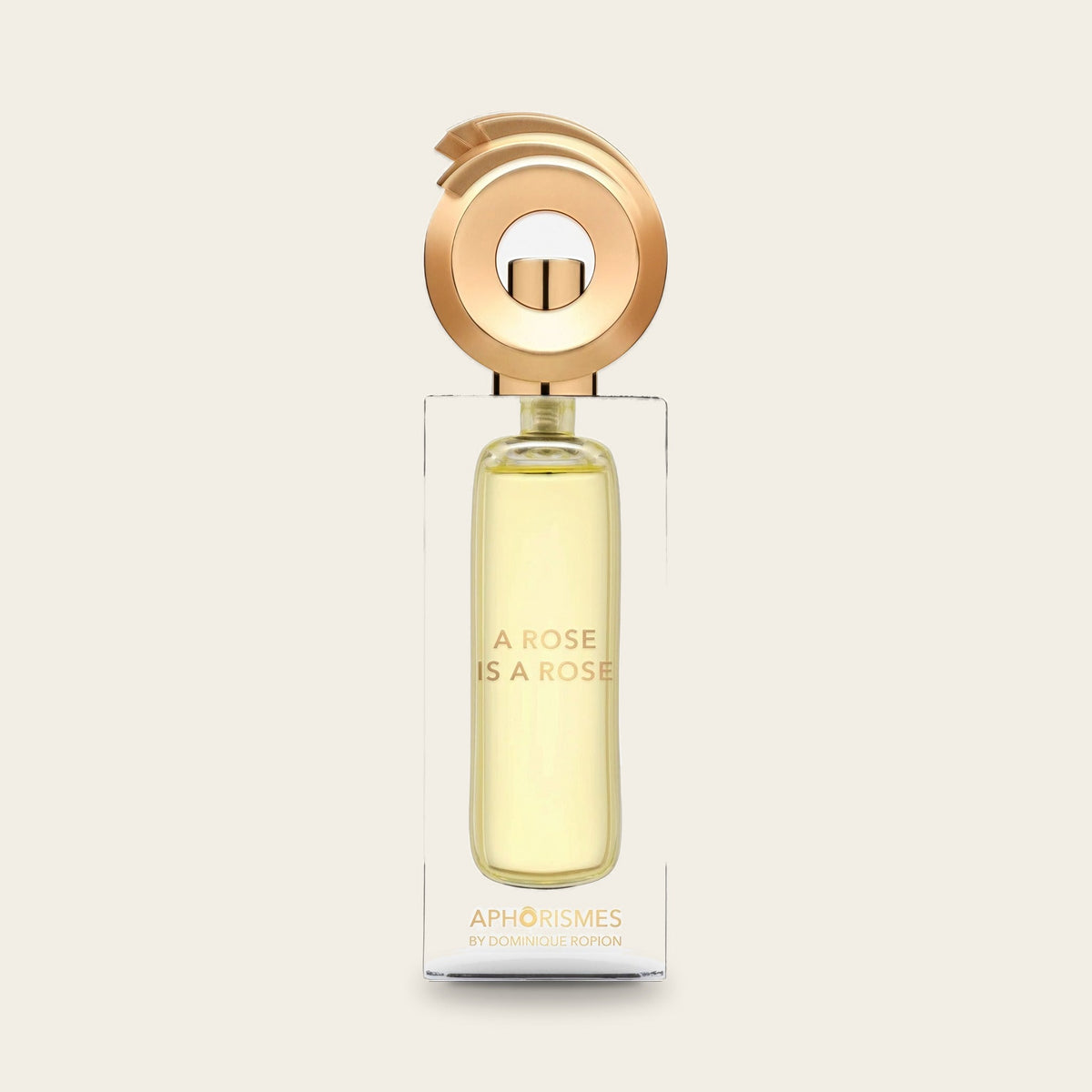
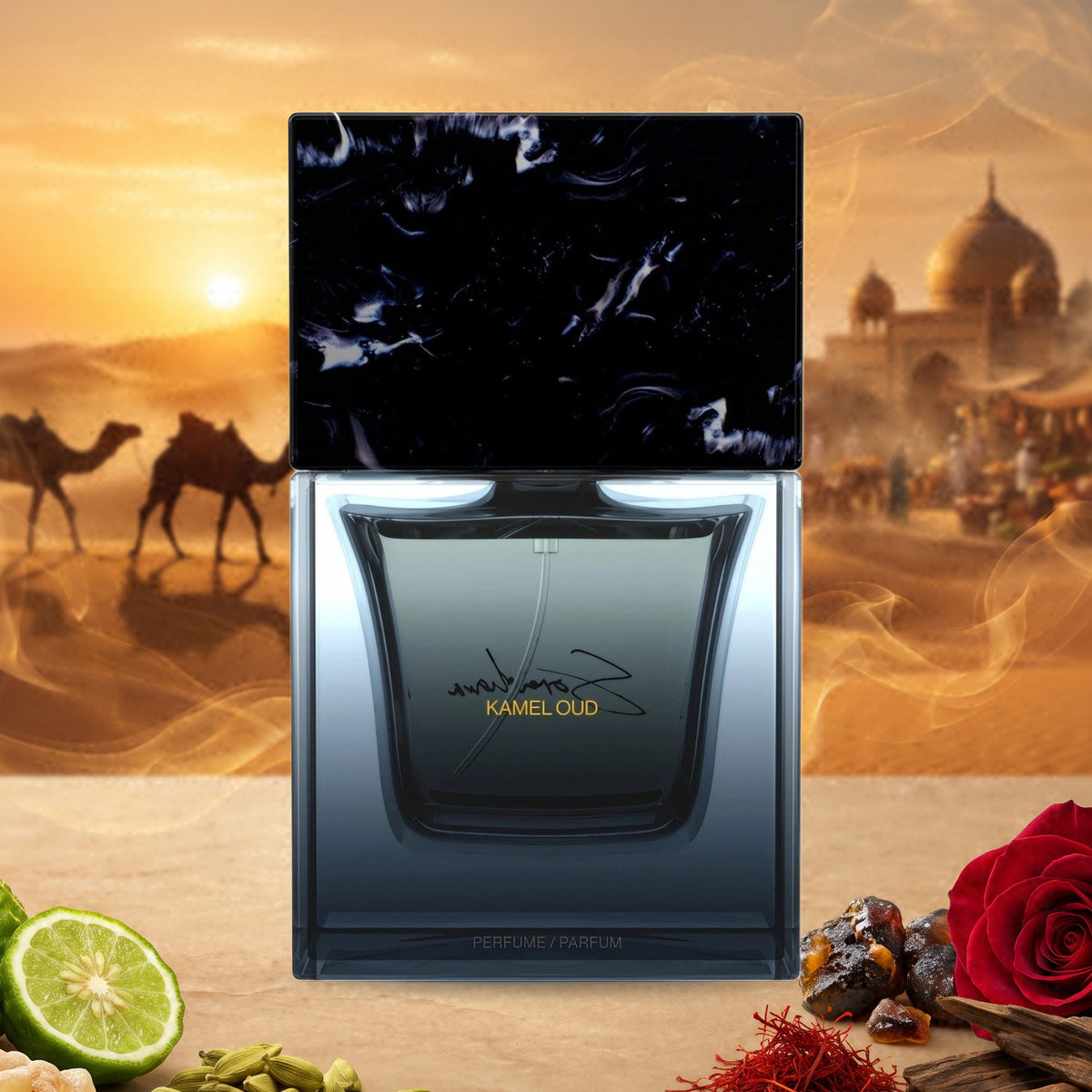
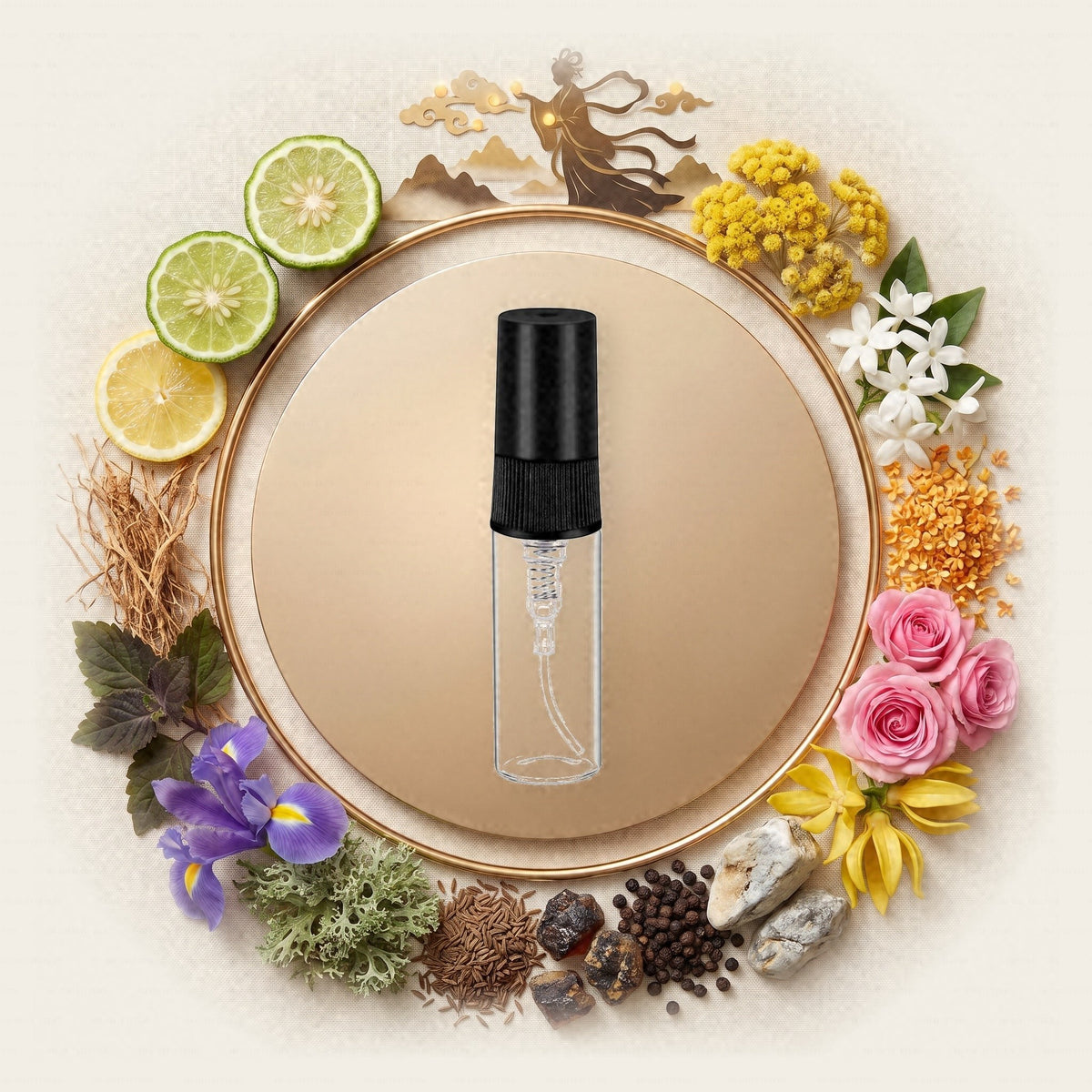
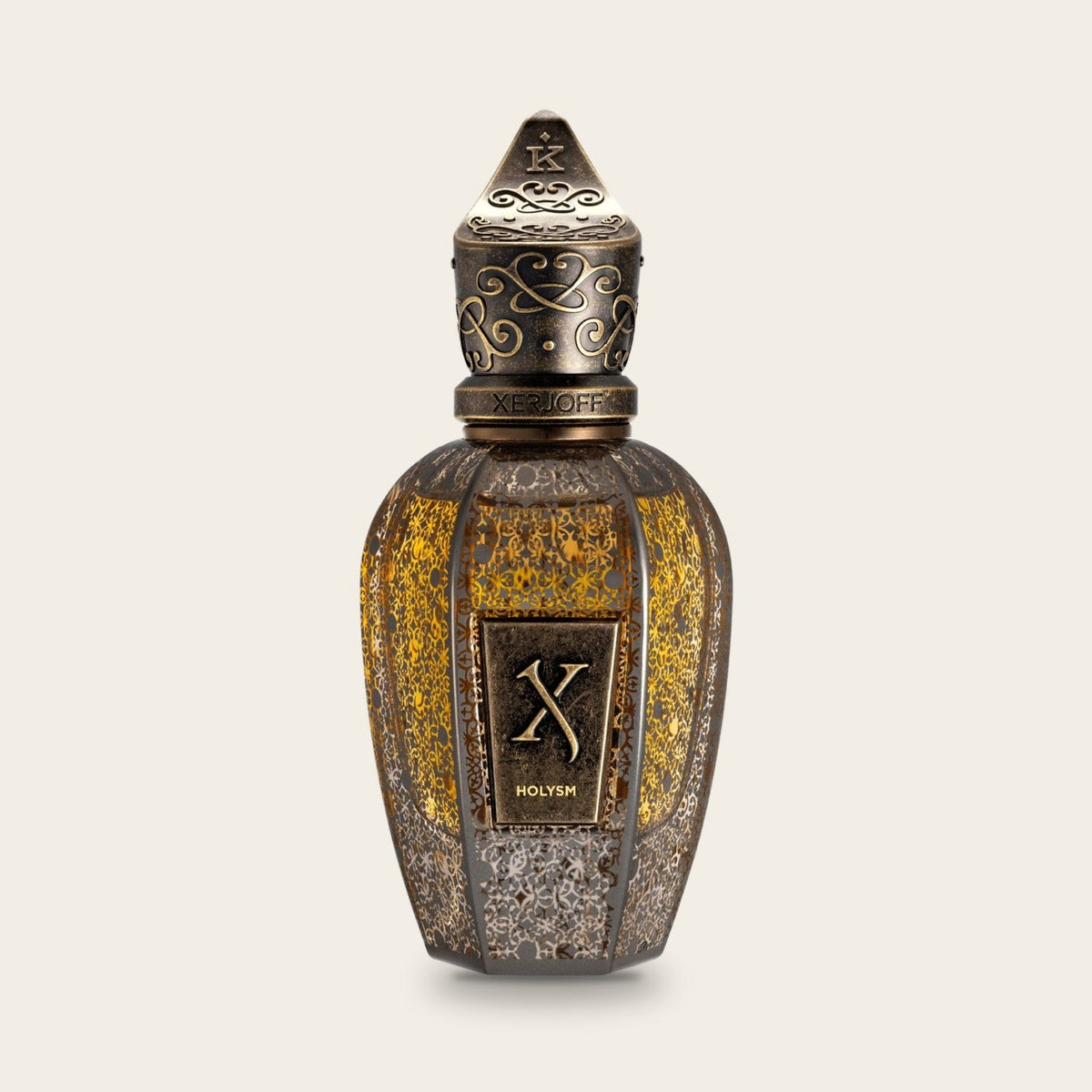
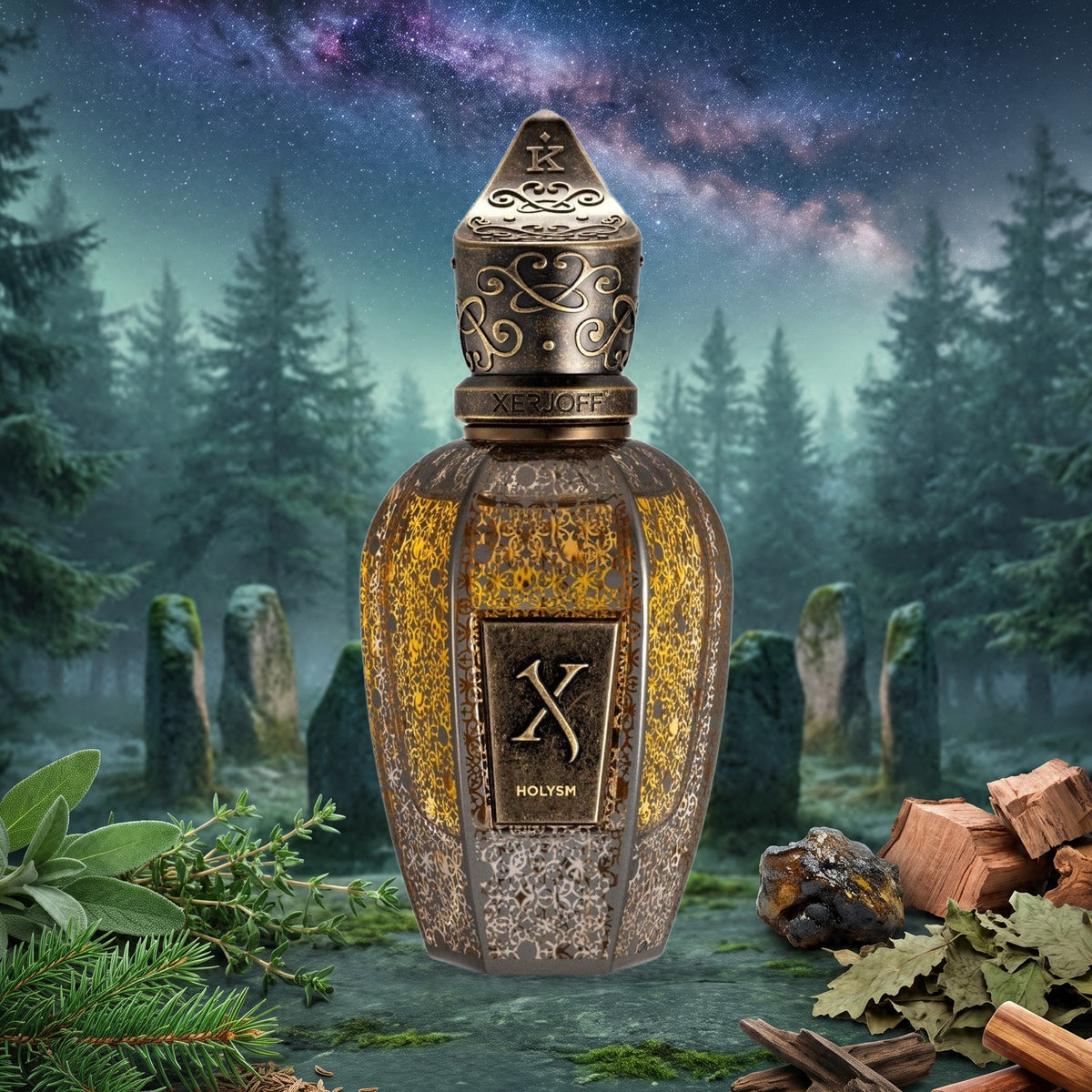
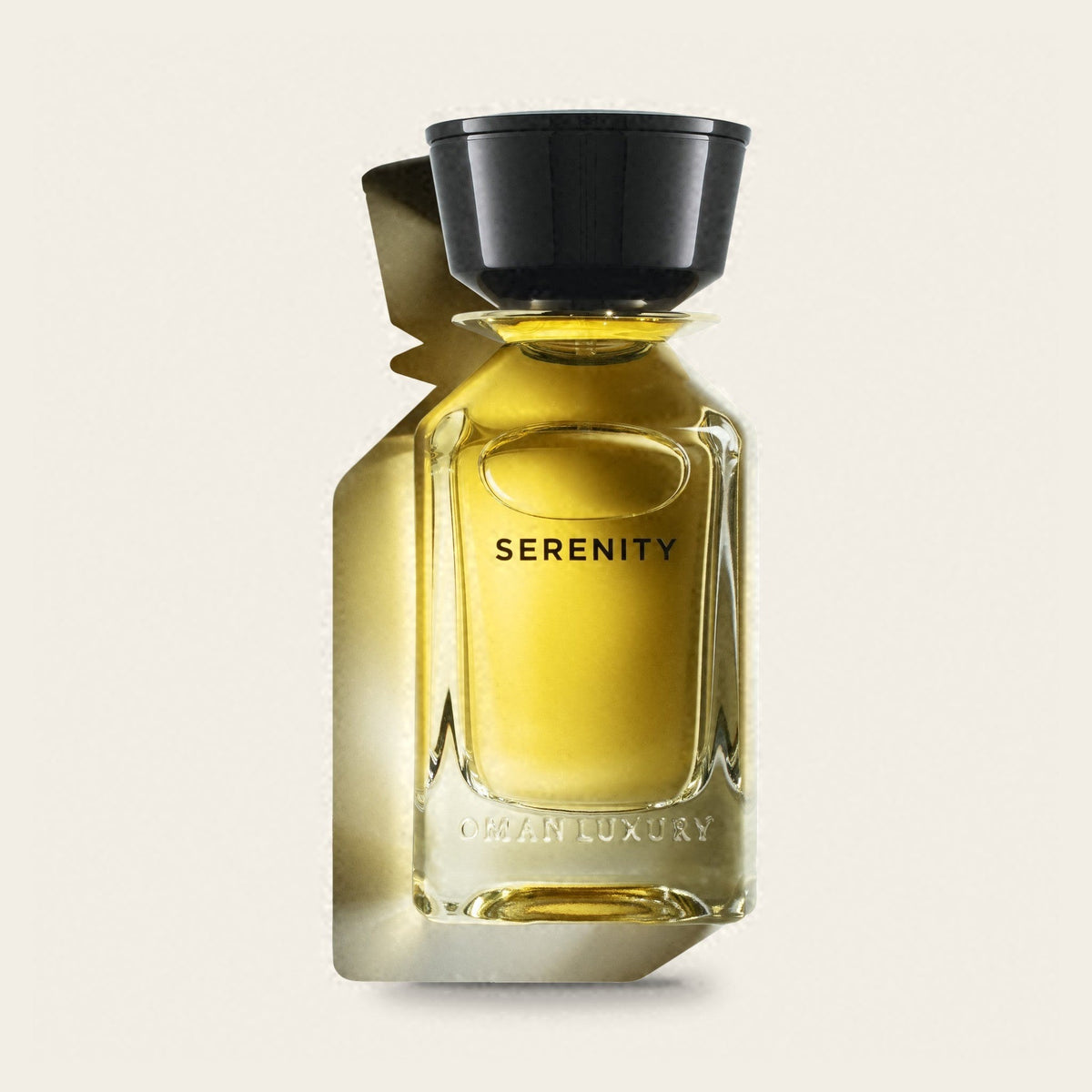
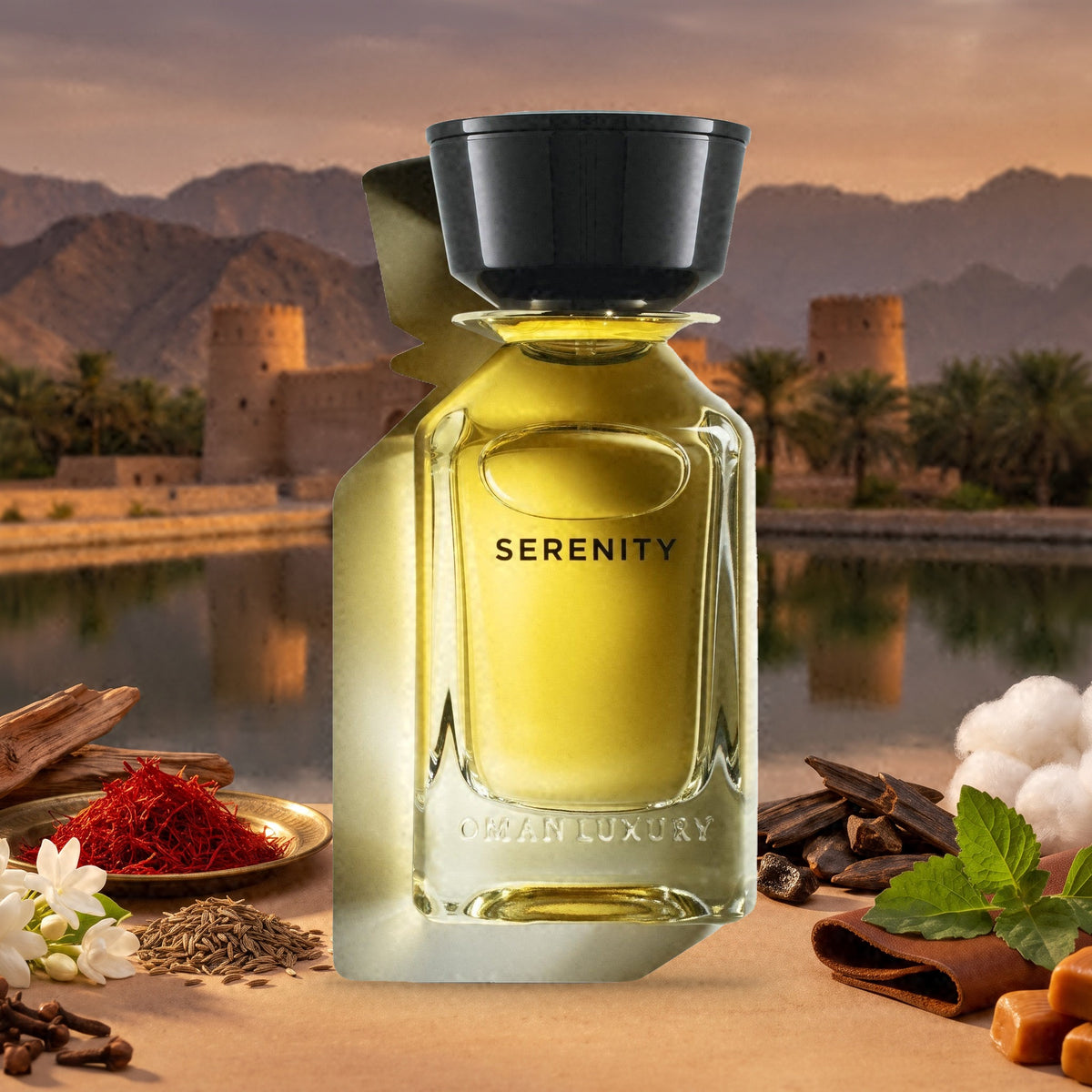
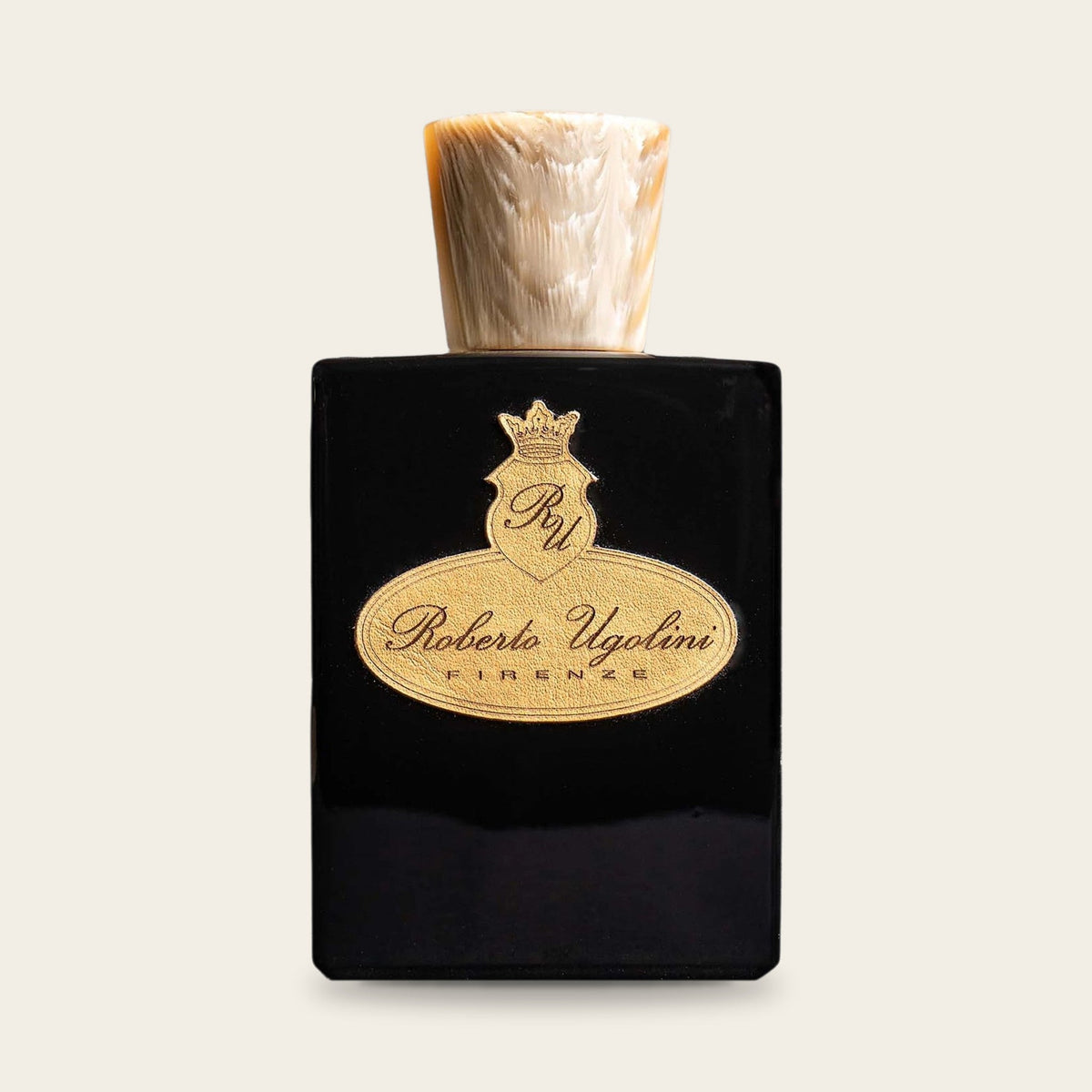
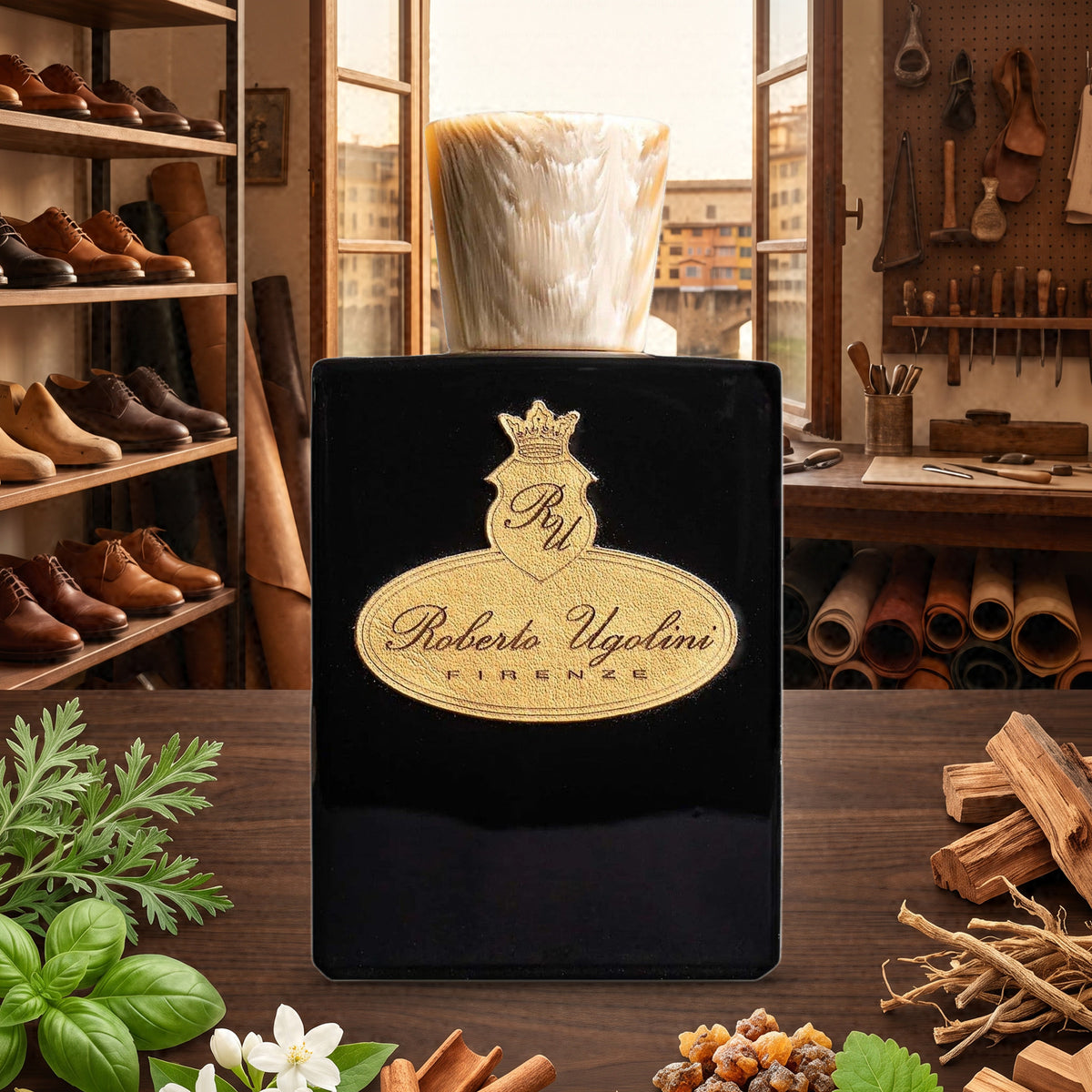
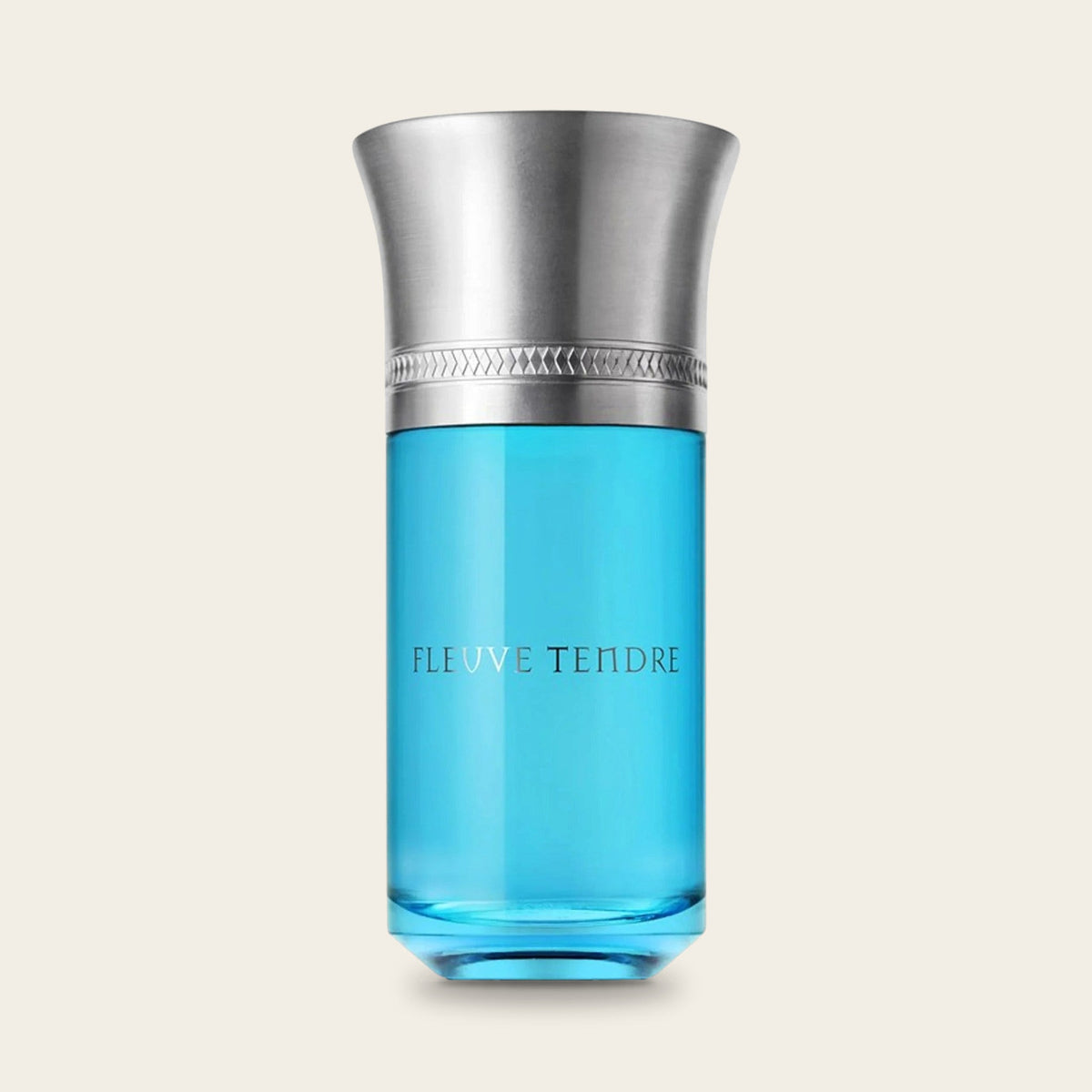
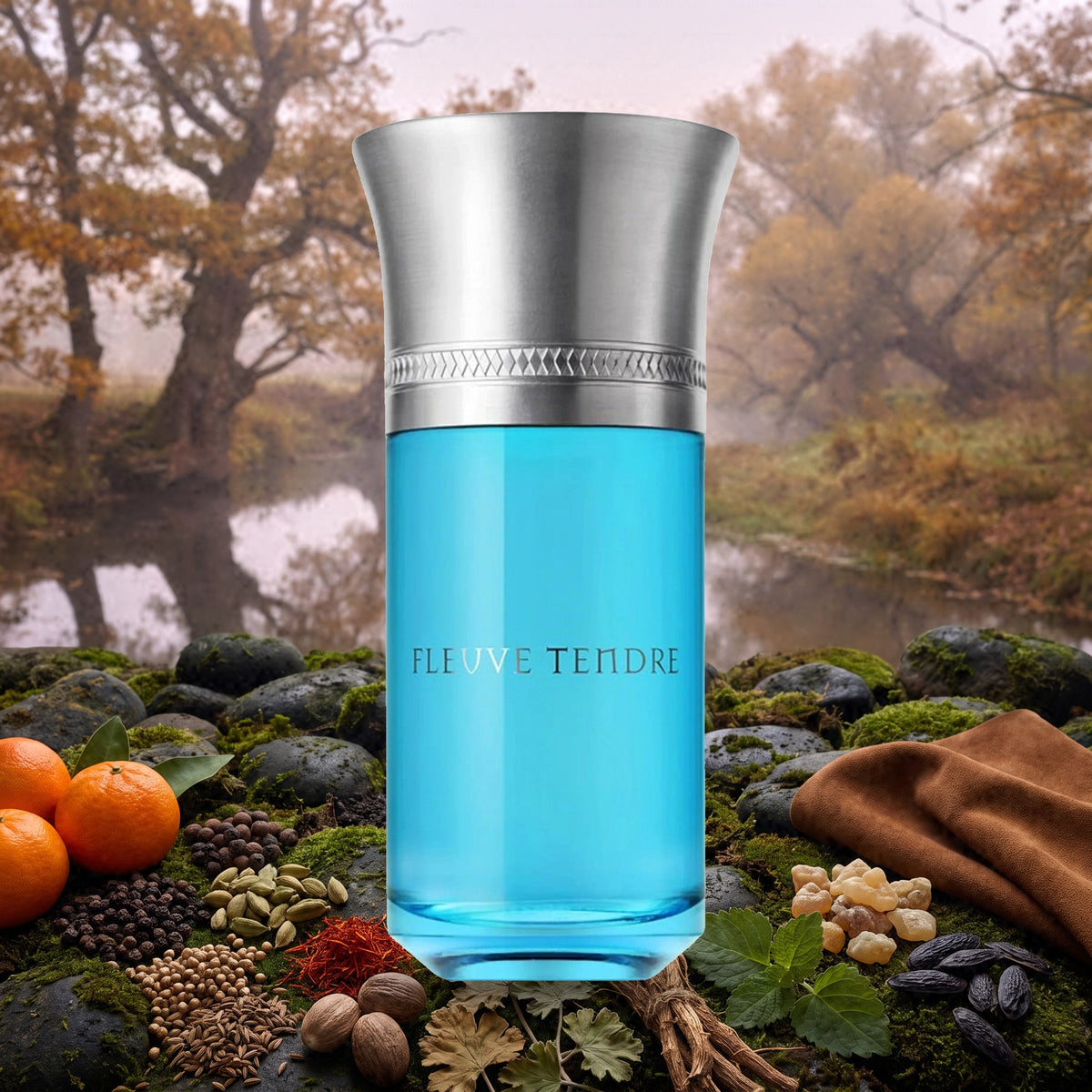
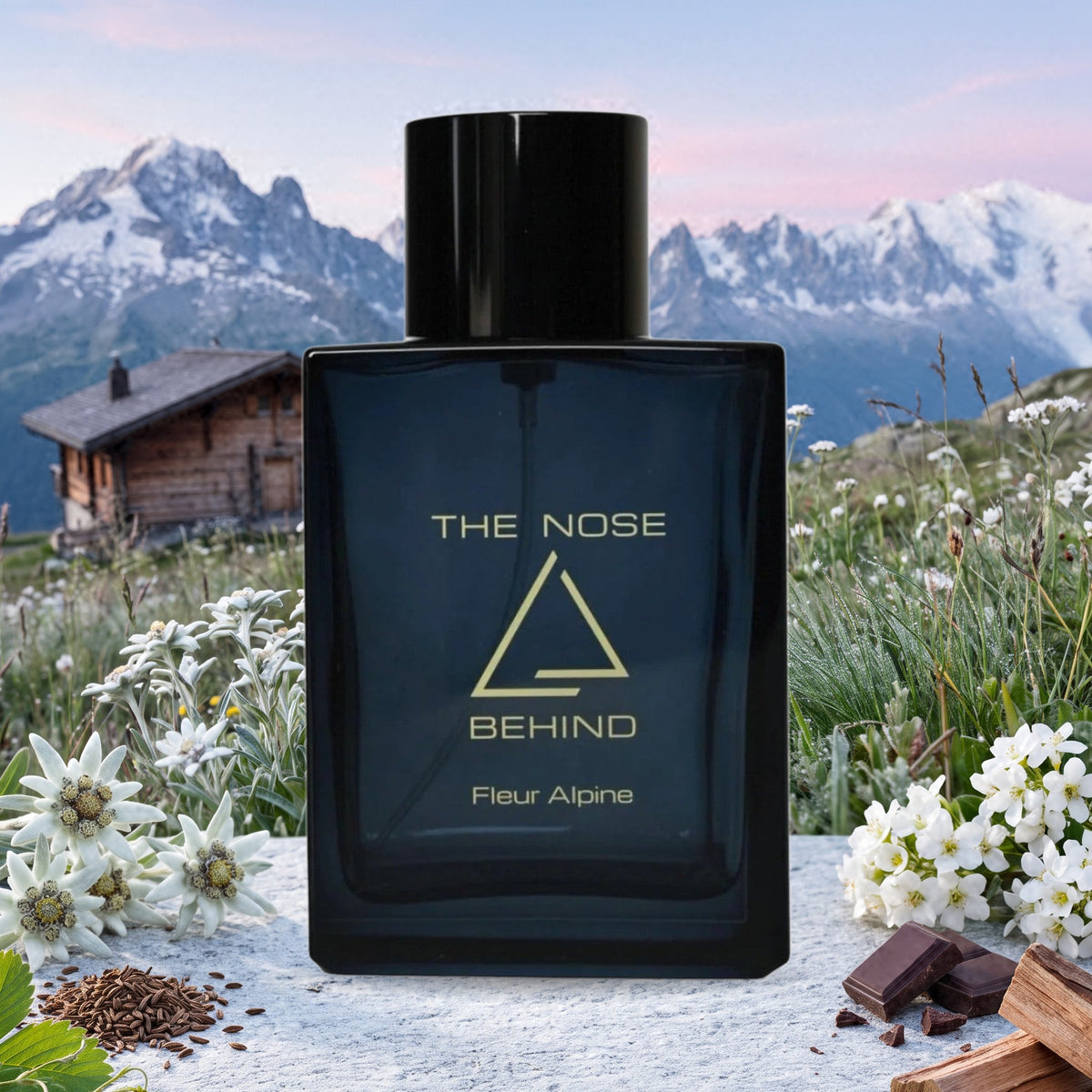
Fragrances with Caraway






Questions and answers
Warm, spicy and slightly anise-like, with a bready, faintly minty freshness and a dry herbal note.
Caraway belongs to the carrot family, which makes it a relative of carrot, fennel and dill – but it should not be confused with cumin, which goes by a similar name in many languages. It grows wild in Europe and western Asia as well as North Africa, often in sunny meadows and along roadsides; it is common even in the Nordic countries, except in the far north. The plant is usually biennial: in its first year it forms only a leaf rosette, and only in the second does it send up its flower stem with its umbels. Today caraway is grown mainly in the Netherlands and Finland, and also in Poland and Egypt, among others. In the cool north, with its long summer days, the fruits ripen particularly rich in oil.
The essential oil sits in fine oil ducts inside the fruits, which are commonly called ‘seeds’. For distillation, the ripe fruits are dried, crushed and distilled with steam. Crushing opens the oil ducts and noticeably increases the yield. The fruits of the biennial forms contain around 3 to 7% essential oil, annual forms usually less.
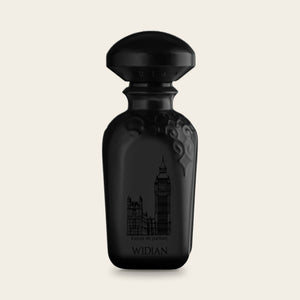
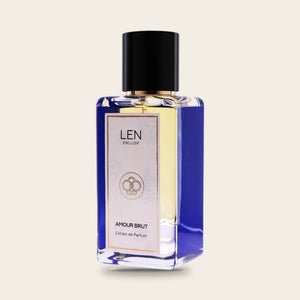
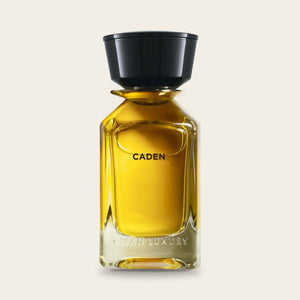
In perfumery, caraway is a powerful material that is hard to dose, so it rarely appears as a lead note. In small amounts, it gives a composition a warm, dry, bready-spicy texture without being immediately recognisable as caraway. Above all in aromatic and fougère compositions, it reinforces the dry warmth; it pairs well with saffron, patchouli, cedarwood and labdanum, and its limonene adds a brief citrus lift at the start that suits bergamot and grapefruit. In our range, caraway appears in 13 fragrances – in the heart note of 6, the top note of 5 and the base note of 2.
Spicy · Aromatic-herbal · Heart note, also top
The mostly biennial plant only flowers in its second year, around May and June; the fruits are harvested in summer. As a dried fruit and essential oil, caraway is available all year round.
In our fragrances, it often appears alongside Patchouli, Cedarwood, Labdanum, Saffron, Musk, Bergamot, Grapefruit.
Caraway is considered one of the oldest spices in Europe. Caraway fruits have been found in Neolithic lake-dwelling settlements in Switzerland – although these finds do not prove for certain that it was used as a spice at the time. Its use is well documented since antiquity: the Greek physician Dioscorides described the plant, and it appears as an ingredient in the Roman cookbook of Apicius. In the Middle Ages, caraway was grown systematically in monastery gardens, and folk belief held that it kept lovers together. Chemistry only described the aroma molecule itself in the 19th century: first called ‘carvol’, carvone was obtained in pure form by Franz Varrentrapp in 1849.
- Carvone occurs in two mirror-image forms: the (S)-form smells of caraway, the (R)-form of spearmint.
- The German name ‘Kümmel’ goes back to the Latin ‘cuminum’ – a word that originally meant cumin.
- In medieval folk belief, caraway was an ingredient in love potions: it was meant to stop a lover from straying.
The oil consists mainly of (S)-(+)-carvone (C₁₀H₁₄O, PubChem CID 16724) and (+)-limonene (C₁₀H₁₆, PubChem CID 440917), which together usually make up around 95%. Carvone provides the typical warm, spicy caraway scent reminiscent of rye bread, limonene a brief citrus freshness. How much carvone the oil contains varies with cultivar, climate and ripeness; its share rises in ripe fruits. Its mirror image, (R)-(−)-carvone (C₁₀H₁₄O, PubChem CID 439570), is the aroma molecule of spearmint. The fact that the nose clearly tells the two forms apart shows that odour receptors respond to the spatial shape of a molecule as well.
FRAGRANCE KNOWLEDGE
In the 4D Journal
-
 FRAGRANCE KNOWLEDGE
Rose in perfume: The queen of fragrance materials
READ ARTICLE
-
 FRAGRANCE KNOWLEDGE
Vanilla in perfume: From orchid to favourite scent
READ ARTICLE
-
 FRAGRANCE KNOWLEDGE
Leather in perfume: How does something smell that was never in the bottle?
READ ARTICLE
-
 FRAGRANCE KNOWLEDGE
Scented candles & home fragrance: How to use them right
READ ARTICLE