



INGREDIENT GLOSSARY
Lime
Citrus × aurantiifolia · Citrus × latifolia · Rue family (Rutaceae)
Zesty, green and juicy, with a tart, fresh citrus-peel character and a slightly sweet undertone.
NATURALCITRUS (HESPERIDIC) · GREEN · TOP NOTE
AT A GLANCE
- Plant: Key lime Citrus × aurantiifolia and Persian lime C. × latifolia, rue family
- Origin: Southeast Asia, grown throughout the tropics today, oil mainly from Mexico
- Extraction: cold-pressed from the peel or distilled from the whole fruit
- Scent: zesty, green, juicy – top note
PROFILE
- Origin
- Originally Southeast Asia · Grown today throughout the tropics and subtropics, lime oil mainly from Mexico
- Extraction
- Cold pressing of the peel or distillation of the crushed fruit together with its juice – two oils with clearly different scents
- Main molecules
- Limonene (C₁₀H₁₆, citrusy) · β-pinene (C₁₀H₁₆, resinous-green) · γ-terpinene (C₁₀H₁₆, lime) · citral (geranial/neral, C₁₀H₁₆O, fresh, in cold-pressed oil) · α-terpineol (C₁₀H₁₈O, sweet-floral, in distilled oil)
- Harvest
- In tropical growing regions lime trees bear fruit almost all year round; in subtropical areas the main crop ripens from summer into early winter.
- Often paired with
- Moschus, Zedernholz, Bergamotte, Jasmin, Patschuli, Sandelholz, Grapefruit
Numbers that surprise
around 29 mg
of vitamin C are found in 100 grams of lime – only a little more than half as much as in the same amount of lemon; when the British navy switched to lime juice in the 19th century, scurvy returned.
Rounded values; calculation based on published data.
Harvest and season
In tropical growing regions lime trees bear fruit almost all year round; in subtropical areas the main crop ripens from summer into early winter. Lime oil is therefore produced continuously and is available to perfumery all year.
There are two routes to lime oil. In cold pressing, the oil is released from the oil glands of the thin peel and separated from the juice without heat. In distillation, the whole fruit is crushed and the mixture of juice and oil is steam-distilled for many hours. During this process the citric acid in the juice reacts with the oil: the fresh citral is largely broken down, and new compounds such as α-terpineol and cineoles form.
Knowledge to share
Myth or truth?
Statement 1
Limes are unripe lemons.
Myth. Limes are citrus hybrids in their own right: the Key lime descends from a wild papeda and the citron, the Persian lime from a cross between lemon and Key lime. Fully ripe, the Key lime even turns yellow.
Statement 2
Lime juice protected the British navy from scurvy better than lemon juice.
Myth. Limes contain only a little more than half as much vitamin C as lemons. When the navy switched from Mediterranean lemons to West Indian limes in the 19th century, scurvy became more common again – yet the nickname “limey” stuck.
Statement 3
Lime juice on the skin can cause burns in the sun.
True. Furocoumarins from limes make the skin sensitive to light. If sunlight then hits the area, redness or blisters can develop and leave pigmentation that remains visible for months.
Your result
FRAGRANCES WITH LIMEINGREDIENT GLOSSARY
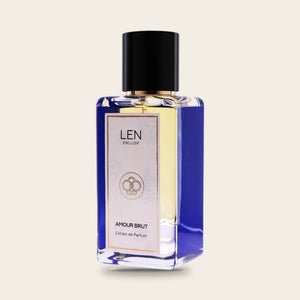
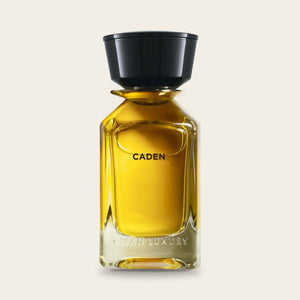
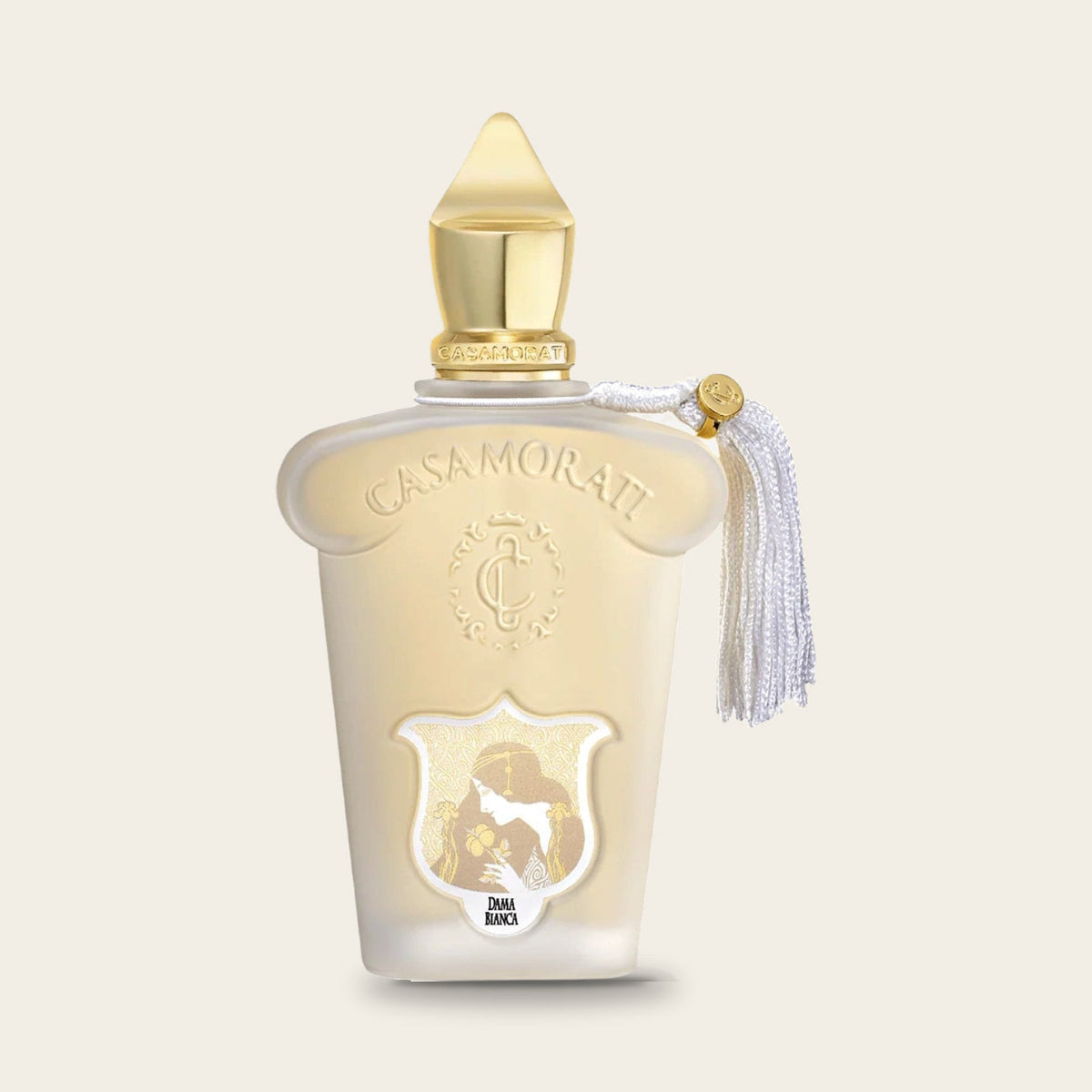
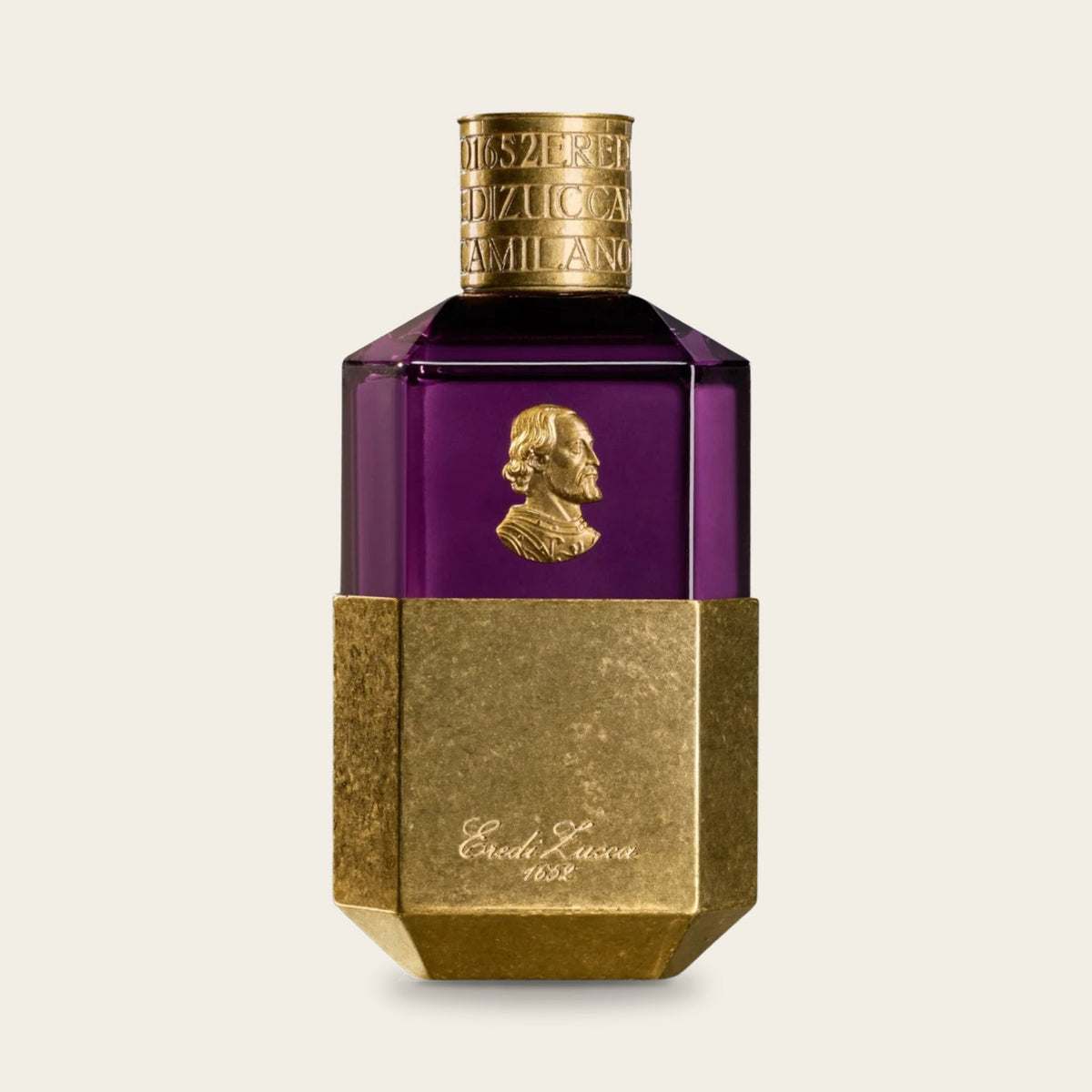
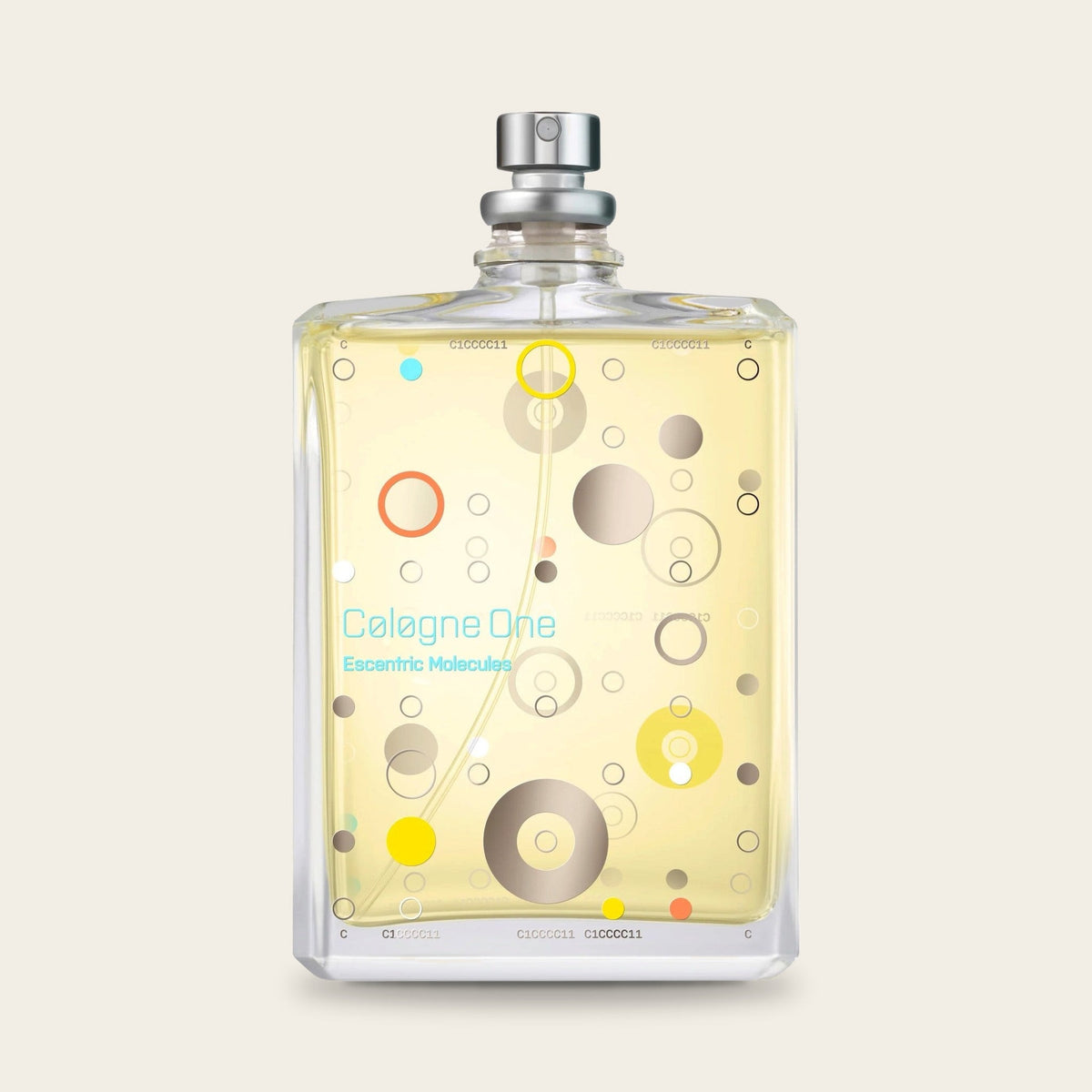
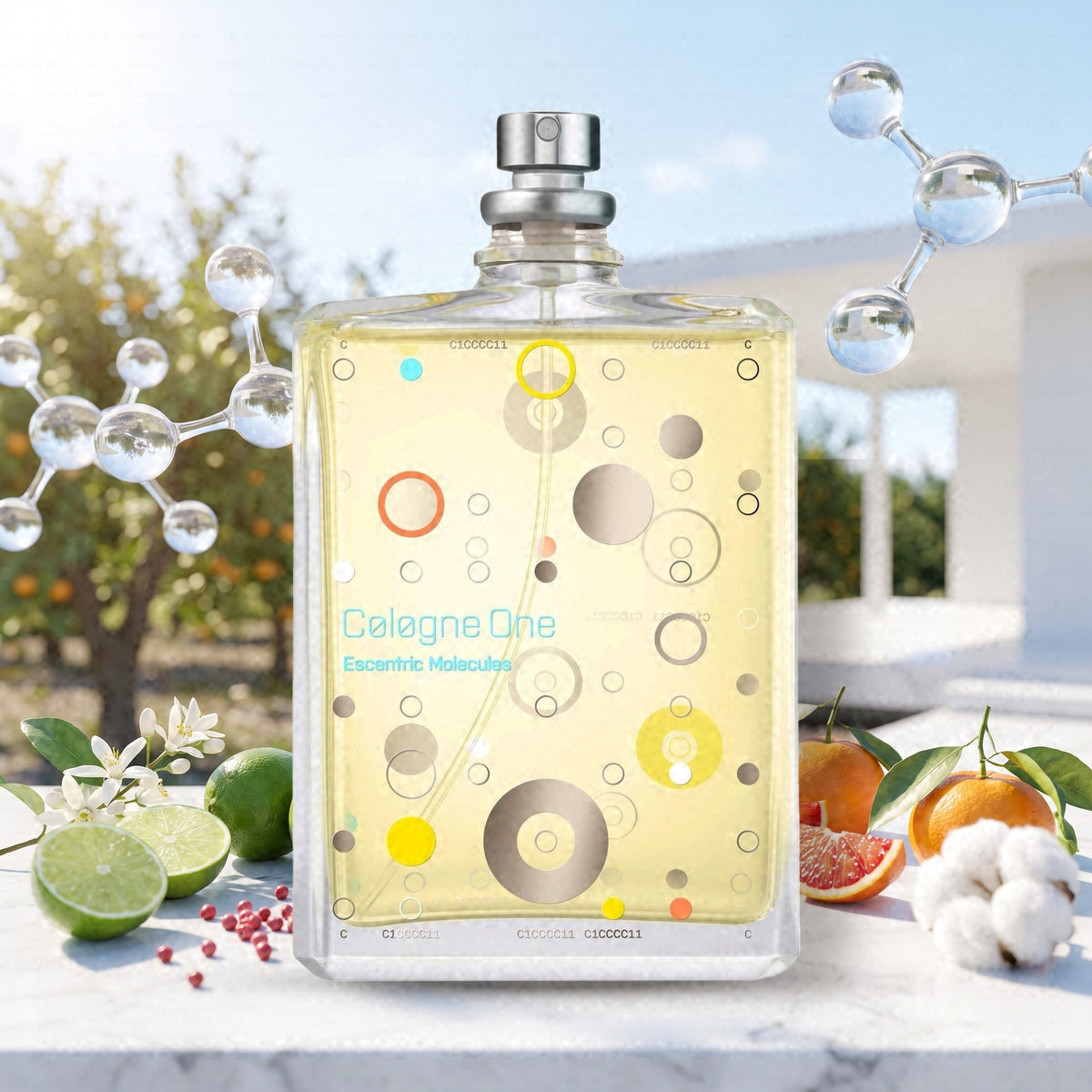
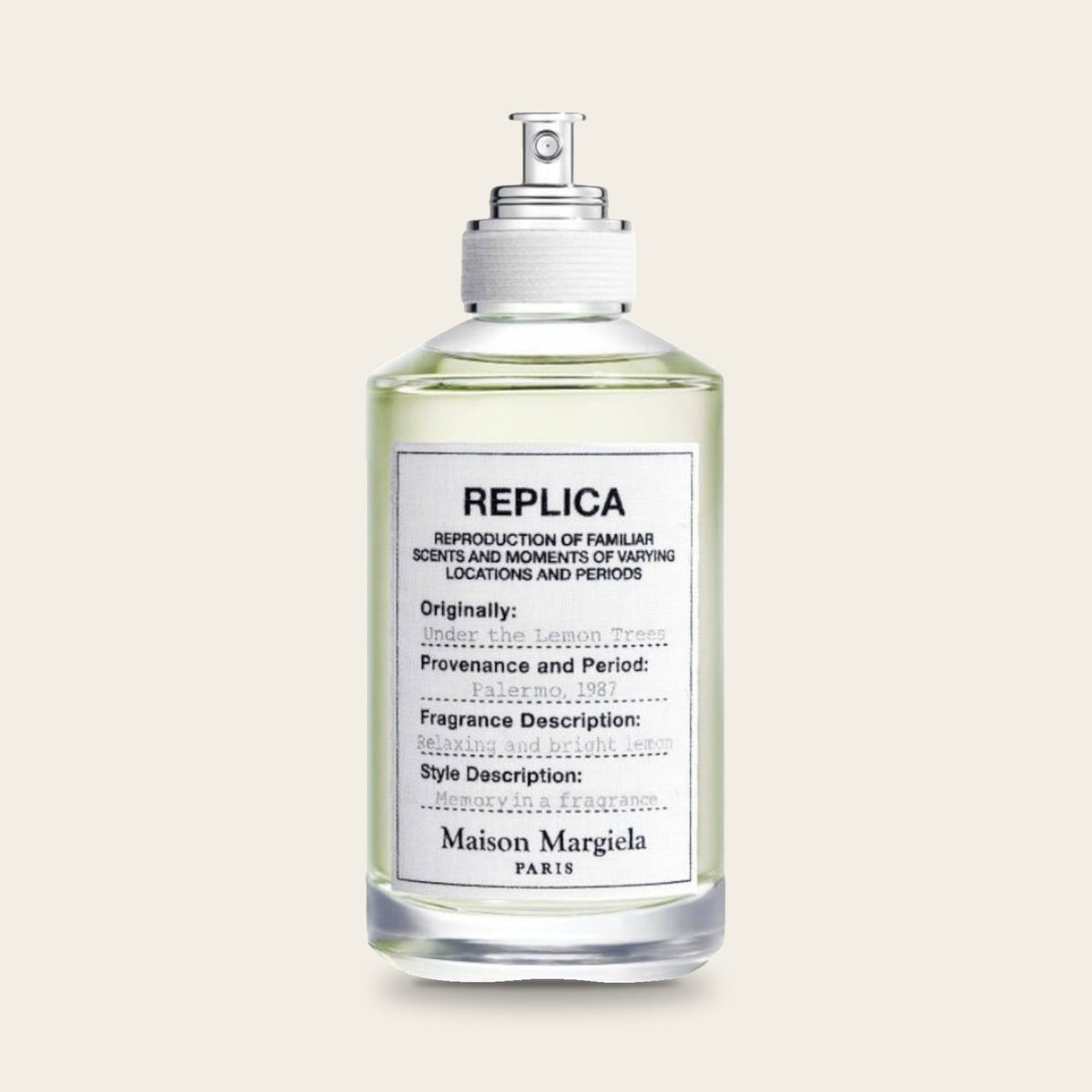
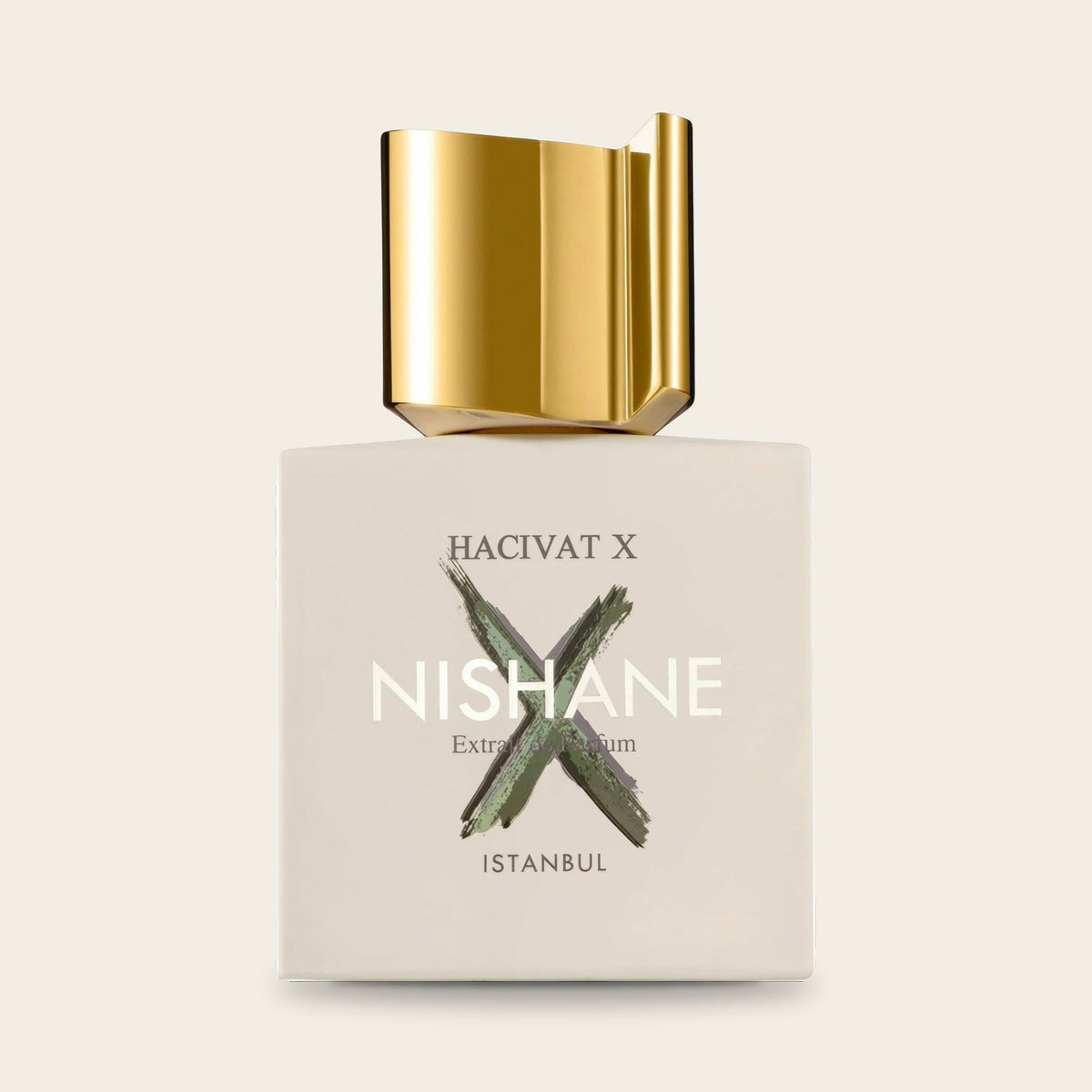
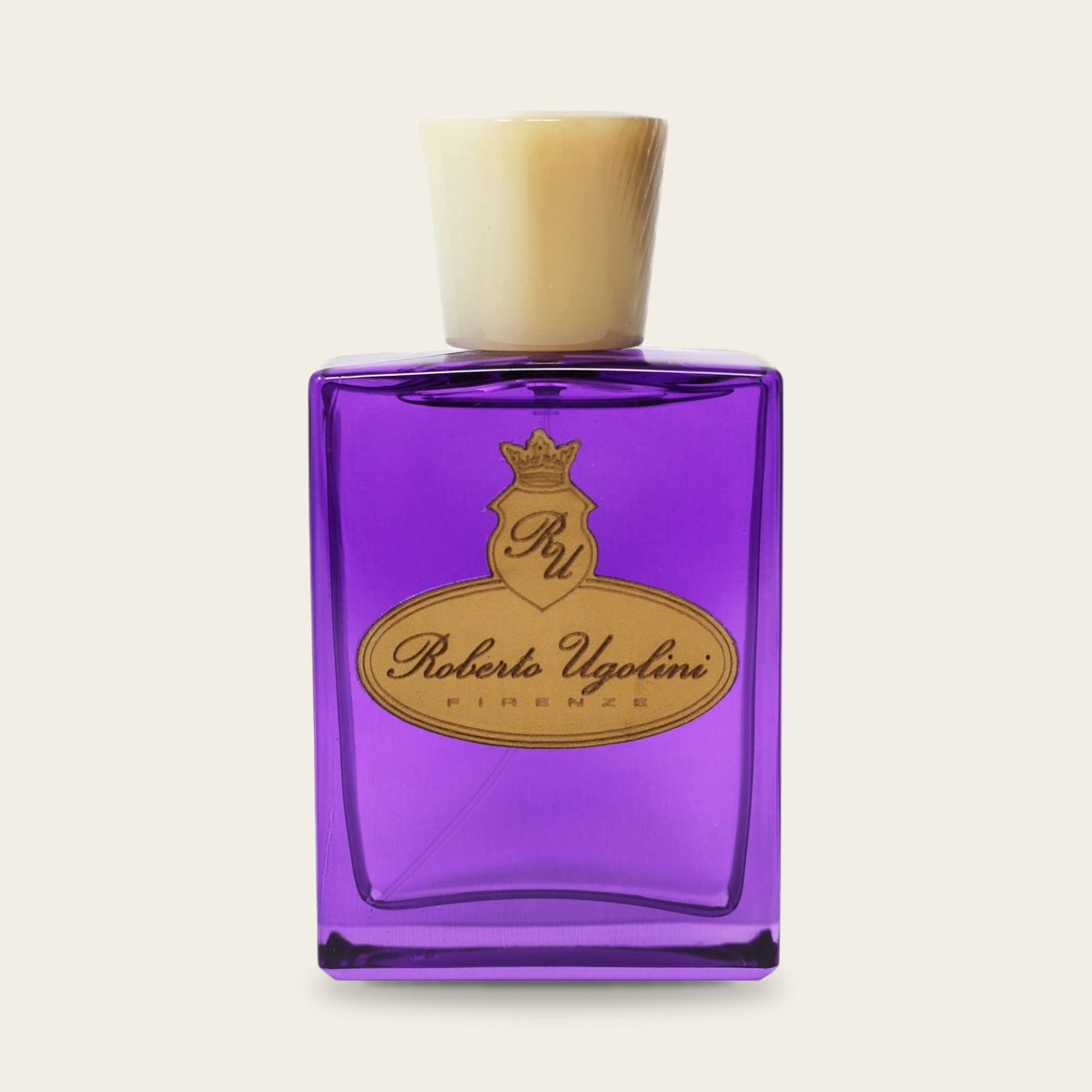
Fragrances with Lime









Questions and answers
Zesty, green and juicy, with a tart, fresh citrus-peel character and a slightly sweet undertone.
Limes are citrus hybrids from Southeast Asia. Genetic analyses show that the Key lime, Citrus × aurantiifolia, also called Mexican lime, is a natural cross between the wild papeda Citrus micrantha and the citron (Citrus medica). The larger Persian or Tahiti lime, Citrus × latifolia, is triploid: it arose from an egg cell of the lemon and pollen of the Key lime, which is why it almost never forms seeds. Today limes are grown throughout the tropics and subtropics; Mexico is the leading producer in the Americas and a main source of lime oil.
There are two routes to lime oil. In cold pressing, the oil is released from the oil glands of the thin peel and separated from the juice without heat. In distillation, the whole fruit is crushed and the mixture of juice and oil is steam-distilled for many hours. During this process the citric acid in the juice reacts with the oil: the fresh citral is largely broken down, and new compounds such as α-terpineol and cineoles form.
Lime almost always sits in the top notes, giving a fragrance a green, zesty opening that is a little more tart than lemon. Cold-pressed oil feels juicy and round with a slightly sweet undertone; distilled oil smells clearer, cooler and somewhat candy-like. The note suits fresh, aromatic and aquatic compositions and also brightens spicy or woody accords. In our range, lime appears in 46 fragrances, 45 of them in the top note.
Citrus (hesperidic) · Green · Top note
In tropical growing regions lime trees bear fruit almost all year round; in subtropical areas the main crop ripens from summer into early winter. Lime oil is therefore produced continuously and is available to perfumery all year.
In our fragrances, it often appears alongside Moschus, Zedernholz, Bergamotte, Jasmin, Patschuli, Sandelholz, Grapefruit.
The lime comes from Southeast Asia. Arab traders carried it across North Africa as far as Spain and Portugal; the word “lime” goes back via Romance languages to Arabic and Persian “līma” and “līmūn”. In the early 16th century Spanish and Portuguese seafarers took the plant to the Americas, where it became naturalised in the Caribbean, Mexico and the Florida Keys. In the 19th century the British navy increasingly sourced lime juice from its West Indian colonies instead of Mediterranean lemons to fight scurvy – hence the nickname “limey” for British sailors and later for Britons in general. The seedless Persian lime is documented in California from the late 19th century.
- Distilled lime oil contains no furocoumarins – cold-pressed oil does, which is why the industry body IFRA limits its use.
- The Persian lime is triploid and therefore practically seedless – it arose from an egg cell of the lemon and pollen of the Key lime.
- Fully ripe, the Key lime is yellow – it is usually sold green, meaning it is picked before full maturity.
Cold-pressed lime oil consists largely of limonene (C₁₀H₁₆, PubChem CID 22311), along with β-pinene (C₁₀H₁₆, CID 14896) and γ-terpinene (C₁₀H₁₆, CID 7461). Its freshness comes mainly from geranial and neral, together known as citral (C₁₀H₁₆O, CID 638011), at a few per cent. During distillation the citric acid in the juice reacts with the oil: citral is largely lost, while α-terpineol (C₁₀H₁₈O, CID 17100) forms, along with terpinolene, p-cymene and the cineoles. Cold-pressed oil also contains non-volatile furocoumarins that make the skin sensitive to light; in distillation they stay behind.
FRAGRANCE KNOWLEDGE
In the 4D Journal
-
 FRAGRANCE KNOWLEDGE
Rose in perfume: The queen of fragrance materials
READ ARTICLE
-
 FRAGRANCE KNOWLEDGE
Vanilla in perfume: From orchid to favourite scent
READ ARTICLE
-
 FRAGRANCE KNOWLEDGE
Leather in perfume: How does something smell that was never in the bottle?
READ ARTICLE
-
 FRAGRANCE KNOWLEDGE
Scented candles & home fragrance: How to use them right
READ ARTICLE