


INGREDIENT GLOSSARY
Mate
Ilex paraguariensis · Holly family (Aquifoliaceae)
Dried greenery like hay and rolled tea leaves, with a smoky, tobacco-like depth, faintly leathery undertones and a soft, honeyed glow.
NATURALAROMATIC · TOBACCO AND HAY · HEART NOTE
AT A GLANCE
- Plant: holly tree Ilex paraguariensis, a relative of European holly
- Origin: southern Brazil, Paraguay and north-eastern Argentina
- Production: leaves heated and dried, then extracted as an absolute
- Scent: hay, tea and tobacco, smoky and green – mainly a heart note
PROFILE
- Origin
- Native to the upper Paraná basin: southern Brazil, Paraguay and north-eastern Argentina · raw material for perfumery mainly from Brazil
- Extraction
- Leaves are briefly heated over fire, dried and stored, then solvent-extracted into an absolute for perfumery
- Main molecules
- Linalool (C₁₀H₁₈O) and α-terpineol (C₁₀H₁₈O) in green mate · 2,4-heptadienal (C₇H₁₀O) as a roasted note in roasted mate
- Harvest
- Mate is harvested mainly during the South American winter, roughly from April to September.
- Often paired with
- Amber, Bergamot, Vanilla, Musk, Labdanum, Grapefruit, Cedarwood
Numbers that surprise
around 889,000 tonnes
of mate were harvested worldwide in 2012 – more than half of it in Brazil, the rest mainly in Argentina and Paraguay.
around 10 kg
of mate is used per person per year in Uruguay – the highest per-capita figure in the world, or roughly 27 grams of herb every single day.
only 5 to 15%
of mate seeds germinated in studies – their embryo is still undeveloped when the seed ripens, which is why raising seedlings remains laborious.
Rounded values; calculation based on published data.
Harvest and season
Mate is harvested mainly during the South American winter, roughly from April to September. Before it reaches the market, the herb is usually stored for many more months.
After harvesting, the branches and leaves are passed briefly over an open fire. This brief heat quickly drives out moisture. The herb is then dried – traditionally also over a wood fire, which lends it a smoky tone – coarsely chopped and stored for several months. For roasted mate it is additionally roasted at a higher temperature. For perfumery, the dried leaves are extracted with volatile solvents; the resulting concrete is purified into mate absolute, which is also available in a decolourised form.
Knowledge to share
Myth or truth?
Statement 1
Instead of caffeine, mate contains its own gentler stimulant called mateine.
Myth. 'Mateine' is simply another name for caffeine – exactly the same molecule as in coffee, C₈H₁₀N₄O₂. There is no special mate caffeine.
Statement 2
Botanically, mate is a holly.
True. The mate tree, Ilex paraguariensis, belongs to the same genus as European holly, Ilex aquifolium – both are members of the holly family.
Statement 3
Mate seeds only germinate after passing through a bird's gut.
Myth. Birds do spread the seeds in the wild, and the Jesuits are said to have fed them to birds. But mate seeds also germinate without a bird – just slowly and rarely, because their embryo is still undeveloped when the seed ripens.
Your result
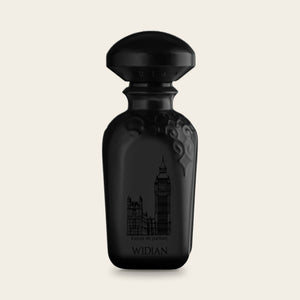
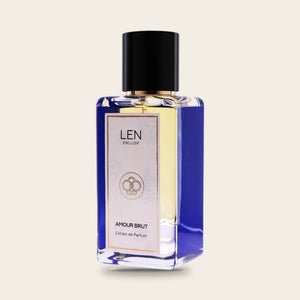
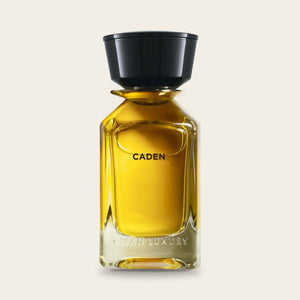
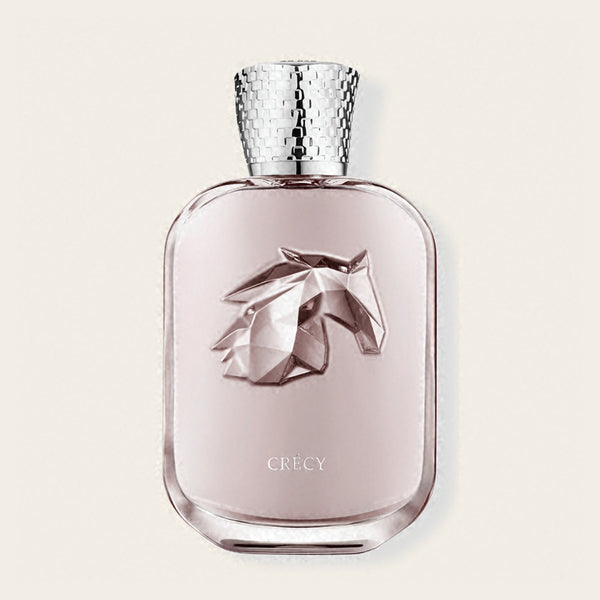
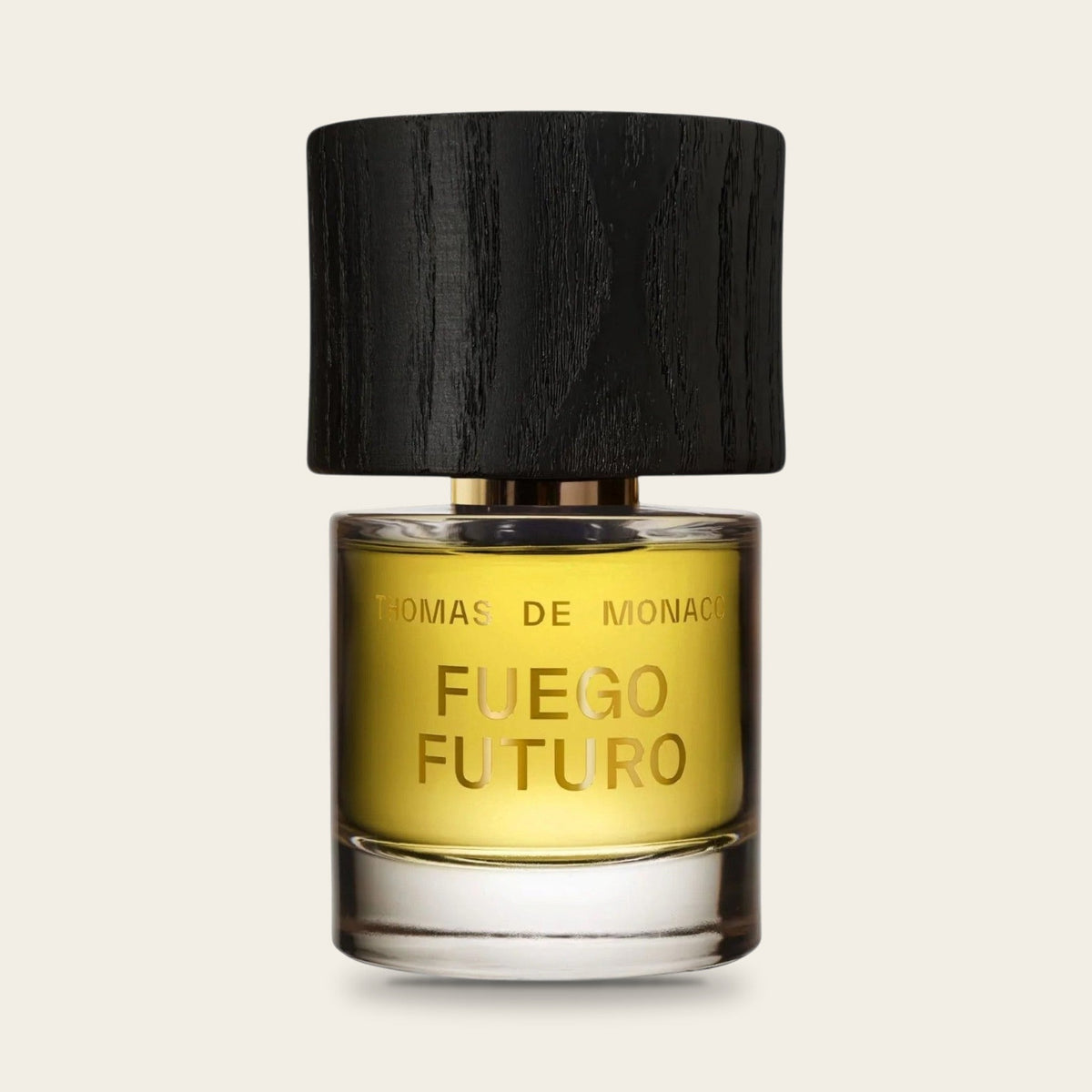
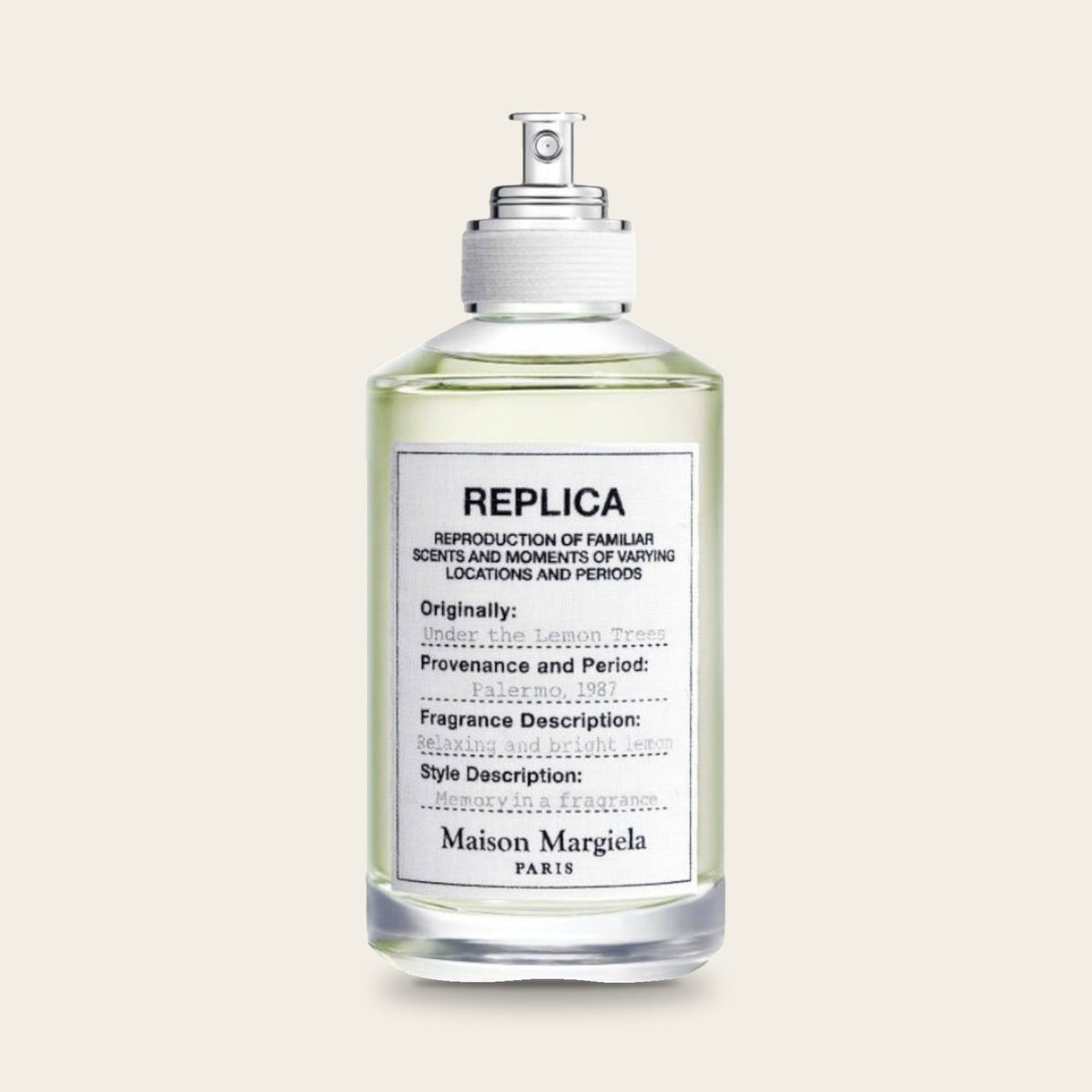
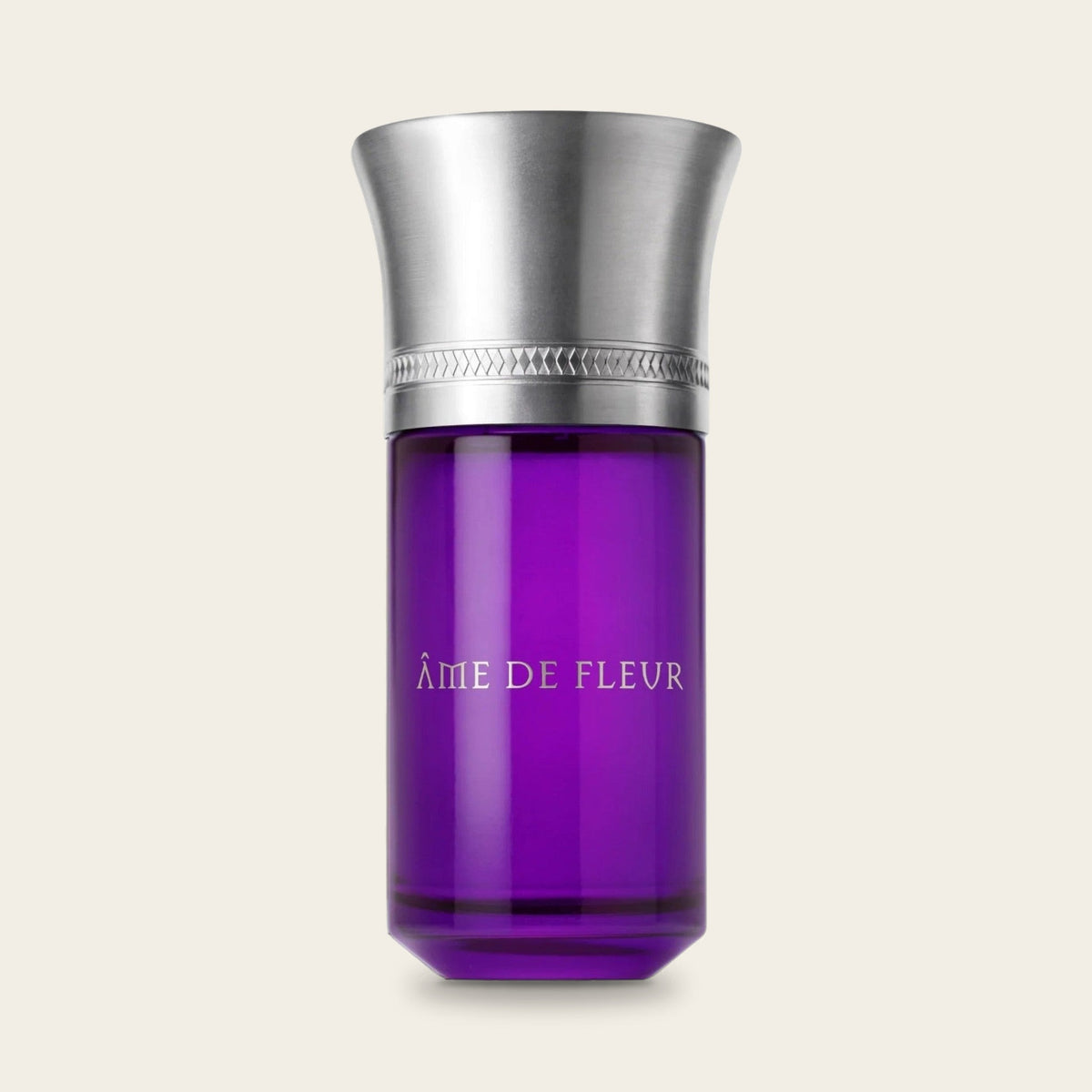
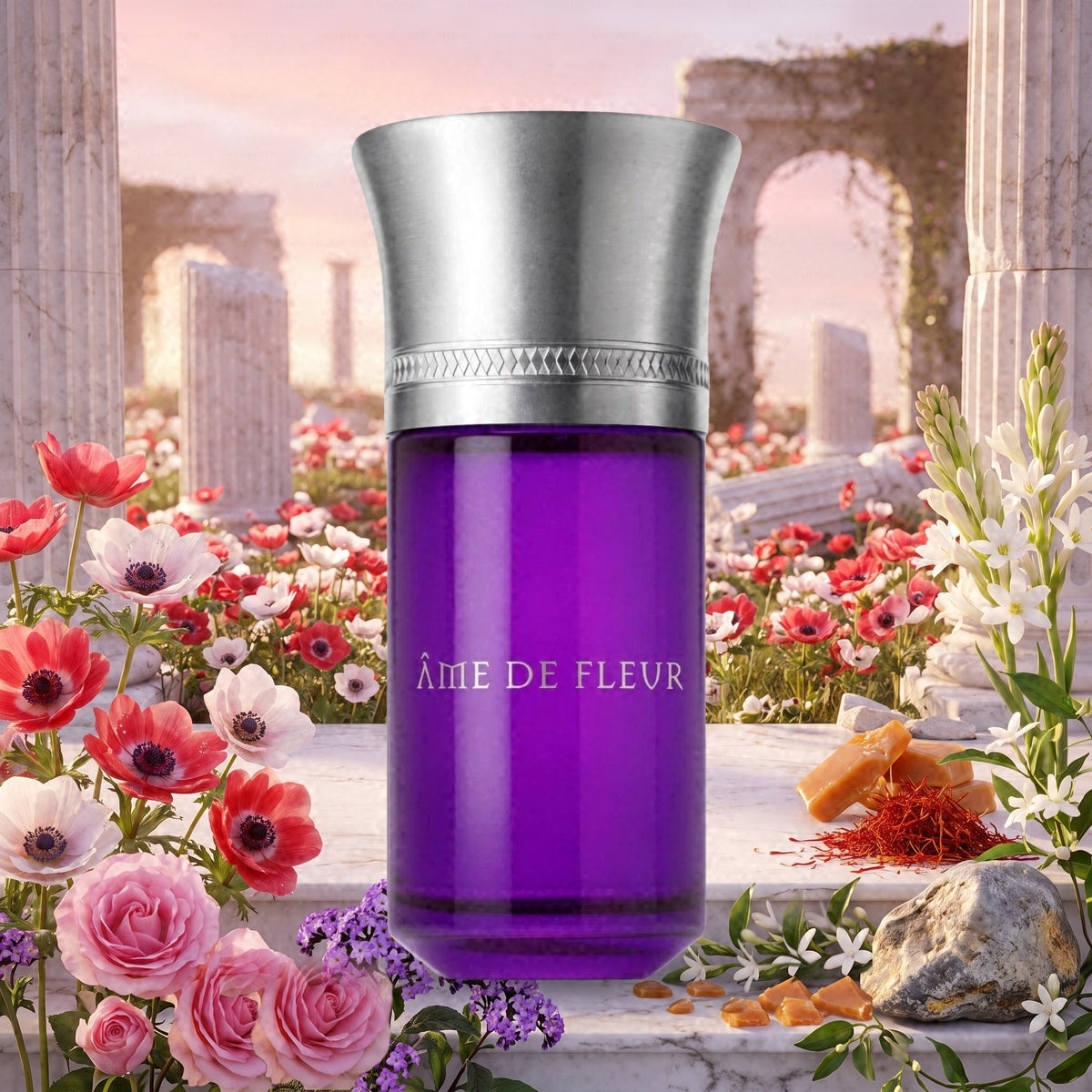
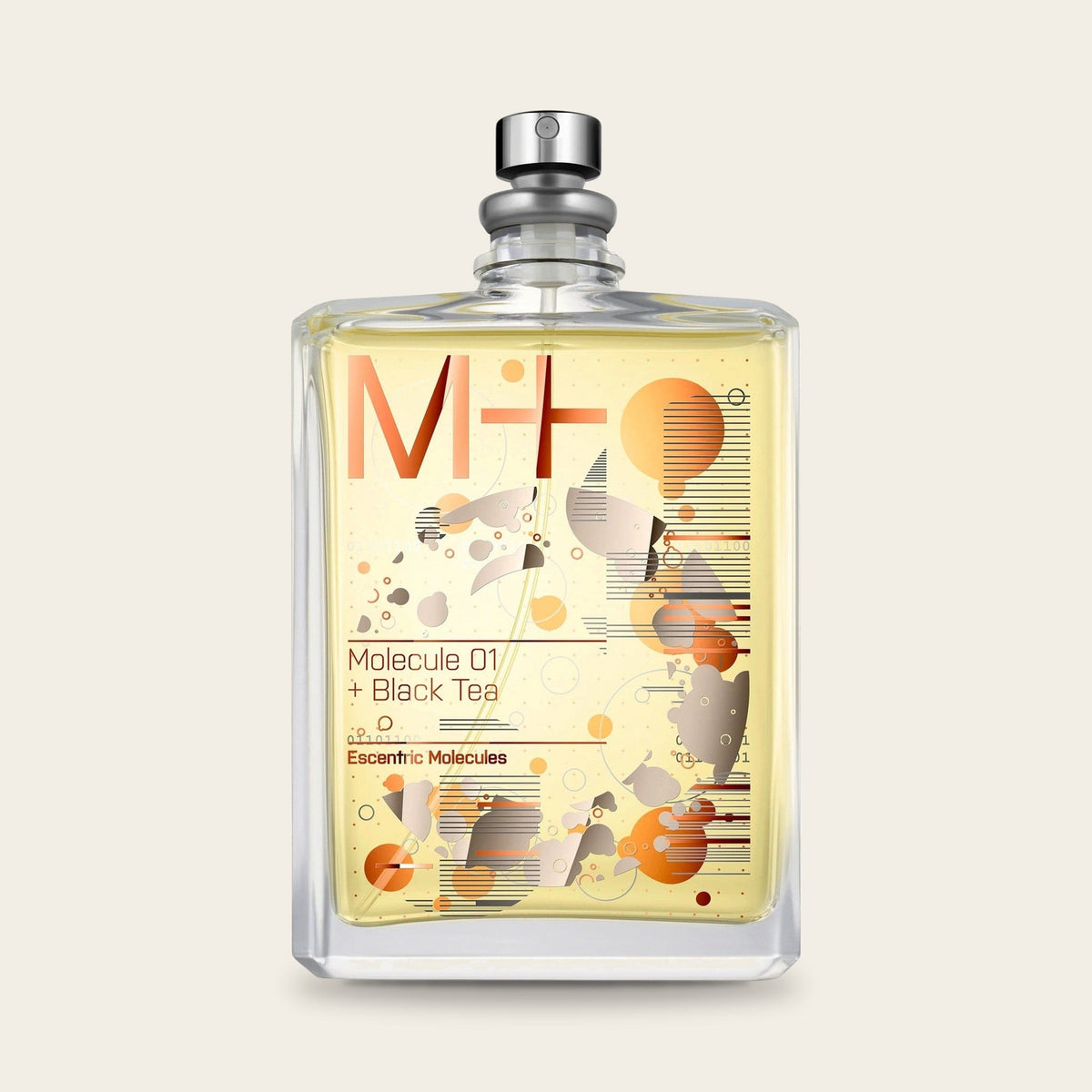
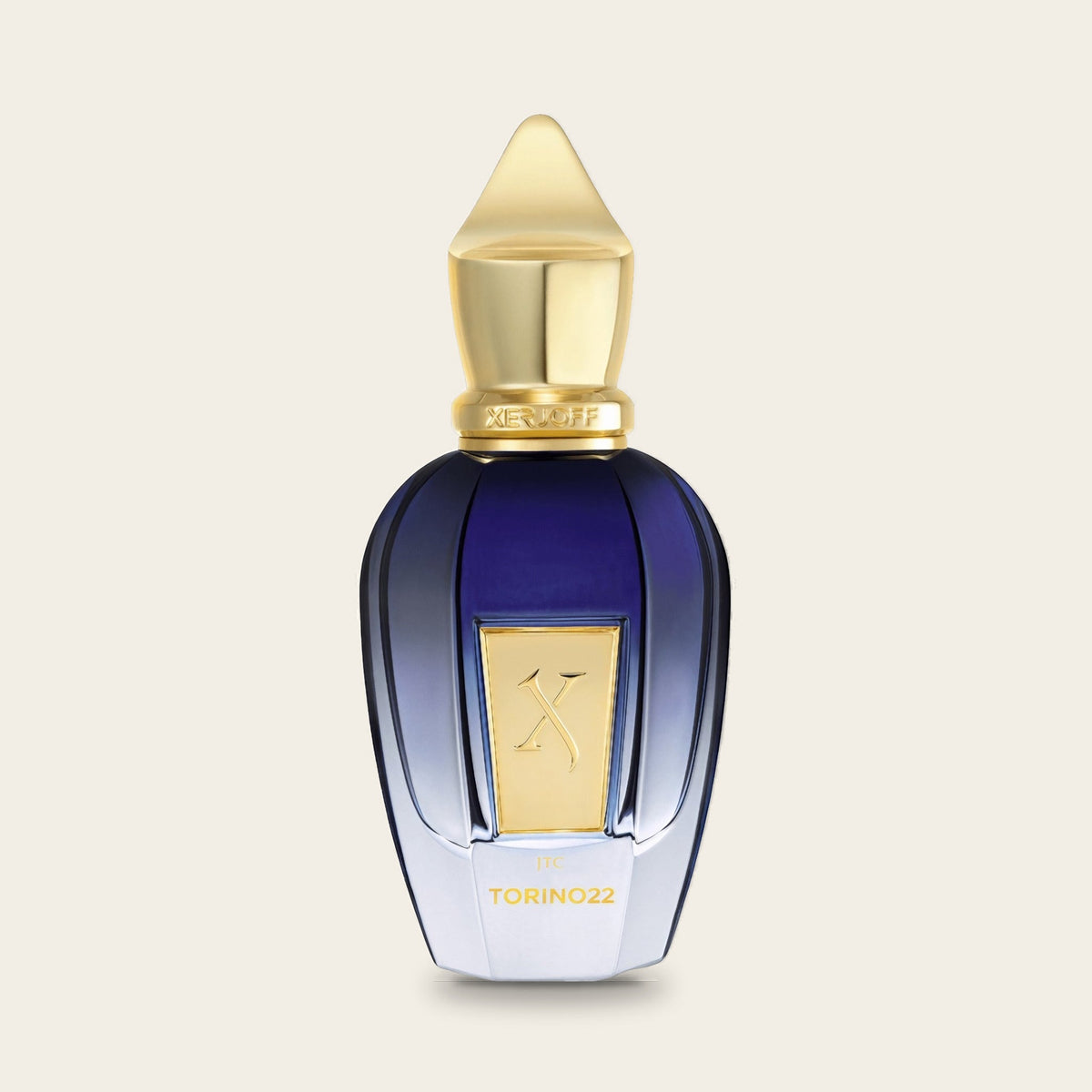
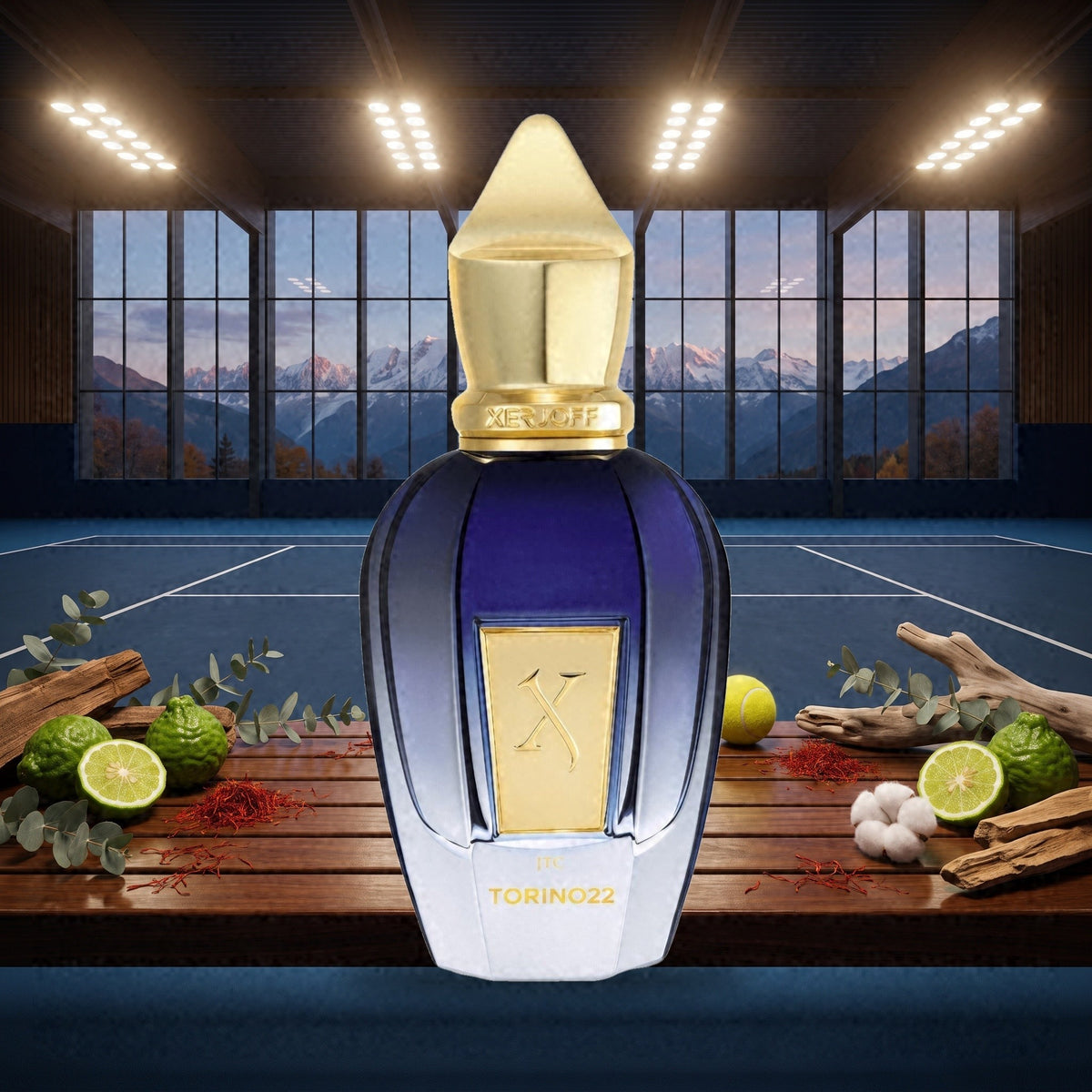
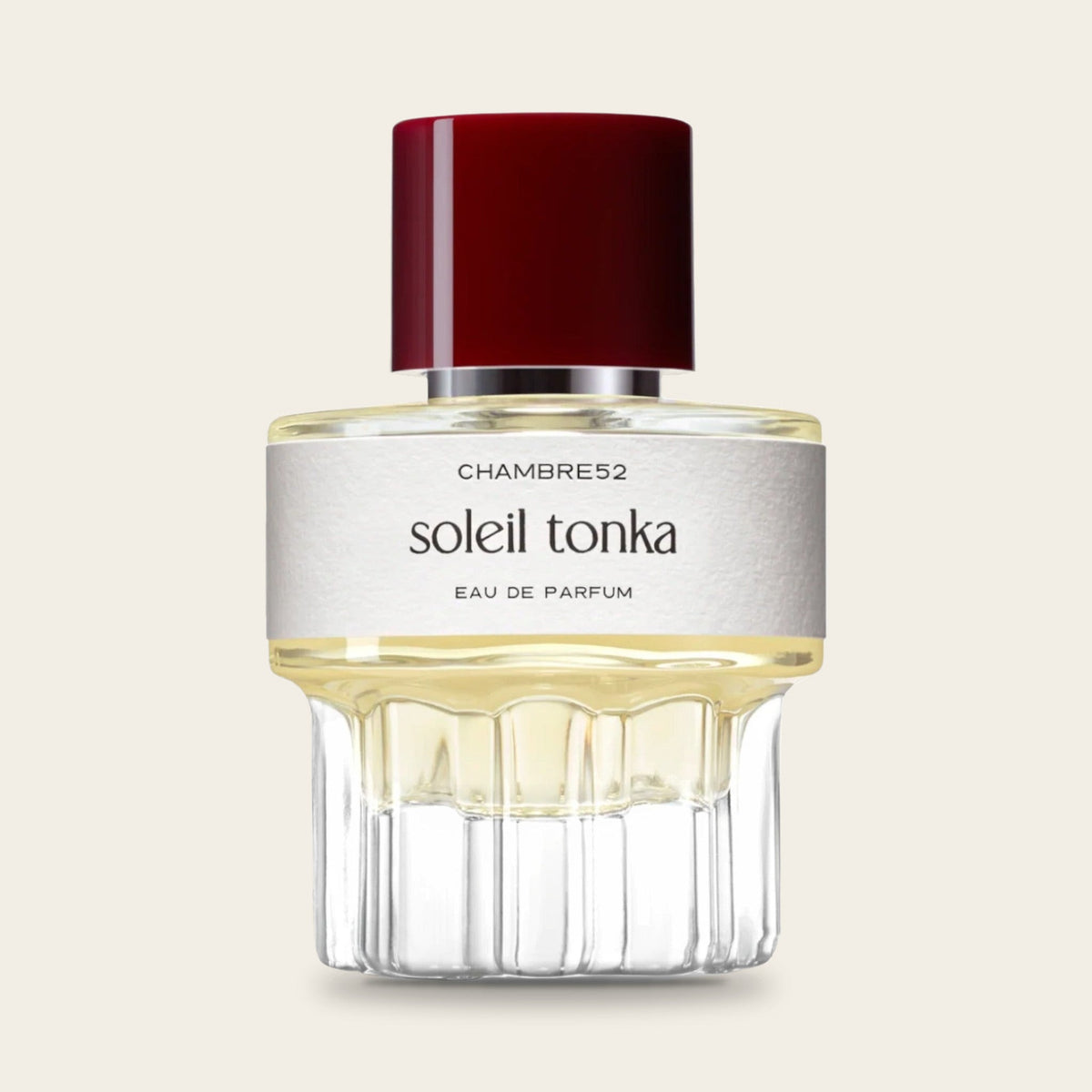
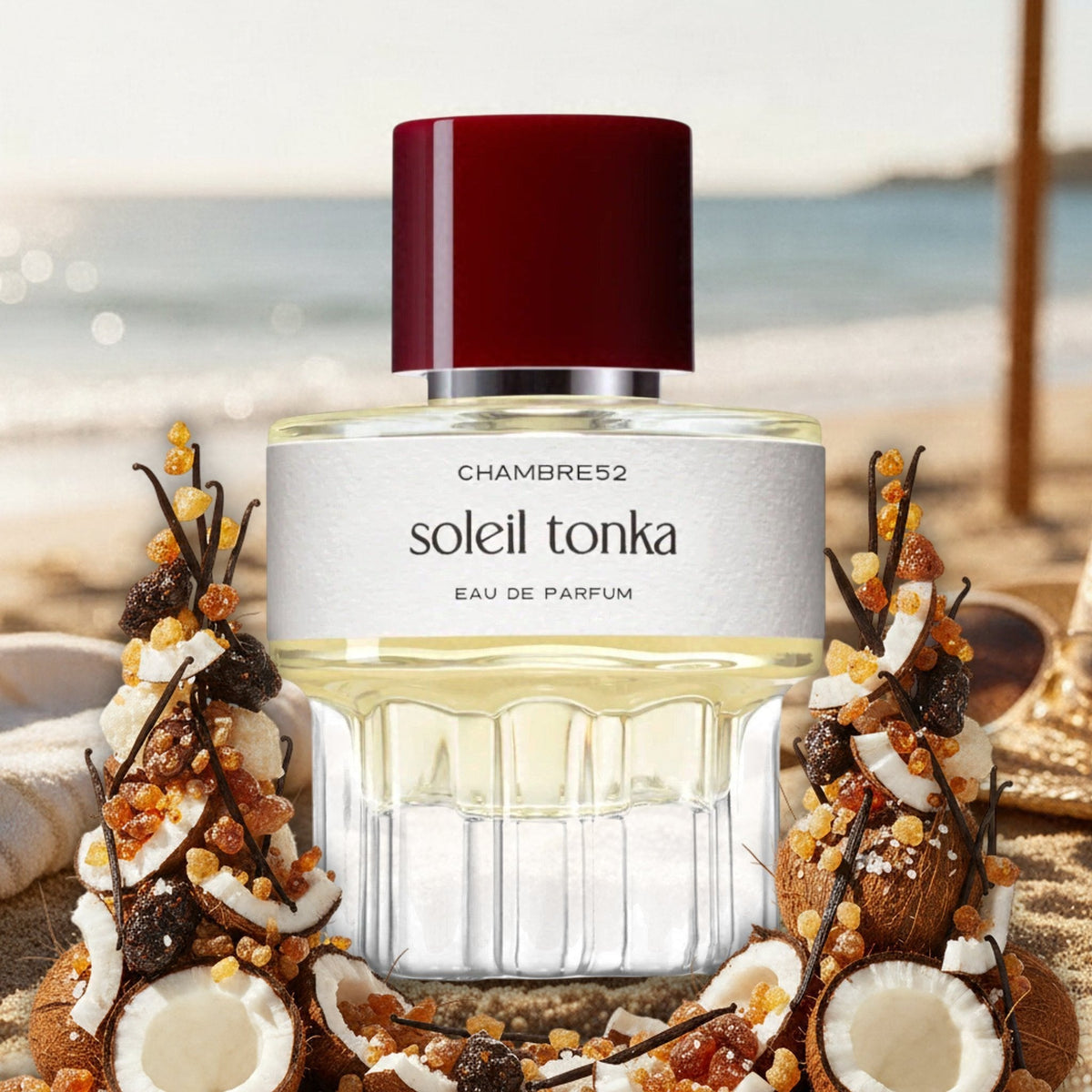
FRAGRANCES WITH MATEINGREDIENT GLOSSARY
Fragrances with Mate

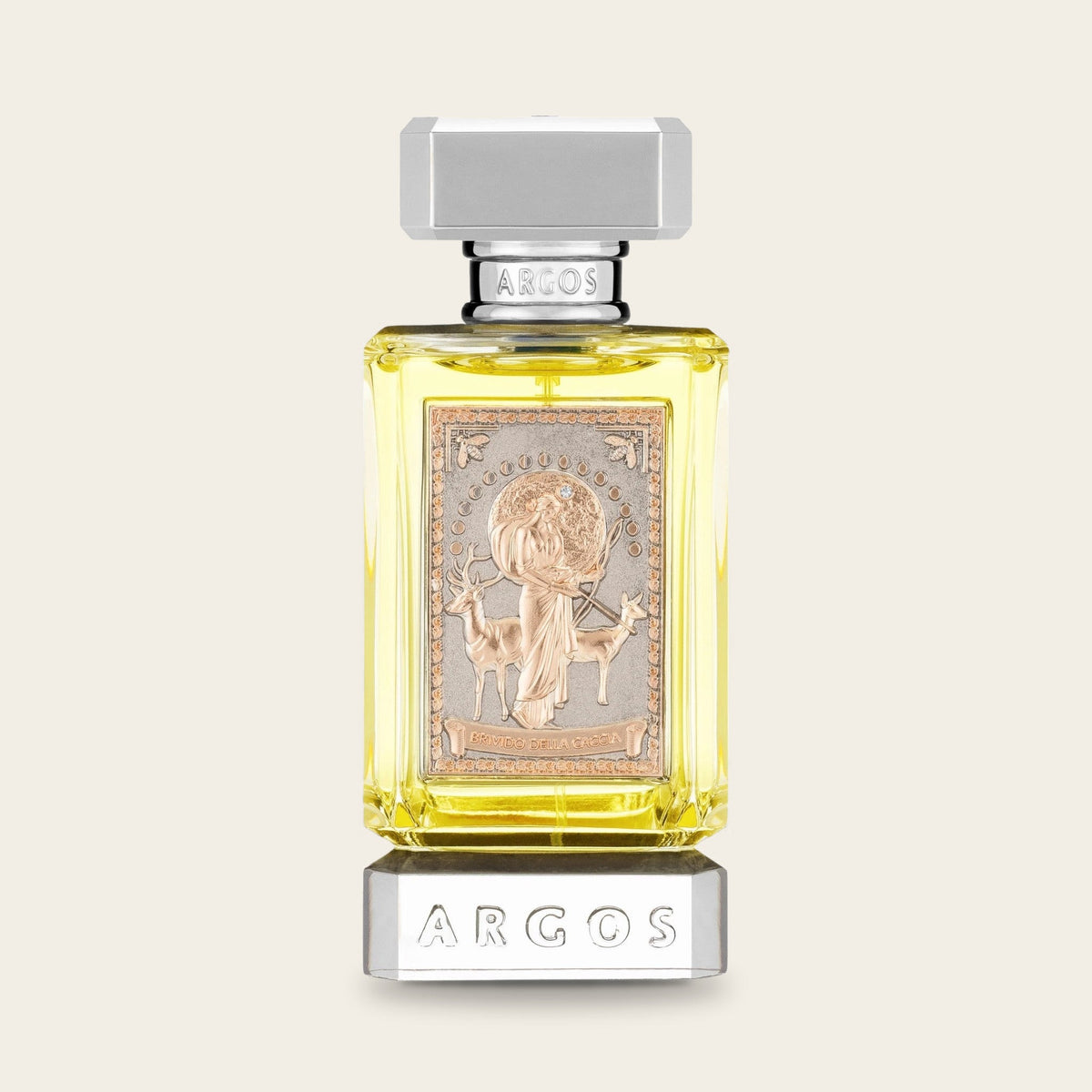
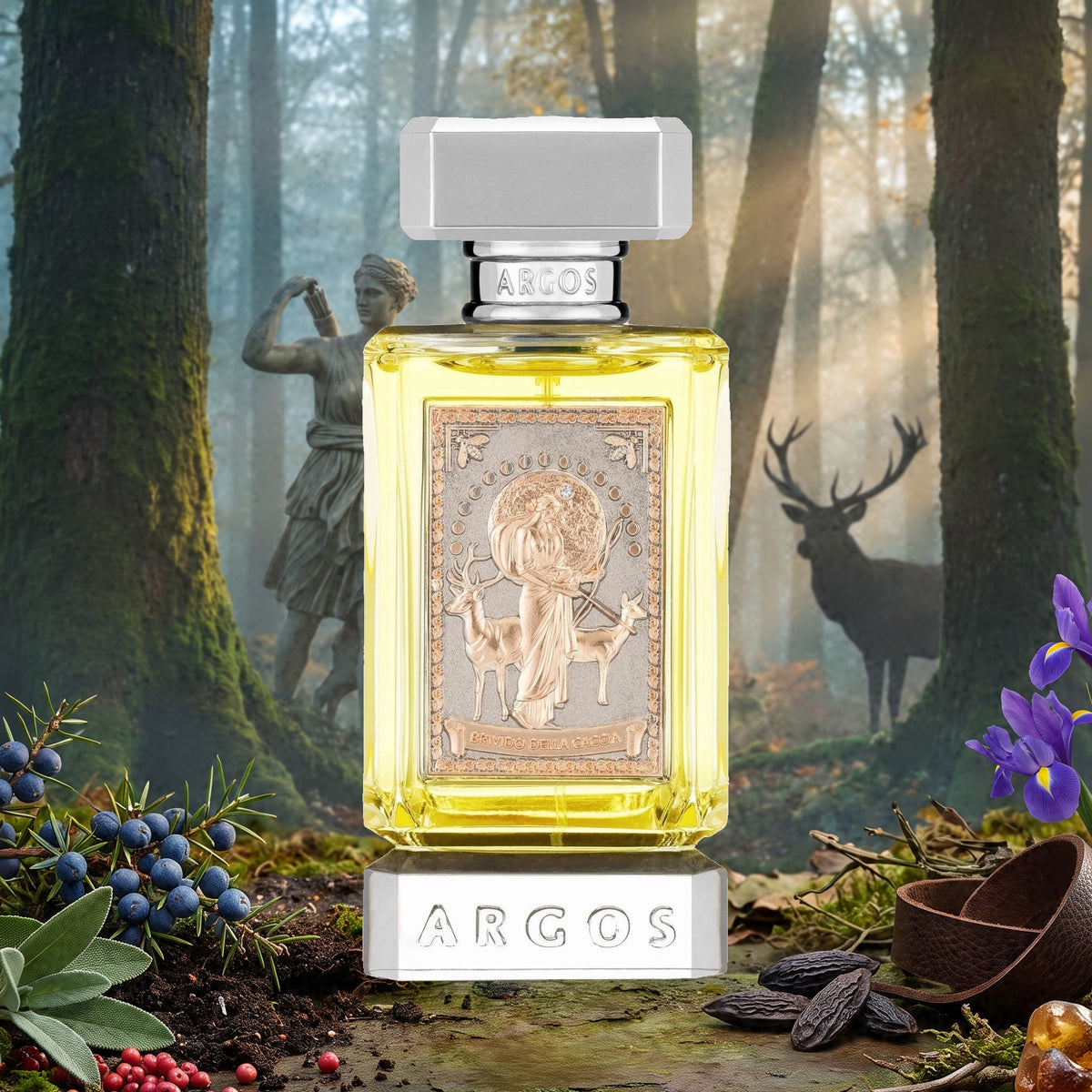


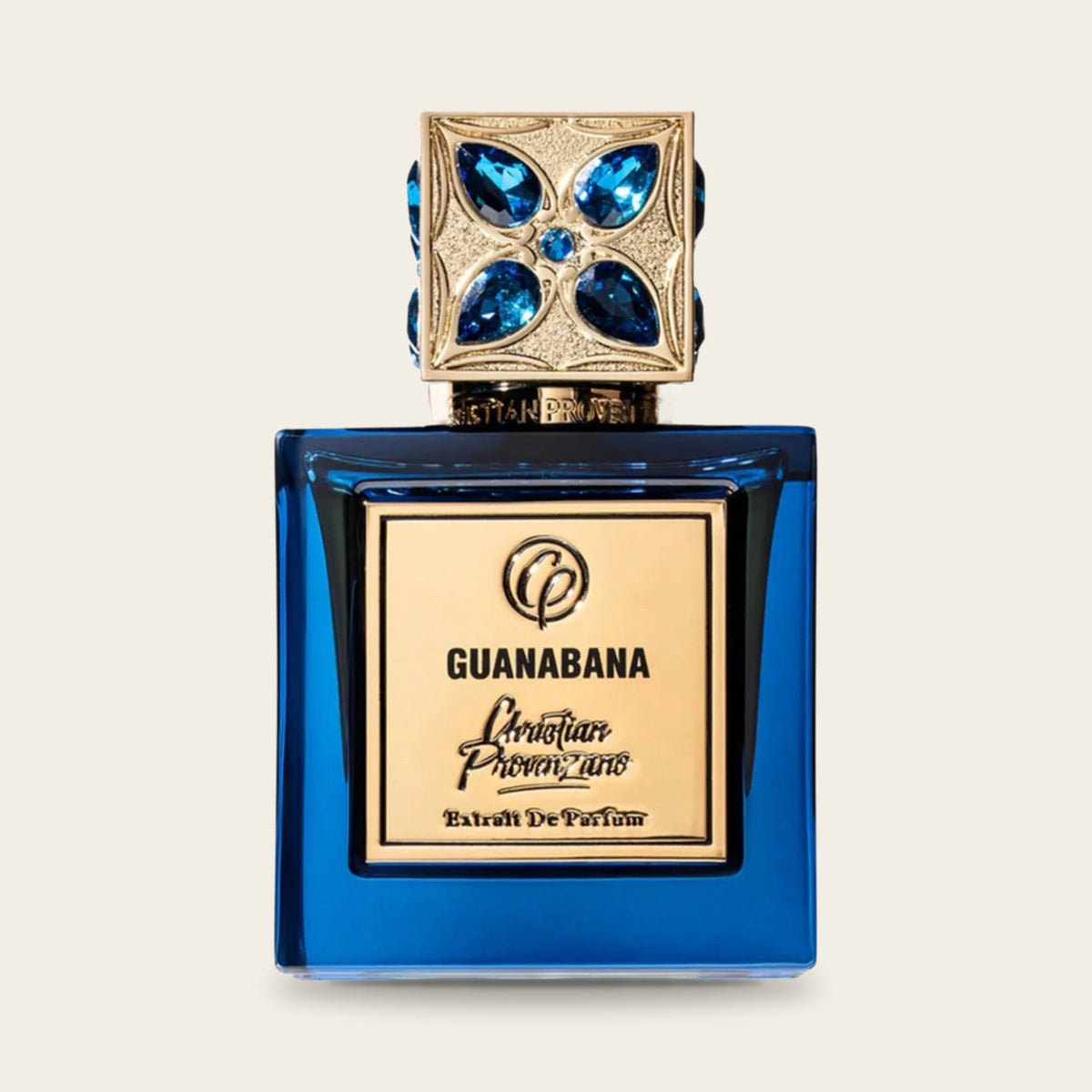
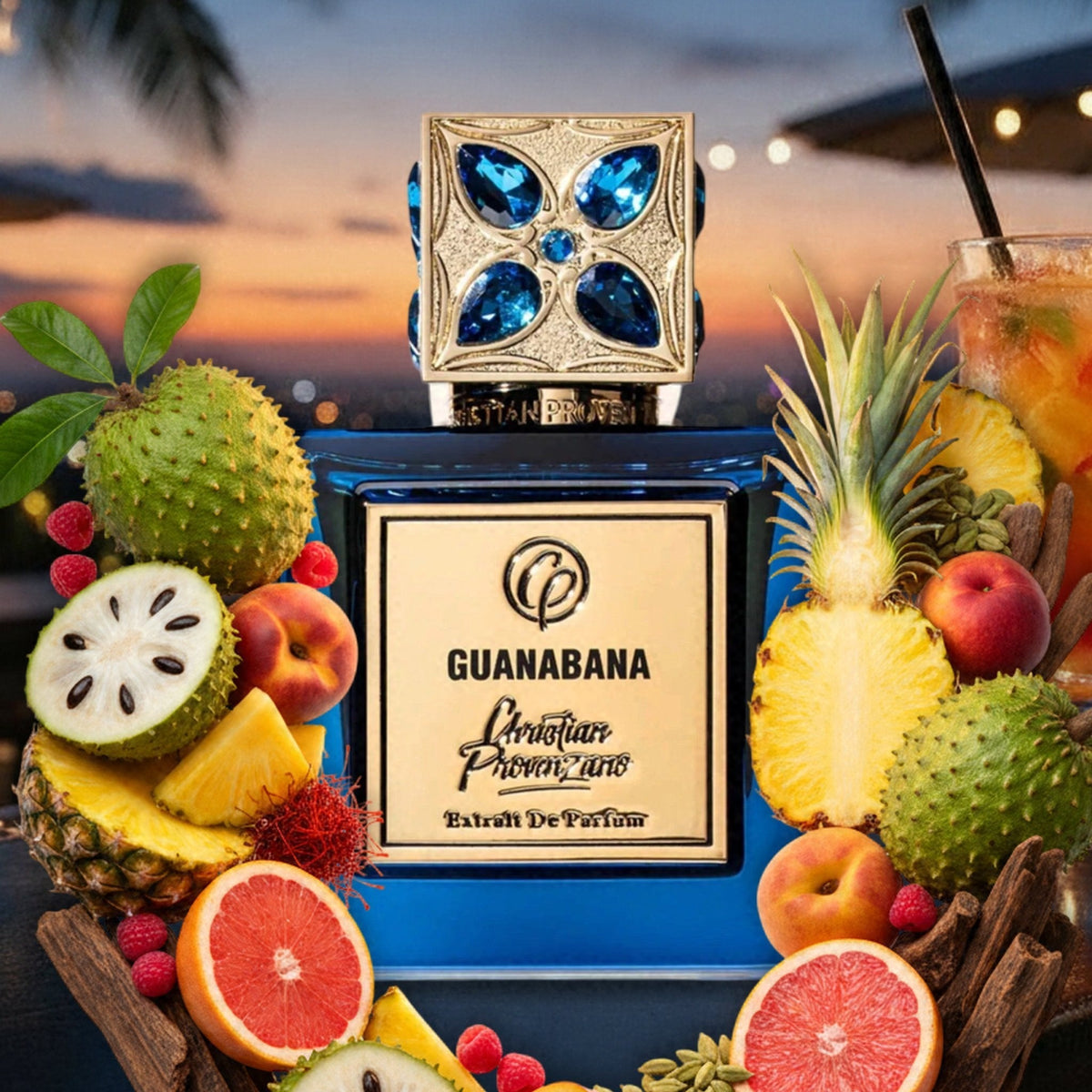



Questions and answers
Dried greenery like hay and rolled tea leaves, with a smoky, tobacco-like depth, faintly leathery undertones and a soft, honeyed glow.
Mate is an evergreen tree of the holly family that can reach up to 15 metres in the wild; on plantations it is pruned and kept as a shrub. It is native to the humid subtropical forests of the upper Paraná basin – southern Brazil, Paraguay and north-eastern Argentina. Leaves are still gathered partly from wild stands and partly from plantations; Brazil is the largest producer, ahead of Argentina and Paraguay. The raw material used in perfumery comes mainly from Brazil.
After harvesting, the branches and leaves are passed briefly over an open fire. This brief heat quickly drives out moisture. The herb is then dried – traditionally also over a wood fire, which lends it a smoky tone – coarsely chopped and stored for several months. For roasted mate it is additionally roasted at a higher temperature. For perfumery, the dried leaves are extracted with volatile solvents; the resulting concrete is purified into mate absolute, which is also available in a decolourised form.
Mate gives a fragrance a dry, tea-like green warmth that sits somewhere between fresh herbs and tobacco leaf. Perfumers use the very powerful absolute above all to create tea and tobacco effects; it pairs well with bergamot and grapefruit in the opening and lends amber, labdanum, vanilla and musk in the depths a dry, hay-like note. In our range, mate appears in 13 fragrances – in the top note of 4 and the heart note of 9.
Aromatic · Tobacco and hay · Heart note, also top
Mate is harvested mainly during the South American winter, roughly from April to September. Before it reaches the market, the herb is usually stored for many more months.
In our fragrances, it often appears alongside Amber, Bergamot, Vanilla, Musk, Labdanum, Grapefruit, Cedarwood.
Long before the Spanish arrived, the Guaraní drank mate, and the plant also had a place in their religious rites. Spanish settlers took up the habit as early as the 16th century, and mate became one of the region's key trade goods. The Jesuits, who founded mission villages known as reductions in Guaraní lands, were at first wary of the drink but soon promoted it strongly: in the mid-17th century they achieved what contemporaries considered extremely difficult – growing the tree on plantations. They kept their method secret. After the Jesuits were expelled in 1767, the plantations fell into decline and mate was once again gathered mostly from wild stands.
- Botanically, mate is a holly: the South American shrub belongs to the same genus, Ilex, as the holly of European woods and gardens.
- The Jesuits kept their method for germinating mate seeds a secret – according to tradition, they fed the seeds to birds or imitated the birds' digestion.
- In colonial Paraguay, mate was so valuable that it was even used as a form of currency.
In green mate, fresh floral terpenes such as linalool (C₁₀H₁₈O, PubChem CID 6549), α-terpineol (C₁₀H₁₈O, CID 17100) and linalool oxide shape the scent. When the leaves are roasted, toasty compounds such as 2,4-heptadienal (C₇H₁₀O) come to the fore. Its best-known constituent is caffeine (C₈H₁₀N₄O₂, CID 2519), which makes up roughly 1 to 1.7% of the dried leaves; mate also contains theobromine. There is a botanical reason why mate seeds are so hard to germinate: when the seed is ripe, its embryo is still undeveloped and has to grow first.
FRAGRANCE KNOWLEDGE
In the 4D Journal
-
 FRAGRANCE KNOWLEDGE
Rose in perfume: The queen of fragrance materials
READ ARTICLE
-
 FRAGRANCE KNOWLEDGE
Vanilla in perfume: From orchid to favourite scent
READ ARTICLE
-
 FRAGRANCE KNOWLEDGE
Leather in perfume: How does something smell that was never in the bottle?
READ ARTICLE
-
 FRAGRANCE KNOWLEDGE
Scented candles & home fragrance: How to use them right
READ ARTICLE