
INGREDIENT GLOSSARY
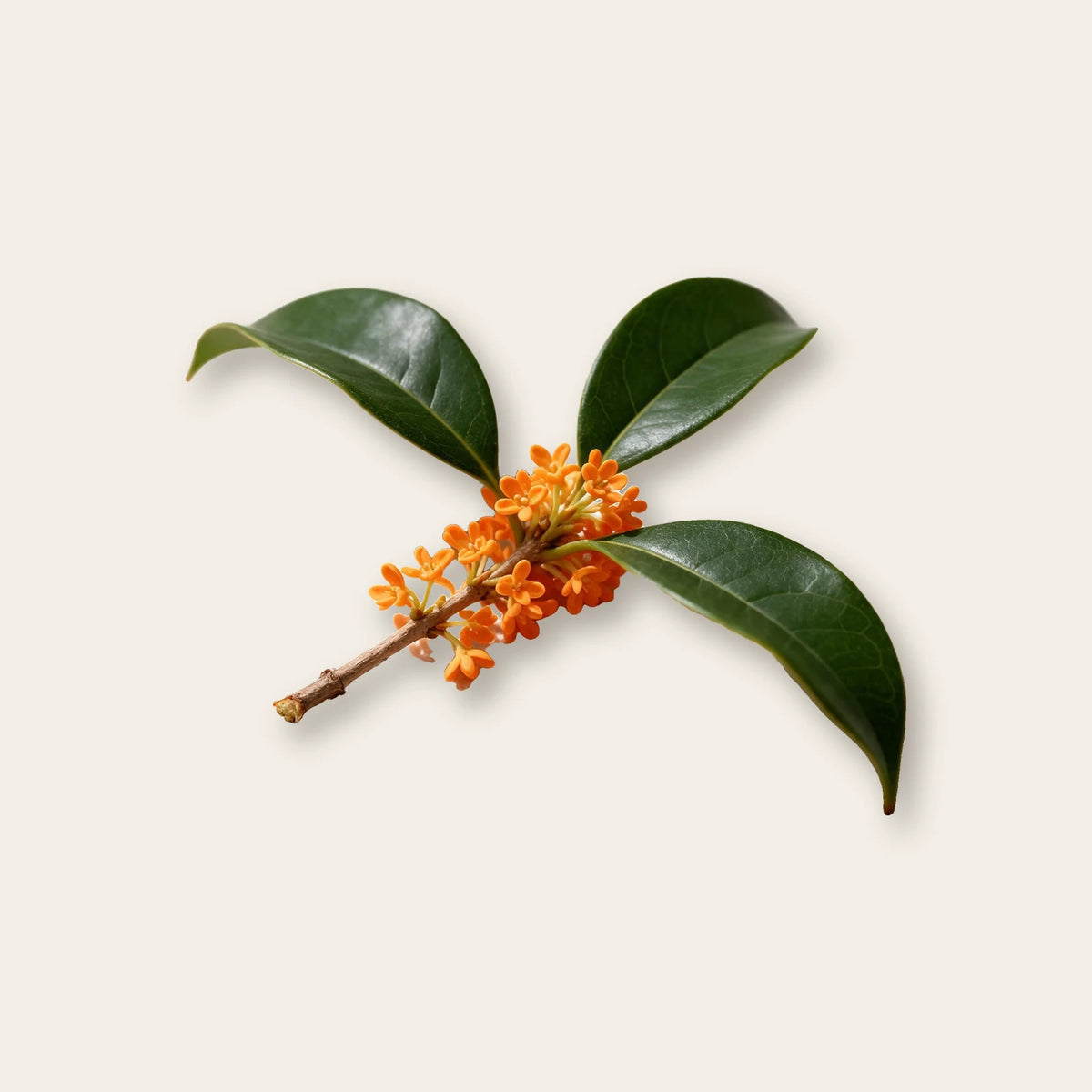
Osmanthus
Osmanthus fragrans · Olive family (Oleaceae)
Velvety and fruity like ripe apricot, with a floral, slightly leathery undertone.
NATURALFLORAL · FRUITY · HEART NOTE
AT A GLANCE
- Plant: osmanthus Osmanthus fragrans, an evergreen shrub of the olive family
- Origin: East Asia from the Himalayas to Japan, for perfumery mainly from China
- Extraction: flowers solvent-extracted to a concrete, then an absolute – very low yield
- Scent: fruity like apricot, floral and violet-like, slightly leathery – heart note
PROFILE
- Origin
- Originally East Asia from the Himalayas to China and Japan · now grown mainly in southern and eastern China, for example in the Guilin region
- Extraction
- Fresh flowers are extracted with a solvent such as hexane to give a concrete, from which alcohol yields the absolute – the yield is very low
- Main molecules
- β-ionone (C₁₃H₂₀O, violet-like) · α-ionone (C₁₃H₂₀O, violet-like) · dihydro-β-ionone (C₁₃H₂₂O) · γ-decalactone (C₁₀H₁₈O₂, peach-apricot) · linalool (C₁₀H₁₈O, floral)
- Harvest
- Osmanthus flowers in late summer and autumn, in China usually peaking from September to early October.
- Often paired with
- Vanille, Moschus, Bergamotte, Patschuli, Jasmin, Rose, Sandelholz
Numbers that surprise
around 3 tonnes
of fresh osmanthus flowers is the figure classic specialist literature gives for a single kilogram of absolute – a yield of only around 0.03%.
2 from 1
From a single carotene molecule with 40 carbon atoms, the enzyme OfCCD1 cuts two scent molecules with 13 carbon atoms each – the violet tone of osmanthus.
Rounded values; calculation based on published data.
Harvest and season
Osmanthus flowers in late summer and autumn, in China usually peaking from September to early October.
The delicate flowers are harvested in autumn. Extraction with a volatile solvent such as hexane produces a waxy concrete; washing with alcohol, chilling and filtering removes the waxes, and once the alcohol has evaporated the absolute remains. The yield is very low: a single kilogram of absolute requires a vast quantity of fresh flowers.
Knowledge to share
Myth or truth?
Statement 1
Osmanthus smells of apricot because it is related to the apricot.
Myth. Osmanthus belongs to the olive family and is related to the olive, not the apricot. The apricot tone comes from lactones such as γ-decalactone, joined by violet-like ionones.
Statement 2
Part of the osmanthus scent is made from the flower's pigments.
True. The enzyme OfCCD1 cleaves carotenes – the pigments that colour the flowers yellow to orange – into the violet-scented α- and β-ionones. In one study, osmanthus even showed the greatest diversity of such carotenoid-derived scent compounds among the flowering plants investigated.
Statement 3
Everyone smells the violet note of ionones in the same way.
Myth. A variant of the olfactory receptor gene OR5A1 helps determine how sensitive someone is to β-ionone. Less sensitive people often perceive it not as floral but as sour or pungent – and are less likely to find it pleasant.
Your result
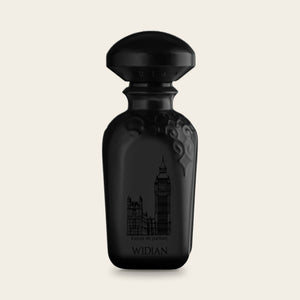
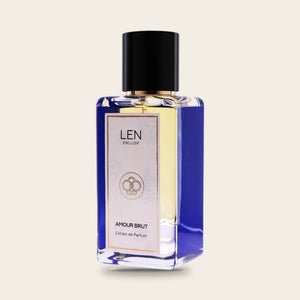
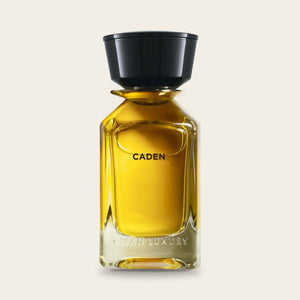
FRAGRANCES WITH OSMANTHUSINGREDIENT GLOSSARY
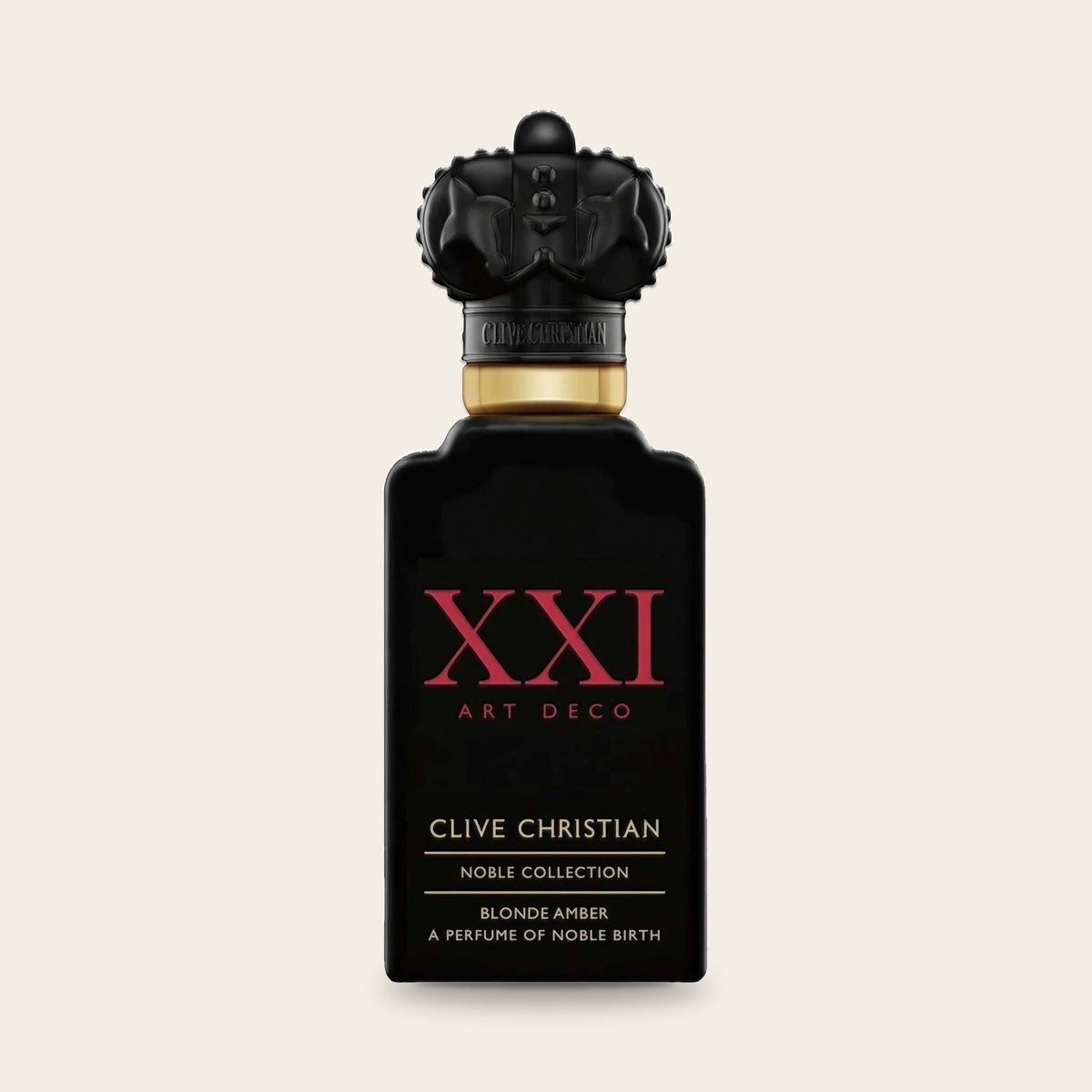
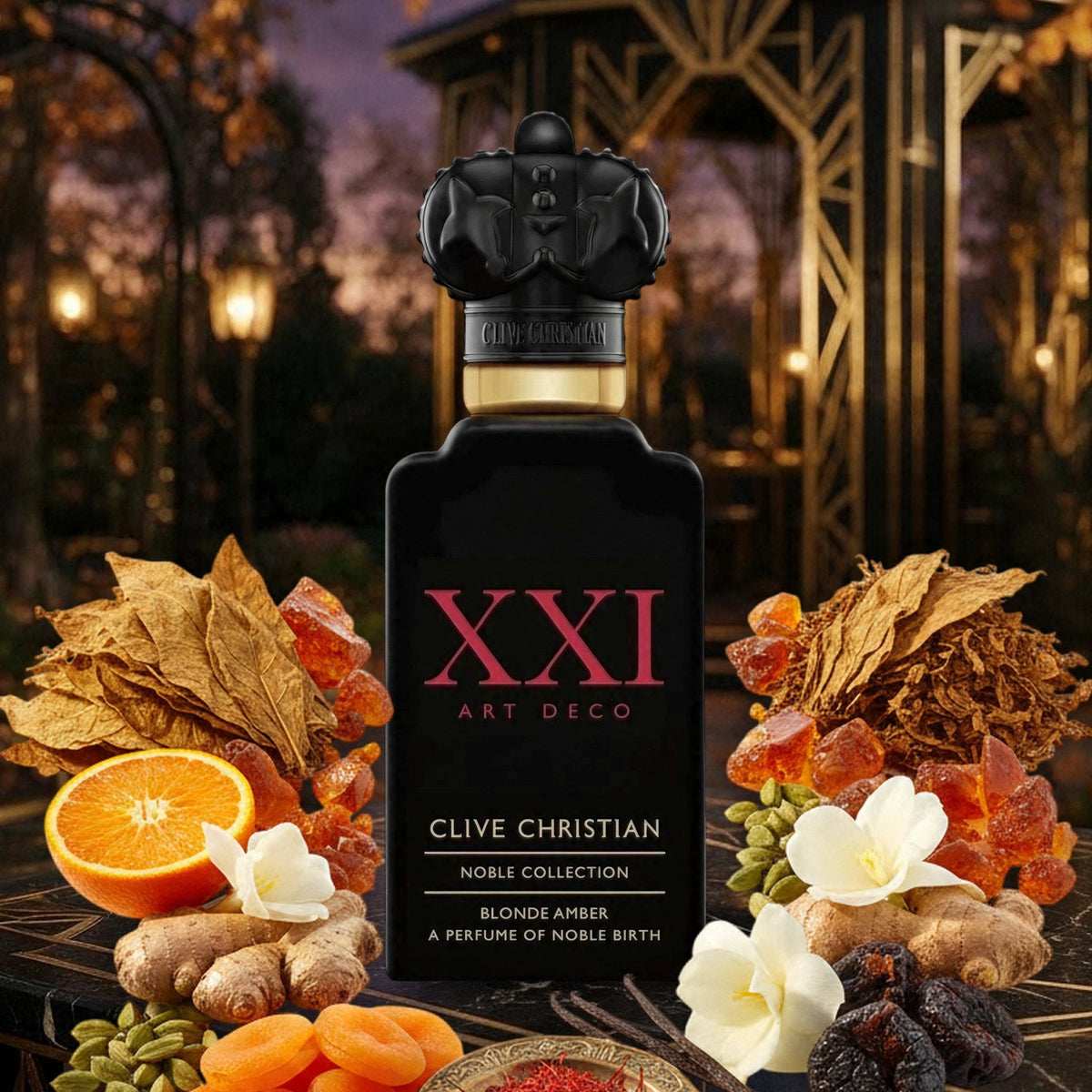
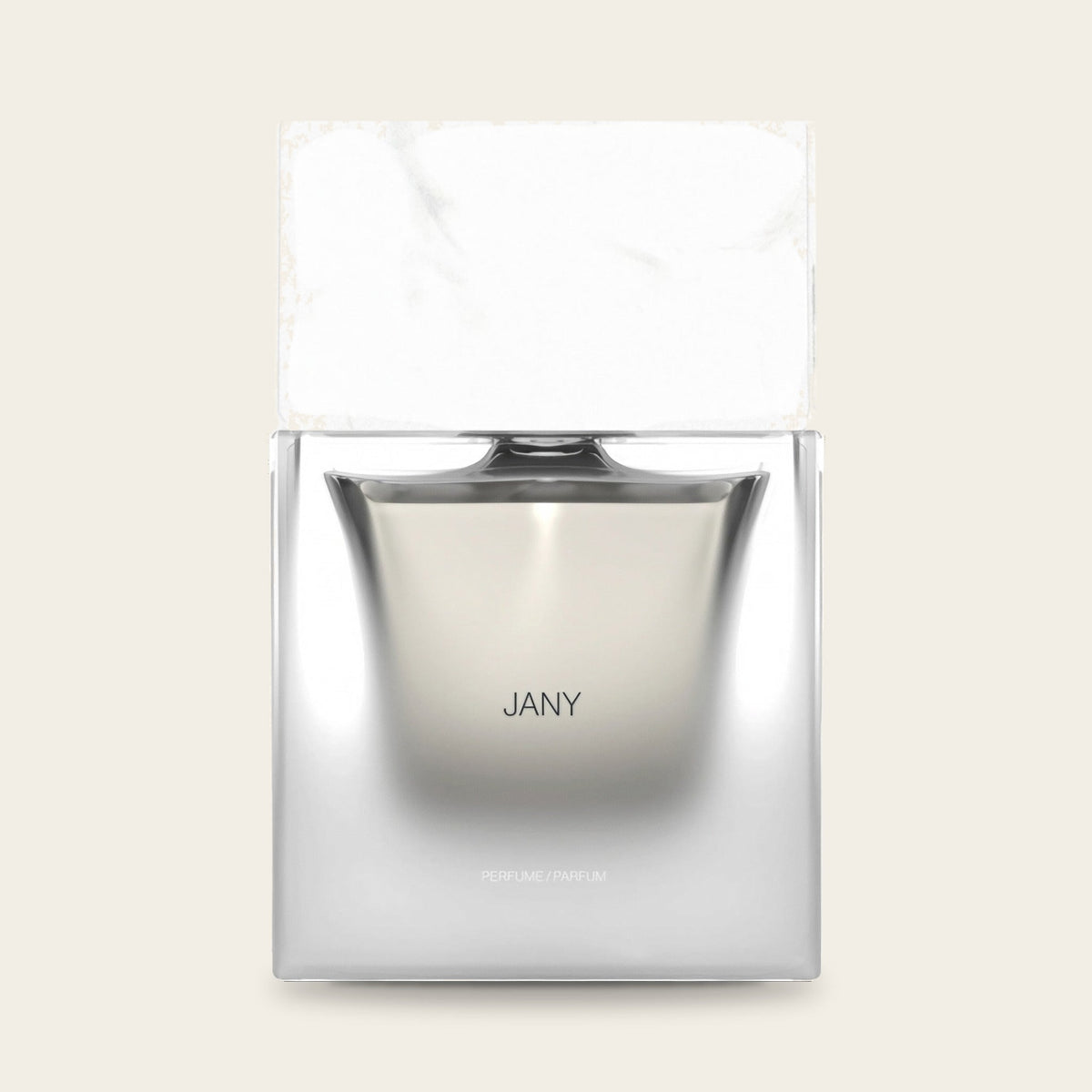
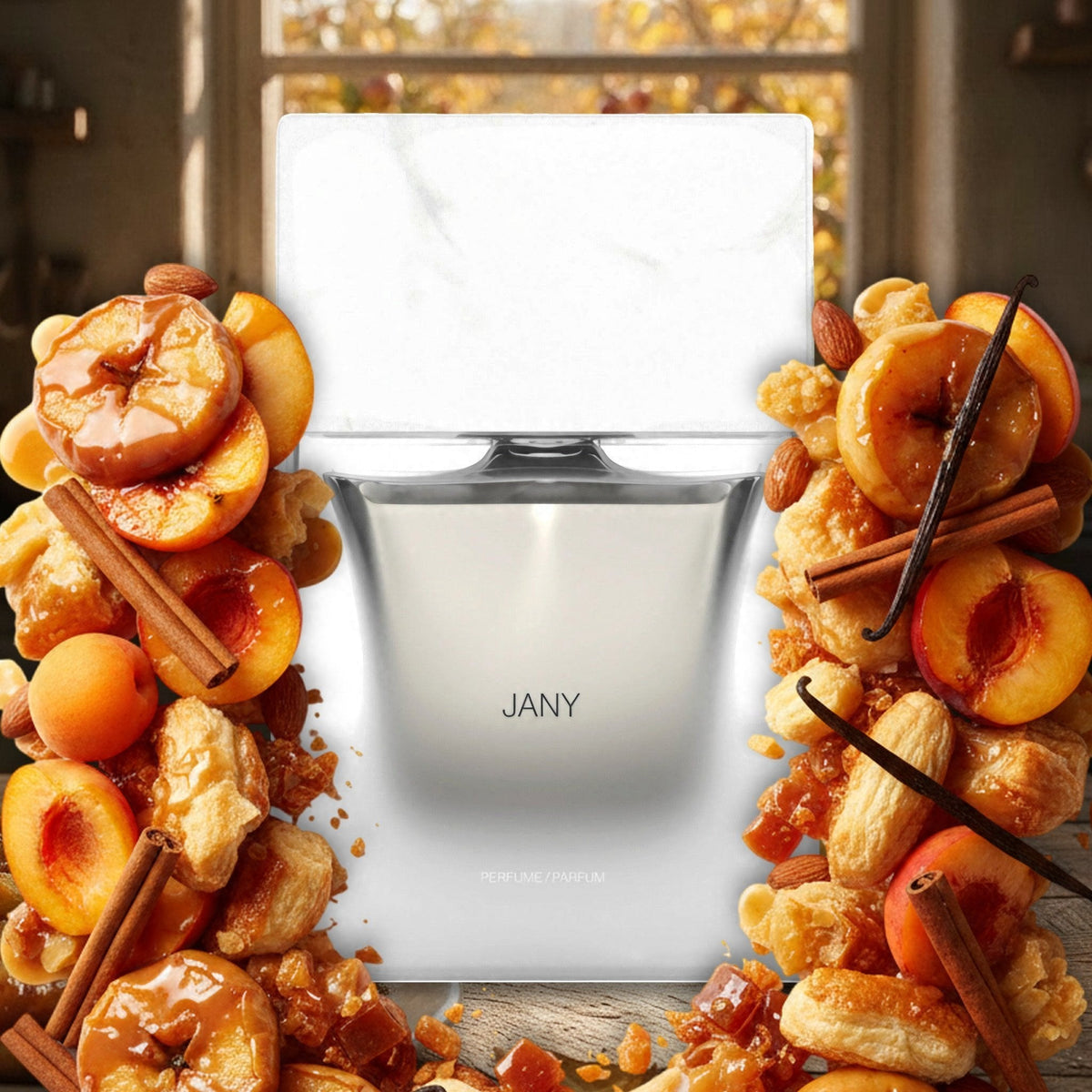
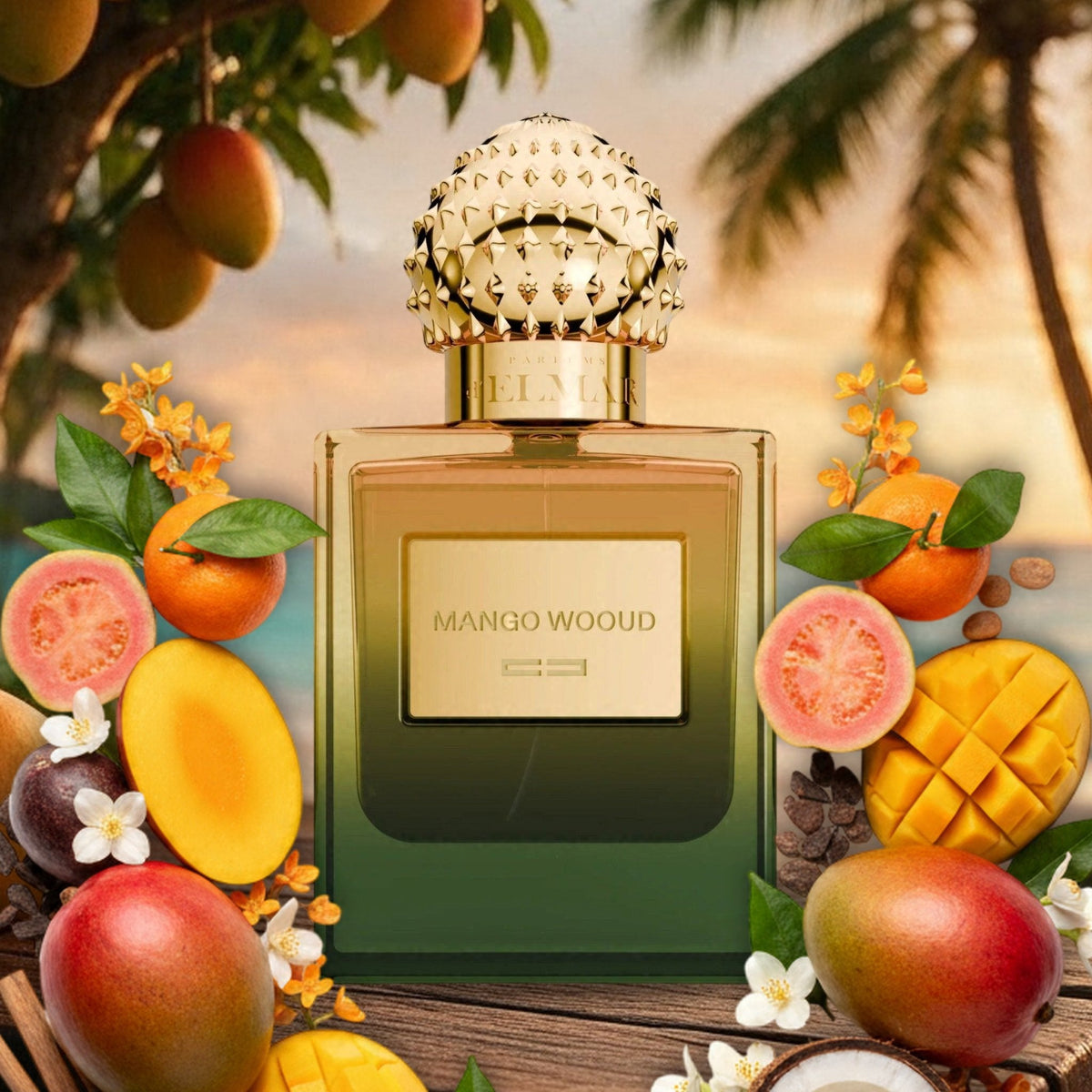
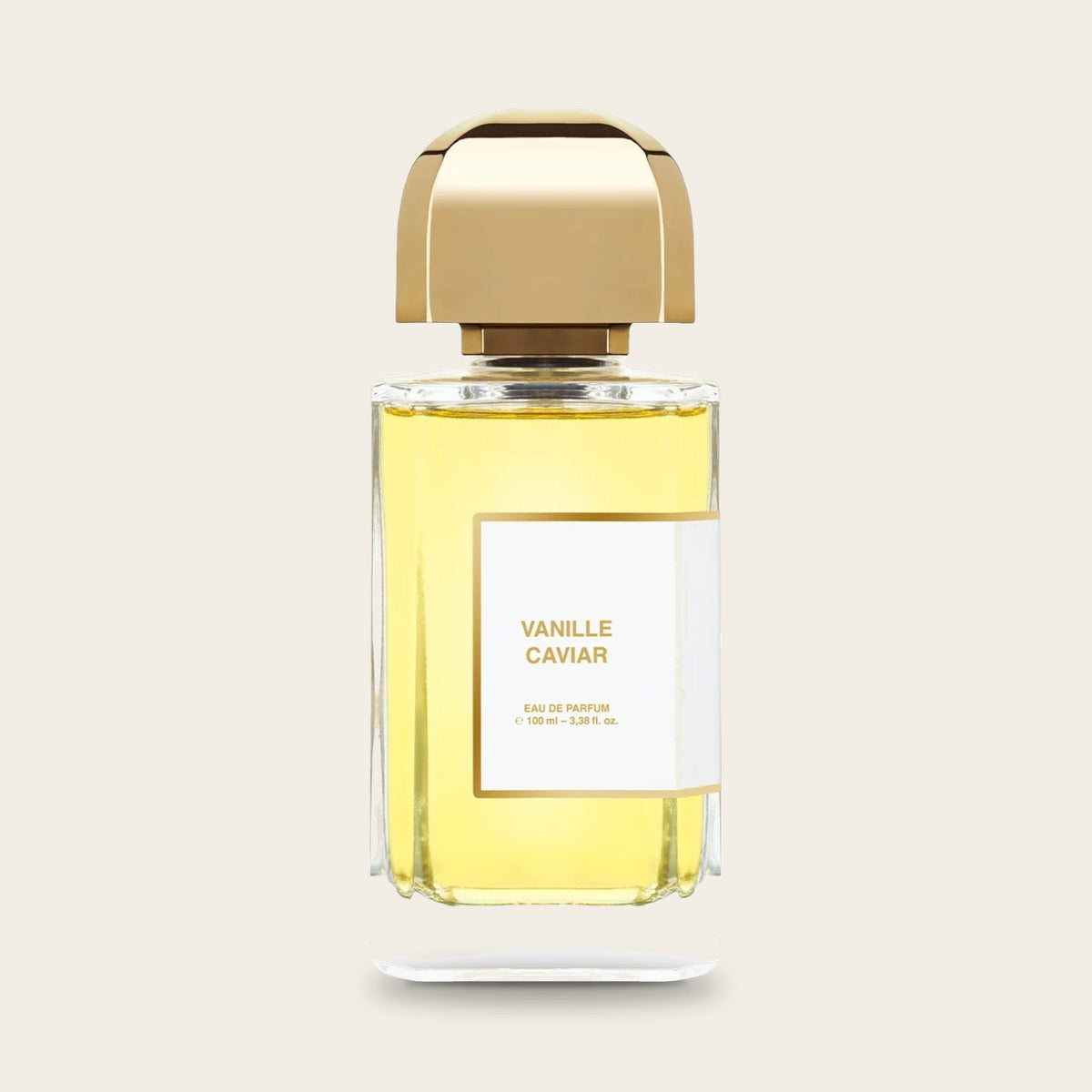
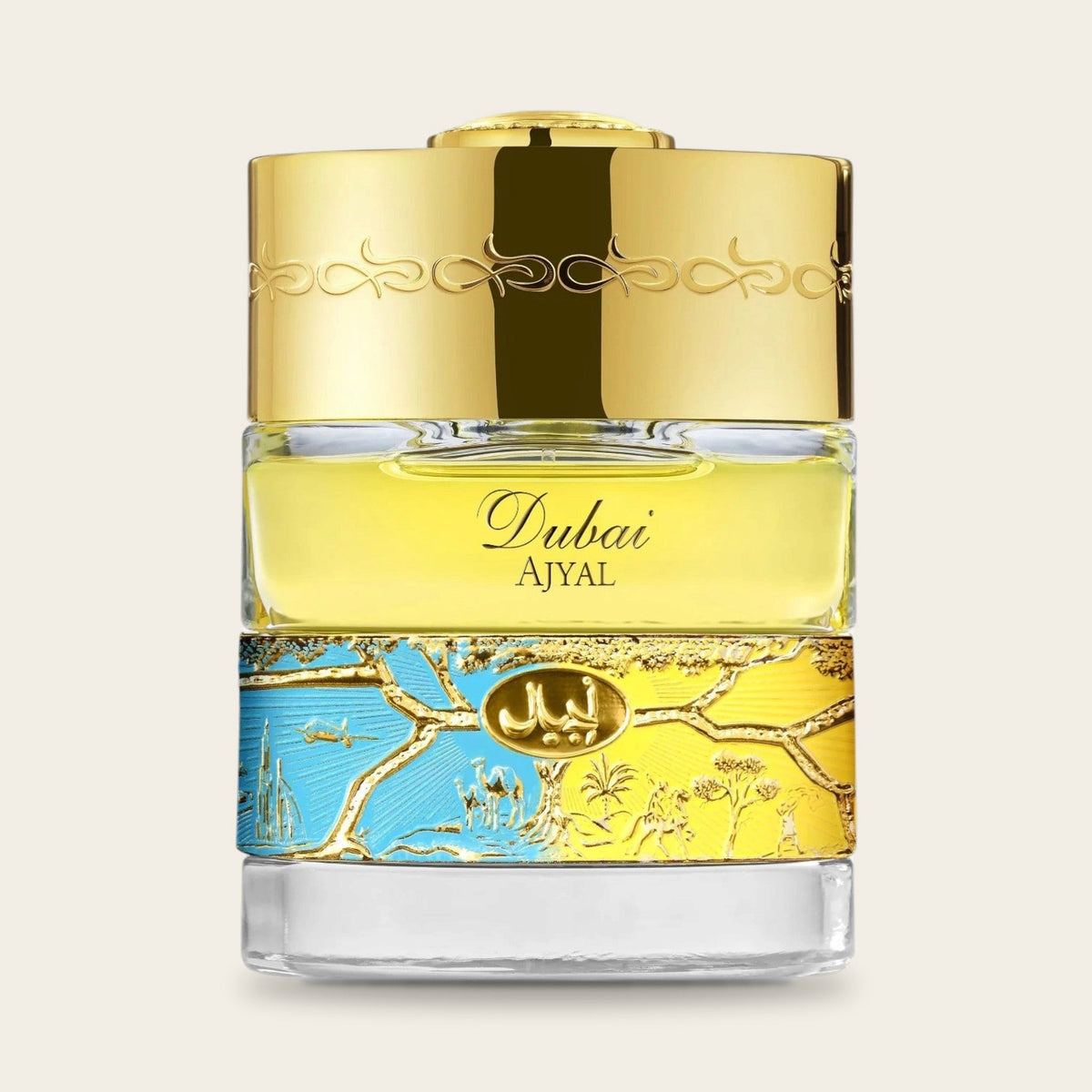
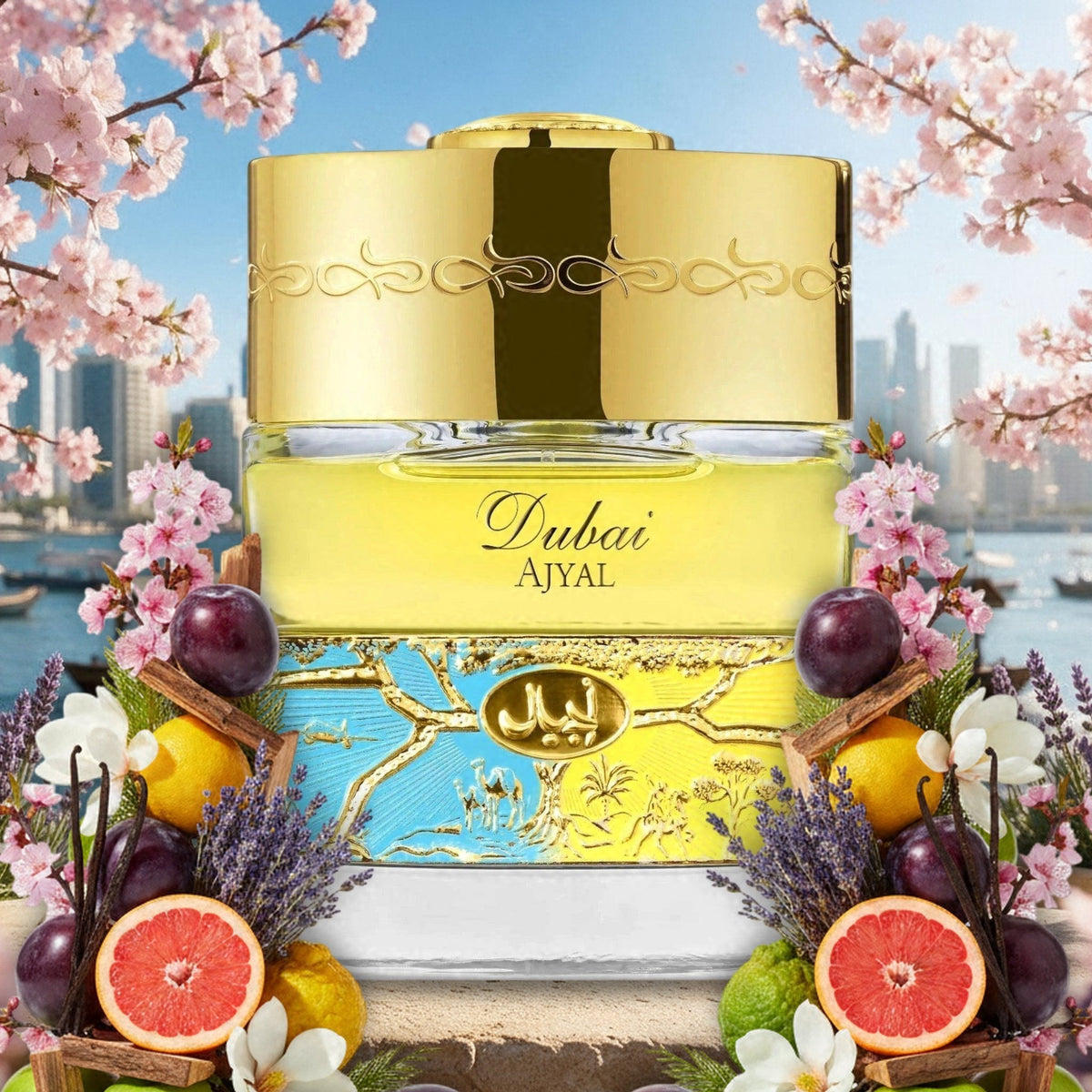
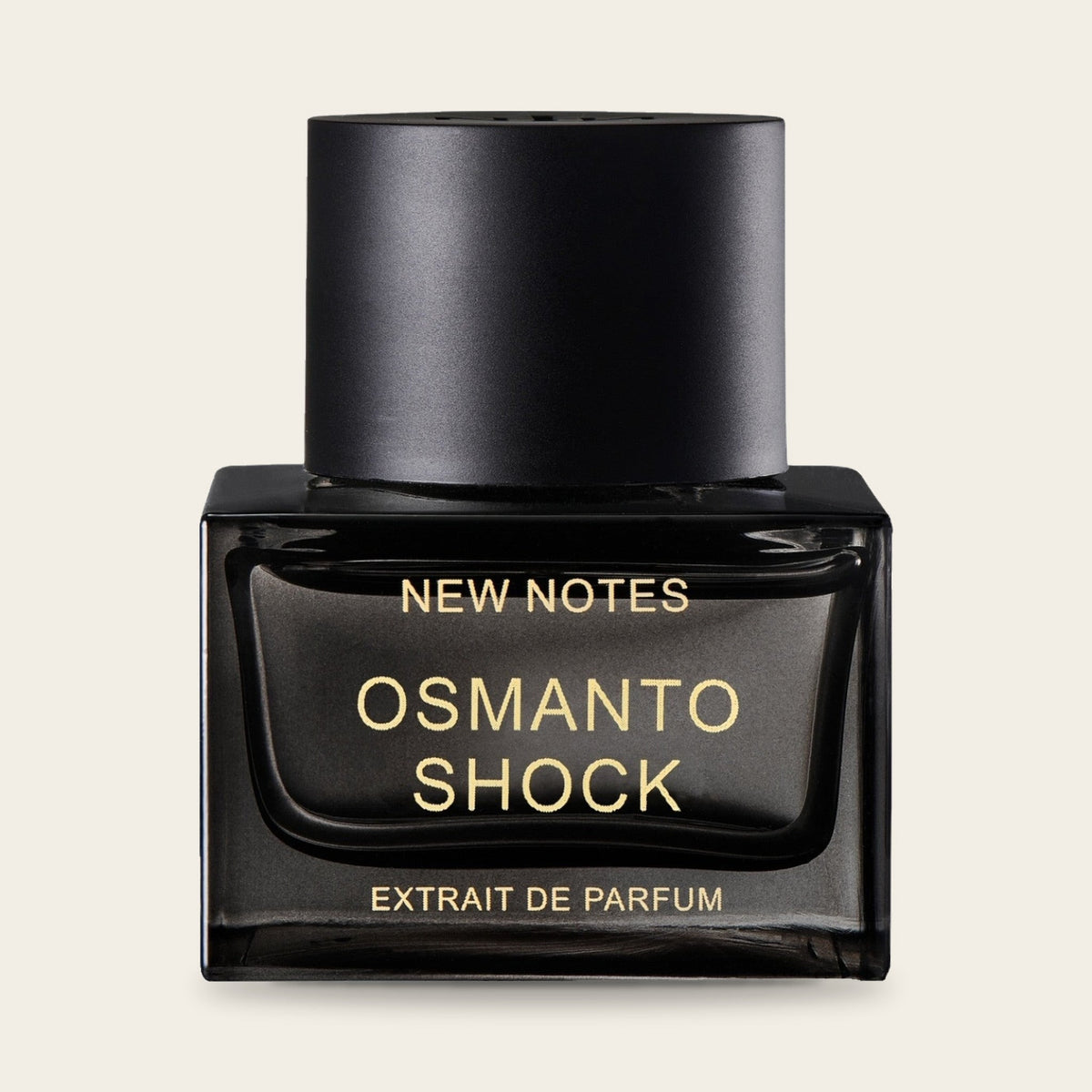
Fragrances with Osmanthus









Questions and answers
Velvety and fruity like ripe apricot, with a floral, slightly leathery undertone.
Osmanthus fragrans is an evergreen shrub or small tree; its natural range extends from the Himalayas and Assam through China and South-East Asia to Taiwan and Japan. The small flowers grow in clusters and are white, pale yellow, golden yellow or orange depending on the cultivar. More than a hundred cultivars are grown in China, divided into four cultivar groups – the orange-flowered Aurantiacus group differs markedly from the yellowish-white groups. Osmanthus for perfumery comes mainly from China, where the shrub is widely cultivated, especially in the south, for example in the region around Guilin.
The delicate flowers are harvested in autumn. Extraction with a volatile solvent such as hexane produces a waxy concrete; washing with alcohol, chilling and filtering removes the waxes, and once the alcohol has evaporated the absolute remains. The yield is very low: a single kilogram of absolute requires a vast quantity of fresh flowers.
Osmanthus works above all in the heart of a fragrance: ionones give it a violet-like, powdery floralcy, while lactones such as γ-decalactone add the creamy apricot and peach tone. Linalool contributes a touch of bright freshness at the start. In our range, osmanthus appears in 46 fragrances, 38 in the heart, 7 in the top note and 2 in the base.
Floral · Fruity · Heart note
Osmanthus flowers in late summer and autumn, in China usually peaking from September to early October.
In our fragrances, it often appears alongside Vanille, Moschus, Bergamotte, Patschuli, Jasmin, Rose, Sandelholz.
In China osmanthus is closely linked to the Mid-Autumn Festival, which falls during its flowering season: according to an old legend, an osmanthus tree grows on the moon, which Wu Gang must cut down as a punishment – yet the tree grows back as fast as he fells it. For the festival, families traditionally drink osmanthus wine as a „reunion wine“ and eat pastries made with osmanthus flowers. The blossoms have also long been used in China to scent green or black tea. Several cities have osmanthus as their city flower, among them Hangzhou and Guilin, whose name is usually translated as „forest of osmanthus“.
- In one study, osmanthus showed the greatest diversity of scent compounds derived from carotenoids – that is, from flower pigments – of all the flowering plants investigated.
- Whether β-ionone smells floral or sour and pungent depends partly on a variant of the olfactory receptor gene OR5A1 – less sensitive people barely perceive the violet note.
- The character 桂 (guì) in the city name Guilin now refers to osmanthus; in older texts it was also associated with the cassia tree.
The scent of osmanthus is shaped by C₁₃ norisoprenoids, above all β-ionone (C₁₃H₂₀O, PubChem CID 638014) and α-ionone (C₁₃H₂₀O, CID 5282108), along with dihydro-β-ionone (C₁₃H₂₂O, CID 519382). These ionones are formed when the enzyme OfCCD1 – a carotenoid cleavage dioxygenase – cuts up carotenes in the petals; their emission follows a daily rhythm and is higher during the day. The flowers contain mainly α- and β-carotene, which also determine their yellow to orange colour. The fruity apricot tone comes from lactones such as γ-decalactone (C₁₀H₁₈O₂, CID 12813), while linalool (C₁₀H₁₈O, CID 6549) and its oxides add a fresh floral side.
FRAGRANCE KNOWLEDGE
In the 4D Journal
-
 FRAGRANCE KNOWLEDGE
Rose in perfume: The queen of fragrance materials
READ ARTICLE
-
 FRAGRANCE KNOWLEDGE
Vanilla in perfume: From orchid to favourite scent
READ ARTICLE
-
 FRAGRANCE KNOWLEDGE
Leather in perfume: How does something smell that was never in the bottle?
READ ARTICLE
-
 FRAGRANCE KNOWLEDGE
Scented candles & home fragrance: How to use them right
READ ARTICLE