INGREDIENT GLOSSARY
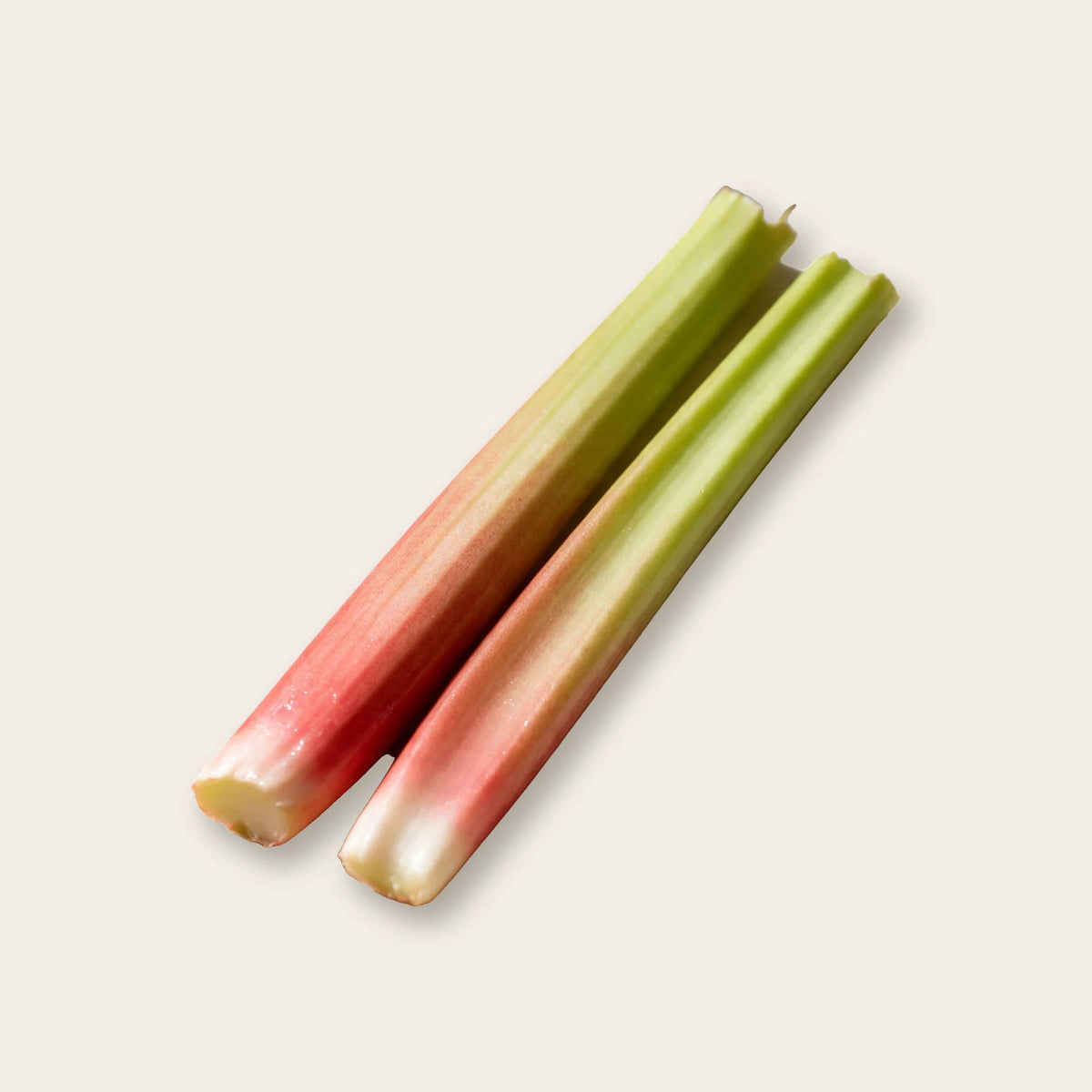
Rhubarb
Rheum rhabarbarum · Knotweed family (Polygonaceae)
Tart, green and juicy, with a crisp, slightly fruity freshness reminiscent of freshly cut rhubarb stalks.
ACCORDGREEN · TART-FRUITY · TOP NOTE
AT A GLANCE
- Plant: rhubarb Rheum rhabarbarum, a member of the knotweed family – the leaf stalks are eaten
- Origin: wild species from southern Siberia, Mongolia and northern China, a vegetable in Europe since the 18th century
- Extraction: no commercial essential oil – rebuilt in perfume as an accord of aroma molecules
- Scent: tart, green, juicy, slightly fruity – mainly a top note
PROFILE
- Origin
- Wild species native from southern Siberia and Mongolia to northern and central China · Grown as a vegetable in Europe and North America, forced rhubarb mainly from Yorkshire
- Extraction
- No commercial essential oil from the stalks – in perfume, the rhubarb effect is built as an accord from aroma molecules
- Main molecules
- Accord building blocks: 1-phenylethyl acetate (styrallyl acetate, C₁₀H₁₂O₂) as the classic core · In the plant itself: green C6 compounds such as (Z)-3-hexenal (C₆H₁₀O)
- Harvest
- Yorkshire forced rhubarb traditionally arrives between Christmas and Easter as the first rhubarb of the year, followed by the field harvest; as a fragrance accord, rhubarb is available all year round.
- Often paired with
- Musk, Bergamot, Vanilla, Sandalwood, Cedarwood, Amber, Patchouli
Numbers that surprise
around 23 km²
is the size of the Rhubarb Triangle in West Yorkshire – only forced rhubarb grown on this small patch may be sold as Yorkshire Forced Rhubarb.
around 2 years
is how long the rhubarb plants grow in the field before moving into dark sheds for forcing.
around a dozen
growers still force rhubarb in the Rhubarb Triangle today – at the end of the 19th century there were hundreds.
Rounded values; calculation based on published data.
Harvest and season
Yorkshire forced rhubarb traditionally arrives between Christmas and Easter as the first rhubarb of the year, followed by the field harvest; as a fragrance accord, rhubarb is available all year round.
There is no commercial essential oil from rhubarb stalks. Perfumers therefore rebuild the scent as an accord. Its long-standing core is 1-phenylethyl acetate, a green, leafy ester with a gardenia and rhubarb facet. It is joined by further green, citrusy aroma molecules, green leaf alcohols for the snap of a freshly broken stalk and often a citrus top note.
Knowledge to share
Myth or truth?
Statement 1
The rhubarb scent in perfume comes from an essential rhubarb oil.
Myth. There is no commercial essential oil from rhubarb stalks. Perfumers rebuild the tart, green scent as an accord – above all with 1-phenylethyl acetate and further green aroma molecules.
Statement 2
In Europe, rhubarb was a medicine long before it was eaten as a vegetable.
True. For centuries, the dried root of Chinese Rheum species was a costly, sought-after medicinal drug that reached Europe by caravan routes. The stalks only caught on as a vegetable in the 18th century, when sugar became cheaper.
Statement 3
With rhubarb, you eat the fruit of the plant.
Myth. It is the fleshy leaf stalks that are eaten – botanically part of the leaf, not a fruit. The large leaf blades are unsuitable for eating because of their high oxalic acid content.
Your result
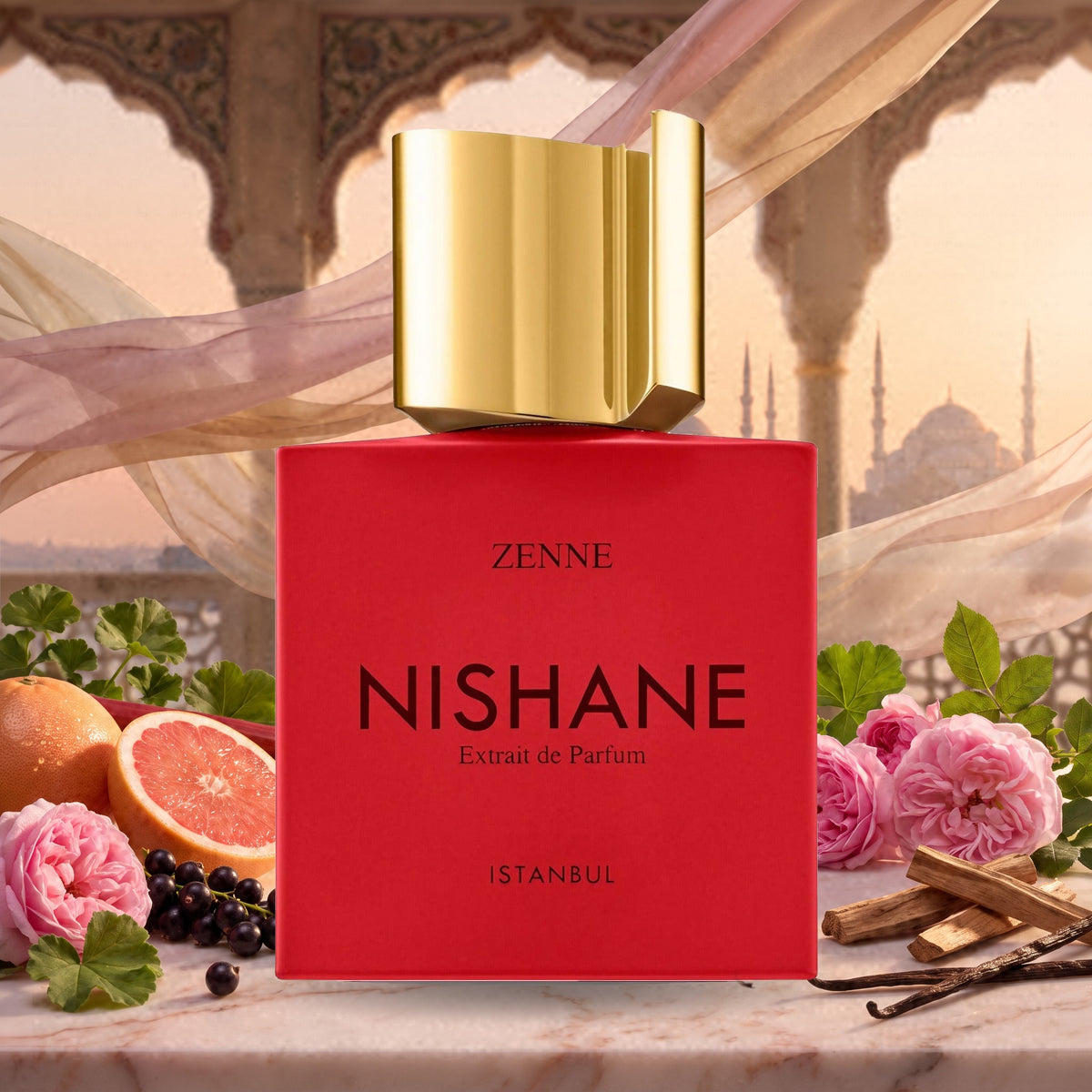
FRAGRANCES WITH RHUBARBINGREDIENT GLOSSARY
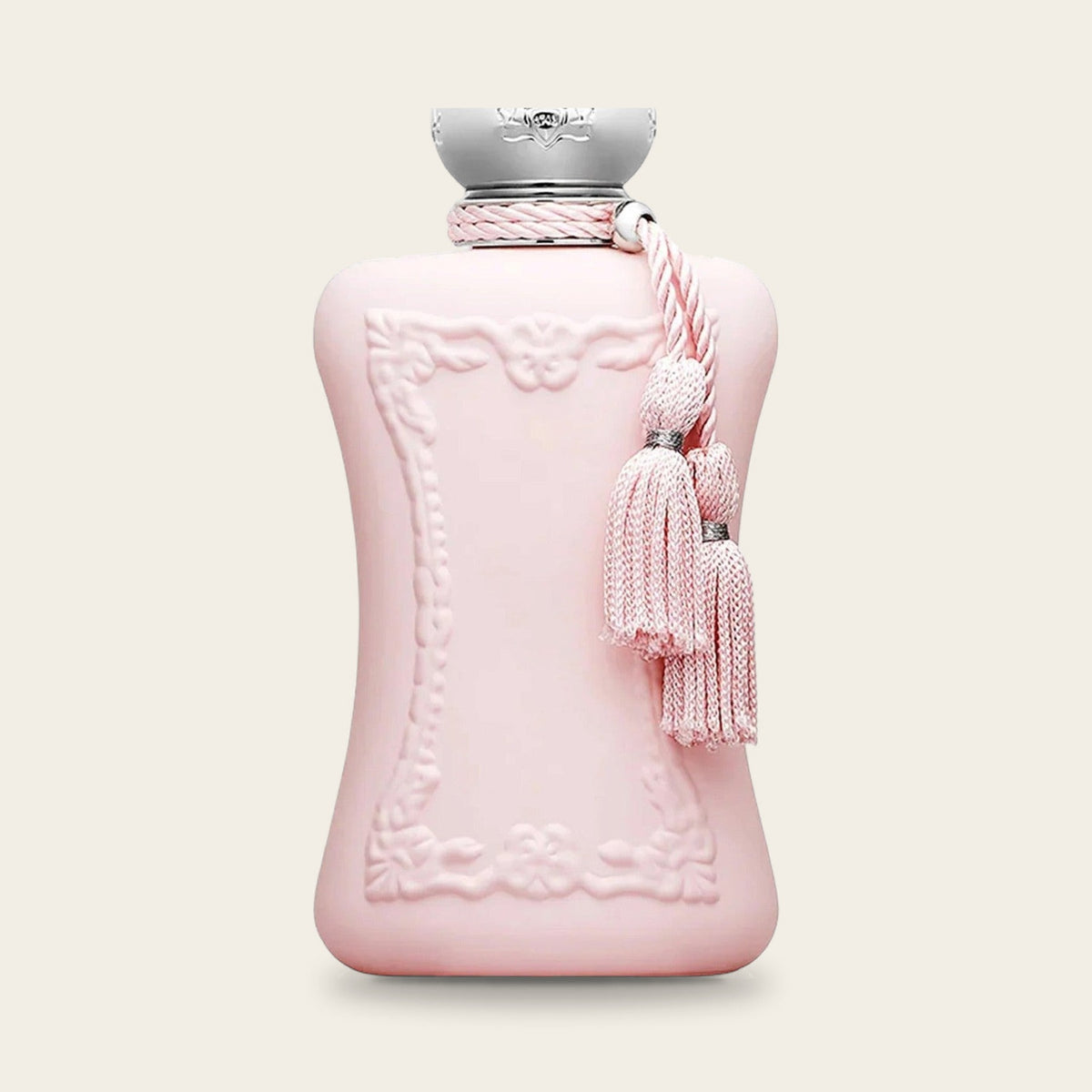
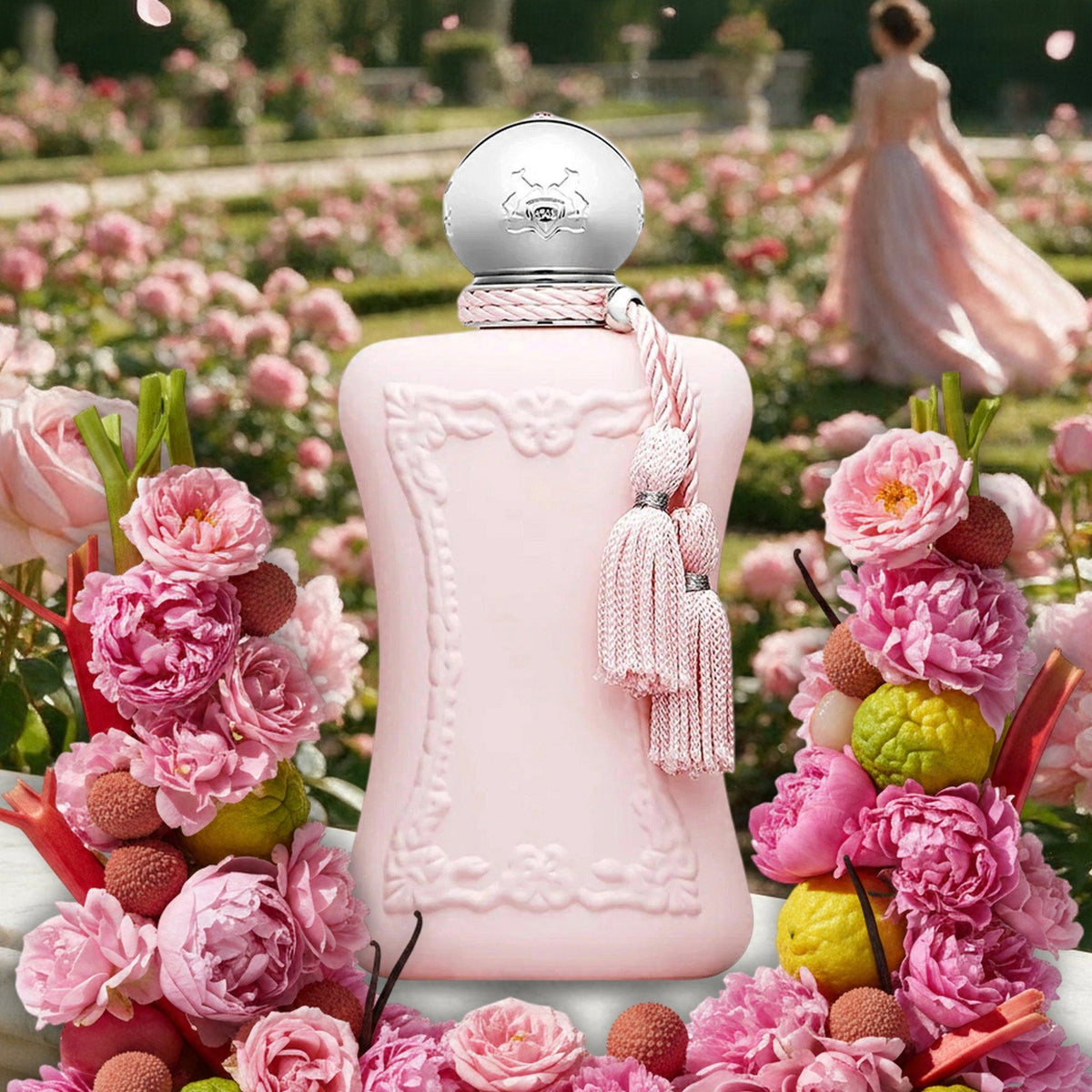
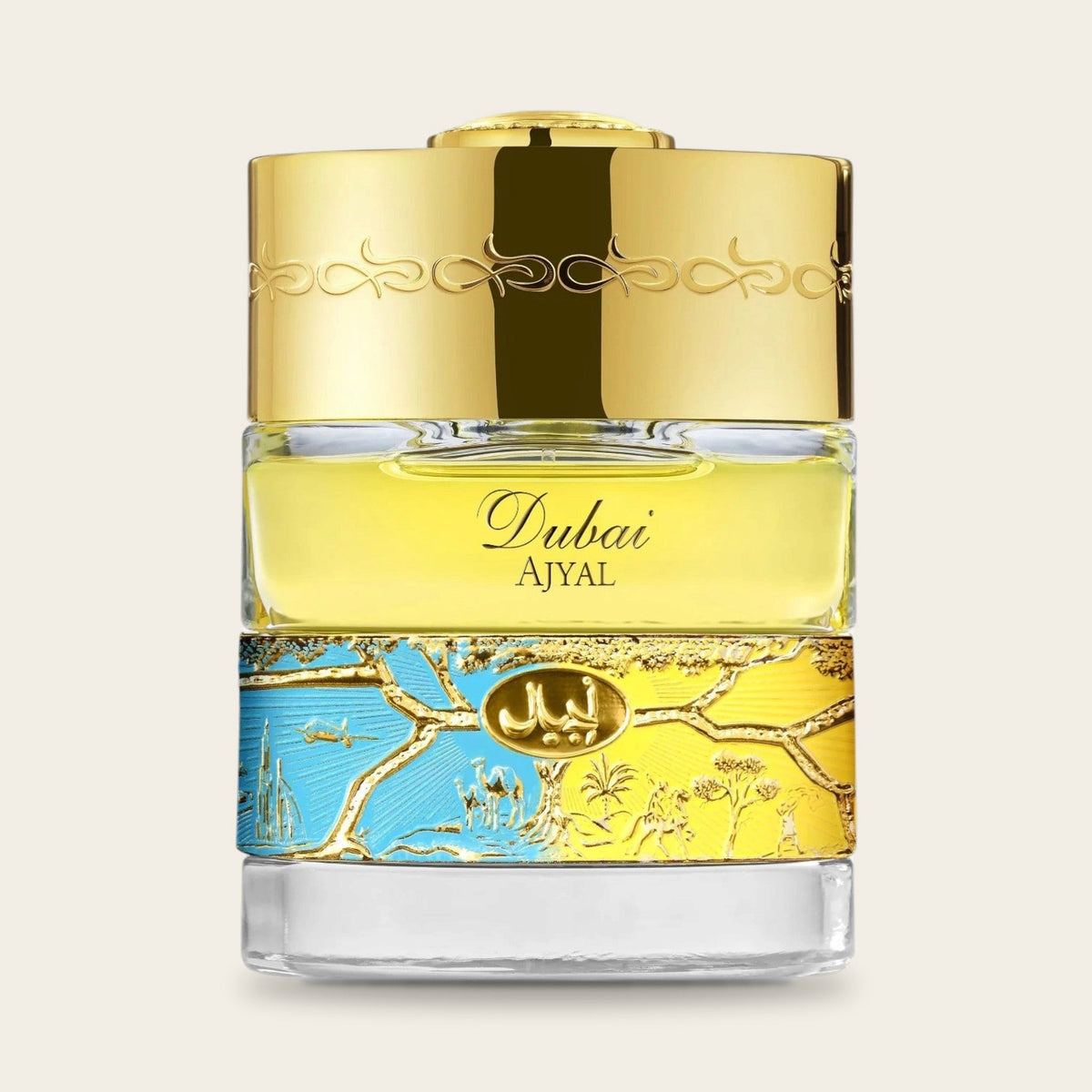
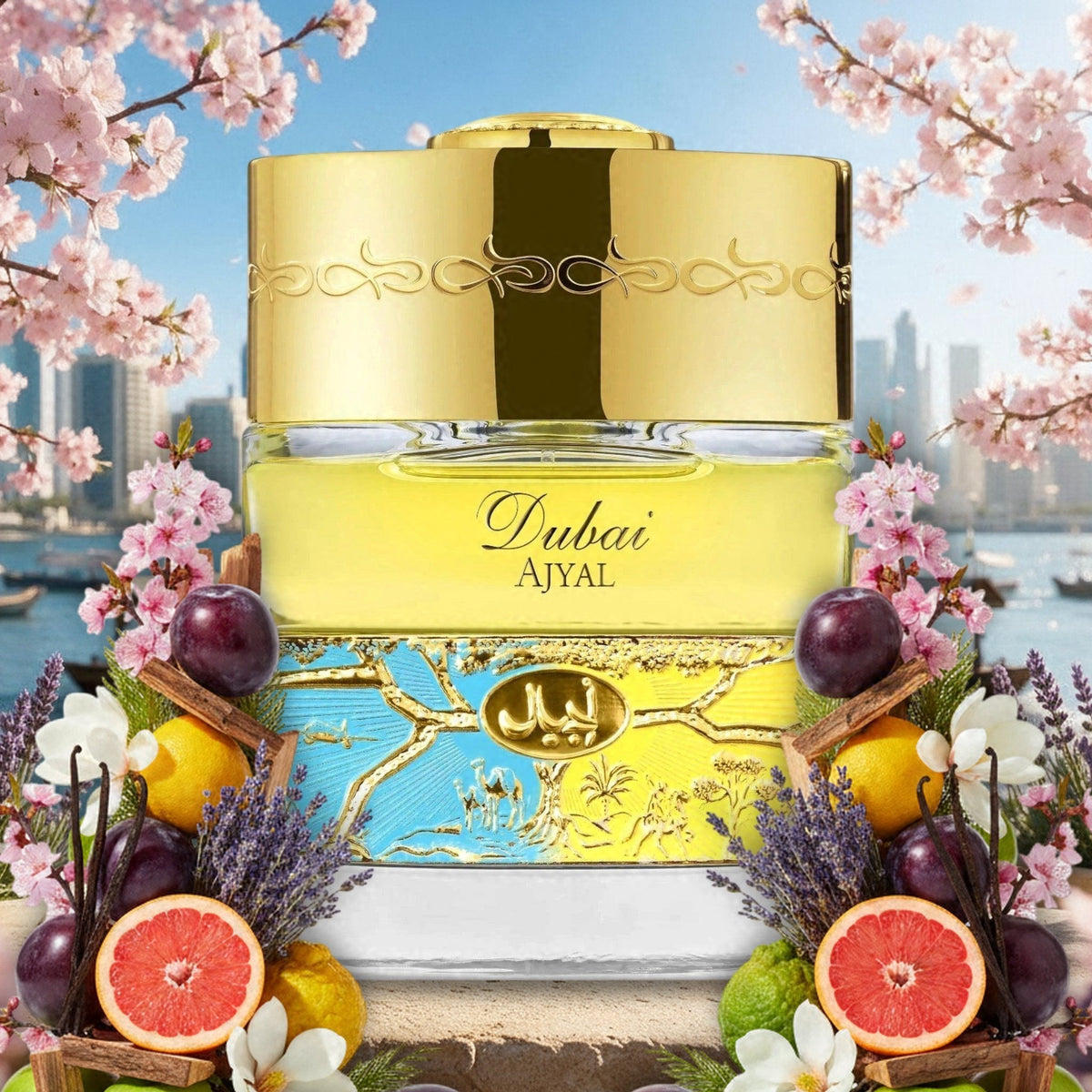
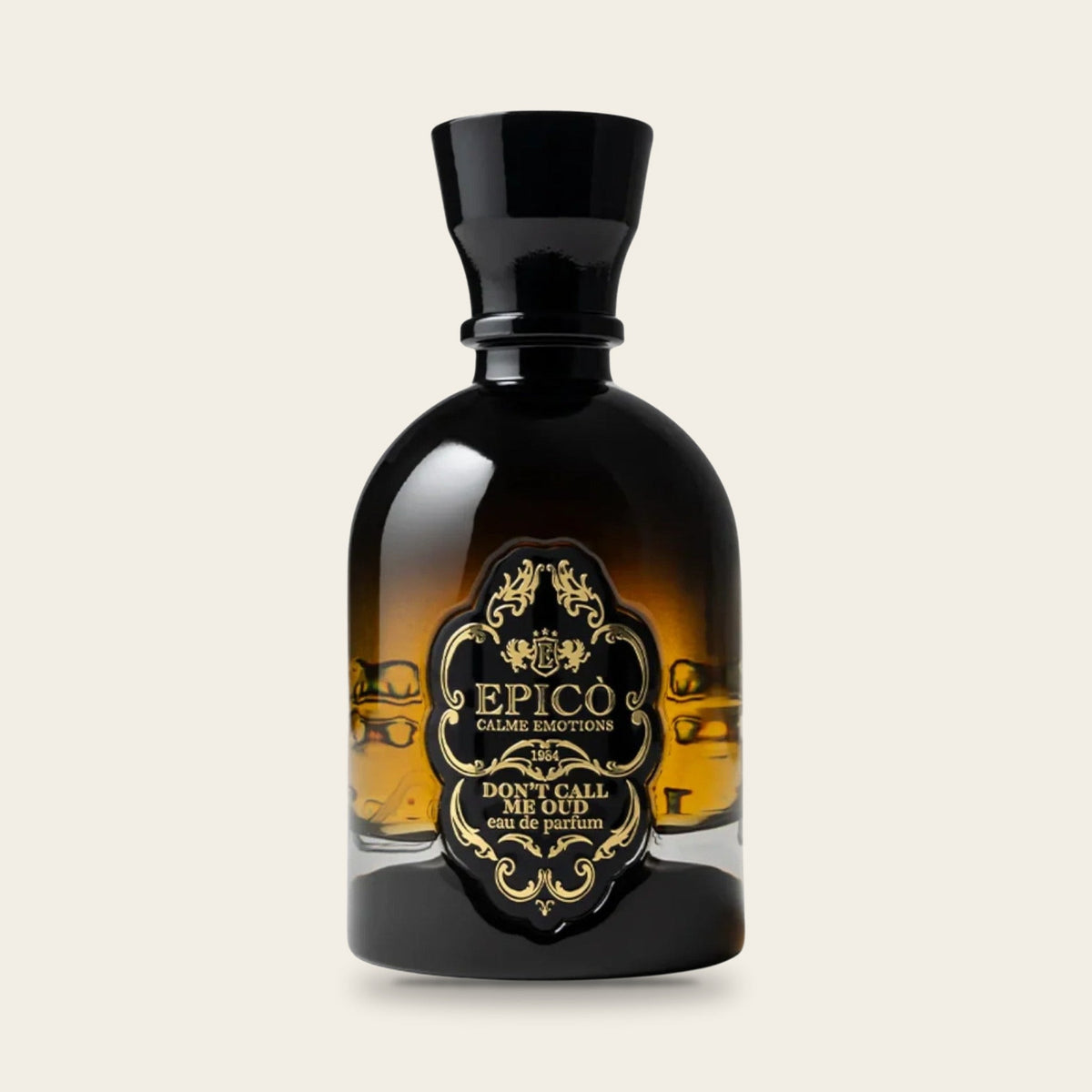
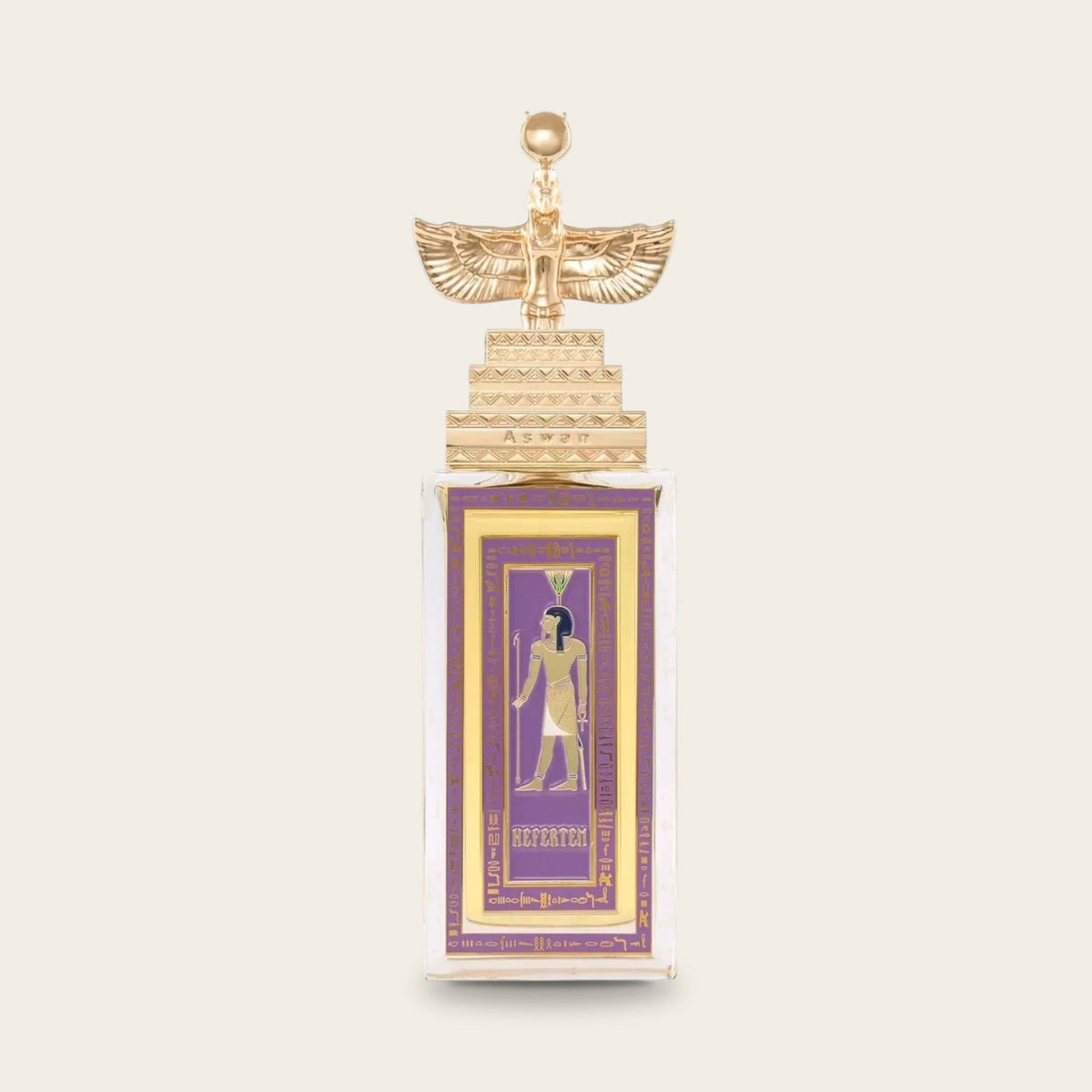
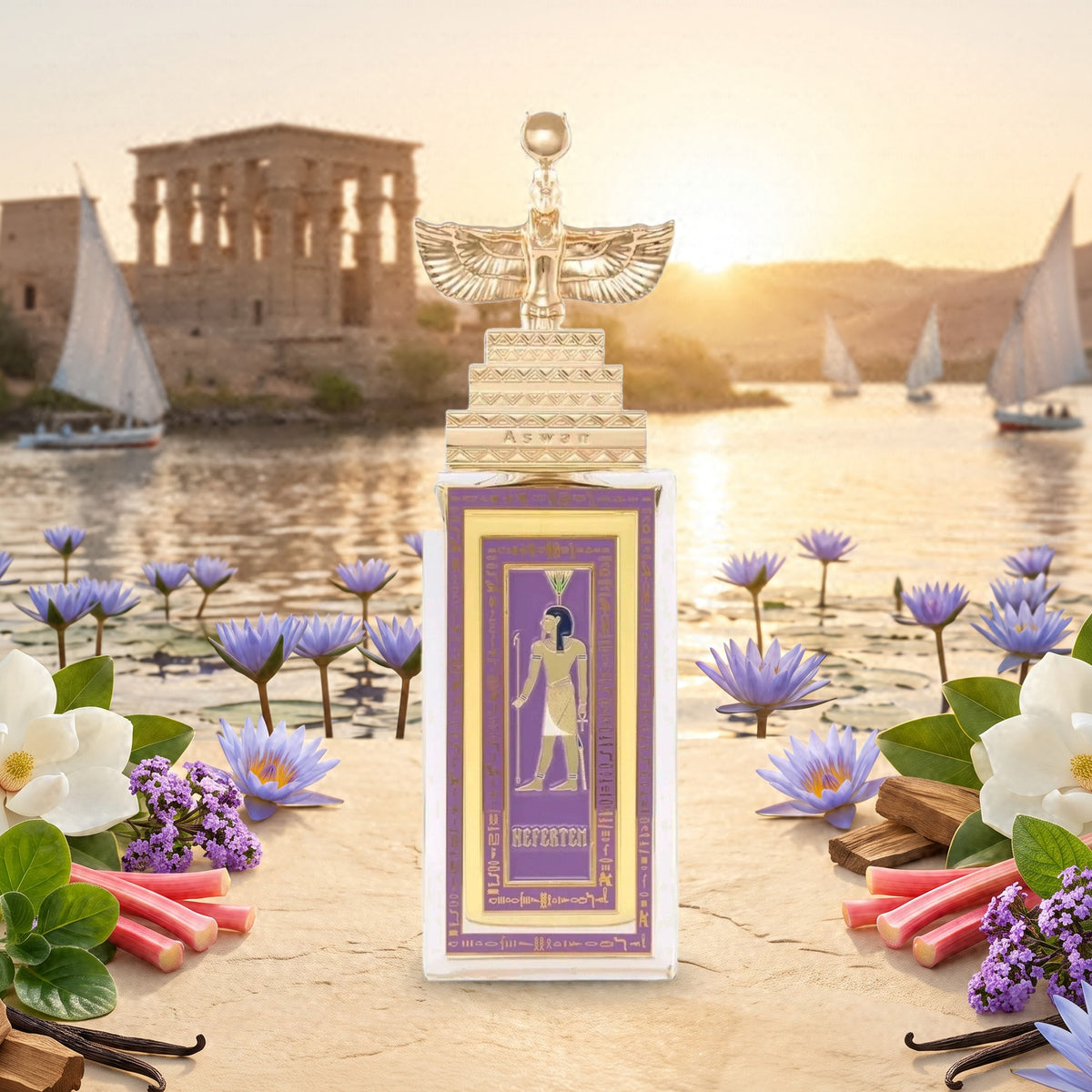
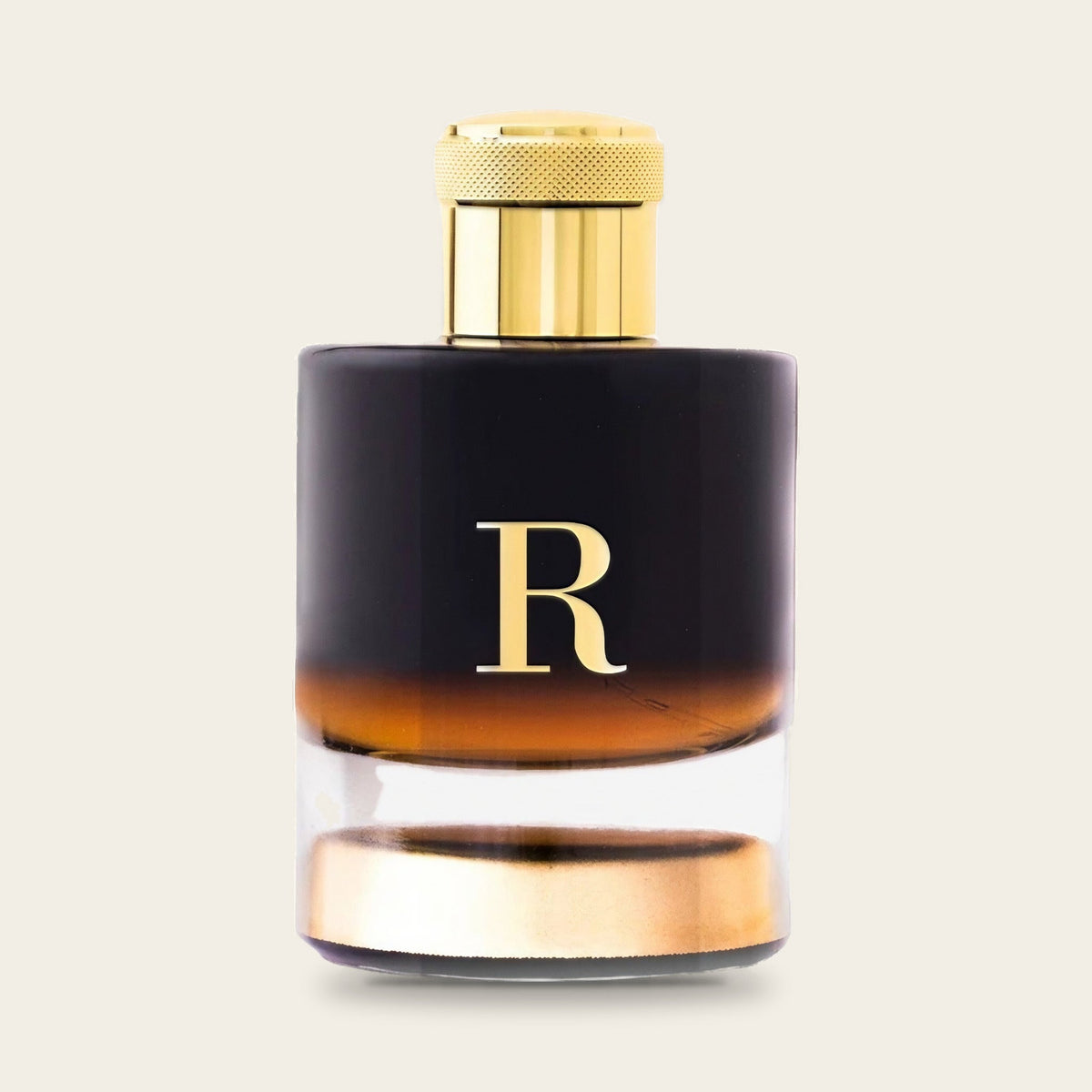
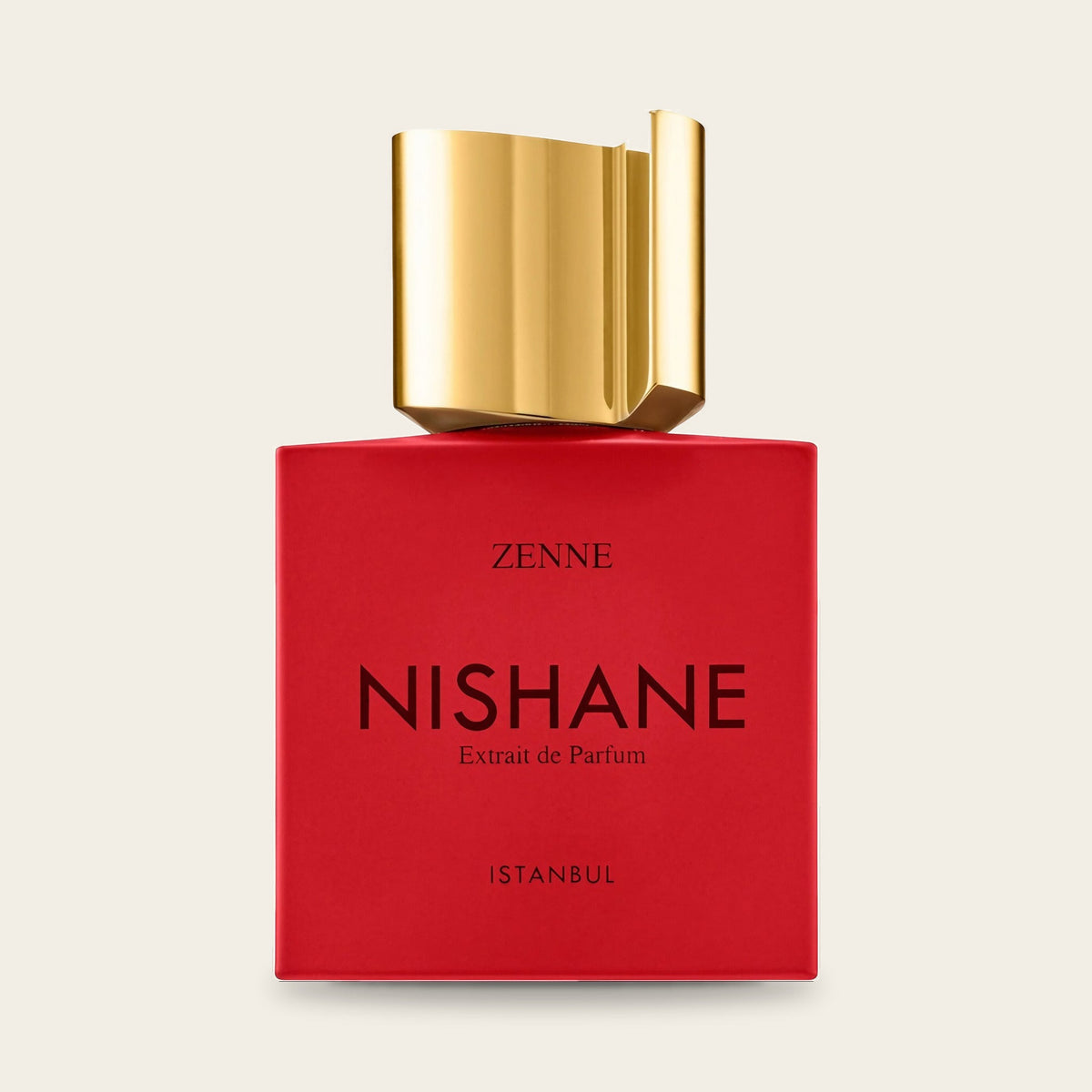
Fragrances with Rhubarb


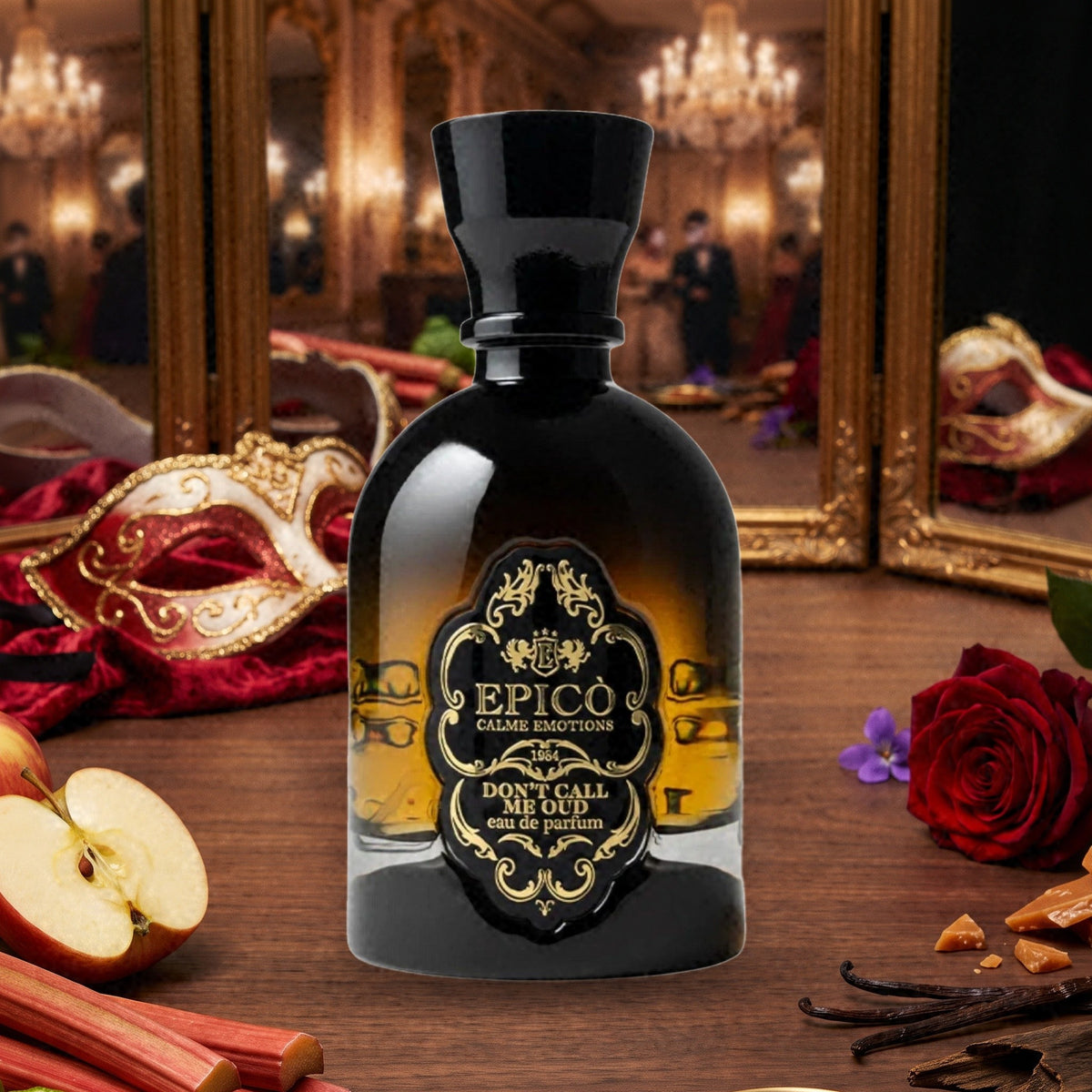

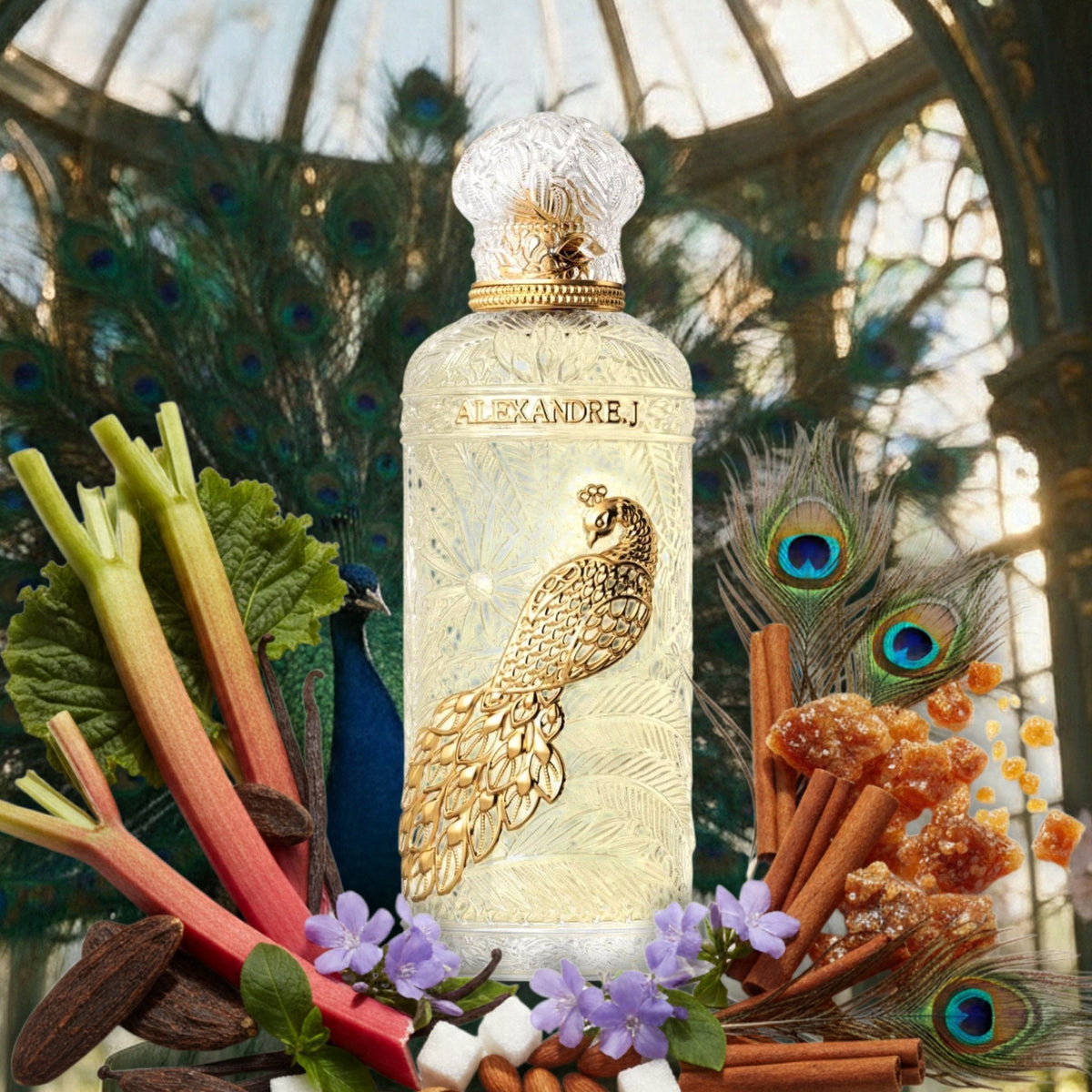
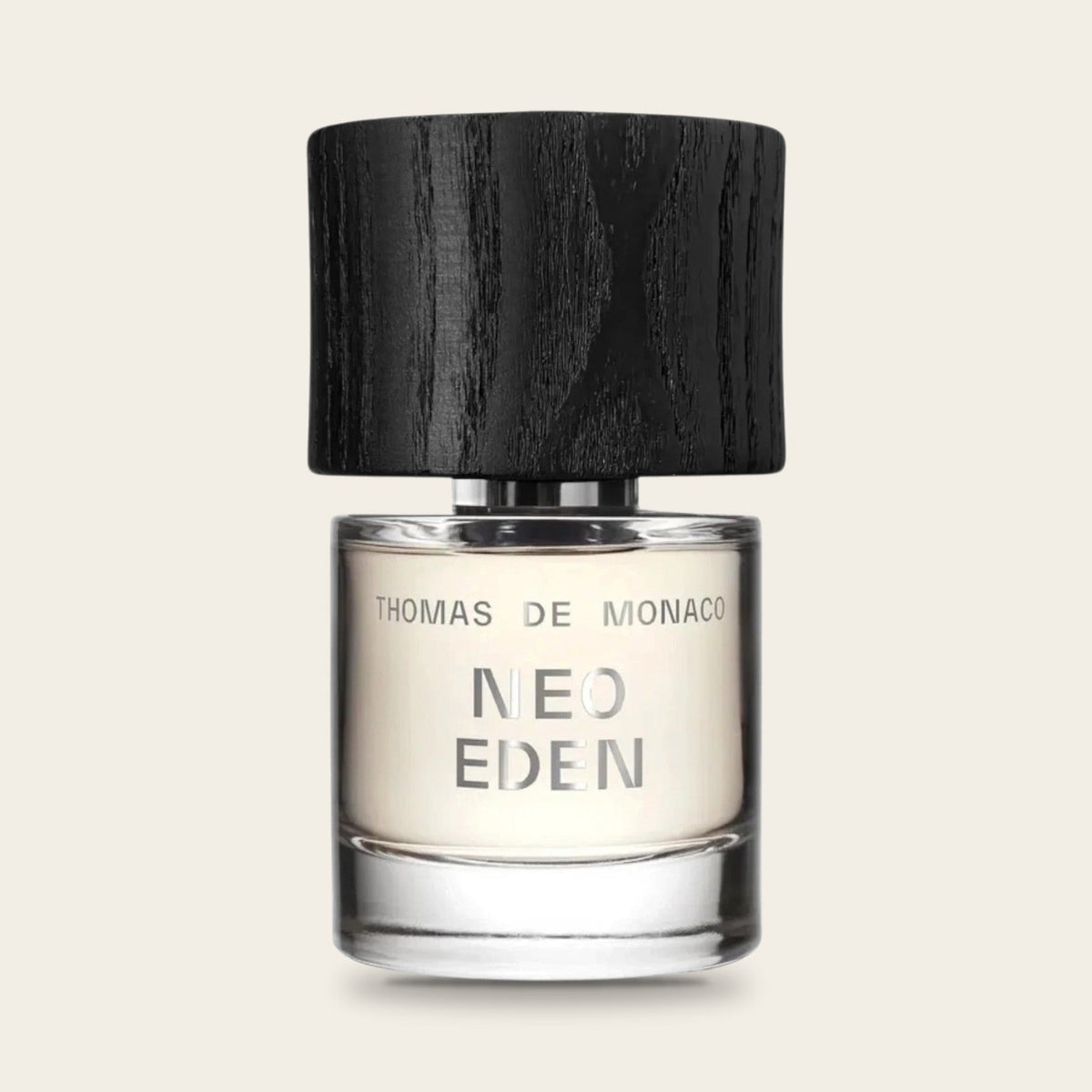
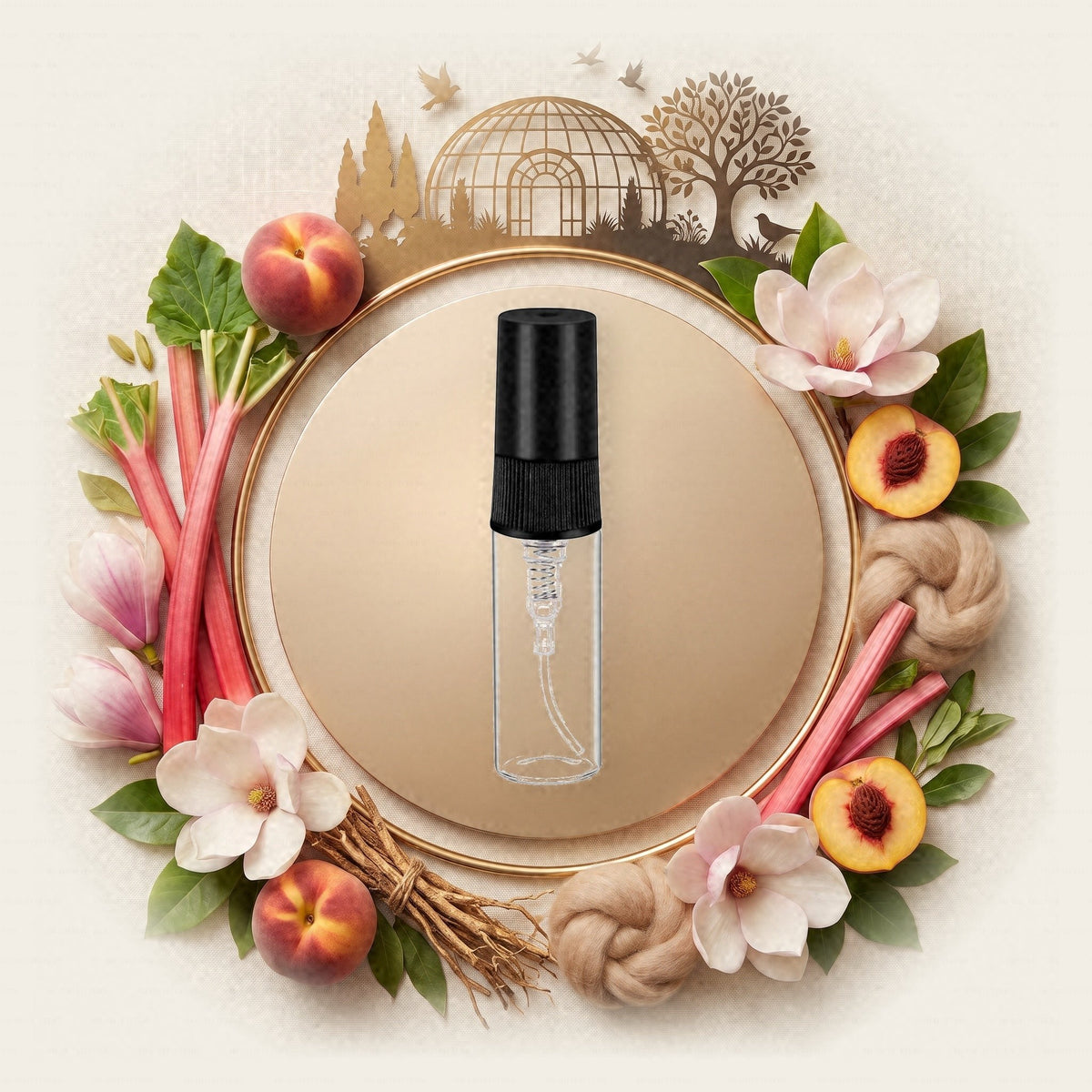
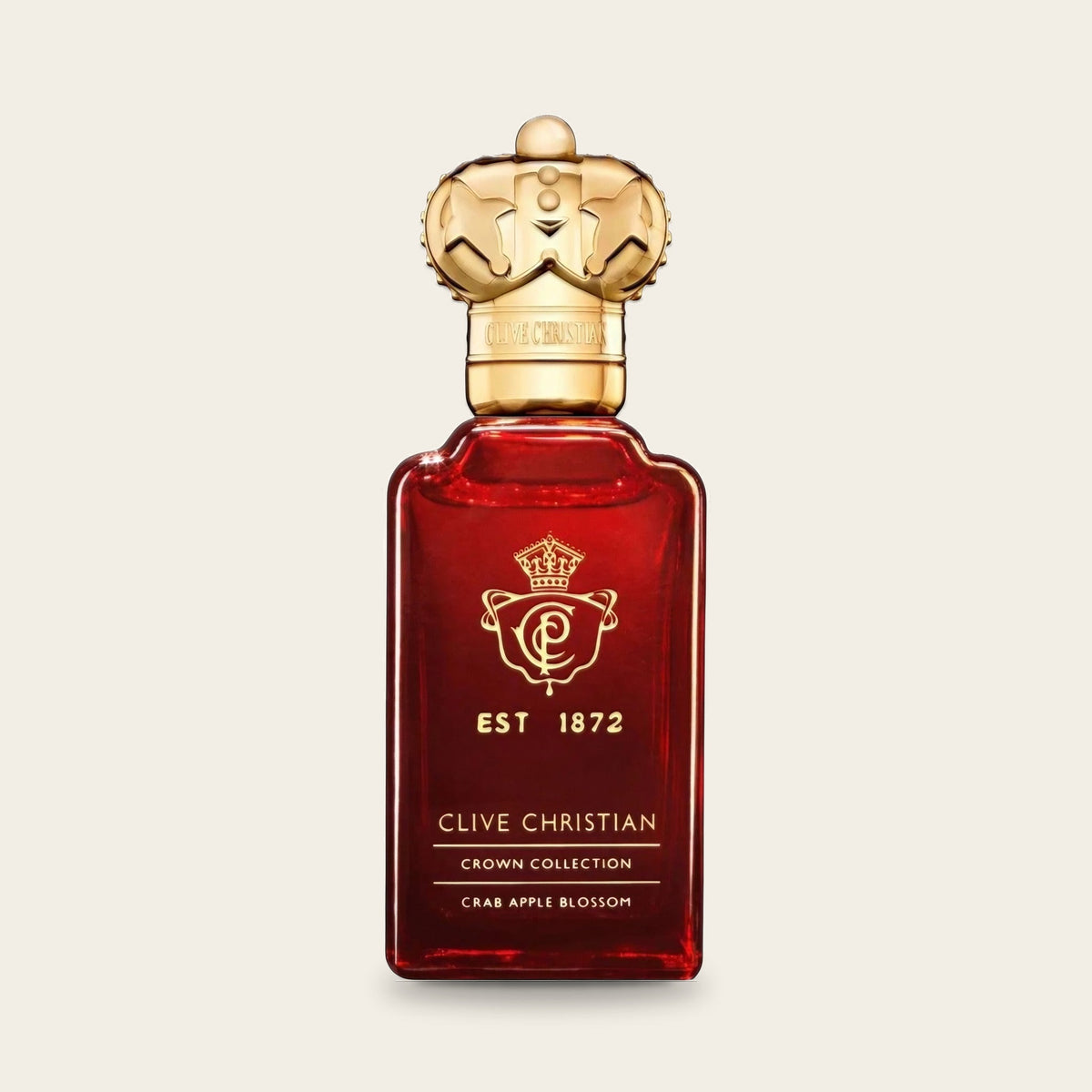

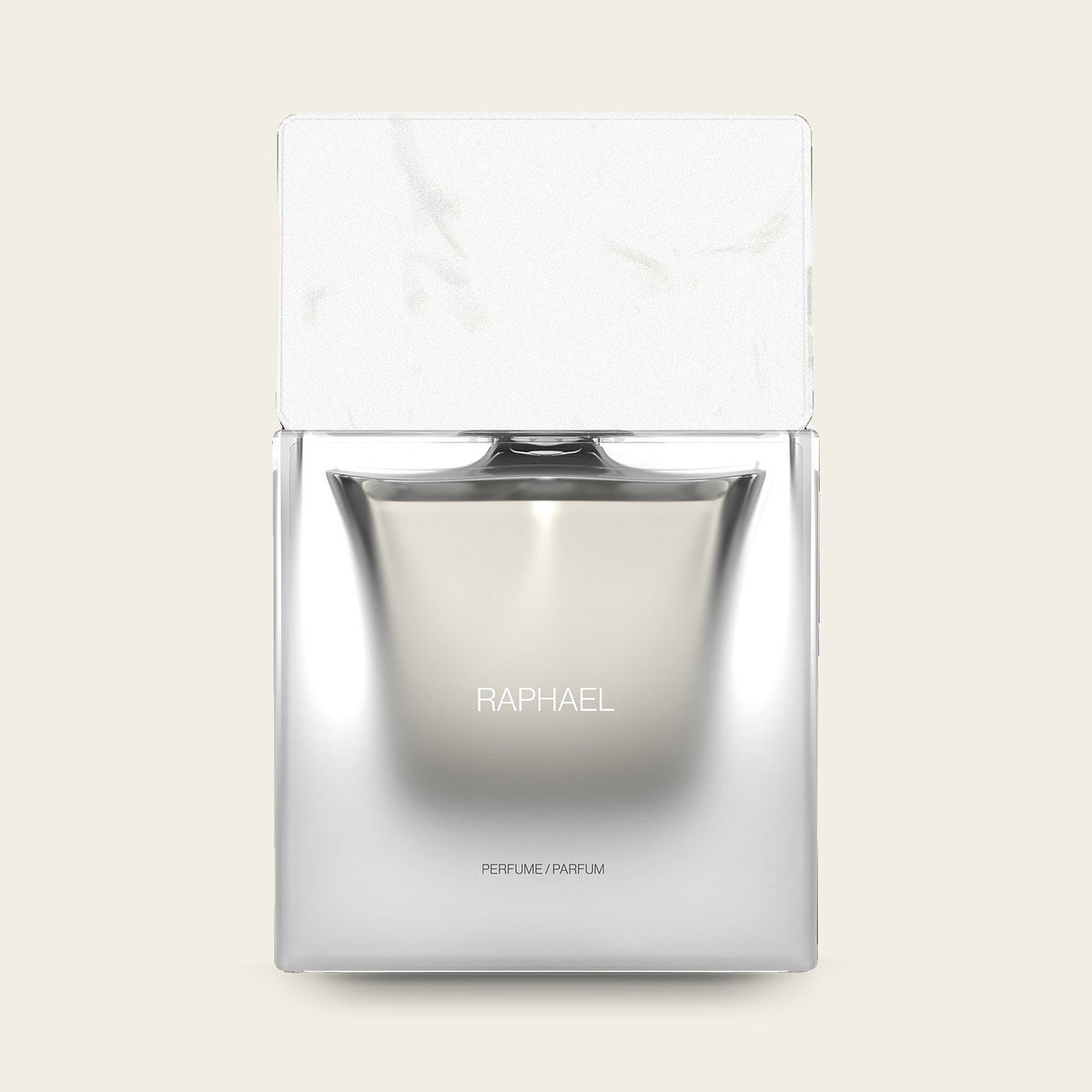


Questions and answers
Tart, green and juicy, with a crisp, slightly fruity freshness reminiscent of freshly cut rhubarb stalks.
Rhubarb belongs to the knotweed family, which makes it a relative of sorrel and buckwheat. The wild species Rheum rhabarbarum comes from southern Siberia, Mongolia and northern China, where it grows on mountain slopes and in steppes. Only the fleshy leaf stalks are eaten; the large leaves are unsuitable for eating because of their high oxalic acid content. The best-known source of forced rhubarb is the Rhubarb Triangle in West Yorkshire.
There is no commercial essential oil from rhubarb stalks. Perfumers therefore rebuild the scent as an accord. Its long-standing core is 1-phenylethyl acetate, a green, leafy ester with a gardenia and rhubarb facet. It is joined by further green, citrusy aroma molecules, green leaf alcohols for the snap of a freshly broken stalk and often a citrus top note.
Rhubarb gives a composition a tart, green, juicy zest that sits somewhere between vegetable and fruit. The accord livens up the opening above all, pairs well with citrus and grapefruit, red berries and roses, and lends floral or woody fragrances a bright, slightly bitter freshness. In our range, rhubarb appears in 21 fragrances, 17 in the top and 4 in the heart note.
Green · Tart-fruity · Top note, also heart
Yorkshire forced rhubarb traditionally arrives between Christmas and Easter as the first rhubarb of the year, followed by the field harvest; as a fragrance accord, rhubarb is available all year round.
In our fragrances, it often appears alongside Musk, Bergamot, Vanilla, Sandalwood, Cedarwood, Amber, Patchouli.
Long before rhubarb was eaten, it was a medicinal drug: in China, the dried root of several Rheum species has been used since antiquity as „dahuang“, the „great yellow“, and the Chinese Pharmacopoeia still lists Rheum palmatum, R. officinale and R. tanguticum today. The root reached Europe by caravan routes through Asia and the Levant and long remained costly and sought after; in Tsarist Russia, the trade in Chinese rhubarb root became a state monopoly with its own quality control. Rhubarb only caught on as a vegetable in the 18th century, above all in England, when sugar became cheaper and the sour stalks found their way into pies and compotes. In the early 19th century, growers in England discovered that rhubarb grown in the dark produces tender, pale pink shoots – the origin of the forced rhubarb tradition in Yorkshire, which has held a Protected Designation of Origin since 2010. As a perfume note in its own right, however, rhubarb is young: it only became possible with synthetic aroma molecules of a green, tart character.
- Yorkshire forced rhubarb grows in dark sheds, is harvested by candlelight and has carried a Protected Designation of Origin since 2010.
- In Tsarist Russia, the trade in Chinese rhubarb root was a state monopoly – with its own quality control for the coveted medicinal drug.
- During the season between Christmas and Easter, a dedicated night train carried Yorkshire forced rhubarb towards London.
The plant contains oxalic acid (C₂H₂O₄, PubChem CID 971), most concentrated in the leaves; the acidity of the stalks comes mainly from malic acid. According to a 2003 aroma study from the Technical University of Munich, the smell of raw stalks is shaped above all by green C6 compounds such as (Z)-3-hexenal (C₆H₁₀O, PubChem CID 643941), with its grassy-green, apple-like odour. In perfume, these substances are replaced by more stable aroma molecules: 1-phenylethyl acetate (C₁₀H₁₂O₂, PubChem CID 62341) is considered a classic building block of rhubarb accords.
FRAGRANCE KNOWLEDGE
In the 4D Journal
-
 FRAGRANCE KNOWLEDGE
Rose in perfume: The queen of fragrance materials
READ ARTICLE
-
 FRAGRANCE KNOWLEDGE
Vanilla in perfume: From orchid to favourite scent
READ ARTICLE
-
 FRAGRANCE KNOWLEDGE
Leather in perfume: How does something smell that was never in the bottle?
READ ARTICLE
-
 FRAGRANCE KNOWLEDGE
Scented candles & home fragrance: How to use them right
READ ARTICLE