


INGREDIENT GLOSSARY
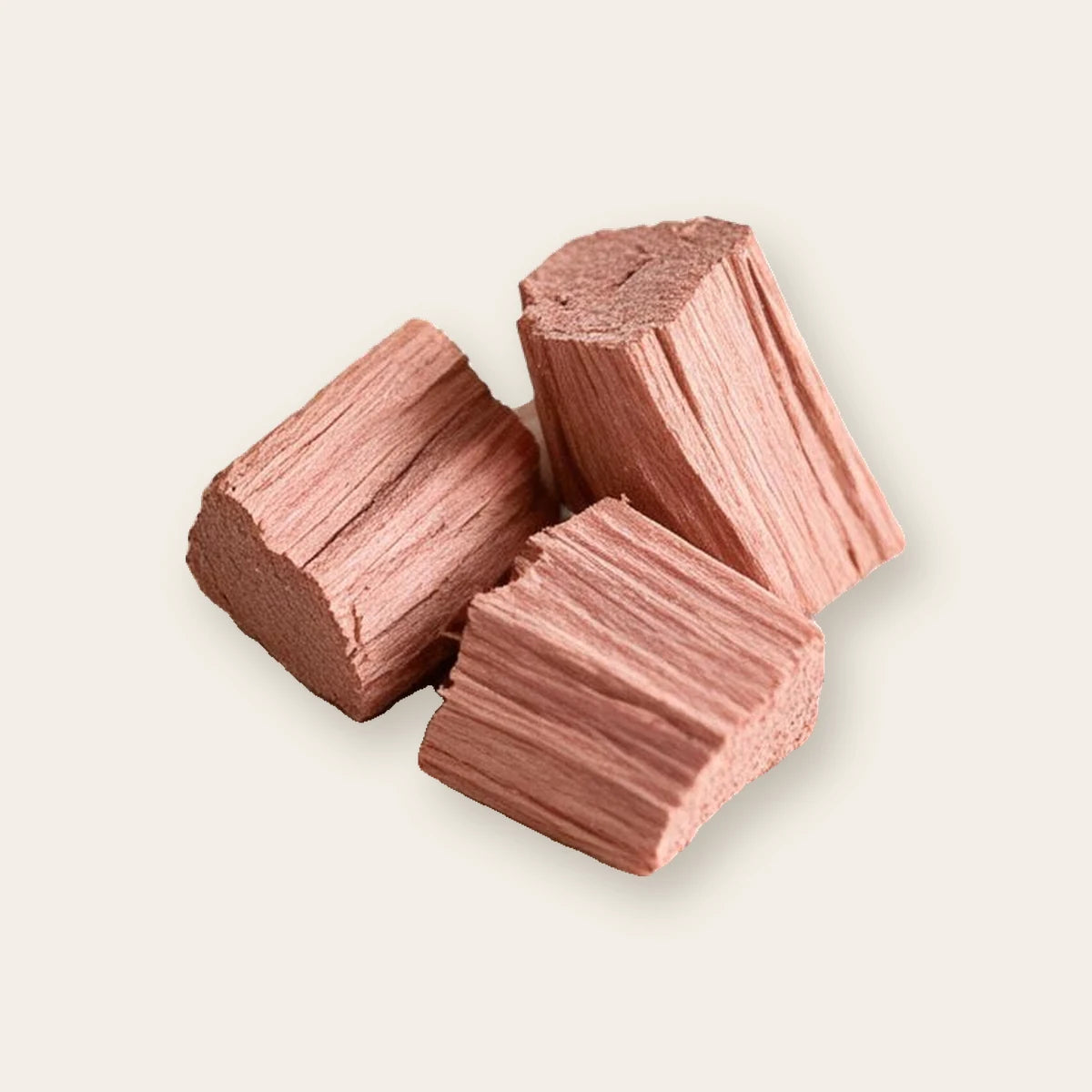
Rosewood
Aniba rosaeodora · Laurel family (Lauraceae)
Soft, woody and floral-fresh, with a sweetish, rosy, slightly citrusy note.
NATURALWOODY · FLORAL · TOP AND BASE NOTE
AT A GLANCE
- Plant: rosewood tree Aniba rosaeodora, a member of the laurel family – related neither to the rose nor to palisander
- Origin: Amazon region; today the oil comes almost exclusively from the Brazilian state of Amazonas
- Extraction: steam distillation of wood chips, increasingly of leaves and branches from plantations
- Scent: soft, sweet, floral-fresh and woody with a rosy note – in top and base notes
PROFILE
- Origin
- Amazon region: Brazil (Amazonas, Pará, Amapá), French Guiana, Suriname, Guyana, Venezuela, Colombia, Ecuador, Peru · Oil today almost exclusively from the Brazilian state of Amazonas
- Extraction
- Steam distillation of wood chips from the trunk, and increasingly of leaves and branches from plantations
- Main molecules
- Linalool (C₁₀H₁₈O), usually around 80–90 % of the oil
- Harvest
- Rosewood has no harvest season in the sense of a flowering period: wood, leaves and branches are distilled, and as a storable raw material the oil is available all year round.
- Often paired with
- Musk, Vanilla, Amber, Sandalwood, Lily of the Valley, Cinnamon, Bulgarian Rose
Numbers that surprise
around 1 tonne
of wood yields only about 10 kilograms of rosewood oil – a single 180-kilogram drum takes 18 to 20 tonnes of trunk wood.
around 90 per cent
less rosewood oil than at its peak: in the 1960s it was around 500 tonnes a year, since 2000 mostly under 50 tonnes.
half a million trees
and more have already been felled for rosewood oil, with estimates reaching over 800,000 – more than the number of people living in Vorarlberg (around 410,000).
Rounded values; calculation based on published data.
Harvest and season
Rosewood has no harvest season in the sense of a flowering period: wood, leaves and branches are distilled, and as a storable raw material the oil is available all year round. How much reaches the market is determined today mainly by export permits and plantation yields. There, young trees can be pruned for their leaves and branches for the first time after just a few years.
Traditionally, the whole tree is felled. The trunk is reduced to chips, which are then steam-distilled, often in simple stills close to the felling site. The yield is around one per cent of the wood’s weight: one tonne of wood produces about ten kilograms of oil. Because this has severely depleted the wild populations, the focus today is increasingly on plantations and on leaves and branches. These sprout again after pruning, without the tree having to be felled. Since 2010, wood and essential oil may only be exported with a CITES permit. In Brazil, producers must also plant seedlings for every drum of oil exported.
Knowledge to share
Myth or truth?
Statement 1
Rosewood smells of roses because the tree is related to the rose.
Myth. The rosewood tree, Aniba rosaeodora, belongs to the laurel family and is not related to the rose. It owes its name to the floral, rose-like scent of its wood. That scent is carried above all by linalool – a molecule that also occurs in basil and many other plants.
Statement 2
Rosewood oil comes from the rosewood used to make furniture and guitars.
Myth. The rosewood used by furniture and instrument makers, also known as palisander, comes from trees of the genus Dalbergia – and they yield no perfume oil. Perfumery’s rosewood oil comes from Aniba rosaeodora, a member of the laurel family from the Amazon region. The two share nothing but the name.
Statement 3
Genuine rosewood oil can no longer be traded at all.
Myth. Since 2010 the tree has been listed in Appendix II of the CITES convention. That means not a ban but strict control: wood and essential oil may only be traded with an export permit and from regulated management. Brazil still exports small quantities, increasingly including oil from the leaves and branches of plantation trees.
Your result
FRAGRANCES WITH ROSEWOODINGREDIENT GLOSSARY
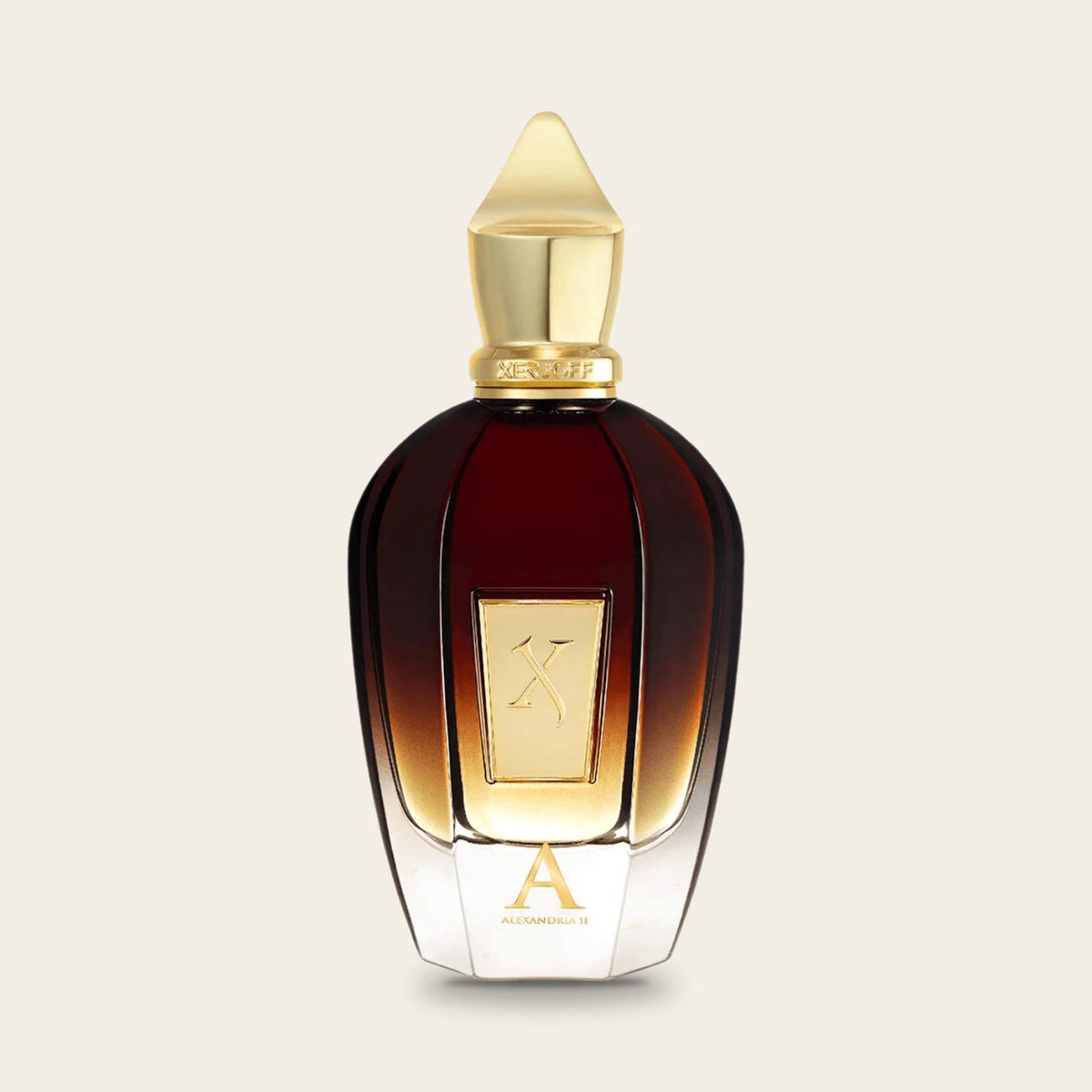
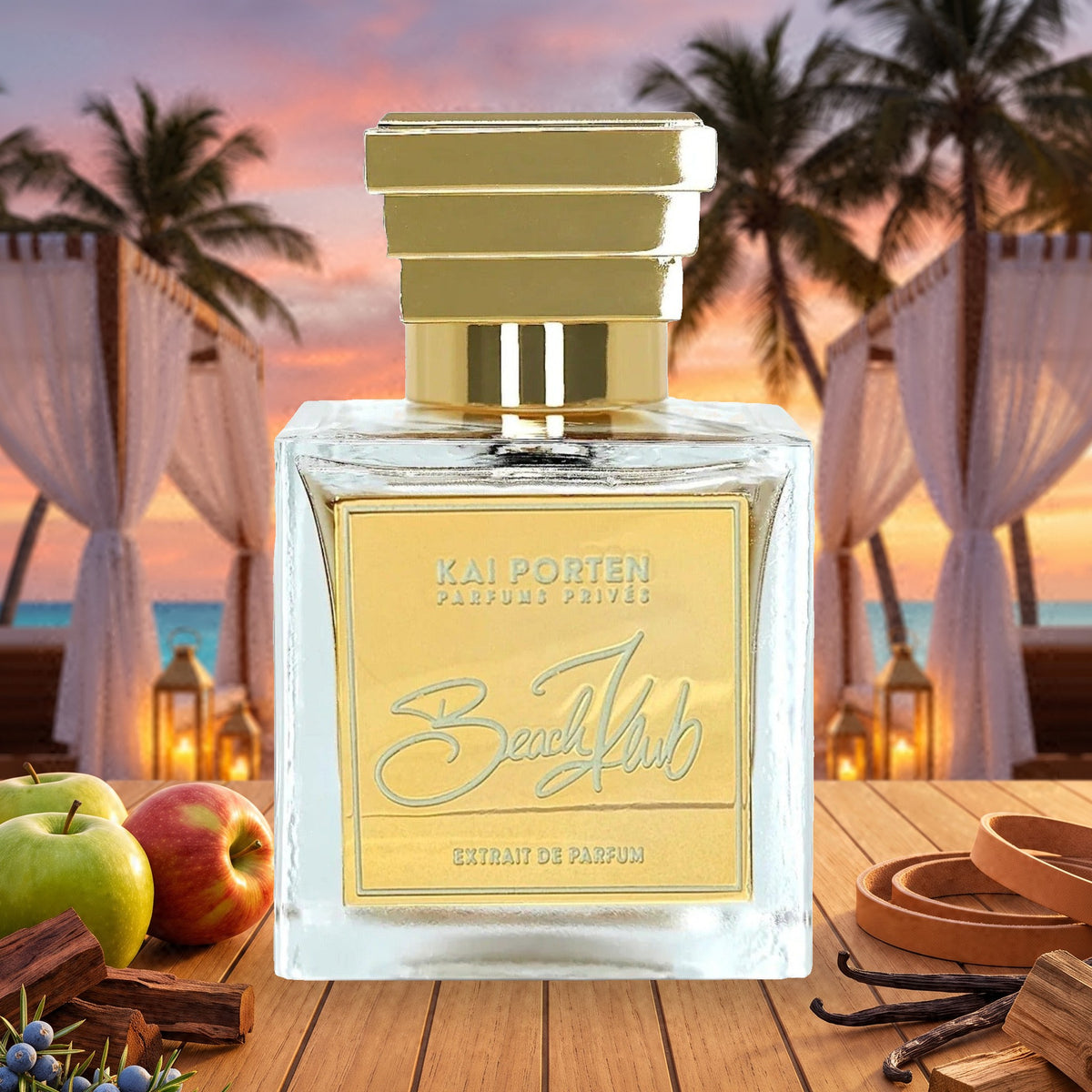
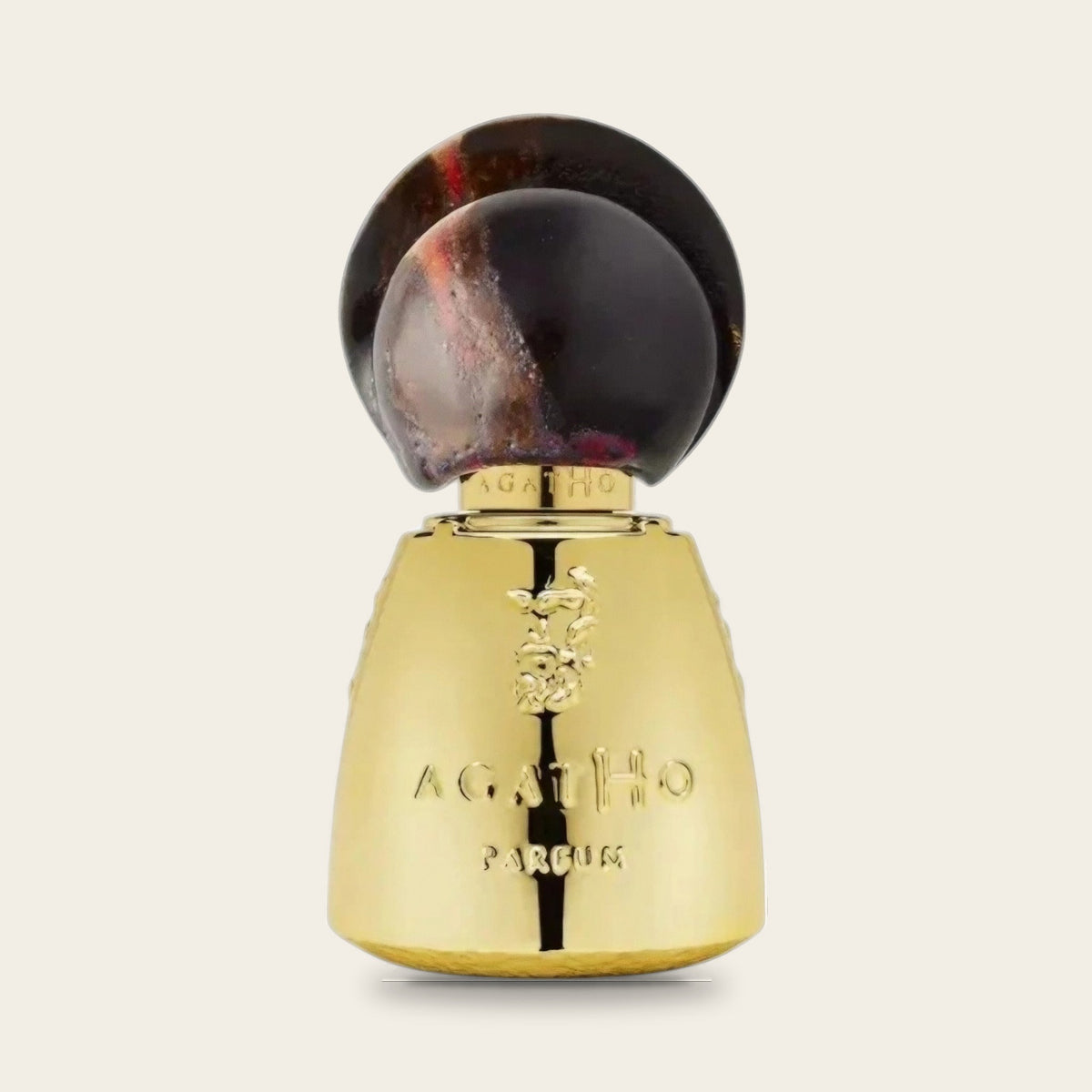
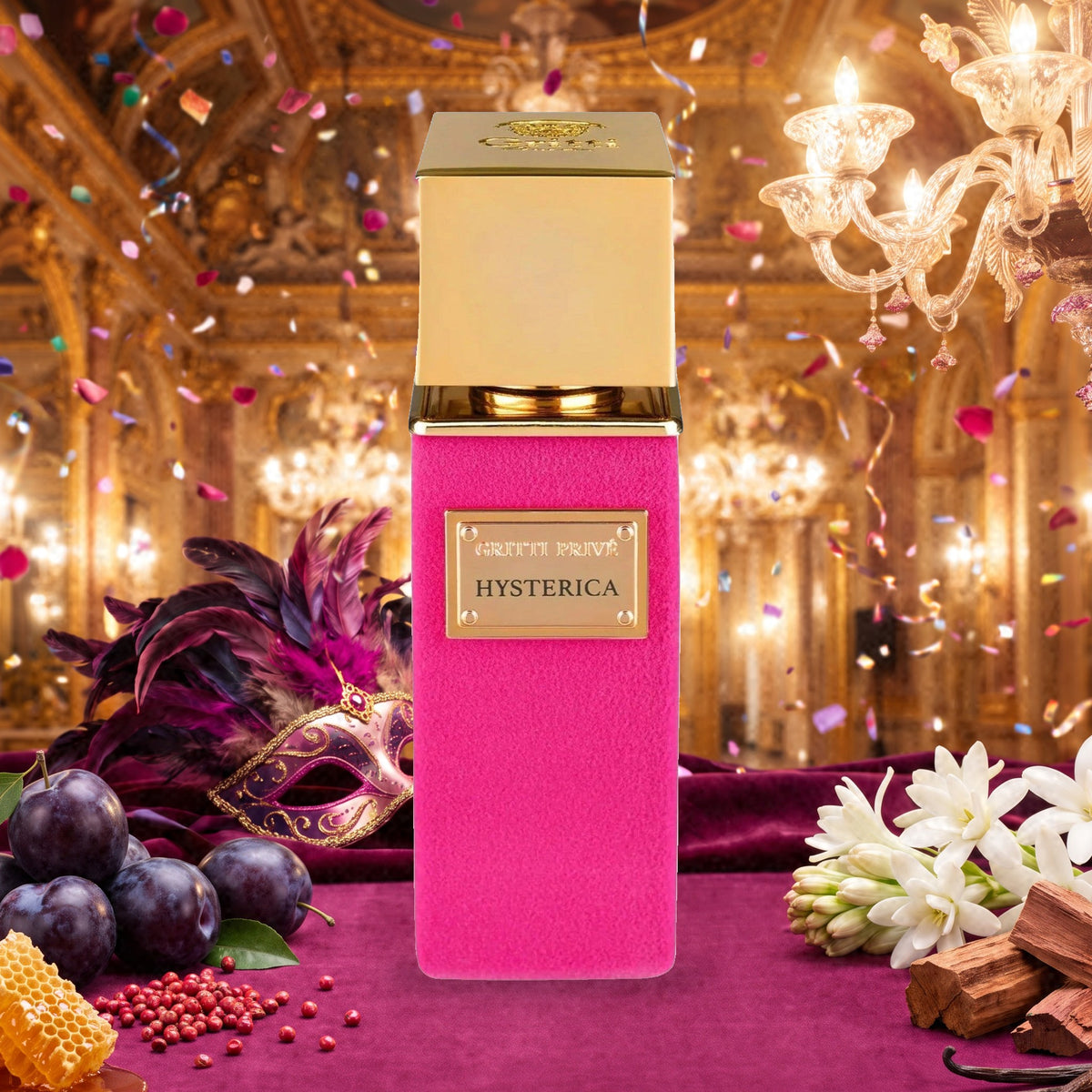
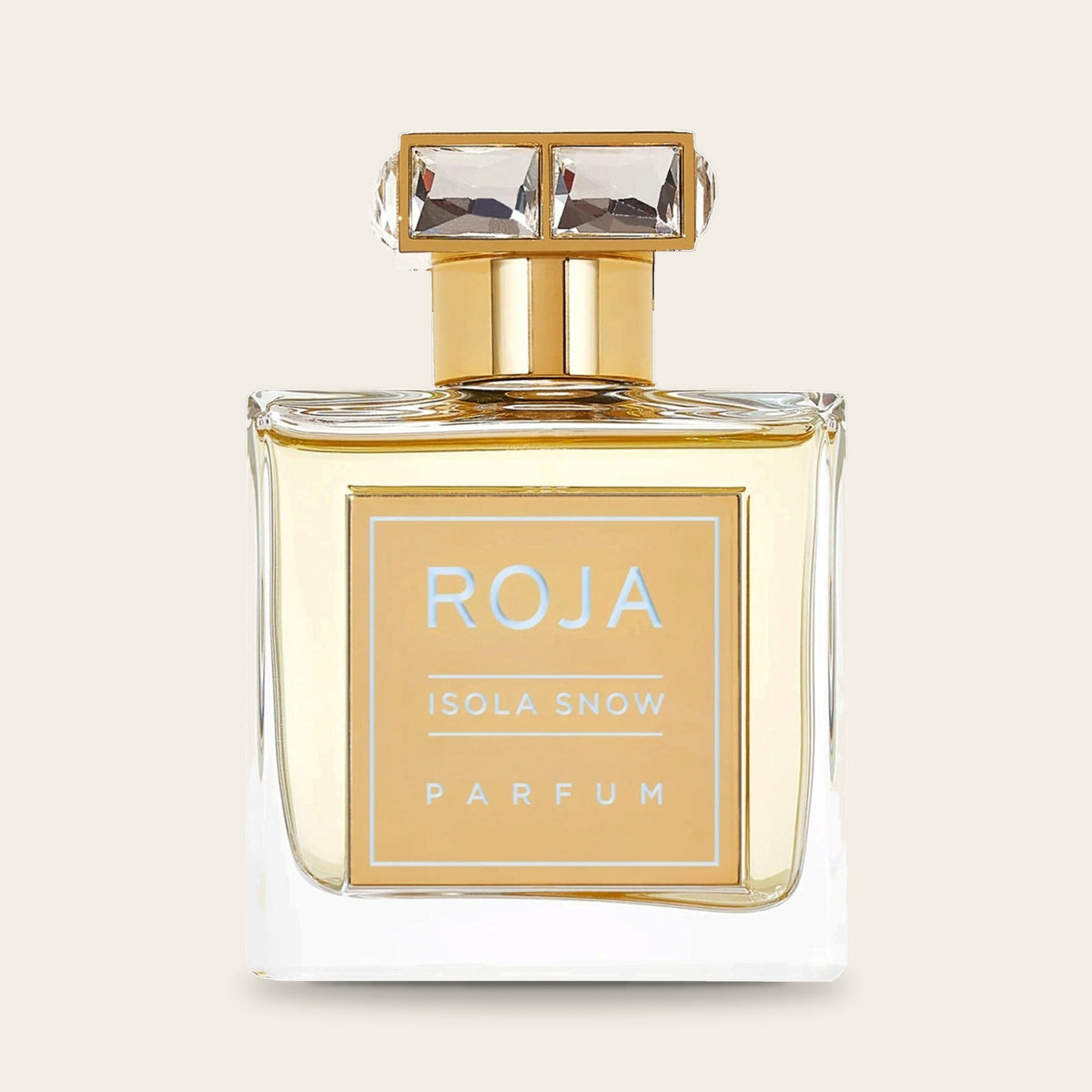
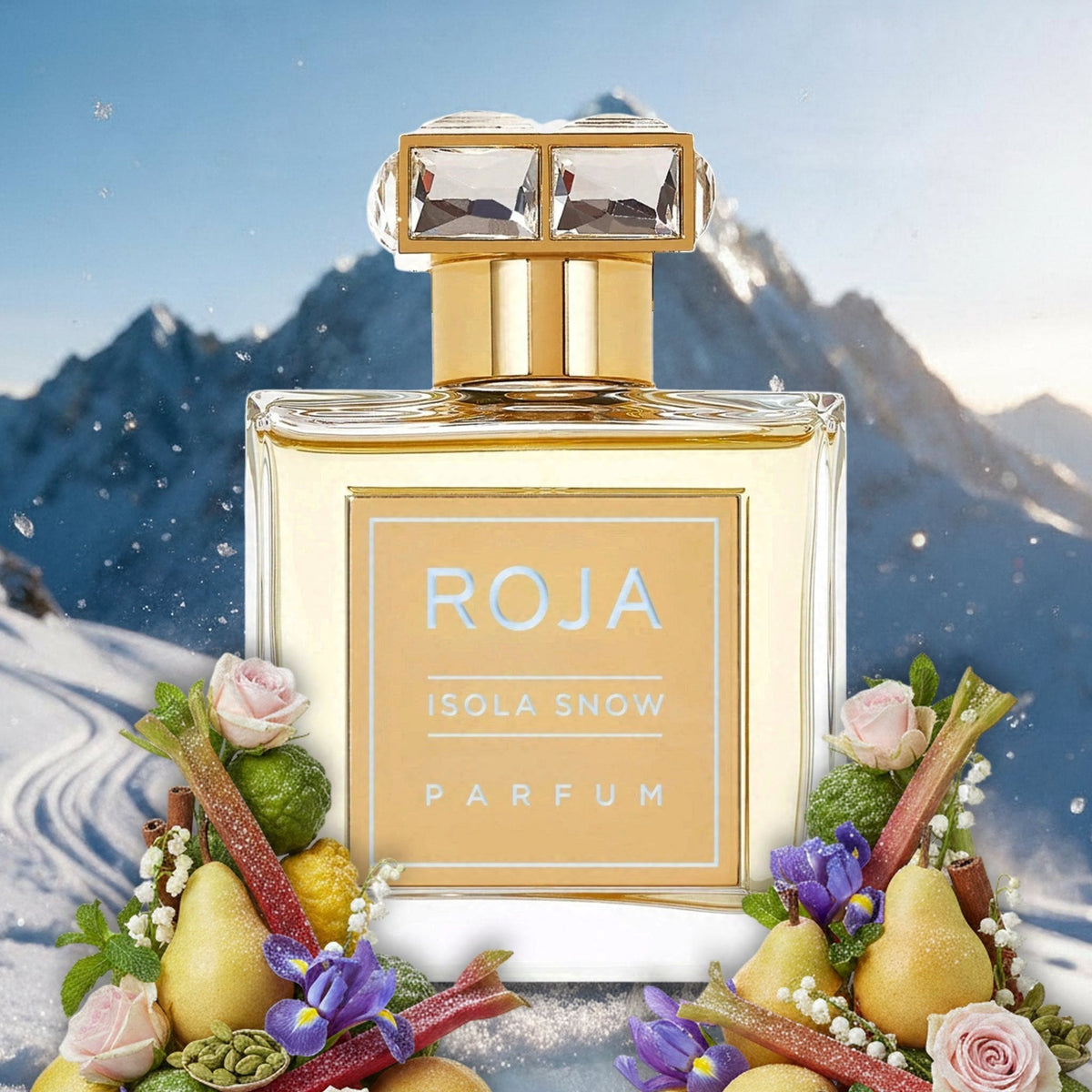
Fragrances with Rosewood




Questions and answers
Soft, woody and floral-fresh, with a sweetish, rosy, slightly citrusy note.
Rosewood comes from Aniba rosaeodora, a tree of the laurel family that grows in the tropical rainforest of the Amazon region. Its range stretches from French Guiana, Suriname and Guyana through Venezuela, Colombia, Ecuador and Peru to the Brazilian states of Amapá, Pará and Amazonas. It grows on firm ground that does not flood, the terra firme, and reaches up to 30 metres in height with a trunk up to two metres across. Mature trees are rare and widely scattered. In Brazil the tree is called pau-rosa, in French perfumery bois de rose. It is not related to palisander, the rosewood of furniture and instrument makers from the genus Dalbergia. Today the oil comes almost exclusively from the Brazilian state of Amazonas.
Traditionally, the whole tree is felled. The trunk is reduced to chips, which are then steam-distilled, often in simple stills close to the felling site. The yield is around one per cent of the wood’s weight: one tonne of wood produces about ten kilograms of oil. Because this has severely depleted the wild populations, the focus today is increasingly on plantations and on leaves and branches. These sprout again after pruning, without the tree having to be felled. Since 2010, wood and essential oil may only be exported with a CITES permit. In Brazil, producers must also plant seedlings for every drum of oil exported.
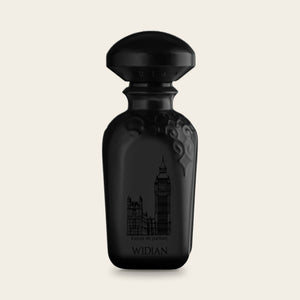
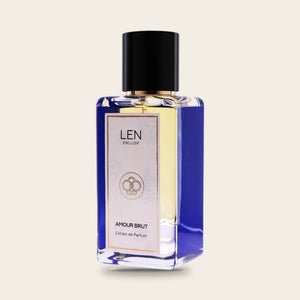
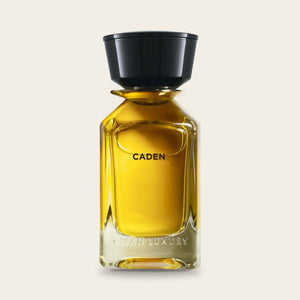
Rosewood brings a soft, fresh floralcy with a woody undertone to a fragrance. The first impression is sweet and bright, with a rosy and slightly citrusy facet; beneath it lies a gentle, woody warmth. The oil acts less as a loud lead note than as a rounded, connecting building block. Because genuine rosewood oil is scarce and strictly regulated, the note is often recreated today with linalool from other sources or with ho wood oil. Rosewood pairs well with musk, vanilla and amber, and with sandalwood and lily of the valley. In our range, rosewood appears in 9 fragrances, roughly half in the top note and half in the base note.
Woody · Floral · Top and base note
Rosewood has no harvest season in the sense of a flowering period: wood, leaves and branches are distilled, and as a storable raw material the oil is available all year round. How much reaches the market is determined today mainly by export permits and plantation yields. There, young trees can be pruned for their leaves and branches for the first time after just a few years.
In our fragrances, it often appears alongside Musk, Vanilla, Amber, Sandalwood, Lily of the Valley, Cinnamon, Bulgarian Rose.
The story of rosewood oil begins in French Guiana in the late 19th century, from where the first logs were shipped to France. When the stands in Guiana were exhausted, production shifted to Brazil in the 1920s, first to Pará and Amapá, later ever deeper into the state of Amazonas. Production grew with perfumery’s demand and reached around 500 tonnes of oil a year in the 1960s. After that came the decline: the easily accessible trees had been felled, and synthetic linalool as well as oil from ho wood, a linalool-rich form of the camphor tree, competed with the natural material. In 1992 Brazil placed the tree on its list of threatened species. In 2010, at Brazil’s request, it was added to Appendix II of the CITES convention on international trade in endangered species.
- The leaves and branches of the rosewood tree also yield plenty of essential oil – yet for decades the whole tree was felled.
- The first rosewood logs came from French Guiana to France in 1883 and were distilled in Paris.
- Anyone exporting a drum of rosewood oil of around 180 kilograms from Brazil must plant 80 seedlings for it.
For a natural product, rosewood oil is unusually uniform: around 80 to 90 per cent of it consists of a single molecule, linalool (3,7-dimethylocta-1,6-dien-3-ol, C₁₀H₁₈O, PubChem CID 6549). This terpene alcohol has a floral, fresh smell and also occurs in basil and many other plants. The rest of the oil is made up of numerous minor constituents in small amounts. Oil from leaves and branches contains a similar proportion of linalool to the wood oil, which opens the way to production without felling. Because linalool has long been made synthetically as well, it is – alongside the oil of ho wood, a linalool-rich form of the camphor tree Cinnamomum camphora – the most important substitute for genuine rosewood oil.
FRAGRANCE KNOWLEDGE
In the 4D Journal
-
 FRAGRANCE KNOWLEDGE
Rose in perfume: The queen of fragrance materials
READ ARTICLE
-
 FRAGRANCE KNOWLEDGE
Vanilla in perfume: From orchid to favourite scent
READ ARTICLE
-
 FRAGRANCE KNOWLEDGE
Leather in perfume: How does something smell that was never in the bottle?
READ ARTICLE
-
 FRAGRANCE KNOWLEDGE
Scented candles & home fragrance: How to use them right
READ ARTICLE