

INGREDIENT GLOSSARY
Rosemary
Salvia rosmarinus · Mint family (Lamiaceae)
Fresh, camphoraceous and resinous-herbal, with a cooling, eucalyptus-like clarity and a slightly woody undertone.
NATURALAROMATIC · HERBAL-CAMPHORACEOUS · TOP NOTE
AT A GLANCE
- Plant: evergreen shrub Salvia rosmarinus, a member of the mint family – botanically now a sage
- Origin: the Mediterranean, oil mainly from Tunisia, Morocco and Spain
- Extraction: steam distillation of twigs and flowering tips
- Scent: fresh, camphoraceous, herbal-resinous – top note, also heart
PROFILE
- Origin
- Native to the Mediterranean, from Portugal and Morocco to Türkiye · Essential oil for perfumery mainly from Tunisia, Morocco and Spain
- Extraction
- Steam distillation of the twigs and flowering tips to obtain rosemary essential oil
- Main molecules
- 1,8-cineole (C₁₀H₁₈O) · camphor (C₁₀H₁₆O) · α-pinene (C₁₀H₁₆) · in the verbenone type also verbenone (C₁₀H₁₄O)
- Harvest
- Rosemary is evergreen and flowers from spring to summer, occasionally into autumn; as an essential oil it is available all year round.
- Often paired with
- Patchouli, Vetiver, Bergamot, Jasmine, Juniper, Lavender, Musk
Numbers that surprise
around 80 to 200 kg
of fresh rosemary herb yield a mere 1 kg of essential oil by steam distillation.
over 40%
1,8-cineole is often found in rosemary oil from Tunisia and Morocco – in Spanish oil it is usually only around a fifth.
around 300 years
is how much older rosemary-based Hungary water is than eau de cologne from the early 18th century.
Rounded values; calculation based on published data.
Harvest and season
Rosemary is evergreen and flowers from spring to summer, occasionally into autumn; as an essential oil it is available all year round.
Rosemary oil is obtained by steam distillation: hot steam flows through the cut twigs and flowering tips, releases the aroma compounds from the oil glands of the leaves, and once cooled, the oil separates from the water. The yield is usually around half a per cent to just over one per cent of the fresh herb. How the oil smells depends heavily on the chemotype – that is, on which molecule dominates in a given plant population: oils from Tunisia and Morocco are rich in 1,8-cineole, Spanish oils contain camphor, α-pinene and cineole in similar proportions, and rosemary from Corsica and Sardinia yields a verbenone type.
Knowledge to share
Myth or truth?
Statement 1
Rosemary oil is rosemary oil – it always smells the same.
Myth. Depending on origin, rosemary forms different chemotypes: oil from Tunisia and Morocco is rich in 1,8-cineole, Spanish oil is more camphoraceous, Corsican rosemary yields a softer verbenone type. The standard ISO 1342 describes the Tunisian-Moroccan and the Spanish type separately.
Statement 2
Botanically, rosemary is a sage.
True. DNA studies have shown that the former genus Rosmarinus sits within the sage genus Salvia. Since then, rosemary’s botanical name has been Salvia rosmarinus.
Statement 3
Rosemary is an ingredient of modern perfumery only.
Myth. “Hungary water”, a distillate made chiefly from rosemary, is dated to the 14th century and is regarded as one of Europe’s first alcohol-based scented waters. Classic eau de cologne recipes contain rosemary oil, too.
Your result
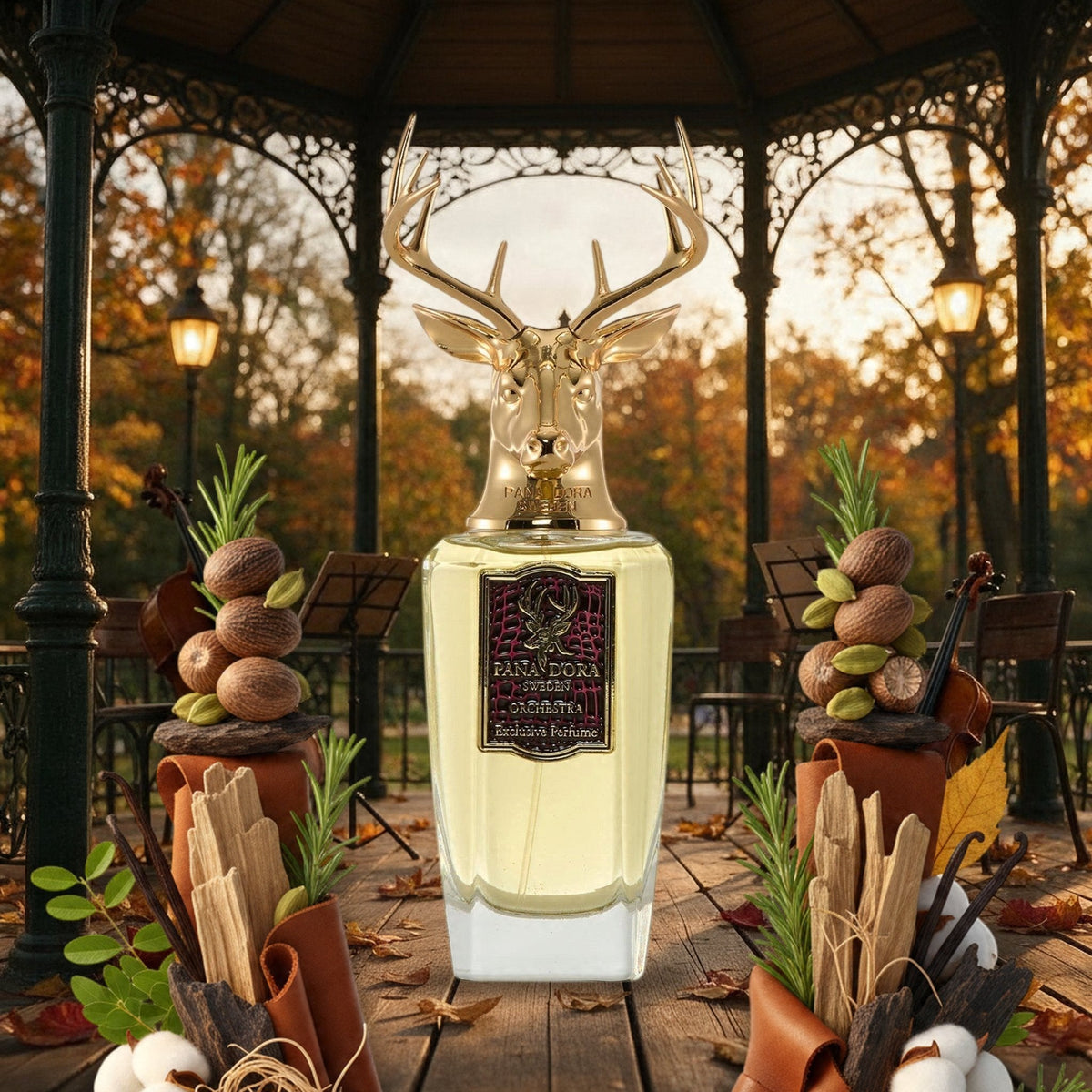
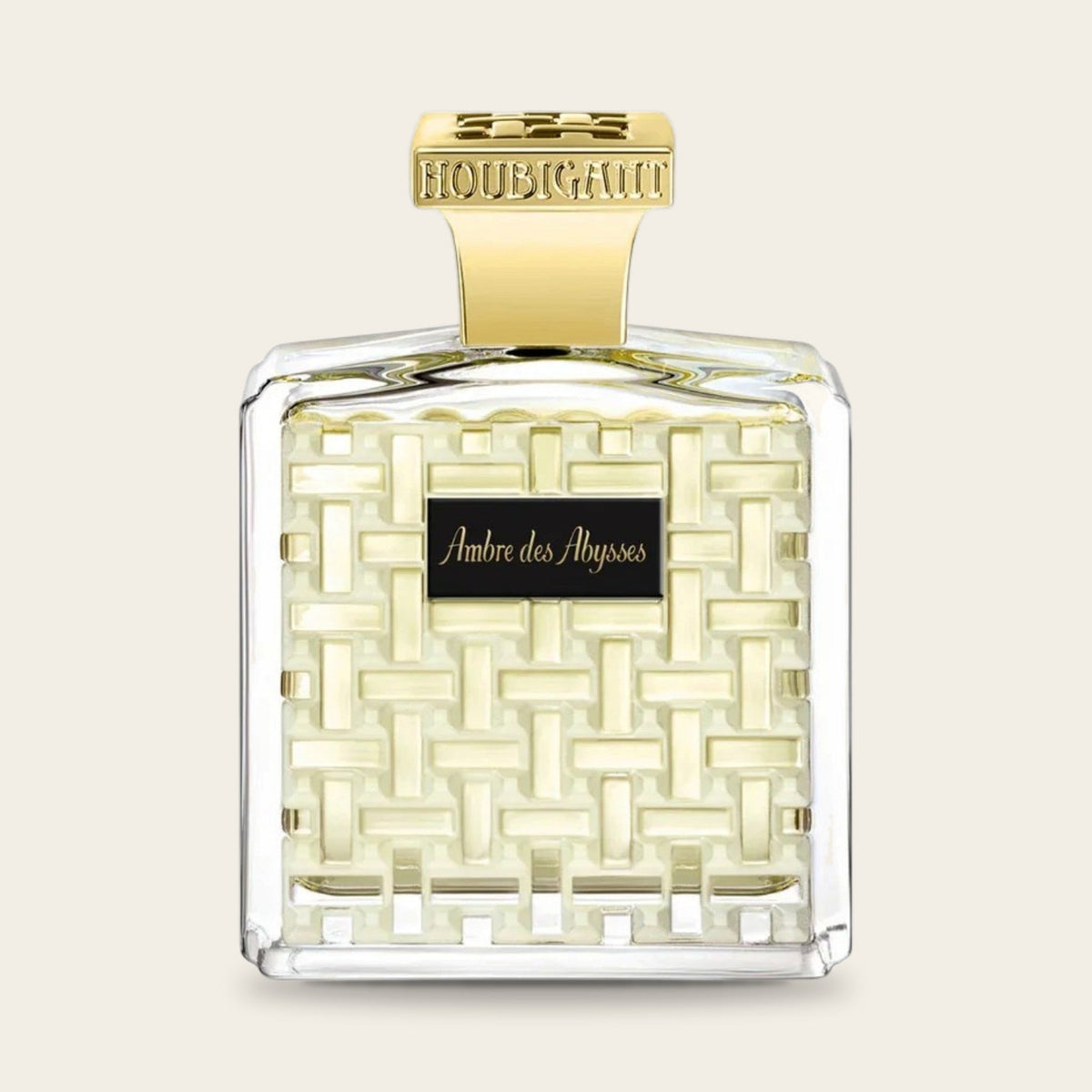
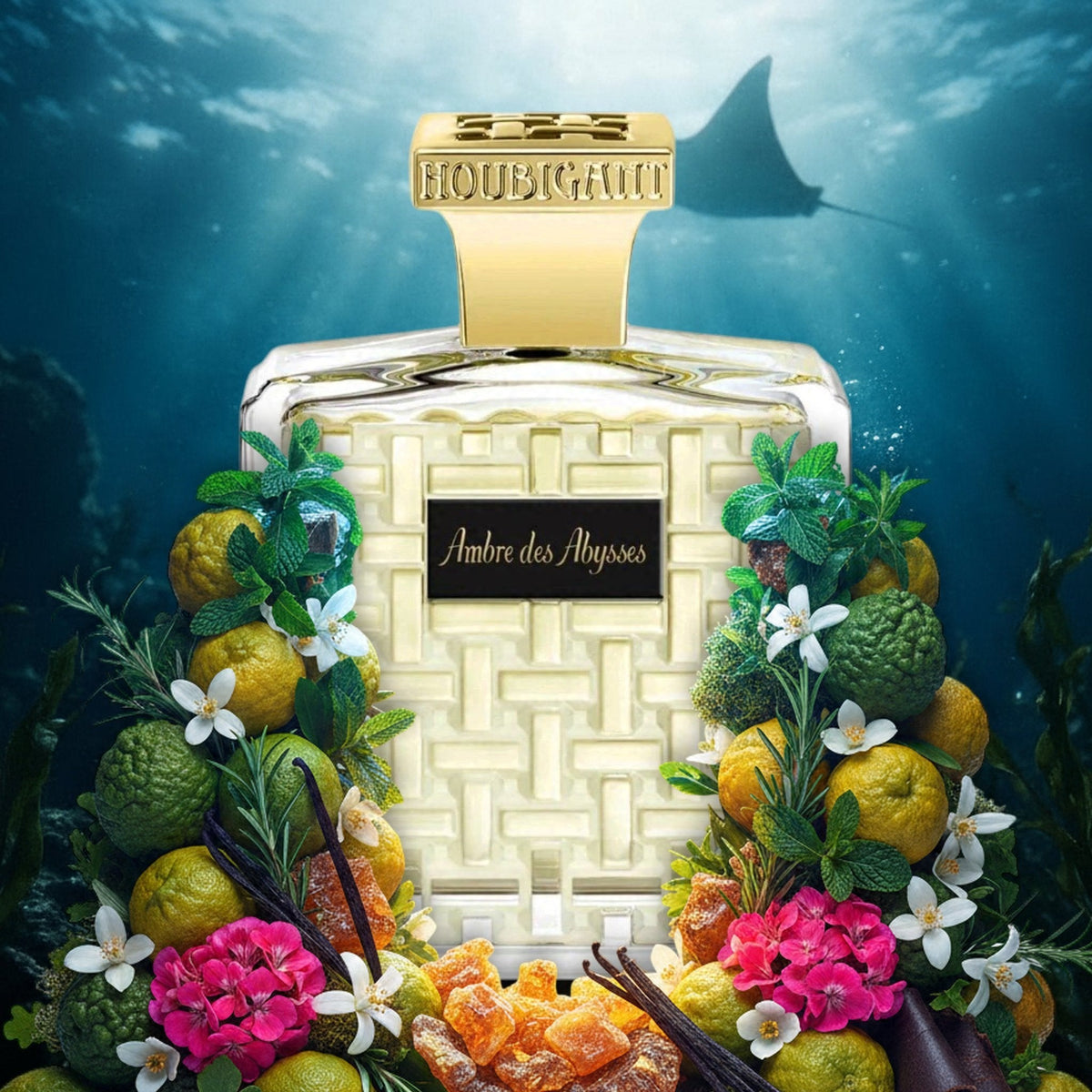
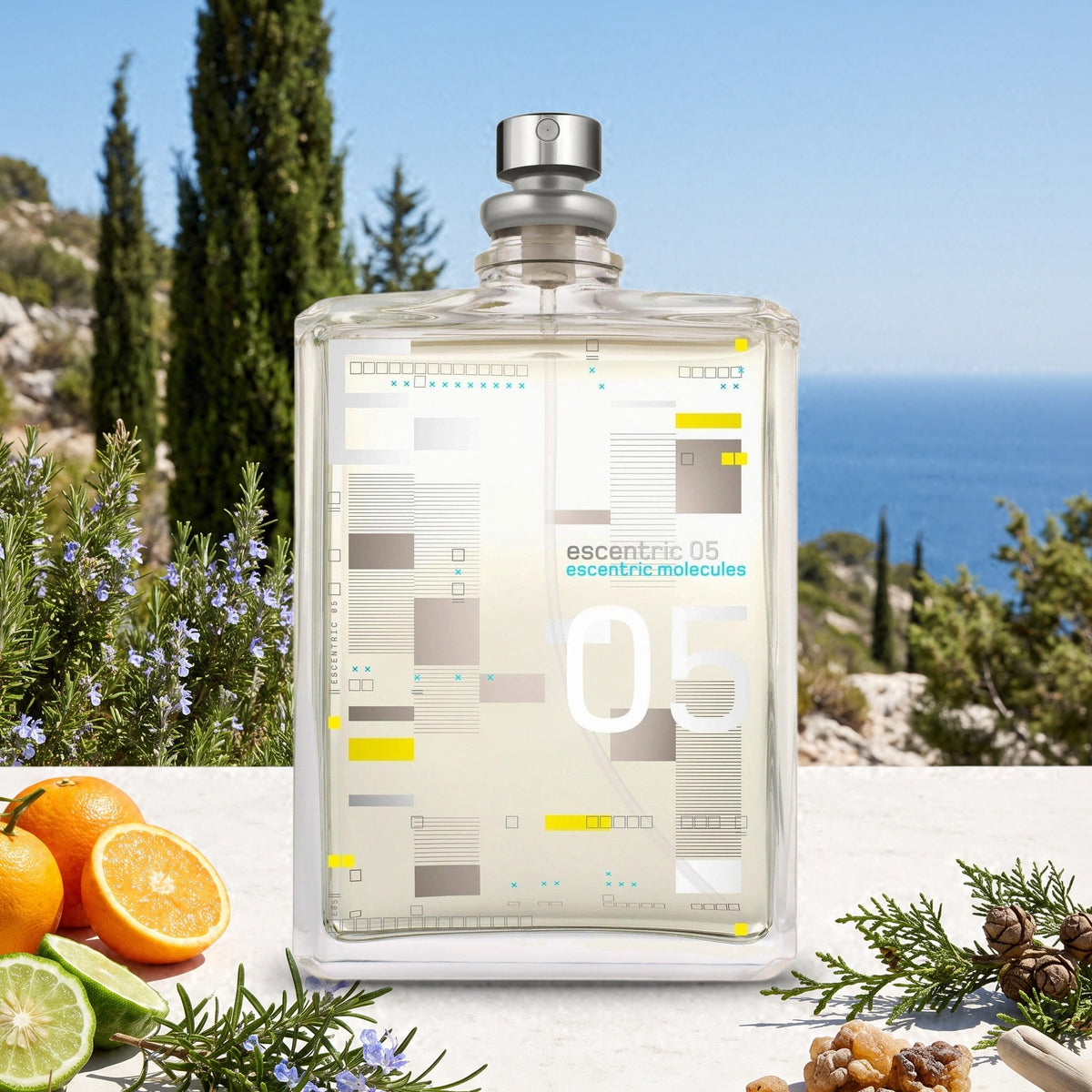
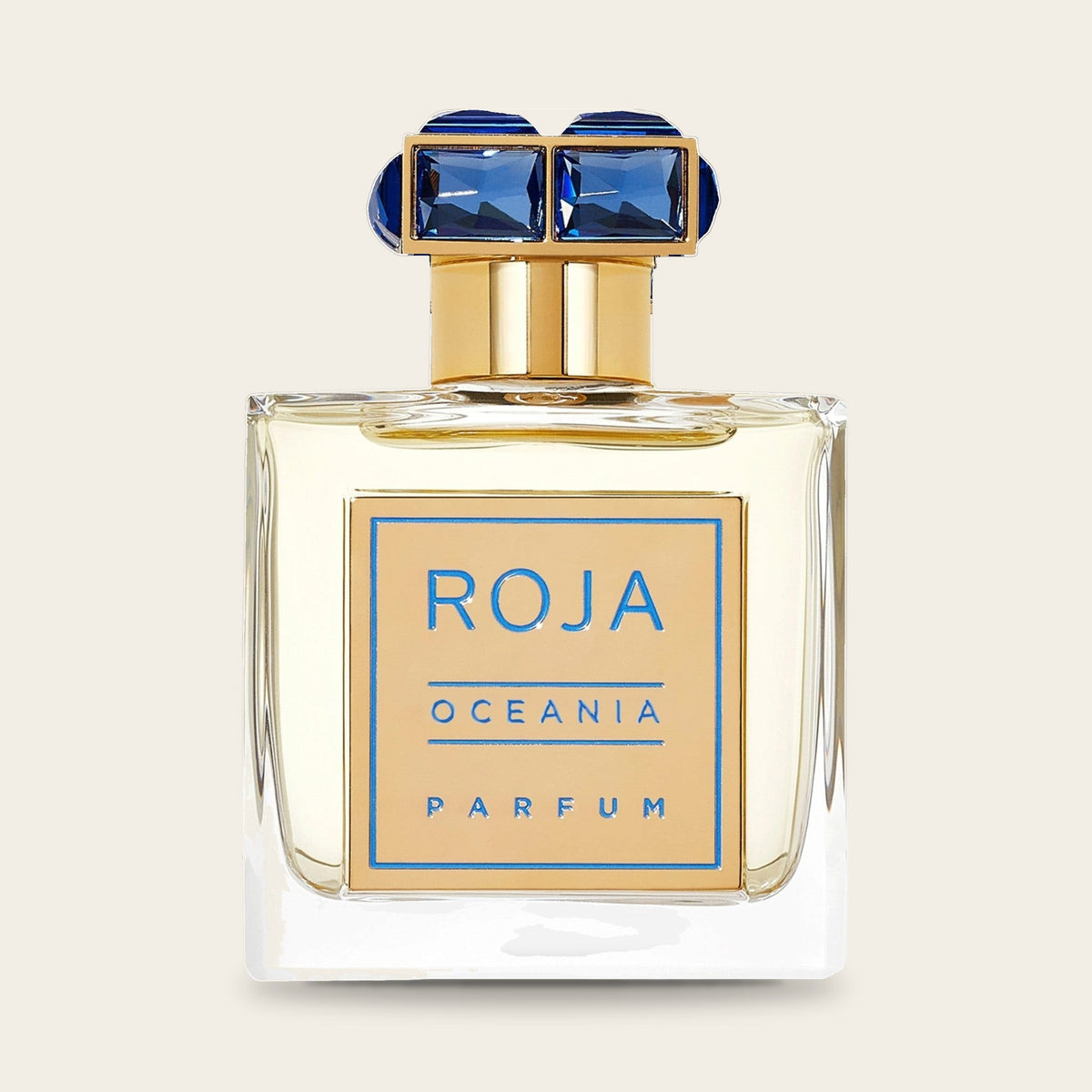
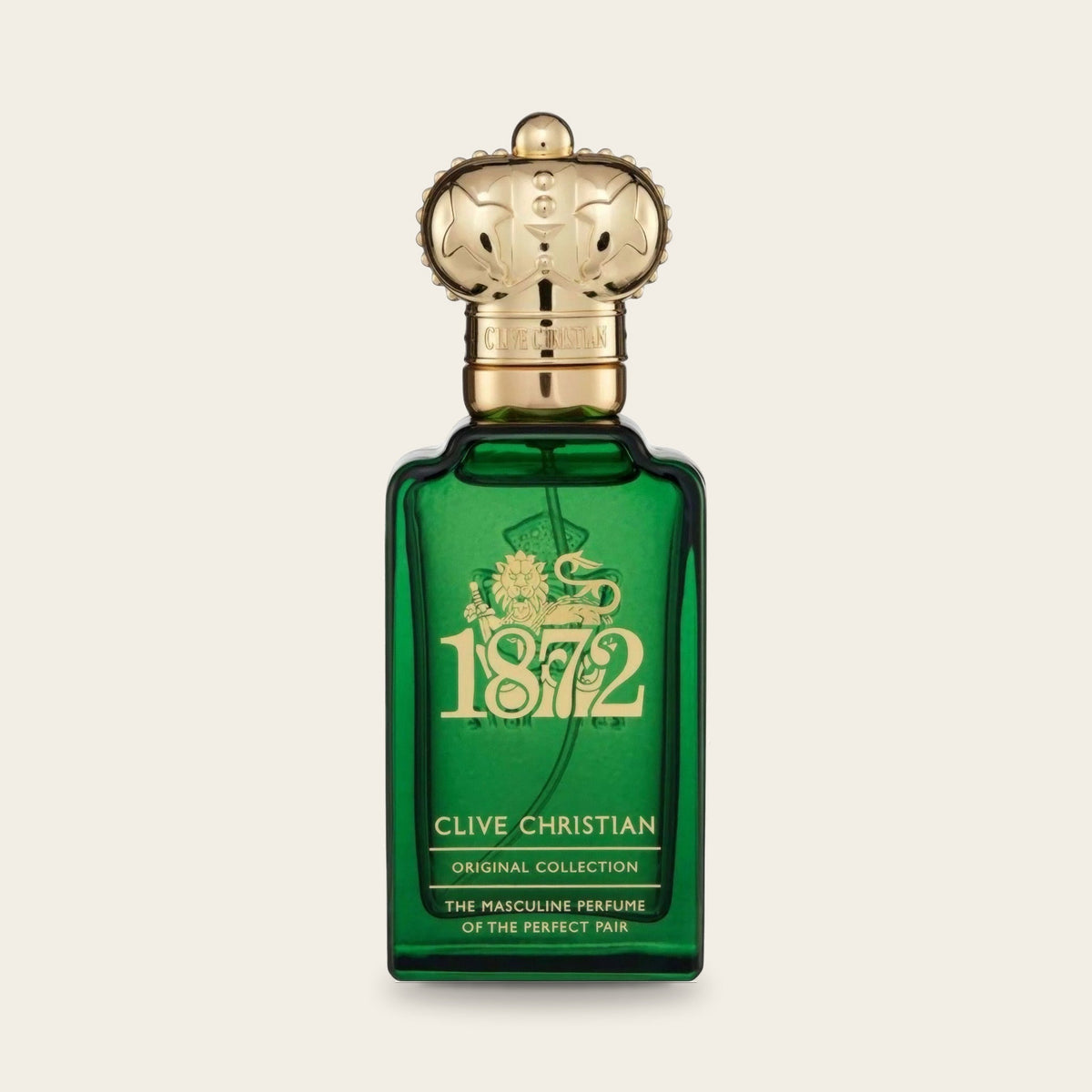
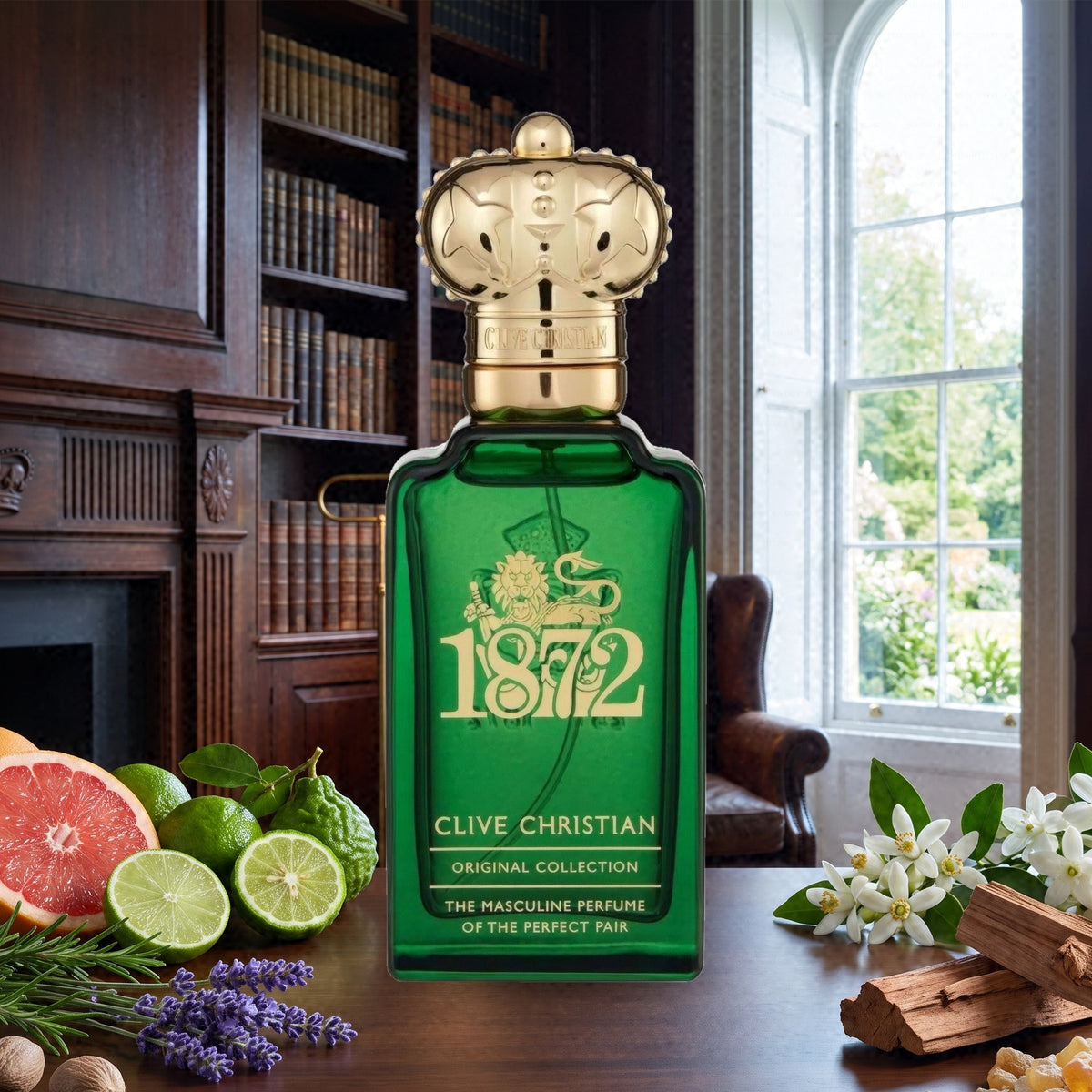
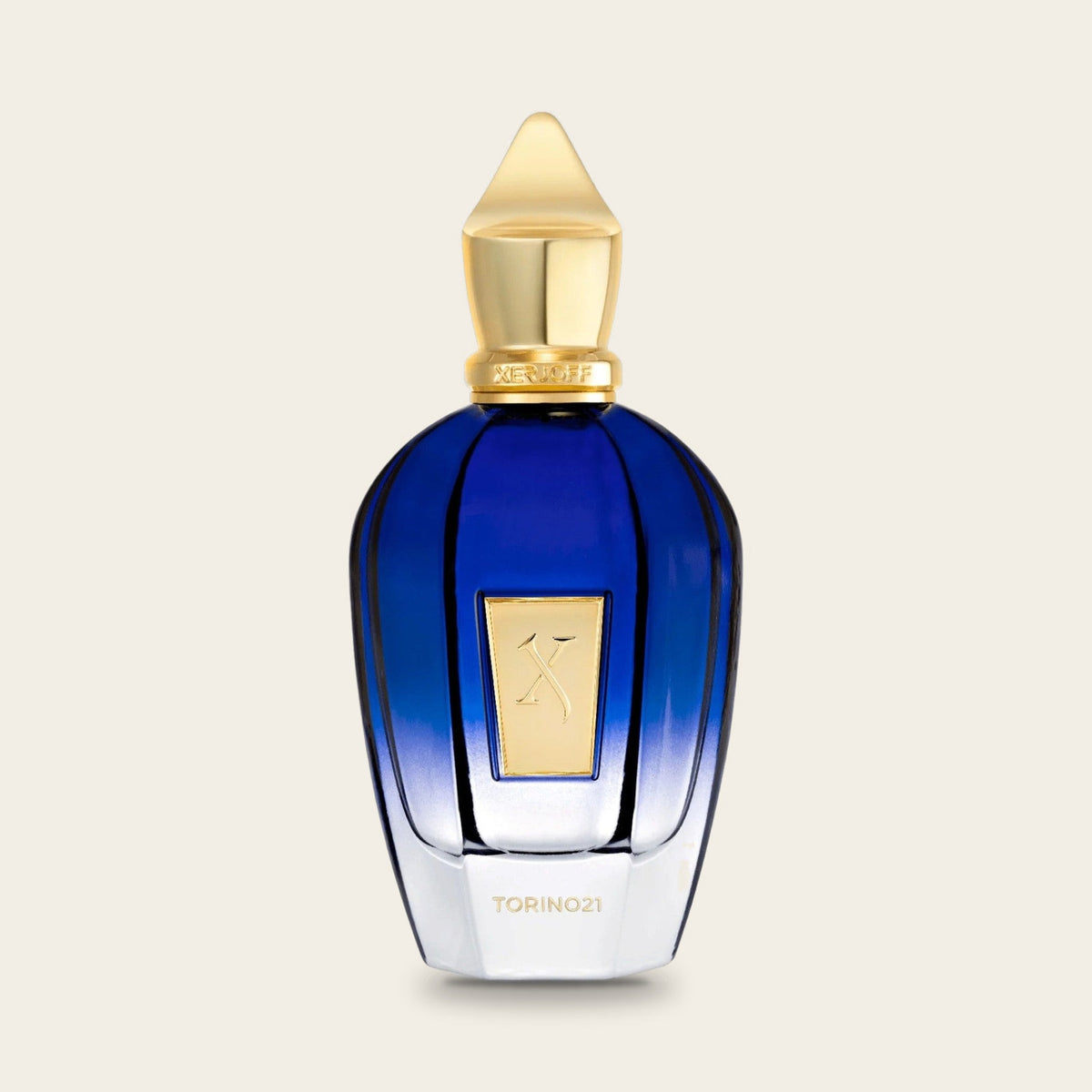
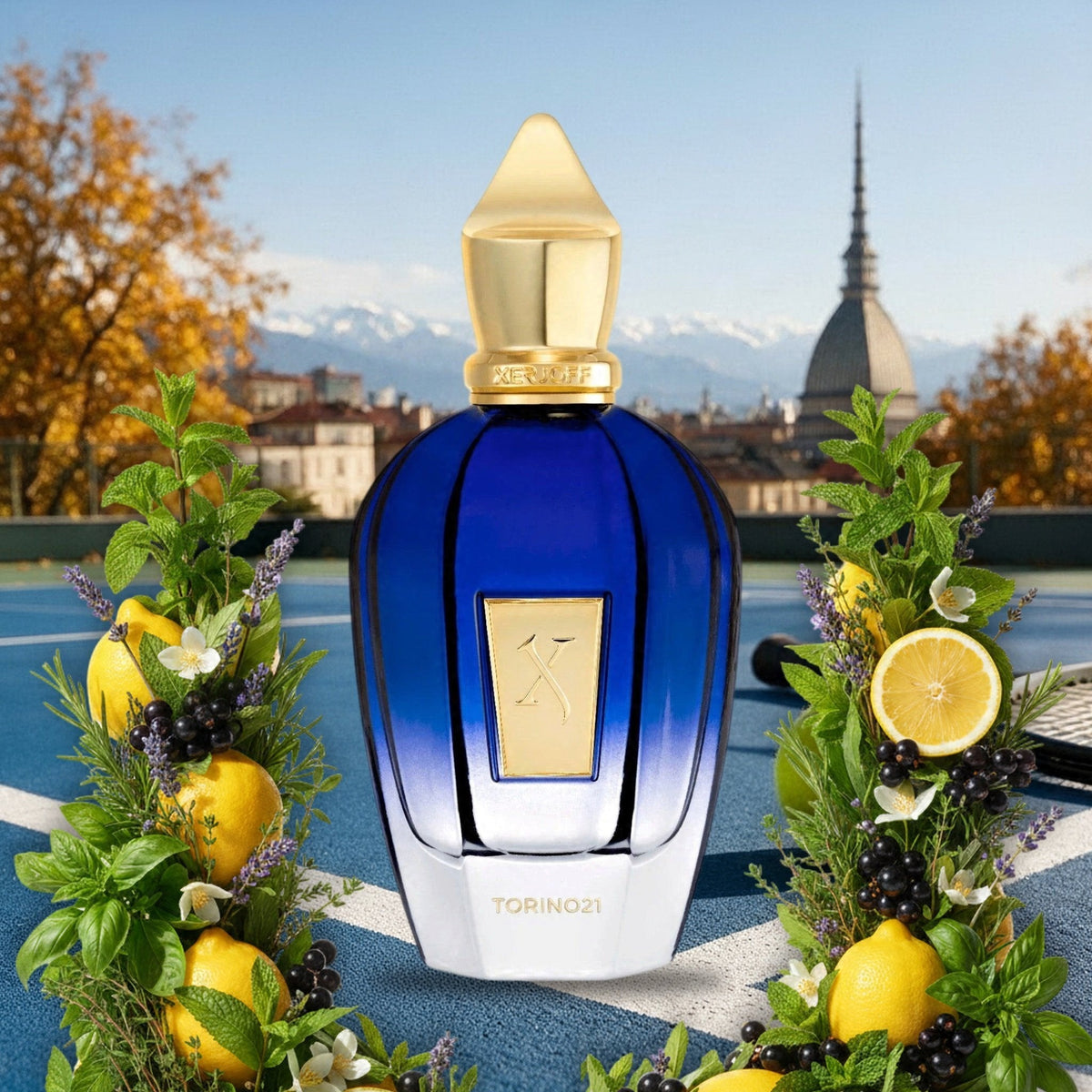
FRAGRANCES WITH ROSEMARYINGREDIENT GLOSSARY
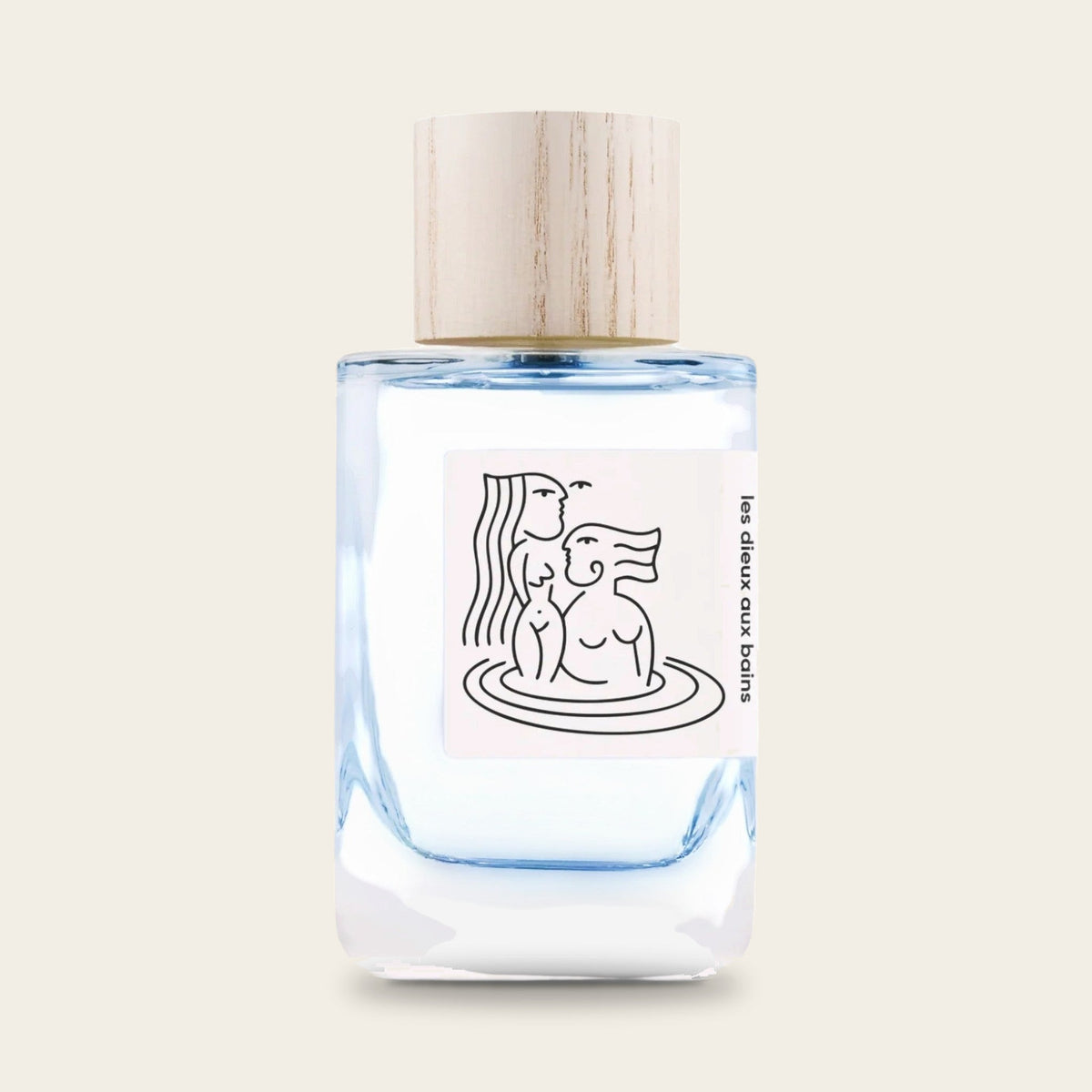
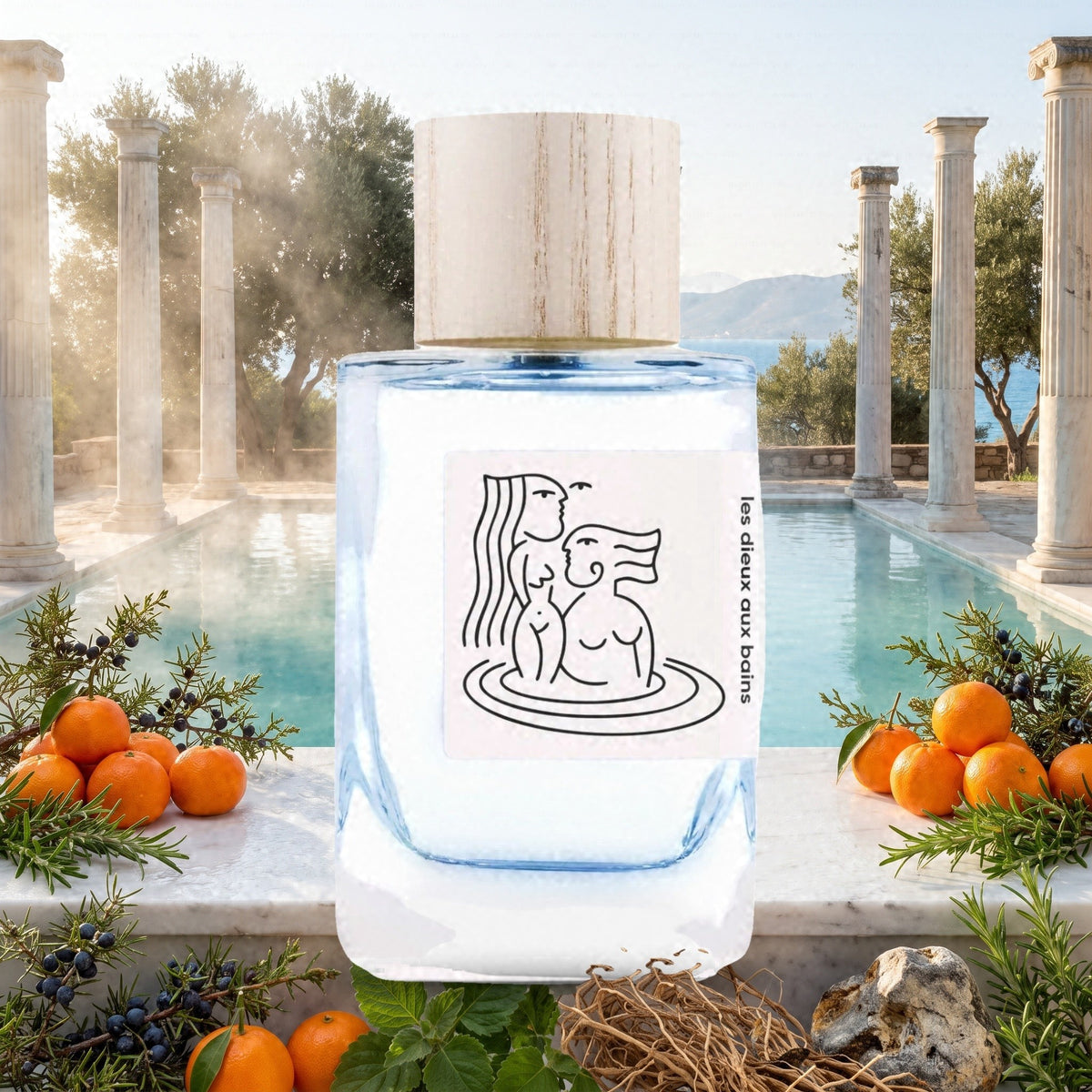
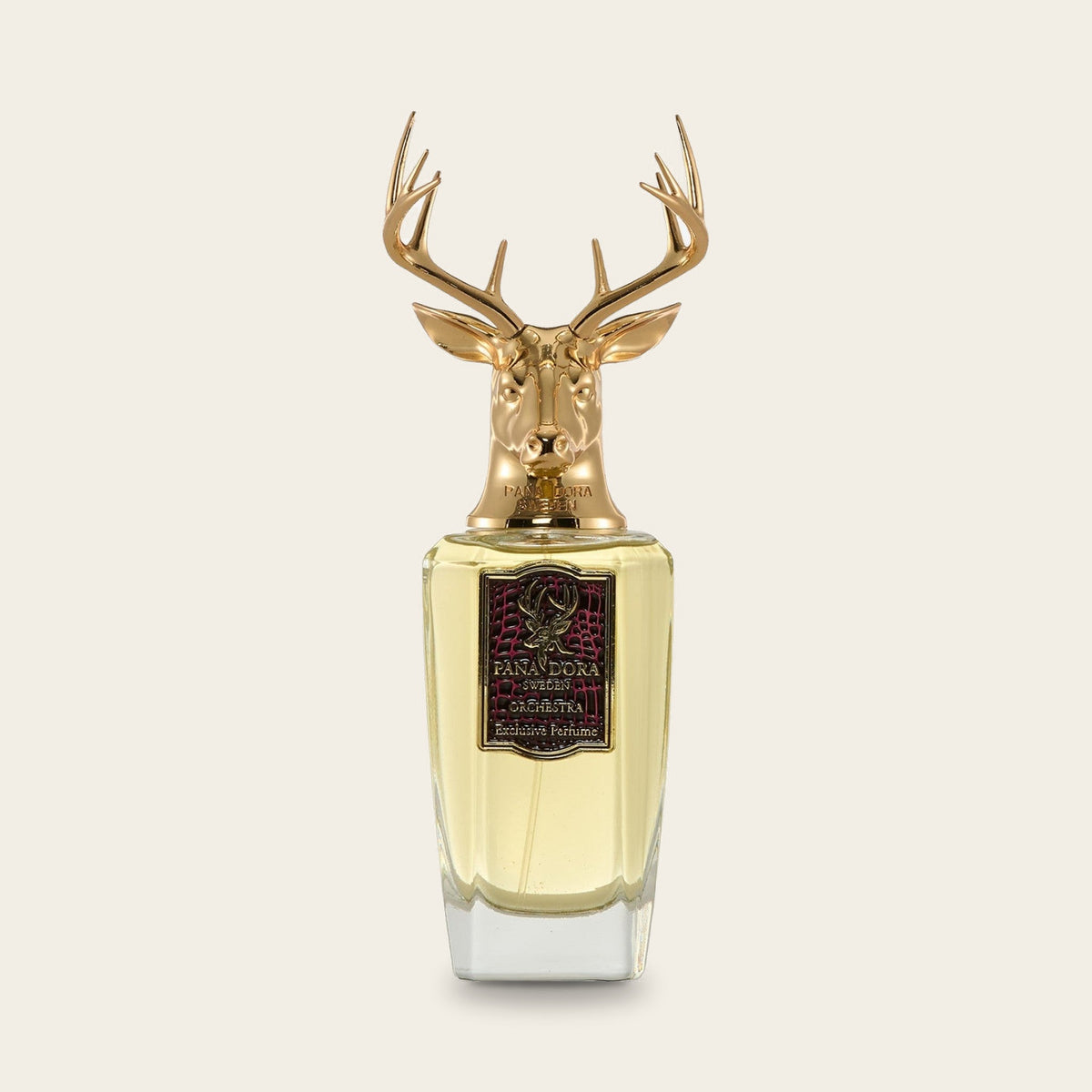
Fragrances with Rosemary







Questions and answers
Fresh, camphoraceous and resinous-herbal, with a cooling, eucalyptus-like clarity and a slightly woody undertone.
Rosemary is an evergreen shrub of the mint family and grows wild all around the Mediterranean – from Portugal, Spain and Morocco via southern France, Corsica and Sardinia to Greece, Tunisia and Türkiye. Since DNA studies, it has been classed botanically as a sage and is now called Salvia rosmarinus; the former genus Rosmarinus has been merged into Salvia. For perfumery, two origins matter most, and an international standard even describes them separately: the oil from Tunisia and Morocco and the oil from Spain.
Rosemary oil is obtained by steam distillation: hot steam flows through the cut twigs and flowering tips, releases the aroma compounds from the oil glands of the leaves, and once cooled, the oil separates from the water. The yield is usually around half a per cent to just over one per cent of the fresh herb. How the oil smells depends heavily on the chemotype – that is, on which molecule dominates in a given plant population: oils from Tunisia and Morocco are rich in 1,8-cineole, Spanish oils contain camphor, α-pinene and cineole in similar proportions, and rosemary from Corsica and Sardinia yields a verbenone type.
Rosemary gives a composition a clear, cool, aromatic freshness that shapes the opening above all and reaches into the heart. For centuries it has belonged to the family of eau de cologne fragrances, where it lends citrus notes, neroli and lavender a herbal tension. In aromatic and woody fragrances it pairs well with lavender, juniper, citrus and vetiver, giving them a clean, Mediterranean dryness. In our range, rosemary appears in 14 fragrances – in the top note of 8 and the heart note of 6.
Aromatic · Herbal-camphoraceous · Top note, also heart
Rosemary is evergreen and flowers from spring to summer, occasionally into autumn; as an essential oil it is available all year round.
In our fragrances, it often appears alongside Patchouli, Vetiver, Bergamot, Jasmine, Juniper, Lavender, Musk.
Rosemary is one of Europe’s oldest fragrant plants. For a long time it stood for remembrance and fidelity and was handed out at weddings as well as funerals; in Shakespeare, Ophelia offers rosemary with the words “that’s for remembrance”. Particularly important for perfumery is “Hungary water”, dated to the 14th century and regarded as one of Europe’s first alcohol-based scented waters: a distillate made chiefly from rosemary. The legend that it was created for a Hungarian queen is unproven. In the 18th century eau de cologne appeared – and its classic recipes, too, contain rosemary oil alongside citrus, neroli and lavender.
- Botanically, rosemary is now a sage: DNA studies showed that the former genus Rosmarinus sits within Salvia – hence the name Salvia rosmarinus.
- Verbenone, the defining molecule of Corsican rosemary oil, is also a natural signal that keeps bark beetles away from pine trees – and forestry uses it for exactly that purpose.
- Rosemary is found in food, too: as the additive E 392, rosemary extract protects fats from turning rancid.
The oil is dominated by 1,8-cineole (C₁₀H₁₈O, PubChem CID 2758), α-pinene (C₁₀H₁₆, CID 6654) and camphor (C₁₀H₁₆O, CID 2537), in ratios that vary with chemotype and growing site. 1,8-cineole, also known as eucalyptol, is a bicyclic ether with a fresh, camphor-like odour and often makes up more than 40% of the oil from Tunisia and Morocco. In the Spanish type, camphor, α-pinene and 1,8-cineole each account for roughly a fifth to a quarter. Rosemary from Corsica and Sardinia additionally forms verbenone (C₁₀H₁₄O, CID 65724), a bicyclic ketone with a softer, herbal profile. The international standard ISO 1342 therefore describes two commercial types separately: the Tunisian-Moroccan and the Spanish.
FRAGRANCE KNOWLEDGE
In the 4D Journal
-
 FRAGRANCE KNOWLEDGE
Rose in perfume: The queen of fragrance materials
READ ARTICLE
-
 FRAGRANCE KNOWLEDGE
Vanilla in perfume: From orchid to favourite scent
READ ARTICLE
-
 FRAGRANCE KNOWLEDGE
Leather in perfume: How does something smell that was never in the bottle?
READ ARTICLE
-
 FRAGRANCE KNOWLEDGE
Scented candles & home fragrance: How to use them right
READ ARTICLE