
INGREDIENT GLOSSARY
Tobacco flowers
Nicotiana alata · Nicotiana sylvestris · Nightshade family (Solanaceae)
Sweet, heavy and jasmine-like, with a warm, slightly spicy veil that only fully unfolds at dusk.
NATURALFLORAL · WHITE FLOWERS · BASE NOTE
AT A GLANCE
- Plant: ornamental tobaccos Nicotiana alata and Nicotiana sylvestris, members of the nightshade family
- Origin: South America – southern Brazil and the Andes of Bolivia and Argentina
- Extraction: rare absolute from tobacco flowers – also recreated as an accord
- Scent: sweet, heavy, jasmine-like, strongest in the evening – base and heart note
PROFILE
- Origin
- South America: Nicotiana alata mainly from southern and south-eastern Brazil · Nicotiana sylvestris from the Andes of Bolivia and north-western Argentina · now widespread as garden plants
- Extraction
- Rare: solvent extraction of tobacco flowers to an absolute – also recreated as an accord
- Main molecules
- Benzylacetone (C₁₀H₁₂O)
- Harvest
- In the northern hemisphere ornamental tobaccos flower from summer into autumn, woodland tobacco often until the first frost.
- Often paired with
- Cedarwood, nutmeg, lemon, oakmoss, patchouli, guaiacwood, coumarin
Numbers that surprise
around 8 cm
is the depth of the flower tube of jasmine tobacco, Nicotiana alata – it is pollinated by night-flying hawkmoths.
up to 1.5 m
is the height woodland tobacco, Nicotiana sylvestris, can reach – its white flowers are fragrant in the evening.
Rounded values; calculation based on published data.
Harvest and season
In the northern hemisphere ornamental tobaccos flower from summer into autumn, woodland tobacco often until the first frost. They release their scent in the evening and at night, when the flowers open. As a raw material tobacco flower is rare, so the note is also recreated as an accord.
Unlike the tobacco leaf, the tobacco flower is a rare perfumery material. Fragrance-material databases list a tobacco flower absolute which – like other absolutes – is obtained by solvent extraction; most name cultivated tobacco, Nicotiana tabacum, as the source plant. This absolute is hardly available and expensive, because the yield from fresh flowers is low. Perfumers therefore also recreate the note as an accord, from aroma materials that trace the sweet, floral character of the blossom. Sources do not agree on which Nicotiana species is processed in each case.
Knowledge to share
Myth or truth?
Statement 1
Tobacco flowers smell of tobacco.
Myth. The flowers of ornamental tobaccos smell sweet, floral and jasmine-like. The typical tobacco aroma only develops when the leaves are dried and matured after harvest.
Statement 2
Flowering tobacco is most fragrant during the day.
Myth. Ornamental tobaccos such as Nicotiana alata and Nicotiana sylvestris release more scent at night than by day. Their flowers open in the evening – to suit their pollinators, night-flying hawkmoths.
Statement 3
The same moth can both pollinate a tobacco plant and harm it.
True. As moths, hawkmoths of the genus Manduca pollinate the flowers of wild tobacco, while their caterpillars eat the leaves. Wild tobacco responds to caterpillar feeding by opening flowers only in the morning – when hummingbirds pollinate them.
Your result
FRAGRANCES WITH TOBACCO FLOWERSINGREDIENT GLOSSARY
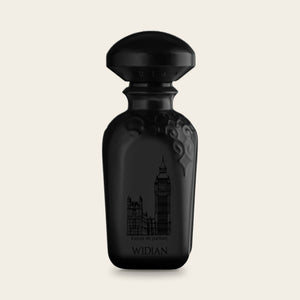
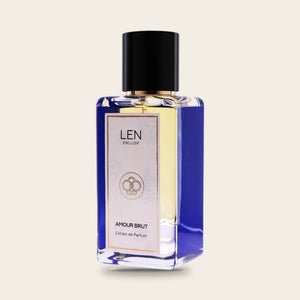
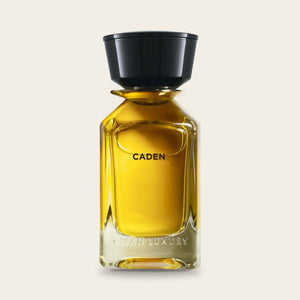
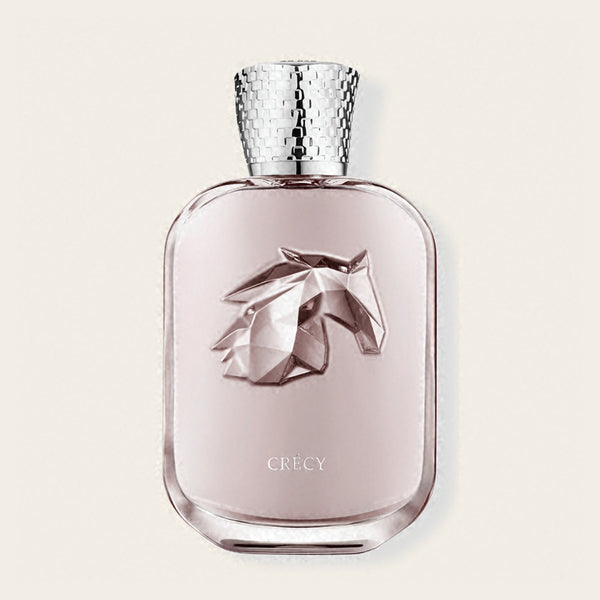
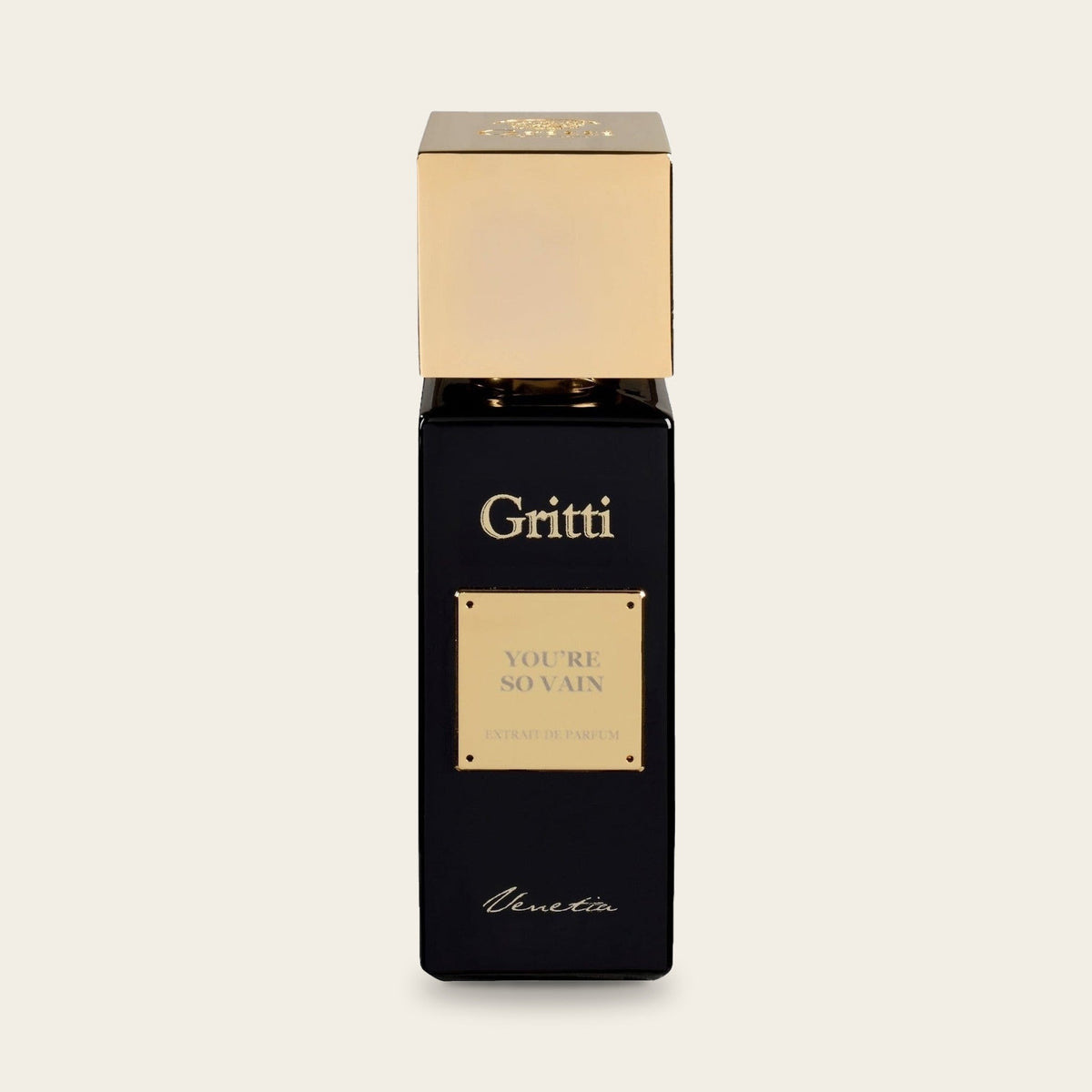
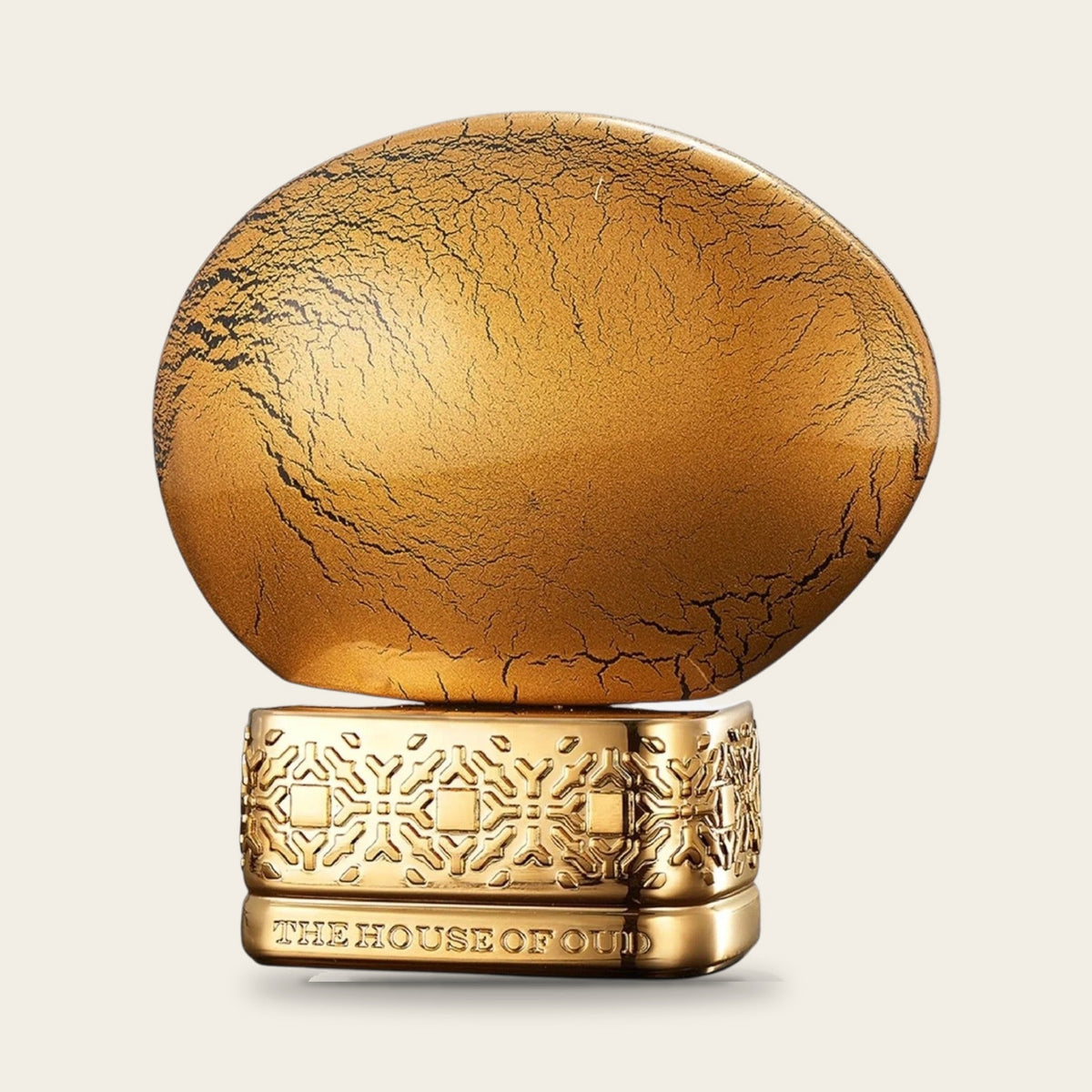
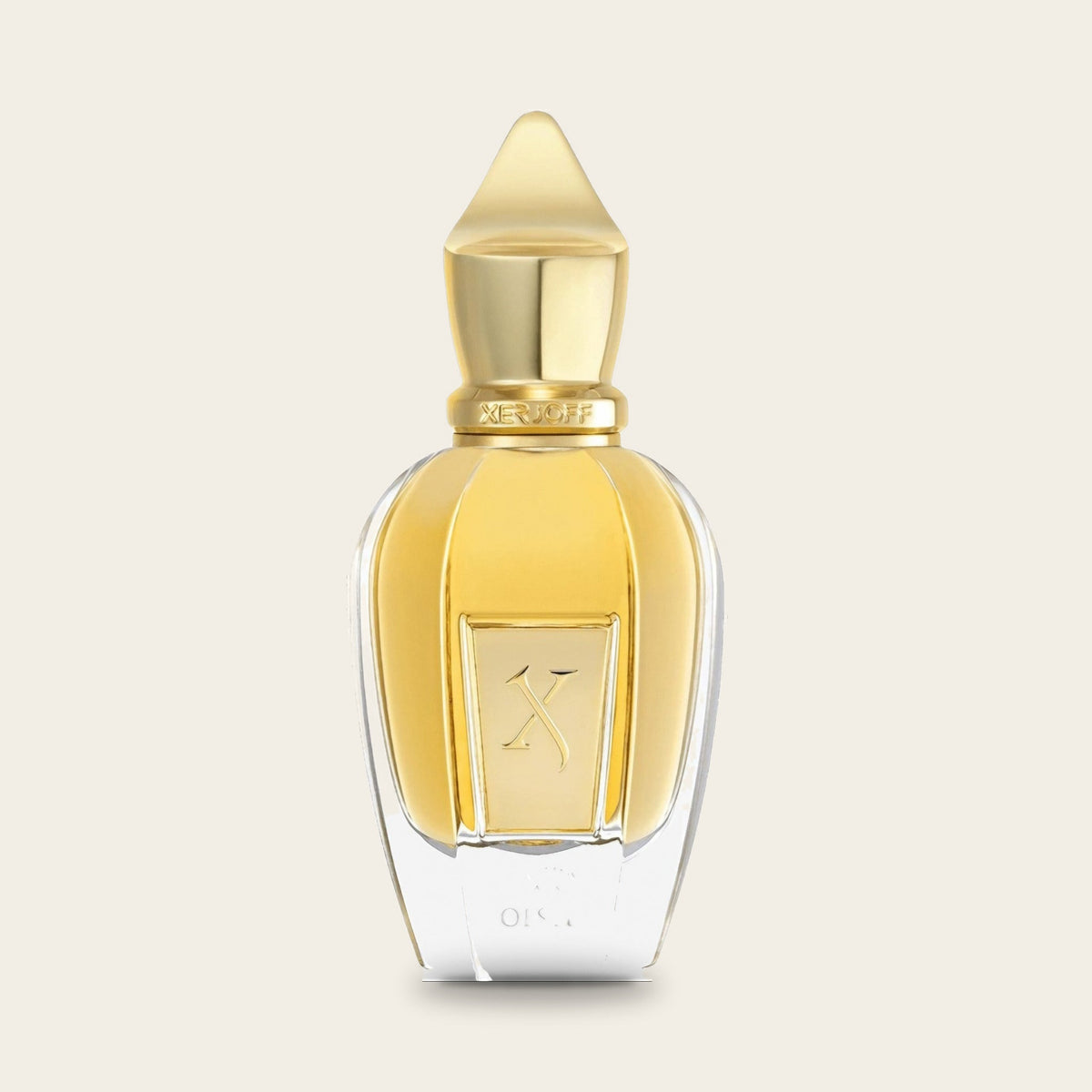
Fragrances with Tobacco flowers


Questions and answers
Sweet, heavy and jasmine-like, with a warm, slightly spicy veil that only fully unfolds at dusk.
Tobacco flowers come from the genus Nicotiana, part of the nightshade family. Two South American ornamental tobaccos above all stand for the floral scent: jasmine tobacco, Nicotiana alata, native mainly to southern and south-eastern Brazil, and woodland tobacco, Nicotiana sylvestris, from the Andes of Bolivia and north-western Argentina. Both bear white, long tubular flowers with a flared, star-shaped mouth. Their flowers open in the evening and are more fragrant at night than by day – a signal to night-flying hawkmoths, their pollinators.
Unlike the tobacco leaf, the tobacco flower is a rare perfumery material. Fragrance-material databases list a tobacco flower absolute which – like other absolutes – is obtained by solvent extraction; most name cultivated tobacco, Nicotiana tabacum, as the source plant. This absolute is hardly available and expensive, because the yield from fresh flowers is low. Perfumers therefore also recreate the note as an accord, from aroma materials that trace the sweet, floral character of the blossom. Sources do not agree on which Nicotiana species is processed in each case.
Tobacco flower brings a sweet, heavy white-flower note to a composition, reminiscent of jasmine but warmer and slightly spicy. Its character belongs to the evening: soft, a little narcotic, with a darker shimmer than fresh spring flowers. It often sits surprisingly deep, in the base, lending warm woody or amber notes a floral, nocturnal tint; in the heart it bridges bright opening notes and other white flowers. In our range, tobacco flowers appear in 5 fragrances, three times in the base and twice in the heart.
Floral · White flowers · Base note, also heart note
In the northern hemisphere ornamental tobaccos flower from summer into autumn, woodland tobacco often until the first frost. They release their scent in the evening and at night, when the flowers open. As a raw material tobacco flower is rare, so the note is also recreated as an accord.
In our fragrances, it often appears alongside Cedarwood, nutmeg, lemon, oakmoss, patchouli, guaiacwood, coumarin.
The fragrant ornamental tobaccos reached gardens in the 19th century. Jasmine tobacco was taken into cultivation in England early in the century, prized for its white flowers that only open in the evening. Woodland tobacco followed from Argentina at the end of the century. Tobacco flower scent still occupies researchers today: in 2007, working on wild tobacco in Utah's Great Basin, scientists observed that plants attacked by caterpillars open their flowers at a different time of day.
- The tobacco hornworm moth, Manduca sexta, is both friend and foe to tobacco plants: as a moth it pollinates the flowers, as a caterpillar it eats the leaves.
- Nicotiana alata translates as ‘winged tobacco’ – after the plant's winged leaf stalks.
- Victorian gardeners planted woodland tobacco along paths – so that people strolling by could enjoy its scent in the evening.
How tobacco flowers produce their scent has been studied most closely in wild coyote tobacco, Nicotiana attenuata, from the western United States. The main constituent of its floral scent is benzylacetone (4-phenylbutan-2-one, C₁₀H₁₂O, PubChem CID 17355). The flower releases it in the evening as its mouth opens, attracting hawkmoths of the genus Manduca. When their caterpillars feed on the plant, many flowers only open at dawn and release hardly any benzylacetone – and hummingbirds come instead of moths. For ornamental tobaccos such as Nicotiana alata and Nicotiana sylvestris, too, measurements show that they release more scent at night than by day.
FRAGRANCE KNOWLEDGE
In the 4D Journal
-
 FRAGRANCE KNOWLEDGE
Rose in perfume: The queen of fragrance materials
READ ARTICLE
-
 FRAGRANCE KNOWLEDGE
Vanilla in perfume: From orchid to favourite scent
READ ARTICLE
-
 FRAGRANCE KNOWLEDGE
Leather in perfume: How does something smell that was never in the bottle?
READ ARTICLE
-
 FRAGRANCE KNOWLEDGE
Scented candles & home fragrance: How to use them right
READ ARTICLE